
橙子Joyce
345 Posts

橙子Joyce
 Square Verified+
价值投资者:以十年为单位投资美股及BTC.ETH.BNB.SOL.推特X:@Joyce88ai
Frequent Trader
8.7 Years
794 Following
34.4K+ Followers
42.5K+ Liked
Posts
All
Quotes
Videos
Live
PINNED

AAPLUS+0.70%

慢就是快Mike
·
--
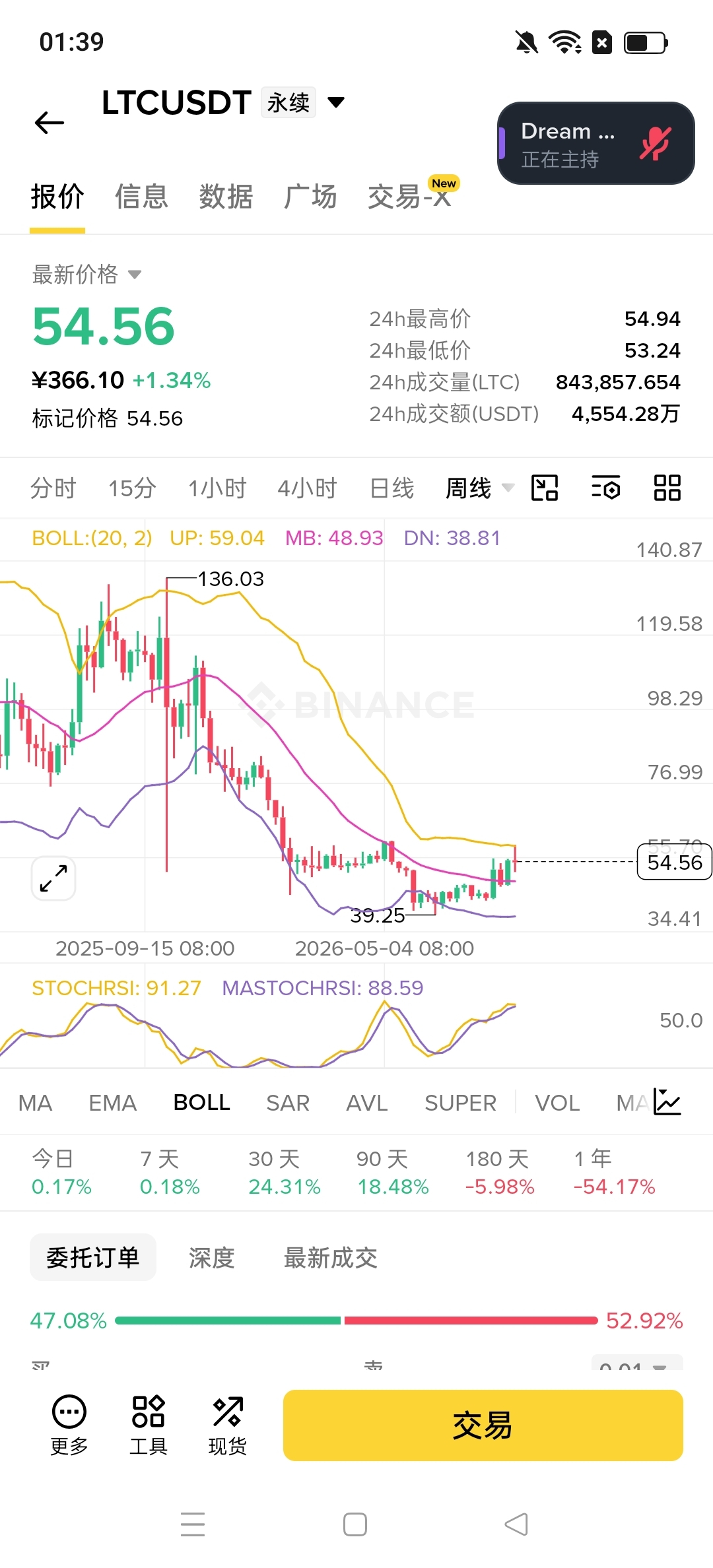
$LTC Grayscale makes another move—will LTC become the next ZEC?
On September 11, Grayscale filed an S-3/A amendment with the SEC. The plan is to convert the Litecoin trust into a Grayscale Litecoin Trust ETF, with the code unchanged—still LTCN. The listing venue will move from the OTC to NYSE Arca.
When the news came out, I checked the LTC price action—there was no reaction. That’s normal. For something like this, people who understand it already knew. People who don’t just glance at the headline and scroll past.
On September 11, Grayscale filed an S-3/A amendment with the SEC. The plan is to convert the Litecoin trust into a Grayscale Litecoin Trust ETF, with the code unchanged—still LTCN. The listing venue will move from the OTC to NYSE Arca.
When the news came out, I checked the LTC price action—there was no reaction. That’s normal. For something like this, people who understand it already knew. People who don’t just glance at the headline and scroll past.

帮帮Bonnie
·
--
Allow everything to happen, allow yourself to let go. No torment, no internal friction.
Allow everything to happen, allow yourself to let go. No torment, no internal friction.
#全网爆仓6.74亿美元
Allow everything to happen, allow yourself to let go. No torment, no internal friction.
#全网爆仓6.74亿美元

@帮帮Bonnie
is speaking[LIVE] 🎙️ With a new week underway, rivers and mountains are all red—how will the market trend this week?
3k listens

花涧空
·
--
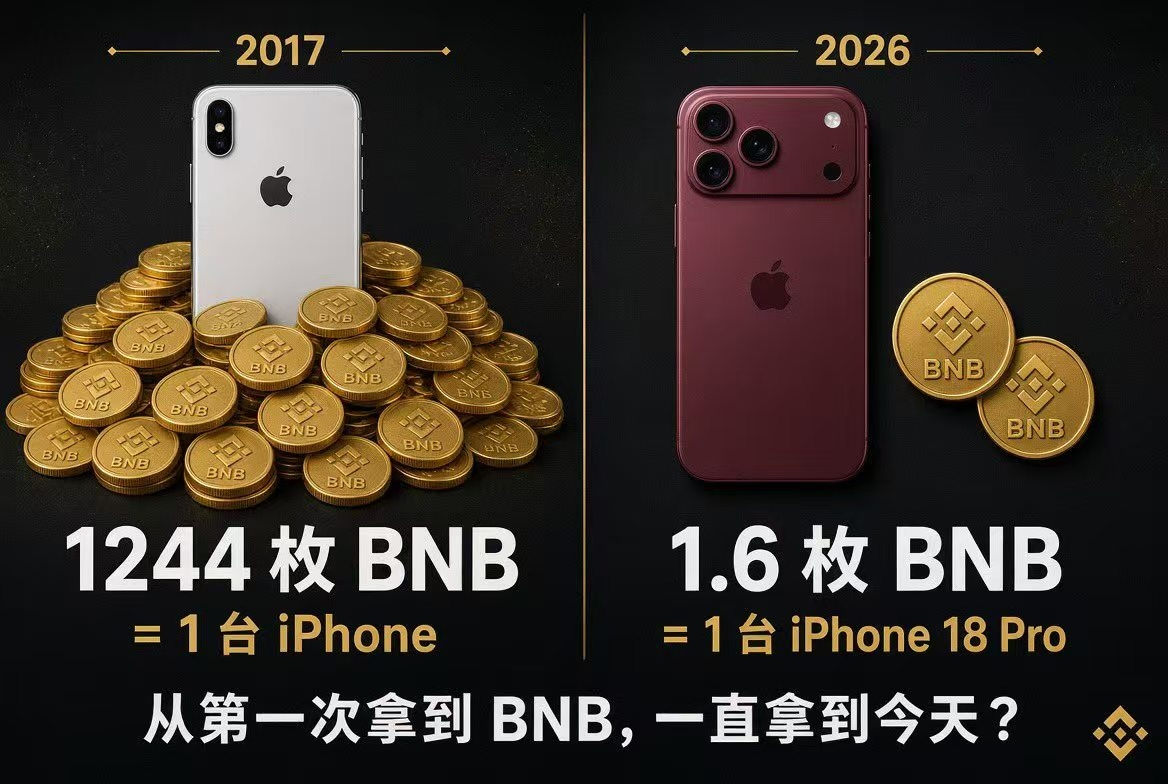
Nine years ago, if you sold the new iPhone and swapped it for BNB, then today you could buy 777 iPhone 18s.
One phone— and a phone for an entire village.
It all comes down to that one decision. If back then you had sold it, each person in the village would get one; you could sit in the first seat at banquets for years.
The coolest guy isn’t the one with luck—it's the one whose un-sold phone never got sold.
Today I’m getting ready to sell one more.
Swap it for BNB and lock it for 9 years.
In 9 years, use this money to buy the new model from back then, and give it to the friends who commented and followed this post below!
Will you comment, or will you keep being the person with the phone that didn’t get sold? $BNB
One phone— and a phone for an entire village.
It all comes down to that one decision. If back then you had sold it, each person in the village would get one; you could sit in the first seat at banquets for years.
The coolest guy isn’t the one with luck—it's the one whose un-sold phone never got sold.
Today I’m getting ready to sell one more.
Swap it for BNB and lock it for 9 years.
In 9 years, use this money to buy the new model from back then, and give it to the friends who commented and followed this post below!
Will you comment, or will you keep being the person with the phone that didn’t get sold? $BNB

白鲨观点马来西亚
·
--
a16z buys HYPE like crazy—what are institutions betting on?
a16z has added to its HYPE position again. It now holds 5.2 million tokens, at an average cost of $67, with an unrealized profit of about $95 million. A week ago, it just bought more than 800,000 tokens—so this is another add.
Institutional crypto buying is different from retail—retail looks at the K-line and chases pumps and sells dumps, while institutions look at roadmap and positioning, betting on the right track.
On this Hyperliquid track, the core bet is essentially: "can decentralized derivatives eat into the share of centralized exchanges?"
It’s like when e-commerce first took off—some people thought it was just small-scale play, while others had already gone heavy on logistics infrastructure.
But here’s the question: a correct track doesn’t necessarily mean the right asset. a16z’s unrealized profit is nearly $100 million. Its cost is $67; now the price is $85. Just because it’s making money doesn’t mean you who enter now can make money too. It can hold for three years until the industry realizes. You might not even survive a drawdown within three days.
Institutional crypto buying is allocation; retail crypto buying is gambling. The same asset, different buyers—the logic is completely different. Don’t assume things are safe just because institutions move in. They’re here to build a position; you’re here to be the exit liquidity. Between those two is multiple bull-bear cycles.
What other tracks are worth watching that institutions are heavily backing? I’ve put together an observation checklist. We’ll discuss it slowly in the chat so you can understand the large capital’s positioning logic.
a16z has added to its HYPE position again. It now holds 5.2 million tokens, at an average cost of $67, with an unrealized profit of about $95 million. A week ago, it just bought more than 800,000 tokens—so this is another add.
Institutional crypto buying is different from retail—retail looks at the K-line and chases pumps and sells dumps, while institutions look at roadmap and positioning, betting on the right track.
On this Hyperliquid track, the core bet is essentially: "can decentralized derivatives eat into the share of centralized exchanges?"
It’s like when e-commerce first took off—some people thought it was just small-scale play, while others had already gone heavy on logistics infrastructure.
But here’s the question: a correct track doesn’t necessarily mean the right asset. a16z’s unrealized profit is nearly $100 million. Its cost is $67; now the price is $85. Just because it’s making money doesn’t mean you who enter now can make money too. It can hold for three years until the industry realizes. You might not even survive a drawdown within three days.
Institutional crypto buying is allocation; retail crypto buying is gambling. The same asset, different buyers—the logic is completely different. Don’t assume things are safe just because institutions move in. They’re here to build a position; you’re here to be the exit liquidity. Between those two is multiple bull-bear cycles.
What other tracks are worth watching that institutions are heavily backing? I’ve put together an observation checklist. We’ll discuss it slowly in the chat so you can understand the large capital’s positioning logic.


Bilverse
·
--
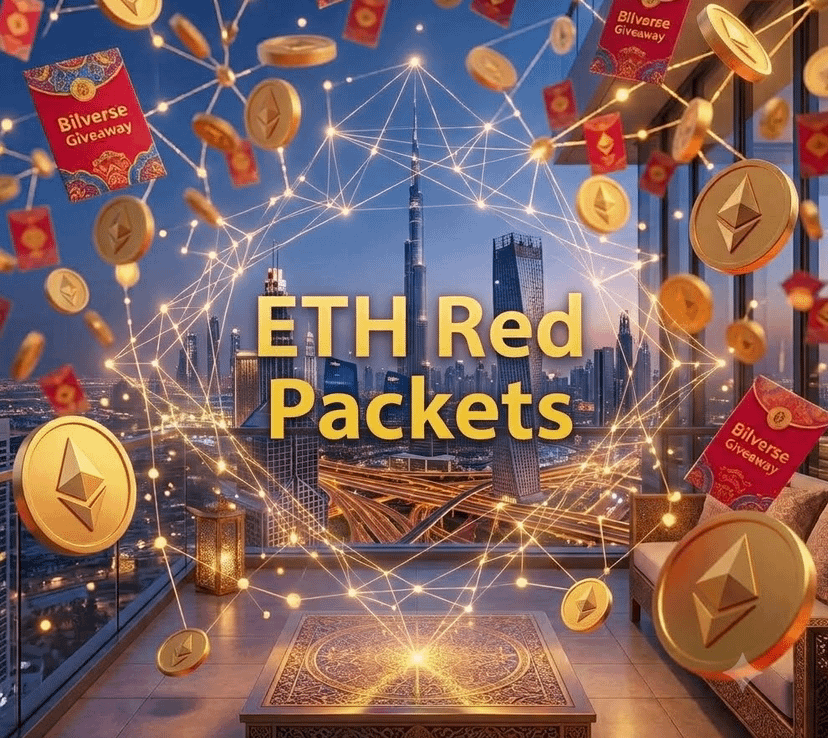
🧧 $ETH RED PACKET HAS LANDED AGAIN. 🧧
Ethereum keeps building.
The community keeps believing.
And this time, we’re giving back. 🧡🔥
💰 Want to catch some ETH? 👀
👇 HOW TO ENTER:
✅ Follow @Bilverse
💬 Comment “ETH” below
❤️ Like + repost this post
No complicated quests. No endless tasks.
Just one simple shot at getting that
notification:
🟢 “You received ETH.” 👀💰
If you’ve been here through the pumps, the dips, the FUD, and the builders…
This red packet is for YOU. 🧧
#ETH #Bilverse #RedPacketMission
Ethereum keeps building.
The community keeps believing.
And this time, we’re giving back. 🧡🔥
💰 Want to catch some ETH? 👀
👇 HOW TO ENTER:
✅ Follow @Bilverse
💬 Comment “ETH” below
❤️ Like + repost this post
No complicated quests. No endless tasks.
Just one simple shot at getting that
notification:
🟢 “You received ETH.” 👀💰
If you’ve been here through the pumps, the dips, the FUD, and the builders…
This red packet is for YOU. 🧧
#ETH #Bilverse #RedPacketMission
CZ_ANUU
·
--
💚💚💚💚💚💚💚💚💚💚💚💚💚💚💚
❤🩹❤🩹❤🩹❤🩹follow me please ❤🩹❤🩹❤🩹❤🩹
🫶🫶🫶🫶🫶🫶🫶🫶🫶🫶🫶🫶🫶🫶🫶
🫵🫵🫵🫵🫵claim reward🫵🫵🫵🫵🫵
🇵🇰🇵🇰🇵🇰🇵🇰🇵🇰🇵🇰🇵🇰🇵🇰🇵🇰🇵🇰🇵🇰🇵🇰🇵🇰🇵🇰🇵🇰
❤🩹❤🩹❤🩹❤🩹follow me please ❤🩹❤🩹❤🩹❤🩹
🫶🫶🫶🫶🫶🫶🫶🫶🫶🫶🫶🫶🫶🫶🫶
🫵🫵🫵🫵🫵claim reward🫵🫵🫵🫵🫵
🇵🇰🇵🇰🇵🇰🇵🇰🇵🇰🇵🇰🇵🇰🇵🇰🇵🇰🇵🇰🇵🇰🇵🇰🇵🇰🇵🇰🇵🇰



BiCy武士
·
--
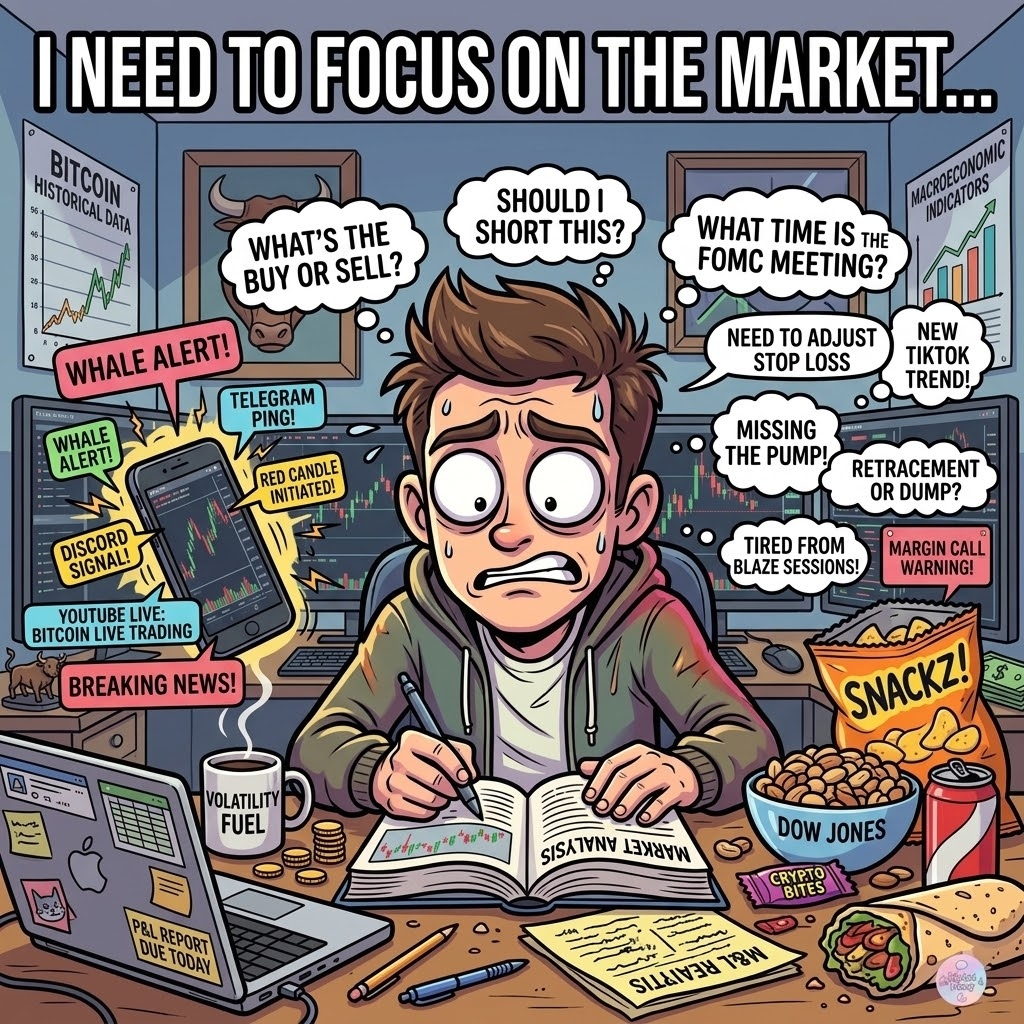
Hesitation and Overthinking in Trading😵💫🧠🎁🧧
Hesitation and overthinking can make trading difficult. Traders may wait for the “perfect” moment, but markets rarely offer certainty.
Planning is important, but too much thinking can lead to missed opportunities or emotional decisions later. Instead of chasing every move, create simple rules: know why you are trading, understand the risk, and decide what would prove your idea wrong.
You will not catch every opportunity—and that is okay. The goal is not perfect timing, but consistent decisions and good risk control.
Trading involves risk. This is educational content, not investment advice.
#Dogecoin #Squar2earn #Binance
Hesitation and overthinking can make trading difficult. Traders may wait for the “perfect” moment, but markets rarely offer certainty.
Planning is important, but too much thinking can lead to missed opportunities or emotional decisions later. Instead of chasing every move, create simple rules: know why you are trading, understand the risk, and decide what would prove your idea wrong.
You will not catch every opportunity—and that is okay. The goal is not perfect timing, but consistent decisions and good risk control.
Trading involves risk. This is educational content, not investment advice.
#Dogecoin #Squar2earn #Binance

Aria Daisy 阿莉娅_黛西
·
--
Bullish🔥 FLOKI Giveaway is LIVE! 🐶🚀
I’m excited to share this 1000 FLOKI giveaway with the Binance community! 💛
Want to be one of the lucky winners? 👀
✅ Follow me
🔁 Repost this post
💬 Comment “9"
Let’s grow together and keep supporting the FLOKI community! 🚀🐕
Good luck everyone! 🍀❤️
#BinanceSquareFamily #GIVEAWAY🎁
$FLOKI $GIGGLE
I’m excited to share this 1000 FLOKI giveaway with the Binance community! 💛
Want to be one of the lucky winners? 👀
✅ Follow me
🔁 Repost this post
💬 Comment “9"
Let’s grow together and keep supporting the FLOKI community! 🚀🐕
Good luck everyone! 🍀❤️
#BinanceSquareFamily #GIVEAWAY🎁
$FLOKI $GIGGLE


寿山福禄Luffy
·
--
Every time I see this photo, I’m reminded of the Gobi Desert—and I just want to go back to that song, “My Loulan.”

Quoted content has been removed

DK短线复刻
·
--
Reply to receive red packets 🎁🎁


Flash闪光灯
·
--
BearishEvery day a package of福利, come follow me
🎁repost my pin post
Claim your gift🎁$ETH
🎁repost my pin post
Claim your gift🎁$ETH




光明社区-红红火火
·
--
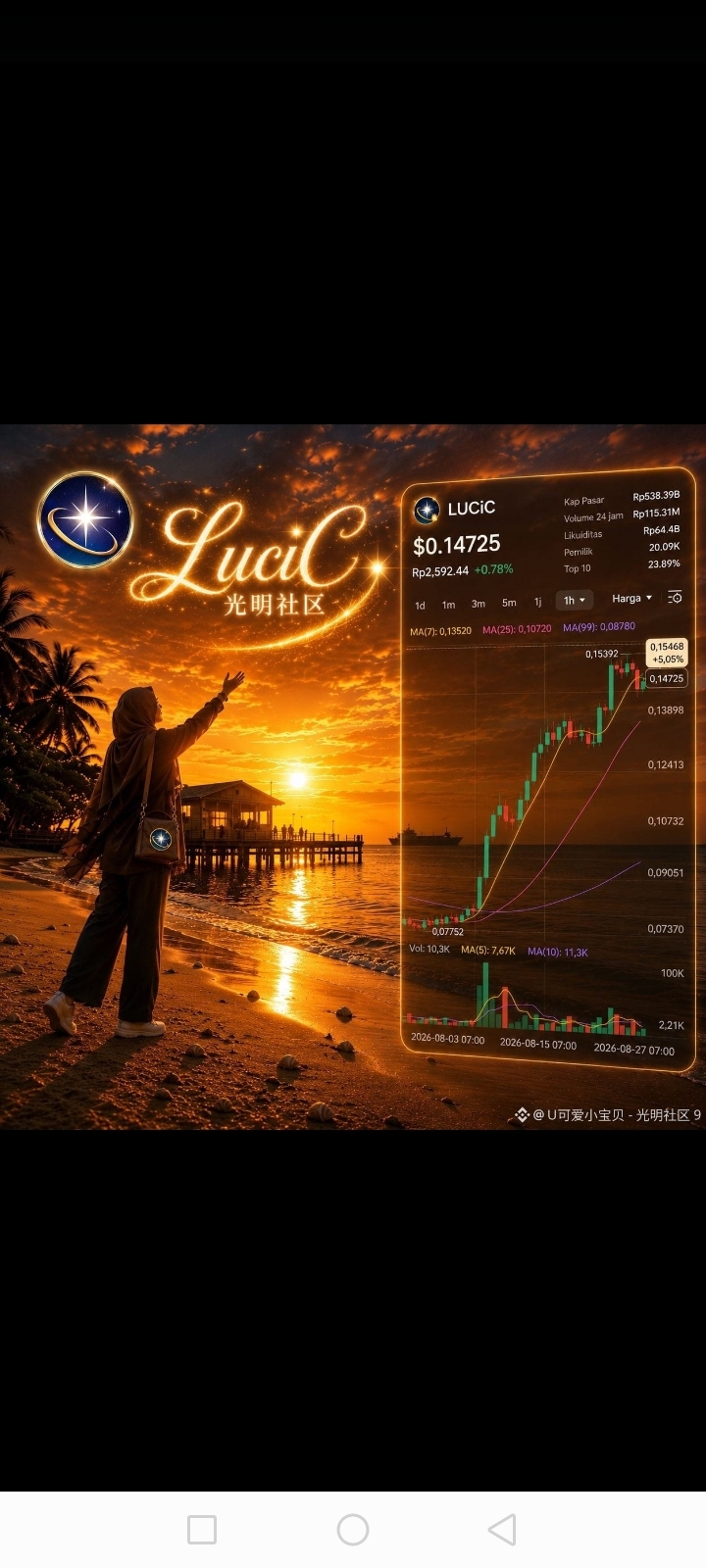
The only joint-settlement project sponsor profit distribution on the entire internet Lucic



王仔大王
·
--
What kind of abilities we have, we live the kind of life
No need to compete with others
Because people’s abilities differ
Different pursuits, different conditions
Don’t complain about the friction in life
And don’t chase a life that’s beyond your capabilities
The everyday bustle of the world—life isn’t easy
The greatest happiness in life is health and peace #AnthropicCEO呼吁放缓AI发展
No need to compete with others
Because people’s abilities differ
Different pursuits, different conditions
Don’t complain about the friction in life
And don’t chase a life that’s beyond your capabilities
The everyday bustle of the world—life isn’t easy
The greatest happiness in life is health and peace #AnthropicCEO呼吁放缓AI发展


长得帅不如跑的快1688
·
--
🚨 Grayscale is making another ETF move — and this time it’s Litecoin.
Grayscale has filed updated paperwork with the SEC as it seeks to convert:
Grayscale Litecoin Trust (LTCN)
into the:
Grayscale Litecoin Trust ETF
with plans to list on NYSE Arca.
One important clarification:
⚠️ THIS IS NOT SEC APPROVAL.
The bigger question is:
WHY ARE MORE CRYPTO ASSETS BEING PACKAGED FOR WALL STREET?
Bitcoin went first.
Ethereum followed.
Now the ETF universe is expanding toward more crypto assets — including Litecoin.
And LTC is an interesting candidate.
It doesn’t have the hottest AI narrative.
It isn’t a new meme coin.
Some newer investors may even ask:
“Isn’t Litecoin an old-school crypto?”
Exactly.
From an institutional perspective, that history can actually matter.
⚪ Long operating history
⚪ Established Proof-of-Work network
⚪ Mature market infrastructure
⚪ Relatively straightforward regulatory profile
⚪ An existing Grayscale trust product: LTCN
So I’m not asking:
“HOW MUCH CAN LTC PUMP TODAY?”
I’m asking:
ARE CRYPTO ETFs EXPANDING BEYOND BTC AND ETH?
Think about the progression:
Phase 1 → BTC
Phase 2 → ETH
Phase 3 → LTC / SOL / XRP and more?
The long-term story isn’t one coin pumping 10%.
It’s traditional finance building more regulated doors into crypto.
Yesterday:
Exchange → Wallet → Private Keys → On-chain.
Tomorrow, millions of investors may simply:
OPEN A BROKERAGE ACCOUNT → BUY AN ETF.
Every time access becomes easier,
the potential capital pool becomes larger.
So when I see another Litecoin ETF filing,
I’m thinking beyond Litecoin.
AFTER BTC AND ETH, WHICH CRYPTO ASSETS GET THE NEXT SEATS ON WALL STREET’S SHELF?
👇 Pick ONE:
LTC / SOL / XRP?
#BTC #ETH #BNB
Grayscale has filed updated paperwork with the SEC as it seeks to convert:
Grayscale Litecoin Trust (LTCN)
into the:
Grayscale Litecoin Trust ETF
with plans to list on NYSE Arca.
One important clarification:
⚠️ THIS IS NOT SEC APPROVAL.
The bigger question is:
WHY ARE MORE CRYPTO ASSETS BEING PACKAGED FOR WALL STREET?
Bitcoin went first.
Ethereum followed.
Now the ETF universe is expanding toward more crypto assets — including Litecoin.
And LTC is an interesting candidate.
It doesn’t have the hottest AI narrative.
It isn’t a new meme coin.
Some newer investors may even ask:
“Isn’t Litecoin an old-school crypto?”
Exactly.
From an institutional perspective, that history can actually matter.
⚪ Long operating history
⚪ Established Proof-of-Work network
⚪ Mature market infrastructure
⚪ Relatively straightforward regulatory profile
⚪ An existing Grayscale trust product: LTCN
So I’m not asking:
“HOW MUCH CAN LTC PUMP TODAY?”
I’m asking:
ARE CRYPTO ETFs EXPANDING BEYOND BTC AND ETH?
Think about the progression:
Phase 1 → BTC
Phase 2 → ETH
Phase 3 → LTC / SOL / XRP and more?
The long-term story isn’t one coin pumping 10%.
It’s traditional finance building more regulated doors into crypto.
Yesterday:
Exchange → Wallet → Private Keys → On-chain.
Tomorrow, millions of investors may simply:
OPEN A BROKERAGE ACCOUNT → BUY AN ETF.
Every time access becomes easier,
the potential capital pool becomes larger.
So when I see another Litecoin ETF filing,
I’m thinking beyond Litecoin.
AFTER BTC AND ETH, WHICH CRYPTO ASSETS GET THE NEXT SEATS ON WALL STREET’S SHELF?
👇 Pick ONE:
LTC / SOL / XRP?
#BTC #ETH #BNB


ABL阿布辣2020
·
--
Fed odds of a rate hike next week jump to 87%!
According to the latest CME FedWatch data, the market has priced in a 1-step (25 basis points) rate hike for the FOMC meeting on September 15–16 next week at 87%. The odds of a rate hike are also at 83% on Polymarket.
This could mark the Federal Reserve holding steady for five consecutive meetings, and the first policy shift during new Chair Kevin Warsh’s tenure. But rather than the question of “whether to hike or not,” more people are watching what happens next week: how the dot plot is written, how Fed Chair press conference remarks are framed, what risks could be stirred up by the Bank of Japan’s rate decision on the same week, and more.
And where will the future of the crypto market go?
According to Coinglass data, if Bitcoin falls below $76,000, the cumulative liquidation strength of long positions on major CEXs will reach $394 million.
On the other hand, if Bitcoin breaks above $78,000, the cumulative liquidation strength of short positions on major CEXs will reach $227 million.
Further, liquidation could lead to even greater market volatility.
Friends, please make sure to manage your positions and stay on top of the latest developments at all times.
$BTC $ETH $BNB
#SEC收到灰度莱特币信托转ETF申请
#全网爆仓6.74亿美元 #Clarity法案9月15日程序性投票
According to the latest CME FedWatch data, the market has priced in a 1-step (25 basis points) rate hike for the FOMC meeting on September 15–16 next week at 87%. The odds of a rate hike are also at 83% on Polymarket.
This could mark the Federal Reserve holding steady for five consecutive meetings, and the first policy shift during new Chair Kevin Warsh’s tenure. But rather than the question of “whether to hike or not,” more people are watching what happens next week: how the dot plot is written, how Fed Chair press conference remarks are framed, what risks could be stirred up by the Bank of Japan’s rate decision on the same week, and more.
And where will the future of the crypto market go?
According to Coinglass data, if Bitcoin falls below $76,000, the cumulative liquidation strength of long positions on major CEXs will reach $394 million.
On the other hand, if Bitcoin breaks above $78,000, the cumulative liquidation strength of short positions on major CEXs will reach $227 million.
Further, liquidation could lead to even greater market volatility.
Friends, please make sure to manage your positions and stay on top of the latest developments at all times.
$BTC $ETH $BNB
#SEC收到灰度莱特币信托转ETF申请
#全网爆仓6.74亿美元 #Clarity法案9月15日程序性投票

美国大总统
·
--
Dissecting the Korean crypto market: with 16 million users, who is driving trading and narratives?
Recently, a16z crypto opened an office in Seoul to provide go-to-market support for its portfolio companies across the Asia-Pacific region, and is hiring a regional lead to offer comprehensive support to project teams.
Following our previous research on "Focusing on the Chinese crypto market: a quick look at the Web3 KOL and agency marketing ecosystem," this article will focus on the Korean market. Given South Korea's unique economic environment, rapid adoption of digital assets, and emerging regulatory framework, this report on local exchanges, media, institutions, research firms, and blockchain events aims to provide valuable reference resources for investors, startups, community builders, and other stakeholders.
Recently, a16z crypto opened an office in Seoul to provide go-to-market support for its portfolio companies across the Asia-Pacific region, and is hiring a regional lead to offer comprehensive support to project teams.
Following our previous research on "Focusing on the Chinese crypto market: a quick look at the Web3 KOL and agency marketing ecosystem," this article will focus on the Korean market. Given South Korea's unique economic environment, rapid adoption of digital assets, and emerging regulatory framework, this report on local exchanges, media, institutions, research firms, and blockchain events aims to provide valuable reference resources for investors, startups, community builders, and other stakeholders.


Log in to explore more content