
Web3 X先生
1.1k Posts
 LIVE
LIVEWeb3 X先生
Report
Block User
X先生 6年Web3观察 | 每日策略 热点解读 | 公众号:比特春天
Frequent Trader
5.2 Months
37 Following
1.9K+ Followers
457 Liked
Posts
All
Quotes
Live
·
--
【3 hours before the vote, 866 bitcoins were fully swapped for ether 🐋】
Join X先生’s fan group on the homepage 🔥
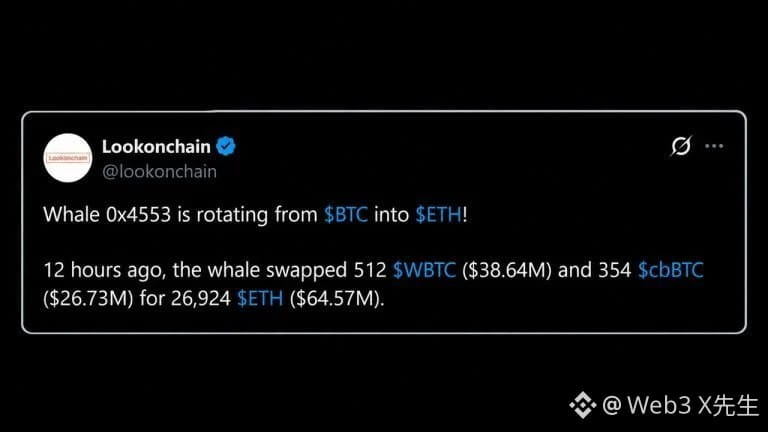
On Tuesday, the 0x4553 whale account made its move, selling 866 bitcoins. What it got wasn’t cash—it was 26,924 ether. Three hours later, the Senate blocked the crypto bill with a vote of 49 to 50.
First, let’s be clear: this is not a panic sell-off—it’s an intentional asset rotation. It sold bitcoins and bought ether, about $64.57 million. The exchange rate went from 0.0252 back to 0.0317, up 32%.
What’s truly worth watching isn’t the direction, but the timing. It acted 3 hours before the vote, avoiding the worst stretch of that day. Within one hour after the vote, a $289 million leveraged position was liquidated.
For crypto, the money didn’t leave the field—it just switched lanes. Bitcoin fell 2.2% that day, while ether dropped 3.6%, and neither held up. Above that, the key threshold at 0.0321 is still looming—this is the real test.
Do you think this rotation marks the starting point for ether to take over, or that the whale timed an exit at the top? Let’s discuss in the comments.
【3 hours before the vote, 866 bitcoins were fully swapped for ether 🐋】
Join X先生’s fan group on the homepage 🔥
On Tuesday, the 0x4553 whale account made its move, selling 866 bitcoins. What it got wasn’t cash—it was 26,924 ether. Three hours later, the Senate blocked the crypto bill with a vote of 49 to 50.
First, let’s be clear: this is not a panic sell-off—it’s an intentional asset rotation. It sold bitcoins and bought ether, about $64.57 million. The exchange rate went from 0.0252 back to 0.0317, up 32%.
What’s truly worth watching isn’t the direction, but the timing. It acted 3 hours before the vote, avoiding the worst stretch of that day. Within one hour after the vote, a $289 million leveraged position was liquidated.
For crypto, the money didn’t leave the field—it just switched lanes. Bitcoin fell 2.2% that day, while ether dropped 3.6%, and neither held up. Above that, the key threshold at 0.0321 is still looming—this is the real test.
Do you think this rotation marks the starting point for ether to take over, or that the whale timed an exit at the top? Let’s discuss in the comments.
Join X先生’s fan group on the homepage 🔥
On Tuesday, the 0x4553 whale account made its move, selling 866 bitcoins. What it got wasn’t cash—it was 26,924 ether. Three hours later, the Senate blocked the crypto bill with a vote of 49 to 50.
First, let’s be clear: this is not a panic sell-off—it’s an intentional asset rotation. It sold bitcoins and bought ether, about $64.57 million. The exchange rate went from 0.0252 back to 0.0317, up 32%.
What’s truly worth watching isn’t the direction, but the timing. It acted 3 hours before the vote, avoiding the worst stretch of that day. Within one hour after the vote, a $289 million leveraged position was liquidated.
For crypto, the money didn’t leave the field—it just switched lanes. Bitcoin fell 2.2% that day, while ether dropped 3.6%, and neither held up. Above that, the key threshold at 0.0321 is still looming—this is the real test.
Do you think this rotation marks the starting point for ether to take over, or that the whale timed an exit at the top? Let’s discuss in the comments.
148
·
--
[Bitcoin ETF bleeds $450 million in one day, worst in 6 months 📉]
Join Mr. X’s fan group chat on the homepage 🔥
On Tuesday, U.S. Bitcoin ETFs saw net outflows of $450 million. If you include Ethereum ETFs as well, the total for the day was $592 million. Bitcoin fell 3.8% that day to $75,748.
First, separate these two flows. Fidelity alone pulled out $214.8 million, while BlackRock withdrew $161.7 million. Together, these two firms accounted for 83% of the total outflows that day. This is the most intense single-day withdrawal since June 24.
What really matters is the spark. The day before, the Senate voted 49 to 50, blocking the crypto bill. There’s basically no chance for this Congress within the year. That same night, XRP briefly dropped by 10%. But Strategy says Bitcoin’s legal status doesn’t depend on that.
For crypto, once policy expectations crack, institutions’ first move is to pull liquidity. ETFs are the lifeline for this round of the rally—and also the first tube to be drained. Once the pipe tightens, defending the $75,000 area becomes increasingly difficult. The Fed is set to meet tonight, so this line will be tested again.
Do you think this outflow is a short-term reaction, or that institutions are truly cutting positions? Let’s discuss in the comments.
[Bitcoin ETF bleeds $450 million in one day, worst in 6 months 📉]
Join Mr. X’s fan group chat on the homepage 🔥
On Tuesday, U.S. Bitcoin ETFs saw net outflows of $450 million. If you include Ethereum ETFs as well, the total for the day was $592 million. Bitcoin fell 3.8% that day to $75,748.
First, separate these two flows. Fidelity alone pulled out $214.8 million, while BlackRock withdrew $161.7 million. Together, these two firms accounted for 83% of the total outflows that day. This is the most intense single-day withdrawal since June 24.
What really matters is the spark. The day before, the Senate voted 49 to 50, blocking the crypto bill. There’s basically no chance for this Congress within the year. That same night, XRP briefly dropped by 10%. But Strategy says Bitcoin’s legal status doesn’t depend on that.
For crypto, once policy expectations crack, institutions’ first move is to pull liquidity. ETFs are the lifeline for this round of the rally—and also the first tube to be drained. Once the pipe tightens, defending the $75,000 area becomes increasingly difficult. The Fed is set to meet tonight, so this line will be tested again.
Do you think this outflow is a short-term reaction, or that institutions are truly cutting positions? Let’s discuss in the comments.
Join Mr. X’s fan group chat on the homepage 🔥
On Tuesday, U.S. Bitcoin ETFs saw net outflows of $450 million. If you include Ethereum ETFs as well, the total for the day was $592 million. Bitcoin fell 3.8% that day to $75,748.
First, separate these two flows. Fidelity alone pulled out $214.8 million, while BlackRock withdrew $161.7 million. Together, these two firms accounted for 83% of the total outflows that day. This is the most intense single-day withdrawal since June 24.
What really matters is the spark. The day before, the Senate voted 49 to 50, blocking the crypto bill. There’s basically no chance for this Congress within the year. That same night, XRP briefly dropped by 10%. But Strategy says Bitcoin’s legal status doesn’t depend on that.
For crypto, once policy expectations crack, institutions’ first move is to pull liquidity. ETFs are the lifeline for this round of the rally—and also the first tube to be drained. Once the pipe tightens, defending the $75,000 area becomes increasingly difficult. The Fed is set to meet tonight, so this line will be tested again.
Do you think this outflow is a short-term reaction, or that institutions are truly cutting positions? Let’s discuss in the comments.

57
·
--
【Miner sells coins worth 1.6 billion to buy AI—now buys back 100 million worth of Bitcoin 😳】
Join X Mr.'s fan group chat on the homepage 🔥
Overnight, US-listed mining company MARA bought back 1,292 bitcoins. The deal cost $98.64 million, routed through FalconX. This year, it sold 23,093 bitcoins and cashed out $1.63 billion. Then it turned around to build an AI data center. After the buy, it’s back to holding 35,577 bitcoins—worth about $2.7 billion.
First, look at the timing. This order appeared the day after a group of AI heavyweights collectively called for slowing down. Anthropic’s Amodei published a long post, saying he wants to slow down model development. OpenAI and xAI followed with talks of risks, and AI stocks promptly plunged.
What’s really worth watching is where the money went. A company that lives off computing power should be the one that understands these AI numbers best. It put its data-center capacity behind AI, but swapped its profits back into bitcoins. As concerns about excess capacity rise, the coin instead becomes its hardest reserve.
For crypto, this is a narrative reversal for miners. In the first half of the year, mining firms collectively dumped coins to pivot to AI, and they were scolded as traitors. Now the first buyback has arrived—effectively a vote for the coin’s price at $76,000.
Do you think this round of buybacks is miners admitting they were wrong, or that the AI bubble is about to pop? Let’s discuss in the comments.
【Miner sells coins worth 1.6 billion to buy AI—now buys back 100 million worth of Bitcoin 😳】
Join X Mr.'s fan group chat on the homepage 🔥
Overnight, US-listed mining company MARA bought back 1,292 bitcoins. The deal cost $98.64 million, routed through FalconX. This year, it sold 23,093 bitcoins and cashed out $1.63 billion. Then it turned around to build an AI data center. After the buy, it’s back to holding 35,577 bitcoins—worth about $2.7 billion.
First, look at the timing. This order appeared the day after a group of AI heavyweights collectively called for slowing down. Anthropic’s Amodei published a long post, saying he wants to slow down model development. OpenAI and xAI followed with talks of risks, and AI stocks promptly plunged.
What’s really worth watching is where the money went. A company that lives off computing power should be the one that understands these AI numbers best. It put its data-center capacity behind AI, but swapped its profits back into bitcoins. As concerns about excess capacity rise, the coin instead becomes its hardest reserve.
For crypto, this is a narrative reversal for miners. In the first half of the year, mining firms collectively dumped coins to pivot to AI, and they were scolded as traitors. Now the first buyback has arrived—effectively a vote for the coin’s price at $76,000.
Do you think this round of buybacks is miners admitting they were wrong, or that the AI bubble is about to pop? Let’s discuss in the comments.
Join X Mr.'s fan group chat on the homepage 🔥
Overnight, US-listed mining company MARA bought back 1,292 bitcoins. The deal cost $98.64 million, routed through FalconX. This year, it sold 23,093 bitcoins and cashed out $1.63 billion. Then it turned around to build an AI data center. After the buy, it’s back to holding 35,577 bitcoins—worth about $2.7 billion.
First, look at the timing. This order appeared the day after a group of AI heavyweights collectively called for slowing down. Anthropic’s Amodei published a long post, saying he wants to slow down model development. OpenAI and xAI followed with talks of risks, and AI stocks promptly plunged.
What’s really worth watching is where the money went. A company that lives off computing power should be the one that understands these AI numbers best. It put its data-center capacity behind AI, but swapped its profits back into bitcoins. As concerns about excess capacity rise, the coin instead becomes its hardest reserve.
For crypto, this is a narrative reversal for miners. In the first half of the year, mining firms collectively dumped coins to pivot to AI, and they were scolded as traitors. Now the first buyback has arrived—effectively a vote for the coin’s price at $76,000.
Do you think this round of buybacks is miners admitting they were wrong, or that the AI bubble is about to pop? Let’s discuss in the comments.

114
·
--
【Wooden Head Sister dumps a $61 million crypto position in a single day 😱】
Join Mr. X’s fan group chat on the homepage 🔥
On Monday, Wooden Head Sister’s ARK fund sold off its $61 million holdings. The largest transaction was its own Bitcoin ETF: it sold 1.53 million shares, worth about $40 million. The next day, the Senate voted on the bill; it didn’t pass, and stablecoin stock fell 11.5%.
First, let’s make it clear: she sold two types of assets—crypto-market stocks and Bitcoin ETF. The timing was key: the sells were placed the day before the vote, and Monday’s close was when she acted. Even though the stock prices were still rising that day, her orders were already out.
What’s truly worth watching is that she cut an entire chain. Stablecoin stocks, exchange stocks, and the Bitcoin ETF were all reduced together: over 20 million shares plus $40 million in funds. That’s where the real trouble lies— even the most steadfast bulls are cutting risk.
For crypto, with the bill stuck, the compliance upside has to wait longer. The Senate vote was 49 to 50, missing the 60-vote threshold by just 11 votes, so prospects for the rest of the year are basically bleak. BTC even dipped below $75,000 that day, and it’s already down about 13% this year.
Do you think this round of decline is short-term sentiment after the bill failed, or the beginning of institutional withdrawal? Let’s discuss in the comments.
【Wooden Head Sister dumps a $61 million crypto position in a single day 😱】
Join Mr. X’s fan group chat on the homepage 🔥
On Monday, Wooden Head Sister’s ARK fund sold off its $61 million holdings. The largest transaction was its own Bitcoin ETF: it sold 1.53 million shares, worth about $40 million. The next day, the Senate voted on the bill; it didn’t pass, and stablecoin stock fell 11.5%.
First, let’s make it clear: she sold two types of assets—crypto-market stocks and Bitcoin ETF. The timing was key: the sells were placed the day before the vote, and Monday’s close was when she acted. Even though the stock prices were still rising that day, her orders were already out.
What’s truly worth watching is that she cut an entire chain. Stablecoin stocks, exchange stocks, and the Bitcoin ETF were all reduced together: over 20 million shares plus $40 million in funds. That’s where the real trouble lies— even the most steadfast bulls are cutting risk.
For crypto, with the bill stuck, the compliance upside has to wait longer. The Senate vote was 49 to 50, missing the 60-vote threshold by just 11 votes, so prospects for the rest of the year are basically bleak. BTC even dipped below $75,000 that day, and it’s already down about 13% this year.
Do you think this round of decline is short-term sentiment after the bill failed, or the beginning of institutional withdrawal? Let’s discuss in the comments.
Join Mr. X’s fan group chat on the homepage 🔥
On Monday, Wooden Head Sister’s ARK fund sold off its $61 million holdings. The largest transaction was its own Bitcoin ETF: it sold 1.53 million shares, worth about $40 million. The next day, the Senate voted on the bill; it didn’t pass, and stablecoin stock fell 11.5%.
First, let’s make it clear: she sold two types of assets—crypto-market stocks and Bitcoin ETF. The timing was key: the sells were placed the day before the vote, and Monday’s close was when she acted. Even though the stock prices were still rising that day, her orders were already out.
What’s truly worth watching is that she cut an entire chain. Stablecoin stocks, exchange stocks, and the Bitcoin ETF were all reduced together: over 20 million shares plus $40 million in funds. That’s where the real trouble lies— even the most steadfast bulls are cutting risk.
For crypto, with the bill stuck, the compliance upside has to wait longer. The Senate vote was 49 to 50, missing the 60-vote threshold by just 11 votes, so prospects for the rest of the year are basically bleak. BTC even dipped below $75,000 that day, and it’s already down about 13% this year.
Do you think this round of decline is short-term sentiment after the bill failed, or the beginning of institutional withdrawal? Let’s discuss in the comments.

153
·
--
[Central Bank Agencies Find a Data Vulnerability in On-Chain Data, Transfer Volume Estimates Up to 6x Off 📊]
The homepage joins X Mr.’s fan group chat 🔥
The Bank for International Settlements (BIS) has just released a research report specifically examining on-chain data. They reviewed 100 billion on-chain records, covering Bitcoin and Ethereum. The results show that estimates of Bitcoin on-chain transfer amounts can be off by as much as 6 times.
First, let’s clarify: this is not about exchange trading volume—it’s about on-chain transfer amounts. When paying with Bitcoin, change is returned to your own wallet and is treated as a new transfer. The market-cap-based metric is even looser, reaching as high as 4 times the realized market cap.
What’s truly worth looking at is stablecoins, where the “water” is also significant. Visa data shows that over a 30-day period, stablecoin transfers totaled $6.4 trillion. After removing automated bot activity, cross-chain activity, and internal reallocations, only $313.1 billion remains.
For crypto, on-chain data is one of the main windows to judge capital inflows and outflows. With inconsistent metrics, institutions and retail users don’t see the same risk picture. The same USDT can also be used in completely different ways on Ethereum versus Tron.
Do you think on-chain data is credible as evidence of demand, or are these amplified numbers? Let’s discuss in the comments.
[Central Bank Agencies Find a Data Vulnerability in On-Chain Data, Transfer Volume Estimates Up to 6x Off 📊]
The homepage joins X Mr.’s fan group chat 🔥
The Bank for International Settlements (BIS) has just released a research report specifically examining on-chain data. They reviewed 100 billion on-chain records, covering Bitcoin and Ethereum. The results show that estimates of Bitcoin on-chain transfer amounts can be off by as much as 6 times.
First, let’s clarify: this is not about exchange trading volume—it’s about on-chain transfer amounts. When paying with Bitcoin, change is returned to your own wallet and is treated as a new transfer. The market-cap-based metric is even looser, reaching as high as 4 times the realized market cap.
What’s truly worth looking at is stablecoins, where the “water” is also significant. Visa data shows that over a 30-day period, stablecoin transfers totaled $6.4 trillion. After removing automated bot activity, cross-chain activity, and internal reallocations, only $313.1 billion remains.
For crypto, on-chain data is one of the main windows to judge capital inflows and outflows. With inconsistent metrics, institutions and retail users don’t see the same risk picture. The same USDT can also be used in completely different ways on Ethereum versus Tron.
Do you think on-chain data is credible as evidence of demand, or are these amplified numbers? Let’s discuss in the comments.
The homepage joins X Mr.’s fan group chat 🔥
The Bank for International Settlements (BIS) has just released a research report specifically examining on-chain data. They reviewed 100 billion on-chain records, covering Bitcoin and Ethereum. The results show that estimates of Bitcoin on-chain transfer amounts can be off by as much as 6 times.
First, let’s clarify: this is not about exchange trading volume—it’s about on-chain transfer amounts. When paying with Bitcoin, change is returned to your own wallet and is treated as a new transfer. The market-cap-based metric is even looser, reaching as high as 4 times the realized market cap.
What’s truly worth looking at is stablecoins, where the “water” is also significant. Visa data shows that over a 30-day period, stablecoin transfers totaled $6.4 trillion. After removing automated bot activity, cross-chain activity, and internal reallocations, only $313.1 billion remains.
For crypto, on-chain data is one of the main windows to judge capital inflows and outflows. With inconsistent metrics, institutions and retail users don’t see the same risk picture. The same USDT can also be used in completely different ways on Ethereum versus Tron.
Do you think on-chain data is credible as evidence of demand, or are these amplified numbers? Let’s discuss in the comments.

307
·
--
[Tokenized on-chain “real-world assets” have surged to $46.7 billion, with Ethereum taking half on its own 📈]
Join the X Mr. fan group on the homepage 🔥
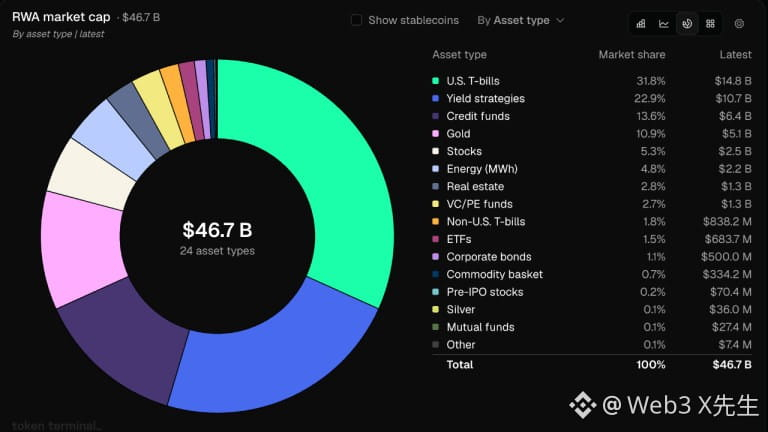
Tokenized on-chain real-world assets hit $46.7 billion just a day ago. Over three years, the entire pie has ballooned by 17.4x. What’s rising isn’t new coins, but credit funds, gold, and tokenized stocks.
First, sort out two things: one is issuance, and the other is whether it can actually be used. In the issuance layer, $6.4 billion went into credit funds, and $5.1 billion went into gold. But what truly ends up in on-chain DeFi liquidity is only $3.6 billion.
The part really worth looking at is the concentration among issuers. The top three issuers account for only $4.6 billion, $4.5 billion, and $3.5 billion, respectively. No one exceeds a 10% market share—the leaders are just $100 million apart.
For crypto, the money going on-chain is now being swapped into a new batch of funding sources. Ethereum alone takes 49.1%, nearly $22.9 billion. Over the past 30 days, Solana has also added another $260 million.
Do you think this tokenization wave reflects real demand coming in, or concept-driven hype? Let’s chat in the comments.
[Tokenized on-chain “real-world assets” have surged to $46.7 billion, with Ethereum taking half on its own 📈]
Join the X Mr. fan group on the homepage 🔥
Tokenized on-chain real-world assets hit $46.7 billion just a day ago. Over three years, the entire pie has ballooned by 17.4x. What’s rising isn’t new coins, but credit funds, gold, and tokenized stocks.
First, sort out two things: one is issuance, and the other is whether it can actually be used. In the issuance layer, $6.4 billion went into credit funds, and $5.1 billion went into gold. But what truly ends up in on-chain DeFi liquidity is only $3.6 billion.
The part really worth looking at is the concentration among issuers. The top three issuers account for only $4.6 billion, $4.5 billion, and $3.5 billion, respectively. No one exceeds a 10% market share—the leaders are just $100 million apart.
For crypto, the money going on-chain is now being swapped into a new batch of funding sources. Ethereum alone takes 49.1%, nearly $22.9 billion. Over the past 30 days, Solana has also added another $260 million.
Do you think this tokenization wave reflects real demand coming in, or concept-driven hype? Let’s chat in the comments.
Join the X Mr. fan group on the homepage 🔥
Tokenized on-chain real-world assets hit $46.7 billion just a day ago. Over three years, the entire pie has ballooned by 17.4x. What’s rising isn’t new coins, but credit funds, gold, and tokenized stocks.
First, sort out two things: one is issuance, and the other is whether it can actually be used. In the issuance layer, $6.4 billion went into credit funds, and $5.1 billion went into gold. But what truly ends up in on-chain DeFi liquidity is only $3.6 billion.
The part really worth looking at is the concentration among issuers. The top three issuers account for only $4.6 billion, $4.5 billion, and $3.5 billion, respectively. No one exceeds a 10% market share—the leaders are just $100 million apart.
For crypto, the money going on-chain is now being swapped into a new batch of funding sources. Ethereum alone takes 49.1%, nearly $22.9 billion. Over the past 30 days, Solana has also added another $260 million.
Do you think this tokenization wave reflects real demand coming in, or concept-driven hype? Let’s chat in the comments.
238
·
--
[Encryption Bill 49 of 50 Failed, Bitcoin Drops Below $75k📉]
Join X Mr.’s fan group chat on the homepage🔥
On Tuesday, the U.S. Senate cast a procedural vote on the CLARITY bill.
The result was 49 in favor and 50 against—11 votes short of the 60-vote threshold.
Once the news broke, Bitcoin briefly fell below $75,000, dropping more than 5% in a single day.
First, let’s clarify one thing: what failed this time was the procedure—not the bill’s content.
A procedural vote only determines whether the bill can be sent into the Senate for formal debate.
With 49 to 50, the bill didn’t even get debate eligibility—it’s stuck at the door.
What’s truly worth watching is how much time remains in this year’s window.
Congress has fewer than 36 working days left before year-end, and there will be midterm elections in November.
If it’s to be reconsidered, it will likely have to wait until next year, when a new Congress restarts the process.
For crypto, the biggest certainty has been pulled away by this single vote.
Without a federal framework, the regulatory split between the SEC and the CFTC remains unclear.
For institutions that want to move in compliantly, they can only wait for approvals one by one—scrambling the entire timetable.
Do you think this blockage is a bearish “all-clear” event where the downside is already exhausted, or is the selloff just beginning?
Let’s discuss in the comments.
[Encryption Bill 49 of 50 Failed, Bitcoin Drops Below $75k📉]
Join X Mr.’s fan group chat on the homepage🔥
On Tuesday, the U.S. Senate cast a procedural vote on the CLARITY bill.
The result was 49 in favor and 50 against—11 votes short of the 60-vote threshold.
Once the news broke, Bitcoin briefly fell below $75,000, dropping more than 5% in a single day.
First, let’s clarify one thing: what failed this time was the procedure—not the bill’s content.
A procedural vote only determines whether the bill can be sent into the Senate for formal debate.
With 49 to 50, the bill didn’t even get debate eligibility—it’s stuck at the door.
What’s truly worth watching is how much time remains in this year’s window.
Congress has fewer than 36 working days left before year-end, and there will be midterm elections in November.
If it’s to be reconsidered, it will likely have to wait until next year, when a new Congress restarts the process.
For crypto, the biggest certainty has been pulled away by this single vote.
Without a federal framework, the regulatory split between the SEC and the CFTC remains unclear.
For institutions that want to move in compliantly, they can only wait for approvals one by one—scrambling the entire timetable.
Do you think this blockage is a bearish “all-clear” event where the downside is already exhausted, or is the selloff just beginning?
Let’s discuss in the comments.
Join X Mr.’s fan group chat on the homepage🔥
On Tuesday, the U.S. Senate cast a procedural vote on the CLARITY bill.
The result was 49 in favor and 50 against—11 votes short of the 60-vote threshold.
Once the news broke, Bitcoin briefly fell below $75,000, dropping more than 5% in a single day.
First, let’s clarify one thing: what failed this time was the procedure—not the bill’s content.
A procedural vote only determines whether the bill can be sent into the Senate for formal debate.
With 49 to 50, the bill didn’t even get debate eligibility—it’s stuck at the door.
What’s truly worth watching is how much time remains in this year’s window.
Congress has fewer than 36 working days left before year-end, and there will be midterm elections in November.
If it’s to be reconsidered, it will likely have to wait until next year, when a new Congress restarts the process.
For crypto, the biggest certainty has been pulled away by this single vote.
Without a federal framework, the regulatory split between the SEC and the CFTC remains unclear.
For institutions that want to move in compliantly, they can only wait for approvals one by one—scrambling the entire timetable.
Do you think this blockage is a bearish “all-clear” event where the downside is already exhausted, or is the selloff just beginning?
Let’s discuss in the comments.

241
·
--
【20-year U.S. Treasury auction yields at 5.42%, foreign demand hits a record low 📉】
Join Mr. X’s fan chat group on the homepage 🔥
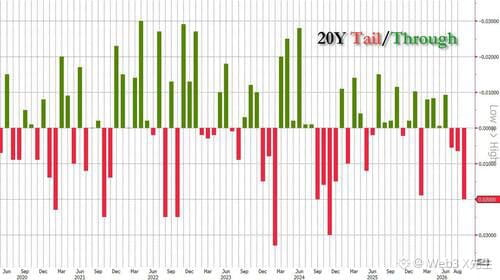
On Tuesday, the 20-year U.S. Treasury completed its auction, with the awarded yield rising to 5.42%.
This marks the highest issuance level since this product launched in 2020.
The bid-to-cover ratio is only 2.57, also below the recent average of 2.65.
First, figure out who is actually taking on this long bond, then look at two details.
Overseas investors’ share has fallen to just 52.5%, down from 62.9% last month.
This ratio is the lowest in history, yet direct buyers surged to 30.7%.
What’s truly worth watching is foreign investors’ hesitation toward long-dated U.S. Treasuries.
No one wants to step in as the buyer—so yields have to be pushed higher to attract demand via higher coupons.
The interest burden will first weigh on the dollar, then pass through step by step to risk assets.
For crypto, the loss of support in long-end Treasuries is a very hard signal.
U.S. Treasuries are the pricing anchor for the entire market—once the anchor loosens, capital only then dares to flow outward.
The Federal Reserve’s September 16 rate decision is the next fork in the road.
Do you think this round of selling pressure in Treasuries is just a short-term auction hiccup, or the start of rising long-end yields? Let’s discuss in the comments.
【20-year U.S. Treasury auction yields at 5.42%, foreign demand hits a record low 📉】
Join Mr. X’s fan chat group on the homepage 🔥
On Tuesday, the 20-year U.S. Treasury completed its auction, with the awarded yield rising to 5.42%.
This marks the highest issuance level since this product launched in 2020.
The bid-to-cover ratio is only 2.57, also below the recent average of 2.65.
First, figure out who is actually taking on this long bond, then look at two details.
Overseas investors’ share has fallen to just 52.5%, down from 62.9% last month.
This ratio is the lowest in history, yet direct buyers surged to 30.7%.
What’s truly worth watching is foreign investors’ hesitation toward long-dated U.S. Treasuries.
No one wants to step in as the buyer—so yields have to be pushed higher to attract demand via higher coupons.
The interest burden will first weigh on the dollar, then pass through step by step to risk assets.
For crypto, the loss of support in long-end Treasuries is a very hard signal.
U.S. Treasuries are the pricing anchor for the entire market—once the anchor loosens, capital only then dares to flow outward.
The Federal Reserve’s September 16 rate decision is the next fork in the road.
Do you think this round of selling pressure in Treasuries is just a short-term auction hiccup, or the start of rising long-end yields? Let’s discuss in the comments.
Join Mr. X’s fan chat group on the homepage 🔥
On Tuesday, the 20-year U.S. Treasury completed its auction, with the awarded yield rising to 5.42%.
This marks the highest issuance level since this product launched in 2020.
The bid-to-cover ratio is only 2.57, also below the recent average of 2.65.
First, figure out who is actually taking on this long bond, then look at two details.
Overseas investors’ share has fallen to just 52.5%, down from 62.9% last month.
This ratio is the lowest in history, yet direct buyers surged to 30.7%.
What’s truly worth watching is foreign investors’ hesitation toward long-dated U.S. Treasuries.
No one wants to step in as the buyer—so yields have to be pushed higher to attract demand via higher coupons.
The interest burden will first weigh on the dollar, then pass through step by step to risk assets.
For crypto, the loss of support in long-end Treasuries is a very hard signal.
U.S. Treasuries are the pricing anchor for the entire market—once the anchor loosens, capital only then dares to flow outward.
The Federal Reserve’s September 16 rate decision is the next fork in the road.
Do you think this round of selling pressure in Treasuries is just a short-term auction hiccup, or the start of rising long-end yields? Let’s discuss in the comments.
13
·
--
[Miners dig up a coin at a cost of 75,500 USD; at the current price, there’s only a $1,000 buffer left 😱]
Join Mr. X’s fan group chat on the homepage 🔥
CoinShares’ latest report does the math.
Listed mining companies dig up one Bitcoin at a cash cost of about $75,500 in Q2.
At the current price of $76,500, after another 2.5% drop in 24 hours, the buffer is down to only about $1,000.
First, let’s get clear: cash cost only includes electricity and operations and maintenance.
Depreciation, interest, and mining-gear amortization are all not counted.
The true break-even line is even higher, and with hash rate at 978 EH/s and difficulty at 127 trillion, both are still at elevated levels.
What’s really worth watching is that these miners have already shifted to feeding AI.
CoinShares’ conclusion is very straightforward: even if the coin price rebounds, it won’t be enough to pull them back.
Selling electricity to AI under a contract gets paid; mining can only look at the mood of the coin price.
For crypto, miners are the steadiest sell-side for Bitcoin.
With the current price only about 1.3% above cost, they either sell coins or shut down.
This cost line is the most fragile string on the supply side.
Do you think this round of miner selling pressure is the last dip of a shakeout, or the beginning of surrender? Let’s discuss in the comments.
[Miners dig up a coin at a cost of 75,500 USD; at the current price, there’s only a $1,000 buffer left 😱]
Join Mr. X’s fan group chat on the homepage 🔥
CoinShares’ latest report does the math.
Listed mining companies dig up one Bitcoin at a cash cost of about $75,500 in Q2.
At the current price of $76,500, after another 2.5% drop in 24 hours, the buffer is down to only about $1,000.
First, let’s get clear: cash cost only includes electricity and operations and maintenance.
Depreciation, interest, and mining-gear amortization are all not counted.
The true break-even line is even higher, and with hash rate at 978 EH/s and difficulty at 127 trillion, both are still at elevated levels.
What’s really worth watching is that these miners have already shifted to feeding AI.
CoinShares’ conclusion is very straightforward: even if the coin price rebounds, it won’t be enough to pull them back.
Selling electricity to AI under a contract gets paid; mining can only look at the mood of the coin price.
For crypto, miners are the steadiest sell-side for Bitcoin.
With the current price only about 1.3% above cost, they either sell coins or shut down.
This cost line is the most fragile string on the supply side.
Do you think this round of miner selling pressure is the last dip of a shakeout, or the beginning of surrender? Let’s discuss in the comments.
Join Mr. X’s fan group chat on the homepage 🔥
CoinShares’ latest report does the math.
Listed mining companies dig up one Bitcoin at a cash cost of about $75,500 in Q2.
At the current price of $76,500, after another 2.5% drop in 24 hours, the buffer is down to only about $1,000.
First, let’s get clear: cash cost only includes electricity and operations and maintenance.
Depreciation, interest, and mining-gear amortization are all not counted.
The true break-even line is even higher, and with hash rate at 978 EH/s and difficulty at 127 trillion, both are still at elevated levels.
What’s really worth watching is that these miners have already shifted to feeding AI.
CoinShares’ conclusion is very straightforward: even if the coin price rebounds, it won’t be enough to pull them back.
Selling electricity to AI under a contract gets paid; mining can only look at the mood of the coin price.
For crypto, miners are the steadiest sell-side for Bitcoin.
With the current price only about 1.3% above cost, they either sell coins or shut down.
This cost line is the most fragile string on the supply side.
Do you think this round of miner selling pressure is the last dip of a shakeout, or the beginning of surrender? Let’s discuss in the comments.
171
·
--
[US 114-page encrypted tax reform: the clause miners want most was cut 🔥]
Add X Mr.'s fan group to the homepage 🔥
The U.S. House Ways and Means Committee has just unveiled a cryptocurrency tax bill.
The full text is 114 pages, numbered H.R. 10357, to be considered on Wednesday.
It covers fees, stablecoins, lending, and wash sales.
First, tell which parts are loosened and which are tightened—this bill makes significant changes.
Miners and stakers previously could wait until the coins were sold before paying tax; this time, that won’t work.
The revised version removes the deferral provision, meaning rewards must be counted as income on the day they are received.
What’s truly worth watching isn’t a few percentage points in the tax rate—it’s cash flow.
Before the coins are even sold, taxes must be paid upfront, putting the most pressure on mining operations and verification nodes.
Teams with tight cash reserves can only sell coins first to cover the tax, throwing everything off schedule.
For crypto, this cut directly hits the supply side.
Once rewards arrive, they’re taxed—effectively releasing future sell pressure early.
Mining income and staking rewards are merged into the same tax calculation.
Once the rules are set, costs will ultimately still be passed on to token holders.
Do you think this tax reform version is meant to set standards for the industry—or is it a first step toward putting miners in chains? Let’s discuss in the comments section.
[US 114-page encrypted tax reform: the clause miners want most was cut 🔥]
Add X Mr.'s fan group to the homepage 🔥
The U.S. House Ways and Means Committee has just unveiled a cryptocurrency tax bill.
The full text is 114 pages, numbered H.R. 10357, to be considered on Wednesday.
It covers fees, stablecoins, lending, and wash sales.
First, tell which parts are loosened and which are tightened—this bill makes significant changes.
Miners and stakers previously could wait until the coins were sold before paying tax; this time, that won’t work.
The revised version removes the deferral provision, meaning rewards must be counted as income on the day they are received.
What’s truly worth watching isn’t a few percentage points in the tax rate—it’s cash flow.
Before the coins are even sold, taxes must be paid upfront, putting the most pressure on mining operations and verification nodes.
Teams with tight cash reserves can only sell coins first to cover the tax, throwing everything off schedule.
For crypto, this cut directly hits the supply side.
Once rewards arrive, they’re taxed—effectively releasing future sell pressure early.
Mining income and staking rewards are merged into the same tax calculation.
Once the rules are set, costs will ultimately still be passed on to token holders.
Do you think this tax reform version is meant to set standards for the industry—or is it a first step toward putting miners in chains? Let’s discuss in the comments section.
Add X Mr.'s fan group to the homepage 🔥
The U.S. House Ways and Means Committee has just unveiled a cryptocurrency tax bill.
The full text is 114 pages, numbered H.R. 10357, to be considered on Wednesday.
It covers fees, stablecoins, lending, and wash sales.
First, tell which parts are loosened and which are tightened—this bill makes significant changes.
Miners and stakers previously could wait until the coins were sold before paying tax; this time, that won’t work.
The revised version removes the deferral provision, meaning rewards must be counted as income on the day they are received.
What’s truly worth watching isn’t a few percentage points in the tax rate—it’s cash flow.
Before the coins are even sold, taxes must be paid upfront, putting the most pressure on mining operations and verification nodes.
Teams with tight cash reserves can only sell coins first to cover the tax, throwing everything off schedule.
For crypto, this cut directly hits the supply side.
Once rewards arrive, they’re taxed—effectively releasing future sell pressure early.
Mining income and staking rewards are merged into the same tax calculation.
Once the rules are set, costs will ultimately still be passed on to token holders.
Do you think this tax reform version is meant to set standards for the industry—or is it a first step toward putting miners in chains? Let’s discuss in the comments section.

26
·
--
[77.3 Million USD rsETH Was Stolen, the Flaw Was Hidden in Uniswap v4 🔓]
Join the X Mr. fan group on the homepage 🔥
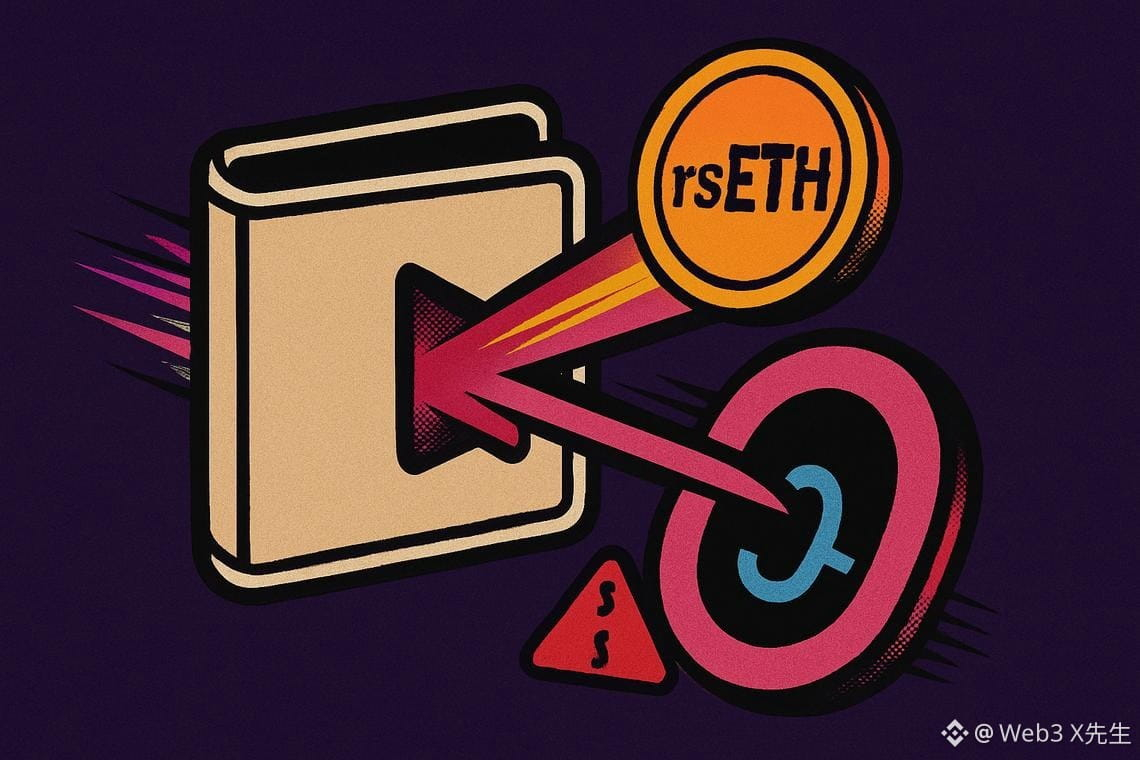
A Safe wallet holding $77.3 million worth of rsETH was drained. On-chain security company Blockaid was the first to flag the abnormal transaction. The funds didn’t stop there—they were all funneled into a pool the attacker themselves had created.
First, look at where the vulnerability is. It’s actually not in Uniswap’s main protocol. The incident involves a liquidity module written by a third-party team. The attacker used a publicly available keeper function to redirect all the funds.
What’s really worth watching is Uniswap v4’s hook mechanism. It lets anyone attach their own custom logic to a pool. The other side of that flexibility is that each module has to take responsibility for its own security.
For crypto, this kind of loss hurts market confidence more than price volatility does. Users hand their assets to a contract, but the contract’s security is determined by a third party. A single unreviewed public function is enough to drain an entire wallet.
Do you think this blame should fall on the third-party module, or on v4’s open design? Let’s discuss in the comments.
[77.3 Million USD rsETH Was Stolen, the Flaw Was Hidden in Uniswap v4 🔓]
Join the X Mr. fan group on the homepage 🔥
A Safe wallet holding $77.3 million worth of rsETH was drained. On-chain security company Blockaid was the first to flag the abnormal transaction. The funds didn’t stop there—they were all funneled into a pool the attacker themselves had created.
First, look at where the vulnerability is. It’s actually not in Uniswap’s main protocol. The incident involves a liquidity module written by a third-party team. The attacker used a publicly available keeper function to redirect all the funds.
What’s really worth watching is Uniswap v4’s hook mechanism. It lets anyone attach their own custom logic to a pool. The other side of that flexibility is that each module has to take responsibility for its own security.
For crypto, this kind of loss hurts market confidence more than price volatility does. Users hand their assets to a contract, but the contract’s security is determined by a third party. A single unreviewed public function is enough to drain an entire wallet.
Do you think this blame should fall on the third-party module, or on v4’s open design? Let’s discuss in the comments.
Join the X Mr. fan group on the homepage 🔥
A Safe wallet holding $77.3 million worth of rsETH was drained. On-chain security company Blockaid was the first to flag the abnormal transaction. The funds didn’t stop there—they were all funneled into a pool the attacker themselves had created.
First, look at where the vulnerability is. It’s actually not in Uniswap’s main protocol. The incident involves a liquidity module written by a third-party team. The attacker used a publicly available keeper function to redirect all the funds.
What’s really worth watching is Uniswap v4’s hook mechanism. It lets anyone attach their own custom logic to a pool. The other side of that flexibility is that each module has to take responsibility for its own security.
For crypto, this kind of loss hurts market confidence more than price volatility does. Users hand their assets to a contract, but the contract’s security is determined by a third party. A single unreviewed public function is enough to drain an entire wallet.
Do you think this blame should fall on the third-party module, or on v4’s open design? Let’s discuss in the comments.
11
·
--
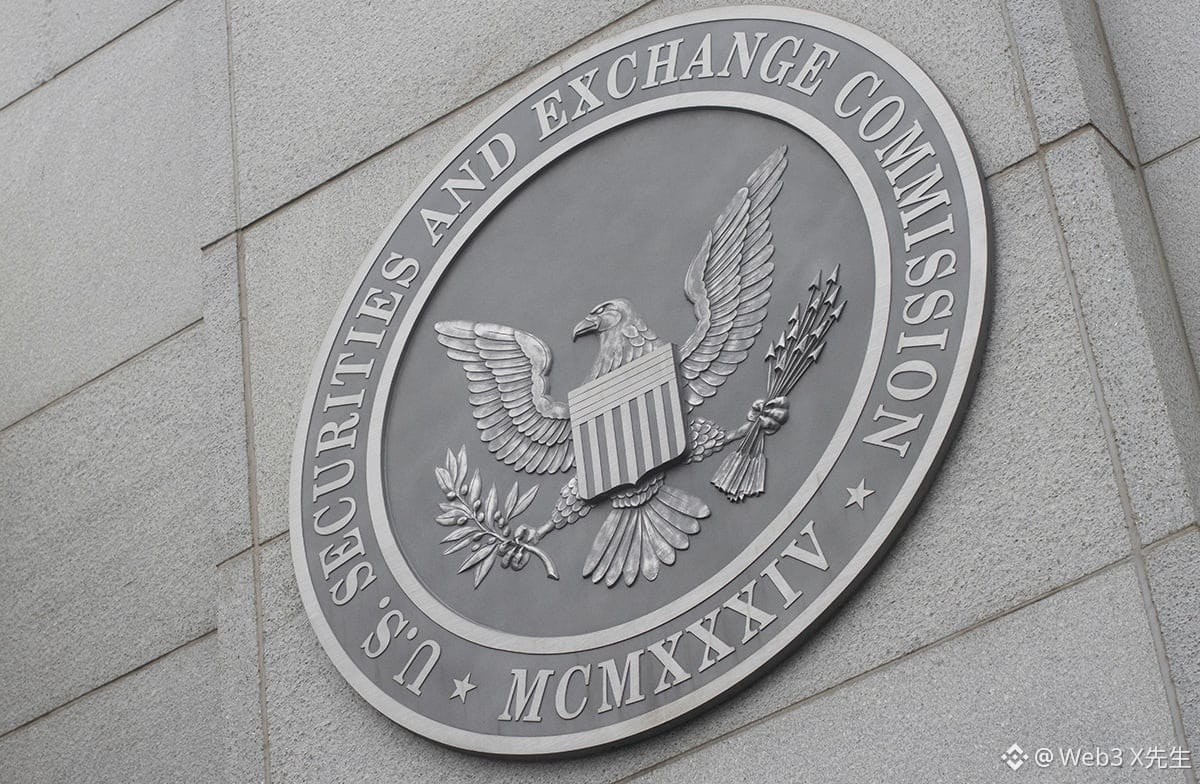
[The bill needs 7 more votes, yet the SEC chair says the rules will proceed as planned📜]
Group chat: [📲 加入X先生的粉丝群聊](https://app.binance.com/uni-qr/XP5J3ynH)
On Tuesday, the U.S. Senate cast a procedural vote on the CLARITY Act.
With a 60-vote threshold, the Republicans have only 53 seats—so they’re short 7 Democrats who need to give the nod.
Over the past few days, Bitcoin has been hovering between $76,000 and $79,000.
First, clarify one thing: even if this vote passes, it only gets you a seat at the debate.
It’s not about the coin price—it’s about who will be in charge between the SEC and the CFTC going forward.
The House passed it earlier this year by 294 to 134, and the bottleneck is entirely in the Senate.
What’s really worth watching is what SEC Chair Atkins said.
She said no matter how the Senate votes, the SEC’s rules will move forward on their own.
Three lines are already set: new rules for crypto assets, the transfer agent rules that haven’t been touched in 40 years, and a proposal for investment advisers to self-custody.
For crypto, the policy entry point has gone from one to two.
The congressional route is slow but steady; the SEC route is faster, but it can be changed back with a new chair.
Do you think regulation will be approved by Congress first, or rolled out first from the SEC? Discuss in the comments.
#SEC主席敦促国会推进CLARITY法案
[The bill needs 7 more votes, yet the SEC chair says the rules will proceed as planned📜]
Group chat: 📲 加入X先生的粉丝群聊
On Tuesday, the U.S. Senate cast a procedural vote on the CLARITY Act.
With a 60-vote threshold, the Republicans have only 53 seats—so they’re short 7 Democrats who need to give the nod.
Over the past few days, Bitcoin has been hovering between $76,000 and $79,000.
First, clarify one thing: even if this vote passes, it only gets you a seat at the debate.
It’s not about the coin price—it’s about who will be in charge between the SEC and the CFTC going forward.
The House passed it earlier this year by 294 to 134, and the bottleneck is entirely in the Senate.
What’s really worth watching is what SEC Chair Atkins said.
She said no matter how the Senate votes, the SEC’s rules will move forward on their own.
Three lines are already set: new rules for crypto assets, the transfer agent rules that haven’t been touched in 40 years, and a proposal for investment advisers to self-custody.
For crypto, the policy entry point has gone from one to two.
The congressional route is slow but steady; the SEC route is faster, but it can be changed back with a new chair.
Do you think regulation will be approved by Congress first, or rolled out first from the SEC? Discuss in the comments.
#SEC主席敦促国会推进CLARITY法案
Group chat: 📲 加入X先生的粉丝群聊
On Tuesday, the U.S. Senate cast a procedural vote on the CLARITY Act.
With a 60-vote threshold, the Republicans have only 53 seats—so they’re short 7 Democrats who need to give the nod.
Over the past few days, Bitcoin has been hovering between $76,000 and $79,000.
First, clarify one thing: even if this vote passes, it only gets you a seat at the debate.
It’s not about the coin price—it’s about who will be in charge between the SEC and the CFTC going forward.
The House passed it earlier this year by 294 to 134, and the bottleneck is entirely in the Senate.
What’s really worth watching is what SEC Chair Atkins said.
She said no matter how the Senate votes, the SEC’s rules will move forward on their own.
Three lines are already set: new rules for crypto assets, the transfer agent rules that haven’t been touched in 40 years, and a proposal for investment advisers to self-custody.
For crypto, the policy entry point has gone from one to two.
The congressional route is slow but steady; the SEC route is faster, but it can be changed back with a new chair.
Do you think regulation will be approved by Congress first, or rolled out first from the SEC? Discuss in the comments.
#SEC主席敦促国会推进CLARITY法案
78
·
--
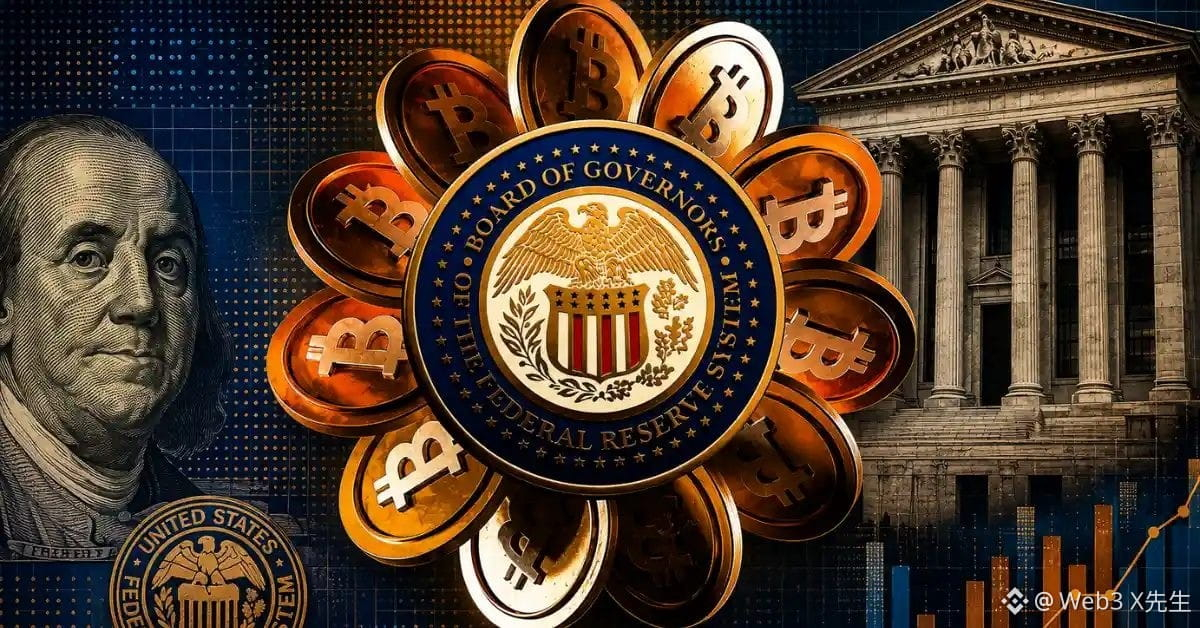
【The U.S. plans to stockpile 1 million bitcoins, passing the first hurdle on Wednesday🔥】
Group chat: [📲加入X先生的粉丝群聊](https://app.binance.com/uni-qr/XP5J3ynH)
The U.S. House Financial Services Committee will meet on Wednesday. At 10:00 a.m., it will consider the Strategic Bitcoin Reserve Act. The bill, numbered H.R. 8957, was jointly introduced by members of both parties. The day’s agenda includes nine bills.
First, let’s see where the money comes from. The Treasury Department and the Department of Commerce are to figure out a way to accumulate 1 million bitcoins over five years. Borrowing to buy is not allowed, nor are tax increases, nor deficit spending. The funds can only come from fiscal surpluses or profits remitted by the Federal Reserve—no new debt is allowed at all.
What’s really worth watching is locking the coins up for 20 years. During those 20 years, the government cannot sell the bitcoins, with the only exception being settling the national debt. Any bitcoins that are seized or forfeited but not auctioned will go directly into the reserve, with not a single coin sold.
For crypto, this is a shift: the government goes from being a seller to becoming a hoarder. In the past, the Department of Justice auctioned forfeited coins—effectively dumping into the market. Now, this batch is locked into the national treasury, removing a chunk from the supply side.
This step is only the committee’s review—there are still the House and the Senate to come. Do you think this vote is the start of bitcoins being added to the country’s balance sheet, or just another promise? Discuss in the comments.
【The U.S. plans to stockpile 1 million bitcoins, passing the first hurdle on Wednesday🔥】
Group chat: 📲加入X先生的粉丝群聊
The U.S. House Financial Services Committee will meet on Wednesday. At 10:00 a.m., it will consider the Strategic Bitcoin Reserve Act. The bill, numbered H.R. 8957, was jointly introduced by members of both parties. The day’s agenda includes nine bills.
First, let’s see where the money comes from. The Treasury Department and the Department of Commerce are to figure out a way to accumulate 1 million bitcoins over five years. Borrowing to buy is not allowed, nor are tax increases, nor deficit spending. The funds can only come from fiscal surpluses or profits remitted by the Federal Reserve—no new debt is allowed at all.
What’s really worth watching is locking the coins up for 20 years. During those 20 years, the government cannot sell the bitcoins, with the only exception being settling the national debt. Any bitcoins that are seized or forfeited but not auctioned will go directly into the reserve, with not a single coin sold.
For crypto, this is a shift: the government goes from being a seller to becoming a hoarder. In the past, the Department of Justice auctioned forfeited coins—effectively dumping into the market. Now, this batch is locked into the national treasury, removing a chunk from the supply side.
This step is only the committee’s review—there are still the House and the Senate to come. Do you think this vote is the start of bitcoins being added to the country’s balance sheet, or just another promise? Discuss in the comments.
Group chat: 📲加入X先生的粉丝群聊
The U.S. House Financial Services Committee will meet on Wednesday. At 10:00 a.m., it will consider the Strategic Bitcoin Reserve Act. The bill, numbered H.R. 8957, was jointly introduced by members of both parties. The day’s agenda includes nine bills.
First, let’s see where the money comes from. The Treasury Department and the Department of Commerce are to figure out a way to accumulate 1 million bitcoins over five years. Borrowing to buy is not allowed, nor are tax increases, nor deficit spending. The funds can only come from fiscal surpluses or profits remitted by the Federal Reserve—no new debt is allowed at all.
What’s really worth watching is locking the coins up for 20 years. During those 20 years, the government cannot sell the bitcoins, with the only exception being settling the national debt. Any bitcoins that are seized or forfeited but not auctioned will go directly into the reserve, with not a single coin sold.
For crypto, this is a shift: the government goes from being a seller to becoming a hoarder. In the past, the Department of Justice auctioned forfeited coins—effectively dumping into the market. Now, this batch is locked into the national treasury, removing a chunk from the supply side.
This step is only the committee’s review—there are still the House and the Senate to come. Do you think this vote is the start of bitcoins being added to the country’s balance sheet, or just another promise? Discuss in the comments.
90
·
--
【Oil prices and U.S. Treasuries have been tied this tightly for the first time in seven years—markets have issues 📉】
Group chat: [📲 加入X先生的粉丝群聊](https://app.binance.com/uni-qr/XP5J3ynH)
The monthly correlation between oil prices and the 10-year U.S. Treasury yield has surged to 0.96.
This is the strongest since June 2019; the previous peak was in 2014.
On Monday, Treasury yields broke 5%, the first time since October 2023.
First, let’s make it clear: this is about correlation, not a simple cause-and-effect chain.
The conflict in the Middle East has pushed oil prices higher, and Brent crude briefly touched $106.
When oil rises, inflation expectations and Treasury yields tend to move up in sync.
What’s really worth watching is that the transmission speed along this chain is increasing.
When crude moves, inflation expectations, interest rates, and stock prices almost react simultaneously.
Energy news can now directly hit the stock market and the costs of credit and mortgages.
For crypto, this transmission chain is longer—and the “pulling water” is more急 and more intense.
Rising oil prices lift inflation expectations, making it harder for the Fed to cut rates this year.
With discount rates higher, high-volatility assets like Bitcoin are sold off first.
Do you think this round of linkage is just short-term noise—or the start of tightening? Let’s discuss in the comments section.
【Oil prices and U.S. Treasuries have been tied this tightly for the first time in seven years—markets have issues 📉】
Group chat: 📲 加入X先生的粉丝群聊
The monthly correlation between oil prices and the 10-year U.S. Treasury yield has surged to 0.96.
This is the strongest since June 2019; the previous peak was in 2014.
On Monday, Treasury yields broke 5%, the first time since October 2023.
First, let’s make it clear: this is about correlation, not a simple cause-and-effect chain.
The conflict in the Middle East has pushed oil prices higher, and Brent crude briefly touched $106.
When oil rises, inflation expectations and Treasury yields tend to move up in sync.
What’s really worth watching is that the transmission speed along this chain is increasing.
When crude moves, inflation expectations, interest rates, and stock prices almost react simultaneously.
Energy news can now directly hit the stock market and the costs of credit and mortgages.
For crypto, this transmission chain is longer—and the “pulling water” is more急 and more intense.
Rising oil prices lift inflation expectations, making it harder for the Fed to cut rates this year.
With discount rates higher, high-volatility assets like Bitcoin are sold off first.
Do you think this round of linkage is just short-term noise—or the start of tightening? Let’s discuss in the comments section.
Group chat: 📲 加入X先生的粉丝群聊
The monthly correlation between oil prices and the 10-year U.S. Treasury yield has surged to 0.96.
This is the strongest since June 2019; the previous peak was in 2014.
On Monday, Treasury yields broke 5%, the first time since October 2023.
First, let’s make it clear: this is about correlation, not a simple cause-and-effect chain.
The conflict in the Middle East has pushed oil prices higher, and Brent crude briefly touched $106.
When oil rises, inflation expectations and Treasury yields tend to move up in sync.
What’s really worth watching is that the transmission speed along this chain is increasing.
When crude moves, inflation expectations, interest rates, and stock prices almost react simultaneously.
Energy news can now directly hit the stock market and the costs of credit and mortgages.
For crypto, this transmission chain is longer—and the “pulling water” is more急 and more intense.
Rising oil prices lift inflation expectations, making it harder for the Fed to cut rates this year.
With discount rates higher, high-volatility assets like Bitcoin are sold off first.
Do you think this round of linkage is just short-term noise—or the start of tightening? Let’s discuss in the comments section.

229
·
--
【Wyoming stablecoin swap-over bridge, a $292 million vulnerability was the spark 😨】
Group chat: [📲加入X先生的粉丝群聊](https://app.binance.com/uni-qr/XP5J3ynH)
In the U.S. state of Wyoming, the state-level official stablecoin was swapped for a cross-chain solution.
The incident was triggered by an April hack of a cross-chain bridge worth $292 million.
The committee found that the operators repeatedly failed to manage properly, and the private keys had also been out of control at times.
First, let’s clarify one thing: this swap is not about the coin—it’s about the cross-chain bridge.
FRNT is Wyoming’s official stablecoin, each token pegged to one U.S. dollar.
The bridge’s job is to move assets from one blockchain to another.
What’s really worth noting is that once a bridge goes wrong, the ledgers will all get messed up.
For this migration, the officials compared six dimensions before finally making a decision.
To pass, the proposed solution must be independently verified by sixteen nodes.
For crypto, the lifeline of a stablecoin isn’t its price—it’s the cross-chain bridge.
The state government stepping in to switch the solution sets a precedent for the entire industry.
If anyone’s cross-chain bridge dares to go wrong, institutional funds will vote with their feet.
Do you think this bridge swap was forced by the vulnerability, or was it only a matter of time? Let’s discuss in the comments.
【Wyoming stablecoin swap-over bridge, a $292 million vulnerability was the spark 😨】
Group chat: 📲加入X先生的粉丝群聊
In the U.S. state of Wyoming, the state-level official stablecoin was swapped for a cross-chain solution.
The incident was triggered by an April hack of a cross-chain bridge worth $292 million.
The committee found that the operators repeatedly failed to manage properly, and the private keys had also been out of control at times.
First, let’s clarify one thing: this swap is not about the coin—it’s about the cross-chain bridge.
FRNT is Wyoming’s official stablecoin, each token pegged to one U.S. dollar.
The bridge’s job is to move assets from one blockchain to another.
What’s really worth noting is that once a bridge goes wrong, the ledgers will all get messed up.
For this migration, the officials compared six dimensions before finally making a decision.
To pass, the proposed solution must be independently verified by sixteen nodes.
For crypto, the lifeline of a stablecoin isn’t its price—it’s the cross-chain bridge.
The state government stepping in to switch the solution sets a precedent for the entire industry.
If anyone’s cross-chain bridge dares to go wrong, institutional funds will vote with their feet.
Do you think this bridge swap was forced by the vulnerability, or was it only a matter of time? Let’s discuss in the comments.
Group chat: 📲加入X先生的粉丝群聊
In the U.S. state of Wyoming, the state-level official stablecoin was swapped for a cross-chain solution.
The incident was triggered by an April hack of a cross-chain bridge worth $292 million.
The committee found that the operators repeatedly failed to manage properly, and the private keys had also been out of control at times.
First, let’s clarify one thing: this swap is not about the coin—it’s about the cross-chain bridge.
FRNT is Wyoming’s official stablecoin, each token pegged to one U.S. dollar.
The bridge’s job is to move assets from one blockchain to another.
What’s really worth noting is that once a bridge goes wrong, the ledgers will all get messed up.
For this migration, the officials compared six dimensions before finally making a decision.
To pass, the proposed solution must be independently verified by sixteen nodes.
For crypto, the lifeline of a stablecoin isn’t its price—it’s the cross-chain bridge.
The state government stepping in to switch the solution sets a precedent for the entire industry.
If anyone’s cross-chain bridge dares to go wrong, institutional funds will vote with their feet.
Do you think this bridge swap was forced by the vulnerability, or was it only a matter of time? Let’s discuss in the comments.

188
·
--
【Trump Signals Approval, Crypto Bill Votes on Key One in the Senate Today ⚖️】
Group chat: [📲加入X先生的粉丝群聊](https://app.binance.com/uni-qr/XP5J3ynH)
On Monday, Trump finally gave in and agreed to the ethical provisions of this crypto bill. This market-structure bill will be put to a critical vote in the Senate this afternoon. Bitcoin then jumped 2.3%, reclaiming levels above $79,000.
First, let’s see clearly what exactly lawmakers in Washington are arguing about this time. When the bill passed the Banking Committee in May, it only received 15 to 9 in support. With a full roster, Republicans would still need to bring at least seven more Democrats to back the vote.
What’s really worth watching is the newly added ethical provision inside it. The final version that Republicans submitted on Sunday night allows state attorneys general to investigate federal officials. This time, Trump made an exception and nodded. Meanwhile, over at the Banking Committee, there’s still a dispute over stablecoin interest.
For crypto, this is a crucial step toward putting the entire regulatory framework into place. Once the bill passes, sixteen cryptocurrencies—including Bitcoin—will be classified as digital commodities. If it fails, the whole industry may have to wait another election cycle.
Do you think they can muster 60 votes this time, or will it get stuck again at the Banking Committee? Feel free to discuss your take in the comments section.
#特朗普就CLARITY法案条款存疑
【Trump Signals Approval, Crypto Bill Votes on Key One in the Senate Today ⚖️】
Group chat: 📲加入X先生的粉丝群聊
On Monday, Trump finally gave in and agreed to the ethical provisions of this crypto bill. This market-structure bill will be put to a critical vote in the Senate this afternoon. Bitcoin then jumped 2.3%, reclaiming levels above $79,000.
First, let’s see clearly what exactly lawmakers in Washington are arguing about this time. When the bill passed the Banking Committee in May, it only received 15 to 9 in support. With a full roster, Republicans would still need to bring at least seven more Democrats to back the vote.
What’s really worth watching is the newly added ethical provision inside it. The final version that Republicans submitted on Sunday night allows state attorneys general to investigate federal officials. This time, Trump made an exception and nodded. Meanwhile, over at the Banking Committee, there’s still a dispute over stablecoin interest.
For crypto, this is a crucial step toward putting the entire regulatory framework into place. Once the bill passes, sixteen cryptocurrencies—including Bitcoin—will be classified as digital commodities. If it fails, the whole industry may have to wait another election cycle.
Do you think they can muster 60 votes this time, or will it get stuck again at the Banking Committee? Feel free to discuss your take in the comments section.
#特朗普就CLARITY法案条款存疑
Group chat: 📲加入X先生的粉丝群聊
On Monday, Trump finally gave in and agreed to the ethical provisions of this crypto bill. This market-structure bill will be put to a critical vote in the Senate this afternoon. Bitcoin then jumped 2.3%, reclaiming levels above $79,000.
First, let’s see clearly what exactly lawmakers in Washington are arguing about this time. When the bill passed the Banking Committee in May, it only received 15 to 9 in support. With a full roster, Republicans would still need to bring at least seven more Democrats to back the vote.
What’s really worth watching is the newly added ethical provision inside it. The final version that Republicans submitted on Sunday night allows state attorneys general to investigate federal officials. This time, Trump made an exception and nodded. Meanwhile, over at the Banking Committee, there’s still a dispute over stablecoin interest.
For crypto, this is a crucial step toward putting the entire regulatory framework into place. Once the bill passes, sixteen cryptocurrencies—including Bitcoin—will be classified as digital commodities. If it fails, the whole industry may have to wait another election cycle.
Do you think they can muster 60 votes this time, or will it get stuck again at the Banking Committee? Feel free to discuss your take in the comments section.
#特朗普就CLARITY法案条款存疑

312
·
--
[BlackRock Ethereum Staking ETF, 20-Day Net Inflow of $308 Million 💰]
Group chat: [📲 加入X先生的粉丝群聊](https://app.binance.com/uni-qr/XP5J3ynH)
BlackRock’s Ethereum staking ETF has had 20 inflow days with net outflows on every single one of them. From July 28 to September 11, it pulled in a total of $307.72 million, and on September 2 alone it added $52.91 million.
First, distinguish between the two Ethereum funds held by BlackRock. ETHA tracks price only; net assets are already $9.1 billion. ETHB was launched only in March this year, and it has staked 75% of its holdings, resulting in an additional 1.52% annualized yield.
What’s really worth watching is where institutional money is running. On September 11, ETHA saw net inflows of 148.8 million, while ETHB only had 18.3 million. Trading volume in the secondary market differs by 30x, and cumulative net inflows differ by more than tenfold.
For crypto, staking ETFs are a second leg of demand. When coins are staked and locked up, the freely tradable portion is reduced by a chunk. ETHB has already staked 314,000 ETH, accounting for 74% of its own assets.
Wall Street is packaging Ethereum into an interest-earning asset. Do you think this is genuine demand, or just a short-term gimmick? Let’s chat in the comments section.
[BlackRock Ethereum Staking ETF, 20-Day Net Inflow of $308 Million 💰]
Group chat: 📲 加入X先生的粉丝群聊
BlackRock’s Ethereum staking ETF has had 20 inflow days with net outflows on every single one of them. From July 28 to September 11, it pulled in a total of $307.72 million, and on September 2 alone it added $52.91 million.
First, distinguish between the two Ethereum funds held by BlackRock. ETHA tracks price only; net assets are already $9.1 billion. ETHB was launched only in March this year, and it has staked 75% of its holdings, resulting in an additional 1.52% annualized yield.
What’s really worth watching is where institutional money is running. On September 11, ETHA saw net inflows of 148.8 million, while ETHB only had 18.3 million. Trading volume in the secondary market differs by 30x, and cumulative net inflows differ by more than tenfold.
For crypto, staking ETFs are a second leg of demand. When coins are staked and locked up, the freely tradable portion is reduced by a chunk. ETHB has already staked 314,000 ETH, accounting for 74% of its own assets.
Wall Street is packaging Ethereum into an interest-earning asset. Do you think this is genuine demand, or just a short-term gimmick? Let’s chat in the comments section.
Group chat: 📲 加入X先生的粉丝群聊
BlackRock’s Ethereum staking ETF has had 20 inflow days with net outflows on every single one of them. From July 28 to September 11, it pulled in a total of $307.72 million, and on September 2 alone it added $52.91 million.
First, distinguish between the two Ethereum funds held by BlackRock. ETHA tracks price only; net assets are already $9.1 billion. ETHB was launched only in March this year, and it has staked 75% of its holdings, resulting in an additional 1.52% annualized yield.
What’s really worth watching is where institutional money is running. On September 11, ETHA saw net inflows of 148.8 million, while ETHB only had 18.3 million. Trading volume in the secondary market differs by 30x, and cumulative net inflows differ by more than tenfold.
For crypto, staking ETFs are a second leg of demand. When coins are staked and locked up, the freely tradable portion is reduced by a chunk. ETHB has already staked 314,000 ETH, accounting for 74% of its own assets.
Wall Street is packaging Ethereum into an interest-earning asset. Do you think this is genuine demand, or just a short-term gimmick? Let’s chat in the comments section.

180
·
--
【Crypto Hoarding Giants Go in Reverse: One Pauses Buying for Two Weeks, the Other Scoops Up 27,000 ETH 📊】
Group chat: [📲加入X先生的粉丝群聊](https://app.binance.com/uni-qr/XP5J3ynH)
Two crypto reserve companies turned in opposite weekly reports. BitMine bought 27,000 ETH last week, bringing its total holdings up to 5.96 million. Strategy made zero purchases for two straight weeks—its 845,000 BTC was left completely untouched.
First, let’s see how the two companies make money. BitMine put 85% of its holdings into staking, with an annualized yield of 2.62%. At this rate, that’s about $334 million per year—while Bitcoin earns not a penny in interest.
What’s really worth watching is where the money goes. Strategy repurchased 1.42 million shares of preferred stock last week, pulling out about $139 million. It seems more focused on managing what it already has on the books, rather than adding more.
For crypto, the two models are being re-priced. BitMine has already completed 98% of its 5% target allocation route, and its share price has slipped from $65.60. Companies that buy crypto through equity financing are starting to separate the wheat from the chaff.
Do you think the next phase for crypto hoarders will be winning by continuing to add to their positions—or winning by first managing their debt? Let’s discuss in the comments section.
【Crypto Hoarding Giants Go in Reverse: One Pauses Buying for Two Weeks, the Other Scoops Up 27,000 ETH 📊】
Group chat: 📲加入X先生的粉丝群聊
Two crypto reserve companies turned in opposite weekly reports. BitMine bought 27,000 ETH last week, bringing its total holdings up to 5.96 million. Strategy made zero purchases for two straight weeks—its 845,000 BTC was left completely untouched.
First, let’s see how the two companies make money. BitMine put 85% of its holdings into staking, with an annualized yield of 2.62%. At this rate, that’s about $334 million per year—while Bitcoin earns not a penny in interest.
What’s really worth watching is where the money goes. Strategy repurchased 1.42 million shares of preferred stock last week, pulling out about $139 million. It seems more focused on managing what it already has on the books, rather than adding more.
For crypto, the two models are being re-priced. BitMine has already completed 98% of its 5% target allocation route, and its share price has slipped from $65.60. Companies that buy crypto through equity financing are starting to separate the wheat from the chaff.
Do you think the next phase for crypto hoarders will be winning by continuing to add to their positions—or winning by first managing their debt? Let’s discuss in the comments section.
Group chat: 📲加入X先生的粉丝群聊
Two crypto reserve companies turned in opposite weekly reports. BitMine bought 27,000 ETH last week, bringing its total holdings up to 5.96 million. Strategy made zero purchases for two straight weeks—its 845,000 BTC was left completely untouched.
First, let’s see how the two companies make money. BitMine put 85% of its holdings into staking, with an annualized yield of 2.62%. At this rate, that’s about $334 million per year—while Bitcoin earns not a penny in interest.
What’s really worth watching is where the money goes. Strategy repurchased 1.42 million shares of preferred stock last week, pulling out about $139 million. It seems more focused on managing what it already has on the books, rather than adding more.
For crypto, the two models are being re-priced. BitMine has already completed 98% of its 5% target allocation route, and its share price has slipped from $65.60. Companies that buy crypto through equity financing are starting to separate the wheat from the chaff.
Do you think the next phase for crypto hoarders will be winning by continuing to add to their positions—or winning by first managing their debt? Let’s discuss in the comments section.

182
·
--
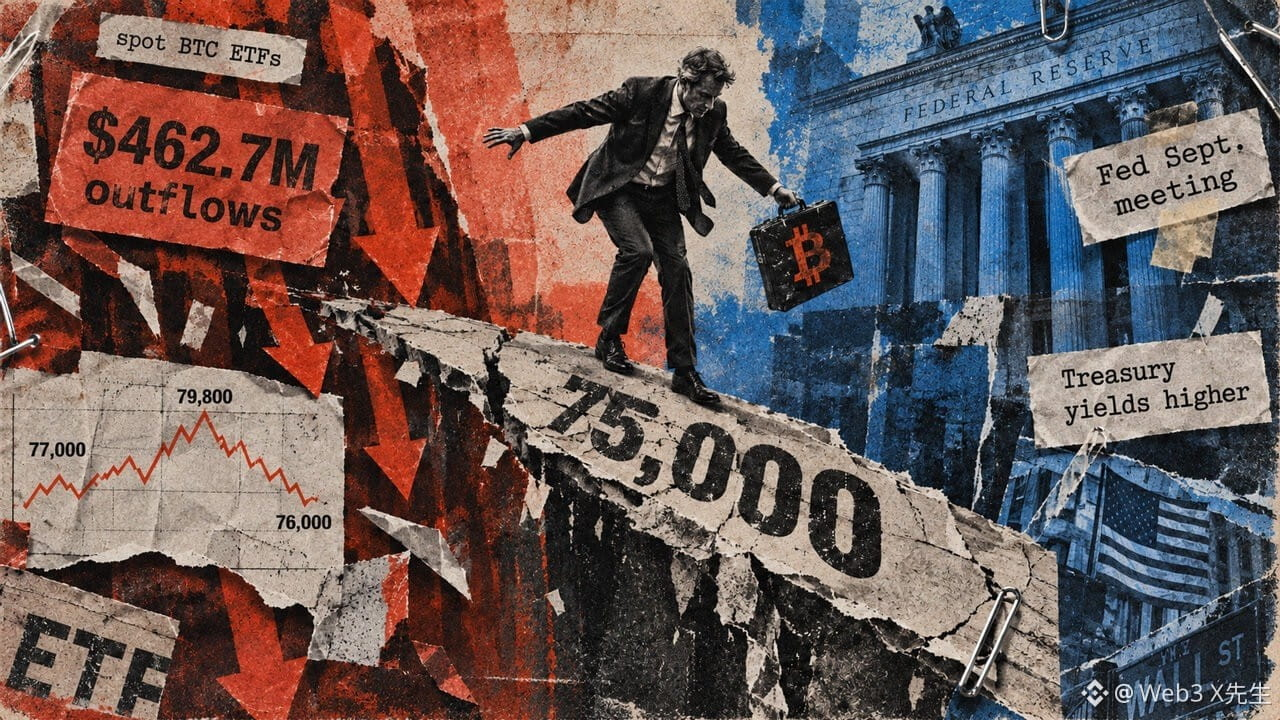
【The Federal Reserve is meeting tomorrow, with expectations for a rate hike surging to 87%; even Goldman Sachs has changed its tune 📊】
Group chat: [📲 加入X先生的粉丝群聊](https://app.binance.com/uni-qr/XP5J3ynH)
The Federal Reserve’s policy meeting begins tomorrow, and the results will be released early Wednesday morning. The market is pricing in a 25-basis-point rate hike probability that has already risen to around 87%. August CPI came in at 3.4% year-over-year and 0.4% month-over-month, with inflation not cooling.
First, let’s clarify what’s actually different this time—Goldman Sachs itself has already changed its wording. It revised its forecast from staying put to a direct 25-basis-point hike. The yield on the 10-year U.S. Treasury is edging toward 5%, then fell back to 4.93% on Friday.
What’s really worth watching is the key support line at $75,000. Bitcoin only just stabilized above this level in August, and it’s the foundation of this rebound. If yields keep moving higher, that foundation will be worn down little by little.
For crypto, Bitcoin itself doesn’t pay interest—it can only make money by rising in price. The higher the interest offered by Treasuries, the greater the opportunity cost of holding Bitcoin. This week, the Bank of Japan and the Bank of England also have meetings, and all three will tighten liquidity together.
Do you think the Fed will really pull the trigger on Wednesday, or just talk to scare the market? Let’s discuss in the comments.
【The Federal Reserve is meeting tomorrow, with expectations for a rate hike surging to 87%; even Goldman Sachs has changed its tune 📊】
Group chat: 📲 加入X先生的粉丝群聊
The Federal Reserve’s policy meeting begins tomorrow, and the results will be released early Wednesday morning. The market is pricing in a 25-basis-point rate hike probability that has already risen to around 87%. August CPI came in at 3.4% year-over-year and 0.4% month-over-month, with inflation not cooling.
First, let’s clarify what’s actually different this time—Goldman Sachs itself has already changed its wording. It revised its forecast from staying put to a direct 25-basis-point hike. The yield on the 10-year U.S. Treasury is edging toward 5%, then fell back to 4.93% on Friday.
What’s really worth watching is the key support line at $75,000. Bitcoin only just stabilized above this level in August, and it’s the foundation of this rebound. If yields keep moving higher, that foundation will be worn down little by little.
For crypto, Bitcoin itself doesn’t pay interest—it can only make money by rising in price. The higher the interest offered by Treasuries, the greater the opportunity cost of holding Bitcoin. This week, the Bank of Japan and the Bank of England also have meetings, and all three will tighten liquidity together.
Do you think the Fed will really pull the trigger on Wednesday, or just talk to scare the market? Let’s discuss in the comments.
Group chat: 📲 加入X先生的粉丝群聊
The Federal Reserve’s policy meeting begins tomorrow, and the results will be released early Wednesday morning. The market is pricing in a 25-basis-point rate hike probability that has already risen to around 87%. August CPI came in at 3.4% year-over-year and 0.4% month-over-month, with inflation not cooling.
First, let’s clarify what’s actually different this time—Goldman Sachs itself has already changed its wording. It revised its forecast from staying put to a direct 25-basis-point hike. The yield on the 10-year U.S. Treasury is edging toward 5%, then fell back to 4.93% on Friday.
What’s really worth watching is the key support line at $75,000. Bitcoin only just stabilized above this level in August, and it’s the foundation of this rebound. If yields keep moving higher, that foundation will be worn down little by little.
For crypto, Bitcoin itself doesn’t pay interest—it can only make money by rising in price. The higher the interest offered by Treasuries, the greater the opportunity cost of holding Bitcoin. This week, the Bank of Japan and the Bank of England also have meetings, and all three will tighten liquidity together.
Do you think the Fed will really pull the trigger on Wednesday, or just talk to scare the market? Let’s discuss in the comments.
103
Log in to explore more content
Join global crypto users on Binance Square
⚡️ Get latest and useful information about crypto.
💬 Trusted by the world’s largest crypto exchange.
👍 Discover real insights from verified creators.
Email / Phone number
Trending Topics
FedRateWatch
1.4M views
6,683 Discussing
Share & Win Traffic Reward in our Trending Hashtag Campaign
✨Topic: FOMC September, What's The Fed's Next Move?
👉How to Join:
Publish a short post or article with hashtag #FedRateWatch
Create content based on the below angles:
- August core CPI rose 0.3% month-over-month, and the odds of a 25bp hike this week are now close to 90%. Do you anticipate a rate hike this week? Is it a one-off, or the start of a longer hiking cycle?
- If the hike lands, how does it play out for BTC, tech stocks, and gold? Bullish or bearish?
- How are you planning to trade next? Share your BTC, stocks or gold trade/holdings with our trade sharing widget.
⏰Campaign Period:
- 2026-09-15 11:00 - 2026-09-17 3:00 UTC
🎁Reward:
- Qualified posts that comply with the above guidelines and contain more than 100 words will be reviewed and may receive a random traffic boost of 500 to 3,000 views. You will receive a notification from your feed secretary if your post is selected.
- Get a chance to have your article featured on Binance Square Official
Need ideas for your post? Visit the topic page #FedRateWatch or the Square Guide on How to Post for Better Reach.
Binance Square Official
·647 Likes
·1.6M views
ZcashRises6%
48,459 views
628 Discussing
XRPSinks10%
32,764 views
412 Discussing