
小恐龙说趋势
297 Posts

小恐龙说趋势
6 年市场经验,公众号.比特小恐龙,记录市场的真实逻辑,研究下一步会去哪
12 Following
2.0K+ Followers
1.6K+ Liked
Posts
All
Live
Nasdaq Company Raises $20 Million to Buy SOL — Another MicroStrategy Playbook
MicroStrategy’s playbook is back — someone’s copying it again. This time, they’re copying Solana.
DeFi Development Corp, a company listed on Nasdaq, is issuing preferred stock to raise funds directly.
2.2 million shares at $9 per share — roughly $19.8 million total. Most of it is planned to be used to buy SOL.
The CEO is blunt: the money is mainly for buying SOL. The company’s strategy is simply to hoard coins and stake them.
Last week, it just bought 19,000 SOL at an average price of $98. Now 2.33 million SOL is sitting in its treasury, worth $236 million.
Even the stock ticker was changed to CHAD — it’s basically writing its ambition on the front page.
Is this playbook familiar? MicroStrategy buys BTC. This Nasdaq-listed company buys SOL. Treating coins as treasury assets has already become a new trend.
Back then, it was retail investors hyping it up. Now public companies are backing it with real money — the “gold content” is completely different.
Can SOL replicate BTC’s playbook? No one can guarantee it, but the fact that institutions are moving in is, by itself, a clear signal.
The coin-hoarding model has a hard drawback: when the coin price swings, the financial reports swing right along like a roller coaster. Numbers on the balance sheet can’t lie.
It’s easy to learn MicroStrategy. The hard part is surviving the volatility. Before you copy the homework, ask yourself whether you can really hold on.
Which company do you think will be the next one to heavily hoard coins? Drop your guess in the comments.
Every day, I’ll bring you the SOL hotspots — not just what’s happening in the news, but also help you understand the logic and opportunities behind it 👀🚀
Click the link below to follow me 👇🏻
👉 加入小恐龙粉丝群
#Solana #SOL #机构囤币
MicroStrategy’s playbook is back — someone’s copying it again. This time, they’re copying Solana.
DeFi Development Corp, a company listed on Nasdaq, is issuing preferred stock to raise funds directly.
2.2 million shares at $9 per share — roughly $19.8 million total. Most of it is planned to be used to buy SOL.
The CEO is blunt: the money is mainly for buying SOL. The company’s strategy is simply to hoard coins and stake them.
Last week, it just bought 19,000 SOL at an average price of $98. Now 2.33 million SOL is sitting in its treasury, worth $236 million.
Even the stock ticker was changed to CHAD — it’s basically writing its ambition on the front page.
Is this playbook familiar? MicroStrategy buys BTC. This Nasdaq-listed company buys SOL. Treating coins as treasury assets has already become a new trend.
Back then, it was retail investors hyping it up. Now public companies are backing it with real money — the “gold content” is completely different.
Can SOL replicate BTC’s playbook? No one can guarantee it, but the fact that institutions are moving in is, by itself, a clear signal.
The coin-hoarding model has a hard drawback: when the coin price swings, the financial reports swing right along like a roller coaster. Numbers on the balance sheet can’t lie.
It’s easy to learn MicroStrategy. The hard part is surviving the volatility. Before you copy the homework, ask yourself whether you can really hold on.
Which company do you think will be the next one to heavily hoard coins? Drop your guess in the comments.
Every day, I’ll bring you the SOL hotspots — not just what’s happening in the news, but also help you understand the logic and opportunities behind it 👀🚀
Click the link below to follow me 👇🏻
👉 加入小恐龙粉丝群
#Solana #SOL #机构囤币

Verified
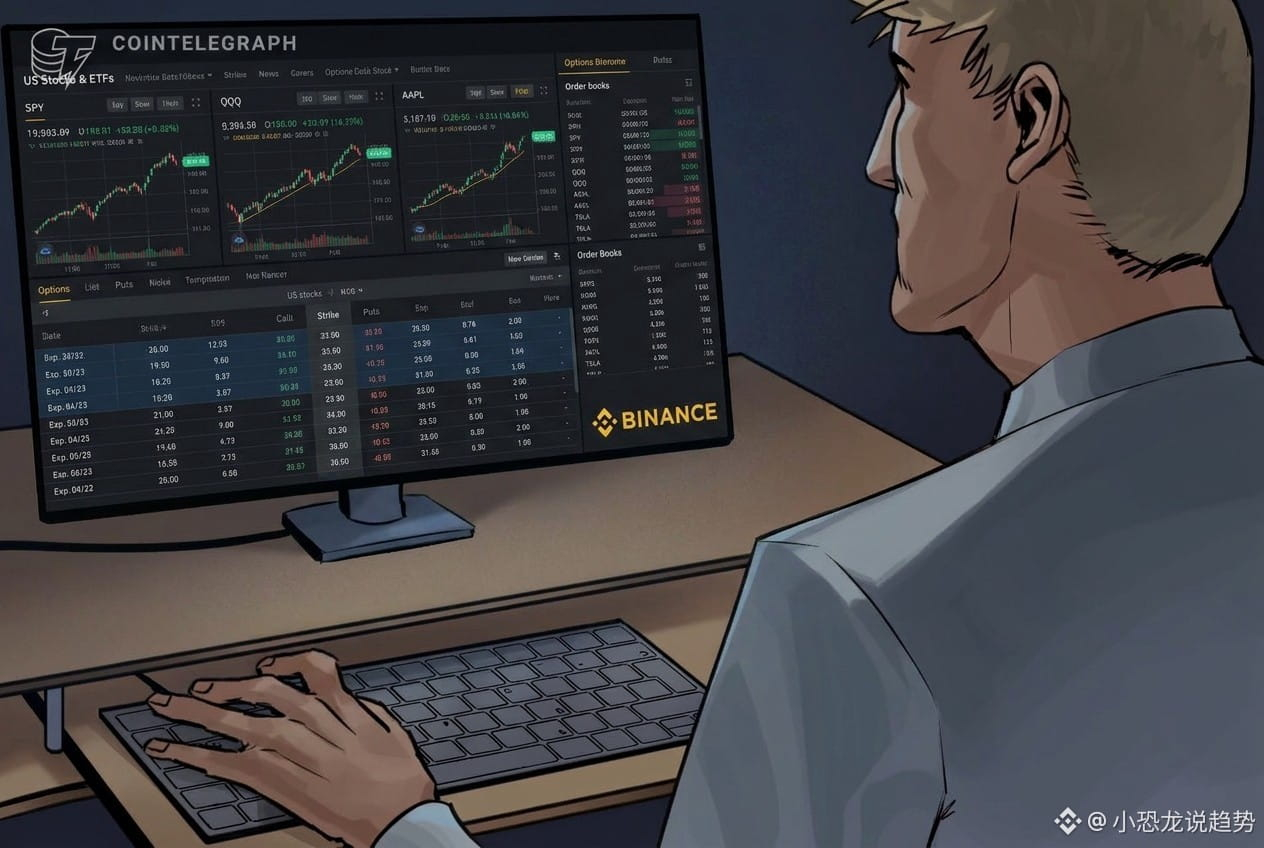
Binance Launches 1,000+ U.S. Stock Options—Traditional Finance Keeps Expanding the Board
Binance is at it again. This time, it dives straight into U.S. stock options.
More than 1,000 option contracts on U.S. stocks and ETFs are now officially live, and users in non-U.S. regions can trade them too.
Orders route through a licensed broker in Abu Dhabi—Nest Trading. Clearing and custody are handled by Alpaca Securities, a U.S.-registered firm. Compliance setup is fully dialed in.
Unlike the contracts mentioned elsewhere, these options are physically settled. Exercising actually gives you the stocks, not some cash-settled, virtual gimmick.
Remember, Binance stock spot trading has already covered 7,000+ listings. With options now live, traditional finance’s puzzle gets another piece added.
Data says it best: in August, trading volume for TradFi perpetual contracts hit $43.3 billion—about 15 times that of January. You can literally see how fast the capital is moving in.
The tokenized stocks track is also surging. In one year, circulating market cap jumped from $34.6 million to $260 million. Monthly transfer volume rose 93%, the number of holders more than doubled (up 1.5x), reaching nearly 2.5 million.
Exchanges are all trying to squeeze into traditional finance. Whoever gets the pipeline connected first gets the profit.
For ordinary players, the barrier is genuinely lowering: you can now trade stocks, options, and crypto under one account.
But don’t rush in. Options are a double-edged sword. If you don’t understand the strike price or the expiration date, you’ll still lose—enough to make you question everything about your life.
Learn how premium and implied volatility work before you place a trade. Otherwise you’re basically paying tuition to the market.
Mainstream capital is flowing in. The wall between crypto and traditional finance is being dismantled.
What do you think the next thing exchanges will launch—futures, FX? Let’s chat in the comments.
Every day, I’ll keep you updated on exchange hot spots. Not just what’s happening in the news—more importantly, I’ll help you understand the logic and the opportunities behind it 👀🚀
Click the link below to follow me 👇🏻
👉 加入小恐龙粉丝群
#币安 #美股期权 #TradFi
Binance is at it again. This time, it dives straight into U.S. stock options.
More than 1,000 option contracts on U.S. stocks and ETFs are now officially live, and users in non-U.S. regions can trade them too.
Orders route through a licensed broker in Abu Dhabi—Nest Trading. Clearing and custody are handled by Alpaca Securities, a U.S.-registered firm. Compliance setup is fully dialed in.
Unlike the contracts mentioned elsewhere, these options are physically settled. Exercising actually gives you the stocks, not some cash-settled, virtual gimmick.
Remember, Binance stock spot trading has already covered 7,000+ listings. With options now live, traditional finance’s puzzle gets another piece added.
Data says it best: in August, trading volume for TradFi perpetual contracts hit $43.3 billion—about 15 times that of January. You can literally see how fast the capital is moving in.
The tokenized stocks track is also surging. In one year, circulating market cap jumped from $34.6 million to $260 million. Monthly transfer volume rose 93%, the number of holders more than doubled (up 1.5x), reaching nearly 2.5 million.
Exchanges are all trying to squeeze into traditional finance. Whoever gets the pipeline connected first gets the profit.
For ordinary players, the barrier is genuinely lowering: you can now trade stocks, options, and crypto under one account.
But don’t rush in. Options are a double-edged sword. If you don’t understand the strike price or the expiration date, you’ll still lose—enough to make you question everything about your life.
Learn how premium and implied volatility work before you place a trade. Otherwise you’re basically paying tuition to the market.
Mainstream capital is flowing in. The wall between crypto and traditional finance is being dismantled.
What do you think the next thing exchanges will launch—futures, FX? Let’s chat in the comments.
Every day, I’ll keep you updated on exchange hot spots. Not just what’s happening in the news—more importantly, I’ll help you understand the logic and the opportunities behind it 👀🚀
Click the link below to follow me 👇🏻
👉 加入小恐龙粉丝群
#币安 #美股期权 #TradFi
Verified
Another company is狂ly buying Ethereum, purchasing 53,501 ETH at once. Tom Lee’s Bitmine is still adding around $2,500.
With this purchase, the amount of ETH this company holds keeps growing. Buying through price fluctuations all the way—real love, no doubt.
Ethereum is currently stuck around the $2,500 level. Some people are panicking, while others are bargain-hunting. This company chooses to “vote with its wallet.”
Why does it dare to buy like this? Probably because it believes in the long-term value of the Ethereum ecosystem. But being heavily concentrated in a single asset also means the risks are there.
This round of moves reveals a trend: publicly listed companies buying crypto is spreading from Bitcoin to Ethereum, and treasury diversification is starting.
But don’t go copying it by going all-in. It’s a listed company—shareholders can take the hit if it goes wrong. You’re a retail investor—you take the loss yourself.
It’s better to learn the thinking, not just the trade: buy in batches and be able to hold. Being able to stick with it matters more than one big bet.
That said, being able to add on while sitting on floating losses shows both financial strength and conviction—definitely not something ordinary players can learn.
Ethereum ecosystem: staking, layer 2, stablecoins, and a bunch of applications. What it’s betting on is the growth of the entire ecosystem.
One more reminder: other people’s treasury strategies aren’t your “get rich” password. If you copy, do it with your brain switched on.
Do you also think Ethereum will do well? Are you willing to concentrate like it did? Share your position logic.
Click the profile picture to watch the livestream.
Every day I’ll take you to follow Ethereum hotspots—not just what happened in the news, but help you understand the underlying logic and opportunities 👉🦖
#Ethereum
With this purchase, the amount of ETH this company holds keeps growing. Buying through price fluctuations all the way—real love, no doubt.
Ethereum is currently stuck around the $2,500 level. Some people are panicking, while others are bargain-hunting. This company chooses to “vote with its wallet.”
Why does it dare to buy like this? Probably because it believes in the long-term value of the Ethereum ecosystem. But being heavily concentrated in a single asset also means the risks are there.
This round of moves reveals a trend: publicly listed companies buying crypto is spreading from Bitcoin to Ethereum, and treasury diversification is starting.
But don’t go copying it by going all-in. It’s a listed company—shareholders can take the hit if it goes wrong. You’re a retail investor—you take the loss yourself.
It’s better to learn the thinking, not just the trade: buy in batches and be able to hold. Being able to stick with it matters more than one big bet.
That said, being able to add on while sitting on floating losses shows both financial strength and conviction—definitely not something ordinary players can learn.
Ethereum ecosystem: staking, layer 2, stablecoins, and a bunch of applications. What it’s betting on is the growth of the entire ecosystem.
One more reminder: other people’s treasury strategies aren’t your “get rich” password. If you copy, do it with your brain switched on.
Do you also think Ethereum will do well? Are you willing to concentrate like it did? Share your position logic.
Click the profile picture to watch the livestream.
Every day I’ll take you to follow Ethereum hotspots—not just what happened in the news, but help you understand the underlying logic and opportunities 👉🦖
#Ethereum

Robinhood’s chain earned $1.9 million in a day—single-day revenue hits a record, and it also pushed ARB up 30% along the way.
On-chain income breaks records, proving that trading and tokenized stocks are really hot. Turns out making money on-chain can be this profitable.
Funding can be this direct. When you see standout on-chain data, you immediately chase and buy related tokens. ARB goes up right along with it.
The most worth pondering here isn’t how much ARB rose, but that one trading platform’s on-chain revenue can outperform a bunch of other public chains.
When traditional platforms move onto the chain, the efficiency gap is obvious to the naked eye. Fees stay on-chain; the ecosystem can generate its own lifeblood. You don’t need to look at the big platforms’ faces.
The platform brings users onto the chain, and users leave the money on the chain. Once this flywheel starts turning, it has serious staying power.
Of course, hype comes fast and fades fast. There’s never a shortage of people chasing the highs, and there’s never a shortage of bag holders.
But don’t just look at the income numbers—look at whether revenue can be stable. Making $1.9 million in one day and making $1.9 million every day are two different things.
Besides enjoying the show, think about which chain can keep making money—that’s the real question.
Now, on-chain revenue data has become even more sensitive than the K-line chart—a barometer that everyone watches. All the capital is looking at it.
Have you ever chased a token driven by on-chain revenue? How did it turn out? Share your experience.
Click the avatar to watch the livestream.
Every day I’ll bring you to follow on-chain hot topics—not just what happens in the news, but also helping you understand the logic and opportunities behind it 👉🦖
#ARB #On-chain data
On-chain income breaks records, proving that trading and tokenized stocks are really hot. Turns out making money on-chain can be this profitable.
Funding can be this direct. When you see standout on-chain data, you immediately chase and buy related tokens. ARB goes up right along with it.
The most worth pondering here isn’t how much ARB rose, but that one trading platform’s on-chain revenue can outperform a bunch of other public chains.
When traditional platforms move onto the chain, the efficiency gap is obvious to the naked eye. Fees stay on-chain; the ecosystem can generate its own lifeblood. You don’t need to look at the big platforms’ faces.
The platform brings users onto the chain, and users leave the money on the chain. Once this flywheel starts turning, it has serious staying power.
Of course, hype comes fast and fades fast. There’s never a shortage of people chasing the highs, and there’s never a shortage of bag holders.
But don’t just look at the income numbers—look at whether revenue can be stable. Making $1.9 million in one day and making $1.9 million every day are two different things.
Besides enjoying the show, think about which chain can keep making money—that’s the real question.
Now, on-chain revenue data has become even more sensitive than the K-line chart—a barometer that everyone watches. All the capital is looking at it.
Have you ever chased a token driven by on-chain revenue? How did it turn out? Share your experience.
Click the avatar to watch the livestream.
Every day I’ll bring you to follow on-chain hot topics—not just what happens in the news, but also helping you understand the logic and opportunities behind it 👉🦖
#ARB #On-chain data
Verified
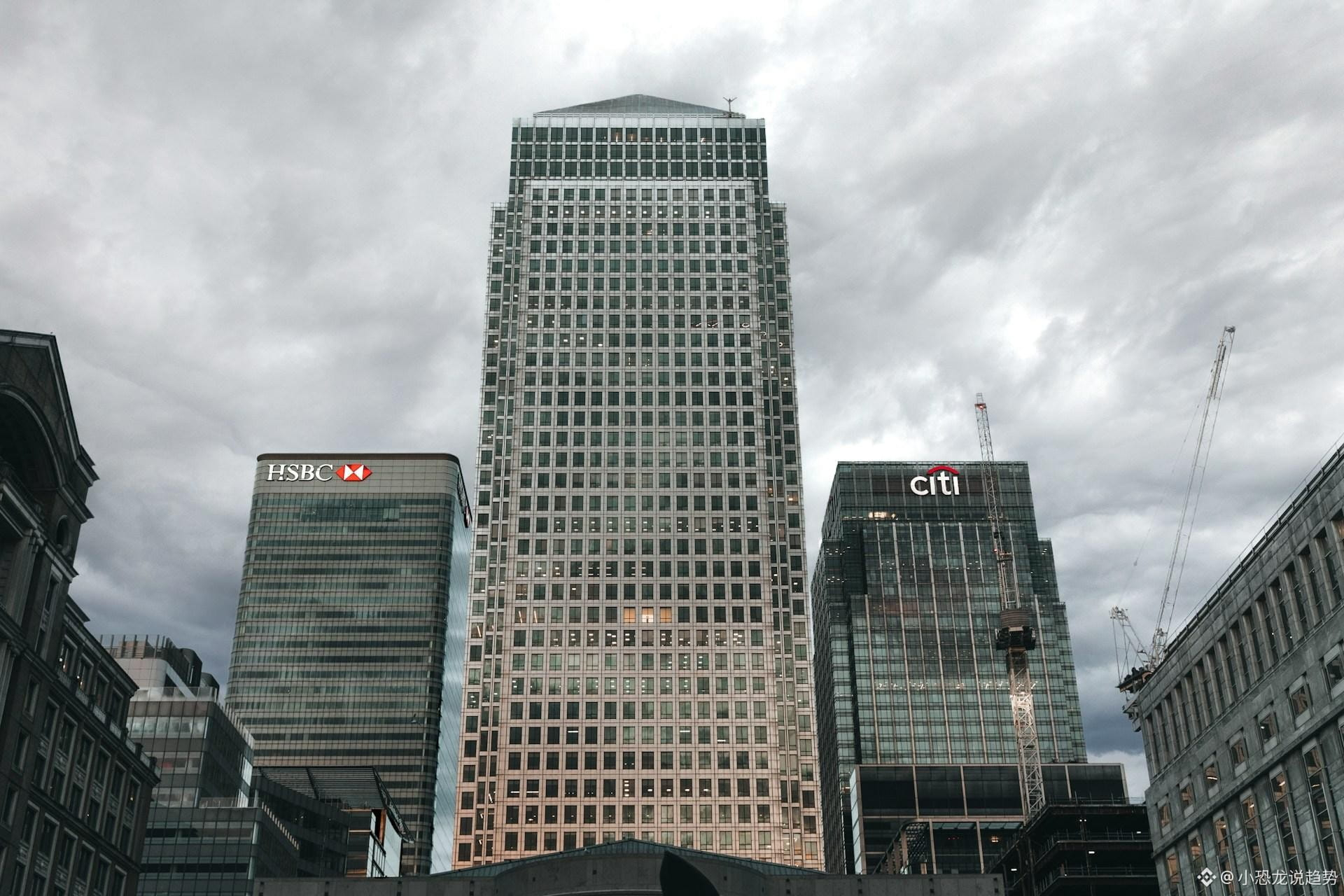
Goldman Sachs, Citi, UBS—21 Wall Street giants gather to team up and create a USD stablecoin, targeting a launch in the first half of 2027
How extraordinary is this lineup? Just pick any name—each one is at the very top of traditional finance’s pyramid. Now they’re all moving in to build stablecoins.
The new company will first issue a USD stablecoin, focusing on payments and digital-asset settlement. Euro tokens are also on the expansion shortlist.
In the past, stablecoins were something the crypto world played with on its own. Banks looked at them with disdain. Now they’re straight-up copying the playbook—and doing it with a straight face.
The key isn’t just which bank wants to test the waters, but that all 21 are doing it together. That’s like the entire Wall Street ecosystem stamping its approval: stablecoins are becoming legitimate payment infrastructure.
For retail users, don’t rush to shout “disruption.” First understand one thing: the track money rides on is shifting from traditional systems onto the blockchain—and faster than you’d expect.
A united front from the giants means compliance, custody, and settlement gaps will be filled quickly. The moat of established stablecoins is about to face a real challenger.
Banks entering the space also has a hidden motive: to seize back control of the payments conversation. If stablecoins are led by tech companies, banks will truly have to step aside.
Once a bank-backed stablecoin goes live, the fee structure and cross-border settlement landscape may need to be rewritten.
The most ironic part: the institutions that once said Bitcoin was a scam are now lining up to issue stablecoins. The “it’s good stuff” law applies on Wall Street too.
There’s another layer of meaning. Global regulation for stablecoins is being filled in everywhere. Wall Street’s move right now is about抢时间窗—seizing the time window. Place the first pieces on the board and you benefit first.
For the crypto community, an opponent of this caliber entering the arena is both pressure and endorsement. The compliance-bound ship has already set anchor—no one can stop it.
Do you think the stablecoin issued by banks can take back how much market share from established stablecoins? Let’s chat in the comments.
Click the avatar to watch the live stream.
Every day, I’ll take you to follow stablecoin hotspots—not just what’s happening in the news, but the logic and opportunities behind it 👉🦖
#稳定币 #Bitcoin
How extraordinary is this lineup? Just pick any name—each one is at the very top of traditional finance’s pyramid. Now they’re all moving in to build stablecoins.
The new company will first issue a USD stablecoin, focusing on payments and digital-asset settlement. Euro tokens are also on the expansion shortlist.
In the past, stablecoins were something the crypto world played with on its own. Banks looked at them with disdain. Now they’re straight-up copying the playbook—and doing it with a straight face.
The key isn’t just which bank wants to test the waters, but that all 21 are doing it together. That’s like the entire Wall Street ecosystem stamping its approval: stablecoins are becoming legitimate payment infrastructure.
For retail users, don’t rush to shout “disruption.” First understand one thing: the track money rides on is shifting from traditional systems onto the blockchain—and faster than you’d expect.
A united front from the giants means compliance, custody, and settlement gaps will be filled quickly. The moat of established stablecoins is about to face a real challenger.
Banks entering the space also has a hidden motive: to seize back control of the payments conversation. If stablecoins are led by tech companies, banks will truly have to step aside.
Once a bank-backed stablecoin goes live, the fee structure and cross-border settlement landscape may need to be rewritten.
The most ironic part: the institutions that once said Bitcoin was a scam are now lining up to issue stablecoins. The “it’s good stuff” law applies on Wall Street too.
There’s another layer of meaning. Global regulation for stablecoins is being filled in everywhere. Wall Street’s move right now is about抢时间窗—seizing the time window. Place the first pieces on the board and you benefit first.
For the crypto community, an opponent of this caliber entering the arena is both pressure and endorsement. The compliance-bound ship has already set anchor—no one can stop it.
Do you think the stablecoin issued by banks can take back how much market share from established stablecoins? Let’s chat in the comments.
Click the avatar to watch the live stream.
Every day, I’ll take you to follow stablecoin hotspots—not just what’s happening in the news, but the logic and opportunities behind it 👉🦖
#稳定币 #Bitcoin

Robinhood Chain’s single-day DEX volume hits $875 million
On August 30, the Robinhood Chain’s decentralized trading volume reached a historic record—$875 million in a single day. That day it processed 5.52 million transactions, also a new high.
The latest version of the leading DEX protocol contributed $432 million in just one day. Combined with the old version’s $357 million, the two versions together accounted for 90% of all transactions.
What’s truly interesting is the driving force behind it: tokenized stocks. In the past 30 days, the 7 most actively traded tokenized stocks generated $4.3 billion in trading volume in decentralized markets—3 of those were on the Robinhood Chain.
Just this one protocol alone processed $1.5 billion worth of tokenized stock trades on the Robinhood Chain within six weeks.
That directly translates into real revenue. On August 31, the Robinhood Chain’s applications earned $2.66 million over 24 hours—leaving Ethereum far behind, which had only $1.27 million in the same period.
My take: previously, on-chain excitement relied mostly on meme coins. Now tokenized stocks are moving in, bringing real, legitimate business to decentralized markets. Stocks can be traded on-chain too—and generate fee income.
Does this suggest that the boundary between traditional finance and crypto is being erased trade by trade?
Do you think tokenized stocks will become the next big on-chain main storyline—or just another passing trend?
Click the profile picture to watch the live stream.
Every day, I’ll take you to track tokenized-stocks and DeFi hotspots—not just see what happened in the news, but also help you understand the underlying logic and opportunities 👉🦖
#代币化股票 #DeFi
On August 30, the Robinhood Chain’s decentralized trading volume reached a historic record—$875 million in a single day. That day it processed 5.52 million transactions, also a new high.
The latest version of the leading DEX protocol contributed $432 million in just one day. Combined with the old version’s $357 million, the two versions together accounted for 90% of all transactions.
What’s truly interesting is the driving force behind it: tokenized stocks. In the past 30 days, the 7 most actively traded tokenized stocks generated $4.3 billion in trading volume in decentralized markets—3 of those were on the Robinhood Chain.
Just this one protocol alone processed $1.5 billion worth of tokenized stock trades on the Robinhood Chain within six weeks.
That directly translates into real revenue. On August 31, the Robinhood Chain’s applications earned $2.66 million over 24 hours—leaving Ethereum far behind, which had only $1.27 million in the same period.
My take: previously, on-chain excitement relied mostly on meme coins. Now tokenized stocks are moving in, bringing real, legitimate business to decentralized markets. Stocks can be traded on-chain too—and generate fee income.
Does this suggest that the boundary between traditional finance and crypto is being erased trade by trade?
Do you think tokenized stocks will become the next big on-chain main storyline—or just another passing trend?
Click the profile picture to watch the live stream.
Every day, I’ll take you to track tokenized-stocks and DeFi hotspots—not just see what happened in the news, but also help you understand the underlying logic and opportunities 👉🦖
#代币化股票 #DeFi

SOL’s ETF has also surpassed $1 billion
Bitwise’s Solana staking ETF launched just 10 months ago and has already pushed its assets under management past $1 billion, becoming the third coin with a $1B-level ETF after Bitcoin and Ethereum.
Where does the value of this record come from? Most of the capital came in during the bear market. The market has been gradually drifting downward, while institutions have kept buying. Now Solana’s total ETF AUM is 1.43 billion, accounting for 2.35% of SOL’s market cap.
Solana itself has also performed well—rising 46% in August, rebounding 80% from the June low. The price has climbed back above $100, and its market cap has returned to over $60 billion.
Even traditional brokerages can’t sit still. Charles Schwab has announced it will roll out SOL spot trading for its clients next. They’re a big player managing $12 trillion in assets.
And many SOL funds also include staking yield. They can support net asset value just by collecting on-chain interest—something traditional ETFs could hardly even imagine.
Industry analysts say total inflows into the entire Solana ETF track have reached $1.7 billion, with almost no sustained outflows. Purchases during the bear market, and now it’s starting to cash in.
My take: the most convincing part of this cycle isn’t Bitcoin—it’s the ETF-ification of altcoins. Whichever one gets turned into a product by Wall Street first will be the one that can capture the next wave of allocation benefits.
Next, we should guess: who will be the fourth $1B-level ETF—XRP, or another dark-horse?
Click the profile picture to watch the live stream.
Every day, I’ll take you to track ETF hot topics— not just what’s happening in the news, but also to help you understand the logic and opportunities behind it 👉🦖
#Solana #ETF
Bitwise’s Solana staking ETF launched just 10 months ago and has already pushed its assets under management past $1 billion, becoming the third coin with a $1B-level ETF after Bitcoin and Ethereum.
Where does the value of this record come from? Most of the capital came in during the bear market. The market has been gradually drifting downward, while institutions have kept buying. Now Solana’s total ETF AUM is 1.43 billion, accounting for 2.35% of SOL’s market cap.
Solana itself has also performed well—rising 46% in August, rebounding 80% from the June low. The price has climbed back above $100, and its market cap has returned to over $60 billion.
Even traditional brokerages can’t sit still. Charles Schwab has announced it will roll out SOL spot trading for its clients next. They’re a big player managing $12 trillion in assets.
And many SOL funds also include staking yield. They can support net asset value just by collecting on-chain interest—something traditional ETFs could hardly even imagine.
Industry analysts say total inflows into the entire Solana ETF track have reached $1.7 billion, with almost no sustained outflows. Purchases during the bear market, and now it’s starting to cash in.
My take: the most convincing part of this cycle isn’t Bitcoin—it’s the ETF-ification of altcoins. Whichever one gets turned into a product by Wall Street first will be the one that can capture the next wave of allocation benefits.
Next, we should guess: who will be the fourth $1B-level ETF—XRP, or another dark-horse?
Click the profile picture to watch the live stream.
Every day, I’ll take you to track ETF hot topics— not just what’s happening in the news, but also to help you understand the logic and opportunities behind it 👉🦖
#Solana #ETF

ETF money vacuuming up like crazy: Bitcoin closes August strong
On Monday, Bitcoin spot ETF net inflows totaled $216.7 million—one BlackRock fund alone accounted for $205.9 million, directly putting an end to Friday’s outflows.
Ethereum ETFs were even more aggressive: net inflows for 11 straight trading days, with another $87.68 million added on the day. Altcoin ETFs weren’t idle either—XRP saw inflows of $5.64 million, while Solana added $0.92 million.
The key numbers: Bitcoin ETF total assets have already climbed to $99.61 billion. It’s just one step away from the $100 billion mark.
Over the whole of August, spot ETFs attracted $3.52 billion, the strongest single month since October last year. Bitcoin itself rose 25% in August—this is the first time an August ended positive since 2021.
People used to say August is a quiet period for crypto, with a lukewarm market. But this year’s script is completely flipped: institutions quietly add positions during the slow season, while retail investors are still debating whether to get on board.
My take: the $100 billion threshold isn’t just a number—it means Wall Street’s allocation capital is starting to treat Bitcoin as a standard asset rather than a speculative one.
On the first day of September, U.S. stocks are still trembling due to developments in the Middle East. But ETF fund flows show that long-term capital and short-term panic are two different groups doing two different things.
When do you think total Bitcoin ETF assets will break $100 billion—this week or next week?
Click the avatar to watch the live stream.
Every day, I’ll take you through ETF hotspots—not just what’s happening in the news, but also the logic and opportunities behind it 👉🦖
#比特币ETF #加密市场
On Monday, Bitcoin spot ETF net inflows totaled $216.7 million—one BlackRock fund alone accounted for $205.9 million, directly putting an end to Friday’s outflows.
Ethereum ETFs were even more aggressive: net inflows for 11 straight trading days, with another $87.68 million added on the day. Altcoin ETFs weren’t idle either—XRP saw inflows of $5.64 million, while Solana added $0.92 million.
The key numbers: Bitcoin ETF total assets have already climbed to $99.61 billion. It’s just one step away from the $100 billion mark.
Over the whole of August, spot ETFs attracted $3.52 billion, the strongest single month since October last year. Bitcoin itself rose 25% in August—this is the first time an August ended positive since 2021.
People used to say August is a quiet period for crypto, with a lukewarm market. But this year’s script is completely flipped: institutions quietly add positions during the slow season, while retail investors are still debating whether to get on board.
My take: the $100 billion threshold isn’t just a number—it means Wall Street’s allocation capital is starting to treat Bitcoin as a standard asset rather than a speculative one.
On the first day of September, U.S. stocks are still trembling due to developments in the Middle East. But ETF fund flows show that long-term capital and short-term panic are two different groups doing two different things.
When do you think total Bitcoin ETF assets will break $100 billion—this week or next week?
Click the avatar to watch the live stream.
Every day, I’ll take you through ETF hotspots—not just what’s happening in the news, but also the logic and opportunities behind it 👉🦖
#比特币ETF #加密市场
Verified
The U.S. Again Bombed Iran—Global Markets Immediately Hit the Floor
Today at noon, the U.S. Central Command opened fire, launching airstrikes on targets of Iran’s Islamic Revolutionary Guard Corps. The stated reason: the other side laid water mines in the Strait of Hormuz and also fired eight missiles at U.S. bases, all of which were intercepted.
Trump said this airstrike was “big and fierce,” and that even larger strikes are waiting in the wings.
The result: the Dow plunged straight down by 401 points. The S&P also stayed green. Gold fell 2.35%, and silver dropped 2.86%. Safe-haven assets—supposedly—collectively failed today.
Brent crude surged to $96.7 per barrel—oil prices blew up first. Bitcoin followed by softening, now hovering above 76,000. Over the past 24 hours, it’s down 2.5%. The next support to watch is 75,000.
Once war starts, all assets drop first as a matter of courtesy. Gold doesn’t act like a safe haven. Bitcoin doesn’t act like one either. Only oil prices are partying—this is the real face of geopolitical risk.
This is already the second wave of airstrikes within a few days. Last Friday, the U.S. already took action over the mines. This time, they directly named the Revolutionary Guard Corps. Hormuz is the throat of global oil shipping. When tension spikes here, oil prices pick up the bill for everyone.
My take: don’t chase shorts and don’t rush to buy the dip on this kind of news. Volatility will be huge. First, see how Iran responds and how the market digests it—that’s the real business.
Historically, for this kind of geopolitical shock, the short term is about dumping the pit, but in the medium term it still comes down to fundamentals. Don’t let a single candlestick carry you away.
Where do you think this wave of safe-haven capital will go—gold, U.S. Treasuries, or will it just lie down and hold onto coins?
Click the avatar to watch the live stream.
Every day, I’ll guide you through geopolitics hotspots—not just what happens in the news, but also the logic and opportunities behind it 👉🦖
#比特币 #加密市场
Today at noon, the U.S. Central Command opened fire, launching airstrikes on targets of Iran’s Islamic Revolutionary Guard Corps. The stated reason: the other side laid water mines in the Strait of Hormuz and also fired eight missiles at U.S. bases, all of which were intercepted.
Trump said this airstrike was “big and fierce,” and that even larger strikes are waiting in the wings.
The result: the Dow plunged straight down by 401 points. The S&P also stayed green. Gold fell 2.35%, and silver dropped 2.86%. Safe-haven assets—supposedly—collectively failed today.
Brent crude surged to $96.7 per barrel—oil prices blew up first. Bitcoin followed by softening, now hovering above 76,000. Over the past 24 hours, it’s down 2.5%. The next support to watch is 75,000.
Once war starts, all assets drop first as a matter of courtesy. Gold doesn’t act like a safe haven. Bitcoin doesn’t act like one either. Only oil prices are partying—this is the real face of geopolitical risk.
This is already the second wave of airstrikes within a few days. Last Friday, the U.S. already took action over the mines. This time, they directly named the Revolutionary Guard Corps. Hormuz is the throat of global oil shipping. When tension spikes here, oil prices pick up the bill for everyone.
My take: don’t chase shorts and don’t rush to buy the dip on this kind of news. Volatility will be huge. First, see how Iran responds and how the market digests it—that’s the real business.
Historically, for this kind of geopolitical shock, the short term is about dumping the pit, but in the medium term it still comes down to fundamentals. Don’t let a single candlestick carry you away.
Where do you think this wave of safe-haven capital will go—gold, U.S. Treasuries, or will it just lie down and hold onto coins?
Click the avatar to watch the live stream.
Every day, I’ll guide you through geopolitics hotspots—not just what happens in the news, but also the logic and opportunities behind it 👉🦖
#比特币 #加密市场

Verified
Wall Street giants team up to work on stablecoins—this lineup is a bit too big
Citigroup, Goldman Sachs, and a whole bunch of global banks and asset management firms are directly forming a团 and jumping in
First, they’ll do a US dollar stablecoin, focusing on payments and digital-asset settlement
An euro token is also on the schedule—this is the rhythm of bringing traditional finance onto the blockchain
Honestly, this is a very strong signal
In the past, banks were just watching stablecoins from the sidelines; now they’re jumping in as players
What does that mean? Stablecoins are no longer something the crypto community is just self-entertaining with—this is a track that traditional finance is seriously fighting for
A group of top global institutions taking the lead—their weight is harder than any project team’s whitepaper
For us, the key isn’t to join the hype, but to understand the trend
When institutions move in, it usually means compliance and liquidity will follow
If a USD stablecoin is truly built, the efficiency of payment and settlement will be something the traditional system simply can’t match
The wall between on-chain finance and traditional finance is being taken down block by block
But don’t get too swept up either—big banks’ actions have always been slow
From announcing the team-up to product launch, it takes at least one or two years
During that time, the market will still be volatile as usual, still shake out as usual
It’s okay to look for the right direction—just don’t let their pace take you off your own plan. Keeping your position steady is the real business
Thinking deeper, the giants’ entry has another hidden signal
The stablecoin “war” has shifted from project teams competing to the banking world
Whoever can perfect compliance and distribution channels will be the one to take a big bite of the cross-border payments pie
For the industry, this is a turning point from the margins to the mainstream—worth keeping a long-term eye on
Every day I’ll bring you the latest stablecoin hotspots—not just what happened in the news, but also the logic and opportunities behind it 👀🚀
Click the links below to follow me👇🏻
👉 加入小恐龙粉丝群
#稳定币 #华尔街 #加密市场
Citigroup, Goldman Sachs, and a whole bunch of global banks and asset management firms are directly forming a团 and jumping in
First, they’ll do a US dollar stablecoin, focusing on payments and digital-asset settlement
An euro token is also on the schedule—this is the rhythm of bringing traditional finance onto the blockchain
Honestly, this is a very strong signal
In the past, banks were just watching stablecoins from the sidelines; now they’re jumping in as players
What does that mean? Stablecoins are no longer something the crypto community is just self-entertaining with—this is a track that traditional finance is seriously fighting for
A group of top global institutions taking the lead—their weight is harder than any project team’s whitepaper
For us, the key isn’t to join the hype, but to understand the trend
When institutions move in, it usually means compliance and liquidity will follow
If a USD stablecoin is truly built, the efficiency of payment and settlement will be something the traditional system simply can’t match
The wall between on-chain finance and traditional finance is being taken down block by block
But don’t get too swept up either—big banks’ actions have always been slow
From announcing the team-up to product launch, it takes at least one or two years
During that time, the market will still be volatile as usual, still shake out as usual
It’s okay to look for the right direction—just don’t let their pace take you off your own plan. Keeping your position steady is the real business
Thinking deeper, the giants’ entry has another hidden signal
The stablecoin “war” has shifted from project teams competing to the banking world
Whoever can perfect compliance and distribution channels will be the one to take a big bite of the cross-border payments pie
For the industry, this is a turning point from the margins to the mainstream—worth keeping a long-term eye on
Every day I’ll bring you the latest stablecoin hotspots—not just what happened in the news, but also the logic and opportunities behind it 👀🚀
Click the links below to follow me👇🏻
👉 加入小恐龙粉丝群
#稳定币 #华尔街 #加密市场
Verified
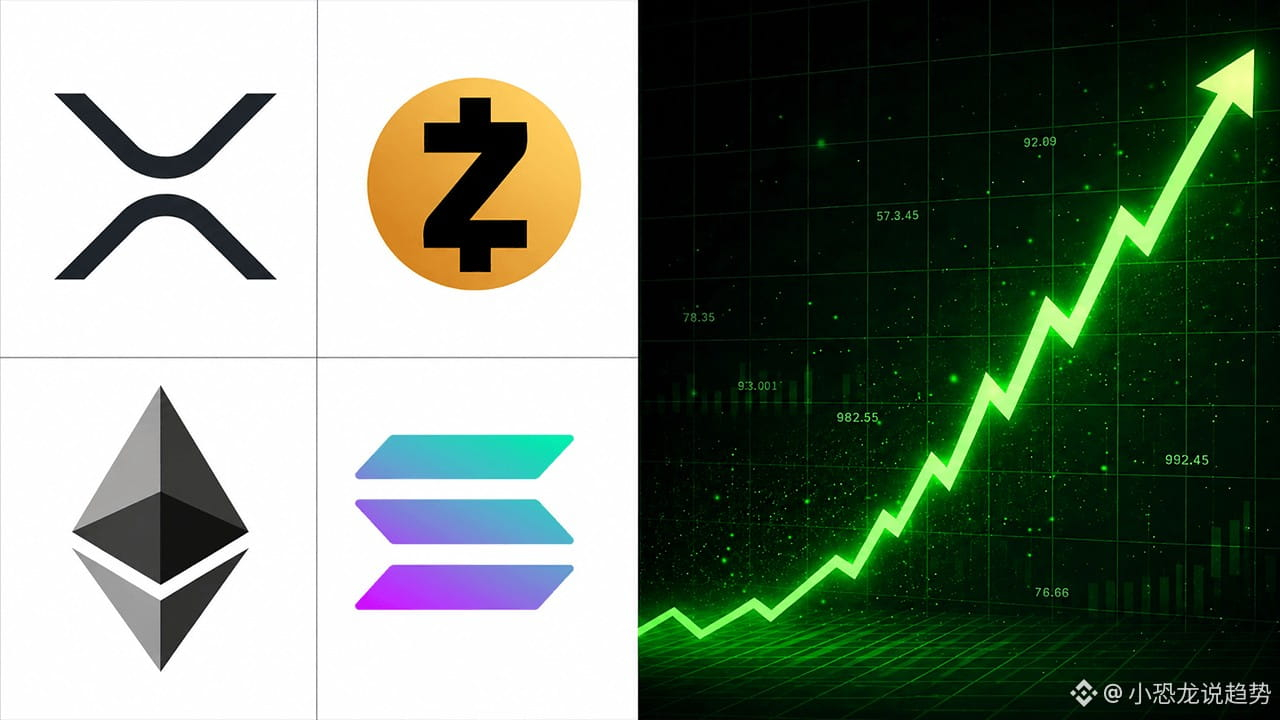
August’s biggest gainer isn’t Bitcoin—it’s ZEC
In August, the crypto market bit back a mouthful of blood: the total market cap surged by about $500 billion, reclaiming the $2.7 trillion level. Bitcoin rose nearly 25% in a month, breaking through $81,000. But the #1 on the gainers list isn’t it—it's the privacy coin ZEC. In a single month, it rocketed 82%, directly stealing the spotlight.
ZEC started the month at around $472 and ran all the way to a peak of $890 on August 30. It pulled back a bit by month-end, but its close still held above $860. A 82% gain is the strongest among all major-cap coins. Even HYPE, which rose 62%, has to take a back seat. The privacy-coin sector is finally getting to hold its head high this time.
The driver behind this rally wasn’t the crypto space itself, but macro policy. The U.S. Treasury announced doubling the scale of Treasury bill buybacks. Then Treasury Secretary Bessent effectively reneged on expectations again. The market instantly understood: money would get loose once more. Bitcoin then took off, and—along with it—the whole market was lifted. Privacy coins benefited from the spillover. Put simply: when liquidity eases, you can make any story work.
What’s interesting is that Grayscale has already put ZEC into a spot ETF trading on the NYSE Arca. Traditional capital can now enter compliantly. If the privacy narrative truly catches on, the challenge won’t just be market share—it’ll be against Bitcoin’s network effects. Whether 82% is just the beginning or the endgame is anyone’s guess. But one thing is certain: the privacy track is back in the spotlight.
Do you think privacy coins can keep the dance going in September? Chat in the comments.
Click the profile avatar to watch the livestream
Every day I’ll help you track Bitcoin hotspots—not just what happened in the news, but the logic and opportunities behind it 👉🦖
#Zcash #privacy coin
In August, the crypto market bit back a mouthful of blood: the total market cap surged by about $500 billion, reclaiming the $2.7 trillion level. Bitcoin rose nearly 25% in a month, breaking through $81,000. But the #1 on the gainers list isn’t it—it's the privacy coin ZEC. In a single month, it rocketed 82%, directly stealing the spotlight.
ZEC started the month at around $472 and ran all the way to a peak of $890 on August 30. It pulled back a bit by month-end, but its close still held above $860. A 82% gain is the strongest among all major-cap coins. Even HYPE, which rose 62%, has to take a back seat. The privacy-coin sector is finally getting to hold its head high this time.
The driver behind this rally wasn’t the crypto space itself, but macro policy. The U.S. Treasury announced doubling the scale of Treasury bill buybacks. Then Treasury Secretary Bessent effectively reneged on expectations again. The market instantly understood: money would get loose once more. Bitcoin then took off, and—along with it—the whole market was lifted. Privacy coins benefited from the spillover. Put simply: when liquidity eases, you can make any story work.
What’s interesting is that Grayscale has already put ZEC into a spot ETF trading on the NYSE Arca. Traditional capital can now enter compliantly. If the privacy narrative truly catches on, the challenge won’t just be market share—it’ll be against Bitcoin’s network effects. Whether 82% is just the beginning or the endgame is anyone’s guess. But one thing is certain: the privacy track is back in the spotlight.
Do you think privacy coins can keep the dance going in September? Chat in the comments.
Click the profile avatar to watch the livestream
Every day I’ll help you track Bitcoin hotspots—not just what happened in the news, but the logic and opportunities behind it 👉🦖
#Zcash #privacy coin
Verified
XRP ETF: 9 months built up $500 million
Bitwise’s XRP spot ETF has officially surpassed $500 million in assets under management—just 9 months after its launch on November 20 last year. The fund currently holds nearly 364.8 million XRP, net assets of $502.7 million, and a net asset value per share of $15.4. The figures were from market activity on August 27.
What does $500 million in 9 months mean? By the end of Q2, it was still only $299.1 million. In a single summer, it rose by about 70%. In the first half of the year, net subscriptions and inflows totaled $234.4 million, directly covering the $176.6 million loss caused by XRP price declines. This shows that real money is coming in—and it’s coming in while prices are falling. The quality of this growth is far higher than that of a surge in market value.
For ordinary retail investors, the biggest significance of this ETF is that you don’t need to open a wallet or manage private keys. You can simply buy it in your brokerage account. Previously, many people found on-chain operations for XRP to be inconvenient. Now the barrier has been cut to zero. Over-the-counter capital can route through the ETF to enter. It also indicates that institutions don’t want to touch wallets—they only want to touch the financial statements. Two years ago, this was something you couldn’t even imagine.
Even the XRP community can’t help but marvel: after 14 years, this community is still able to fight. Even major asset-management firms are watching the XRP track. More and more compliant products are emerging. The springtime for established coins may truly be coming.
Are you buying the ETF or buying the coin directly? Tell us your choice in the comments.
Click the profile picture to watch the live stream
Every day, I’ll take you to track XRP highlights—not just what’s happening in the news, but also helping you understand the underlying logic and opportunities 👉🦖
#XRP #ETF
Bitwise’s XRP spot ETF has officially surpassed $500 million in assets under management—just 9 months after its launch on November 20 last year. The fund currently holds nearly 364.8 million XRP, net assets of $502.7 million, and a net asset value per share of $15.4. The figures were from market activity on August 27.
What does $500 million in 9 months mean? By the end of Q2, it was still only $299.1 million. In a single summer, it rose by about 70%. In the first half of the year, net subscriptions and inflows totaled $234.4 million, directly covering the $176.6 million loss caused by XRP price declines. This shows that real money is coming in—and it’s coming in while prices are falling. The quality of this growth is far higher than that of a surge in market value.
For ordinary retail investors, the biggest significance of this ETF is that you don’t need to open a wallet or manage private keys. You can simply buy it in your brokerage account. Previously, many people found on-chain operations for XRP to be inconvenient. Now the barrier has been cut to zero. Over-the-counter capital can route through the ETF to enter. It also indicates that institutions don’t want to touch wallets—they only want to touch the financial statements. Two years ago, this was something you couldn’t even imagine.
Even the XRP community can’t help but marvel: after 14 years, this community is still able to fight. Even major asset-management firms are watching the XRP track. More and more compliant products are emerging. The springtime for established coins may truly be coming.
Are you buying the ETF or buying the coin directly? Tell us your choice in the comments.
Click the profile picture to watch the live stream
Every day, I’ll take you to track XRP highlights—not just what’s happening in the news, but also helping you understand the underlying logic and opportunities 👉🦖
#XRP #ETF

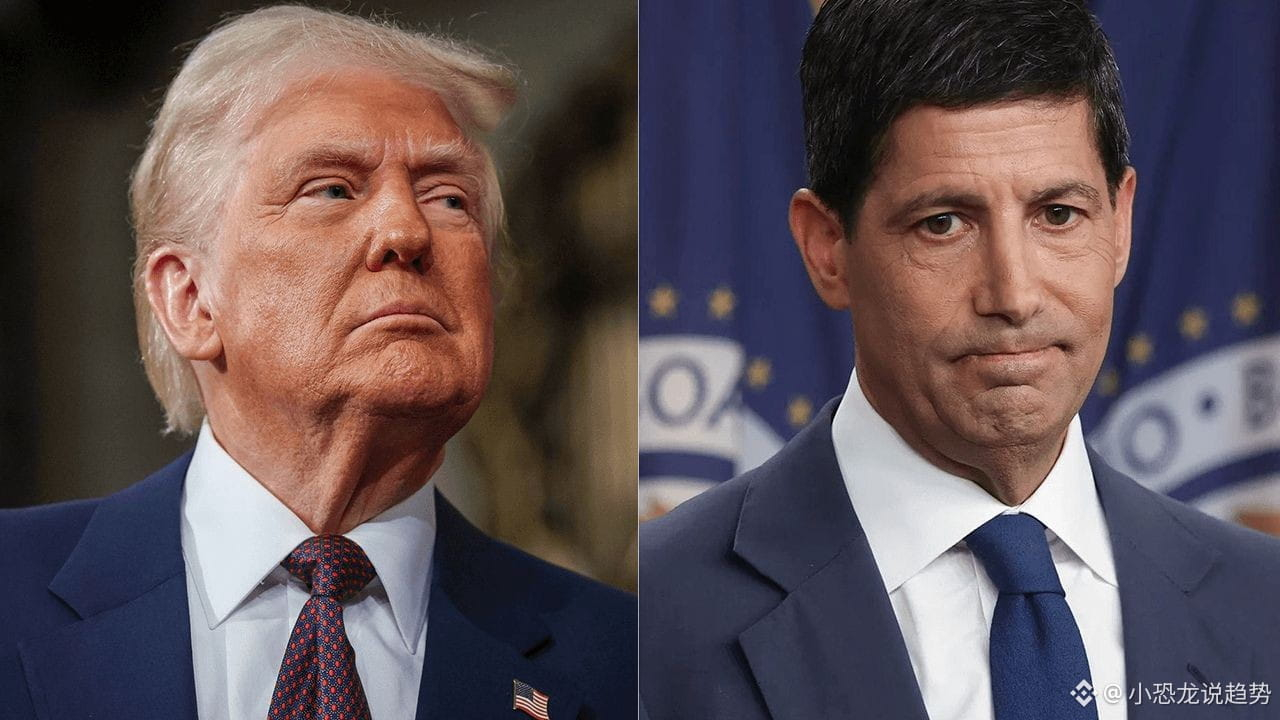
The President calls for rate cuts, but the Fed wants rate hikes
On Monday at the White House, Trump said the U.S. should have the lowest interest rates in the world. But when asked whether he would urge Fed Chair Warsh not to raise rates, Trump instead replied, “No, I won’t stop him—he should do what he should do.” The wording was polite, but the meaning was crystal clear: you do your thing and I’ll do mine.
After Warsh took office, both consecutive FOMC meetings he presided over left rates unchanged. Three board members still wanted to hike by 25 basis points. In his speech at Jackson Hole, Warsh’s hawkish persona was practically nailed in place. Inflation data hadn’t yet met the target; his original words were that the Fed’s top priority is prices—implying that a rate hike isn’t out of the question.
The CME FedWatch tool shows the probability of a September rate hike has already surged to 66.4%, up from 57% last week. Even CNBC’s Jim Cramer called the trend “ominous.” The White House that previously went head-to-head with the Fed has now become a thing of the past—a historical footnote. This time, it’s a new player, but the script is still the same.
The market’s response has been very honest. Bitcoin is down nearly 1%, trading at $77,778. The Dow is down 374 points. Gold has fallen 2.44% over the past 24 hours. The White House and the Fed are going against each other—and historically, markets have usually dropped first to show respect. For the crypto world, rate hikes are like draining the water, while rate cuts are like releasing the floodgates. A 66.4% probability is enough to make capital “hesitate first.” Right now, half of the market’s gains or losses depend on policy, and the other half depends on sentiment.
Do you think there really will be a rate hike in September? Share your views in the comments.
Click the avatar to watch the live stream
Every day I’ll take you to follow the Bitcoin headlines—not just reporting what happens, but helping you understand the logic and opportunities behind it 👉🦖
#比特币 #FedWatch
On Monday at the White House, Trump said the U.S. should have the lowest interest rates in the world. But when asked whether he would urge Fed Chair Warsh not to raise rates, Trump instead replied, “No, I won’t stop him—he should do what he should do.” The wording was polite, but the meaning was crystal clear: you do your thing and I’ll do mine.
After Warsh took office, both consecutive FOMC meetings he presided over left rates unchanged. Three board members still wanted to hike by 25 basis points. In his speech at Jackson Hole, Warsh’s hawkish persona was practically nailed in place. Inflation data hadn’t yet met the target; his original words were that the Fed’s top priority is prices—implying that a rate hike isn’t out of the question.
The CME FedWatch tool shows the probability of a September rate hike has already surged to 66.4%, up from 57% last week. Even CNBC’s Jim Cramer called the trend “ominous.” The White House that previously went head-to-head with the Fed has now become a thing of the past—a historical footnote. This time, it’s a new player, but the script is still the same.
The market’s response has been very honest. Bitcoin is down nearly 1%, trading at $77,778. The Dow is down 374 points. Gold has fallen 2.44% over the past 24 hours. The White House and the Fed are going against each other—and historically, markets have usually dropped first to show respect. For the crypto world, rate hikes are like draining the water, while rate cuts are like releasing the floodgates. A 66.4% probability is enough to make capital “hesitate first.” Right now, half of the market’s gains or losses depend on policy, and the other half depends on sentiment.
Do you think there really will be a rate hike in September? Share your views in the comments.
Click the avatar to watch the live stream
Every day I’ll take you to follow the Bitcoin headlines—not just reporting what happens, but helping you understand the logic and opportunities behind it 👉🦖
#比特币 #FedWatch
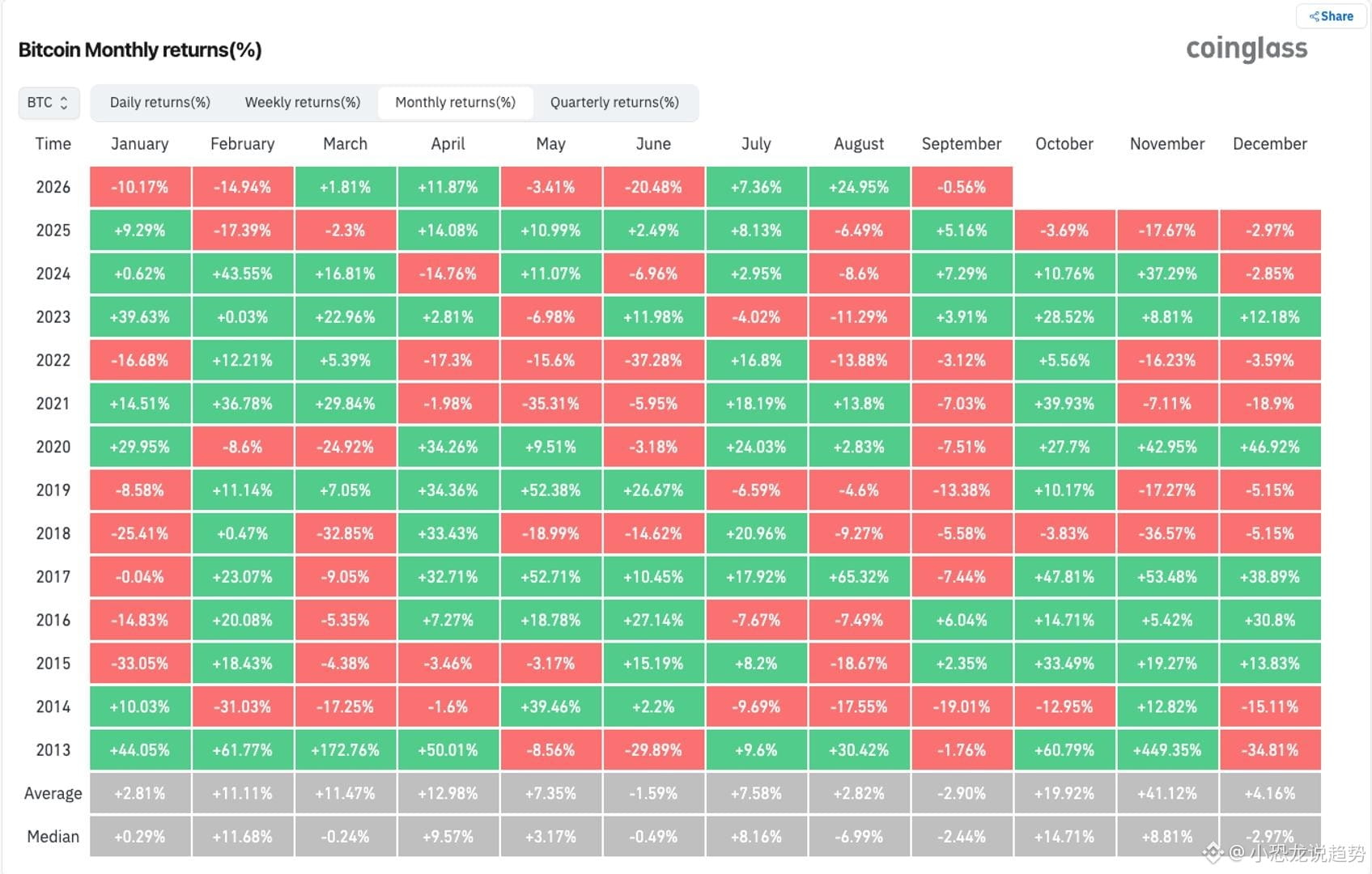
Bitcoin’s September has an unofficial nickname: “Rektember”
Translated into plain human language: September specializes in taking care of anyone who isn’t convinced.
The historical data is right there—September has never been very friendly to risk assets, and Bitcoin especially suffers.
These statistical patterns—you don’t believe them, they still end up coming to find you. You can’t really dodge them.
Now, the pressure isn’t just seasonal. Rate-hike expectations are back too.
The rebound in August was actually quite strong—then the rate outlook flipped, and longs started getting nervous again.
Last week it briefly touched 80,000, and now it’s retreated to hover around 78,000.
That “standing guard at high levels” feeling—if you know, you know. People in the group have already started shouting “the wolves are coming.”
Someone asked: should you run or should you stay? Don’t rush into a decision.
The September curse is a matter of probability, not a script. Every year someone uses it to scare you, but every year someone else still buys right through it.
The key is the next few critical data points—before the “rate-hike shoe” lands, volatility will only get bigger, not smaller.
Position management beats predicting exact prices. Don’t fire all your bullets at once—leave some room for surprises.
Honestly, think about it: the more chaotic times are, the more you can see who’s actually getting things done.
The pits created by panic selling are often the starting point for the next wave of the market.
Follow the data, don’t follow your emotions—that’s the survival rule for veteran greenhorns.
In history, there have been plenty of times when September dug the pits that October and November later filled back in.
Look at longer cycles: every bout of panic is basically paving the way for the next round of upside.
Keep your mindset steady. Eat when it’s time to eat, sleep when it’s time to sleep—opportunities always go to the prepared.
Every day I’ll keep you updated on Bitcoin hot topics. Not just what happens in the news, but also helping you understand the logic and opportunities behind it 👀🚀
Click the links below to follow me👇🏻
👉 加入小恐龙粉丝群
#比特币 #BTC #加密市场
Translated into plain human language: September specializes in taking care of anyone who isn’t convinced.
The historical data is right there—September has never been very friendly to risk assets, and Bitcoin especially suffers.
These statistical patterns—you don’t believe them, they still end up coming to find you. You can’t really dodge them.
Now, the pressure isn’t just seasonal. Rate-hike expectations are back too.
The rebound in August was actually quite strong—then the rate outlook flipped, and longs started getting nervous again.
Last week it briefly touched 80,000, and now it’s retreated to hover around 78,000.
That “standing guard at high levels” feeling—if you know, you know. People in the group have already started shouting “the wolves are coming.”
Someone asked: should you run or should you stay? Don’t rush into a decision.
The September curse is a matter of probability, not a script. Every year someone uses it to scare you, but every year someone else still buys right through it.
The key is the next few critical data points—before the “rate-hike shoe” lands, volatility will only get bigger, not smaller.
Position management beats predicting exact prices. Don’t fire all your bullets at once—leave some room for surprises.
Honestly, think about it: the more chaotic times are, the more you can see who’s actually getting things done.
The pits created by panic selling are often the starting point for the next wave of the market.
Follow the data, don’t follow your emotions—that’s the survival rule for veteran greenhorns.
In history, there have been plenty of times when September dug the pits that October and November later filled back in.
Look at longer cycles: every bout of panic is basically paving the way for the next round of upside.
Keep your mindset steady. Eat when it’s time to eat, sleep when it’s time to sleep—opportunities always go to the prepared.
Every day I’ll keep you updated on Bitcoin hot topics. Not just what happens in the news, but also helping you understand the logic and opportunities behind it 👀🚀
Click the links below to follow me👇🏻
👉 加入小恐龙粉丝群
#比特币 #BTC #加密市场
What to do when DeFi has another incident? This time, someone wants to put a protective shield over the on-chain space
Firelight Protocol has merged $8 million with Gumi Cryptos Capital leading the round
All they need to do is one thing: add an insurance layer to DeFi so you don’t end up crashing from smart contract bugs
You might think insurance is far from on-chain, but the data is pretty brutal
Over the years, the amount of money stolen due to DeFi vulnerabilities has accumulated to more than $9 billion
In traditional insurance, getting a payout can take months—so for users, it’s just waiting
Firelight says for eligible vulnerability claims, they’ll settle within 10 days
They’ve also expanded the collateral assets all the way from XRP to BTC and Stellar’s XLM
The first cover integration in September is set to go live—not a slow move
The key is: the users they’re targeting aren’t the seasoned on-chain veterans
It’s fintechs and banks—the group that wants to move deposits into on-chain yield products
What do new funds entering the market fear most? One bug wiping everything out
As Firelight puts it themselves: this isn’t for degens—it’s to pave the way for the next wave of capital
There’s also a bigger backdrop: during a rate-cutting cycle, traditional returns keep getting squeezed lower and lower
Money has to go somewhere
On-chain stablecoin yield becomes a hot commodity—but the hotter the segment, the easier it is for odd things to happen
Infrastructure like a protection layer will be a necessity sooner or later
In plain terms: traditional finance wants to come on-chain, but it just needs one reason that doesn’t scare them
The insurance layer is that reason
As on-chain investing becomes more widespread, this kind of protection layer will only get more valuable
Those who move early will capture the industry expansion tailwinds
Every day, I’ll keep you updated on DeFi hotspots—not just what happened in the news, but the logic and opportunities behind it 👀🚀
Click the link below to follow me 👇🏻
👉 加入小恐龙粉丝群
#DeFi #加密保险 #融资
Firelight Protocol has merged $8 million with Gumi Cryptos Capital leading the round
All they need to do is one thing: add an insurance layer to DeFi so you don’t end up crashing from smart contract bugs
You might think insurance is far from on-chain, but the data is pretty brutal
Over the years, the amount of money stolen due to DeFi vulnerabilities has accumulated to more than $9 billion
In traditional insurance, getting a payout can take months—so for users, it’s just waiting
Firelight says for eligible vulnerability claims, they’ll settle within 10 days
They’ve also expanded the collateral assets all the way from XRP to BTC and Stellar’s XLM
The first cover integration in September is set to go live—not a slow move
The key is: the users they’re targeting aren’t the seasoned on-chain veterans
It’s fintechs and banks—the group that wants to move deposits into on-chain yield products
What do new funds entering the market fear most? One bug wiping everything out
As Firelight puts it themselves: this isn’t for degens—it’s to pave the way for the next wave of capital
There’s also a bigger backdrop: during a rate-cutting cycle, traditional returns keep getting squeezed lower and lower
Money has to go somewhere
On-chain stablecoin yield becomes a hot commodity—but the hotter the segment, the easier it is for odd things to happen
Infrastructure like a protection layer will be a necessity sooner or later
In plain terms: traditional finance wants to come on-chain, but it just needs one reason that doesn’t scare them
The insurance layer is that reason
As on-chain investing becomes more widespread, this kind of protection layer will only get more valuable
Those who move early will capture the industry expansion tailwinds
Every day, I’ll keep you updated on DeFi hotspots—not just what happened in the news, but the logic and opportunities behind it 👀🚀
Click the link below to follow me 👇🏻
👉 加入小恐龙粉丝群
#DeFi #加密保险 #融资

The Monetary Authority of Singapore (MAS) has acted— a draft regulation for stablecoins goes straight to the top level.
Issuers must be backed by 100% reserves— not a single cent can be missing.
The harshest part: you’re not allowed to use the reserves to chase yield— the money must be kept honestly sitting in the account.
This play is plainly aligned with the U.S. and the EU.
For years, global regulators have used consistent talking points— this is the first time they’ve moved so uniformly.
And Singapore even left a loophole: compliant foreign stablecoins can also be recognized.
Translate it for you: if you’re tough enough, you can get in even if you’re not locally issued.
Don’t underestimate this. Stablecoins are the foundation of the crypto world.
Whoever sets the rules gets the say.
Hong Kong is scrambling, Singapore is scrambling, and Europe and the U.S. are scrambling too.
All over the world, people are drawing runways for stablecoins— it comes down to whose runway is wider and straighter.
For ordinary people like us, the more standardized stablecoins are, the lower the risk of stepping into traps.
The old days of messing around with reserves and hyping the returns are slowly being driven out.
From now on, when you look at a stablecoin, first check whether it dares to publish audits— and whether it’s willing to lay its reserves bare for you to see.
Regulation has never come to kill crypto—it’s here to issue it a license.
The bigger the compliant pool we dig, the deeper the water— and the fatter the fish get.
In the short term, it adds a few more hoops.
In the long term, it hands the entire industry a long-term meal ticket.
The direction is very clear: stablecoins are entering a “pick the best family” era.
It’s a contest of whose reserves are harder.
If you want to play this track long-term, you can start paying attention to compliance progress now.
To put it plainly: stablecoins are the bridge for entering and exiting.
If the bridge isn’t solid, nobody dares to cross.
Before, the bridge was tofu-dreg engineering.
Now, countries are requiring steel and concrete to rebuild it.
Singapore’s move is essentially setting a new benchmark for global stablecoins.
Anyone who wants to pull shady tricks later should first ask whether their reserves are hard enough.
Every day I’ll bring you stablecoin hotspots—not just what happened in the news, but also the logic and opportunities behind it 👀🚀
Click the links below to follow me 👇🏻
👉 加入小恐龙粉丝群
#稳定币 #新加坡 #加密监管
Issuers must be backed by 100% reserves— not a single cent can be missing.
The harshest part: you’re not allowed to use the reserves to chase yield— the money must be kept honestly sitting in the account.
This play is plainly aligned with the U.S. and the EU.
For years, global regulators have used consistent talking points— this is the first time they’ve moved so uniformly.
And Singapore even left a loophole: compliant foreign stablecoins can also be recognized.
Translate it for you: if you’re tough enough, you can get in even if you’re not locally issued.
Don’t underestimate this. Stablecoins are the foundation of the crypto world.
Whoever sets the rules gets the say.
Hong Kong is scrambling, Singapore is scrambling, and Europe and the U.S. are scrambling too.
All over the world, people are drawing runways for stablecoins— it comes down to whose runway is wider and straighter.
For ordinary people like us, the more standardized stablecoins are, the lower the risk of stepping into traps.
The old days of messing around with reserves and hyping the returns are slowly being driven out.
From now on, when you look at a stablecoin, first check whether it dares to publish audits— and whether it’s willing to lay its reserves bare for you to see.
Regulation has never come to kill crypto—it’s here to issue it a license.
The bigger the compliant pool we dig, the deeper the water— and the fatter the fish get.
In the short term, it adds a few more hoops.
In the long term, it hands the entire industry a long-term meal ticket.
The direction is very clear: stablecoins are entering a “pick the best family” era.
It’s a contest of whose reserves are harder.
If you want to play this track long-term, you can start paying attention to compliance progress now.
To put it plainly: stablecoins are the bridge for entering and exiting.
If the bridge isn’t solid, nobody dares to cross.
Before, the bridge was tofu-dreg engineering.
Now, countries are requiring steel and concrete to rebuild it.
Singapore’s move is essentially setting a new benchmark for global stablecoins.
Anyone who wants to pull shady tricks later should first ask whether their reserves are hard enough.
Every day I’ll bring you stablecoin hotspots—not just what happened in the news, but also the logic and opportunities behind it 👀🚀
Click the links below to follow me 👇🏻
👉 加入小恐龙粉丝群
#稳定币 #新加坡 #加密监管

North Korean hackers are causing trouble on-chain again. This time, they’re targeting Hyperliquid. Tens of millions of dollars are currently being transferred.
On-chain data is crystal clear—wallet addresses are there one after another. You can’t hide it even if you want to.
This isn’t a small matter. If hackers take the money, they need to liquidate it where there’s good liquidity.
Hyperliquid is currently all the rage, which ironically makes it the target—that’s the “tall tree invites the wind” effect.
Someone might ask: “If hackers are selling off, what does that have to do with me?”
It matters a lot. Once large sell pressure comes in, the market could be smashed into a pit at any moment.
Especially with BTC currently trading sideways at high levels—any little gust can amplify volatility.
What’s even more alarming is that there are regulatory puppeteers behind this.
On Trump’s side, he’s calling for bringing Hyperliquid back within the U.S. borders—while here, hackers have already been coming in and out.
One side is the compliance narrative; the other is illicit capital flow. The tug-of-war over this platform has only just begun.
To be frank: on-chain security has never been someone else’s problem.
Even big players are being targeted—so small retail users have to manage their wallets carefully, and don’t touch unverified “airdrop” tokens and links from unknown sources.
If you see “free token” giveaways, first ask yourself: why would a pie fall from the sky?
Hackers’ methods are also upgrading. They no longer just transfer everything once and call it a day.
They split it into smaller amounts, sell in batches, switch into stablecoins, and circle around—always to dodge tracking.
That’s also why on-chain monitoring is becoming more and more important. Illicit money flows will leave traces eventually.
The market can wait, but risk doesn’t. Survive first—then you’ll have the right to “eat meat.”
Manage your private keys. That matters more than anything.
Every day, I’ll take you through crypto hotspots—not just what news is happening, but also the logic and opportunities behind it 👀🚀
Click the links below to follow me👇🏻
👉 加入小恐龙粉丝群
#链上安全 #Hyperliquid #加密市场
On-chain data is crystal clear—wallet addresses are there one after another. You can’t hide it even if you want to.
This isn’t a small matter. If hackers take the money, they need to liquidate it where there’s good liquidity.
Hyperliquid is currently all the rage, which ironically makes it the target—that’s the “tall tree invites the wind” effect.
Someone might ask: “If hackers are selling off, what does that have to do with me?”
It matters a lot. Once large sell pressure comes in, the market could be smashed into a pit at any moment.
Especially with BTC currently trading sideways at high levels—any little gust can amplify volatility.
What’s even more alarming is that there are regulatory puppeteers behind this.
On Trump’s side, he’s calling for bringing Hyperliquid back within the U.S. borders—while here, hackers have already been coming in and out.
One side is the compliance narrative; the other is illicit capital flow. The tug-of-war over this platform has only just begun.
To be frank: on-chain security has never been someone else’s problem.
Even big players are being targeted—so small retail users have to manage their wallets carefully, and don’t touch unverified “airdrop” tokens and links from unknown sources.
If you see “free token” giveaways, first ask yourself: why would a pie fall from the sky?
Hackers’ methods are also upgrading. They no longer just transfer everything once and call it a day.
They split it into smaller amounts, sell in batches, switch into stablecoins, and circle around—always to dodge tracking.
That’s also why on-chain monitoring is becoming more and more important. Illicit money flows will leave traces eventually.
The market can wait, but risk doesn’t. Survive first—then you’ll have the right to “eat meat.”
Manage your private keys. That matters more than anything.
Every day, I’ll take you through crypto hotspots—not just what news is happening, but also the logic and opportunities behind it 👀🚀
Click the links below to follow me👇🏻
👉 加入小恐龙粉丝群
#链上安全 #Hyperliquid #加密市场

Bitcoin ETF makes a full comeback Yesterday it snapped up more than $200 million in one go Nine straight buys—then the moment it paused for a day, it picked right back up
The Ethereum funds are even more aggressive—net inflows for 11 straight days Not a single day has stopped This pace looks solid and reassuring
Someone asks: “What’s the point of watching ETF flows every day?”
Real money is the most honest Institutions put in the cash to vote with their positions—way more practical than talk
Sentiment can lie, but positions don’t
Right now BTC is hovering around 78,000 It doesn’t look exciting, but underneath it’s been accumulating quietly
ETF keeps loading up This slow burn is healthier than a sudden vertical spike At least it’s not one needle pulling it up
Think about it: would real institutional money be that foolish to catch a falling price at the top? They wouldn’t
Just after August, BTC is still the best-looking one on the whole stage Even geopolitical conflicts didn’t knock it down
Now with September opening and the Fed’s rate decision still looming Funds are already positioning early—the signal is very strong
One detail is worth savoring: this time the inflow isn’t driven by retail sentiment
It’s coming through legitimate fund channels The rhythm of over $200 million a day shows institutions genuinely have ideas about what’s next
And on the Ethereum side, 11 consecutive days—more stubborn than BTC too Institutions are laying plans with both legs
The market is waiting for a direction, but the smart money already moved first
After the “shoe drops” and you chase, you often end up as a bagholder Better to follow the crowd and move gradually now
Don’t just stare at the K-line and scare yourself Keep a close eye on where the money is flowing—nothing is stronger than that
When ETF inflows start coming out continuously—that’s when you should truly panic
Only then talk about running For now, hold and watch the show
Every day I’ll bring you coverage of crypto hotspots Not just what happens in the news, but also the logic and opportunities behind it 👀🚀
Click the link below to follow me👇🏻
👉 加入小恐龙粉丝群
#比特币 #ETF #加密市场
The Ethereum funds are even more aggressive—net inflows for 11 straight days Not a single day has stopped This pace looks solid and reassuring
Someone asks: “What’s the point of watching ETF flows every day?”
Real money is the most honest Institutions put in the cash to vote with their positions—way more practical than talk
Sentiment can lie, but positions don’t
Right now BTC is hovering around 78,000 It doesn’t look exciting, but underneath it’s been accumulating quietly
ETF keeps loading up This slow burn is healthier than a sudden vertical spike At least it’s not one needle pulling it up
Think about it: would real institutional money be that foolish to catch a falling price at the top? They wouldn’t
Just after August, BTC is still the best-looking one on the whole stage Even geopolitical conflicts didn’t knock it down
Now with September opening and the Fed’s rate decision still looming Funds are already positioning early—the signal is very strong
One detail is worth savoring: this time the inflow isn’t driven by retail sentiment
It’s coming through legitimate fund channels The rhythm of over $200 million a day shows institutions genuinely have ideas about what’s next
And on the Ethereum side, 11 consecutive days—more stubborn than BTC too Institutions are laying plans with both legs
The market is waiting for a direction, but the smart money already moved first
After the “shoe drops” and you chase, you often end up as a bagholder Better to follow the crowd and move gradually now
Don’t just stare at the K-line and scare yourself Keep a close eye on where the money is flowing—nothing is stronger than that
When ETF inflows start coming out continuously—that’s when you should truly panic
Only then talk about running For now, hold and watch the show
Every day I’ll bring you coverage of crypto hotspots Not just what happens in the news, but also the logic and opportunities behind it 👀🚀
Click the link below to follow me👇🏻
👉 加入小恐龙粉丝群
#比特币 #ETF #加密市场
Verified
#xrp #cme #加密市场
👉 加入小恐龙粉丝群
XRP surges 40% in a week—rising from around one dollar to 1.38—but there’s a detail that’s worth paying close attention to.
Across the whole market, futures positions don’t increase—they actually drop. In just two weeks, they’re down 16%. Traders chase the rally while secretly cutting leverage.
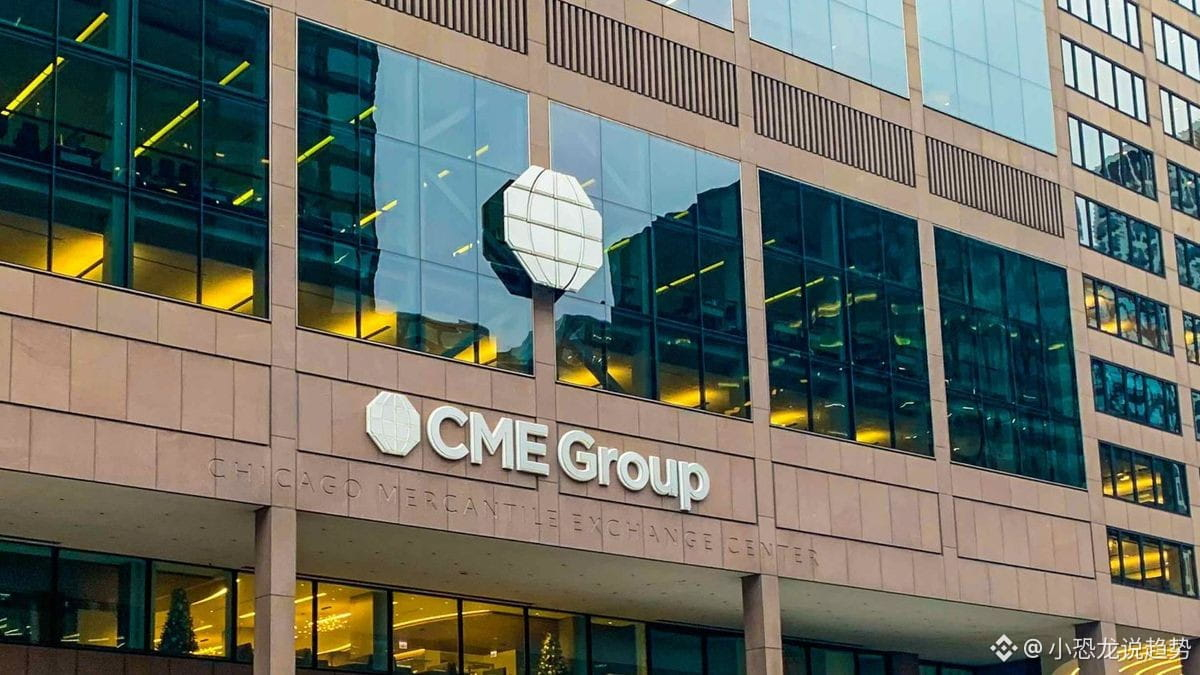
The only real contrarian adding of positions is in a CME-compliant exchange’s XRP contract: its open interest rose 36%, with share increasing from 10% to 17%.
So what does this mean? Professional capital is entering via a regulated channel.
Previously, institutions found it too much trouble. Now they’d rather use the CME than play on offshore venues. That suggests there’s legitimate money pushing this move.
The timing is also quite coincidental. In mid-September, the U.S. CLARITY Act will go to the Senate for a procedural vote. On the day it passed the committee in May, XRP jumped 5%.
But don’t get carried away yet. Hedge funds’ net short positions have doubled—equivalent to about 116 million XRP.
Of course, that doesn’t necessarily mean they’re purely bearish. They may already hold spot and are using futures to lock in risk.
Still, the divergence between bulls and bears is clear. The harder it climbs, the more dramatic the tug-of-war ahead will be.
In the next two weeks, the Act is the biggest variable. If it passes and institutional money keeps flowing in, the price action may continue. If it fails, this rally’s gains may have to be given back in part. Just watch the CME share—it’s still rising, which indicates the smart money hasn’t left.
Every day, I’ll take you through crypto hotspots—not only what’s happening in the news, but also the logic and opportunities behind it 👀🚀
Click the link below to follow me👇🏻
#XRP #CME #加密市场
👉 加入小恐龙粉丝群
XRP surges 40% in a week—rising from around one dollar to 1.38—but there’s a detail that’s worth paying close attention to.
Across the whole market, futures positions don’t increase—they actually drop. In just two weeks, they’re down 16%. Traders chase the rally while secretly cutting leverage.
The only real contrarian adding of positions is in a CME-compliant exchange’s XRP contract: its open interest rose 36%, with share increasing from 10% to 17%.
So what does this mean? Professional capital is entering via a regulated channel.
Previously, institutions found it too much trouble. Now they’d rather use the CME than play on offshore venues. That suggests there’s legitimate money pushing this move.
The timing is also quite coincidental. In mid-September, the U.S. CLARITY Act will go to the Senate for a procedural vote. On the day it passed the committee in May, XRP jumped 5%.
But don’t get carried away yet. Hedge funds’ net short positions have doubled—equivalent to about 116 million XRP.
Of course, that doesn’t necessarily mean they’re purely bearish. They may already hold spot and are using futures to lock in risk.
Still, the divergence between bulls and bears is clear. The harder it climbs, the more dramatic the tug-of-war ahead will be.
In the next two weeks, the Act is the biggest variable. If it passes and institutional money keeps flowing in, the price action may continue. If it fails, this rally’s gains may have to be given back in part. Just watch the CME share—it’s still rising, which indicates the smart money hasn’t left.
Every day, I’ll take you through crypto hotspots—not only what’s happening in the news, but also the logic and opportunities behind it 👀🚀
Click the link below to follow me👇🏻
#XRP #CME #加密市场
Log in to explore more content