
Ls莫名
7 Posts

Ls莫名
Report
Block User
35 岁金融男, 半退休状态,喜欢投资,热爱爬山
Frequent Trader
3.8 Years
1 Following
46 Followers
56 Liked
1 Badges
Posts
·
--
Bullish
This wave of Ethereum is going up to 3000. When it hits 4000, I’ll short ZEC hard.
This wave of Ethereum is going up to 3000. When it hits 4000, I’ll short ZEC hard.
1
2
555
·
--
Article
I’ve already built a small starter position in this US stock. I spent two hours doing detailed research, and I’m sharing it here. I also hope the market will validate my expectations.I’ve already built a small starter position in this US stock. I spent two hours doing detailed research, and I’m sharing it here. I also hope the market will validate my expectations.
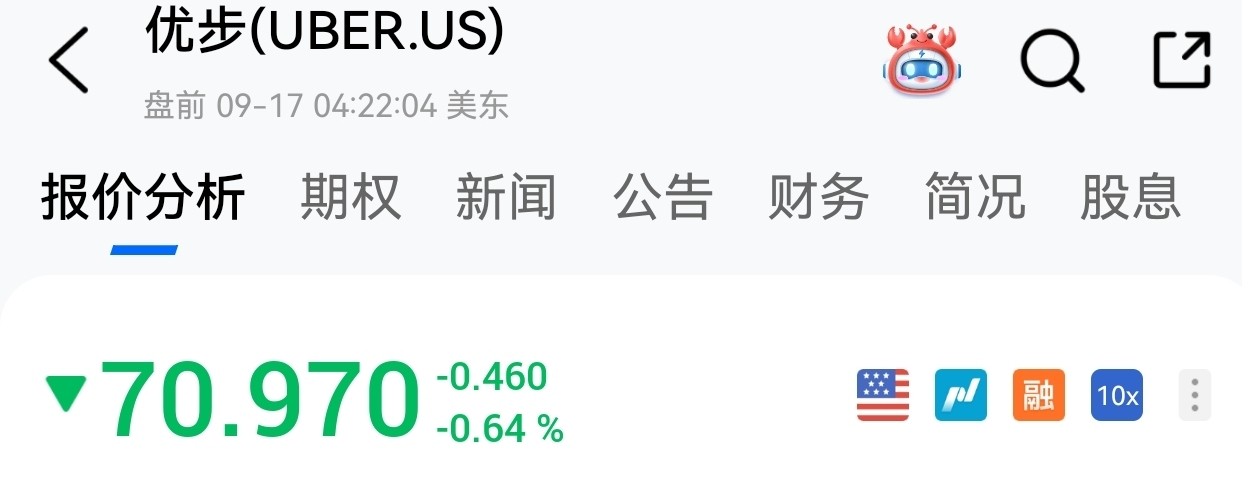
First the conclusion: UBER at $71.6 isn’t expensive, but it’s also not cheap enough to “buy blindly.” The 15x PE looks low, but it’s been made to look better by one-off gains. Using normal operating profits, the true valuation is roughly 22–25x PE. The CEO and COO together bought about $15 million—this is a positive factor, but you can’t automatically trust the stock just because executives bought it. At the current price of $72.56, it’s broadly at the lower end of a reasonable range; for me, the real margin of safety would be more like $60–65.
I’ve already built a small starter position in this US stock. I spent two hours doing detailed research, and I’m sharing it here. I also hope the market will validate my expectations.
I’ve already built a small starter position in this US stock. I spent two hours doing detailed research, and I’m sharing it here. I also hope the market will validate my expectations.
First the conclusion: UBER at $71.6 isn’t expensive, but it’s also not cheap enough to “buy blindly.” The 15x PE looks low, but it’s been made to look better by one-off gains. Using normal operating profits, the true valuation is roughly 22–25x PE. The CEO and COO together bought about $15 million—this is a positive factor, but you can’t automatically trust the stock just because executives bought it. At the current price of $72.56, it’s broadly at the lower end of a reasonable range; for me, the real margin of safety would be more like $60–65.
First the conclusion: UBER at $71.6 isn’t expensive, but it’s also not cheap enough to “buy blindly.” The 15x PE looks low, but it’s been made to look better by one-off gains. Using normal operating profits, the true valuation is roughly 22–25x PE. The CEO and COO together bought about $15 million—this is a positive factor, but you can’t automatically trust the stock just because executives bought it. At the current price of $72.56, it’s broadly at the lower end of a reasonable range; for me, the real margin of safety would be more like $60–65.
1
83
·
--
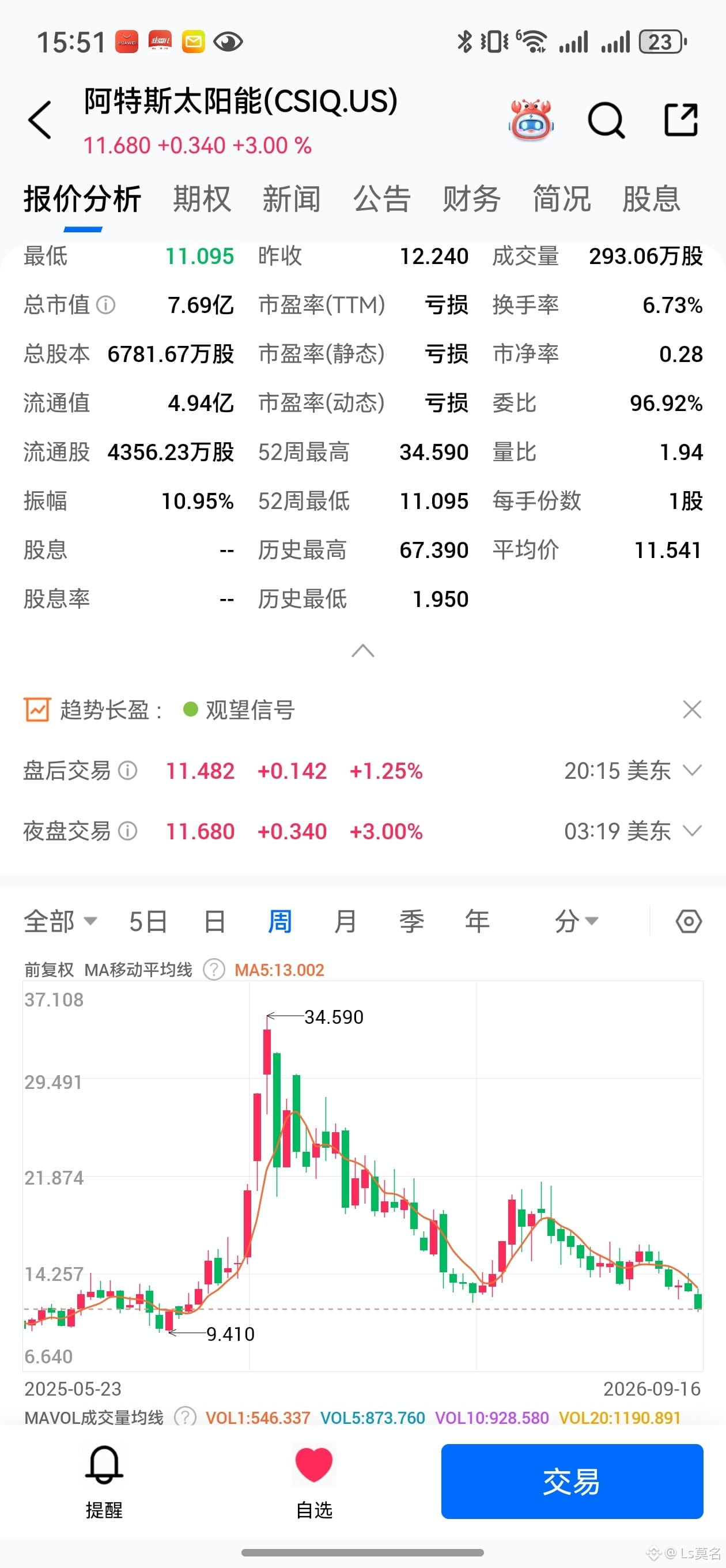
CanDo Solar, Share My Lessons From a “U-Share” Stock That Cost Me Over 10,000
1. You need to be able to sell in Chinese concept stocks. If you can’t, it’s best not to touch them—not just CanDo Solar, but any Chinese concept stock. Otherwise, if you don’t sell, they’ll just drop back down. There are plenty of rebound opportunities in the middle. Actually, making money by selling isn’t hard; if you can’t sell, then don’t play.
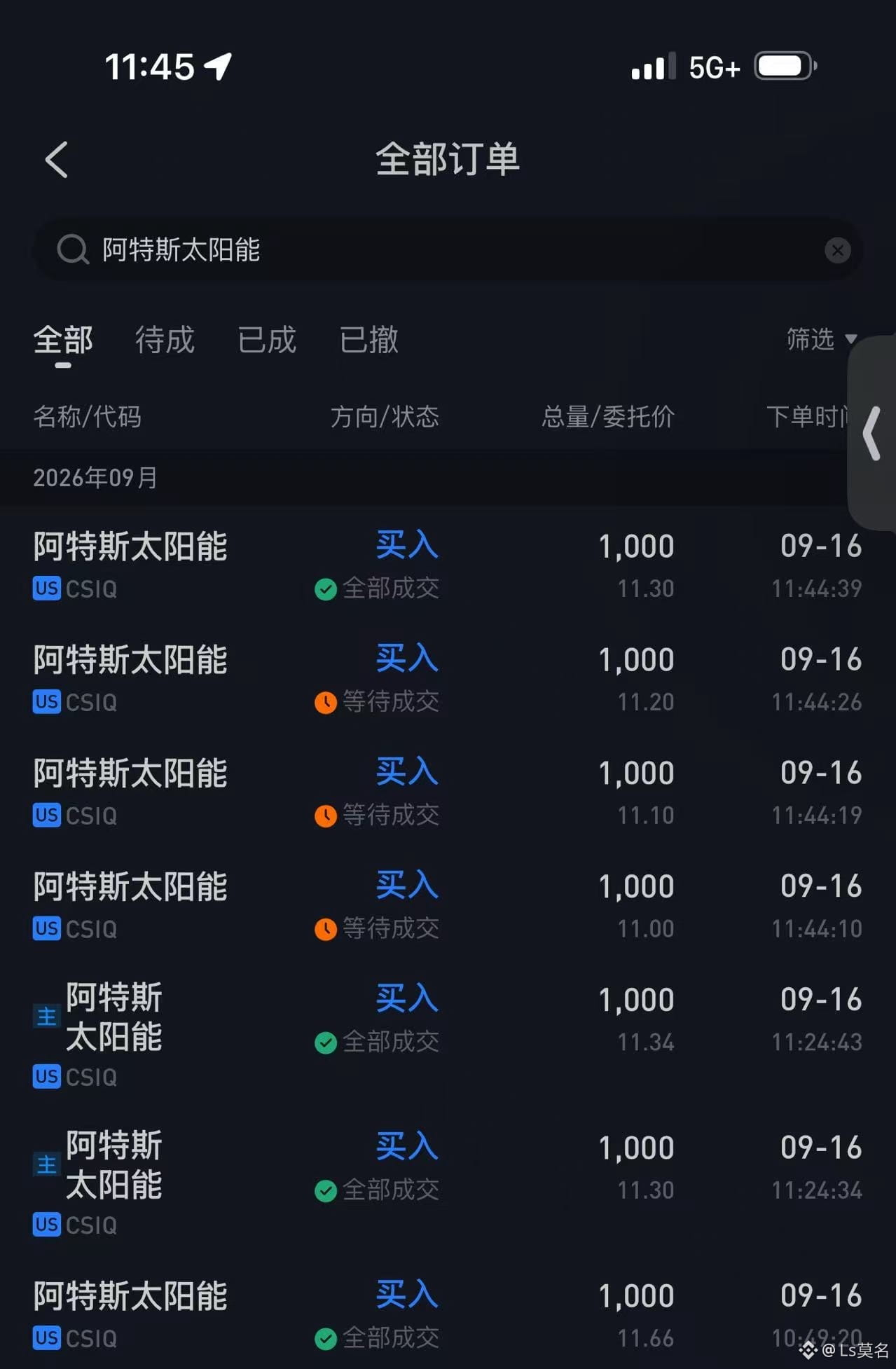
2. Today CanDo Solar suffered a big drop, which is more suitable for a swing trade to lower your cost. For example, buy 1,000 shares around 11.6 today, then after a while there may be a rebound—sell these 1,000 shares. That lowers your holding cost. By capturing three to five swing trades, your cost can become very low. Then you can just keep the remaining shares to “play” with the profits.
Chinese concept stocks can only be operated this way, because 95% of the time they are falling.
3. If you can buy U.S. stocks, it’s better not to touch Chinese concept stocks. Unless you’re skilled at playing this game, the holding experience is very poor—and you’ll still end up losing money.
CanDo Solar, Share My Lessons From a “U-Share” Stock That Cost Me Over 10,000
1. You need to be able to sell in Chinese concept stocks. If you can’t, it’s best not to touch them—not just CanDo Solar, but any Chinese concept stock. Otherwise, if you don’t sell, they’ll just drop back down. There are plenty of rebound opportunities in the middle. Actually, making money by selling isn’t hard; if you can’t sell, then don’t play.
2. Today CanDo Solar suffered a big drop, which is more suitable for a swing trade to lower your cost. For example, buy 1,000 shares around 11.6 today, then after a while there may be a rebound—sell these 1,000 shares. That lowers your holding cost. By capturing three to five swing trades, your cost can become very low. Then you can just keep the remaining shares to “play” with the profits.
Chinese concept stocks can only be operated this way, because 95% of the time they are falling.
3. If you can buy U.S. stocks, it’s better not to touch Chinese concept stocks. Unless you’re skilled at playing this game, the holding experience is very poor—and you’ll still end up losing money.
1. You need to be able to sell in Chinese concept stocks. If you can’t, it’s best not to touch them—not just CanDo Solar, but any Chinese concept stock. Otherwise, if you don’t sell, they’ll just drop back down. There are plenty of rebound opportunities in the middle. Actually, making money by selling isn’t hard; if you can’t sell, then don’t play.
2. Today CanDo Solar suffered a big drop, which is more suitable for a swing trade to lower your cost. For example, buy 1,000 shares around 11.6 today, then after a while there may be a rebound—sell these 1,000 shares. That lowers your holding cost. By capturing three to five swing trades, your cost can become very low. Then you can just keep the remaining shares to “play” with the profits.
Chinese concept stocks can only be operated this way, because 95% of the time they are falling.
3. If you can buy U.S. stocks, it’s better not to touch Chinese concept stocks. Unless you’re skilled at playing this game, the holding experience is very poor—and you’ll still end up losing money.
1
541
·
--
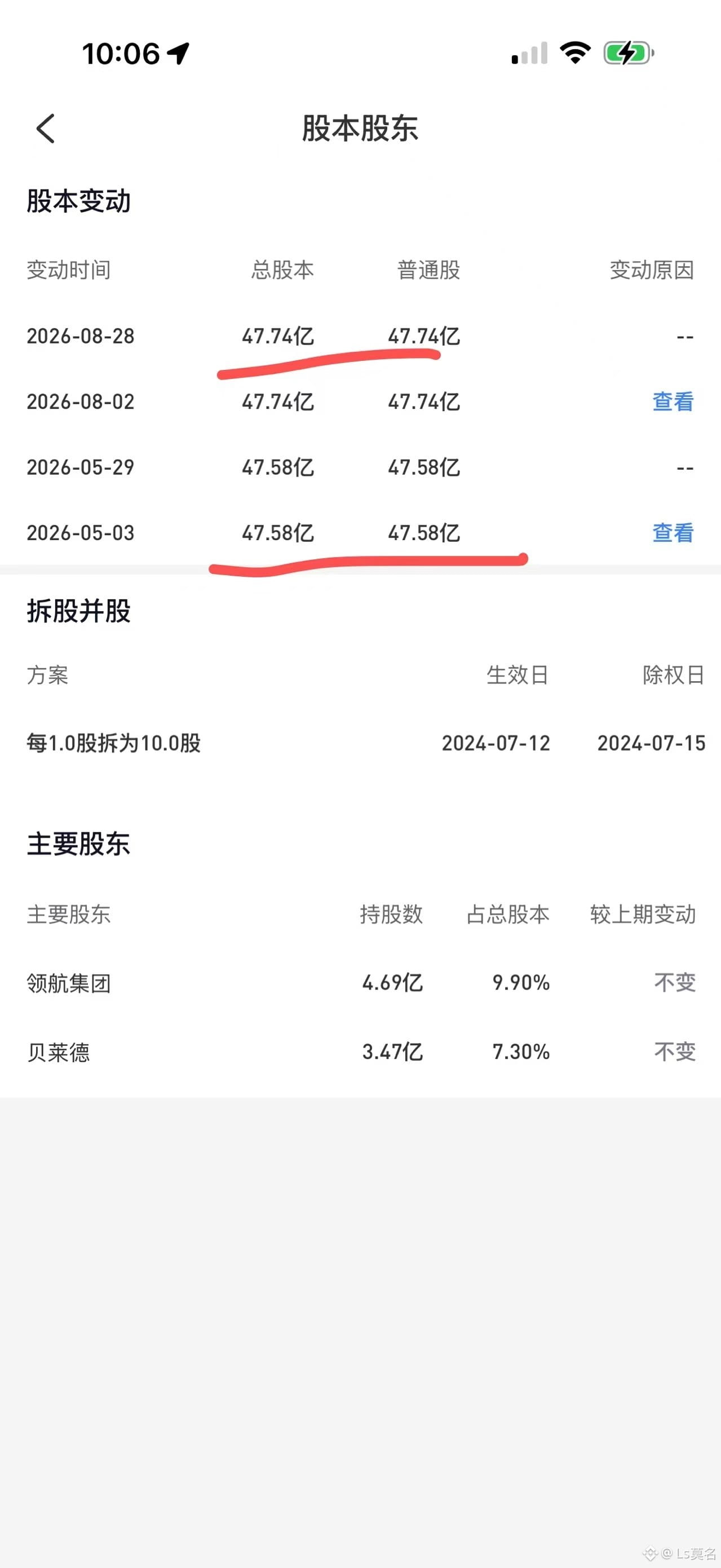
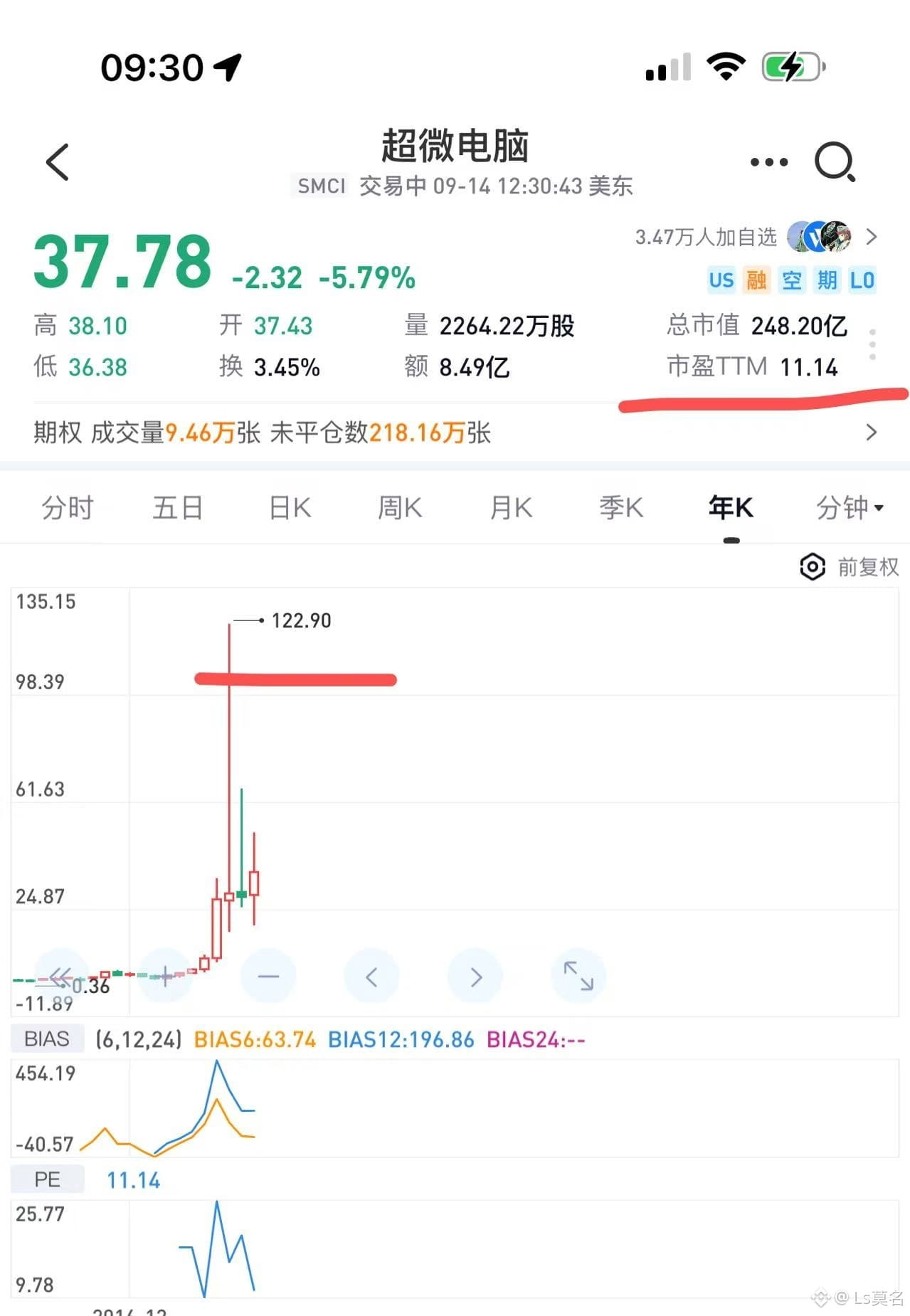
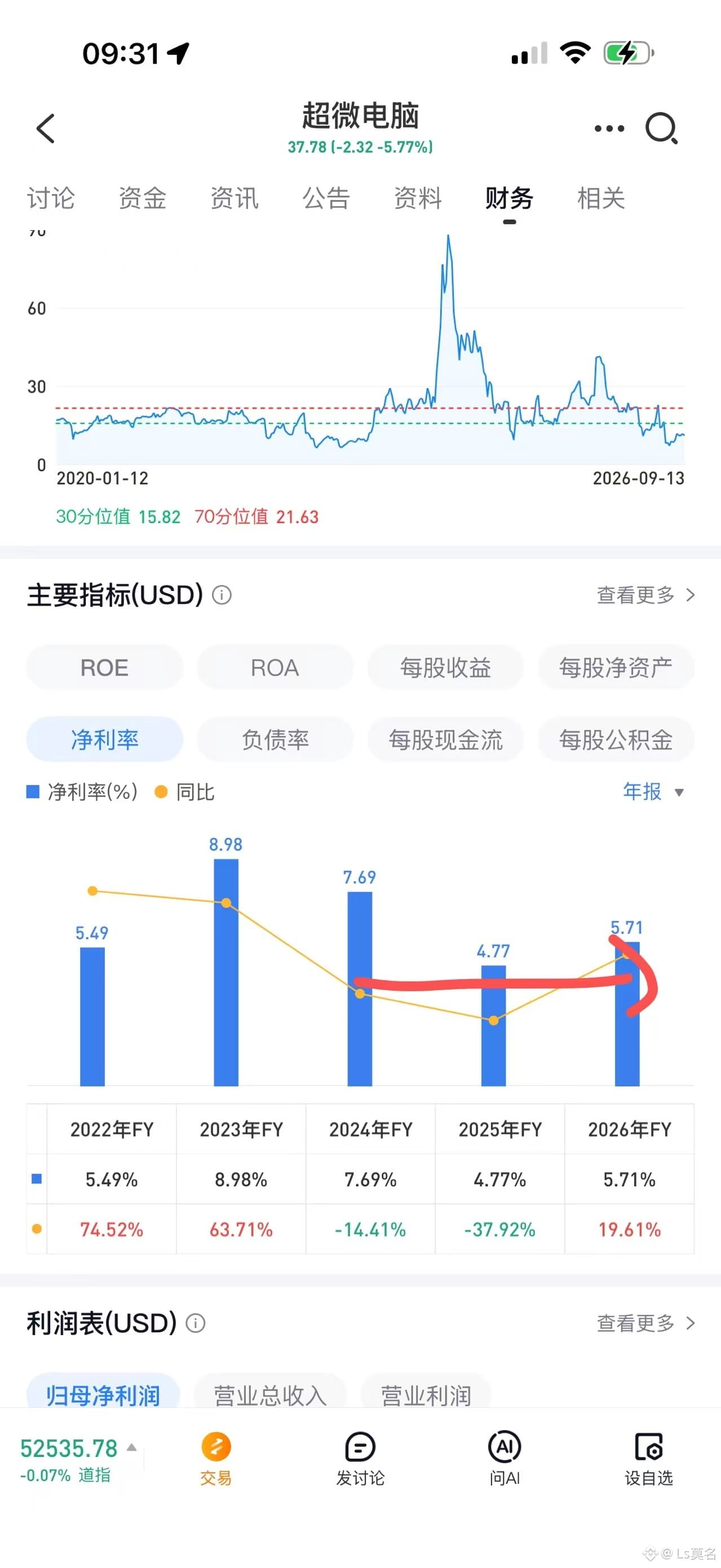
It’s best not to touch SMCI. The first company has always had integrity issues; multiple management teams over the years have encountered problems. Second, the profit margin is too low—it’s basically just a computer assembly company. Third, with the same valuation, you might as well consider storage; at least the moat is deep enough.
It’s best not to touch SMCI. The first company has always had integrity issues; multiple management teams over the years have encountered problems. Second, the profit margin is too low—it’s basically just a computer assembly company. Third, with the same valuation, you might as well consider storage; at least the moat is deep enough.
1
114
Log in to explore more content
Join global crypto users on Binance Square
⚡️ Get latest and useful information about crypto.
💬 Trusted by the world’s largest crypto exchange.
👍 Discover real insights from verified creators.
Email / Phone number
Trending Topics
BTCBreaks80K
21,654 views
701 Discussing
🚨 BITCOIN $80K IS BACK IN FOCUS! 🔥
BTC is pushing toward the $80,000 psychological resistance after reclaiming the $78K zone. A clean breakout and hold above $80K could bring $82K–$85K into focus next. 📈
But traders need to watch the rejection zone carefully — losing $77K–$78K could trigger another pullback.
🎯 Key levels:
• 🔥 Breakout: $80K
• 🚀 Next zone: $82K–$85K
• ⚠️ Support: $77K–$78K
$80K isn’t just a number — it’s the level bulls need to conquer.
Are we about to see the next BTC breakout? 👇
#bitcoin #BTC #BinanceSquare #btcbreaks80k
$BTC
ASHFAQ NAEEM
·4 Likes
·4.7k views
BuffettBecomesBerkshireChairmanEmeritus
1,964 views
181 Discussing
ZcashSpotETFTops$230MMonthlyInflow
887 views
44 Discussing