


The most interesting part of Pixels is not always in the farm or in the tokens. Sometimes it's in smaller things, but much tougher to debate. The Genesis Pets, for example, were introduced as play-to-mint NFTs, with only 200 units available. And the important fact is not just the scarcity. It's the relationship between scarcity and function. Because the pet is not there just to decorate the profile; it increases your storage capacity, gives you a larger interaction radius, and has a happiness meter that adds another layer of care to the bond.
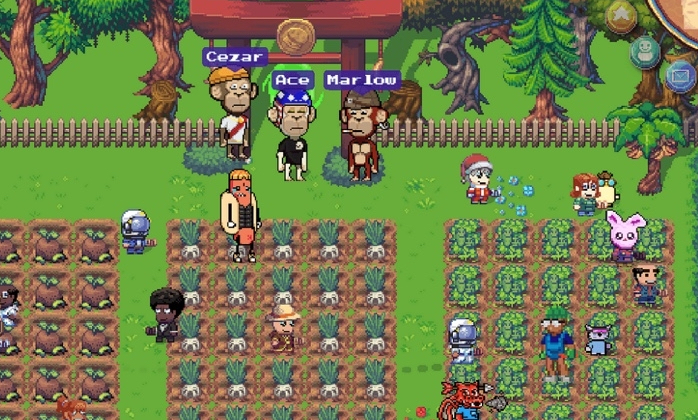
This changes the entire conversation. Because suddenly the pet stops being just a symbol of belonging and becomes a functional extension of the player. The strongest part is that Pixels doesn't sell that idea as a brutal and loud advantage. They introduce it gently, almost as if it were an emotional reward, but in reality, the effect is mechanical. And there is the real debate: are we talking about companionship or disguised infrastructure? If something improves your reach, space, and even the way you relate to the world, then it is no longer just a pet. It is a piece that modifies your position within the game.
And the detail of rarity makes it even heavier. Ronin said there were more than 900,000 players in Pixels at that time, so those 200 pets were not for just anyone. That turns the pet into something more than a cute object: it becomes a layer of access, status, and silent advantage. That’s why this conversation resonates more than repeating the typical “tokens and economy.” Here the real question is different: when a pet gives you more space, more range, and more presence, is it still a pet or is it already a camouflaged power tool of connection? @Pixels #pixel $PIXEL
