
#kalshi
kalshi
280,475 views
1,463 Discussing
Hot
Latest

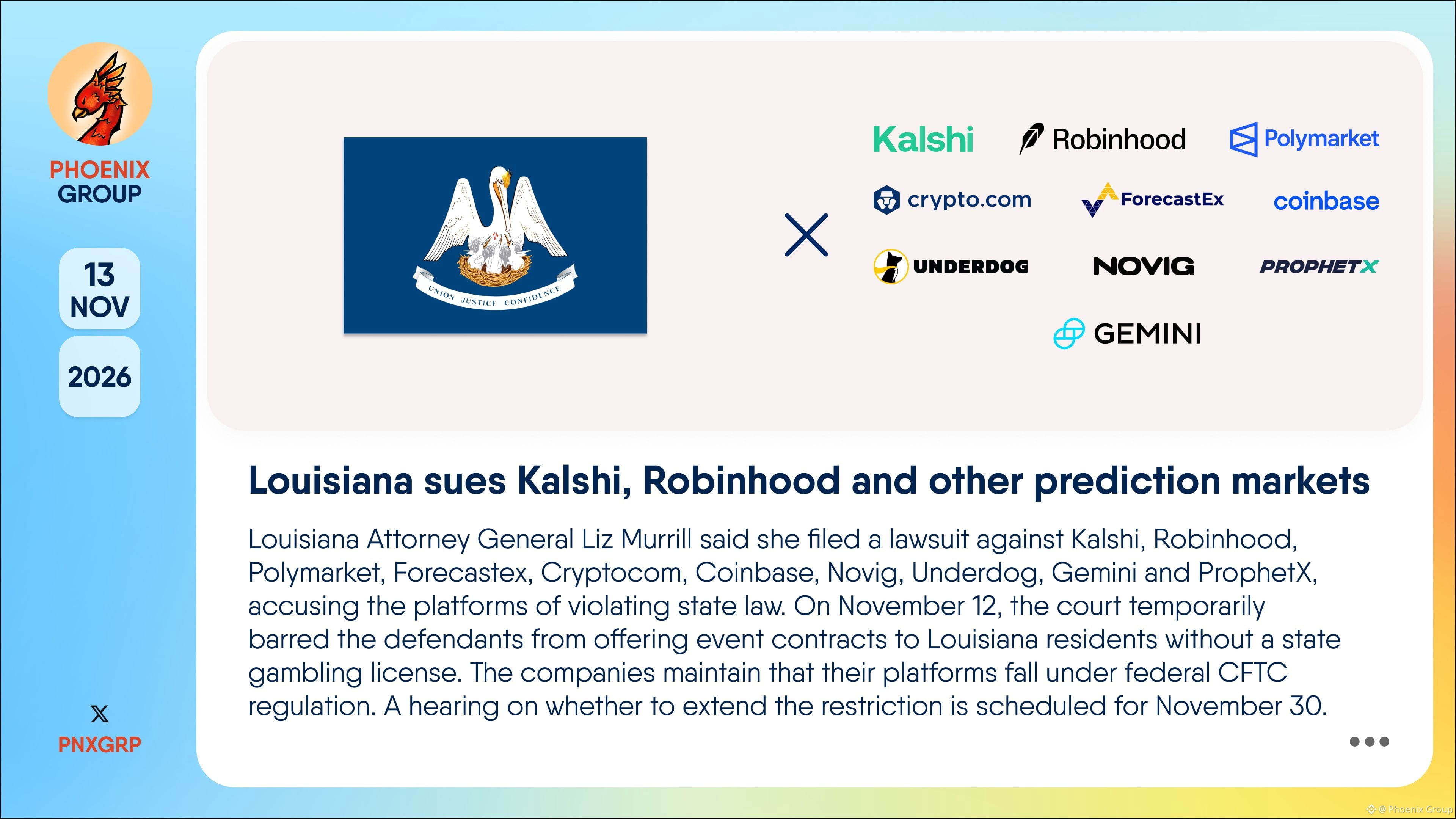
Louisiana sues Kalshi, Robinhood and other prediction markets
Louisiana Attorney General Liz Murrill said she filed a lawsuit against #Kalshi , #Robinhood , #Polymarket , #Forecastex , #Cryptocom, #Coinbase, #Novig , Underdog, #Gemini and #ProphetX, accusing the platforms of violating state law.
On November 12, the court temporarily barred the defendants from offering event contracts to Louisiana residents without a state gambling license. The companies maintain that their platforms fall under federal CFTC regulation. A hearing on whether to extend the restriction is scheduled for November 30.
👉 theblock.co/news/regulation/2026-11-12-louisiana-sues-kalshi-robinhood-other-prediction-markets-escalating-regulatory-fight-439052
87

·
--
🚨 FEDERAL REGULATORS INTERVENE TO PROTECT $KALSHI FROM STATE-LEVEL CRACKDOWNS 🏛️
Institutional architecture is clashing with regional oversight as federal agencies step in to shield prediction markets from jurisdictional fragmentation. ⚖️ The Justice Department and CFTC are aggressively defending federal preemption, setting a high-stakes precedent for how derivative contracts are regulated nationwide. 🔍
This regulatory battleground will dictate whether event-driven liquidity pools operate under a unified framework or fracture across state lines. 💡 Are you positioning for a centralized regulatory greenlight or anticipating further jurisdictional friction? 🤔
⚠️ Not financial advice. Always manage your risk. 🛡️
🏷️ #KALSHI #PredictionMarkets #CFTC #Regulation
📊 ⚖️
2


·
--
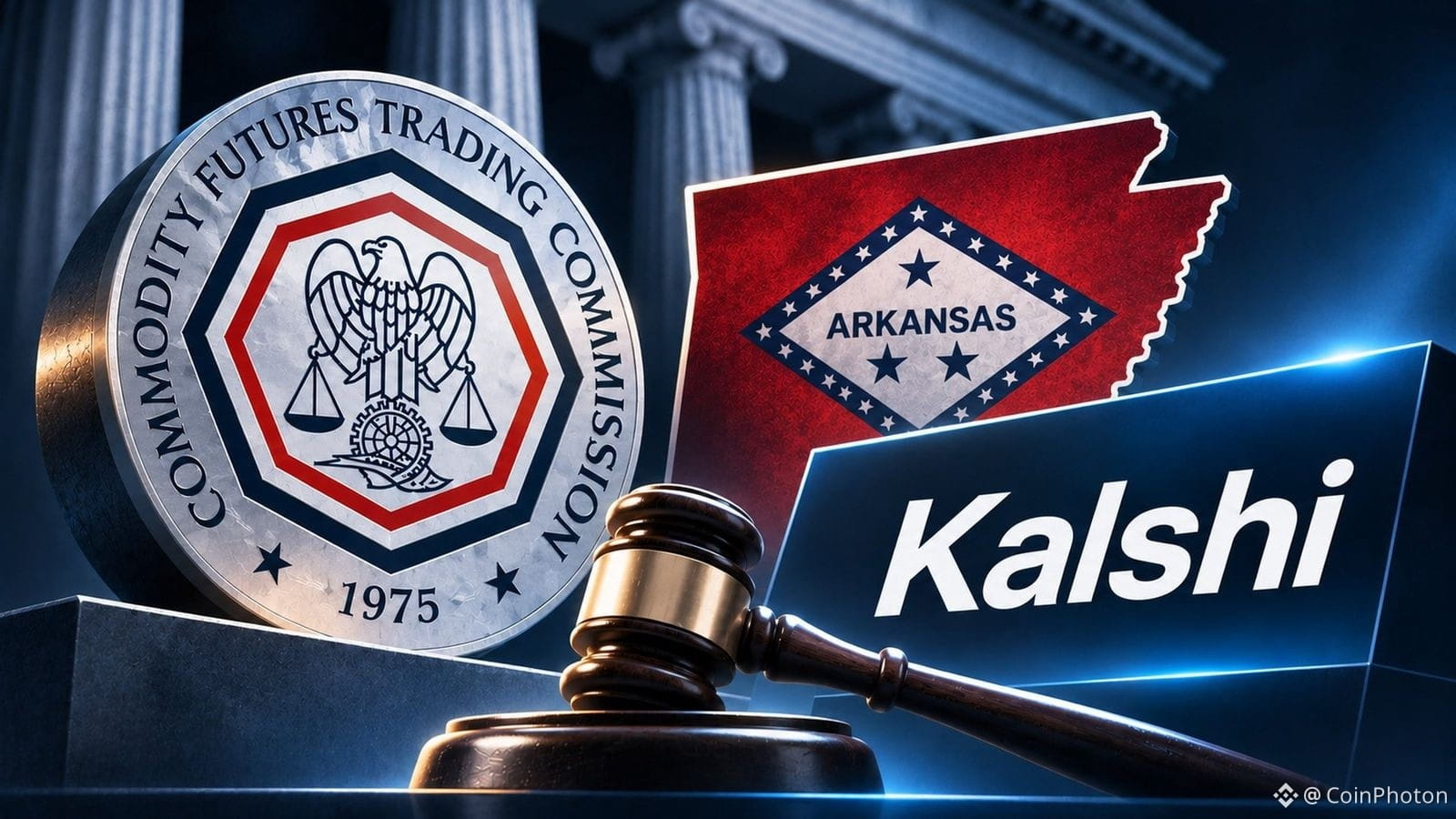
⚖️ DOJ and CFTC sue Arkansas to shield Kalshi from state crackdown
The U.S. Justice Department and the CFTC have sued Arkansas Attorney General Tim Griffin in federal court to block the state's enforcement action against prediction market Kalshi. Griffin sued Kalshi on November 4, calling it an illegal gambling platform under Arkansas law.
The federal agencies argue the Commodity Exchange Act gives the CFTC exclusive jurisdiction, that the contracts Arkansas targets are swaps, and that state law is preempted. They are asking for preliminary and permanent injunctions, which would also cover future state actions against CFTC-regulated prediction markets.
⭐ Washington is now directly taking on the states in the prediction market fight, and the outcome could decide whether platforms like Kalshi and Polymarket face one federal rulebook or a patchwork of state bans.
#Kalshi #PredictionMarkets #CFTC #Regulation
69
·
--
🔄 Kalshi ends Donald Trump Jr.'s advisory role after his firm backs Polymarket
Prediction market Kalshi has ended its advisory relationship with Donald Trump Jr., Reuters reported. The move follows his venture firm 1789 Capital leading rival Polymarket's $1 billion funding round, which would value Polymarket at $21 billion, with 1789 Capital set to contribute about $300 million. A Kalshi spokesperson said the decision was mutual and that political considerations played no role. Trump Jr. had joined Kalshi as a strategic adviser in January 2025.
⭐ The split sharpens the rivalry between the two biggest prediction markets at a time when the sector faces a wave of state lawsuits and rising political scrutiny.
#Kalshi #Polymarket #PredictionMarkets

187

🚨 WARREN caught a Trump aide betting on Trump's speeches. An aide read the speech early, then bet on Kalshi he would say those words. CFTC fined him $172,000. Warren takes the gavel in January. Still betting on Kalshi, or is the crackdown coming? $BTC #Kalshi
🚨 WARREN caught a Trump aide betting on Trump's speeches. An aide read the speech early, then bet on Kalshi he would say those words. CFTC fined him $172,000. Warren takes the gavel in January. Still betting on Kalshi, or is the crackdown coming? $BTC #Kalshi
27

🚨 REGULATORY PRESSURE SPIKES AS $KALSHI FACES SUDDEN CFTC ENFORCEMENT THREATS ⚠️
The regulatory net is tightening across the prediction market landscape as federal watchdogs flex their muscles. 📊 This sudden escalation over compliance procedures proves that even established sector leaders are walking through a minefield of shifting legal boundaries.
Smart capital watches how compliance friction ripples into broader liquidity and market participation. ⚡ When regulators demand absolute submission discipline, expect platforms to face heavy headwinds while structural compliance costs surge.
💬 Are event-contract platforms facing a permanent valuation ceiling under this heavy-handed oversight? 👇
⚠️ Not financial advice. Always manage your risk. 🛡️
🏷️ #KALSHI #CFTC #PredictionMarkets #CryptoRegulation
🔥 💎

92

·
--
🚨 CFTC WARNS KALSHI: CHARGES COULD COME SOON
The U.S. Commodity Futures Trading Commission has warned prediction-market giant Kalshi that enforcement charges could be imminent, POLITICO reported, citing a person with direct knowledge of the probe. Reuters confirmed the report.
The CFTC is investigating whether Kalshi failed to properly notify the agency about dozens of new contracts. Kalshi pushed back, calling it a procedural error involving a handful of contracts, many of which never went live.
🔹 WHY IT MATTERS
This is a sharp turn in the prediction-market war. The same CFTC has spent weeks suing states to DEFEND Kalshi's federal status, and just last week it approved single-stock perpetual futures for Kalshi and others. Now the regulator is signaling it will also police its own licensees.
Prediction markets are now deeply tied to crypto: Kalshi lists crypto event contracts, and its markets feed straight into the trading narrative. A federal crackdown, even a procedural one, puts the whole sector on notice.
⚠️ THE RISK
Nothing has been filed yet. This is a warning, not a charge, and Kalshi disputes the scope. If the CFTC follows through, expect volatility in prediction-market-linked names and fresh uncertainty over which contracts survive federal scrutiny.
📌 Sharing personal opinions only, not financial advice or a recommendation to buy/sell. Crypto is highly risky; DYOR and you are solely responsible. No coin promotion.
#Kalshi #CFTC #Crypto #Binance
1
1k

·
--
KALSHI IS WORTH $65 BILLION AND HASN’T EVEN GONE PUBLIC 🤯📈
I can’t stop thinking that prediction markets are having their moment: Kalshi, the platform where people bet on the outcomes of real-world events like elections or sports, is negotiating a new funding round that would value it at $65 billion, according to Bloomberg. Just two weeks ago, it closed a $1 billion round at a $40 billion valuation, which was supposed to be the last one before going public. And its monthly volume has almost tripled: from $40 billion in August to nearly $100 billion in October.
I think this says a lot: while the crypto market is falling, people keep betting on what’s going to happen—and that’s already worth billions.
Would you bet on a prediction market, or do you prefer to stick with the usual cryptocurrencies?
#Kalshi

109

·
--
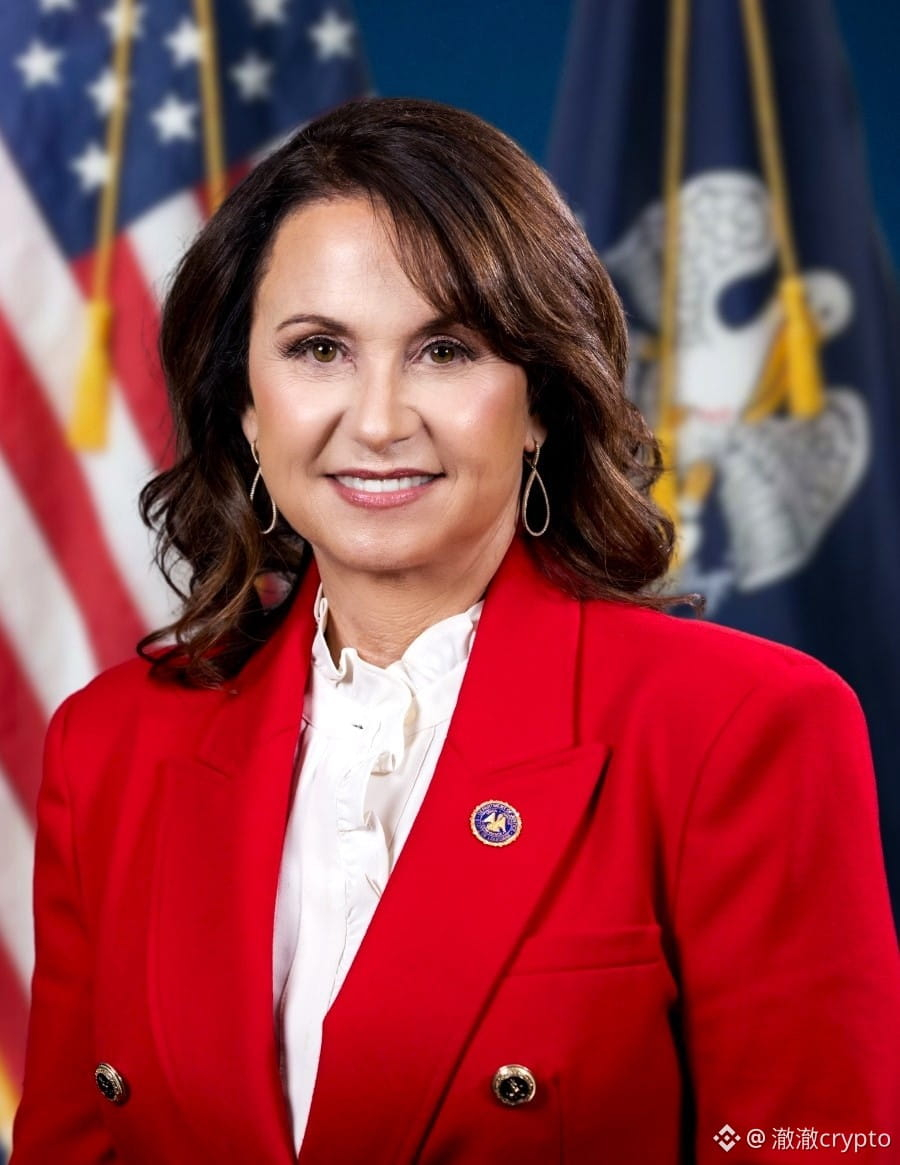
Louisiana has taken action: a judge granted an injunction on the day the lawsuit was filed, keeping 10 prediction market platforms out of the state.
Here’s what happened: On November 12, Attorney General Liz Murrill sued 10 platforms, including Kalshi and Polymarket, alleging that contracts related to sports, elections, and awards constitute illegal online gambling.
At 3:48 p.m. that same day, Judge Jeffrey Johnson signed a temporary restraining order requiring the platforms to geofence users in the state. The order is valid for only 10 days; a hearing on November 30 will determine whether it should become a preliminary injunction.
At the time of publication, BTC was trading at $69,024, down 5.92% over 24 hours (TradingView live price at 17:36).
My take: This time, speed was the key. HB 883’s provision that a violation is deemed to cause irreparable harm meant the state got an injunction on the day it filed suit without having to prove the harm.
But this is only a temporary order issued without hearing from the other side, not a final ruling. Kalshi had already filed a countersuit in federal court on October 23, arguing that prediction contracts fall under the CFTC’s exclusive jurisdiction.
What I’m watching: the November 30 hearing and Kalshi’s emergency motion in federal court—whichever gets a decision first. If the federal court rules that the CFTC has exclusive jurisdiction, the state injunction could be rendered moot.
Do you think prediction markets will ultimately be regulated by the states or by the CFTC?
$BTC $ETH $SOL
#预测市场 #Kalshi
100

Kalshi Ends Trump Jr.'s Advisory Deal Over Polymarket
- Kalshi has ended its advisory agreement with Donald Trump Jr.
- Reason: a conflict of interest due to his ties to Polymarket.
- The prediction market platform is being designated by state authorities as a fraudulent betting site.
- The original article was published on Coingape.
#Kalshi #Polymarket #PredictionMarket #CryptoNews
$btc $eth
#vlikevn Titanbot
Source: CoinGape
206

·
--
【Caught playing both sides and “asked to leave”! Donald Trump Jr. loses Kalshi adviser role because his own fund backed rival Polymarket】
Prediction market Kalshi confirmed on November 12 that it had agreed with Donald Trump Jr., the president’s eldest son, to end his advisory contract. The move came after 1789 Capital, where he is a partner, led a $1 billion funding round for rival Polymarket, valuing it at $21 billion. He remains an adviser to Polymarket. Democrats have just won control of both chambers of Congress, and Senator Warren and others have written to the White House asking it to clarify his role and interests in prediction markets by November 23.
#Kalshi #Polymarket #predictionmarket
65

Kalshi's valuation went from $22 billion to $40 billion, and now it's reportedly discussing $65 billion—nearly tripling in six months. I don't think this means “prediction markets are crushing it”; it looks more like annualizing peak-season numbers and pushing them as high as possible to raise another round before public markets scrutinize the company in an IPO.
First, the numbers Bloomberg reported on November 12: at the end of October, Kalshi had just closed a $1 billion round at a $40 billion valuation, led by Sequoia and Wellington. That round was originally seen as its last before going public. A few weeks later, it was discussing a $65 billion valuation. Its annualized revenue run rate had just topped $5 billion, gross margin was about 90%, and monthly notional trading volume rose from around $40 billion in August to nearly $100 billion in October.
$65 billion divided by $5 billion is 13 times run rate. Bloomberg previously reported that Polymarket's last round valued it at about $21 billion, with annualized revenue of around $1.8 billion—that's 11 to 12 times. So Kalshi's multiple itself isn't outrageously high. The problem is the denominator.
A run rate takes revenue from a recent period and multiplies it out over a full year. What kind of month was October? The NFL, the MLB playoffs, and then the betting surge ahead of the November 3 midterm elections—all at once. Annualizing a month like that is a bit like valuing a sportsbook based on its revenue during the World Cup. Here's my rough calculation: if the $5 billion figure is based on October multiplied by 12, that's about $420 million in monthly revenue against $100 billion in notional volume, a take rate just over 0.4%. That's my own estimate; Bloomberg didn't specify its methodology. After the election and the playoffs are over, whether notional volume can hold at $100 billion is what this $65 billion round is really betting on.
The second overlooked variable is sports. The bulk of Kalshi's volume comes from sports, and Louisiana just sued it along with more than twenty other platforms in state court. My view is that the real issue is the state's 21.5% online sports tax and licensing—not morality. The federal CFTC shield hasn't yet produced a consistent ruling across the circuit courts. If a few major states manage to rein in sports volume, that 13x won't stay 13x.
One other detail says a lot: they said it was the last round, then opened another one a few weeks later. If private investors are willing to pay a higher price—and you don't have to disclose quarterly results—who wouldn't want to raise one more round? The real test is who shows up to buy on IPO day.
Next, people will probably use this $65 billion valuation as a benchmark for small on-chain prediction market projects. Most of those platforms can't even agree on how to measure revenue, so don't get swept up in the hype.
#预测市场 #Kalshi
13

·
--
【Market Brief】Senators Press White House: Could Kalshi Betting Case Be Pardoned?
Warren and Merkley wrote to White House Counsel Sharf, asking whether he recommended that Trump pardon teleprompter operator Perez. Perez bet on the wording of Trump’s remarks on Kalshi and made $107,500. He has settled with the CFTC, agreeing to turn over his winnings, pay a $65,000 fine, and refrain from trading for three years. The senators also asked the White House to explain the investigation’s findings and respond by November 23. Will regulators tighten restrictions?
$BTC $ETH $SOL
#币安广场 #Kalshi #Prediction Markets
(Source: Unchained)
⚠️Risk Disclaimer: The above is shared for informational purposes only and does not constitute investment advice. Investing involves risk; please exercise caution.

13

·
--
Kalshi says the dispute is procedural, but the CFTC warns it may take enforcement action.
CryptoPotato reports that the U.S. Commodity Futures Trading Commission (CFTC) warned Kalshi that it may take enforcement action against the company. Kalshi said the dispute with regulators concerns a procedural issue. However, the report notes that the CFTC’s warning suggests the investigation could soon escalate.
· The two sides characterize the dispute differently: Kalshi describes it as procedural, while the CFTC’s actions point to enforcement.
· The report did not disclose the specific issues involved in the investigation, its timeline, or the possible forms of punishment.
Would you rather see the CFTC’s formal charges first, or the full text of Kalshi’s response?
#Kalshi #CFTC
54

·
--
Kalshi just recorded the two biggest days in its history — while Bitcoin sits quietly waiting for CPI.
Key figures:
• $5.33 billion (Saturday, Nov. 7) and $5.36 billion (Sunday, Nov. 8) — Kalshi’s daily figures, cited by Bitcoin.com (Nov. 10) and Covers (Nov. 9). Both topped the previous record of $5.30 billion (Oct. 24).
• Weekend total: $10.69 billion; Kalshi accounted for 74.5% of the volume across 12 prediction market operators, whose combined total exceeded $14 billion — up 52% from the previous weekend (Covers/Aldrin Research).
• About 75% of that volume came from combos — parlay contracts that combine multiple outcomes (75.6% on Saturday, 74.6% on Sunday).
My take: appetite for betting on outcomes is growing even as crypto markets are sluggish — BTC is still around $74,500 as it waits for CPI tonight at 20:30 WIB. But don’t misread the figures: this is notional volume, the full value of $1 contracts, not the amount of money wagered. And three-quarters of it came from combos, which were challenged in court by a gambling industry association the day before this record, with the association calling combos sports betting.
What I’m watching: the appeals ruling on combos, and whether volume this high holds up on weekdays, not just football weekends.
What do you think: are prediction markets a complement to crypto markets, or a competitor siphoning off attention and money?
This is my analysis, not financial advice — always DYOR.
#Kalshi #PrediksiPasar $BTC
24

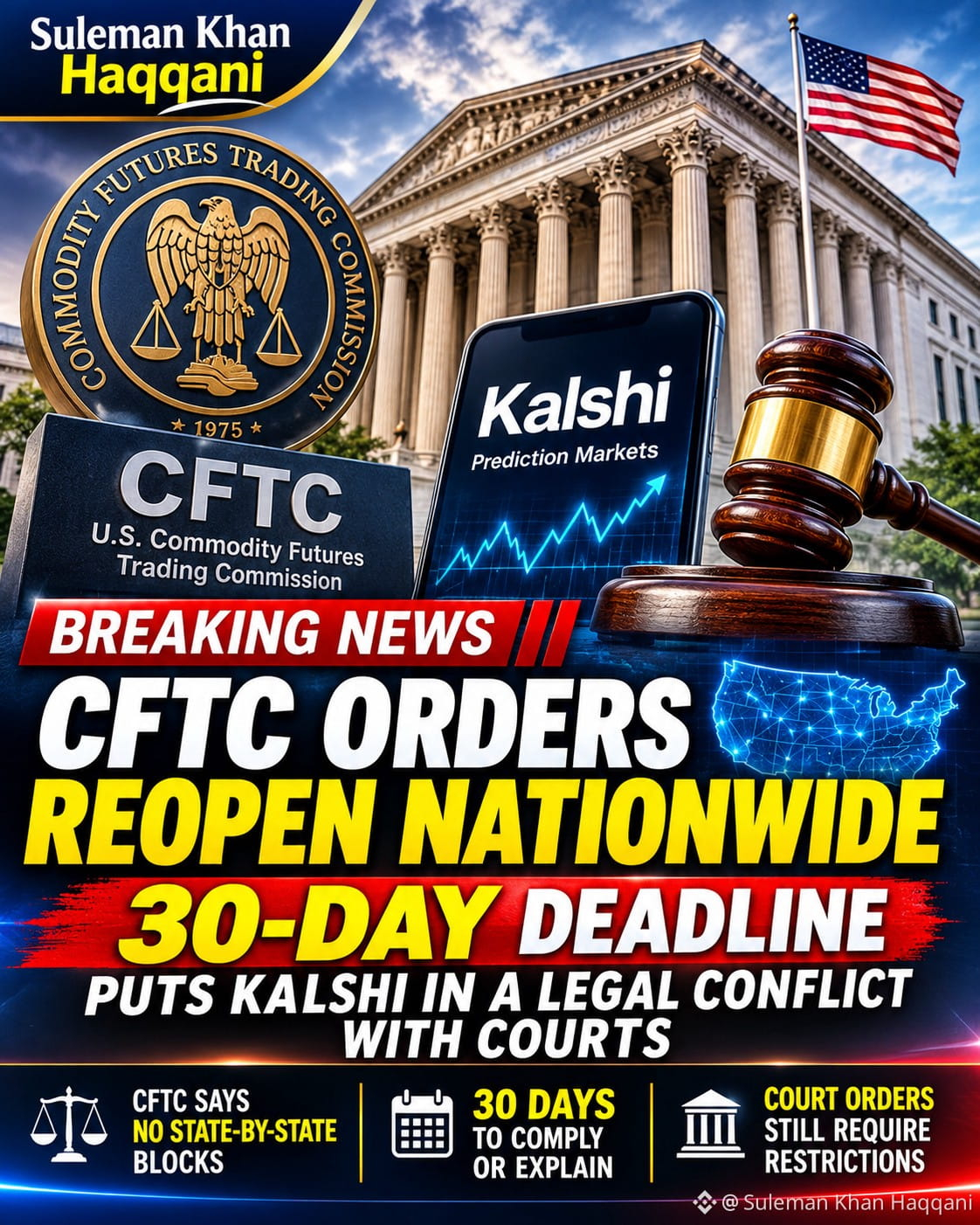
🚨 U.S. REGULATOR vs. COURTS: Prediction Markets Face a Legal Showdown!
The U.S. Commodity Futures Trading Commission (CFTC) has issued a major demand that could reshape the prediction markets industry.
🔹 CFTC says regulated exchanges cannot block customers state-by-state.
🔹 Platforms like Kalshi face existing court orders requiring geographic restrictions.
🔹 Companies now face a 30-day deadline to comply or explain.
⚖️ One major question remains: How will prediction markets navigate conflicting regulatory demands and court orders?
Could this become a turning point for the U.S. prediction market industry?
💬 What's your take?
#CryptoNews #Kalshi #CFTC #PredictionMarkets #usregulation
194
Kalshi co-founder Luana announced the stealth launch of single-stock perpetuals (SSPs): over $300 million traded on opening morning. An employee added that there are 58 trading pairs—and they picked the worst stock-market opening since the pandemic.
Big crypto accounts immediately echoed, “Finance for the Bitcoin era is here.” Wake up. This isn’t bullish for BTC; it’s prediction markets bringing perpetuals to US stocks to rake in fees. No expiry, can go long or short, reportedly up to about 5x leverage—whoever gets liquidated adds to the platform’s volume.
Regulated doesn’t mean you can’t get blown up. Reports also say the court challenge is still ongoing. Retail traders have switched to a table with a license, but the house is still the one collecting fees. $300 million on opening day sounds impressive, but it’s a drop in the bucket compared with the US equity derivatives market. Don’t mistake first-day volume for fundamentals.
The next thing to watch is whether Coinbase and Kraken follow suit. Then we can talk about who’s eating the retail traders.
#Kalshi #Perpetuals
3
Kalshi blocked from sports contracts. California tribal lands.
- Federal court grants preliminary injunction.
- Kalshi barred from offering sports contracts.
- Two California tribes' lands.
#BinanceSquare #CryptoNews #Kalshi
$btc $eth
#vlikevn #Titanbot
Source: The Block
Kalshi blocked from sports contracts. California tribal lands.
- Federal court grants preliminary injunction.
- Kalshi barred from offering sports contracts.
- Two California tribes' lands.
#BinanceSquare #CryptoNews #Kalshi
$btc $eth
#vlikevn #Titanbot
Source: The Block
- Federal court grants preliminary injunction.
- Kalshi barred from offering sports contracts.
- Two California tribes' lands.
#BinanceSquare #CryptoNews #Kalshi
$btc $eth
#vlikevn #Titanbot
Source: The Block
226
·
--
Kalshi’s stock perpetual contracts launched in the U.S., with users putting in $300 million within hours.
The contracts cover dozens of assets, including Palantir, Meta, and SpaceX, and are regulated by both the CFTC and SEC. They launched just two days after Chairman Michael Selig said that “stock perpetual contracts can be traded domestically.”
· The $300 million refers to the amount users put in, according to a report by Unchained—not platform revenue or trading volume.
· The contracts are listed under two regulators, suggesting the compliance structure does not follow a single-market path.
Which asset’s open interest would you check first?
#Kalshi

268

·
--
Kalshi has been hit with another ban: Two California tribes secured a preliminary injunction in federal court, restricting it from offering sports-related event contracts on tribal lands.
On Wednesday, Judge Jacqueline Scott Corley issued what lawyers called “the first preliminary injunction against Kalshi brought by tribes anywhere in the nation.” The tribes must provide boundary maps by November 13, and Kalshi must report on its compliance within 21 days.
Previously, the Ninth Circuit Court of Appeals partially overturned the original ruling in September, finding that the tribes were likely to prevail and noting that the CFTC’s “exclusive jurisdiction” might not cover these types of contracts. On the same day, the Arkansas attorney general also sued Kalshi, adding to the regulatory pressure.
#Kalshi #预测市场 #Regulation

37
Log in to explore more content
Join global crypto users on Binance Square
⚡️ Get latest and useful information about crypto.
💬 Trusted by the world’s largest crypto exchange.
👍 Discover real insights from verified creators.
Email / Phone number
Trending Topics
1
#USPPIMissMayEaseBTCPressure
20,104 views
502 Discussing
2
#BitcoinCoreDisclosesTorTrafficVulnerability
6,055 views
228 Discussing
3
#WhatWillDriveCryptoandStocks’NextRebound?
119,096 views
1,427 Discussing
4
#BitcoinBreaksBelow200WeekMovingAverage
31,627 views
398 Discussing
5
#SpaceXTeslaMergerTalksWouldCombine30220BTC
10,893 views
205 Discussing
6
#Anthropic’s6xIPODemandSignalsPotentialRecordRaise
39,605 views
650 Discussing
7
#USCryptoETFsLose$1.48BInFiveDays
1,919 views
40 Discussing
8
#KoreaDigitalAssetBasicActFinalDraftExpectedEarlyJanuary
3,427 views
20 Discussing
9
#RippleRLUSDMarketCapSurpassesPayPalPYUSD
6,288 views
114 Discussing
10
#JaneStreetNearlyOctuplesFidelityBitcoinETFHoldings
14,967 views
227 Discussing