

#tron
tron
5.9M views
22,540 Discussing
Hot
Latest

·
--
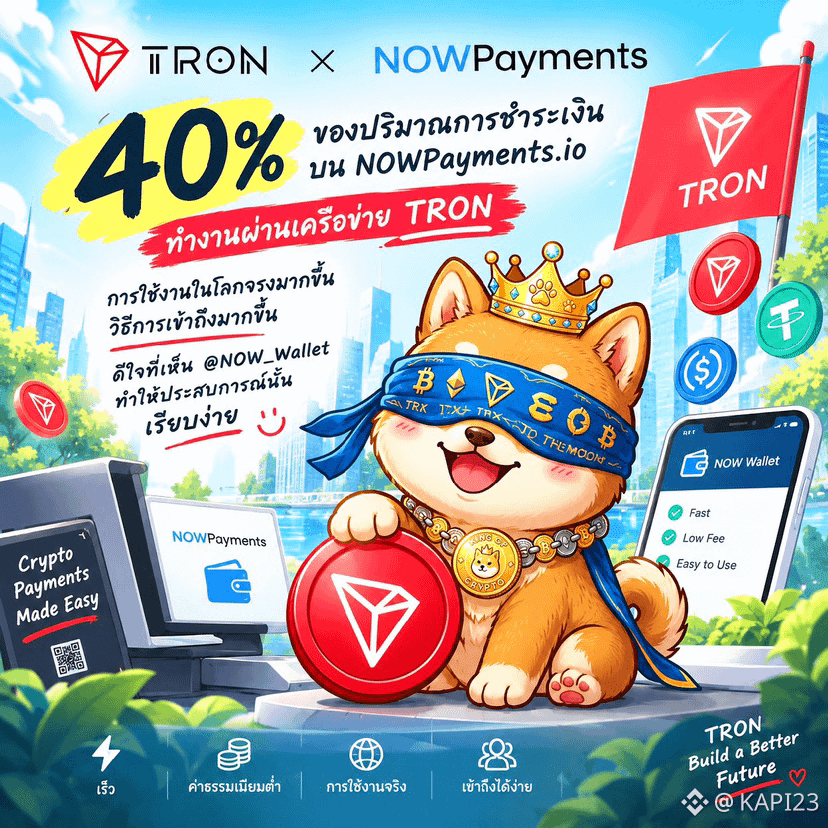
40% of the payment volume on @NOWPayments_io is powered by TRON.
That’s more than just a number. It’s another sign that blockchain is moving beyond speculation and into real-world payments.
TRON continues to play an important role in this space, especially as stablecoins and crypto payments become more accessible to users and businesses around the world.
And with solutions like @NOW_Wallet making the experience simpler, the barrier to using crypto for everyday payments gets lower.
Real adoption comes from real usage.
Seeing TRON powering a significant share of payment activity on a platform like NOWPayments is definitely something worth watching.
The journey toward mainstream crypto payments is still early — but the infrastructure is already being built. 🚀
#TRON @TRON DAO
40% of the payment volume on @NOWPayments_io is powered by TRON.
That’s more than just a number. It’s another sign that blockchain is moving beyond speculation and into real-world payments.
TRON continues to play an important role in this space, especially as stablecoins and crypto payments become more accessible to users and businesses around the world.
And with solutions like @NOW_Wallet making the experience simpler, the barrier to using crypto for everyday payments gets lower.
Real adoption comes from real usage.
Seeing TRON powering a significant share of payment activity on a platform like NOWPayments is definitely something worth watching.
The journey toward mainstream crypto payments is still early — but the infrastructure is already being built. 🚀
#TRON @TRON DAO
That’s more than just a number. It’s another sign that blockchain is moving beyond speculation and into real-world payments.
TRON continues to play an important role in this space, especially as stablecoins and crypto payments become more accessible to users and businesses around the world.
And with solutions like @NOW_Wallet making the experience simpler, the barrier to using crypto for everyday payments gets lower.
Real adoption comes from real usage.
Seeing TRON powering a significant share of payment activity on a platform like NOWPayments is definitely something worth watching.
The journey toward mainstream crypto payments is still early — but the infrastructure is already being built. 🚀
#TRON @TRON DAO
72
·
--
$TRX
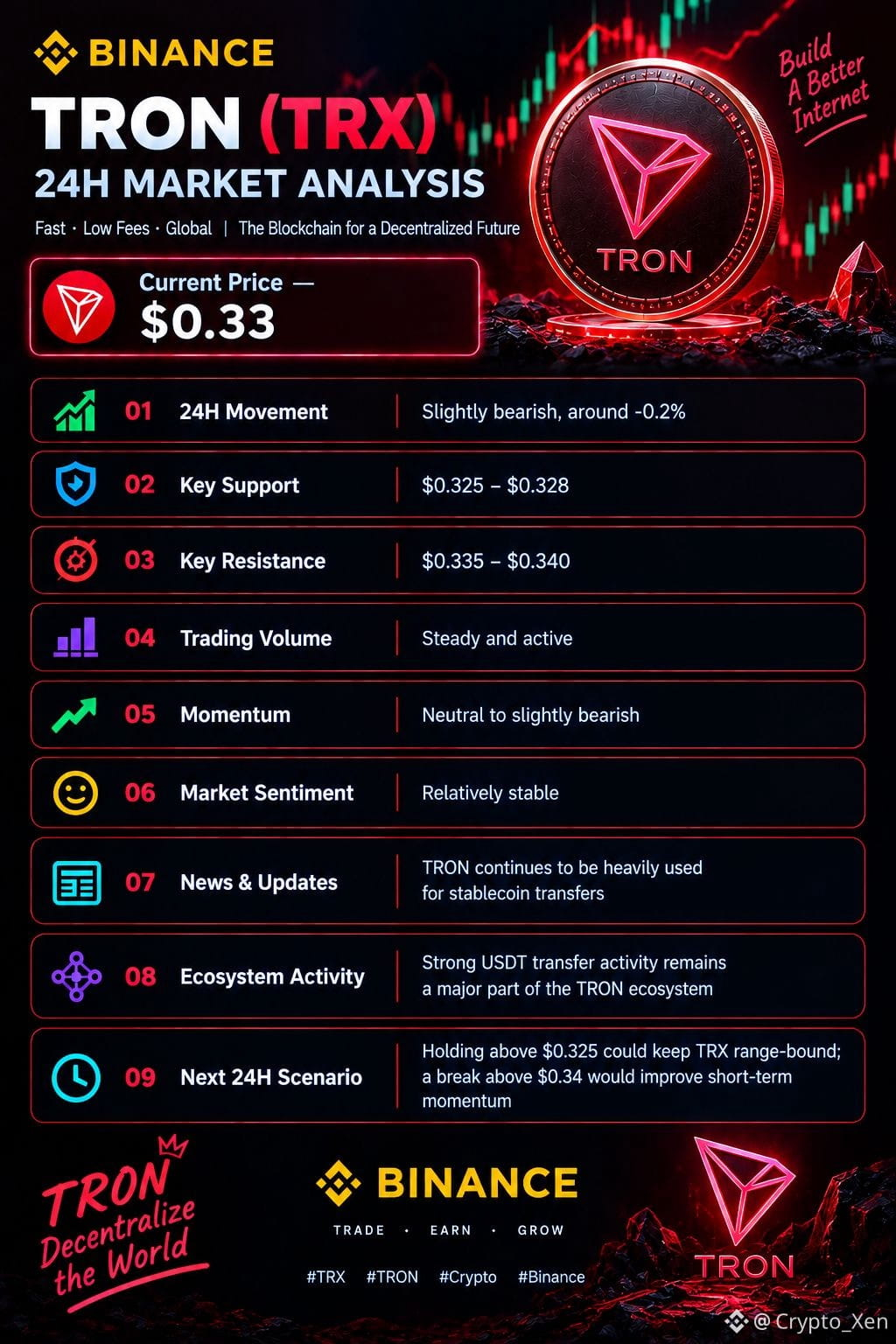
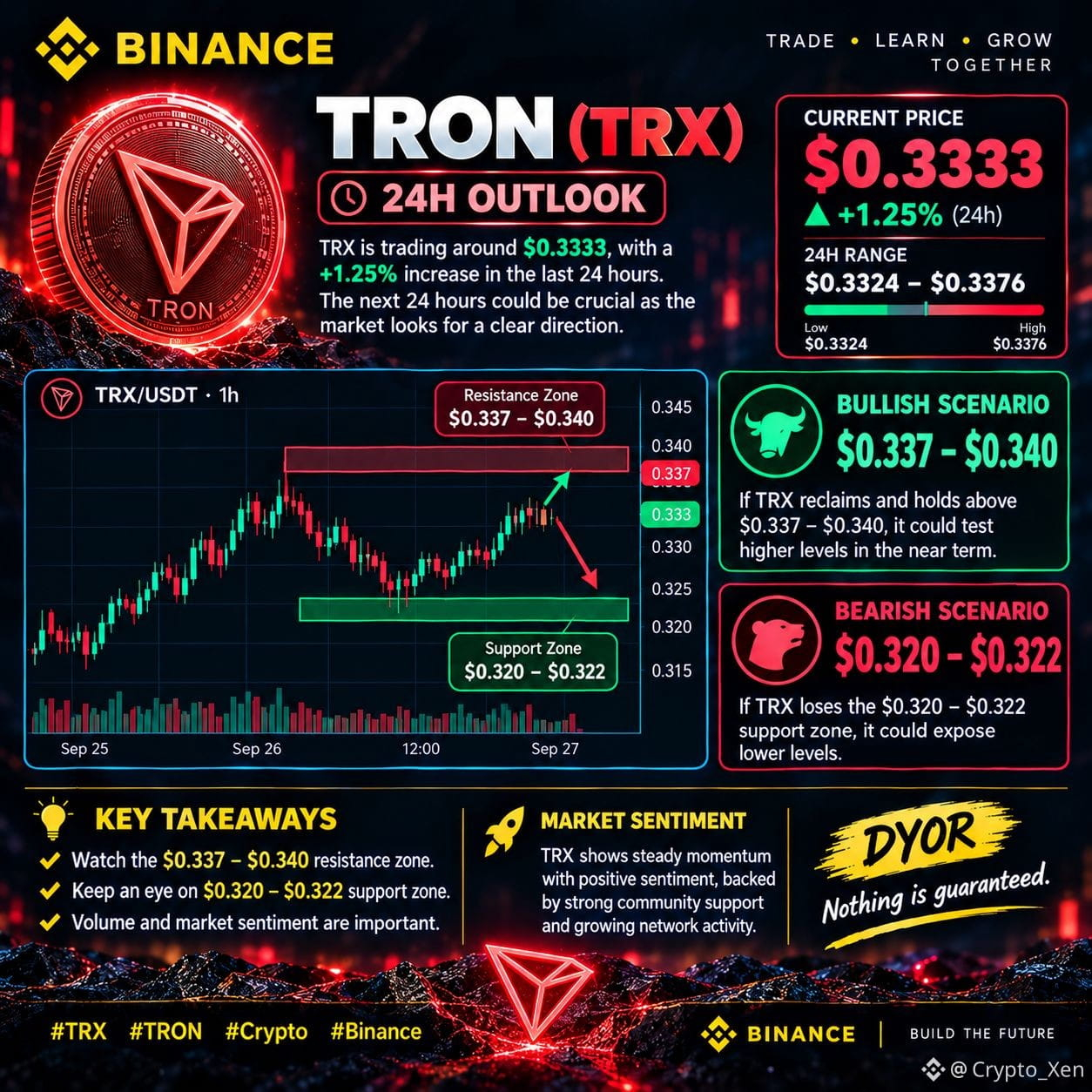
🔴 TRON (TRX) — 24H MARKET ANALYSIS
Current Price — $0.33
24H Movement — Slightly bearish, around -0.2%
Key Support — $0.325–$0.328
Key Resistance — $0.335–$0.340
Trading Volume — Steady and active
Momentum — Neutral to slightly bearish
Market Sentiment — Relatively stable
News & Updates — TRON continues to be heavily used for stablecoin transfers
Ecosystem Activity — Strong USDT transfer activity remains a major part of the TRON ecosystem
Next 24H Scenario — Holding above $0.325 could keep TRX range-bound; a break above $0.34 would improve short-term momentum
#TRON #TRX #Crypto #Binance
{spot}(TRXUSDT)
$TRX
🔴 TRON (TRX) — 24H MARKET ANALYSIS
Current Price — $0.33
24H Movement — Slightly bearish, around -0.2%
Key Support — $0.325–$0.328
Key Resistance — $0.335–$0.340
Trading Volume — Steady and active
Momentum — Neutral to slightly bearish
Market Sentiment — Relatively stable
News & Updates — TRON continues to be heavily used for stablecoin transfers
Ecosystem Activity — Strong USDT transfer activity remains a major part of the TRON ecosystem
Next 24H Scenario — Holding above $0.325 could keep TRX range-bound; a break above $0.34 would improve short-term momentum
#TRON #TRX #Crypto #Binance
🔴 TRON (TRX) — 24H MARKET ANALYSIS
Current Price — $0.33
24H Movement — Slightly bearish, around -0.2%
Key Support — $0.325–$0.328
Key Resistance — $0.335–$0.340
Trading Volume — Steady and active
Momentum — Neutral to slightly bearish
Market Sentiment — Relatively stable
News & Updates — TRON continues to be heavily used for stablecoin transfers
Ecosystem Activity — Strong USDT transfer activity remains a major part of the TRON ecosystem
Next 24H Scenario — Holding above $0.325 could keep TRX range-bound; a break above $0.34 would improve short-term momentum
#TRON #TRX #Crypto #Binance
12

·
--
Bullish
TRON ($TRX )
TRON remains a major blockchain asset and continues to attract attention from traders looking for steady large-cap altcoins. $TRX
{spot}(TRXUSDT)
is different from many fast-moving meme coins because its market activity is linked to a broad blockchain ecosystem. Today, I would focus on the chart structure and volume instead of expecting a sudden move. If support continues to hold, traders may watch for a recovery toward resistance. If support fails, caution becomes important. The best approach is to let price confirm the direction. Crypto markets can change quickly, so a simple plan with controlled risk is often better than an emotional entry. #TRON
TRON ($TRX )
TRON remains a major blockchain asset and continues to attract attention from traders looking for steady large-cap altcoins. $TRX
is different from many fast-moving meme coins because its market activity is linked to a broad blockchain ecosystem. Today, I would focus on the chart structure and volume instead of expecting a sudden move. If support continues to hold, traders may watch for a recovery toward resistance. If support fails, caution becomes important. The best approach is to let price confirm the direction. Crypto markets can change quickly, so a simple plan with controlled risk is often better than an emotional entry. #TRON
TRON remains a major blockchain asset and continues to attract attention from traders looking for steady large-cap altcoins. $TRX
is different from many fast-moving meme coins because its market activity is linked to a broad blockchain ecosystem. Today, I would focus on the chart structure and volume instead of expecting a sudden move. If support continues to hold, traders may watch for a recovery toward resistance. If support fails, caution becomes important. The best approach is to let price confirm the direction. Crypto markets can change quickly, so a simple plan with controlled risk is often better than an emotional entry. #TRON
8

🔥 $TRON.US $TRX
{spot}(TRXUSDT)
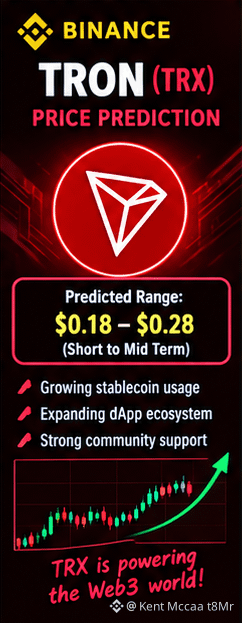
TRON (TRX) — Price Prediction
🚀 TRX could aim for $0.18–$0.28 if momentum continues!
💎 Stablecoin usage and dApp adoption are worth watching.
📈 Bullish or bearish on TRX?
#TRON #TRX #cryptooinsigts
🔥 $TRON.US $TRX
TRON (TRX) — Price Prediction
🚀 TRX could aim for $0.18–$0.28 if momentum continues!
💎 Stablecoin usage and dApp adoption are worth watching.
📈 Bullish or bearish on TRX?
#TRON #TRX #cryptooinsigts
TRON (TRX) — Price Prediction
🚀 TRX could aim for $0.18–$0.28 if momentum continues!
💎 Stablecoin usage and dApp adoption are worth watching.
📈 Bullish or bearish on TRX?
#TRON #TRX #cryptooinsigts
1
11

·
--
Bullish
🚀 $TRX / USDT - Quick Market Update & Setup! 📈
$TRX is currently consolidating around $0.3340, hovering near its key Moving Averages:
• MA(7): $0.3378
• MA(25): $0.3377
• MA(99): $0.3316
📍 Key Levels to Watch:
• Support Zone: $0.3200 - $0.3220 (Strong bounce area)
• Resistance Zone: $0.3385 - $0.3490 (Breakout target)
💡 Trading Insight:
$TRX is trading in a tight range. A breakout above $0.3385 could trigger a strong bullish momentum towards the recent high of $0.3493. However, holding above the $0.3316 (MA 99) support is crucial to maintain stability.
What are your thoughts on $TRX? Are you Bullish 🐂 or Bearish 🐻? Let me know in the comments! 👇
#TRX #TRON #BinanceSquareFamily #CryptoAnalysis #Write2Earn
🚀 $TRX / USDT - Quick Market Update & Setup! 📈
$TRX is currently consolidating around $0.3340, hovering near its key Moving Averages:
• MA(7): $0.3378
• MA(25): $0.3377
• MA(99): $0.3316
📍 Key Levels to Watch:
• Support Zone: $0.3200 - $0.3220 (Strong bounce area)
• Resistance Zone: $0.3385 - $0.3490 (Breakout target)
💡 Trading Insight:
$TRX is trading in a tight range. A breakout above $0.3385 could trigger a strong bullish momentum towards the recent high of $0.3493. However, holding above the $0.3316 (MA 99) support is crucial to maintain stability.
What are your thoughts on $TRX ? Are you Bullish 🐂 or Bearish 🐻? Let me know in the comments! 👇
#TRX #TRON #BinanceSquareFamily #CryptoAnalysis #Write2Earn
$TRX is currently consolidating around $0.3340, hovering near its key Moving Averages:
• MA(7): $0.3378
• MA(25): $0.3377
• MA(99): $0.3316
📍 Key Levels to Watch:
• Support Zone: $0.3200 - $0.3220 (Strong bounce area)
• Resistance Zone: $0.3385 - $0.3490 (Breakout target)
💡 Trading Insight:
$TRX is trading in a tight range. A breakout above $0.3385 could trigger a strong bullish momentum towards the recent high of $0.3493. However, holding above the $0.3316 (MA 99) support is crucial to maintain stability.
What are your thoughts on $TRX ? Are you Bullish 🐂 or Bearish 🐻? Let me know in the comments! 👇
#TRX #TRON #BinanceSquareFamily #CryptoAnalysis #Write2Earn
1
101
·
--
Bullish
$TRX
TRON's main strength is stablecoin settlement. Huge amounts of USDT move on its network every day because fees are low and transfers are fast. That real utility gives $TRX
{spot}(TRXUSDT)
a steady base of demand even when the market is quiet. With stablecoins becoming central to payments, as seen with recent bank and card-network moves, TRON is well positioned. Price action stays range-bound, but fundamentals remain strong. Boring can be beautiful. #Tron
$TRX
TRON's main strength is stablecoin settlement. Huge amounts of USDT move on its network every day because fees are low and transfers are fast. That real utility gives $TRX
a steady base of demand even when the market is quiet. With stablecoins becoming central to payments, as seen with recent bank and card-network moves, TRON is well positioned. Price action stays range-bound, but fundamentals remain strong. Boring can be beautiful. #Tron
TRON's main strength is stablecoin settlement. Huge amounts of USDT move on its network every day because fees are low and transfers are fast. That real utility gives $TRX
a steady base of demand even when the market is quiet. With stablecoins becoming central to payments, as seen with recent bank and card-network moves, TRON is well positioned. Price action stays range-bound, but fundamentals remain strong. Boring can be beautiful. #Tron
7

·
--
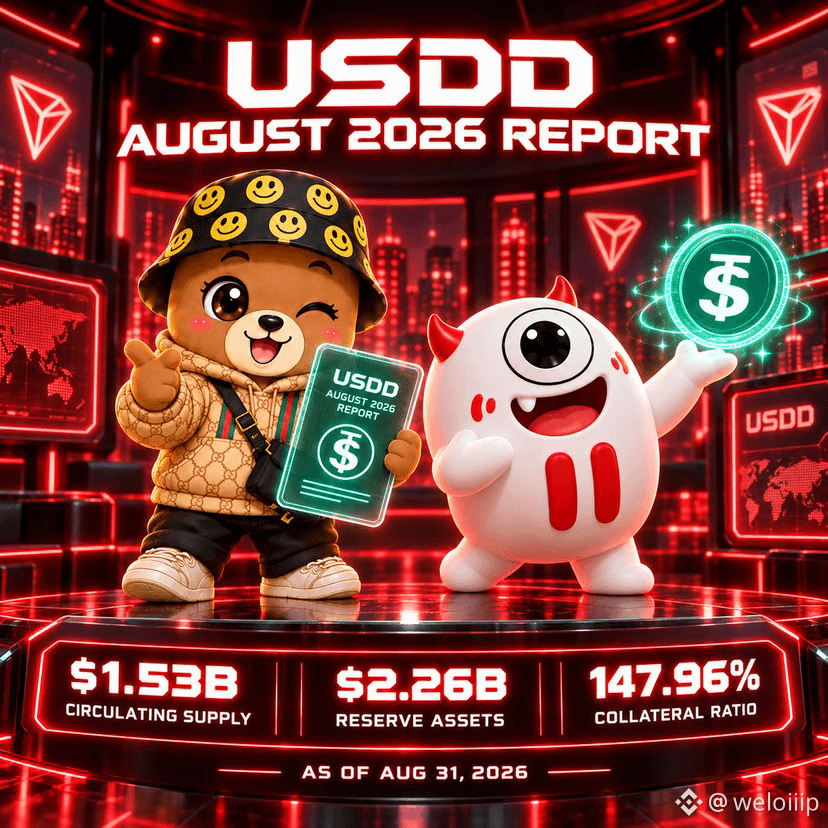
🐻 **Did you know? USDD is a stablecoin in the TRON ecosystem**, designed to maintain a value close to $1 per token and backed by crypto assets at a value higher than the amount of USDD issued.
Here’s a quick look at the **August 2026 report** 📊
As of August 31, 2026:
• $1.53B USDD in circulation
• $2.26B in reserve assets
• 147.96% collateralization ratio
In simple terms, every $1 of USDD was backed by around **$1.48 in reserve assets** at the time of the report. The ratio can change with market prices, so it doesn’t mean USDD is risk-free.
🟣 **USDD Vault** expanded to Ethereum, allowing users to use ETH and WBTC as collateral to mint USDD.
🔺 **GasFree** added support for USDD on TRON, allowing transfers without needing TRX separately for gas fees.
DeFi updates also include **sUSDD activity on Pendle** and the launch of USDD’s **PSM** on Gate DEX and SaveWallet.
Overall, the report gives a nice snapshot of both **USDD’s reserves and its growing utility across DeFi.** ✨
@TRONDAO @justinsuntron @Trondao_THA
#TRON #TRONGlobalFreinds #tgf
🐻 **Did you know? USDD is a stablecoin in the TRON ecosystem**, designed to maintain a value close to $1 per token and backed by crypto assets at a value higher than the amount of USDD issued.
Here’s a quick look at the **August 2026 report** 📊
As of August 31, 2026:
• $1.53B USDD in circulation
• $2.26B in reserve assets
• 147.96% collateralization ratio
In simple terms, every $1 of USDD was backed by around **$1.48 in reserve assets** at the time of the report. The ratio can change with market prices, so it doesn’t mean USDD is risk-free.
🟣 **USDD Vault** expanded to Ethereum, allowing users to use ETH and WBTC as collateral to mint USDD.
🔺 **GasFree** added support for USDD on TRON, allowing transfers without needing TRX separately for gas fees.
DeFi updates also include **sUSDD activity on Pendle** and the launch of USDD’s **PSM** on Gate DEX and SaveWallet.
Overall, the report gives a nice snapshot of both **USDD’s reserves and its growing utility across DeFi.** ✨
@TRON DAO @justinsuntron @Trondao_THA
#TRON #TRONGlobalFreinds #tgf
Here’s a quick look at the **August 2026 report** 📊
As of August 31, 2026:
• $1.53B USDD in circulation
• $2.26B in reserve assets
• 147.96% collateralization ratio
In simple terms, every $1 of USDD was backed by around **$1.48 in reserve assets** at the time of the report. The ratio can change with market prices, so it doesn’t mean USDD is risk-free.
🟣 **USDD Vault** expanded to Ethereum, allowing users to use ETH and WBTC as collateral to mint USDD.
🔺 **GasFree** added support for USDD on TRON, allowing transfers without needing TRX separately for gas fees.
DeFi updates also include **sUSDD activity on Pendle** and the launch of USDD’s **PSM** on Gate DEX and SaveWallet.
Overall, the report gives a nice snapshot of both **USDD’s reserves and its growing utility across DeFi.** ✨
@TRON DAO @justinsuntron @Trondao_THA
#TRON #TRONGlobalFreinds #tgf
72

·
--
Bullish
Today’s TRX data is worth watching.
According to TRONSCAN, on September 25:
🔥 2.08M TRX burned
⚡ 3.92M TRX generated
📈 +1.84M TRX net increase
TRON has also burned 16.92B+ TRX cumulatively through network resources and fees.
The takeaway? TRX supply isn't simply deflationary every day. It depends on the balance between generation and burn activity.
Watch the network. Watch the supply.
@TRONDAO
#TRX #TRON #Crypto #Blockchain
Today’s TRX data is worth watching.
According to TRONSCAN, on September 25:
🔥 2.08M TRX burned
⚡ 3.92M TRX generated
📈 +1.84M TRX net increase
TRON has also burned 16.92B+ TRX cumulatively through network resources and fees.
The takeaway? TRX supply isn't simply deflationary every day. It depends on the balance between generation and burn activity.
Watch the network. Watch the supply.
@TRON DAO
#TRX #TRON #Crypto #Blockchain
According to TRONSCAN, on September 25:
🔥 2.08M TRX burned
⚡ 3.92M TRX generated
📈 +1.84M TRX net increase
TRON has also burned 16.92B+ TRX cumulatively through network resources and fees.
The takeaway? TRX supply isn't simply deflationary every day. It depends on the balance between generation and burn activity.
Watch the network. Watch the supply.
@TRON DAO
#TRX #TRON #Crypto #Blockchain
68

·
--
{spot}(TRXUSDT)
🚨 #TRON is making serious moves! 🔥
TRON now processes nearly 44% of all enterprise payout volume on NOWPayments, highlighting its growing role in real-world crypto payments. 💰
Utility is winning. 👀
#CryptoNews #Payment #TrumpRejectsIranHormuzReopening
🚨 #TRON is making serious moves! 🔥
TRON now processes nearly 44% of all enterprise payout volume on NOWPayments, highlighting its growing role in real-world crypto payments. 💰
Utility is winning. 👀
#CryptoNews #Payment #TrumpRejectsIranHormuzReopening
TRON now processes nearly 44% of all enterprise payout volume on NOWPayments, highlighting its growing role in real-world crypto payments. 💰
Utility is winning. 👀
#CryptoNews #Payment #TrumpRejectsIranHormuzReopening

1
2
93

·
--
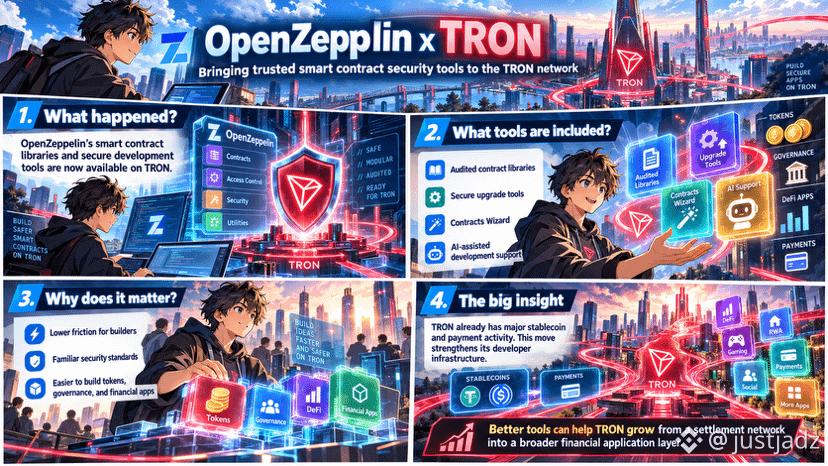
TRON just added something arguably more important than another dApp: better infrastructure for the people building them.** OpenZeppelin has officially expanded its smart contract libraries and secure development suite to TRON, including audited contracts, upgrade plugins, Contracts Wizard and MCP support for AI-assisted development.
This is not simply Ethereum tooling copied onto another chain. OpenZeppelin built TRON-specific support for TRC-1967 and UUPS upgrades, passkey authentication, gasless approvals, supply controls, role-based permissions and governance. For Solidity developers already familiar with OpenZeppelin, that can significantly reduce the friction of building production applications on TRON.
The bigger picture is interesting. TRON already has massive stablecoin liquidity and payment activity, but capital alone does not create an application ecosystem. Developers also need reliable tools and security standards. OpenZeppelin gives TRON another important piece of that stack, potentially helping the network evolve from primarily a stablecoin settlement layer into a broader financial application layer. Audited libraries reduce risk, but they do not remove the need for project-specific testing and security reviews.
@TRONDAO @JustinSun
#Tron #TRX #TRONGlobalFriends
TRON just added something arguably more important than another dApp: better infrastructure for the people building them.** OpenZeppelin has officially expanded its smart contract libraries and secure development suite to TRON, including audited contracts, upgrade plugins, Contracts Wizard and MCP support for AI-assisted development.
This is not simply Ethereum tooling copied onto another chain. OpenZeppelin built TRON-specific support for TRC-1967 and UUPS upgrades, passkey authentication, gasless approvals, supply controls, role-based permissions and governance. For Solidity developers already familiar with OpenZeppelin, that can significantly reduce the friction of building production applications on TRON.
The bigger picture is interesting. TRON already has massive stablecoin liquidity and payment activity, but capital alone does not create an application ecosystem. Developers also need reliable tools and security standards. OpenZeppelin gives TRON another important piece of that stack, potentially helping the network evolve from primarily a stablecoin settlement layer into a broader financial application layer. Audited libraries reduce risk, but they do not remove the need for project-specific testing and security reviews.
@TRON DAO @Justin Sun孙宇晨
#Tron #TRX #TRONGlobalFriends
This is not simply Ethereum tooling copied onto another chain. OpenZeppelin built TRON-specific support for TRC-1967 and UUPS upgrades, passkey authentication, gasless approvals, supply controls, role-based permissions and governance. For Solidity developers already familiar with OpenZeppelin, that can significantly reduce the friction of building production applications on TRON.
The bigger picture is interesting. TRON already has massive stablecoin liquidity and payment activity, but capital alone does not create an application ecosystem. Developers also need reliable tools and security standards. OpenZeppelin gives TRON another important piece of that stack, potentially helping the network evolve from primarily a stablecoin settlement layer into a broader financial application layer. Audited libraries reduce risk, but they do not remove the need for project-specific testing and security reviews.
@TRON DAO @Justin Sun孙宇晨
#Tron #TRX #TRONGlobalFriends
JACK JATUPOL:
Good jobs
1
1
87

🏠 Looks like TRON Bull has officially claimed a spot on my sofa. 😂❤️
Some swag stays in the box.
Some ends up becoming part of your everyday life.
👁️ One eye on the market
🛋️ One seat permanently reserved
🔴 Always representing TRON
I originally thought he was just going to be another piece in my TRON collection...
Now I'm starting to think I'm the guest and this is his apartment. 😂
Sometimes community isn't only about what happens online. The little things you bring home from events become memories too. ❤️
@justinsuntron @TRONDAO @TronDao_THA
#TRON #TRX #TRONGlobalFriends #TGF
🏠 Looks like TRON Bull has officially claimed a spot on my sofa. 😂❤️
Some swag stays in the box.
Some ends up becoming part of your everyday life.
👁️ One eye on the market
🛋️ One seat permanently reserved
🔴 Always representing TRON
I originally thought he was just going to be another piece in my TRON collection...
Now I'm starting to think I'm the guest and this is his apartment. 😂
Sometimes community isn't only about what happens online. The little things you bring home from events become memories too. ❤️
@justinsuntron @TRON DAO @TronDao_THA
#TRON #TRX #TRONGlobalFriends #TGF
Some swag stays in the box.
Some ends up becoming part of your everyday life.
👁️ One eye on the market
🛋️ One seat permanently reserved
🔴 Always representing TRON
I originally thought he was just going to be another piece in my TRON collection...
Now I'm starting to think I'm the guest and this is his apartment. 😂
Sometimes community isn't only about what happens online. The little things you bring home from events become memories too. ❤️
@justinsuntron @TRON DAO @TronDao_THA
#TRON #TRX #TRONGlobalFriends #TGF

221

Verified
Article
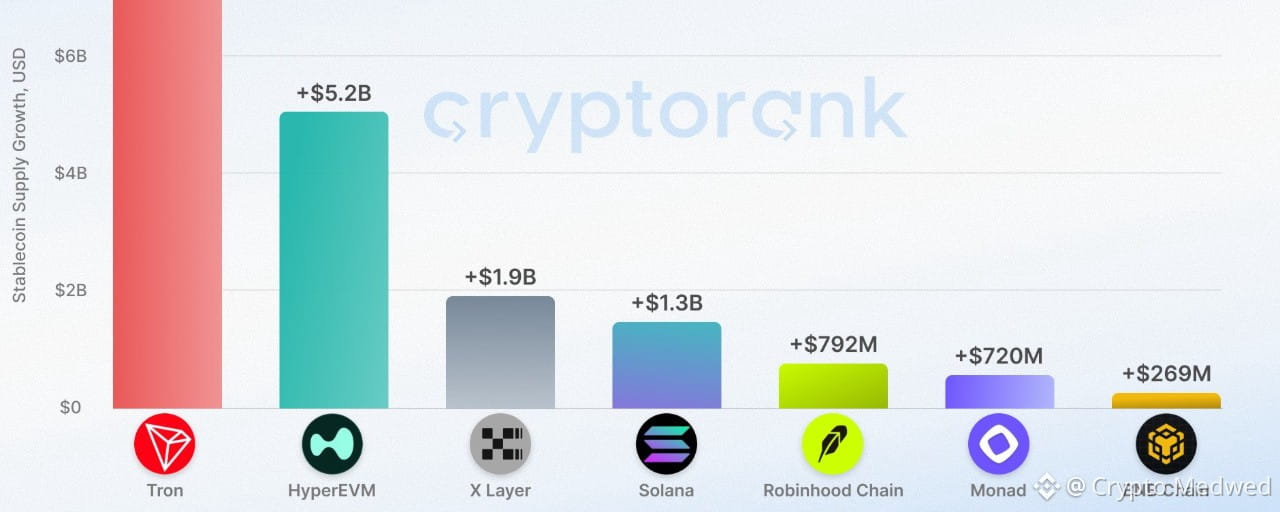
TRON leads in stablecoin supply growth in 2026, +$8.35 billion since the beginning of the yearTRON took first place in terms of the absolute increase in stablecoin supply among the blockchains presented in 2026. According to CryptoRank and Blockworks as of September 25, the volume of stablecoins in the network increased by approximately $8.35 billion since the beginning of the year.
This is especially interesting considering that TRON started the year with a large existing stablecoin base. In other words, the network shows a significant absolute increase not from a low starting point, but against the backdrop of an already established market.
TRON leads in stablecoin supply growth in 2026, +$8.35 billion since the beginning of the year
TRON took first place in terms of the absolute increase in stablecoin supply among the blockchains presented in 2026. According to CryptoRank and Blockworks as of September 25, the volume of stablecoins in the network increased by approximately $8.35 billion since the beginning of the year.
This is especially interesting considering that TRON started the year with a large existing stablecoin base. In other words, the network shows a significant absolute increase not from a low starting point, but against the backdrop of an already established market.
This is especially interesting considering that TRON started the year with a large existing stablecoin base. In other words, the network shows a significant absolute increase not from a low starting point, but against the backdrop of an already established market.
1
1.1k

·
--
🏆 The Justin Sun Prize highlights an idea: value comes not only from solving problems, but from formalizing, verifying, and connecting contributions so others can continue. 🌱
🌐 Conceptually, this applies to TRON too: blockchain value is not only transaction capacity, but what developers build, what users do, and how clearly rules are understood.
📊 Network usage, TRX demand, and price are related but distinct.
🔗 The Prize and TRON are not presented as integrated; the connection is conceptual.
@JustinSun @TRONDAO #TRONGlobalFriends #TGF #TRON
🏆 The Justin Sun Prize highlights an idea: value comes not only from solving problems, but from formalizing, verifying, and connecting contributions so others can continue. 🌱
🌐 Conceptually, this applies to TRON too: blockchain value is not only transaction capacity, but what developers build, what users do, and how clearly rules are understood.
📊 Network usage, TRX demand, and price are related but distinct.
🔗 The Prize and TRON are not presented as integrated; the connection is conceptual.
@Justin Sun孙宇晨 @TRON DAO #TRONGlobalFriends #TGF #TRON
🌐 Conceptually, this applies to TRON too: blockchain value is not only transaction capacity, but what developers build, what users do, and how clearly rules are understood.
📊 Network usage, TRX demand, and price are related but distinct.
🔗 The Prize and TRON are not presented as integrated; the connection is conceptual.
@Justin Sun孙宇晨 @TRON DAO #TRONGlobalFriends #TGF #TRON

2
93

Today's study topic is the TRON developer environment.
When you hear “TRON,” you often think of USDT transfers and stablecoin payment use cases.
But what caught my attention while reading the Q2 report was that efforts are also being made to create an environment where developers can join and participate more easily.
In particular, I want to focus on reducing the deployment cost of smart contracts.
In TRON’s Q2 report, it explains that Proposal #104 reduced the smart contract deployment cost by about 60%.
It may seem minor, but I think it’s important.
That’s because, to build dApps and services, developers need an environment where they can try things out easily.
If costs are too high, new projects and smaller teams find it harder to experiment.
On the other hand, if deployment costs go down, it may become possible for more developers to try building on TRON.
TRON already has strong real-world demand through stablecoin transfers.
If an environment becomes increasingly friendly for developers to get involved, it could be a foundation for more applications—not just payments, but also DeFi, AI, payments, and RWA, and so on.
What I felt this time is that a chain’s growth isn’t only about the number of users; it’s also about how easy it is for developers to create.
TRON may be moving closer not just to being used, but to becoming a chain that’s easier to build on.
#TRONGlobalFriends #TGF #TRON
@JustinSun @TRONDAO
Today's study topic is the TRON developer environment.
When you hear “TRON,” you often think of USDT transfers and stablecoin payment use cases.
But what caught my attention while reading the Q2 report was that efforts are also being made to create an environment where developers can join and participate more easily.
In particular, I want to focus on reducing the deployment cost of smart contracts.
In TRON’s Q2 report, it explains that Proposal #104 reduced the smart contract deployment cost by about 60%.
It may seem minor, but I think it’s important.
That’s because, to build dApps and services, developers need an environment where they can try things out easily.
If costs are too high, new projects and smaller teams find it harder to experiment.
On the other hand, if deployment costs go down, it may become possible for more developers to try building on TRON.
TRON already has strong real-world demand through stablecoin transfers.
If an environment becomes increasingly friendly for developers to get involved, it could be a foundation for more applications—not just payments, but also DeFi, AI, payments, and RWA, and so on.
What I felt this time is that a chain’s growth isn’t only about the number of users; it’s also about how easy it is for developers to create.
TRON may be moving closer not just to being used, but to becoming a chain that’s easier to build on.
#TRONGlobalFriends #TGF #TRON
@Justin Sun孙宇晨 @TRON DAO
When you hear “TRON,” you often think of USDT transfers and stablecoin payment use cases.
But what caught my attention while reading the Q2 report was that efforts are also being made to create an environment where developers can join and participate more easily.
In particular, I want to focus on reducing the deployment cost of smart contracts.
In TRON’s Q2 report, it explains that Proposal #104 reduced the smart contract deployment cost by about 60%.
It may seem minor, but I think it’s important.
That’s because, to build dApps and services, developers need an environment where they can try things out easily.
If costs are too high, new projects and smaller teams find it harder to experiment.
On the other hand, if deployment costs go down, it may become possible for more developers to try building on TRON.
TRON already has strong real-world demand through stablecoin transfers.
If an environment becomes increasingly friendly for developers to get involved, it could be a foundation for more applications—not just payments, but also DeFi, AI, payments, and RWA, and so on.
What I felt this time is that a chain’s growth isn’t only about the number of users; it’s also about how easy it is for developers to create.
TRON may be moving closer not just to being used, but to becoming a chain that’s easier to build on.
#TRONGlobalFriends #TGF #TRON
@Justin Sun孙宇晨 @TRON DAO
97

·
--
A NEW FRONTIER IN THE DIGITAL ECONOMY IS SURPASSED BY TRON 💪🏻💪🏻
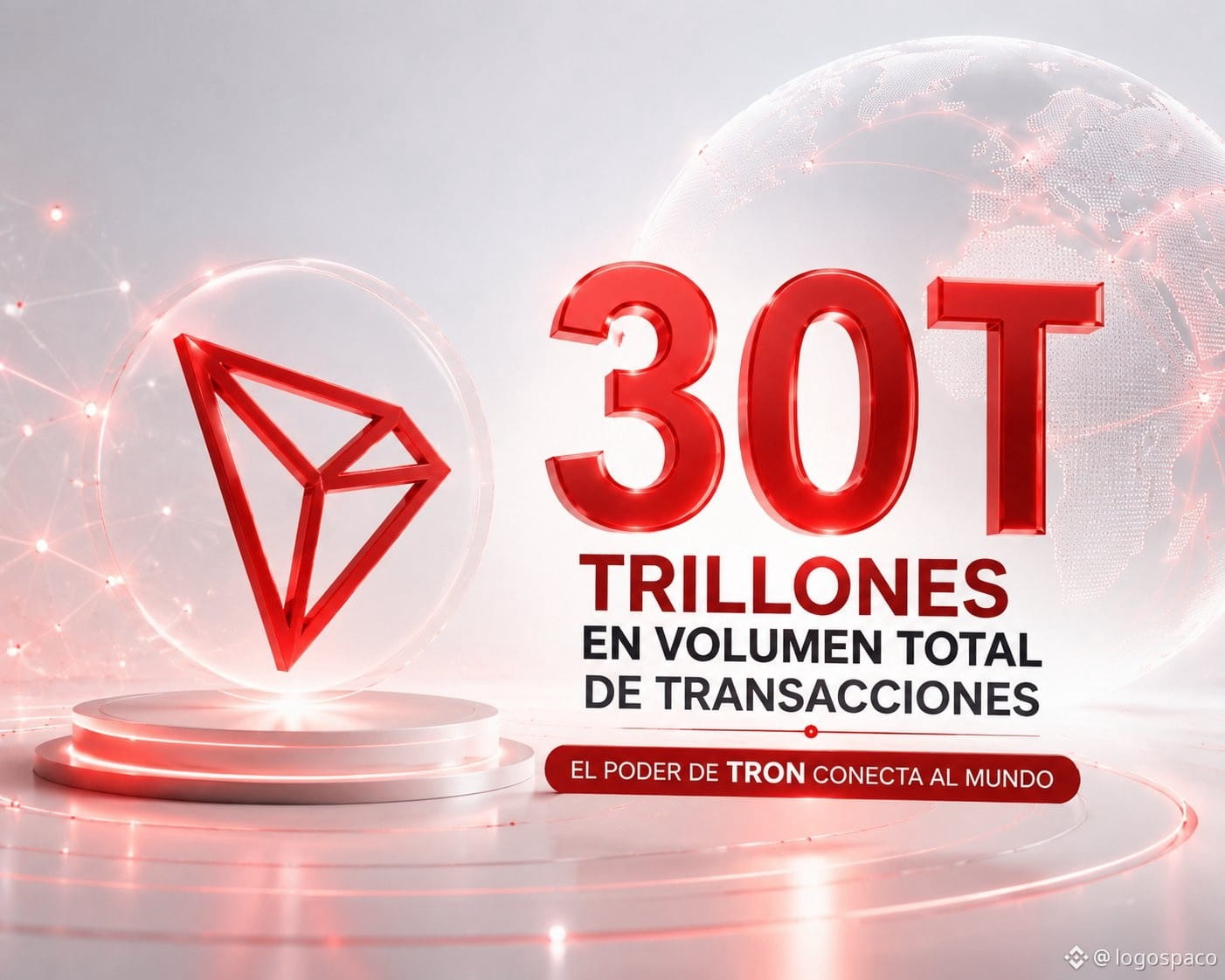
$30 trillion in total transaction volume. 🌐
More than a number, it represents years of building, adoption, and an infrastructure designed to move value at a global scale.
From stablecoin payments to new integrations within the Web3 ecosystem, TRON continues to show how blockchain technology can connect users, markets, and new opportunities.
Eight years building. Millions of users participating. And a clear vision: driving a more accessible digital economy for everyone. 🚀
The ecosystem keeps moving forward. Construction continues. 🛠️
#TRONGlobalFriends #TGF #TRON
@TRONDAO @justinsuntron
A NEW FRONTIER IN THE DIGITAL ECONOMY IS SURPASSED BY TRON 💪🏻💪🏻
$30 trillion in total transaction volume. 🌐
More than a number, it represents years of building, adoption, and an infrastructure designed to move value at a global scale.
From stablecoin payments to new integrations within the Web3 ecosystem, TRON continues to show how blockchain technology can connect users, markets, and new opportunities.
Eight years building. Millions of users participating. And a clear vision: driving a more accessible digital economy for everyone. 🚀
The ecosystem keeps moving forward. Construction continues. 🛠️
#TRONGlobalFriends #TGF #TRON
@TRON DAO @justinsuntron
$30 trillion in total transaction volume. 🌐
More than a number, it represents years of building, adoption, and an infrastructure designed to move value at a global scale.
From stablecoin payments to new integrations within the Web3 ecosystem, TRON continues to show how blockchain technology can connect users, markets, and new opportunities.
Eight years building. Millions of users participating. And a clear vision: driving a more accessible digital economy for everyone. 🚀
The ecosystem keeps moving forward. Construction continues. 🛠️
#TRONGlobalFriends #TGF #TRON
@TRON DAO @justinsuntron
1
176

·
--
🚨TRON’s “$30 trillion” is crazy just by the number.
But what matters more is
what’s behind it.
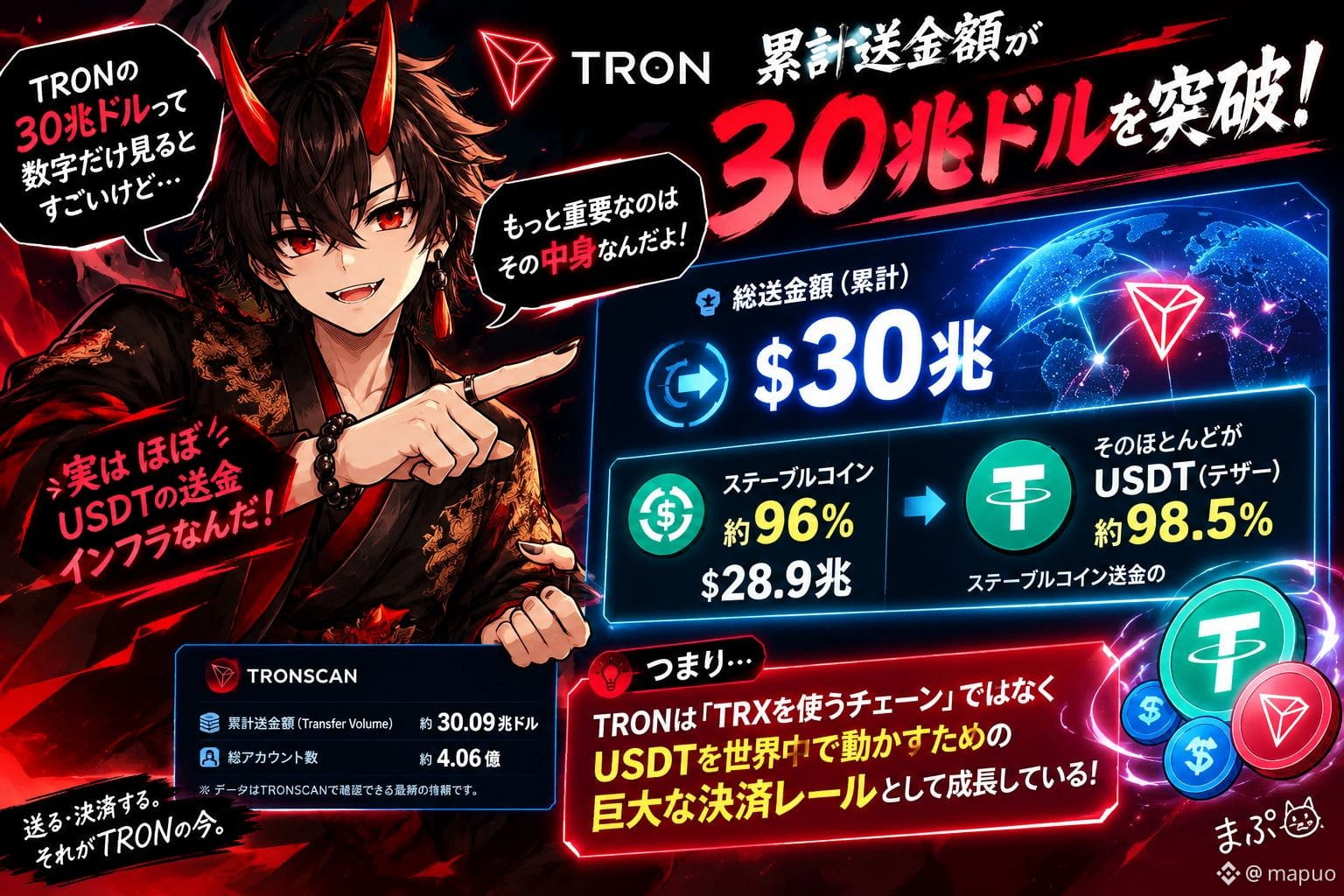
TRON’s cumulative transfer volume has
finally surpassed
💰 $30 trillion.
And when you look at Dune’s data,
・About 96% is stablecoins
→ $28.9 trillion
・And about 98.5% of those stablecoin transfers are
→ Tether’s USDT
So the bulk of this $30 trillion figure is
powered by the transfer infrastructure of
“TRON × USDT.”
TRON isn’t so much a “chain that uses TRX” as it has grown into a massive rail
for moving USDT across the world.
In fact, USDT on TRON has had
an average daily transfer volume of about
$24.5 billion even over the last 30 days.
This is personally where it gets really interesting.
Separate from being a “network to hold assets” like BTC or ETH,
TRON is being used as infrastructure
for sending and settling stablecoins.
When you look at the $30 trillion figure,
don’t stop at “TRON moved $30 trillion.”
👉 See that about 96% is stablecoins
👉 And that most of it is USDT
Once you look at that structure, TRON’s current position becomes
pretty clear.
It’s really starting to look like
“TRON = a massive USDT settlement rail.”
※ $30 trillion is TRON’s cumulative Transfer Volume.
You can also confirm about $30.09 trillion on TRONSCAN.
#TRON
#TGF
#TRONGlobalFriends
🚨TRON’s “$30 trillion” is crazy just by the number.
But what matters more is
what’s behind it.
TRON’s cumulative transfer volume has
finally surpassed
💰 $30 trillion.
And when you look at Dune’s data,
・About 96% is stablecoins
→ $28.9 trillion
・And about 98.5% of those stablecoin transfers are
→ Tether’s USDT
So the bulk of this $30 trillion figure is
powered by the transfer infrastructure of
“TRON × USDT.”
TRON isn’t so much a “chain that uses TRX” as it has grown into a massive rail
for moving USDT across the world.
In fact, USDT on TRON has had
an average daily transfer volume of about
$24.5 billion even over the last 30 days.
This is personally where it gets really interesting.
Separate from being a “network to hold assets” like BTC or ETH,
TRON is being used as infrastructure
for sending and settling stablecoins.
When you look at the $30 trillion figure,
don’t stop at “TRON moved $30 trillion.”
👉 See that about 96% is stablecoins
👉 And that most of it is USDT
Once you look at that structure, TRON’s current position becomes
pretty clear.
It’s really starting to look like
“TRON = a massive USDT settlement rail.”
※ $30 trillion is TRON’s cumulative Transfer Volume.
You can also confirm about $30.09 trillion on TRONSCAN.
#TRON
#TGF
#TRONGlobalFriends
But what matters more is
what’s behind it.
TRON’s cumulative transfer volume has
finally surpassed
💰 $30 trillion.
And when you look at Dune’s data,
・About 96% is stablecoins
→ $28.9 trillion
・And about 98.5% of those stablecoin transfers are
→ Tether’s USDT
So the bulk of this $30 trillion figure is
powered by the transfer infrastructure of
“TRON × USDT.”
TRON isn’t so much a “chain that uses TRX” as it has grown into a massive rail
for moving USDT across the world.
In fact, USDT on TRON has had
an average daily transfer volume of about
$24.5 billion even over the last 30 days.
This is personally where it gets really interesting.
Separate from being a “network to hold assets” like BTC or ETH,
TRON is being used as infrastructure
for sending and settling stablecoins.
When you look at the $30 trillion figure,
don’t stop at “TRON moved $30 trillion.”
👉 See that about 96% is stablecoins
👉 And that most of it is USDT
Once you look at that structure, TRON’s current position becomes
pretty clear.
It’s really starting to look like
“TRON = a massive USDT settlement rail.”
※ $30 trillion is TRON’s cumulative Transfer Volume.
You can also confirm about $30.09 trillion on TRONSCAN.
#TRON
#TGF
#TRONGlobalFriends
79

Article
Justin Sun PrizeToday's study theme is,
it's the Justin Sun Prize.
When I saw it for the first time,
“Did Justin Sun create a prize for mathematics?”
it felt like a slightly unexpected piece of news.
But when I looked into it,
this is not just a prize-money scheme,
how to evaluate research achievements in the AI era,
it led to a rather large theme.
The Justin Sun Prize is,
It is an award focused on mathematics and formal verification.
What was characteristic was,
it wasn't just honoring someone who published an amazing paper, but,
Justin Sun Prize
Today's study theme is,
it's the Justin Sun Prize.
When I saw it for the first time,
“Did Justin Sun create a prize for mathematics?”
it felt like a slightly unexpected piece of news.
But when I looked into it,
this is not just a prize-money scheme,
how to evaluate research achievements in the AI era,
it led to a rather large theme.
The Justin Sun Prize is,
It is an award focused on mathematics and formal verification.
What was characteristic was,
it wasn't just honoring someone who published an amazing paper, but,
it's the Justin Sun Prize.
When I saw it for the first time,
“Did Justin Sun create a prize for mathematics?”
it felt like a slightly unexpected piece of news.
But when I looked into it,
this is not just a prize-money scheme,
how to evaluate research achievements in the AI era,
it led to a rather large theme.
The Justin Sun Prize is,
It is an award focused on mathematics and formal verification.
What was characteristic was,
it wasn't just honoring someone who published an amazing paper, but,
44
Today's study topic is the TRON TVM upgrade.
When you think of TRON,
you probably associate it with USDT transfers and stablecoin payments,
but behind the scenes, technical upgrades are also moving forward.
What caught my attention this time is the TVM Prague / Osaka upgrade related to GreatVoyage-v4.8.2, also known as Pyrrho.
It's a bit difficult, but put simply,
it's a move to bring TRON’s smart contract execution environment
closer to Ethereum-style upgrades.
As a result,
compatibility and ease of use may improve
the next time developers build dApps on TRON.
What I found interesting is that TRON isn’t just trying to be a chain that people use—it’s also trying to become a chain that’s easier for developers to work with.
For a blockchain to grow,
it needs not only users,
but also an environment that developers can enter easily.
There is real demand for USDT transfers.
On top of that, it becomes easier to build dApps.
I thought this trend is important for TRON to move
from being just a transfer network to becoming a broader Web3 infrastructure.
It’s not flashy news, but I’d like to keep tracking these kinds of foundation upgrades.
#TRONGlobalFriends #TGF #TRON
@JustinSun @TRONDAO
Today's study topic is the TRON TVM upgrade.
When you think of TRON,
you probably associate it with USDT transfers and stablecoin payments,
but behind the scenes, technical upgrades are also moving forward.
What caught my attention this time is the TVM Prague / Osaka upgrade related to GreatVoyage-v4.8.2, also known as Pyrrho.
It's a bit difficult, but put simply,
it's a move to bring TRON’s smart contract execution environment
closer to Ethereum-style upgrades.
As a result,
compatibility and ease of use may improve
the next time developers build dApps on TRON.
What I found interesting is that TRON isn’t just trying to be a chain that people use—it’s also trying to become a chain that’s easier for developers to work with.
For a blockchain to grow,
it needs not only users,
but also an environment that developers can enter easily.
There is real demand for USDT transfers.
On top of that, it becomes easier to build dApps.
I thought this trend is important for TRON to move
from being just a transfer network to becoming a broader Web3 infrastructure.
It’s not flashy news, but I’d like to keep tracking these kinds of foundation upgrades.
#TRONGlobalFriends #TGF #TRON
@Justin Sun孙宇晨 @TRON DAO
When you think of TRON,
you probably associate it with USDT transfers and stablecoin payments,
but behind the scenes, technical upgrades are also moving forward.
What caught my attention this time is the TVM Prague / Osaka upgrade related to GreatVoyage-v4.8.2, also known as Pyrrho.
It's a bit difficult, but put simply,
it's a move to bring TRON’s smart contract execution environment
closer to Ethereum-style upgrades.
As a result,
compatibility and ease of use may improve
the next time developers build dApps on TRON.
What I found interesting is that TRON isn’t just trying to be a chain that people use—it’s also trying to become a chain that’s easier for developers to work with.
For a blockchain to grow,
it needs not only users,
but also an environment that developers can enter easily.
There is real demand for USDT transfers.
On top of that, it becomes easier to build dApps.
I thought this trend is important for TRON to move
from being just a transfer network to becoming a broader Web3 infrastructure.
It’s not flashy news, but I’d like to keep tracking these kinds of foundation upgrades.
#TRONGlobalFriends #TGF #TRON
@Justin Sun孙宇晨 @TRON DAO

69

·
--

Article
What is the Justin Sun Prize?If you solve difficult math problems,...
Can you get prize money from Justin Sun? 🤨?
This month, Mr. Justin Sun, the founder of TRON, has
He announced the “Justin Sun Prize.”
The catchphrase is “Proved, then paid.”
Prove it, then receive the reward.
But why are we in the world of crypto assets?
Did Mr. Justin Sun create a math prize?
Let’s take a look along with how it works👇
1. Why is it a math prize?
Mr. Justin Sun
“My source of wealth is mathematics.”
What is the Justin Sun Prize?
If you solve difficult math problems,...
Can you get prize money from Justin Sun? 🤨?
This month, Mr. Justin Sun, the founder of TRON, has
He announced the “Justin Sun Prize.”
The catchphrase is “Proved, then paid.”
Prove it, then receive the reward.
But why are we in the world of crypto assets?
Did Mr. Justin Sun create a math prize?
Let’s take a look along with how it works👇
1. Why is it a math prize?
Mr. Justin Sun
“My source of wealth is mathematics.”
Can you get prize money from Justin Sun? 🤨?
This month, Mr. Justin Sun, the founder of TRON, has
He announced the “Justin Sun Prize.”
The catchphrase is “Proved, then paid.”
Prove it, then receive the reward.
But why are we in the world of crypto assets?
Did Mr. Justin Sun create a math prize?
Let’s take a look along with how it works👇
1. Why is it a math prize?
Mr. Justin Sun
“My source of wealth is mathematics.”
89
Log in to explore more content
Join global crypto users on Binance Square
⚡️ Get latest and useful information about crypto.
💬 Trusted by the world’s largest crypto exchange.
👍 Discover real insights from verified creators.
Email / Phone number
Trending Topics
1
#NvidiaApproves$150BBuyback
0 views
0 Discussing
2
#OpenAIDelaysGPT6.1OverSafetyIssues
0 views
0 Discussing
3
#AMDToAcquireWorldLabsFor$8.2B
0 views
10 Discussing
4
#AnthropicIPOProspectusCouldValueItOver$2T
693 views
36 Discussing
5
#HackersDrainOver12.4MXRPFromDCENTWallets
5,918 views
223 Discussing
6
#SECSaysDecentralizedTokenBuybacksNotInvestmentContracts
223 views
12 Discussing
7
#UKFCAWinsCourtOrderToRecover851400Pounds
62,108 views
1,123 Discussing
8
#ChainlinkLaunchesCCIP2WithEnterpriseVerification
71,271 views
1,246 Discussing
9
#GoldFallsTo$4144
23,139 views
183 Discussing
10
#QNTFallsOver40%FromMorningHigh
121,215 views
1,613 Discussing