
#portfoliomanagement
portfoliomanagement
150,788 views
479 Discussing
Hot
Latest

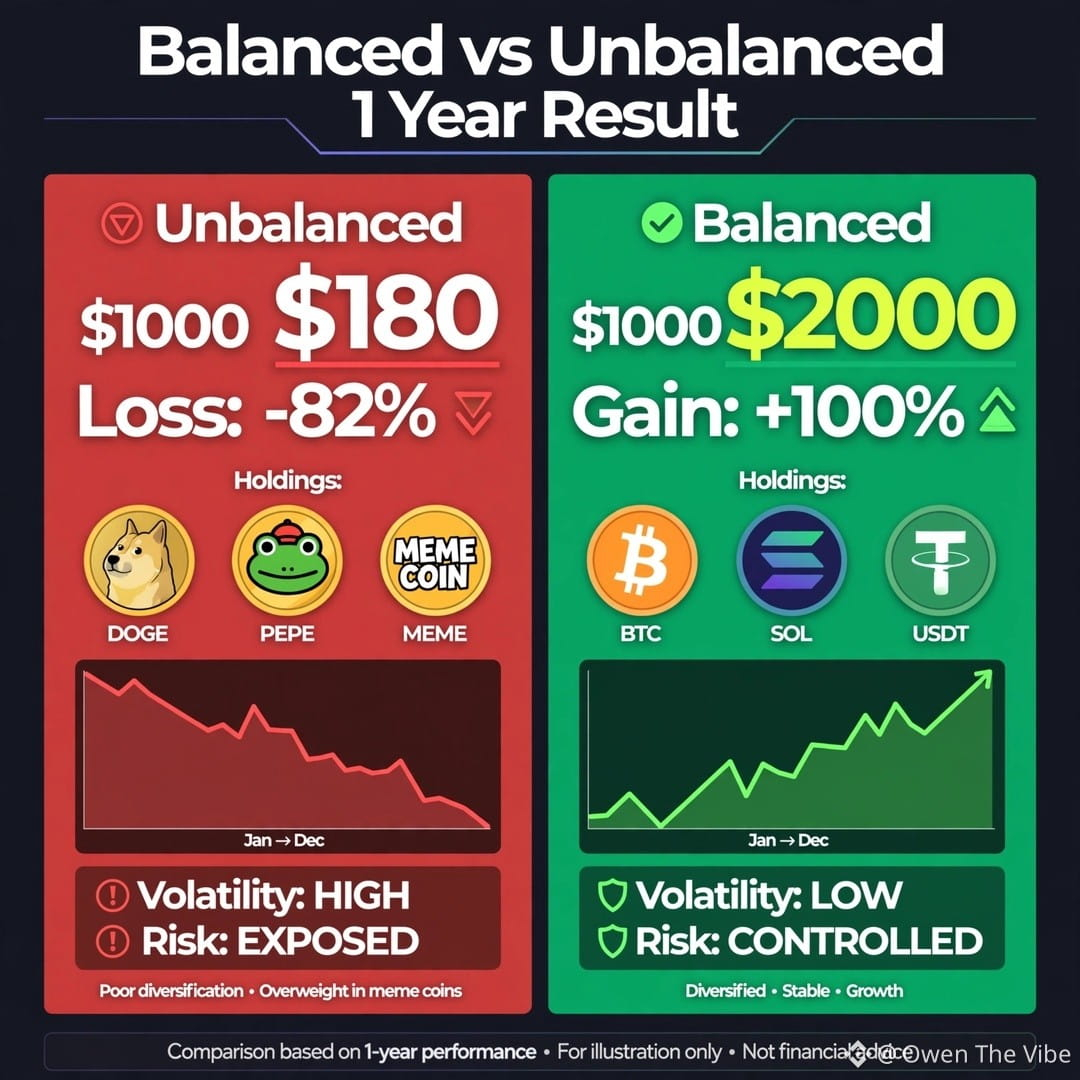
Unbalanced vs Balanced: Real 1-Year Result
Unbalanced Portfolio:
Jan 2025: $1000 in only meme coins.
Dec 2025: $180 left.
My Balanced Portfolio:
Jan 2025: $1000 = $500 BTC, $300 SOL, $200 USDT
Dec 2025: $1,450 - Still in profit.
The difference is not luck, it's a SYSTEM.
When the next dip comes, will you BUY with your USDT or panic SELL?
Tag 3 friends who always buy without a balance.
#CryptoStrategy𝟐𝟒 #BinanceSquare #PortfolioManagement
Unbalanced vs Balanced: Real 1-Year Result
Unbalanced Portfolio:
Jan 2025: $1000 in only meme coins.
Dec 2025: $180 left.
My Balanced Portfolio:
Jan 2025: $1000 = $500 BTC, $300 SOL, $200 USDT
Dec 2025: $1,450 - Still in profit.
The difference is not luck, it's a SYSTEM.
When the next dip comes, will you BUY with your USDT or panic SELL?
Tag 3 friends who always buy without a balance.
#CryptoStrategy𝟐𝟒 #BinanceSquare #PortfolioManagement
Unbalanced Portfolio:
Jan 2025: $1000 in only meme coins.
Dec 2025: $180 left.
My Balanced Portfolio:
Jan 2025: $1000 = $500 BTC, $300 SOL, $200 USDT
Dec 2025: $1,450 - Still in profit.
The difference is not luck, it's a SYSTEM.
When the next dip comes, will you BUY with your USDT or panic SELL?
Tag 3 friends who always buy without a balance.
#CryptoStrategy𝟐𝟒 #BinanceSquare #PortfolioManagement
1
93

Financial Management: Portfolio Diversification
Title: Portfolio Diversification: How to Structure Your Crypto Holdings 💼🧱
Content:
Investing 100% of your capital in a single low-cap token is an excessively disproportionate risk.
📊 Example of a balanced structure:
60% - Core Assets (BTC / ETH): Major assets with high liquidity.
25% - Large Caps / Mid Caps: Established projects in promising sectors (Layer 1, DeFi, AI).
10% - Small Caps / Narratives: Speculative allocations with high potential / high risk.
5% - Liquidity (Stablecoins): Buying opportunities in the event of a market correction.
Adjust your portfolio structure to your own risk tolerance!
#PortfolioManagement #CryptoStrategy #Diversification #BinanceSquare #SmartInvesting
@MANTRA_Chain
Financial Management: Portfolio Diversification
Title: Portfolio Diversification: How to Structure Your Crypto Holdings 💼🧱
Content:
Investing 100% of your capital in a single low-cap token is an excessively disproportionate risk.
📊 Example of a balanced structure:
60% - Core Assets (BTC / ETH): Major assets with high liquidity.
25% - Large Caps / Mid Caps: Established projects in promising sectors (Layer 1, DeFi, AI).
10% - Small Caps / Narratives: Speculative allocations with high potential / high risk.
5% - Liquidity (Stablecoins): Buying opportunities in the event of a market correction.
Adjust your portfolio structure to your own risk tolerance!
#PortfolioManagement #CryptoStrategy #Diversification #BinanceSquare #SmartInvesting
@MANTRA
Title: Portfolio Diversification: How to Structure Your Crypto Holdings 💼🧱
Content:
Investing 100% of your capital in a single low-cap token is an excessively disproportionate risk.
📊 Example of a balanced structure:
60% - Core Assets (BTC / ETH): Major assets with high liquidity.
25% - Large Caps / Mid Caps: Established projects in promising sectors (Layer 1, DeFi, AI).
10% - Small Caps / Narratives: Speculative allocations with high potential / high risk.
5% - Liquidity (Stablecoins): Buying opportunities in the event of a market correction.
Adjust your portfolio structure to your own risk tolerance!
#PortfolioManagement #CryptoStrategy #Diversification #BinanceSquare #SmartInvesting
@MANTRA
360

·
--
Core-Satellite Portfolio Structure
Keep 70% of your portfolio in core assets ($BTC,$ETH) and allocate 30% to high-growth altcoins or narrative trades. Balance stability with upside potential.
#PortfolioManagement #CryptoTips
Core-Satellite Portfolio Structure
Keep 70% of your portfolio in core assets ($BTC,$ETH) and allocate 30% to high-growth altcoins or narrative trades. Balance stability with upside potential.
#PortfolioManagement #CryptoTips
Keep 70% of your portfolio in core assets ($BTC,$ETH) and allocate 30% to high-growth altcoins or narrative trades. Balance stability with upside potential.
#PortfolioManagement #CryptoTips
13
Market Perspective: The Importance of Portfolio Management
Title: Diversification and Allocation: Don’t put all your eggs in the same basket 🧺💡
Content:
Healthy portfolio management is based on balancing risk:
Solid Core: Major assets with relatively low risk for stability.
Growth Projects: Promising altcoins with a strong fundamental thesis.
Opportunities Pocket: Capital reserved for short-term trades and technical setups.
Keeping a portion in cash (USDT/USDC) available allows you to seize opportunities during sudden market pullbacks.
#PortfolioManagement #CryptoStrategy #Binance #FinancialEducation #Web3 @Square-Creator-ce2378404
Market Perspective: The Importance of Portfolio Management
Title: Diversification and Allocation: Don’t put all your eggs in the same basket 🧺💡
Content:
Healthy portfolio management is based on balancing risk:
Solid Core: Major assets with relatively low risk for stability.
Growth Projects: Promising altcoins with a strong fundamental thesis.
Opportunities Pocket: Capital reserved for short-term trades and technical setups.
Keeping a portion in cash (USDT/USDC) available allows you to seize opportunities during sudden market pullbacks.
#PortfolioManagement #CryptoStrategy #Binance #FinancialEducation #Web3 @BNB
Title: Diversification and Allocation: Don’t put all your eggs in the same basket 🧺💡
Content:
Healthy portfolio management is based on balancing risk:
Solid Core: Major assets with relatively low risk for stability.
Growth Projects: Promising altcoins with a strong fundamental thesis.
Opportunities Pocket: Capital reserved for short-term trades and technical setups.
Keeping a portion in cash (USDT/USDC) available allows you to seize opportunities during sudden market pullbacks.
#PortfolioManagement #CryptoStrategy #Binance #FinancialEducation #Web3 @BNB
7

·
--
Bullish
The longer I’ve been investing, the less I like the idea of “investing everywhere.”
Earlier it seemed logical: the more assets in a portfolio, the better.
Now I think differently.
I’d rather choose a few instruments that I genuinely understand than build a portfolio of 20 positions just because they’re currently trending.
For example, bStocks are interesting to me precisely because of the link with TradFi. Binance Earn is a completely different story—there I would first and foremost look very carefully at the terms of the specific product.
And I definitely wouldn’t use the same approach for everything.
My principle now is simple:
part of the portfolio is stability,
part is long-term growth,
part is opportunities with higher risk.
I don’t want to guess what will go up tomorrow.
I want to build a portfolio that can reasonably handle the situation when I’m wrong.
#InvestingStrategy #PortfolioManagement #bStocks #TradFi
$AAPLB
The longer I’ve been investing, the less I like the idea of “investing everywhere.”
Earlier it seemed logical: the more assets in a portfolio, the better.
Now I think differently.
I’d rather choose a few instruments that I genuinely understand than build a portfolio of 20 positions just because they’re currently trending.
For example, bStocks are interesting to me precisely because of the link with TradFi. Binance Earn is a completely different story—there I would first and foremost look very carefully at the terms of the specific product.
And I definitely wouldn’t use the same approach for everything.
My principle now is simple:
part of the portfolio is stability,
part is long-term growth,
part is opportunities with higher risk.
I don’t want to guess what will go up tomorrow.
I want to build a portfolio that can reasonably handle the situation when I’m wrong.
#InvestingStrategy #PortfolioManagement #bStocks #TradFi
$AAPLB
Earlier it seemed logical: the more assets in a portfolio, the better.
Now I think differently.
I’d rather choose a few instruments that I genuinely understand than build a portfolio of 20 positions just because they’re currently trending.
For example, bStocks are interesting to me precisely because of the link with TradFi. Binance Earn is a completely different story—there I would first and foremost look very carefully at the terms of the specific product.
And I definitely wouldn’t use the same approach for everything.
My principle now is simple:
part of the portfolio is stability,
part is long-term growth,
part is opportunities with higher risk.
I don’t want to guess what will go up tomorrow.
I want to build a portfolio that can reasonably handle the situation when I’m wrong.
#InvestingStrategy #PortfolioManagement #bStocks #TradFi
$AAPLB
KiSerVik:
цікава інформація. підписуюсь на тебе. подивись у мене також є цікаві публікації
1
5
354

·
--
$XAU (Gold) vs. Crypto: What’s the Ultimate Safe Haven? 💡
In today’s volatile market, protecting your hard-earned portfolio is crucial. XAU (Gold) has traditionally been the go-to asset for hedging against economic uncertainty, but how does it fit into a modern crypto trader's strategy?
Why XAU Remains a Powerhouse:
🛡️ Hedge Against Inflation: Gold has maintained its purchasing power over centuries.
📉 Market Stability: During major crypto or equity market dips, gold tends to hold its value or move independently.
🌐 Global Trust: Backed by centuries of history and central bank reserves worldwide.
Smart Portfolio Strategy:
If you want to balance high-risk crypto assets, consider diversifying into XAU or gold-backed crypto tokens (like PAXG). This helps protect your capital during market downturns while keeping your portfolio resilient.
💡 What percentage of your portfolio is allocated to Gold or traditional assets? Drop your thoughts below!
#XAU #GOLD #BinanceSquare #CryptoTrading #PortfolioManagement
$XAU (Gold) vs. Crypto: What’s the Ultimate Safe Haven? 💡
In today’s volatile market, protecting your hard-earned portfolio is crucial. XAU (Gold) has traditionally been the go-to asset for hedging against economic uncertainty, but how does it fit into a modern crypto trader's strategy?
Why XAU Remains a Powerhouse:
🛡️ Hedge Against Inflation: Gold has maintained its purchasing power over centuries.
📉 Market Stability: During major crypto or equity market dips, gold tends to hold its value or move independently.
🌐 Global Trust: Backed by centuries of history and central bank reserves worldwide.
Smart Portfolio Strategy:
If you want to balance high-risk crypto assets, consider diversifying into XAU or gold-backed crypto tokens (like PAXG). This helps protect your capital during market downturns while keeping your portfolio resilient.
💡 What percentage of your portfolio is allocated to Gold or traditional assets? Drop your thoughts below!
#XAU #GOLD #BinanceSquare #CryptoTrading #PortfolioManagement
In today’s volatile market, protecting your hard-earned portfolio is crucial. XAU (Gold) has traditionally been the go-to asset for hedging against economic uncertainty, but how does it fit into a modern crypto trader's strategy?
Why XAU Remains a Powerhouse:
🛡️ Hedge Against Inflation: Gold has maintained its purchasing power over centuries.
📉 Market Stability: During major crypto or equity market dips, gold tends to hold its value or move independently.
🌐 Global Trust: Backed by centuries of history and central bank reserves worldwide.
Smart Portfolio Strategy:
If you want to balance high-risk crypto assets, consider diversifying into XAU or gold-backed crypto tokens (like PAXG). This helps protect your capital during market downturns while keeping your portfolio resilient.
💡 What percentage of your portfolio is allocated to Gold or traditional assets? Drop your thoughts below!
#XAU #GOLD #BinanceSquare #CryptoTrading #PortfolioManagement
1
61

·
--
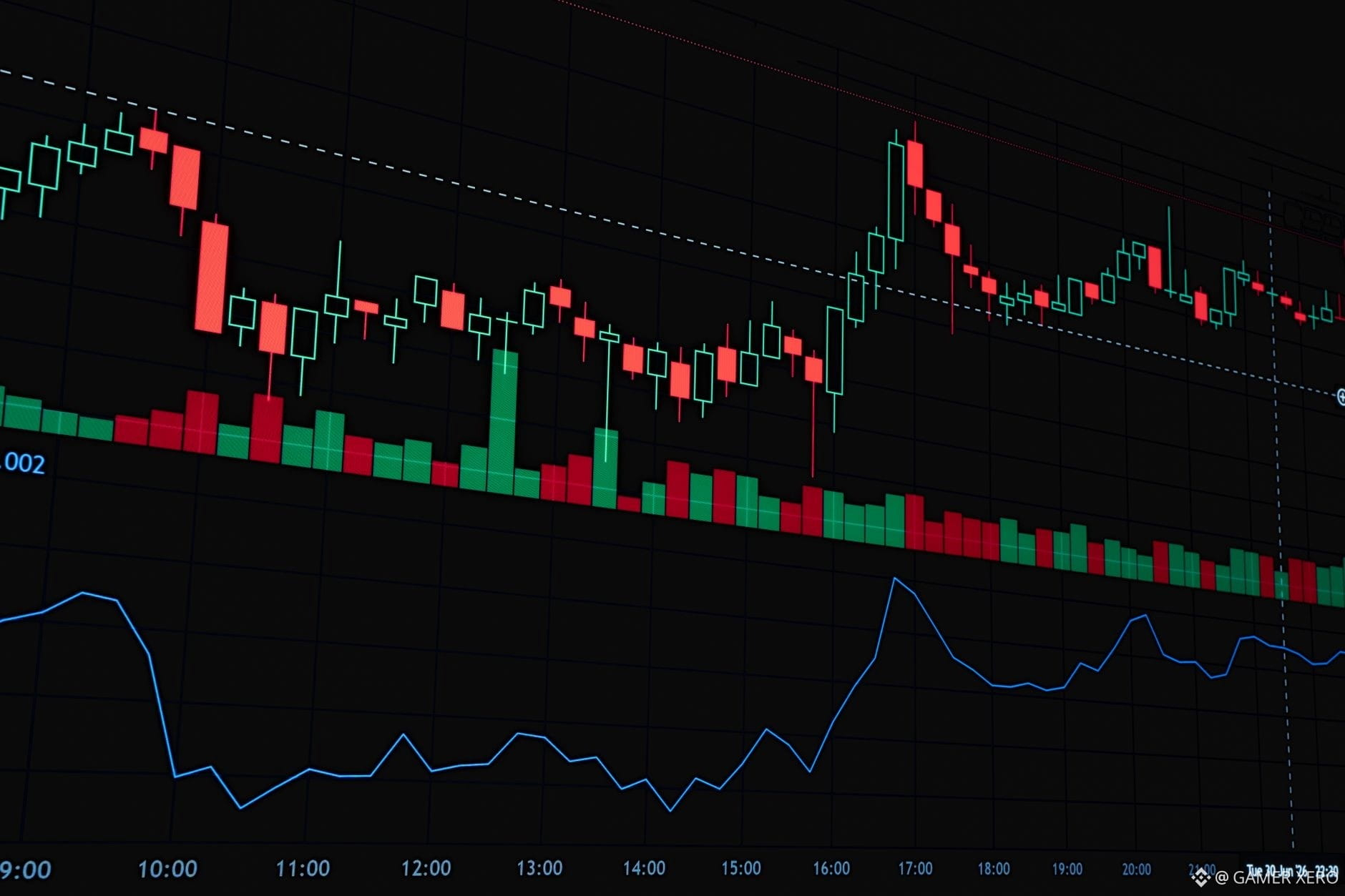
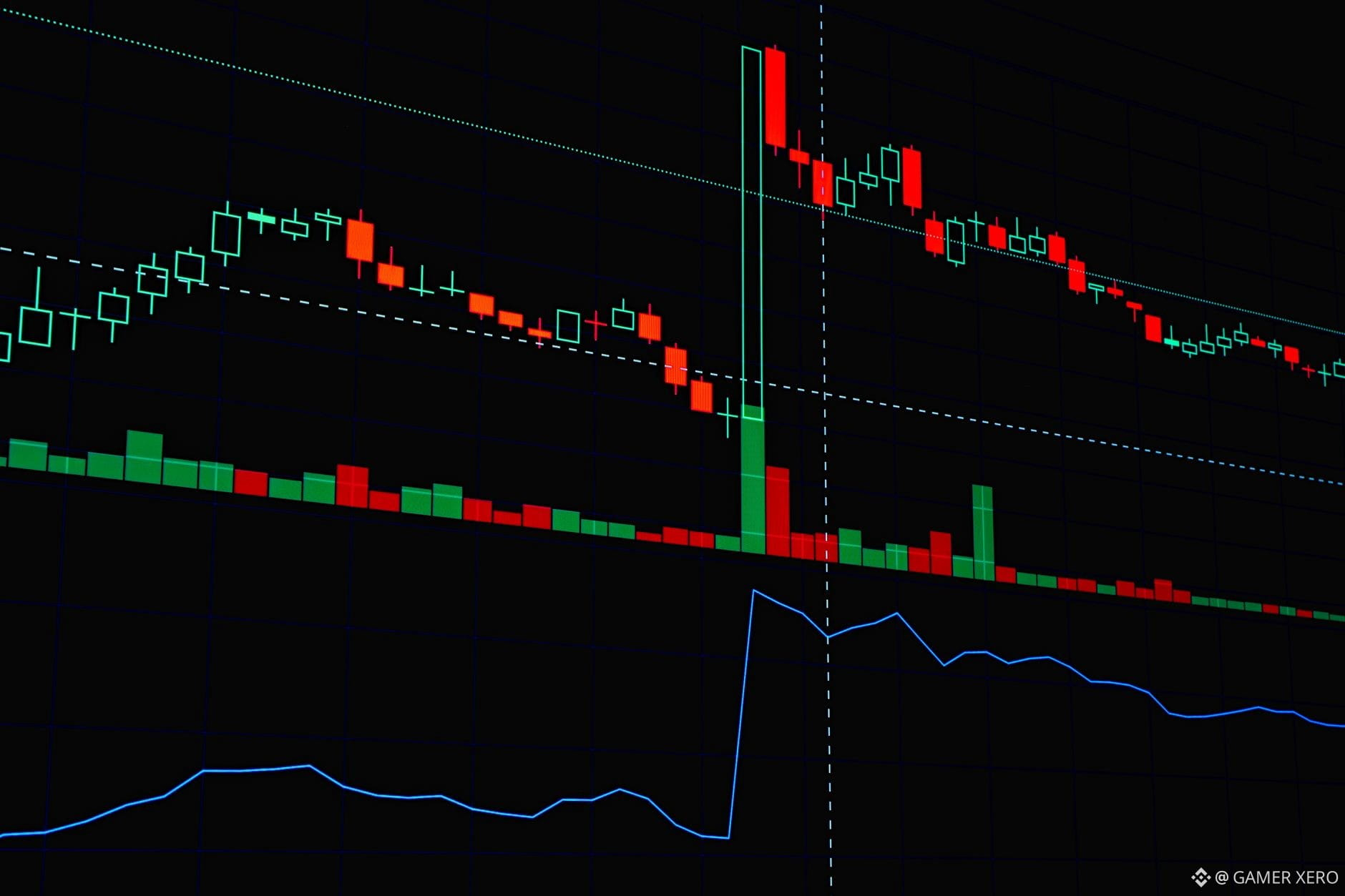
Seeing $BTC wobble around $78,819 with a 24‑hour range of just $1,246 (high $79,926, low $78,680) makes it a textbook case for tightening risk caps. My rule of thumb: never let any single position exceed 5 % of total equity when volatility is under 2 %. With $BTC’s recent -0.98 % move, a 5 % cap translates to a $3,940 exposure per $100k portfolio – enough to stay in the game if the price slides a couple of hundred points, but small enough to survive the next swing.
Diversification works hand‑in‑hand with that cap. I pair $BTC with a lower‑beta asset like $ETH, whose 24‑hour swing is -0.55 % and a tighter $48 spread. Allocating 3 % to $BTC and 2 % to $ETH spreads correlation risk while keeping the combined crypto slice at 5 % of the portfolio. If the market drops 10 % across the board, the loss on the crypto slice is roughly 0.5 % of total equity, which is easier to recover with a disciplined drawdown plan (e.g., adding back only after a 20 % rebound in the slice).
How do you balance position size and diversification when the market stays in a tight band?
#CryptoRisk #PortfolioManagement #RiskControl #GAMERXERO
Seeing $BTC wobble around $78,819 with a 24‑hour range of just $1,246 (high $79,926, low $78,680) makes it a textbook case for tightening risk caps. My rule of thumb: never let any single position exceed 5 % of total equity when volatility is under 2 %. With $BTC ’s recent -0.98 % move, a 5 % cap translates to a $3,940 exposure per $100k portfolio – enough to stay in the game if the price slides a couple of hundred points, but small enough to survive the next swing.
Diversification works hand‑in‑hand with that cap. I pair $BTC with a lower‑beta asset like $ETH , whose 24‑hour swing is -0.55 % and a tighter $48 spread. Allocating 3 % to $BTC and 2 % to $ETH spreads correlation risk while keeping the combined crypto slice at 5 % of the portfolio. If the market drops 10 % across the board, the loss on the crypto slice is roughly 0.5 % of total equity, which is easier to recover with a disciplined drawdown plan (e.g., adding back only after a 20 % rebound in the slice).
How do you balance position size and diversification when the market stays in a tight band?
#CryptoRisk #PortfolioManagement #RiskControl #GAMERXERO
Diversification works hand‑in‑hand with that cap. I pair $BTC with a lower‑beta asset like $ETH , whose 24‑hour swing is -0.55 % and a tighter $48 spread. Allocating 3 % to $BTC and 2 % to $ETH spreads correlation risk while keeping the combined crypto slice at 5 % of the portfolio. If the market drops 10 % across the board, the loss on the crypto slice is roughly 0.5 % of total equity, which is easier to recover with a disciplined drawdown plan (e.g., adding back only after a 20 % rebound in the slice).
How do you balance position size and diversification when the market stays in a tight band?
#CryptoRisk #PortfolioManagement #RiskControl #GAMERXERO
48

·
--
Strategy. The "All-Weather" portfolio — how to make money in any market
It’s time to put the puzzle together. The worst thing you can do is rely exclusively on Bitcoin sentiment. The real magic starts when your assets work in synergy.
In a bull market, we turbocharge crypto and grow it through Binance Earn. Has the market gone sideways or is crypto winter here? TradFi instruments take the stage—they follow their own cycles and cut through the boredom of the crypto market. Your portfolio should withstand any weather, constantly creating new opportunities. So which tools in your arsenal bring the most profit right now? Share your top picks! ⛈️☀️💼
#CryptoStrategy #Investing #PortfolioManagement #TradFi
{spot}(BTCUSDT)
Strategy. The "All-Weather" portfolio — how to make money in any market
It’s time to put the puzzle together. The worst thing you can do is rely exclusively on Bitcoin sentiment. The real magic starts when your assets work in synergy.
In a bull market, we turbocharge crypto and grow it through Binance Earn. Has the market gone sideways or is crypto winter here? TradFi instruments take the stage—they follow their own cycles and cut through the boredom of the crypto market. Your portfolio should withstand any weather, constantly creating new opportunities. So which tools in your arsenal bring the most profit right now? Share your top picks! ⛈️☀️💼
#CryptoStrategy #Investing #PortfolioManagement #TradFi
It’s time to put the puzzle together. The worst thing you can do is rely exclusively on Bitcoin sentiment. The real magic starts when your assets work in synergy.
In a bull market, we turbocharge crypto and grow it through Binance Earn. Has the market gone sideways or is crypto winter here? TradFi instruments take the stage—they follow their own cycles and cut through the boredom of the crypto market. Your portfolio should withstand any weather, constantly creating new opportunities. So which tools in your arsenal bring the most profit right now? Share your top picks! ⛈️☀️💼
#CryptoStrategy #Investing #PortfolioManagement #TradFi
108
Strategy (Portfolio Rebalancing)
⚖️ Crypto Portfolio: Don't forget rebalancing!
After a rally, an asset in your portfolio may have grown too large compared to your initial strategy.
🛠️ How to do it: Sell part of the asset that has outperformed to buy back assets that have lagged behind (and in which you believe there is potential).
This helps secure profits and maintain your risk exposure where you want it.
#PortfolioManagement #RiskManagement #Rebalancing #TradingStrategy #BinanceSquare @Dashpay
Strategy (Portfolio Rebalancing)
⚖️ Crypto Portfolio: Don't forget rebalancing!
After a rally, an asset in your portfolio may have grown too large compared to your initial strategy.
🛠️ How to do it: Sell part of the asset that has outperformed to buy back assets that have lagged behind (and in which you believe there is potential).
This helps secure profits and maintain your risk exposure where you want it.
#PortfolioManagement #RiskManagement #Rebalancing #TradingStrategy #BinanceSquare @Dash
⚖️ Crypto Portfolio: Don't forget rebalancing!
After a rally, an asset in your portfolio may have grown too large compared to your initial strategy.
🛠️ How to do it: Sell part of the asset that has outperformed to buy back assets that have lagged behind (and in which you believe there is potential).
This helps secure profits and maintain your risk exposure where you want it.
#PortfolioManagement #RiskManagement #Rebalancing #TradingStrategy #BinanceSquare @Dash
24

·
--
⚖️ Comparison: Active Trading vs Passive Management (Binance Earn & TradFi)
Every beginner and even an experienced trader eventually faces burnout from round-the-clock chart monitoring. Let's compare two approaches to capital management:
1. Active trading (futures, spot):
* Pros: Potentially high profit in a short time.
* Cons: Enormous stress, high risk of losing everything in a minute, requires 100% of your time.
2. Passive instruments and TradFi / Binance Earn:
* Pros: Predictable percentage, minimal time spent on management, peaceful sleep, diversification through a combination of crypto and traditional financial assets (bStocks).
* Cons: Lower returns in the short term compared to successful futures trading.
Conclusion: A smart balance is the foundation. It is better to keep part of your portfolio in Earn for steady growth, and direct the rest toward innovative TradFi products. Which side do you relate to more? 🧐
#TradingVsHolding #BinanceEarn #PortfolioManagement
⚖️ Comparison: Active Trading vs Passive Management (Binance Earn & TradFi)
Every beginner and even an experienced trader eventually faces burnout from round-the-clock chart monitoring. Let's compare two approaches to capital management:
1. Active trading (futures, spot):
* Pros: Potentially high profit in a short time.
* Cons: Enormous stress, high risk of losing everything in a minute, requires 100% of your time.
2. Passive instruments and TradFi / Binance Earn:
* Pros: Predictable percentage, minimal time spent on management, peaceful sleep, diversification through a combination of crypto and traditional financial assets (bStocks).
* Cons: Lower returns in the short term compared to successful futures trading.
Conclusion: A smart balance is the foundation. It is better to keep part of your portfolio in Earn for steady growth, and direct the rest toward innovative TradFi products. Which side do you relate to more? 🧐
#TradingVsHolding #BinanceEarn #PortfolioManagement
Every beginner and even an experienced trader eventually faces burnout from round-the-clock chart monitoring. Let's compare two approaches to capital management:
1. Active trading (futures, spot):
* Pros: Potentially high profit in a short time.
* Cons: Enormous stress, high risk of losing everything in a minute, requires 100% of your time.
2. Passive instruments and TradFi / Binance Earn:
* Pros: Predictable percentage, minimal time spent on management, peaceful sleep, diversification through a combination of crypto and traditional financial assets (bStocks).
* Cons: Lower returns in the short term compared to successful futures trading.
Conclusion: A smart balance is the foundation. It is better to keep part of your portfolio in Earn for steady growth, and direct the rest toward innovative TradFi products. Which side do you relate to more? 🧐
#TradingVsHolding #BinanceEarn #PortfolioManagement
92

Everyone thinks holding a basket of twenty different tokens protects your downside, but actually it just dilutes your returns into mediocrity.
Most investors scatter their capital across dozens of trending narratives, only to watch fees and sudden dumps bleed their accounts dry while they constantly scramble to track what to sell first.
Think of your portfolio like tending a small garden. When you plant fifteen random seeds and water none of them properly, nothing thrives. You do not build lasting wealth by constantly jumping between sectors every time a green candle appears. True compounding comes from identifying two or three high conviction plays and giving them the runway they need to mature.
We see this playing out across daily market rotations. While $BNB pushes steadily with a +3.27% move and $LIT rallies +11.79%, $ASTER cools off at -0.53% on the session. Chasing yesterday's double digit pump to escape a minor dip is how traders miss the bigger cycle expansion ahead. Patience on core positions will always beat frantic over-trading.
How many core tokens do you realistically hold and track through the swings?
#CryptoInvesting #PortfolioManagement #BinanceSquare
Everyone thinks holding a basket of twenty different tokens protects your downside, but actually it just dilutes your returns into mediocrity.
Most investors scatter their capital across dozens of trending narratives, only to watch fees and sudden dumps bleed their accounts dry while they constantly scramble to track what to sell first.
Think of your portfolio like tending a small garden. When you plant fifteen random seeds and water none of them properly, nothing thrives. You do not build lasting wealth by constantly jumping between sectors every time a green candle appears. True compounding comes from identifying two or three high conviction plays and giving them the runway they need to mature.
We see this playing out across daily market rotations. While $BNB pushes steadily with a +3.27% move and $LIT rallies +11.79%, $ASTER cools off at -0.53% on the session. Chasing yesterday's double digit pump to escape a minor dip is how traders miss the bigger cycle expansion ahead. Patience on core positions will always beat frantic over-trading.
How many core tokens do you realistically hold and track through the swings?
#CryptoInvesting #PortfolioManagement #BinanceSquare
Most investors scatter their capital across dozens of trending narratives, only to watch fees and sudden dumps bleed their accounts dry while they constantly scramble to track what to sell first.
Think of your portfolio like tending a small garden. When you plant fifteen random seeds and water none of them properly, nothing thrives. You do not build lasting wealth by constantly jumping between sectors every time a green candle appears. True compounding comes from identifying two or three high conviction plays and giving them the runway they need to mature.
We see this playing out across daily market rotations. While $BNB pushes steadily with a +3.27% move and $LIT rallies +11.79%, $ASTER cools off at -0.53% on the session. Chasing yesterday's double digit pump to escape a minor dip is how traders miss the bigger cycle expansion ahead. Patience on core positions will always beat frantic over-trading.
How many core tokens do you realistically hold and track through the swings?
#CryptoInvesting #PortfolioManagement #BinanceSquare

183

·
--
Picture this: a trader sitting on a messy portfolio of fifteen different tokens, constantly rotating funds every time a new green candle pops up on the screen.
Most people bleed their capital not because they pick bad projects, but because they spread themselves so thin that even a massive rally barely moves the needle. Jumping across sectors usually ends in buying tops and selling bottoms.
Look at how markets reward conviction versus noise. When momentum shifts, focused assets like $BNB and $LIT push steady gains like +3.27% and +11.79%, while overtraded plays like $ASTER lag behind at -0.53% on any given day. The difference between catching real upside and getting chopped up comes down to patience with a few high-conviction plays rather than chasing every narrative across the board.
During previous market cycles, the portfolios that built substantial wealth were rarely the ones holding a tiny slice of everything. The winning strategy was almost always identifying two or three exceptional opportunities and giving them the time they need to compound.
How many core tokens do you actually keep in your long-term bag?
#CryptoStrategy #PortfolioManagement #BNB
Picture this: a trader sitting on a messy portfolio of fifteen different tokens, constantly rotating funds every time a new green candle pops up on the screen.
Most people bleed their capital not because they pick bad projects, but because they spread themselves so thin that even a massive rally barely moves the needle. Jumping across sectors usually ends in buying tops and selling bottoms.
Look at how markets reward conviction versus noise. When momentum shifts, focused assets like $BNB and $LIT push steady gains like +3.27% and +11.79%, while overtraded plays like $ASTER lag behind at -0.53% on any given day. The difference between catching real upside and getting chopped up comes down to patience with a few high-conviction plays rather than chasing every narrative across the board.
During previous market cycles, the portfolios that built substantial wealth were rarely the ones holding a tiny slice of everything. The winning strategy was almost always identifying two or three exceptional opportunities and giving them the time they need to compound.
How many core tokens do you actually keep in your long-term bag?
#CryptoStrategy #PortfolioManagement #BNB
Most people bleed their capital not because they pick bad projects, but because they spread themselves so thin that even a massive rally barely moves the needle. Jumping across sectors usually ends in buying tops and selling bottoms.
Look at how markets reward conviction versus noise. When momentum shifts, focused assets like $BNB and $LIT push steady gains like +3.27% and +11.79%, while overtraded plays like $ASTER lag behind at -0.53% on any given day. The difference between catching real upside and getting chopped up comes down to patience with a few high-conviction plays rather than chasing every narrative across the board.
During previous market cycles, the portfolios that built substantial wealth were rarely the ones holding a tiny slice of everything. The winning strategy was almost always identifying two or three exceptional opportunities and giving them the time they need to compound.
How many core tokens do you actually keep in your long-term bag?
#CryptoStrategy #PortfolioManagement #BNB

122
·
--
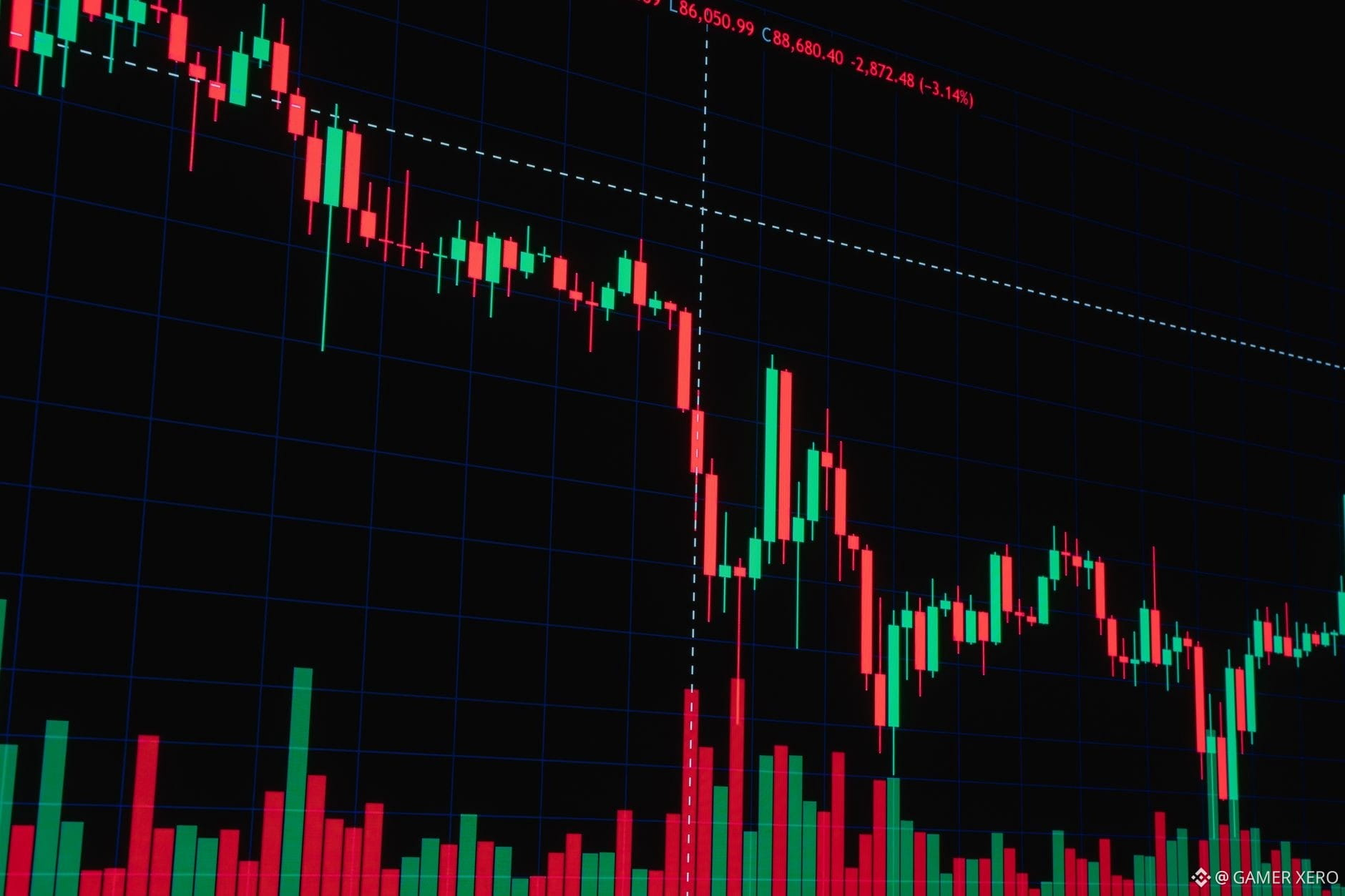
$BTC is holding just above its 24‑hour low at $80,775, while $ETH has nudged up to $2,492. The price band is tight, which makes it a good moment to review portfolio exposure. Start by capping any single‑asset position to a maximum of 15‑20 % of total capital; this prevents one swing from wiping out a large chunk of the account. Then layer diversification across uncorrelated assets – for a crypto‑only portfolio, pairing a core store of value like $BTC with a growth‑oriented token such as $ETH can reduce overall volatility.
When you size into a trade, calculate the expected drawdown based on recent range: $BTC’s low‑high spread is about $4,400, so a 1 % move equals roughly $800. If you risk 1 % of your portfolio on a position, the stop‑loss should be set around that distance to keep potential loss in line with your risk tolerance. After a loss, rebuild with a smaller position size – for example, halve the allocation after each consecutive loss until you return to breakeven, then gradually increase again.
What methods do you use to keep risk in check when the market stays in a narrow band? #CryptoRisk #PortfolioManagement #GAMERXERO #BinanceSquare
$BTC is holding just above its 24‑hour low at $80,775, while $ETH has nudged up to $2,492. The price band is tight, which makes it a good moment to review portfolio exposure. Start by capping any single‑asset position to a maximum of 15‑20 % of total capital; this prevents one swing from wiping out a large chunk of the account. Then layer diversification across uncorrelated assets – for a crypto‑only portfolio, pairing a core store of value like $BTC with a growth‑oriented token such as $ETH can reduce overall volatility.
When you size into a trade, calculate the expected drawdown based on recent range: $BTC ’s low‑high spread is about $4,400, so a 1 % move equals roughly $800. If you risk 1 % of your portfolio on a position, the stop‑loss should be set around that distance to keep potential loss in line with your risk tolerance. After a loss, rebuild with a smaller position size – for example, halve the allocation after each consecutive loss until you return to breakeven, then gradually increase again.
What methods do you use to keep risk in check when the market stays in a narrow band? #CryptoRisk #PortfolioManagement #GAMERXERO #BinanceSquare
When you size into a trade, calculate the expected drawdown based on recent range: $BTC ’s low‑high spread is about $4,400, so a 1 % move equals roughly $800. If you risk 1 % of your portfolio on a position, the stop‑loss should be set around that distance to keep potential loss in line with your risk tolerance. After a loss, rebuild with a smaller position size – for example, halve the allocation after each consecutive loss until you return to breakeven, then gradually increase again.
What methods do you use to keep risk in check when the market stays in a narrow band? #CryptoRisk #PortfolioManagement #GAMERXERO #BinanceSquare
1
1.6k
Portfolio Management (Risk Allocation)
📊 Don’t put all your crypto eggs in the same basket
Having a portfolio 100% exposed to a single sector (e.g., 100% Memecoins or 100% Layer 2) significantly increases your risk of ruin during market rotations.
🛡️ A balanced portfolio structure:
Core (50-60%): High-capitalization, highly liquid assets (BTC / ETH).
Growth (20-30%): Well-established Layer 1/2 or DeFi projects with real revenue.
Tactical (10-20%): Short-term narratives, small-cap assets, or stablecoin liquidity for opportunities.
Asset allocation is the first line of defense for protecting your capital.
#PortfolioManagement #RiskManagement #CryptoStrategy #Binance
Portfolio Management (Risk Allocation)
📊 Don’t put all your crypto eggs in the same basket
Having a portfolio 100% exposed to a single sector (e.g., 100% Memecoins or 100% Layer 2) significantly increases your risk of ruin during market rotations.
🛡️ A balanced portfolio structure:
Core (50-60%): High-capitalization, highly liquid assets (BTC / ETH).
Growth (20-30%): Well-established Layer 1/2 or DeFi projects with real revenue.
Tactical (10-20%): Short-term narratives, small-cap assets, or stablecoin liquidity for opportunities.
Asset allocation is the first line of defense for protecting your capital.
#PortfolioManagement #RiskManagement #CryptoStrategy #Binance
📊 Don’t put all your crypto eggs in the same basket
Having a portfolio 100% exposed to a single sector (e.g., 100% Memecoins or 100% Layer 2) significantly increases your risk of ruin during market rotations.
🛡️ A balanced portfolio structure:
Core (50-60%): High-capitalization, highly liquid assets (BTC / ETH).
Growth (20-30%): Well-established Layer 1/2 or DeFi projects with real revenue.
Tactical (10-20%): Short-term narratives, small-cap assets, or stablecoin liquidity for opportunities.
Asset allocation is the first line of defense for protecting your capital.
#PortfolioManagement #RiskManagement #CryptoStrategy #Binance
19
·
--
Seeing $BTC sit just above its 24‑hour low at $77,024 while $ETH drifts around $2,379 gives a clear reminder: tight ranges don’t erase portfolio risk. A practical way to guard against sudden swings is to cap any single‑asset exposure at a percentage you can comfortably lose without jeopardizing your overall strategy—commonly 5‑10 % of the total capital. If you hold $10 k, that means limiting $BTC to $500‑$1 000 and $ETH to a similar slice.
Next, diversify across uncorrelated sectors. While both Bitcoin and Ethereum often move together, adding a higher‑beta asset like BNB, which is currently up 0.88 % at $685, can smooth returns because its price drivers (Binance ecosystem news, futures volume) differ from pure store‑of‑value narratives.
How do you currently set your exposure caps and diversification mix when the market hovers in a narrow band?
#CryptoRisk #PortfolioManagement #DiversifySmart #GAMERXERO
Seeing $BTC sit just above its 24‑hour low at $77,024 while $ETH drifts around $2,379 gives a clear reminder: tight ranges don’t erase portfolio risk. A practical way to guard against sudden swings is to cap any single‑asset exposure at a percentage you can comfortably lose without jeopardizing your overall strategy—commonly 5‑10 % of the total capital. If you hold $10 k, that means limiting $BTC to $500‑$1 000 and $ETH to a similar slice.
Next, diversify across uncorrelated sectors. While both Bitcoin and Ethereum often move together, adding a higher‑beta asset like BNB, which is currently up 0.88 % at $685, can smooth returns because its price drivers (Binance ecosystem news, futures volume) differ from pure store‑of‑value narratives.
How do you currently set your exposure caps and diversification mix when the market hovers in a narrow band?
#CryptoRisk #PortfolioManagement #DiversifySmart #GAMERXERO
Next, diversify across uncorrelated sectors. While both Bitcoin and Ethereum often move together, adding a higher‑beta asset like BNB, which is currently up 0.88 % at $685, can smooth returns because its price drivers (Binance ecosystem news, futures volume) differ from pure store‑of‑value narratives.
How do you currently set your exposure caps and diversification mix when the market hovers in a narrow band?
#CryptoRisk #PortfolioManagement #DiversifySmart #GAMERXERO
30
Diversification (The Alpha tab vs Spot stability)
⚡ How much should you allocate to tokens from the Alpha tab?
The Alpha tab on Binance groups very young tokens, often from the On-Chain ecosystem with very high volatility. It’s a fantastic tool, but it requires strict allocation.
📐 Example of a balanced allocation:
70%: Major and solid assets (established BTC, ETH, Layer 1s).
20%: Mid-caps with strong potential.
10% Max: Exploratory gems from the Alpha tab.
What is your allocation strategy for small projects? 📊
#Alpha #PortfolioManagement #SpotTrading #CryptoStrategy
Diversification (The Alpha tab vs Spot stability)
⚡ How much should you allocate to tokens from the Alpha tab?
The Alpha tab on Binance groups very young tokens, often from the On-Chain ecosystem with very high volatility. It’s a fantastic tool, but it requires strict allocation.
📐 Example of a balanced allocation:
70%: Major and solid assets (established BTC, ETH, Layer 1s).
20%: Mid-caps with strong potential.
10% Max: Exploratory gems from the Alpha tab.
What is your allocation strategy for small projects? 📊
#Alpha #PortfolioManagement #SpotTrading #CryptoStrategy
⚡ How much should you allocate to tokens from the Alpha tab?
The Alpha tab on Binance groups very young tokens, often from the On-Chain ecosystem with very high volatility. It’s a fantastic tool, but it requires strict allocation.
📐 Example of a balanced allocation:
70%: Major and solid assets (established BTC, ETH, Layer 1s).
20%: Mid-caps with strong potential.
10% Max: Exploratory gems from the Alpha tab.
What is your allocation strategy for small projects? 📊
#Alpha #PortfolioManagement #SpotTrading #CryptoStrategy
108

Got caught in the market volatility this week? 📉
We often hear about taking profit, but watching a coin run up 30% only to give it all back is the hardest teacher in crypto.
Smart portfolio management isn't about timing the exact top—it's about locking in gains systematically across core assets like $BTC and $ETH.
If you had a 30% gain today, what would you do?
• Take 50% profit immediately
• Ride it higher (HODL)
• Move stop-loss to entry
Drop your strategy below! 👇
#BinanceSquare #CryptoTrading #Bitcoin
#PortfolioManagement
Got caught in the market volatility this week? 📉
We often hear about taking profit, but watching a coin run up 30% only to give it all back is the hardest teacher in crypto.
Smart portfolio management isn't about timing the exact top—it's about locking in gains systematically across core assets like $BTC and $ETH.
If you had a 30% gain today, what would you do?
• Take 50% profit immediately
• Ride it higher (HODL)
• Move stop-loss to entry
Drop your strategy below! 👇
#BinanceSquare #CryptoTrading #Bitcoin
#PortfolioManagement
We often hear about taking profit, but watching a coin run up 30% only to give it all back is the hardest teacher in crypto.
Smart portfolio management isn't about timing the exact top—it's about locking in gains systematically across core assets like $BTC and $ETH.
If you had a 30% gain today, what would you do?
• Take 50% profit immediately
• Ride it higher (HODL)
• Move stop-loss to entry
Drop your strategy below! 👇
#BinanceSquare #CryptoTrading #Bitcoin
#PortfolioManagement
Take 50% profit immediately
100%
Ride it higher (HOLD)
0%
Move stop-loss to entry
0%
1 votes • Voting closed
1
106
Diversification (The Interest of the TradFi Sector)
🪙 Crypto + Gold / Commodities: The complementarity
Have you already explored the TradFi tab on Binance? It lets you access derivatives backed by assets such as Gold or Oil.
📌 Why pay attention to it?
Traditional markets have different dynamics and cycles than pure crypto.
This makes it possible to hedge in the event of high macroeconomic volatility.
Ideal for building a balanced portfolio with moderate risk.
Do you incorporate traditional finance into your overall strategy?
#TradFi #RWA #Commodities #PortfolioManagement #Binance
Diversification (The Interest of the TradFi Sector)
🪙 Crypto + Gold / Commodities: The complementarity
Have you already explored the TradFi tab on Binance? It lets you access derivatives backed by assets such as Gold or Oil.
📌 Why pay attention to it?
Traditional markets have different dynamics and cycles than pure crypto.
This makes it possible to hedge in the event of high macroeconomic volatility.
Ideal for building a balanced portfolio with moderate risk.
Do you incorporate traditional finance into your overall strategy?
#TradFi #RWA #Commodities #PortfolioManagement #Binance
🪙 Crypto + Gold / Commodities: The complementarity
Have you already explored the TradFi tab on Binance? It lets you access derivatives backed by assets such as Gold or Oil.
📌 Why pay attention to it?
Traditional markets have different dynamics and cycles than pure crypto.
This makes it possible to hedge in the event of high macroeconomic volatility.
Ideal for building a balanced portfolio with moderate risk.
Do you incorporate traditional finance into your overall strategy?
#TradFi #RWA #Commodities #PortfolioManagement #Binance
42
·
--
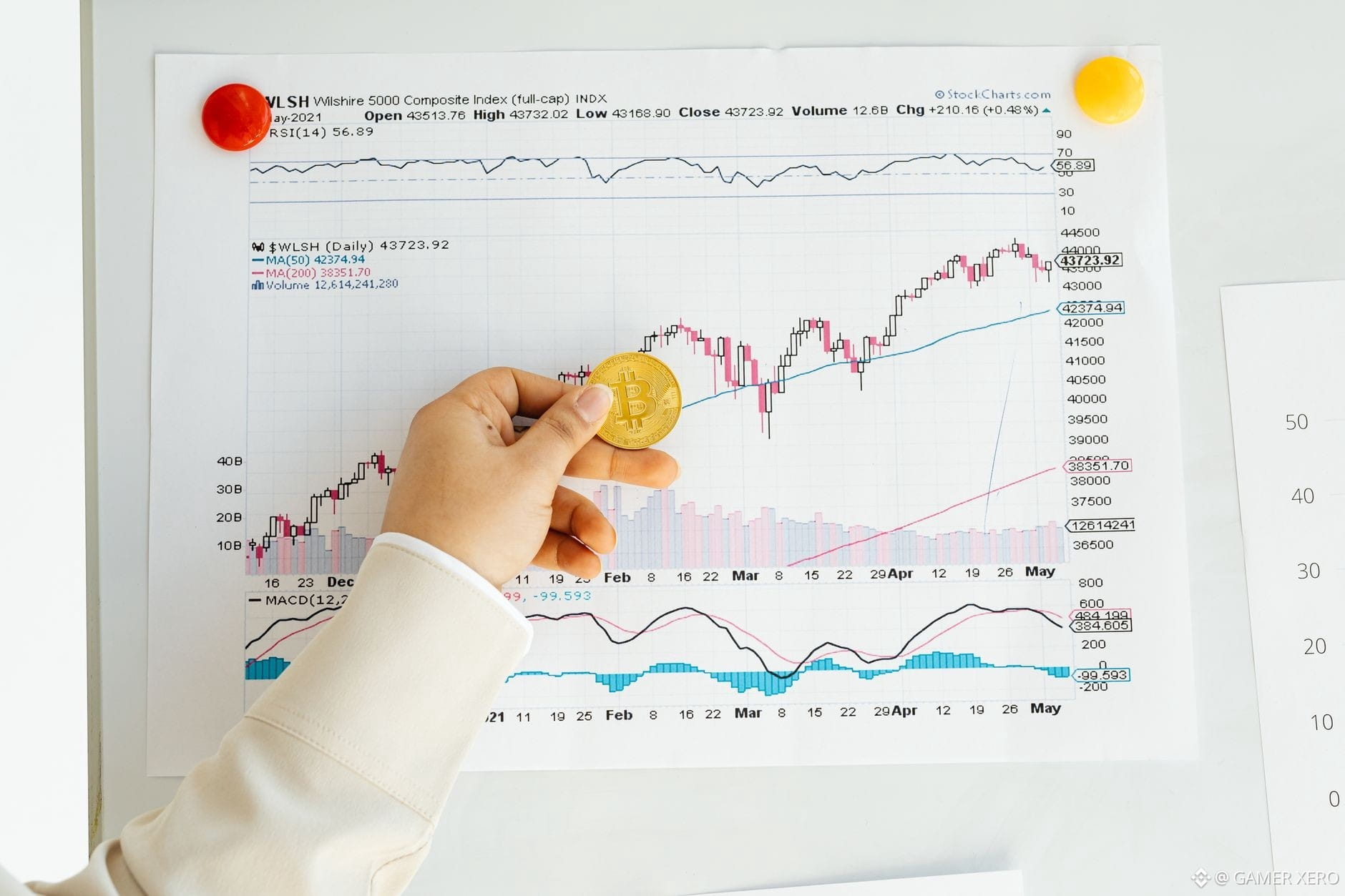
Seeing $BTC hover at $78,649 and $ETH near $2,464 today highlights a market stuck in a narrow band. When prices are confined, volatility becomes a more reliable gauge than recent price moves. My go‑to risk filter starts with an exposure cap: no more than 15 % of the portfolio in any single asset, and a total crypto allocation that never exceeds 40 % of the overall capital base. This protects you if a sudden regulatory shock knocks $BTC or $ETH down 10 % in a day.
Next, I layer diversification by adding a low‑correlation token—say a stable‑coin‑backed product or a non‑price‑linked yield asset—so the portfolio’s beta stays under 0.8. With the current 24 h range, a simple drawdown calculator shows that a 20 % loss on the $BTC slice would shave roughly 3 % off the whole portfolio, while the same hit on a 15 % exposure would only dent it by 0.45 %. That math makes the difference between a panic sell and a measured re‑entry.
How do you currently balance exposure limits and volatility sizing in a range‑bound market?
#CryptoRisk #PortfolioManagement #DiversifySmart #GAMERXERO
Seeing $BTC hover at $78,649 and $ETH near $2,464 today highlights a market stuck in a narrow band. When prices are confined, volatility becomes a more reliable gauge than recent price moves. My go‑to risk filter starts with an exposure cap: no more than 15 % of the portfolio in any single asset, and a total crypto allocation that never exceeds 40 % of the overall capital base. This protects you if a sudden regulatory shock knocks $BTC or $ETH down 10 % in a day.
Next, I layer diversification by adding a low‑correlation token—say a stable‑coin‑backed product or a non‑price‑linked yield asset—so the portfolio’s beta stays under 0.8. With the current 24 h range, a simple drawdown calculator shows that a 20 % loss on the $BTC slice would shave roughly 3 % off the whole portfolio, while the same hit on a 15 % exposure would only dent it by 0.45 %. That math makes the difference between a panic sell and a measured re‑entry.
How do you currently balance exposure limits and volatility sizing in a range‑bound market?
#CryptoRisk #PortfolioManagement #DiversifySmart #GAMERXERO
Next, I layer diversification by adding a low‑correlation token—say a stable‑coin‑backed product or a non‑price‑linked yield asset—so the portfolio’s beta stays under 0.8. With the current 24 h range, a simple drawdown calculator shows that a 20 % loss on the $BTC slice would shave roughly 3 % off the whole portfolio, while the same hit on a 15 % exposure would only dent it by 0.45 %. That math makes the difference between a panic sell and a measured re‑entry.
How do you currently balance exposure limits and volatility sizing in a range‑bound market?
#CryptoRisk #PortfolioManagement #DiversifySmart #GAMERXERO
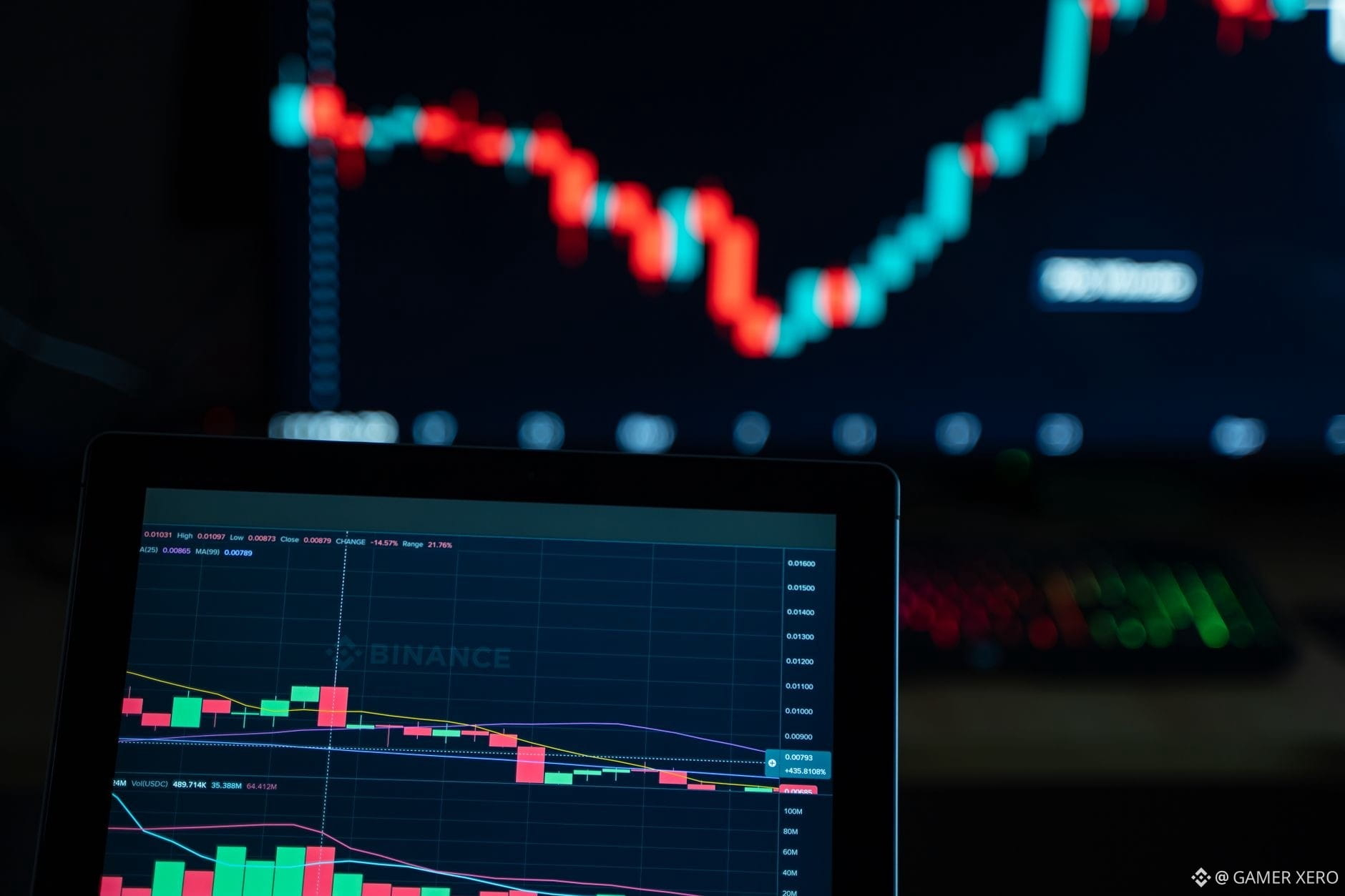
10
The Importance of Portfolio Management in a Period of Uncertainty
When the market moves without a clear direction, the classic mistake is to over-trade in an attempt to force the market.
A balanced portfolio allocation is often built on 3 pillars:
The Safety Reserve (Stablecoins): Ready to be deployed when major opportunities arise.
The Core of the Portfolio (Large Caps / Utility Tokens): For long-term stability.
The Speculative Envelope (Grid / Altcoins): Limited to a small percentage of total capital.
Patience is also a trading position. 🛡️💼
#PortfolioManagement #Crypto #Investing #BinanceSquare @Square-Creator-ce2378404
The Importance of Portfolio Management in a Period of Uncertainty
When the market moves without a clear direction, the classic mistake is to over-trade in an attempt to force the market.
A balanced portfolio allocation is often built on 3 pillars:
The Safety Reserve (Stablecoins): Ready to be deployed when major opportunities arise.
The Core of the Portfolio (Large Caps / Utility Tokens): For long-term stability.
The Speculative Envelope (Grid / Altcoins): Limited to a small percentage of total capital.
Patience is also a trading position. 🛡️💼
#PortfolioManagement #Crypto #Investing #BinanceSquare @BNB
When the market moves without a clear direction, the classic mistake is to over-trade in an attempt to force the market.
A balanced portfolio allocation is often built on 3 pillars:
The Safety Reserve (Stablecoins): Ready to be deployed when major opportunities arise.
The Core of the Portfolio (Large Caps / Utility Tokens): For long-term stability.
The Speculative Envelope (Grid / Altcoins): Limited to a small percentage of total capital.
Patience is also a trading position. 🛡️💼
#PortfolioManagement #Crypto #Investing #BinanceSquare @BNB
31
Log in to explore more content
Join global crypto users on Binance Square
⚡️ Get latest and useful information about crypto.
💬 Trusted by the world’s largest crypto exchange.
👍 Discover real insights from verified creators.
Email / Phone number
Trending Topics
1
#FedRateWatch
624,128 views
2,895 Discussing
2
#EthereumFallsBelow$2400
18 views
21 Discussing
3
#USSenateBlocksClarityAct
180 views
12 Discussing
4
#BitcoinSlidesTo$76000
25,293 views
125 Discussing
5
#BitcoinReboundsTo$79K
63,279 views
405 Discussing
6
#StrategyMarketCapPassesFord
43,979 views
704 Discussing
7
#ClarityActOddsHalveOnPolymarket
70,642 views
590 Discussing
8
#US30YTreasuryYieldTops5.40%
37,990 views
396 Discussing
9
#BessentEndorsesFinalClarityActDraft
60,388 views
777 Discussing
10
#ZamaOpens16ConfidentialMorphoVaults
21,198 views
377 Discussing