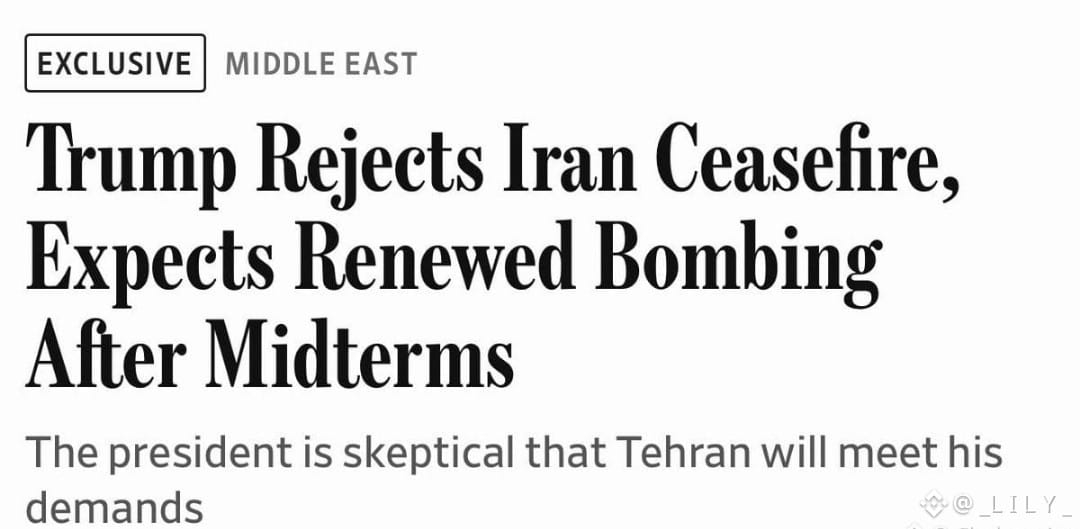
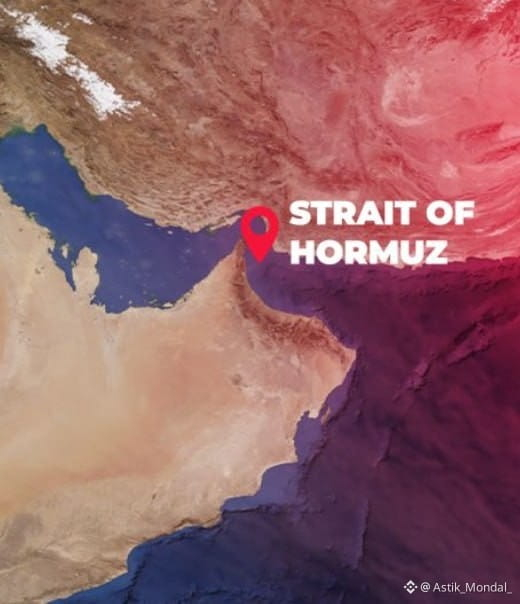
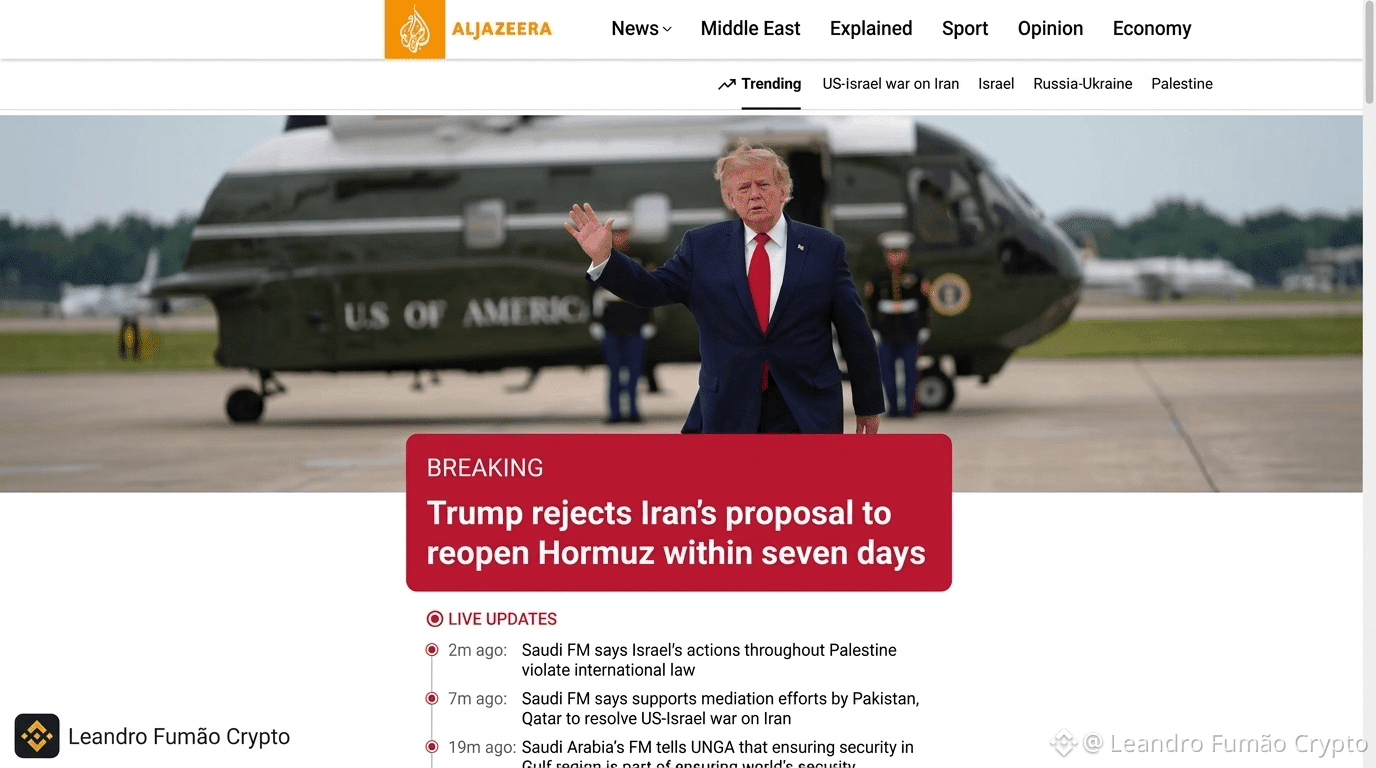
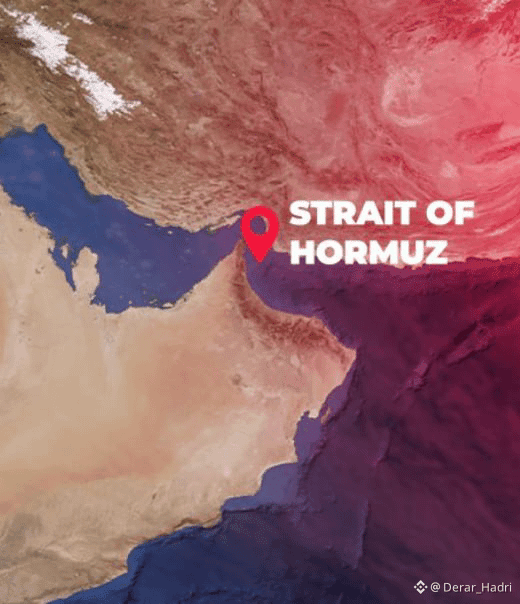
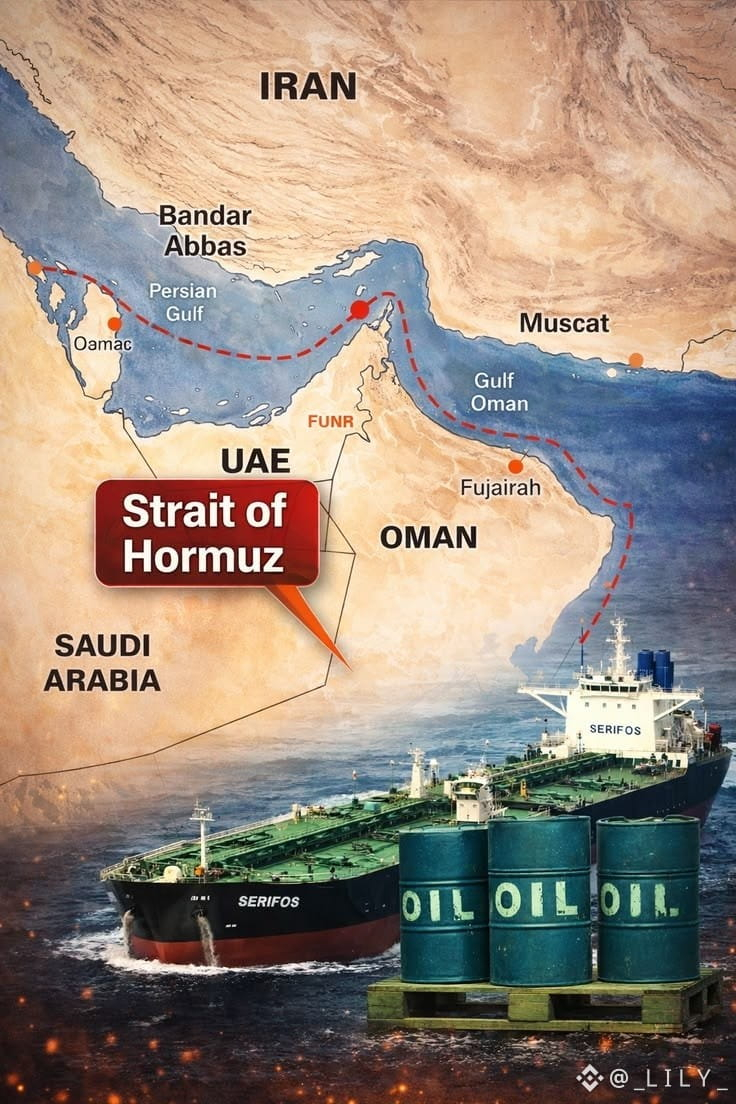
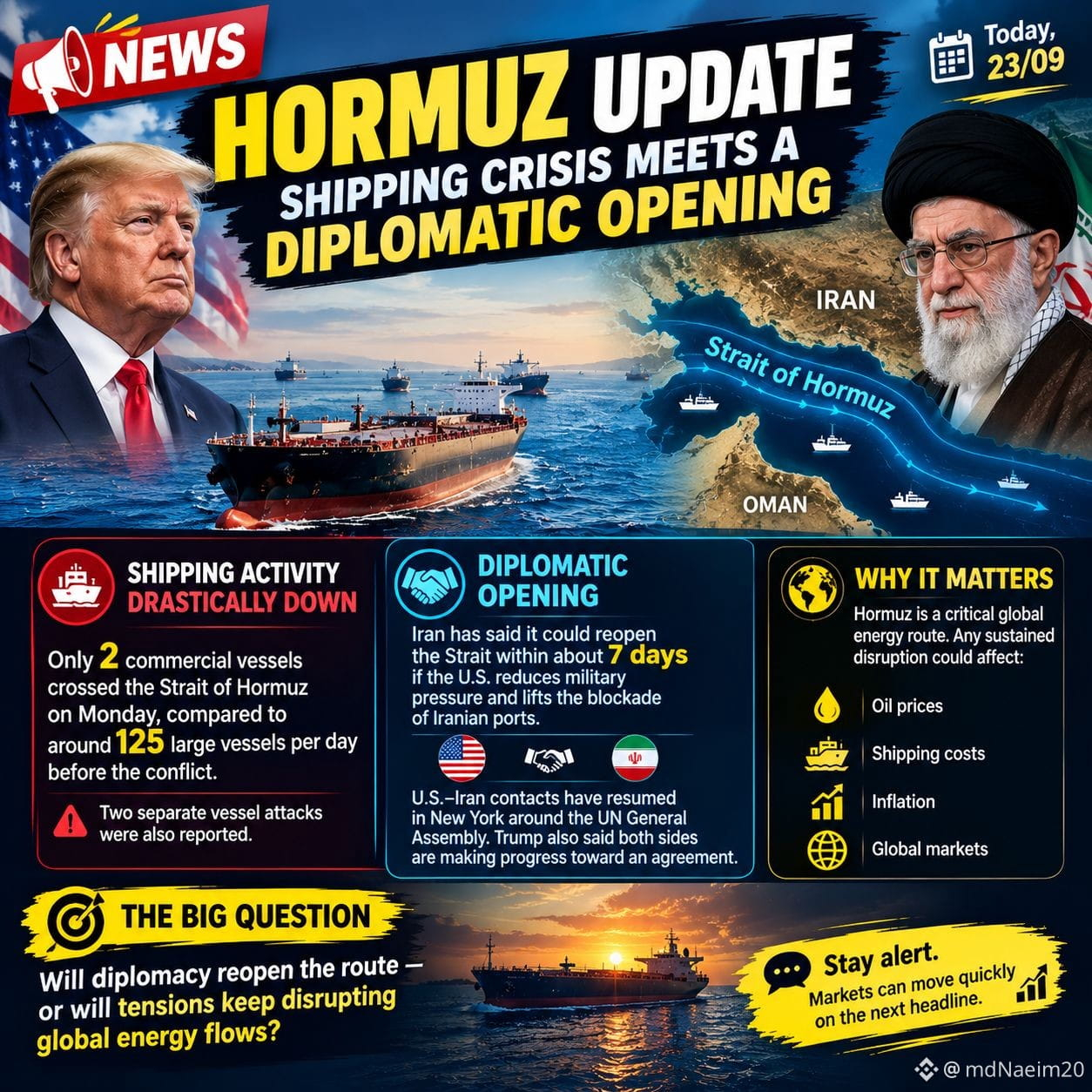
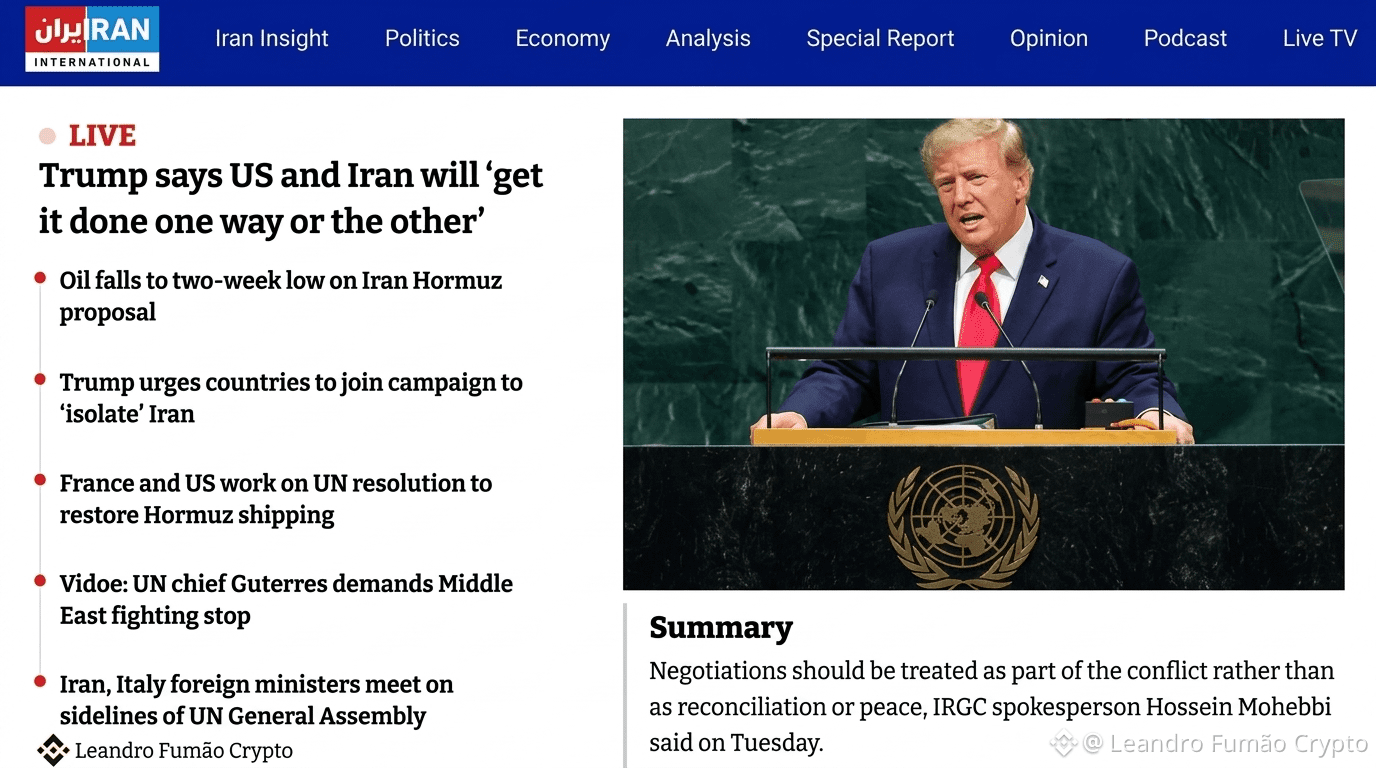
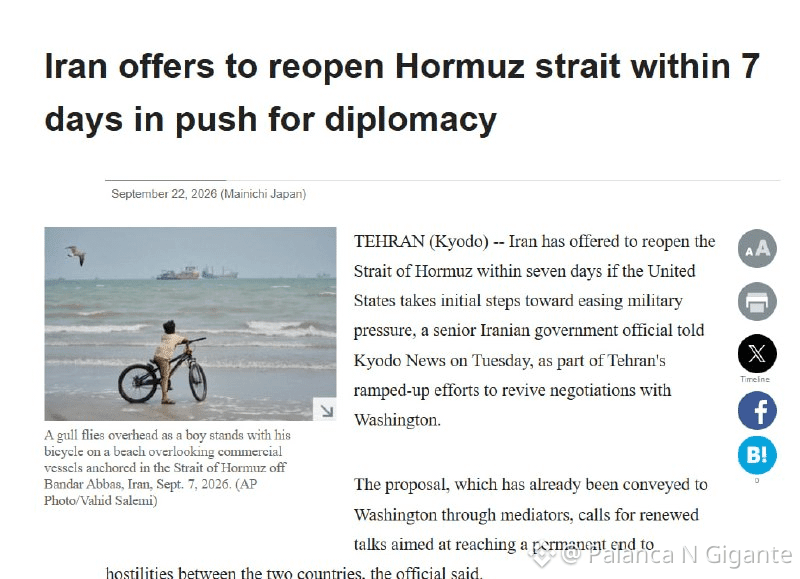
IRAN JUST OFFERED TO REOPEN THE STRAIT OF HORMUZ IN 7 DAYS. 🚨
This is the biggest geopolitical development in months.
Here is what is happening RIGHT NOW:
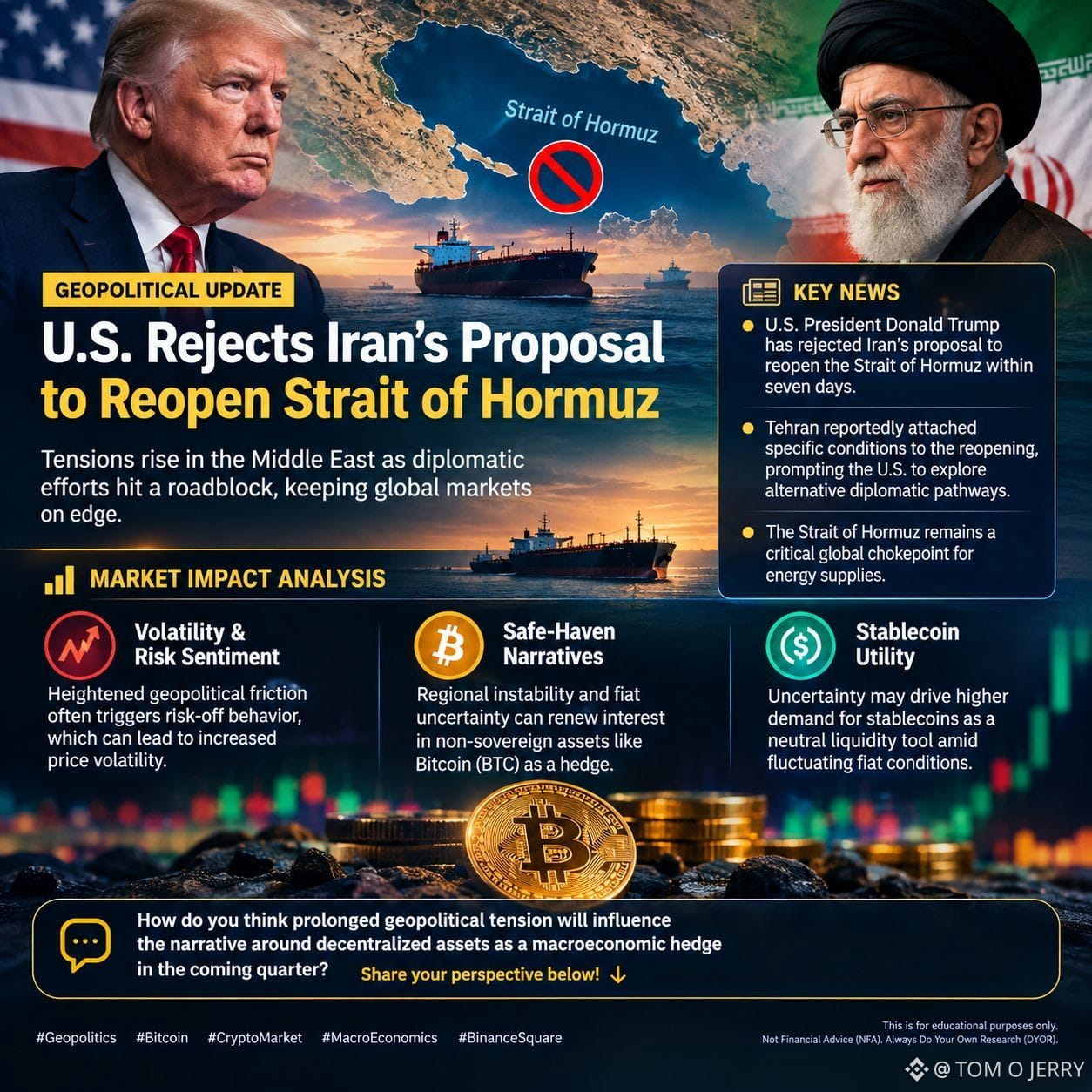
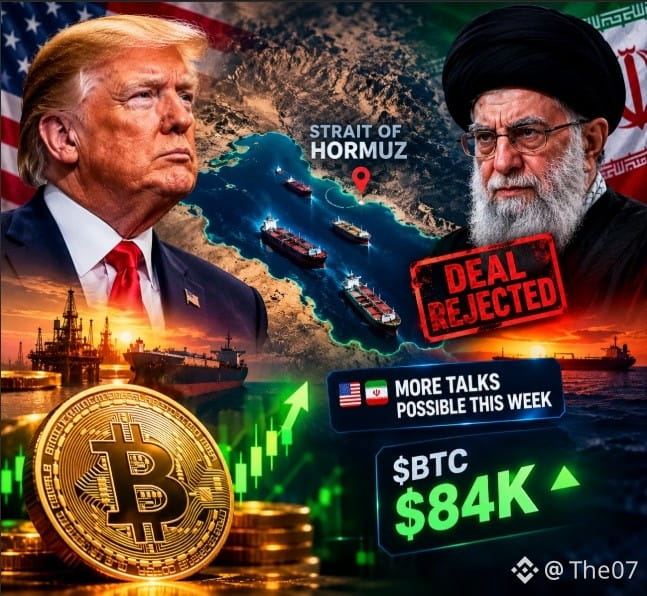
Iran has officially offered to reopen the Strait of Hormuz within 7 days but only if the US eases military pressure and lifts its blockade on Iranian ports.
FOR BEGINNERS :
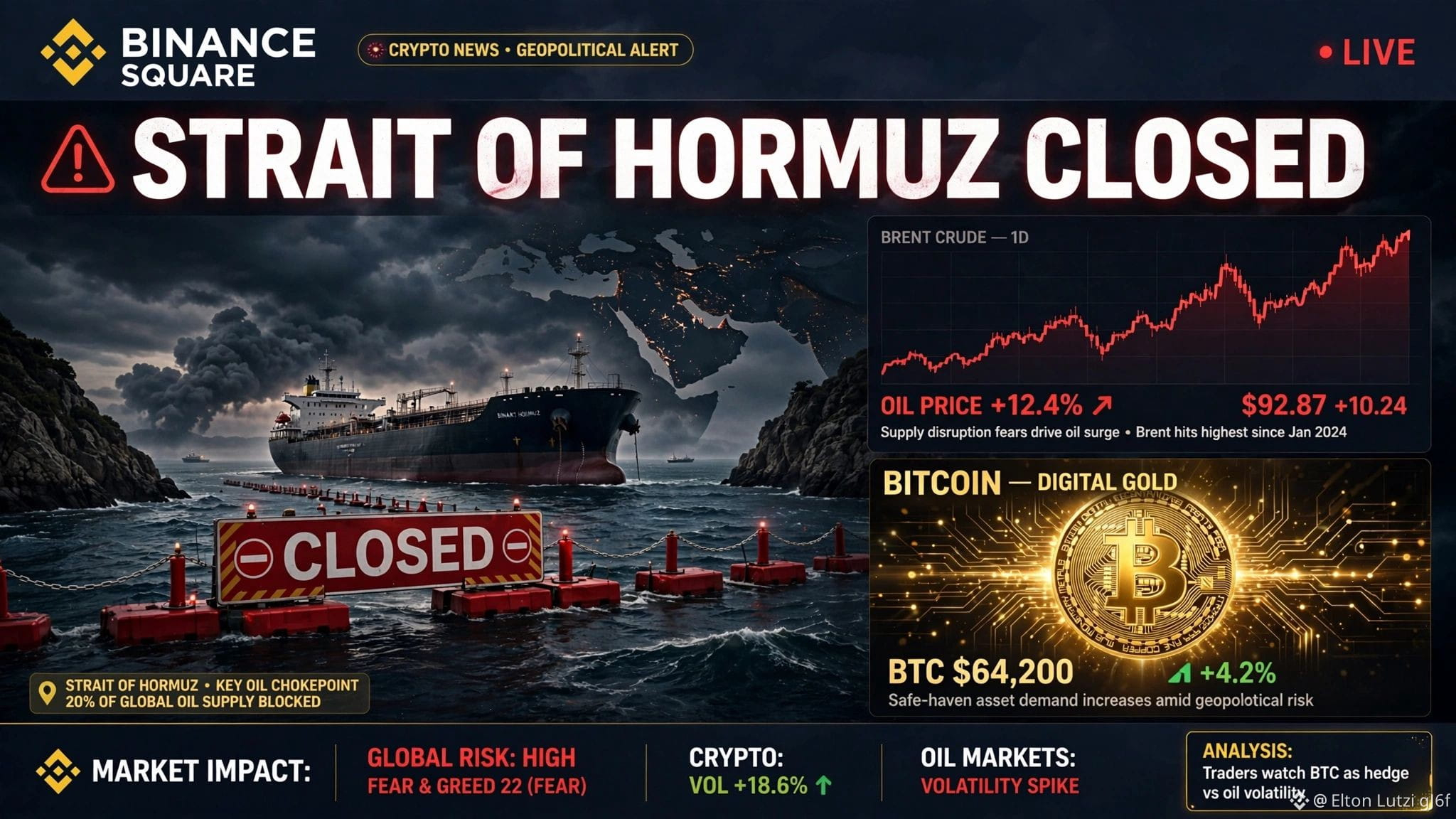
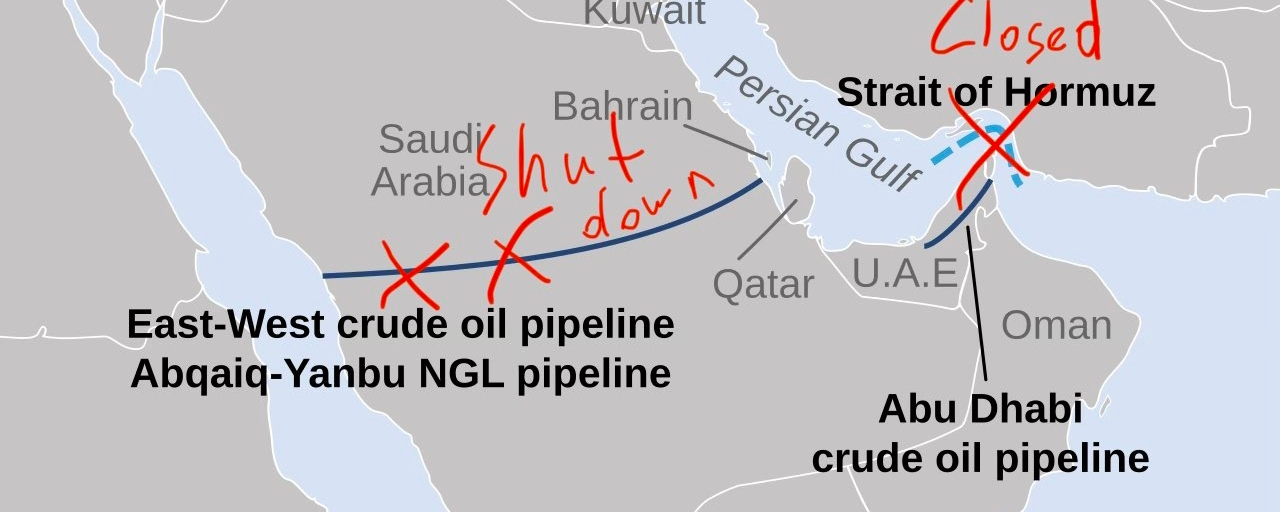
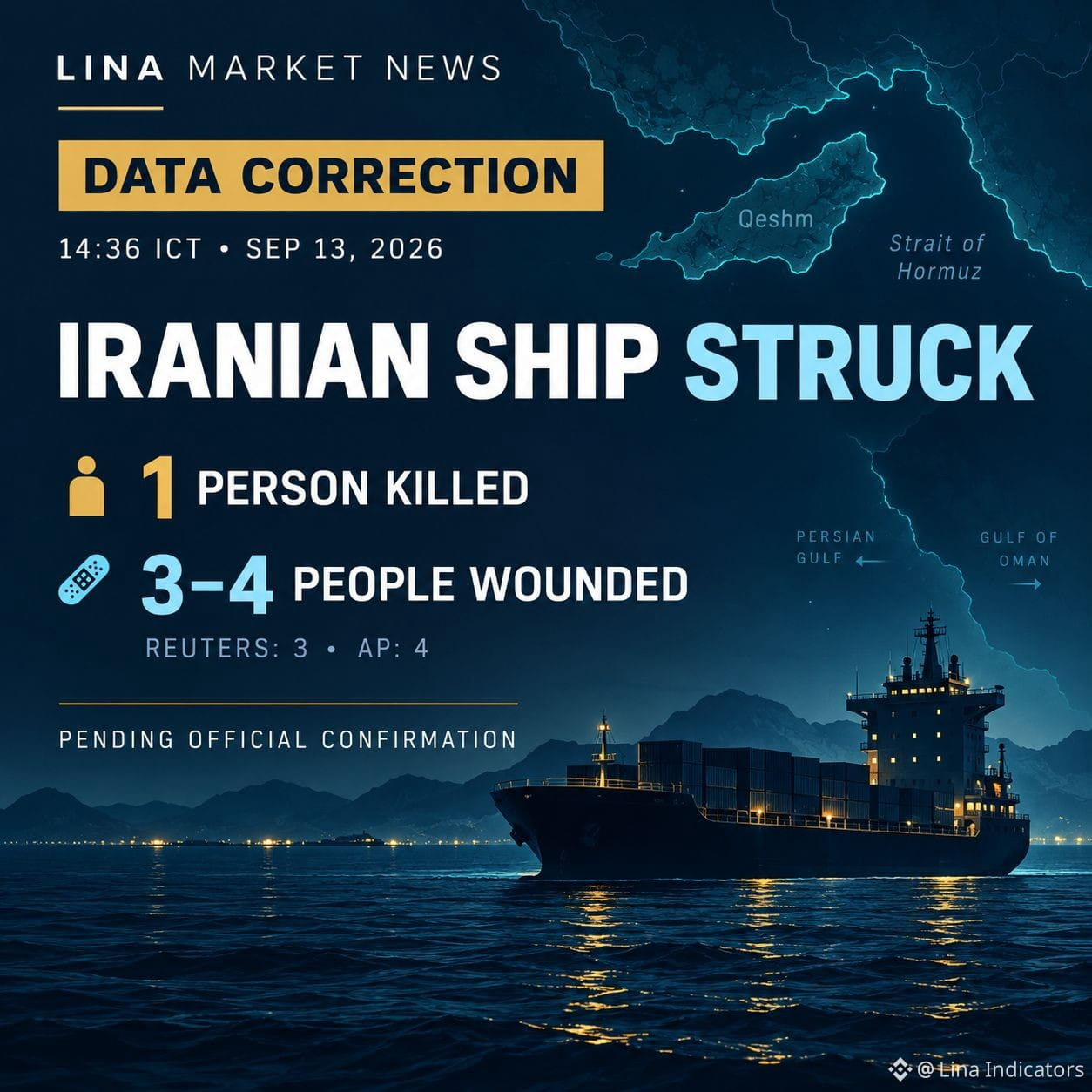
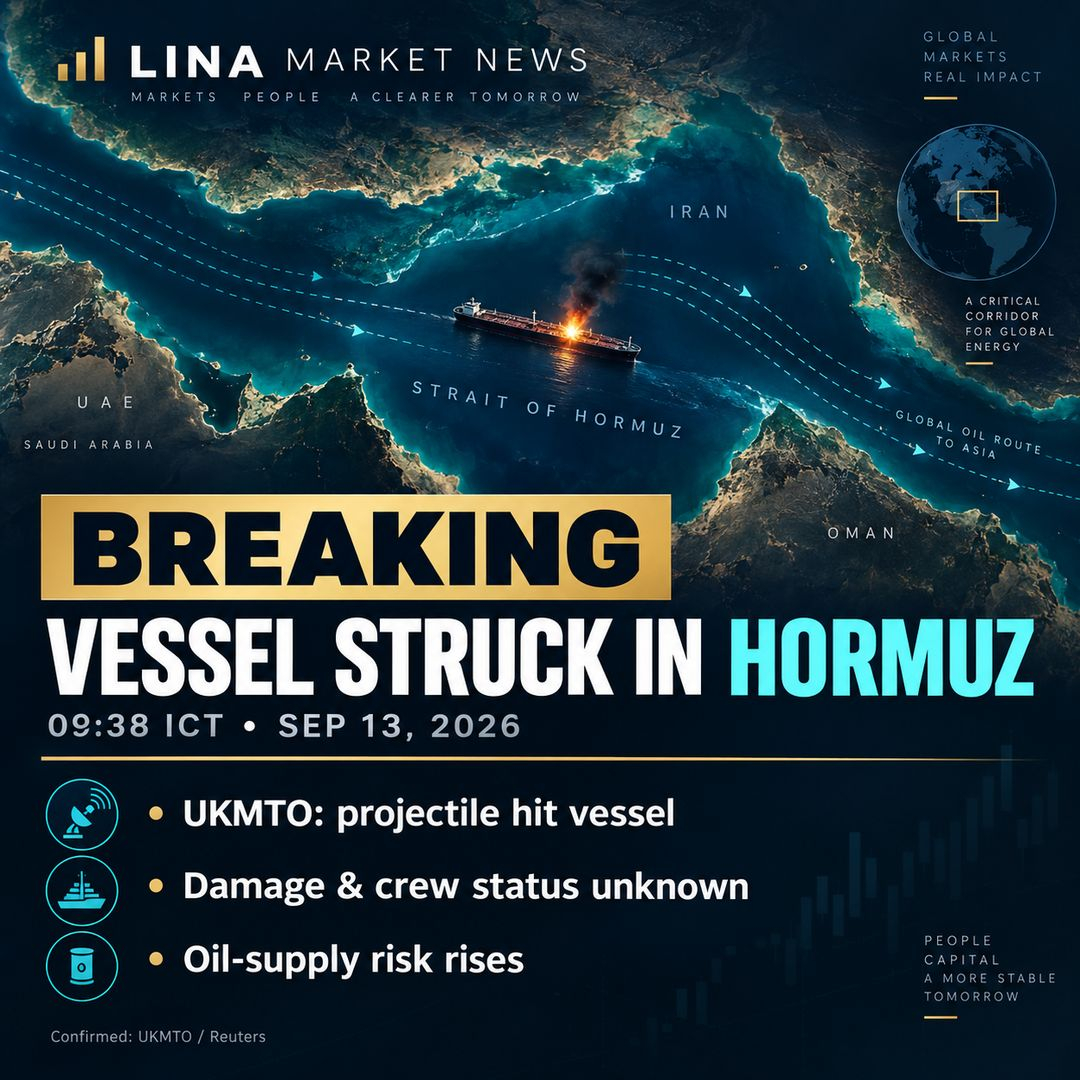
the Strait of Hormuz has been effectively closed since February 28. Normal traffic was 85 ships per day. Right now only 8 ships are getting through. That is a 90% shutdown of the world's most important oil route.
What reopening means for crypto:
🟢 Oil prices drop immediately
🟢 Inflation fears ease
🟢 Fed becomes less aggressive on rates
🟢 Risk assets like Bitcoin pump hard
Bitcoin is already at $87,000 after surviving the worst week of 2026. A Hormuz reopening on top of that could send it straight to $100,000. 👀
But here is the catch:
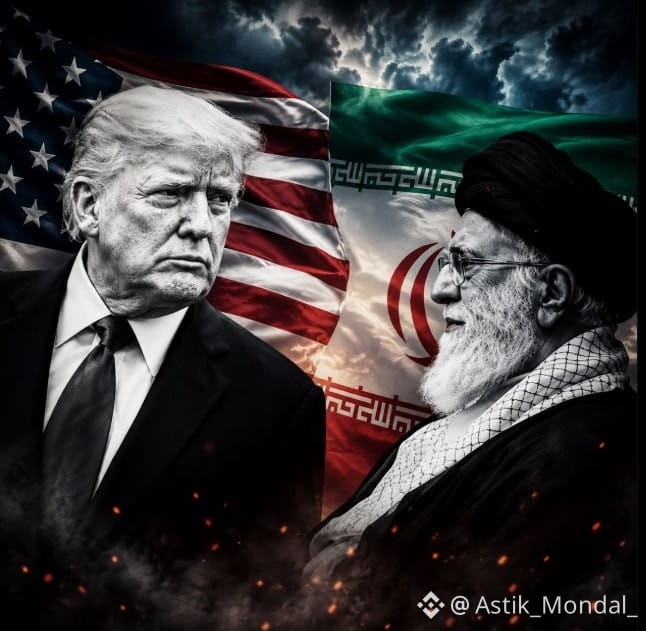
Iran's parliament speaker said just two days ago the strait WILL NOT reopen until ALL conditions are met. The US and Iran have broken ceasefire agreements before in April, in June, and again in August.
205 days closed. 376 ships sitting and waiting outside the strait right now.
One deal away from changing everything. 👀
Do you think Iran and the US actually make a deal this time? 👇
$BTC $ETH $BNB #Hormuz #Iran #Bitcoin #CryptoNews #OilPrice