
#germanynews
germanynews
11,706 views
19 Discussing
Hot
Latest

Article
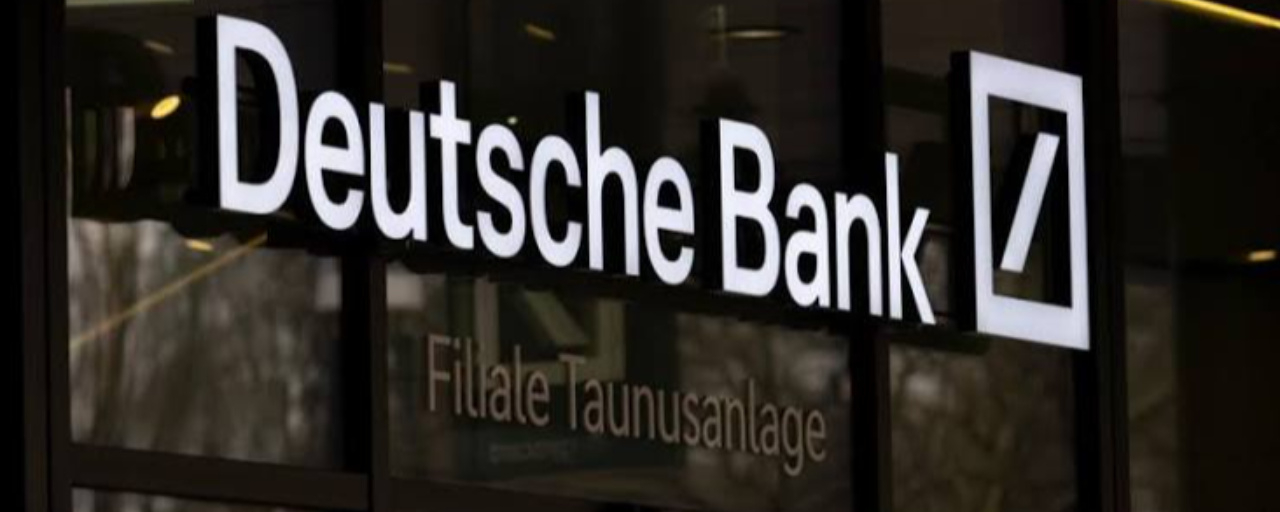
Deutsche Bank integrates Bitcoin custody into institutional banking$BTC
{spot}(BTCUSDT)
Germany’s largest bank, Deutsche Bank, has officially launched a digital asset custody service for institutional clients across Europe, incorporating Bitcoin, Ether, and regulated stablecoins into its banking infrastructure. The launch, which took place on November 11, marks another significant step toward integrating cryptocurrency services into the traditional financial system (TradFi).
The launch by this TradFi giant is the culmination of years of preparation, rigorous regulatory scrutiny, and technical development. It provides corporate and institutional clients with access to the custody and transfer of digital assets, eliminating the need for them to operate their own storage infrastructure.
According to a Reuters report published on Wednesday, November 11, 2026, Deutsche Bank confirmed that its asset custody platform is now serving paying clients. This announcement follows the bank’s disclosure on September 16 regarding its plans to introduce regulated cryptocurrency custody by the end of the year.
Deutsche Bank Launches Institutional Crypto Custody Service in Compliance with MiCA
The new service supports Bitcoin (BTC) and Ether (ETH), as well as three stablecoins and e-money tokens: USDC, EURC, and EURAU. Rather than requiring institutions to secure their own digital assets, Deutsche Bank assumes responsibility for safeguarding cryptographic credentials and managing client assets within a regulated banking framework.
To protect institutional client assets, the bank utilizes specialized cryptographic hardware, ensures strict segregation of client funds, and employs multi-layered identity verification alongside customized transaction permissions. Deutsche Bank clients can choose between internet-connected accounts and offline storage solutions. The platform operates through Deutsche Bank AG in Frankfurt and is accessed via the "Autobahn" gateway and the "Corporate Bank" portal. Eligible clients include corporations, hedge funds, asset management firms, brokers, custodians, and sovereign institutions. Retail clients are not eligible for this offering.
The launch follows an application submitted by Deutsche Bank to the German financial regulator, BaFin, in June 2023. Subsequently, the institution received authorization under the European Union’s Markets in Crypto-Assets (MiCA) regulation, allowing it to provide regulated custody and transfer services.
Initially, the authorization was limited to Germany, but its scope was later extended to the entire European Economic Area through regulatory passporting arrangements. Paul Maley, Global Head of Securities Services at Deutsche Bank, outlined the institution's long-term ambitions.
Maley stated:
"In the medium term, we aim to build a fully integrated, regulated ecosystem that supports the custody, tokenization, and settlement of digital assets."
For now, tokenized securities and expanded settlement capabilities remain future objectives rather than components of the initial custody product. Deutsche Bank and Deutsche Asset Management Explore the Realm of Tokenized Finance
Alongside the launch of its custody service, Deutsche Bank also announced the signing of a Memorandum of Understanding (MOU) with Deutsche Asset Management—an investment manager formerly known as DWS. The agreement aims to "explore opportunities for comprehensive commercial and technical collaboration in the field of digital assets."
This latest announcement from Deutsche Bank comes amid an ongoing expansion of cryptocurrency-related activities among established financial institutions. On Monday, November 9, financial services giant Charles Schwab expanded its direct cryptocurrency trading offerings beyond Bitcoin and Ether, adding three additional tokens for eligible retail clients. These additions follow a broader launch by Schwab in October across all supported U.S. jurisdictions.
Although these companies target different client bases across various regions, both moves demonstrate how traditional financial institutions (TradFi) are rapidly integrating digital assets into their existing financial services. It should be noted, however, that Deutsche Bank’s custody service is not a full-fledged cryptocurrency exchange or trading platform. Furthermore, clients remain exposed to digital asset price volatility and cybersecurity threats, and the protections offered differ from those associated with traditional bank deposits.
For European institutions, the next logical step involves gaining access to cryptocurrency custody services through established banking relationships. A more important question is whether Deutsche Bank can transform this foundation into a comprehensive tokenization and settlement business. Regulated custody creates the infrastructure, but it is sustained institutional demand that will ultimately determine its commercial significance.
#GermanyNews #DeutscheBank
Deutsche Bank integrates Bitcoin custody into institutional banking
$BTC
Germany’s largest bank, Deutsche Bank, has officially launched a digital asset custody service for institutional clients across Europe, incorporating Bitcoin, Ether, and regulated stablecoins into its banking infrastructure. The launch, which took place on November 11, marks another significant step toward integrating cryptocurrency services into the traditional financial system (TradFi).
The launch by this TradFi giant is the culmination of years of preparation, rigorous regulatory scrutiny, and technical development. It provides corporate and institutional clients with access to the custody and transfer of digital assets, eliminating the need for them to operate their own storage infrastructure.
According to a Reuters report published on Wednesday, November 11, 2026, Deutsche Bank confirmed that its asset custody platform is now serving paying clients. This announcement follows the bank’s disclosure on September 16 regarding its plans to introduce regulated cryptocurrency custody by the end of the year.
Deutsche Bank Launches Institutional Crypto Custody Service in Compliance with MiCA
The new service supports Bitcoin (BTC) and Ether (ETH), as well as three stablecoins and e-money tokens: USDC, EURC, and EURAU. Rather than requiring institutions to secure their own digital assets, Deutsche Bank assumes responsibility for safeguarding cryptographic credentials and managing client assets within a regulated banking framework.
To protect institutional client assets, the bank utilizes specialized cryptographic hardware, ensures strict segregation of client funds, and employs multi-layered identity verification alongside customized transaction permissions. Deutsche Bank clients can choose between internet-connected accounts and offline storage solutions. The platform operates through Deutsche Bank AG in Frankfurt and is accessed via the "Autobahn" gateway and the "Corporate Bank" portal. Eligible clients include corporations, hedge funds, asset management firms, brokers, custodians, and sovereign institutions. Retail clients are not eligible for this offering.
The launch follows an application submitted by Deutsche Bank to the German financial regulator, BaFin, in June 2023. Subsequently, the institution received authorization under the European Union’s Markets in Crypto-Assets (MiCA) regulation, allowing it to provide regulated custody and transfer services.
Initially, the authorization was limited to Germany, but its scope was later extended to the entire European Economic Area through regulatory passporting arrangements. Paul Maley, Global Head of Securities Services at Deutsche Bank, outlined the institution's long-term ambitions.
Maley stated:
"In the medium term, we aim to build a fully integrated, regulated ecosystem that supports the custody, tokenization, and settlement of digital assets."
For now, tokenized securities and expanded settlement capabilities remain future objectives rather than components of the initial custody product. Deutsche Bank and Deutsche Asset Management Explore the Realm of Tokenized Finance
Alongside the launch of its custody service, Deutsche Bank also announced the signing of a Memorandum of Understanding (MOU) with Deutsche Asset Management—an investment manager formerly known as DWS. The agreement aims to "explore opportunities for comprehensive commercial and technical collaboration in the field of digital assets."
This latest announcement from Deutsche Bank comes amid an ongoing expansion of cryptocurrency-related activities among established financial institutions. On Monday, November 9, financial services giant Charles Schwab expanded its direct cryptocurrency trading offerings beyond Bitcoin and Ether, adding three additional tokens for eligible retail clients. These additions follow a broader launch by Schwab in October across all supported U.S. jurisdictions.
Although these companies target different client bases across various regions, both moves demonstrate how traditional financial institutions (TradFi) are rapidly integrating digital assets into their existing financial services. It should be noted, however, that Deutsche Bank’s custody service is not a full-fledged cryptocurrency exchange or trading platform. Furthermore, clients remain exposed to digital asset price volatility and cybersecurity threats, and the protections offered differ from those associated with traditional bank deposits.
For European institutions, the next logical step involves gaining access to cryptocurrency custody services through established banking relationships. A more important question is whether Deutsche Bank can transform this foundation into a comprehensive tokenization and settlement business. Regulated custody creates the infrastructure, but it is sustained institutional demand that will ultimately determine its commercial significance.
#GermanyNews #DeutscheBank
6

·
--

Article
🚨🚨🚨ATTENTION!!!🚨🚨 : GERMANY CONSIDERS NEW CRYPTO TAX RULES!Germany is considering major changes to its crypto tax laws that could make Bitcoin and other digital assets taxed more like stocks and traditional investments. The proposal could remove Germany’s famous 1-year tax-free crypto holding rule starting in 2027.
HERE’S WHAT’S HAPPENING:
👉🏾Germany’s Finance Minister Lars Klingbeil wants stricter crypto taxation.
👉🏾The government may end the current rule allowing tax-free crypto gains after holding for 1 year.
👉🏾Officials say the move could generate around €2B in additional tax revenue.
👉🏾Germany wants crypto taxes to align more closely with stock-market taxation rules .
The proposal has triggered debate because:
Germany has long been viewed as one of Europe’s most crypto-friendly countries.Some legal experts argue stricter rules may conflict with constitutional equal-treatment principlesInvestors fear the changes could reduce long-term crypto investment incentives.
📊 TODAY’S NOTABLE NUMBERS:
👉🏾Global crypto market cap: around $2.69T.
👉🏾BTC traded between $80.7K–$82.8K today.
👉🏾BTC price during reports: around $81K.
👉🏾Current German long-term crypto tax exemption: 12 months.
👉🏾Possible implementation year for new rules: 2027.
👉🏾Proposed additional tax revenue target: €2B.
IN SHORT:
Germany is moving toward tighter crypto regulation and taxation, signaling that Europe may continue treating digital assets more like traditional financial products as governments push for higher tax transparency and revenue collection.
#GermanyConsidersNewCryptoTaxRules #Germany #GermanyNews #Crypto
$BTC
{future}(BTCUSDT)
$ETH
{future}(ETHUSDT)
$BNB
{future}(BNBUSDT)
FOLLOW ME FOR MORE UPDATES
🚨🚨🚨ATTENTION!!!🚨🚨 : GERMANY CONSIDERS NEW CRYPTO TAX RULES!
Germany is considering major changes to its crypto tax laws that could make Bitcoin and other digital assets taxed more like stocks and traditional investments. The proposal could remove Germany’s famous 1-year tax-free crypto holding rule starting in 2027.
HERE’S WHAT’S HAPPENING:
👉🏾Germany’s Finance Minister Lars Klingbeil wants stricter crypto taxation.
👉🏾The government may end the current rule allowing tax-free crypto gains after holding for 1 year.
👉🏾Officials say the move could generate around €2B in additional tax revenue.
👉🏾Germany wants crypto taxes to align more closely with stock-market taxation rules .
The proposal has triggered debate because:
Germany has long been viewed as one of Europe’s most crypto-friendly countries.Some legal experts argue stricter rules may conflict with constitutional equal-treatment principlesInvestors fear the changes could reduce long-term crypto investment incentives.
📊 TODAY’S NOTABLE NUMBERS:
👉🏾Global crypto market cap: around $2.69T.
👉🏾BTC traded between $80.7K–$82.8K today.
👉🏾BTC price during reports: around $81K.
👉🏾Current German long-term crypto tax exemption: 12 months.
👉🏾Possible implementation year for new rules: 2027.
👉🏾Proposed additional tax revenue target: €2B.
IN SHORT:
Germany is moving toward tighter crypto regulation and taxation, signaling that Europe may continue treating digital assets more like traditional financial products as governments push for higher tax transparency and revenue collection.
#GermanyConsidersNewCryptoTaxRules #Germany #GermanyNews #Crypto
$BTC
$ETH
$BNB
FOLLOW ME FOR MORE UPDATES
2
110

·
--
⚡️ After Germany, President Donald Trump is now considering pulling US troops out of Spain and Italy as well
#Trump's
#GermanyNews
$FHE
#USTroops
⚡️ After Germany, President Donald Trump is now considering pulling US troops out of Spain and Italy as well
#Trump's
#GermanyNews
$FHE
#USTroops
#Trump's
#GermanyNews
$FHE
#USTroops
97
·
--
Bullish
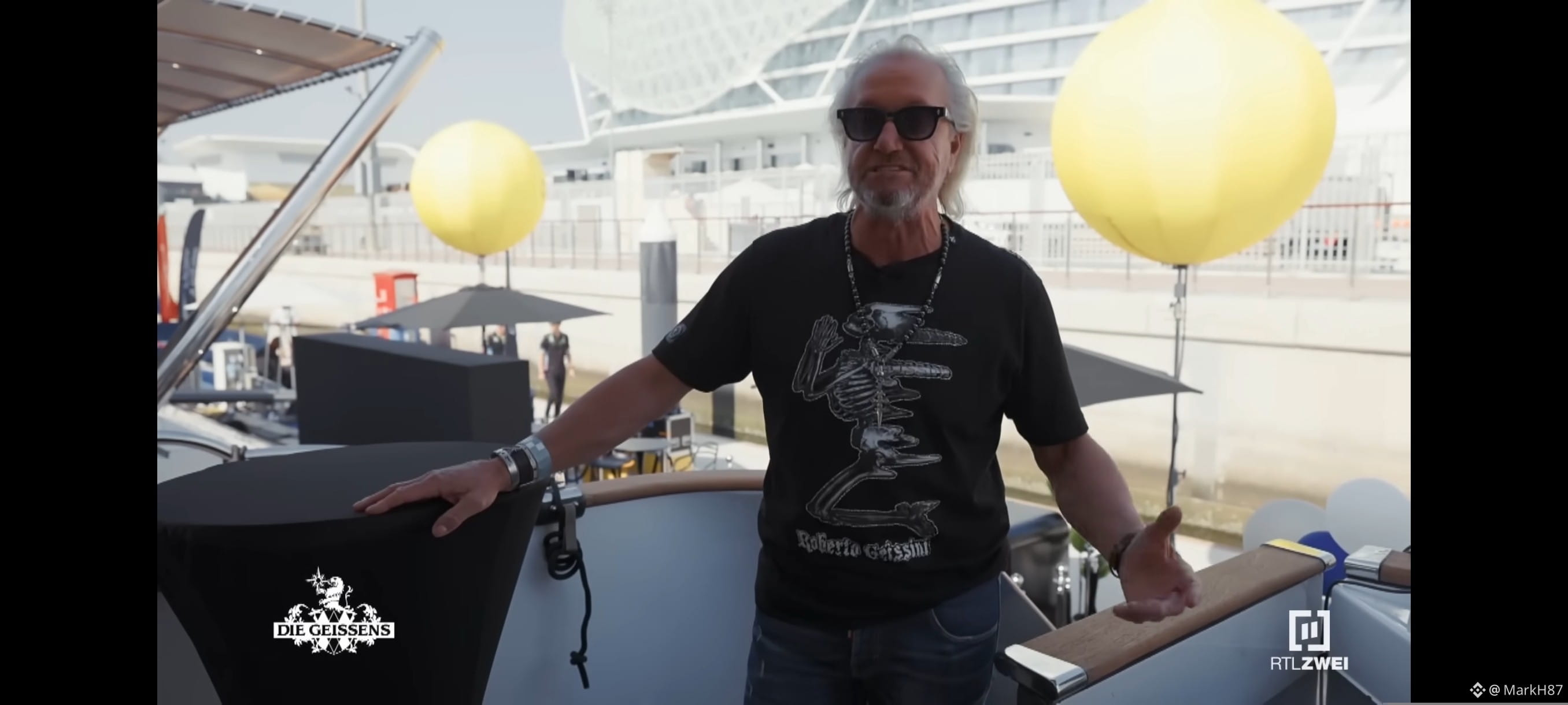
Indirect advertising by Binance on German television with the Geissens 😁 advertising can be so simple 🤩 Very well done Robert 😉 👍🏼
#GermanyNews
Indirect advertising by Binance on German television with the Geissens 😁 advertising can be so simple 🤩 Very well done Robert 😉 👍🏼
#GermanyNews
#GermanyNews



2
5.6k

🚨 URGENT: STRIKE ON EUROPE'S FUEL
🇩🇪 Germany might face a sharp fuel shortage
— — —
💥 What happened:
Russia is sending a signal — supplies through its pipeline could be halted as early as May 1
— — —
⚠️ What's the issue:
• Germany has turned away from Russian oil
• but oil is still flowing through Russia
👉 control remains
— — —
🔥 Current risk:
• the plant supplying ~90% of Berlin's fuel is under threat
• potential drop in refining
• fuel shortage in weeks
— — —
🌍 Alternative:
• the route through Poland is overloaded
• no quick replacements available
— — —
💡 SIMPLE:
Dependency hasn’t gone anywhere
it’s just become hidden
— — —
🔥 CONCLUSION:
Europe is vulnerable again
the market could react sharply
👉 this could hit fuel and energy prices 👇#GermanyNews

3
6
4.6k
Log in to explore more content
Join global crypto users on Binance Square
⚡️ Get latest and useful information about crypto.
💬 Trusted by the world’s largest crypto exchange.
👍 Discover real insights from verified creators.
Email / Phone number
Trending Topics
1
#WhatWillDriveCryptoandStocks’NextRebound?
60,522 views
829 Discussing
2
#Anthropic’s6xIPODemandSignalsPotentialRecordRaise
19,240 views
391 Discussing
3
#USCryptoETFsLose$1.48BInFiveDays
284 views
10 Discussing
4
#KoreaDigitalAssetBasicActFinalDraftExpectedEarlyJanuary
82 views
6 Discussing
5
#JaneStreetNearlyOctuplesFidelityBitcoinETFHoldings
6,011 views
112 Discussing
6
#HuangExitNvidiaStrategyInFocus
212,167 views
1,761 Discussing
7
#AnthropicRejectsIPODelayValuationinQuestion
835,784 views
5,887 Discussing
8
#FlopLabsTestnetAndAirdropToLaunchNov24
1,726 views
45 Discussing
9
#HedgeFundsCMEBitcoinNetShortsFall89%
23,813 views
305 Discussing
10
#BitMineReports$6.3BNetLossForFiscal2026
29,503 views
197 Discussing