Binance Square
Paul Nguyen
514 Posts

Paul Nguyen

Crypto OG, managing Vietnam Blockchain Community.
68 Following
142 Followers
543 Liked
Posts
·
--
AMP is pumping! 💥 Flexa just named a new CEO to push regulated crypto payments, and 3 whales pulled ~970M AMP from Coinbase to stake it. Flexa Terminal hype + an oversold short squeeze fuel the Binance move. 🚀 $AMP #AMP Not a financial advice. Be responsible for your own financial decision.
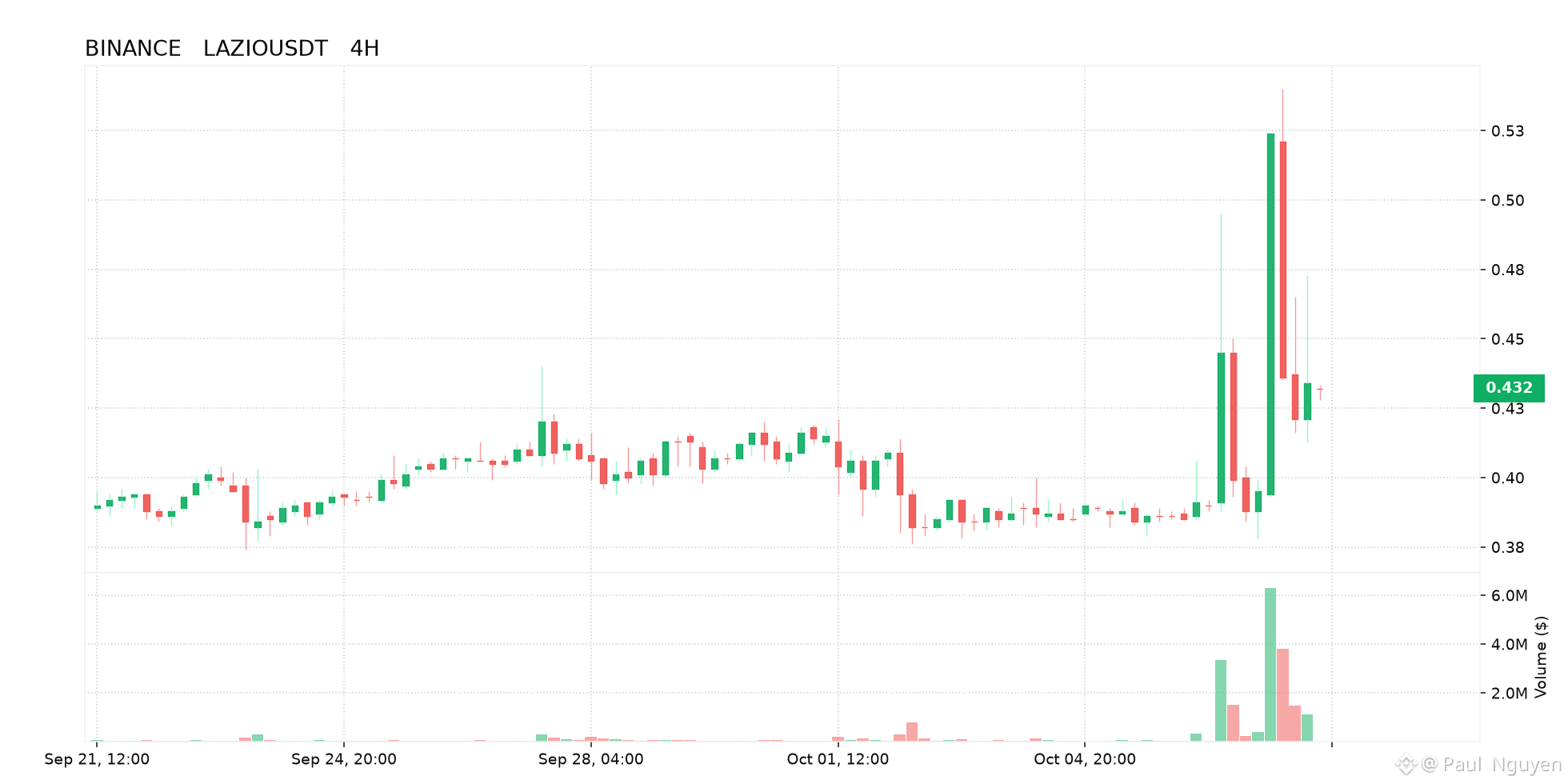
AMP is pumping! 💥 Flexa just named a new CEO to push regulated crypto payments, and 3 whales pulled ~970M AMP from Coinbase to stake it. Flexa Terminal hype + an oversold short squeeze fuel the Binance move. 🚀
$AMP #AMP
Not a financial advice. Be responsible for your own financial decision.
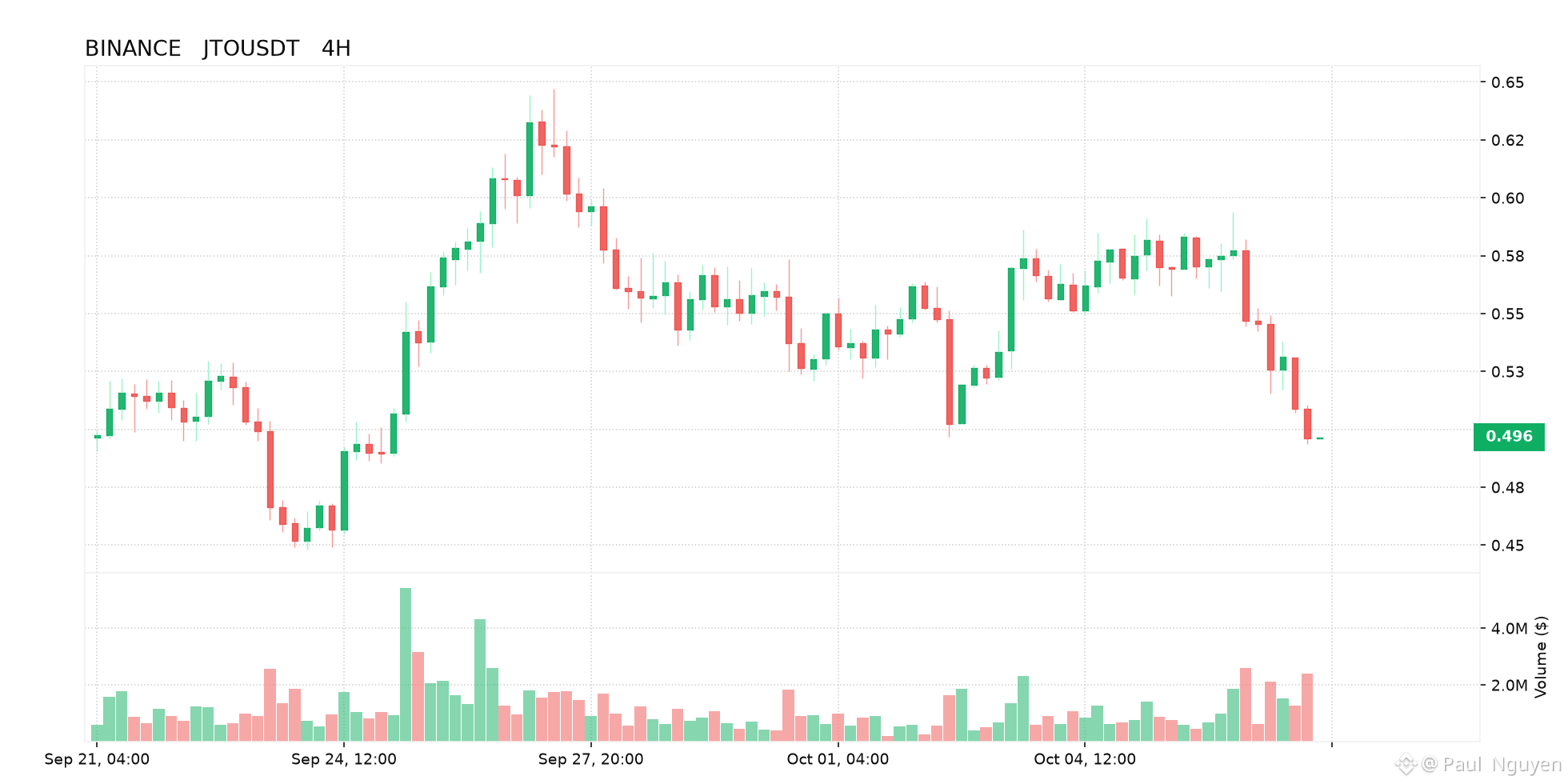
Most smart contract platforms treat upgradeability as a feature. Ship a contract, find a bug or a better design six months later, deploy a patch through a proxy pattern, move on. Dusk Network made a different choice for two of its most important pieces of code: the stake and transfer contracts are Genesis contracts, present and fixed from the very first block, not upgradeable the way a typical application contract would be. I think this decision is easy to underrate because it looks like the absence of a feature rather than a deliberate design. For a network trying to convince institutions to settle securities on public infrastructure, immutability at this specific layer is actually the pitch. Every other contract deployed on top of Dusk can use whatever upgrade pattern its own developer chooses, so this immutability is a deliberate exception carved out specifically for the two contracts an institution would need to trust the most. A stake contract that cannot be quietly modified by a future governance vote or an emergency patch is one an auditor can fully verify once and trust indefinitely, rather than one that requires monitoring every proposed upgrade for the rest of its life. That kind of permanence is part of what has to be in place before a regulated venue can actually run native issuance workflows through this infrastructure with confidence, once it has secured its own licensing and product setup. The cost is exactly what you would expect: if a subtle bug is ever discovered in either contract, there is no proxy pattern to quietly patch around it, only a harder coordination problem involving new contracts, migration paths, and probably a period where trust in the system takes a real hit. Dusk is betting that the security benefit of provable permanence outweighs the flexibility cost of never being able to fix a mistake quietly. Given how much of the whole system rests on these two contracts specifically, that is a bet with very little room for it to be wrong. @Dusk_Foundation $DUSK #dusk
Most smart contract platforms treat upgradeability as a feature. Ship a contract, find a bug or a better design six months later, deploy a patch through a proxy pattern, move on. Dusk Network made a different choice for two of its most important pieces of code: the stake and transfer contracts are Genesis contracts, present and fixed from the very first block, not upgradeable the way a typical application contract would be.

I think this decision is easy to underrate because it looks like the absence of a feature rather than a deliberate design. For a network trying to convince institutions to settle securities on public infrastructure, immutability at this specific layer is actually the pitch. Every other contract deployed on top of Dusk can use whatever upgrade pattern its own developer chooses, so this immutability is a deliberate exception carved out specifically for the two contracts an institution would need to trust the most. A stake contract that cannot be quietly modified by a future governance vote or an emergency patch is one an auditor can fully verify once and trust indefinitely, rather than one that requires monitoring every proposed upgrade for the rest of its life. That kind of permanence is part of what has to be in place before a regulated venue can actually run native issuance workflows through this infrastructure with confidence, once it has secured its own licensing and product setup.

The cost is exactly what you would expect: if a subtle bug is ever discovered in either contract, there is no proxy pattern to quietly patch around it, only a harder coordination problem involving new contracts, migration paths, and probably a period where trust in the system takes a real hit. Dusk is betting that the security benefit of provable permanence outweighs the flexibility cost of never being able to fix a mistake quietly. Given how much of the whole system rests on these two contracts specifically, that is a bet with very little room for it to be wrong.

@Dusk $DUSK #dusk
Let me dig deeper into the most recent coverage to pin down the exact catalyst.Let me verify the freshest details and current timing of this rally.Let me check a few key articles to nail down the timeline and the exact catalyst.STORJ +26% 🔥 Top Binance gainer! AI data boom is reigniting decentralized storage — DePIN sector pumping (FIL rallying too), volume up ~1,900%. Storage = this cycle's AI play. $STORJ #STORJ Not a financial advice. Be responsible for your own financial decision.
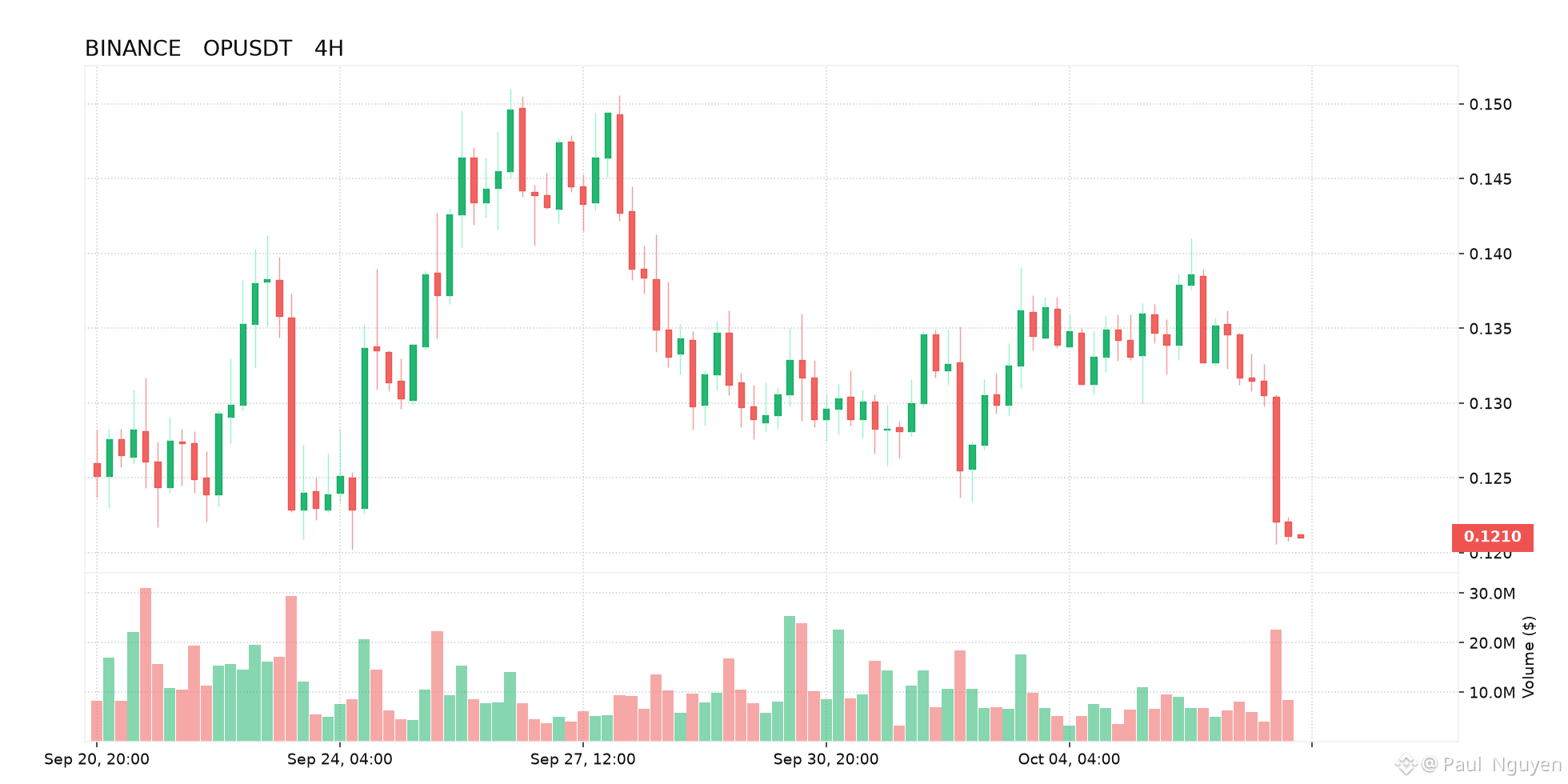
Let me dig deeper into the most recent coverage to pin down the exact catalyst.Let me verify the freshest details and current timing of this rally.Let me check a few key articles to nail down the timeline and the exact catalyst.STORJ +26% 🔥 Top Binance gainer! AI data boom is reigniting decentralized storage — DePIN sector pumping (FIL rallying too), volume up ~1,900%. Storage = this cycle's AI play.
$STORJ #STORJ
Not a financial advice. Be responsible for your own financial decision.
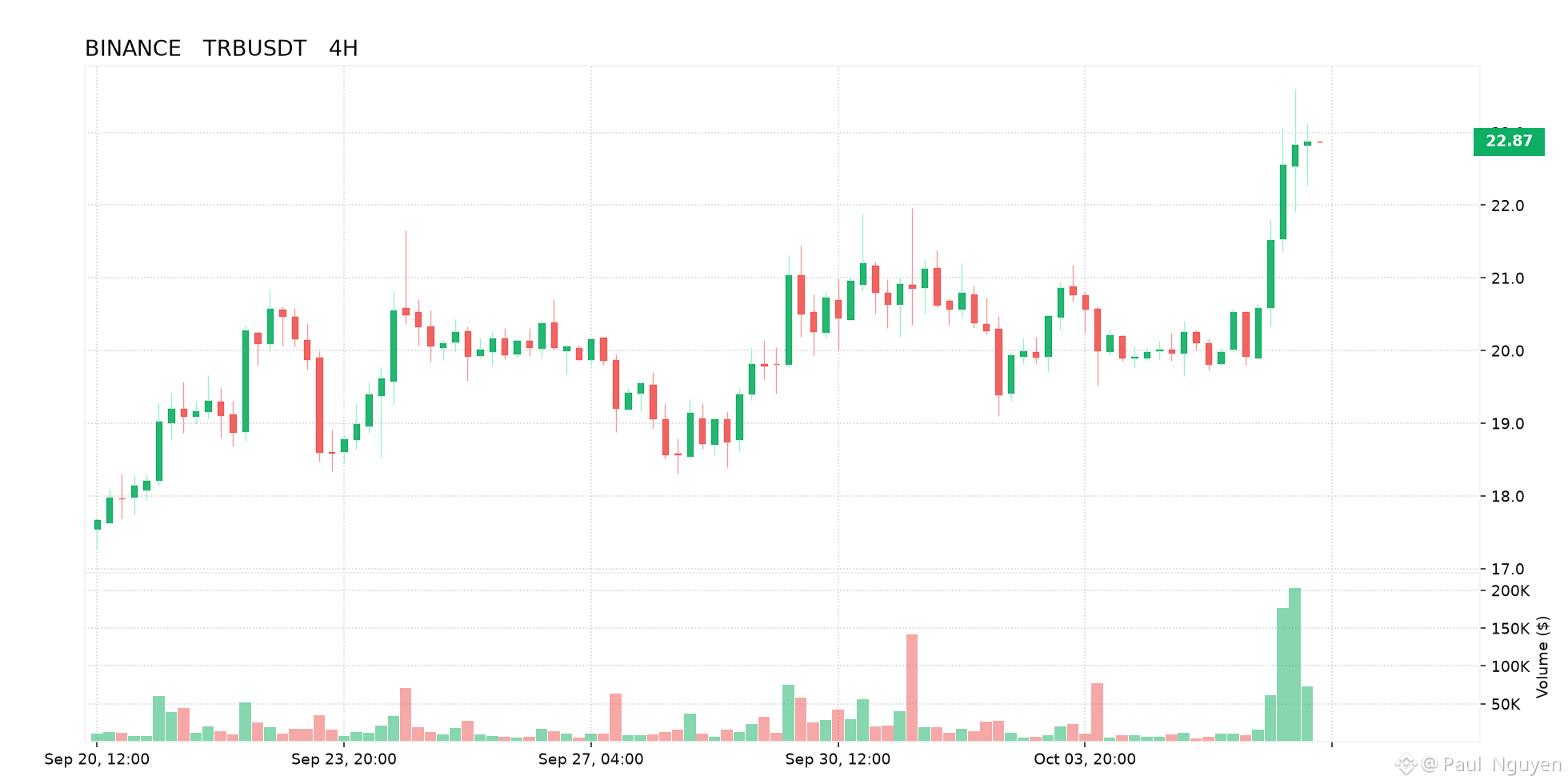
Dig back into Dusk Network's older blog posts and you will find a specific claim from the Phoenix launch era: that its use of confidential spending on public outputs let the project achieve a higher level of privacy than Zcash. I do not think that claim was made in bad faith. At the time, it was describing a real technical advantage in how Phoenix handled certain outputs that Zcash's model of the era did not. But claims like this age against a moving target, and I think this one is genuinely fuzzier now than it was when it was first written. Since then, Phoenix itself was updated so a transaction's receiver can identify its sender, a change made explicitly to satisfy European regulatory expectations. That is a reasonable, deliberate tradeoff for a project built around regulated finance. It is also, definitionally, a reduction in the anonymity set compared to a model where sender identity stays hidden even from the counterparty. Zcash, meanwhile, has continued developing its own shielded pool and has seen rising adoption of fully shielded transactions in the same period, moving in the opposite direction from a compliance driven concession even as its market attention grew. Comparing the privacy strength of two actively evolving systems using a claim frozen from a specific moment in 2019 is not really comparing like with like anymore. I would not call the original claim false when it was made. I would call it stale now, and probably not fully accurate as a present tense statement without real qualification. The more defensible claim today is narrower: Dusk Network combines privacy, transparency, selective disclosure, and settlement finality for regulated markets, which is a specific design goal rather than a superiority contest against any one competitor. Privacy claims in this category deserve the same expiration date scrutiny people apply to price predictions, and this one is well past due for a second look. @Dusk_Foundation $DUSK #dusk
Dig back into Dusk Network's older blog posts and you will find a specific claim from the Phoenix launch era: that its use of confidential spending on public outputs let the project achieve a higher level of privacy than Zcash. I do not think that claim was made in bad faith. At the time, it was describing a real technical advantage in how Phoenix handled certain outputs that Zcash's model of the era did not. But claims like this age against a moving target, and I think this one is genuinely fuzzier now than it was when it was first written.

Since then, Phoenix itself was updated so a transaction's receiver can identify its sender, a change made explicitly to satisfy European regulatory expectations. That is a reasonable, deliberate tradeoff for a project built around regulated finance. It is also, definitionally, a reduction in the anonymity set compared to a model where sender identity stays hidden even from the counterparty. Zcash, meanwhile, has continued developing its own shielded pool and has seen rising adoption of fully shielded transactions in the same period, moving in the opposite direction from a compliance driven concession even as its market attention grew. Comparing the privacy strength of two actively evolving systems using a claim frozen from a specific moment in 2019 is not really comparing like with like anymore.

I would not call the original claim false when it was made. I would call it stale now, and probably not fully accurate as a present tense statement without real qualification. The more defensible claim today is narrower: Dusk Network combines privacy, transparency, selective disclosure, and settlement finality for regulated markets, which is a specific design goal rather than a superiority contest against any one competitor. Privacy claims in this category deserve the same expiration date scrutiny people apply to price predictions, and this one is well past due for a second look.

@Dusk $DUSK #dusk
🐧 PENGU +17% in 24h, ~60% this week, nearing $0.01 on $400M+ volume. Why? IPO buzz (2027 listing goal), a $500K LBank rewards campaign, a short-squeeze breakout, and plushies in 1,800+ Target stores. Hype + retail = 🚀 $PENGU #PENGU Not a financial advice. Be responsible for your own financial decision.
🐧 PENGU +17% in 24h, ~60% this week, nearing $0.01 on $400M+ volume. Why? IPO buzz (2027 listing goal), a $500K LBank rewards campaign, a short-squeeze breakout, and plushies in 1,800+ Target stores. Hype + retail = 🚀
$PENGU #PENGU
Not a financial advice. Be responsible for your own financial decision.
SPK tops Binance gainers (+29% in 24h) 🔥 Whales absorbed last week's token unlock, Spark's buybacks keep buying, safe-haven flows persist — shorts add squeeze fuel. $SPK #SPK Not a financial advice. Be responsible for your own financial decision.
SPK tops Binance gainers (+29% in 24h) 🔥 Whales absorbed last week's token unlock, Spark's buybacks keep buying, safe-haven flows persist — shorts add squeeze fuel.
$SPK #SPK
Not a financial advice. Be responsible for your own financial decision.
MORPHO +8%! DeFi's hot: USDC DEX volume hit $2.8B as Morpho drives flash loans on Base; Ripple's RLUSD deposits +$17.5M. Institutional lending + altcoin rally = breakout. $MORPHO #MORPHO Not a financial advice. Be responsible for your own financial decision.
MORPHO +8%! DeFi's hot: USDC DEX volume hit $2.8B as Morpho drives flash loans on Base; Ripple's RLUSD deposits +$17.5M. Institutional lending + altcoin rally = breakout.
$MORPHO #MORPHO
Not a financial advice. Be responsible for your own financial decision.
Dusk is the first Layer 1 blockchain natively supporting security tokens shows up often enough in how the project describes itself that it is worth actually testing the word first against the history of who else tried this. Polymath set out to build compliance-focused infrastructure for tokenized securities years before Dusk's mainnet existed, eventually partnering with a co-founder of Cardano to design Polymesh as a purpose-built chain for exactly this use case. That project existed, raised money, and shipped a live network before Dusk did. So first cannot mean first to attempt a security-token-native Layer 1, because it was not. Where the claim gets more defensible is a narrower framing: first among that cohort to reach a mainnet actually settling meaningful, regulator-supervised financing volume, rather than staying technically live but commercially quiet. NPEX's more than 200 million euros in financing actively trading on Dusk's infrastructure, with reported plans to push past 300 million euros in further assets over time, is a real, checkable outcome that is harder to point to for some of the earlier attempts in this category. There is also a separate, adjacent set of projects, Aleo and Aztec among them, building general-purpose private smart contract platforms that overlap with Dusk's cryptography but were never built specifically around securities compliance the way Dusk was from its founding brief. They are not really competing for the same first at all, since the use case differs. Worth separating native from adjacent too. Plenty of tokenization efforts issue securities on an existing chain without building their own consensus layer. Dusk's claim to first rests on owning that base layer itself, a real distinction but narrower than the marketing shorthand suggests. So the honest version is not first, period. It is first in this narrow category to pair a live Layer 1 with real regulated trading volume, a smaller, more specific achievement than the unqualified word first implies. @Dusk_Foundation $DUSK #dusk
Dusk is the first Layer 1 blockchain natively supporting security tokens shows up often enough in how the project describes itself that it is worth actually testing the word first against the history of who else tried this.

Polymath set out to build compliance-focused infrastructure for tokenized securities years before Dusk's mainnet existed, eventually partnering with a co-founder of Cardano to design Polymesh as a purpose-built chain for exactly this use case. That project existed, raised money, and shipped a live network before Dusk did. So first cannot mean first to attempt a security-token-native Layer 1, because it was not.

Where the claim gets more defensible is a narrower framing: first among that cohort to reach a mainnet actually settling meaningful, regulator-supervised financing volume, rather than staying technically live but commercially quiet. NPEX's more than 200 million euros in financing actively trading on Dusk's infrastructure, with reported plans to push past 300 million euros in further assets over time, is a real, checkable outcome that is harder to point to for some of the earlier attempts in this category.

There is also a separate, adjacent set of projects, Aleo and Aztec among them, building general-purpose private smart contract platforms that overlap with Dusk's cryptography but were never built specifically around securities compliance the way Dusk was from its founding brief. They are not really competing for the same first at all, since the use case differs.

Worth separating native from adjacent too. Plenty of tokenization efforts issue securities on an existing chain without building their own consensus layer. Dusk's claim to first rests on owning that base layer itself, a real distinction but narrower than the marketing shorthand suggests.

So the honest version is not first, period. It is first in this narrow category to pair a live Layer 1 with real regulated trading volume, a smaller, more specific achievement than the unqualified word first implies.

@Dusk $DUSK #dusk
Why is ZRO on fire? 🔥 LayerZero just unveiled its "Zero" blockchain—scalable to 2M TPS with near-zero fees. Citadel Securities & ARK Invest (Cathie Wood!) bought ZRO, plus DTCC, ICE & Google Cloud partnerships. Result: ZRO +22% to $2.42, a 4-month high, with volume up 410%. $ZRO #ZRO Not a financial advice. Be responsible for your own financial decision.
Why is ZRO on fire? 🔥 LayerZero just unveiled its "Zero" blockchain—scalable to 2M TPS with near-zero fees. Citadel Securities & ARK Invest (Cathie Wood!) bought ZRO, plus DTCC, ICE & Google Cloud partnerships. Result: ZRO +22% to $2.42, a 4-month high, with volume up 410%.
$ZRO #ZRO
Not a financial advice. Be responsible for your own financial decision.
PUMP +25% in 24h 🚀 Record fees feed its buyback-burn engine (16% of supply gone), Jupiter stacked 1.6B tokens, and spot outflows tightened supply. A meme coin with real cash flow behind it — that's the rally. $PUMP #PUMP Not a financial advice. Be responsible for your own financial decision.
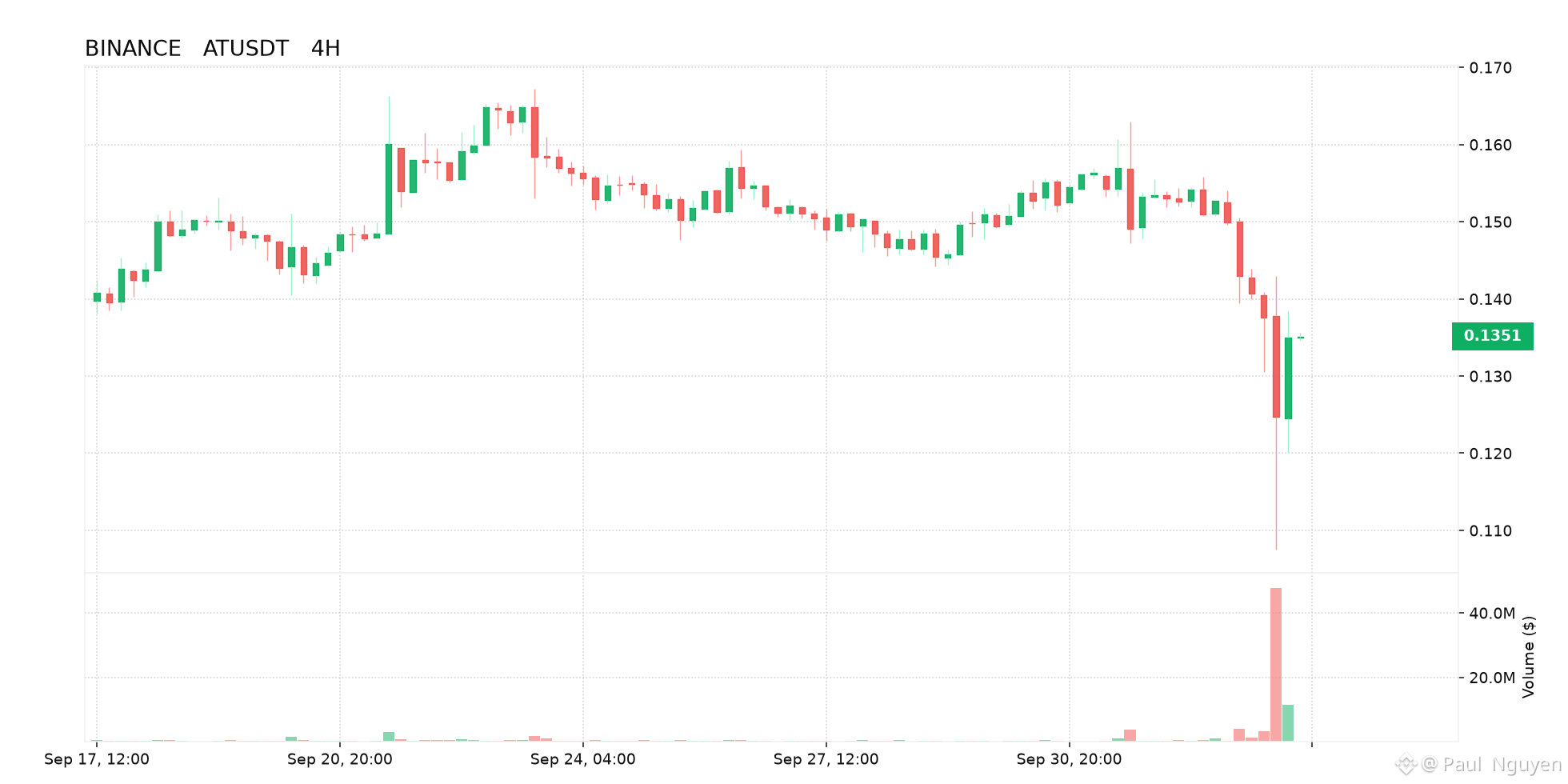
PUMP +25% in 24h 🚀 Record fees feed its buyback-burn engine (16% of supply gone), Jupiter stacked 1.6B tokens, and spot outflows tightened supply. A meme coin with real cash flow behind it — that's the rally.
$PUMP #PUMP
Not a financial advice. Be responsible for your own financial decision.
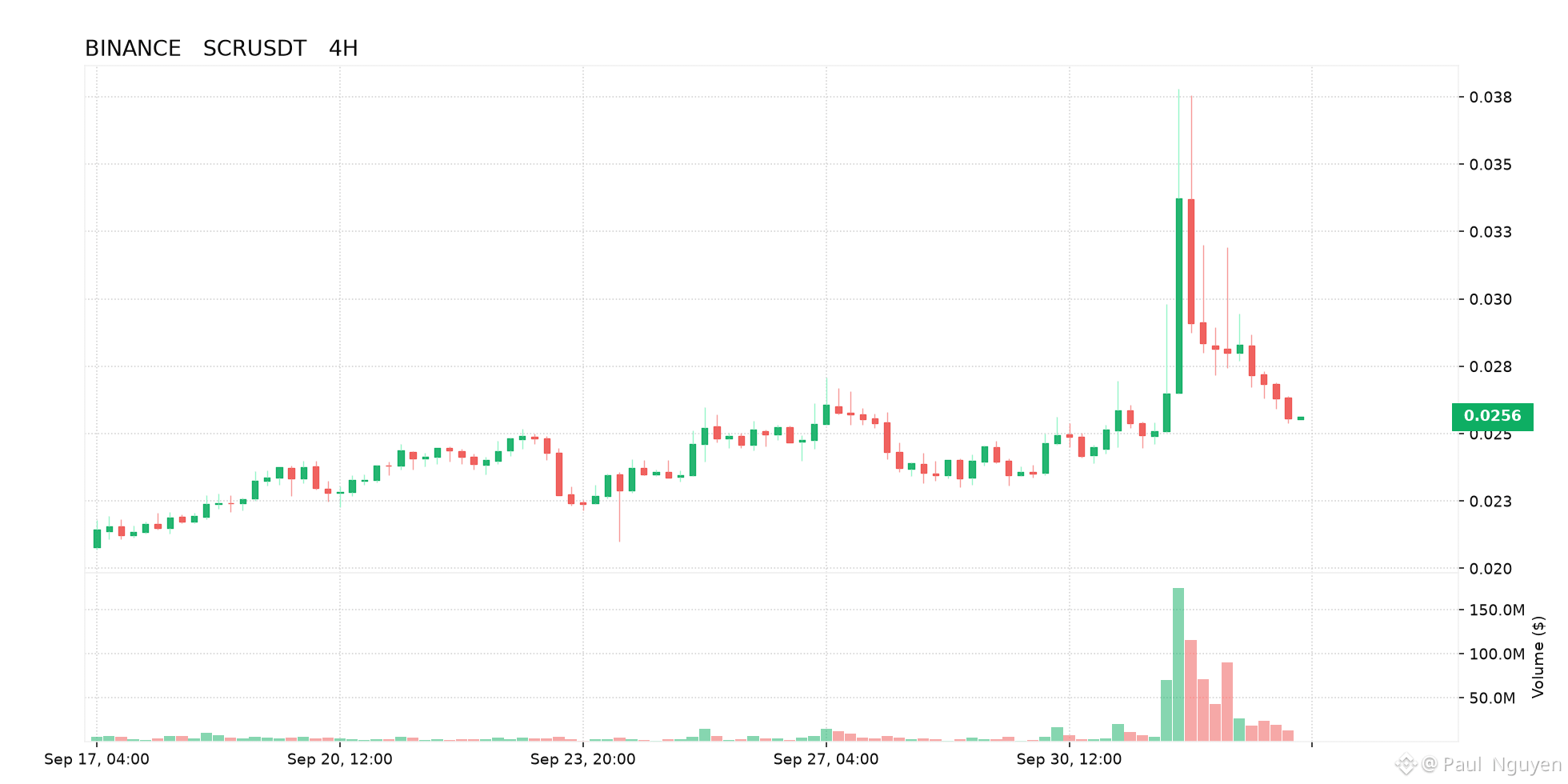
ZEC up ~40% past $800 on Binance! 🚀 Grayscale filed to turn its Zcash Trust into a spot ETF (BTC/ETH playbook). DCG adding 200K ZEC + futures frenzy. Privacy crypto is hot! $ZEC #ZEC Not a financial advice. Be responsible for your own financial decision.
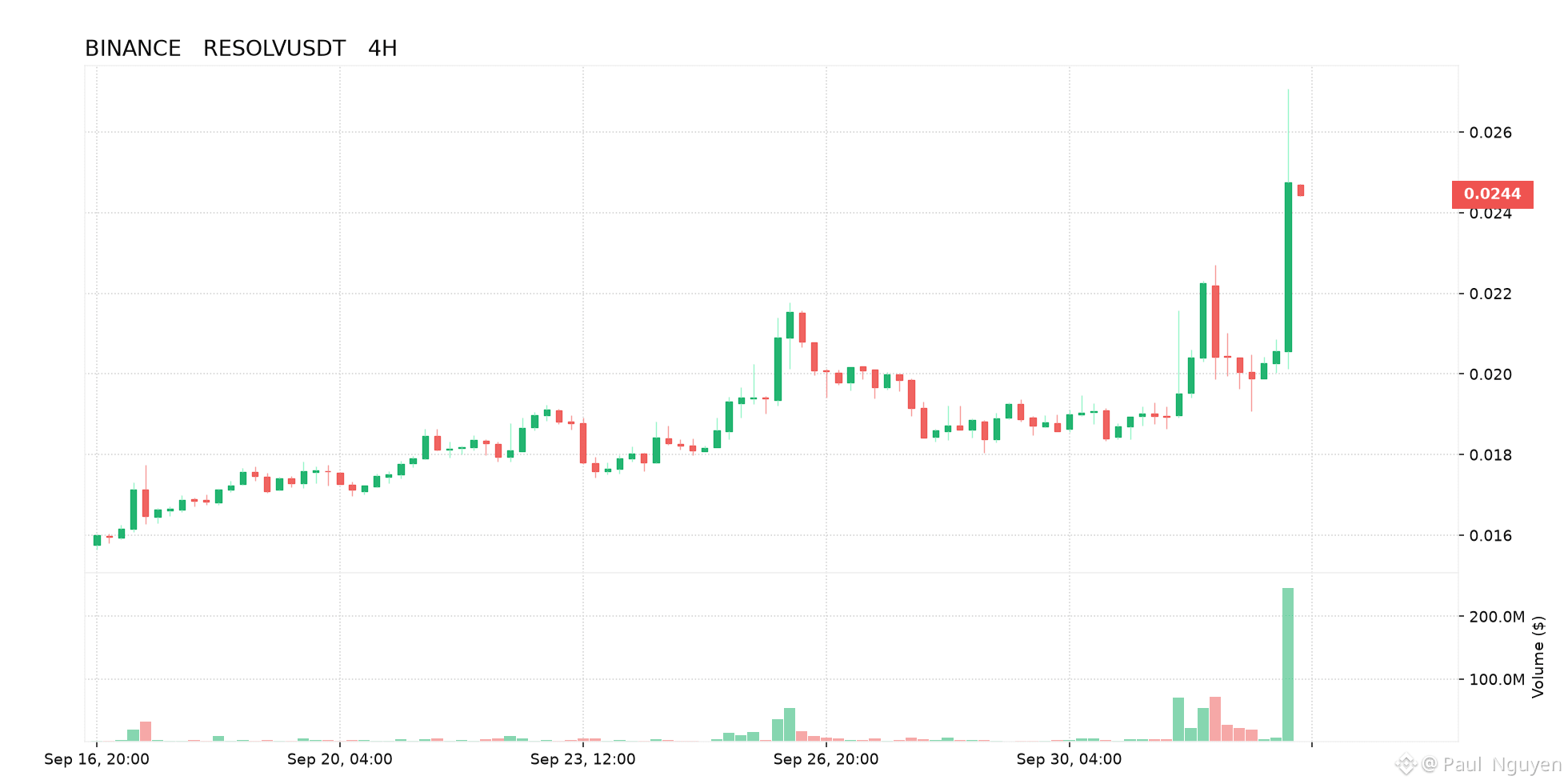
ZEC up ~40% past $800 on Binance! 🚀 Grayscale filed to turn its Zcash Trust into a spot ETF (BTC/ETH playbook). DCG adding 200K ZEC + futures frenzy. Privacy crypto is hot!
$ZEC #ZEC
Not a financial advice. Be responsible for your own financial decision.
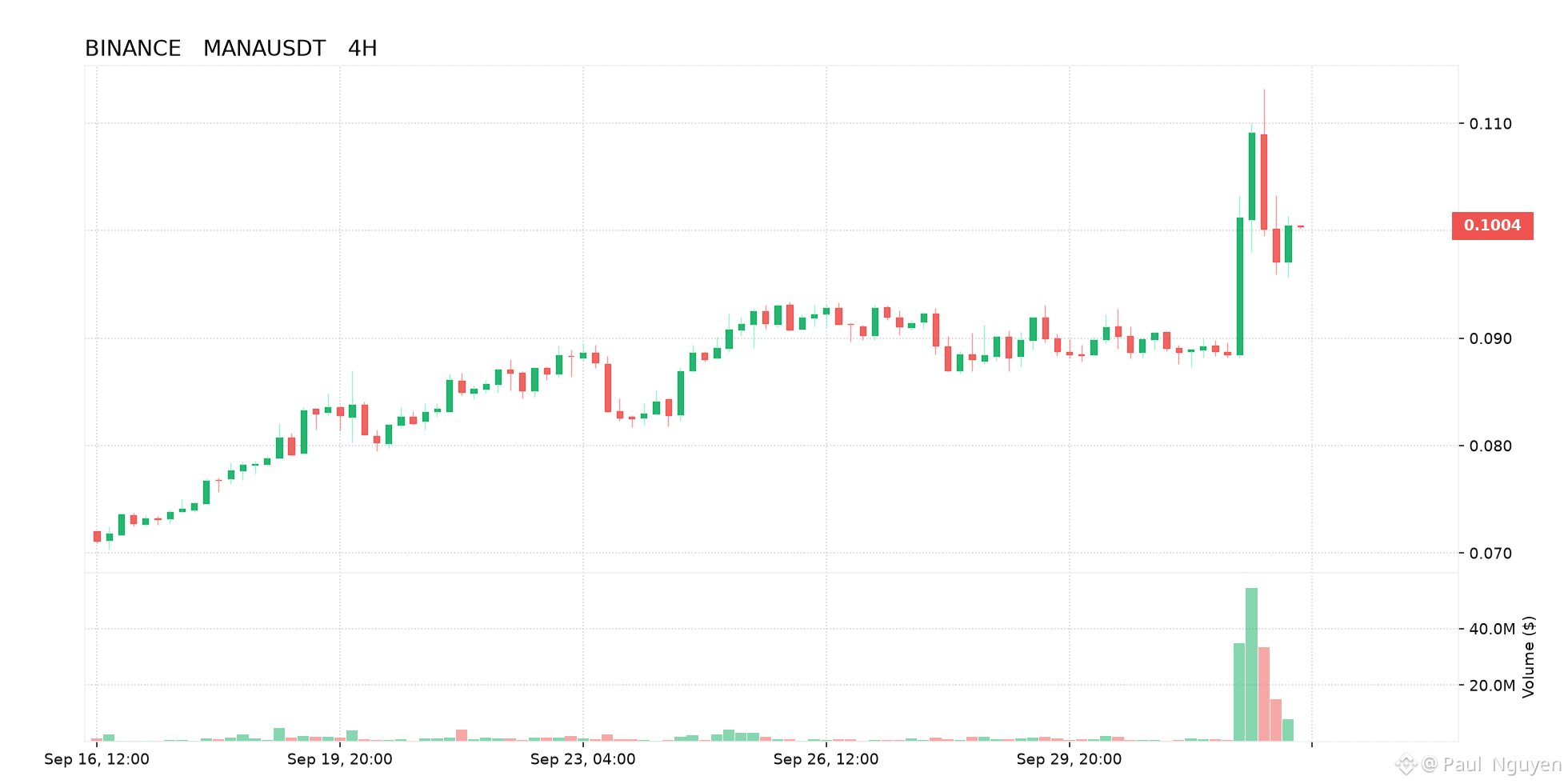
Every so often it's worth zooming all the way out and asking what a piece of infrastructure could mean in 10 years rather than what it means this quarter. If Dusk Network's approach to native issuance actually becomes a standard rail, meaning regulated securities get issued directly onchain with eligibility, disclosure, and settlement built into the asset itself rather than tokenized after the fact, the structural implications go well beyond one project's token or one exchange's balance sheet. Capital markets currently run on a patchwork of registrars, clearinghouses, and custodians built up over decades, each solving a narrow piece of the problem in isolation. Infrastructure that lets a security carry its own compliance logic from the moment of issuance is a different foundation entirely, not a faster version of the old one. It's grounded in present numbers too, not just a decade-out story. More than 50,000 investors already sit within reach across crypto and partner channels today, and over 210 million DUSK is staked securing the chain those future workflows would run on. Small compared to global capital markets, obviously, but not nothing for infrastructure this early in its own timeline. I want to resist the temptation to describe this as inevitable, because it isn't. This kind of shift depends on institutions and venues choosing to build on it, getting the specific authorizations required in each jurisdiction, and deciding the switch is worth the operational cost of moving off systems that, however clunky, already work well enough to keep markets running today. Dusk has real, concrete pieces in place already: working infrastructure and a partnership with a licensed exchange in NPEX, with a stated ambition north of 300 million euros in assets. That's a foundation. Foundations still need years of institutions building on top of them before anyone can call the vision realized rather than proposed. @Dusk_Foundation $DUSK #dusk
Every so often it's worth zooming all the way out and asking what a piece of infrastructure could mean in 10 years rather than what it means this quarter.

If Dusk Network's approach to native issuance actually becomes a standard rail, meaning regulated securities get issued directly onchain with eligibility, disclosure, and settlement built into the asset itself rather than tokenized after the fact, the structural implications go well beyond one project's token or one exchange's balance sheet. Capital markets currently run on a patchwork of registrars, clearinghouses, and custodians built up over decades, each solving a narrow piece of the problem in isolation. Infrastructure that lets a security carry its own compliance logic from the moment of issuance is a different foundation entirely, not a faster version of the old one.

It's grounded in present numbers too, not just a decade-out story. More than 50,000 investors already sit within reach across crypto and partner channels today, and over 210 million DUSK is staked securing the chain those future workflows would run on. Small compared to global capital markets, obviously, but not nothing for infrastructure this early in its own timeline.

I want to resist the temptation to describe this as inevitable, because it isn't. This kind of shift depends on institutions and venues choosing to build on it, getting the specific authorizations required in each jurisdiction, and deciding the switch is worth the operational cost of moving off systems that, however clunky, already work well enough to keep markets running today.

Dusk has real, concrete pieces in place already: working infrastructure and a partnership with a licensed exchange in NPEX, with a stated ambition north of 300 million euros in assets. That's a foundation. Foundations still need years of institutions building on top of them before anyone can call the vision realized rather than proposed.

@Dusk $DUSK #dusk
TRUMP just ripped ~93% in 24h, spiking past $3.40 on Binance. The spark: Trump's White House crypto summit, his CLARITY Act push, and plans to buy Bitcoin — igniting a broad relief rally. TRUMP, still ~97% off its ATH, is the top political meme beneficiary. $TRUMP #TRUMP Not a financial advice. Be responsible for your own financial decision.
TRUMP just ripped ~93% in 24h, spiking past $3.40 on Binance. The spark: Trump's White House crypto summit, his CLARITY Act push, and plans to buy Bitcoin — igniting a broad relief rally. TRUMP, still ~97% off its ATH, is the top political meme beneficiary.
$TRUMP #TRUMP
Not a financial advice. Be responsible for your own financial decision.
GALA +~30% in 24h — top Binance mover. GameFi rotation + real utility: GALA is GalaChain's gas token (50% burned), games now charge GALA fees. Post-hack dip recovered. 🎮 $GALA #GALA Not a financial advice. Be responsible for your own financial decision.
GALA +~30% in 24h — top Binance mover. GameFi rotation + real utility: GALA is GalaChain's gas token (50% burned), games now charge GALA fees. Post-hack dip recovered. 🎮
$GALA #GALA
Not a financial advice. Be responsible for your own financial decision.
ENA +65% this week 🔥 A $1B FalconX deal lets USDe back institutional loans + Arthur Hayes' "5-bagger" call. OI doubled to $237M. RSI ~94: hot, but overheated. $ENA #ENA Not a financial advice. Be responsible for your own financial decision.
ENA +65% this week 🔥 A $1B FalconX deal lets USDe back institutional loans + Arthur Hayes' "5-bagger" call. OI doubled to $237M. RSI ~94: hot, but overheated.
$ENA #ENA
Not a financial advice. Be responsible for your own financial decision.
I try not to get impressed by dashboards. Most crypto growth charts are built on incentives that disappear the moment rewards stop, and the number on screen usually says more about emission schedules than it does about actual underlying demand for the product itself. So when I look at the numbers behind TermMax, a decentralized protocol for fixed-rate lending and options trading, I try to ask the harder question first: is this organic, or is this just well-funded? The scale is real regardless of the answer. TermMax has crossed tens of millions of dollars in total value locked, built up well over a million registered wallets, and now sees tens of thousands of daily active users interacting with its markets across roughly ten chains. It reached this while still operating in a phase where the only reward on offer was points and a future token claim rather than a liquid, tradeable incentive people could cash out immediately. That last detail is what actually shifts my read on the organic-versus-incentivized question. Point programs still pull in incentive-driven activity, that's true of every protocol running one, but the absence of an immediately liquid reward filters out at least some of the purely mercenary capital that jumps to whatever farm pays out fastest. What's left skews slightly more toward users who found something about fixed-rate lending, tokenized collateral, or the vault system genuinely useful enough to show up for repeatedly. I don't think this proves long-term product-market fit on its own. Growth under a points program and growth after a live, sellable token are two genuinely different tests, and TermMax is only now stepping into the second one with its Token Generation Event approaching. Early traction earns attention. It doesn't yet answer the harder question of what happens after the incentive changes shape entirely. @termmax #TermMax
I try not to get impressed by dashboards. Most crypto growth charts are built on incentives that disappear the moment rewards stop, and the number on screen usually says more about emission schedules than it does about actual underlying demand for the product itself. So when I look at the numbers behind TermMax, a decentralized protocol for fixed-rate lending and options trading, I try to ask the harder question first: is this organic, or is this just well-funded?

The scale is real regardless of the answer. TermMax has crossed tens of millions of dollars in total value locked, built up well over a million registered wallets, and now sees tens of thousands of daily active users interacting with its markets across roughly ten chains. It reached this while still operating in a phase where the only reward on offer was points and a future token claim rather than a liquid, tradeable incentive people could cash out immediately.

That last detail is what actually shifts my read on the organic-versus-incentivized question. Point programs still pull in incentive-driven activity, that's true of every protocol running one, but the absence of an immediately liquid reward filters out at least some of the purely mercenary capital that jumps to whatever farm pays out fastest. What's left skews slightly more toward users who found something about fixed-rate lending, tokenized collateral, or the vault system genuinely useful enough to show up for repeatedly.

I don't think this proves long-term product-market fit on its own. Growth under a points program and growth after a live, sellable token are two genuinely different tests, and TermMax is only now stepping into the second one with its Token Generation Event approaching. Early traction earns attention. It doesn't yet answer the harder question of what happens after the incentive changes shape entirely.

@TermMax #TermMax
Every piece of infrastructure Dusk Network has built, the privacy layer, the licensing relationships, the settlement guarantees, eventually has to answer one plain question: where does an actual investor go to use any of it? The answer the team is building toward is Dusk Trade, an investment platform meant to be a single place to discover, buy, and sell tokenized stocks, bonds, funds, ETFs, money market funds, and other regulated instruments issued through partners like NPEX. The framing internally leans closer to a neobroker than a typical exchange, one built to give investors real ownership, instant settlement, and the kind of composability with the rest of DeFi that traditional brokerage rails were never designed for. The pitch is straightforward in a way I appreciate. Rather than asking investors to hunt across separate venues for each tokenized asset class, Dusk Trade is meant to consolidate discovery and execution into one interface, backed by the same confidential transaction and selective disclosure infrastructure running underneath the rest of the network. The initial asset list leans on inventory already tokenized through NPEX and 21X, so early access opens onto real instruments instead of a placeholder catalog. Right now, that is a waitlist, not a live trading venue with a visible order book or reportable volume. I think that distinction deserves more weight than it usually gets in project coverage, since a compelling interface mockup and a functioning secondary market are very different achievements. The harder question sitting underneath all of it is liquidity. Tokenized private securities are, by nature, less liquid than shares trading on a public exchange, and no amount of clean interface design manufactures buyers and sellers that were not already there. Dusk Trade can lower the friction of accessing regulated assets. It cannot conjure the depth of an active secondary market on its own, and that is the part worth watching once early access actually opens. @Dusk_Foundation $DUSK #dusk
Every piece of infrastructure Dusk Network has built, the privacy layer, the licensing relationships, the settlement guarantees, eventually has to answer one plain question: where does an actual investor go to use any of it? The answer the team is building toward is Dusk Trade, an investment platform meant to be a single place to discover, buy, and sell tokenized stocks, bonds, funds, ETFs, money market funds, and other regulated instruments issued through partners like NPEX. The framing internally leans closer to a neobroker than a typical exchange, one built to give investors real ownership, instant settlement, and the kind of composability with the rest of DeFi that traditional brokerage rails were never designed for.

The pitch is straightforward in a way I appreciate. Rather than asking investors to hunt across separate venues for each tokenized asset class, Dusk Trade is meant to consolidate discovery and execution into one interface, backed by the same confidential transaction and selective disclosure infrastructure running underneath the rest of the network. The initial asset list leans on inventory already tokenized through NPEX and 21X, so early access opens onto real instruments instead of a placeholder catalog.

Right now, that is a waitlist, not a live trading venue with a visible order book or reportable volume. I think that distinction deserves more weight than it usually gets in project coverage, since a compelling interface mockup and a functioning secondary market are very different achievements.

The harder question sitting underneath all of it is liquidity. Tokenized private securities are, by nature, less liquid than shares trading on a public exchange, and no amount of clean interface design manufactures buyers and sellers that were not already there. Dusk Trade can lower the friction of accessing regulated assets. It cannot conjure the depth of an active secondary market on its own, and that is the part worth watching once early access actually opens.

@Dusk $DUSK #dusk
PEOPLE +35% in 24h as BTC's $75K breakout reignited meme mania. The 2021 ConstitutionDAO relic rides nostalgia, election hype & whale buys — pure sentiment, no news. $PEOPLE #PEOPLE Not a financial advice. Be responsible for your own financial decision.
PEOPLE +35% in 24h as BTC's $75K breakout reignited meme mania. The 2021 ConstitutionDAO relic rides nostalgia, election hype & whale buys — pure sentiment, no news.
$PEOPLE #PEOPLE
Not a financial advice. Be responsible for your own financial decision.
$ONG +58% in 24h! Ontology's Aug 21 v3.1.2 hard fork adds Ethereum compatibility (Binance supports). Negative funding = short squeeze. 200M burn = tight supply. 🚀 $ONG #ONG Not a financial advice. Be responsible for your own financial decision.
$ONG +58% in 24h! Ontology's Aug 21 v3.1.2 hard fork adds Ethereum compatibility (Binance supports). Negative funding = short squeeze. 200M burn = tight supply. 🚀
$ONG #ONG
Not a financial advice. Be responsible for your own financial decision.
NEIRO +26% today! 🚀 Treasury buybacks + Trump's CLARITY push ignited a $3B short squeeze: BTC $70K, ETH +19%. Memes lead risk-on — whale-backed NEIRO soars. 🐕 $NEIRO #NEIRO Not a financial advice. Be responsible for your own financial decision.
NEIRO +26% today! 🚀 Treasury buybacks + Trump's CLARITY push ignited a $3B short squeeze: BTC $70K, ETH +19%. Memes lead risk-on — whale-backed NEIRO soars. 🐕
$NEIRO #NEIRO
Not a financial advice. Be responsible for your own financial decision.
Log in to explore more content
Join global crypto users on Binance Square
⚡️ Get latest and useful information about crypto.
💬 Trusted by the world’s largest crypto exchange.
👍 Discover real insights from verified creators.
Email / Phone number
Sitemap
Cookie Preferences
Platform T&Cs