
#dau
dau
2,023 views
27 Discussing
Hot
Latest

·
--
See translation
Căng thẳng quân sự giữa Mỹ và Iran leo thang kể từ cuối tháng 8 vừa qua đã chính thức đẩy giá dầu thô vượt ngưỡng tâm lý quan trọng 100 USD/thùng. Diễn biến này buộc Ngân hàng Trung ương châu Âu (ECB) phải chuẩn bị cho đợt tăng lãi suất tiếp theo từ mức 2,25% lên 2,50% trong cuộc họp chính sách diễn ra vào thứ Năm tới nhằm kiềm chế rủi ro lạm phát đang bùng phát trở lại.
Cú sốc năng lượng trên 100 USD đang trực tiếp đảo ngược kỳ vọng nới lỏng tiền tệ toàn cầu. Khi chi phí đầu vào tăng vọt, nguy cơ lạm phát đình trệ (stagflation) tại khu vực đồng Euro gia tăng rõ rệt, buộc các nhà hoạch định chính sách phải duy trì lập trường thắt chặt kéo dài hơn dự kiến thay vì sớm cắt giảm lãi suất.
Trên thị trường tài chính truyền thống, áp lực bán tháo trái phiếu chính phủ có thể gia tăng khiến lợi suất leo dốc, đồng thời thúc đẩy dòng tiền trú ẩn quay lại đồng USD và vàng. Mặt bằng lãi suất neo cao trong bối cảnh tăng trưởng suy yếu sẽ gây sức ép nặng nề lên định giá của các tài sản rủi ro như cổ phiếu công nghệ.
Đối với thị trường crypto, môi trường thanh khoản bị siết chặt thường là rào cản lớn cho dòng vốn đầu cơ. Trong ngắn hạn, $BTC và các altcoin có thể đối mặt với những nhịp điều chỉnh sâu khi khẩu vị rủi ro suy giảm, buộc nhà đầu tư phải thận trọng quản trị vị thế trước các biến số vĩ mô khó lường. 🛢️
#dau #lai_suat #ECB
Căng thẳng quân sự giữa Mỹ và Iran leo thang kể từ cuối tháng 8 vừa qua đã chính thức đẩy giá dầu thô vượt ngưỡng tâm lý quan trọng 100 USD/thùng. Diễn biến này buộc Ngân hàng Trung ương châu Âu (ECB) phải chuẩn bị cho đợt tăng lãi suất tiếp theo từ mức 2,25% lên 2,50% trong cuộc họp chính sách diễn ra vào thứ Năm tới nhằm kiềm chế rủi ro lạm phát đang bùng phát trở lại.
Cú sốc năng lượng trên 100 USD đang trực tiếp đảo ngược kỳ vọng nới lỏng tiền tệ toàn cầu. Khi chi phí đầu vào tăng vọt, nguy cơ lạm phát đình trệ (stagflation) tại khu vực đồng Euro gia tăng rõ rệt, buộc các nhà hoạch định chính sách phải duy trì lập trường thắt chặt kéo dài hơn dự kiến thay vì sớm cắt giảm lãi suất.
Trên thị trường tài chính truyền thống, áp lực bán tháo trái phiếu chính phủ có thể gia tăng khiến lợi suất leo dốc, đồng thời thúc đẩy dòng tiền trú ẩn quay lại đồng USD và vàng. Mặt bằng lãi suất neo cao trong bối cảnh tăng trưởng suy yếu sẽ gây sức ép nặng nề lên định giá của các tài sản rủi ro như cổ phiếu công nghệ.
Đối với thị trường crypto, môi trường thanh khoản bị siết chặt thường là rào cản lớn cho dòng vốn đầu cơ. Trong ngắn hạn, $BTC và các altcoin có thể đối mặt với những nhịp điều chỉnh sâu khi khẩu vị rủi ro suy giảm, buộc nhà đầu tư phải thận trọng quản trị vị thế trước các biến số vĩ mô khó lường. 🛢️
#dau #lai_suat #ECB
Cú sốc năng lượng trên 100 USD đang trực tiếp đảo ngược kỳ vọng nới lỏng tiền tệ toàn cầu. Khi chi phí đầu vào tăng vọt, nguy cơ lạm phát đình trệ (stagflation) tại khu vực đồng Euro gia tăng rõ rệt, buộc các nhà hoạch định chính sách phải duy trì lập trường thắt chặt kéo dài hơn dự kiến thay vì sớm cắt giảm lãi suất.
Trên thị trường tài chính truyền thống, áp lực bán tháo trái phiếu chính phủ có thể gia tăng khiến lợi suất leo dốc, đồng thời thúc đẩy dòng tiền trú ẩn quay lại đồng USD và vàng. Mặt bằng lãi suất neo cao trong bối cảnh tăng trưởng suy yếu sẽ gây sức ép nặng nề lên định giá của các tài sản rủi ro như cổ phiếu công nghệ.
Đối với thị trường crypto, môi trường thanh khoản bị siết chặt thường là rào cản lớn cho dòng vốn đầu cơ. Trong ngắn hạn, $BTC và các altcoin có thể đối mặt với những nhịp điều chỉnh sâu khi khẩu vị rủi ro suy giảm, buộc nhà đầu tư phải thận trọng quản trị vị thế trước các biến số vĩ mô khó lường. 🛢️
#dau #lai_suat #ECB
98
·
--
The global energy market has just recorded very strong fluctuations as the price of natural gas in Europe officially broke above the 80 euro/MWh mark for the first time since the beginning of 2023. At the same time, the price of WTI crude oil also jumped 2.00% during the day, reaching 96.14 USD per barrel, reflecting growing concerns about the risk of tighter energy supply.
This development is especially important because energy is a core factor that directly drives the global inflation index. With both oil and gas simultaneously setting new high price milestones, inflationary pressure is set to flare up again, completely overturning the market’s expectations regarding the interest-rate cut path of major central banks.
For financial markets in general, rising energy costs often go hand in hand with the upward trend of the US dollar and US government bond yields, thereby exerting downward pressure on stock markets. When companies’ input costs increase sharply, the risk of a stagflationary economic slowdown is once again placed on the balance.
For the crypto market, a tightening macro environment and a risk-avoidance mindset will directly slow the flow of new capital into $BTC. When investors prioritize capital preservation under inflation pressure, the crypto market in the short term may face sharp correction waves and significant differentiation driven by macro liquidity. ⚡
#dau #khi_dot #inflation
The global energy market has just recorded very strong fluctuations as the price of natural gas in Europe officially broke above the 80 euro/MWh mark for the first time since the beginning of 2023. At the same time, the price of WTI crude oil also jumped 2.00% during the day, reaching 96.14 USD per barrel, reflecting growing concerns about the risk of tighter energy supply.
This development is especially important because energy is a core factor that directly drives the global inflation index. With both oil and gas simultaneously setting new high price milestones, inflationary pressure is set to flare up again, completely overturning the market’s expectations regarding the interest-rate cut path of major central banks.
For financial markets in general, rising energy costs often go hand in hand with the upward trend of the US dollar and US government bond yields, thereby exerting downward pressure on stock markets. When companies’ input costs increase sharply, the risk of a stagflationary economic slowdown is once again placed on the balance.
For the crypto market, a tightening macro environment and a risk-avoidance mindset will directly slow the flow of new capital into $BTC . When investors prioritize capital preservation under inflation pressure, the crypto market in the short term may face sharp correction waves and significant differentiation driven by macro liquidity. ⚡
#dau #khi_dot #inflation
This development is especially important because energy is a core factor that directly drives the global inflation index. With both oil and gas simultaneously setting new high price milestones, inflationary pressure is set to flare up again, completely overturning the market’s expectations regarding the interest-rate cut path of major central banks.
For financial markets in general, rising energy costs often go hand in hand with the upward trend of the US dollar and US government bond yields, thereby exerting downward pressure on stock markets. When companies’ input costs increase sharply, the risk of a stagflationary economic slowdown is once again placed on the balance.
For the crypto market, a tightening macro environment and a risk-avoidance mindset will directly slow the flow of new capital into $BTC . When investors prioritize capital preservation under inflation pressure, the crypto market in the short term may face sharp correction waves and significant differentiation driven by macro liquidity. ⚡
#dau #khi_dot #inflation
122
·
--
The global energy market has just witnessed an important milestone, as the Brent crude futures contract price officially touched the $100 per barrel threshold in today’s trading session—marking the first time it has returned to this psychological level since the end of July.
The return to the $100 mark is not only symbolic, but also signals that input costs are rising on a global scale. This directly threatens efforts to curb inflation by major central banks, especially as bond-market expectations are looking for a clearer path to easing interest rates in the latter half of the year.
In traditional financial markets, crude prices strengthening further tends to stoke bullish sentiment, lift government bond yields and the U.S. dollar index, while putting downward pressure on global stock markets. Higher energy costs may also slow economic growth and force the Fed to keep monetary policy tighter for longer.
For the crypto market, renewed inflation pressure means global liquidity will likely remain tight, causing capital to continue to be cautious toward risky assets such as $BTC kho, which could potentially surge sharply in the short term. Investors should stay alert to unexpected macro-market fluctuations, as inflation risks remain elevated and visible.
#dau #nang_luong #inflation
The global energy market has just witnessed an important milestone, as the Brent crude futures contract price officially touched the $100 per barrel threshold in today’s trading session—marking the first time it has returned to this psychological level since the end of July.
The return to the $100 mark is not only symbolic, but also signals that input costs are rising on a global scale. This directly threatens efforts to curb inflation by major central banks, especially as bond-market expectations are looking for a clearer path to easing interest rates in the latter half of the year.
In traditional financial markets, crude prices strengthening further tends to stoke bullish sentiment, lift government bond yields and the U.S. dollar index, while putting downward pressure on global stock markets. Higher energy costs may also slow economic growth and force the Fed to keep monetary policy tighter for longer.
For the crypto market, renewed inflation pressure means global liquidity will likely remain tight, causing capital to continue to be cautious toward risky assets such as $BTC kho, which could potentially surge sharply in the short term. Investors should stay alert to unexpected macro-market fluctuations, as inflation risks remain elevated and visible.
#dau #nang_luong #inflation
The return to the $100 mark is not only symbolic, but also signals that input costs are rising on a global scale. This directly threatens efforts to curb inflation by major central banks, especially as bond-market expectations are looking for a clearer path to easing interest rates in the latter half of the year.
In traditional financial markets, crude prices strengthening further tends to stoke bullish sentiment, lift government bond yields and the U.S. dollar index, while putting downward pressure on global stock markets. Higher energy costs may also slow economic growth and force the Fed to keep monetary policy tighter for longer.
For the crypto market, renewed inflation pressure means global liquidity will likely remain tight, causing capital to continue to be cautious toward risky assets such as $BTC kho, which could potentially surge sharply in the short term. Investors should stay alert to unexpected macro-market fluctuations, as inflation risks remain elevated and visible.
#dau #nang_luong #inflation
·
--
The global energy market has just witnessed a notable surge, with Brent crude prices rising sharply by 2.00% during the day, climbing to 97.69 USD per barrel. This move is occurring amid a backdrop of ongoing economic, trade, and geopolitical uncertainties, especially amid new market-moving developments tied to the latest actions concerning U.S. President Donald Trump’s moves related to the chain of sanctions involving the North American region.
Brent’s approach toward the 100 USD per barrel mark is a major warning sign for the macroeconomic outlook. Energy prices remaining at unusually high levels versus expectations would immediately show up in transportation and production costs, creating pressure that could cause inflation to rebound strongly and directly threaten the interest-rate-cut plans of major central banks.
For traditional financial markets, the steep jump in oil prices comes with growing concerns about persistent, escalating inflationary pressures. This tends to push U.S. Treasury bond yields higher, while the DXY index receives solid support. As a result, global stock markets may come under renewed strain as investors lean back from risk and start to fear a scenario in which rates are kept at high levels for longer.
Meanwhile, in the crypto market, capital inflows into early coins total $BTC , and altcoins could temporarily see their range narrowed amid increasing tariff risks of a global downturn. However, if inflation pressures continue to intensify and prolong, Bitcoin could still benefit over the medium term thanks to its role as a hedge against the erosion of purchasing power. 📊
#dau #nang_luong #vi_mo
The global energy market has just witnessed a notable surge, with Brent crude prices rising sharply by 2.00% during the day, climbing to 97.69 USD per barrel. This move is occurring amid a backdrop of ongoing economic, trade, and geopolitical uncertainties, especially amid new market-moving developments tied to the latest actions concerning U.S. President Donald Trump’s moves related to the chain of sanctions involving the North American region.
Brent’s approach toward the 100 USD per barrel mark is a major warning sign for the macroeconomic outlook. Energy prices remaining at unusually high levels versus expectations would immediately show up in transportation and production costs, creating pressure that could cause inflation to rebound strongly and directly threaten the interest-rate-cut plans of major central banks.
For traditional financial markets, the steep jump in oil prices comes with growing concerns about persistent, escalating inflationary pressures. This tends to push U.S. Treasury bond yields higher, while the DXY index receives solid support. As a result, global stock markets may come under renewed strain as investors lean back from risk and start to fear a scenario in which rates are kept at high levels for longer.
Meanwhile, in the crypto market, capital inflows into early coins total $BTC , and altcoins could temporarily see their range narrowed amid increasing tariff risks of a global downturn. However, if inflation pressures continue to intensify and prolong, Bitcoin could still benefit over the medium term thanks to its role as a hedge against the erosion of purchasing power. 📊
#dau #nang_luong #vi_mo
Brent’s approach toward the 100 USD per barrel mark is a major warning sign for the macroeconomic outlook. Energy prices remaining at unusually high levels versus expectations would immediately show up in transportation and production costs, creating pressure that could cause inflation to rebound strongly and directly threaten the interest-rate-cut plans of major central banks.
For traditional financial markets, the steep jump in oil prices comes with growing concerns about persistent, escalating inflationary pressures. This tends to push U.S. Treasury bond yields higher, while the DXY index receives solid support. As a result, global stock markets may come under renewed strain as investors lean back from risk and start to fear a scenario in which rates are kept at high levels for longer.
Meanwhile, in the crypto market, capital inflows into early coins total $BTC , and altcoins could temporarily see their range narrowed amid increasing tariff risks of a global downturn. However, if inflation pressures continue to intensify and prolong, Bitcoin could still benefit over the medium term thanks to its role as a hedge against the erosion of purchasing power. 📊
#dau #nang_luong #vi_mo
116
·
--
The Iranian Islamic Revolutionary Guard Corps (IRGC) has just issued a statement saying it has seized an unmanned submarine belonging to the U.S. military in an area near the entrance to the Strait of Hormuz. Iran claims the vessel is still under its control and will soon release evidence-related photos.
This move immediately reignites tensions in the Strait of Hormuz, a vital maritime shipping route accounting for about 20% of the world’s oil consumption. Any direct military incident between the U.S. and Iran in this area raises concerns about the risk of disruptions to the energy supply chain, especially as regional diplomatic negotiations have yet to achieve a solid breakthrough.
In financial markets, rising geopolitical risk often triggers a defensive mindset right away. Crude oil prices are prone to sharp spikes as maritime transport risk premiums climb, which in turn puts pressure on inflation to return and forces central banks to be more cautious in their monetary easing path. The U.S. dollar and gold are likely to benefit from capital flowing into safe havens.
For the crypto market, unexpected geopolitical conflicts often lead to short-term sell-offs due to widespread deleveraging pressure. Although $BTC is gradually establishing itself as an independent asset, negative volatility from the energy and global stock markets could still cause speculative capital to temporarily withdraw as it waits for the next developments from both sides. 📍
#iran #dia_chinh_tri #dau
The Iranian Islamic Revolutionary Guard Corps (IRGC) has just issued a statement saying it has seized an unmanned submarine belonging to the U.S. military in an area near the entrance to the Strait of Hormuz. Iran claims the vessel is still under its control and will soon release evidence-related photos.
This move immediately reignites tensions in the Strait of Hormuz, a vital maritime shipping route accounting for about 20% of the world’s oil consumption. Any direct military incident between the U.S. and Iran in this area raises concerns about the risk of disruptions to the energy supply chain, especially as regional diplomatic negotiations have yet to achieve a solid breakthrough.
In financial markets, rising geopolitical risk often triggers a defensive mindset right away. Crude oil prices are prone to sharp spikes as maritime transport risk premiums climb, which in turn puts pressure on inflation to return and forces central banks to be more cautious in their monetary easing path. The U.S. dollar and gold are likely to benefit from capital flowing into safe havens.
For the crypto market, unexpected geopolitical conflicts often lead to short-term sell-offs due to widespread deleveraging pressure. Although $BTC is gradually establishing itself as an independent asset, negative volatility from the energy and global stock markets could still cause speculative capital to temporarily withdraw as it waits for the next developments from both sides. 📍
#iran #dia_chinh_tri #dau
This move immediately reignites tensions in the Strait of Hormuz, a vital maritime shipping route accounting for about 20% of the world’s oil consumption. Any direct military incident between the U.S. and Iran in this area raises concerns about the risk of disruptions to the energy supply chain, especially as regional diplomatic negotiations have yet to achieve a solid breakthrough.
In financial markets, rising geopolitical risk often triggers a defensive mindset right away. Crude oil prices are prone to sharp spikes as maritime transport risk premiums climb, which in turn puts pressure on inflation to return and forces central banks to be more cautious in their monetary easing path. The U.S. dollar and gold are likely to benefit from capital flowing into safe havens.
For the crypto market, unexpected geopolitical conflicts often lead to short-term sell-offs due to widespread deleveraging pressure. Although $BTC is gradually establishing itself as an independent asset, negative volatility from the energy and global stock markets could still cause speculative capital to temporarily withdraw as it waits for the next developments from both sides. 📍
#iran #dia_chinh_tri #dau
127
·
--
The global energy market on Friday witnessed a strong surge as geopolitical tensions between the U.S. and Iran in the Middle East escalated seriously. From the start of the week, Brent crude oil prices have risen 7.6% and WTI jumped 10.4%, on track for the strongest weekly gain since mid-July. Amid the risk of supply disruptions, ANZ bank raised its short-term forecast for Brent crude to 95 USD per barrel.
This price increase reflects fears that supply from the oil heartland of the Middle East could be choked off as the inventory buffer gradually runs out. The renewed rise in energy prices directly threatens the global inflation-cooling process, making the scenario of easing monetary policy by major central banks more challenging than expected.
For traditional financial markets, inflation pressure from oil prices will keep bond yields and the U.S. dollar at high levels, creating broad risk-averse sentiment. Gold and oil continue to attract safe-haven inflows, while the stock market faces the risk of correction as businesses’ input costs rise.
As for crypto, $BTC and risky assets often come under short-term sell pressure whenever geopolitical conflicts unexpectedly flare up. That said, if tensions persist and lead to macroeconomic instability and a decline in confidence in fiat currency, Bitcoin could soon regain its position as an alternative store of value.
#dau #trung_dong #macro_economy
The global energy market on Friday witnessed a strong surge as geopolitical tensions between the U.S. and Iran in the Middle East escalated seriously. From the start of the week, Brent crude oil prices have risen 7.6% and WTI jumped 10.4%, on track for the strongest weekly gain since mid-July. Amid the risk of supply disruptions, ANZ bank raised its short-term forecast for Brent crude to 95 USD per barrel.
This price increase reflects fears that supply from the oil heartland of the Middle East could be choked off as the inventory buffer gradually runs out. The renewed rise in energy prices directly threatens the global inflation-cooling process, making the scenario of easing monetary policy by major central banks more challenging than expected.
For traditional financial markets, inflation pressure from oil prices will keep bond yields and the U.S. dollar at high levels, creating broad risk-averse sentiment. Gold and oil continue to attract safe-haven inflows, while the stock market faces the risk of correction as businesses’ input costs rise.
As for crypto, $BTC and risky assets often come under short-term sell pressure whenever geopolitical conflicts unexpectedly flare up. That said, if tensions persist and lead to macroeconomic instability and a decline in confidence in fiat currency, Bitcoin could soon regain its position as an alternative store of value.
#dau #trung_dong #macro_economy
This price increase reflects fears that supply from the oil heartland of the Middle East could be choked off as the inventory buffer gradually runs out. The renewed rise in energy prices directly threatens the global inflation-cooling process, making the scenario of easing monetary policy by major central banks more challenging than expected.
For traditional financial markets, inflation pressure from oil prices will keep bond yields and the U.S. dollar at high levels, creating broad risk-averse sentiment. Gold and oil continue to attract safe-haven inflows, while the stock market faces the risk of correction as businesses’ input costs rise.
As for crypto, $BTC and risky assets often come under short-term sell pressure whenever geopolitical conflicts unexpectedly flare up. That said, if tensions persist and lead to macroeconomic instability and a decline in confidence in fiat currency, Bitcoin could soon regain its position as an alternative store of value.
#dau #trung_dong #macro_economy
212
·
--
The global energy market has just witnessed a strong upward session as both WTI and Brent crude oil prices rose together by more than 1% on the day, sequentially breaking through the key levels of USD 90.01 per barrel and USD 95.26 per barrel.
The rebound in front-month oil prices is occurring amid concerns about supply tightness and ongoing geopolitical tensions that continue to drive gains. Keeping oil prices at elevated levels above the 90–95 USD per barrel range is creating very strong pressure on global inflation, especially overall inflation (headline CPI) in the US and Europe, which has already shown signs of cooling recently.
This volatility directly affects markets as US government bond yields and the US dollar (DXY) may rebound strongly ahead of expectations that the Fed will have to keep interest rates high for longer to curb consumer price growth. Stocks and other risky assets therefore face significant adjustment pressure.
For the crypto market in particular, higher energy prices often serve as a short-term negative signal due to risk-avoidance sentiment as capital tends to move away from highly volatile assets such as $BTC and Altcoins in search of safer havens, while expectations for the soonest interest-rate cut become even more distant.
#dau #nang_luong #lam_phat
The global energy market has just witnessed a strong upward session as both WTI and Brent crude oil prices rose together by more than 1% on the day, sequentially breaking through the key levels of USD 90.01 per barrel and USD 95.26 per barrel.
The rebound in front-month oil prices is occurring amid concerns about supply tightness and ongoing geopolitical tensions that continue to drive gains. Keeping oil prices at elevated levels above the 90–95 USD per barrel range is creating very strong pressure on global inflation, especially overall inflation (headline CPI) in the US and Europe, which has already shown signs of cooling recently.
This volatility directly affects markets as US government bond yields and the US dollar (DXY) may rebound strongly ahead of expectations that the Fed will have to keep interest rates high for longer to curb consumer price growth. Stocks and other risky assets therefore face significant adjustment pressure.
For the crypto market in particular, higher energy prices often serve as a short-term negative signal due to risk-avoidance sentiment as capital tends to move away from highly volatile assets such as $BTC and Altcoins in search of safer havens, while expectations for the soonest interest-rate cut become even more distant.
#dau #nang_luong #lam_phat
The rebound in front-month oil prices is occurring amid concerns about supply tightness and ongoing geopolitical tensions that continue to drive gains. Keeping oil prices at elevated levels above the 90–95 USD per barrel range is creating very strong pressure on global inflation, especially overall inflation (headline CPI) in the US and Europe, which has already shown signs of cooling recently.
This volatility directly affects markets as US government bond yields and the US dollar (DXY) may rebound strongly ahead of expectations that the Fed will have to keep interest rates high for longer to curb consumer price growth. Stocks and other risky assets therefore face significant adjustment pressure.
For the crypto market in particular, higher energy prices often serve as a short-term negative signal due to risk-avoidance sentiment as capital tends to move away from highly volatile assets such as $BTC and Altcoins in search of safer havens, while expectations for the soonest interest-rate cut become even more distant.
#dau #nang_luong #lam_phat
54
·
--
Marine transport data from Vortexa and Kpler has just recorded a sharp drop in Saudi Arabia’s crude oil exports in August to about 3 million barrels per day, hitting the lowest level in 9 years. The direct cause is the consecutive attacks by the Houthi forces on cargo ships in the Red Sea, which severely threatens the alternative shipping route via the Strait of Hormuz and leads customers to refuse to dock in the region.
The decline in supply from the world’s largest exporter occurs right when the global energy market is extremely sensitive. Oil tanker fleets being forced to divert around the Cape of Good Hope in Africa adds thousands of miles to the journey, pushes up freight and insurance costs, and increases pressure for supply-chain disruptions.
This volatility directly fuels the risk of cost-push inflation. Keeping energy prices high will require major central banks, especially the Fed, to be more cautious in their monetary easing path, thereby supporting the USD’s strength and putting pressure on government bond yields.
For the crypto market, geopolitical instability and concerns about inflation returning could curb risky capital flows in the short term. $BTC c may face adjustment pressure if risk-off sentiment spreads, requiring investors to closely monitor key hard support levels before confirming the next trend.
#dau #diachinhtri #kinhtevimo
Marine transport data from Vortexa and Kpler has just recorded a sharp drop in Saudi Arabia’s crude oil exports in August to about 3 million barrels per day, hitting the lowest level in 9 years. The direct cause is the consecutive attacks by the Houthi forces on cargo ships in the Red Sea, which severely threatens the alternative shipping route via the Strait of Hormuz and leads customers to refuse to dock in the region.
The decline in supply from the world’s largest exporter occurs right when the global energy market is extremely sensitive. Oil tanker fleets being forced to divert around the Cape of Good Hope in Africa adds thousands of miles to the journey, pushes up freight and insurance costs, and increases pressure for supply-chain disruptions.
This volatility directly fuels the risk of cost-push inflation. Keeping energy prices high will require major central banks, especially the Fed, to be more cautious in their monetary easing path, thereby supporting the USD’s strength and putting pressure on government bond yields.
For the crypto market, geopolitical instability and concerns about inflation returning could curb risky capital flows in the short term. $BTC c may face adjustment pressure if risk-off sentiment spreads, requiring investors to closely monitor key hard support levels before confirming the next trend.
#dau #diachinhtri #kinhtevimo
The decline in supply from the world’s largest exporter occurs right when the global energy market is extremely sensitive. Oil tanker fleets being forced to divert around the Cape of Good Hope in Africa adds thousands of miles to the journey, pushes up freight and insurance costs, and increases pressure for supply-chain disruptions.
This volatility directly fuels the risk of cost-push inflation. Keeping energy prices high will require major central banks, especially the Fed, to be more cautious in their monetary easing path, thereby supporting the USD’s strength and putting pressure on government bond yields.
For the crypto market, geopolitical instability and concerns about inflation returning could curb risky capital flows in the short term. $BTC c may face adjustment pressure if risk-off sentiment spreads, requiring investors to closely monitor key hard support levels before confirming the next trend.
#dau #diachinhtri #kinhtevimo
127

·
--
Solana has steadily added 1.5 million daily active users each month over the past three months, and this growth curve is indeed impressive.
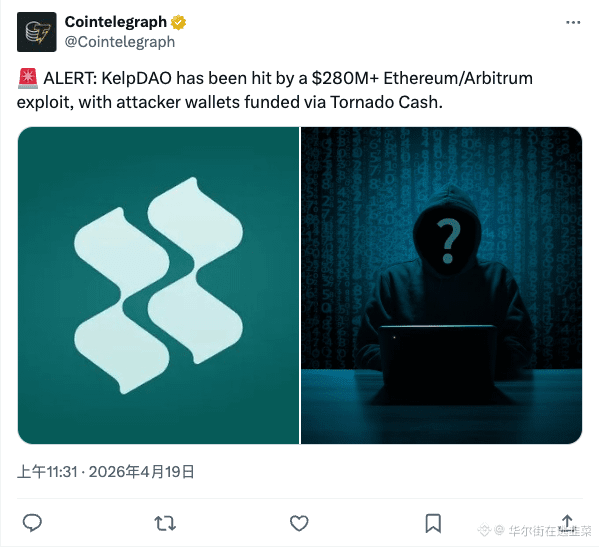
The on-chain activity doesn't lie; the increase in SOL ecosystem users is significantly ahead of others. After breaking it down, it’s likely that this wave of meme frenzy combined with the expectations of airdrops from several core protocols has fully locked in both seasoned investors and script studios on-chain. Now the key is to watch the network's capacity; with such high-frequency interactions and minimal downtime, it shows that the underlying optimizations have indeed been effective. However, if most of these DAUs are just here for the “reward” and are opportunistic users, the retention rate is likely to take a hit once the reality sets in. KelpDAO was just hacked on Ethereum and Arbitrum, suffering losses exceeding $280 million, with the attacker’s initial funds all coming from Tornado Cash.
This wave has the familiar flavor of “precision bombing.” $280 million is no small amount, and KelpDAO’s Restaking narrative has now gone straight to the ICU. On-chain data shows the attackers are still quickly laundering money, operating with a skill that’s quite concerning. For security gaps of this magnitude, the project team simply cannot patch it in the short term, and a TVL collapse is almost a certainty.
Seasoned investors still need to be wary of the combinatorial risks of such protocols; if authorization needs to be revoked, do it promptly and don’t wait until it’s too late to check the books. Was this wave due to a code logic flaw or a permissions leak? What does everyone think, does this project still have a chance at resurrection? #KelpDAO #Security #Exploit #DeFi $ETH $ARB
{future}(ARBUSDT)
{future}(ETHUSDT)
.
Brothers, are you currently chasing meme coins on-chain, or are you trying to cash out on airdrops? #Solana #Crypto #DAU $SOL
{future}(SOLUSDT)
Solana has steadily added 1.5 million daily active users each month over the past three months, and this growth curve is indeed impressive.
The on-chain activity doesn't lie; the increase in SOL ecosystem users is significantly ahead of others. After breaking it down, it’s likely that this wave of meme frenzy combined with the expectations of airdrops from several core protocols has fully locked in both seasoned investors and script studios on-chain. Now the key is to watch the network's capacity; with such high-frequency interactions and minimal downtime, it shows that the underlying optimizations have indeed been effective. However, if most of these DAUs are just here for the “reward” and are opportunistic users, the retention rate is likely to take a hit once the reality sets in. KelpDAO was just hacked on Ethereum and Arbitrum, suffering losses exceeding $280 million, with the attacker’s initial funds all coming from Tornado Cash.
This wave has the familiar flavor of “precision bombing.” $280 million is no small amount, and KelpDAO’s Restaking narrative has now gone straight to the ICU. On-chain data shows the attackers are still quickly laundering money, operating with a skill that’s quite concerning. For security gaps of this magnitude, the project team simply cannot patch it in the short term, and a TVL collapse is almost a certainty.
Seasoned investors still need to be wary of the combinatorial risks of such protocols; if authorization needs to be revoked, do it promptly and don’t wait until it’s too late to check the books. Was this wave due to a code logic flaw or a permissions leak? What does everyone think, does this project still have a chance at resurrection? #KelpDAO #Security #Exploit #DeFi $ETH $ARB
.
Brothers, are you currently chasing meme coins on-chain, or are you trying to cash out on airdrops? #Solana #Crypto #DAU $SOL
The on-chain activity doesn't lie; the increase in SOL ecosystem users is significantly ahead of others. After breaking it down, it’s likely that this wave of meme frenzy combined with the expectations of airdrops from several core protocols has fully locked in both seasoned investors and script studios on-chain. Now the key is to watch the network's capacity; with such high-frequency interactions and minimal downtime, it shows that the underlying optimizations have indeed been effective. However, if most of these DAUs are just here for the “reward” and are opportunistic users, the retention rate is likely to take a hit once the reality sets in. KelpDAO was just hacked on Ethereum and Arbitrum, suffering losses exceeding $280 million, with the attacker’s initial funds all coming from Tornado Cash.
This wave has the familiar flavor of “precision bombing.” $280 million is no small amount, and KelpDAO’s Restaking narrative has now gone straight to the ICU. On-chain data shows the attackers are still quickly laundering money, operating with a skill that’s quite concerning. For security gaps of this magnitude, the project team simply cannot patch it in the short term, and a TVL collapse is almost a certainty.
Seasoned investors still need to be wary of the combinatorial risks of such protocols; if authorization needs to be revoked, do it promptly and don’t wait until it’s too late to check the books. Was this wave due to a code logic flaw or a permissions leak? What does everyone think, does this project still have a chance at resurrection? #KelpDAO #Security #Exploit #DeFi $ETH $ARB
.
Brothers, are you currently chasing meme coins on-chain, or are you trying to cash out on airdrops? #Solana #Crypto #DAU $SOL
227


·
--
🔥 INSANE ALERT: HyperLiquid DOMINATES the Perpetual Market! 🚀
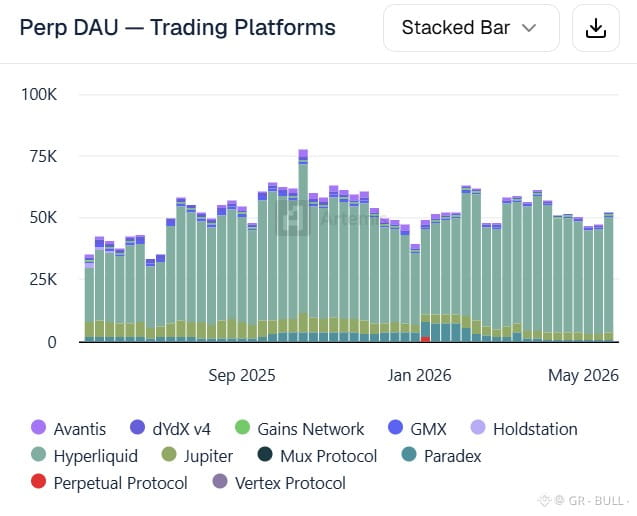
Did you know? HyperLiquid now controls a staggering 90% of Perp Daily Active Users (DAU)! That’s right – nearly the entire active trading crowd in the perpetual derivatives space is on HyperLiquid.
💥 What this means:
Massive liquidity advantage – trades execute faster, slippage nearly ZERO.
Market influence – HyperLiquid is shaping Perp prices like never before.
Institutional attention – Big players are now eyeing the platform for strategic moves.
📈 For traders, this is HUGE: being on HyperLiquid means access to the most active order books and the tightest spreads in the market.
⚡ The takeaway: HyperLiquid isn’t just a platform – it’s becoming the beating heart of Perp trading. Miss it, and you miss the pulse of the market.
#HyperLiquid #CryptoDominance #PerpetualTrading #DAU #CryptoRevolution" $DAU
🔥 INSANE ALERT: HyperLiquid DOMINATES the Perpetual Market! 🚀
Did you know? HyperLiquid now controls a staggering 90% of Perp Daily Active Users (DAU)! That’s right – nearly the entire active trading crowd in the perpetual derivatives space is on HyperLiquid.
💥 What this means:
Massive liquidity advantage – trades execute faster, slippage nearly ZERO.
Market influence – HyperLiquid is shaping Perp prices like never before.
Institutional attention – Big players are now eyeing the platform for strategic moves.
📈 For traders, this is HUGE: being on HyperLiquid means access to the most active order books and the tightest spreads in the market.
⚡ The takeaway: HyperLiquid isn’t just a platform – it’s becoming the beating heart of Perp trading. Miss it, and you miss the pulse of the market.
#HyperLiquid #CryptoDominance #PerpetualTrading #DAU #CryptoRevolution" $DAU
Did you know? HyperLiquid now controls a staggering 90% of Perp Daily Active Users (DAU)! That’s right – nearly the entire active trading crowd in the perpetual derivatives space is on HyperLiquid.
💥 What this means:
Massive liquidity advantage – trades execute faster, slippage nearly ZERO.
Market influence – HyperLiquid is shaping Perp prices like never before.
Institutional attention – Big players are now eyeing the platform for strategic moves.
📈 For traders, this is HUGE: being on HyperLiquid means access to the most active order books and the tightest spreads in the market.
⚡ The takeaway: HyperLiquid isn’t just a platform – it’s becoming the beating heart of Perp trading. Miss it, and you miss the pulse of the market.
#HyperLiquid #CryptoDominance #PerpetualTrading #DAU #CryptoRevolution" $DAU
2
353

·
--
🚀 Is the oil market about to enter a surplus phase?
According to the latest assessment from Fitch Ratings, the geopolitical situation in the Strait of Hormuz is in the spotlight. If new agreements help this region return to normal operations, the global energy landscape will pivot significantly.
📌 Key points in the forecast:
- Expected recovery time: about 1 month.
- Trend: Shifting towards a surplus supply state.
Why should crypto investors pay attention?
1. A drop in oil prices often leads to reduced inflation, creating favorable conditions for the Fed to adjust interest rates.
2. When energy stabilizes, risk aversion decreases, and funds tend to flow back into riskier assets like crypto.
3. Any volatility from the Middle East can easily trigger major waves across the entire financial market.
What do you all think? Will the drop in oil prices have a positive or negative impact on $BTC in the near future?
👉 News, signals, opportunities — Follow the Channel https://app.binance.com/uni-qr/cpro/Square-Creator-4a0f2008149d?l=en&r=BOZMO8A1
#tintuc #kinhte #oil $BTC
🚀 Is the oil market about to enter a surplus phase?
According to the latest assessment from Fitch Ratings, the geopolitical situation in the Strait of Hormuz is in the spotlight. If new agreements help this region return to normal operations, the global energy landscape will pivot significantly.
📌 Key points in the forecast:
- Expected recovery time: about 1 month.
- Trend: Shifting towards a surplus supply state.
Why should crypto investors pay attention?
1. A drop in oil prices often leads to reduced inflation, creating favorable conditions for the Fed to adjust interest rates.
2. When energy stabilizes, risk aversion decreases, and funds tend to flow back into riskier assets like crypto.
3. Any volatility from the Middle East can easily trigger major waves across the entire financial market.
What do you all think? Will the drop in oil prices have a positive or negative impact on $BTC in the near future?
👉 News, signals, opportunities — Follow the Channel https://app.binance.com/uni-qr/cpro/Square-Creator-4a0f2008149d?l=en&r=BOZMO8A1
#tintuc #kinhte #oil $BTC
According to the latest assessment from Fitch Ratings, the geopolitical situation in the Strait of Hormuz is in the spotlight. If new agreements help this region return to normal operations, the global energy landscape will pivot significantly.
📌 Key points in the forecast:
- Expected recovery time: about 1 month.
- Trend: Shifting towards a surplus supply state.
Why should crypto investors pay attention?
1. A drop in oil prices often leads to reduced inflation, creating favorable conditions for the Fed to adjust interest rates.
2. When energy stabilizes, risk aversion decreases, and funds tend to flow back into riskier assets like crypto.
3. Any volatility from the Middle East can easily trigger major waves across the entire financial market.
What do you all think? Will the drop in oil prices have a positive or negative impact on $BTC in the near future?
👉 News, signals, opportunities — Follow the Channel https://app.binance.com/uni-qr/cpro/Square-Creator-4a0f2008149d?l=en&r=BOZMO8A1
#tintuc #kinhte #oil $BTC
198

🌐 Market Signal: Is the global oil market about to face an oversupply?
Fitch Ratings just dropped an important take on the geopolitical situation in the Strait of Hormuz. If this area opens up fully due to new agreements, the global energy landscape will shift rapidly.
*Forecast Details:*
* ⏳ Recovery Time: About 1 month
* 📈 Status: Shifting to oversupply
*Noteworthy Points:*
* A steep drop in oil prices typically puts pressure on global inflation, indirectly affecting the Fed's interest rate decisions.
* Energy stability eases safe-haven sentiment, possibly driving liquidity back into riskier assets like cryptocurrencies.
* Geopolitical volatility in the Middle East is often the "tinderbox" for sharp market shakes.
Do you think falling oil prices will be good or bad news for Bitcoin in the short term?
👉 Follow the Channel or drop a comment to discuss, everyone! — Follow the Channel https://app.binance.com/uni-qr/cpro/Square-Creator-4a0f2008149d?l=en&r=BOZMO8A1
#tintuc #kinhte #oil. $BTC
🌐 Market Signal: Is the global oil market about to face an oversupply?
Fitch Ratings just dropped an important take on the geopolitical situation in the Strait of Hormuz. If this area opens up fully due to new agreements, the global energy landscape will shift rapidly.
*Forecast Details:*
* ⏳ Recovery Time: About 1 month
* 📈 Status: Shifting to oversupply
*Noteworthy Points:*
* A steep drop in oil prices typically puts pressure on global inflation, indirectly affecting the Fed's interest rate decisions.
* Energy stability eases safe-haven sentiment, possibly driving liquidity back into riskier assets like cryptocurrencies.
* Geopolitical volatility in the Middle East is often the "tinderbox" for sharp market shakes.
Do you think falling oil prices will be good or bad news for Bitcoin in the short term?
👉 Follow the Channel or drop a comment to discuss, everyone! — Follow the Channel https://app.binance.com/uni-qr/cpro/Square-Creator-4a0f2008149d?l=en&r=BOZMO8A1
#tintuc #kinhte #oil. $BTC
Fitch Ratings just dropped an important take on the geopolitical situation in the Strait of Hormuz. If this area opens up fully due to new agreements, the global energy landscape will shift rapidly.
*Forecast Details:*
* ⏳ Recovery Time: About 1 month
* 📈 Status: Shifting to oversupply
*Noteworthy Points:*
* A steep drop in oil prices typically puts pressure on global inflation, indirectly affecting the Fed's interest rate decisions.
* Energy stability eases safe-haven sentiment, possibly driving liquidity back into riskier assets like cryptocurrencies.
* Geopolitical volatility in the Middle East is often the "tinderbox" for sharp market shakes.
Do you think falling oil prices will be good or bad news for Bitcoin in the short term?
👉 Follow the Channel or drop a comment to discuss, everyone! — Follow the Channel https://app.binance.com/uni-qr/cpro/Square-Creator-4a0f2008149d?l=en&r=BOZMO8A1
#tintuc #kinhte #oil. $BTC
169
Log in to explore more content
Join global crypto users on Binance Square
⚡️ Get latest and useful information about crypto.
💬 Trusted by the world’s largest crypto exchange.
👍 Discover real insights from verified creators.
Email / Phone number
Trending Topics
1
#AppleDebutsFoldablePhone
24,370 views
505 Discussing
2
#TSMCAugustRevenueUp53.3%YoY
61 views
35 Discussing
3
#IranSaysReadyToEscalateWarWithUS
2,213 views
91 Discussing
4
#EUExtendsCentralContactPointToCASPs
6,285 views
180 Discussing
5
#US10YTreasuryYieldHitsHighestSinceNov2023
24,662 views
404 Discussing
6
#USTreasuryToBuyBackUpTo$6BLongDatedDebt
16,727 views
164 Discussing
7
#BitcoinSurpasses$79K
66,460 views
278 Discussing
8
#BrentCrudeTops$100
124,073 views
404 Discussing
9
#USADPWeeklyEmploymentRises12000
108,656 views
1,314 Discussing
10
#BankOfAmericaGroupPilotsUSBDCStablecoin
80,919 views
1,049 Discussing