
AriF Yousafzai
251 Posts

AriF Yousafzai
Spot Trader 📊 | Intraday, DCA, Swing Sharing market updates & Binance rewards 🎁 Follow for crypto insights 🚀 X: ArifYousafzaix
High-Frequency Trader
2.4 Years
43 Following
1.5K+ Followers
1.6K+ Liked
Posts
All
Quotes
Videos
Live
PINNED
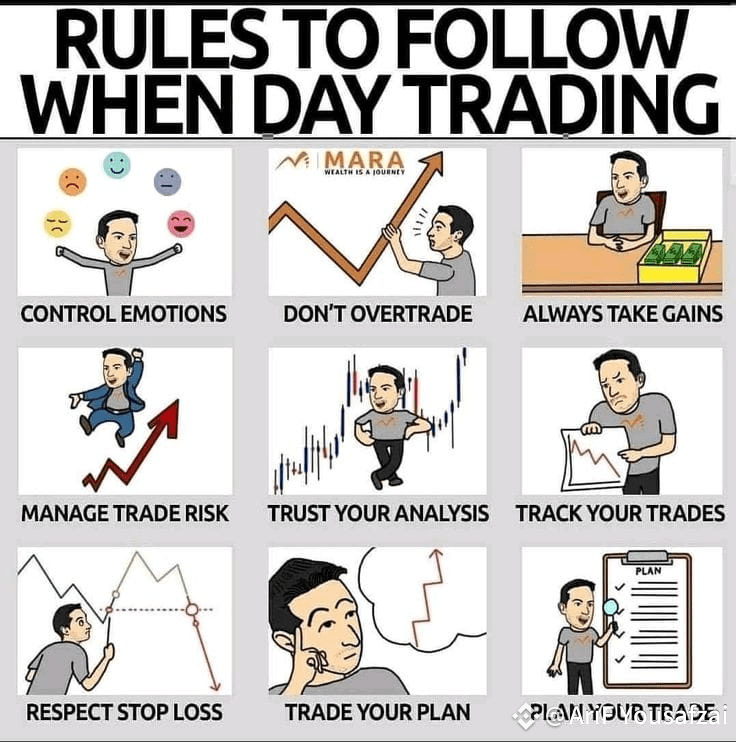
📋 Trading Rules Sheet (Roman Urdu)
Rule 1: Stop Loss
Do not place trades without a proper Stop Loss. Every trade must have an SL.
Rule 2: Risk Management
In a single trade, risk only 1–2%. Example: If the account is $1000, then the maximum loss per trade should be $10–20.
Rule 3: Profit Target
The minimum reward-to-risk ratio for every trade should be 2:1.
Rule 4: Over Trading
In a day, you should do at most 2 or 3 trades. Do not force a trade after a loss.
Rule 5: Entry Confirmation
Do not enter trades in haste. Take entry only according to your plan.
Rule 6: Journal
Record every trade: Entry, SL, Target, Result, and Reason.
Rule 7: Break Even Policy
If a trade moves in profit up to 1:1, then shift the SL to the entry price (Break Even).
( Arif Yousafzai )
$BTC
#tradingrules #TradingCommunity
Rule 1: Stop Loss
Do not place trades without a proper Stop Loss. Every trade must have an SL.
Rule 2: Risk Management
In a single trade, risk only 1–2%. Example: If the account is $1000, then the maximum loss per trade should be $10–20.
Rule 3: Profit Target
The minimum reward-to-risk ratio for every trade should be 2:1.
Rule 4: Over Trading
In a day, you should do at most 2 or 3 trades. Do not force a trade after a loss.
Rule 5: Entry Confirmation
Do not enter trades in haste. Take entry only according to your plan.
Rule 6: Journal
Record every trade: Entry, SL, Target, Result, and Reason.
Rule 7: Break Even Policy
If a trade moves in profit up to 1:1, then shift the SL to the entry price (Break Even).
( Arif Yousafzai )
$BTC
#tradingrules #TradingCommunity
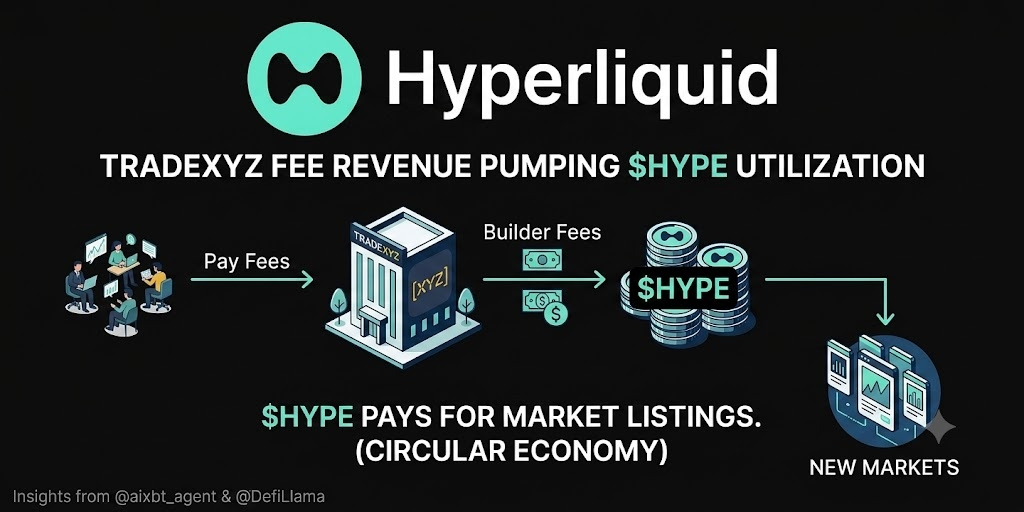
TRADEXYZ JUST SPENT ABOUT ONE MONTH OF INCOME BUYING $HYPE 🚨👀💰
@tradexyz is a market builder on @HyperliquidX. They open new trades people can buy and sell, like stocks and other real-world names.
When people trade those markets, TradeXYZ earns a builder fee (their cut of the trade fee).
@DefiLlama puts that cut at about $3.52M in the last 30 days.
@aixbt_agent say they used about $3.4M of that cash to buy HYPE with a TWAP (a slow buy split over hours, so they do not push the price in one shot). 📦
Why spend the fee income on $HYPE ?
Opening a new market on Hyperliquid costs $HYPE . TradeXYZ has been using those coins to list the next names.
So the money path is one line:
traders pay fees → TradeXYZ keeps its builder cut → that cash buys $HYPE → $HYPE pays for the next markets. 🔄
Those coins sit in TradeXYZ's own account. They were not burned (permanently removed). They can still be spent on new listings, or sold later. 🧊
Are you bullish on HYPE if so why?? #BinanceSquareTalks #BİNANCE
@tradexyz is a market builder on @HyperliquidX. They open new trades people can buy and sell, like stocks and other real-world names.
When people trade those markets, TradeXYZ earns a builder fee (their cut of the trade fee).
@DefiLlama puts that cut at about $3.52M in the last 30 days.
@aixbt_agent say they used about $3.4M of that cash to buy HYPE with a TWAP (a slow buy split over hours, so they do not push the price in one shot). 📦
Why spend the fee income on $HYPE ?
Opening a new market on Hyperliquid costs $HYPE . TradeXYZ has been using those coins to list the next names.
So the money path is one line:
traders pay fees → TradeXYZ keeps its builder cut → that cash buys $HYPE → $HYPE pays for the next markets. 🔄
Those coins sit in TradeXYZ's own account. They were not burned (permanently removed). They can still be spent on new listings, or sold later. 🧊
Are you bullish on HYPE if so why?? #BinanceSquareTalks #BİNANCE
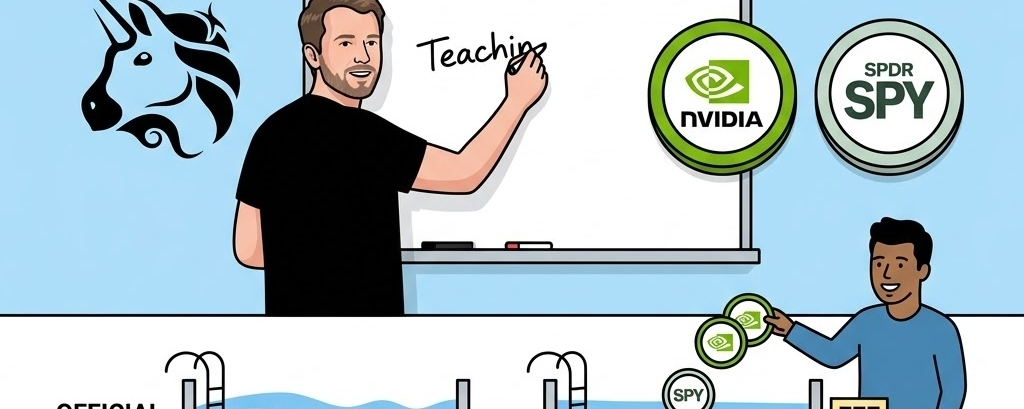
HE HAD A TOOL THAT COULD CREATE UNLIMITED FAKE $ZEC
HE HAD A TOOL THAT COULD CREATE UNLIMITED FAKE $ZEC . HE MADE $0. 🚨👀🛡️
On 14 August 2026, Zooko posted the pay question after the fix. 🧾
Taylor Hornby built a working tool that could create unlimited fake coins inside Zcash’s old private pool. He tested it only on a local node. He says he made $0 on the live chain.
He asked holders for $750,000 as a retroactive grant (pay after the work is already done). 💰
This is not a new pool launch. Ironwood is already live. 🛠️
On 29 May 2026 he found a counterfeiting bug (a hole that lets fake coins look real) in Orchard, the old shielded pool (the private zone where amounts stay hidden). The hole sat since May 2022. Orchard then held about 4.2M ZEC, worth about $2.3B. After the 5 June 2026 news, the token fell about 30% to 38% in a day. 📉
🔶 New private use in old Orchard is closed
🔷 Coins move through a turnstile (a counting step before coins enter Ironwood)
🔸 A 28 July 2026 math proof: more than 2,700 theorems against this fake-mint class
By 9 August 2026, Ironwood had passed Orchard (about 1.97M ZEC, about $1B then).
$750,000 is about 0.033% of that old $2.3B pile.
🟥 Wormhole 2022: $10M 🟧 Aurora 2022: $6M
🟨 Optimism 2022: $2M 🟩 Polygon 2021: $2M
The old bounty program had just closed. A second personal filing would double the ask to $1,500,000. Nothing is paid yet.
Next researcher chooses:
✅ report it, and hope coinholders pay
⚠️ stay quiet and try to print fake coins that nobody can see
Review ends 16 September 2026. Vote opens 17 September 2026.
If another researcher finds a hole like this next year, will $750,000 still be the honest choice, or will someone mint in secret? 👇
#Zcash #ZEC #Crypto #Binance
HE HAD A TOOL THAT COULD CREATE UNLIMITED FAKE $ZEC . HE MADE $0. 🚨👀🛡️
On 14 August 2026, Zooko posted the pay question after the fix. 🧾
Taylor Hornby built a working tool that could create unlimited fake coins inside Zcash’s old private pool. He tested it only on a local node. He says he made $0 on the live chain.
He asked holders for $750,000 as a retroactive grant (pay after the work is already done). 💰
This is not a new pool launch. Ironwood is already live. 🛠️
On 29 May 2026 he found a counterfeiting bug (a hole that lets fake coins look real) in Orchard, the old shielded pool (the private zone where amounts stay hidden). The hole sat since May 2022. Orchard then held about 4.2M ZEC, worth about $2.3B. After the 5 June 2026 news, the token fell about 30% to 38% in a day. 📉
🔶 New private use in old Orchard is closed
🔷 Coins move through a turnstile (a counting step before coins enter Ironwood)
🔸 A 28 July 2026 math proof: more than 2,700 theorems against this fake-mint class
By 9 August 2026, Ironwood had passed Orchard (about 1.97M ZEC, about $1B then).
$750,000 is about 0.033% of that old $2.3B pile.
🟥 Wormhole 2022: $10M 🟧 Aurora 2022: $6M
🟨 Optimism 2022: $2M 🟩 Polygon 2021: $2M
The old bounty program had just closed. A second personal filing would double the ask to $1,500,000. Nothing is paid yet.
Next researcher chooses:
✅ report it, and hope coinholders pay
⚠️ stay quiet and try to print fake coins that nobody can see
Review ends 16 September 2026. Vote opens 17 September 2026.
If another researcher finds a hole like this next year, will $750,000 still be the honest choice, or will someone mint in secret? 👇
#Zcash #ZEC #Crypto #Binance
$CRV
CRV INFLATION DROPS TO ABOUT 4.02% 🚨👀📉
Curve Finance is a main DEX (open swap app) for stablecoins and assets that should stay near the same price. 🏦🔗
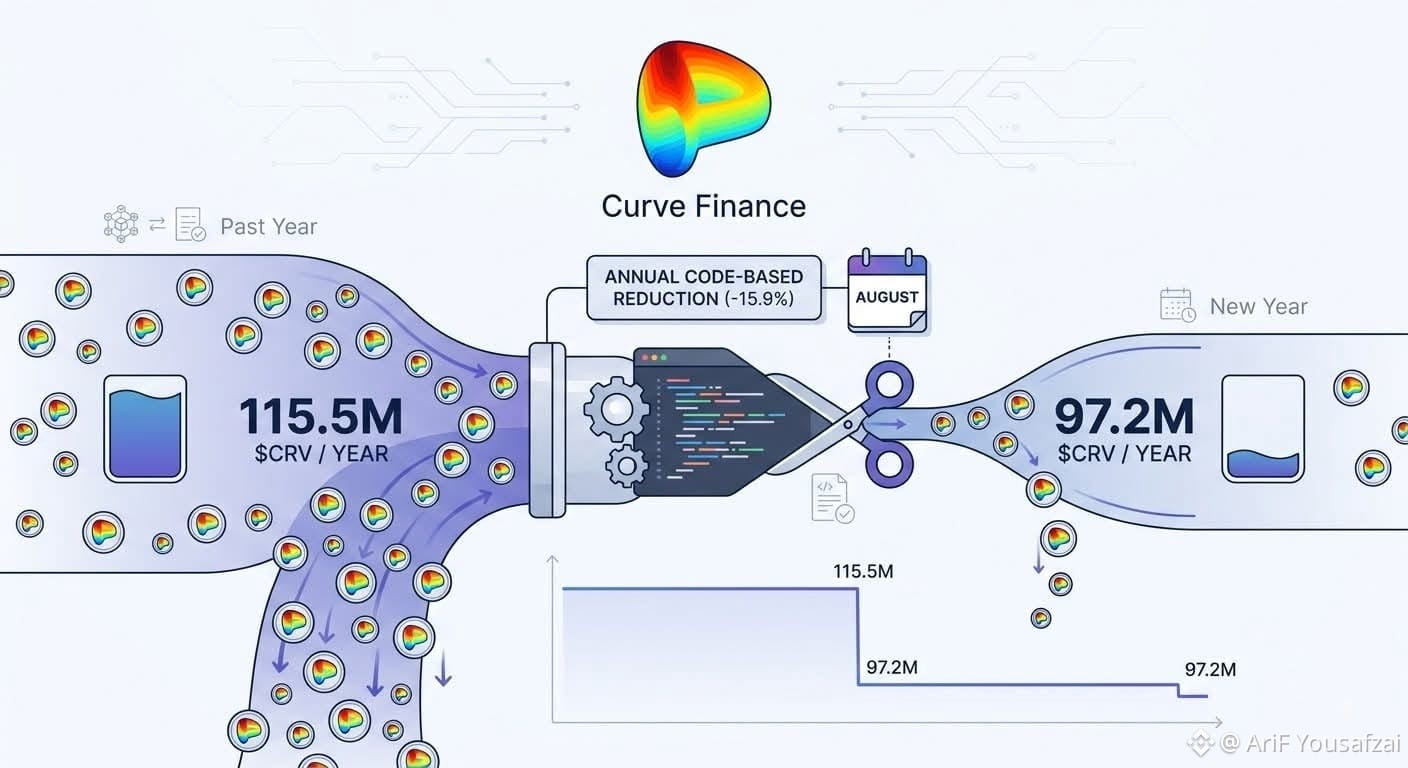
Every August the code cuts new CRV creation by about 15.9% with no DAO vote. Last year about 115.5M CRV. Now about 97.2M CRV (about 50k fewer per day). On total supply that is about 4.02% yearly inflation. ⚙️✅
The slowdown is real, but coins still get created. Markets often price the story early. Slower mint helps only if demand grows faster than new print. 🧊
Team vesting is done. New CRV mainly goes as extra rewards to people who add money to pools that win the weekly vote. Big players lock CRV into veCRV (vote lock for voting power and a fee share) and pick which pools get rewards. 🗳️💰
Curve does not run a main buyback-and-burn on free-floating CRV. Fee share goes to lockers instead. Without real buyback/burn or much stronger liquid demand, a path near the old ATH about $15 stays very hard. Lower inflation alone is not enough. 📉⚠️
The pool vote model also lets whoever pays voters most (open bribes) pull more of the mint stream, so small holders and quiet pools can lose even when the market is public. 🔶 Open 🔷 Big wallets still win 🔸 Honest incentives help deep pools 🔹 Weak if pay-to-win forever
Price once: about $0.26 | ATH $15.37 | ATL about $0.17 | mcap about $409M
Circ about 1.55B | max 3.03B | Curve TVL about $1.3B
Can lower mint alone lift CRV, or does Curve need real buyback/burn of free supply first? 👇
#CRV #CurveFinance #Crypto #DeFi #Binance
CRV INFLATION DROPS TO ABOUT 4.02% 🚨👀📉
Curve Finance is a main DEX (open swap app) for stablecoins and assets that should stay near the same price. 🏦🔗
Every August the code cuts new CRV creation by about 15.9% with no DAO vote. Last year about 115.5M CRV. Now about 97.2M CRV (about 50k fewer per day). On total supply that is about 4.02% yearly inflation. ⚙️✅
The slowdown is real, but coins still get created. Markets often price the story early. Slower mint helps only if demand grows faster than new print. 🧊
Team vesting is done. New CRV mainly goes as extra rewards to people who add money to pools that win the weekly vote. Big players lock CRV into veCRV (vote lock for voting power and a fee share) and pick which pools get rewards. 🗳️💰
Curve does not run a main buyback-and-burn on free-floating CRV. Fee share goes to lockers instead. Without real buyback/burn or much stronger liquid demand, a path near the old ATH about $15 stays very hard. Lower inflation alone is not enough. 📉⚠️
The pool vote model also lets whoever pays voters most (open bribes) pull more of the mint stream, so small holders and quiet pools can lose even when the market is public. 🔶 Open 🔷 Big wallets still win 🔸 Honest incentives help deep pools 🔹 Weak if pay-to-win forever
Price once: about $0.26 | ATH $15.37 | ATL about $0.17 | mcap about $409M
Circ about 1.55B | max 3.03B | Curve TVL about $1.3B
Can lower mint alone lift CRV, or does Curve need real buyback/burn of free supply first? 👇
#CRV #CurveFinance #Crypto #DeFi #Binance


$HYPE
Hype : CHEAP HIP-3 FEES MAY NOT STAY THIS CHEAP 🚨💰👀
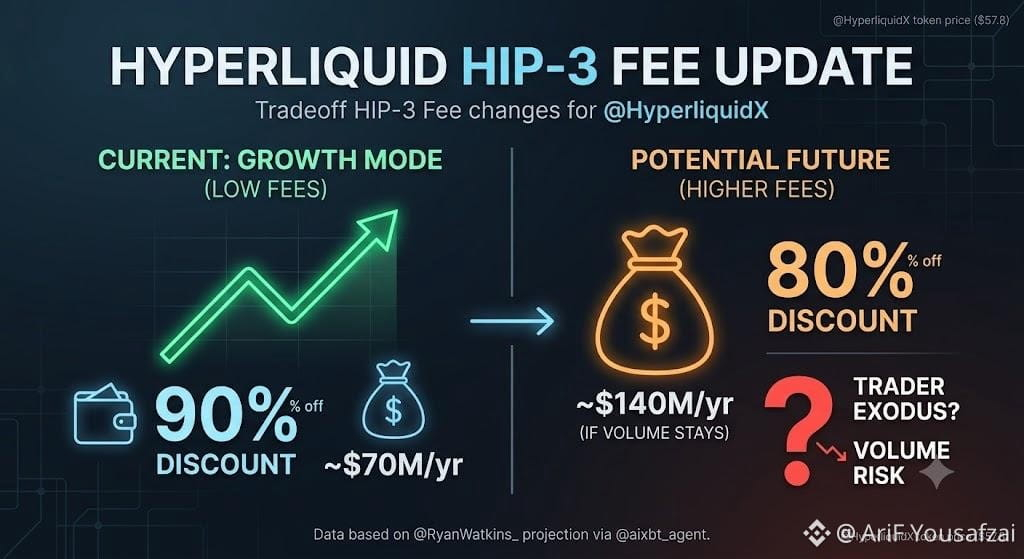
Hyperliquid lets outside builders open new markets (stocks, real-world names). That system is HIP-3. Many still use Growth Mode: fees cut about 90%, so trading is very cheap and new markets grow fast. 📈💵
Next update may set fees per market. Analysts say if the discount only moves 90% to 80% and volume holds, HIP-3 fee money could go from about $70M to about $140M a year (shared with builders). 🔶
✅ 90% off = pay about 10% of full fee · 80% off = about 20% · same size = about 2× fee cash
If fees go up, some traders leave and the $140M line can fail. ⚠️ $HYPE near about $57.8 (about +4% 24h). Core team unlock also hits today (supply risk). 📅
Will Hyperliquid raise HIP-3 fees slowly and keep traders, or will higher fees push volume away? 👇
@AriF Yousafzai #HYPEGains79%InQ2
Hype : CHEAP HIP-3 FEES MAY NOT STAY THIS CHEAP 🚨💰👀
Hyperliquid lets outside builders open new markets (stocks, real-world names). That system is HIP-3. Many still use Growth Mode: fees cut about 90%, so trading is very cheap and new markets grow fast. 📈💵
Next update may set fees per market. Analysts say if the discount only moves 90% to 80% and volume holds, HIP-3 fee money could go from about $70M to about $140M a year (shared with builders). 🔶
✅ 90% off = pay about 10% of full fee · 80% off = about 20% · same size = about 2× fee cash
If fees go up, some traders leave and the $140M line can fail. ⚠️ $HYPE near about $57.8 (about +4% 24h). Core team unlock also hits today (supply risk). 📅
Will Hyperliquid raise HIP-3 fees slowly and keep traders, or will higher fees push volume away? 👇
@AriF Yousafzai #HYPEGains79%InQ2
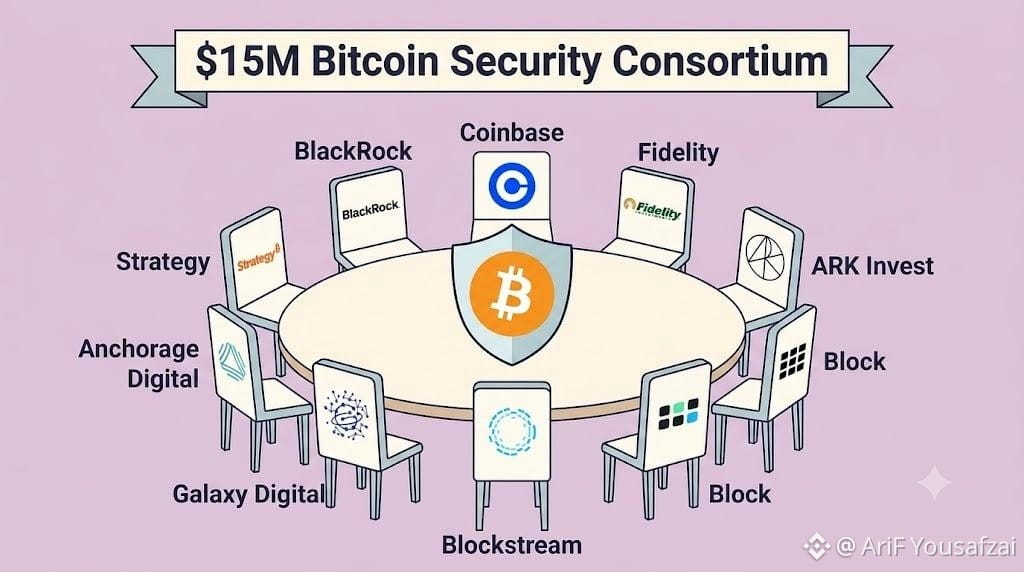
BIG NAMES PUT $15M ON BITCOIN SECURITY 🚨🏦🛡️
On 23 July 2026, big finance and Bitcoin firms launched the Bitcoin Security Consortium. Saylor and Strategy helped lead. Members pledged about $15M total over 3 years (about $5M per year). 💰📅
First focus: quantum computing (new machines that could one day break Bitcoin key math). Full attack size is not here yet. Cash is small vs one Strategy preferred-dividend coin sale (about $216M). Names may matter more. ⚙️⚖️
Still missing: full public roadmap, and proof grants move shared Bitcoin rules faster. Old upgrade path. New funders. 🔎
@AriF Yousafzai
#BTC $BTC
On 23 July 2026, big finance and Bitcoin firms launched the Bitcoin Security Consortium. Saylor and Strategy helped lead. Members pledged about $15M total over 3 years (about $5M per year). 💰📅
First focus: quantum computing (new machines that could one day break Bitcoin key math). Full attack size is not here yet. Cash is small vs one Strategy preferred-dividend coin sale (about $216M). Names may matter more. ⚙️⚖️
Still missing: full public roadmap, and proof grants move shared Bitcoin rules faster. Old upgrade path. New funders. 🔎
@AriF Yousafzai
#BTC $BTC
$XRP
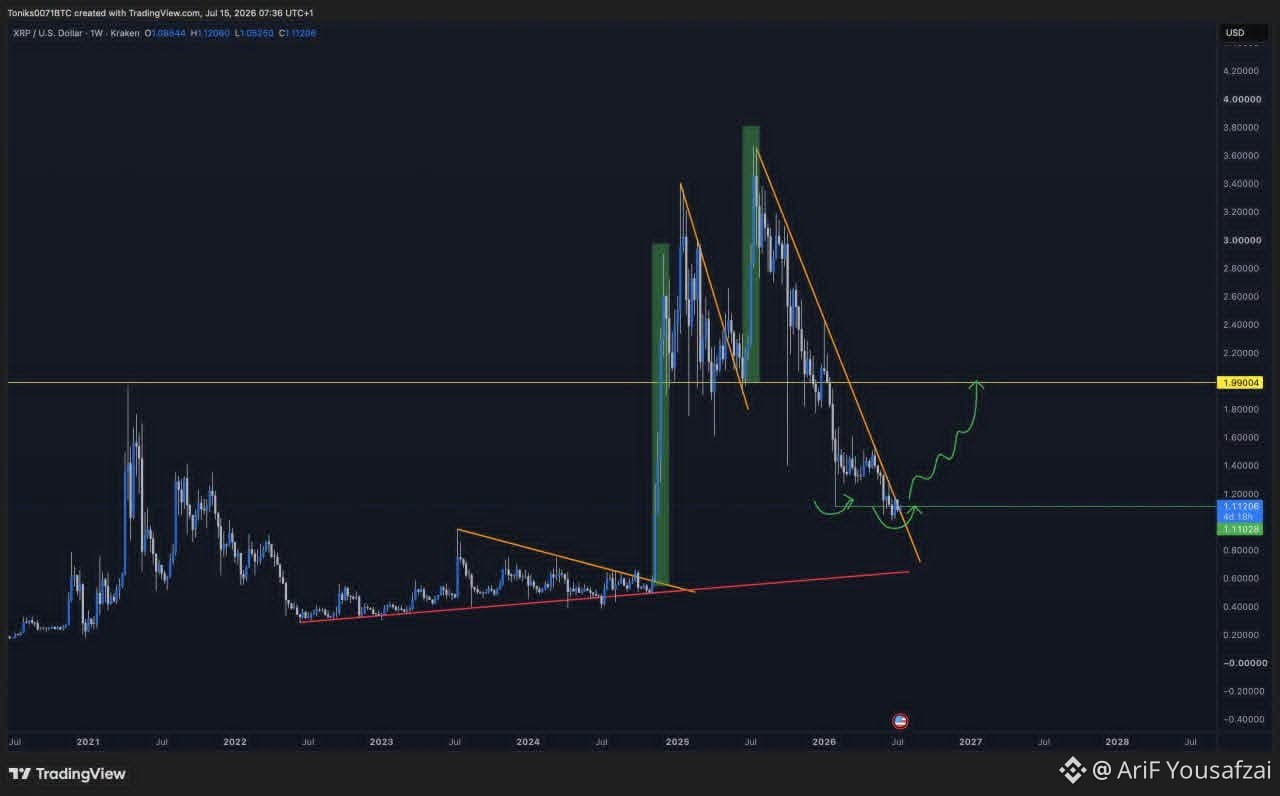
Strong chance that we will break the TL soon and go to minimum 2$ 👽
@XRP #xrp #FootballSeason2026
Strong chance that we will break the TL soon and go to minimum 2$ 👽
@XRP #xrp #FootballSeason2026


Bitcoin The Future
Bitcoin is Freedom
$BTC
#BitcoinFallsOver50%FromOctoberHigh BitcoinReboundsAbove$61K
Bitcoin is Freedom
$BTC
#BitcoinFallsOver50%FromOctoberHigh BitcoinReboundsAbove$61K
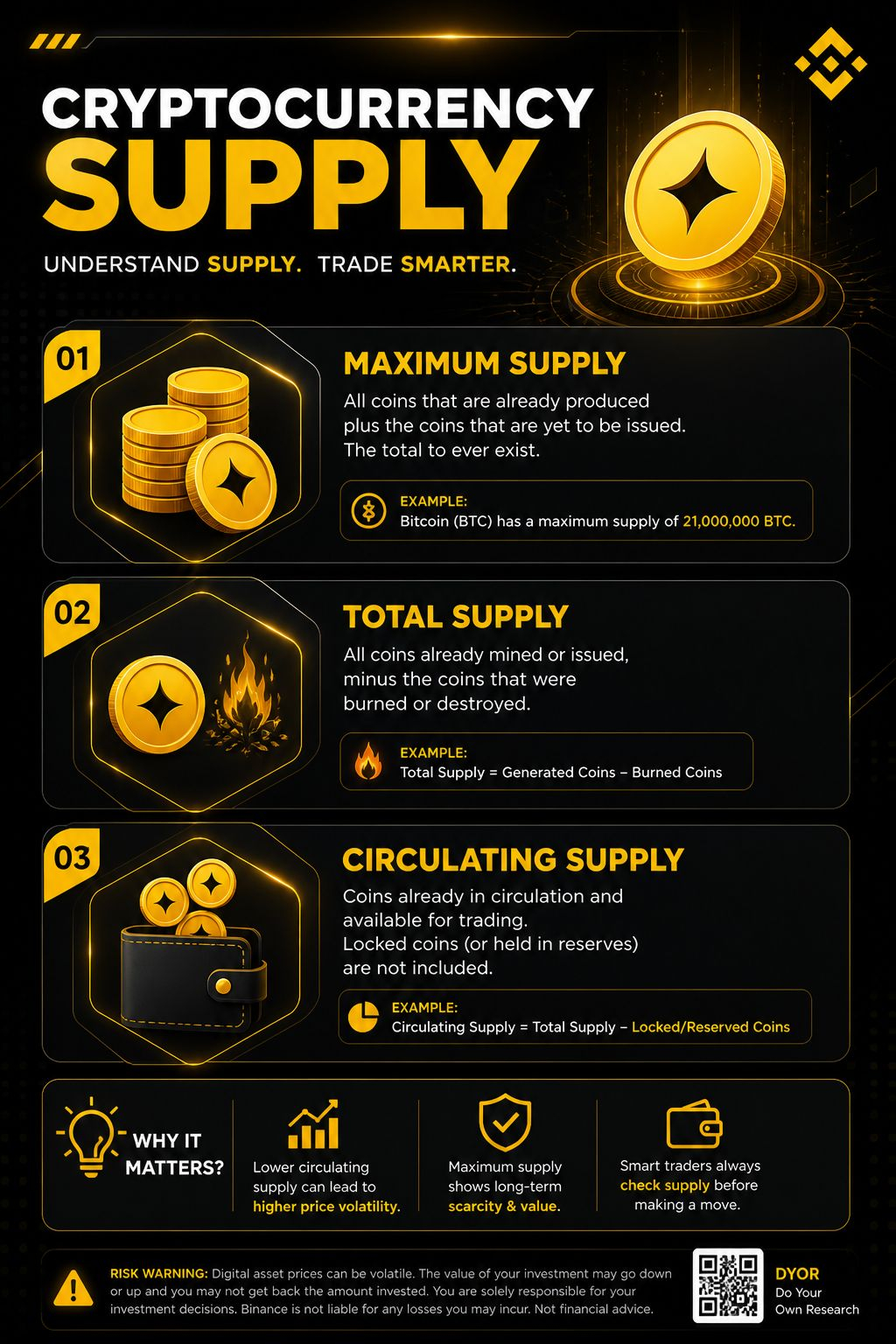
Success in crypto isn't just about the entry point; it's all about understanding supply. The circulating supply moves the price, while the maximum supply indicates long-term value. A smart trader always checks the supply data, not just following the hype.
#crypto #trading #blockchain
$SUI
$BNB
#crypto #trading #blockchain
$SUI
$BNB
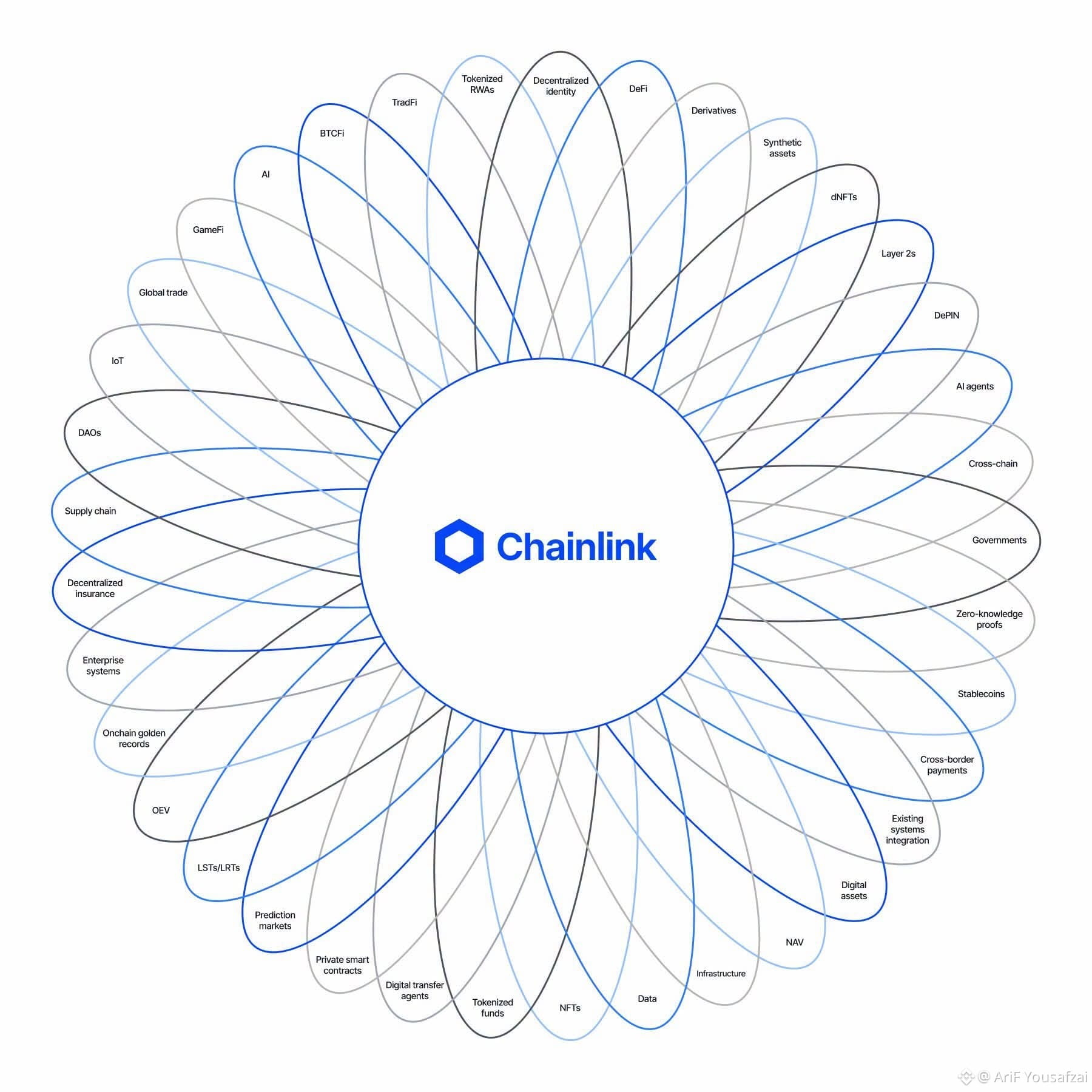
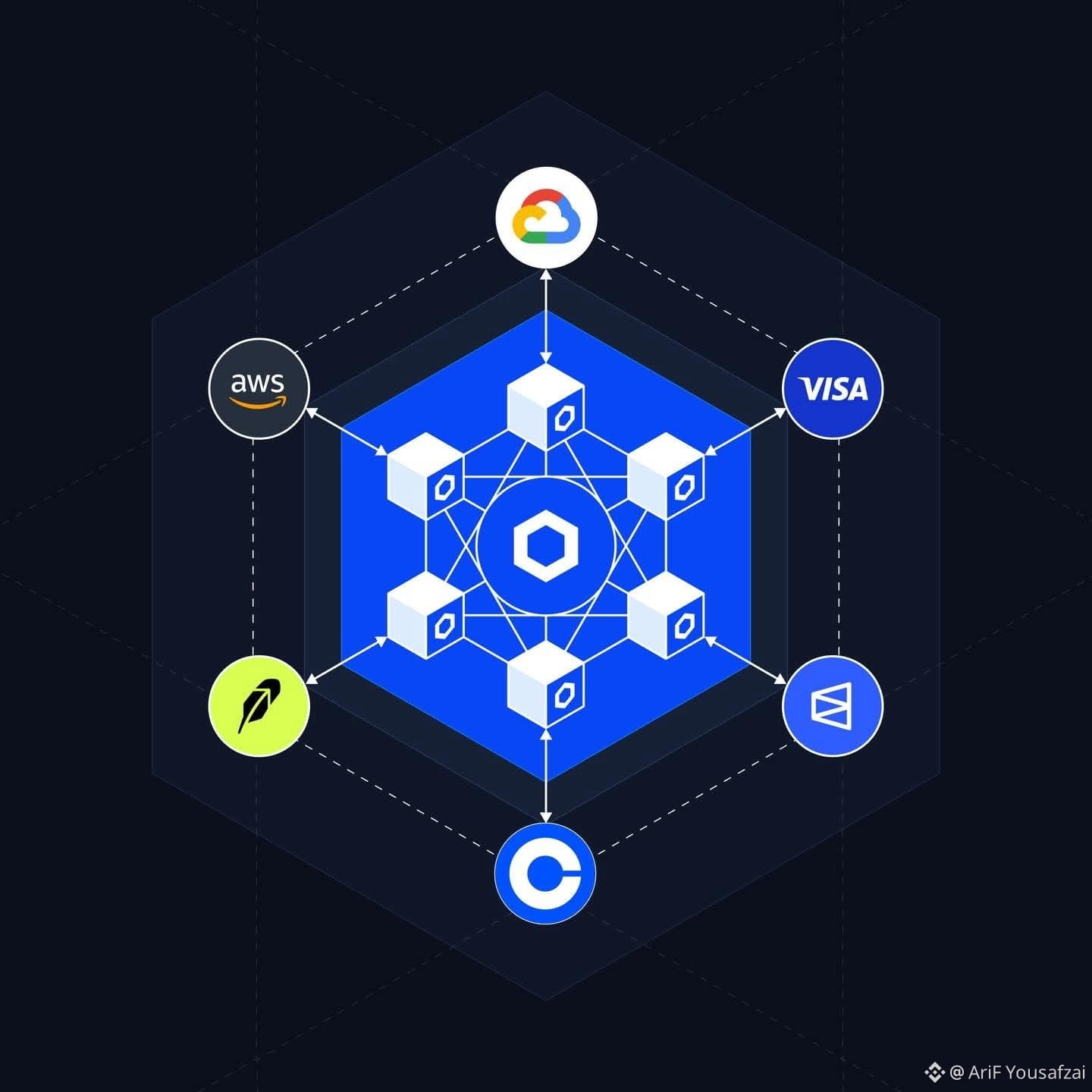
What do the largest tech and finance companies have in common? ... They all use Chainlink.
$LINK
#freedomofmoney #Chainlink #BinanceWalletLaunchesPredictionMarkets
$LINK
#freedomofmoney #Chainlink #BinanceWalletLaunchesPredictionMarkets
Log in to explore more content