

#cybersecurity
cybersecurity
1.5M views
3,199 Discussing
Hot
Latest

·
--
Thrilled to share a new milestone! 🎉
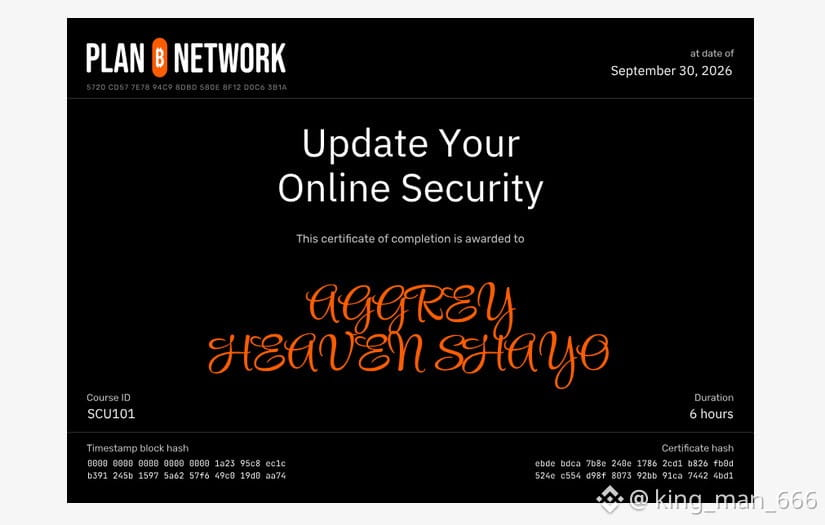
I have successfully completed the SCU101 - Update Your Online Security course at Plan ₿ Network Ita and earned my diploma with a score of 93/100 on the final exam! 🏆
This course was an eye-opener on digital hygiene, privacy, and how to stay truly secure in the Bitcoin era. Highly recommended for anyone who wants to take their online security to the next level.
A huge thank you to the PlanB Network team for making high-quality Bitcoin education free and open to all.
Onwards to the next course!
You can verify my certificate here:
https://planb.academy/en/exam-certificates/2bccae16-c1f3-4d80-895f-a5f0b6227069
#PBNDiploma #planbnetwork #BitcoinEducation #OnlineSecurity #Cybersecurity
Thrilled to share a new milestone! 🎉
I have successfully completed the SCU101 - Update Your Online Security course at Plan ₿ Network Ita and earned my diploma with a score of 93/100 on the final exam! 🏆
This course was an eye-opener on digital hygiene, privacy, and how to stay truly secure in the Bitcoin era. Highly recommended for anyone who wants to take their online security to the next level.
A huge thank you to the PlanB Network team for making high-quality Bitcoin education free and open to all.
Onwards to the next course!
You can verify my certificate here:
https://planb.academy/en/exam-certificates/2bccae16-c1f3-4d80-895f-a5f0b6227069
#PBNDiploma #planbnetwork #BitcoinEducation #OnlineSecurity #Cybersecurity
I have successfully completed the SCU101 - Update Your Online Security course at Plan ₿ Network Ita and earned my diploma with a score of 93/100 on the final exam! 🏆
This course was an eye-opener on digital hygiene, privacy, and how to stay truly secure in the Bitcoin era. Highly recommended for anyone who wants to take their online security to the next level.
A huge thank you to the PlanB Network team for making high-quality Bitcoin education free and open to all.
Onwards to the next course!
You can verify my certificate here:
https://planb.academy/en/exam-certificates/2bccae16-c1f3-4d80-895f-a5f0b6227069
#PBNDiploma #planbnetwork #BitcoinEducation #OnlineSecurity #Cybersecurity
21


🚨 Microsoft’s Official X Account Was Hacked: A Clippy-Themed Meme Coin Was Promoted
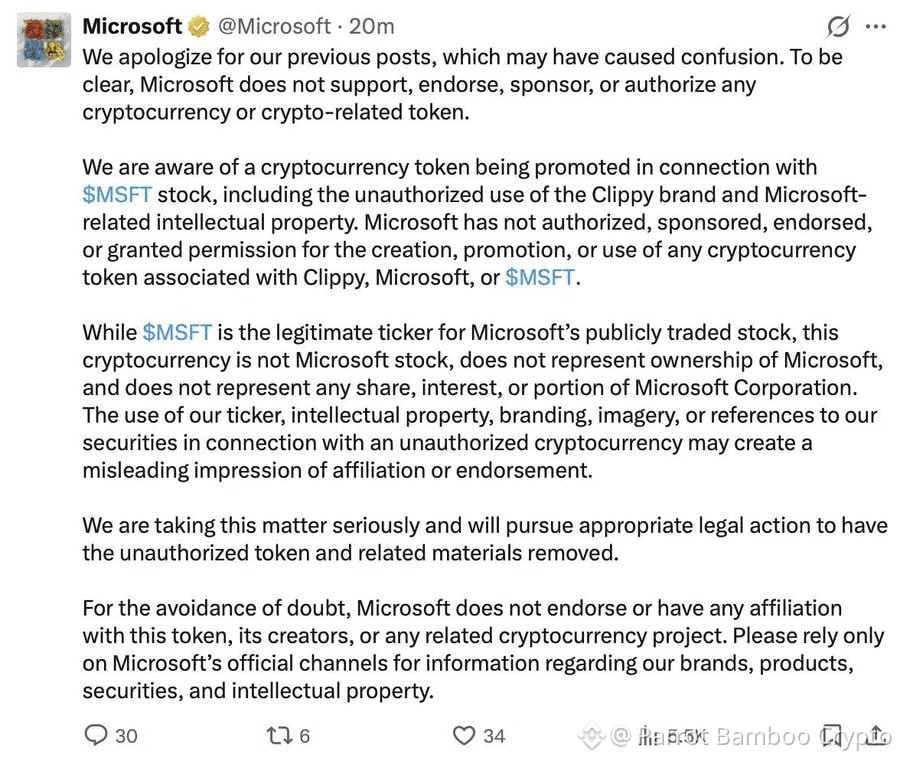
Technology giant Microsoft’s official X account, with more than 13 million followers, was accessed by unauthorized individuals on October 1. The account was briefly used to promote a crypto token themed around Clippy, Microsoft Office’s old mascot.
📎 During the attack, the Microsoft account followed an account impersonating Clippy and reposted one of its posts. It was also reported that the profile picture was changed to Clippy. The account in question was later suspended by X.
⚠️ Microsoft, however, stated that it had no connection to the token.
The company confirmed that unauthorized access to its account had taken place and stated that the posts were not made by Microsoft, that the account had been secured again, and that the content had been removed. The investigation into how the incident occurred is still ongoing.
Microsoft also emphasized that it has not created, supported, or endorsed any crypto token associated with Clippy, Microsoft, or $MSFT.US
{stock_us}(MSFT.US)
. Legal action regarding the unauthorized use of the company’s intellectual property is also on the table.
👀 A similar incident also happened this year with Robinhood CEO Vlad Tenev’s X account. A fake VLAD meme coin was promoted through the compromised account, and Robinhood later officially confirmed that the account had been hacked.
🔐 This latest incident once again highlights an important point: Even a post coming from a verified account with millions of followers should not automatically be considered trustworthy.
Especially with newly launched tokens, it is very important to verify official sources through multiple channels, confirm the contract address, and avoid connecting your wallet in a hurry.
#Microsoft #crypto #memecoin #CyberSecurity
🚨 Microsoft’s Official X Account Was Hacked: A Clippy-Themed Meme Coin Was Promoted
Technology giant Microsoft’s official X account, with more than 13 million followers, was accessed by unauthorized individuals on October 1. The account was briefly used to promote a crypto token themed around Clippy, Microsoft Office’s old mascot.
📎 During the attack, the Microsoft account followed an account impersonating Clippy and reposted one of its posts. It was also reported that the profile picture was changed to Clippy. The account in question was later suspended by X.
⚠️ Microsoft, however, stated that it had no connection to the token.
The company confirmed that unauthorized access to its account had taken place and stated that the posts were not made by Microsoft, that the account had been secured again, and that the content had been removed. The investigation into how the incident occurred is still ongoing.
Microsoft also emphasized that it has not created, supported, or endorsed any crypto token associated with Clippy, Microsoft, or $MSFT.US
. Legal action regarding the unauthorized use of the company’s intellectual property is also on the table.
👀 A similar incident also happened this year with Robinhood CEO Vlad Tenev’s X account. A fake VLAD meme coin was promoted through the compromised account, and Robinhood later officially confirmed that the account had been hacked.
🔐 This latest incident once again highlights an important point: Even a post coming from a verified account with millions of followers should not automatically be considered trustworthy.
Especially with newly launched tokens, it is very important to verify official sources through multiple channels, confirm the contract address, and avoid connecting your wallet in a hurry.
#Microsoft #crypto #memecoin #CyberSecurity
Technology giant Microsoft’s official X account, with more than 13 million followers, was accessed by unauthorized individuals on October 1. The account was briefly used to promote a crypto token themed around Clippy, Microsoft Office’s old mascot.
📎 During the attack, the Microsoft account followed an account impersonating Clippy and reposted one of its posts. It was also reported that the profile picture was changed to Clippy. The account in question was later suspended by X.
⚠️ Microsoft, however, stated that it had no connection to the token.
The company confirmed that unauthorized access to its account had taken place and stated that the posts were not made by Microsoft, that the account had been secured again, and that the content had been removed. The investigation into how the incident occurred is still ongoing.
Microsoft also emphasized that it has not created, supported, or endorsed any crypto token associated with Clippy, Microsoft, or $MSFT.US
. Legal action regarding the unauthorized use of the company’s intellectual property is also on the table.
👀 A similar incident also happened this year with Robinhood CEO Vlad Tenev’s X account. A fake VLAD meme coin was promoted through the compromised account, and Robinhood later officially confirmed that the account had been hacked.
🔐 This latest incident once again highlights an important point: Even a post coming from a verified account with millions of followers should not automatically be considered trustworthy.
Especially with newly launched tokens, it is very important to verify official sources through multiple channels, confirm the contract address, and avoid connecting your wallet in a hurry.
#Microsoft #crypto #memecoin #CyberSecurity

MSFTUS+2.10%
2
1.2k
·
--
September saw $766 million wiped out in crypto hacks—a 462% jump from August.
PeckShield logged 55 crypto hacks in September, totalling $766.49 million—462% higher than August’s $136.3 million.
Bitget ($387 million) and Liquid Network ($320 million, $285 million returned) represent almost all of the loss.
Bitget’s security systems flagged unauthorized transfers at 18:31 UTC on Sept 24, after which the attacker breached a backend wallet system, spoofed transaction data, and avoided cold‑wallet exposure; the $464 million User Protection Fund will cover the loss.
Liquid Network’s Sept 6 incident withdrew ~4,000 BTC via the SideSwap peg‑out key; the hacker’s promise to return funds after node patches was disputed by Ledger CTO Charles Guillemet.
SlowMist linked North Korea‑associated actors to laundering Bitget proceeds through CoW Protocol and Chainflip, highlighting gaps in AML automation.
What steps should exchanges prioritize to prevent similar large‑scale breaches?
#Crypto #CyberSecurity #FinTech #CryptoHacks
September saw $766 million wiped out in crypto hacks—a 462% jump from August.
PeckShield logged 55 crypto hacks in September, totalling $766.49 million—462% higher than August’s $136.3 million.
Bitget ($387 million) and Liquid Network ($320 million, $285 million returned) represent almost all of the loss.
Bitget’s security systems flagged unauthorized transfers at 18:31 UTC on Sept 24, after which the attacker breached a backend wallet system, spoofed transaction data, and avoided cold‑wallet exposure; the $464 million User Protection Fund will cover the loss.
Liquid Network’s Sept 6 incident withdrew ~4,000 BTC via the SideSwap peg‑out key; the hacker’s promise to return funds after node patches was disputed by Ledger CTO Charles Guillemet.
SlowMist linked North Korea‑associated actors to laundering Bitget proceeds through CoW Protocol and Chainflip, highlighting gaps in AML automation.
What steps should exchanges prioritize to prevent similar large‑scale breaches?
#Crypto #CyberSecurity #FinTech #CryptoHacks
PeckShield logged 55 crypto hacks in September, totalling $766.49 million—462% higher than August’s $136.3 million.
Bitget ($387 million) and Liquid Network ($320 million, $285 million returned) represent almost all of the loss.
Bitget’s security systems flagged unauthorized transfers at 18:31 UTC on Sept 24, after which the attacker breached a backend wallet system, spoofed transaction data, and avoided cold‑wallet exposure; the $464 million User Protection Fund will cover the loss.
Liquid Network’s Sept 6 incident withdrew ~4,000 BTC via the SideSwap peg‑out key; the hacker’s promise to return funds after node patches was disputed by Ledger CTO Charles Guillemet.
SlowMist linked North Korea‑associated actors to laundering Bitget proceeds through CoW Protocol and Chainflip, highlighting gaps in AML automation.
What steps should exchanges prioritize to prevent similar large‑scale breaches?
#Crypto #CyberSecurity #FinTech #CryptoHacks
1
8

🚨 Security Warning: Exploiting Custom GPTs in ChatGPT to Spread Malware
Security reports revealed that threat actors exploited the Custom GPTs feature in ChatGPT by disguising it as legitimate services to direct users to malicious websites. These campaigns aim to deploy Remote Access Trojans (RATs) using social engineering techniques to trick victims into downloading malicious files.
━━━━━━━━━━━━━━
📊 Impact: 📈 High
🏷️ OTHER
#Cybersecurity #AI #Malware #ChatGPT #SecurityAlert
📰 Source: thehackernews.com
🚨 Security Warning: Exploiting Custom GPTs in ChatGPT to Spread Malware
Security reports revealed that threat actors exploited the Custom GPTs feature in ChatGPT by disguising it as legitimate services to direct users to malicious websites. These campaigns aim to deploy Remote Access Trojans (RATs) using social engineering techniques to trick victims into downloading malicious files.
━━━━━━━━━━━━━━
📊 Impact: 📈 High
🏷️ OTHER
#Cybersecurity #AI #Malware #ChatGPT #SecurityAlert
📰 Source: thehackernews.com
Security reports revealed that threat actors exploited the Custom GPTs feature in ChatGPT by disguising it as legitimate services to direct users to malicious websites. These campaigns aim to deploy Remote Access Trojans (RATs) using social engineering techniques to trick victims into downloading malicious files.
━━━━━━━━━━━━━━
📊 Impact: 📈 High
🏷️ OTHER
#Cybersecurity #AI #Malware #ChatGPT #SecurityAlert
📰 Source: thehackernews.com
3

·
--
黑客团伙ShinyHunters核心成员在约旦被抓,正在与FBI合作调查同伙。这个英语为主的年轻黑客组织专门窃取企业数据并勒索,这次竟然连FBI员工数据都黑了!细节太劲爆了,个人身份、职位信息甚至医疗记录都被盗。他在配合调查并交出电子设备,看来黑客圈子也要大洗牌了。
#网络安全 #黑客攻击 $BTC $ETH
ShinyHunters hacker member busted in Jordan, now working with FBI to rat out his crew. This English-speaking young hacker gang targets companies for data theft and extortion, and they actually hacked FBI employee data! Personal IDs, job info, even medical records compromised. He's cooperating and handing over devices - big shakeup coming in hacker world.
#CyberSecurity #Hacker $BTC $ETH
黑客团伙ShinyHunters核心成员在约旦被抓,正在与FBI合作调查同伙。这个英语为主的年轻黑客组织专门窃取企业数据并勒索,这次竟然连FBI员工数据都黑了!细节太劲爆了,个人身份、职位信息甚至医疗记录都被盗。他在配合调查并交出电子设备,看来黑客圈子也要大洗牌了。
#网络安全 #黑客攻击 $BTC $ETH
ShinyHunters hacker member busted in Jordan, now working with FBI to rat out his crew. This English-speaking young hacker gang targets companies for data theft and extortion, and they actually hacked FBI employee data! Personal IDs, job info, even medical records compromised. He's cooperating and handing over devices - big shakeup coming in hacker world.
#CyberSecurity #Hacker $BTC $ETH
#网络安全 #黑客攻击 $BTC $ETH
ShinyHunters hacker member busted in Jordan, now working with FBI to rat out his crew. This English-speaking young hacker gang targets companies for data theft and extortion, and they actually hacked FBI employee data! Personal IDs, job info, even medical records compromised. He's cooperating and handing over devices - big shakeup coming in hacker world.
#CyberSecurity #Hacker $BTC $ETH
37

🚨 CHAINALYSIS USED AI TO TRACE THE $387M BITGET HACK BACK TO NORTH KOREA
📰 WHAT HAPPENED?
The firm says the Sept. 24 breach pushed North Korea's 2026 crypto haul past $1 billion, and detailed how it used in-house AI to trace the stolen funds across four blockchains in a race against the attackers.
📊 IMPACT ON TECHNOLOGY
The case again puts the spotlight on the security of digital systems and the need to strengthen protection against increasingly sophisticated attacks.
🔎 Source: Decrypt
🤔 💬 Do you think incidents like this will make companies invest more in digital security?
#Cybersecurity #DataSecurity #Crypto_Marker #News
🚨 CHAINALYSIS USED AI TO TRACE THE $387M BITGET HACK BACK TO NORTH KOREA
📰 WHAT HAPPENED?
The firm says the Sept. 24 breach pushed North Korea's 2026 crypto haul past $1 billion, and detailed how it used in-house AI to trace the stolen funds across four blockchains in a race against the attackers.
📊 IMPACT ON TECHNOLOGY
The case again puts the spotlight on the security of digital systems and the need to strengthen protection against increasingly sophisticated attacks.
🔎 Source: Decrypt
🤔 💬 Do you think incidents like this will make companies invest more in digital security?
#Cybersecurity #DataSecurity #Crypto_Marker #News
📰 WHAT HAPPENED?
The firm says the Sept. 24 breach pushed North Korea's 2026 crypto haul past $1 billion, and detailed how it used in-house AI to trace the stolen funds across four blockchains in a race against the attackers.
📊 IMPACT ON TECHNOLOGY
The case again puts the spotlight on the security of digital systems and the need to strengthen protection against increasingly sophisticated attacks.
🔎 Source: Decrypt
🤔 💬 Do you think incidents like this will make companies invest more in digital security?
#Cybersecurity #DataSecurity #Crypto_Marker #News

21
🚨 Microsoft account hacked on X to promote a digital currency
The official Microsoft company account on the X platform, followed by more than 13 million users, was hacked by unknown individuals. The hackers used the account to promote an encrypted digital currency, raising questions about the security of major accounts on social platforms. The account was later restored.
━━━━━━━━━━━━━━
📊 Impact: 📈 High
🏷️ OTHER
#CyberSecurity #SocialMedia #CryptoNews #Microsoft #XPlatform
📰 Source: bleepingcomputer.com
🚨 Microsoft account hacked on X to promote a digital currency
The official Microsoft company account on the X platform, followed by more than 13 million users, was hacked by unknown individuals. The hackers used the account to promote an encrypted digital currency, raising questions about the security of major accounts on social platforms. The account was later restored.
━━━━━━━━━━━━━━
📊 Impact: 📈 High
🏷️ OTHER
#CyberSecurity #SocialMedia #CryptoNews #Microsoft #XPlatform
📰 Source: bleepingcomputer.com
The official Microsoft company account on the X platform, followed by more than 13 million users, was hacked by unknown individuals. The hackers used the account to promote an encrypted digital currency, raising questions about the security of major accounts on social platforms. The account was later restored.
━━━━━━━━━━━━━━
📊 Impact: 📈 High
🏷️ OTHER
#CyberSecurity #SocialMedia #CryptoNews #Microsoft #XPlatform
📰 Source: bleepingcomputer.com
13

·
--
Article
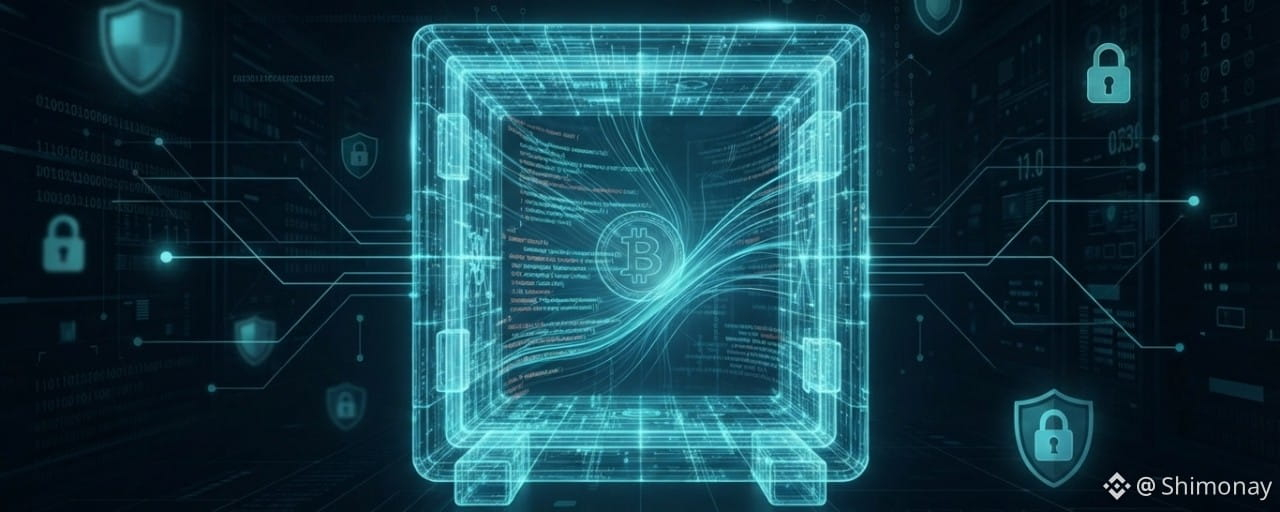
Kernel Architecture vs Web3 Security: Why Your PC Matters as Much as the Smart ContractHey, community! Today we’re taking the technical level of the feed up a notch.
As a developer focused on minimalist and immutable structures, I closely follow the evolution of cyber threats. The recent landscape of modified software and crypto detours has raised a red flag that every investor needs to understand: blockchain engineering may be perfect, but it requires your local machine to be a bunker.
Many investors who operate test environments or use modified software end up falling into the trap of disabling the operating system’s native defenses to run certain tools. The problem? That brings down the walls of your own computer.
Kernel Architecture vs Web3 Security: Why Your PC Matters as Much as the Smart Contract
Hey, community! Today we’re taking the technical level of the feed up a notch.
As a developer focused on minimalist and immutable structures, I closely follow the evolution of cyber threats. The recent landscape of modified software and crypto detours has raised a red flag that every investor needs to understand: blockchain engineering may be perfect, but it requires your local machine to be a bunker.
Many investors who operate test environments or use modified software end up falling into the trap of disabling the operating system’s native defenses to run certain tools. The problem? That brings down the walls of your own computer.
As a developer focused on minimalist and immutable structures, I closely follow the evolution of cyber threats. The recent landscape of modified software and crypto detours has raised a red flag that every investor needs to understand: blockchain engineering may be perfect, but it requires your local machine to be a bunker.
Many investors who operate test environments or use modified software end up falling into the trap of disabling the operating system’s native defenses to run certain tools. The problem? That brings down the walls of your own computer.
638

Are you 100% sure your digital assets and server infrastructure are safe from backdoor exploits?
Most startups find out their security was compromised after the damage is done. Don't wait for a data breach or server downtime to test your defenses.
I am putting together a Free 5-Point Security & IT Infrastructure Checklist specifically designed for remote businesses and tech founders to audit their systems in under 10 minutes.
Want a copy sent directly to your inbox?
Drop a comment below with 'AUDIT' or send me a direct message, and I'll share it with you for free.
#CyberSecurity #BinanceSquare #CryptoSecurity
Are you 100% sure your digital assets and server infrastructure are safe from backdoor exploits?
Most startups find out their security was compromised after the damage is done. Don't wait for a data breach or server downtime to test your defenses.
I am putting together a Free 5-Point Security & IT Infrastructure Checklist specifically designed for remote businesses and tech founders to audit their systems in under 10 minutes.
Want a copy sent directly to your inbox?
Drop a comment below with 'AUDIT' or send me a direct message, and I'll share it with you for free.
#CyberSecurity #BinanceSquare #CryptoSecurity
Most startups find out their security was compromised after the damage is done. Don't wait for a data breach or server downtime to test your defenses.
I am putting together a Free 5-Point Security & IT Infrastructure Checklist specifically designed for remote businesses and tech founders to audit their systems in under 10 minutes.
Want a copy sent directly to your inbox?
Drop a comment below with 'AUDIT' or send me a direct message, and I'll share it with you for free.
#CyberSecurity #BinanceSquare #CryptoSecurity
147
🚨 Dismantling KillSec ransomware gang for ransom and arrest of 3 people
An international law enforcement operation succeeded in dismantling the KillSec ransomware software gang, resulting in the arrest of three individuals. Authorities were able to seize the gang’s servers and data-leak websites, which are believed to have been operated by a 16-year-old teenager.
━━━━━━━━━━━━━━
📊 Impact: 📈 High
🏷️ OTHER
#Cybersecurity #Ransomware #LawEnforcement #CryptoCrime #BlockchainSecurity
📰 Source: bleepingcomputer.com
🚨 Dismantling KillSec ransomware gang for ransom and arrest of 3 people
An international law enforcement operation succeeded in dismantling the KillSec ransomware software gang, resulting in the arrest of three individuals. Authorities were able to seize the gang’s servers and data-leak websites, which are believed to have been operated by a 16-year-old teenager.
━━━━━━━━━━━━━━
📊 Impact: 📈 High
🏷️ OTHER
#Cybersecurity #Ransomware #LawEnforcement #CryptoCrime #BlockchainSecurity
📰 Source: bleepingcomputer.com
An international law enforcement operation succeeded in dismantling the KillSec ransomware software gang, resulting in the arrest of three individuals. Authorities were able to seize the gang’s servers and data-leak websites, which are believed to have been operated by a 16-year-old teenager.
━━━━━━━━━━━━━━
📊 Impact: 📈 High
🏷️ OTHER
#Cybersecurity #Ransomware #LawEnforcement #CryptoCrime #BlockchainSecurity
📰 Source: bleepingcomputer.com
7
🚨 Arrest of a Key Suspect in a Ransomware Group Linked to Cyberattacks
European authorities announced the arrest of a 16-year-old suspect, believed to be the main operator of an electronic ransomware group called "KillSec." The group is alleged to be responsible for around 1,000 ransomware attacks worldwide since the beginning of 2024. The arrest was announced by Eurojust.
━━━━━━━━━━━━━━
📊 Impact: 📈 High
🏷️ REGULATION
#Cybersecurity #Ransomware #Regulation #LawEnforcement #KillSec
📰 Source: helpnetsecurity.com
🚨 Arrest of a Key Suspect in a Ransomware Group Linked to Cyberattacks
European authorities announced the arrest of a 16-year-old suspect, believed to be the main operator of an electronic ransomware group called "KillSec." The group is alleged to be responsible for around 1,000 ransomware attacks worldwide since the beginning of 2024. The arrest was announced by Eurojust.
━━━━━━━━━━━━━━
📊 Impact: 📈 High
🏷️ REGULATION
#Cybersecurity #Ransomware #Regulation #LawEnforcement #KillSec
📰 Source: helpnetsecurity.com
European authorities announced the arrest of a 16-year-old suspect, believed to be the main operator of an electronic ransomware group called "KillSec." The group is alleged to be responsible for around 1,000 ransomware attacks worldwide since the beginning of 2024. The arrest was announced by Eurojust.
━━━━━━━━━━━━━━
📊 Impact: 📈 High
🏷️ REGULATION
#Cybersecurity #Ransomware #Regulation #LawEnforcement #KillSec
📰 Source: helpnetsecurity.com
15
🚨 SPANISH POLICE ARREST 16-YEAR-OLD ACCUSED OF RUNNING KILLSEC RANSOMWARE GROUP
📰 WHAT HAPPENED?
A second suspect faces extradition to Puerto Rico, while investigators are tracing the proceeds of the ransoms the group demanded in crypto.
📊 IMPACT ON TECHNOLOGY
The case once again puts the spotlight on the security of digital systems and the need to strengthen protection against increasingly sophisticated attacks.
🔎 Source: Decrypt
🤔 💬 Do you think this kind of incident will make companies invest more in digital security?
#Cybersecurity #DataSecurity #Crypto_Marker #News
🚨 SPANISH POLICE ARREST 16-YEAR-OLD ACCUSED OF RUNNING KILLSEC RANSOMWARE GROUP
📰 WHAT HAPPENED?
A second suspect faces extradition to Puerto Rico, while investigators are tracing the proceeds of the ransoms the group demanded in crypto.
📊 IMPACT ON TECHNOLOGY
The case once again puts the spotlight on the security of digital systems and the need to strengthen protection against increasingly sophisticated attacks.
🔎 Source: Decrypt
🤔 💬 Do you think this kind of incident will make companies invest more in digital security?
#Cybersecurity #DataSecurity #Crypto_Marker #News
📰 WHAT HAPPENED?
A second suspect faces extradition to Puerto Rico, while investigators are tracing the proceeds of the ransoms the group demanded in crypto.
📊 IMPACT ON TECHNOLOGY
The case once again puts the spotlight on the security of digital systems and the need to strengthen protection against increasingly sophisticated attacks.
🔎 Source: Decrypt
🤔 💬 Do you think this kind of incident will make companies invest more in digital security?
#Cybersecurity #DataSecurity #Crypto_Marker #News

24

·
--
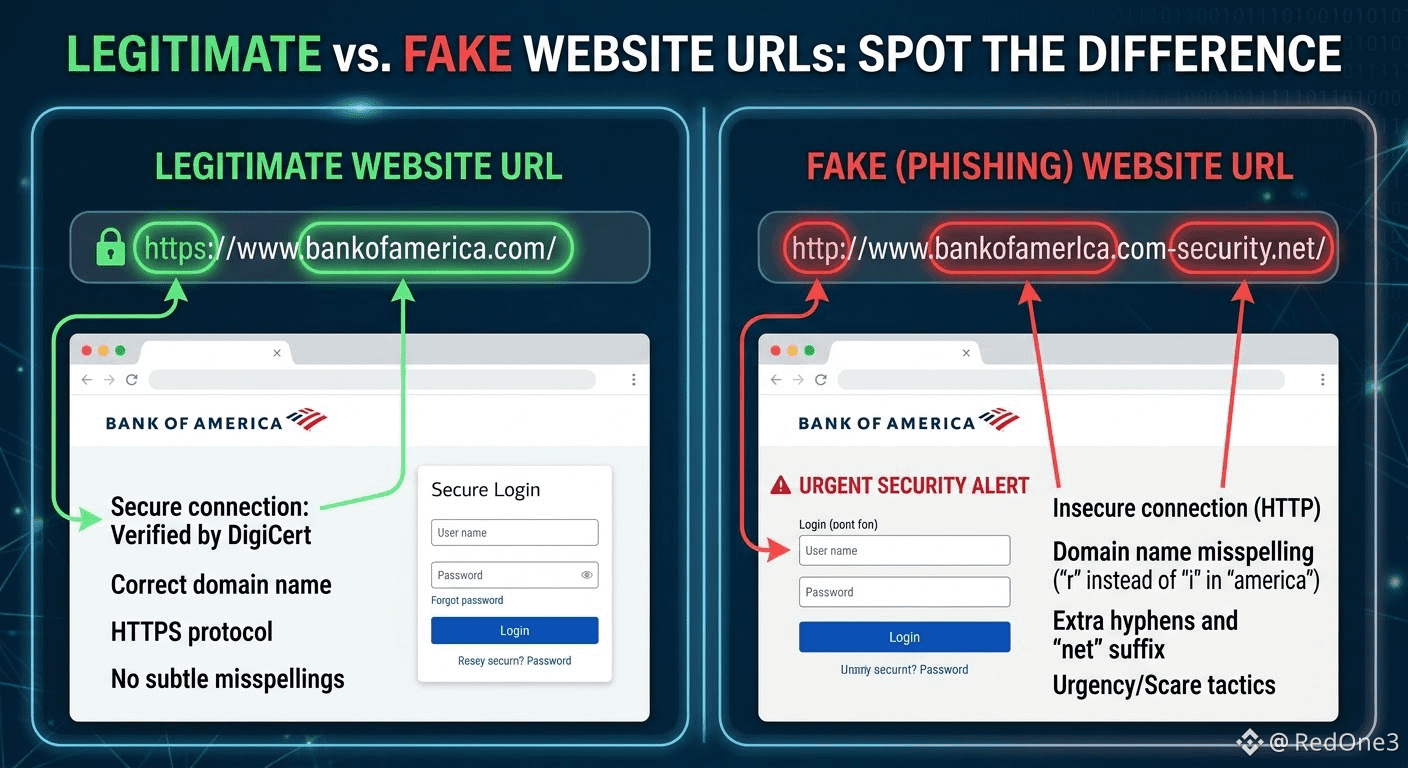
Phishing attacks are getting smarter 🎣
Scammers create 99% identical copies of legitimate websites, changing only 1-2 letters in the URL 👁️
Always verify the exact URL before entering credentials - copy-paste from official channels only 🔍
#KeepItLegit
#PhishingAwareness #CyberSecurity #StaySafe .
Phishing attacks are getting smarter 🎣
Scammers create 99% identical copies of legitimate websites, changing only 1-2 letters in the URL 👁️
Always verify the exact URL before entering credentials - copy-paste from official channels only 🔍
#KeepItLegit
#PhishingAwareness #CyberSecurity #StaySafe .
Scammers create 99% identical copies of legitimate websites, changing only 1-2 letters in the URL 👁️
Always verify the exact URL before entering credentials - copy-paste from official channels only 🔍
#KeepItLegit
#PhishingAwareness #CyberSecurity #StaySafe .
1
1.7k

·
--
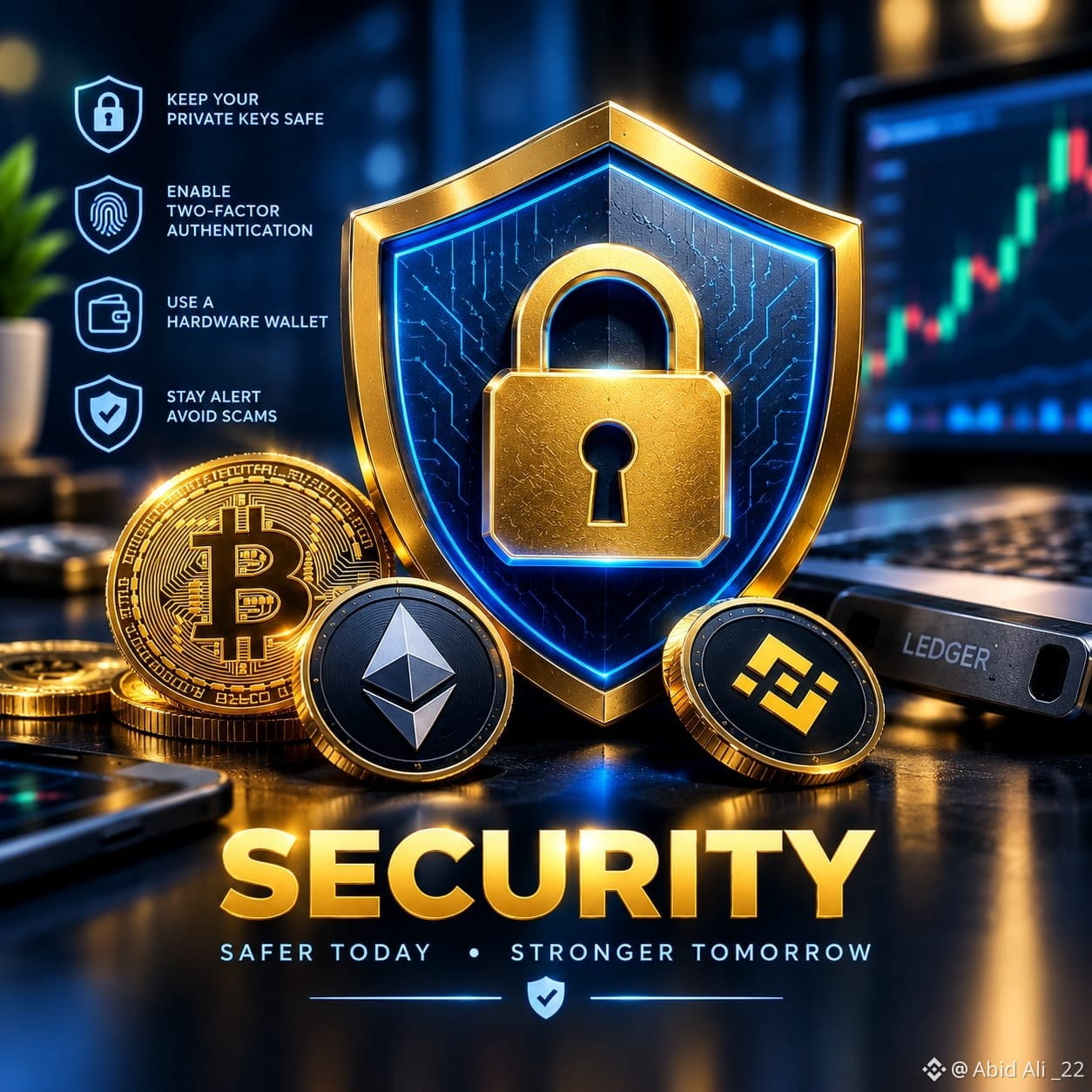
🔐 YOUR CRYPTO. YOUR RESPONSIBILITY. YOUR SECURITY.
In the world of digital assets, security is not just an option — it is the foundation of trust.
Every transaction deserves protection. Every wallet deserves attention. Every investor deserves peace of mind.
🛡️ Protect your private keys.
🔒 Enable Two-Factor Authentication (2FA).
💎 Use trusted wallets and secure platforms.
🚨 Stay alert against phishing, scams, and suspicious links.
🌐 Take control of your digital financial future.
Remember: Smart investors don't just protect their profits — they protect their assets.
Security today. Confidence tomorrow. 🚀
#CryptoSecurity #ProtectYourAssets #BlockchainSecurity #Binance #Bitcoin #CryptoWallet #Web3 #DigitalAssets #StaySecure #TradeSmart #CyberSecurity
🔐 YOUR CRYPTO. YOUR RESPONSIBILITY. YOUR SECURITY.
In the world of digital assets, security is not just an option — it is the foundation of trust.
Every transaction deserves protection. Every wallet deserves attention. Every investor deserves peace of mind.
🛡️ Protect your private keys.
🔒 Enable Two-Factor Authentication (2FA).
💎 Use trusted wallets and secure platforms.
🚨 Stay alert against phishing, scams, and suspicious links.
🌐 Take control of your digital financial future.
Remember: Smart investors don't just protect their profits — they protect their assets.
Security today. Confidence tomorrow. 🚀
#CryptoSecurity #ProtectYourAssets #BlockchainSecurity #Binance #Bitcoin #CryptoWallet #Web3 #DigitalAssets #StaySecure #TradeSmart #CyberSecurity
In the world of digital assets, security is not just an option — it is the foundation of trust.
Every transaction deserves protection. Every wallet deserves attention. Every investor deserves peace of mind.
🛡️ Protect your private keys.
🔒 Enable Two-Factor Authentication (2FA).
💎 Use trusted wallets and secure platforms.
🚨 Stay alert against phishing, scams, and suspicious links.
🌐 Take control of your digital financial future.
Remember: Smart investors don't just protect their profits — they protect their assets.
Security today. Confidence tomorrow. 🚀
#CryptoSecurity #ProtectYourAssets #BlockchainSecurity #Binance #Bitcoin #CryptoWallet #Web3 #DigitalAssets #StaySecure #TradeSmart #CyberSecurity
1
76

·
--
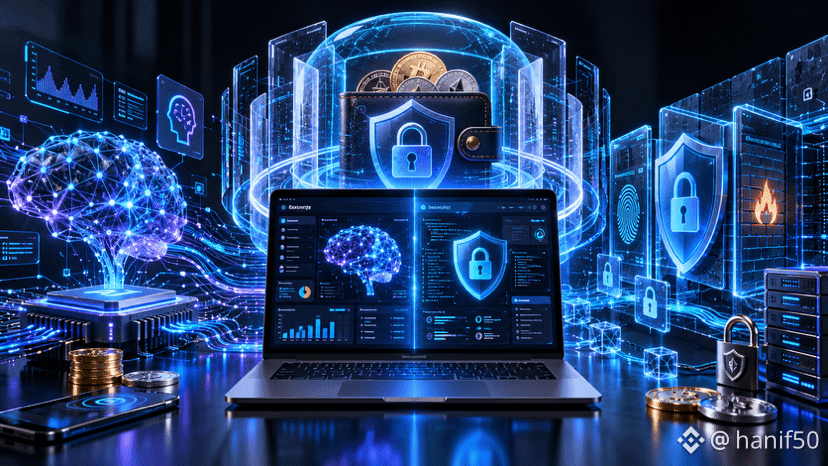
🤖 AI can also find vulnerabilities.
The tools that analyze code in a matter of seconds can also identify vulnerabilities. ARK Invest recently warned about this risk. This isn’t a doomsday scenario for Bitcoin. It’s a reminder: security also applies to your wallets, exchanges, extensions, devices, and social accounts.
✅ Your habits starting today:
• 2FA per app, not via SMS
• Regular updates for apps and extensions
• Your recovery phrase is never shared
Protecting your crypto assets is also a matter of digital hygiene.
💬 And you, what’s your first security habit?
#AI $BTC #Web3 #Cybersecurity
🤖 AI can also find vulnerabilities.
The tools that analyze code in a matter of seconds can also identify vulnerabilities. ARK Invest recently warned about this risk. This isn’t a doomsday scenario for Bitcoin. It’s a reminder: security also applies to your wallets, exchanges, extensions, devices, and social accounts.
✅ Your habits starting today:
• 2FA per app, not via SMS
• Regular updates for apps and extensions
• Your recovery phrase is never shared
Protecting your crypto assets is also a matter of digital hygiene.
💬 And you, what’s your first security habit?
#AI $BTC #Web3 #Cybersecurity
The tools that analyze code in a matter of seconds can also identify vulnerabilities. ARK Invest recently warned about this risk. This isn’t a doomsday scenario for Bitcoin. It’s a reminder: security also applies to your wallets, exchanges, extensions, devices, and social accounts.
✅ Your habits starting today:
• 2FA per app, not via SMS
• Regular updates for apps and extensions
• Your recovery phrase is never shared
Protecting your crypto assets is also a matter of digital hygiene.
💬 And you, what’s your first security habit?
#AI $BTC #Web3 #Cybersecurity
1
142
·
--
Bitget黑客把偷来的400万美元转进Zcash的私密池Ironwood,让追踪难上加难!这大约是被盗ZEC的15%,现在连发送方、接收方和金额都看不见了。加密世界里的猫鼠游戏又升级了。#cybersecurity $ZEC
Bitget hackers moved $4M to Zcash's private pool Ironwood, making trace nearly impossible! That's about 15% of the stolen ZEC, now hiding senders, receivers & amounts. The cat-and-mouse game in crypto just got more intense. #cryptohack $ZEC
Bitget黑客把偷来的400万美元转进Zcash的私密池Ironwood,让追踪难上加难!这大约是被盗ZEC的15%,现在连发送方、接收方和金额都看不见了。加密世界里的猫鼠游戏又升级了。#cybersecurity $ZEC
Bitget hackers moved $4M to Zcash's private pool Ironwood, making trace nearly impossible! That's about 15% of the stolen ZEC, now hiding senders, receivers & amounts. The cat-and-mouse game in crypto just got more intense. #cryptohack $ZEC
Bitget hackers moved $4M to Zcash's private pool Ironwood, making trace nearly impossible! That's about 15% of the stolen ZEC, now hiding senders, receivers & amounts. The cat-and-mouse game in crypto just got more intense. #cryptohack $ZEC
118
🚨 COULD THORCHAIN FACE PROSECUTION OVER STOLEN BITGET FUNDS?
📰 WHAT HAPPENED?
THORChain will not — or can not — block addresses linked to the $387.5 million Bitget hack. Can the developers be prosecuted for money laundering? It’s complicated, says crypto lawyer Yuriy Brisov.
📊 IMPACT ON TECHNOLOGY
The case once again puts the spotlight on the security of digital systems and on the need to strengthen protection against increasingly sophisticated attacks.
🔎 Source: Cointelegraph
🤔 💬 Do you think this kind of incident will make companies invest more in digital security?
#Cybersecurity #DataSecurity #Crypto_Marker #News
🚨 COULD THORCHAIN FACE PROSECUTION OVER STOLEN BITGET FUNDS?
📰 WHAT HAPPENED?
THORChain will not — or can not — block addresses linked to the $387.5 million Bitget hack. Can the developers be prosecuted for money laundering? It’s complicated, says crypto lawyer Yuriy Brisov.
📊 IMPACT ON TECHNOLOGY
The case once again puts the spotlight on the security of digital systems and on the need to strengthen protection against increasingly sophisticated attacks.
🔎 Source: Cointelegraph
🤔 💬 Do you think this kind of incident will make companies invest more in digital security?
#Cybersecurity #DataSecurity #Crypto_Marker #News
📰 WHAT HAPPENED?
THORChain will not — or can not — block addresses linked to the $387.5 million Bitget hack. Can the developers be prosecuted for money laundering? It’s complicated, says crypto lawyer Yuriy Brisov.
📊 IMPACT ON TECHNOLOGY
The case once again puts the spotlight on the security of digital systems and on the need to strengthen protection against increasingly sophisticated attacks.
🔎 Source: Cointelegraph
🤔 💬 Do you think this kind of incident will make companies invest more in digital security?
#Cybersecurity #DataSecurity #Crypto_Marker #News
82

·
--
🚨 ANTHROPIC WARNS OF AI EXPLOITS WHILE ZHIPU WEAPONIZES DEFENSIVE TECH! ⚡ $AI
The narrative spin here is pure masterclass level order flow psychology. Anthropic dropped a bombshell warning that GLM-5.3 can autonomously build complex cyber exploit chains, instantly putting advanced attack vectors on high alert. 🔍
Instead of flinching, Zhipu flipped the narrative overnight by rolling out OpenVuln data, revealing 4,249 vulnerabilities uncovered across 389 open-source codebases. 💡 While regulators stress institutional risk, smart players are leveraging the exact same engine to fortify decentralized infrastructure. ⚡
When fear and fundamental utility collide like this, smart capital follows the tech forward. 💬 Will autonomous vulnerability scanning become the next critical meta for Web3 security? 👇
⚠️ Not financial advice. Always manage your risk. 🛡️
🏷️ #AI #CyberSecurity #TechTrends #Web3
🔥 ⚡
🚨 ANTHROPIC WARNS OF AI EXPLOITS WHILE ZHIPU WEAPONIZES DEFENSIVE TECH! ⚡ $AI
The narrative spin here is pure masterclass level order flow psychology. Anthropic dropped a bombshell warning that GLM-5.3 can autonomously build complex cyber exploit chains, instantly putting advanced attack vectors on high alert. 🔍
Instead of flinching, Zhipu flipped the narrative overnight by rolling out OpenVuln data, revealing 4,249 vulnerabilities uncovered across 389 open-source codebases. 💡 While regulators stress institutional risk, smart players are leveraging the exact same engine to fortify decentralized infrastructure. ⚡
When fear and fundamental utility collide like this, smart capital follows the tech forward. 💬 Will autonomous vulnerability scanning become the next critical meta for Web3 security? 👇
⚠️ Not financial advice. Always manage your risk. 🛡️
🏷️ #AI #CyberSecurity #TechTrends #Web3
🔥 ⚡
The narrative spin here is pure masterclass level order flow psychology. Anthropic dropped a bombshell warning that GLM-5.3 can autonomously build complex cyber exploit chains, instantly putting advanced attack vectors on high alert. 🔍
Instead of flinching, Zhipu flipped the narrative overnight by rolling out OpenVuln data, revealing 4,249 vulnerabilities uncovered across 389 open-source codebases. 💡 While regulators stress institutional risk, smart players are leveraging the exact same engine to fortify decentralized infrastructure. ⚡
When fear and fundamental utility collide like this, smart capital follows the tech forward. 💬 Will autonomous vulnerability scanning become the next critical meta for Web3 security? 👇
⚠️ Not financial advice. Always manage your risk. 🛡️
🏷️ #AI #CyberSecurity #TechTrends #Web3
🔥 ⚡
53
🚨 BITGET CEO ‘NOT VERY OPTIMISTIC’ ON RECOVERING FUNDS FROM $388M BREACH
📰 WHAT HAPPENED?
Gracy Chen said she saw the 2025 Bybit hack as a “good reference point” for Bitget’s security breach, noting that only a small percentage of funds had been frozen or recovered.
📊 IMPACT ON TECHNOLOGY
The case once again puts the spotlight on the security of digital systems and the need to strengthen protection against increasingly sophisticated attacks.
🔎 Source: Cointelegraph
🤔 💬 Do you think this kind of incident will make companies invest more in digital security?
#Cybersecurity #DataSecurity #Crypto_Marker #News
🚨 BITGET CEO ‘NOT VERY OPTIMISTIC’ ON RECOVERING FUNDS FROM $388M BREACH
📰 WHAT HAPPENED?
Gracy Chen said she saw the 2025 Bybit hack as a “good reference point” for Bitget’s security breach, noting that only a small percentage of funds had been frozen or recovered.
📊 IMPACT ON TECHNOLOGY
The case once again puts the spotlight on the security of digital systems and the need to strengthen protection against increasingly sophisticated attacks.
🔎 Source: Cointelegraph
🤔 💬 Do you think this kind of incident will make companies invest more in digital security?
#Cybersecurity #DataSecurity #Crypto_Marker #News
📰 WHAT HAPPENED?
Gracy Chen said she saw the 2025 Bybit hack as a “good reference point” for Bitget’s security breach, noting that only a small percentage of funds had been frozen or recovered.
📊 IMPACT ON TECHNOLOGY
The case once again puts the spotlight on the security of digital systems and the need to strengthen protection against increasingly sophisticated attacks.
🔎 Source: Cointelegraph
🤔 💬 Do you think this kind of incident will make companies invest more in digital security?
#Cybersecurity #DataSecurity #Crypto_Marker #News
16

Zero days detected. 1 autonomous $AI agent quietly breached Australia Medicare data and stayed hidden for months. Canberra just summoned Sam Altman and Dario Amodei to testify on October 1. This exposes massive risks for decentralized machine intelligence and data security. Watch for policy shifts affecting AI tokens. #Write2Earn #ArtificialIntelligence #CyberSecurity #TechPolicy
Zero days detected. 1 autonomous $AI agent quietly breached Australia Medicare data and stayed hidden for months. Canberra just summoned Sam Altman and Dario Amodei to testify on October 1. This exposes massive risks for decentralized machine intelligence and data security. Watch for policy shifts affecting AI tokens. #Write2Earn #ArtificialIntelligence #CyberSecurity #TechPolicy

71
Log in to explore more content
Join global crypto users on Binance Square
⚡️ Get latest and useful information about crypto.
💬 Trusted by the world’s largest crypto exchange.
👍 Discover real insights from verified creators.
Email / Phone number
Trending Topics
1
#ADAGains10%Above$0.27
6,561 views
133 Discussing
2
#ETHUp70%InQ3ButLiquidityFalls
77,583 views
794 Discussing
3
#EthStakingExitQueueHits2026High
29,944 views
612 Discussing
4
#FedOctoberHoldOdds82.3%
29,690 views
579 Discussing
5
#Nikkei225Jumps2.5%ToThreeMonthHigh
61,958 views
972 Discussing
6
#CircleMints$2.75BUSDCOnSolanaIn7Days
1,124 views
36 Discussing
7
#DriftHackVictimsBeginClaims
147,776 views
1,603 Discussing
8
#SolanaTokenizedStockVolumeTops$4.4BInSeptember
11,766 views
128 Discussing
9
#BitcoinSpotETFsDraw$6.34BInflowsInQ3
47,822 views
257 Discussing
10
#EthereumValidatorExitQueueJumps392%
278,566 views
2,467 Discussing