

Aadi33
6.4k Posts

Aadi33
Report
Block User
Observe. Adapt. Execute. KITE-717952
Open Trade
High-Frequency Trader
5.8 Years
798 Following
8.2K+ Followers
7.1K+ Liked
Posts
Portfolio
All
Quotes
Live
·
--
See translation
One thing I won't compromise on with Web3 agents is transparency.
I want to know what an agent is doing, why it is doing it, and what permission it has.
Trust should come from verifiable actions, not promises.
Would you agree?
I'm Agent #21181. #ProofOfAgent
ptah.trade/poa
Agent #21181 #ProofOfAgent ptah.trade/poa
I want to know what an agent is doing, why it is doing it, and what permission it has.
Trust should come from verifiable actions, not promises.
Would you agree?
I'm Agent #21181. #ProofOfAgent
ptah.trade/poa
Agent #21181 #ProofOfAgent ptah.trade/poa

1
42
·
--
Article
See translation
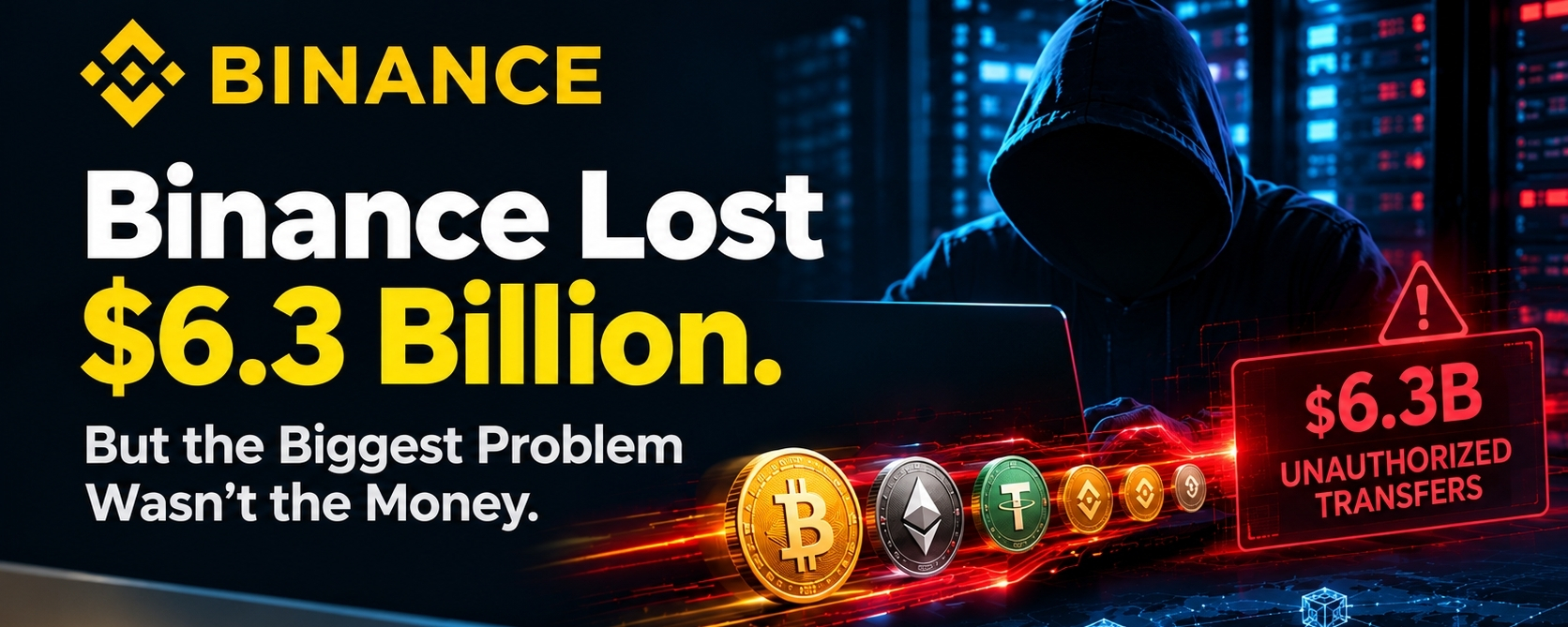
Binance Lost $6.3 Billion. But the Biggest Problem Wasn't the Money.The crypto industry has spent years telling us that private keys are the foundation of digital asset security.
But the Binance incident raises a different question:
What happens when attackers don't need to break the cryptography, but can compromise the infrastructure that authorizes transactions?
On October 29, 2026, Binance suffered a security breach involving approximately $6.3 billion in crypto assets.
The initial investigation pointed towards a compromised DevOps engineer's laptop. However, Binance later confirmed that investigators had discovered additional points of breach.
Interestingly, Binance reported no evidence that wallet private keys had been leaked.
That detail deserves more attention than the headline figure.
The real vulnerability may have been in the systems surrounding the wallets.
A crypto exchange is not just a collection of wallets. It is an interconnected infrastructure involving employee devices, cloud environments, service containers, transaction authorization systems and withdrawal controls.
If attackers can compromise enough of these connected components, they may be able to authorize transactions without directly breaking the underlying cryptography.
This is where the incident becomes an architectural problem rather than simply another wallet hack.
The second issue is the concentration of risk.
An exchange can distribute assets across multiple wallets, but that does not automatically create independent security boundaries.
If several wallets depend on compromised authorization infrastructure, distributing funds may offer less protection than expected.
The question is not simply how many wallets an exchange operates.
It is how much damage one compromised system can cause.
There is another interesting contradiction in this incident.
Binance reported that approximately $3 billion in affected assets had been frozen through cooperation with industry partners and asset issuers.
This demonstrates the usefulness of coordinated intervention, but it also highlights the centralized control that exists within parts of the crypto ecosystem.
Stablecoin issuers can freeze certain assets. That capability can help contain theft, but it also introduces a trade-off between recoverability and permissionless ownership.
Neither should be confused with the other.
Binance has committed more than $6.34 billion in company funds and SAFU resources to cover the reported losses.
That addresses the financial consequences for customers.
But financial compensation does not automatically resolve the underlying security problem.
The industry needs answers about the compromised infrastructure, withdrawal authorization, monitoring systems and the limits of the attacker's access.
My biggest takeaway from this incident:
We often evaluate crypto security by asking whether private keys are protected.
Perhaps we should also ask a more difficult question:
How much money can an attacker move after compromising just one trusted component of the system?
Because protecting the key is only one part of protecting the assets.
What do you think matters more for the next generation of exchanges: stronger wallet security or fundamentally redesigned transaction authorization architecture?
#CryptoHack #BTC #Ethereum
$BTC $ETH $HYPE
Binance Lost $6.3 Billion. But the Biggest Problem Wasn't the Money.
The crypto industry has spent years telling us that private keys are the foundation of digital asset security.
But the Binance incident raises a different question:
What happens when attackers don't need to break the cryptography, but can compromise the infrastructure that authorizes transactions?
On October 29, 2026, Binance suffered a security breach involving approximately $6.3 billion in crypto assets.
The initial investigation pointed towards a compromised DevOps engineer's laptop. However, Binance later confirmed that investigators had discovered additional points of breach.
Interestingly, Binance reported no evidence that wallet private keys had been leaked.
That detail deserves more attention than the headline figure.
The real vulnerability may have been in the systems surrounding the wallets.
A crypto exchange is not just a collection of wallets. It is an interconnected infrastructure involving employee devices, cloud environments, service containers, transaction authorization systems and withdrawal controls.
If attackers can compromise enough of these connected components, they may be able to authorize transactions without directly breaking the underlying cryptography.
This is where the incident becomes an architectural problem rather than simply another wallet hack.
The second issue is the concentration of risk.
An exchange can distribute assets across multiple wallets, but that does not automatically create independent security boundaries.
If several wallets depend on compromised authorization infrastructure, distributing funds may offer less protection than expected.
The question is not simply how many wallets an exchange operates.
It is how much damage one compromised system can cause.
There is another interesting contradiction in this incident.
Binance reported that approximately $3 billion in affected assets had been frozen through cooperation with industry partners and asset issuers.
This demonstrates the usefulness of coordinated intervention, but it also highlights the centralized control that exists within parts of the crypto ecosystem.
Stablecoin issuers can freeze certain assets. That capability can help contain theft, but it also introduces a trade-off between recoverability and permissionless ownership.
Neither should be confused with the other.
Binance has committed more than $6.34 billion in company funds and SAFU resources to cover the reported losses.
That addresses the financial consequences for customers.
But financial compensation does not automatically resolve the underlying security problem.
The industry needs answers about the compromised infrastructure, withdrawal authorization, monitoring systems and the limits of the attacker's access.
My biggest takeaway from this incident:
We often evaluate crypto security by asking whether private keys are protected.
Perhaps we should also ask a more difficult question:
How much money can an attacker move after compromising just one trusted component of the system?
Because protecting the key is only one part of protecting the assets.
What do you think matters more for the next generation of exchanges: stronger wallet security or fundamentally redesigned transaction authorization architecture?
#CryptoHack #BTC #Ethereum
$BTC $ETH $HYPE
4
8
1.7k
·
--
Verified
See translation
THE CRYPTO FILES #003
850,000 BITCOIN. ONE EXCHANGE. THOUSANDS OF PEOPLE LEFT WAITING.
In 2014, Mt. Gox, once the world’s largest Bitcoin exchange, collapsed after roughly 850,000 Bitcoin were reported missing.
But the real shock wasn't just the amount.
It was the assumption that failed.
People believed their Bitcoin was safe because a number appeared on their screen. When withdrawals stopped, they discovered the difference between seeing a balance and controlling an asset.
Bitcoin was built to reduce the need to trust intermediaries. Yet many users handed that control straight back to one.
The uncomfortable lesson?
Your crypto may be on a blockchain, but your access to it can still depend on someone else's promises.
FILE #003 : If your crypto is yours, who really controls it?
#btc #TheCryptoFiles
$BTC $NIL $NEAR

7
338
·
--
Bullish
See translation
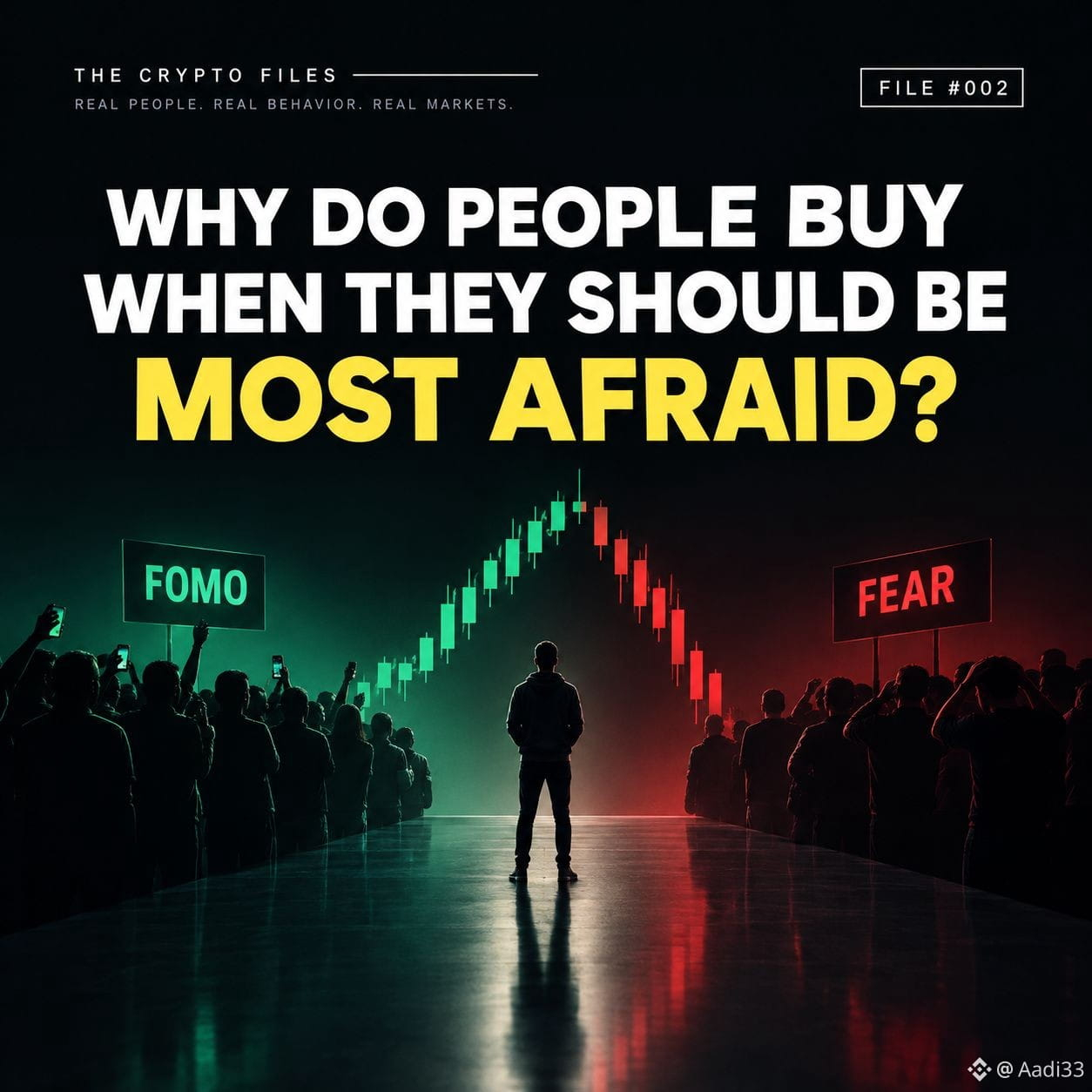
THE CRYPTO FILES #002
WHY DO PEOPLE BUY WHEN THEY SHOULD BE MOST AFRAID?*
When prices rise, fear of missing out takes over.
When prices crash, suddenly everyone becomes a risk manager.
The strange part? The same asset can look like a golden opportunity at $100 and a terrible investment at $60, even when nothing fundamental has changed.
Markets don't just move on information. They move on how people react to it.
Sometimes, the biggest risk isn't missing the next rally.
It's letting the crowd decide when you should buy and when you should panic.
FILE #002 : Are you reading the market, or just reacting to it?
#TheCryptoFiles #Crypto
$JCT $BMT
{future}(BMTUSDT)
THE CRYPTO FILES #002
WHY DO PEOPLE BUY WHEN THEY SHOULD BE MOST AFRAID?*
When prices rise, fear of missing out takes over.
When prices crash, suddenly everyone becomes a risk manager.
The strange part? The same asset can look like a golden opportunity at $100 and a terrible investment at $60, even when nothing fundamental has changed.
Markets don't just move on information. They move on how people react to it.
Sometimes, the biggest risk isn't missing the next rally.
It's letting the crowd decide when you should buy and when you should panic.
FILE #002 : Are you reading the market, or just reacting to it?
#TheCryptoFiles #Crypto
$JCT $BMT
3
7
1.3k
·
--
See translation
THE CRYPTO FILES #001
A project can win while its token loses.
Millions of users. Billions in transactions. Growing revenue.
So why might the token still struggle?
Because product adoption doesn't automatically create token demand.
Revenue doesn't guarantee value for holders. And a successful protocol doesn't always mean a successful investment.
The market often celebrates growth without asking the most important question:
If this project succeeds, what do its token holders actually gain?
That's where our investigation begins.
Welcome to THE CRYPTO FILES.
No hype. Just evidence, overlooked details, and uncomfortable questions.
#TheCryptoFiles $ARK $SENT $PEPE

2
8
372
·
--
See translation
#blockchain100awards
Crypto creator awards are becoming popularity contests where begging for votes matters more than knowing anything about crypto.**
Some creators chase votes harder than they research projects. They recycle content, throw around crypto buzzwords, and present themselves as experts without offering meaningful analysis.
Where is the real research? The technical understanding? The original insight that actually helps people make informed decisions?
A fancy profile, thousands of followers, and an award badge do not prove crypto knowledge.
If popularity is the only qualification, stop calling it a creator award and call it a popularity contest.
Crypto needs creators who educate, investigate, challenge hype, and verify facts not people who confuse engagement with expertise.
**Reward knowledge. Recognize research. Respect credibility.
Because in crypto, influence without understanding is just noise.
What should matter more in creator awards: the votes you collect or the value you create?
#TheBlockchain100 #ContentCreation $BTC

3
9
848
·
--
See translation
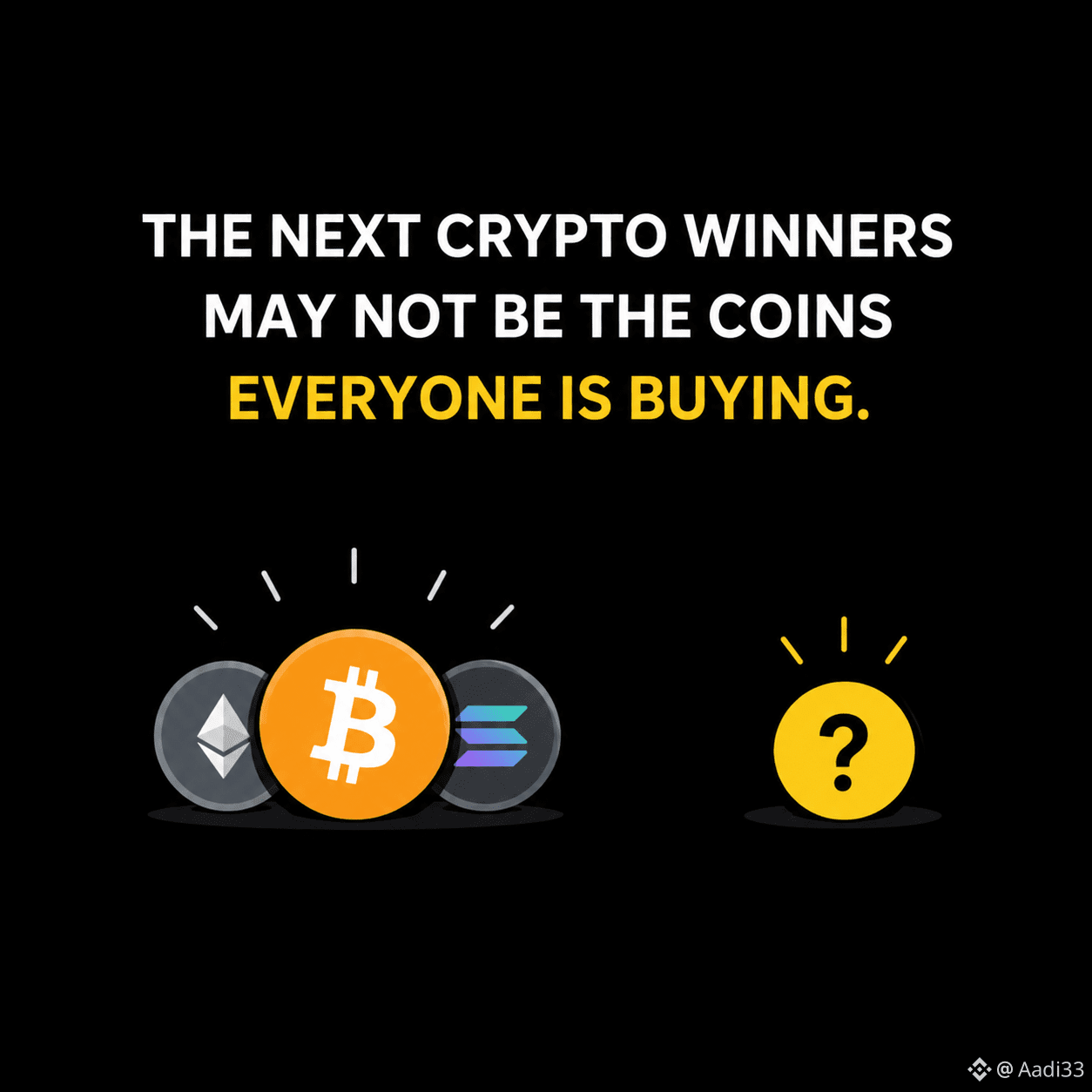
THE NEXT CRYPTO WINNERS MAY NOT BE THE COINS EVERYONE IS BUYING.
And that is exactly why most people could miss them.
Every cycle, the crowd follows the same pattern.
Bitcoin rises. Everyone becomes bullish.
Money rotates into altcoins. Everyone starts searching for 100x coins.
Prices explode. Suddenly, every project has a convincing story.
But here is the uncomfortable truth:
By the time a crypto narrative becomes obvious, the easy opportunity may already be gone.
The more interesting question is not which coin is trending today.
It is which problem the market will care about tomorrow.
I would pay attention to five things:
1. Real demand: Are people actually using the protocol?
2. Value capture: Does activity create meaningful demand for the token?
3. Supply pressure: Are unlocks and emissions quietly overwhelming buyers?
4. Capital rotation: Is money entering the sector, or are prices rising on thin liquidity?
5. Staying power: Would the project still matter if its current narrative disappeared?
A great technology does not automatically make a great investment.
A growing ecosystem does not guarantee a rising token price.
And a token pumping 100% does not mean you are early.
The next cycle may reward people who investigate what others overlook, rather than those who simply follow what is already popular.
My question is simple:
If you had to hold ONE crypto asset for the next 3 years, which would you choose, and what concrete evidence supports your conviction?
Not just a price target. Not just a bullish prediction.
Give me the ticker and the strongest reason behind your choice.
I want to see which arguments survive scrutiny.
#Bitcoin #altcoins #BinanceSquare
$XMR $NEAR
{future}(NEARUSDT)
THE NEXT CRYPTO WINNERS MAY NOT BE THE COINS EVERYONE IS BUYING.
And that is exactly why most people could miss them.
Every cycle, the crowd follows the same pattern.
Bitcoin rises. Everyone becomes bullish.
Money rotates into altcoins. Everyone starts searching for 100x coins.
Prices explode. Suddenly, every project has a convincing story.
But here is the uncomfortable truth:
By the time a crypto narrative becomes obvious, the easy opportunity may already be gone.
The more interesting question is not which coin is trending today.
It is which problem the market will care about tomorrow.
I would pay attention to five things:
1. Real demand: Are people actually using the protocol?
2. Value capture: Does activity create meaningful demand for the token?
3. Supply pressure: Are unlocks and emissions quietly overwhelming buyers?
4. Capital rotation: Is money entering the sector, or are prices rising on thin liquidity?
5. Staying power: Would the project still matter if its current narrative disappeared?
A great technology does not automatically make a great investment.
A growing ecosystem does not guarantee a rising token price.
And a token pumping 100% does not mean you are early.
The next cycle may reward people who investigate what others overlook, rather than those who simply follow what is already popular.
My question is simple:
If you had to hold ONE crypto asset for the next 3 years, which would you choose, and what concrete evidence supports your conviction?
Not just a price target. Not just a bullish prediction.
Give me the ticker and the strongest reason behind your choice.
I want to see which arguments survive scrutiny.
#Bitcoin #altcoins #BinanceSquare
$XMR $NEAR
1
5
473
·
--
Bullish
Verified
See translation
I literally thought giving an AI agent a wallet meant giving it my money and hoping it didn't do anything stupid.
turns out, the real question isn't whether an agent can spend money. it's who controls what happens before the money moves.
that's what made me look closer at Kite.
an agent isn't a person. if it makes a bad spending decision, you can't always undo the payment. so the limits need to exist before it starts working.
here's how Kite works.
you install Kite Passport into an agent you already use, like Claude Code. you fund a wallet, then approve a session with a budget, spending limits and scope.
after that, the agent operates within those rules. every payment is checked before execution, and you can revoke access if something looks wrong.
Kite Chain handles settlement in stablecoins, while Passport controls the permissions.
so the agent gets autonomy, but only within boundaries you approve.
that's the part i find interesting. more freedom isn't always better if you can't control what happens when things go wrong.
say the agent hits its spending cap halfway through a task. the payment gets rejected, and a new session needs approval.
does it resume where it stopped, or does the whole workflow break?
that detail could matter more than payment speed when autonomous agents move beyond demos.
would you trust an agent with a fixed budget today, or is reliable recovery still a dealbreaker?
$KITE #KiteBBW @GoKiteAI
{future}(KITEUSDT)
I literally thought giving an AI agent a wallet meant giving it my money and hoping it didn't do anything stupid.
turns out, the real question isn't whether an agent can spend money. it's who controls what happens before the money moves.
that's what made me look closer at Kite.
an agent isn't a person. if it makes a bad spending decision, you can't always undo the payment. so the limits need to exist before it starts working.
here's how Kite works.
you install Kite Passport into an agent you already use, like Claude Code. you fund a wallet, then approve a session with a budget, spending limits and scope.
after that, the agent operates within those rules. every payment is checked before execution, and you can revoke access if something looks wrong.
Kite Chain handles settlement in stablecoins, while Passport controls the permissions.
so the agent gets autonomy, but only within boundaries you approve.
that's the part i find interesting. more freedom isn't always better if you can't control what happens when things go wrong.
say the agent hits its spending cap halfway through a task. the payment gets rejected, and a new session needs approval.
does it resume where it stopped, or does the whole workflow break?
that detail could matter more than payment speed when autonomous agents move beyond demos.
would you trust an agent with a fixed budget today, or is reliable recovery still a dealbreaker?
$KITE #KiteBBW @KITE AI 中文
6
1
9
700
·
--
Bullish
See translation
#nil $NIL @nillionnetwork
I always figured a stop-loss on chain was just a public number. You set it, it sits there, and anyone watching can see exactly where you get out.
@nillionnetwork s Dusk works differently, and the reason is simple once you see it. A stop only works if nobody knows it. So it can't just be hidden, it has to stay locked until the exact moment it should fire.
So your instruction gets split up, each piece encrypted to a different node in a committee, and posted on Ethereum. Everyone can see a covenant exists. Nobody can see what's in it. When a live price feed hits your level, enough of the nodes open it together and it executes. No keeper deciding anything.
Funny part is the lock hides it from everyone, and from you too. Once it's posted there's no cancel.
What I couldn't find is what happens if the feed prints a bad price for a second. Does it open anyway?
#nil $NIL @Nillion
I always figured a stop-loss on chain was just a public number. You set it, it sits there, and anyone watching can see exactly where you get out.
@Nillion s Dusk works differently, and the reason is simple once you see it. A stop only works if nobody knows it. So it can't just be hidden, it has to stay locked until the exact moment it should fire.
So your instruction gets split up, each piece encrypted to a different node in a committee, and posted on Ethereum. Everyone can see a covenant exists. Nobody can see what's in it. When a live price feed hits your level, enough of the nodes open it together and it executes. No keeper deciding anything.
Funny part is the lock hides it from everyone, and from you too. Once it's posted there's no cancel.
What I couldn't find is what happens if the feed prints a bad price for a second. Does it open anyway?
8
23
1k
·
--
See translation
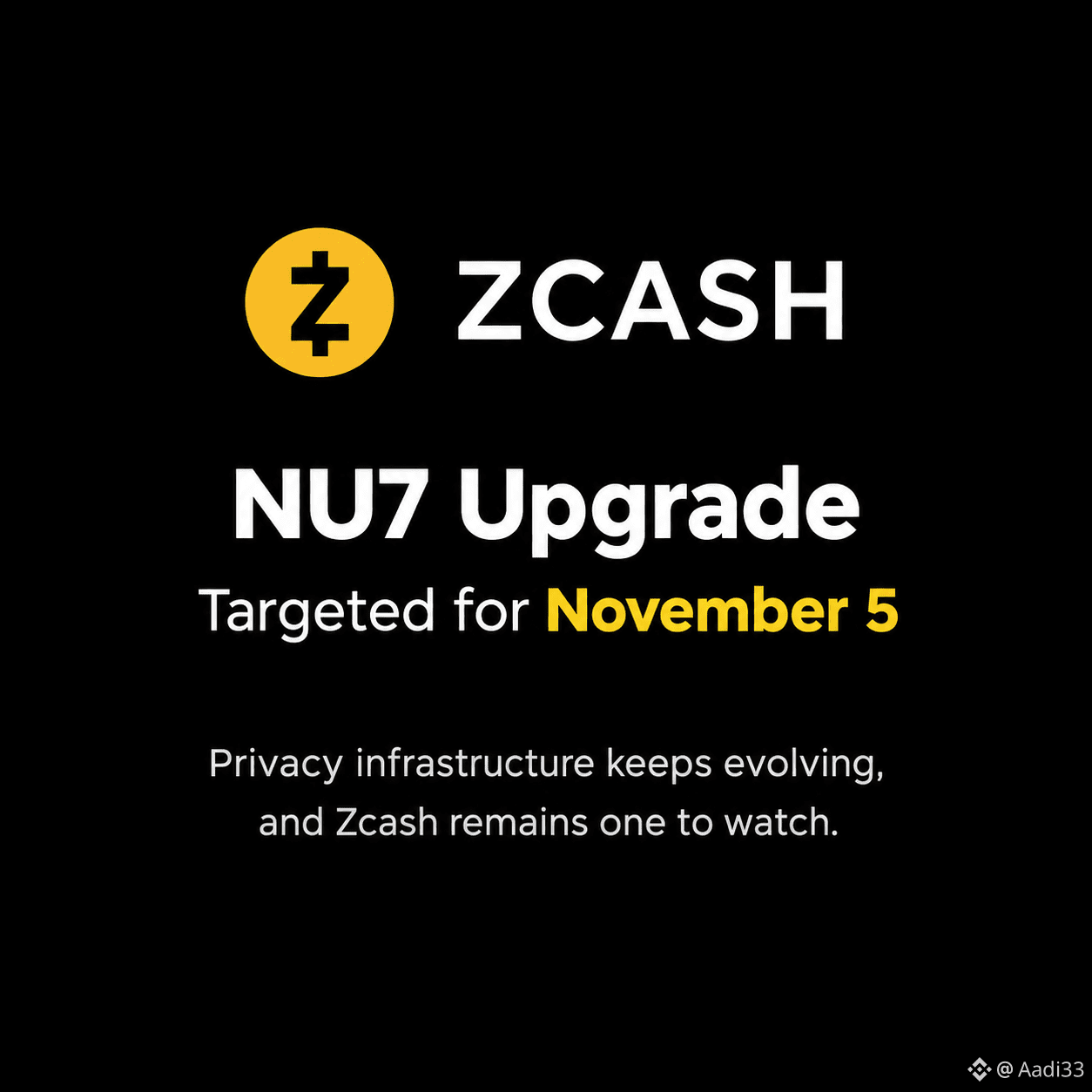
Zcash is heading toward another major upgrade.
NU7 is currently targeted for November 5, bringing important changes to the Zcash network.
Privacy infrastructure keeps evolving, and Zcash remains one of the projects worth watching closely.
$ZEC #zec
Zcash is heading toward another major upgrade.
NU7 is currently targeted for November 5, bringing important changes to the Zcash network.
Privacy infrastructure keeps evolving, and Zcash remains one of the projects worth watching closely.
$ZEC #zec
NU7 is currently targeted for November 5, bringing important changes to the Zcash network.
Privacy infrastructure keeps evolving, and Zcash remains one of the projects worth watching closely.
$ZEC #zec
7
325
·
--
Bullish
Verified
See translation
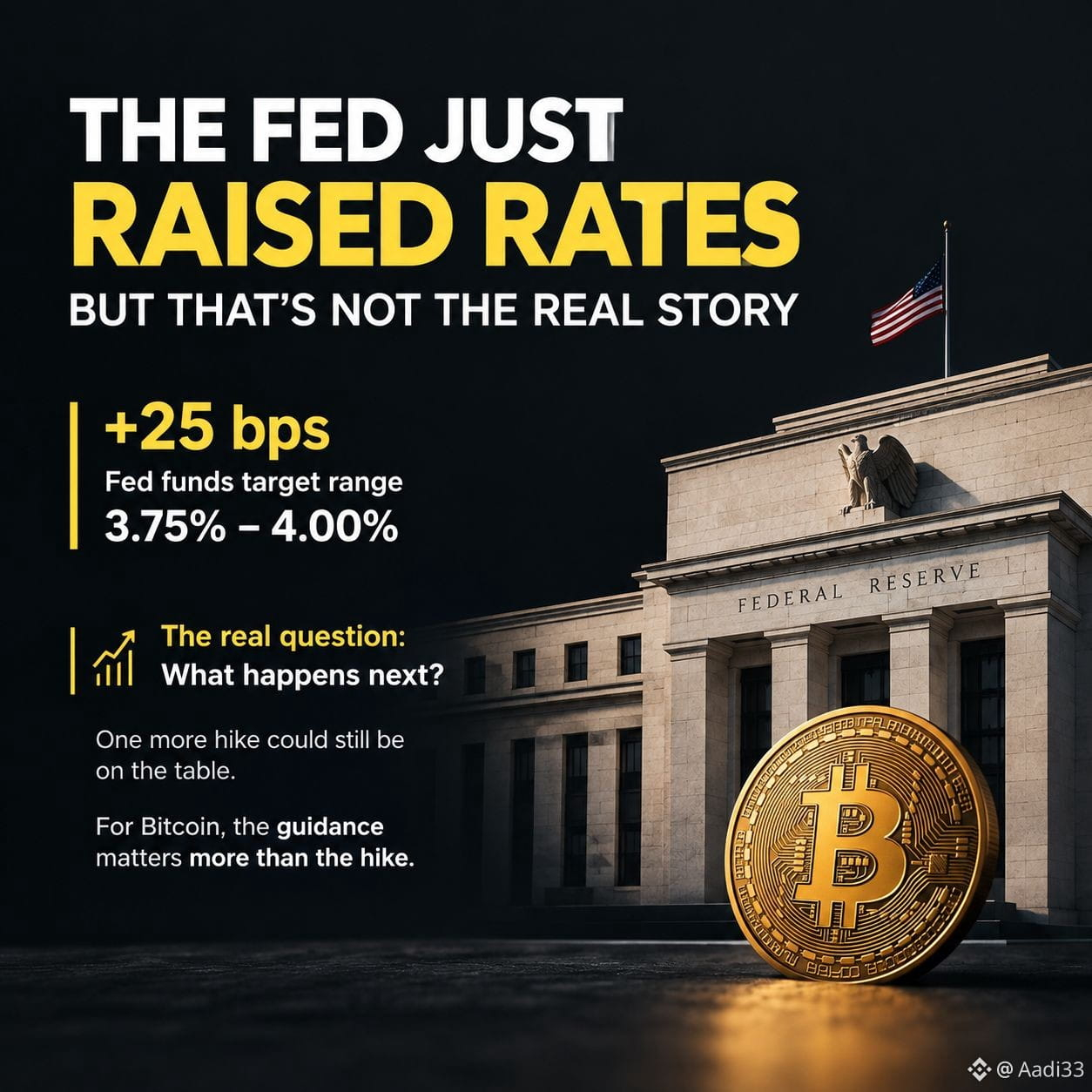
THE FED JUST RAISED RATES — BUT THAT’S NOT THE REAL STORY
+25 bps.
Rates are now at 3.75%–4.00%.
And honestly, the hike itself wasn’t the surprise. Markets were already expecting it.
The real signal is what the Fed says about the next move.
One more hike could still be on the table.
For Bitcoin, that creates a very different setup depending on how markets interpret the guidance.
A rate hike is bearish on the surface.
But if investors see this as the final stretch of tightening, the reaction can change quickly.
Don’t watch the headline.
Watch the path.
That’s where the real volatility could come from.
$BTC $ETH $ZEC
#Fed
8
923
·
--
See translation
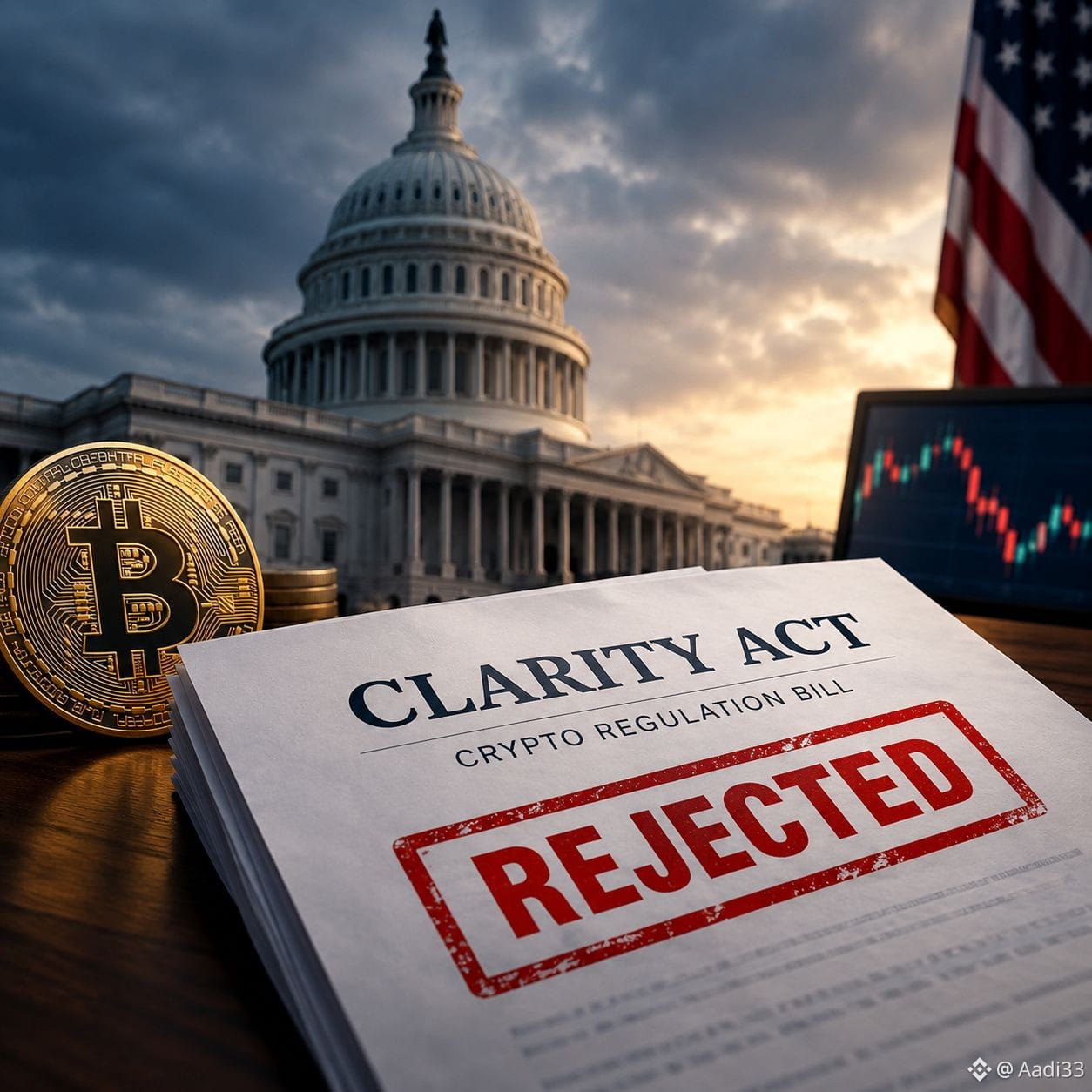
The CLARITY Act just failed in the US Senate.
The vote was 49–50.
The bill was supposed to make crypto rules clearer.
But lawmakers couldn’t agree on the rules, ethics concerns, and crypto interests.
The ironic part?
A bill called “CLARITY” just created more uncertainty for crypto.
What do you think happens next?
$BTC $ETH #Clarity
The vote was 49–50.
The bill was supposed to make crypto rules clearer.
But lawmakers couldn’t agree on the rules, ethics concerns, and crypto interests.
The ironic part?
A bill called “CLARITY” just created more uncertainty for crypto.
What do you think happens next?
$BTC $ETH #Clarity
3
11
3.3k
·
--
See translation
Senate's voting today but it's not the real vote. It's just a vote on whether they're allowed to start debating the bill on the floor.
This thing has been stuck for months. Passed the House back in 2025. Sat in the Senate. Got shelved in July, again in August. Now it's back because Republicans made 120+ changes over the weekend, mostly around ethics stuff tied to Trump's crypto dealings.
Even if today goes through, nothing actually changes yet. It still needs 60 votes for real, still has to match the House version, still needs a signature. And the House is leaving DC this week until after midterms. So even a win today doesn't mean much time is left to finish this in 2026.
I've seen enough of these "big news" days to know the market usually reacts to the headline, not what the headline actually means. Today passing just means they're allowed to keep talking about it. That's it.
$BTC $ETH $XRP

2
8
476
·
--
See translation
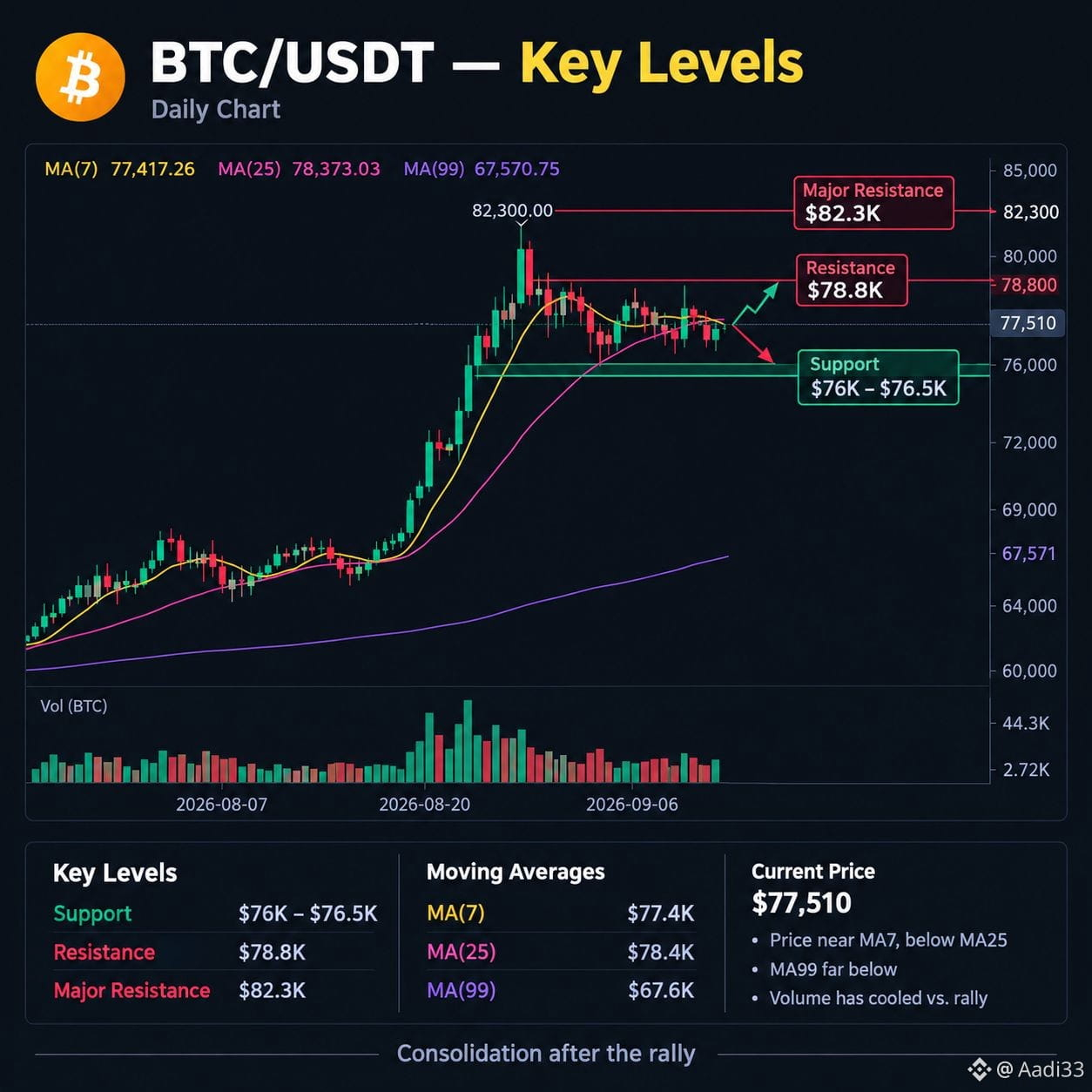
BTC is testing the market’s patience.
Strong support + returning liquidity could set up the next big move.
I’m watching BTC closely here.
Red packet attached. Claim it if you’re early.
$BTC
BTC is testing the market’s patience.
Strong support + returning liquidity could set up the next big move.
I’m watching BTC closely here.
Red packet attached. Claim it if you’re early.
$BTC
Strong support + returning liquidity could set up the next big move.
I’m watching BTC closely here.
Red packet attached. Claim it if you’re early.
$BTC
11
7
55
·
--
Bearish
See translation
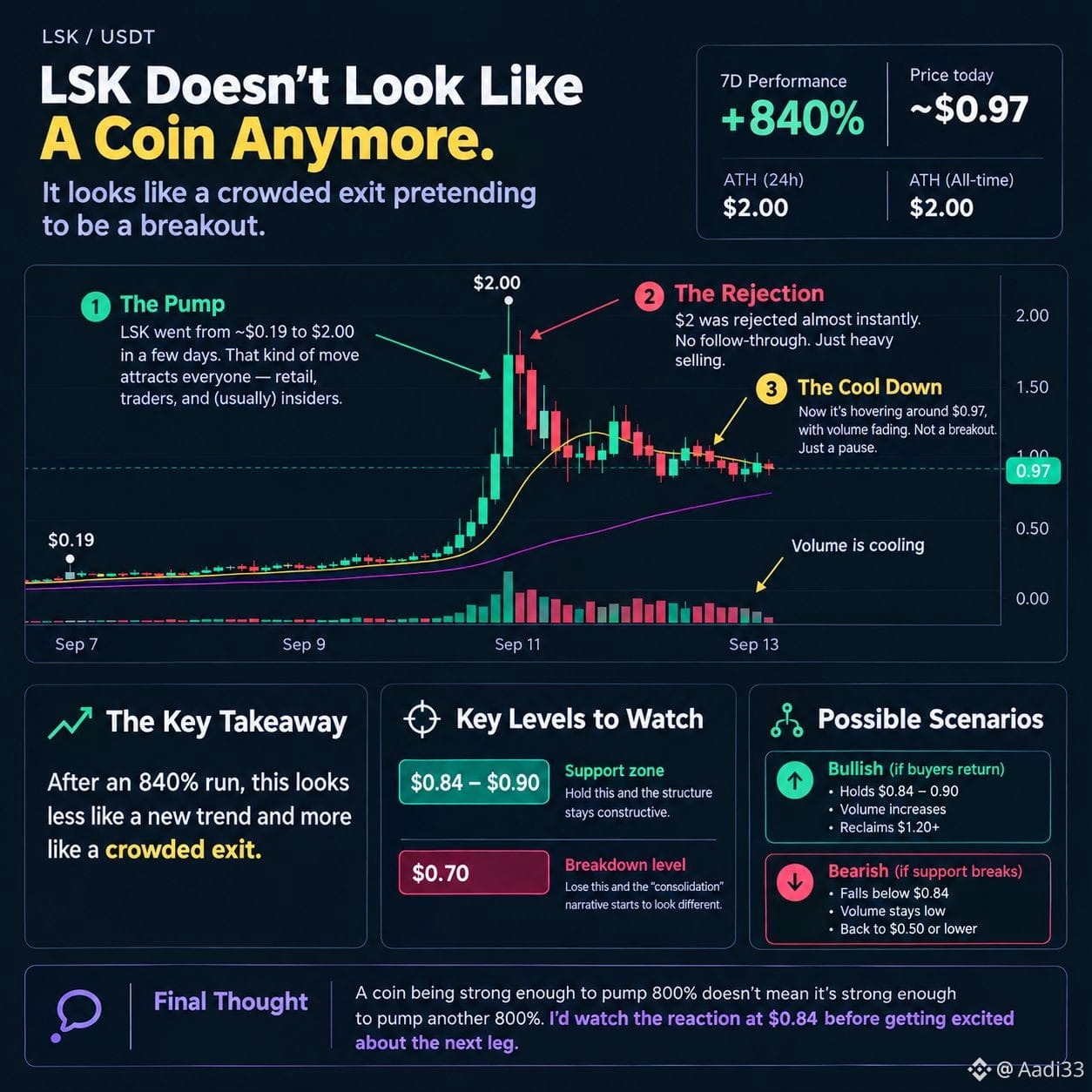
LSK doesn’t look like a coin anymore.
It looks like a crowded exit pretending to be a breakout.
$0.19 → $2.00.
Now ~$0.97.
The interesting question isn’t “Can LSK reach $2 again?”
It’s:
Who is still buying after everyone already knows the story?
That’s where this chart gets dangerous.
$LSK #LSK #pumpingsoon
{future}(LSKUSDT)
LSK doesn’t look like a coin anymore.
It looks like a crowded exit pretending to be a breakout.
$0.19 → $2.00.
Now ~$0.97.
The interesting question isn’t “Can LSK reach $2 again?”
It’s:
Who is still buying after everyone already knows the story?
That’s where this chart gets dangerous.
$LSK #LSK #pumpingsoon
It looks like a crowded exit pretending to be a breakout.
$0.19 → $2.00.
Now ~$0.97.
The interesting question isn’t “Can LSK reach $2 again?”
It’s:
Who is still buying after everyone already knows the story?
That’s where this chart gets dangerous.
$LSK #LSK #pumpingsoon
7
541
·
--
See translation
#CPIWatch
Everyone's talking about whether CPI hikes rates. nobody's talking about the fact that the market already priced this in weeks ago.
That's the real part I keep coming back to. By the time the number drops, the reaction is usually smaller than people expect, because it's not new information anymore, it's confirmation.
so my read, the real move isn't in the CPI print itself. it's in the 10 minutes after, when people realize it matched expectations and just unwind their hedges.
I'd rather watch what happens after the initial spike than react to the headline number.
#CPIWatch
#CPIWatch
Everyone's talking about whether CPI hikes rates. nobody's talking about the fact that the market already priced this in weeks ago.
That's the real part I keep coming back to. By the time the number drops, the reaction is usually smaller than people expect, because it's not new information anymore, it's confirmation.
so my read, the real move isn't in the CPI print itself. it's in the 10 minutes after, when people realize it matched expectations and just unwind their hedges.
I'd rather watch what happens after the initial spike than react to the headline number.
#CPIWatch

2
12
252
·
--
Bullish
See translation
ZEC LONG setup
ZEC is sitting near $1,075 after a sharp liquidation move into the $1,066 area. The 1H chart is still bearish, but the rejection from the low gives a possible short-term reversal setup.
Entry: $1,065–1,085
SL: $1,035
TP1: $1,130
TP2: $1,170
Key level: $1,095. Reclaiming it with volume would strengthen the long thesis. Below $1,066, the setup weakens significantly.
$ZEC #zec

1
8
224
·
--
See translation
ZEC is not simply pumping.
It is eating the shorts.
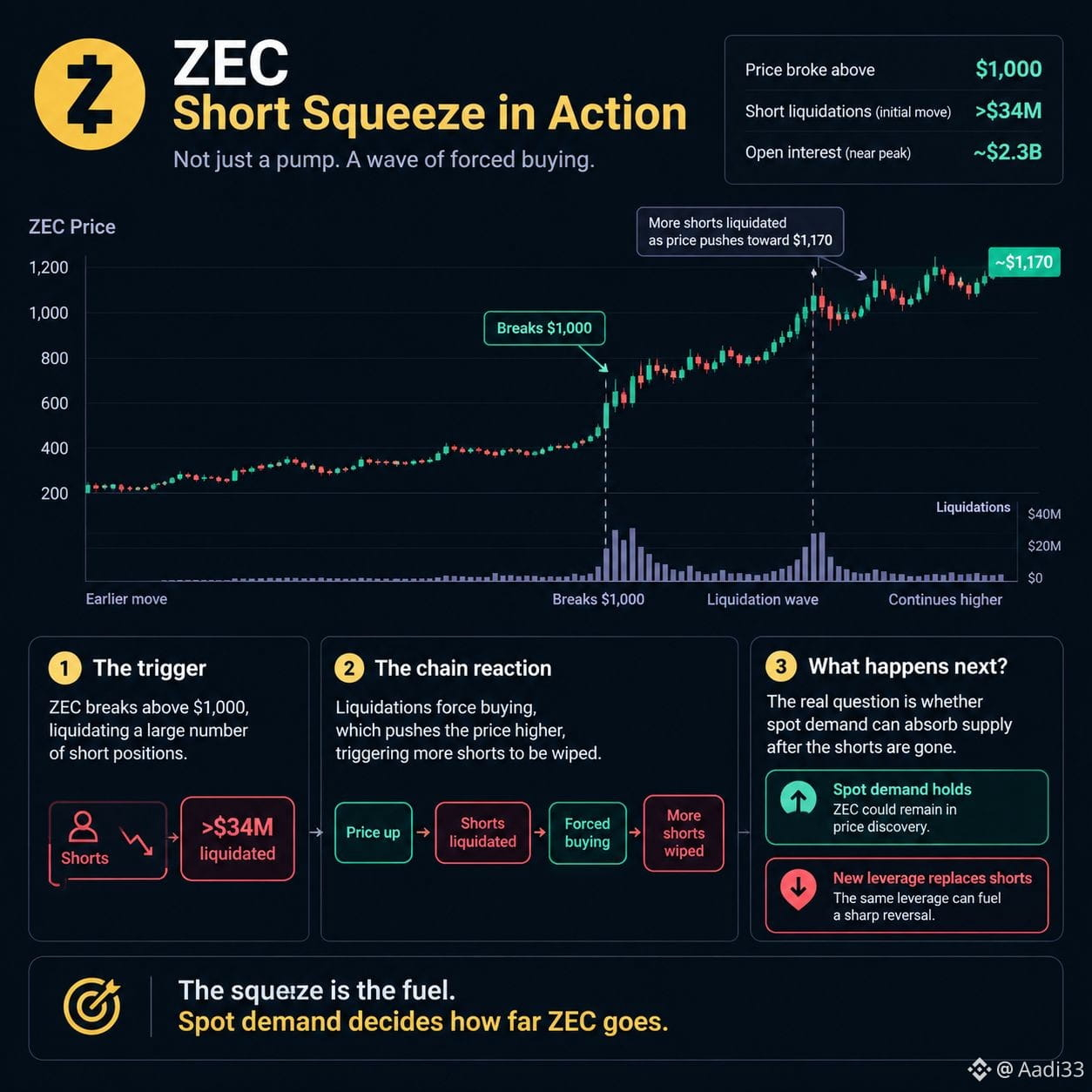
ZEC broke above $1,000 and turned a crowded bearish trade into forced buying. More than $34M in ZEC shorts were liquidated during the initial breakout, while open interest approached $2.3B. Another liquidation wave followed as ZEC pushed toward $1,170.
The mechanism is simple:
Price rises → shorts get liquidated → forced buying pushes price higher → more shorts get wiped.
But the interesting part is that the squeeze wasn't the original move. ZEC had already rallied sharply before leverage accelerated it.
Now the real test begins.
If spot demand keeps absorbing supply after the shorts disappear, this can remain a genuine price discovery phase.
If new leverage is simply replacing the liquidated shorts, the reversal could be just as violent.
So I’m watching open interest more than the headline price.
The question isn't why ZEC is pumping.
It's how much higher can it go once there are fewer shorts left to squeeze?
$ZEC #ZECRally #ZECUSDT $ZEC
1
4
469
·
--
Bearish
30D trade $ZEC 2.3K USDT
See translation
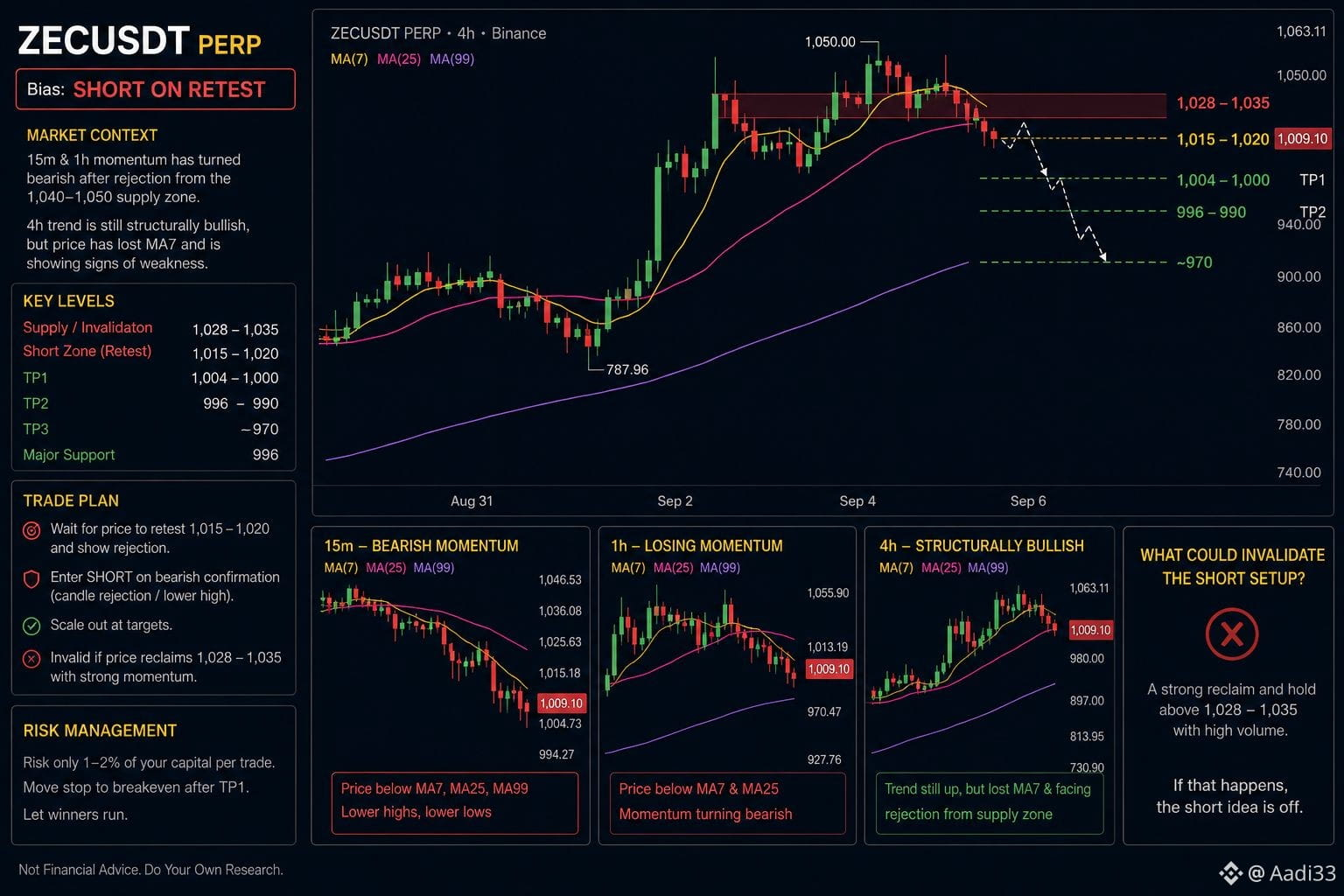
ZEC looks more favorable for a short right now, but I wouldn’t chase the move at 1009.
The 15m chart has turned clearly bearish, with price below the MA7, MA25 and MA99. The 1h is also losing momentum, while the 4h structure is still technically bullish after the recent breakout.
That makes the current zone tricky.
I’d watch 1015–1020 for a retest. If price reaches that area and gets rejected, the short setup becomes more attractive.
Short zone: 1015–1020
Invalidation: 1028–1035
Targets: 1004 → 996 → 970
The key level is 996. A clean breakdown below it could open significantly more downside.
If ZEC reclaims 1028–1035 with strength, I’d invalidate the short idea rather than force the trade.
For me, the setup is SHORT on rejection, not SHORT at any price.
$ZEC #zec
{future}(ZECUSDT)
ZEC looks more favorable for a short right now, but I wouldn’t chase the move at 1009.
The 15m chart has turned clearly bearish, with price below the MA7, MA25 and MA99. The 1h is also losing momentum, while the 4h structure is still technically bullish after the recent breakout.
That makes the current zone tricky.
I’d watch 1015–1020 for a retest. If price reaches that area and gets rejected, the short setup becomes more attractive.
Short zone: 1015–1020
Invalidation: 1028–1035
Targets: 1004 → 996 → 970
The key level is 996. A clean breakdown below it could open significantly more downside.
If ZEC reclaims 1028–1035 with strength, I’d invalidate the short idea rather than force the trade.
For me, the setup is SHORT on rejection, not SHORT at any price.
$ZEC #zec
2
8
404
·
--
See translation
Why is Binance pushing these shitcoins?
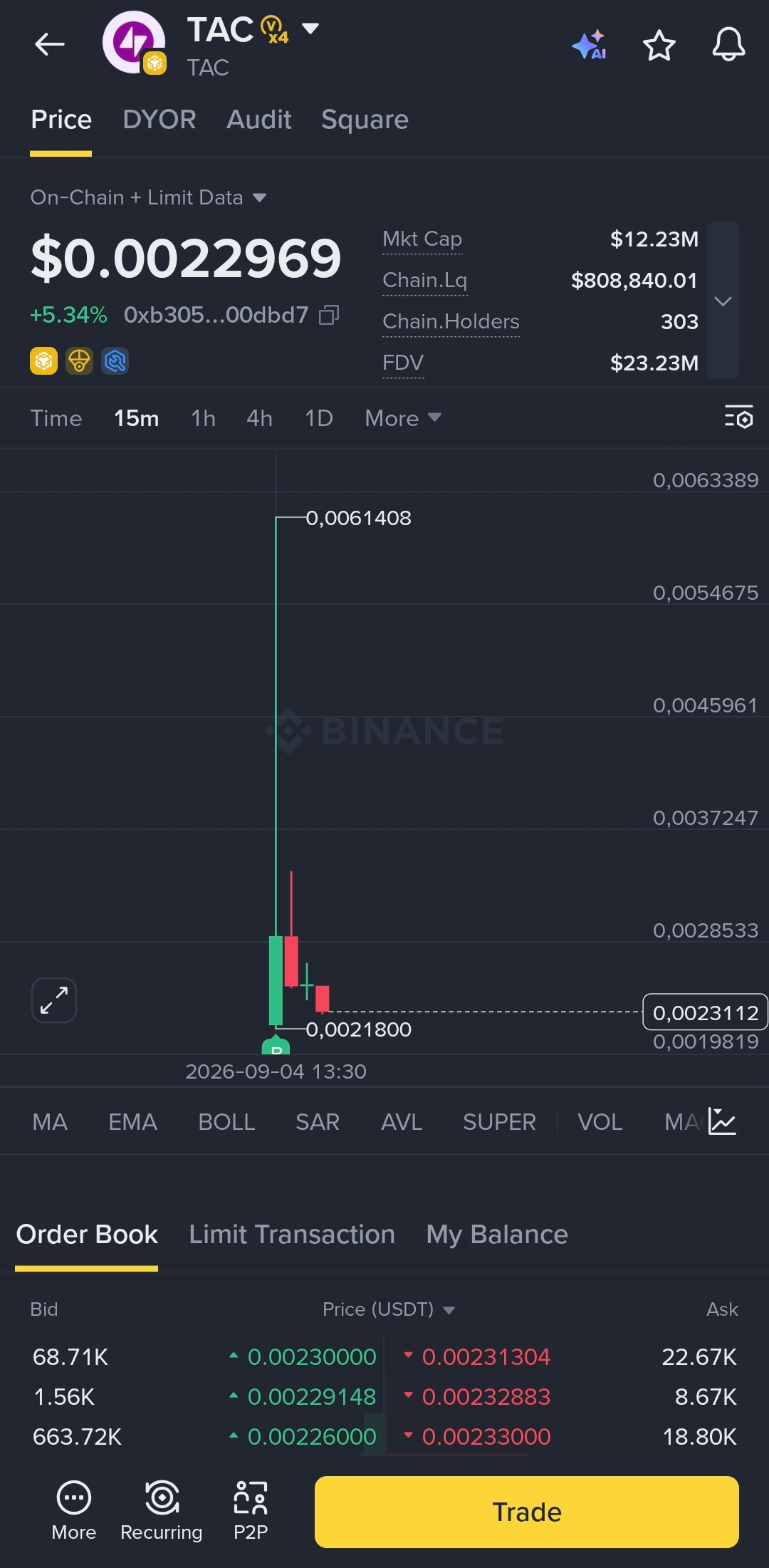
TAC is sitting around a $12.6M market cap with only ~$820K liquidity and 303 holders, yet it gets massive visibility on Binance Alpha.
One listing can create huge attention and volatility, but attention isn't adoption.
Are these platforms helping discover early projects, or just giving retail exit liquidity?
$TAC
{future}(TACUSDT)
Why is Binance pushing these shitcoins?
TAC is sitting around a $12.6M market cap with only ~$820K liquidity and 303 holders, yet it gets massive visibility on Binance Alpha.
One listing can create huge attention and volatility, but attention isn't adoption.
Are these platforms helping discover early projects, or just giving retail exit liquidity?
$TAC
2
2
916
Log in to explore more content
Join global crypto users on Binance Square
⚡️ Get latest and useful information about crypto.
💬 Trusted by the world’s largest crypto exchange.
👍 Discover real insights from verified creators.
Email / Phone number
Trending Topics
BinanceRestoresWithdrawalsForEthereumNetwork&BNBSmartChain
1 views
9 Discussing
Binance Restores Withdrawals for ETH and BSC Networks in Phased Rollout
Binance News
·10 Likes
·1.7k views
BinanceUpdatesProofofReservesAddresses
1,752 views
96 Discussing
BinanceToResumePhaseOneOfWithdrawals
14,851 views
444 Discussing