

-Dr4cK-
110 Posts

-Dr4cK-
Report
Block User
Investidor a 8 anos, crio modelos 3D por hobby
12 Following
46 Followers
257 Liked
Posts
All
Quotes
Videos
·
--
Article
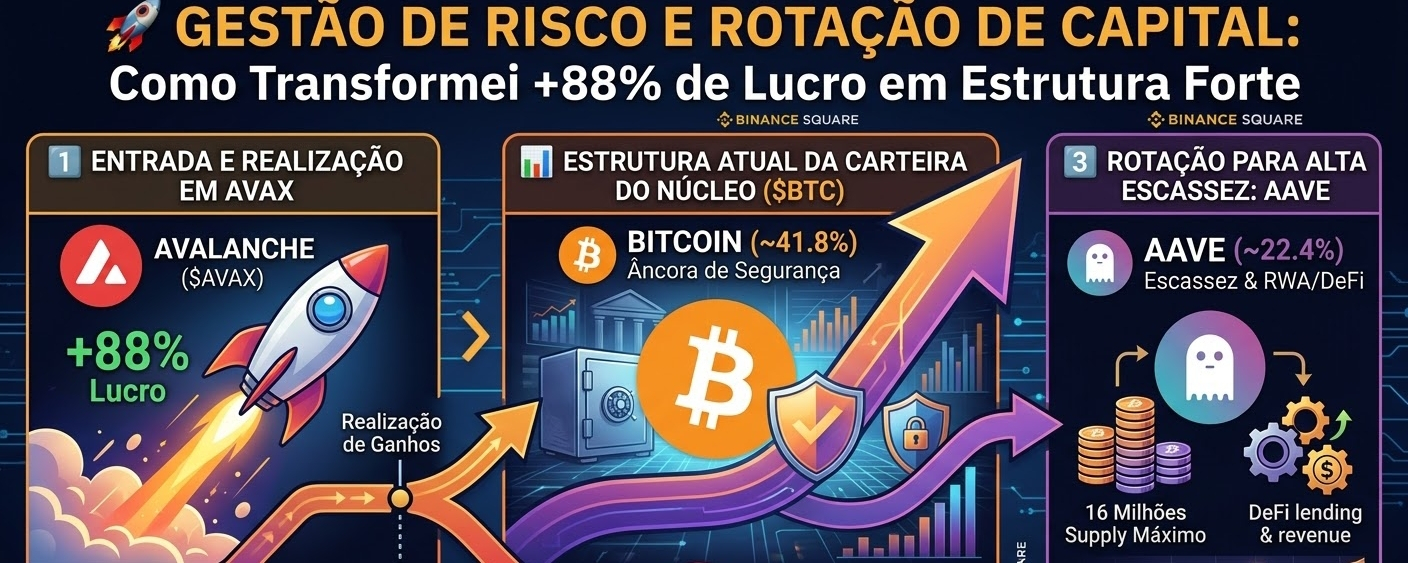
🚀Risk Management and Capital Rotation: How I Turned +88% Profit into a Strong StructureMany investors enter the crypto market looking for the coin that will 100x overnight, but the real key to building wealth in the long term is execution and discipline in taking profits.
I’m sharing here the recent restructuring of my portfolio and the rationale behind my decisions:
1️⃣ The Entry and Profit-Taking in Avalanche ($AVAX )
Entry point: Strategic entry in the R$ 30.00 range.
The move: With the token up by about +88%, I decided to apply a classic de-risking strategy (reducing risk).
🚀Risk Management and Capital Rotation: How I Turned +88% Profit into a Strong Structure
Many investors enter the crypto market looking for the coin that will 100x overnight, but the real key to building wealth in the long term is execution and discipline in taking profits.
I’m sharing here the recent restructuring of my portfolio and the rationale behind my decisions:
1️⃣ The Entry and Profit-Taking in Avalanche ($AVAX )
Entry point: Strategic entry in the R$ 30.00 range.
The move: With the token up by about +88%, I decided to apply a classic de-risking strategy (reducing risk).
I’m sharing here the recent restructuring of my portfolio and the rationale behind my decisions:
1️⃣ The Entry and Profit-Taking in Avalanche ($AVAX )
Entry point: Strategic entry in the R$ 30.00 range.
The move: With the token up by about +88%, I decided to apply a classic de-risking strategy (reducing risk).
1
1.1k
·
--
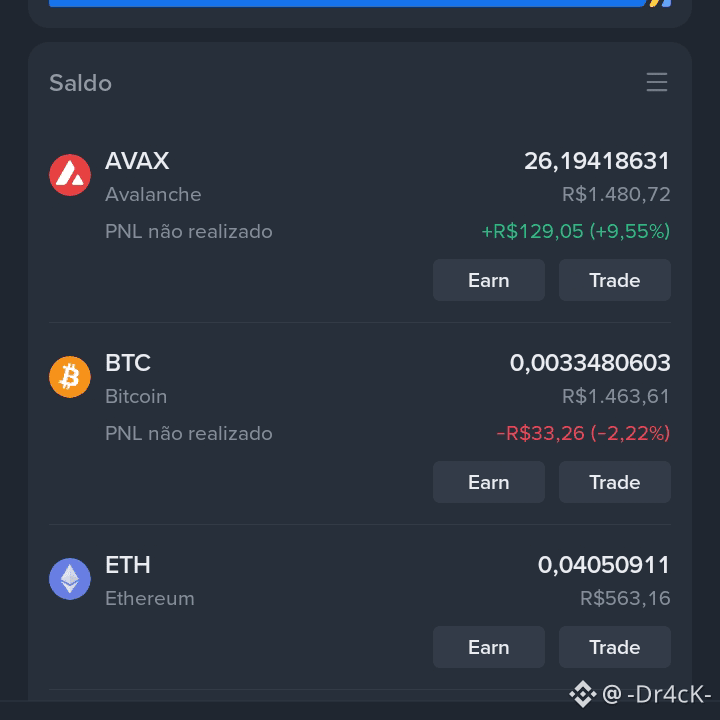
What do you think of my wallet?
$AVAX $BTC $ETH
What do you think of my wallet?
$AVAX $BTC $ETH
$AVAX $BTC $ETH
1
7
2.7k
·
--
Article
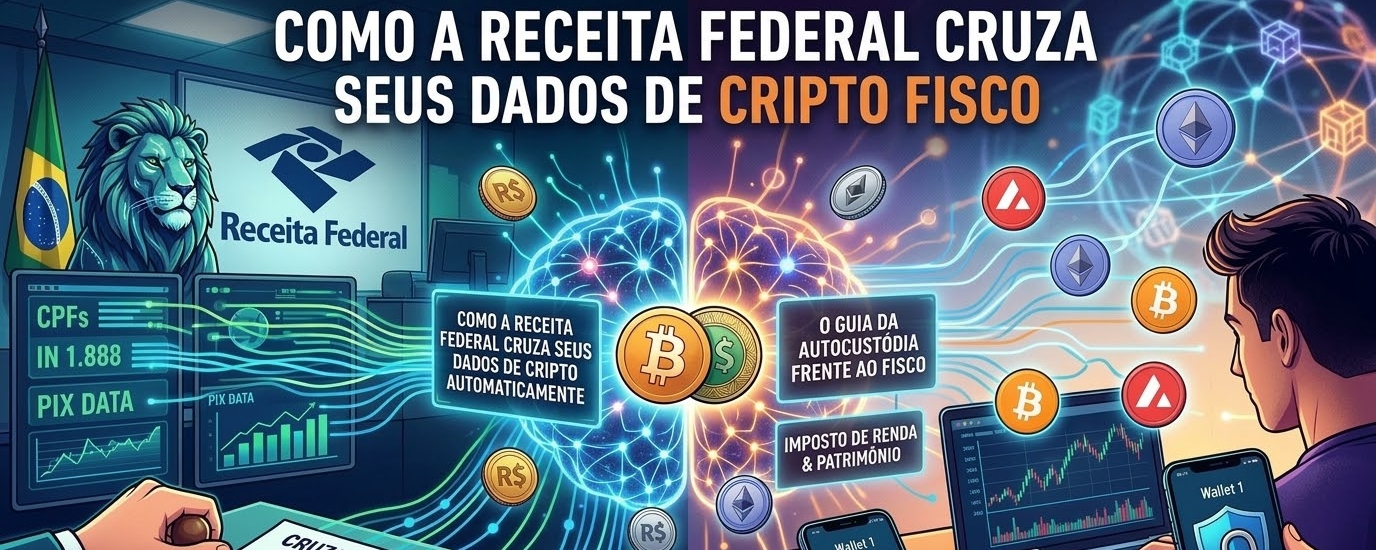
📊 How the Brazilian Federal Revenue Service cross-references your Crypto data (and what changes with Self-Custody)📊 How the Brazilian Federal Revenue Service cross-references your Crypto data (and what changes with Self-Custody)
If you invest in cryptocurrencies in Brazil, you’ve certainly heard about the data cross-check promoted by the Brazilian Federal Revenue Service based on Normative Instruction RFB No. 1.888. But do you know exactly how the tax authorities monitor these transactions, and what the impact is of transferring your funds to your own wallet?
Learn how this mechanism works and how to keep your assets safe and up to date with the law:
📊 How the Brazilian Federal Revenue Service cross-references your Crypto data (and what changes with Self-Custody)
📊 How the Brazilian Federal Revenue Service cross-references your Crypto data (and what changes with Self-Custody)
If you invest in cryptocurrencies in Brazil, you’ve certainly heard about the data cross-check promoted by the Brazilian Federal Revenue Service based on Normative Instruction RFB No. 1.888. But do you know exactly how the tax authorities monitor these transactions, and what the impact is of transferring your funds to your own wallet?
Learn how this mechanism works and how to keep your assets safe and up to date with the law:
If you invest in cryptocurrencies in Brazil, you’ve certainly heard about the data cross-check promoted by the Brazilian Federal Revenue Service based on Normative Instruction RFB No. 1.888. But do you know exactly how the tax authorities monitor these transactions, and what the impact is of transferring your funds to your own wallet?
Learn how this mechanism works and how to keep your assets safe and up to date with the law:
2
647
·
--
Bullish
Verified
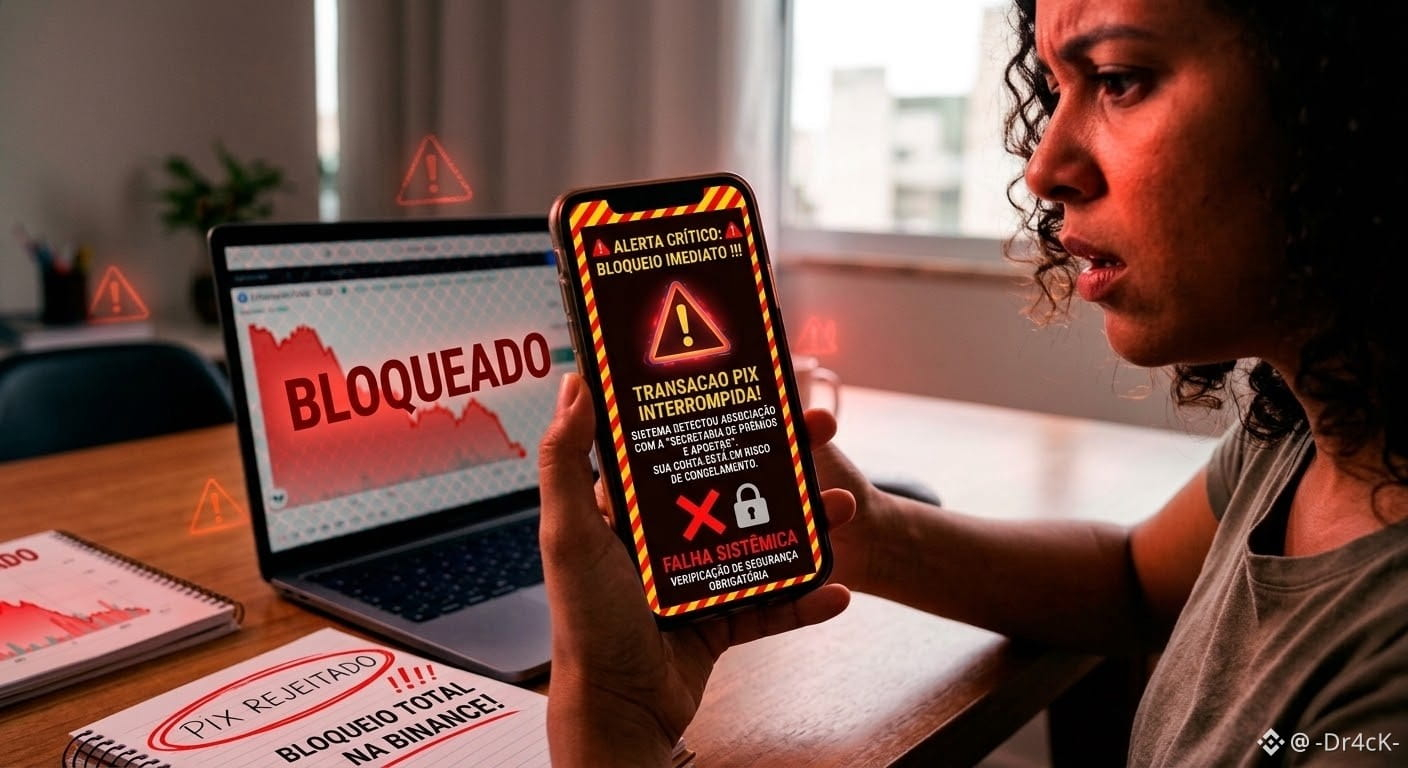
🚨 Pix rejected by "Secretaria de Prêmios e Apostas"? Understand what’s going on!
Many users are seeing error messages when trying to deposit Brazilian Reais via Pix on Binance, claiming that the platform is "not authorized by the Secretaria de Prêmios e Apostas (SPA)".
If this happened to you, don’t panic. Here’s what’s behind it and how to fix it:
$❓ What’s happening?
This is a false positive in banks’ automated blocking systems.
With the new government and Central Bank rules to combat irregular betting houses (bets), banks have implemented automated filters to stop transfers to certain CNPJs or payment intermediaries.
Binance is a cryptocurrency exchange—not a betting house. However, when a partner payment gateway is incorrectly categorized by the bank’s algorithms, the triggered block is the one for "unauthorized bets."
🛠️ What to do to resolve it?
Create a new Pix order: Cancel the pending deposit in the Binance app and start a new request. This may change the key or the payment processor being used.
Try another bank: Some banks have stricter and more outdated filters than others.
Contact your bank’s support: Tell them the transfer is to a cryptoasset exchange (Binance) and request authorization to send it.
📢 Share or comment here if this happened to you recently and which bank you used. Help the community stay informed!
#BinanceSquareTalks #Crypto #Pix #BinanceSquare #dicascripto $AVAX $BTC $SOL
🚨 Pix rejected by "Secretaria de Prêmios e Apostas"? Understand what’s going on!
Many users are seeing error messages when trying to deposit Brazilian Reais via Pix on Binance, claiming that the platform is "not authorized by the Secretaria de Prêmios e Apostas (SPA)".
If this happened to you, don’t panic. Here’s what’s behind it and how to fix it:
$❓ What’s happening?
This is a false positive in banks’ automated blocking systems.
With the new government and Central Bank rules to combat irregular betting houses (bets), banks have implemented automated filters to stop transfers to certain CNPJs or payment intermediaries.
Binance is a cryptocurrency exchange—not a betting house. However, when a partner payment gateway is incorrectly categorized by the bank’s algorithms, the triggered block is the one for "unauthorized bets."
🛠️ What to do to resolve it?
Create a new Pix order: Cancel the pending deposit in the Binance app and start a new request. This may change the key or the payment processor being used.
Try another bank: Some banks have stricter and more outdated filters than others.
Contact your bank’s support: Tell them the transfer is to a cryptoasset exchange (Binance) and request authorization to send it.
📢 Share or comment here if this happened to you recently and which bank you used. Help the community stay informed!
#BinanceSquareTalks #Crypto #Pix #BinanceSquare #dicascripto $AVAX $BTC $SOL
Many users are seeing error messages when trying to deposit Brazilian Reais via Pix on Binance, claiming that the platform is "not authorized by the Secretaria de Prêmios e Apostas (SPA)".
If this happened to you, don’t panic. Here’s what’s behind it and how to fix it:
$❓ What’s happening?
This is a false positive in banks’ automated blocking systems.
With the new government and Central Bank rules to combat irregular betting houses (bets), banks have implemented automated filters to stop transfers to certain CNPJs or payment intermediaries.
Binance is a cryptocurrency exchange—not a betting house. However, when a partner payment gateway is incorrectly categorized by the bank’s algorithms, the triggered block is the one for "unauthorized bets."
🛠️ What to do to resolve it?
Create a new Pix order: Cancel the pending deposit in the Binance app and start a new request. This may change the key or the payment processor being used.
Try another bank: Some banks have stricter and more outdated filters than others.
Contact your bank’s support: Tell them the transfer is to a cryptoasset exchange (Binance) and request authorization to send it.
📢 Share or comment here if this happened to you recently and which bank you used. Help the community stay informed!
#BinanceSquareTalks #Crypto #Pix #BinanceSquare #dicascripto $AVAX $BTC $SOL
9
1
10
9.3k
·
--

Article
🚀 Prohibition of Bets in Brazil: Will This Real Money Actually Migrate to the Crypto Market? 💭With the recent statements by the federal government and measures aimed at restricting fixed-odds betting (the popular bets), a recurring question has emerged among investors and digital asset enthusiasts: could limiting these bets redirect this financial flow to the cryptocurrency market? 💸
Although at first glance it may seem tempting to imagine liquidity moving into the Web3 ecosystem, a deeper analysis of consumer behavior and the political landscape suggests a very different path. 🤔
🚀 Prohibition of Bets in Brazil: Will This Real Money Actually Migrate to the Crypto Market? 💭
With the recent statements by the federal government and measures aimed at restricting fixed-odds betting (the popular bets), a recurring question has emerged among investors and digital asset enthusiasts: could limiting these bets redirect this financial flow to the cryptocurrency market? 💸
Although at first glance it may seem tempting to imagine liquidity moving into the Web3 ecosystem, a deeper analysis of consumer behavior and the political landscape suggests a very different path. 🤔
Although at first glance it may seem tempting to imagine liquidity moving into the Web3 ecosystem, a deeper analysis of consumer behavior and the political landscape suggests a very different path. 🤔
3
1.1k
·
--

Article
🚨 Are you investing for the future or stuck in the financial market’s past?Take a look at your investment portfolio for a second. 📱💭
If the structure of your portfolio is exactly the same as it was 3 or 5 years ago, we have an important warning: you may be taking on more risk than you realize — and without even noticing.
The global financial market hasn’t just changed pace; it has changed the rules. While most investors are still using handbooks from the past decade to manage their wealth, global liquidity, capital flows, and value-transfer technologies have completely transformed. 🌍⚡
🚨 Are you investing for the future or stuck in the financial market’s past?
Take a look at your investment portfolio for a second. 📱💭
If the structure of your portfolio is exactly the same as it was 3 or 5 years ago, we have an important warning: you may be taking on more risk than you realize — and without even noticing.
The global financial market hasn’t just changed pace; it has changed the rules. While most investors are still using handbooks from the past decade to manage their wealth, global liquidity, capital flows, and value-transfer technologies have completely transformed. 🌍⚡
If the structure of your portfolio is exactly the same as it was 3 or 5 years ago, we have an important warning: you may be taking on more risk than you realize — and without even noticing.
The global financial market hasn’t just changed pace; it has changed the rules. While most investors are still using handbooks from the past decade to manage their wealth, global liquidity, capital flows, and value-transfer technologies have completely transformed. 🌍⚡
1
247
·
--

Article
🚨 Complete Update: The Bitget Case and the Measures Taken after the Biggest Hack of the Year 🔒The crypto market was shaken by one of the most notable security incidents of 2026. The Bitget exchange faced a major breach in its wallet infrastructure, mobilizing security teams, on-chain analysts, and the entire global digital asset community.
If you closely follow the market or hold assets on centralized exchanges (CEXs), we prepared an in-depth overview with all the details of what happened, the suspicions raised, the revised financial impact, and what has been done so far to harden the platform. 👇
🚨 Complete Update: The Bitget Case and the Measures Taken after the Biggest Hack of the Year 🔒
The crypto market was shaken by one of the most notable security incidents of 2026. The Bitget exchange faced a major breach in its wallet infrastructure, mobilizing security teams, on-chain analysts, and the entire global digital asset community.
If you closely follow the market or hold assets on centralized exchanges (CEXs), we prepared an in-depth overview with all the details of what happened, the suspicions raised, the revised financial impact, and what has been done so far to harden the platform. 👇
If you closely follow the market or hold assets on centralized exchanges (CEXs), we prepared an in-depth overview with all the details of what happened, the suspicions raised, the revised financial impact, and what has been done so far to harden the platform. 👇
2
136
·
--
Article
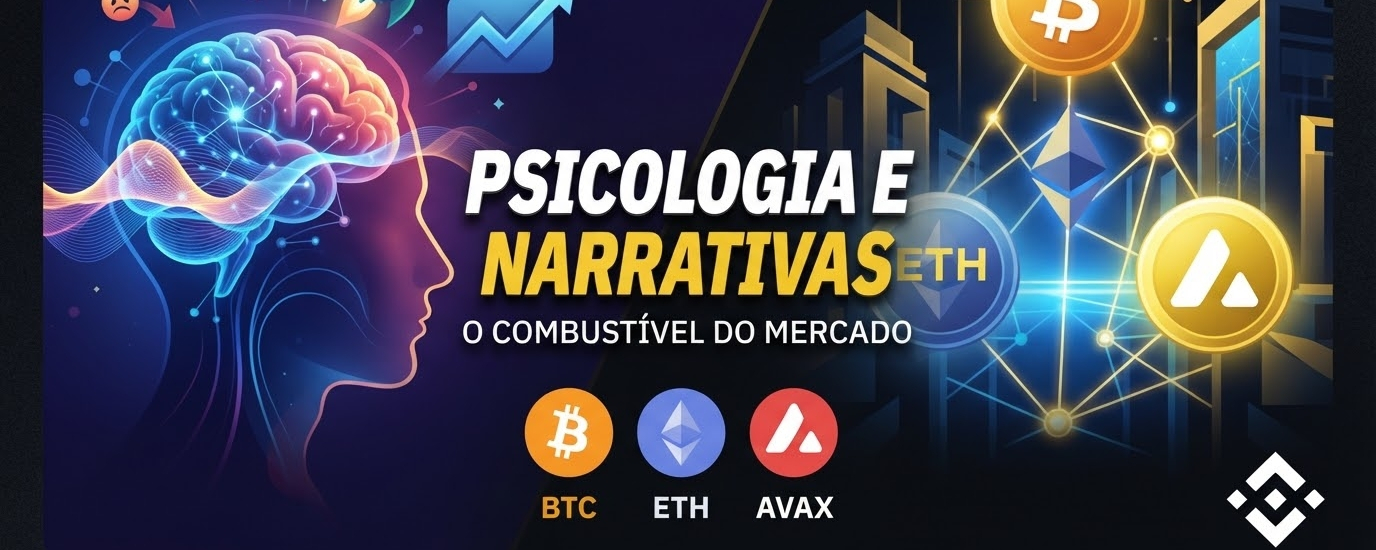
Psychology and Narratives: The Market’s Hidden FuelThe cryptocurrency market doesn’t move just by lines of code or cold technical analysis; the real engine behind highs and lows is human psychology combined with the big narratives. Understanding how these forces shape collective behavior is essential to stay clear when volatility tightens its grip.
How Narratives Direct Liquidity
Narratives work like lenses that simplify complex technologies into easy-to-understand themes, directing where capital flows. In today’s landscape, three major fronts guide the market’s attention:
Psychology and Narratives: The Market’s Hidden Fuel
The cryptocurrency market doesn’t move just by lines of code or cold technical analysis; the real engine behind highs and lows is human psychology combined with the big narratives. Understanding how these forces shape collective behavior is essential to stay clear when volatility tightens its grip.
How Narratives Direct Liquidity
Narratives work like lenses that simplify complex technologies into easy-to-understand themes, directing where capital flows. In today’s landscape, three major fronts guide the market’s attention:
How Narratives Direct Liquidity
Narratives work like lenses that simplify complex technologies into easy-to-understand themes, directing where capital flows. In today’s landscape, three major fronts guide the market’s attention:
2
234
·
--
Article
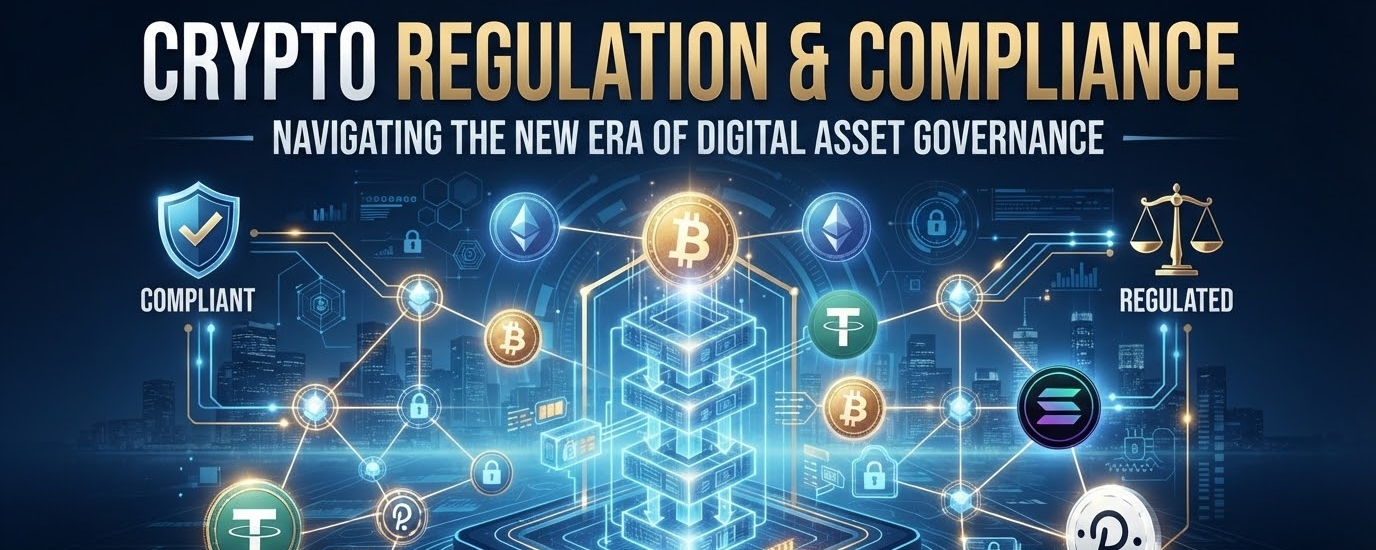
New Global Regulatory Landscape: What Crypto Investors Need to Know 🌐🚀The cryptocurrency market is going through one of its deepest transformations. 📉 What used to be seen as a purely decentralized ecosystem on the fringes of traditional finance has consolidated as a global asset class, attracting trillions of dollars in trading volume, major corporations, and institutional investors. 💼 With this maturity, a new unavoidable reality emerges: regulation ⚖️.
Today, governments, central banks, and regulatory agencies around the world are implementing regulatory frameworks to protect users, mitigate systemic risks, and combat financial wrongdoing 🕵️♂️. For enthusiasts, traders, and investors, understanding this landscape is no longer optional — it’s essential for navigating safely in the future of digital assets 🔮.
New Global Regulatory Landscape: What Crypto Investors Need to Know 🌐🚀
The cryptocurrency market is going through one of its deepest transformations. 📉 What used to be seen as a purely decentralized ecosystem on the fringes of traditional finance has consolidated as a global asset class, attracting trillions of dollars in trading volume, major corporations, and institutional investors. 💼 With this maturity, a new unavoidable reality emerges: regulation ⚖️.
Today, governments, central banks, and regulatory agencies around the world are implementing regulatory frameworks to protect users, mitigate systemic risks, and combat financial wrongdoing 🕵️♂️. For enthusiasts, traders, and investors, understanding this landscape is no longer optional — it’s essential for navigating safely in the future of digital assets 🔮.
Today, governments, central banks, and regulatory agencies around the world are implementing regulatory frameworks to protect users, mitigate systemic risks, and combat financial wrongdoing 🕵️♂️. For enthusiasts, traders, and investors, understanding this landscape is no longer optional — it’s essential for navigating safely in the future of digital assets 🔮.
3
257
·
--
Article
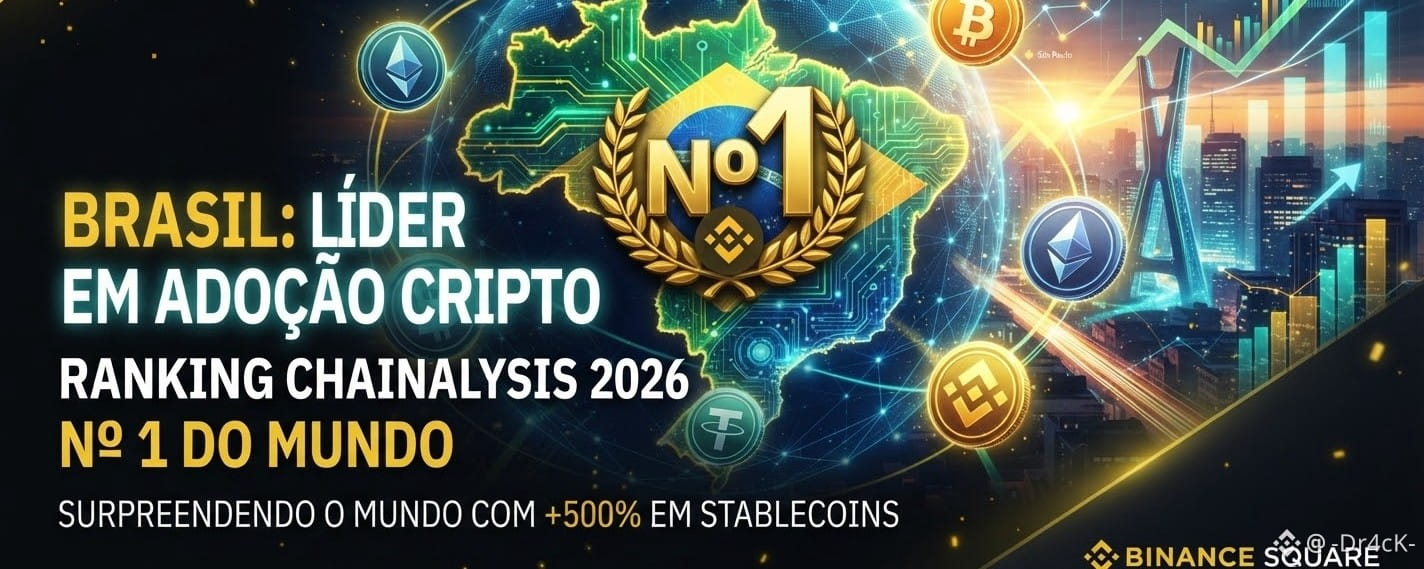
🇧🇷 BRAZIL IS THE #1 COUNTRY IN THE WORLD FOR CRYPTO ADOPTION! 🚀The new global Chainalysis report (2026) has just been released, and Brazil has reached the top of the global ranking for crypto adoption, surpassing powerhouses like the United States! 🌍🔥
What’s driving this historic turnaround in the country? We’ve picked out the main points:
Stablecoin boom: The use of dollar-linked assets grew absurdly in the country (with impressive spikes of nearly 500%), showing that Brazilians are using crypto for everyday life and to protect against inflation.
🇧🇷 BRAZIL IS THE #1 COUNTRY IN THE WORLD FOR CRYPTO ADOPTION! 🚀
The new global Chainalysis report (2026) has just been released, and Brazil has reached the top of the global ranking for crypto adoption, surpassing powerhouses like the United States! 🌍🔥
What’s driving this historic turnaround in the country? We’ve picked out the main points:
Stablecoin boom: The use of dollar-linked assets grew absurdly in the country (with impressive spikes of nearly 500%), showing that Brazilians are using crypto for everyday life and to protect against inflation.
What’s driving this historic turnaround in the country? We’ve picked out the main points:
Stablecoin boom: The use of dollar-linked assets grew absurdly in the country (with impressive spikes of nearly 500%), showing that Brazilians are using crypto for everyday life and to protect against inflation.
3
8
4.7k
·
--
Verified
Article
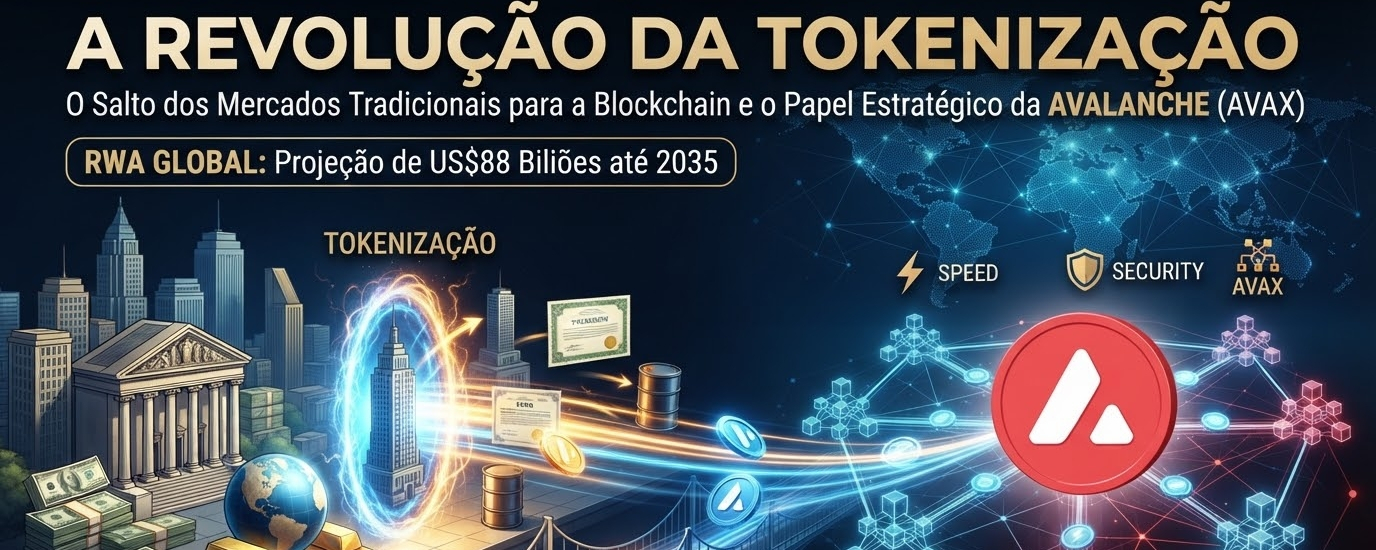
🚀 The Tokenization Revolution: The Leap of Traditional Markets to Blockchain and the Role of the EstratéThe global financial market is gearing up for an unprecedented transformation! 🌍💼 With recent statements from prominent regulatory figures — such as CFTC chief Michael Selig, stressing the urgency for markets to prepare for mass tokenization and transactions operating 24 hours a day, 7 days a week (24/7) ⏱️ — the gap between the traditional financial system (TradFi) and the crypto ecosystem is rapidly narrowing. ⚡
Projections from top consulting institutions, such as the Boston Consulting Group (BCG) 📊, point to exponential growth in tokenized real-world assets (RWA), anticipating that this market could reach astronomical values of around $88 trillion by 2035 💰. This transition is no longer a distant prospect: initiatives from global brokerages and the gradual opening of regulatory frameworks show that equities, public and private debt, and commodities are migrating en masse to the blockchain 🔗.
🚀 The Tokenization Revolution: The Leap of Traditional Markets to Blockchain and the Role of the Estraté
The global financial market is gearing up for an unprecedented transformation! 🌍💼 With recent statements from prominent regulatory figures — such as CFTC chief Michael Selig, stressing the urgency for markets to prepare for mass tokenization and transactions operating 24 hours a day, 7 days a week (24/7) ⏱️ — the gap between the traditional financial system (TradFi) and the crypto ecosystem is rapidly narrowing. ⚡
Projections from top consulting institutions, such as the Boston Consulting Group (BCG) 📊, point to exponential growth in tokenized real-world assets (RWA), anticipating that this market could reach astronomical values of around $88 trillion by 2035 💰. This transition is no longer a distant prospect: initiatives from global brokerages and the gradual opening of regulatory frameworks show that equities, public and private debt, and commodities are migrating en masse to the blockchain 🔗.
Projections from top consulting institutions, such as the Boston Consulting Group (BCG) 📊, point to exponential growth in tokenized real-world assets (RWA), anticipating that this market could reach astronomical values of around $88 trillion by 2035 💰. This transition is no longer a distant prospect: initiatives from global brokerages and the gradual opening of regulatory frameworks show that equities, public and private debt, and commodities are migrating en masse to the blockchain 🔗.
5
1.1k
·
--
Article
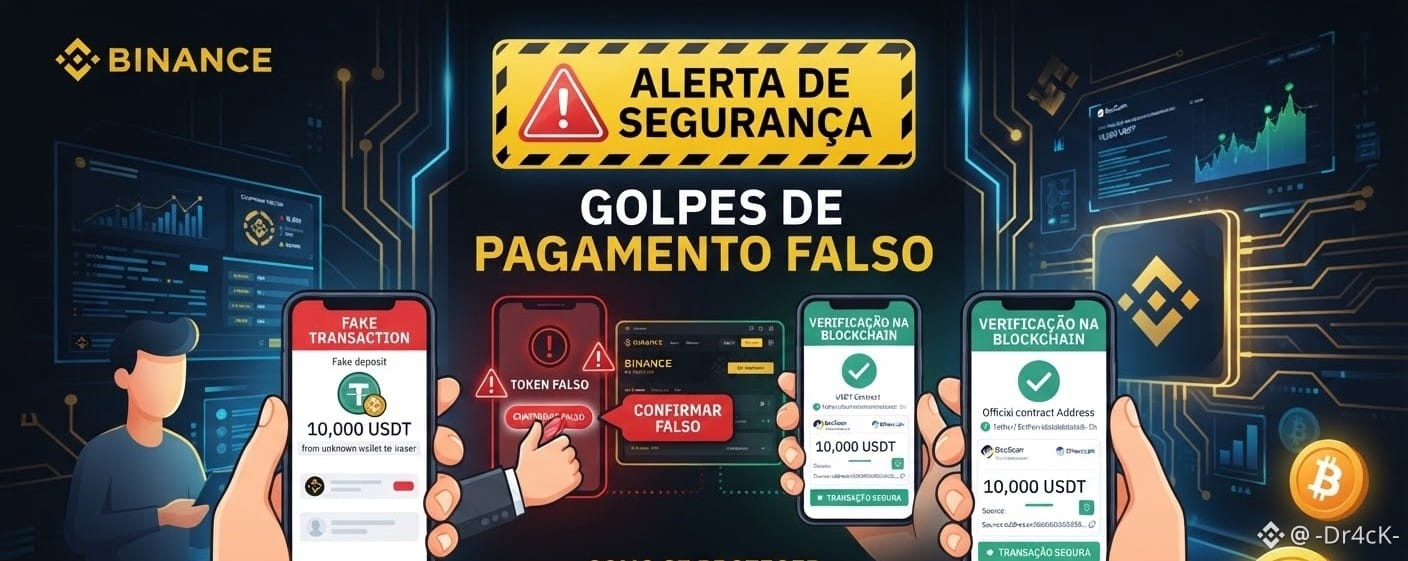
🚨 Red Alert: How the new “Fake Payment” scams in Crypto work and how to protect yourselfAs the market grows, scammers also innovate. Recently, security authorities and community alerts have focused on a dangerous practice: sending counterfeit tokens or simulated fraudulent transactions to trick users in P2P trades, over-the-counter (OTC) deals, or direct payments.
🕵️♂️ How does this scam work in practice?
The scammer usually simulates a payment or transfers tokens that have the same name or symbol as popular cryptocurrencies (such as USDT or USDC), but which are actually fake smart contracts created on secondary networks or with no real value.
🚨 Red Alert: How the new “Fake Payment” scams in Crypto work and how to protect yourself
As the market grows, scammers also innovate. Recently, security authorities and community alerts have focused on a dangerous practice: sending counterfeit tokens or simulated fraudulent transactions to trick users in P2P trades, over-the-counter (OTC) deals, or direct payments.
🕵️♂️ How does this scam work in practice?
The scammer usually simulates a payment or transfers tokens that have the same name or symbol as popular cryptocurrencies (such as USDT or USDC), but which are actually fake smart contracts created on secondary networks or with no real value.
🕵️♂️ How does this scam work in practice?
The scammer usually simulates a payment or transfers tokens that have the same name or symbol as popular cryptocurrencies (such as USDT or USDC), but which are actually fake smart contracts created on secondary networks or with no real value.
1
11
8.4k
·
--
Article
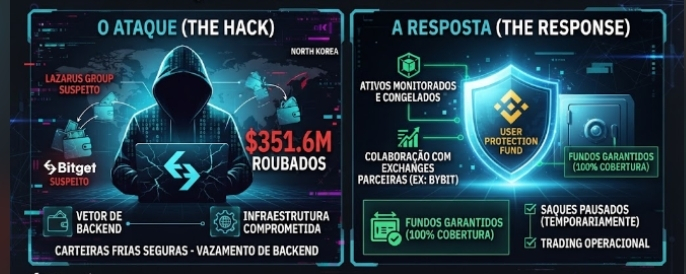
🕵️♂️ Bitget Update ($351.6M): Who is behind the attack and new technical detailsThe crypto community remains on maximum alert after Bitget’s security incident. New statements from CEO Gracy Chen and on-chain analyses have brought to light crucial information about the suspects and the dynamics of the breach:
Main Suspect (North Korea / Lazarus Group): Bitget’s CEO publicly pointed to indications of a strong link with North Korean hackers (DPRK). The suspicion was raised after tracking IP addresses and identical VPN patterns to those used in previous attacks attributed to the regime. Independent on-chain researchers also traced part of the funds to addresses associated with hacker networks such as TraderTraitor.
🕵️♂️ Bitget Update ($351.6M): Who is behind the attack and new technical details
The crypto community remains on maximum alert after Bitget’s security incident. New statements from CEO Gracy Chen and on-chain analyses have brought to light crucial information about the suspects and the dynamics of the breach:
Main Suspect (North Korea / Lazarus Group): Bitget’s CEO publicly pointed to indications of a strong link with North Korean hackers (DPRK). The suspicion was raised after tracking IP addresses and identical VPN patterns to those used in previous attacks attributed to the regime. Independent on-chain researchers also traced part of the funds to addresses associated with hacker networks such as TraderTraitor.
Main Suspect (North Korea / Lazarus Group): Bitget’s CEO publicly pointed to indications of a strong link with North Korean hackers (DPRK). The suspicion was raised after tracking IP addresses and identical VPN patterns to those used in previous attacks attributed to the regime. Independent on-chain researchers also traced part of the funds to addresses associated with hacker networks such as TraderTraitor.
3
2.5k
·
--
Bullish
🚨 ATTENTION, INVESTORS IN BRAZIL: The Central Bank has tightened the net! 🇧🇷📉
The Central Bank of Brazil has just published new rules (BCB Resolution 588/2026) that change the landscape of the domestic market. From now on, the focus will be on movements of significant amounts.
Here are the main points you need to know:
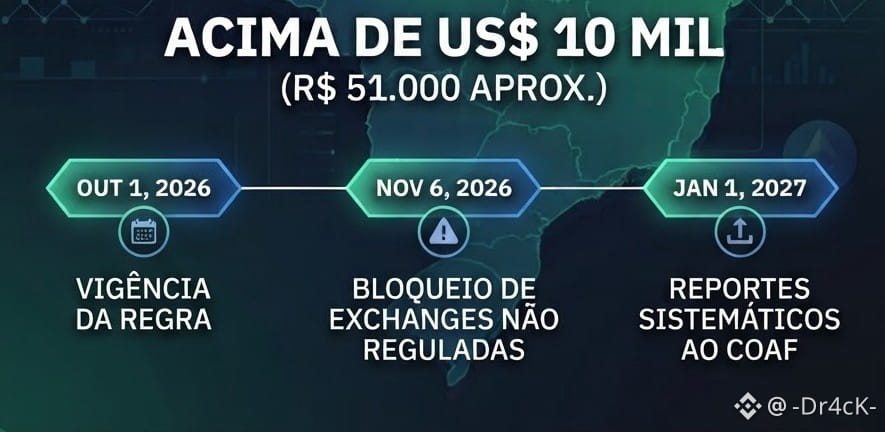
Main Target: Transfers of cryptoassets above US$ 10,000 to or from self-custody wallets (self-custody / cold wallets) will now require reporting to Coaf.
Timeline: The rule takes effect on October 1, 2026, with systematic reporting starting in January 2027.
Cautious Holding: Financial institutions gain the power to hold suspicious transactions above US$ 10,000 for up to 24 hours for security analysis.
End of loopholes: Starting in November, it will be prohibited to operate with crypto entities that do not have authorization to operate in the country.
What does this mean?
The crackdown on illegal use is closing in, and Brazil is fully aligning with global compliance standards. For those operating within regulated and transparent exchanges, the day-to-day impact is smaller, but self-custody
will face much stricter scrutiny.
💬 Your take: Does this regulation protect the market or does it take away the investor’s privacy? How do you handle your custody today? Share your thoughts in the comments! 👇
#Criptomoedas #Bitcoin #Bancocentral #Web3 #Compliance $BTC $AVAX
{spot}(AVAXUSDT)
🚨 ATTENTION, INVESTORS IN BRAZIL: The Central Bank has tightened the net! 🇧🇷📉
The Central Bank of Brazil has just published new rules (BCB Resolution 588/2026) that change the landscape of the domestic market. From now on, the focus will be on movements of significant amounts.
Here are the main points you need to know:
Main Target: Transfers of cryptoassets above US$ 10,000 to or from self-custody wallets (self-custody / cold wallets) will now require reporting to Coaf.
Timeline: The rule takes effect on October 1, 2026, with systematic reporting starting in January 2027.
Cautious Holding: Financial institutions gain the power to hold suspicious transactions above US$ 10,000 for up to 24 hours for security analysis.
End of loopholes: Starting in November, it will be prohibited to operate with crypto entities that do not have authorization to operate in the country.
What does this mean?
The crackdown on illegal use is closing in, and Brazil is fully aligning with global compliance standards. For those operating within regulated and transparent exchanges, the day-to-day impact is smaller, but self-custody
will face much stricter scrutiny.
💬 Your take: Does this regulation protect the market or does it take away the investor’s privacy? How do you handle your custody today? Share your thoughts in the comments! 👇
#Criptomoedas #Bitcoin #Bancocentral #Web3 #Compliance $BTC $AVAX
The Central Bank of Brazil has just published new rules (BCB Resolution 588/2026) that change the landscape of the domestic market. From now on, the focus will be on movements of significant amounts.
Here are the main points you need to know:
Main Target: Transfers of cryptoassets above US$ 10,000 to or from self-custody wallets (self-custody / cold wallets) will now require reporting to Coaf.
Timeline: The rule takes effect on October 1, 2026, with systematic reporting starting in January 2027.
Cautious Holding: Financial institutions gain the power to hold suspicious transactions above US$ 10,000 for up to 24 hours for security analysis.
End of loopholes: Starting in November, it will be prohibited to operate with crypto entities that do not have authorization to operate in the country.
What does this mean?
The crackdown on illegal use is closing in, and Brazil is fully aligning with global compliance standards. For those operating within regulated and transparent exchanges, the day-to-day impact is smaller, but self-custody
will face much stricter scrutiny.
💬 Your take: Does this regulation protect the market or does it take away the investor’s privacy? How do you handle your custody today? Share your thoughts in the comments! 👇
#Criptomoedas #Bitcoin #Bancocentral #Web3 #Compliance $BTC $AVAX
10
11
10k
·
--
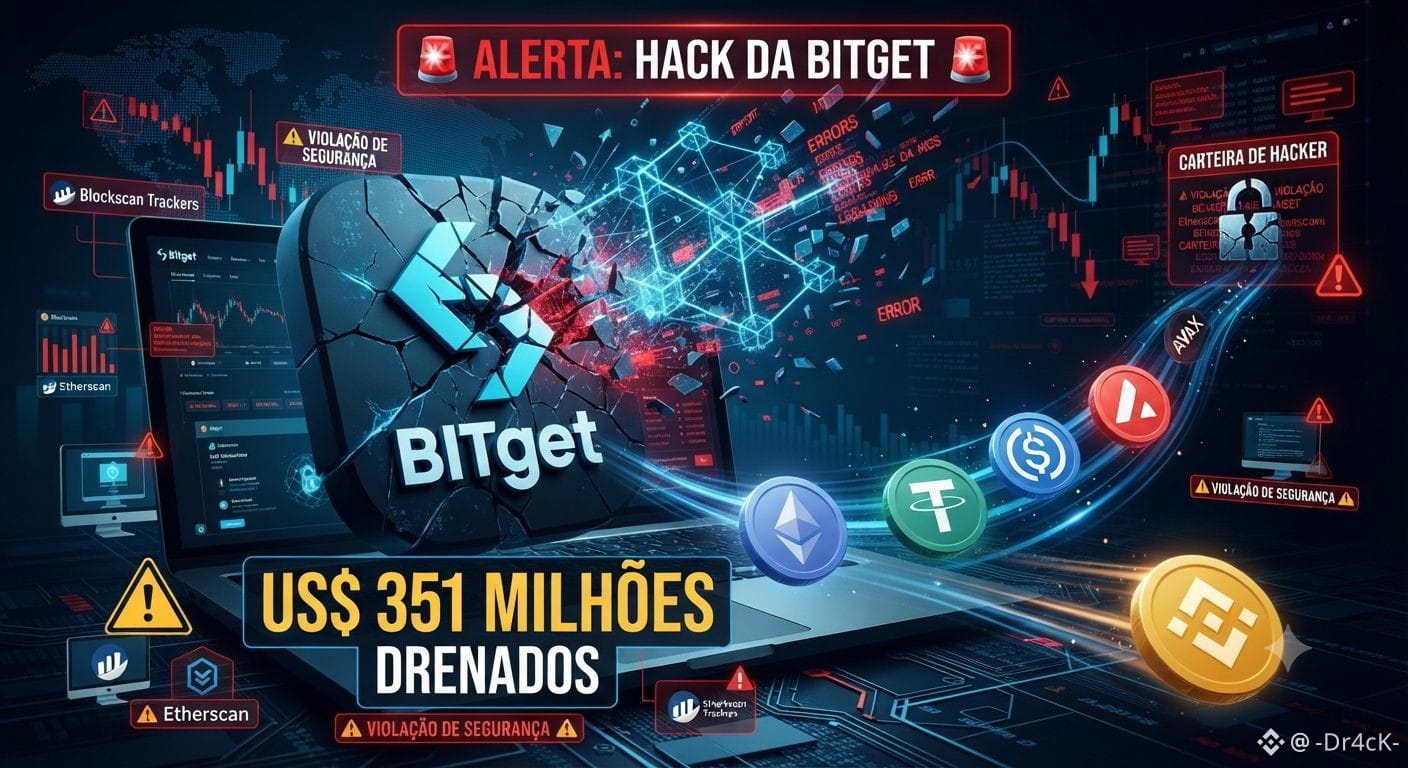
🚨 MARKET ALERT: Bitget suffers massive security breach
The crypto market has been stirred by urgent news involving the Bitget exchange. On-chain data and recent statements indicate that the broker was targeted by unauthorized transfers totaling around US$351 million (with initial estimates reportedly ranging from US$177M to US$183M).
🔍 What is known so far:
Affected assets: The attack involved large volumes of different crypto assets, with Ethereum ($ETH ) standing out, stablecoins (USDT and USDC), as well as tokens such as $AVAX and $BNB .
Operational impact: Users reported instability and interruptions/temporary suspensions of withdrawals on the platform while the situation is being investigated.
On-chain tracking: Blockchain analytics tools (such as Arkham) are monitoring wallets associated with the suspicious addresses to which the funds were diverted.
More than ever, this episode serves as a strong reminder of the importance of risk management and protecting funds.
💬 And you? What do you think about this impact on the market and trust in centralized exchanges? Share your opinion in the comments!
#Bitget #CryptoSecurity #CryptoMarket #CryptoNews #Blockchain
🚨 MARKET ALERT: Bitget suffers massive security breach
The crypto market has been stirred by urgent news involving the Bitget exchange. On-chain data and recent statements indicate that the broker was targeted by unauthorized transfers totaling around US$351 million (with initial estimates reportedly ranging from US$177M to US$183M).
🔍 What is known so far:
Affected assets: The attack involved large volumes of different crypto assets, with Ethereum ($ETH ) standing out, stablecoins (USDT and USDC), as well as tokens such as $AVAX and $BNB .
Operational impact: Users reported instability and interruptions/temporary suspensions of withdrawals on the platform while the situation is being investigated.
On-chain tracking: Blockchain analytics tools (such as Arkham) are monitoring wallets associated with the suspicious addresses to which the funds were diverted.
More than ever, this episode serves as a strong reminder of the importance of risk management and protecting funds.
💬 And you? What do you think about this impact on the market and trust in centralized exchanges? Share your opinion in the comments!
#Bitget #CryptoSecurity #CryptoMarket #CryptoNews #Blockchain
The crypto market has been stirred by urgent news involving the Bitget exchange. On-chain data and recent statements indicate that the broker was targeted by unauthorized transfers totaling around US$351 million (with initial estimates reportedly ranging from US$177M to US$183M).
🔍 What is known so far:
Affected assets: The attack involved large volumes of different crypto assets, with Ethereum ($ETH ) standing out, stablecoins (USDT and USDC), as well as tokens such as $AVAX and $BNB .
Operational impact: Users reported instability and interruptions/temporary suspensions of withdrawals on the platform while the situation is being investigated.
On-chain tracking: Blockchain analytics tools (such as Arkham) are monitoring wallets associated with the suspicious addresses to which the funds were diverted.
More than ever, this episode serves as a strong reminder of the importance of risk management and protecting funds.
💬 And you? What do you think about this impact on the market and trust in centralized exchanges? Share your opinion in the comments!
#Bitget #CryptoSecurity #CryptoMarket #CryptoNews #Blockchain
1
1.4k
·
--
Bullish
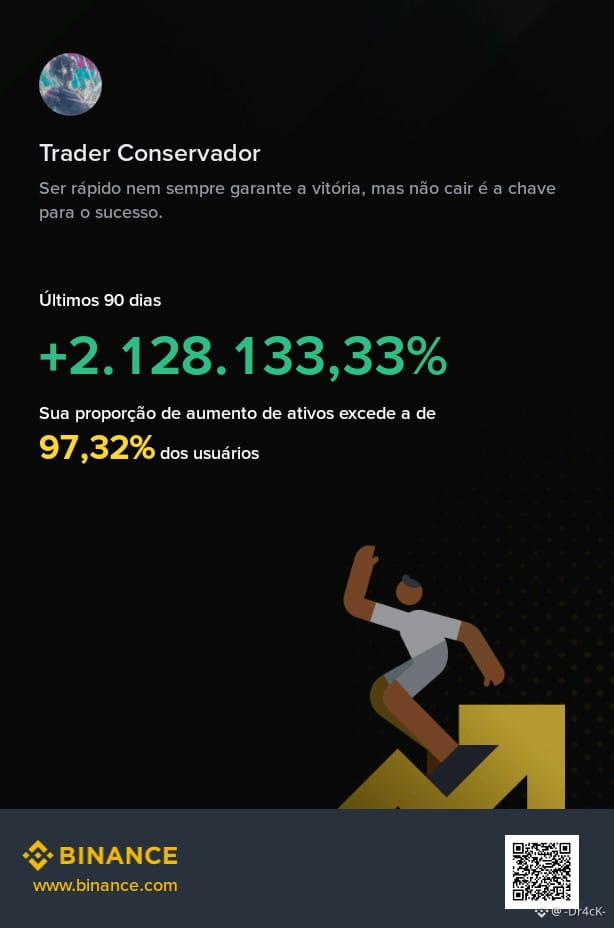
EITAAA, continuing to invest in $AVAX , TO THE MOON🚀🌕‼️
EITAAA, continuing to invest in $AVAX , TO THE MOON🚀🌕‼️
1
2
1.5k
·
--
Bullish
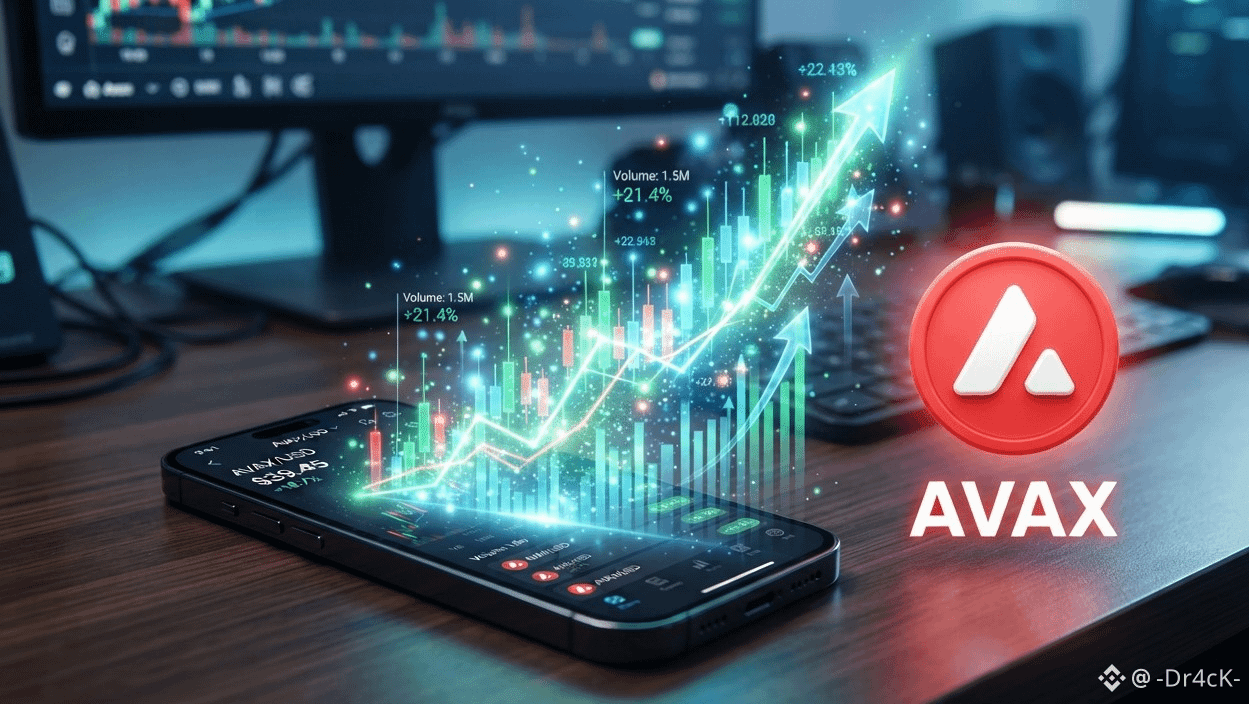
A $AVAX always proving to be an excellent option to invest, taking advantage of the dip to buy more‼️
Immediate Resistance ($11.00 – $11.50): This is the zone of the recent ceiling. For the price to keep rising strongly, a clean breakout and sustained volume above this range are needed.
Main Support ($10.00 – $10.50): Former resistance that has turned into short-term support. Staying above this region indicates that buyers remain in control.
Healthy Correction Zone ($9.00 – $9.50): Due to the recent fast and vertical rally, a technical correction or "pullback" to test previous moving averages is a common scenario that traders often watch for to find better entry points.
{spot}(AVAXUSDT)
A $AVAX always proving to be an excellent option to invest, taking advantage of the dip to buy more‼️
Immediate Resistance ($11.00 – $11.50): This is the zone of the recent ceiling. For the price to keep rising strongly, a clean breakout and sustained volume above this range are needed.
Main Support ($10.00 – $10.50): Former resistance that has turned into short-term support. Staying above this region indicates that buyers remain in control.
Healthy Correction Zone ($9.00 – $9.50): Due to the recent fast and vertical rally, a technical correction or "pullback" to test previous moving averages is a common scenario that traders often watch for to find better entry points.
Immediate Resistance ($11.00 – $11.50): This is the zone of the recent ceiling. For the price to keep rising strongly, a clean breakout and sustained volume above this range are needed.
Main Support ($10.00 – $10.50): Former resistance that has turned into short-term support. Staying above this region indicates that buyers remain in control.
Healthy Correction Zone ($9.00 – $9.50): Due to the recent fast and vertical rally, a technical correction or "pullback" to test previous moving averages is a common scenario that traders often watch for to find better entry points.
3
1.2k
·
--
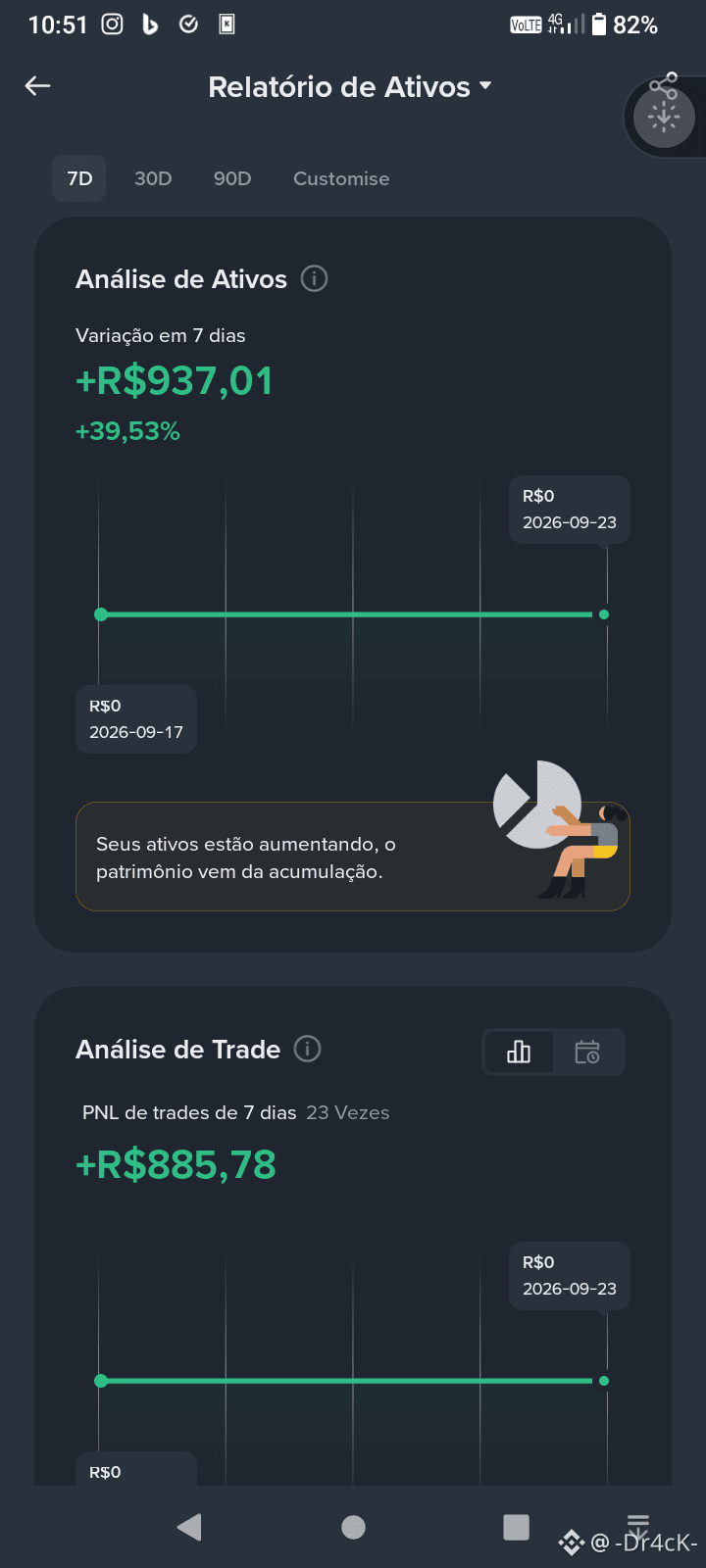
my profits with $AVAX over the last few days, one of the coins I trust the most.
infrastructure has been growing consistently, and there’s been huge adoption.
follow me to stay informed‼️
to the moon 🚀🌕
my profits with $AVAX over the last few days, one of the coins I trust the most.
infrastructure has been growing consistently, and there’s been huge adoption.
follow me to stay informed‼️
to the moon 🚀🌕
infrastructure has been growing consistently, and there’s been huge adoption.
follow me to stay informed‼️
to the moon 🚀🌕
4
2
2.6k
Log in to explore more content
Join global crypto users on Binance Square
⚡️ Get latest and useful information about crypto.
💬 Trusted by the world’s largest crypto exchange.
👍 Discover real insights from verified creators.
Email / Phone number
Trending Topics
UKFCAWinsCourtOrderToRecover851400Pounds
6,841 views
465 Discussing
🚨 CRYPTO REGULATION JUST ENTERED A NEW PHASE: THEY’RE NOT ONLY WRITING RULES — THEY’RE TAKING MONEY BACK.
The UK’s FCA has secured another court-backed asset recovery, reinforcing a broader enforcement push against unauthorized financial and crypto-related activity.
And look at what’s happening simultaneously:
🇬🇧 FCA → enforcement + asset recovery
🇺🇸 SEC → clearer rules for functional crypto assets
🇺🇸 Fed → formal stablecoin supervision under the GENIUS Act
That combination matters.
Regulators are no longer debating whether crypto belongs inside the financial system.
They’re increasingly deciding who gets access, what rules they follow, and what happens when those rules are broken.
The next crypto cycle may not be “regulation vs innovation.”
It may be regulated crypto vs everyone who can’t meet the standard. 👀
$COIN $CRCL $BTC
#ukfcawinscourtordertorecover851400pounds #ChainlinkLaunchesCCIP2WithEnterpriseVerification #GoldFallsTo$4144 #QNTFallsOver40%FromMorningHigh #USDTAdds845900HoldersInPast7Days
KimHotbae
·2 Likes
·3.9k views
ChainlinkLaunchesCCIP2WithEnterpriseVerification
19,985 views
704 Discussing
GoldFallsTo$4144
8,387 views
119 Discussing