
RazorEc
494 Posts

RazorEc
Report
Block User
💼 Senior Art Director | 📸 Photographer | 🏂 Snowboarder | 🔸 Web3 Researcher | 🔸Crypto Content Creator | Opinions are my own #BNBhodler

Content Master Angel

Binance Square Angels
Open Trade

BNB Holder
Occasional Trader
8.6 Years
75 Following
3.4K+ Followers
1.5K+ Liked
2 Badges
Posts
Portfolio
All
Quotes
Videos
Live
PINNED
·
--
Verified
Article
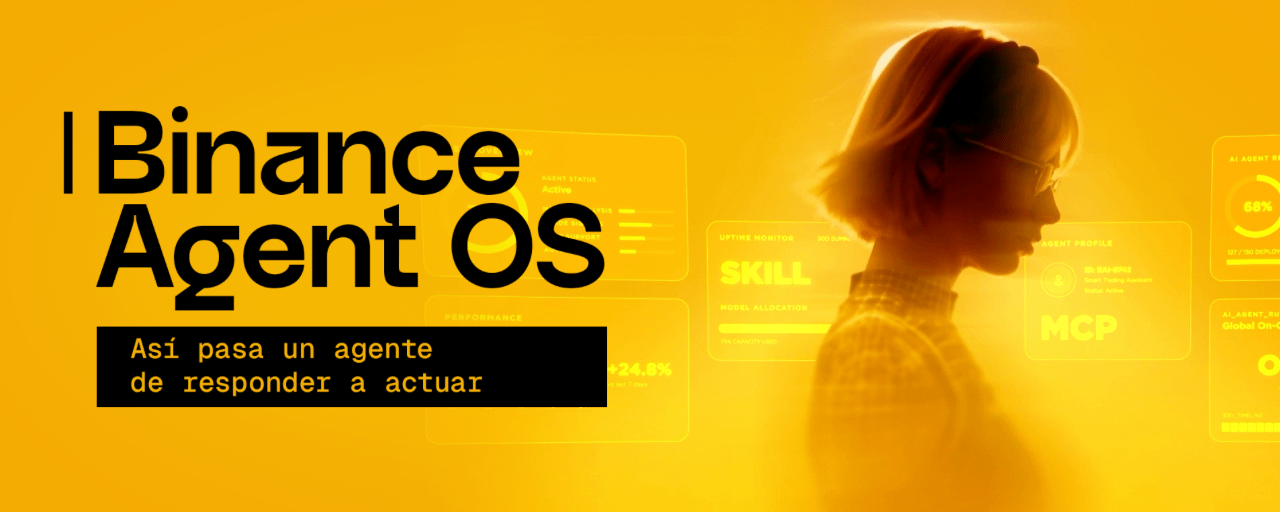
Binance Agent OS: how an agent goes from answering to actingAn answer changes nothing. A tool can.
So far, much of the experience with financial AI has been conversational. You ask about the price of $BTC , you get an explanation. You request a market summary and you get context. You can even ask for ideas, though a generated response doesn’t replace your own judgment or a verified data source.
The shift happens when that assistant stops limiting itself to text and can use an external tool.
That’s where MCP, or Model Context Protocol, comes in. In simple terms, it’s a standard that allows an AI agent to connect with applications and services. Instead of answering based on general knowledge, it can call an authorized tool to look up current information or carry out an action within the permissions granted.
Binance Agent OS: how an agent goes from answering to acting
An answer changes nothing. A tool can.
So far, much of the experience with financial AI has been conversational. You ask about the price of $BTC , you get an explanation. You request a market summary and you get context. You can even ask for ideas, though a generated response doesn’t replace your own judgment or a verified data source.
The shift happens when that assistant stops limiting itself to text and can use an external tool.
That’s where MCP, or Model Context Protocol, comes in. In simple terms, it’s a standard that allows an AI agent to connect with applications and services. Instead of answering based on general knowledge, it can call an authorized tool to look up current information or carry out an action within the permissions granted.
So far, much of the experience with financial AI has been conversational. You ask about the price of $BTC , you get an explanation. You request a market summary and you get context. You can even ask for ideas, though a generated response doesn’t replace your own judgment or a verified data source.
The shift happens when that assistant stops limiting itself to text and can use an external tool.
That’s where MCP, or Model Context Protocol, comes in. In simple terms, it’s a standard that allows an AI agent to connect with applications and services. Instead of answering based on general knowledge, it can call an authorized tool to look up current information or carry out an action within the permissions granted.
1
7
482
·
--
Due to special circumstances, it was not possible to publish the scheduled drop for today; however, I will do it tomorrow Saturday at the same time, so stay tuned.
#FridayDrop
Due to special circumstances, it was not possible to publish the scheduled drop for today; however, I will do it tomorrow Saturday at the same time, so stay tuned.
#FridayDrop
#FridayDrop
RazorEc
·
--
Tomorrow returns
FRIDAY DROP. 🧧
FD.04 A question. An answer. A Drop.
13:00 Ecuador 🇪🇨 | 18:00 UTC 🌐
#FridayDrop
FRIDAY DROP. 🧧
FD.04 A question. An answer. A Drop.
13:00 Ecuador 🇪🇨 | 18:00 UTC 🌐
#FridayDrop

102
·
--
Tomorrow returns
FRIDAY DROP. 🧧
FD.04 A question. An answer. A Drop.
13:00 Ecuador 🇪🇨 | 18:00 UTC 🌐
#FridayDrop
Tomorrow returns
FRIDAY DROP. 🧧
FD.04 A question. An answer. A Drop.
13:00 Ecuador 🇪🇨 | 18:00 UTC 🌐
#FridayDrop
FRIDAY DROP. 🧧
FD.04 A question. An answer. A Drop.
13:00 Ecuador 🇪🇨 | 18:00 UTC 🌐
#FridayDrop

1
2
60

·
--
🔴🔉 Without complicating things, today we’ll talk about the basics of Futures and how to get started step by step.
See you in a few minutes at #BinanceSquare of @Binancelatam
🔴🔉 Without complicating things, today we’ll talk about the basics of Futures and how to get started step by step.
See you in a few minutes at #BinanceSquare of @Binance LATAM Official
See you in a few minutes at #BinanceSquare of @Binance LATAM Official


Binance LATAM Official
·
--
[Replay] 🎙️ TG Chat #15: Trading for Beginners, Futures.
01 h 17 m 38 s · 43.5k listens
110
·
--
Verified
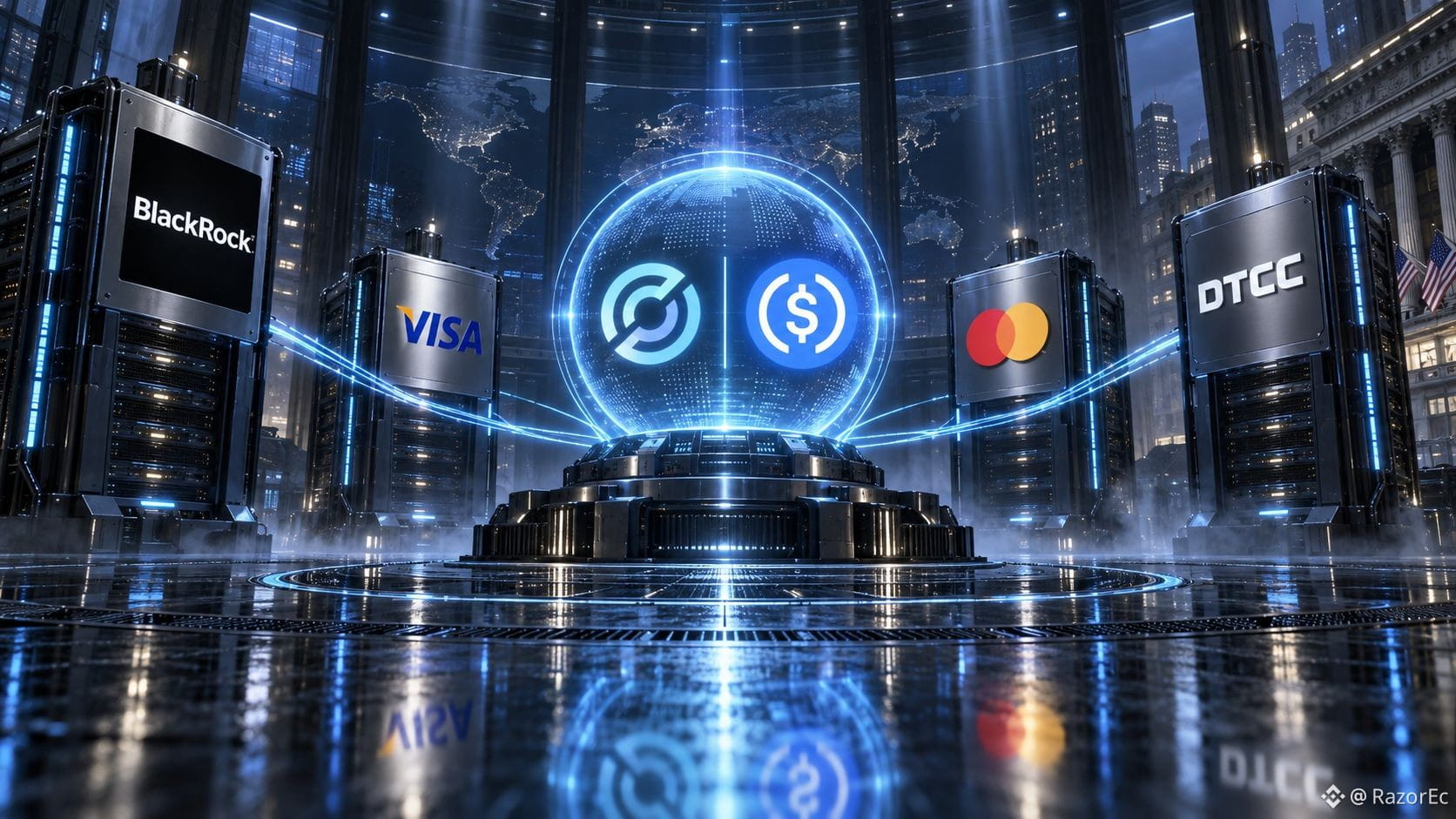
Circle launched Arc, its Layer 1, with BlackRock, Visa, DTCC and Mastercard as validators. More than 100 live apps since day one and $USDC as native gas.
The detail that matters: the same institutions that already move traditional money now secure the network. Sub-second finality, fees in dollars, and a hand-picked validator set.
If this model scales, the debate stops being “just another chain” and becomes about who controls the rails of onchain money. Do you give more weight to institutional pedigree or to the network being open?
Source: The Block
{spot}(USDCUSDT)
Circle launched Arc, its Layer 1, with BlackRock, Visa, DTCC and Mastercard as validators. More than 100 live apps since day one and $USDC as native gas.
The detail that matters: the same institutions that already move traditional money now secure the network. Sub-second finality, fees in dollars, and a hand-picked validator set.
If this model scales, the debate stops being “just another chain” and becomes about who controls the rails of onchain money. Do you give more weight to institutional pedigree or to the network being open?
Source: The Block
The detail that matters: the same institutions that already move traditional money now secure the network. Sub-second finality, fees in dollars, and a hand-picked validator set.
If this model scales, the debate stops being “just another chain” and becomes about who controls the rails of onchain money. Do you give more weight to institutional pedigree or to the network being open?
Source: The Block
1
3
10.8k
·
--
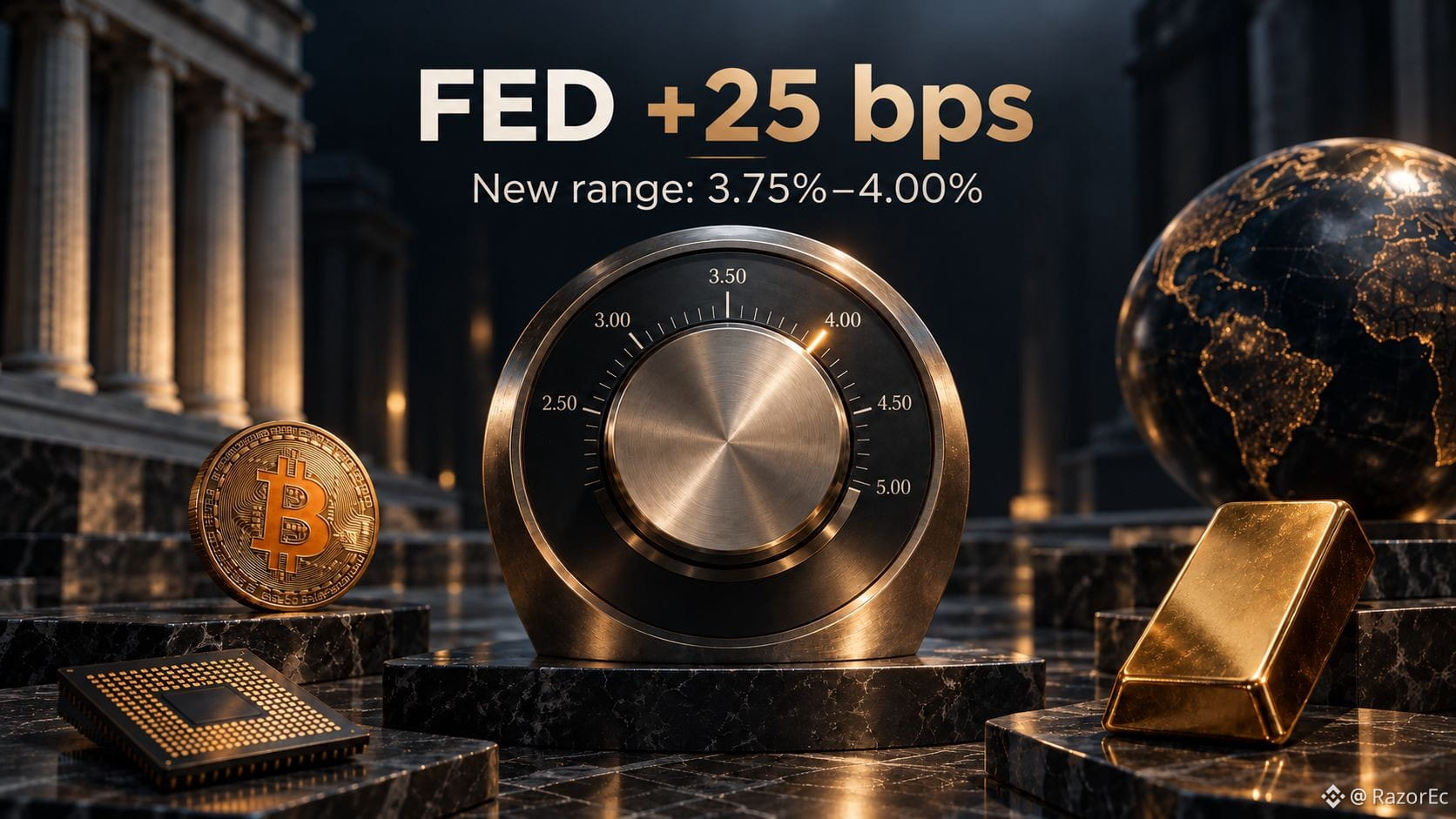
The Fed has already made its move, but for me the most important thing isn’t just today’s increase.
Raising 25 basis points was something the market had already priced in, especially after August’s core CPI showed that inflation still hasn’t cooled off entirely. Now attention shifts to another question: what message does this decision send about what could come in the next few months.
If rates stay elevated for longer, the market may continue to react cautiously. In that context, $BTC could continue to move sensitively to any changes in macro expectations. Tech stocks could also feel pressure if the market starts pricing in a less comfortable monetary environment. And gold remains an interesting asset to watch when uncertainty hasn’t gone away.
My takeaway is simple: more than focusing only on today’s rate hike, it’s worth keeping an eye on how expectations change from here. Many times, that’s the part that truly moves the market.
Which asset are you watching most after this decision?
#fedratewatch #FedRateWatch
{spot}(BTCUSDT)
The Fed has already made its move, but for me the most important thing isn’t just today’s increase.
Raising 25 basis points was something the market had already priced in, especially after August’s core CPI showed that inflation still hasn’t cooled off entirely. Now attention shifts to another question: what message does this decision send about what could come in the next few months.
If rates stay elevated for longer, the market may continue to react cautiously. In that context, $BTC could continue to move sensitively to any changes in macro expectations. Tech stocks could also feel pressure if the market starts pricing in a less comfortable monetary environment. And gold remains an interesting asset to watch when uncertainty hasn’t gone away.
My takeaway is simple: more than focusing only on today’s rate hike, it’s worth keeping an eye on how expectations change from here. Many times, that’s the part that truly moves the market.
Which asset are you watching most after this decision?
#fedratewatch #FedRateWatch
Raising 25 basis points was something the market had already priced in, especially after August’s core CPI showed that inflation still hasn’t cooled off entirely. Now attention shifts to another question: what message does this decision send about what could come in the next few months.
If rates stay elevated for longer, the market may continue to react cautiously. In that context, $BTC could continue to move sensitively to any changes in macro expectations. Tech stocks could also feel pressure if the market starts pricing in a less comfortable monetary environment. And gold remains an interesting asset to watch when uncertainty hasn’t gone away.
My takeaway is simple: more than focusing only on today’s rate hike, it’s worth keeping an eye on how expectations change from here. Many times, that’s the part that truly moves the market.
Which asset are you watching most after this decision?
#fedratewatch #FedRateWatch
3
294
·
--
The Clarity Act stalled at 49-50. It didn’t even reach a formal debate. Four Republicans crossed and the Democratic bloc voted against it, with Trump’s conflict of interest as the central argument.
Bitcoin $BTC neared $75,000, Ethereum $ETH lost the 2,400 level, and spot ETFs recorded one of the worst days of outflows since June. The market had bought the idea that this week would bring a federal framework. Instead, it ended with a headcount and an election calendar on top.
If this path cools off until 2027, who sets the rules in the meantime: the SEC, the CFTC, or the market itself?
Source: CoinDesk
{spot}(ETHUSDT)
{spot}(BTCUSDT)
The Clarity Act stalled at 49-50. It didn’t even reach a formal debate. Four Republicans crossed and the Democratic bloc voted against it, with Trump’s conflict of interest as the central argument.
Bitcoin $BTC neared $75,000, Ethereum $ETH lost the 2,400 level, and spot ETFs recorded one of the worst days of outflows since June. The market had bought the idea that this week would bring a federal framework. Instead, it ended with a headcount and an election calendar on top.
If this path cools off until 2027, who sets the rules in the meantime: the SEC, the CFTC, or the market itself?
Source: CoinDesk
Bitcoin $BTC neared $75,000, Ethereum $ETH lost the 2,400 level, and spot ETFs recorded one of the worst days of outflows since June. The market had bought the idea that this week would bring a federal framework. Instead, it ended with a headcount and an election calendar on top.
If this path cools off until 2027, who sets the rules in the meantime: the SEC, the CFTC, or the market itself?
Source: CoinDesk
1
188
·
--
Verified
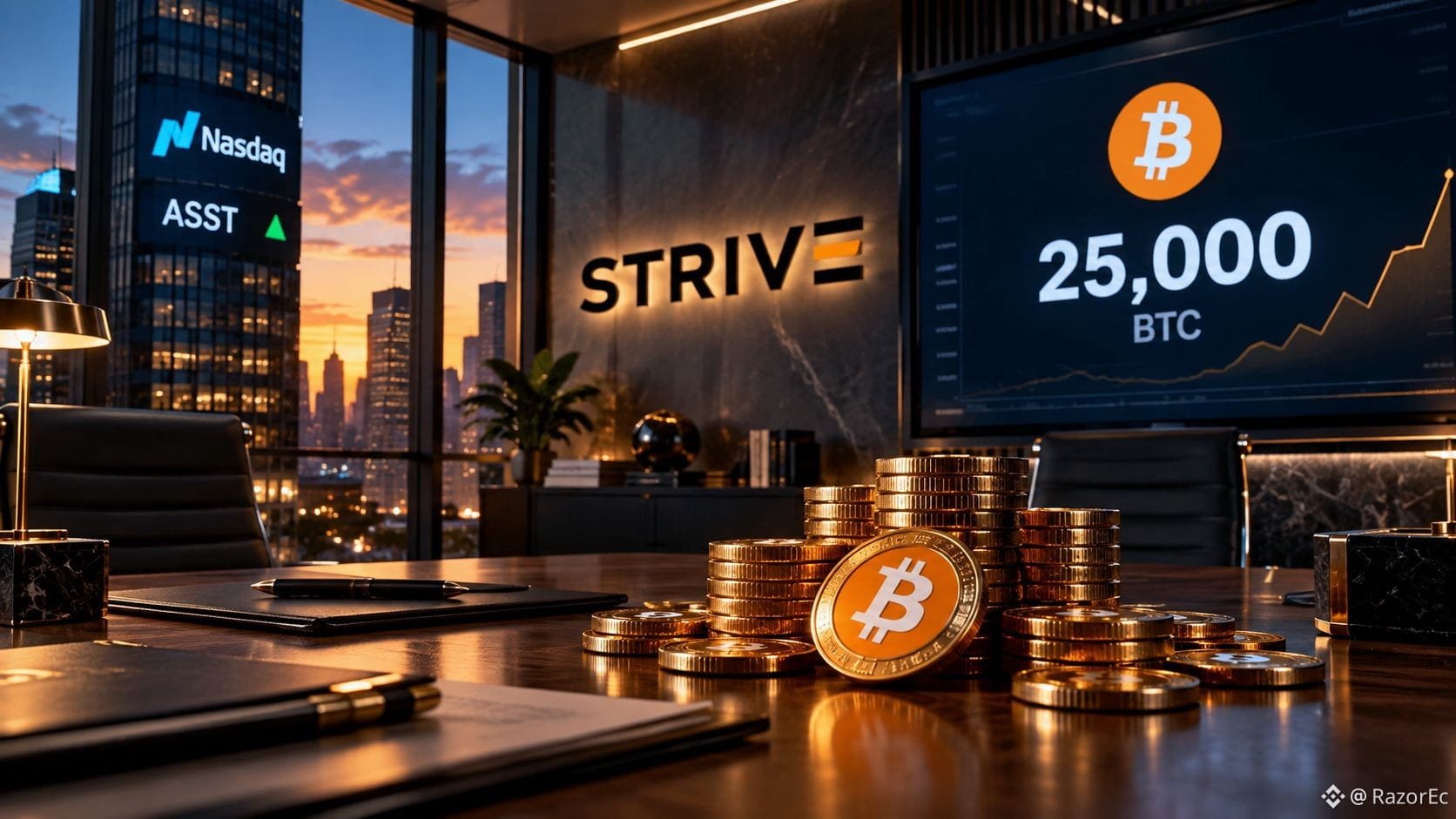
Strive crossed a number it had been chasing: 25,000 Bitcoin $BTC in treasury. It added 469 coins for 36.6 million, at an average of about 77,954 dollars, and paid everything with its preferred stock SATA.
Cash on hand: more than 200 million. While Strategy didn’t buy this week, this Nasdaq firm keeps stacking. How many public treasuries will continue down this path for the rest of 2026?
Source: Decrypt
{spot}(BTCUSDT)
Strive crossed a number it had been chasing: 25,000 Bitcoin $BTC in treasury. It added 469 coins for 36.6 million, at an average of about 77,954 dollars, and paid everything with its preferred stock SATA.
Cash on hand: more than 200 million. While Strategy didn’t buy this week, this Nasdaq firm keeps stacking. How many public treasuries will continue down this path for the rest of 2026?
Source: Decrypt
Cash on hand: more than 200 million. While Strategy didn’t buy this week, this Nasdaq firm keeps stacking. How many public treasuries will continue down this path for the rest of 2026?
Source: Decrypt
225
·
--
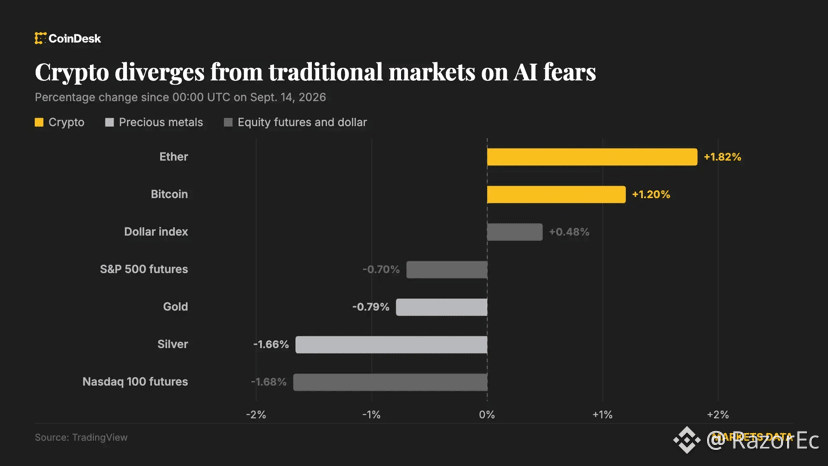
Bitcoin $BTC reached $78,280 while AI shares fell and Nasdaq 100 futures lost 1.65%. Ether $ETH and XRP $XRP also closed the session in the green.
The trigger for the tech selloff was a call from several AI CEOs to slow the development of more powerful models. Crypto, on the other hand, kicked off the week higher, with 94 out of 100 names in the CoinDesk 100 in positive territory.
Do you give this decoupling more than a day’s life with the Fed on the calendar?
Image & Source: CoinDesk
{spot}(XRPUSDT)
{spot}(ETHUSDT)
{spot}(BTCUSDT)
Bitcoin $BTC reached $78,280 while AI shares fell and Nasdaq 100 futures lost 1.65%. Ether $ETH and XRP $XRP also closed the session in the green.
The trigger for the tech selloff was a call from several AI CEOs to slow the development of more powerful models. Crypto, on the other hand, kicked off the week higher, with 94 out of 100 names in the CoinDesk 100 in positive territory.
Do you give this decoupling more than a day’s life with the Fed on the calendar?
Image & Source: CoinDesk
The trigger for the tech selloff was a call from several AI CEOs to slow the development of more powerful models. Crypto, on the other hand, kicked off the week higher, with 94 out of 100 names in the CoinDesk 100 in positive territory.
Do you give this decoupling more than a day’s life with the Fed on the calendar?
Image & Source: CoinDesk
263
·
--
On September 15, the U.S. Senate votes on whether to allow the Clarity Act to be debated. This is not passage of the bill. It’s the traffic light: 60 votes are needed just to even begin discussing it on the floor.
The new text addresses DeFi protocols with real oversight and gives more room to credit unions. Three days. Not much time to keep talking in the abstract.
Source: Decrypt
#CLARITYAct
On September 15, the U.S. Senate votes on whether to allow the Clarity Act to be debated. This is not passage of the bill. It’s the traffic light: 60 votes are needed just to even begin discussing it on the floor.
The new text addresses DeFi protocols with real oversight and gives more room to credit unions. Three days. Not much time to keep talking in the abstract.
Source: Decrypt
#CLARITYAct
The new text addresses DeFi protocols with real oversight and gives more room to credit unions. Three days. Not much time to keep talking in the abstract.
Source: Decrypt
#CLARITYAct
1
3
13.2k
·
--
Ethereum $ETH abrió on Friday near $2,437 and within a few hours it passed $2,500. The final stretch came next: it touched ~2,660, a price not seen since January.
Bitcoin $BTC , Solana $SOL , and XRP $XRP also rose, but ETH got ahead. In 24 hours, hundreds of millions in shorts were liquidated; a large portion was in ether. $2,500 was the gateway. $2,600 is the number people haven’t seen in more than seven months.
Do you think this level holds, or does it become another intraday ceiling?
#Ethereum
{spot}(SOLUSDT)
{spot}(BTCUSDT)
{spot}(ETHUSDT)
Ethereum $ETH abrió on Friday near $2,437 and within a few hours it passed $2,500. The final stretch came next: it touched ~2,660, a price not seen since January.
Bitcoin $BTC , Solana $SOL , and XRP $XRP also rose, but ETH got ahead. In 24 hours, hundreds of millions in shorts were liquidated; a large portion was in ether. $2,500 was the gateway. $2,600 is the number people haven’t seen in more than seven months.
Do you think this level holds, or does it become another intraday ceiling?
#Ethereum
Bitcoin $BTC , Solana $SOL , and XRP $XRP also rose, but ETH got ahead. In 24 hours, hundreds of millions in shorts were liquidated; a large portion was in ether. $2,500 was the gateway. $2,600 is the number people haven’t seen in more than seven months.
Do you think this level holds, or does it become another intraday ceiling?
#Ethereum


1.1k
·
--
Liquid you produce blocks again. From the exploit of about 4,000 $BTC , 3,400 returned. There are about 598.5 left out. Blockstream published the statement today: no payment, they don’t accept the white-hat story, and Adam Back says he will cover the peg 1:1 of L-BTC.
The peg-outs remain closed while they rebuild the reserve. The gap, if confirmed, is absorbed by the company, not the holder who gets scared and sells OTC.
Does that coverage seem sufficient to you, or has the damage to confidence in the federated sidechains already been done?
Source: The Block
#LiquidNetworkHacked
{spot}(BTCUSDT)
Liquid you produce blocks again. From the exploit of about 4,000 $BTC , 3,400 returned. There are about 598.5 left out. Blockstream published the statement today: no payment, they don’t accept the white-hat story, and Adam Back says he will cover the peg 1:1 of L-BTC.
The peg-outs remain closed while they rebuild the reserve. The gap, if confirmed, is absorbed by the company, not the holder who gets scared and sells OTC.
Does that coverage seem sufficient to you, or has the damage to confidence in the federated sidechains already been done?
Source: The Block
#LiquidNetworkHacked
The peg-outs remain closed while they rebuild the reserve. The gap, if confirmed, is absorbed by the company, not the holder who gets scared and sells OTC.
Does that coverage seem sufficient to you, or has the damage to confidence in the federated sidechains already been done?
Source: The Block
#LiquidNetworkHacked

4
10.3k

·
--
Ready for another Friday? 🧧
FRIDAY DROP · FD.03
One question. One answer. One Drop.
Tomorrow - 13:00 Ecuador 🇪🇨 | 18:00 UTC 🌐
#FridayDrop
Ready for another Friday? 🧧
FRIDAY DROP · FD.03
One question. One answer. One Drop.
Tomorrow - 13:00 Ecuador 🇪🇨 | 18:00 UTC 🌐
#FridayDrop
FRIDAY DROP · FD.03
One question. One answer. One Drop.
Tomorrow - 13:00 Ecuador 🇪🇨 | 18:00 UTC 🌐
#FridayDrop

2
58
·
--
Arya.ag, the largest agricultural warehousing operator in India, will register in chain the grain deposits, electronic receipts, and the status of loans. The core business already holds about $2 billion in crops and moves more than $1 billion a year in credit.
Three large banks would be preparing to use that shared ledger. The idea is pretty down-to-earth: for the lender to see the same sack, the same receipt, and the same debt.
If this kind of infrastructure works, the use case stops living in a whitepaper and moves into the harvest. Do you think that’s where blockchain ends up adding something durable?
Source: CoinDesk
Arya.ag, the largest agricultural warehousing operator in India, will register in chain the grain deposits, electronic receipts, and the status of loans. The core business already holds about $2 billion in crops and moves more than $1 billion a year in credit.
Three large banks would be preparing to use that shared ledger. The idea is pretty down-to-earth: for the lender to see the same sack, the same receipt, and the same debt.
If this kind of infrastructure works, the use case stops living in a whitepaper and moves into the harvest. Do you think that’s where blockchain ends up adding something durable?
Source: CoinDesk
Three large banks would be preparing to use that shared ledger. The idea is pretty down-to-earth: for the lender to see the same sack, the same receipt, and the same debt.
If this kind of infrastructure works, the use case stops living in a whitepaper and moves into the harvest. Do you think that’s where blockchain ends up adding something durable?
Source: CoinDesk

1
174
·
--
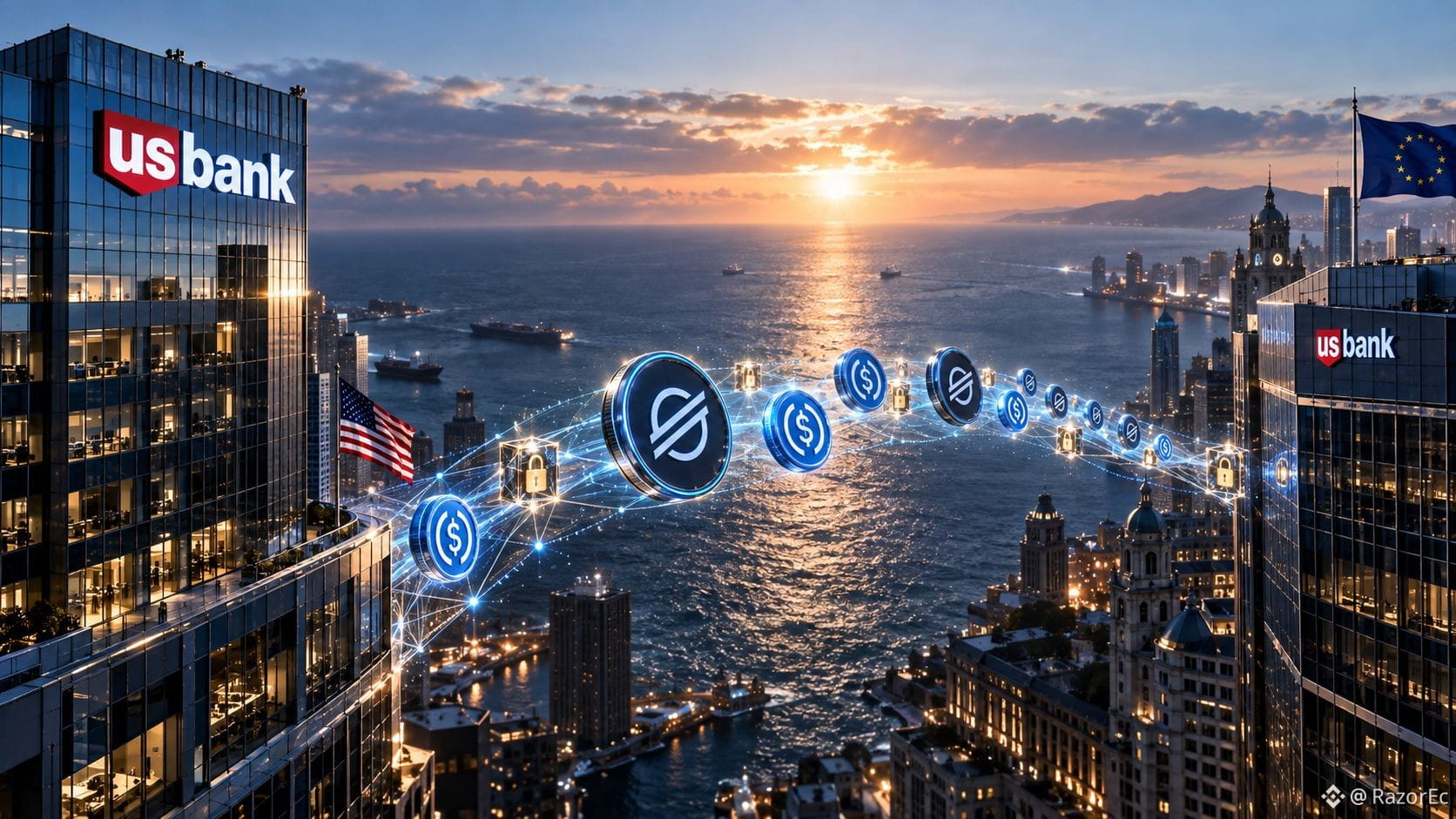
U.S. Bank moved real value between its entities in North America and Europe with USBDC, its dollar stablecoin. It did so on Stellar $XLM and, along the way, tested minting, redemption, freeze, and clawback.
The fifth-largest commercial bank in the United States is trialing its own rails on a public network, but with the compliance logic it already uses in its business. I think this is a technical milestone. It also leaves a fairly specific question: how much autonomy does the user have when the token can be frozen?
Source: CoinDesk
#USbank
{spot}(XLMUSDT)
U.S. Bank moved real value between its entities in North America and Europe with USBDC, its dollar stablecoin. It did so on Stellar $XLM and, along the way, tested minting, redemption, freeze, and clawback.
The fifth-largest commercial bank in the United States is trialing its own rails on a public network, but with the compliance logic it already uses in its business. I think this is a technical milestone. It also leaves a fairly specific question: how much autonomy does the user have when the token can be frozen?
Source: CoinDesk
#USbank
The fifth-largest commercial bank in the United States is trialing its own rails on a public network, but with the compliance logic it already uses in its business. I think this is a technical milestone. It also leaves a fairly specific question: how much autonomy does the user have when the token can be frozen?
Source: CoinDesk
#USbank
2
303
·
--
Etherscan launched Flow 🔎
A much clearer way to track on-chain movements without getting lost across wallets, contracts, and transactions. You can visualize the path of the funds, review each hop with on-chain data, and even use an agent to help you build the flow.
Especially useful for investigating exploits, hacks, complex transactions, or keeping a visual map of your investigations.
#Etherscan
Etherscan launched Flow 🔎
A much clearer way to track on-chain movements without getting lost across wallets, contracts, and transactions. You can visualize the path of the funds, review each hop with on-chain data, and even use an agent to help you build the flow.
Especially useful for investigating exploits, hacks, complex transactions, or keeping a visual map of your investigations.
#Etherscan
A much clearer way to track on-chain movements without getting lost across wallets, contracts, and transactions. You can visualize the path of the funds, review each hop with on-chain data, and even use an agent to help you build the flow.
Especially useful for investigating exploits, hacks, complex transactions, or keeping a visual map of your investigations.
#Etherscan
1
147
·
--
Liquid Network lost almost all of its reserve of $BTC in a single move. An actor identified as a white hat asked that the bug be patched and returned 3.400 of the ~4.000 BTC. They kept about $47 million.
No federation keys were compromised: it was a bug in Elements that allowed L-BTC to be created without real backing. The network remains paused.
Does this reinforce the idea that Bitcoin sidechains need more audits, or does it simply show that the federated model will always have blind spots?
Source: CoinDesk
#LiquidNetworkHacked
{spot}(BTCUSDT)
Liquid Network lost almost all of its reserve of $BTC in a single move. An actor identified as a white hat asked that the bug be patched and returned 3.400 of the ~4.000 BTC. They kept about $47 million.
No federation keys were compromised: it was a bug in Elements that allowed L-BTC to be created without real backing. The network remains paused.
Does this reinforce the idea that Bitcoin sidechains need more audits, or does it simply show that the federated model will always have blind spots?
Source: CoinDesk
#LiquidNetworkHacked
No federation keys were compromised: it was a bug in Elements that allowed L-BTC to be created without real backing. The network remains paused.
Does this reinforce the idea that Bitcoin sidechains need more audits, or does it simply show that the federated model will always have blind spots?
Source: CoinDesk
#LiquidNetworkHacked

1
2
3
10.4k
·
--
Nearly 4,000 $BTC left Liquid Network this weekend. The actors left an on-chain message: “we are whitehats”. Now they are negotiating with Blockstream to get the funds back… but only after the bug is patched on all nodes.
Is this an ethical hack or a reminder that sidechains are still the weak link? Bridge trust is being put to the test once again.
Would you trust an on-chain promise of $320 million?
Source: Decrypt
#LiquidNetworkHacked
{spot}(BTCUSDT)
Nearly 4,000 $BTC left Liquid Network this weekend. The actors left an on-chain message: “we are whitehats”. Now they are negotiating with Blockstream to get the funds back… but only after the bug is patched on all nodes.
Is this an ethical hack or a reminder that sidechains are still the weak link? Bridge trust is being put to the test once again.
Would you trust an on-chain promise of $320 million?
Source: Decrypt
#LiquidNetworkHacked
Is this an ethical hack or a reminder that sidechains are still the weak link? Bridge trust is being put to the test once again.
Would you trust an on-chain promise of $320 million?
Source: Decrypt
#LiquidNetworkHacked

1
2
231
Log in to explore more content
Join global crypto users on Binance Square
⚡️ Get latest and useful information about crypto.
💬 Trusted by the world’s largest crypto exchange.
👍 Discover real insights from verified creators.
Email / Phone number
Trending Topics
BOJRaisesRatesTo31YearHigh
80,278 views
1,253 Discussing
#bojraisesratesto31yearhigh
🇯🇵 BOJ Raised Rates. So Why Did the Yen FALL?
Imagine borrowing a currency whose central bank just raised rates…
…and that currency still gets weaker. 😂
On Sept. 18, the BOJ raised rates 25bp to 1.25%, the highest level in 31 years.
The vote? 7–2.
But USD/JPY jumped as high as 158.05 as traders questioned how aggressive the next hikes will be.
BUT HERE’S WHAT MANY PEOPLE MISS 👀
The market wasn't simply trading the hike.
It was trading the guidance gap.
The 25bp move was widely expected. What mattered was whether BOJ Governor Ueda would signal a clear path for more tightening.
He didn't commit to a preset pace.
Meanwhile, the U.S.–Japan rate gap remains wide enough to keep the carry-trade story alive: cheap-yen funding can still compete with higher-yielding assets elsewhere.
And then came the crypto twist:
BTC rebounded ~5.9% toward $81K after the BOJ decision.
So:
BOJ tightening ≠ automatic crypto selloff.
But there is another risk.
If USD/JPY pushes higher, intervention concerns can intensify. If the yen suddenly strengthens, crowded carry positions could unwind quickly.
🧠 Square Insight:
Markets don't trade the rate hike. They trade the gap between what was expected and what was delivered.
Do you think the next BOJ move will finally break the carry trade?
Market commentary only. Not financial advice.
#BOJ #JapaneseYen #CarryTrade
$BTC
TuilaNamKy
·2 Likes
·3.5k views
BuffettStepsDownAsBerkshireChairman
36,344 views
596 Discussing
XRPExchangeReservesHitSevenYearLow
41,268 views
553 Discussing