
John_BNB
976 Posts

John_BNB
Report
Block User
I’m John, Binance Angel from Cambodia 🇰🇭
Active in trading, P2P, Web3 farming & community building.

Binance Square Angels
Open Trade
Frequent Trader
8.8 Years
237 Following
4.5K+ Followers
4.0K+ Liked
1 Badges
Posts
Portfolio
All
Quotes
Videos
Live
·
--
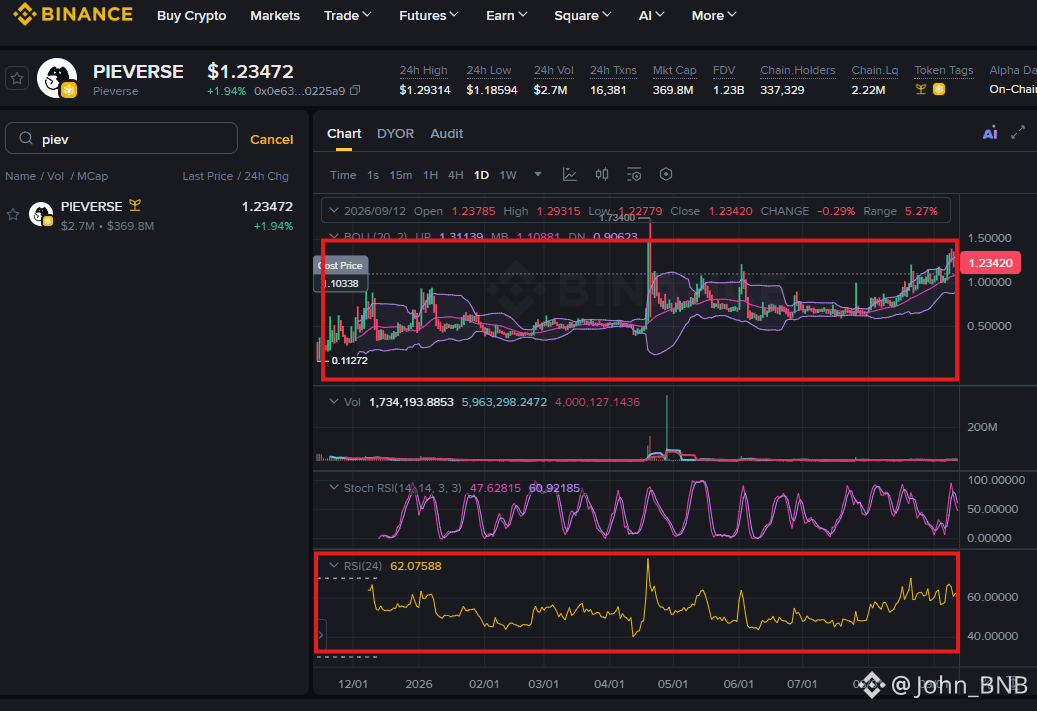
Looking at $PIEVERSE
RSI is still good above 60, buying not show any weakness.
overall chart looks like flat accumulation phase, it is not hit any parabolic run yet.
In general of sum. Buying coin/token at green day is risky. But buying token with it's narrative correctness to hype trend is consider....good risk taking...
#NFA✅ #CryptoTrading. #dyor
{future}(PIEVERSEUSDT)
Looking at $PIEVERSE
RSI is still good above 60, buying not show any weakness.
overall chart looks like flat accumulation phase, it is not hit any parabolic run yet.
In general of sum. Buying coin/token at green day is risky. But buying token with it's narrative correctness to hype trend is consider....good risk taking...
#NFA✅ #CryptoTrading. #dyor
RSI is still good above 60, buying not show any weakness.
overall chart looks like flat accumulation phase, it is not hit any parabolic run yet.
In general of sum. Buying coin/token at green day is risky. But buying token with it's narrative correctness to hype trend is consider....good risk taking...
#NFA✅ #CryptoTrading. #dyor
2
213
·
--
Bullish
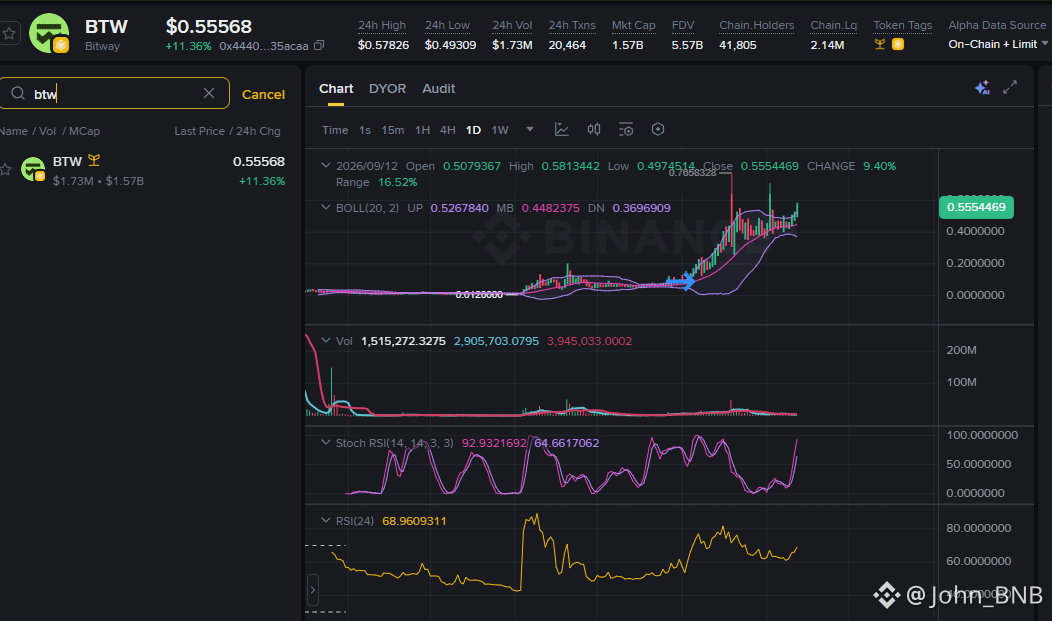
$BTW makes some moves again...expecting to 1 dollar soon.
My bag will be pumping...
{future}(BTWUSDT)
$BTW makes some moves again...expecting to 1 dollar soon.
My bag will be pumping...
My bag will be pumping...
1
243

·
--

Article
Tokenized Equities Are Here to Stay: Why Binance's $21.6B Head Start MattersTokenized equities are no longer just a crypto experiment. They are becoming a serious battleground for the future of global capital markets.
Robinhood's aggressive expansion into on-chain finance is one of the clearest signals yet. In July 2026, Robinhood launched its Robinhood Chain mainnet and introduced Stock Tokens to eligible users in more than 120 countries, combining 24/7 blockchain-based trading with DeFi functionality.
The message is bigger than Robinhood: stocks are moving onchain.
But while new entrants are accelerating into the market, Binance has already spent years building the infrastructure, liquidity and user distribution needed for tokenized equities to become useful at scale.
Binance's Head Start Is Measured in Real Activity
According to the figures cited for Binance's tokenized-equity ecosystem, the platform has accumulated approximately US$21.6 billion in on-chain trading volume, nearly 450,000 holders, and around 43 million on-chain transactions.
Those numbers matter because tokenization is ultimately about more than creating a blockchain representation of a stock.
A tokenized equity becomes valuable when people can actually trade it, hold it, transfer it and use it elsewhere.
That is where Binance's broader ecosystem becomes important.
The company has positioned tokenized equities alongside crypto-native markets, stablecoins and decentralized finance, creating a bridge between traditional financial exposure and blockchain-based capital markets.
The Real Advantage: Capital Depth
One of the most important metrics in emerging markets is not simply the number of assets available. It is how much capital is actually deployed behind those assets.
The Binance ecosystem has reportedly deployed more than US$10 million across DeFi, adding another layer of utility to tokenized equities.
Based on the figures cited, Binance averages approximately US$8.7 million in AUM per active asset — roughly four times the comparable figure for Ondo and eight times that of Backed/xStocks.
That distinction is important.
A large catalog of tokenized stocks can look impressive, but liquidity and capital depth determine whether those assets can become useful financial building blocks.
The industry is already moving in this direction. Ondo, for example, has pushed its tokenized stocks into DeFi lending markets, allowing assets such as tokenized ETFs to be used as collateral. Meanwhile, xStocks has expanded across exchanges, wallets and DeFi infrastructure, with its platform reporting more than $40 billion in transaction volume.
The competition is therefore shifting from “Who can tokenize a stock?” to “Who can build the deepest financial ecosystem around tokenized stocks?”
Robinhood's Entry Validates the Market
Robinhood's move should not necessarily be viewed as a threat to Binance.
In many ways, it validates the thesis Binance has been pursuing.
Robinhood is bringing its massive retail-investor brand into on-chain markets, while Binance already operates at the intersection of crypto liquidity, blockchain infrastructure and global trading demand.
Robinhood's Stock Tokens are designed to provide economic exposure to underlying securities and can be accessed through Robinhood Wallet, DEXs and CEXs where available.
That means one of the world's largest retail trading brands now sees blockchain rails as an important part of the future of equity markets.
The market is becoming mainstream.
The Bigger Opportunity Is 24/7 Capital Markets
Traditional stock markets operate within defined trading hours, settlement systems and geographic boundaries.
Blockchain infrastructure changes that architecture.
Tokenized equities can potentially move 24/7, interact with smart contracts and become usable as collateral or liquidity inside decentralized applications. Robinhood is explicitly building these capabilities into its on-chain ecosystem, while other platforms are pursuing similar integrations.
This is why tokenized equities could eventually become much more than digital versions of stocks.
They could become programmable financial assets.
Binance's Advantage Is Distribution
The biggest question is not whether tokenized equities will exist.
They clearly will.
The question is which platforms will capture the liquidity, users and financial activity that follow.
Binance's advantage is that it does not need to build an entirely new audience for on-chain finance from scratch. It already has a massive global trading ecosystem, blockchain infrastructure and a user base familiar with digital assets.
That creates a powerful distribution advantage.
Robinhood entering the market may bring more traditional investors onchain. Ondo and xStocks are expanding tokenized-asset infrastructure. But Binance's existing scale means it can connect tokenized equities with an ecosystem that already understands crypto-native liquidity.
The Takeaway
The rise of Robinhood's Stock Tokens is not evidence that tokenized equities are beginning.
It is evidence that the race is getting serious.
Binance's reported $21.6 billion in cumulative on-chain trading volume, nearly 450,000 holders, 43 million transactions and growing DeFi deployment demonstrate why an early lead can matter.
The next phase of tokenization will not be won simply by putting stocks on a blockchain.
It will be won by whoever can turn those tokenized assets into deep, liquid, composable and globally accessible financial infrastructure.
And Binance is entering that race with a head start measured in billions of dollars of activity.
#Robinhood #Binance #stocks
$BNB $BTC $NVDAB
{spot}(NVDABUSDT)
{spot}(BTCUSDT)
{spot}(BNBUSDT)
Tokenized Equities Are Here to Stay: Why Binance's $21.6B Head Start Matters
Tokenized equities are no longer just a crypto experiment. They are becoming a serious battleground for the future of global capital markets.
Robinhood's aggressive expansion into on-chain finance is one of the clearest signals yet. In July 2026, Robinhood launched its Robinhood Chain mainnet and introduced Stock Tokens to eligible users in more than 120 countries, combining 24/7 blockchain-based trading with DeFi functionality.
The message is bigger than Robinhood: stocks are moving onchain.
But while new entrants are accelerating into the market, Binance has already spent years building the infrastructure, liquidity and user distribution needed for tokenized equities to become useful at scale.
Binance's Head Start Is Measured in Real Activity
According to the figures cited for Binance's tokenized-equity ecosystem, the platform has accumulated approximately US$21.6 billion in on-chain trading volume, nearly 450,000 holders, and around 43 million on-chain transactions.
Those numbers matter because tokenization is ultimately about more than creating a blockchain representation of a stock.
A tokenized equity becomes valuable when people can actually trade it, hold it, transfer it and use it elsewhere.
That is where Binance's broader ecosystem becomes important.
The company has positioned tokenized equities alongside crypto-native markets, stablecoins and decentralized finance, creating a bridge between traditional financial exposure and blockchain-based capital markets.
The Real Advantage: Capital Depth
One of the most important metrics in emerging markets is not simply the number of assets available. It is how much capital is actually deployed behind those assets.
The Binance ecosystem has reportedly deployed more than US$10 million across DeFi, adding another layer of utility to tokenized equities.
Based on the figures cited, Binance averages approximately US$8.7 million in AUM per active asset — roughly four times the comparable figure for Ondo and eight times that of Backed/xStocks.
That distinction is important.
A large catalog of tokenized stocks can look impressive, but liquidity and capital depth determine whether those assets can become useful financial building blocks.
The industry is already moving in this direction. Ondo, for example, has pushed its tokenized stocks into DeFi lending markets, allowing assets such as tokenized ETFs to be used as collateral. Meanwhile, xStocks has expanded across exchanges, wallets and DeFi infrastructure, with its platform reporting more than $40 billion in transaction volume.
The competition is therefore shifting from “Who can tokenize a stock?” to “Who can build the deepest financial ecosystem around tokenized stocks?”
Robinhood's Entry Validates the Market
Robinhood's move should not necessarily be viewed as a threat to Binance.
In many ways, it validates the thesis Binance has been pursuing.
Robinhood is bringing its massive retail-investor brand into on-chain markets, while Binance already operates at the intersection of crypto liquidity, blockchain infrastructure and global trading demand.
Robinhood's Stock Tokens are designed to provide economic exposure to underlying securities and can be accessed through Robinhood Wallet, DEXs and CEXs where available.
That means one of the world's largest retail trading brands now sees blockchain rails as an important part of the future of equity markets.
The market is becoming mainstream.
The Bigger Opportunity Is 24/7 Capital Markets
Traditional stock markets operate within defined trading hours, settlement systems and geographic boundaries.
Blockchain infrastructure changes that architecture.
Tokenized equities can potentially move 24/7, interact with smart contracts and become usable as collateral or liquidity inside decentralized applications. Robinhood is explicitly building these capabilities into its on-chain ecosystem, while other platforms are pursuing similar integrations.
This is why tokenized equities could eventually become much more than digital versions of stocks.
They could become programmable financial assets.
Binance's Advantage Is Distribution
The biggest question is not whether tokenized equities will exist.
They clearly will.
The question is which platforms will capture the liquidity, users and financial activity that follow.
Binance's advantage is that it does not need to build an entirely new audience for on-chain finance from scratch. It already has a massive global trading ecosystem, blockchain infrastructure and a user base familiar with digital assets.
That creates a powerful distribution advantage.
Robinhood entering the market may bring more traditional investors onchain. Ondo and xStocks are expanding tokenized-asset infrastructure. But Binance's existing scale means it can connect tokenized equities with an ecosystem that already understands crypto-native liquidity.
The Takeaway
The rise of Robinhood's Stock Tokens is not evidence that tokenized equities are beginning.
It is evidence that the race is getting serious.
Binance's reported $21.6 billion in cumulative on-chain trading volume, nearly 450,000 holders, 43 million transactions and growing DeFi deployment demonstrate why an early lead can matter.
The next phase of tokenization will not be won simply by putting stocks on a blockchain.
It will be won by whoever can turn those tokenized assets into deep, liquid, composable and globally accessible financial infrastructure.
And Binance is entering that race with a head start measured in billions of dollars of activity.
#Robinhood #Binance #stocks
$BNB $BTC $NVDAB
Robinhood's aggressive expansion into on-chain finance is one of the clearest signals yet. In July 2026, Robinhood launched its Robinhood Chain mainnet and introduced Stock Tokens to eligible users in more than 120 countries, combining 24/7 blockchain-based trading with DeFi functionality.
The message is bigger than Robinhood: stocks are moving onchain.
But while new entrants are accelerating into the market, Binance has already spent years building the infrastructure, liquidity and user distribution needed for tokenized equities to become useful at scale.
Binance's Head Start Is Measured in Real Activity
According to the figures cited for Binance's tokenized-equity ecosystem, the platform has accumulated approximately US$21.6 billion in on-chain trading volume, nearly 450,000 holders, and around 43 million on-chain transactions.
Those numbers matter because tokenization is ultimately about more than creating a blockchain representation of a stock.
A tokenized equity becomes valuable when people can actually trade it, hold it, transfer it and use it elsewhere.
That is where Binance's broader ecosystem becomes important.
The company has positioned tokenized equities alongside crypto-native markets, stablecoins and decentralized finance, creating a bridge between traditional financial exposure and blockchain-based capital markets.
The Real Advantage: Capital Depth
One of the most important metrics in emerging markets is not simply the number of assets available. It is how much capital is actually deployed behind those assets.
The Binance ecosystem has reportedly deployed more than US$10 million across DeFi, adding another layer of utility to tokenized equities.
Based on the figures cited, Binance averages approximately US$8.7 million in AUM per active asset — roughly four times the comparable figure for Ondo and eight times that of Backed/xStocks.
That distinction is important.
A large catalog of tokenized stocks can look impressive, but liquidity and capital depth determine whether those assets can become useful financial building blocks.
The industry is already moving in this direction. Ondo, for example, has pushed its tokenized stocks into DeFi lending markets, allowing assets such as tokenized ETFs to be used as collateral. Meanwhile, xStocks has expanded across exchanges, wallets and DeFi infrastructure, with its platform reporting more than $40 billion in transaction volume.
The competition is therefore shifting from “Who can tokenize a stock?” to “Who can build the deepest financial ecosystem around tokenized stocks?”
Robinhood's Entry Validates the Market
Robinhood's move should not necessarily be viewed as a threat to Binance.
In many ways, it validates the thesis Binance has been pursuing.
Robinhood is bringing its massive retail-investor brand into on-chain markets, while Binance already operates at the intersection of crypto liquidity, blockchain infrastructure and global trading demand.
Robinhood's Stock Tokens are designed to provide economic exposure to underlying securities and can be accessed through Robinhood Wallet, DEXs and CEXs where available.
That means one of the world's largest retail trading brands now sees blockchain rails as an important part of the future of equity markets.
The market is becoming mainstream.
The Bigger Opportunity Is 24/7 Capital Markets
Traditional stock markets operate within defined trading hours, settlement systems and geographic boundaries.
Blockchain infrastructure changes that architecture.
Tokenized equities can potentially move 24/7, interact with smart contracts and become usable as collateral or liquidity inside decentralized applications. Robinhood is explicitly building these capabilities into its on-chain ecosystem, while other platforms are pursuing similar integrations.
This is why tokenized equities could eventually become much more than digital versions of stocks.
They could become programmable financial assets.
Binance's Advantage Is Distribution
The biggest question is not whether tokenized equities will exist.
They clearly will.
The question is which platforms will capture the liquidity, users and financial activity that follow.
Binance's advantage is that it does not need to build an entirely new audience for on-chain finance from scratch. It already has a massive global trading ecosystem, blockchain infrastructure and a user base familiar with digital assets.
That creates a powerful distribution advantage.
Robinhood entering the market may bring more traditional investors onchain. Ondo and xStocks are expanding tokenized-asset infrastructure. But Binance's existing scale means it can connect tokenized equities with an ecosystem that already understands crypto-native liquidity.
The Takeaway
The rise of Robinhood's Stock Tokens is not evidence that tokenized equities are beginning.
It is evidence that the race is getting serious.
Binance's reported $21.6 billion in cumulative on-chain trading volume, nearly 450,000 holders, 43 million transactions and growing DeFi deployment demonstrate why an early lead can matter.
The next phase of tokenization will not be won simply by putting stocks on a blockchain.
It will be won by whoever can turn those tokenized assets into deep, liquid, composable and globally accessible financial infrastructure.
And Binance is entering that race with a head start measured in billions of dollars of activity.
#Robinhood #Binance #stocks
$BNB $BTC $NVDAB
3
127

·
--


Binance Square Official
·
--
Share & Win Traffic Reward in our Trending Hashtag Campaign
✨Topic: Will CPI Trigger Rate Hike?
👉How to Join:
Publish a short post or article with hashtag #CPIWatch
Create content based on the below two angles:
- Nonfarm payrolls beat expectations and CPI is around the corner, do you think the Fed will hike or hold the rate?
- Bullish or bearish? Share your take and showcase your stocks or gold trade/holdings with our trade sharing widget.
🚀Campaign Period:
- 2026-09-11 3:00 - 2026-09-12 9:00 UTC
🎁Reward:
- Qualified posts that comply with the above guidelines and contain more than 100 words will be reviewed and may receive a random traffic boost of 500 to 3,000 views. You will receive a notification from your feed secretary if your post is selected.
- Get a chance to have your article featured on Binance Square Official
Need ideas for your post? Visit the topic page #CPIWatch or the Square Guide on How to Post for Better Reach.
✨Topic: Will CPI Trigger Rate Hike?
👉How to Join:
Publish a short post or article with hashtag #CPIWatch
Create content based on the below two angles:
- Nonfarm payrolls beat expectations and CPI is around the corner, do you think the Fed will hike or hold the rate?
- Bullish or bearish? Share your take and showcase your stocks or gold trade/holdings with our trade sharing widget.
🚀Campaign Period:
- 2026-09-11 3:00 - 2026-09-12 9:00 UTC
🎁Reward:
- Qualified posts that comply with the above guidelines and contain more than 100 words will be reviewed and may receive a random traffic boost of 500 to 3,000 views. You will receive a notification from your feed secretary if your post is selected.
- Get a chance to have your article featured on Binance Square Official
Need ideas for your post? Visit the topic page #CPIWatch or the Square Guide on How to Post for Better Reach.

2
194
·
--
Bullish
7 8 9 @Binance_Square_Official
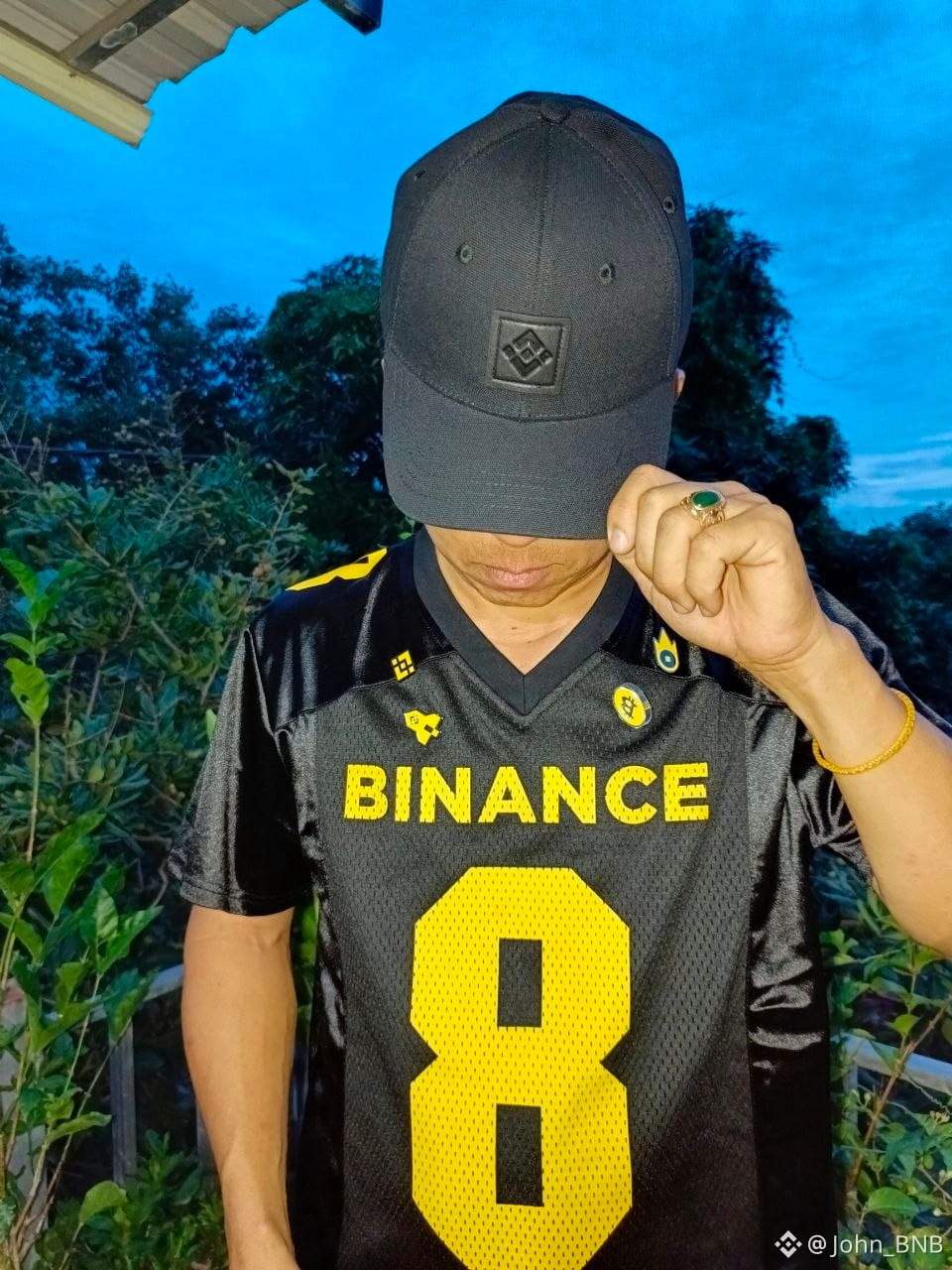
2022 joined Binance meet up as users, hiding my tittle. Joined local group and help countless users to avoid scam in p2p and various phishing.
2024 in loved with Binance angels and applied. And selected, start my 1st support Binance event, travelling with personal budget.
2024 Jul be selected to exclusive SEA angels in Danang, Vietnam
2025 Jun, Aug, Dec be selected again SEA angels TB Hanoi,
Coinfest 2025 Bali, and #BBW2025
Dubai.
2026 Aug
#BinanceClubhouse Coinfest 2026
Journey begins with
#Community #Binance
@CZ knows
#Binance @Binance_Angels $BNB
{spot}(BNBUSDT)
7 8 9 @Binance Square Official
2022 joined Binance meet up as users, hiding my tittle. Joined local group and help countless users to avoid scam in p2p and various phishing.
2024 in loved with Binance angels and applied. And selected, start my 1st support Binance event, travelling with personal budget.
2024 Jul be selected to exclusive SEA angels in Danang, Vietnam
2025 Jun, Aug, Dec be selected again SEA angels TB Hanoi,
Coinfest 2025 Bali, and #BBW2025
Dubai.
2026 Aug
#BinanceClubhouse Coinfest 2026
Journey begins with
#Community #Binance
@CZ knows
#Binance @Binance Angels $BNB
2022 joined Binance meet up as users, hiding my tittle. Joined local group and help countless users to avoid scam in p2p and various phishing.
2024 in loved with Binance angels and applied. And selected, start my 1st support Binance event, travelling with personal budget.
2024 Jul be selected to exclusive SEA angels in Danang, Vietnam
2025 Jun, Aug, Dec be selected again SEA angels TB Hanoi,
Coinfest 2025 Bali, and #BBW2025
Dubai.
2026 Aug
#BinanceClubhouse Coinfest 2026
Journey begins with
#Community #Binance
@CZ knows
#Binance @Binance Angels $BNB


3
10
3.6k

·
--
Imagine the 3B users look like on Binance.
Not only crypto, web3 but TradeFi merch to blockchain, Defi, RWA....and much more. Esp payment rail. Thinking of global payment for the whole humanity, which support even $5 US dollar without any fee or delay.
It will be huge. Are you ready to welcome them?
$BTC $BNB $NVDAB
{spot}(NVDABUSDT)
{spot}(BNBUSDT)
{spot}(BTCUSDT)
Imagine the 3B users look like on Binance.
Not only crypto, web3 but TradeFi merch to blockchain, Defi, RWA....and much more. Esp payment rail. Thinking of global payment for the whole humanity, which support even $5 US dollar without any fee or delay.
It will be huge. Are you ready to welcome them?
$BTC $BNB $NVDAB
Not only crypto, web3 but TradeFi merch to blockchain, Defi, RWA....and much more. Esp payment rail. Thinking of global payment for the whole humanity, which support even $5 US dollar without any fee or delay.
It will be huge. Are you ready to welcome them?
$BTC $BNB $NVDAB

3
130
·
--
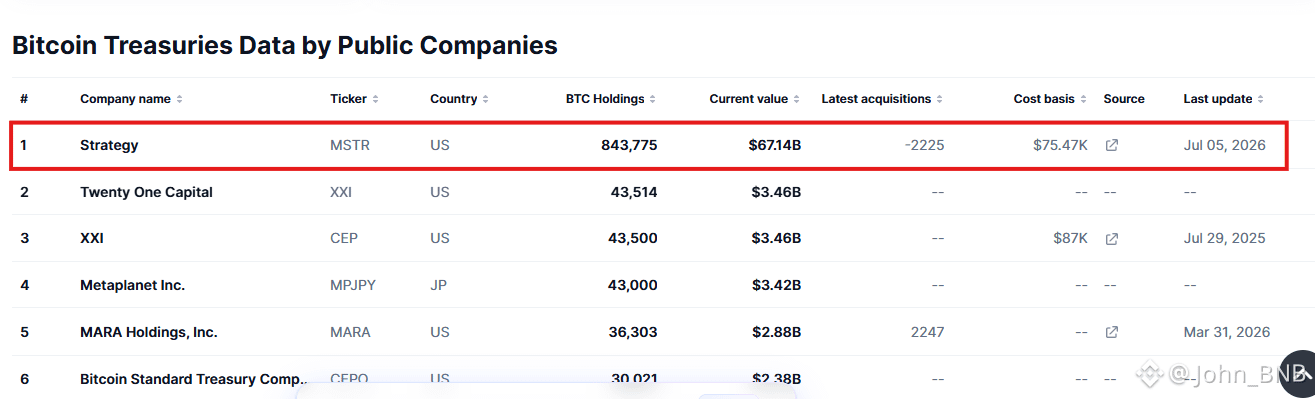
Interesting Strategy of Michael Saylor stay at 1st public company of Bitcoin treasuries. And most important is avg price is $75.47K which means he have profit around 4k per coin.
$BTC
{spot}(BTCUSDT)
Interesting Strategy of Michael Saylor stay at 1st public company of Bitcoin treasuries. And most important is avg price is $75.47K which means he have profit around 4k per coin.
$BTC
$BTC
4
2k
·
--

Binance News
·
--
Bitcoin Recovers to Nearly $78,900 as Grayscale’s Zcash ETF Tops $500 Million
Bitcoin recovered to nearly $78,900 after briefly falling below $78,000, with the asset touching $77,666 during the move. According to NS3.AI, Grayscale said its Zcash ETF has surpassed $500 million in assets two weeks after listing on NYSE Arca.
The fund has also recorded more than $70 million in cumulative inflows since its Aug. 25 debut.
The fund has also recorded more than $70 million in cumulative inflows since its Aug. 25 debut.
1
2
2.8k
·
--
September 2026 Monthly User Survey - Win a share of the total $1,300 USDC
We highly value your feedback and opinions, which are essential for helping us improve and develop our money transfer services. Please complete this survey to have a chance to win a share of the total rewards of 1,300 USDC.
🎁 Reward details
The first 500 users who complete the form will share a total reward pool of 1,000 USDC.
The selected Top 3 users will receive a total of 300 USDC each, with 100 USDC per person.
🗓️ Survey period: 9 September 2026 – 30 September 2026
🔗 Survey link: [ចូលរួមនៅទីនេះ](https://app.binance.com/uni-qr/user-survey/08abcf8b74704455977149d629c24f02)
Thank you sincerely for your continued participation and support.
$BNB
{spot}(BNBUSDT)
September 2026 Monthly User Survey - Win a share of the total $1,300 USDC
We highly value your feedback and opinions, which are essential for helping us improve and develop our money transfer services. Please complete this survey to have a chance to win a share of the total rewards of 1,300 USDC.
🎁 Reward details
The first 500 users who complete the form will share a total reward pool of 1,000 USDC.
The selected Top 3 users will receive a total of 300 USDC each, with 100 USDC per person.
🗓️ Survey period: 9 September 2026 – 30 September 2026
🔗 Survey link: ចូលរួមនៅទីនេះ
Thank you sincerely for your continued participation and support.
$BNB
We highly value your feedback and opinions, which are essential for helping us improve and develop our money transfer services. Please complete this survey to have a chance to win a share of the total rewards of 1,300 USDC.
🎁 Reward details
The first 500 users who complete the form will share a total reward pool of 1,000 USDC.
The selected Top 3 users will receive a total of 300 USDC each, with 100 USDC per person.
🗓️ Survey period: 9 September 2026 – 30 September 2026
🔗 Survey link: ចូលរួមនៅទីនេះ
Thank you sincerely for your continued participation and support.
$BNB

3
29
·
--
Bullish
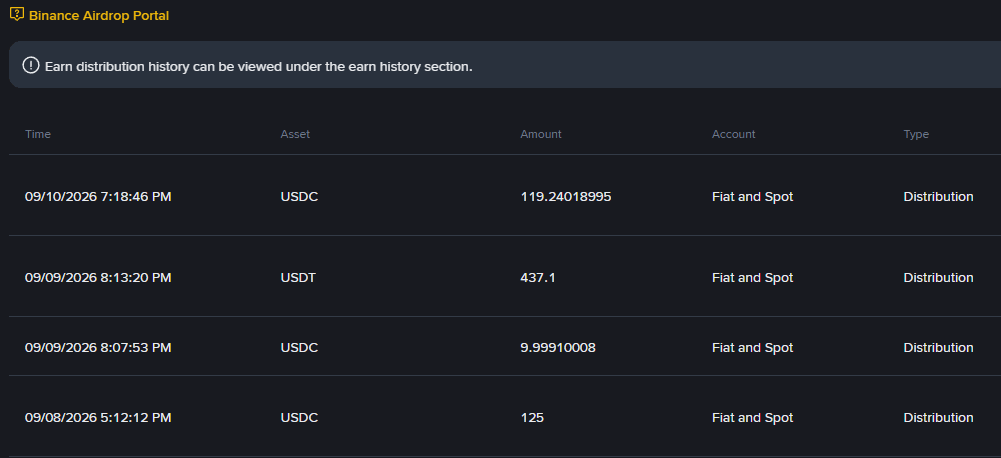
Just receive 125 $USDC of my Q2 competition....
With Binance is endless opportunity.
{spot}(BNBUSDT)
{spot}(USDCUSDT)
Just receive 125 $USDC of my Q2 competition....
With Binance is endless opportunity.
With Binance is endless opportunity.

11
16
5.4k

·
--
Article
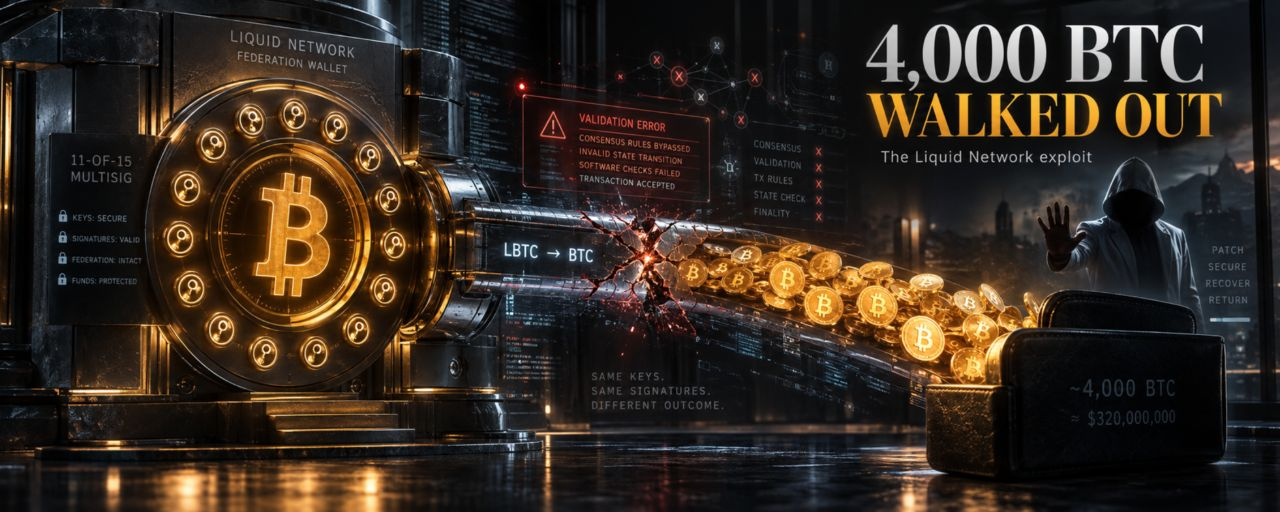
The $320M Liquid Hack: How a Software Bug Let 4,000 BTC Walk OutNearly 4,000 BTC worth roughly $320 million was drained from Bitcoin sidechain Liquid. But this wasn't a simple private-key hack — and the people holding the Bitcoin now say they want to give most of it back.
On September 6, the Liquid Network suffered one of the largest crypto security incidents of 2026.
Approximately 4,000 BTC was withdrawn from the Liquid Federation's Bitcoin reserve wallet, worth around $320 million at the time. Liquid subsequently paused bridge activity, while exchanges suspended or prepared to suspend L-BTC deposits and withdrawals.
Then the story took an unexpected turn.
The attackers identified themselves on-chain as "whitehats" and told Blockstream they would return most of the Bitcoin — but only after the underlying vulnerability was fixed and the network's nodes were patched.
At the time of writing, the roughly 4,000 BTC remained under the attackers' control.
So what actually happened?
This Wasn't a Bitcoin Hack
The first important distinction: Bitcoin itself was not hacked.
The incident happened on Liquid, a Bitcoin sidechain operated through the Liquid Federation.
Liquid's model is built around a two-way peg. Users move BTC into the federation's Bitcoin reserve and receive an equivalent amount of Liquid Bitcoin, or LBTC, on the sidechain.
In normal operation:
BTC → Liquid Federation → LBTC
And when users want to leave Liquid:
LBTC → burned → BTC released
Liquid's own documentation describes LBTC as being backed 1:1 by Bitcoin held in the Federation's multisignature wallet.
The security model is deliberately designed so that the federation doesn't depend on a single private key.
The Federation uses an 11-of-15 multisig structure, with keys held by separate functionaries. Peg-outs also use a Peg-out Authorization Key, or PAK, to restrict where Bitcoin can be sent.
And yet, approximately 4,000 BTC left the reserve.
That is what makes this incident so interesting.
The Keys Apparently Weren't Stolen
According to Liquid and reporting from SideSwap, the incident did not involve the theft of the federation's signing credentials.
Instead, the transaction went through the normal peg-out mechanism.
The problem appears to have been somewhere deeper in the software stack.
SideSwap said the L-BTC involved in the transaction was created through a bug in Elements, the open-source blockchain software underlying Liquid.
In other words, the attacker appears to have exploited a flaw that allowed roughly 4,000 LBTC to exist even though the corresponding Bitcoin had never been deposited into the federation.
Those tokens were then presented for redemption.
The federation's infrastructure effectively processed the request as a valid peg-out and released real Bitcoin.
The result was an extraordinary conversion:
Fake/illegitimate LBTC → legitimate peg-out → real BTC
The attackers ended up with approximately 3,996 BTC in a Bitcoin address after the transaction.
The $320 Million Problem
This exposes a fundamental risk in any bridged or wrapped asset system.
The security of the bridge is not determined only by how well the underlying Bitcoin is protected.
It also depends on whether the system can correctly answer a much simpler question:
"Does this token actually exist legitimately?"
Liquid's entire peg relies on a 1:1 relationship between LBTC circulating on the sidechain and BTC held by the federation.
If software allows an attacker to manufacture LBTC outside that accounting model, the attacker may be able to redeem those artificial tokens for real Bitcoin.
The vault can remain secure.
The private keys can remain secure.
The multisig can remain intact.
And the system can still lose hundreds of millions of dollars.
That is the critical lesson from this incident.
Why Didn't the 11-of-15 Multisig Stop It?
At first glance, this seems like exactly the kind of attack that an 11-of-15 multisig should prevent.
But multisig protects against unauthorized spending.
It does not automatically protect against a transaction that the system itself considers valid.
Liquid's documented peg-out process requires the federation's functionaries to verify the peg-out request and then sign the corresponding Bitcoin transaction.
If the underlying software incorrectly determines that an LBTC redemption is legitimate, the multisig participants can end up doing precisely what they were designed to do:
sign a valid transaction.
That distinction is crucial.
This wasn't necessarily:
"The attacker stole 11 private keys."
It was closer to:
"The attacker found a way to make the system believe the withdrawal was legitimate."
That's a fundamentally different class of vulnerability.
Then the Hackers Did Something Strange
After moving the Bitcoin, the attackers didn't immediately disappear.
Instead, they left an on-chain message identifying themselves as "whitehats" and asking Blockstream to contact them.
Blockstream subsequently responded through Bitcoin transactions and encrypted communication.
The attackers then reportedly offered to return most of the Bitcoin — with one major condition:
Fix the bug first.
They wanted confirmation that the vulnerability had been patched across the relevant nodes before returning the funds.
Blockstream later sent a signed on-chain message indicating that the bridge nodes had been patched and that the funds could be returned.
But the Bitcoin had not yet moved at the time of reporting.
So the biggest crypto theft story of the day has, unusually, turned into a negotiation between the protocol developers and the people who exploited it.
Liquid Paused the Bridge
Following the incident, Liquid disabled bridge nodes and exchanges moved to suspend L-BTC deposits and withdrawals.
That makes sense: if the underlying accounting vulnerability isn't fixed, simply returning the stolen BTC doesn't solve the problem.
The network needs to establish that the same exploit cannot be repeated.
Liquid can continue to exist as a blockchain, but the bridge between Liquid and Bitcoin is the critical point being protected.
This distinction matters because Liquid is not Bitcoin.
Blockstream's own documentation describes Liquid as a Bitcoin sidechain that operates independently from Bitcoin's base layer. Bitcoin does not depend on Liquid to function.
So there is no indication that Bitcoin's consensus mechanism or Bitcoin's underlying proof-of-work was compromised.
The failure occurred at the sidechain and peg layer.
The Bigger Lesson for Crypto
This incident is bigger than Liquid.
It is another reminder that crypto infrastructure has multiple layers of security — and protecting one layer doesn't automatically protect the others.
You can have:
Hardware-secured private keysMultisignature walletsGeographically distributed validatorsWhitelisted withdrawal addressesTimelocks and emergency recovery procedures
…and still have a catastrophic failure if the software validating the assets contains a consensus bug.
Liquid's architecture actually includes multiple additional safeguards. Its documentation describes an emergency recovery mechanism and timelocks designed to protect federation funds during prolonged network failure.
But those protections are primarily designed around different failure scenarios.
The lesson is not that multisig doesn't work.
The lesson is that multisig cannot compensate for broken validation logic.
The Most Interesting Part May Be What Happens Next
The Bitcoin is still the central piece of the puzzle.
If the attackers genuinely return most of the ~4,000 BTC after the patch, the incident could become an unusual example of a massive white-hat intervention: a vulnerability was exploited for real money, the funds were temporarily secured by the researchers, and the protocol was forced to fix the underlying weakness.
But until the Bitcoin actually moves back, it remains a claim — not a completed recovery.
And there are still major questions to answer:
Exactly which Elements bug enabled the unauthorized LBTC creation?
How did the attacker discover it?
Why did the federation's validation process accept the resulting peg-out?
Could the vulnerability have been exploited earlier?
How many nodes and systems were affected?
And perhaps most importantly:
How much confidence should users place in a bridged asset whose security ultimately depends on software validating a 1:1 backing relationship?
The Liquid incident is therefore not simply a story about $320 million being stolen.
It is a case study in the difference between protecting keys and protecting the rules those keys are programmed to enforce.
And in crypto, sometimes the second problem is the bigger one.
#bitcoin #liquidnetwork #CryptoSecurity #BTC
$BTC $BNB $ETH
{spot}(ETHUSDT)
{spot}(BNBUSDT)
{spot}(BTCUSDT)
The $320M Liquid Hack: How a Software Bug Let 4,000 BTC Walk Out
Nearly 4,000 BTC worth roughly $320 million was drained from Bitcoin sidechain Liquid. But this wasn't a simple private-key hack — and the people holding the Bitcoin now say they want to give most of it back.
On September 6, the Liquid Network suffered one of the largest crypto security incidents of 2026.
Approximately 4,000 BTC was withdrawn from the Liquid Federation's Bitcoin reserve wallet, worth around $320 million at the time. Liquid subsequently paused bridge activity, while exchanges suspended or prepared to suspend L-BTC deposits and withdrawals.
Then the story took an unexpected turn.
The attackers identified themselves on-chain as "whitehats" and told Blockstream they would return most of the Bitcoin — but only after the underlying vulnerability was fixed and the network's nodes were patched.
At the time of writing, the roughly 4,000 BTC remained under the attackers' control.
So what actually happened?
This Wasn't a Bitcoin Hack
The first important distinction: Bitcoin itself was not hacked.
The incident happened on Liquid, a Bitcoin sidechain operated through the Liquid Federation.
Liquid's model is built around a two-way peg. Users move BTC into the federation's Bitcoin reserve and receive an equivalent amount of Liquid Bitcoin, or LBTC, on the sidechain.
In normal operation:
BTC → Liquid Federation → LBTC
And when users want to leave Liquid:
LBTC → burned → BTC released
Liquid's own documentation describes LBTC as being backed 1:1 by Bitcoin held in the Federation's multisignature wallet.
The security model is deliberately designed so that the federation doesn't depend on a single private key.
The Federation uses an 11-of-15 multisig structure, with keys held by separate functionaries. Peg-outs also use a Peg-out Authorization Key, or PAK, to restrict where Bitcoin can be sent.
And yet, approximately 4,000 BTC left the reserve.
That is what makes this incident so interesting.
The Keys Apparently Weren't Stolen
According to Liquid and reporting from SideSwap, the incident did not involve the theft of the federation's signing credentials.
Instead, the transaction went through the normal peg-out mechanism.
The problem appears to have been somewhere deeper in the software stack.
SideSwap said the L-BTC involved in the transaction was created through a bug in Elements, the open-source blockchain software underlying Liquid.
In other words, the attacker appears to have exploited a flaw that allowed roughly 4,000 LBTC to exist even though the corresponding Bitcoin had never been deposited into the federation.
Those tokens were then presented for redemption.
The federation's infrastructure effectively processed the request as a valid peg-out and released real Bitcoin.
The result was an extraordinary conversion:
Fake/illegitimate LBTC → legitimate peg-out → real BTC
The attackers ended up with approximately 3,996 BTC in a Bitcoin address after the transaction.
The $320 Million Problem
This exposes a fundamental risk in any bridged or wrapped asset system.
The security of the bridge is not determined only by how well the underlying Bitcoin is protected.
It also depends on whether the system can correctly answer a much simpler question:
"Does this token actually exist legitimately?"
Liquid's entire peg relies on a 1:1 relationship between LBTC circulating on the sidechain and BTC held by the federation.
If software allows an attacker to manufacture LBTC outside that accounting model, the attacker may be able to redeem those artificial tokens for real Bitcoin.
The vault can remain secure.
The private keys can remain secure.
The multisig can remain intact.
And the system can still lose hundreds of millions of dollars.
That is the critical lesson from this incident.
Why Didn't the 11-of-15 Multisig Stop It?
At first glance, this seems like exactly the kind of attack that an 11-of-15 multisig should prevent.
But multisig protects against unauthorized spending.
It does not automatically protect against a transaction that the system itself considers valid.
Liquid's documented peg-out process requires the federation's functionaries to verify the peg-out request and then sign the corresponding Bitcoin transaction.
If the underlying software incorrectly determines that an LBTC redemption is legitimate, the multisig participants can end up doing precisely what they were designed to do:
sign a valid transaction.
That distinction is crucial.
This wasn't necessarily:
"The attacker stole 11 private keys."
It was closer to:
"The attacker found a way to make the system believe the withdrawal was legitimate."
That's a fundamentally different class of vulnerability.
Then the Hackers Did Something Strange
After moving the Bitcoin, the attackers didn't immediately disappear.
Instead, they left an on-chain message identifying themselves as "whitehats" and asking Blockstream to contact them.
Blockstream subsequently responded through Bitcoin transactions and encrypted communication.
The attackers then reportedly offered to return most of the Bitcoin — with one major condition:
Fix the bug first.
They wanted confirmation that the vulnerability had been patched across the relevant nodes before returning the funds.
Blockstream later sent a signed on-chain message indicating that the bridge nodes had been patched and that the funds could be returned.
But the Bitcoin had not yet moved at the time of reporting.
So the biggest crypto theft story of the day has, unusually, turned into a negotiation between the protocol developers and the people who exploited it.
Liquid Paused the Bridge
Following the incident, Liquid disabled bridge nodes and exchanges moved to suspend L-BTC deposits and withdrawals.
That makes sense: if the underlying accounting vulnerability isn't fixed, simply returning the stolen BTC doesn't solve the problem.
The network needs to establish that the same exploit cannot be repeated.
Liquid can continue to exist as a blockchain, but the bridge between Liquid and Bitcoin is the critical point being protected.
This distinction matters because Liquid is not Bitcoin.
Blockstream's own documentation describes Liquid as a Bitcoin sidechain that operates independently from Bitcoin's base layer. Bitcoin does not depend on Liquid to function.
So there is no indication that Bitcoin's consensus mechanism or Bitcoin's underlying proof-of-work was compromised.
The failure occurred at the sidechain and peg layer.
The Bigger Lesson for Crypto
This incident is bigger than Liquid.
It is another reminder that crypto infrastructure has multiple layers of security — and protecting one layer doesn't automatically protect the others.
You can have:
Hardware-secured private keysMultisignature walletsGeographically distributed validatorsWhitelisted withdrawal addressesTimelocks and emergency recovery procedures
…and still have a catastrophic failure if the software validating the assets contains a consensus bug.
Liquid's architecture actually includes multiple additional safeguards. Its documentation describes an emergency recovery mechanism and timelocks designed to protect federation funds during prolonged network failure.
But those protections are primarily designed around different failure scenarios.
The lesson is not that multisig doesn't work.
The lesson is that multisig cannot compensate for broken validation logic.
The Most Interesting Part May Be What Happens Next
The Bitcoin is still the central piece of the puzzle.
If the attackers genuinely return most of the ~4,000 BTC after the patch, the incident could become an unusual example of a massive white-hat intervention: a vulnerability was exploited for real money, the funds were temporarily secured by the researchers, and the protocol was forced to fix the underlying weakness.
But until the Bitcoin actually moves back, it remains a claim — not a completed recovery.
And there are still major questions to answer:
Exactly which Elements bug enabled the unauthorized LBTC creation?
How did the attacker discover it?
Why did the federation's validation process accept the resulting peg-out?
Could the vulnerability have been exploited earlier?
How many nodes and systems were affected?
And perhaps most importantly:
How much confidence should users place in a bridged asset whose security ultimately depends on software validating a 1:1 backing relationship?
The Liquid incident is therefore not simply a story about $320 million being stolen.
It is a case study in the difference between protecting keys and protecting the rules those keys are programmed to enforce.
And in crypto, sometimes the second problem is the bigger one.
#bitcoin #liquidnetwork #CryptoSecurity #BTC
$BTC $BNB $ETH
On September 6, the Liquid Network suffered one of the largest crypto security incidents of 2026.
Approximately 4,000 BTC was withdrawn from the Liquid Federation's Bitcoin reserve wallet, worth around $320 million at the time. Liquid subsequently paused bridge activity, while exchanges suspended or prepared to suspend L-BTC deposits and withdrawals.
Then the story took an unexpected turn.
The attackers identified themselves on-chain as "whitehats" and told Blockstream they would return most of the Bitcoin — but only after the underlying vulnerability was fixed and the network's nodes were patched.
At the time of writing, the roughly 4,000 BTC remained under the attackers' control.
So what actually happened?
This Wasn't a Bitcoin Hack
The first important distinction: Bitcoin itself was not hacked.
The incident happened on Liquid, a Bitcoin sidechain operated through the Liquid Federation.
Liquid's model is built around a two-way peg. Users move BTC into the federation's Bitcoin reserve and receive an equivalent amount of Liquid Bitcoin, or LBTC, on the sidechain.
In normal operation:
BTC → Liquid Federation → LBTC
And when users want to leave Liquid:
LBTC → burned → BTC released
Liquid's own documentation describes LBTC as being backed 1:1 by Bitcoin held in the Federation's multisignature wallet.
The security model is deliberately designed so that the federation doesn't depend on a single private key.
The Federation uses an 11-of-15 multisig structure, with keys held by separate functionaries. Peg-outs also use a Peg-out Authorization Key, or PAK, to restrict where Bitcoin can be sent.
And yet, approximately 4,000 BTC left the reserve.
That is what makes this incident so interesting.
The Keys Apparently Weren't Stolen
According to Liquid and reporting from SideSwap, the incident did not involve the theft of the federation's signing credentials.
Instead, the transaction went through the normal peg-out mechanism.
The problem appears to have been somewhere deeper in the software stack.
SideSwap said the L-BTC involved in the transaction was created through a bug in Elements, the open-source blockchain software underlying Liquid.
In other words, the attacker appears to have exploited a flaw that allowed roughly 4,000 LBTC to exist even though the corresponding Bitcoin had never been deposited into the federation.
Those tokens were then presented for redemption.
The federation's infrastructure effectively processed the request as a valid peg-out and released real Bitcoin.
The result was an extraordinary conversion:
Fake/illegitimate LBTC → legitimate peg-out → real BTC
The attackers ended up with approximately 3,996 BTC in a Bitcoin address after the transaction.
The $320 Million Problem
This exposes a fundamental risk in any bridged or wrapped asset system.
The security of the bridge is not determined only by how well the underlying Bitcoin is protected.
It also depends on whether the system can correctly answer a much simpler question:
"Does this token actually exist legitimately?"
Liquid's entire peg relies on a 1:1 relationship between LBTC circulating on the sidechain and BTC held by the federation.
If software allows an attacker to manufacture LBTC outside that accounting model, the attacker may be able to redeem those artificial tokens for real Bitcoin.
The vault can remain secure.
The private keys can remain secure.
The multisig can remain intact.
And the system can still lose hundreds of millions of dollars.
That is the critical lesson from this incident.
Why Didn't the 11-of-15 Multisig Stop It?
At first glance, this seems like exactly the kind of attack that an 11-of-15 multisig should prevent.
But multisig protects against unauthorized spending.
It does not automatically protect against a transaction that the system itself considers valid.
Liquid's documented peg-out process requires the federation's functionaries to verify the peg-out request and then sign the corresponding Bitcoin transaction.
If the underlying software incorrectly determines that an LBTC redemption is legitimate, the multisig participants can end up doing precisely what they were designed to do:
sign a valid transaction.
That distinction is crucial.
This wasn't necessarily:
"The attacker stole 11 private keys."
It was closer to:
"The attacker found a way to make the system believe the withdrawal was legitimate."
That's a fundamentally different class of vulnerability.
Then the Hackers Did Something Strange
After moving the Bitcoin, the attackers didn't immediately disappear.
Instead, they left an on-chain message identifying themselves as "whitehats" and asking Blockstream to contact them.
Blockstream subsequently responded through Bitcoin transactions and encrypted communication.
The attackers then reportedly offered to return most of the Bitcoin — with one major condition:
Fix the bug first.
They wanted confirmation that the vulnerability had been patched across the relevant nodes before returning the funds.
Blockstream later sent a signed on-chain message indicating that the bridge nodes had been patched and that the funds could be returned.
But the Bitcoin had not yet moved at the time of reporting.
So the biggest crypto theft story of the day has, unusually, turned into a negotiation between the protocol developers and the people who exploited it.
Liquid Paused the Bridge
Following the incident, Liquid disabled bridge nodes and exchanges moved to suspend L-BTC deposits and withdrawals.
That makes sense: if the underlying accounting vulnerability isn't fixed, simply returning the stolen BTC doesn't solve the problem.
The network needs to establish that the same exploit cannot be repeated.
Liquid can continue to exist as a blockchain, but the bridge between Liquid and Bitcoin is the critical point being protected.
This distinction matters because Liquid is not Bitcoin.
Blockstream's own documentation describes Liquid as a Bitcoin sidechain that operates independently from Bitcoin's base layer. Bitcoin does not depend on Liquid to function.
So there is no indication that Bitcoin's consensus mechanism or Bitcoin's underlying proof-of-work was compromised.
The failure occurred at the sidechain and peg layer.
The Bigger Lesson for Crypto
This incident is bigger than Liquid.
It is another reminder that crypto infrastructure has multiple layers of security — and protecting one layer doesn't automatically protect the others.
You can have:
Hardware-secured private keysMultisignature walletsGeographically distributed validatorsWhitelisted withdrawal addressesTimelocks and emergency recovery procedures
…and still have a catastrophic failure if the software validating the assets contains a consensus bug.
Liquid's architecture actually includes multiple additional safeguards. Its documentation describes an emergency recovery mechanism and timelocks designed to protect federation funds during prolonged network failure.
But those protections are primarily designed around different failure scenarios.
The lesson is not that multisig doesn't work.
The lesson is that multisig cannot compensate for broken validation logic.
The Most Interesting Part May Be What Happens Next
The Bitcoin is still the central piece of the puzzle.
If the attackers genuinely return most of the ~4,000 BTC after the patch, the incident could become an unusual example of a massive white-hat intervention: a vulnerability was exploited for real money, the funds were temporarily secured by the researchers, and the protocol was forced to fix the underlying weakness.
But until the Bitcoin actually moves back, it remains a claim — not a completed recovery.
And there are still major questions to answer:
Exactly which Elements bug enabled the unauthorized LBTC creation?
How did the attacker discover it?
Why did the federation's validation process accept the resulting peg-out?
Could the vulnerability have been exploited earlier?
How many nodes and systems were affected?
And perhaps most importantly:
How much confidence should users place in a bridged asset whose security ultimately depends on software validating a 1:1 backing relationship?
The Liquid incident is therefore not simply a story about $320 million being stolen.
It is a case study in the difference between protecting keys and protecting the rules those keys are programmed to enforce.
And in crypto, sometimes the second problem is the bigger one.
#bitcoin #liquidnetwork #CryptoSecurity #BTC
$BTC $BNB $ETH
4
592
·
--
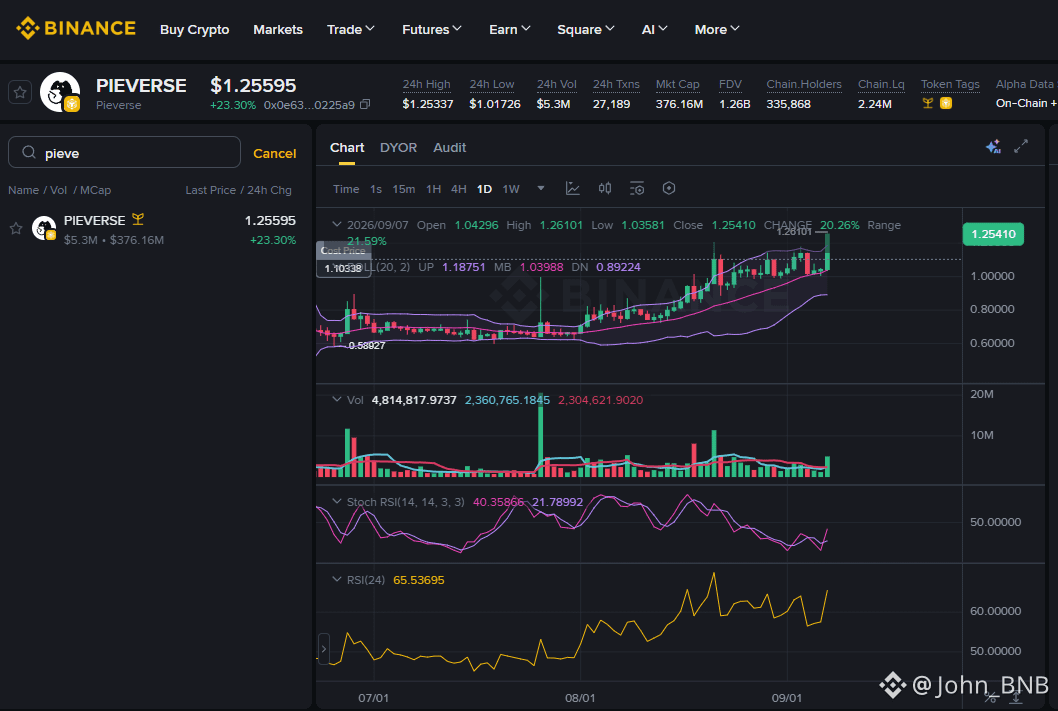
$PIEVERSE starts the move....
next is ath 1.75
{future}(PIEVERSEUSDT)
$PIEVERSE starts the move....
next is ath 1.75
next is ath 1.75
John_BNB
·
--
Bullish$PIEVERSE — is this getting interesting? 👀
Been accumulating some PIEVERSE around the $0.60–$0.70 area, and now we’re sitting around $1.10+.
What caught my attention is the chart structure:
📈 MA7 > MA25 > MA99
📈 Price holding above the key moving averages
🎯 $1.20–$1.22 looks like the next major test
🚀 Above that with strong volume → $1.50 and the previous ~$1.73 high become interesting levels
But there’s also an important token unlock coming Sept 14, so I'm not blindly bullish. That supply event could make things interesting.
The real question:
Do you think PIEVERSE can break $1.22 and challenge the previous high? 👇
Bullish 🟢 or cautious 🟡? @Pieverse @Binance Wallet
#BİNANCESQUAR #crypto #altcoins #Aİ #AIAgents
$PIEVERSE
Been accumulating some PIEVERSE around the $0.60–$0.70 area, and now we’re sitting around $1.10+.
What caught my attention is the chart structure:
📈 MA7 > MA25 > MA99
📈 Price holding above the key moving averages
🎯 $1.20–$1.22 looks like the next major test
🚀 Above that with strong volume → $1.50 and the previous ~$1.73 high become interesting levels
But there’s also an important token unlock coming Sept 14, so I'm not blindly bullish. That supply event could make things interesting.
The real question:
Do you think PIEVERSE can break $1.22 and challenge the previous high? 👇
Bullish 🟢 or cautious 🟡? @Pieverse @Binance Wallet
#BİNANCESQUAR #crypto #altcoins #Aİ #AIAgents
$PIEVERSE
4
3.7k
·
--
It reminds me where I starts this journey.
$BTW $BNB $PIEVERSE
It reminds me where I starts this journey.
$BTW $BNB $PIEVERSE
$BTW $BNB $PIEVERSE
4
1.3k
Log in to explore more content
Join global crypto users on Binance Square
⚡️ Get latest and useful information about crypto.
💬 Trusted by the world’s largest crypto exchange.
👍 Discover real insights from verified creators.
Email / Phone number
Trending Topics
SECReceivesGrayscaleLitecoinTrustETFFiling
5,633 views
157 Discussing
💎 Institutional Attention Reaches Litecoin
Grayscale’s ETF filing has placed $LTC in a bigger conversation. For spot traders, developments like this are a reminder to study strong assets before making any entry.
#secreceivesgrayscalelitecointrustetffiling
CryptoMahibaloch
·1 Likes
·797 views
ClarityActFacesProceduralVoteSept15
91,153 views
1,127 Discussing
US10YearTreasuryYieldNears5%
32,799 views
592 Discussing