
#sec
sec
333.7M views
1.4M Discussing
Hot
Latest

·
--
🟠 Neutral
🚨 SEC Unveils 'Regulation Crypto Assets' Proposal!
The SEC has officially proposed new rules, 'Regulation Crypto Assets', aiming to create a clearer framework for crypto investment contracts. This follows their March 2026 interpretation.
📊 Market Impact: While bringing some much-needed regulatory clarity, the details will be crucial. Expect initial uncertainty, but long-term potential for institutional adoption if the framework is fair. Could impact how token sales are structured.
#CryptoRegulation #SEC
🟠 Neutral
🚨 SEC Unveils 'Regulation Crypto Assets' Proposal!
The SEC has officially proposed new rules, 'Regulation Crypto Assets', aiming to create a clearer framework for crypto investment contracts. This follows their March 2026 interpretation.
📊 Market Impact: While bringing some much-needed regulatory clarity, the details will be crucial. Expect initial uncertainty, but long-term potential for institutional adoption if the framework is fair. Could impact how token sales are structured.
#CryptoRegulation #SEC
🚨 SEC Unveils 'Regulation Crypto Assets' Proposal!
The SEC has officially proposed new rules, 'Regulation Crypto Assets', aiming to create a clearer framework for crypto investment contracts. This follows their March 2026 interpretation.
📊 Market Impact: While bringing some much-needed regulatory clarity, the details will be crucial. Expect initial uncertainty, but long-term potential for institutional adoption if the framework is fair. Could impact how token sales are structured.
#CryptoRegulation #SEC


Article
THE SEC CONFIRMS XRP IN NEW NASDAQ REGULATIONS🔥🔥🔥$XRP The U.S. Securities and Exchange Commission (SEC) has formally approved a regulatory order submitted by Nasdaq Texas LLC. This official document, published in the FED, definitively debunks the versions circulating on social media about a supposed "secret leak".
The approved amendment modifies Rule 5711(d) with the aim of easing the listing standards for commodity-based financial trusts. The regulation introduces a 15% safety margin, which will make it easier to structure products under active management strategies. In the technical text of the order, the SEC explicitly includes Ripple (XRP), Bitcoin, Ethereum, and Solana within a practical model to illustrate how this new tolerance limit will work in a regulated portfolio.
THE SEC CONFIRMS XRP IN NEW NASDAQ REGULATIONS
🔥🔥🔥$XRP The U.S. Securities and Exchange Commission (SEC) has formally approved a regulatory order submitted by Nasdaq Texas LLC. This official document, published in the FED, definitively debunks the versions circulating on social media about a supposed "secret leak".
The approved amendment modifies Rule 5711(d) with the aim of easing the listing standards for commodity-based financial trusts. The regulation introduces a 15% safety margin, which will make it easier to structure products under active management strategies. In the technical text of the order, the SEC explicitly includes Ripple (XRP), Bitcoin, Ethereum, and Solana within a practical model to illustrate how this new tolerance limit will work in a regulated portfolio.
The approved amendment modifies Rule 5711(d) with the aim of easing the listing standards for commodity-based financial trusts. The regulation introduces a 15% safety margin, which will make it easier to structure products under active management strategies. In the technical text of the order, the SEC explicitly includes Ripple (XRP), Bitcoin, Ethereum, and Solana within a practical model to illustrate how this new tolerance limit will work in a regulated portfolio.
1
2
224

Citadel Securities officially stated its position on the regulatory jurisdiction for event contracts and perpetual derivatives: for products linked to U.S.-listed companies and their securities, the SEC should have primary regulatory authority, and exchanges cannot bypass review by relying on self-certification.
It also calls on the SEC to improve the efficiency of filings for new products, so that regulatory gaps or overlapping jurisdiction do not become channels for market arbitrage.
The core dispute is this: are equity-linked event contracts securities or commodities? And how should perpetual derivatives be classified? If the SEC and the CFTC do not promptly draw clear boundaries, both traditional finance and the crypto derivatives market could be affected.
#SEC #CFTC #Crypto Regulation
Citadel Securities officially stated its position on the regulatory jurisdiction for event contracts and perpetual derivatives: for products linked to U.S.-listed companies and their securities, the SEC should have primary regulatory authority, and exchanges cannot bypass review by relying on self-certification.
It also calls on the SEC to improve the efficiency of filings for new products, so that regulatory gaps or overlapping jurisdiction do not become channels for market arbitrage.
The core dispute is this: are equity-linked event contracts securities or commodities? And how should perpetual derivatives be classified? If the SEC and the CFTC do not promptly draw clear boundaries, both traditional finance and the crypto derivatives market could be affected.
#SEC #CFTC #Crypto Regulation
It also calls on the SEC to improve the efficiency of filings for new products, so that regulatory gaps or overlapping jurisdiction do not become channels for market arbitrage.
The core dispute is this: are equity-linked event contracts securities or commodities? And how should perpetual derivatives be classified? If the SEC and the CFTC do not promptly draw clear boundaries, both traditional finance and the crypto derivatives market could be affected.
#SEC #CFTC #Crypto Regulation
4
·
--
️ News | Citadel Calls on the SEC to Tighten Oversight of Event Contracts
Citadel is urging the U.S. Securities and Exchange Commission (SEC) to use its regulatory powers over event contracts associated with publicly listed companies.
📌 Cipher Vault: The step could open up a broader discussion about the scope of regulation of event contracts in U.S. markets, especially as their use expands.
#Crypto #SEC #Markets #Trading #USA
️ News | Citadel Calls on the SEC to Tighten Oversight of Event Contracts
Citadel is urging the U.S. Securities and Exchange Commission (SEC) to use its regulatory powers over event contracts associated with publicly listed companies.
📌 Cipher Vault: The step could open up a broader discussion about the scope of regulation of event contracts in U.S. markets, especially as their use expands.
#Crypto #SEC #Markets #Trading #USA
Citadel is urging the U.S. Securities and Exchange Commission (SEC) to use its regulatory powers over event contracts associated with publicly listed companies.
📌 Cipher Vault: The step could open up a broader discussion about the scope of regulation of event contracts in U.S. markets, especially as their use expands.
#Crypto #SEC #Markets #Trading #USA
20
·
--
Citadel Securities' response letter to the SEC and the CFTC contains a wealth of information.
This market maker has taken a clear position: the SEC should be the primary regulator for U.S. listed companies and their securities-related products, and it also calls for improving the efficiency of reviews for new product filings.
What’s even more noteworthy are two points:
First, Citadel specifically criticizes exchanges for using self-certification mechanisms to evade SEC jurisdiction. If the regulator adopts this stance, the scope for compliance arbitrage in the current derivatives market will be significantly squeezed.
Second, the classification and jurisdiction of two types of products—equity-linked event contracts and perpetual derivatives—are listed as issues that urgently need clarification. Once the definitions are finalized, which products fall under which regulator and according to what rules they operate will undergo fundamental changes.
Another signal is that Citadel urges speeding up the product filing process—meaning that the supply of compliant products is being constrained by review bottlenecks, while institutions have a strong demand for new compliant tools.
By stepping in to lobby regulators over product classification themselves, the market maker’s move suggests that, at the institutional level, there is already consensus about these product formats. The market is shifting from ambiguity toward clarity.
#SEC #derivatives regulation
Citadel Securities' response letter to the SEC and the CFTC contains a wealth of information.
This market maker has taken a clear position: the SEC should be the primary regulator for U.S. listed companies and their securities-related products, and it also calls for improving the efficiency of reviews for new product filings.
What’s even more noteworthy are two points:
First, Citadel specifically criticizes exchanges for using self-certification mechanisms to evade SEC jurisdiction. If the regulator adopts this stance, the scope for compliance arbitrage in the current derivatives market will be significantly squeezed.
Second, the classification and jurisdiction of two types of products—equity-linked event contracts and perpetual derivatives—are listed as issues that urgently need clarification. Once the definitions are finalized, which products fall under which regulator and according to what rules they operate will undergo fundamental changes.
Another signal is that Citadel urges speeding up the product filing process—meaning that the supply of compliant products is being constrained by review bottlenecks, while institutions have a strong demand for new compliant tools.
By stepping in to lobby regulators over product classification themselves, the market maker’s move suggests that, at the institutional level, there is already consensus about these product formats. The market is shifting from ambiguity toward clarity.
#SEC #derivatives regulation
This market maker has taken a clear position: the SEC should be the primary regulator for U.S. listed companies and their securities-related products, and it also calls for improving the efficiency of reviews for new product filings.
What’s even more noteworthy are two points:
First, Citadel specifically criticizes exchanges for using self-certification mechanisms to evade SEC jurisdiction. If the regulator adopts this stance, the scope for compliance arbitrage in the current derivatives market will be significantly squeezed.
Second, the classification and jurisdiction of two types of products—equity-linked event contracts and perpetual derivatives—are listed as issues that urgently need clarification. Once the definitions are finalized, which products fall under which regulator and according to what rules they operate will undergo fundamental changes.
Another signal is that Citadel urges speeding up the product filing process—meaning that the supply of compliant products is being constrained by review bottlenecks, while institutions have a strong demand for new compliant tools.
By stepping in to lobby regulators over product classification themselves, the market maker’s move suggests that, at the institutional level, there is already consensus about these product formats. The market is shifting from ambiguity toward clarity.
#SEC #derivatives regulation
1

·
--
Citadel Securities’ statement on SEC and CFTC joint product definition consultation: for products linked to U.S.-listed companies or their securities, the primary regulatory authority should rest with the SEC; exchanges cannot bypass review by relying on self-certification mechanisms. It also calls for the SEC to improve the efficiency and predictability of reviews for filings of new products.
A key dispute is how equity-linked event contracts and perpetual derivatives should be classified. This is not only a question for Wall Street equity products; it could also affect the regulatory boundary for U.S. perpetual contracts. If regulation draws the line based on “economic substance” rather than product names, the licensing pathway and compliance costs for crypto platforms expanding their business in the U.S. would become clearer.
#SEC #CFTC #derivatives regulation
Citadel Securities’ statement on SEC and CFTC joint product definition consultation: for products linked to U.S.-listed companies or their securities, the primary regulatory authority should rest with the SEC; exchanges cannot bypass review by relying on self-certification mechanisms. It also calls for the SEC to improve the efficiency and predictability of reviews for filings of new products.
A key dispute is how equity-linked event contracts and perpetual derivatives should be classified. This is not only a question for Wall Street equity products; it could also affect the regulatory boundary for U.S. perpetual contracts. If regulation draws the line based on “economic substance” rather than product names, the licensing pathway and compliance costs for crypto platforms expanding their business in the U.S. would become clearer.
#SEC #CFTC #derivatives regulation
A key dispute is how equity-linked event contracts and perpetual derivatives should be classified. This is not only a question for Wall Street equity products; it could also affect the regulatory boundary for U.S. perpetual contracts. If regulation draws the line based on “economic substance” rather than product names, the licensing pathway and compliance costs for crypto platforms expanding their business in the U.S. would become clearer.
#SEC #CFTC #derivatives regulation
2

Citadel Securities responds to SEC and CFTC’s joint product definition consultation: for products linked to U.S.-listed companies and their securities, the SEC should have primary regulatory authority; exchanges should not circumvent SEC oversight through self-certification mechanisms. The document also calls on the SEC to improve the efficiency and timeliness of new product registration and review.
The core dispute is how equity-linked event contracts and perpetual derivatives should be classified—and which regulator should oversee them. If the scope of SEC jurisdiction expands, the listing pathways, disclosure requirements, and compliance obligations for relevant products could all be affected, and crypto-related perpetual derivatives would be hard to exempt.
This is not only a question of how responsibilities are divided between two regulatory agencies; it also determines how traditional securities rules extend to new trading structures. Further developments are worth monitoring.
#SEC #CFTC #Regulatory update
Citadel Securities responds to SEC and CFTC’s joint product definition consultation: for products linked to U.S.-listed companies and their securities, the SEC should have primary regulatory authority; exchanges should not circumvent SEC oversight through self-certification mechanisms. The document also calls on the SEC to improve the efficiency and timeliness of new product registration and review.
The core dispute is how equity-linked event contracts and perpetual derivatives should be classified—and which regulator should oversee them. If the scope of SEC jurisdiction expands, the listing pathways, disclosure requirements, and compliance obligations for relevant products could all be affected, and crypto-related perpetual derivatives would be hard to exempt.
This is not only a question of how responsibilities are divided between two regulatory agencies; it also determines how traditional securities rules extend to new trading structures. Further developments are worth monitoring.
#SEC #CFTC #Regulatory update
The core dispute is how equity-linked event contracts and perpetual derivatives should be classified—and which regulator should oversee them. If the scope of SEC jurisdiction expands, the listing pathways, disclosure requirements, and compliance obligations for relevant products could all be affected, and crypto-related perpetual derivatives would be hard to exempt.
This is not only a question of how responsibilities are divided between two regulatory agencies; it also determines how traditional securities rules extend to new trading structures. Further developments are worth monitoring.
#SEC #CFTC #Regulatory update
1

·
--
Citadel Securities’ latest statement directly addresses the dispute over regulatory jurisdiction for U.S. event contracts and perpetual derivatives. In its responses submitted to the SEC and CFTC, it says that for products linked to U.S.-listed companies and their securities, the SEC should have primary regulatory authority; exchanges cannot bypass SEC oversight by relying on self-certification mechanisms. At the same time, the SEC should also shorten the review cycle for new products and improve filing efficiency.
The key issue is not just “who regulates,” but how equity-linked event contracts and perpetual derivatives are actually classified. If the regulatory boundaries are clear, it will be harder for stock-style event contracts to expand into regulatory gray areas; for crypto perpetual contracts, it may also prompt U.S. markets to re-examine product classification, listing pathways, and investor protection.
Traditional market makers have publicly called for role clarification, indicating that competition for this kind of product has moved into the institutional framework. How the SEC and CFTC draw the lines going forward is something that warrants ongoing attention.
#SEC #CFTC #CitadelSecurities
Citadel Securities’ latest statement directly addresses the dispute over regulatory jurisdiction for U.S. event contracts and perpetual derivatives. In its responses submitted to the SEC and CFTC, it says that for products linked to U.S.-listed companies and their securities, the SEC should have primary regulatory authority; exchanges cannot bypass SEC oversight by relying on self-certification mechanisms. At the same time, the SEC should also shorten the review cycle for new products and improve filing efficiency.
The key issue is not just “who regulates,” but how equity-linked event contracts and perpetual derivatives are actually classified. If the regulatory boundaries are clear, it will be harder for stock-style event contracts to expand into regulatory gray areas; for crypto perpetual contracts, it may also prompt U.S. markets to re-examine product classification, listing pathways, and investor protection.
Traditional market makers have publicly called for role clarification, indicating that competition for this kind of product has moved into the institutional framework. How the SEC and CFTC draw the lines going forward is something that warrants ongoing attention.
#SEC #CFTC #CitadelSecurities
The key issue is not just “who regulates,” but how equity-linked event contracts and perpetual derivatives are actually classified. If the regulatory boundaries are clear, it will be harder for stock-style event contracts to expand into regulatory gray areas; for crypto perpetual contracts, it may also prompt U.S. markets to re-examine product classification, listing pathways, and investor protection.
Traditional market makers have publicly called for role clarification, indicating that competition for this kind of product has moved into the institutional framework. How the SEC and CFTC draw the lines going forward is something that warrants ongoing attention.
#SEC #CFTC #CitadelSecurities
1

·
--
Citadel Securities takes a position to the SEC and CFTC on the classification of event contracts and perpetual derivatives: products linked to U.S.-listed companies and their securities should fall under the SEC’s primary regulatory authority, and new product filings would need to be processed more efficiently. However, exchanges cannot bypass SEC jurisdiction by using their own self-certification mechanisms.
The key disagreement is whether equity-linked event contracts and perpetual derivatives are securities or commodities. If the SEC’s regulatory boundary is expanded, the launch thresholds for related U.S. products, exchange compliance pathways, and market structure could all be reshaped.
For the crypto industry, perpetual derivatives are a core trading category. Once the U.S. regulatory interpretation is clarified, it will affect not only traditional finance, but also the product design of crypto platforms and the pace at which institutions enter the market.
#SEC #衍生品监管 #CitadelSecurities
Citadel Securities takes a position to the SEC and CFTC on the classification of event contracts and perpetual derivatives: products linked to U.S.-listed companies and their securities should fall under the SEC’s primary regulatory authority, and new product filings would need to be processed more efficiently. However, exchanges cannot bypass SEC jurisdiction by using their own self-certification mechanisms.
The key disagreement is whether equity-linked event contracts and perpetual derivatives are securities or commodities. If the SEC’s regulatory boundary is expanded, the launch thresholds for related U.S. products, exchange compliance pathways, and market structure could all be reshaped.
For the crypto industry, perpetual derivatives are a core trading category. Once the U.S. regulatory interpretation is clarified, it will affect not only traditional finance, but also the product design of crypto platforms and the pace at which institutions enter the market.
#SEC #衍生品监管 #CitadelSecurities
The key disagreement is whether equity-linked event contracts and perpetual derivatives are securities or commodities. If the SEC’s regulatory boundary is expanded, the launch thresholds for related U.S. products, exchange compliance pathways, and market structure could all be reshaped.
For the crypto industry, perpetual derivatives are a core trading category. Once the U.S. regulatory interpretation is clarified, it will affect not only traditional finance, but also the product design of crypto platforms and the pace at which institutions enter the market.
#SEC #衍生品监管 #CitadelSecurities
2

·
--
SEC rumours about a “biggest tokenization exemption in history” — I’m skeptical. It’s not that the thing is impossible, but the person who leaked it contradicts himself: Andy of The Rollup said earlier that “a major fund got the SEC’s green light, possibly ARK, Fidelity, or BlackRock,” then corrected himself a moment later. “The ARK public filing isn’t the big exemption the rumor claims at all; it’s just a routine amendment to add a share class to its Venture Fund.” Same person, same week—one moment stoking the rumor, the next putting out the fire.
This policy isn’t the first time it’s been teased as “about to be released.” It was floated once in May, then again got delayed on August 13. Last time, it was Wall Street firms jointly protesting; this time, the White House is worried it could disrupt the “Clarity Act.” All of this suggests the main reason it’s stuck is politics. Andy thinks that after the Senate vote on September 15, a week or so later it will be released, but the SEC itself hasn’t confirmed anything with a single word.
If it really does come to fruition, what would it look like? Funds would directly issue on-chain shares, and even underlying stocks and bonds could be tokenized—skipping the exchange and broker step. But with a policy that’s been postponed twice, it’s a bit early to talk about “what if it gets implemented.”
#SEC #代币化证券 #清晰法案
SEC rumours about a “biggest tokenization exemption in history” — I’m skeptical. It’s not that the thing is impossible, but the person who leaked it contradicts himself: Andy of The Rollup said earlier that “a major fund got the SEC’s green light, possibly ARK, Fidelity, or BlackRock,” then corrected himself a moment later. “The ARK public filing isn’t the big exemption the rumor claims at all; it’s just a routine amendment to add a share class to its Venture Fund.” Same person, same week—one moment stoking the rumor, the next putting out the fire.
This policy isn’t the first time it’s been teased as “about to be released.” It was floated once in May, then again got delayed on August 13. Last time, it was Wall Street firms jointly protesting; this time, the White House is worried it could disrupt the “Clarity Act.” All of this suggests the main reason it’s stuck is politics. Andy thinks that after the Senate vote on September 15, a week or so later it will be released, but the SEC itself hasn’t confirmed anything with a single word.
If it really does come to fruition, what would it look like? Funds would directly issue on-chain shares, and even underlying stocks and bonds could be tokenized—skipping the exchange and broker step. But with a policy that’s been postponed twice, it’s a bit early to talk about “what if it gets implemented.”
#SEC #代币化证券 #清晰法案
This policy isn’t the first time it’s been teased as “about to be released.” It was floated once in May, then again got delayed on August 13. Last time, it was Wall Street firms jointly protesting; this time, the White House is worried it could disrupt the “Clarity Act.” All of this suggests the main reason it’s stuck is politics. Andy thinks that after the Senate vote on September 15, a week or so later it will be released, but the SEC itself hasn’t confirmed anything with a single word.
If it really does come to fruition, what would it look like? Funds would directly issue on-chain shares, and even underlying stocks and bonds could be tokenized—skipping the exchange and broker step. But with a policy that’s been postponed twice, it’s a bit early to talk about “what if it gets implemented.”
#SEC #代币化证券 #清晰法案
87
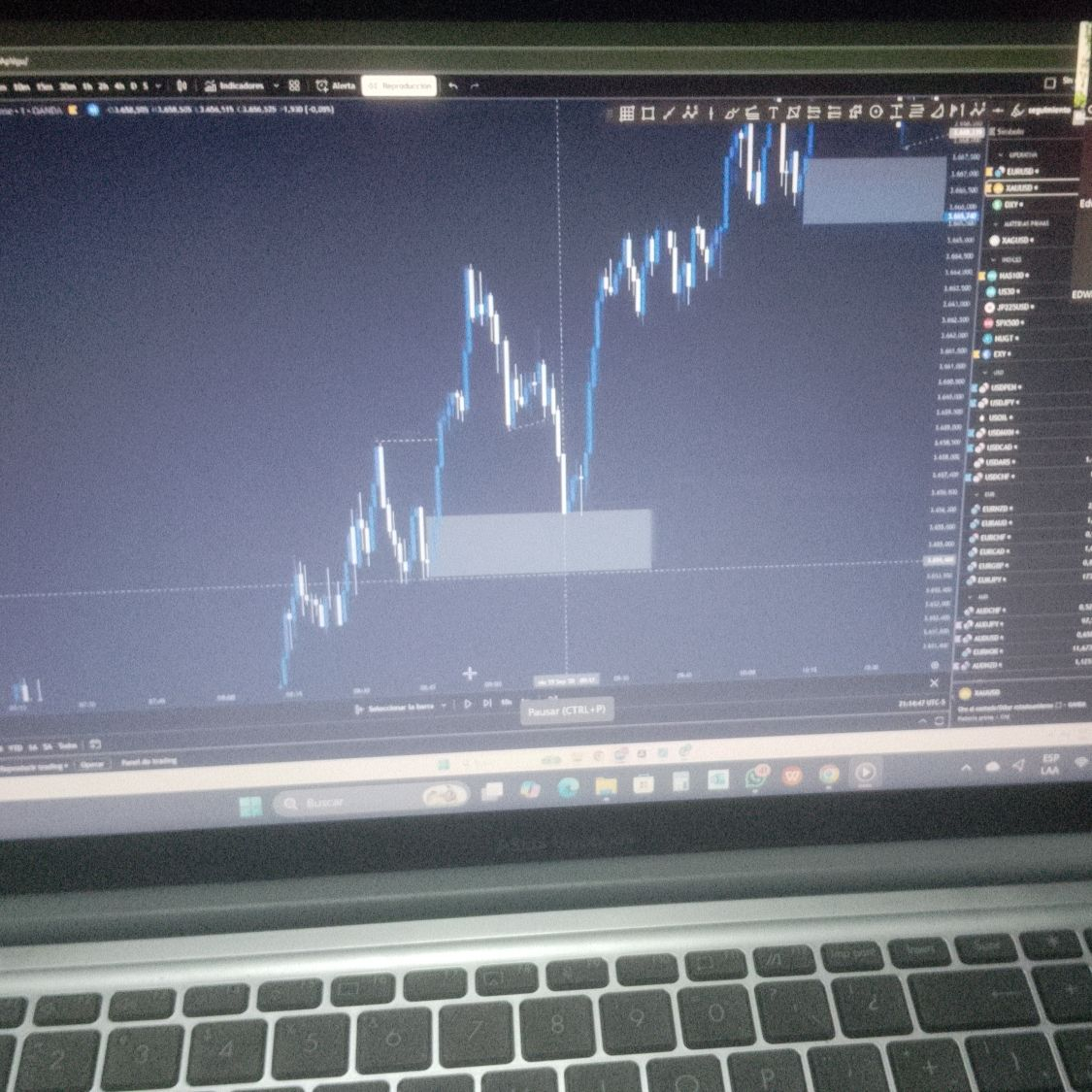
🚨 Great regulatory breakthrough for the tokenization of assets!
🏛 The SEC has proposed modernizing the rules for transfer agents to formalize the registration of shares on cryptocurrency networks and tokenization, officially integrating blockchain technology into traditional financial markets.
This historic change aims to move on from regulations dating back to the 1980s, paving the way for a new era of institutional adoption and real-world assets (RWA).
💬 What do you think about this change?
👉 Leave your comment below by answering: Do you think this measure will accelerate the mass arrival of institutional capital to the market? Don’t forget to hit "Follow" so you don’t miss the key news that moves the crypto ecosystem!
$BTC
{future}(BTCUSDT)
#Tokenizacion #SEC #Criptomonedas #Blockchain
🚨 Great regulatory breakthrough for the tokenization of assets!
🏛 The SEC has proposed modernizing the rules for transfer agents to formalize the registration of shares on cryptocurrency networks and tokenization, officially integrating blockchain technology into traditional financial markets.
This historic change aims to move on from regulations dating back to the 1980s, paving the way for a new era of institutional adoption and real-world assets (RWA).
💬 What do you think about this change?
👉 Leave your comment below by answering: Do you think this measure will accelerate the mass arrival of institutional capital to the market? Don’t forget to hit "Follow" so you don’t miss the key news that moves the crypto ecosystem!
$BTC
#Tokenizacion #SEC #Criptomonedas #Blockchain
🏛 The SEC has proposed modernizing the rules for transfer agents to formalize the registration of shares on cryptocurrency networks and tokenization, officially integrating blockchain technology into traditional financial markets.
This historic change aims to move on from regulations dating back to the 1980s, paving the way for a new era of institutional adoption and real-world assets (RWA).
💬 What do you think about this change?
👉 Leave your comment below by answering: Do you think this measure will accelerate the mass arrival of institutional capital to the market? Don’t forget to hit "Follow" so you don’t miss the key news that moves the crypto ecosystem!
$BTC
#Tokenizacion #SEC #Criptomonedas #Blockchain
3
774

·
--
📰 The market is moving a bit fast this time: ARK Invest’s filing with the U.S. Securities and Exchange Commission (SEC) is not the “tokenized securities innovation exemption” that everyone assumed.
The Rollup host Andy clarified on X that the arrangement ARK and Securitize are pursuing in itself does not require such an exemption. As for the current filing, it is essentially just a standard amendment to an existing order from November 2025.
🔥 That order had previously allowed the open-ended fund ARK Venture Fund to issue multiple share classes on a periodic basis. With this second amendment, it aims to add an Exchange Class that can be listed on national securities exchanges, as well as a Tokenized Class that can be traded in venues such as distributed ledger recordings and registered Alternative Trading Systems (ATS).
Honestly, this is completely on a different scale from regulatory clearance for the entire tokenized securities market. ARK’s filing is more like an extension of fund share arrangements, and it can’t be directly taken as the SEC having already rolled out a broad “innovation exemption.”
💡 Andy still expects that the innovation exemption the SEC is working on will have a wider scope and a much larger impact on the entire tokenized securities issuance market. He believes the exemption will be released within one week after the vote on the CLARITY Act concludes.
🤔 Do you think this clarification will lead the market to re-separate “fund tokenization” from “broad regulatory exemptions”?
#ARK #Securitize #代币化证券 #SEC
📰 The market is moving a bit fast this time: ARK Invest’s filing with the U.S. Securities and Exchange Commission (SEC) is not the “tokenized securities innovation exemption” that everyone assumed.
The Rollup host Andy clarified on X that the arrangement ARK and Securitize are pursuing in itself does not require such an exemption. As for the current filing, it is essentially just a standard amendment to an existing order from November 2025.
🔥 That order had previously allowed the open-ended fund ARK Venture Fund to issue multiple share classes on a periodic basis. With this second amendment, it aims to add an Exchange Class that can be listed on national securities exchanges, as well as a Tokenized Class that can be traded in venues such as distributed ledger recordings and registered Alternative Trading Systems (ATS).
Honestly, this is completely on a different scale from regulatory clearance for the entire tokenized securities market. ARK’s filing is more like an extension of fund share arrangements, and it can’t be directly taken as the SEC having already rolled out a broad “innovation exemption.”
💡 Andy still expects that the innovation exemption the SEC is working on will have a wider scope and a much larger impact on the entire tokenized securities issuance market. He believes the exemption will be released within one week after the vote on the CLARITY Act concludes.
🤔 Do you think this clarification will lead the market to re-separate “fund tokenization” from “broad regulatory exemptions”?
#ARK #Securitize #代币化证券 #SEC
The Rollup host Andy clarified on X that the arrangement ARK and Securitize are pursuing in itself does not require such an exemption. As for the current filing, it is essentially just a standard amendment to an existing order from November 2025.
🔥 That order had previously allowed the open-ended fund ARK Venture Fund to issue multiple share classes on a periodic basis. With this second amendment, it aims to add an Exchange Class that can be listed on national securities exchanges, as well as a Tokenized Class that can be traded in venues such as distributed ledger recordings and registered Alternative Trading Systems (ATS).
Honestly, this is completely on a different scale from regulatory clearance for the entire tokenized securities market. ARK’s filing is more like an extension of fund share arrangements, and it can’t be directly taken as the SEC having already rolled out a broad “innovation exemption.”
💡 Andy still expects that the innovation exemption the SEC is working on will have a wider scope and a much larger impact on the entire tokenized securities issuance market. He believes the exemption will be released within one week after the vote on the CLARITY Act concludes.
🤔 Do you think this clarification will lead the market to re-separate “fund tokenization” from “broad regulatory exemptions”?
#ARK #Securitize #代币化证券 #SEC

3

·
--
The U.S. Securities and Exchange Commission (SEC) accelerated its approval on September 3 of Nasdaq Texas’s amendments to Rule 5711(d) (Release No. 34-106268). Multiple secondary reposts over the weekend turned this filing into the statement “$XRP, $SOL has been formally designated as a commodity,” which is not consistent with the original text.
The order updates listing standards for commodity trust share listings of only one Texas exchange: it allows up to approximately 15% of net asset holdings that have not yet met general eligibility for digital commodities or specified securities, while requiring that at least 85% still fall within eligible assets; and it also includes a definition of “digital commodity,” with a framework that is largely consistent with the standards already approved in July for Nasdaq, NYSE Arca, and Cboe. The Bitcoin, Ether, Solana, and XRP mentioned in the text are examples used to satisfy that exchange’s monitoring conditions for “eligible commodities”—the underlying futures have been traded on ISG markets for about six months, and there are ETFs providing at least about 40% economic exposure. These are market surveillance thresholds set by the exchange, not a determination of “commodity” status under federal securities law.
The real federal-level market-structure definition is more likely to come around the procedural vote under the CLARITY Act before and after September 15; the exchange-side definition remains transitional and will be further aligned by subsequent congressional legislation. Listing rules have changed, but that does not mean the legal attributes of a given cryptocurrency have changed, nor does it imply that prices will necessarily rise in the short term. Any compliance narrative involving $BTC must also clearly distinguish between “examples” and “legislation.”
#SEC #加密监管 #CLARITY
does not constitute investment advice
The U.S. Securities and Exchange Commission (SEC) accelerated its approval on September 3 of Nasdaq Texas’s amendments to Rule 5711(d) (Release No. 34-106268). Multiple secondary reposts over the weekend turned this filing into the statement “$XRP , $SOL has been formally designated as a commodity,” which is not consistent with the original text.
The order updates listing standards for commodity trust share listings of only one Texas exchange: it allows up to approximately 15% of net asset holdings that have not yet met general eligibility for digital commodities or specified securities, while requiring that at least 85% still fall within eligible assets; and it also includes a definition of “digital commodity,” with a framework that is largely consistent with the standards already approved in July for Nasdaq, NYSE Arca, and Cboe. The Bitcoin, Ether, Solana, and XRP mentioned in the text are examples used to satisfy that exchange’s monitoring conditions for “eligible commodities”—the underlying futures have been traded on ISG markets for about six months, and there are ETFs providing at least about 40% economic exposure. These are market surveillance thresholds set by the exchange, not a determination of “commodity” status under federal securities law.
The real federal-level market-structure definition is more likely to come around the procedural vote under the CLARITY Act before and after September 15; the exchange-side definition remains transitional and will be further aligned by subsequent congressional legislation. Listing rules have changed, but that does not mean the legal attributes of a given cryptocurrency have changed, nor does it imply that prices will necessarily rise in the short term. Any compliance narrative involving $BTC must also clearly distinguish between “examples” and “legislation.”
#SEC #加密监管 #CLARITY
does not constitute investment advice
The order updates listing standards for commodity trust share listings of only one Texas exchange: it allows up to approximately 15% of net asset holdings that have not yet met general eligibility for digital commodities or specified securities, while requiring that at least 85% still fall within eligible assets; and it also includes a definition of “digital commodity,” with a framework that is largely consistent with the standards already approved in July for Nasdaq, NYSE Arca, and Cboe. The Bitcoin, Ether, Solana, and XRP mentioned in the text are examples used to satisfy that exchange’s monitoring conditions for “eligible commodities”—the underlying futures have been traded on ISG markets for about six months, and there are ETFs providing at least about 40% economic exposure. These are market surveillance thresholds set by the exchange, not a determination of “commodity” status under federal securities law.
The real federal-level market-structure definition is more likely to come around the procedural vote under the CLARITY Act before and after September 15; the exchange-side definition remains transitional and will be further aligned by subsequent congressional legislation. Listing rules have changed, but that does not mean the legal attributes of a given cryptocurrency have changed, nor does it imply that prices will necessarily rise in the short term. Any compliance narrative involving $BTC must also clearly distinguish between “examples” and “legislation.”
#SEC #加密监管 #CLARITY
does not constitute investment advice
瑞见未来:
看到CLARITY Act这种研报就头大,以前追XRP利好每次都被套在山顶,现在托管躺平不看新闻省心多了,闲下来可以翻翻 他的帖子
1
229


·
--
Bullish
🏛️ New rules for crypto from the SEC
In August, the SEC submitted a new proposal called “Regulation Crypto Assets.” The proposal aims to create a more suitable and simplified regulatory framework for investment contracts related to certain cryptocurrencies.
The SEC’s proposal also includes mechanisms to exempt certain offerings from registration requirements in specific cases, up to $5 million and up to $75 million within a 12-month period.
🔥 My main takeaway: The U.S. is trying to bring crypto into a legal framework more than squeezing it out.
#ABŞ #SEC
🏛️ New rules for crypto from the SEC
In August, the SEC submitted a new proposal called “Regulation Crypto Assets.” The proposal aims to create a more suitable and simplified regulatory framework for investment contracts related to certain cryptocurrencies.
The SEC’s proposal also includes mechanisms to exempt certain offerings from registration requirements in specific cases, up to $5 million and up to $75 million within a 12-month period.
🔥 My main takeaway: The U.S. is trying to bring crypto into a legal framework more than squeezing it out.
#ABŞ #SEC
In August, the SEC submitted a new proposal called “Regulation Crypto Assets.” The proposal aims to create a more suitable and simplified regulatory framework for investment contracts related to certain cryptocurrencies.
The SEC’s proposal also includes mechanisms to exempt certain offerings from registration requirements in specific cases, up to $5 million and up to $75 million within a 12-month period.
🔥 My main takeaway: The U.S. is trying to bring crypto into a legal framework more than squeezing it out.
#ABŞ #SEC
2
316
·
--
📰 The Rollup host Andy releases news: a large fund is reportedly granted SEC “green light,” allowing fund shares to be tokenized and put on-chain, with trading tied to the underlying assets.
🔥 The names mentioned so far include Fidelity, ARK Invest, and BlackRock, but which one it is—Andy didn’t confirm. Honestly, whichever of these names ends up being involved, it’s a big one, and traditional funds moving on-chain would quickly go from discussion to execution.
💡 The real key isn’t as simple as “issuing a token,” but whether fund shares can be traded on-chain within a compliant regulatory framework. If the news is confirmed, the distance between traditional asset management products and on-chain markets would indeed shrink a lot, very quickly.
⚠️ But don’t rush to treat this as an official announcement yet. Andy has made it clear that this is still unverified information, and the specific arrangements will have to wait for SEC Chair Atkins to confirm. Until the formal documents are released, you can’t draw conclusions about the institutions involved or the details of any exemptions.
🤔 If, in the end, Fidelity, ARK Invest, or BlackRock is the one confirmed as approved, which do you think is most likely to be the first to truly move fund shares on-chain?
#SEC #基金代币化 #RWA #加密监管
📰 The Rollup host Andy releases news: a large fund is reportedly granted SEC “green light,” allowing fund shares to be tokenized and put on-chain, with trading tied to the underlying assets.
🔥 The names mentioned so far include Fidelity, ARK Invest, and BlackRock, but which one it is—Andy didn’t confirm. Honestly, whichever of these names ends up being involved, it’s a big one, and traditional funds moving on-chain would quickly go from discussion to execution.
💡 The real key isn’t as simple as “issuing a token,” but whether fund shares can be traded on-chain within a compliant regulatory framework. If the news is confirmed, the distance between traditional asset management products and on-chain markets would indeed shrink a lot, very quickly.
⚠️ But don’t rush to treat this as an official announcement yet. Andy has made it clear that this is still unverified information, and the specific arrangements will have to wait for SEC Chair Atkins to confirm. Until the formal documents are released, you can’t draw conclusions about the institutions involved or the details of any exemptions.
🤔 If, in the end, Fidelity, ARK Invest, or BlackRock is the one confirmed as approved, which do you think is most likely to be the first to truly move fund shares on-chain?
#SEC #基金代币化 #RWA #加密监管
🔥 The names mentioned so far include Fidelity, ARK Invest, and BlackRock, but which one it is—Andy didn’t confirm. Honestly, whichever of these names ends up being involved, it’s a big one, and traditional funds moving on-chain would quickly go from discussion to execution.
💡 The real key isn’t as simple as “issuing a token,” but whether fund shares can be traded on-chain within a compliant regulatory framework. If the news is confirmed, the distance between traditional asset management products and on-chain markets would indeed shrink a lot, very quickly.
⚠️ But don’t rush to treat this as an official announcement yet. Andy has made it clear that this is still unverified information, and the specific arrangements will have to wait for SEC Chair Atkins to confirm. Until the formal documents are released, you can’t draw conclusions about the institutions involved or the details of any exemptions.
🤔 If, in the end, Fidelity, ARK Invest, or BlackRock is the one confirmed as approved, which do you think is most likely to be the first to truly move fund shares on-chain?
#SEC #基金代币化 #RWA #加密监管

7

·
--
SEC Revises Transfer Agent Rules: On-Chain Shareholder Rosters Are “Permitted,” Not “Required”Clarify the sticking point first: this time the SEC isn’t announcing that “stocks are being fully put on-chain.” Instead, it has rewritten the transfer agent rules from the late 1970s and early 1980s—rules that have seen little change for decades. It explicitly allows using a blockchain or other distributed ledger as a master securityholder file (or part of it), but it does not mandate it.
The proposal was filed on September 1 (Release No. 34-106246, File No. S7-2026-30), and appeared in the Federal Register on September 4 (91 FR 56946). The comment deadline is stated very firmly: November 3, 2026.
What to watch are the details, not slogans:
SEC Revises Transfer Agent Rules: On-Chain Shareholder Rosters Are “Permitted,” Not “Required”
Clarify the sticking point first: this time the SEC isn’t announcing that “stocks are being fully put on-chain.” Instead, it has rewritten the transfer agent rules from the late 1970s and early 1980s—rules that have seen little change for decades. It explicitly allows using a blockchain or other distributed ledger as a master securityholder file (or part of it), but it does not mandate it.
The proposal was filed on September 1 (Release No. 34-106246, File No. S7-2026-30), and appeared in the Federal Register on September 4 (91 FR 56946). The comment deadline is stated very firmly: November 3, 2026.
What to watch are the details, not slogans:
The proposal was filed on September 1 (Release No. 34-106246, File No. S7-2026-30), and appeared in the Federal Register on September 4 (91 FR 56946). The comment deadline is stated very firmly: November 3, 2026.
What to watch are the details, not slogans:
117

·
--
Regulation update
Big but quiet news:
ON Sept 2, the SEC and CFTC launched a joint initiative on rules for leveraged and margined crypto trading.
The SEC also dropped its first transfer agent overhaul in 40 years — a 421-page doc aimed squarely at blockchain-native fund administration.
This is the "boring" news that actually matters long-term. Institutional money needs rules like this before it moves in at scale.
#Regulation #SEC #CryptoNews🚀🔥 #RussiaUkraine72-hourCeasefire
Regulation update
Big but quiet news:
ON Sept 2, the SEC and CFTC launched a joint initiative on rules for leveraged and margined crypto trading.
The SEC also dropped its first transfer agent overhaul in 40 years — a 421-page doc aimed squarely at blockchain-native fund administration.
This is the "boring" news that actually matters long-term. Institutional money needs rules like this before it moves in at scale.
#Regulation #SEC #CryptoNews🚀🔥 #RussiaUkraine72-hourCeasefire
Big but quiet news:
ON Sept 2, the SEC and CFTC launched a joint initiative on rules for leveraged and margined crypto trading.
The SEC also dropped its first transfer agent overhaul in 40 years — a 421-page doc aimed squarely at blockchain-native fund administration.
This is the "boring" news that actually matters long-term. Institutional money needs rules like this before it moves in at scale.
#Regulation #SEC #CryptoNews🚀🔥 #RussiaUkraine72-hourCeasefire
41
A profound sector-by-sector divergence defines the market today, following a major regulatory shift. Per the official announcement from the US Securities and Exchange Commission (SEC) on September 5, 2026, all major centralized crypto exchanges operating in the US must now undergo mandatory annual third-party audits of their internal controls and risk management protocols, with the first comprehensive reports required by early 2027. This landmark rule, a first for the industry, marks a significant operational test for these platforms, moving beyond voluntary disclosure toward compulsory, independent validation. The announcement details that the objective is to 'ensure greater transparency and operational resilience.' This lands as a major test of network maturity and, in the longer term, could serve as a powerful differentiator for compliant projects while challenging those with less robust infrastructure. The market figures show a fragmented response to this structural adjustment: Bitcoin is quiet, with BTC/USDT at $79,882.0 (+0.27%), and Ethereum, ETH/USDT, is at $2,499.70 (+1.71%). The true activity is elsewhere, with massive divergences. RAYSOL/USDT has surged +60.21% to $1.35 and ARB/USDT is up +41.11% to $0.18975. In sharp contrast, AKE/USDT has dropped -29.24% to $0.013608 and COLLECT/USDT is down -45.20% to $0.04394. This isn't a macro-driven day, but rather an intense focus on network narratives and individual compliance, highlighting a profoundly fractured market and conditional performance. This is the kind of event that makes future audits a non-negotiable benchmark rather than a nice-to-have, and its full weight will be closely watched over the coming months. $BTC $ETH $SECZ.US
#Write2Earn #SEC
A profound sector-by-sector divergence defines the market today, following a major regulatory shift. Per the official announcement from the US Securities and Exchange Commission (SEC) on September 5, 2026, all major centralized crypto exchanges operating in the US must now undergo mandatory annual third-party audits of their internal controls and risk management protocols, with the first comprehensive reports required by early 2027. This landmark rule, a first for the industry, marks a significant operational test for these platforms, moving beyond voluntary disclosure toward compulsory, independent validation. The announcement details that the objective is to 'ensure greater transparency and operational resilience.' This lands as a major test of network maturity and, in the longer term, could serve as a powerful differentiator for compliant projects while challenging those with less robust infrastructure. The market figures show a fragmented response to this structural adjustment: Bitcoin is quiet, with BTC/USDT at $79,882.0 (+0.27%), and Ethereum, ETH/USDT, is at $2,499.70 (+1.71%). The true activity is elsewhere, with massive divergences. RAYSOL/USDT has surged +60.21% to $1.35 and ARB/USDT is up +41.11% to $0.18975. In sharp contrast, AKE/USDT has dropped -29.24% to $0.013608 and COLLECT/USDT is down -45.20% to $0.04394. This isn't a macro-driven day, but rather an intense focus on network narratives and individual compliance, highlighting a profoundly fractured market and conditional performance. This is the kind of event that makes future audits a non-negotiable benchmark rather than a nice-to-have, and its full weight will be closely watched over the coming months. $BTC $ETH $SECZ.US
#Write2Earn #SEC
#Write2Earn #SEC
1
142

·
--
Not just another regulatory news item: the September 15 vote may decide whether US Crypto rules have to wait another four yearsUS Crypto regulation—soon, a crucial milestone for this year is about to arrive.
On September 15, the Senate will hold a critical procedural vote on the CLARITY Act.
First, let’s make it clear: September 15 is not the final passage of the CLARITY Act.
What it determines is whether this bill can overcome procedural hurdles and move into the next stage of consideration.
But the issue here is that this step requires 60 votes.
If it can’t even clear this step, then formal discussions, amendments, and the final vote that follow basically won’t have much to talk about.
So although this looks like a vote on “procedural matters,” it may, in fact, directly determine whether the US Crypto market structure bill has any chance of becoming law this year.
Not just another regulatory news item: the September 15 vote may decide whether US Crypto rules have to wait another four years
US Crypto regulation—soon, a crucial milestone for this year is about to arrive.
On September 15, the Senate will hold a critical procedural vote on the CLARITY Act.
First, let’s make it clear: September 15 is not the final passage of the CLARITY Act.
What it determines is whether this bill can overcome procedural hurdles and move into the next stage of consideration.
But the issue here is that this step requires 60 votes.
If it can’t even clear this step, then formal discussions, amendments, and the final vote that follow basically won’t have much to talk about.
So although this looks like a vote on “procedural matters,” it may, in fact, directly determine whether the US Crypto market structure bill has any chance of becoming law this year.
On September 15, the Senate will hold a critical procedural vote on the CLARITY Act.
First, let’s make it clear: September 15 is not the final passage of the CLARITY Act.
What it determines is whether this bill can overcome procedural hurdles and move into the next stage of consideration.
But the issue here is that this step requires 60 votes.
If it can’t even clear this step, then formal discussions, amendments, and the final vote that follow basically won’t have much to talk about.
So although this looks like a vote on “procedural matters,” it may, in fact, directly determine whether the US Crypto market structure bill has any chance of becoming law this year.
User-ff5e108f:
CLARITY Act这种参议院博弈分析得很透,但我这种脑子追消息每次都两头挨巴掌,现在干脆全丢给代跑不管了,有兴趣可以去翻翻 他的帖子
2
19
7.4k

·
--
Partly True
$INJ RSI 96 — and behind this is real news, not hype
The specific reason: Injective Institutional Services has just received SEC transfer-agent status — the first layer-1 blockchain with such a designation. This paves the way for issuing and trading tokenized assets under regulatory oversight, meaning Injective positions itself as a compliant infrastructure for tokenized securities.
But RSI 96 is already extreme even for good news. Historically, such values rarely hold for longer than a few hours without a correction.
#INJ #injective #crypto #SEC
{spot}(INJUSDT)
$INJ RSI 96 — and behind this is real news, not hype
The specific reason: Injective Institutional Services has just received SEC transfer-agent status — the first layer-1 blockchain with such a designation. This paves the way for issuing and trading tokenized assets under regulatory oversight, meaning Injective positions itself as a compliant infrastructure for tokenized securities.
But RSI 96 is already extreme even for good news. Historically, such values rarely hold for longer than a few hours without a correction.
#INJ #injective #crypto #SEC
The specific reason: Injective Institutional Services has just received SEC transfer-agent status — the first layer-1 blockchain with such a designation. This paves the way for issuing and trading tokenized assets under regulatory oversight, meaning Injective positions itself as a compliant infrastructure for tokenized securities.
But RSI 96 is already extreme even for good news. Historically, such values rarely hold for longer than a few hours without a correction.
#INJ #injective #crypto #SEC
1
320
Log in to explore more content
Join global crypto users on Binance Square
⚡️ Get latest and useful information about crypto.
💬 Trusted by the world’s largest crypto exchange.
👍 Discover real insights from verified creators.
Email / Phone number
Trending Topics
1
#USAugustPPIRisesLessThanExpected
860 views
91 Discussing
2
#SECApprovesNasdaqTexasCommodityTrustRule
2,760 views
152 Discussing
3
#ECBRaisesRatesSecondTimeTo2.5%
1,300 views
98 Discussing
4
#USContinuingJoblessClaims1.774M
5,941 views
200 Discussing
5
#USAugustPPIYoYRisesTo5.4%
5,372 views
152 Discussing
6
#AppleDebutsFoldablePhone
67,485 views
1,223 Discussing
7
#TSMCAugustRevenueUp53.3%YoY
17,510 views
463 Discussing
8
#IranSaysReadyToEscalateWarWithUS
24,274 views
460 Discussing
9
#EUExtendsCentralContactPointToCASPs
20,852 views
478 Discussing
10
#US10YTreasuryYieldHitsHighestSinceNov2023
47,560 views
715 Discussing