

0xsunusi
3 Posts

0xsunusi
Report
Block User
BP-1B2BE500064A
41 Following
28 Followers
6 Liked
Posts
All
Quotes
·
--
Article
See translation
Omniston Is Expanding Beyond STON.fi: What the MoonPay Trade Integration MeansThere is an interesting development around STON.fi that is easy to overlook if you only think of it as a DEX on TON.
Omniston has now been integrated into MoonPay Trade.
At first glance, this might look like another integration announcement.
I think the more interesting question is:
Why does an infrastructure built by STON.fi matter when other wallets and applications start using it?
Let’s break it down.
What is Omniston?
Omniston is STON.fi’s cross-chain execution layer.
The idea is relatively simple:
Instead of every wallet, aggregator or DeFi application having to build its own cross-chain execution infrastructure, they can integrate with Omniston.
Under the hood, Omniston uses a resolver-based model.
When a user wants to execute a trade, resolvers compete to provide liquidity and fulfill the request. Settlement is coordinated through linked Hashed Timelock Contracts (HTLCs).
The important part is that the system is designed around atomic execution.
Either the swap completes according to the agreed conditions, or the funds can be refunded through the timelock mechanism.
That is a very different architecture from the traditional “lock an asset here, mint a wrapped representation there” bridge model.
So, what does MoonPay Trade add?
MoonPay Trade provides a unified API for on-chain execution, settlement, asset conversion and payments across hundreds of chains and protocols.
With Omniston integrated into that infrastructure, TON trades can now become accessible to applications and partners using MoonPay Trade.
STON.fi specifically points to wallets and apps such as Keeper as examples of products that can make TON assets available inside their own trading experience.
And this is where the integration becomes more interesting.
The user doesn't necessarily need to know that Omniston is sitting underneath the experience.
They simply interact with the wallet or application.
The infrastructure does the difficult work in the background.
Why this matters for TON
One of the recurring challenges in crypto is liquidity fragmentation.
There are thousands of tokens, multiple chains, different wallets, different liquidity venues and different execution systems.
Users don't necessarily care which infrastruc kiture provider is routing the trade.
They care about things like:
✓ Can I access the asset?
✓ Can I get a reasonable quote?
✓ How much will I receive?
✓ How long will the transaction take?
✓ Do I have to move through another platform first?
This is why infrastructure integrations can matter more than another interface feature.
If more wallets and applications can access TON liquidity through the same underlying infrastructure, TON assets can potentially become easier to reach outside the TON-native ecosystem.
The bigger idea behind Omniston
This is also why I think it is useful to look at Omniston separately from STON.fi's trading interface.
STON.fi is the product users can interact with.
Omniston is infrastructure that other applications can build on.
That distinction matters.
According to STON.fi's documentation, Omniston is designed to be integrated by wallets, aggregators, exchanges and DeFi applications through its developer infrastructure.
So the long-term question isn't simply:
“How many people use STON.fi?”
There is another question:
“How many applications can use Omniston to make cross-chain or TON liquidity easier to access?”
That's a much broader infrastructure thesis.
And this is where cross-chain becomes interesting
STON.fi's current product direction goes beyond TON-only swaps.
Its platform now positions itself around access to DeFi across TON, EVM chains and TRON, while Omniston provides the execution layer for cross-chain swaps.
For users, that means the complexity of moving between ecosystems can increasingly happen behind the interface.
For developers, it means they don't necessarily have to build every piece of that infrastructure themselves.
That difference is important.
What I'm watching next
For me, the interesting part of this integration isn't the announcement itself.
I'd be watching three things:
1. Actual usage
How much real trading activity starts flowing through integrations using Omniston?
2. More integrations
Does this remain a small number of partners, or does Omniston become infrastructure used across multiple wallets, aggregators and DeFi applications?
3. Execution quality
Cross-chain infrastructure ultimately has to deliver more than connectivity.
Quotes, liquidity, fees, settlement time and failure handling all matter.
If the infrastructure works well but users consistently get poor execution, adoption becomes difficult.
Final thought
The MoonPay Trade integration gives us another way to look at what STON.fi is building.
It isn't only about giving users another place to swap tokens.
The bigger idea is making liquidity and execution more accessible to other applications.
If Omniston can become infrastructure that wallets, aggregators and DeFi apps plug into, then STON.fi's reach doesn't have to be limited to its own interface.
And that's the part I'll be watching.
Not just:
“Where can I swap tokens?”
But:
“How is STON.fi trying to make liquidity across different chains easier for applications and users to access?”
That is where the infrastructure story gets interesting.
#Omniston #Toncoin #defi #cryptooinsigts #STONfi
$TON $BTC
Omniston Is Expanding Beyond STON.fi: What the MoonPay Trade Integration Means
There is an interesting development around STON.fi that is easy to overlook if you only think of it as a DEX on TON.
Omniston has now been integrated into MoonPay Trade.
At first glance, this might look like another integration announcement.
I think the more interesting question is:
Why does an infrastructure built by STON.fi matter when other wallets and applications start using it?
Let’s break it down.
What is Omniston?
Omniston is STON.fi’s cross-chain execution layer.
The idea is relatively simple:
Instead of every wallet, aggregator or DeFi application having to build its own cross-chain execution infrastructure, they can integrate with Omniston.
Under the hood, Omniston uses a resolver-based model.
When a user wants to execute a trade, resolvers compete to provide liquidity and fulfill the request. Settlement is coordinated through linked Hashed Timelock Contracts (HTLCs).
The important part is that the system is designed around atomic execution.
Either the swap completes according to the agreed conditions, or the funds can be refunded through the timelock mechanism.
That is a very different architecture from the traditional “lock an asset here, mint a wrapped representation there” bridge model.
So, what does MoonPay Trade add?
MoonPay Trade provides a unified API for on-chain execution, settlement, asset conversion and payments across hundreds of chains and protocols.
With Omniston integrated into that infrastructure, TON trades can now become accessible to applications and partners using MoonPay Trade.
STON.fi specifically points to wallets and apps such as Keeper as examples of products that can make TON assets available inside their own trading experience.
And this is where the integration becomes more interesting.
The user doesn't necessarily need to know that Omniston is sitting underneath the experience.
They simply interact with the wallet or application.
The infrastructure does the difficult work in the background.
Why this matters for TON
One of the recurring challenges in crypto is liquidity fragmentation.
There are thousands of tokens, multiple chains, different wallets, different liquidity venues and different execution systems.
Users don't necessarily care which infrastruc kiture provider is routing the trade.
They care about things like:
✓ Can I access the asset?
✓ Can I get a reasonable quote?
✓ How much will I receive?
✓ How long will the transaction take?
✓ Do I have to move through another platform first?
This is why infrastructure integrations can matter more than another interface feature.
If more wallets and applications can access TON liquidity through the same underlying infrastructure, TON assets can potentially become easier to reach outside the TON-native ecosystem.
The bigger idea behind Omniston
This is also why I think it is useful to look at Omniston separately from STON.fi's trading interface.
STON.fi is the product users can interact with.
Omniston is infrastructure that other applications can build on.
That distinction matters.
According to STON.fi's documentation, Omniston is designed to be integrated by wallets, aggregators, exchanges and DeFi applications through its developer infrastructure.
So the long-term question isn't simply:
“How many people use STON.fi?”
There is another question:
“How many applications can use Omniston to make cross-chain or TON liquidity easier to access?”
That's a much broader infrastructure thesis.
And this is where cross-chain becomes interesting
STON.fi's current product direction goes beyond TON-only swaps.
Its platform now positions itself around access to DeFi across TON, EVM chains and TRON, while Omniston provides the execution layer for cross-chain swaps.
For users, that means the complexity of moving between ecosystems can increasingly happen behind the interface.
For developers, it means they don't necessarily have to build every piece of that infrastructure themselves.
That difference is important.
What I'm watching next
For me, the interesting part of this integration isn't the announcement itself.
I'd be watching three things:
1. Actual usage
How much real trading activity starts flowing through integrations using Omniston?
2. More integrations
Does this remain a small number of partners, or does Omniston become infrastructure used across multiple wallets, aggregators and DeFi applications?
3. Execution quality
Cross-chain infrastructure ultimately has to deliver more than connectivity.
Quotes, liquidity, fees, settlement time and failure handling all matter.
If the infrastructure works well but users consistently get poor execution, adoption becomes difficult.
Final thought
The MoonPay Trade integration gives us another way to look at what STON.fi is building.
It isn't only about giving users another place to swap tokens.
The bigger idea is making liquidity and execution more accessible to other applications.
If Omniston can become infrastructure that wallets, aggregators and DeFi apps plug into, then STON.fi's reach doesn't have to be limited to its own interface.
And that's the part I'll be watching.
Not just:
“Where can I swap tokens?”
But:
“How is STON.fi trying to make liquidity across different chains easier for applications and users to access?”
That is where the infrastructure story gets interesting.
#Omniston #Toncoin #defi #cryptooinsigts #STONfi
$TON $BTC
Omniston has now been integrated into MoonPay Trade.
At first glance, this might look like another integration announcement.
I think the more interesting question is:
Why does an infrastructure built by STON.fi matter when other wallets and applications start using it?
Let’s break it down.
What is Omniston?
Omniston is STON.fi’s cross-chain execution layer.
The idea is relatively simple:
Instead of every wallet, aggregator or DeFi application having to build its own cross-chain execution infrastructure, they can integrate with Omniston.
Under the hood, Omniston uses a resolver-based model.
When a user wants to execute a trade, resolvers compete to provide liquidity and fulfill the request. Settlement is coordinated through linked Hashed Timelock Contracts (HTLCs).
The important part is that the system is designed around atomic execution.
Either the swap completes according to the agreed conditions, or the funds can be refunded through the timelock mechanism.
That is a very different architecture from the traditional “lock an asset here, mint a wrapped representation there” bridge model.
So, what does MoonPay Trade add?
MoonPay Trade provides a unified API for on-chain execution, settlement, asset conversion and payments across hundreds of chains and protocols.
With Omniston integrated into that infrastructure, TON trades can now become accessible to applications and partners using MoonPay Trade.
STON.fi specifically points to wallets and apps such as Keeper as examples of products that can make TON assets available inside their own trading experience.
And this is where the integration becomes more interesting.
The user doesn't necessarily need to know that Omniston is sitting underneath the experience.
They simply interact with the wallet or application.
The infrastructure does the difficult work in the background.
Why this matters for TON
One of the recurring challenges in crypto is liquidity fragmentation.
There are thousands of tokens, multiple chains, different wallets, different liquidity venues and different execution systems.
Users don't necessarily care which infrastruc kiture provider is routing the trade.
They care about things like:
✓ Can I access the asset?
✓ Can I get a reasonable quote?
✓ How much will I receive?
✓ How long will the transaction take?
✓ Do I have to move through another platform first?
This is why infrastructure integrations can matter more than another interface feature.
If more wallets and applications can access TON liquidity through the same underlying infrastructure, TON assets can potentially become easier to reach outside the TON-native ecosystem.
The bigger idea behind Omniston
This is also why I think it is useful to look at Omniston separately from STON.fi's trading interface.
STON.fi is the product users can interact with.
Omniston is infrastructure that other applications can build on.
That distinction matters.
According to STON.fi's documentation, Omniston is designed to be integrated by wallets, aggregators, exchanges and DeFi applications through its developer infrastructure.
So the long-term question isn't simply:
“How many people use STON.fi?”
There is another question:
“How many applications can use Omniston to make cross-chain or TON liquidity easier to access?”
That's a much broader infrastructure thesis.
And this is where cross-chain becomes interesting
STON.fi's current product direction goes beyond TON-only swaps.
Its platform now positions itself around access to DeFi across TON, EVM chains and TRON, while Omniston provides the execution layer for cross-chain swaps.
For users, that means the complexity of moving between ecosystems can increasingly happen behind the interface.
For developers, it means they don't necessarily have to build every piece of that infrastructure themselves.
That difference is important.
What I'm watching next
For me, the interesting part of this integration isn't the announcement itself.
I'd be watching three things:
1. Actual usage
How much real trading activity starts flowing through integrations using Omniston?
2. More integrations
Does this remain a small number of partners, or does Omniston become infrastructure used across multiple wallets, aggregators and DeFi applications?
3. Execution quality
Cross-chain infrastructure ultimately has to deliver more than connectivity.
Quotes, liquidity, fees, settlement time and failure handling all matter.
If the infrastructure works well but users consistently get poor execution, adoption becomes difficult.
Final thought
The MoonPay Trade integration gives us another way to look at what STON.fi is building.
It isn't only about giving users another place to swap tokens.
The bigger idea is making liquidity and execution more accessible to other applications.
If Omniston can become infrastructure that wallets, aggregators and DeFi apps plug into, then STON.fi's reach doesn't have to be limited to its own interface.
And that's the part I'll be watching.
Not just:
“Where can I swap tokens?”
But:
“How is STON.fi trying to make liquidity across different chains easier for applications and users to access?”
That is where the infrastructure story gets interesting.
#Omniston #Toncoin #defi #cryptooinsigts #STONfi
$TON $BTC
1
18

·
--
See translation
hello
hello

香江名流
·
--
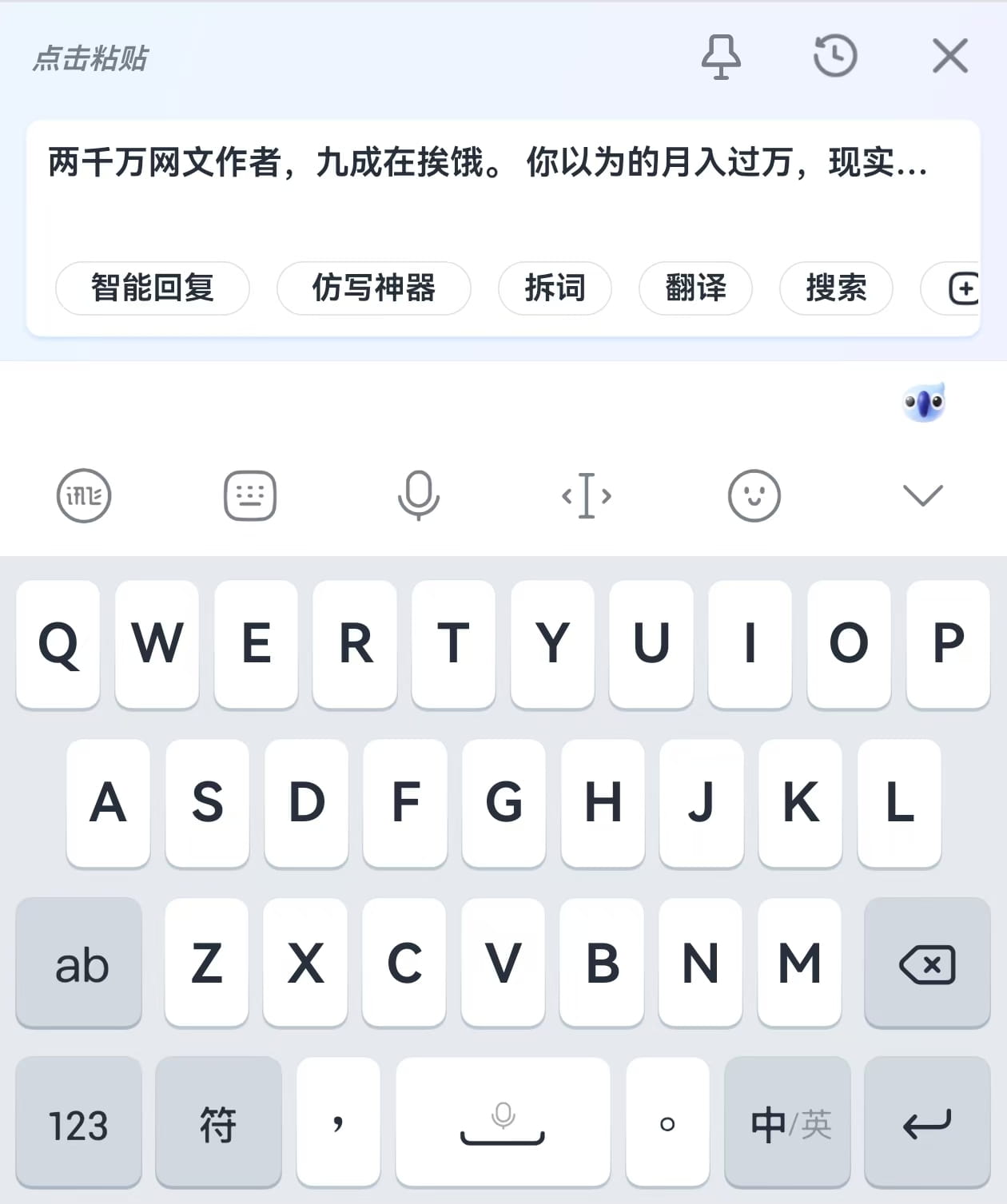
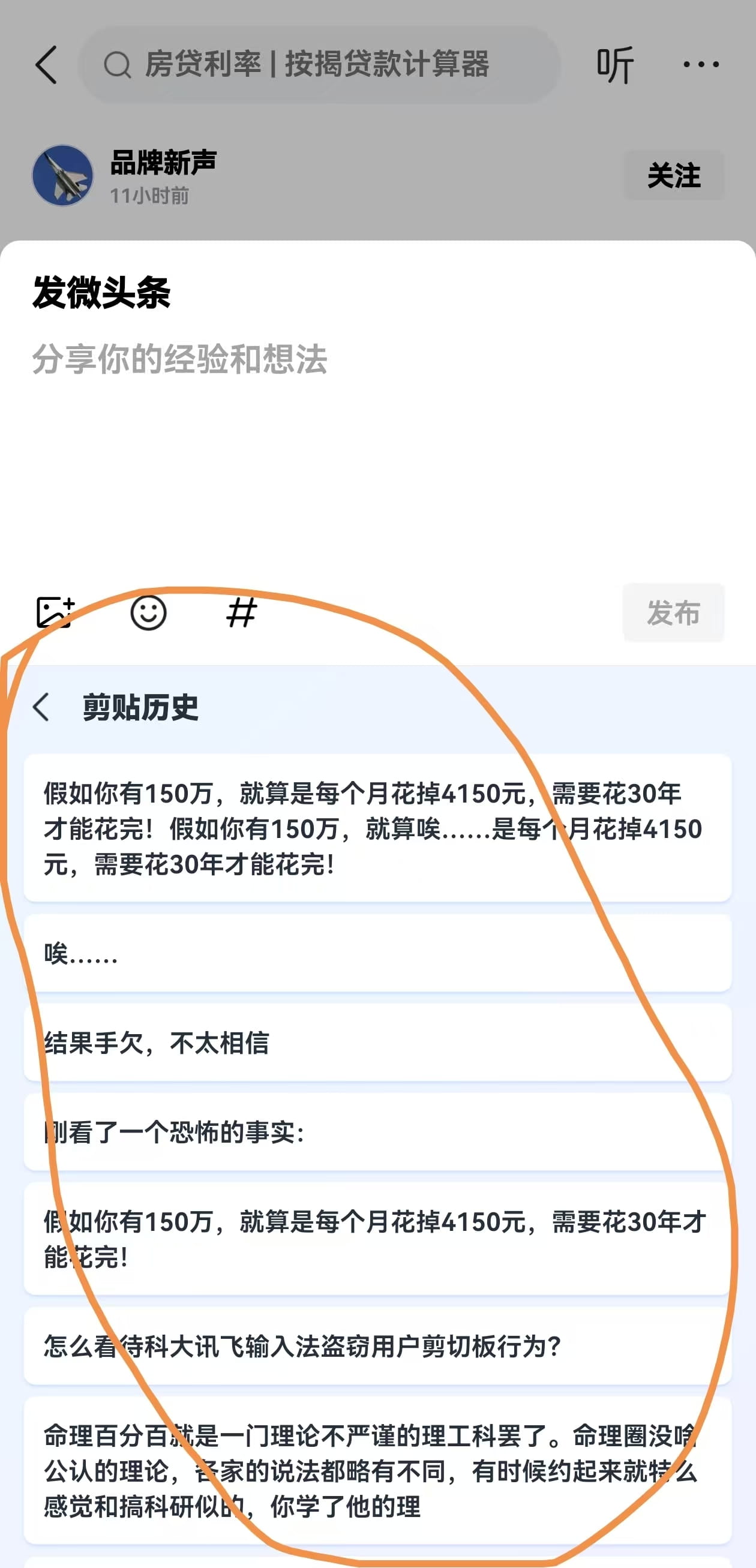
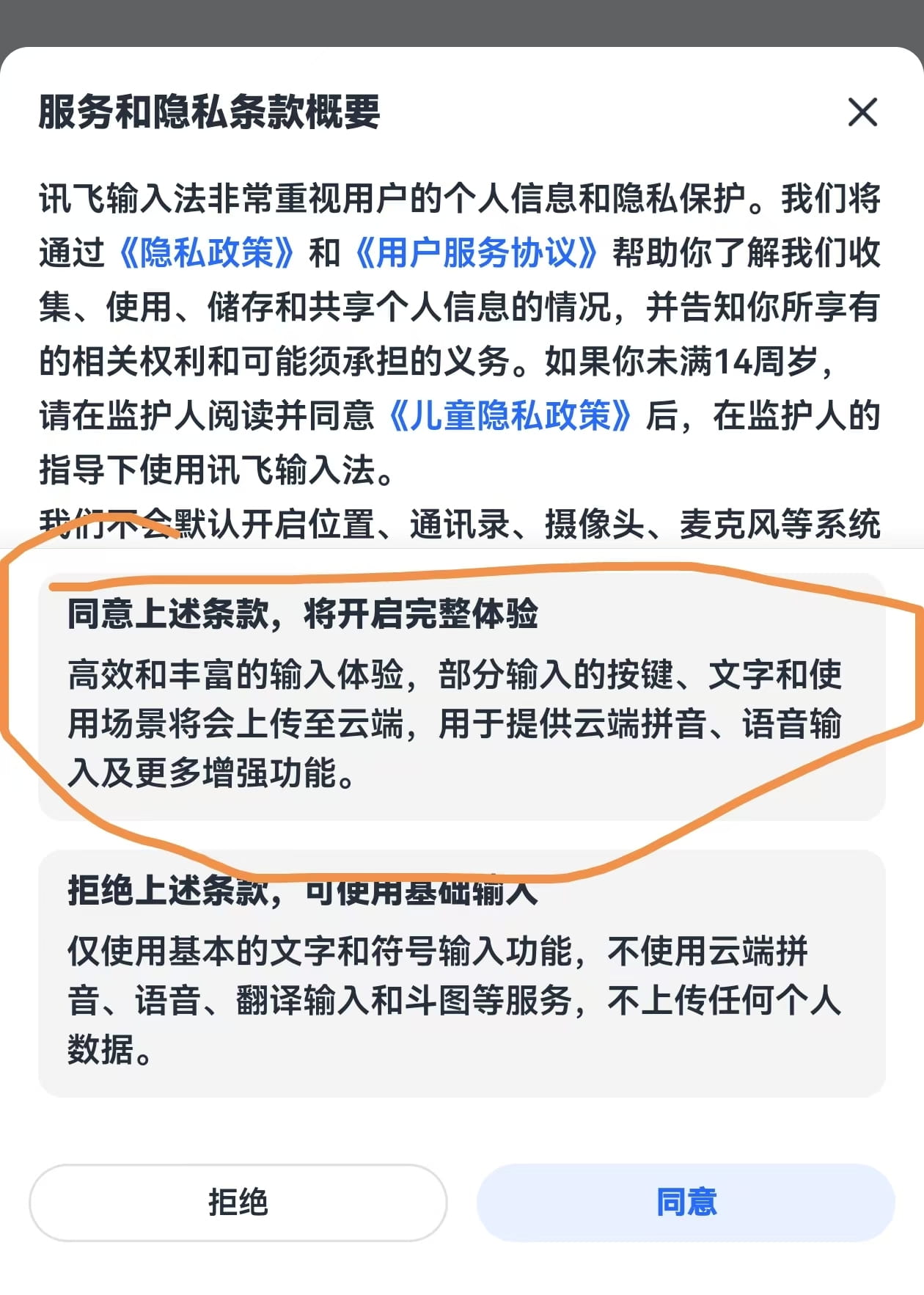
When trading cryptocurrencies, do not use the iFly input method. If you have one dollar, you steal one dollar; if you have one million, you steal one million; if you have ten million, you steal ten million; if you have one hundred billion, you steal one hundred billion. Record all clipboard actions; every letter you input may be sent to their servers. Do you dare to input your mnemonic phrase? Do you dare to copy your cryptocurrency key?
Binance registration and login minimum handling fee address:
https://www.bmwweb.ac/join?ref=SQEUKMZ1
If you have already registered on Binance, please copy the above link to log in to your browser. If prompted to bind an invitation code, you can also receive a rebate. If you have already registered, please forward this to your family and friends to register or share the following Twitter and Telegram. They will enjoy the same registration discount. Follow me to help you make money in the crypto world. I wish you earn 5 million dollars
$SOL $BNB $XRP
#BTC再创新高 #趋势交易策略 #Binance HODLer airdrop LA
Binance registration and login minimum handling fee address:
https://www.bmwweb.ac/join?ref=SQEUKMZ1
If you have already registered on Binance, please copy the above link to log in to your browser. If prompted to bind an invitation code, you can also receive a rebate. If you have already registered, please forward this to your family and friends to register or share the following Twitter and Telegram. They will enjoy the same registration discount. Follow me to help you make money in the crypto world. I wish you earn 5 million dollars
$SOL $BNB $XRP
#BTC再创新高 #趋势交易策略 #Binance HODLer airdrop LA
4
4
Log in to explore more content
Join global crypto users on Binance Square
⚡️ Get latest and useful information about crypto.
💬 Trusted by the world’s largest crypto exchange.
👍 Discover real insights from verified creators.
Email / Phone number
Trending Topics
ChainlinkLaunchesCCIP2WithEnterpriseVerification
1,119 views
169 Discussing
Chainlink has officially launched CCIP 2, introducing enterprise-grade verification capabilities. This significant upgrade to the Cross-Chain Interoperability Protocol is poised to enhance security and trust for institutional adoption of blockchain technology.
The integration of enterprise verification marks a crucial step towards bridging the gap between traditional finance and decentralized networks. By providing robust mechanisms for validating transactions and data across different blockchains, CCIP 2 aims to unlock new possibilities for financial institutions looking to leverage the power of web3. This development could significantly boost the utility and adoption of cross-chain solutions, making it easier and safer for enterprises to interact with the digital asset ecosystem.
This advancement underscores Chainlink's commitment to building the infrastructure necessary for a more interconnected and secure blockchain future.
#ChainlinkLaunchesCCIP2WithEnterpriseVerification $LINK
airdropvdu
·0 Likes
·73 views
GoldFallsTo$4144
2,425 views
72 Discussing
QNTFallsOver40%FromMorningHigh
21,008 views
610 Discussing