

ARTHUR 0
19.1k Posts

ARTHUR 0
 Square Verified+
Report
Block User
Content Creator | Crypto Market Analysis | My Own Trading Ideas | Follow Me & Join The Journey | 100K Followers Is My Dream
Open Trade
Frequent Trader
1.8 Years
290 Following
40.8K+ Followers
22.9K+ Liked
Posts
Portfolio
All
Quotes
Live
·
--
Bullish
See translation
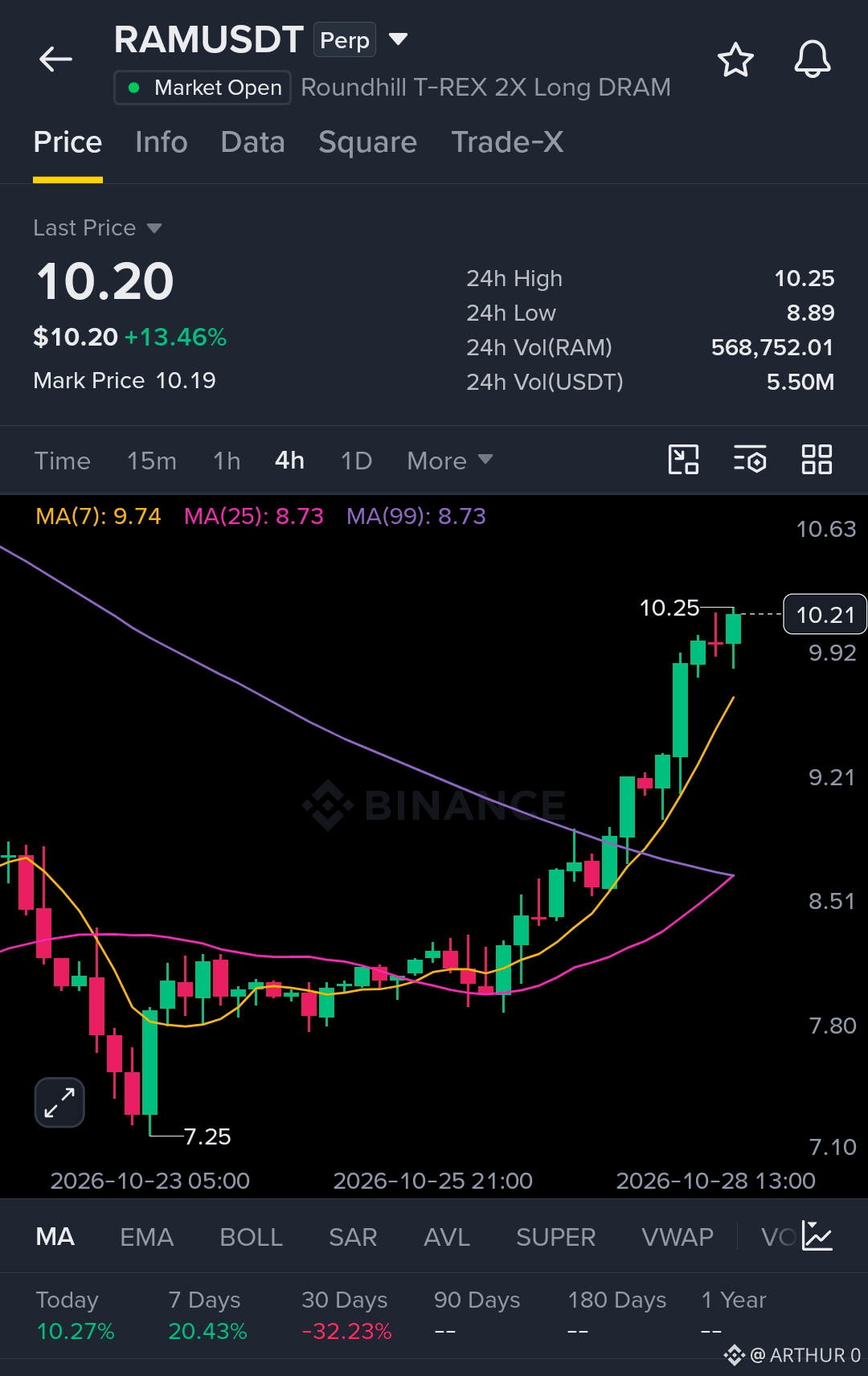
$RAM Explodes Higher – Bulls Reload for the $11 Breakout After Sharp Rebound
$RAM has continued its strong recovery, trading live around $9.95–$10.05 after tagging a session high of $10.19 on the daily chart. It opened near $10.02 and is holding firm gains of roughly 8%+ from yesterday’s $9.20 close, extending the bounce that started from the $7.30–$8.00 demand zone (recent low near $7.45). Buyers are stepping in with conviction after the prolonged decline, building higher lows and showing renewed momentum as price challenges the key $10.20–$10.22 resistance area.
This leveraged 2x daily target on the memory/DRAM space is amplifying the underlying sector moves. While the broader DRAM complex has seen volatility and some profit-taking after earlier strength driven by AI demand, the current price action reflects buyers defending support and pushing for continuation. Volume has remained elevated during the rebound, supporting the recovery narrative rather than a weak bounce.
LONG TRADE SETUP
Entry: $9.70–$10.10
TP1: $10.80 TP2: $11.20 TP3: $11.80
SL: $9.20
A sustained break and hold above $10.22 would confirm stronger bullish momentum and open the path toward the higher targets. Until then, patience for confirmation is key—price is still navigating this resistance zone. As a leveraged product, moves can be exaggerated in both directions, so position size carefully and remember that these instruments can amplify losses quickly.
Buy and Trade $RAM — wait for the breakout confirmation before sizing up.
{future}(RAMUSDT)
$RAM Explodes Higher – Bulls Reload for the $11 Breakout After Sharp Rebound
$RAM has continued its strong recovery, trading live around $9.95–$10.05 after tagging a session high of $10.19 on the daily chart. It opened near $10.02 and is holding firm gains of roughly 8%+ from yesterday’s $9.20 close, extending the bounce that started from the $7.30–$8.00 demand zone (recent low near $7.45). Buyers are stepping in with conviction after the prolonged decline, building higher lows and showing renewed momentum as price challenges the key $10.20–$10.22 resistance area.
This leveraged 2x daily target on the memory/DRAM space is amplifying the underlying sector moves. While the broader DRAM complex has seen volatility and some profit-taking after earlier strength driven by AI demand, the current price action reflects buyers defending support and pushing for continuation. Volume has remained elevated during the rebound, supporting the recovery narrative rather than a weak bounce.
LONG TRADE SETUP
Entry: $9.70–$10.10
TP1: $10.80 TP2: $11.20 TP3: $11.80
SL: $9.20
A sustained break and hold above $10.22 would confirm stronger bullish momentum and open the path toward the higher targets. Until then, patience for confirmation is key—price is still navigating this resistance zone. As a leveraged product, moves can be exaggerated in both directions, so position size carefully and remember that these instruments can amplify losses quickly.
Buy and Trade $RAM — wait for the breakout confirmation before sizing up.
98
·
--
Bullish
See translation
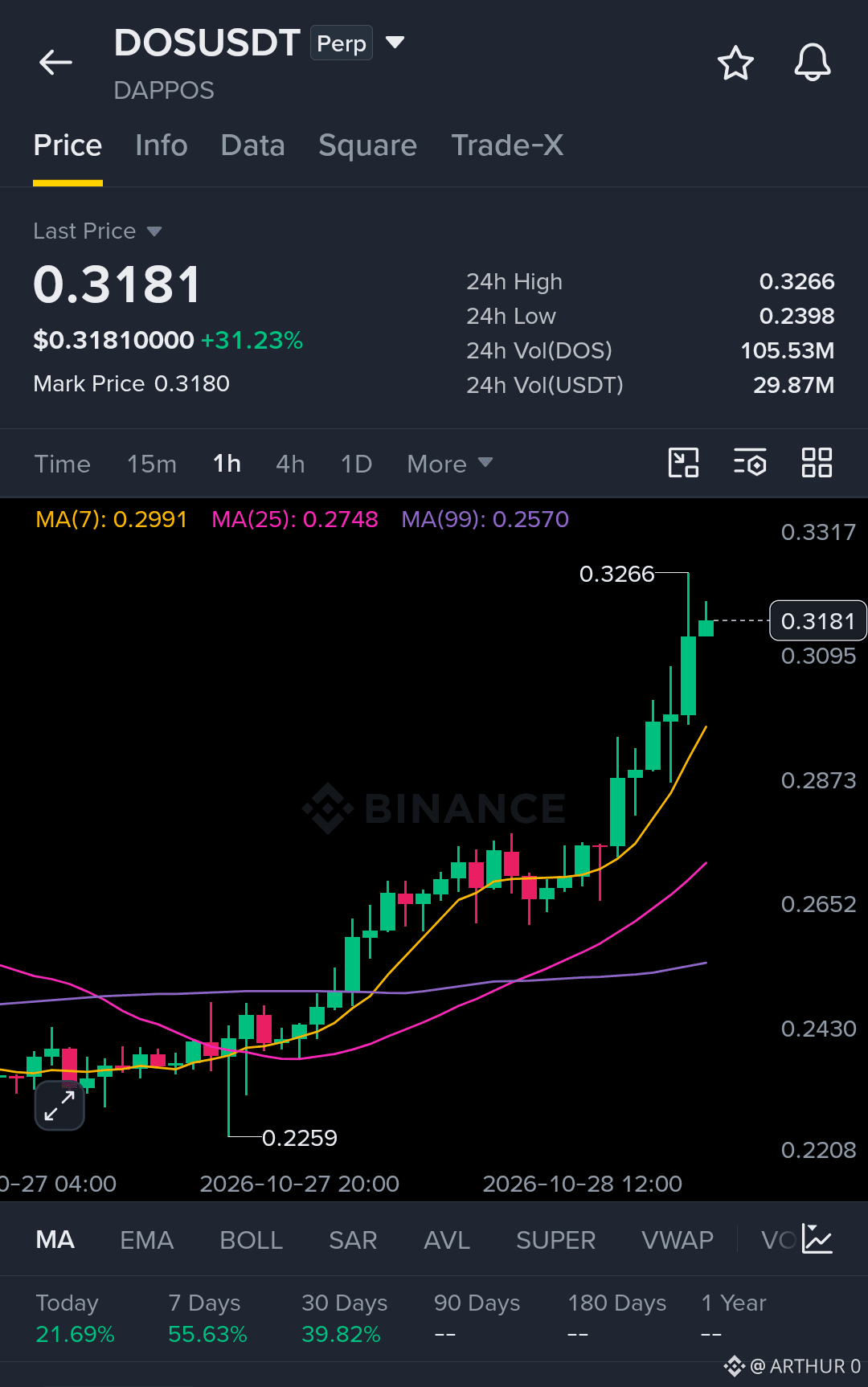
🚀 Guys $DOS — LONG NOW! ‼️🔥
Massive breakout! Strong bullish momentum on the 1H chart. 📈
📍 Entry: 0.3100 — 0.3180
🎯 Take Profit: $0.3300
🎯 Take Profit: $0.3450
🛑 Stop Loss: $0.2950
{future}(DOSUSDT)
Manage your risk and trade responsibly. 🚀
🚀 Guys $DOS — LONG NOW! ‼️🔥
Massive breakout! Strong bullish momentum on the 1H chart. 📈
📍 Entry: 0.3100 — 0.3180
🎯 Take Profit: $0.3300
🎯 Take Profit: $0.3450
🛑 Stop Loss: $0.2950
Manage your risk and trade responsibly. 🚀
Massive breakout! Strong bullish momentum on the 1H chart. 📈
📍 Entry: 0.3100 — 0.3180
🎯 Take Profit: $0.3300
🎯 Take Profit: $0.3450
🛑 Stop Loss: $0.2950
Manage your risk and trade responsibly. 🚀
68
·
--
See translation
FOMC day is here, and every trader is watching closely. 🇺🇸
Choose your FOMC offer according to your account balance and make sure you understand the terms before participating.
Big events bring big opportunities, but smart decisions matter more than hype.
Check the available offers and choose wisely.
#FOMC
Choose your FOMC offer according to your account balance and make sure you understand the terms before participating.
Big events bring big opportunities, but smart decisions matter more than hype.
Check the available offers and choose wisely.
#FOMC

49
·
--
Bullish
See translation
$ETH /USDT — SHORT
A heavy long liquidation on $ETH near $2341.0 reveals that bulls were caught off guard. This points to underlying weakness in the market.
Entry Zone: 2355.00 – 2370.00
TP1: 2280.00
TP2: 2210.00
TP3: 2120.00
Stop Loss: 2400.00
The forced selling from liquidated longs adds weight to the downside. Continuation lower looks likely if the price fails to reclaim the entry zone.
{future}(ETHUSDT)
$ETH /USDT — SHORT
A heavy long liquidation on $ETH near $2341.0 reveals that bulls were caught off guard. This points to underlying weakness in the market.
Entry Zone: 2355.00 – 2370.00
TP1: 2280.00
TP2: 2210.00
TP3: 2120.00
Stop Loss: 2400.00
The forced selling from liquidated longs adds weight to the downside. Continuation lower looks likely if the price fails to reclaim the entry zone.
34
·
--
See translation
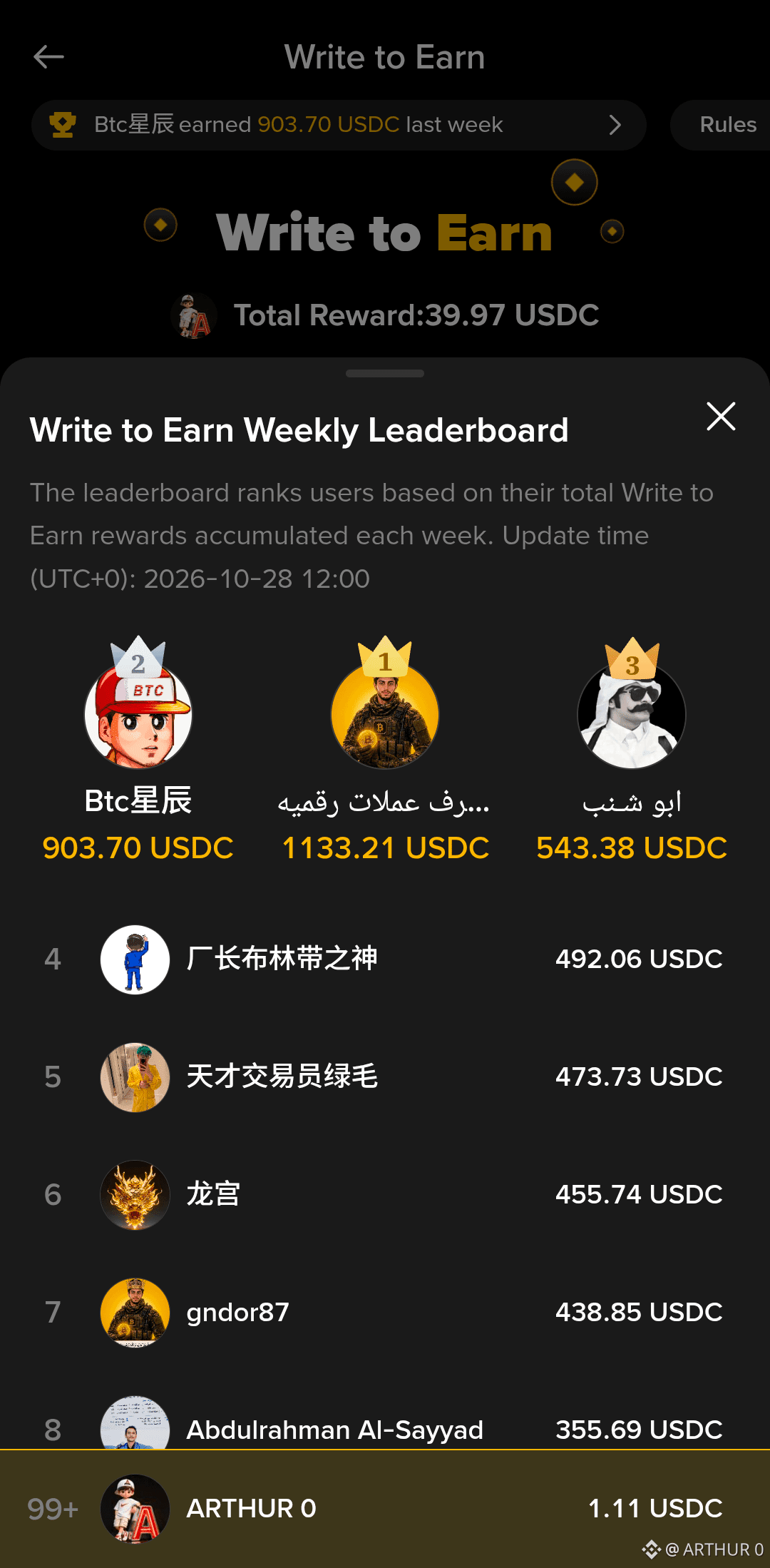
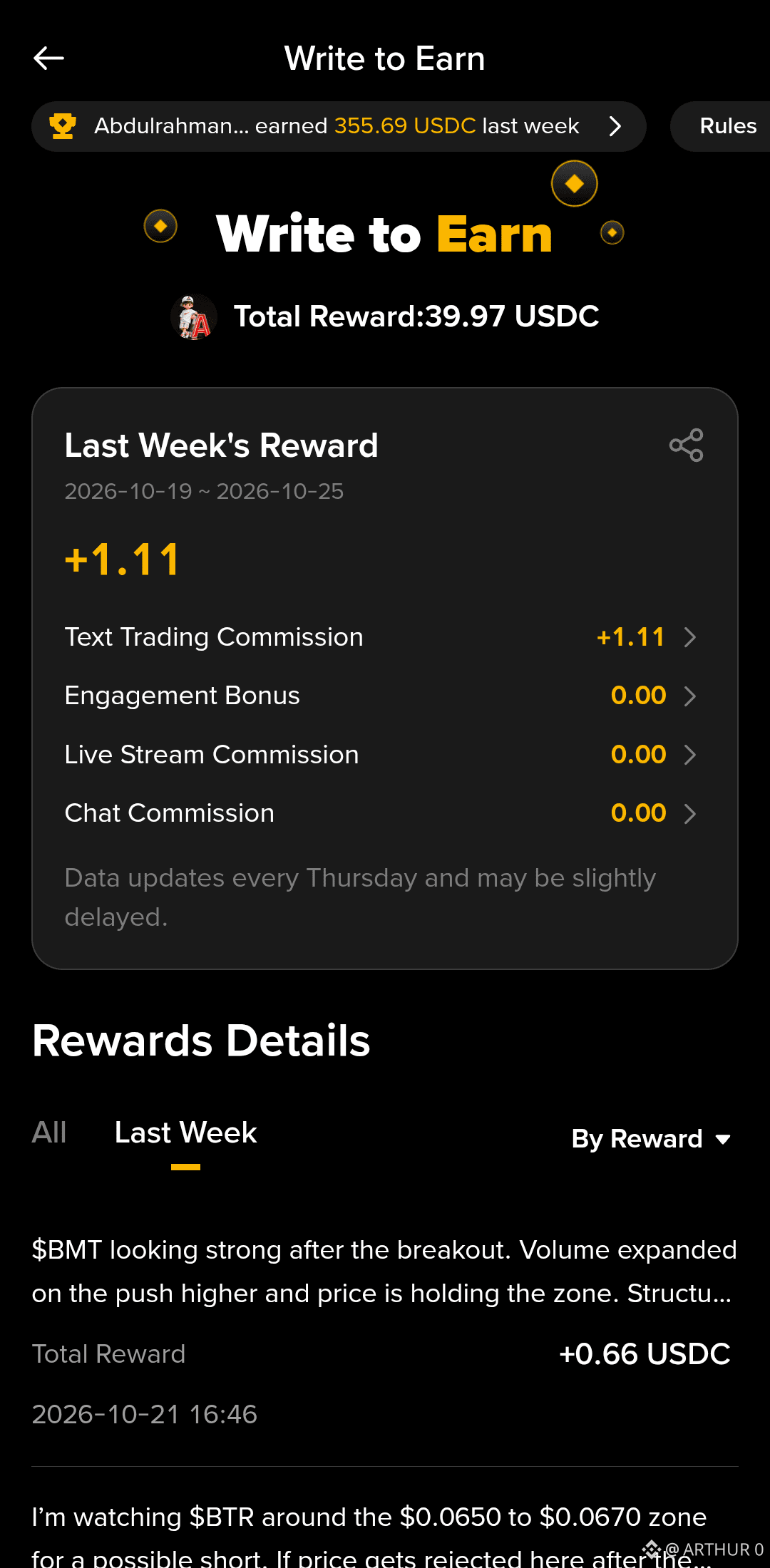
40.8K followers, countless posts, and only 1.11 USDC earned last week. 💔
Sometimes you keep showing up, keep writing, and keep believing your hard work will pay off. Then you see others earning hundreds while you're barely making anything.
Still, we move. Maybe one day the effort will finally be worth it. 🥀
@CZ
Sometimes you keep showing up, keep writing, and keep believing your hard work will pay off. Then you see others earning hundreds while you're barely making anything.
Still, we move. Maybe one day the effort will finally be worth it. 🥀
@CZ
66
·
--
Bullish
See translation
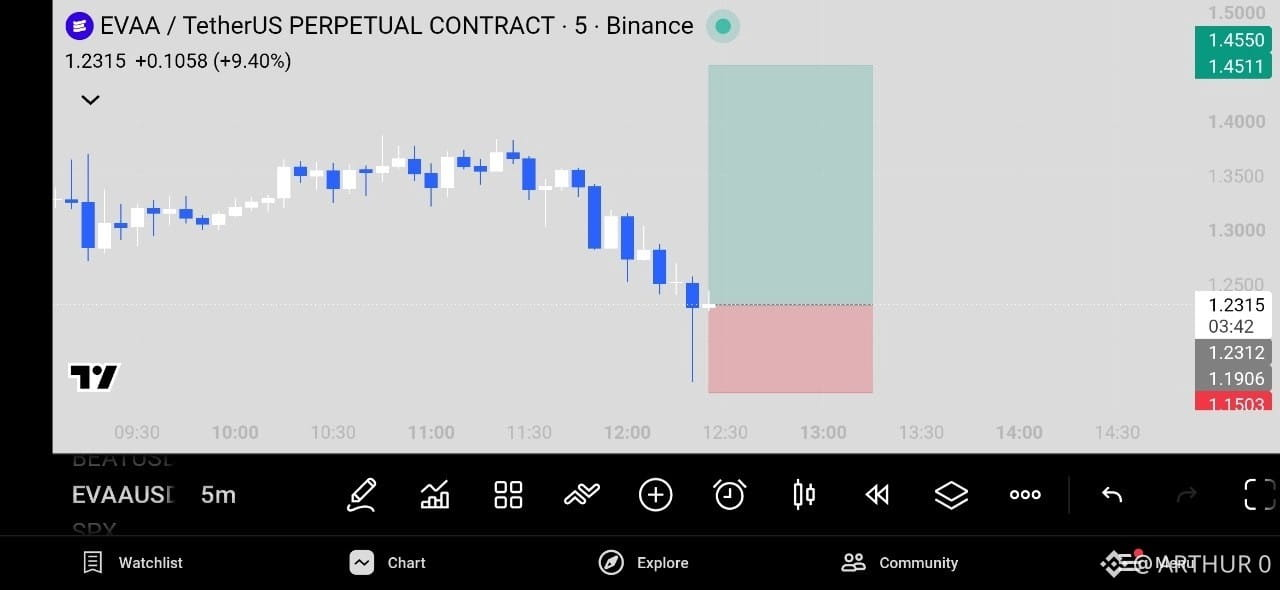
⚡ $EVAA /USDT — LONG SETUP 📈
Entry Zone: 1.23 – 1.19 TP1: 1.27 TP2: 1.34 TP3: 1.45 Stop Loss: 1.15
EVAA is attempting to stabilize after a sharp pullback. Watch for a strong reaction around the entry zone to support a potential recovery toward the targets.
Leverage: 50x Cross | Amount: 1%
{future}(EVAAUSDT)
⚡ $EVAA /USDT — LONG SETUP 📈
Entry Zone: 1.23 – 1.19 TP1: 1.27 TP2: 1.34 TP3: 1.45 Stop Loss: 1.15
EVAA is attempting to stabilize after a sharp pullback. Watch for a strong reaction around the entry zone to support a potential recovery toward the targets.
Leverage: 50x Cross | Amount: 1%
Entry Zone: 1.23 – 1.19 TP1: 1.27 TP2: 1.34 TP3: 1.45 Stop Loss: 1.15
EVAA is attempting to stabilize after a sharp pullback. Watch for a strong reaction around the entry zone to support a potential recovery toward the targets.
Leverage: 50x Cross | Amount: 1%
32
·
--
Bullish
See translation
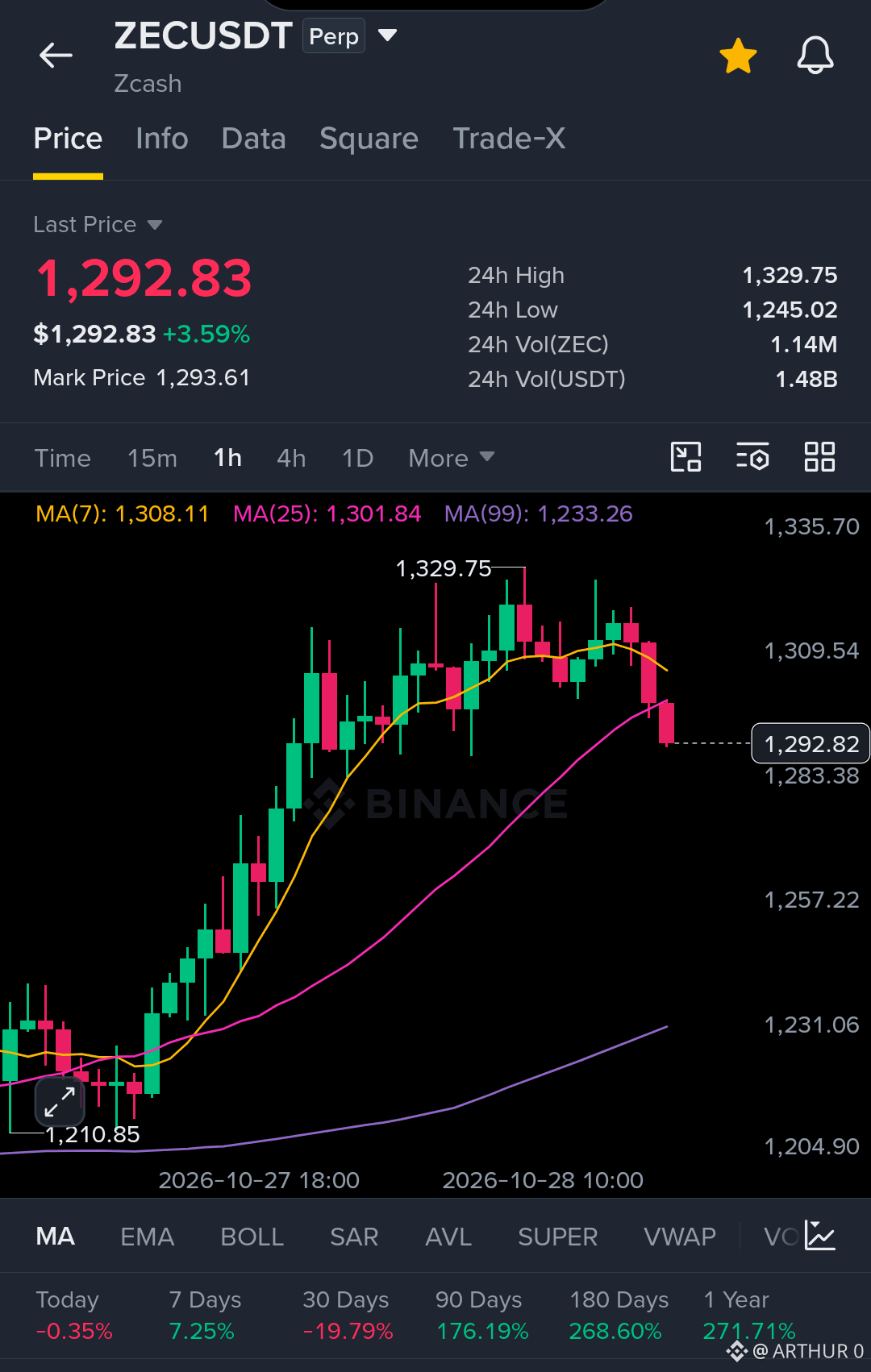
🚨 Guys $ZEC — SHORT NOW! ‼️🔥
Rejection from the top! Price is losing momentum and breaking below MAs. 📉
📍 Entry: 1,290 — 1,300
🎯 Take Profit: $1,270
🎯 Take Profit: $1,245
🛑 Stop Loss: $1,315
{future}(ZECUSDT)
Manage your risk and trade responsibly. 🚀
🚨 Guys $ZEC — SHORT NOW! ‼️🔥
Rejection from the top! Price is losing momentum and breaking below MAs. 📉
📍 Entry: 1,290 — 1,300
🎯 Take Profit: $1,270
🎯 Take Profit: $1,245
🛑 Stop Loss: $1,315
Manage your risk and trade responsibly. 🚀
Rejection from the top! Price is losing momentum and breaking below MAs. 📉
📍 Entry: 1,290 — 1,300
🎯 Take Profit: $1,270
🎯 Take Profit: $1,245
🛑 Stop Loss: $1,315
Manage your risk and trade responsibly. 🚀
41
·
--
Bullish
See translation
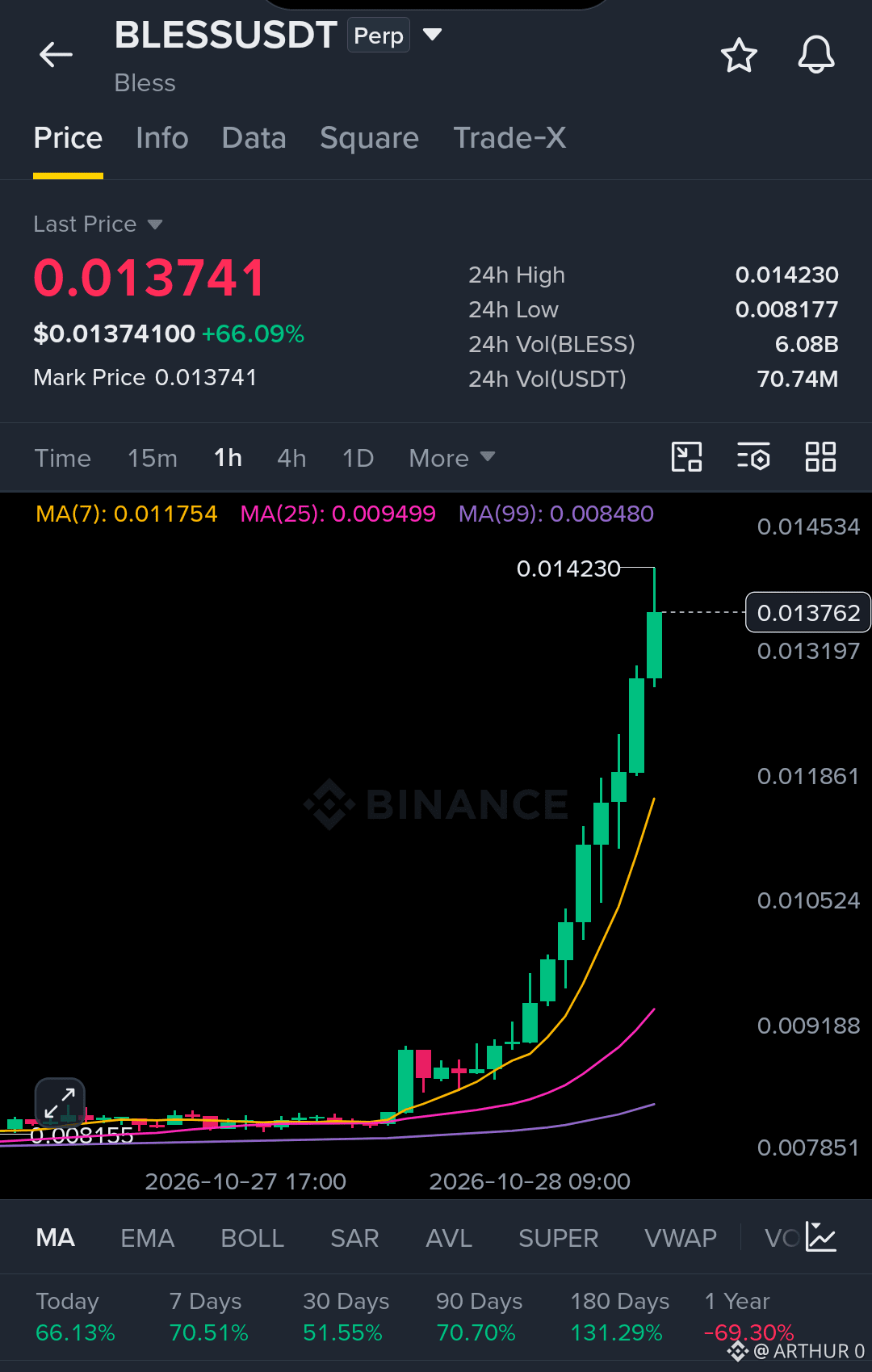
🚀 Guys $BLESS — LONG NOW! ‼️🔥
Massive parabolic pump! Bulls are in full control. 📈
📍 Entry: 0.01320 — 0.01370
🎯 Take Profit: $0.01450
🎯 Take Profit: $0.01550
🛑 Stop Loss: $0.01250
{future}(BLESSUSDT)
Manage your risk and trade responsibly. 🚀
🚀 Guys $BLESS — LONG NOW! ‼️🔥
Massive parabolic pump! Bulls are in full control. 📈
📍 Entry: 0.01320 — 0.01370
🎯 Take Profit: $0.01450
🎯 Take Profit: $0.01550
🛑 Stop Loss: $0.01250
Manage your risk and trade responsibly. 🚀
Massive parabolic pump! Bulls are in full control. 📈
📍 Entry: 0.01320 — 0.01370
🎯 Take Profit: $0.01450
🎯 Take Profit: $0.01550
🛑 Stop Loss: $0.01250
Manage your risk and trade responsibly. 🚀
1
50
·
--
Bearish
See translation
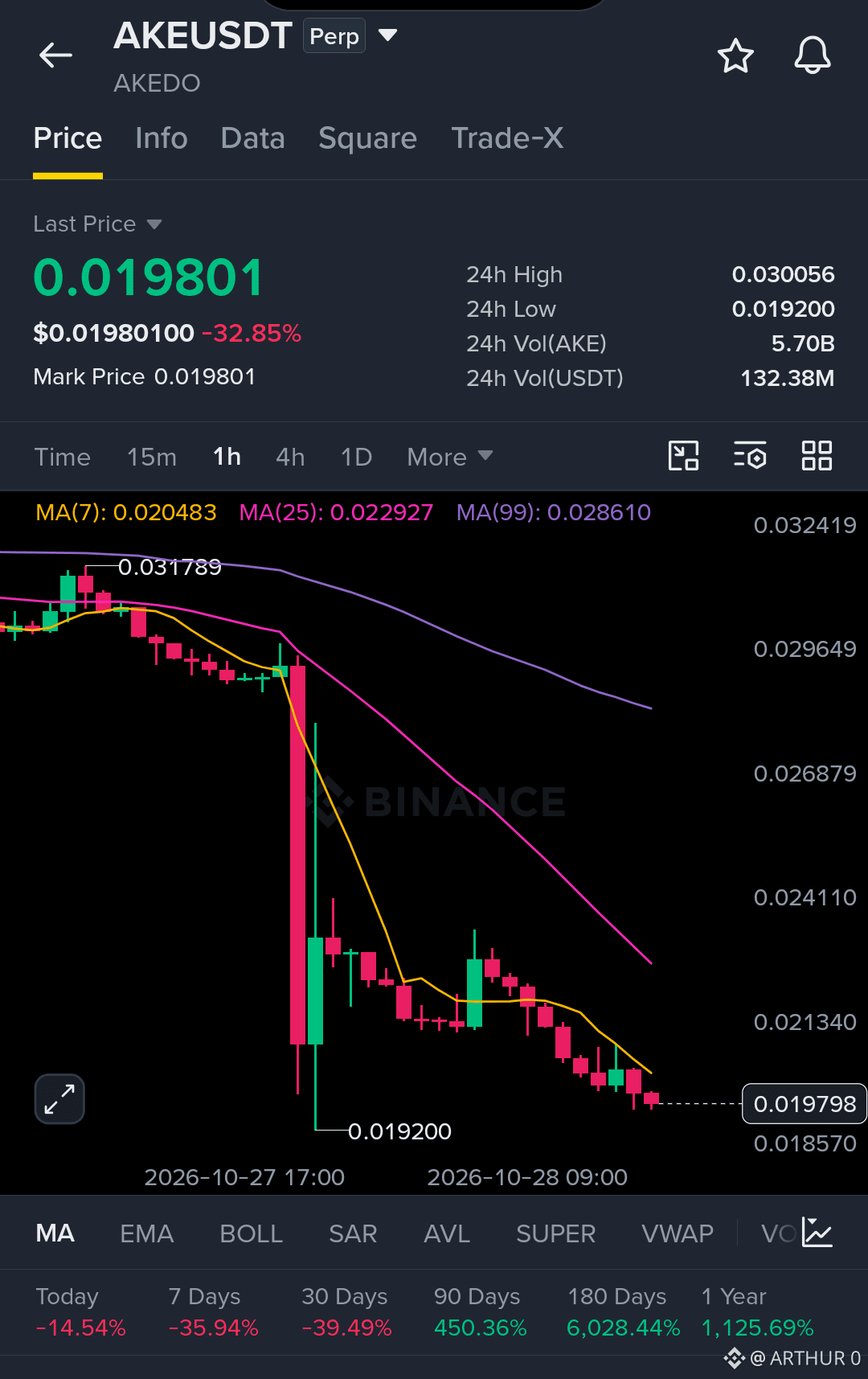
🚨 Guys $AKE — SHORT NOW! ‼️🔥
Heavy downtrend! Price is making lower lows, sellers in full control. 📉
📍 Entry: 0.01980 — 0.02040
🎯 Take Profit: $0.01900
🎯 Take Profit: $0.01850
🛑 Stop Loss: $0.02120
{future}(AKEUSDT)
Manage your risk and trade responsibly. 🚀
🚨 Guys $AKE — SHORT NOW! ‼️🔥
Heavy downtrend! Price is making lower lows, sellers in full control. 📉
📍 Entry: 0.01980 — 0.02040
🎯 Take Profit: $0.01900
🎯 Take Profit: $0.01850
🛑 Stop Loss: $0.02120
Manage your risk and trade responsibly. 🚀
Heavy downtrend! Price is making lower lows, sellers in full control. 📉
📍 Entry: 0.01980 — 0.02040
🎯 Take Profit: $0.01900
🎯 Take Profit: $0.01850
🛑 Stop Loss: $0.02120
Manage your risk and trade responsibly. 🚀
47
·
--
Bearish
See translation
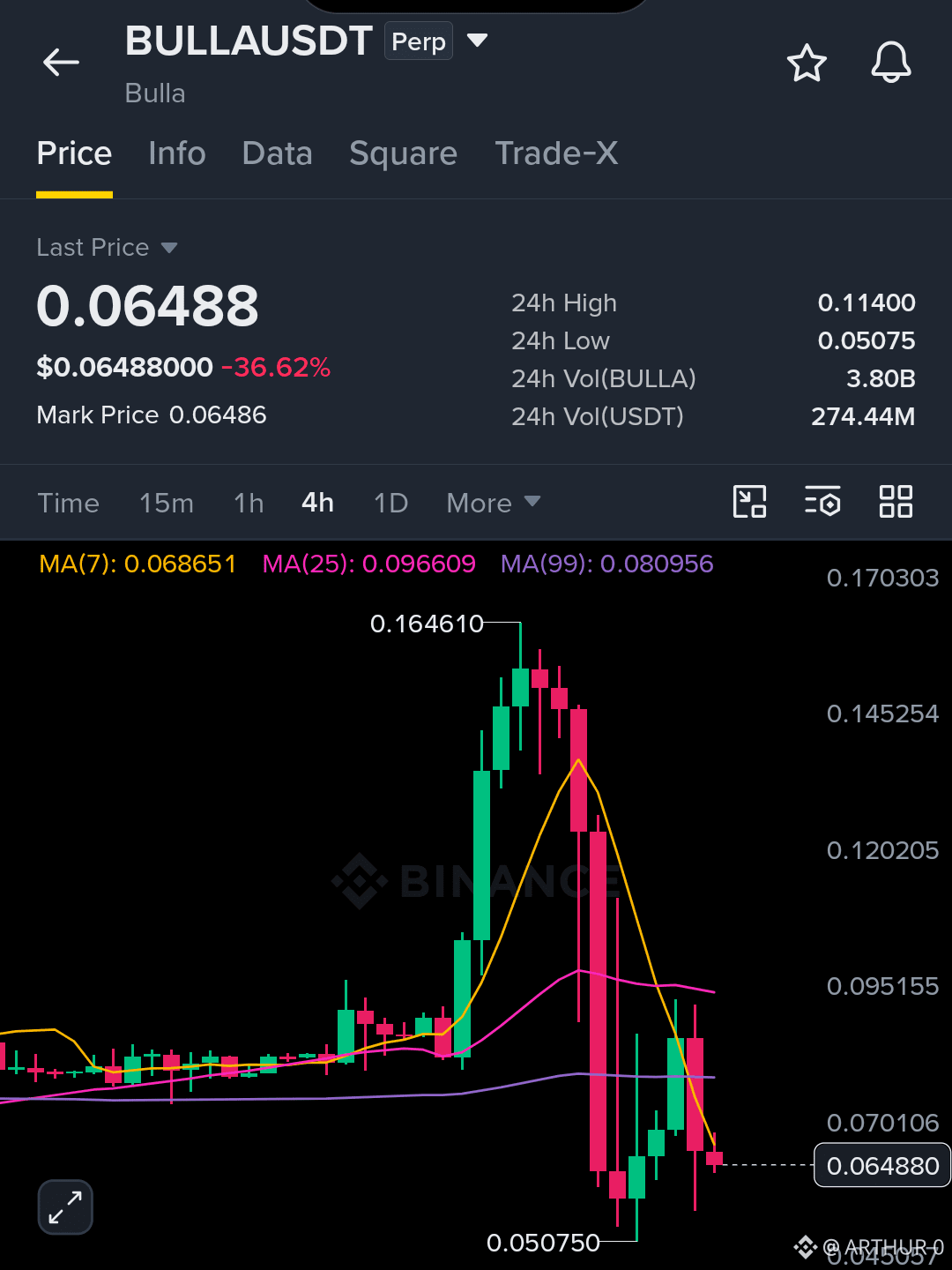
🚨 Guys $BULLA — SHORT NOW! ‼️🔥
Heavy downtrend! Bulls are trapped, expecting more dump. 📉
📍 Entry: 0.0640 — 0.0660
🎯 Take Profit: $0.0600
🎯 Take Profit: $0.0550
🛑 Stop Loss: $0.0700
{future}(BULLAUSDT)
Manage your risk and trade responsibly. 🚀
🚨 Guys $BULLA — SHORT NOW! ‼️🔥
Heavy downtrend! Bulls are trapped, expecting more dump. 📉
📍 Entry: 0.0640 — 0.0660
🎯 Take Profit: $0.0600
🎯 Take Profit: $0.0550
🛑 Stop Loss: $0.0700
Manage your risk and trade responsibly. 🚀
Heavy downtrend! Bulls are trapped, expecting more dump. 📉
📍 Entry: 0.0640 — 0.0660
🎯 Take Profit: $0.0600
🎯 Take Profit: $0.0550
🛑 Stop Loss: $0.0700
Manage your risk and trade responsibly. 🚀
69
·
--
Bullish
See translation
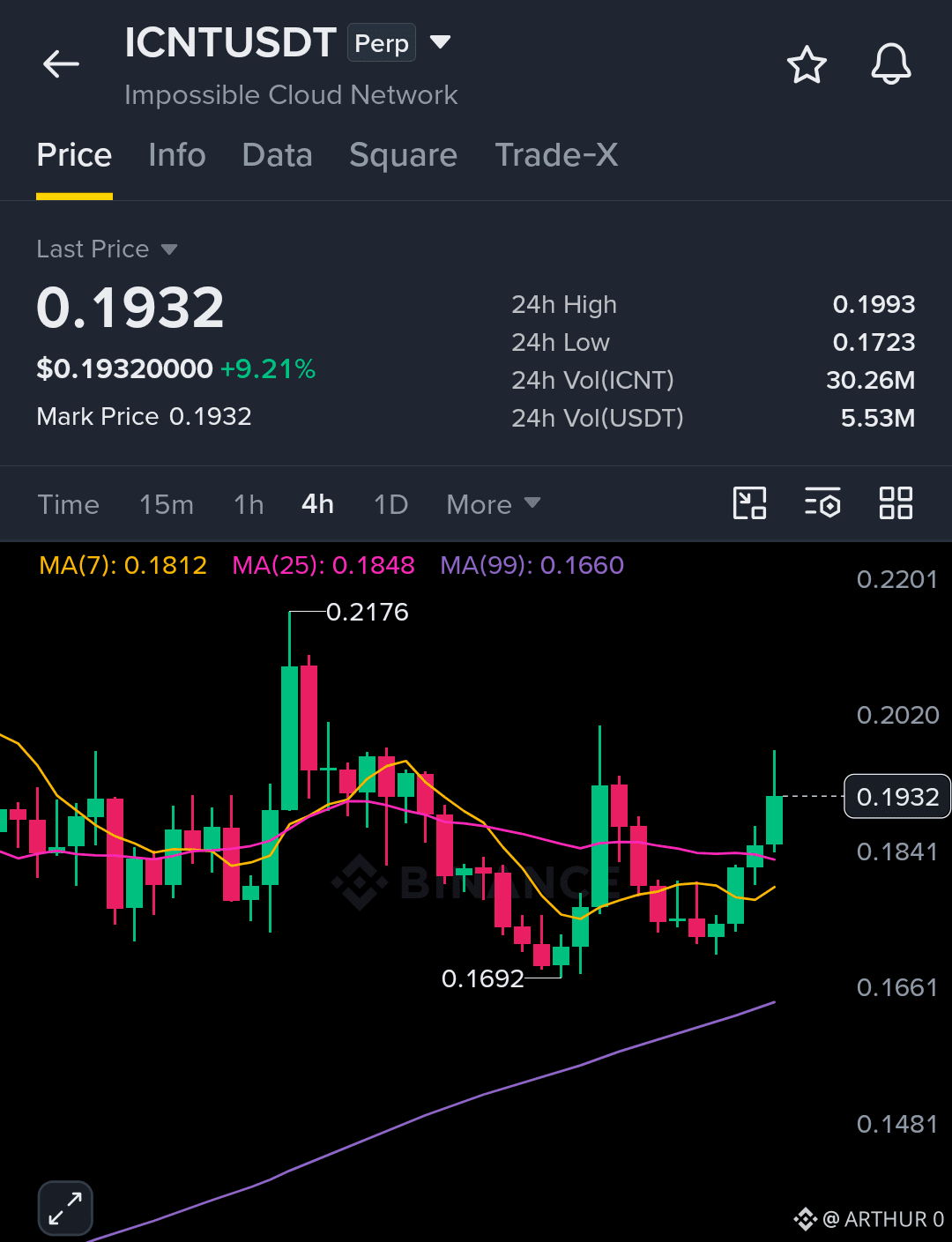
🚀 Guys $ICNT — LONG NOW! ‼️🔥
📍 Entry: 0.1880 — 0.1930
🎯 Take Profit: $0.2000
🎯 Take Profit: $0.2100
🛑 Stop Loss: $0.1800
{future}(ICNTUSDT)
Manage your risk and trade responsibly. 🚀
🚀 Guys $ICNT — LONG NOW! ‼️🔥
📍 Entry: 0.1880 — 0.1930
🎯 Take Profit: $0.2000
🎯 Take Profit: $0.2100
🛑 Stop Loss: $0.1800
Manage your risk and trade responsibly. 🚀
📍 Entry: 0.1880 — 0.1930
🎯 Take Profit: $0.2000
🎯 Take Profit: $0.2100
🛑 Stop Loss: $0.1800
Manage your risk and trade responsibly. 🚀
85
·
--
Bullish
See translation
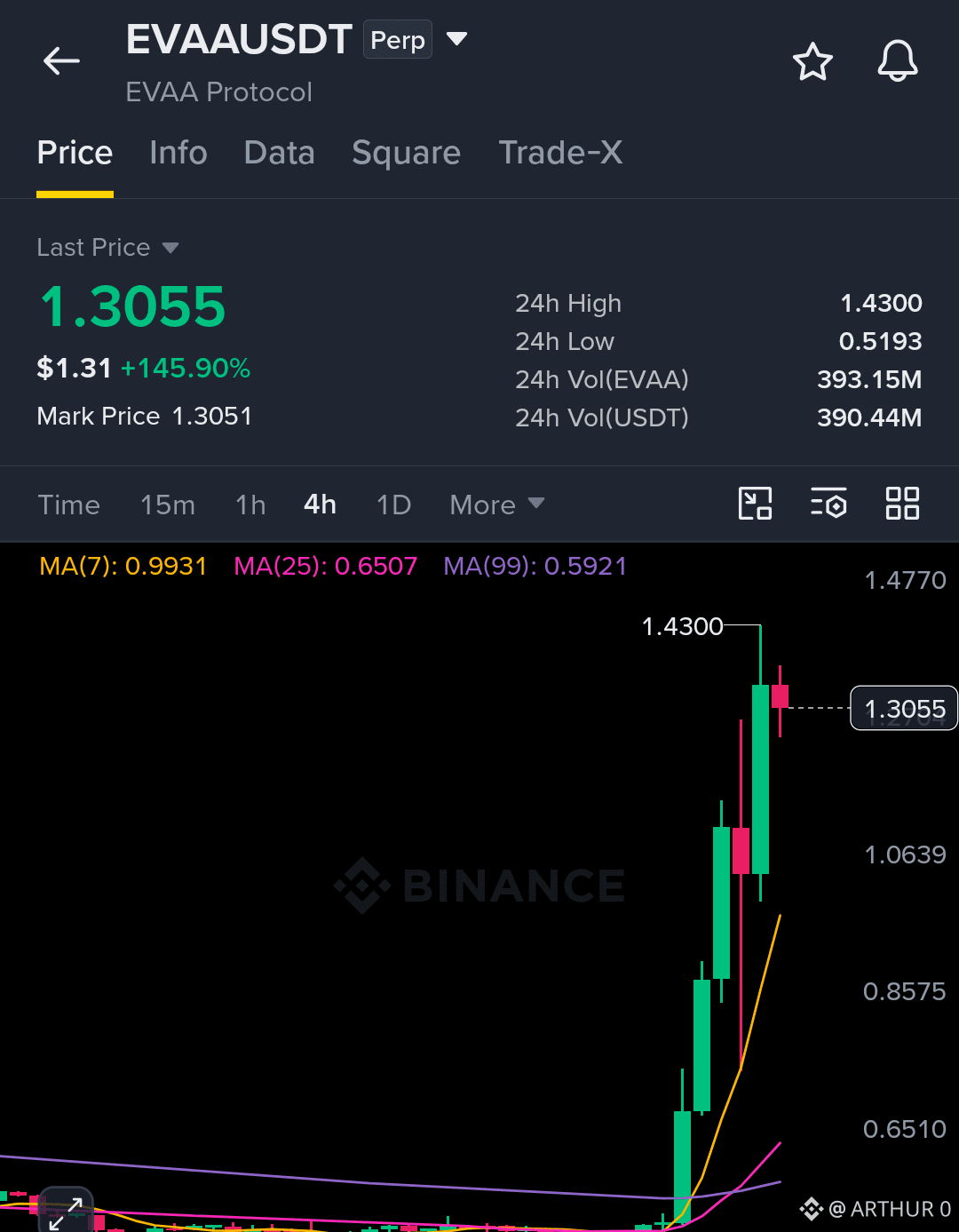
$EVAA MASSIVE PUMP ... UP OVER 140%!
What a wild rally ... $EVAA surged from around $0.90 to $1.43, and now it's trading near $1.30.
But the price is approaching a key resistance zone at $1.35–$1.43. If bulls fail to break this area, I see a possible correction towards $1.25–$1.20.
A clean breakout above $1.43 could open the door towards $1.50–$1.60. Momentum is still bullish, but chasing a pump this big is risky. Watch the resistance carefully.
{future}(EVAAUSDT)
$EVAA MASSIVE PUMP ... UP OVER 140%!
What a wild rally ... $EVAA surged from around $0.90 to $1.43, and now it's trading near $1.30.
But the price is approaching a key resistance zone at $1.35–$1.43. If bulls fail to break this area, I see a possible correction towards $1.25–$1.20.
A clean breakout above $1.43 could open the door towards $1.50–$1.60. Momentum is still bullish, but chasing a pump this big is risky. Watch the resistance carefully.
63
·
--
Article
See translation
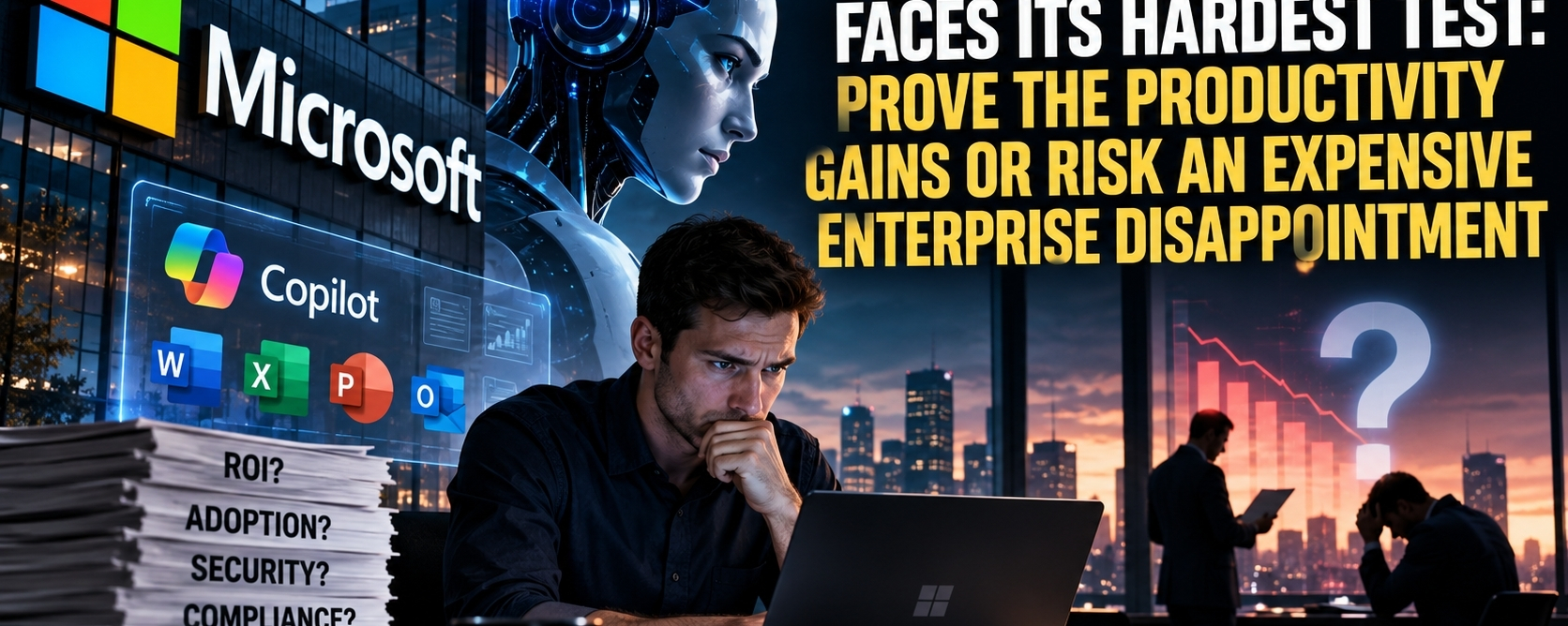
Microsoft’s AI Boom: Prove the ROI or Risk FailureEver tried explaining AI to someone who doesn't work in tech? Honestly, most people don't care which model has more parameters or wins another benchmark. They want something much simpler. Does it save time? Does it make their job easier? And is it worth paying for? That's where Microsoft's AI story gets interesting.
Look, getting people excited about AI isn't the same as getting them to use it every day. Microsoft has to turn impressive demonstrations into tools that work reliably inside real businesses. That's harder than it sounds. Microsoft 365 Copilot operates within an environment full of permissions, confidential documents, identity controls, and company-specific security rules. Its access to information through Microsoft Graph depends on those underlying controls. Retrieval-augmented generation, better known as RAG, adds another challenge: the system needs to check access rights before restricted documents enter the model's context. Get that wrong, and sensitive information could leak through summaries, tool calls, or prompt-injection attacks. There's also the messy stuff. Outdated indexes, inherited permissions, shared files, and delayed access revocation can all create problems.
A convincing AI demo proves very little if the system can't be trusted with real business data.
So, what happens when Microsoft moves beyond chatbots and into AI agents? The stakes change. An agent doesn't just answer questions. It can retrieve confidential information, modify records, call external tools, and trigger actions across connected systems. One mistake can travel further than a bad sentence on a screen. That's why production deployments need restricted permissions, validated tool arguments, clear authorization rules, and records showing what happened at each step. AI-generated instructions can't simply be trusted because they sound convincing. Security controls must operate independently of the model. Reliability is another headache. Imagine ten sequential steps, each with a 98% chance of success. Under a simplified assumption that failures are independent, the probability of all ten succeeding is roughly 81.7%. Not exactly reassuring. Real failures can also be correlated, making the situation worse. Retries, checkpoints, rollback mechanisms, and human intervention aren't fancy extras when an enterprise depends on the result.
The more decisions an AI agent makes, the more important it becomes to control what happens when something goes wrong.
Then there's the money. Every AI interaction consumes resources, and the final bill depends on much more than the model itself. Longer prompts, larger context windows, repeated tool calls, deeper reasoning, and extra validation all add cost and latency. Bigger models may handle difficult tasks better, but that performance can come at a price. Smaller models can be cheaper to run, yet they might need more retries or human corrections. So which option wins? It depends on the task. The real metric isn't cost per token; it's the total cost of completing a task correctly. That includes infrastructure, integration, monitoring, exception handling, and human review. A cheap answer that someone has to fix isn't much of a bargain. Microsoft needs to show that the work saved outweighs the cost of delivering the result.
But cost isn't the only obstacle. Compliance can slow adoption, especially in industries handling sensitive customer information. Companies need appropriate controls for data retention, regional processing where applicable, auditability, and the contractual terms governing customer data and model training. The details depend on the specific service, its configuration, and the organization's requirements. Regulated workflows may also need clear decision records and accountability for consequential outputs. In reality, cryptography can help with certain verification problems, but it can't solve everything. Zero-knowledge proofs, for example, can demonstrate that a computation satisfies a defined mathematical relationship without revealing all its inputs. Sounds powerful. And it is. But proving the execution of a large neural network can be computationally expensive. Quantization, circuit complexity, non-linear activation functions, and proof-generation delays all introduce trade-offs. There's another catch: proving that a computation followed specified rules doesn't prove that its answer is factually correct. It doesn't automatically establish that the source data is current or that the user had permission to access it, either. Those properties need their own explicit guarantees. For many enterprise applications, conventional access controls, encryption, signed audit records, and independent policy checks remain more practical than cryptographically proving every inference.
So how do we know whether Microsoft's AI strategy is actually working? Not by counting licenses alone. A company can buy Copilot seats without fundamentally changing how its employees work. That's the gap worth watching. Does AI reduce the time needed to complete recurring tasks? Does it improve quality without creating more correction work? Are employees using it consistently, and are businesses renewing subscriptions because the results justify the expense? Those answers matter more than a polished demonstration. Honestly, experimentation is easy when a tool is new. Paying for it year after year requires a stronger argument.
Microsoft already has an advantage: its AI services can connect with Azure, enterprise identity systems, business data, and productivity applications that organizations know. That's a powerful distribution channel. But distribution alone doesn't guarantee lasting value. Integrations bring security obligations, operational complexity, and costs of their own. If those burdens eat into the productivity gains, the business case gets weaker. If the workflows become dependable and the savings are measurable, the opposite could happen.
Microsoft can get AI into the workplace through distribution, but it has to earn its place through results.
That's the real question behind its AI opportunity. How many tasks can businesses complete securely, correctly, and economically with less human effort? If Microsoft can demonstrate that outcome consistently, AI becomes part of how companies operate. If it can't, even impressive technology may struggle to justify another recurring software bill.
#CanMicrosoftDeliverOnAI
Microsoft’s AI Boom: Prove the ROI or Risk Failure
Ever tried explaining AI to someone who doesn't work in tech? Honestly, most people don't care which model has more parameters or wins another benchmark. They want something much simpler. Does it save time? Does it make their job easier? And is it worth paying for? That's where Microsoft's AI story gets interesting.
Look, getting people excited about AI isn't the same as getting them to use it every day. Microsoft has to turn impressive demonstrations into tools that work reliably inside real businesses. That's harder than it sounds. Microsoft 365 Copilot operates within an environment full of permissions, confidential documents, identity controls, and company-specific security rules. Its access to information through Microsoft Graph depends on those underlying controls. Retrieval-augmented generation, better known as RAG, adds another challenge: the system needs to check access rights before restricted documents enter the model's context. Get that wrong, and sensitive information could leak through summaries, tool calls, or prompt-injection attacks. There's also the messy stuff. Outdated indexes, inherited permissions, shared files, and delayed access revocation can all create problems.
A convincing AI demo proves very little if the system can't be trusted with real business data.
So, what happens when Microsoft moves beyond chatbots and into AI agents? The stakes change. An agent doesn't just answer questions. It can retrieve confidential information, modify records, call external tools, and trigger actions across connected systems. One mistake can travel further than a bad sentence on a screen. That's why production deployments need restricted permissions, validated tool arguments, clear authorization rules, and records showing what happened at each step. AI-generated instructions can't simply be trusted because they sound convincing. Security controls must operate independently of the model. Reliability is another headache. Imagine ten sequential steps, each with a 98% chance of success. Under a simplified assumption that failures are independent, the probability of all ten succeeding is roughly 81.7%. Not exactly reassuring. Real failures can also be correlated, making the situation worse. Retries, checkpoints, rollback mechanisms, and human intervention aren't fancy extras when an enterprise depends on the result.
The more decisions an AI agent makes, the more important it becomes to control what happens when something goes wrong.
Then there's the money. Every AI interaction consumes resources, and the final bill depends on much more than the model itself. Longer prompts, larger context windows, repeated tool calls, deeper reasoning, and extra validation all add cost and latency. Bigger models may handle difficult tasks better, but that performance can come at a price. Smaller models can be cheaper to run, yet they might need more retries or human corrections. So which option wins? It depends on the task. The real metric isn't cost per token; it's the total cost of completing a task correctly. That includes infrastructure, integration, monitoring, exception handling, and human review. A cheap answer that someone has to fix isn't much of a bargain. Microsoft needs to show that the work saved outweighs the cost of delivering the result.
But cost isn't the only obstacle. Compliance can slow adoption, especially in industries handling sensitive customer information. Companies need appropriate controls for data retention, regional processing where applicable, auditability, and the contractual terms governing customer data and model training. The details depend on the specific service, its configuration, and the organization's requirements. Regulated workflows may also need clear decision records and accountability for consequential outputs. In reality, cryptography can help with certain verification problems, but it can't solve everything. Zero-knowledge proofs, for example, can demonstrate that a computation satisfies a defined mathematical relationship without revealing all its inputs. Sounds powerful. And it is. But proving the execution of a large neural network can be computationally expensive. Quantization, circuit complexity, non-linear activation functions, and proof-generation delays all introduce trade-offs. There's another catch: proving that a computation followed specified rules doesn't prove that its answer is factually correct. It doesn't automatically establish that the source data is current or that the user had permission to access it, either. Those properties need their own explicit guarantees. For many enterprise applications, conventional access controls, encryption, signed audit records, and independent policy checks remain more practical than cryptographically proving every inference.
So how do we know whether Microsoft's AI strategy is actually working? Not by counting licenses alone. A company can buy Copilot seats without fundamentally changing how its employees work. That's the gap worth watching. Does AI reduce the time needed to complete recurring tasks? Does it improve quality without creating more correction work? Are employees using it consistently, and are businesses renewing subscriptions because the results justify the expense? Those answers matter more than a polished demonstration. Honestly, experimentation is easy when a tool is new. Paying for it year after year requires a stronger argument.
Microsoft already has an advantage: its AI services can connect with Azure, enterprise identity systems, business data, and productivity applications that organizations know. That's a powerful distribution channel. But distribution alone doesn't guarantee lasting value. Integrations bring security obligations, operational complexity, and costs of their own. If those burdens eat into the productivity gains, the business case gets weaker. If the workflows become dependable and the savings are measurable, the opposite could happen.
Microsoft can get AI into the workplace through distribution, but it has to earn its place through results.
That's the real question behind its AI opportunity. How many tasks can businesses complete securely, correctly, and economically with less human effort? If Microsoft can demonstrate that outcome consistently, AI becomes part of how companies operate. If it can't, even impressive technology may struggle to justify another recurring software bill.
#CanMicrosoftDeliverOnAI
1
191
·
--
Bullish
See translation
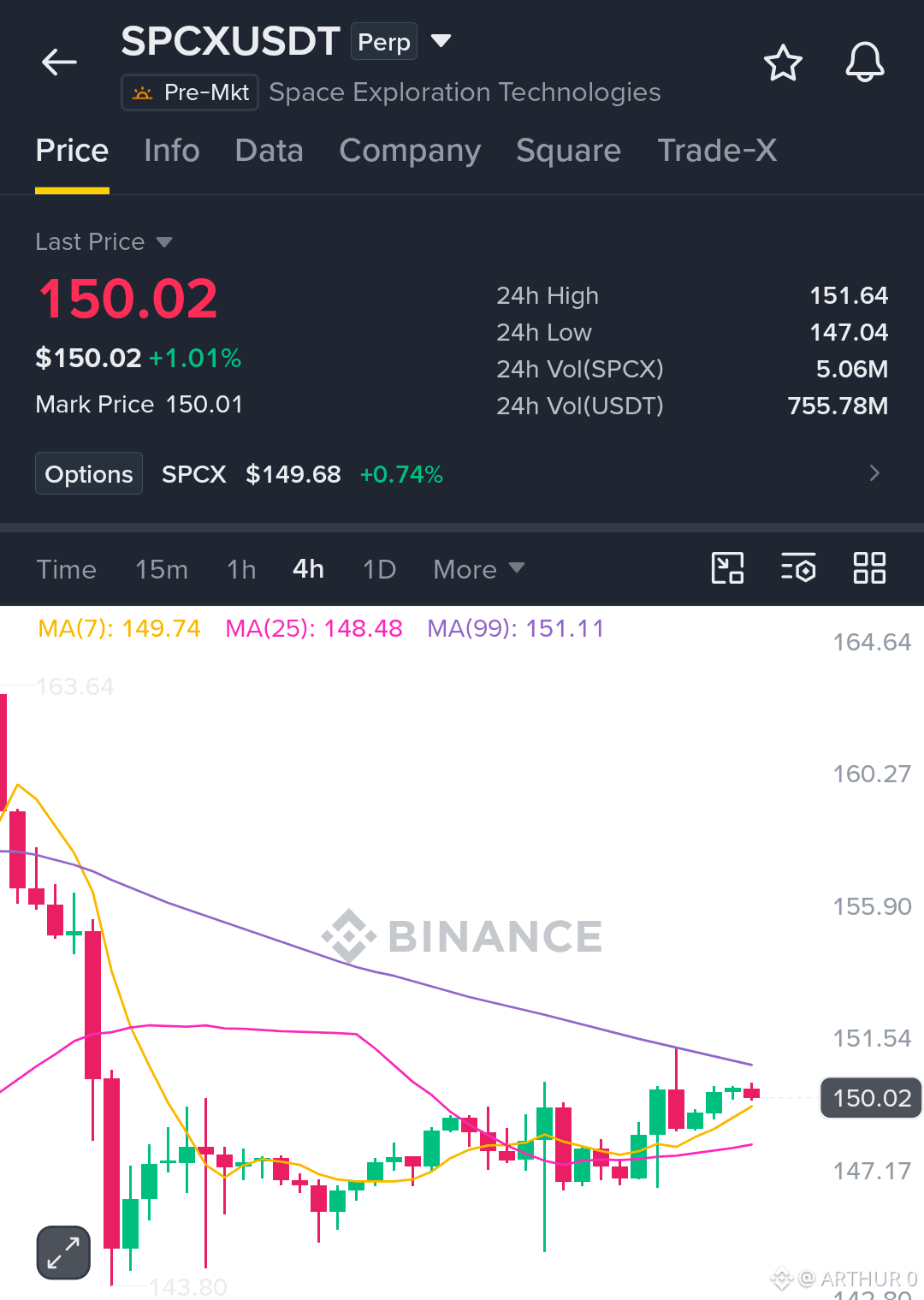
🚀 Guys $SPCX — LONG NOW! ‼️🔥
📍 Entry: 148.50 — 150.00
🎯 Take Profit: $152.50
🎯 Take Profit: $155.00
🛑 Stop Loss: $146.50
{future}(SPCXUSDT)
Manage your risk and trade responsibly. 🚀
🚀 Guys $SPCX — LONG NOW! ‼️🔥
📍 Entry: 148.50 — 150.00
🎯 Take Profit: $152.50
🎯 Take Profit: $155.00
🛑 Stop Loss: $146.50
Manage your risk and trade responsibly. 🚀
📍 Entry: 148.50 — 150.00
🎯 Take Profit: $152.50
🎯 Take Profit: $155.00
🛑 Stop Loss: $146.50
Manage your risk and trade responsibly. 🚀
61
·
--
Bullish
See translation
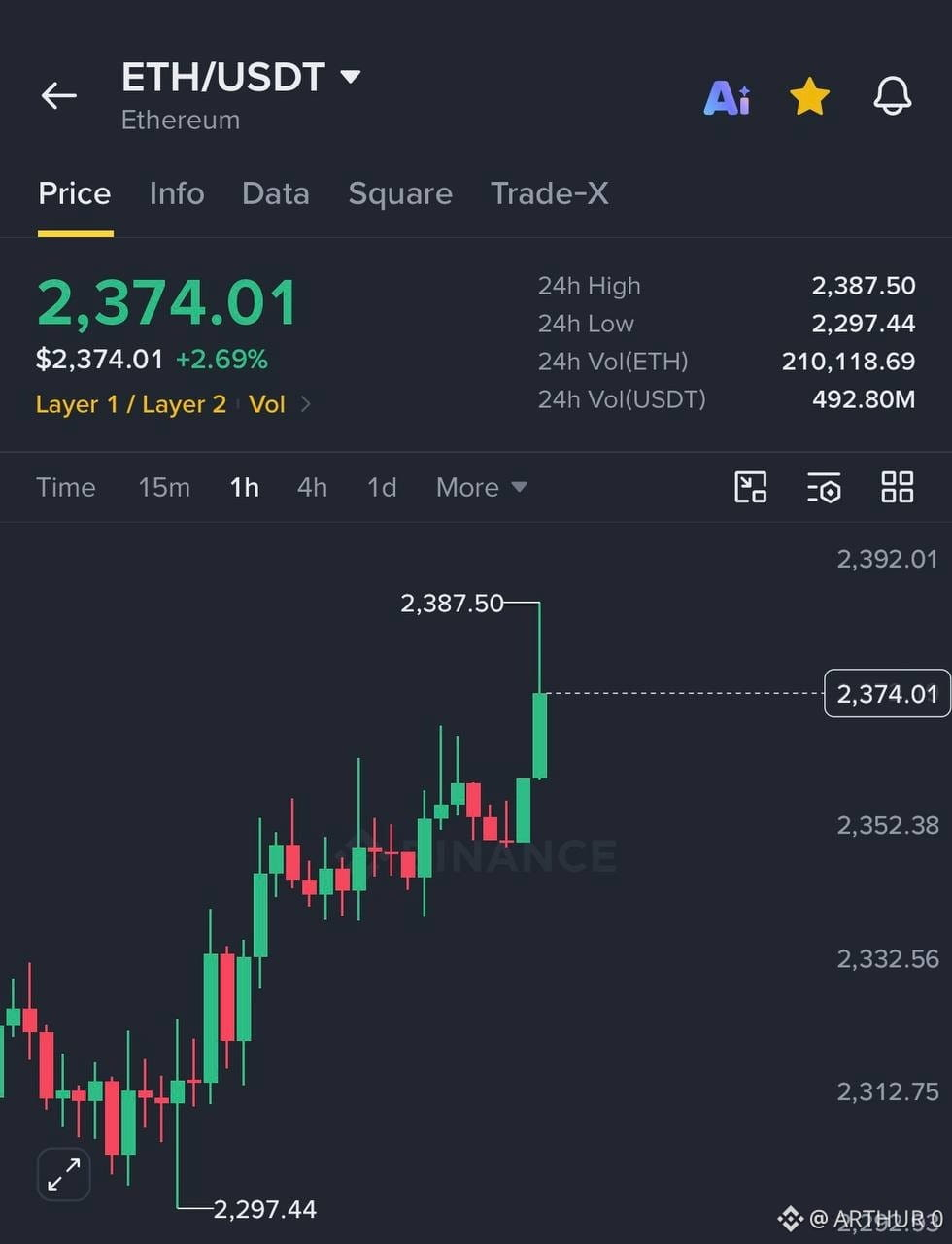
$ETH Buyers Are Making a Strong Comeback....
{future}(ETHUSDT)
Entry: $2,355–$2,370 | TP1: $2,395 | TP2: $2,430 | TP3: $2,490 Stop Loss: $2,315
$ETH Buyers Are Making a Strong Comeback....
Entry: $2,355–$2,370 | TP1: $2,395 | TP2: $2,430 | TP3: $2,490 Stop Loss: $2,315
Entry: $2,355–$2,370 | TP1: $2,395 | TP2: $2,430 | TP3: $2,490 Stop Loss: $2,315
100
·
--
Bullish
See translation
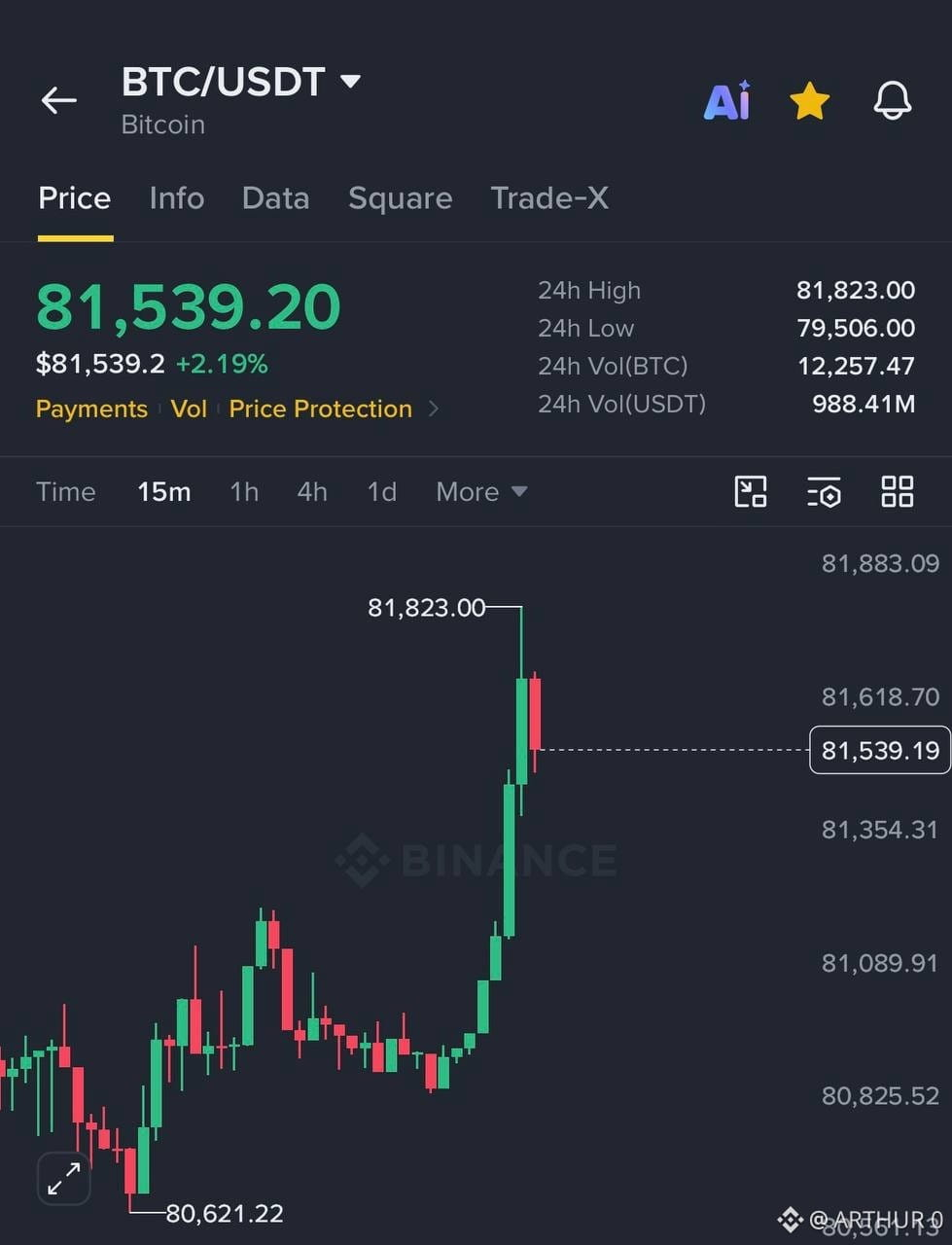
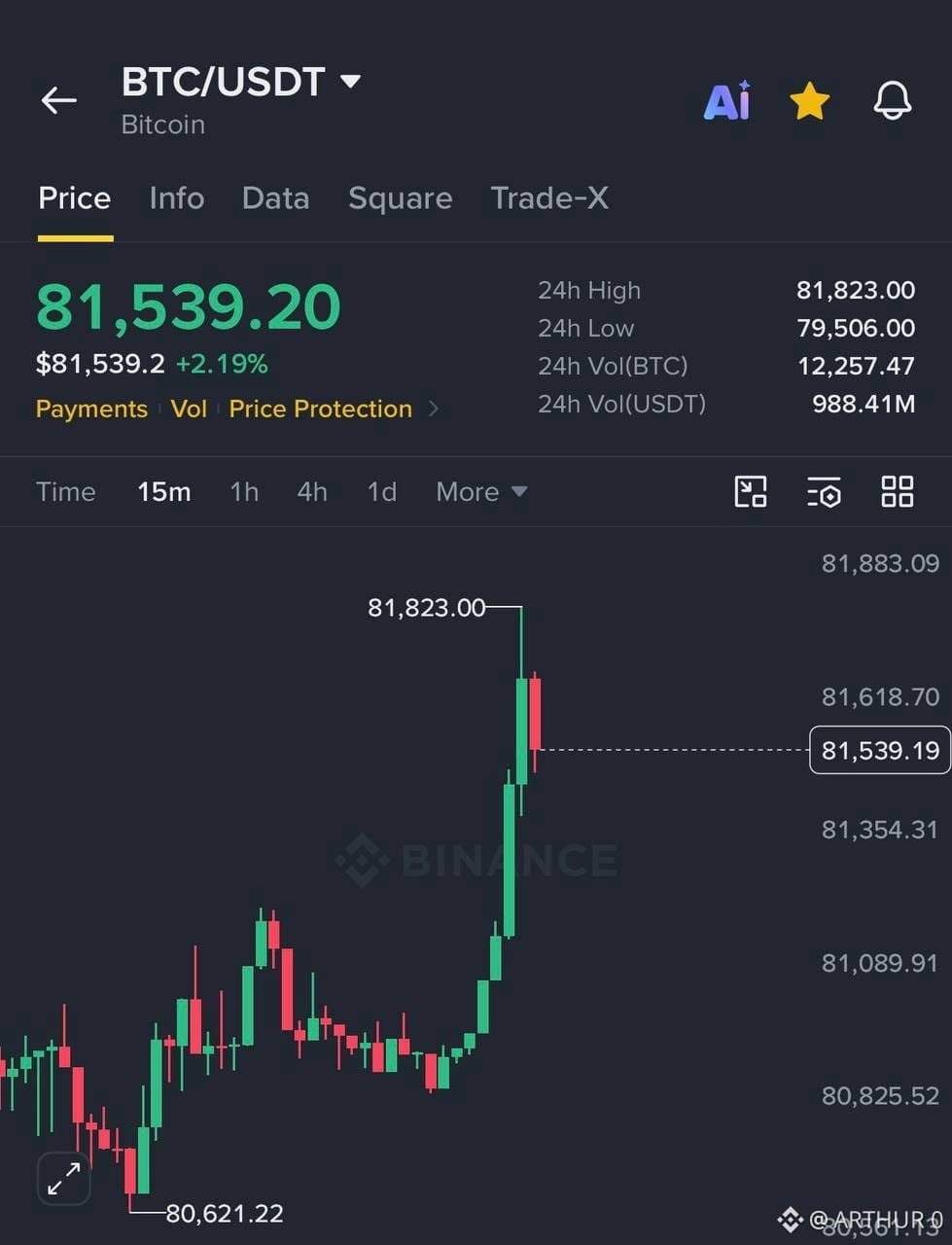
🚀 Guys $BTC — LONG NOW! ‼️🔥
📍 Entry: 81,200 — 81,540
🎯 Take Profit: $82,000
🎯 Take Profit: $82,500
🛑 Stop Loss: $80,600
{future}(BTCUSDT)
Manage your risk and trade responsibly. 🚀
🚀 Guys $BTC — LONG NOW! ‼️🔥
📍 Entry: 81,200 — 81,540
🎯 Take Profit: $82,000
🎯 Take Profit: $82,500
🛑 Stop Loss: $80,600
Manage your risk and trade responsibly. 🚀
📍 Entry: 81,200 — 81,540
🎯 Take Profit: $82,000
🎯 Take Profit: $82,500
🛑 Stop Loss: $80,600
Manage your risk and trade responsibly. 🚀
73
·
--
Bullish
See translation
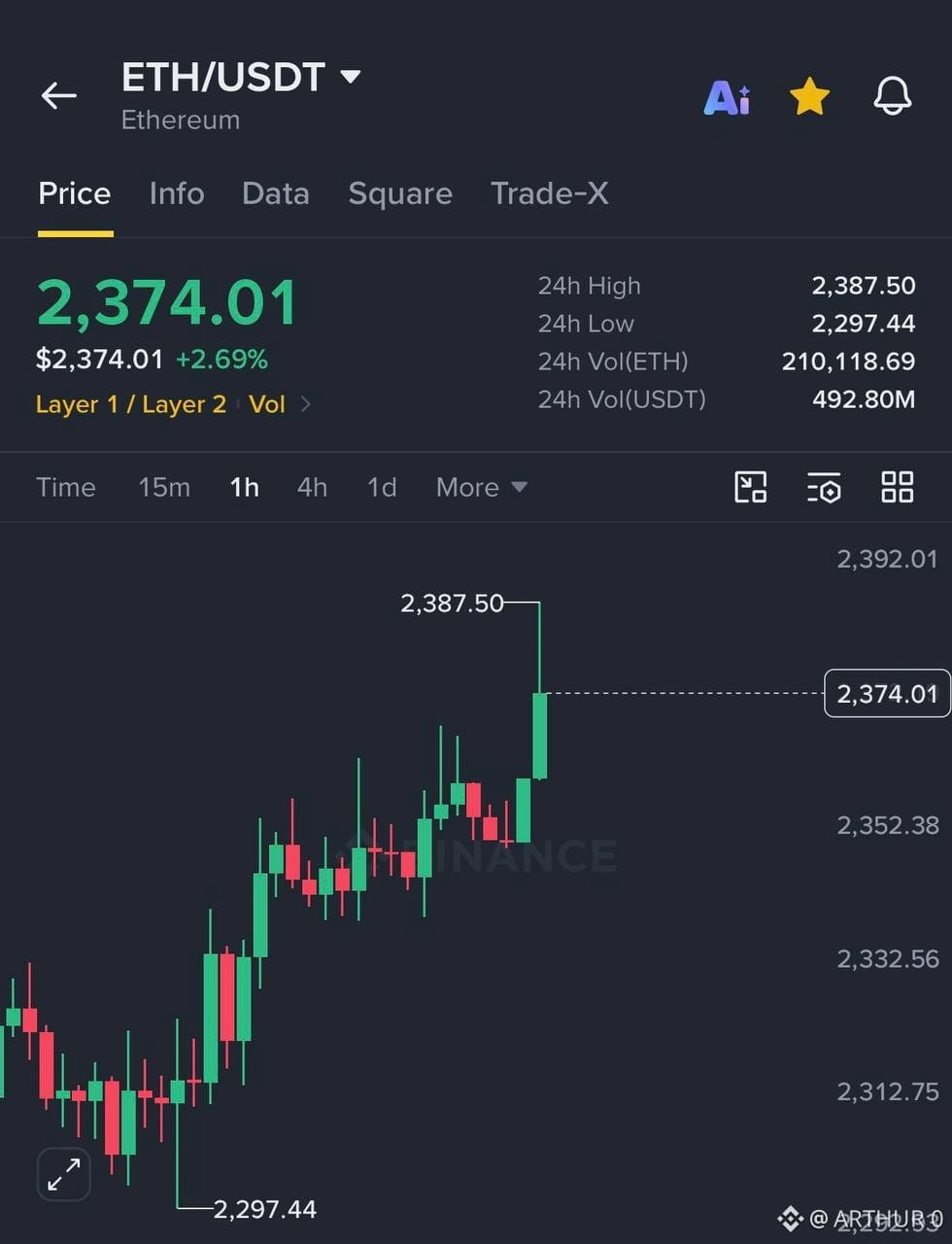
🚨 $BTC breaks toward $82K while $ETH pushes toward $2,400.
{future}(BTCUSDT)
The market is heating up, and traders are watching the Fed’s next move closely.
One question now: will BTC keep climbing, or will sellers step in after this sharp move?
{future}(ETHUSDT)
What’s your next target for BTC? $85K or a pullback?
🚨 $BTC breaks toward $82K while $ETH pushes toward $2,400.
The market is heating up, and traders are watching the Fed’s next move closely.
One question now: will BTC keep climbing, or will sellers step in after this sharp move?
What’s your next target for BTC? $85K or a pullback?
The market is heating up, and traders are watching the Fed’s next move closely.
One question now: will BTC keep climbing, or will sellers step in after this sharp move?
What’s your next target for BTC? $85K or a pullback?
66
·
--
🇧🇷 BREAKING: ITAÚ, ONE OF LATIN AMERICA’S LARGEST BANKS, HAS FORMALLY NOTIFIED BRAZIL’S CENTRAL BANK OF ITS BITCOIN AND CRYPTO ACTIVITIES! ₿🔥
🇧🇷 BREAKING: ITAÚ, ONE OF LATIN AMERICA’S LARGEST BANKS, HAS FORMALLY NOTIFIED BRAZIL’S CENTRAL BANK OF ITS BITCOIN AND CRYPTO ACTIVITIES! ₿🔥


65
·
--
See translation
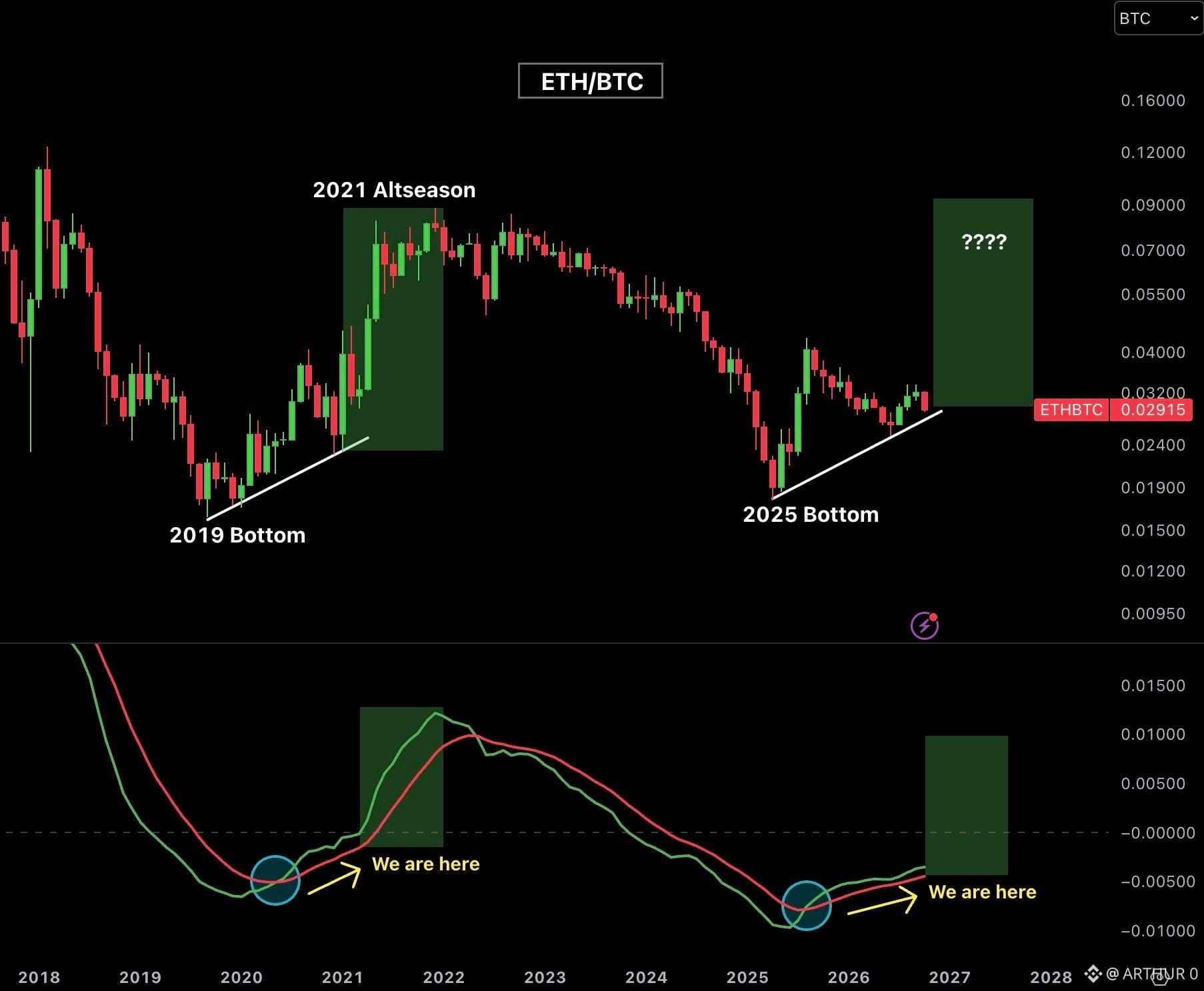
$ETH/BTC might be setting the stage for an altseason comeback 👀
2019–2020 vibes are showing up on the chart again. If this pattern plays out, altcoins could have a lot to prove in the coming months.
The big question is whether history repeats itself or this time is different.
Are you ready for an altseason, or still waiting for confirmation?
2019–2020 vibes are showing up on the chart again. If this pattern plays out, altcoins could have a lot to prove in the coming months.
The big question is whether history repeats itself or this time is different.
Are you ready for an altseason, or still waiting for confirmation?
100
·
--
Bullish
See translation
$BTC at $100K ❌ $BTC at $80K: “Not this door again…” 💀
{future}(BTCUSDT)
Bitcoin holders opening the same $80K door for the 100th time 😂
$BTC at $100K ❌ $BTC at $80K: “Not this door again…” 💀
Bitcoin holders opening the same $80K door for the 100th time 😂
Bitcoin holders opening the same $80K door for the 100th time 😂

55
Log in to explore more content
Join global crypto users on Binance Square
⚡️ Get latest and useful information about crypto.
💬 Trusted by the world’s largest crypto exchange.
👍 Discover real insights from verified creators.
Email / Phone number