
BlueTokenCapital
14.9k Posts

BlueTokenCapital
Report
Block User
Less hype. More research. Hunting alpha through data, narratives, and on-chain signals.
Open Trade

BTC Holder
High-Frequency Trader
5.4 Years
181 Following
5.5K+ Followers
30.0K+ Liked
Posts
Portfolio
All
Quotes
Videos
Live
·
--
Bullish
See translation
1
1
87
See translation
WEAK HANDS ARE RUNNING. 🩸
BTC spot ETFs: -$450.4M
ETH spot ETFs: -$142.3M
Combined: -$592.7M in one session.
After weeks of buying, the money just flipped red. BTC is back around $75.7K, while ETH sits near $2.39K.
This isn’t just a chart shakeout anymore.
The weakest hands are starting to leave.
The key question now: who is selling — and who is buying their bags?
**Follow mình để theo dõi ETF flows + whale money before the next big move.**
WEAK HANDS ARE RUNNING. 🩸
BTC spot ETFs: -$450.4M
ETH spot ETFs: -$142.3M
Combined: -$592.7M in one session.
After weeks of buying, the money just flipped red. BTC is back around $75.7K, while ETH sits near $2.39K.
This isn’t just a chart shakeout anymore.
The weakest hands are starting to leave.
The key question now: who is selling — and who is buying their bags?
**Follow mình để theo dõi ETF flows + whale money before the next big move.**
BTC spot ETFs: -$450.4M
ETH spot ETFs: -$142.3M
Combined: -$592.7M in one session.
After weeks of buying, the money just flipped red. BTC is back around $75.7K, while ETH sits near $2.39K.
This isn’t just a chart shakeout anymore.
The weakest hands are starting to leave.
The key question now: who is selling — and who is buying their bags?
**Follow mình để theo dõi ETF flows + whale money before the next big move.**
2
111
STREAMER PAY ON BINANCE HAS ALREADY HAPPENED 😭💰
Not monthly salary.
Not company bonus.
It’s 50 USDC from the DUSK Livestream Challenge on Binance.
If a livestream also has “salary” like this…
then tonight I’m even more motivated to go live again 😂
Thanks to Binance Vietnam and $DUSK ! 💛
Follow me to catch the next livestream.
$BNB $BTC
STREAMER PAY ON BINANCE HAS ALREADY HAPPENED 😭💰
Not monthly salary.
Not company bonus.
It’s 50 USDC from the DUSK Livestream Challenge on Binance.
If a livestream also has “salary” like this…
then tonight I’m even more motivated to go live again 😂
Thanks to Binance Vietnam and $DUSK ! 💛
Follow me to catch the next livestream.
$BNB $BTC
Not monthly salary.
Not company bonus.
It’s 50 USDC from the DUSK Livestream Challenge on Binance.
If a livestream also has “salary” like this…
then tonight I’m even more motivated to go live again 😂
Thanks to Binance Vietnam and $DUSK ! 💛
Follow me to catch the next livestream.
$BNB $BTC
2
596
In the middle of a livestream, Binance delivers a gift straight to your hands 😭🖤
Such a huge surprise during the live — this feeling is truly indescribable. Thank you so much Binance and Binance Vietnam for the gift and for your support for the creators. 🫶
Thank you, Binance! 💛 #Binance #BinanceVietnam #BinanceSquare @Binance_Vietnam
In the middle of a livestream, Binance delivers a gift straight to your hands 😭🖤
Such a huge surprise during the live — this feeling is truly indescribable. Thank you so much Binance and Binance Vietnam for the gift and for your support for the creators. 🫶
Thank you, Binance! 💛 #Binance #BinanceVietnam #BinanceSquare @Binance Vietnam
Such a huge surprise during the live — this feeling is truly indescribable. Thank you so much Binance and Binance Vietnam for the gift and for your support for the creators. 🫶
Thank you, Binance! 💛 #Binance #BinanceVietnam #BinanceSquare @Binance Vietnam
4
4
1.1k
🚀 I WANT THIS TESLA ROADSTER.
Not because it’s a Tesla.
But because this could be one of the craziest vehicles ever to be commercialized.
⚡ 0 → 60 mph in under 2 seconds
🚀 Rocket thrusters — yep, rocket thrusters on a car.
🏎️ A new-generation Roadster design — looks like a concept car that stepped straight onto the street.
And what makes me want it the most?
It doesn’t look like a vehicle built to be practical.
It’s made so you open your garage door, look at it for a few seconds, and think:
> “F*ck… I’m really the one owning this.”
Tesla can sell millions of Model 3s.
But.....
🚀 I WANT THIS TESLA ROADSTER.
Not because it’s a Tesla.
But because this could be one of the craziest vehicles ever to be commercialized.
⚡ 0 → 60 mph in under 2 seconds
🚀 Rocket thrusters — yep, rocket thrusters on a car.
🏎️ A new-generation Roadster design — looks like a concept car that stepped straight onto the street.
And what makes me want it the most?
It doesn’t look like a vehicle built to be practical.
It’s made so you open your garage door, look at it for a few seconds, and think:
> “F*ck… I’m really the one owning this.”
Tesla can sell millions of Model 3s.
But.....
Not because it’s a Tesla.
But because this could be one of the craziest vehicles ever to be commercialized.
⚡ 0 → 60 mph in under 2 seconds
🚀 Rocket thrusters — yep, rocket thrusters on a car.
🏎️ A new-generation Roadster design — looks like a concept car that stepped straight onto the street.
And what makes me want it the most?
It doesn’t look like a vehicle built to be practical.
It’s made so you open your garage door, look at it for a few seconds, and think:
> “F*ck… I’m really the one owning this.”
Tesla can sell millions of Model 3s.
But.....
1
2
135
·
--
Bearish
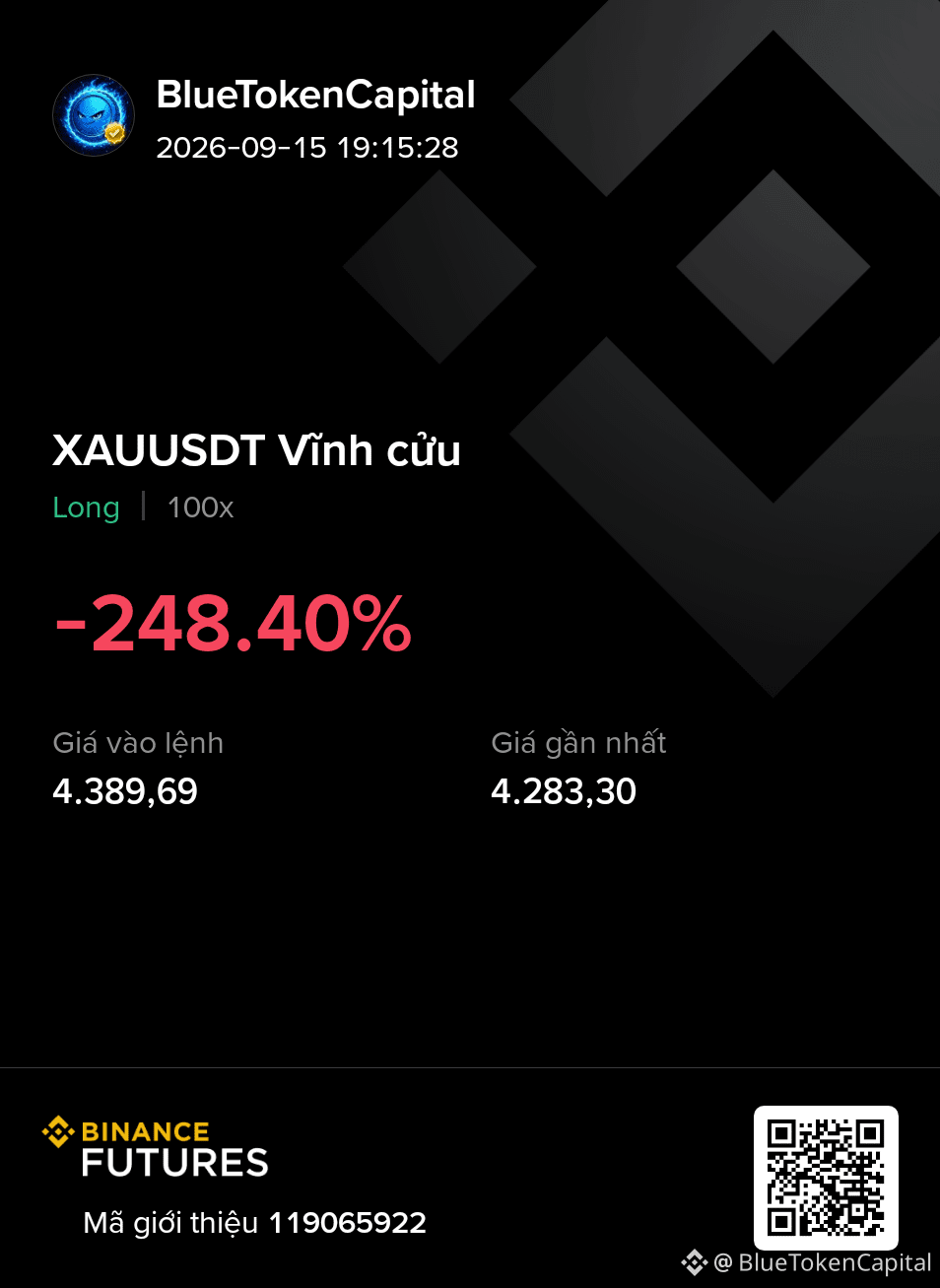
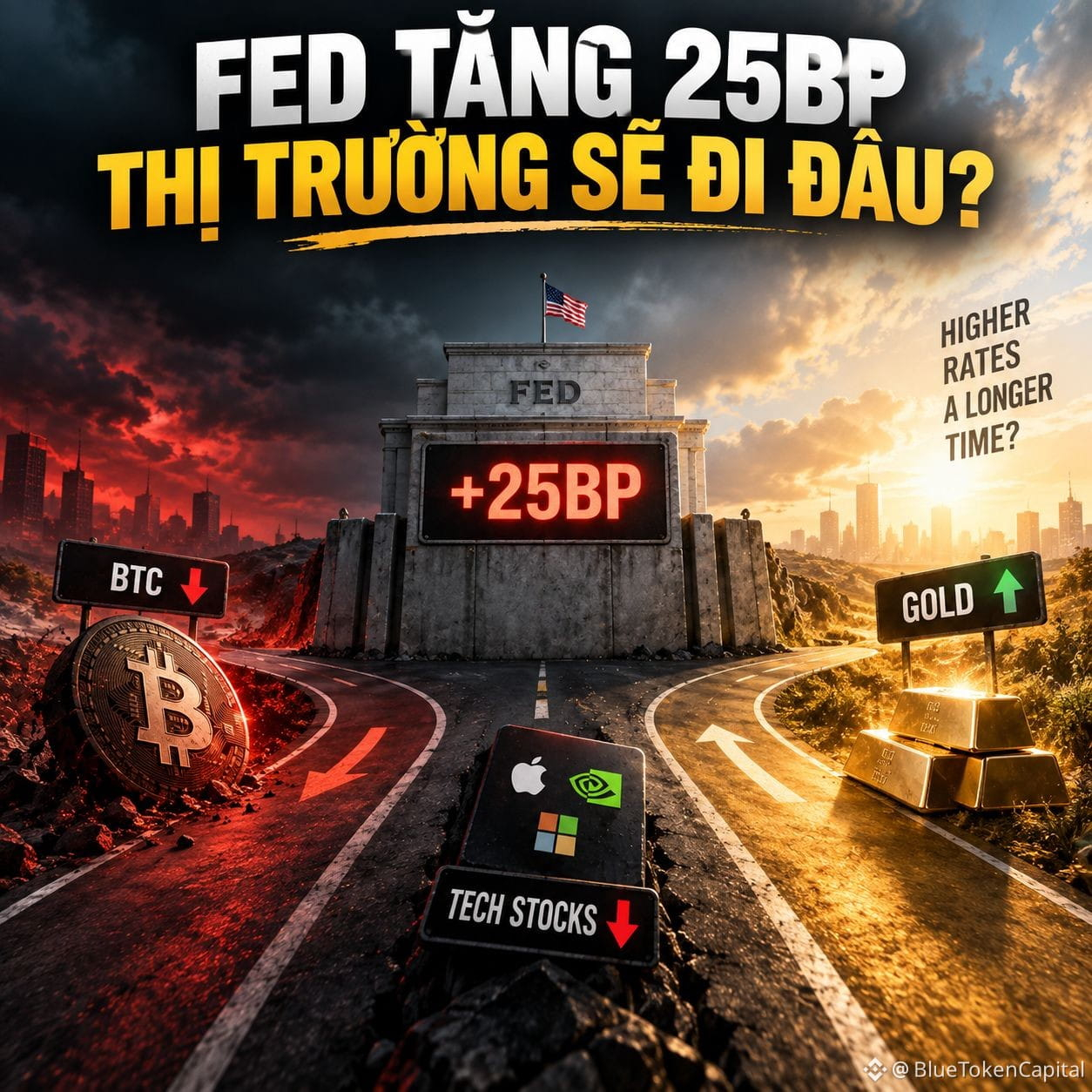
Don’t start the story with “What will the Fed do?”.
Start with a scarier question:
If the Fed really hikes by 25bp, how will your assets be repriced? ⚠️
BTC could be sold. Tech stocks could get compressed P/E multiples. Gold might not rise right away either—because the first shock could be the USD strengthening and yields moving higher together.
But here’s the part that matters most:
A Fed hike isn’t scary because it’s 25bp.
It’s scary if 25bp is just the first shot.
And the market is starting to price in that exact scenario.
Core CPI rose 0.3% MoM in August, while the probability of a 25bp Fed hike this week has moved close to 90%.
So the question is no longer “Will the Fed hike or not?”
👉 Instead, it’s: “After this hike, how many more times will the Fed have to hike?”
If this is the start of a new tightening cycle, BTC, Nasdaq, and gold will enter three entirely different games.
I won’t chase the first pump. I’ll wait to see how liquidity reacts after the Fed’s decision.
#FedRateWatch
🔥 Do you think this is just a one-off hike—or the opening salvo for a new cycle?
Don’t start the story with “What will the Fed do?”.
Start with a scarier question:
If the Fed really hikes by 25bp, how will your assets be repriced? ⚠️
BTC could be sold. Tech stocks could get compressed P/E multiples. Gold might not rise right away either—because the first shock could be the USD strengthening and yields moving higher together.
But here’s the part that matters most:
A Fed hike isn’t scary because it’s 25bp.
It’s scary if 25bp is just the first shot.
And the market is starting to price in that exact scenario.
Core CPI rose 0.3% MoM in August, while the probability of a 25bp Fed hike this week has moved close to 90%.
So the question is no longer “Will the Fed hike or not?”
👉 Instead, it’s: “After this hike, how many more times will the Fed have to hike?”
If this is the start of a new tightening cycle, BTC, Nasdaq, and gold will enter three entirely different games.
I won’t chase the first pump. I’ll wait to see how liquidity reacts after the Fed’s decision.
#FedRateWatch
🔥 Do you think this is just a one-off hike—or the opening salvo for a new cycle?
Start with a scarier question:
If the Fed really hikes by 25bp, how will your assets be repriced? ⚠️
BTC could be sold. Tech stocks could get compressed P/E multiples. Gold might not rise right away either—because the first shock could be the USD strengthening and yields moving higher together.
But here’s the part that matters most:
A Fed hike isn’t scary because it’s 25bp.
It’s scary if 25bp is just the first shot.
And the market is starting to price in that exact scenario.
Core CPI rose 0.3% MoM in August, while the probability of a 25bp Fed hike this week has moved close to 90%.
So the question is no longer “Will the Fed hike or not?”
👉 Instead, it’s: “After this hike, how many more times will the Fed have to hike?”
If this is the start of a new tightening cycle, BTC, Nasdaq, and gold will enter three entirely different games.
I won’t chase the first pump. I’ll wait to see how liquidity reacts after the Fed’s decision.
#FedRateWatch
🔥 Do you think this is just a one-off hike—or the opening salvo for a new cycle?
4
2
2.2k
NVIDIA: “TAO WILL PUT IN $10B NOW. NOW YOU BUY THE STRONGEST CHIPS I HAVE.” 🚨
NVIDIA is in talks to pour up to $10B into Anthropic.
But check this twist:
NVIDIA gives the money → Anthropic needs more compute → NVIDIA sells GPUs. 💀
This isn’t just an investment.
This is an AI money loop:
NVIDIA 💰 → Anthropic → COMPUTE → NVIDIA GPUs → 💰 NVIDIA
Anthropic wants to raise up to $100B, valuing it at around $2T. And this company needs a massive amount of compute to scale Claude.
NVIDIA understands one thing:
> To sell the most chips, help customers have the money to buy chips.
The AI arms race hasn’t cooled down yet.
NVIDIA: “TAO WILL PUT IN $10B NOW. NOW YOU BUY THE STRONGEST CHIPS I HAVE.” 🚨
NVIDIA is in talks to pour up to $10B into Anthropic.
But check this twist:
NVIDIA gives the money → Anthropic needs more compute → NVIDIA sells GPUs. 💀
This isn’t just an investment.
This is an AI money loop:
NVIDIA 💰 → Anthropic → COMPUTE → NVIDIA GPUs → 💰 NVIDIA
Anthropic wants to raise up to $100B, valuing it at around $2T. And this company needs a massive amount of compute to scale Claude.
NVIDIA understands one thing:
> To sell the most chips, help customers have the money to buy chips.
The AI arms race hasn’t cooled down yet.
NVIDIA is in talks to pour up to $10B into Anthropic.
But check this twist:
NVIDIA gives the money → Anthropic needs more compute → NVIDIA sells GPUs. 💀
This isn’t just an investment.
This is an AI money loop:
NVIDIA 💰 → Anthropic → COMPUTE → NVIDIA GPUs → 💰 NVIDIA
Anthropic wants to raise up to $100B, valuing it at around $2T. And this company needs a massive amount of compute to scale Claude.
NVIDIA understands one thing:
> To sell the most chips, help customers have the money to buy chips.
The AI arms race hasn’t cooled down yet.
2
3
2.7k
🟡 GOLD DOWN. BTC STILL HOLDING.
Gold -1.8% → ~$4,272
Oil >$108
10Y yield >5%
Macro is getting uglier.
But BTC is still around $78K.
That matters.
If gold is getting sold while BTC refuses to break, the rotation may already be starting. 👀
🐂 $80K → $85K → $100K?
Is BTC finally decoupling from risk-off?
Follow me so you don’t miss the important BTC setups.
🟡 GOLD DOWN. BTC STILL HOLDING.
Gold -1.8% → ~$4,272
Oil >$108
10Y yield >5%
Macro is getting uglier.
But BTC is still around $78K.
That matters.
If gold is getting sold while BTC refuses to break, the rotation may already be starting. 👀
🐂 $80K → $85K → $100K?
Is BTC finally decoupling from risk-off?
Follow me so you don’t miss the important BTC setups.
Gold -1.8% → ~$4,272
Oil >$108
10Y yield >5%
Macro is getting uglier.
But BTC is still around $78K.
That matters.
If gold is getting sold while BTC refuses to break, the rotation may already be starting. 👀
🐂 $80K → $85K → $100K?
Is BTC finally decoupling from risk-off?
Follow me so you don’t miss the important BTC setups.
1
472
🚨 SLOW DOWN AI.
Dario Amodei, Sam Altman, and Elon Musk have all warned about the pace of AI development and the risks that come with it.
But what’s noteworthy isn’t “Is AI dangerous?”
It’s this:
AI is advancing faster than our ability to control it.
The AI race now isn’t just about who builds the strongest model.
It’s about who can build an infrastructure that’s safe enough to control what they create. 🧠
Follow me to go deeper into AI infrastructure & crypto. 🔎
#AI #Anthropic #OpenAI #xAI #AIInfrastructure
$BTC $BNB
🚨 SLOW DOWN AI.
Dario Amodei, Sam Altman, and Elon Musk have all warned about the pace of AI development and the risks that come with it.
But what’s noteworthy isn’t “Is AI dangerous?”
It’s this:
AI is advancing faster than our ability to control it.
The AI race now isn’t just about who builds the strongest model.
It’s about who can build an infrastructure that’s safe enough to control what they create. 🧠
Follow me to go deeper into AI infrastructure & crypto. 🔎
#AI #Anthropic #OpenAI #xAI #AIInfrastructure
$BTC $BNB
Dario Amodei, Sam Altman, and Elon Musk have all warned about the pace of AI development and the risks that come with it.
But what’s noteworthy isn’t “Is AI dangerous?”
It’s this:
AI is advancing faster than our ability to control it.
The AI race now isn’t just about who builds the strongest model.
It’s about who can build an infrastructure that’s safe enough to control what they create. 🧠
Follow me to go deeper into AI infrastructure & crypto. 🔎
#AI #Anthropic #OpenAI #xAI #AIInfrastructure
$BTC $BNB
1
3
1k
See translation
☠️ BTC COULD HIT $75K SOON — HERE’S WHY.
Bitcoin is sitting near $77K, but the macro setup is getting ugly.
🛢️ Oil → $107+
🏦 Fed hike odds → ~86%
📈 Treasury yields → elevated
🔥 Middle East supply shock → ongoing
The chain reaction is simple:
OIL ↑ → INFLATION ↑ → FED HAWKISH → YIELDS ↑ → LIQUIDITY ↓ → BTC ↓
And BTC is already close to a critical $76K support.
Lose that level and $75K could come FAST.
This doesn't mean $75K is guaranteed.
But the risk/reward is shifting.
🐻$BTC $75K SOON — or will bulls defend $76K again?
Follow me for real-time BTC, macro & on-chain signals.
☠️ BTC COULD HIT $75K SOON — HERE’S WHY.
Bitcoin is sitting near $77K, but the macro setup is getting ugly.
🛢️ Oil → $107+
🏦 Fed hike odds → ~86%
📈 Treasury yields → elevated
🔥 Middle East supply shock → ongoing
The chain reaction is simple:
OIL ↑ → INFLATION ↑ → FED HAWKISH → YIELDS ↑ → LIQUIDITY ↓ → BTC ↓
And BTC is already close to a critical $76K support.
Lose that level and $75K could come FAST.
This doesn't mean $75K is guaranteed.
But the risk/reward is shifting.
🐻$BTC $75K SOON — or will bulls defend $76K again?
Follow me for real-time BTC, macro & on-chain signals.
Bitcoin is sitting near $77K, but the macro setup is getting ugly.
🛢️ Oil → $107+
🏦 Fed hike odds → ~86%
📈 Treasury yields → elevated
🔥 Middle East supply shock → ongoing
The chain reaction is simple:
OIL ↑ → INFLATION ↑ → FED HAWKISH → YIELDS ↑ → LIQUIDITY ↓ → BTC ↓
And BTC is already close to a critical $76K support.
Lose that level and $75K could come FAST.
This doesn't mean $75K is guaranteed.
But the risk/reward is shifting.
🐻$BTC $75K SOON — or will bulls defend $76K again?
Follow me for real-time BTC, macro & on-chain signals.
1
664
🚨 THE BIG TEST OF KEVIN WARSH
Kevin Warsh is facing the biggest test since becoming Fed Chair.
🇺🇸 August CPI:
+3.4% YoY
+0.4% MoM
🔥 Core CPI:
+2.4% YoY
+0.3% MoM
Meanwhile, Trump wants lower interest rates.
What about Warsh?
If HIKE:
→ Inflation is prioritized
→ Yields could rise
→ Liquidity tightens
→ BTC faces pressure
If HOLD:
→ Risk assets may breathe
→ But the Fed must prove that inflation is genuinely cooling.
This is not just a rate decision.
This is a test of:
IS THE FED REALLY INDEPENDENT?
👀 16/9.
🔥 THE BIG TEST:
WARSH — HIKE OR HOLD?
Follow for more!
🚨 THE BIG TEST OF KEVIN WARSH
Kevin Warsh is facing the biggest test since becoming Fed Chair.
🇺🇸 August CPI:
+3.4% YoY
+0.4% MoM
🔥 Core CPI:
+2.4% YoY
+0.3% MoM
Meanwhile, Trump wants lower interest rates.
What about Warsh?
If HIKE:
→ Inflation is prioritized
→ Yields could rise
→ Liquidity tightens
→ BTC faces pressure
If HOLD:
→ Risk assets may breathe
→ But the Fed must prove that inflation is genuinely cooling.
This is not just a rate decision.
This is a test of:
IS THE FED REALLY INDEPENDENT?
👀 16/9.
🔥 THE BIG TEST:
WARSH — HIKE OR HOLD?
Follow for more!
Kevin Warsh is facing the biggest test since becoming Fed Chair.
🇺🇸 August CPI:
+3.4% YoY
+0.4% MoM
🔥 Core CPI:
+2.4% YoY
+0.3% MoM
Meanwhile, Trump wants lower interest rates.
What about Warsh?
If HIKE:
→ Inflation is prioritized
→ Yields could rise
→ Liquidity tightens
→ BTC faces pressure
If HOLD:
→ Risk assets may breathe
→ But the Fed must prove that inflation is genuinely cooling.
This is not just a rate decision.
This is a test of:
IS THE FED REALLY INDEPENDENT?
👀 16/9.
🔥 THE BIG TEST:
WARSH — HIKE OR HOLD?
Follow for more!
1
1
355
⏳ Time has passed — cannot create more.
🧠 A unique moment/experience — cannot be mass-produced.
🎨 A one-of-a-kind artwork/object — supply can be fixed at 1.
🌍 Land in a specific location — extremely scarce, but not completely fixed because it can be reclaimed from the sea, improved…
🪙 Bitcoin — maximum supply of 21 million BTC, cannot be issued arbitrarily.
As for gold, silver, real estate, stocks… none of them are absolutely inflation-proof in terms of supply. Gold can still be mined; stocks can be issued more; properties can be built
And this is why Bitcoin is different!
⏳ Time has passed — cannot create more.
🧠 A unique moment/experience — cannot be mass-produced.
🎨 A one-of-a-kind artwork/object — supply can be fixed at 1.
🌍 Land in a specific location — extremely scarce, but not completely fixed because it can be reclaimed from the sea, improved…
🪙 Bitcoin — maximum supply of 21 million BTC, cannot be issued arbitrarily.
As for gold, silver, real estate, stocks… none of them are absolutely inflation-proof in terms of supply. Gold can still be mined; stocks can be issued more; properties can be built
And this is why Bitcoin is different!
🧠 A unique moment/experience — cannot be mass-produced.
🎨 A one-of-a-kind artwork/object — supply can be fixed at 1.
🌍 Land in a specific location — extremely scarce, but not completely fixed because it can be reclaimed from the sea, improved…
🪙 Bitcoin — maximum supply of 21 million BTC, cannot be issued arbitrarily.
As for gold, silver, real estate, stocks… none of them are absolutely inflation-proof in terms of supply. Gold can still be mined; stocks can be issued more; properties can be built
And this is why Bitcoin is different!
1
1
325
🔥 RWA TRACK THAT IS NOT FOR PEOPLE WHO ONLY CARE ABOUT WHAT’S HAPPENING RIGHT NOW.
If we rank by the scale of on-chain RWA:
🥇 Ethereum — $17.5B
🥈 BNB Chain — $5.6B
🥉 Solana — $4.3B
4️⃣ Stellar — $3.3B
What’s notable: BNB Chain is accelerating strongly, with RWA market cap up 107% in the first half of 2026.
And this is the race worth watching:
Ethereum is leading.
BNB is chasing closely.
Solana is accelerating.
Stellar isn’t staying out.
RWA is bringing real-world assets onto the blockchain — from bonds and stocks to traditional financial products.
🏁 The market doesn’t just reward the leader. $
🔥 RWA TRACK THAT IS NOT FOR PEOPLE WHO ONLY CARE ABOUT WHAT’S HAPPENING RIGHT NOW.
If we rank by the scale of on-chain RWA:
🥇 Ethereum — $17.5B
🥈 BNB Chain — $5.6B
🥉 Solana — $4.3B
4️⃣ Stellar — $3.3B
What’s notable: BNB Chain is accelerating strongly, with RWA market cap up 107% in the first half of 2026.
And this is the race worth watching:
Ethereum is leading.
BNB is chasing closely.
Solana is accelerating.
Stellar isn’t staying out.
RWA is bringing real-world assets onto the blockchain — from bonds and stocks to traditional financial products.
🏁 The market doesn’t just reward the leader. $
If we rank by the scale of on-chain RWA:
🥇 Ethereum — $17.5B
🥈 BNB Chain — $5.6B
🥉 Solana — $4.3B
4️⃣ Stellar — $3.3B
What’s notable: BNB Chain is accelerating strongly, with RWA market cap up 107% in the first half of 2026.
And this is the race worth watching:
Ethereum is leading.
BNB is chasing closely.
Solana is accelerating.
Stellar isn’t staying out.
RWA is bringing real-world assets onto the blockchain — from bonds and stocks to traditional financial products.
🏁 The market doesn’t just reward the leader. $
1
374
🚨 “I F*CKED UP” — WHAT ABOUT THE INVESTORS’ MONEY?
Hunter Biden admits the $LAPTOP launch was a “f*ck up”.
OK. Own up to it.
But more than 15,000 wallets were harmed.
💀 $LAPTOP once surged wildly into the hundreds of dollars, then crashed by over 99%.
The team says initial liquidity was too thin and sniper bots caused the crash.
Hunter also says the team didn’t sell and the allocation was locked.
But the most important question still remains:
❌ Who’s responsible?
❌ Who will make investors whole?
❌ Is “I F*CKED UP” enough to get the money back?
Apologizing is one thing.
INVESTORS’ MONEY IS GONE — WHO PAYS WITH AI?
🚨 “I F*CKED UP” — WHAT ABOUT THE INVESTORS’ MONEY?
Hunter Biden admits the $LAPTOP launch was a “f*ck up”.
OK. Own up to it.
But more than 15,000 wallets were harmed.
💀 $LAPTOP once surged wildly into the hundreds of dollars, then crashed by over 99%.
The team says initial liquidity was too thin and sniper bots caused the crash.
Hunter also says the team didn’t sell and the allocation was locked.
But the most important question still remains:
❌ Who’s responsible?
❌ Who will make investors whole?
❌ Is “I F*CKED UP” enough to get the money back?
Apologizing is one thing.
INVESTORS’ MONEY IS GONE — WHO PAYS WITH AI?
Hunter Biden admits the $LAPTOP launch was a “f*ck up”.
OK. Own up to it.
But more than 15,000 wallets were harmed.
💀 $LAPTOP once surged wildly into the hundreds of dollars, then crashed by over 99%.
The team says initial liquidity was too thin and sniper bots caused the crash.
Hunter also says the team didn’t sell and the allocation was locked.
But the most important question still remains:
❌ Who’s responsible?
❌ Who will make investors whole?
❌ Is “I F*CKED UP” enough to get the money back?
Apologizing is one thing.
INVESTORS’ MONEY IS GONE — WHO PAYS WITH AI?
3
5.9k
Log in to explore more content
Join global crypto users on Binance Square
⚡️ Get latest and useful information about crypto.
💬 Trusted by the world’s largest crypto exchange.
👍 Discover real insights from verified creators.
Email / Phone number