Binance Square
得鹿梦鱼Delu
65 Posts

得鹿梦鱼Delu

海外AI / Crypto / 科技信息 /投资思考

Occasional Trader
4.6 Years
156 Following
94 Followers
81 Liked
Posts
PINNED
·
--
Life is the prelude where you push your own past forward and that of others; the torrent of the times presses everyone to make their own choices. The explosive rise of AI accelerates many industries into what feels like the end days of their life cycles, while also giving birth to many opportunities. In our country, the news about rocket recovery has a higher priority than the news of Unitree Technology’s listing—we must schedule it for the first release. In the future, with progress measured in 100-year increments, the Earth Online game will have only two main storylines: 1) In the virtual world, realize the industrialization of spiritual eternal life—corresponding to AI. 2) In the real world, make the routine exploration of space planet resources normal—corresponding to starships. Achieving immortal, immortal-like longevity in the virtual world, and taking space-courvature interstellar travel tourism in the real universe—these are the most distinctive life experiences for humankind in this era.
Life is the prelude where you push your own past forward and that of others; the torrent of the times presses everyone to make their own choices.

The explosive rise of AI accelerates many industries into what feels like the end days of their life cycles, while also giving birth to many opportunities.

In our country, the news about rocket recovery has a higher priority than the news of Unitree Technology’s listing—we must schedule it for the first release.

In the future, with progress measured in 100-year increments, the Earth Online game will have only two main storylines:
1) In the virtual world, realize the industrialization of spiritual eternal life—corresponding to AI.
2) In the real world, make the routine exploration of space planet resources normal—corresponding to starships.

Achieving immortal, immortal-like longevity in the virtual world, and taking space-courvature interstellar travel tourism in the real universe—these are the most distinctive life experiences for humankind in this era.
Yushu Firefighting Robot Born to serve people—risking life in the heat of battle
Yushu Firefighting Robot
Born to serve people—risking life in the heat of battle
Article
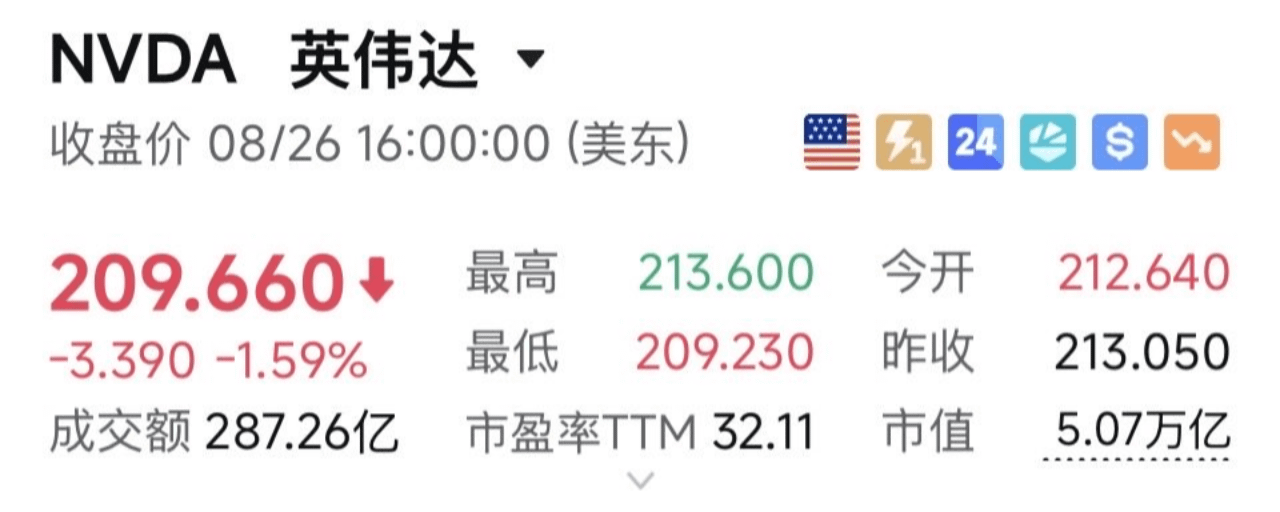
AI compute demand is shifting from “training large language models” to a new stage of “agents working continuously.”NVIDIA’s real ceiling may no longer be demand, but rather “no stock.” The scariest part of NVIDIA’s earnings this time isn’t that revenue doubled again, but this: with the company’s quarterly revenue already approaching $100 billion, it still says, “we’re out of stock,” not “we don’t have customers.” In this FY27 Q2 earnings report, the most worth paying attention to isn’t that revenue doubled again—it’s a bigger signal: AI compute demand is shifting from “training large language models” to a new stage of “agents working continuously.” NVIDIA’s revenue for the quarter reached $96.2 billion, up 106% year over year; data center revenue was $89 billion, up 117% year over year.

AI compute demand is shifting from “training large language models” to a new stage of “agents working continuously.”

NVIDIA’s real ceiling may no longer be demand, but rather “no stock.”
The scariest part of NVIDIA’s earnings this time isn’t that revenue doubled again, but this: with the company’s quarterly revenue already approaching $100 billion, it still says, “we’re out of stock,” not “we don’t have customers.”
In this FY27 Q2 earnings report, the most worth paying attention to isn’t that revenue doubled again—it’s a bigger signal:
AI compute demand is shifting from “training large language models” to a new stage of “agents working continuously.”
NVIDIA’s revenue for the quarter reached $96.2 billion, up 106% year over year; data center revenue was $89 billion, up 117% year over year.
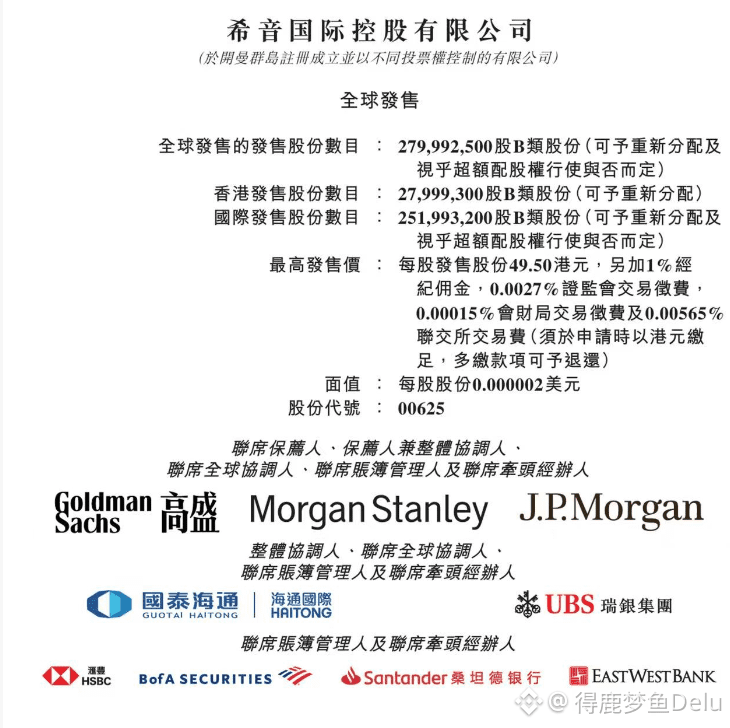
$27 billion—this is the final answer the Shein IPO has delivered. Shein’s Hong Kong IPO price inquiry range was set at HK$47.6–49.5, corresponding to a valuation of about HK$210 billion—roughly $27 billion in USD terms. That figure is lower than many people had expected, because in the 2022 round of private financing, Shein’s valuation had once reached as high as $100 billion. In four years, it has evaporated by 73%. So what exactly happened behind the scenes? The first blow: the end of the cross-border e-commerce boom period. The trade war has continued to intensify, and the U.S. and Europe have tightened their small-parcel duty-free policies. The duty-free benefits for shipments under $800 in the U.S. and under €150 in Europe were both cut—directly undermining Shein’s “low-price direct shipping” model. The second blow: Temu’s close-quarters fight. Pinduoduo used subsidies to win users, forcing its way into Shein’s territory. As a result, Shein’s operating costs were pushed sharply higher. The numbers reflect it in a painful way: at its peak, Shein had annual growth of 40%+; in 2024 it fell to 20%, in 2025 it dropped to just 8%, and this year’s first quarter was only 1%. The “high-growth” story can’t be sustained anymore. The third blow: the twists and turns on the road to going public. In late 2023, it secretly tried to enter the NYSE, but it was blocked by the SEC. In 2024, it switched to the London Stock Exchange, only to be stopped again at the gate by overseas listing filing requirements. After more than two years of back-and-forth, it could only choose the Hong Kong market, where liquidity is weaker, and deliver this “price-discount” performance report. A 70% drop doesn’t mean it’s safe now. The negative factors mentioned above are still continuing to ferment, and there’s no sign of a near-term turnaround. The most heartbreaking comparison is this: in 2022’s list of unlisted unicorns, ByteDance sat at #1 with a $300 billion valuation. SpaceX and Shein were tied for second and third at around $100 billion. Four years later, SpaceX’s valuation is already 66 times Shein’s. The divide between eras can be this cold, sometimes.
$27 billion—this is the final answer the Shein IPO has delivered.

Shein’s Hong Kong IPO price inquiry range was set at HK$47.6–49.5, corresponding to a valuation of about HK$210 billion—roughly $27 billion in USD terms. That figure is lower than many people had expected, because in the 2022 round of private financing, Shein’s valuation had once reached as high as $100 billion. In four years, it has evaporated by 73%.

So what exactly happened behind the scenes?

The first blow: the end of the cross-border e-commerce boom period. The trade war has continued to intensify, and the U.S. and Europe have tightened their small-parcel duty-free policies. The duty-free benefits for shipments under $800 in the U.S. and under €150 in Europe were both cut—directly undermining Shein’s “low-price direct shipping” model.

The second blow: Temu’s close-quarters fight. Pinduoduo used subsidies to win users, forcing its way into Shein’s territory. As a result, Shein’s operating costs were pushed sharply higher.

The numbers reflect it in a painful way: at its peak, Shein had annual growth of 40%+; in 2024 it fell to 20%, in 2025 it dropped to just 8%, and this year’s first quarter was only 1%. The “high-growth” story can’t be sustained anymore.

The third blow: the twists and turns on the road to going public. In late 2023, it secretly tried to enter the NYSE, but it was blocked by the SEC. In 2024, it switched to the London Stock Exchange, only to be stopped again at the gate by overseas listing filing requirements. After more than two years of back-and-forth, it could only choose the Hong Kong market, where liquidity is weaker, and deliver this “price-discount” performance report.

A 70% drop doesn’t mean it’s safe now. The negative factors mentioned above are still continuing to ferment, and there’s no sign of a near-term turnaround.

The most heartbreaking comparison is this: in 2022’s list of unlisted unicorns, ByteDance sat at #1 with a $300 billion valuation. SpaceX and Shein were tied for second and third at around $100 billion. Four years later, SpaceX’s valuation is already 66 times Shein’s.

The divide between eras can be this cold, sometimes.
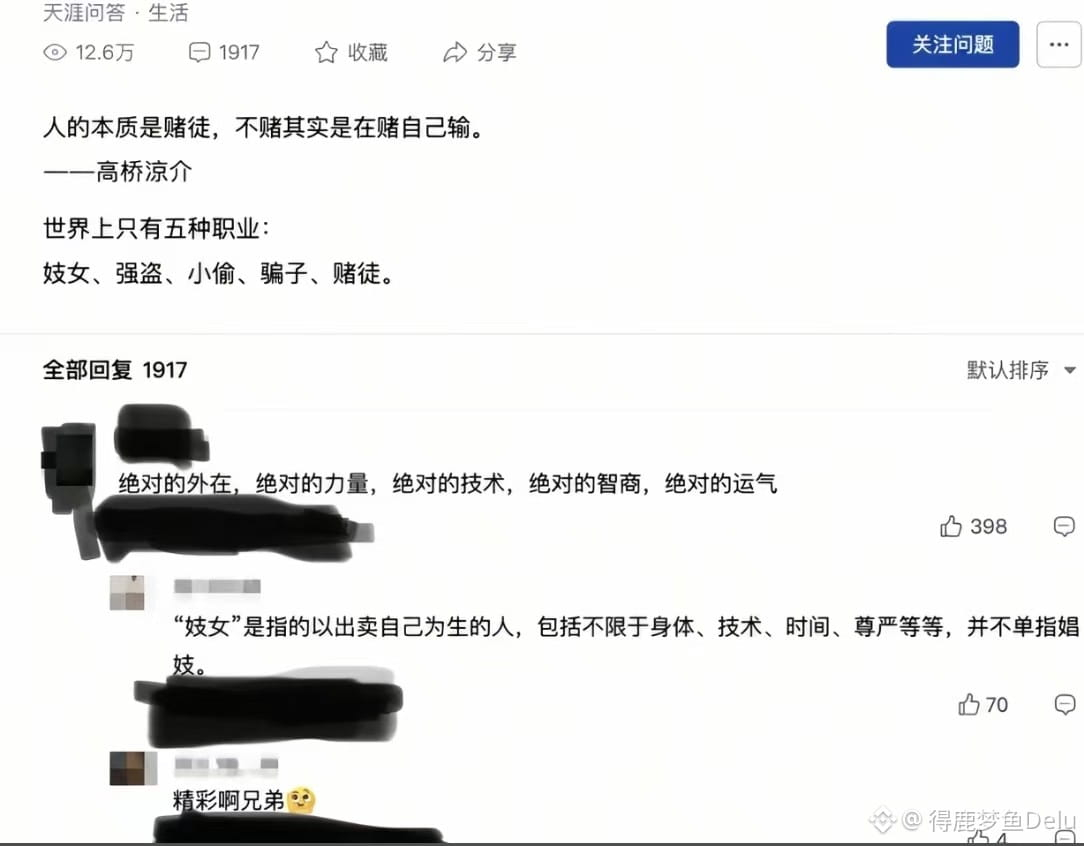
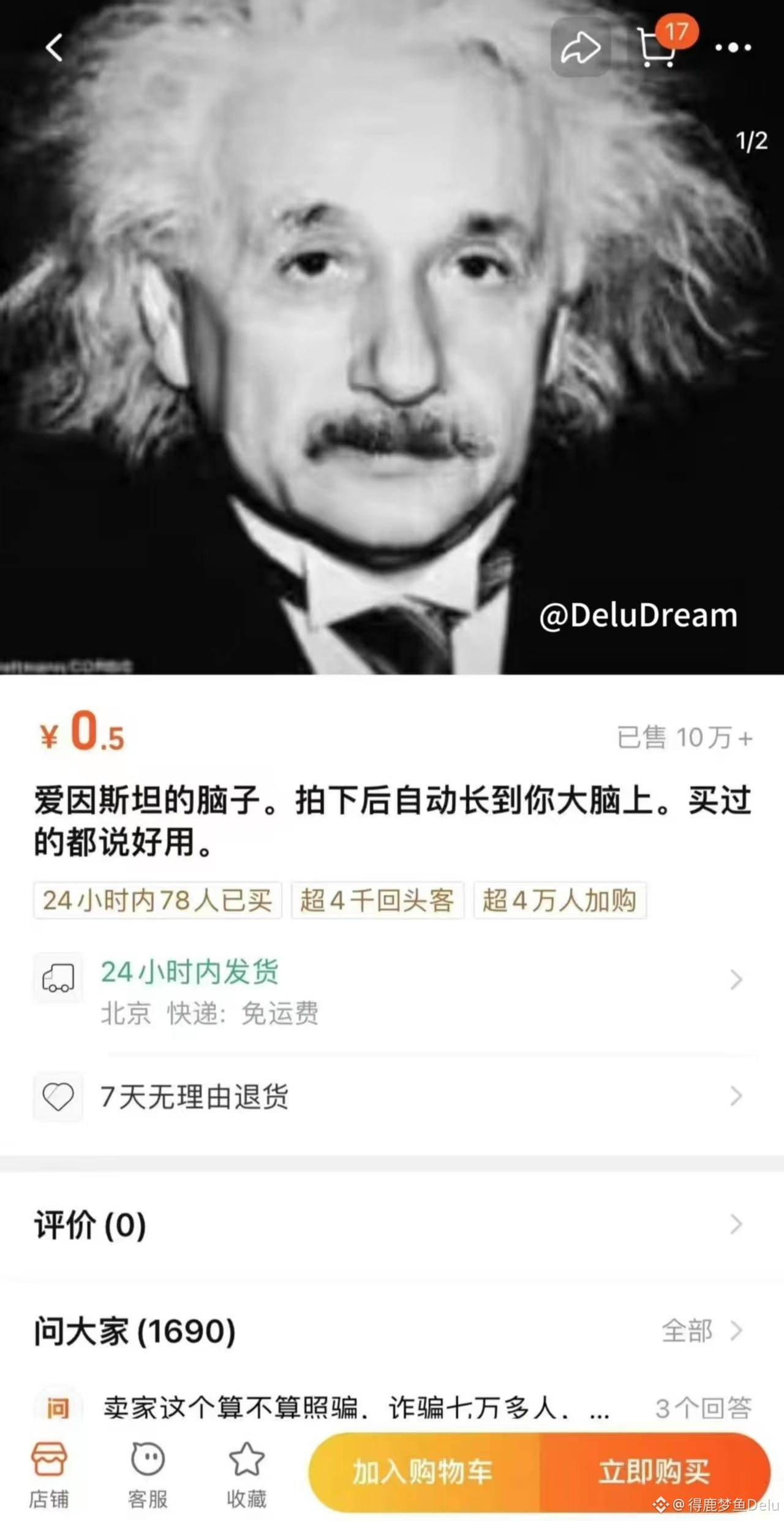
What is the essence of being human? What are the only five types of professions in the world?
What is the “doomsday” of the President of South Korea? Why are speculative trades so prevalent in South Korea? Art comes from life. In the scene of the South Korean National Assembly, chaos reigns—everyone is shouting “invalid!” and “resign!” Speaker U Won-sik keeps his eyes shut and remains unmoved. People Party leader Lee Jae-myung walks calmly toward the ballot box. Someone remarks that what South Korea is doing is just like making a movie—the camera work is so well-framed, and they even joke that South Korea should apply for UNESCO world heritage status for its acting and filming techniques. No wonder it’s a country where speculative trading runs rampant.
What is the “doomsday” of the President of South Korea? Why are speculative trades so prevalent in South Korea?

Art comes from life.
In the scene of the South Korean National Assembly, chaos reigns—everyone is shouting “invalid!” and “resign!”
Speaker U Won-sik keeps his eyes shut and remains unmoved.
People Party leader Lee Jae-myung walks calmly toward the ballot box.
Someone remarks that what South Korea is doing is just like making a movie—the camera work is so well-framed,
and they even joke that South Korea should apply for UNESCO world heritage status for its acting and filming techniques.
No wonder it’s a country where speculative trading runs rampant.
How to reinvent yourself? When you don’t have a say, even telling the truth sounds like nitpicking. When you do have a say, even saying nonsense sounds like deep philosophy. This world talks about strength, connections, and benefits—never about reason. Obsessing over getting other people’s approval is a subtle form of self-violence. If nobody sends you flowers, then go buy them yourself. Buying flowers is a small act of independence. And independence is a revolution.
How to reinvent yourself?

When you don’t have a say, even telling the truth sounds like nitpicking.
When you do have a say, even saying nonsense sounds like deep philosophy.
This world talks about strength, connections, and benefits—never about reason.
Obsessing over getting other people’s approval is a subtle form of self-violence.
If nobody sends you flowers, then go buy them yourself.
Buying flowers is a small act of independence.
And independence is a revolution.
How to Save Unitree Technology's Stock Price?
For forty years, public and Hou; even if it is only a dream, it is still charming Xu Lang’s marvelous tactics—what can be done with a city emptied of men? How could the dazzling plan fail?
For forty years, public and Hou; even if it is only a dream, it is still charming
Xu Lang’s marvelous tactics—what can be done with a city emptied of men? How could the dazzling plan fail?
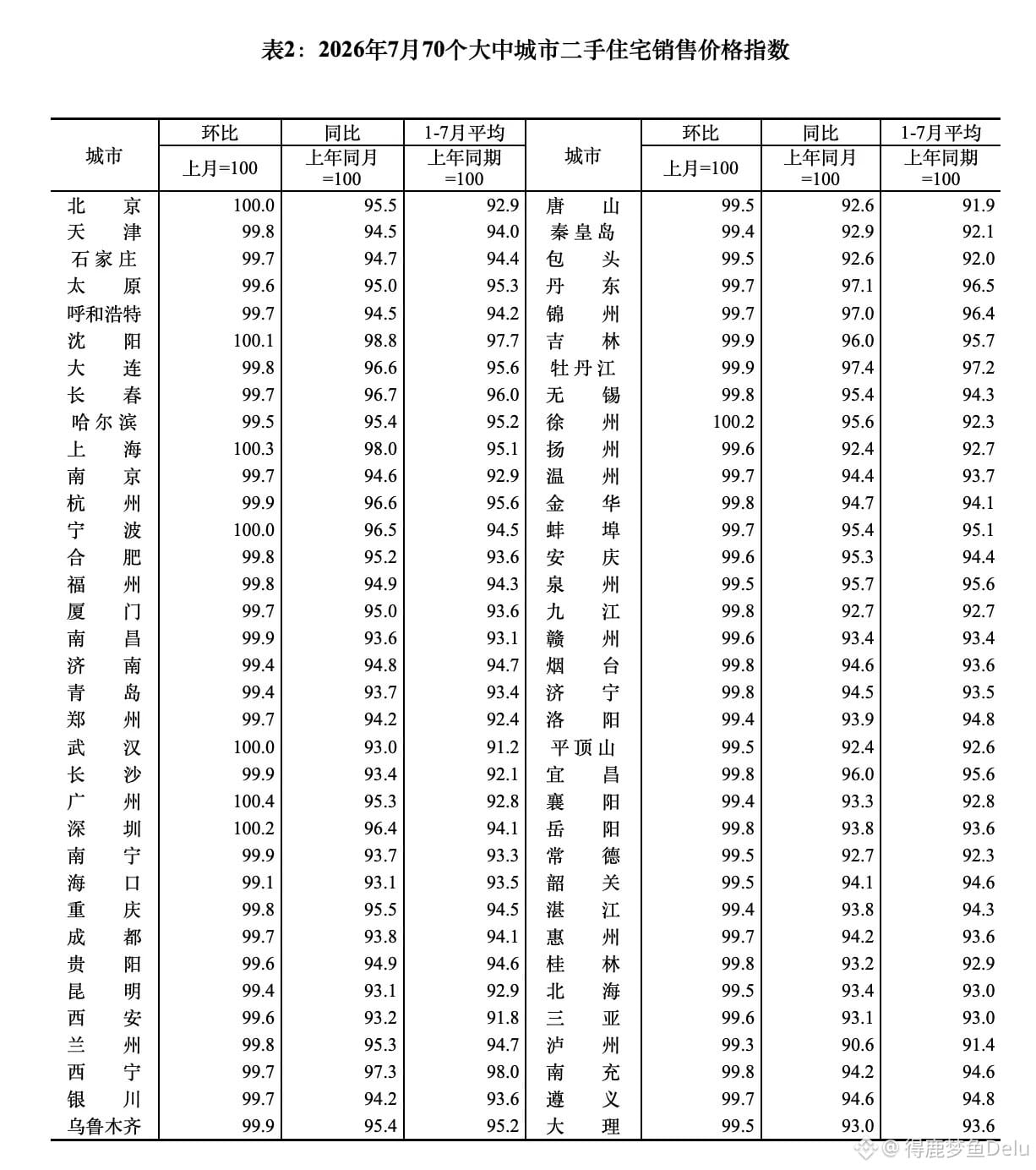
When can you “buy the dip” on property? While “Golden September and Silver October” hasn’t arrived for housing prices, “a weakening on a month-over-month basis” has come first. The 70-city second-hand home data released by the NBS in July shows that the number of cities with month-over-month price increases has dropped to only 8, down from 10 in June—a further decrease of 2. This year’s monthly peak was in March, when 17 cities were up; after that, the figures kept shrinking—16, 13, 10, 8. The group of cities seeing increases is continuously disintegrating, while cities with declines are becoming more and more concentrated. In first-tier cities, the adjustment appears to be more resilient than in others. Beijing, Shanghai, Guangzhou, and Shenzhen have managed to keep their month-over-month growth above 100 for consecutive months, which forms a stark contrast to the persistent weakening in second- and third-tier cities. That said, second- and third-tier cities are also showing some changes: the magnitude of the decline is actually narrowing. In many cities, month-over-month drops have already converged to within -1%. Cities with prices in the “high 90s” (i.e., 98.x and below) haven’t been seen for a while. To put it in one sentence: “The fall is slower now, but it’s still falling.” The issue is that a slow decline is still exhausting. At present, mortgage rates are roughly around 3%, while the annualized rental-to-sales ratio for residential properties generally fails to reach 2%. This math, by itself, creates negative cash flow. Even if prices only fall three or five percentage points each year, when you stack that with holding costs, the experience still isn’t easy. When this “pool of housing prices” will warm back up depends, to some extent, on when consumer demand truly picks up. Logically, these two things are tied together—so the consumer sector may not look particularly optimistic in the near term. My personal view: internally, it comes down to the rental-to-sales ratio, which we’ve already discussed, and to existing (stock) capital. Externally, it depends on when Hong Kong can become Asia’s economic hub, so that Asian conglomerate funds can radiate from Hong Kong into the mainland. It’s a long road. For conglomerates, Singapore, Seoul, and Tokyo are also options under consideration. Let’s look at the economic situation in 2028.
When can you “buy the dip” on property?
While “Golden September and Silver October” hasn’t arrived for housing prices, “a weakening on a month-over-month basis” has come first.

The 70-city second-hand home data released by the NBS in July shows that the number of cities with month-over-month price increases has dropped to only 8, down from 10 in June—a further decrease of 2. This year’s monthly peak was in March, when 17 cities were up; after that, the figures kept shrinking—16, 13, 10, 8. The group of cities seeing increases is continuously disintegrating, while cities with declines are becoming more and more concentrated.

In first-tier cities, the adjustment appears to be more resilient than in others. Beijing, Shanghai, Guangzhou, and Shenzhen have managed to keep their month-over-month growth above 100 for consecutive months, which forms a stark contrast to the persistent weakening in second- and third-tier cities.

That said, second- and third-tier cities are also showing some changes: the magnitude of the decline is actually narrowing. In many cities, month-over-month drops have already converged to within -1%. Cities with prices in the “high 90s” (i.e., 98.x and below) haven’t been seen for a while. To put it in one sentence: “The fall is slower now, but it’s still falling.”

The issue is that a slow decline is still exhausting. At present, mortgage rates are roughly around 3%, while the annualized rental-to-sales ratio for residential properties generally fails to reach 2%. This math, by itself, creates negative cash flow. Even if prices only fall three or five percentage points each year, when you stack that with holding costs, the experience still isn’t easy.

When this “pool of housing prices” will warm back up depends, to some extent, on when consumer demand truly picks up. Logically, these two things are tied together—so the consumer sector may not look particularly optimistic in the near term.

My personal view: internally, it comes down to the rental-to-sales ratio, which we’ve already discussed, and to existing (stock) capital. Externally, it depends on when Hong Kong can become Asia’s economic hub, so that Asian conglomerate funds can radiate from Hong Kong into the mainland. It’s a long road. For conglomerates, Singapore, Seoul, and Tokyo are also options under consideration. Let’s look at the economic situation in 2028.
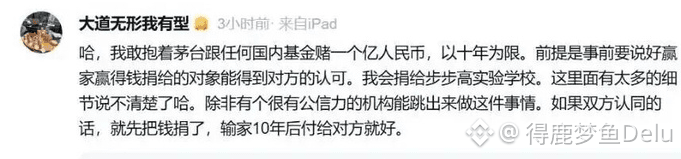
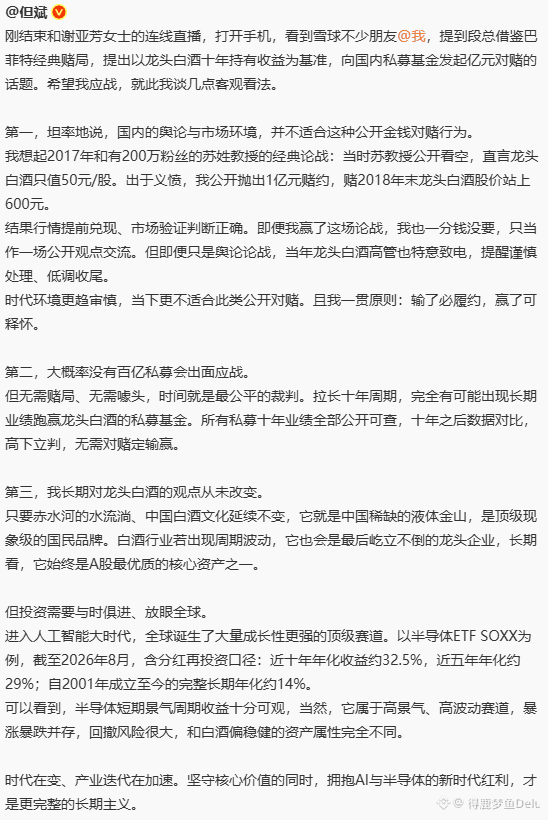
Investment Explosion, a Billion-yuan Bet—In essence, Moutai clashes with tech stocks Duang Yongping dares to bet 100 million yuan on Moutai, but Bian Zhuo didn’t take the deal. Duang Yongping’s logic is simple: Moutai is one of China’s best companies—worth holding long term, even if it means risking 100 million yuan to compete with domestic funds on returns. But Bian Zhuo’s view is more interesting: Moutai is still a core asset, but investing shouldn’t look only at the past. In the AI era, new high-growth tracks are being created around the world. Rather than clinging to traditional core assets, it’s better to widen your horizons globally and look for the next batch of companies that truly have long-term growth potential. So this isn’t a question of whether “Moutai is good or not.” The times are changing; industries are changing; investors should also continuously break out of their comfort zones. The real answer may not be whether Moutai can win, but whether you’re willing to back a business you can understand—waiting ten years, whether it’s Moutai or tech stocks. Time is the friend of great companies and the enemy of mediocre ones. The national team has cast its votes with their feet.
Investment Explosion, a Billion-yuan Bet—In essence, Moutai clashes with tech stocks
Duang Yongping dares to bet 100 million yuan on Moutai, but Bian Zhuo didn’t take the deal.

Duang Yongping’s logic is simple:
Moutai is one of China’s best companies—worth holding long term, even if it means risking 100 million yuan to compete with domestic funds on returns.

But Bian Zhuo’s view is more interesting:
Moutai is still a core asset, but investing shouldn’t look only at the past.
In the AI era, new high-growth tracks are being created around the world.
Rather than clinging to traditional core assets, it’s better to widen your horizons globally and look for the next batch of companies that truly have long-term growth potential.

So this isn’t a question of whether “Moutai is good or not.”
The times are changing; industries are changing; investors should also continuously break out of their comfort zones.

The real answer may not be whether Moutai can win, but whether you’re willing to back a business you can understand—waiting ten years, whether it’s Moutai or tech stocks.

Time is the friend of great companies and the enemy of mediocre ones. The national team has cast its votes with their feet.
得鹿梦鱼Delu
·
--
It’s blown up—what a mess! Profits are sliding, and even the national team has pulled out.
Last night, Kweichow Moutai released its interim report for the first half-year, but the “taste” doesn’t feel right anymore. Overall performance is clearly below expectations.

For the first half-year, revenue was about RMB 90.7 billion, up only 1.47%; non-GAAP net profit was about RMB 44.4 billion, down 2.04% year over year.
If you look only at Q2, the pressure is even more obvious:
Revenue declined about 9.2% year over year; non-GAAP net profit fell about 6.88%. Compared with earlier analyst expectations, it was roughly 10% lower.
This isn’t just a simple “slowdown in growth”—core profits are starting to show negative growth.

But I think within this Moutai report, there are a few changes that are truly worth paying attention to:
First, direct sales are getting stronger, while distributors are getting weaker.
In the first half-year, Moutai’s direct-to-consumer (direct) sales revenue was about RMB 51.9 billion, already accounting for more than half of total revenue. Previously, it relied heavily on a large distributor network; now it’s accelerating the shift toward direct operations and the end-user (C-end).
When the industry is booming, the distributor system helps spread the market. But once the industry enters an adjustment period, these middle links turn into costs and risks. So what Moutai is doing, in essence, is reorganizing its sales system.
Second, the cash flow looks almost overly impressive.
Net cash flow from operating activities was about RMB 70.7 billion, up more than 400%.
Cash and cash equivalents on the balance sheet have also reached about RMB 184.8 billion.
With still more than RMB 80 billion in earnings in a year, and so much cash sitting there.
My view is simple:
Don’t keep the money idle on the books forever.
Either increase dividends, or repurchase shares—anyway, it should find a way to return real cash to shareholders.
Of course, Moutai’s dividends have never been low over the years, and the core reason is easy to understand: Moutai Group holds about 60% of the shares of the listed company.
The more dividends paid, the more cash the major shareholder receives.
So compared with buybacks, dividends clearly better match the major shareholder’s cash-flow needs.

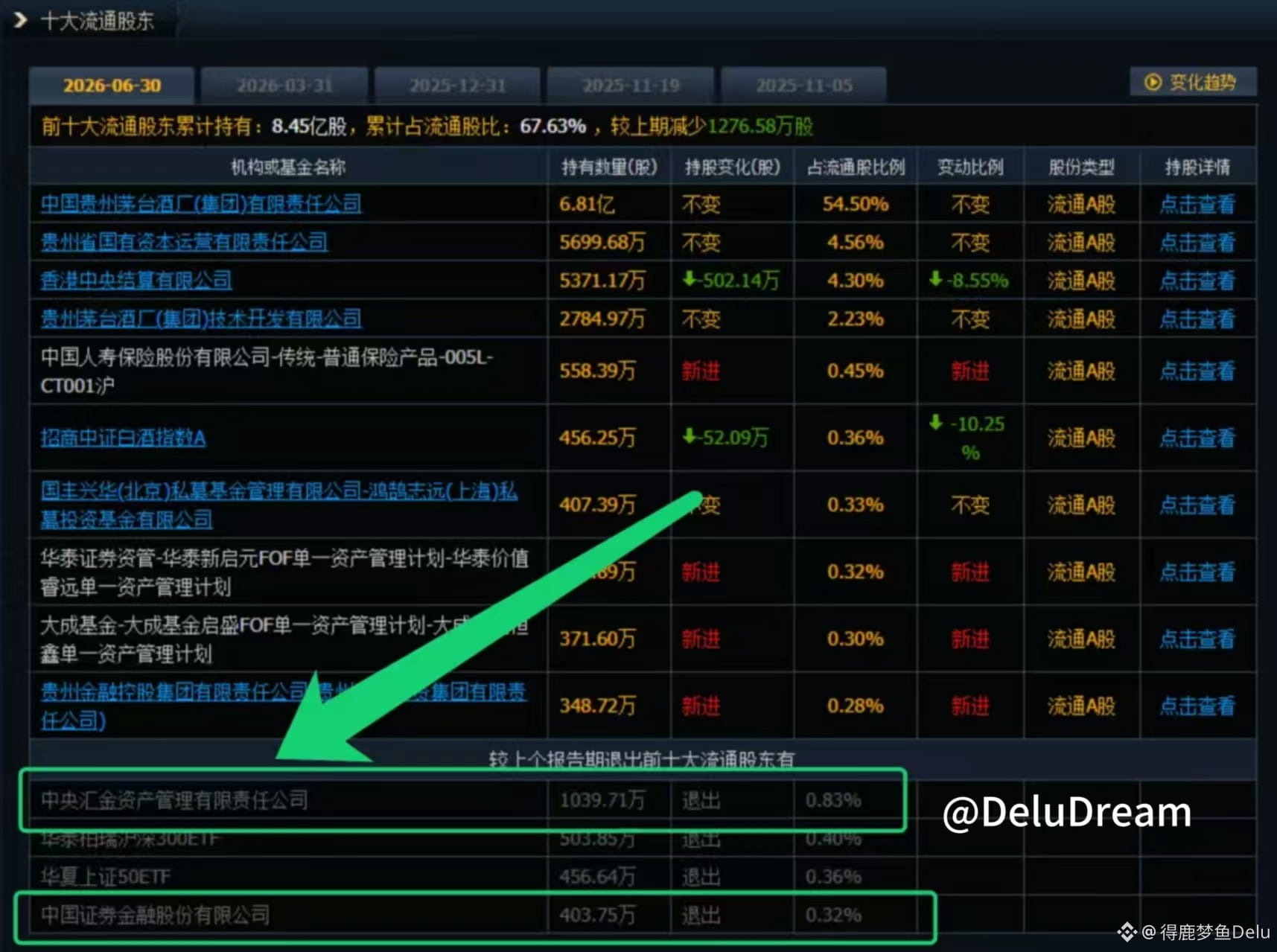
Third—and this is the one chart I think is most worth noticing— the national team is exiting.
From this list of the top ten tradable shareholders, Central Huijin and China Securities Finance Corporation are no longer appearing.
As for whether they’ve fully cleared their positions or the exact path of the reduction, it still needs confirmation with the complete holdings data.
But at least from the shareholder structure, the signal is already very clear:
Moutai is going through a comprehensive round of changes—across channels, profits, and even the shareholder structure.
It’s blown up—what a mess! Profits are sliding, and even the national team has pulled out. Last night, Kweichow Moutai released its interim report for the first half-year, but the “taste” doesn’t feel right anymore. Overall performance is clearly below expectations. For the first half-year, revenue was about RMB 90.7 billion, up only 1.47%; non-GAAP net profit was about RMB 44.4 billion, down 2.04% year over year. If you look only at Q2, the pressure is even more obvious: Revenue declined about 9.2% year over year; non-GAAP net profit fell about 6.88%. Compared with earlier analyst expectations, it was roughly 10% lower. This isn’t just a simple “slowdown in growth”—core profits are starting to show negative growth. But I think within this Moutai report, there are a few changes that are truly worth paying attention to: First, direct sales are getting stronger, while distributors are getting weaker. In the first half-year, Moutai’s direct-to-consumer (direct) sales revenue was about RMB 51.9 billion, already accounting for more than half of total revenue. Previously, it relied heavily on a large distributor network; now it’s accelerating the shift toward direct operations and the end-user (C-end). When the industry is booming, the distributor system helps spread the market. But once the industry enters an adjustment period, these middle links turn into costs and risks. So what Moutai is doing, in essence, is reorganizing its sales system. Second, the cash flow looks almost overly impressive. Net cash flow from operating activities was about RMB 70.7 billion, up more than 400%. Cash and cash equivalents on the balance sheet have also reached about RMB 184.8 billion. With still more than RMB 80 billion in earnings in a year, and so much cash sitting there. My view is simple: Don’t keep the money idle on the books forever. Either increase dividends, or repurchase shares—anyway, it should find a way to return real cash to shareholders. Of course, Moutai’s dividends have never been low over the years, and the core reason is easy to understand: Moutai Group holds about 60% of the shares of the listed company. The more dividends paid, the more cash the major shareholder receives. So compared with buybacks, dividends clearly better match the major shareholder’s cash-flow needs. Third—and this is the one chart I think is most worth noticing— the national team is exiting. From this list of the top ten tradable shareholders, Central Huijin and China Securities Finance Corporation are no longer appearing. As for whether they’ve fully cleared their positions or the exact path of the reduction, it still needs confirmation with the complete holdings data. But at least from the shareholder structure, the signal is already very clear: Moutai is going through a comprehensive round of changes—across channels, profits, and even the shareholder structure.
It’s blown up—what a mess! Profits are sliding, and even the national team has pulled out.
Last night, Kweichow Moutai released its interim report for the first half-year, but the “taste” doesn’t feel right anymore. Overall performance is clearly below expectations.

For the first half-year, revenue was about RMB 90.7 billion, up only 1.47%; non-GAAP net profit was about RMB 44.4 billion, down 2.04% year over year.
If you look only at Q2, the pressure is even more obvious:
Revenue declined about 9.2% year over year; non-GAAP net profit fell about 6.88%. Compared with earlier analyst expectations, it was roughly 10% lower.
This isn’t just a simple “slowdown in growth”—core profits are starting to show negative growth.

But I think within this Moutai report, there are a few changes that are truly worth paying attention to:
First, direct sales are getting stronger, while distributors are getting weaker.
In the first half-year, Moutai’s direct-to-consumer (direct) sales revenue was about RMB 51.9 billion, already accounting for more than half of total revenue. Previously, it relied heavily on a large distributor network; now it’s accelerating the shift toward direct operations and the end-user (C-end).
When the industry is booming, the distributor system helps spread the market. But once the industry enters an adjustment period, these middle links turn into costs and risks. So what Moutai is doing, in essence, is reorganizing its sales system.
Second, the cash flow looks almost overly impressive.
Net cash flow from operating activities was about RMB 70.7 billion, up more than 400%.
Cash and cash equivalents on the balance sheet have also reached about RMB 184.8 billion.
With still more than RMB 80 billion in earnings in a year, and so much cash sitting there.
My view is simple:
Don’t keep the money idle on the books forever.
Either increase dividends, or repurchase shares—anyway, it should find a way to return real cash to shareholders.
Of course, Moutai’s dividends have never been low over the years, and the core reason is easy to understand: Moutai Group holds about 60% of the shares of the listed company.
The more dividends paid, the more cash the major shareholder receives.
So compared with buybacks, dividends clearly better match the major shareholder’s cash-flow needs.

Third—and this is the one chart I think is most worth noticing— the national team is exiting.
From this list of the top ten tradable shareholders, Central Huijin and China Securities Finance Corporation are no longer appearing.
As for whether they’ve fully cleared their positions or the exact path of the reduction, it still needs confirmation with the complete holdings data.
But at least from the shareholder structure, the signal is already very clear:
Moutai is going through a comprehensive round of changes—across channels, profits, and even the shareholder structure.

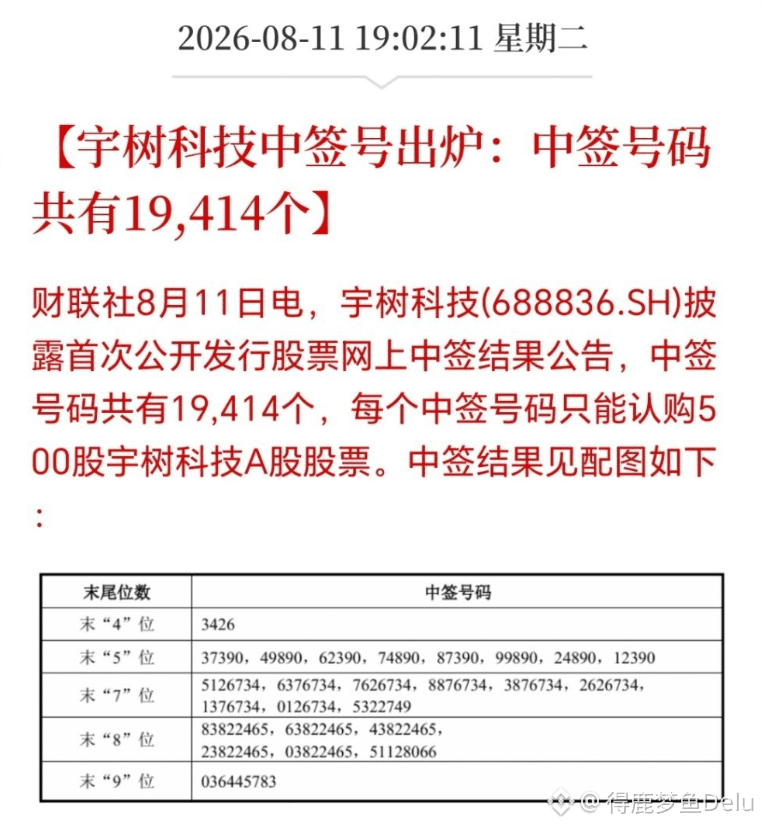
What others drew was UTree; what you drew was—keep moving bricks. 😂 9.78 million people competed, and only 19,400 people got the “lottery ticket” from UTree Technology! 🤖🎯 UTree Technology’s subscription results are officially out: On the evening of August 11, UTree Technology released its online lottery results, generating 19,414 winning subscription numbers in total. Each winning number allows the purchase of 500 shares. Based on a 0.0181% subscription-win rate, it means only about 1 person out of roughly 5,500 can get a winning lot. For this new share offering, it’s no longer about who has the most capital—it’s purely about luck. To secure one winning lot, you need to pay about 754,000 yuan. If the market is crazy enough after listing, and based on the high expectations for UTree Technology reflected in the market beforehand, a potential profit of 200,000 to 300,000 yuan per lot is by no means unimaginable. Of course, how much you ultimately make still depends on the real trading price after listing. Online quotations for related on-chain assets can only serve as sentiment references. And for those who didn’t get picked, don’t be downhearted: Others drew UTree, and you drew—keep moving bricks. 😂 After all, A-share IPO subscriptions have always been a probability game. Some people win big on one lot; others with millions of yuan just line up and wait. With 9.78 million participants, in the end only 19,400 become “chosen ones.” Even if 75,000 yuan didn’t get paid out, it still saves a chunk of principal for your account. Next time, keep the lottery spinning. 🎰
What others drew was UTree; what you drew was—keep moving bricks. 😂

9.78 million people competed, and only 19,400 people got the “lottery ticket” from UTree Technology! 🤖🎯

UTree Technology’s subscription results are officially out:

On the evening of August 11, UTree Technology released its online lottery results, generating 19,414 winning subscription numbers in total. Each winning number allows the purchase of 500 shares.

Based on a 0.0181% subscription-win rate, it means only about 1 person out of roughly 5,500 can get a winning lot.

For this new share offering, it’s no longer about who has the most capital—it’s purely about luck.

To secure one winning lot, you need to pay about 754,000 yuan. If the market is crazy enough after listing, and based on the high expectations for UTree Technology reflected in the market beforehand, a potential profit of 200,000 to 300,000 yuan per lot is by no means unimaginable.

Of course, how much you ultimately make still depends on the real trading price after listing. Online quotations for related on-chain assets can only serve as sentiment references.

And for those who didn’t get picked, don’t be downhearted:

Others drew UTree, and you drew—keep moving bricks. 😂

After all, A-share IPO subscriptions have always been a probability game.

Some people win big on one lot; others with millions of yuan just line up and wait.

With 9.78 million participants, in the end only 19,400 become “chosen ones.”

Even if 75,000 yuan didn’t get paid out, it still saves a chunk of principal for your account.

Next time, keep the lottery spinning.
🎰
得鹿梦鱼Delu
·
--
Super awesome! Unitree Technology’s IPO issue price has been officially set. Because the odds of getting an allocation are so hard, netizens joke that if you do get an allocation, you must be the Son of Fortune.

The final issue price was set at RMB 150.8 per share. Based on one lot representing 500 shares, you would need to pay about RMB 75,400 after being allocated. Using the company’s 2025 non-recurring profit of approximately RMB 591 million as a reference, the issue P/E ratio is about 103x. Compared with traditional manufacturing companies, it isn’t cheap. But considering that the humanoid robotics sector is still in a phase of rapid growth, institutional pricing largely reflects expected performance over the next 2–3 years.

This IPO will raise about RMB 6 billion, issuing roughly 40 million shares—about 10% of the total share capital—corresponding to an overall company valuation of around RMB 60 billion. For many investors who have been watching robotics companies with exceptionally high attention in recent years, many believe this valuation still has room to grow, and the company’s post-listing market performance is worth continued attention.

The real difficulty isn’t the valuation—it’s the probability of getting an allocation.

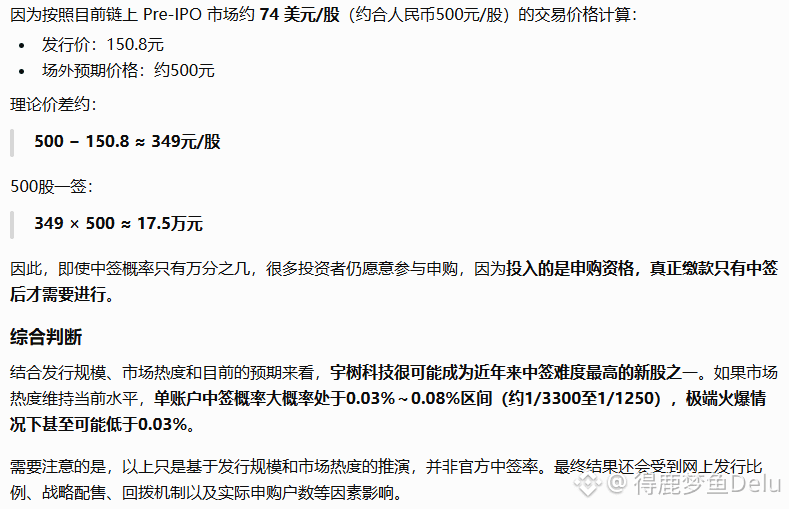
Compared with the earlier large-scale issuance by CXMT (ChangXin Memory Technologies), Unitree’s share issuance this time is more than a hundred times smaller. The float is clearly much smaller too, meaning the challenge of getting an allocation has increased significantly. The attached image includes an AI-simulated allocation probability. Netizens joke that if you get an allocation, you’re either a “Dragon King” (Tianlongren) or the Son of Fortune.

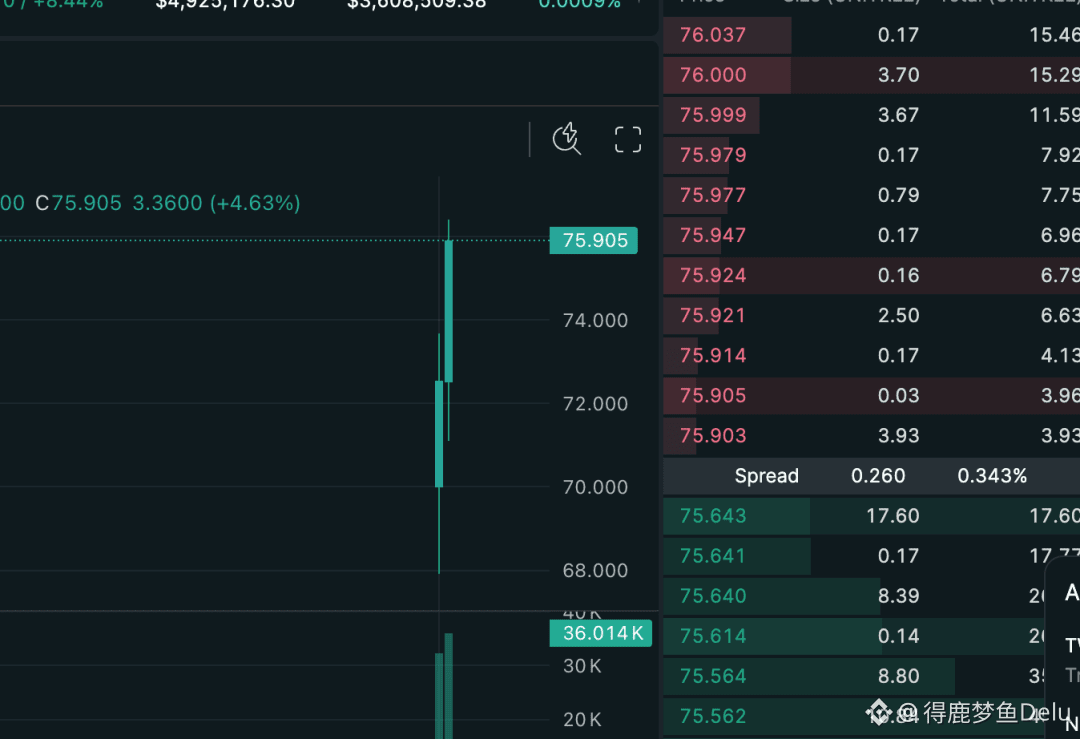
Opinions also differ regarding IPO subscription returns. Some people shout, “One lot makes RMB 300,000,” while others think that target is overly optimistic. Based on the current on-chain Pre-IPO market transaction price of about USD 74 per share (roughly RMB 500 per share), the theoretical profit per one lot is about RMB 170,000. Many market participants believe RMB 150,000 to RMB 200,000 might be a relatively reasonable expectation range, while RMB 300,000 would require extremely strong post-listing demand for capital.

It’s important to note that the on-chain Pre-IPO price comes from off-exchange market trading, with significant volatility. It can only serve as a reference for market sentiment and expectations, and it does not represent the true transaction price after the stock is officially listed.

Overall, Unitree Technology’s biggest highlight may not be “how much it’s worth,” but rather whether the combination of a scarce float and high enthusiasm for the robotics sector can continue to drive premium performance after listing. What ultimately determines returns is not only market sentiment, but also a more practical question—whether you can actually get an allocation.
How to tell if a boy will have a promising future? You’ve probably heard of Sequoia Capital. As one of the world’s top venture capital firms, over more than 50 years it has almost “witnessed” and backed every major company of the tech era: from Fairchild Semiconductor and Apple, to Google, WhatsApp, ByteDance, and now OpenAI. So if you want to study “what kind of people are more likely to achieve success,” Sequoia’s long-standing logic for selecting talent is well worth paying attention to. I’ve summarized it into a few traits: First, a strong sense of “insecurity.” This “insecurity” is closer to the English word desperation—an intense desire to prove oneself. People like this often haven’t had a smooth ride. They may have experienced setbacks, failures, or long periods of not being recognized, so deep down there’s always a drive: I need to prove myself. I can do even better. Doug Leone, Sequoia’s former managing partner, is a typical example. Born to an Italian immigrant family, he came to the United States at age 11. Because he couldn’t speak English, he faced exclusion and bullying. Such experiences may leave a “gap” in someone’s heart—but they can also be transformed into powerful motivation. What’s truly frightening isn’t that someone has ambition, but that they have ambition and are also willing to suffer for the long term. Second, it’s best if a person has some traits that seem “contradictory” at the same time. Sequoia cares a lot about these combinations: Aggressive but humble: assertive, yet remain modest Demanding and supportive: hold yourself and others to a high standard, while being willing to help others Strong under scrutiny: can stand up to questioning and high-intensity discussions High give-a-shit, zero bullshit: deeply cares about outcomes, with no nonsense Truly impressive people are often not outstanding in just one dimension. Instead, they can hold ambition and humility, toughness and kindness, persistence and openness within themselves at the same time. This reminds me of a line by F. Scott Fitzgerald: “The test of a first-rate intelligence is the ability to hold two opposed ideas in the mind at the same time and still function.” Third, whether he is someone who focuses on “Fewer, Better Things.” Do less, but take what matters most to the absolute extreme. One of the biggest traps of this era is that there are too many opportunities. If you want to grab everything and do everything, you often end up not going deep into anything.
How to tell if a boy will have a promising future?

You’ve probably heard of Sequoia Capital. As one of the world’s top venture capital firms, over more than 50 years it has almost “witnessed” and backed every major company of the tech era: from Fairchild Semiconductor and Apple, to Google, WhatsApp, ByteDance, and now OpenAI.

So if you want to study “what kind of people are more likely to achieve success,” Sequoia’s long-standing logic for selecting talent is well worth paying attention to.

I’ve summarized it into a few traits:

First, a strong sense of “insecurity.”

This “insecurity” is closer to the English word desperation—an intense desire to prove oneself.

People like this often haven’t had a smooth ride. They may have experienced setbacks, failures, or long periods of not being recognized, so deep down there’s always a drive:

I need to prove myself. I can do even better.

Doug Leone, Sequoia’s former managing partner, is a typical example. Born to an Italian immigrant family, he came to the United States at age 11. Because he couldn’t speak English, he faced exclusion and bullying.

Such experiences may leave a “gap” in someone’s heart—but they can also be transformed into powerful motivation.

What’s truly frightening isn’t that someone has ambition, but that they have ambition and are also willing to suffer for the long term.

Second, it’s best if a person has some traits that seem “contradictory” at the same time.

Sequoia cares a lot about these combinations:

Aggressive but humble: assertive, yet remain modest
Demanding and supportive: hold yourself and others to a high standard, while being willing to help others
Strong under scrutiny: can stand up to questioning and high-intensity discussions
High give-a-shit, zero bullshit: deeply cares about outcomes, with no nonsense

Truly impressive people are often not outstanding in just one dimension. Instead, they can hold ambition and humility, toughness and kindness, persistence and openness within themselves at the same time.

This reminds me of a line by F. Scott Fitzgerald:

“The test of a first-rate intelligence is the ability to hold two opposed ideas in the mind at the same time and still function.”

Third, whether he is someone who focuses on “Fewer, Better Things.”

Do less, but take what matters most to the absolute extreme.

One of the biggest traps of this era is that there are too many opportunities.

If you want to grab everything and do everything, you often end up not going deep into anything.
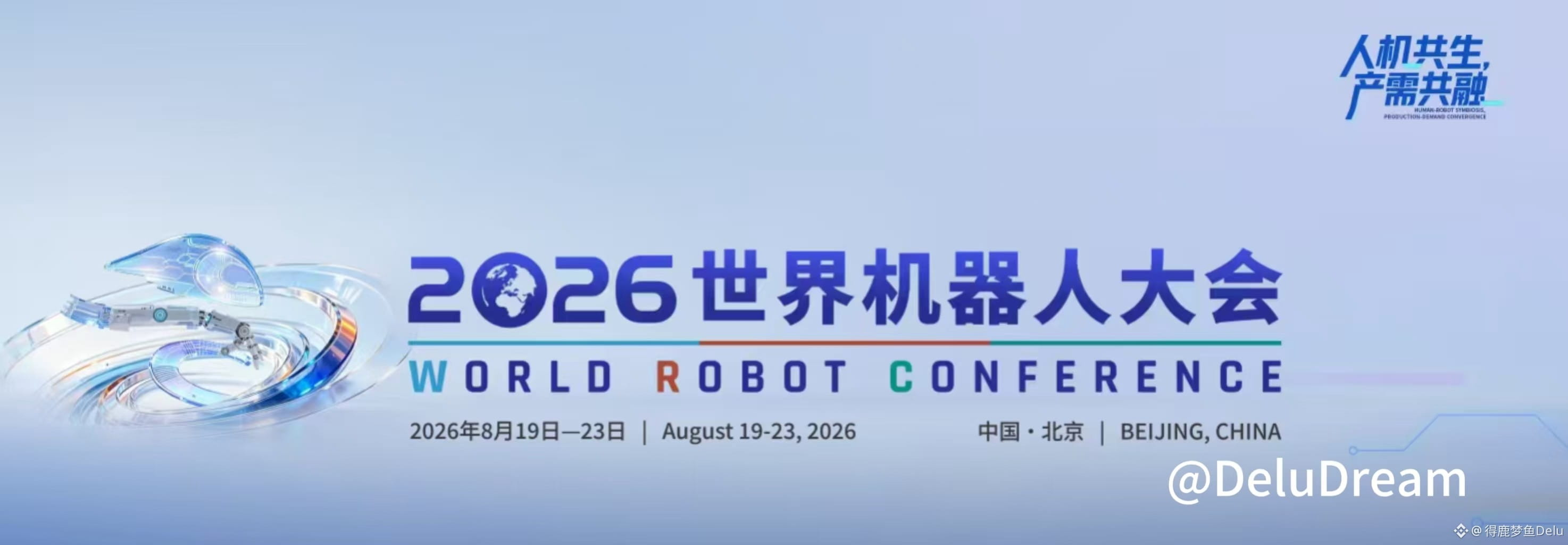
The 2026 World Robot Conference is about to open, and China’s domestic robot industry chain is coming together for a “grand gathering” That evil yet all-powerful salted fish has already grabbed an early-bird ticket. And a Red Sweet Potato (Xiaohongshu) netizen joked: before, I thought robots would explode in five years; after, I think it’ll be ten years. Below is the overview. Personally, I’m quite looking forward to it. Time: August 19—August 23 Venue: Beijing Beiren Yichuang International Exhibition Center This year’s conference brings together many leading companies in China’s embodied intelligence and robotics sectors. Intelligence Innovation Hall (Hall C) Companies including Unitree Robotics, Xinghai Tu, UBTECH, Galaxy General, Zibian, Mingshi Technology, VIT.A Power, Zhishen Technology, Cloud Deep, Furier, Youbot, Xian Gong, and CAS-Intelligence will showcase humanoid robots, embodied intelligence systems, and complete robot products. Intelligence Synergy Hall (Hall B) Companies such as Zhongqing, Xindong Yuan, Accelerated Evolution, SIASUN, Leju, Songyan Power, YouriQi, Qianxun Intelligent, Pasini, Hechuan, Lingxin Qiaoshou, and Tishan Technology will appear, covering areas like motion control, robot bodies, and intelligent interaction. Intelligent Manufacturing Hall (Hall A) Companies including Jingcheng Electromechanical, Luoshi, CITIC Heavy Industries, Haier, Feixi, Reelman, Yunjì, Qiling, Pudu, and more will demonstrate robot manufacturing and application scenarios. In addition, core component companies such as Green HARMONICS, Wolong Electric Drive, Motic Electrical, Leisai Intelligent, and Wuzhou Xinchun will also be concentrated on-site, showcasing breakthroughs in underlying technologies across the robot industry chain. Intelligence Fun Hall (Hall D) Companies including CAS Cloud Valley, MindTalk Technology, Moke Robotics, Hongke Zhixing, Penetrating Mountain Axle (Chuangshanshajia), Songling, and others will bring more innovative applications, and some of them will also hold robot interactive performances. From the robot body itself, to the AI “brain,” to core components—China’s robot industry chain is speeding up to take shape. In the past few years, the industry was still stuck in the “concepts and demos” stage. Now, with continuing breakthroughs in embodied intelligence, humanoid robots, motion control, and AI models, robots are moving from laboratories toward commercial deployment. On August 19, Beijing will witness a new round of competition for China’s robot industry. Humanoid robots may be becoming the next new battleground for China’s technology industry after new energy vehicles. #世界机器人大会
The 2026 World Robot Conference is about to open, and China’s domestic robot industry chain is coming together for a “grand gathering”

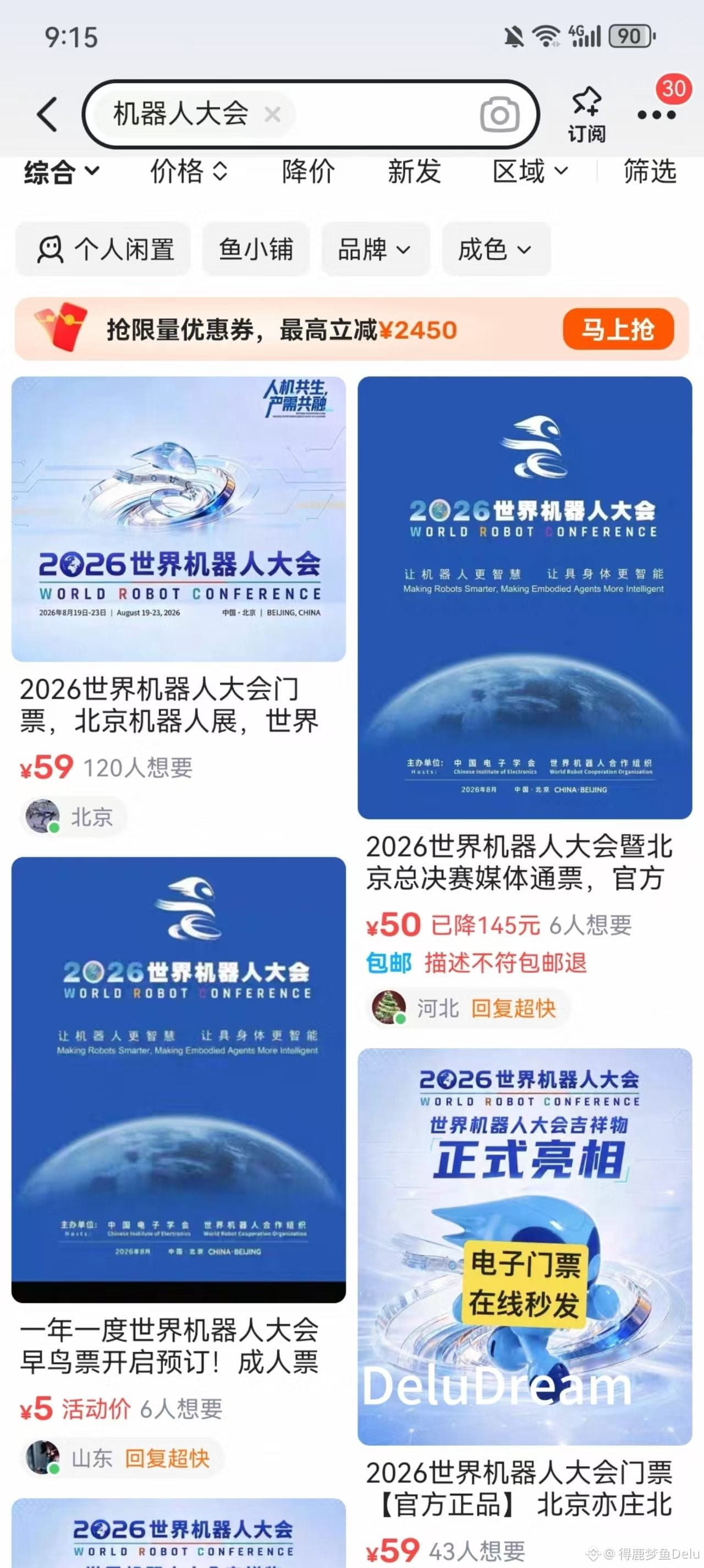
That evil yet all-powerful salted fish has already grabbed an early-bird ticket.
And a Red Sweet Potato (Xiaohongshu) netizen joked: before, I thought robots would explode in five years; after, I think it’ll be ten years.

Below is the overview. Personally, I’m quite looking forward to it.
Time: August 19—August 23
Venue: Beijing Beiren Yichuang International Exhibition Center
This year’s conference brings together many leading companies in China’s embodied intelligence and robotics sectors.
Intelligence Innovation Hall (Hall C)
Companies including Unitree Robotics, Xinghai Tu, UBTECH, Galaxy General, Zibian, Mingshi Technology, VIT.A Power, Zhishen Technology, Cloud Deep, Furier, Youbot, Xian Gong, and CAS-Intelligence will showcase humanoid robots, embodied intelligence systems, and complete robot products.
Intelligence Synergy Hall (Hall B)
Companies such as Zhongqing, Xindong Yuan, Accelerated Evolution, SIASUN, Leju, Songyan Power, YouriQi, Qianxun Intelligent, Pasini, Hechuan, Lingxin Qiaoshou, and Tishan Technology will appear, covering areas like motion control, robot bodies, and intelligent interaction.
Intelligent Manufacturing Hall (Hall A)
Companies including Jingcheng Electromechanical, Luoshi, CITIC Heavy Industries, Haier, Feixi, Reelman, Yunjì, Qiling, Pudu, and more will demonstrate robot manufacturing and application scenarios.
In addition, core component companies such as Green HARMONICS, Wolong Electric Drive, Motic Electrical, Leisai Intelligent, and Wuzhou Xinchun will also be concentrated on-site, showcasing breakthroughs in underlying technologies across the robot industry chain.
Intelligence Fun Hall (Hall D)
Companies including CAS Cloud Valley, MindTalk Technology, Moke Robotics, Hongke Zhixing, Penetrating Mountain Axle (Chuangshanshajia), Songling, and others will bring more innovative applications, and some of them will also hold robot interactive performances.

From the robot body itself, to the AI “brain,” to core components—China’s robot industry chain is speeding up to take shape.
In the past few years, the industry was still stuck in the “concepts and demos” stage. Now, with continuing breakthroughs in embodied intelligence, humanoid robots, motion control, and AI models, robots are moving from laboratories toward commercial deployment.
On August 19, Beijing will witness a new round of competition for China’s robot industry.
Humanoid robots may be becoming the next new battleground for China’s technology industry after new energy vehicles.

#世界机器人大会
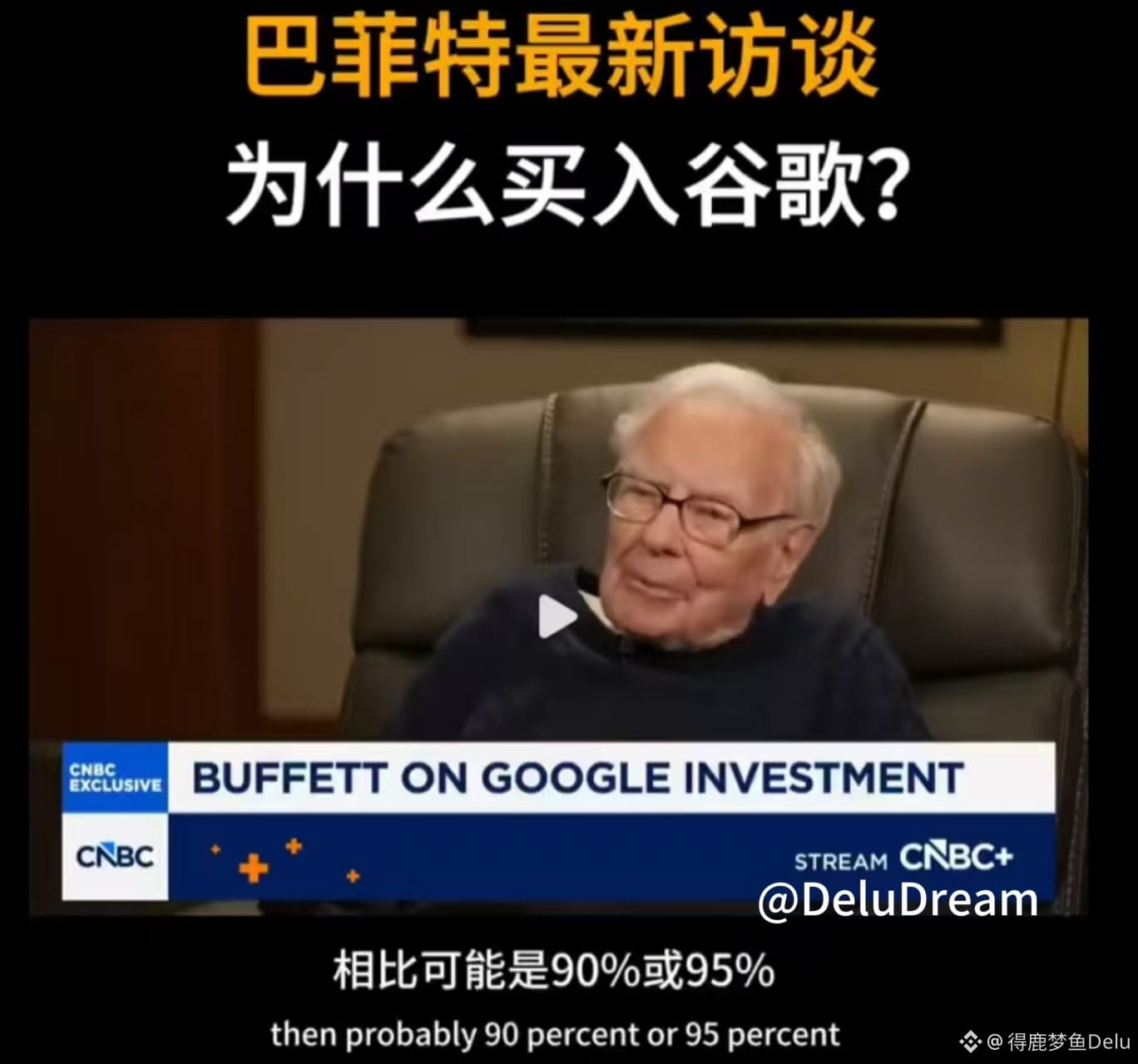
Buffett doesn’t lack an understanding of technology—he’s simply been waiting for tech companies to become businesses he can truly understand. Berkshire has finally started spending money. In Q2, Berkshire sent out a very important signal: after 14 consecutive quarters of net selling stocks, it finally returned to large-scale buying. In Q2, Berkshire bought about $23.5 billion worth of stocks, sold about $3.7 billion, and achieved a net purchase of roughly $19.8 billion. Even more worth noting is that Alphabet (Google’s parent company) has officially entered Berkshire’s top five largest holdings, replacing Chevron. As of now, the top five holdings include: ① Alphabet ② American Express ③ Apple ④ Bank of America ⑤ Coca-Cola Meanwhile, in Q2 Berkshire repurchased about $4.53 billion of its own shares, with the buyback力度 clearly increasing. Cash reserves also fell from about $397.4 billion at the end of Q1 to about $364.7 billion at the end of Q2. In other words, Berkshire is undergoing a clear shift: In recent years, it kept stockpiling cash and waiting for opportunities; now it has started putting that cash back into the market. And the most thought-provoking part of this is the roughly $10 billion Alphabet investment. In the Buffett era, Berkshire has long centered on high-quality consumer and financial businesses represented by Apple. But now Google has entered the core holdings. Behind this bet, it’s obviously not just the traditional search business—it’s: The search moat + AI large models + Google Cloud growth. So what this earnings report is truly worth focusing on isn’t how much profits have risen, but the shift in capital allocation: Berkshire has finally begun re-entering the market from a “cash-on-hand while waiting” posture. The most interesting change is that Buffett’s rare tech-heavy late-era positioning may be turning into Berkshire’s new core asset. And Buffett is betting that Google can emerge victorious after competing with other tech companies in the AI race—with a 90% likelihood. His judgment is simply too sharp.
Buffett doesn’t lack an understanding of technology—he’s simply been waiting for tech companies to become businesses he can truly understand.

Berkshire has finally started spending money.
In Q2, Berkshire sent out a very important signal: after 14 consecutive quarters of net selling stocks, it finally returned to large-scale buying.
In Q2, Berkshire bought about $23.5 billion worth of stocks, sold about $3.7 billion, and achieved a net purchase of roughly $19.8 billion.

Even more worth noting is that Alphabet (Google’s parent company) has officially entered Berkshire’s top five largest holdings, replacing Chevron.
As of now, the top five holdings include:
① Alphabet
② American Express
③ Apple
④ Bank of America
⑤ Coca-Cola

Meanwhile, in Q2 Berkshire repurchased about $4.53 billion of its own shares, with the buyback力度 clearly increasing.
Cash reserves also fell from about $397.4 billion at the end of Q1 to about $364.7 billion at the end of Q2.

In other words, Berkshire is undergoing a clear shift:
In recent years, it kept stockpiling cash and waiting for opportunities; now it has started putting that cash back into the market.
And the most thought-provoking part of this is the roughly $10 billion Alphabet investment.

In the Buffett era, Berkshire has long centered on high-quality consumer and financial businesses represented by Apple. But now Google has entered the core holdings.
Behind this bet, it’s obviously not just the traditional search business—it’s:
The search moat + AI large models + Google Cloud growth.
So what this earnings report is truly worth focusing on isn’t how much profits have risen, but the shift in capital allocation:
Berkshire has finally begun re-entering the market from a “cash-on-hand while waiting” posture.

The most interesting change is that Buffett’s rare tech-heavy late-era positioning may be turning into Berkshire’s new core asset.

And Buffett is betting that Google can emerge victorious after competing with other tech companies in the AI race—with a 90% likelihood. His judgment is simply too sharp.
得鹿梦鱼Delu
·
--
Google’s parent company Alphabet’s latest earnings report sends an important signal: the AI arms race hasn’t cooled down yet.
Alphabet reported second-quarter results:
📌 Revenue: $119.8 billion, up 24% year over year
📌 Operating profit: $40.8 billion, up 30% year over year
📌 Net profit: $112.1 billion, up 298% year over year
Both revenue and operating profit beat market expectations.
However, the sharp surge in net profit was mainly driven by one-time factors, including gains from investments in spcx and Anthropic, and does not fully reflect growth in core business.
What the market is really watching is AI spending.
Alphabet raised its full-year capital expenditure forecast to:
$195–205 billion
Previously, the guidance was:
$170 billion
The increase is about 17%.
For the entire AI industry supply chain, this is an important signal.
Earlier, the market had been worried that after rapid expansion in AI infrastructure investment, tech giants might start slowing their capital spending.
But Google continues to ramp up spending, at least temporarily easing some market concerns.
Yet behind the earnings report there are also hidden risks.
Alphabet’s free cash flow in the second quarter was:
-$5.9 billion
This is the first time since the company went public that quarterly free cash flow turned negative.
The main reason is massive AI infrastructure investment.
The capital markets have already made their own judgment:
After the earnings release, Alphabet’s stock price fell by about 5%.
Investors aren’t worried that Google won’t have AI opportunities—they’re worried instead about:
How long will AI spending take to translate into real returns?
This question also affects the entire AI hardware supply chain.
Whether it’s:
AI chips, HBM memory, optical modules, high-speed interconnect cables, liquid-cooling equipment
At their core, all of them depend on cloud computing giants like Microsoft, Google, Meta, and Amazon to keep increasing capital expenditures.
If these giants start cutting budgets, the industry cycle for upstream suppliers could also peak.
So the message from Alphabet’s earnings report is contradictory:
On one hand, AI demand remains strong, and the giants are still pouring money in relentlessly;
On the other hand, massive capital spending is testing investors’ patience.
The core question for the future of the AI industry has shifted from:
“Who will spend more?”
to:
“Who can turn investment into business returns the fastest?”
This will determine the winners in the next round of the AI industry supply chain.
#AI #Google #Alphabet #NVIDIA #Semiconductors #TechInvestment #ArtificialIntelligence
BRK.BUS-0.41%
GOOGLB-0.32%
Relationships are also a long-term investment Intentionally distance yourself from three types of people who will keep dragging you down— those with a victim mentality of complaining and shirking responsibility, smart people with no moral bottom line, and stubborn people who refuse to keep learning. They will drain your emotions, undermine trust, and hinder your growth. Instead, deliberately befriend people who are upright and trustworthy, who keep improving, who are generous without keeping score, who are emotionally stable, who are long-term oriented, and whose values align with yours. These relationships can bring cognitive growth and compound opportunities. The truly effective approach isn’t broad socializing— it’s to simplify your circle, get to know people through the details, recognize problems early and cut your losses in time, and continuously improve yourself. People are only drawn to others at a similar level. Socialize only for filtering purposes: save energy, align with people whose cognition matches yours, walk alongside them, and learn from those with higher “ranks.” Enjoy a great weekend. Have a happy weekend. Thank you.
Relationships are also a long-term investment

Intentionally distance yourself from three types of people who will keep dragging you down—
those with a victim mentality of complaining and shirking responsibility,
smart people with no moral bottom line,
and stubborn people who refuse to keep learning.

They will drain your emotions, undermine trust, and hinder your growth.

Instead, deliberately befriend people who are upright and trustworthy, who keep improving, who are generous without keeping score, who are emotionally stable, who are long-term oriented, and whose values align with yours.

These relationships can bring cognitive growth and compound opportunities.

The truly effective approach isn’t broad socializing—
it’s to simplify your circle, get to know people through the details, recognize problems early and cut your losses in time, and continuously improve yourself.

People are only drawn to others at a similar level.

Socialize only for filtering purposes: save energy, align with people whose cognition matches yours, walk alongside them, and learn from those with higher “ranks.”

Enjoy a great weekend. Have a happy weekend. Thank you.
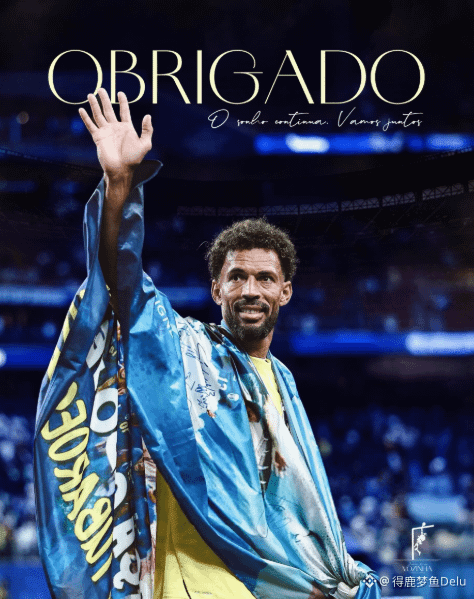
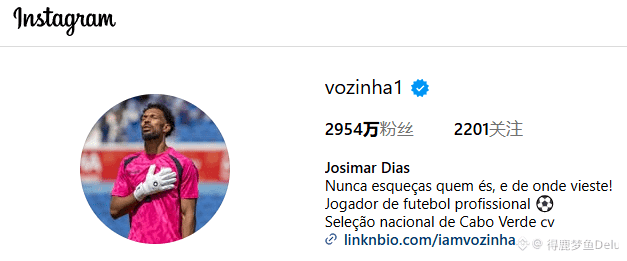
Good food isn’t afraid of being late; the Cabo Verde door-guard’s market value soars by 1000% At 40, Cabo Verde goalkeeper Vozinija led the team at the 2026 World Cup to a clean-sheet shutout of champions Spain and a draw against Argentina. His value jumped from €50,000 to €500,000—an increase of 1000%. After the surge, he officially signed with Chilean powerhouse Colo-Colo. Currently, his International version of Little Red Book account has 30 million followers. At the time, the ridicule was so loud it nearly drowned out your will. Everyone looked down on you, but you were the one who proved yourself most fiercely. After those two matches, who in the world didn’t know your name? Good food isn’t afraid of being late; the gold will always shine. If you truly believe you have something and real skills, then you should even more rely on that grit to make yourself. Come on, my fan friends.
Good food isn’t afraid of being late; the Cabo Verde door-guard’s market value soars by 1000%

At 40, Cabo Verde goalkeeper Vozinija led the team at the 2026 World Cup to a clean-sheet shutout of champions Spain and a draw against Argentina. His value jumped from €50,000 to €500,000—an increase of 1000%. After the surge, he officially signed with Chilean powerhouse Colo-Colo. Currently, his International version of Little Red Book account has 30 million followers.

At the time, the ridicule was so loud it nearly drowned out your will.

Everyone looked down on you, but you were the one who proved yourself most fiercely.

After those two matches, who in the world didn’t know your name?

Good food isn’t afraid of being late; the gold will always shine.

If you truly believe you have something and real skills, then you should even more rely on that grit to make yourself.

Come on, my fan friends.
得鹿梦鱼Delu
·
--
🏆 Spain Return to the Top of the World! Wins the World Cup for the Second Time in 16 Years!
The 2026 Canada–USA–Mexico World Cup final has come to an end.
After a fierce 120-minute battle with Argentina, Spain and Argentina saw a blank draw during regular time. It was only in extra time that Ferran Torres stepped up, scoring the match’s only goal and helping Spain defeat the defending champions 1-0 to secure their second-ever World Cup title.
This is a new golden age for Spanish football.
Compared with the 2010 squad, the “Bullfighters” known for their possession-based style, today’s Spain is younger and more pragmatic. Throughout the tournament, their defense stayed steady and their game control was excellent—when it mattered most, they never faltered.
📊 Spain’s path to qualification this World Cup:
✅ Group Stage
0-0 Cape Verde
4-0 Saudi Arabia
1-0 Uruguay
✅ Knockout Stage
3-0 Austria
1-0 Portugal
2-1 Belgium
2-0 France
1-0 Argentina (after extra time)
Notably, after entering the knockout rounds, Spain kept four straight clean sheets—conceding only once, in the match against Belgium. Both defensively and offensively, they demonstrated champion-level consistency.
For Argentina, reaching the final in two consecutive World Cups is already highly admirable, but this time they couldn’t complete the title defense.
And for Spain, from European Championship winners to World Cup champions—this young team has officially transformed, once again standing on the highest podium in world football.
⚽ 16 years of waiting finally bring the second star.
Did you get in on this one? Anyway, with the World Cup over and liquidity back, once US stock traders return from their holidays, there will most likely be a round of corrective action.
#WorldCup #WorldCup #Spain #西班牙 #Argentina #football #FIFAWorldCup
A horse without night grass will not grow fat; a person without unexpected wealth will not become rich. People who are not blessed with unexpected wealth live a poor life; horses without night grass labor and grow sick. A “工” character without a dot won’t show up; when you’ve experienced earning several thousand or even ten thousand in a single day, when you’ve earned dozens or even millions in an investment game, you’ll find that almost nothing—no unimportant people or things—can hold your interest. Why? Because you’ve figured out how the world works. Seventy percent of human relationships are about draining energy; Ninety percent of troubles come from excessive empathy. Making money is the most efficient form of cultivation—it forces you to see what value is and what is mere noise. Those who truly have made big money understand this: Wealth lies in cognition, and value lies in one’s mindset. Money flows to those who deserve it—not by sheer hard work, but because you match, you match. At first it’s excitement, then everything returns to plainness. It’s all just probability arriving as scheduled. No longer needing to prove anything to the outside world—there’s always a mountain beyond the mountain. Later, you’ll hardly screenshot “battle records.” All you think about is upgrading your own “game character.” Maintain good sleep, maintain good emotions, maintain good protein intake, maintain proper weight, and keep working on reducing body fat. More importantly, continuously update your cognition system, regularly review and retroanalyze, and detect and fix bugs.
A horse without night grass will not grow fat; a person without unexpected wealth will not become rich.
People who are not blessed with unexpected wealth live a poor life; horses without night grass labor and grow sick.

A “工” character without a dot won’t show up; when you’ve experienced earning several thousand or even ten thousand in a single day,
when you’ve earned dozens or even millions in an investment game,
you’ll find that almost nothing—no unimportant people or things—can hold your interest.

Why?
Because you’ve figured out how the world works.
Seventy percent of human relationships are about draining energy;
Ninety percent of troubles come from excessive empathy.
Making money is the most efficient form of cultivation—it forces you to see what value is and what is mere noise.

Those who truly have made big money understand this:
Wealth lies in cognition, and value lies in one’s mindset.
Money flows to those who deserve it—not by sheer hard work, but because you match, you match.

At first it’s excitement, then everything returns to plainness. It’s all just probability arriving as scheduled.
No longer needing to prove anything to the outside world—there’s always a mountain beyond the mountain.
Later, you’ll hardly screenshot “battle records.”
All you think about is upgrading your own “game character.”
Maintain good sleep, maintain good emotions, maintain good protein intake, maintain proper weight, and keep working on reducing body fat.
More importantly, continuously update your cognition system, regularly review and retroanalyze, and detect and fix bugs.
Super awesome! Unitree Technology’s IPO issue price has been officially set. Because the odds of getting an allocation are so hard, netizens joke that if you do get an allocation, you must be the Son of Fortune. The final issue price was set at RMB 150.8 per share. Based on one lot representing 500 shares, you would need to pay about RMB 75,400 after being allocated. Using the company’s 2025 non-recurring profit of approximately RMB 591 million as a reference, the issue P/E ratio is about 103x. Compared with traditional manufacturing companies, it isn’t cheap. But considering that the humanoid robotics sector is still in a phase of rapid growth, institutional pricing largely reflects expected performance over the next 2–3 years. This IPO will raise about RMB 6 billion, issuing roughly 40 million shares—about 10% of the total share capital—corresponding to an overall company valuation of around RMB 60 billion. For many investors who have been watching robotics companies with exceptionally high attention in recent years, many believe this valuation still has room to grow, and the company’s post-listing market performance is worth continued attention. The real difficulty isn’t the valuation—it’s the probability of getting an allocation. Compared with the earlier large-scale issuance by CXMT (ChangXin Memory Technologies), Unitree’s share issuance this time is more than a hundred times smaller. The float is clearly much smaller too, meaning the challenge of getting an allocation has increased significantly. The attached image includes an AI-simulated allocation probability. Netizens joke that if you get an allocation, you’re either a “Dragon King” (Tianlongren) or the Son of Fortune. Opinions also differ regarding IPO subscription returns. Some people shout, “One lot makes RMB 300,000,” while others think that target is overly optimistic. Based on the current on-chain Pre-IPO market transaction price of about USD 74 per share (roughly RMB 500 per share), the theoretical profit per one lot is about RMB 170,000. Many market participants believe RMB 150,000 to RMB 200,000 might be a relatively reasonable expectation range, while RMB 300,000 would require extremely strong post-listing demand for capital. It’s important to note that the on-chain Pre-IPO price comes from off-exchange market trading, with significant volatility. It can only serve as a reference for market sentiment and expectations, and it does not represent the true transaction price after the stock is officially listed. Overall, Unitree Technology’s biggest highlight may not be “how much it’s worth,” but rather whether the combination of a scarce float and high enthusiasm for the robotics sector can continue to drive premium performance after listing. What ultimately determines returns is not only market sentiment, but also a more practical question—whether you can actually get an allocation.
Super awesome! Unitree Technology’s IPO issue price has been officially set. Because the odds of getting an allocation are so hard, netizens joke that if you do get an allocation, you must be the Son of Fortune.

The final issue price was set at RMB 150.8 per share. Based on one lot representing 500 shares, you would need to pay about RMB 75,400 after being allocated. Using the company’s 2025 non-recurring profit of approximately RMB 591 million as a reference, the issue P/E ratio is about 103x. Compared with traditional manufacturing companies, it isn’t cheap. But considering that the humanoid robotics sector is still in a phase of rapid growth, institutional pricing largely reflects expected performance over the next 2–3 years.

This IPO will raise about RMB 6 billion, issuing roughly 40 million shares—about 10% of the total share capital—corresponding to an overall company valuation of around RMB 60 billion. For many investors who have been watching robotics companies with exceptionally high attention in recent years, many believe this valuation still has room to grow, and the company’s post-listing market performance is worth continued attention.

The real difficulty isn’t the valuation—it’s the probability of getting an allocation.

Compared with the earlier large-scale issuance by CXMT (ChangXin Memory Technologies), Unitree’s share issuance this time is more than a hundred times smaller. The float is clearly much smaller too, meaning the challenge of getting an allocation has increased significantly. The attached image includes an AI-simulated allocation probability. Netizens joke that if you get an allocation, you’re either a “Dragon King” (Tianlongren) or the Son of Fortune.

Opinions also differ regarding IPO subscription returns. Some people shout, “One lot makes RMB 300,000,” while others think that target is overly optimistic. Based on the current on-chain Pre-IPO market transaction price of about USD 74 per share (roughly RMB 500 per share), the theoretical profit per one lot is about RMB 170,000. Many market participants believe RMB 150,000 to RMB 200,000 might be a relatively reasonable expectation range, while RMB 300,000 would require extremely strong post-listing demand for capital.

It’s important to note that the on-chain Pre-IPO price comes from off-exchange market trading, with significant volatility. It can only serve as a reference for market sentiment and expectations, and it does not represent the true transaction price after the stock is officially listed.

Overall, Unitree Technology’s biggest highlight may not be “how much it’s worth,” but rather whether the combination of a scarce float and high enthusiasm for the robotics sector can continue to drive premium performance after listing. What ultimately determines returns is not only market sentiment, but also a more practical question—whether you can actually get an allocation.
得鹿梦鱼Delu
·
--
Yushu Technology’s IPO timeline is officially set: preliminary inquiries will begin on August 5, and online subscription will start on August 10.

As one of the most closely watched companies in China’s robotics sector, Yushu Technology plans to list on the STAR Market. It intends to issue about 40.44 million shares, with total issued shares of approximately 404 million after the offering. Founder Wang Xingxing still holds nearly 69% of the voting rights, which helps maintain the stability of the company’s long-term R&D strategy.

This year, IPOs of technology stocks have drawn major attention. Changxin Memory was the first to ignite market enthusiasm; next, high-profile companies such as Suiyuan and Yushu will also appear one after another. However, in recent weeks, global AI and technology sectors have undergone significant adjustments, cooling market sentiment. While the Federal Reserve is expected to keep interest rates unchanged at its policy meeting and the South Korean government’s rescue measures have helped, this may still have some impact on Yushu’s IPO valuation.

Backed by four-legged robots and humanoid robots, Yushu has built a high level of global recognition and has repeatedly showcased its motion capabilities on major stages. Still, it is worth noting that most of the robots in publicly available demonstrations rely primarily on pre-set programs or manual operation, leaving some gap from the fully autonomous embodied intelligence that the public expects.

The development of the robotics industry is still in an early stage. The real competition will depend on autonomous intelligence, mass-production capability, and commercialization execution—not just the demonstration effect.

#宇树科技 #机器人 #AI #科创板 #IPO
Log in to explore more content
Join global crypto users on Binance Square
⚡️ Get latest and useful information about crypto.
💬 Trusted by the world’s largest crypto exchange.
👍 Discover real insights from verified creators.
Email / Phone number
Sitemap
Cookie Preferences
Platform T&Cs