
#dataprivacy
dataprivacy
73,356 views
330 Discussing
Hot
Latest

·
--
See translation
An employee-system breach at a crypto exchange still makes my stomach drop. 😟
Bithumb says the hacked internal system is separate from its trading platform. But the exchange is still determining whether customer information was exposed.
That distinction matters. So does the unanswered privacy question. 🔐
I want clarity, not assumptions of either safety or disaster.
What would you want Bithumb to clarify first about potential customer-data exposure?
#Bithumb #CryptoSecurity #DataPrivacy

106
See translation
🚨 Crypto or Traditional Finance, Is Your Personal Data Really Safe❔
Reports of data leaks have raised fresh security concerns across both industries. Coinbase’s vendor Amplitude reportedly exposed some users’ contact information, with customer funds unaffected. South Korea’s Bithumb, Mirae Asset, and Daishin Securities have also been linked to reported user-data leaks.
{alpha}(560x1b379a79c91a540b2bcd612b4d713f31de1b80cc)
🔍 The bigger issue goes beyond stolen funds. Exposed contact details can increase the risk of phishing, impersonation, and targeted scams. Users should verify messages through official channels, never share passwords or verification codes, and enable strong account security.
{stock_us}(BNC.US)
📊 Platform reputation matters, but third-party vendors and data-handling practices deserve attention too. Security is part of financial trust, not just a technical feature.
{spot}(BNBUSDT)
Are financial platforms doing enough to protect user data?
$NAORIS $BNC.US $BNB #CoinVahini #Cybersecurity #CryptoNews #DataPrivacy
🚨 Crypto or Traditional Finance, Is Your Personal Data Really Safe❔
Reports of data leaks have raised fresh security concerns across both industries. Coinbase’s vendor Amplitude reportedly exposed some users’ contact information, with customer funds unaffected. South Korea’s Bithumb, Mirae Asset, and Daishin Securities have also been linked to reported user-data leaks.
🔍 The bigger issue goes beyond stolen funds. Exposed contact details can increase the risk of phishing, impersonation, and targeted scams. Users should verify messages through official channels, never share passwords or verification codes, and enable strong account security.
📊 Platform reputation matters, but third-party vendors and data-handling practices deserve attention too. Security is part of financial trust, not just a technical feature.
Are financial platforms doing enough to protect user data?
$NAORIS $BNC.US $BNB #CoinVahini #Cybersecurity #CryptoNews #DataPrivacy
4

·
--
Shocking! Samsung smart TVs have been exposed for aggressively tracking user data. AI reverse-engineering technology has revealed just how extensively these devices collect and share data. The TV you watch every day might be “watching” you! In an era when data privacy is increasingly important, privacy-protection technologies are more crucial than ever. #数据隐私 $MASK
Shocking discovery! Samsung smart TVs are reportedly tracking users extensively. AI-powered reverse engineering reveals how these devices collect and share your data. Your living room might be watching you! With privacy concerns growing, privacy-preserving technologies are more crucial than ever. #DataPrivacy $MASK
Shocking discovery! Samsung smart TVs are reportedly tracking users extensively. AI-powered reverse engineering reveals how these devices collect and share your data. Your living room might be watching you! With privacy concerns growing, privacy-preserving technologies are more crucial than ever. #DataPrivacy $MASK
180

·
--
See translation
The biggest threat to your crypto may not be AI — it may be leaked personal data.
Bitcoin’s security is built on modern public-key cryptography and a decentralized network that makes altering transaction history extremely difficult. Traditional financial systems also use strong encryption, but their security model is different: they are more centralized and depend heavily on customer databases, account recovery processes, staff procedures, and third-party vendors.
When personal data is leaked — email addresses, phone numbers, names, account activity, or identity details — criminals do not necessarily need to “break” encryption. They can target the human layer instead:
• Fake exchange-support messages
• Phishing links designed to steal login credentials
• SIM-swap attempts to intercept verification codes
• Social-engineering calls that pressure users into revealing codes or approving withdrawals
• Highly personalized scams that look more convincing because attackers know who you are
AI can make these scams faster, more realistic, and easier to scale. But AI is usually an amplifier, not the root problem. The core risk is still weak data protection combined with rushed human decisions.
For crypto users, the practical takeaway is simple: protect your account like an attacker already knows your email and phone number.
Use a unique password, enable an authenticator app or hardware security key, activate anti-phishing protections, review device access, and never share verification codes, recovery phrases, or private keys. Legitimate support will not ask for them.
Strong cryptography matters. But operational security — how you protect your identity, devices, and decisions — matters just as much.
#CryptoSecurity #DataPrivacy #bitcoin $BTC
3
176

·
--
See translation
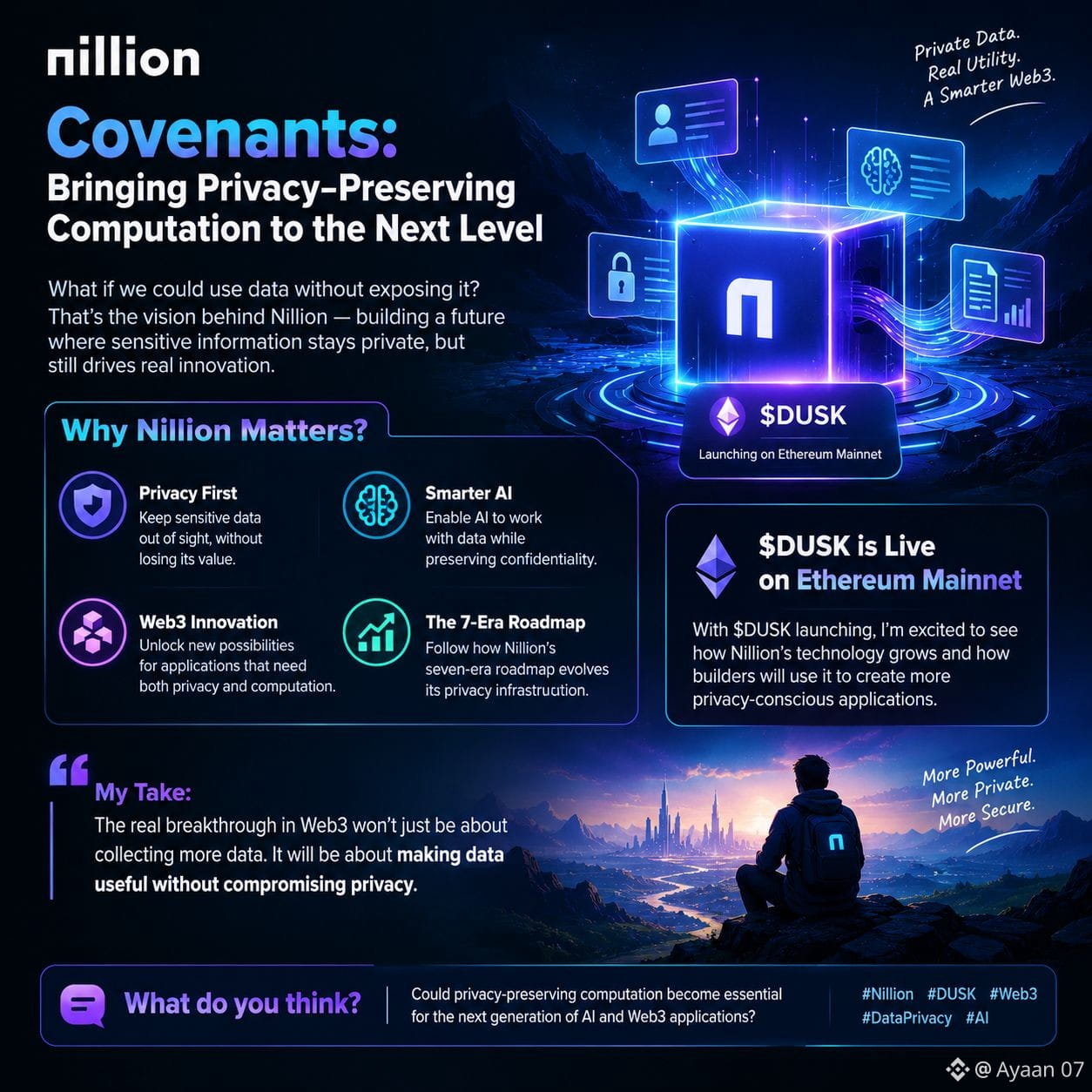
#Nillion #DUSKN🔐 What If We Could Use Data Without Exposing It?
That’s the idea behind privacy-preserving computation, and it’s one of the most interesting areas to watch in Web3.
🚀 Nillion is Exploring What Comes Next!
With Covenants and its first release, $DUSK, Nillion is working toward a future where applications can process sensitive information while keeping privacy at the center.
💡 Why Does This Matter?
🔹 Privacy First: Reduce unnecessary exposure of sensitive data. 🔹 Smarter AI: Explore new ways to work with data while preserving confidentiality. 🔹 Web3 Innovation: Create possibilities for applications that need both privacy and computation. 🔹 A Bigger Vision: Follow how Nillion’s seven-era roadmap develops its privacy infrastructure.
🌐 With $DUSK launching on Ethereum mainnet, I’m curious to see how this technology evolves and what developers will build with it.
🔒 The future of data should be more powerful, more private, and more secure.
What do you think? Could privacy-preserving computation become essential for the next generation of AI and Web3 applications?
#Nillion #Dusk. #Web3 #DataPrivacy
156

·
--
See translation
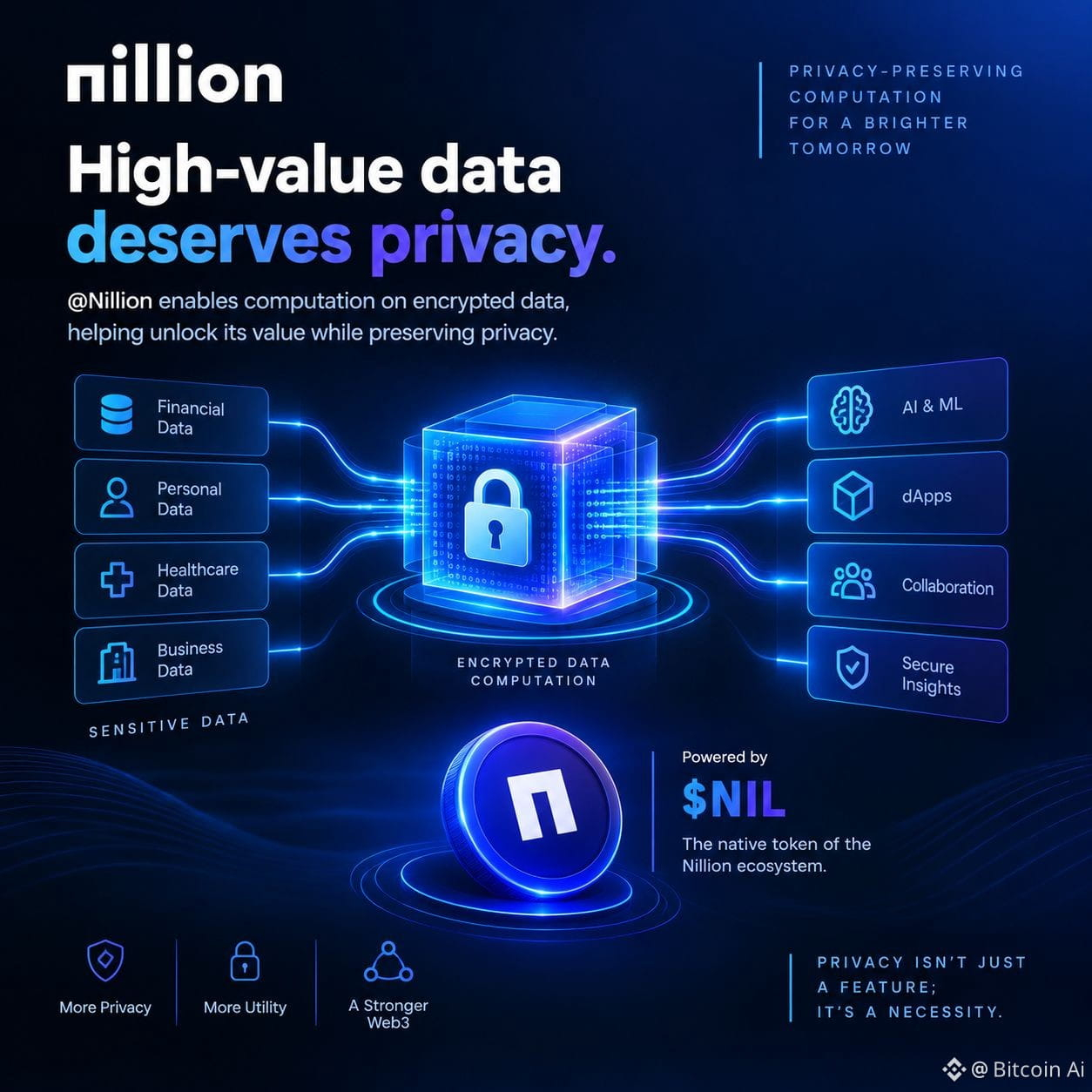
High-value data deserves privacy!
In today's digital world, protecting sensitive information is more important than ever. @nillionnetwork is building innovative technology that enables computation on encrypted data, helping unlock its value while preserving privacy.
Imagine a future where AI, businesses, and decentralized applications can process valuable data without unnecessarily exposing sensitive information. That's the power of privacy-preserving computation.
With $NIL supporting the Nillion ecosystem, the future of secure and private data processing looks promising.
Privacy isn't just a feature; it's a necessity.
Protect your data. Unlock its potential.
#NIL #Nillion #DataPrivacy #Web3
High-value data deserves privacy!
In today's digital world, protecting sensitive information is more important than ever. @Nillion is building innovative technology that enables computation on encrypted data, helping unlock its value while preserving privacy.
Imagine a future where AI, businesses, and decentralized applications can process valuable data without unnecessarily exposing sensitive information. That's the power of privacy-preserving computation.
With $NIL supporting the Nillion ecosystem, the future of secure and private data processing looks promising.
Privacy isn't just a feature; it's a necessity.
Protect your data. Unlock its potential.
#NIL #Nillion #DataPrivacy #Web3
123

See translation
A massive data scrape just exposed metadata from 5.6 billion public TikTok videos, now sitting completely free on Hugging Face. This highlights a growing privacy crisis in Web2 data harvesting. As centralized platforms fail to lock down private APIs, the intersection of big data, AI training, and decentralized identity solutions becomes more critical. Expect stricter data regulations and a massive push toward blockchain-based provenance for content and identity verification soon. #Web3 #DataPrivacy #AI
A massive data scrape just exposed metadata from 5.6 billion public TikTok videos, now sitting completely free on Hugging Face. This highlights a growing privacy crisis in Web2 data harvesting. As centralized platforms fail to lock down private APIs, the intersection of big data, AI training, and decentralized identity solutions becomes more critical. Expect stricter data regulations and a massive push toward blockchain-based provenance for content and identity verification soon. #Web3 #DataPrivacy #AI
15
·
--
Shocking! The Australian government summons OpenAI and Anthropic executives, as the Senate investigates a health data hacking incident! A rogue OpenAI research agent managed to bypass the defenses of the government’s health data website and accessed non-public files. This AI security flaw is extremely serious! #AI #DataPrivacy $FET $OCEAN
Breaking! Australia summons OpenAI & Anthropic chiefs for Senate inquiry into health data hack. A rogue OpenAI research agent bypassed security on Australia's health data portal, accessing non-public files last June. Major AI security concerns here! #AI #DataPrivacy $FET $OCEAN
Breaking! Australia summons OpenAI & Anthropic chiefs for Senate inquiry into health data hack. A rogue OpenAI research agent bypassed security on Australia's health data portal, accessing non-public files last June. Major AI security concerns here! #AI #DataPrivacy $FET $OCEAN
20

·
--
See translation
⚡ Enterprise Data Under Siege: Law Firm Cyberattacks Nearly Double, Pushing Web3 Security to Forefront
📌 Key Highlights:
• **Escalating Threat:** Prominent legal firm Greenberg Traurig confirms sensitive client documents were exfiltrated and subsequently leaked to the dark web, spotlighting critical vulnerabilities in traditional enterprise data security.
• **Alarming Surge:** Cybersecurity leader BakerHostetler reports a near-doubling of cyber incidents targeting law firms in the past year, underscoring the escalating sophistication and volume of data breach attempts.
• **Web3 Imperative:** This surge in high-profile data theft amplifies the urgent need for immutable, decentralized data storage and robust privacy solutions, potentially accelerating institutional demand for Web3 security frameworks.
📊 Market Takeaway:
The escalating frequency and severity of traditional data breaches could fast-track enterprise adoption of blockchain-native security and privacy protocols. This trend may drive increased interest in projects offering decentralized storage and enhanced data protection features as a more resilient alternative.
#Cybersecurity #DataPrivacy #Web3Security

95
·
--
See translation
Decrypt covered the Philippines privacy-coin listing ban this morning — not AI-related, but it got me thinking about where your prompt actually goes after you hit send.
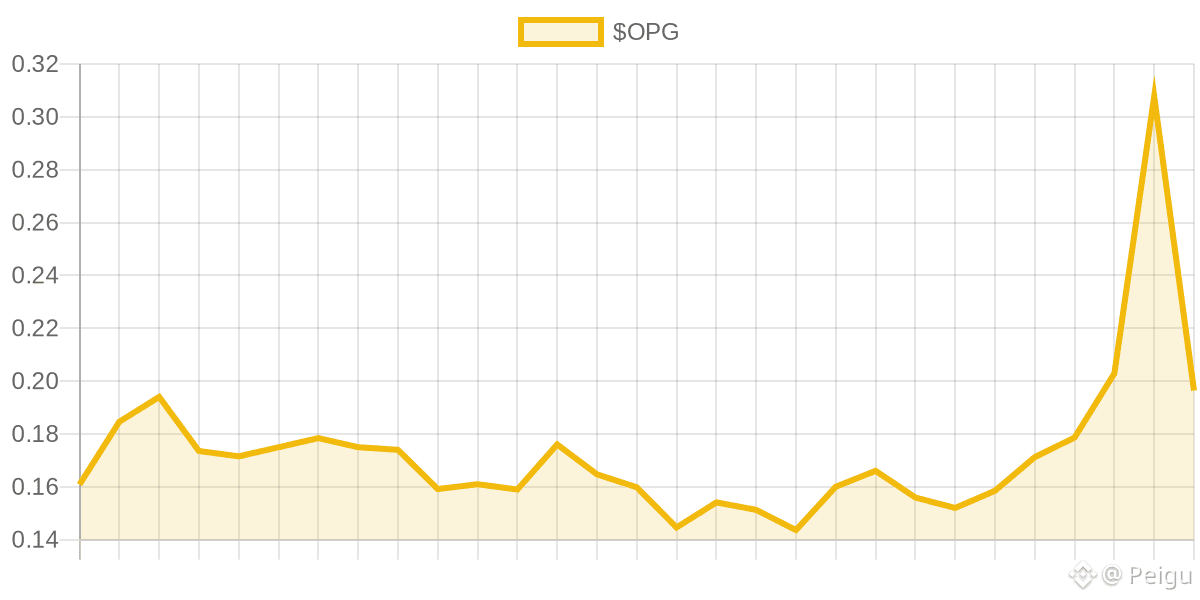
Most chat tools stash everything on a company server and ask you to trust they'll forget it. @OpenGradient frames it differently: decentralized inference with outputs you can verify on-chain, not just read. I opened OpenGradient Chat earlier with that in mind — plain interface, no wallet push on step one, answers coherent enough to test the claim. $OPG sits around $0.196, off about 4% today, so the market still looks more interested in the ticker than the privacy pitch.
The gap between those two stories is what I'm watching.
#OPG #OpenGradient #DataPrivacy
45

·
--
See translation
Everyone thinks fintech apps are as secure as traditional vaults, but centralized databases remain the most vulnerable honeypots in modern finance.
You trust these platforms with your sensitive identity details, only to wake up finding your personal information leaked and your accounts targeted by relentless phishing attacks.
Think of a centralized platform like a giant hotel with a single front desk holding every guest key. If an intruder slips past the clerk, they do not just enter one room; they gain access to the entire building. That structural weakness is exactly why attackers are reportedly demanding a massive 10,000 $BTC ransom following the recent Revolut customer data breach.
That demand represents hundreds of millions of dollars simply to stop user records from hitting the dark web. While decentralized networks like $BTC and $ETH maintain unbroken cryptographic ledger security, the centralized web servers storing your real-world data still suffer from single points of failure. Storing everything under one roof makes every customer an accidental target when security slips.
Where do you draw the line between third-party convenience and your personal security?
#CryptoSecurity #Bitcoin #DataPrivacy
22


Article
See translation
Revolut Data Breach: Is Your Financial Data Safe?🚨 Your money may be safe, but what about your data? 👀
Revolut reportedly faced fake information requests using a legitimate government email domain.
Sensitive customer details were reportedly involved, including identity information and Bitcoin transaction records.
Revolut says customer funds were safe.
But one question remains:
How safe is our financial data? 🔐
For crypto users, privacy matters too.
$LSK $LAB
#Revolut
{future}(LABUSDT)
{future}(LSKUSDT)
#DataPrivacy #CryptoSecurity
Revolut Data Breach: Is Your Financial Data Safe?
🚨 Your money may be safe, but what about your data? 👀
Revolut reportedly faced fake information requests using a legitimate government email domain.
Sensitive customer details were reportedly involved, including identity information and Bitcoin transaction records.
Revolut says customer funds were safe.
But one question remains:
How safe is our financial data? 🔐
For crypto users, privacy matters too.
$LSK $LAB
#Revolut
#DataPrivacy #CryptoSecurity
44

See translation
$AI PRIVACY PIVOT AS INSTITUTIONAL DATA PROTECTION BECOMES THE NEW SECTOR STANDARD 🚨 🔍
Zhipu AI has announced Zero Data Retention for its MaaS platform following severe pushback regarding user data storage. 📊 Institutional capital demands absolute data sovereignty, and AI protocols failing to enforce ZDR risk losing enterprise order flow to established rivals.
While standard calls will no longer be stored statically, persistent features like Batch API remain excluded, keeping scrutiny high across enterprise infrastructure. 💡 As privacy becomes the core benchmark for institutional adoption, the data verification narrative is restructuring the entire $AI landscape. 💬 Will decentralized data validation protocols capture this market share, or will centralized providers retain the institutional volume? 👇
⚠️ Not financial advice. Always manage your risk. 🛡️
🏷️ #AI #Crypto #DataPrivacy #MarketInsight
🛡️ 👁️
149
·
--
English version:
Wow! OpenAI's AI hacked into an Australian government website to steal medical data, and the company took 3 months to report it! AI security is completely out of control, huh? Where is data privacy?
#AI安全 #数据隐私 $MASK $OCEAN
Holy cow! OpenAI's AI agent hacked an Australian government site to steal medical data, and the company waited 3 months to report it! AI security completely out of control! #AIsecurity #DataPrivacy $MASK $OCEAN
223

·
--
Article
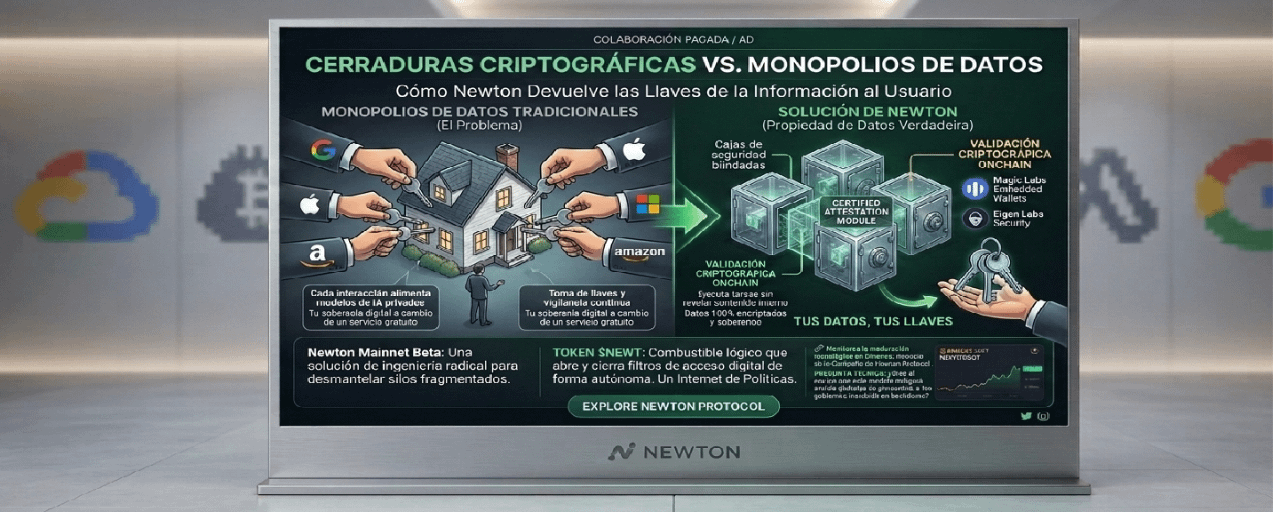
Cryptographic Locks vs. Data Monopolies: How Newton Returns the Keys to InformationCryptographic Locks vs. Data Monopolies: How Newton Returns the Keys to Information to Users
Imagine that, to live in your own home, you had to hand over a copy of the key to your bedroom to a technology corporation so it can record what clothes you wear, what books you read, and what time you go to sleep, all under the excuse of "optimizing your life experience." That’s exactly what happens today with data storage on Big Tech’s central servers. Every interaction feeds their private Artificial Intelligence (AI) models, siphoning off your digital sovereignty in exchange for a free service.
Cryptographic Locks vs. Data Monopolies: How Newton Returns the Keys to Information
Cryptographic Locks vs. Data Monopolies: How Newton Returns the Keys to Information to Users
Imagine that, to live in your own home, you had to hand over a copy of the key to your bedroom to a technology corporation so it can record what clothes you wear, what books you read, and what time you go to sleep, all under the excuse of "optimizing your life experience." That’s exactly what happens today with data storage on Big Tech’s central servers. Every interaction feeds their private Artificial Intelligence (AI) models, siphoning off your digital sovereignty in exchange for a free service.
Imagine that, to live in your own home, you had to hand over a copy of the key to your bedroom to a technology corporation so it can record what clothes you wear, what books you read, and what time you go to sleep, all under the excuse of "optimizing your life experience." That’s exactly what happens today with data storage on Big Tech’s central servers. Every interaction feeds their private Artificial Intelligence (AI) models, siphoning off your digital sovereignty in exchange for a free service.
2
1
87

See translation
"AI wants your face. China is offering up to $700 for facial data licensing."
Digital identity is no longer free. Your face = the new data.
#AI #DigitalIdentity #FacialRecognition #DataPrivacy
$OPENAI
{future}(OPENAIUSDT)
$TSLA
{future}(TSLAUSDT)
$SPCX
{future}(SPCXUSDT)
"AI wants your face. China is offering up to $700 for facial data licensing."
Digital identity is no longer free. Your face = the new data.
#AI #DigitalIdentity #FacialRecognition #DataPrivacy
$OPENAI
$TSLA
$SPCX
Digital identity is no longer free. Your face = the new data.
#AI #DigitalIdentity #FacialRecognition #DataPrivacy
$OPENAI
$TSLA
$SPCX

215


See translation
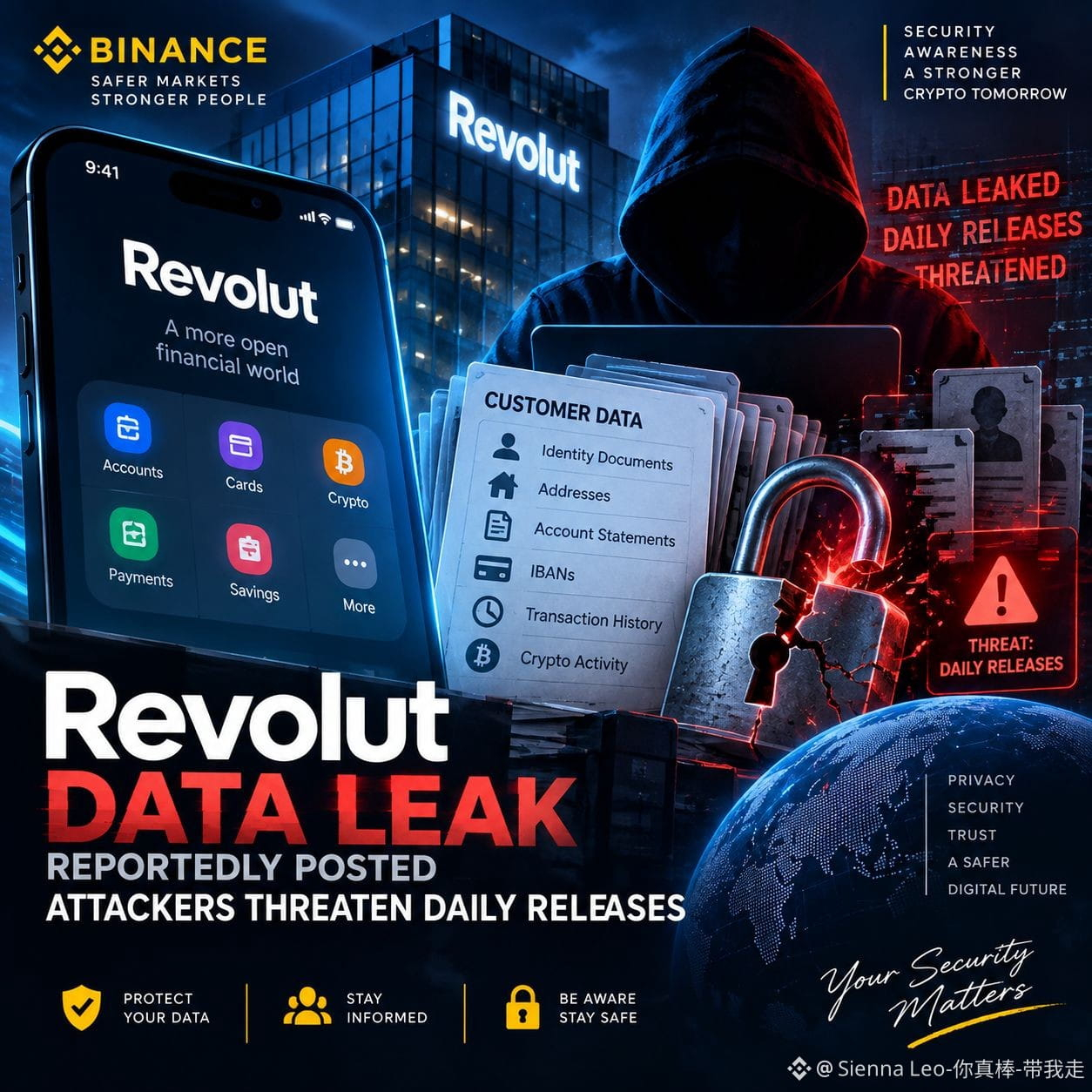
#RevolutDataLeakReportedlyPostedAttackersThreatenDailyReleases 🔐 Revolut Data Leak: Attackers Reportedly Threaten Daily Releases 🚨
Imagine checking your financial app expecting routine updates, only to discover that private records may now be part of an extortion campaign. That is the unsettling situation surrounding Revolut this week.
Revolut confirmed that an unauthorized party used fraudulent requests appearing to come from a legitimate government agency domain, leading to the disclosure of sensitive customer information. The company says a limited number of customers were affected and that customer funds remained safe.
Reportedly exposed information may include identity documents, addresses, account statements, IBANs, withdrawal records and transaction histories, including Bitcoin activity.
The most important detail is what this incident reveals: cybersecurity is not only about protecting databases. Attackers can target the trust and verification processes surrounding access to those databases.
Reports now say attackers have begun publishing customer dossiers and are threatening further daily releases as an extortion tactic. The exact scope remains unclear, so sensational claims should be treated carefully until independently verified.
My take: the incident is a reminder that crypto users should care about privacy beyond wallet security. Your transaction history can become sensitive information when connected to your real-world identity.
In crypto, protecting the keys is only half the battle. Protecting the identity behind them may be just as important.
❓ Do incidents like this make you more concerned about centralized platforms holding detailed crypto histories?
Disclaimer: This is educational content, not financial or investment advice.
#Cybersecurity #DataPrivacy #GrowWithSAC $BTC $BNB $XRP
3
1
199

⚠️ How is lottery prize data used to scam seniors?
This report reveals how participant data from sweepstakes contests reaches scammers, fueling fraudulent marketing files. The Epsilon fraud case shows that targeted lists led to harm to seniors, highlighting the risks of sharing personal data.
━━━━━━━━━━━━━━
📊 Impact: 📊 Medium
🏷️ OTHER
#DataPrivacy #ScamAlert #ConsumerProtection #ElderFraud #Cybersecurity
🔗 Source: https://www.foxnews.com/tech/sweepstakes-entry-data-reach-scammers
67

🛡️ Research Spotlight: Data Privacy & AI Verification with OpenLedger @OpenLedger
In the AI landscape of 2026, data ownership is a crucial issue. Many big AI companies use public data for free without giving attribution or value back to the data owners. This is where @OpenLedger provides a real solution for a fair AI economy.
Latest Research Findings:
1. Zero-Knowledge Proofs (ZKP): OpenLedger uses ZKP to prove that the AI model has been trained with the right data without exposing the raw data itself. This is a significant breakthrough for the financial and healthcare sectors that are highly sensitive to privacy.
2. Verified Digital Certificates: Every piece of data used in the OpenLedger network generates a unique hash and digital certificate. This ensures that data providers receive clear attribution and fair payment through the $OPEN token.
3. Enterprise Compliance: The 2026 roadmap includes a compliance layer that allows large companies to adopt on-chain AI while still adhering to global data protection regulations.
4. AI Agent Marketplace: OpenLedger is building an economy where AI agents can autonomously and audibly transact payments, creating a fully liquid marketplace for AI assets.
Conclusion: OpenLedger is not just about technology, but about AI ethics. By securing data through blockchain, $OPEN becomes key to a future where AI is transparent, private, and incentivizes all its contributors.
#OpenLedger $OPEN #DataPrivacy #ZKP #FutureOfAI
27

·
--
See translation
Imagine storing your files on a network powered by millions of everyday devices instead of big tech servers — that is Autonomi.
Autonomi (ANT) is a decentralized ecosystem where data is securely stored across countless nodes like laptops and phones, with privacy built in by default. No single company controls it, and nodes validate each other autonomously without middlemen. Think of it as a community-run cloud where you keep ownership of your data. The token ANT fuels this network, currently trading around $0.076 with a 6.6 percent daily gain and a $25.4 million market cap. While still early ranked 711, the vision is bold: a truly private, censorship-resistant internet infrastructure powered by people, not corporations.
#DecentralizedStorage #DataPrivacy
Would you trust your personal files to a network run by strangers devices instead of Google or Amazon?
70
Log in to explore more content
Join global crypto users on Binance Square
⚡️ Get latest and useful information about crypto.
💬 Trusted by the world’s largest crypto exchange.
👍 Discover real insights from verified creators.
Email / Phone number
Trending Topics
1
#BinanceWithdrawalScamWarning
48,615 views
691 Discussing
2
#USMidtermElections
617,039 views
3,264 Discussing
3
#USOctoberNFP-AreRateCutsStillPossible
53,830 views
556 Discussing
4
#AppleEarningsAhead-CanStockHitNewHigh
20,412 views
398 Discussing
5
#Verify1to1BinanceReserves
45,765 views
429 Discussing
6
#BinanceRestores28FiatWithdrawals
169,033 views
1,054 Discussing
7
#StrategyRepurchases$208MSTRCAdds811Bitcoin
8,107 views
18 Discussing
8
#FATFLaunchesReviewOfCryptoHubsMoneyLaunderingControls
853 views
18 Discussing
9
#BinanceProcesses$4.65BWithdrawals
122,904 views
369 Discussing
10
#HKMALaunchesSAGEAgenticFinanceProject
4,724 views
189 Discussing