
#cryptoforbeginners
cryptoforbeginners
868,535 views
2,334 Discussing
Hot
Latest

See translation
💰 Make Your Crypto Work for You with Binance Earn!
Did you know you can earn rewards from your crypto without actively trading every day? 🌱
Binance Earn offers different ways to put your crypto assets to work.
$BTC $ETH $USD1
{spot}(USD1USDT)
✨ Popular Binance Earn Options:
Simple Earn: Subscribe eligible crypto and earn rewards.
Flexible Products: Enjoy more flexibility when redeeming your assets.
Locked Products: Commit your crypto for a specific period and potentially receive higher rewards.
ETH & Other Staking: Earn eligible staking rewards by participating in supported products.
📚 Beginner Tips:
Start by learning how each product works.
Check the estimated APR and subscription conditions.
Understand the risks before subscribing.
Never invest money you cannot afford to lose.
🔥 Remember: Earning is not about getting rich overnight. It's about learning, managing risk, and making informed decisions.
💬 Question: Have you tried Binance Earn? Which option do you prefer — Flexible or Locked?
#BinanceEarn #CryptoEarning #Binance #PassiveIncome #CryptoForBeginners
💰 Make Your Crypto Work for You with Binance Earn!
Did you know you can earn rewards from your crypto without actively trading every day? 🌱
Binance Earn offers different ways to put your crypto assets to work.
$BTC $ETH $USD1
✨ Popular Binance Earn Options:
Simple Earn: Subscribe eligible crypto and earn rewards.
Flexible Products: Enjoy more flexibility when redeeming your assets.
Locked Products: Commit your crypto for a specific period and potentially receive higher rewards.
ETH & Other Staking: Earn eligible staking rewards by participating in supported products.
📚 Beginner Tips:
Start by learning how each product works.
Check the estimated APR and subscription conditions.
Understand the risks before subscribing.
Never invest money you cannot afford to lose.
🔥 Remember: Earning is not about getting rich overnight. It's about learning, managing risk, and making informed decisions.
💬 Question: Have you tried Binance Earn? Which option do you prefer — Flexible or Locked?
#BinanceEarn #CryptoEarning #Binance #PassiveIncome #CryptoForBeginners

156

See translation
What is a crypto wallet, and why it matters 👛
Your coins don't actually live on an exchange. What you own is the keys that control them.
🔹 Custodial wallet (exchange): convenient, the platform holds the keys for you
🔹 Non-custodial wallet: you hold the keys, you hold full control
🔹 Hardware wallet: keys stay offline, the safest option for larger amounts
Quick rule: keep what you trade on the exchange, and move long-term holdings to a wallet you control. And never store your seed phrase in a photo or cloud notes.
Where do you keep most of your crypto? 👇
$BTC $ETH $BNB
#CryptoWallet #SelfCustody #CryptoForBeginners #BinanceSquare
Not financial advice.
90

Article
A tip for every crypto beginner: Stop losing money because of these 3 mistakes! 👇Getting into crypto is exciting, but it can be costly if you start off on the wrong foot. If you’re just starting out, here are 3 golden rules to protect you from losses and set you on the path to your first profits:
1️⃣
The DYOR (Do Your Own Research) rule: Don’t buy a coin just because someone on social media said it’s “going to the moon.” Before you invest even a single dollar, research the coin’s project, team, and real-world utility.
A tip for every crypto beginner: Stop losing money because of these 3 mistakes! 👇
Getting into crypto is exciting, but it can be costly if you start off on the wrong foot. If you’re just starting out, here are 3 golden rules to protect you from losses and set you on the path to your first profits:
1️⃣
The DYOR (Do Your Own Research) rule: Don’t buy a coin just because someone on social media said it’s “going to the moon.” Before you invest even a single dollar, research the coin’s project, team, and real-world utility.
1️⃣
The DYOR (Do Your Own Research) rule: Don’t buy a coin just because someone on social media said it’s “going to the moon.” Before you invest even a single dollar, research the coin’s project, team, and real-world utility.
اليسر لتعليم الكريبتو:
مقال وتوعية ممتازة جداً! الـ FOMO هو العدو الأول لأي متداول مبتدئ، والالتزام ببحث الـ DYOR يقي من خسائر كبيرة. بالنسبة لسؤالك، من واقع التجربة أجد أن الالتزام بـ 'إدارة رأس المال' وتقبل الخسارة كجزء من اللعبة هو أكبر تحدٍ يواجه المتداولين في بداياتهم. مستمرون في متابعة سلسلتك التعليمية القادمة!"
#تعليم_كريبتو
#إدارة_المخاطر
#العملات_الرقمية
#الاستثمار_الذكي
#بيتكوين
$BNB $BTC $ETH
1
12
4.3k

·
--
See translation
💰 What Is Crypto Market Volatility? A Beginner's Guide!
Have you ever seen Bitcoin's price go up quickly and then suddenly drop? 📈📉
That's called market volatility.
Here are 3 things every beginner should understand:
1️⃣ High volatility: Prices can change dramatically in a short time.
2️⃣ Low volatility: Prices move more slowly and steadily.
3️⃣ Market risk: Fast price movements can create opportunities, but they can also cause losses.
🧠 Beginner tip: Never invest money just because you see a coin pumping. Do your own research, understand the risks, and never invest more than you can afford to lose.
📊 Keep an eye on $BTC to learn how market movements work.
$BTC
{future}(BTCUSDT)
👇 Question: Do you prefer a stable market or a volatile market? Why?
Let's learn crypto together! 🚀
#BinanceSquare #WriteToEarn #CryptoEducation #Bitcoin #CryptoForBeginners
💰 What Is Crypto Market Volatility? A Beginner's Guide!
Have you ever seen Bitcoin's price go up quickly and then suddenly drop? 📈📉
That's called market volatility.
Here are 3 things every beginner should understand:
1️⃣ High volatility: Prices can change dramatically in a short time.
2️⃣ Low volatility: Prices move more slowly and steadily.
3️⃣ Market risk: Fast price movements can create opportunities, but they can also cause losses.
🧠 Beginner tip: Never invest money just because you see a coin pumping. Do your own research, understand the risks, and never invest more than you can afford to lose.
📊 Keep an eye on $BTC to learn how market movements work.
$BTC
👇 Question: Do you prefer a stable market or a volatile market? Why?
Let's learn crypto together! 🚀
#BinanceSquare #WriteToEarn #CryptoEducation #Bitcoin #CryptoForBeginners
1
112


Article
See translation
I Lost My First $100 in 1 Hour - 3 Mistakes Every Beginner Must AvoidHow I Lost My First $100 in Crypto (And What It Taught Me)
I still remember that day. I had just put my first $100 into crypto. I was excited, watching every candle like my life depended on it.
Then I did 3 mistakes that every beginner does.
Mistake 1: I Bought Because Someone on YouTube Said So
A YouTuber said "This altcoin will 10x in 7 days". I didn't check the project, didn't check the chart. I just bought. In 2 days, it dumped 40%.
Lesson: If you don't know why you are buying, you will never know when to sell.
Mistake 2: I Used 20x Leverage With $100
I thought leverage will make my $100 to $1000 fast. BTC moved only 2% against me and my $100 became $0. Liquidated. All gone in 1 hour.
That day I learned the most expensive lesson: Leverage is not a tool to make money fast, it's a tool to lose money fast if you are new.
Mistake 3: I Didn't Have a Stop Loss
I thought "It will come back". It never came back. From -5% to -15% to -40%. I kept holding and hoping. Hoping is not a strategy.
What Changed After That $100 Loss?
That $100 loss was my best investment. After that I made 3 rules that I still follow after 2.4 years:
Rule 1: Never risk more than 1% of capital on one trade.
Rule 2: No trade without Stop Loss. Ever.
Rule 3: If I don't understand the coin, I don't touch it.
If you are new and lost money, you are not a failure. You paid your tuition fee. Every trader pays it.
I paid $100. Some people pay $1000.
Your Turn: How much was your first loss in crypto and what did it teach you? Share in comments, let's learn from each other without losing more money.
$BTC #Write2Earn #CryptoForBeginners #bitcoin
I Lost My First $100 in 1 Hour - 3 Mistakes Every Beginner Must Avoid
How I Lost My First $100 in Crypto (And What It Taught Me)
I still remember that day. I had just put my first $100 into crypto. I was excited, watching every candle like my life depended on it.
Then I did 3 mistakes that every beginner does.
Mistake 1: I Bought Because Someone on YouTube Said So
A YouTuber said "This altcoin will 10x in 7 days". I didn't check the project, didn't check the chart. I just bought. In 2 days, it dumped 40%.
Lesson: If you don't know why you are buying, you will never know when to sell.
Mistake 2: I Used 20x Leverage With $100
I thought leverage will make my $100 to $1000 fast. BTC moved only 2% against me and my $100 became $0. Liquidated. All gone in 1 hour.
That day I learned the most expensive lesson: Leverage is not a tool to make money fast, it's a tool to lose money fast if you are new.
Mistake 3: I Didn't Have a Stop Loss
I thought "It will come back". It never came back. From -5% to -15% to -40%. I kept holding and hoping. Hoping is not a strategy.
What Changed After That $100 Loss?
That $100 loss was my best investment. After that I made 3 rules that I still follow after 2.4 years:
Rule 1: Never risk more than 1% of capital on one trade.
Rule 2: No trade without Stop Loss. Ever.
Rule 3: If I don't understand the coin, I don't touch it.
If you are new and lost money, you are not a failure. You paid your tuition fee. Every trader pays it.
I paid $100. Some people pay $1000.
Your Turn: How much was your first loss in crypto and what did it teach you? Share in comments, let's learn from each other without losing more money.
$BTC #Write2Earn #CryptoForBeginners #bitcoin
71

·
--
See translation
What is "Proof of Reserves"? A beginner's guide 🔍
After the Binance hack, everyone is waiting for its new report. Here's what it means:
✅ It shows an exchange held at least X coins on one specific date
✅ You can check that your own balance was counted
What it can't show:
⚠️ Whether every debt the exchange owes is included
⚠️ What happens after the snapshot date
So it's a helpful transparency tool, not a guarantee. Read it as one piece of evidence.
My rule: keep only what I need on any exchange.
Facts are still changing, so verify on official pages. Not financial advice.
Will you check your balance in the report? 👇
#Binance #ProofOfReserves #CryptoForBeginners #cryptouniverseofficial #CryptoScamAlert $BTC $PEPE
1
80
·
--
See translation
📈 Why Do Cryptocurrency Prices Go Up and Down?
Have you ever wondered why Bitcoin's price rises one day and falls the next? 🤔
Here are 4 important reasons:
1️⃣ Supply and Demand – When more people want to buy than sell, prices may rise. When more people want to sell, prices may fall.
2️⃣ Market News – News about regulations, companies, or the economy can affect crypto prices.
3️⃣ Investor Feelings – Fear and excitement can influence buying and selling decisions.
4️⃣ Bitcoin's Influence – Changes in $BTC price can affect the wider crypto market.
💡 Beginner Tip: Don't buy just because everyone is excited, and don't panic when prices fall. Learn first, research carefully, and understand the risks.
👇 Question: What do you think affects crypto prices the most — news, supply and demand, or investor emotions?
$BTC
{future}(BTCUSDT)
#BinanceSquare #CryptoEducation #Bitcoin #CryptoForBeginners #LearnCrypto
📈 Why Do Cryptocurrency Prices Go Up and Down?
Have you ever wondered why Bitcoin's price rises one day and falls the next? 🤔
Here are 4 important reasons:
1️⃣ Supply and Demand – When more people want to buy than sell, prices may rise. When more people want to sell, prices may fall.
2️⃣ Market News – News about regulations, companies, or the economy can affect crypto prices.
3️⃣ Investor Feelings – Fear and excitement can influence buying and selling decisions.
4️⃣ Bitcoin's Influence – Changes in $BTC price can affect the wider crypto market.
💡 Beginner Tip: Don't buy just because everyone is excited, and don't panic when prices fall. Learn first, research carefully, and understand the risks.
👇 Question: What do you think affects crypto prices the most — news, supply and demand, or investor emotions?
$BTC
#BinanceSquare #CryptoEducation #Bitcoin #CryptoForBeginners #LearnCrypto
1
104

·
--
See translation
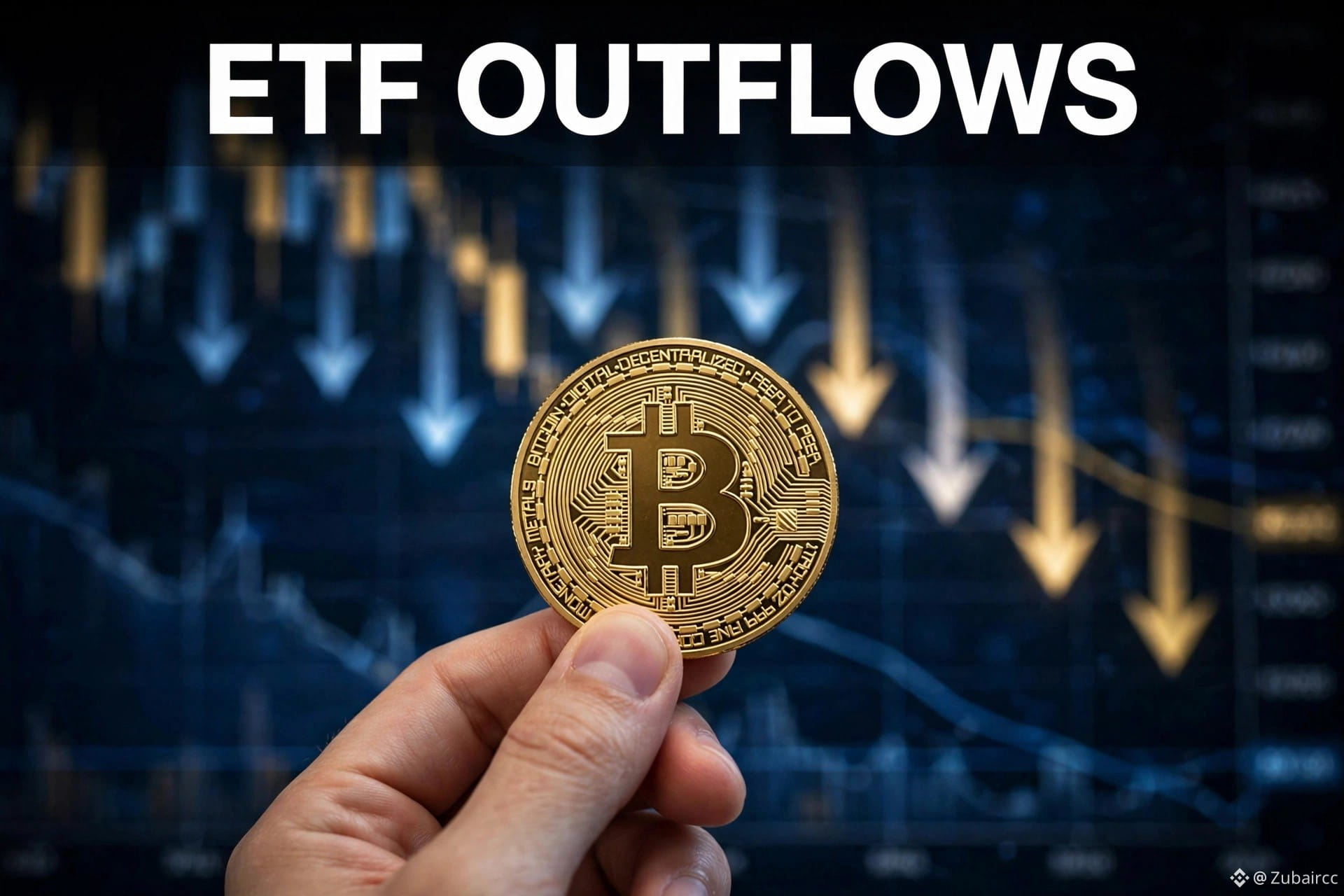
BIG INVESTORS PULLED MONEY OUT. SHOULD BEGINNERS PANIC?
Large outflows from Bitcoin and Ethereum funds made headlines last week. That sounds scary, but an outflow alone does not tell the full story.
First, what is an ETF outflow, in simple words:
An ETF is a fund that holds Bitcoin or Ethereum, and investors buy shares in it. An outflow means more investors sold their shares than bought new ones in that period.
Why do outflows happen?
1. RISK REDUCTION AFTER A SHOCK.
After a big market scare, large investors often reduce risk for a while.
2. CAUTION BEFORE BIG EVENTS.
Elections, jobs data, and central bank decisions can make investors wait before adding more.
3. PROFIT-TAKING AND REBALANCING.
Some investors simply take profits or adjust their portfolios. It is not always a verdict on crypto itself.
What an outflow does NOT mean:
It does not mean Bitcoin or Ethereum disappeared, and it does not mean the technology stopped working. Fund flows are one signal, not the whole market.
Three smart checks for beginners:
1. LOOK AT THE TREND, NOT ONE DAY.
One heavy day matters less than flows over weeks.
2. READ FLOWS TOGETHER WITH PRICE AND NEWS.
Flows alone can mislead. Context makes them useful.
3. STICK TO YOUR OWN PLAN.
Never copy a large fund's move without knowing its goal, time horizon, and risk limit.
Outflows are information, not instructions. Learn to read them calmly, and they stop feeling like panic.
Do you check fund flows before you decide, or do you follow price only?
$BTC $ETH $BNB
#CryptoForBeginners #ETFExplained #learncrypto
Educational only, not financial advice.
98

·
--
Bullish
See translation
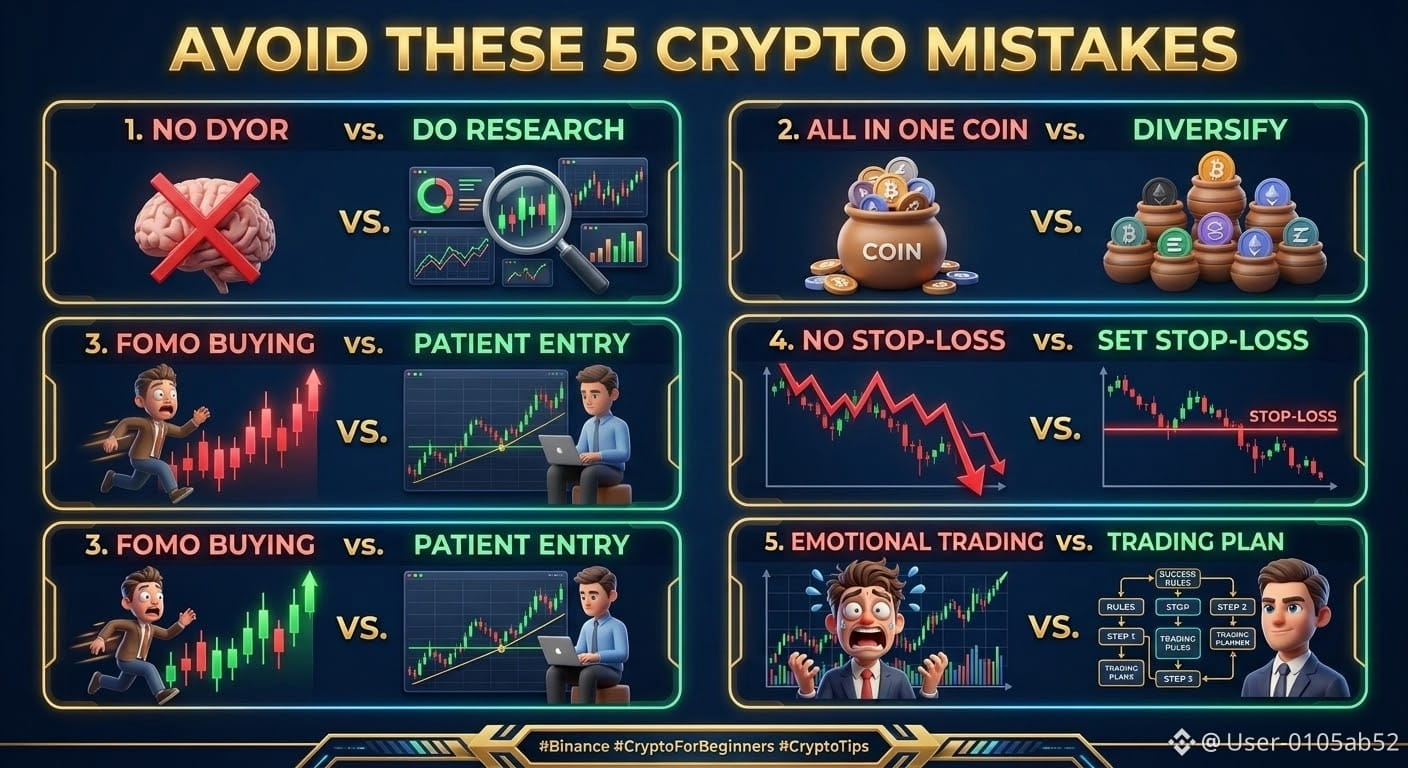
New to Crypto? Avoid These 5 Critical Mistakes! 💡
Starting your journey in cryptocurrency trading or investing can be exciting, but beginners often fall into common traps. Here are some essential tips for new users:
NO DYOR (Do Your Own Research): Never invest based blindly on someone else's hype. Research the project yourself.
ALL IN ONE COIN: Don’t put your entire capital into a single coin. Always diversify your portfolio.
FOMO BUYING: Don't rush to buy just because you see a price spike (Fear of Missing Out). It's a quick way to lose money.
NO STOP-LOSS: Always use a Stop-Loss order in your trades to prevent big losses.
IMPULSE TRADING: The crypto market is volatile. Don't chase overnight riches with shortcuts. Be patient and focus on learning.
💪 Continuous learning is the key to success in crypto. Which coin marked the beginning of your crypto journey? Let us know in the comments! 👇
#Binance #CryptoForBeginners #CryptoTips #CryptoTrading #LearningFromMistakes $Freedom of Money
1
1.2k

·
--
Bullish
See translation
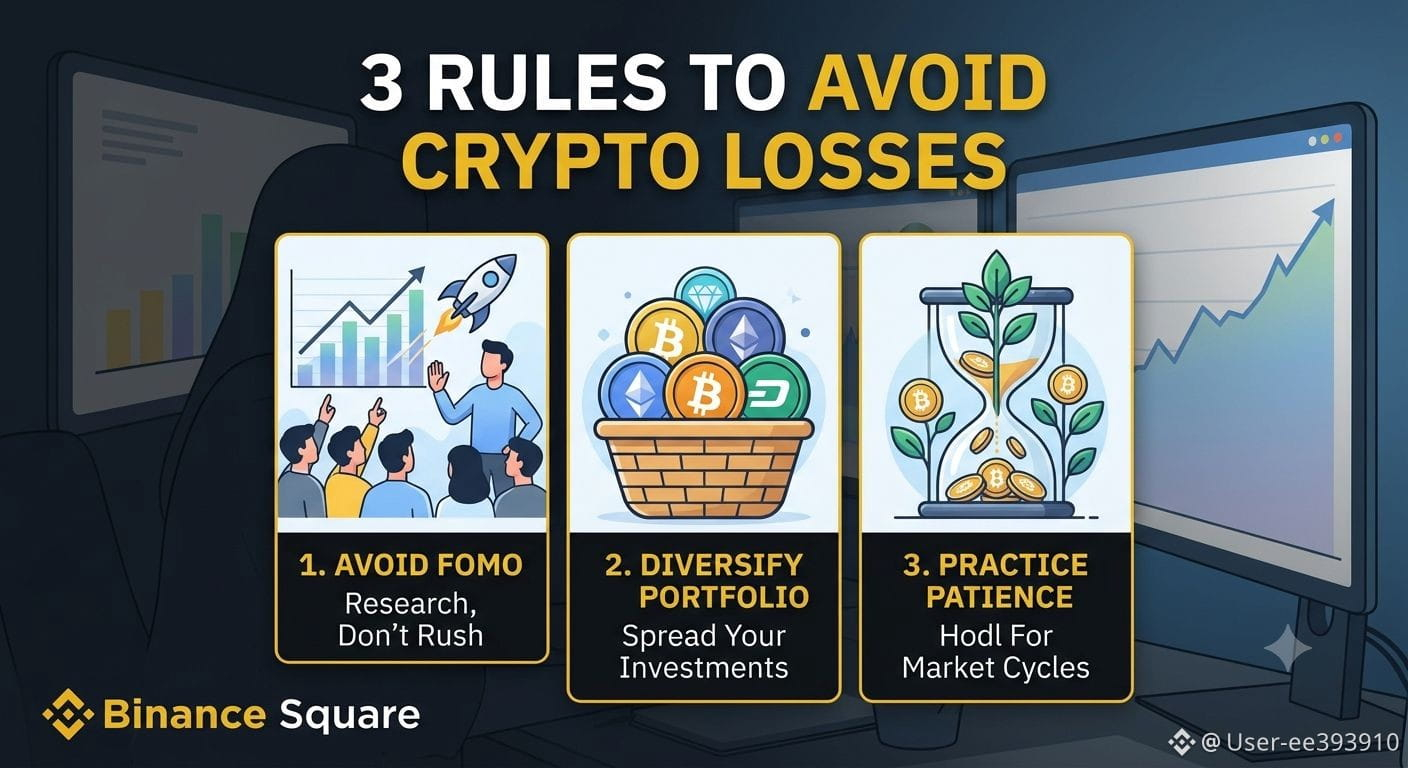
#Want to avoid losses in Crypto? Keep these 3 rules in mind! 🛑💡
Many people jump into the crypto market out of excitement and end up making losses by trading blindly. If you are a beginner, always keep these simple tips in mind:
1️⃣ Avoid FOMO: Never buy a coin just because everyone else is talking about it. Always do your own research (DYOR).
2️⃣ Don't put all your eggs in one basket: Always diversify your portfolio (keep a major share in strong assets like $BTC and $ETH).
3️⃣ Patience is key: The crypto market goes up and down. Never panic sell out of fear.
Which of these rules do you follow the most? Let me know in the comments! 👇
#CryptoTips #BinanceSquare #CryptoForBeginners $BTC $ETH
89

·
--
Article
See translation
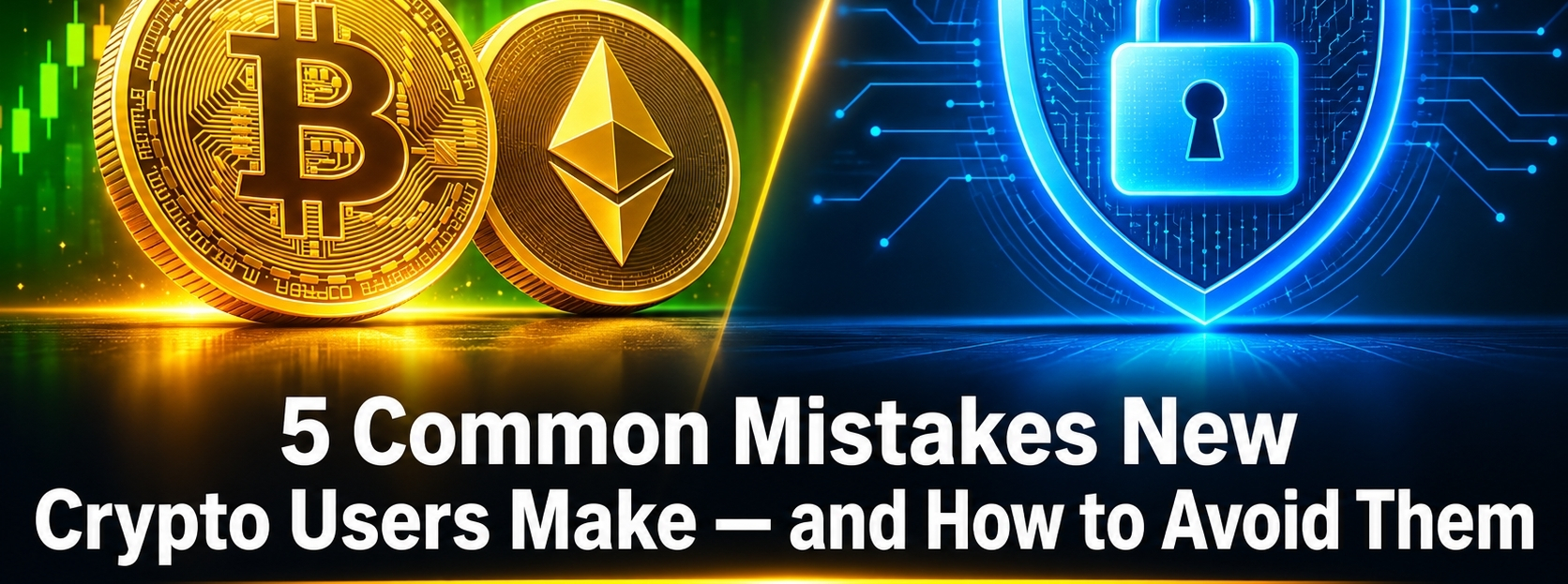
5 Common Mistakes New Crypto Users Make — and How to Avoid ThemEntering the crypto market can be an exhilarating experience. The daily fluctuations of Bitcoin, Ethereum, stablecoins, DeFi, new projects, and the overall market attract many newcomers. However, for a beginner, the biggest challenge is often not figuring out "which coin will pump?" but rather learning how to manage risk, security, and emotional discipline.
Here are 5 common mistakes new users make and practical ways to avoid them.
1. Following Trending Coins Without Research
When a coin goes viral on social media or experiences a sudden short-term price surge, it triggers FOMO (Fear of Missing Out). Making decisions solely based on trends, hyped posts, or other people's excitement is incredibly risky.
Fundamental questions to ask before buying:
• What specific problem is this project trying to solve?
• Why is this particular token necessary for the ecosystem?
• How are the liquidity and trading volumes looking?
• What is the token distribution and unlock schedule?
• Are the official announcements and community activities genuine or manufactured?
Takeaway: A trending coin can be a useful signal, but hype alone is not proof of quality or long-term viability.
2. Neglecting Security Setups
In the crypto space, account security is entirely your personal responsibility. Weak passwords, phishing links, fake support accounts, or unsecured devices can compromise your funds in seconds.
Essential security habits:
• Use strong, unique passwords for every account.
• Enable Two-Factor Authentication (2FA) using an authenticator app.
• Set up an Anti-Phishing Code on your exchange accounts.
• Consider using a Withdrawal Whitelist for added protection.
• Beware of unfamiliar links, random QR codes, and messages promising "guaranteed profits."
• Never share your recovery phrase (seed phrase) or password with anyone.
Takeaway: Spending a few minutes setting up proper security measures today can prevent catastrophic losses tomorrow.
3. Putting All Capital into a Single Asset
Concentrating all your funds into a single coin or sector heavily amplifies your risk. Market news, liquidity issues, regulatory updates, project delays, or shifts in overall market sentiment can drastically impact a single asset.
Before investing, you must be clear about your total capital, your investment horizon, and your maximum loss tolerance. While diversification does not guarantee profits, it helps ensure you aren't overly exposed to a single point of failure.
4. Rushing Into High Leverage and Complex Products
Financial instruments like Futures, margin trading, perpetual contracts, and high leverage carry intense risks and complexities. When using leverage, even a tiny percentage shift against your prediction can completely wipe out your position.
Before touching these products, beginners must understand:
• Leverage multiplies both potential profits and potential losses.
• How liquidation works and where your liquidation price sits.
• What funding rates are and how they affect your position.
• How margin requirements and trading fees operate.
• Why high volatility can close out your position faster than expected.
Takeaway: Instead of using complex financial products you don't fully understand, focus first on mastering the spot market, different order types, and basic risk management.
5. Making Emotion-Driven Decisions Without a Plan
Greed takes over when the market is green, and fear dominates when the market turns red. This emotional rollercoaster often traps beginners in a vicious cycle of panic selling, FOMO buying, or constantly changing their positions.
Ask yourself these questions before making any trade:
• Why am I genuinely interested in this asset?
• What is my specific investment timeline?
• If this money is lost, will it impact my daily life?
• What concrete data or information is driving this choice?
• Is my decision fueled by news, FOMO, or a pre-determined plan?
Takeaway: True discipline isn't about perfectly predicting future prices. It means consistently sticking to your risk limits, goals, and decision-making process.
Conclusion
Learning in crypto is a continuous journey. For a new user, the strongest foundation is built not on the pursuit of quick profits, but on thorough research, ironclad security, risk awareness, and emotional discipline.
Prices will go up and down, and the risk of loss is present in every asset. Always conduct your own independent research and make decisions that align with your financial situation, goals, and personal risk tolerance.
Disclaimer: This article is for general informational and educational purposes only. It should not be taken as personal financial or investment advice.
#CryptoForBeginners #CryptoEducation #RiskManagement #CryptoSecurity #SAFU
$BTC $ETH $BNB
5 Common Mistakes New Crypto Users Make — and How to Avoid Them
Entering the crypto market can be an exhilarating experience. The daily fluctuations of Bitcoin, Ethereum, stablecoins, DeFi, new projects, and the overall market attract many newcomers. However, for a beginner, the biggest challenge is often not figuring out "which coin will pump?" but rather learning how to manage risk, security, and emotional discipline.
Here are 5 common mistakes new users make and practical ways to avoid them.
1. Following Trending Coins Without Research
When a coin goes viral on social media or experiences a sudden short-term price surge, it triggers FOMO (Fear of Missing Out). Making decisions solely based on trends, hyped posts, or other people's excitement is incredibly risky.
Fundamental questions to ask before buying:
• What specific problem is this project trying to solve?
• Why is this particular token necessary for the ecosystem?
• How are the liquidity and trading volumes looking?
• What is the token distribution and unlock schedule?
• Are the official announcements and community activities genuine or manufactured?
Takeaway: A trending coin can be a useful signal, but hype alone is not proof of quality or long-term viability.
2. Neglecting Security Setups
In the crypto space, account security is entirely your personal responsibility. Weak passwords, phishing links, fake support accounts, or unsecured devices can compromise your funds in seconds.
Essential security habits:
• Use strong, unique passwords for every account.
• Enable Two-Factor Authentication (2FA) using an authenticator app.
• Set up an Anti-Phishing Code on your exchange accounts.
• Consider using a Withdrawal Whitelist for added protection.
• Beware of unfamiliar links, random QR codes, and messages promising "guaranteed profits."
• Never share your recovery phrase (seed phrase) or password with anyone.
Takeaway: Spending a few minutes setting up proper security measures today can prevent catastrophic losses tomorrow.
3. Putting All Capital into a Single Asset
Concentrating all your funds into a single coin or sector heavily amplifies your risk. Market news, liquidity issues, regulatory updates, project delays, or shifts in overall market sentiment can drastically impact a single asset.
Before investing, you must be clear about your total capital, your investment horizon, and your maximum loss tolerance. While diversification does not guarantee profits, it helps ensure you aren't overly exposed to a single point of failure.
4. Rushing Into High Leverage and Complex Products
Financial instruments like Futures, margin trading, perpetual contracts, and high leverage carry intense risks and complexities. When using leverage, even a tiny percentage shift against your prediction can completely wipe out your position.
Before touching these products, beginners must understand:
• Leverage multiplies both potential profits and potential losses.
• How liquidation works and where your liquidation price sits.
• What funding rates are and how they affect your position.
• How margin requirements and trading fees operate.
• Why high volatility can close out your position faster than expected.
Takeaway: Instead of using complex financial products you don't fully understand, focus first on mastering the spot market, different order types, and basic risk management.
5. Making Emotion-Driven Decisions Without a Plan
Greed takes over when the market is green, and fear dominates when the market turns red. This emotional rollercoaster often traps beginners in a vicious cycle of panic selling, FOMO buying, or constantly changing their positions.
Ask yourself these questions before making any trade:
• Why am I genuinely interested in this asset?
• What is my specific investment timeline?
• If this money is lost, will it impact my daily life?
• What concrete data or information is driving this choice?
• Is my decision fueled by news, FOMO, or a pre-determined plan?
Takeaway: True discipline isn't about perfectly predicting future prices. It means consistently sticking to your risk limits, goals, and decision-making process.
Conclusion
Learning in crypto is a continuous journey. For a new user, the strongest foundation is built not on the pursuit of quick profits, but on thorough research, ironclad security, risk awareness, and emotional discipline.
Prices will go up and down, and the risk of loss is present in every asset. Always conduct your own independent research and make decisions that align with your financial situation, goals, and personal risk tolerance.
Disclaimer: This article is for general informational and educational purposes only. It should not be taken as personal financial or investment advice.
#CryptoForBeginners #CryptoEducation #RiskManagement #CryptoSecurity #SAFU
$BTC $ETH $BNB
1
239

·
--
See translation
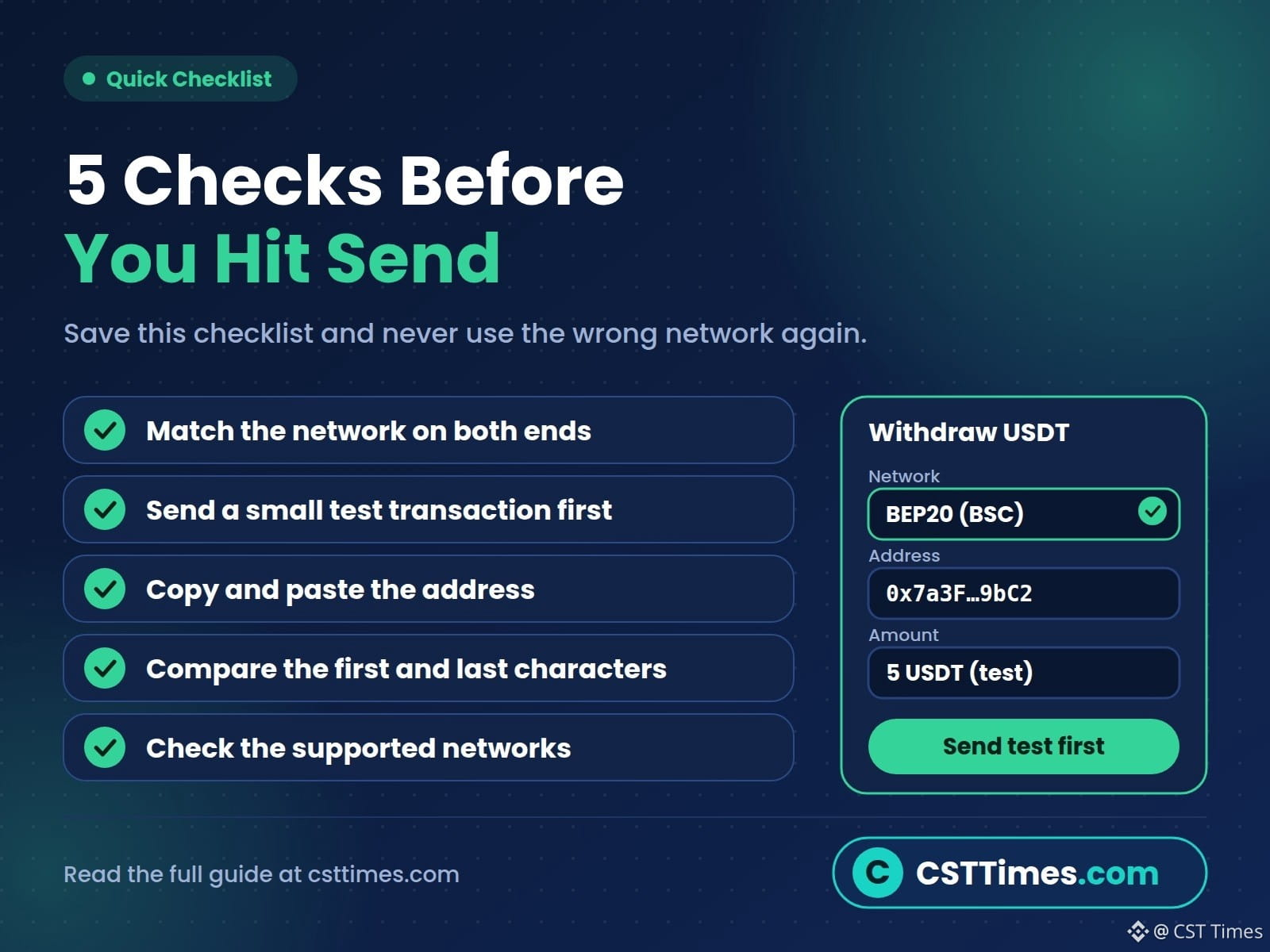
Quick checklist (save and share)
Want to never send crypto to the wrong network again? Save this checklist. 📌
1️⃣ Match the network on both ends: withdrawal and deposit must use the same one
2️⃣ Send a small test transaction first 🧪
3️⃣ Copy and paste the address, never type it
4️⃣ Compare the first and last characters of the address
5️⃣ Check the exchange’s supported networks before depositing
Already made a mistake? Don’t send the funds again. Check your TxID on a block explorer first.
Full guide here 👇
Sent crypto to wrong address. on CSTTimes dot com
#CryptoTips #BEP20vsERC20 #CryptoForBeginners #csttimes
77

·
--
See translation
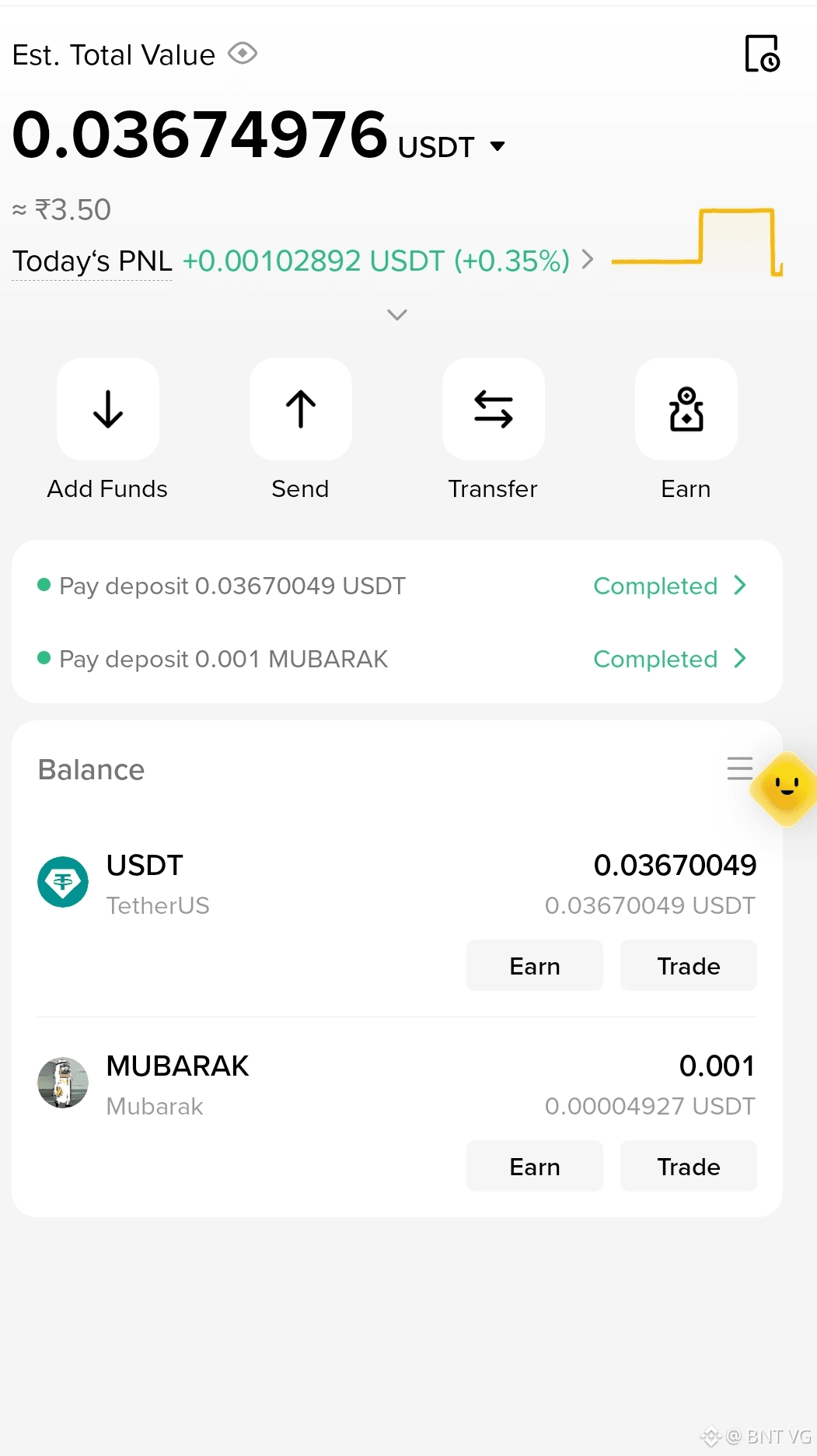
How to Make Your First $1 in Crypto (Zero Investment! 🚀)
Ever wondered how to get started in the crypto world without spending a single penny from your pocket? 💸 Your journey to your first $1 (and way beyond) starts right here, right now!
Here are 3 super simple ways to earn your first crypto on Binance:
1️⃣ Binance Learn & Earn: Watch short educational videos, take a quick quiz, and get rewarded with free crypto directly in your wallet! 🧠💡
2️⃣ Binance Square & Content Creation: Share your insights, post engaging articles, or build your community right here on Binance Square. Engagement and tips can earn you real crypto rewards! ✍️📈
3️⃣ Referral & Affiliate Programs: Invite your friends to join Binance using your referral link and earn a commission on their trading fees. Teamwork makes the dream work! 🤝🌐
Remember, every crypto whale started with their very first fraction of a coin. Consistency is key! 🔥
💬 Question for you: What was the very first cryptocurrency you ever earned or bought? Let me know in the comments below! 👇
#Binance #LearnAndEarn #CryptoForBeginners #BinanceSquare #PassiveIncome
1
488

Article
See translation
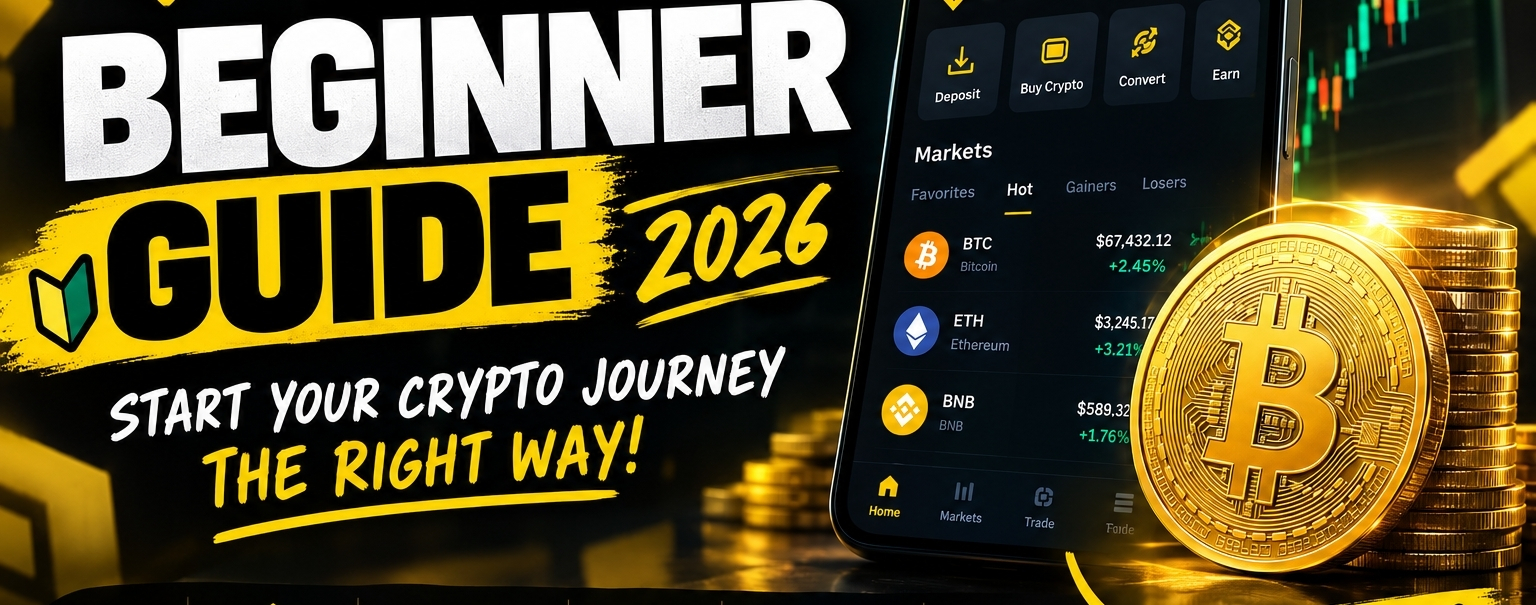
🛑BINANCE BEGINNER GUIDE 2026: 7 Things Every Crypto Newbie Should Know! 📚Are you new to crypto and confused by all the charts, coins, and trading terms? Don't worry! Every experienced trader started as a beginner.
Before exploring the crypto world, here are 7 essential lessons every beginner should learn. 👇
🔹 1. Understand the Basics First
Learn what Bitcoin (BTC), Ethereum (ETH), stablecoins, blockchain, and crypto exchanges are. Never put money into something you don't understand.
🔹 2. Learn How Binance Works
Explore the Binance interface and understand the difference between Spot trading, Convert, and Futures.
Spot trading involves buying and selling crypto directly. Futures trading is more complex and can involve leverage, which can magnify losses.
🔹 3. Security Comes First 🔐
Your account security should always be a priority.
✅ Use a strong, unique password.
✅ Enable two-factor authentication (2FA).
✅ Never share your password, verification codes, or account credentials.
✅ Beware of fake support agents, suspicious links, and guaranteed-profit schemes.
🔹 4. Never Believe in Guaranteed Profits
Crypto markets are volatile. Prices can rise or fall unexpectedly, and even experienced traders can make mistakes.
There is no guaranteed strategy for making profits, and no trading method is completely risk-free.
🔹 5. Learn Risk Management 🛡️
Protecting your finances is more important than chasing quick gains.
📌 Avoid emotional decisions.
📌 Never borrow money to speculate.
📌 Don't let FOMO control your decisions.
📌 Understand the risks before considering any financial activity.
🔹 6. Research Before Making Decisions 🔎
Don't buy a coin just because someone on social media says it will pump.
Learn about the project's purpose, token supply, development, and potential risks. Verify information using reliable sources instead of relying on hype.
🔹 7. Keep Learning Every Day 📈
The crypto industry changes quickly. Build your knowledge step by step, review your mistakes, and focus on understanding the market rather than chasing every trend.
💡 The Golden Rule for Beginners
Knowledge first. Security second. Decisions last.
You don't need to understand everything in one day. Patience and responsible decision-making matter more than excitement.
💬 QUESTION FOR THE COMMUNITY:
What was the most confusing thing when you first discovered crypto?
A) Understanding charts 📊
B) Learning about different coins 🪙
C) Understanding trading terms 📚
D) Avoiding scams 🔐
Share your answer in the comments and let's learn together!
⚠️ Disclaimer: This post is for educational purposes only, not financial advice. Cryptocurrency involves substantial risk, including the potential loss of money. Always do your own research.
#Binance #BinanceSquare #CryptoForBeginners #CryptoEducation💡 🚀 #Bitcoin
🛑BINANCE BEGINNER GUIDE 2026: 7 Things Every Crypto Newbie Should Know! 📚
Are you new to crypto and confused by all the charts, coins, and trading terms? Don't worry! Every experienced trader started as a beginner.
Before exploring the crypto world, here are 7 essential lessons every beginner should learn. 👇
🔹 1. Understand the Basics First
Learn what Bitcoin (BTC), Ethereum (ETH), stablecoins, blockchain, and crypto exchanges are. Never put money into something you don't understand.
🔹 2. Learn How Binance Works
Explore the Binance interface and understand the difference between Spot trading, Convert, and Futures.
Spot trading involves buying and selling crypto directly. Futures trading is more complex and can involve leverage, which can magnify losses.
🔹 3. Security Comes First 🔐
Your account security should always be a priority.
✅ Use a strong, unique password.
✅ Enable two-factor authentication (2FA).
✅ Never share your password, verification codes, or account credentials.
✅ Beware of fake support agents, suspicious links, and guaranteed-profit schemes.
🔹 4. Never Believe in Guaranteed Profits
Crypto markets are volatile. Prices can rise or fall unexpectedly, and even experienced traders can make mistakes.
There is no guaranteed strategy for making profits, and no trading method is completely risk-free.
🔹 5. Learn Risk Management 🛡️
Protecting your finances is more important than chasing quick gains.
📌 Avoid emotional decisions.
📌 Never borrow money to speculate.
📌 Don't let FOMO control your decisions.
📌 Understand the risks before considering any financial activity.
🔹 6. Research Before Making Decisions 🔎
Don't buy a coin just because someone on social media says it will pump.
Learn about the project's purpose, token supply, development, and potential risks. Verify information using reliable sources instead of relying on hype.
🔹 7. Keep Learning Every Day 📈
The crypto industry changes quickly. Build your knowledge step by step, review your mistakes, and focus on understanding the market rather than chasing every trend.
💡 The Golden Rule for Beginners
Knowledge first. Security second. Decisions last.
You don't need to understand everything in one day. Patience and responsible decision-making matter more than excitement.
💬 QUESTION FOR THE COMMUNITY:
What was the most confusing thing when you first discovered crypto?
A) Understanding charts 📊
B) Learning about different coins 🪙
C) Understanding trading terms 📚
D) Avoiding scams 🔐
Share your answer in the comments and let's learn together!
⚠️ Disclaimer: This post is for educational purposes only, not financial advice. Cryptocurrency involves substantial risk, including the potential loss of money. Always do your own research.
#Binance #BinanceSquare #CryptoForBeginners #CryptoEducation💡 🚀 #Bitcoin
82
See translation
Stablecoins in one minute 💵
A stablecoin is a crypto pegged to a stable asset, usually the US dollar. 1 coin ≈ $1.
Why people use them:
🔹 Park profits without leaving crypto
🔹 Wait out volatile markets
🔹 Move money fast between exchanges and wallets
Not all stablecoins are equal, though. Check what backs them and how transparent the issuer is.
Which stablecoin do you use most? 👇
$USDT $USDC
#Stablecoins #CryptoForBeginners #BinanceSquare
46

·
--
Bullish
See translation
Slippage in Crypto Trading: What Every Beginner Should Know 📊
Have you ever placed a trade and wondered, “Why did I get a different price?” 🤔
The answer may be slippage!
💡 What Is Slippage?
Slippage is the difference between the price you expect and the actual price at which your trade is executed.
📌 A Simple Example
Imagine a coin is showing a price of $100.
You place a Market Buy Order, but your order is filled at an average price of $101.
That $1 difference is negative slippage.
If you get a better price than expected, it is called positive slippage.
🔍 What Causes Slippage?
• Low liquidity: Not enough orders are available at your expected price.
• High volatility: Prices change quickly.
• Large market orders: Your order may be filled across different price levels.
🛡️ How Can Beginners Reduce Slippage?
✅ Check order-book depth and the bid-ask spread.
✅ Understand Market Orders and Limit Orders.
✅ Consider a Limit Order when price control matters. It may not be filled.
✅ Review your order details and average fill price.
✅ Be careful when the market is moving rapidly.
⚠️ Remember
Slippage is different from trading fees.
A Limit Order can help control your execution price, but it does not guarantee a completed trade. Slippage cannot always be avoided.
💬 Let's Discuss!
1. Have you ever experienced slippage?
2. Can you explain slippage in your own words?
3. What is the difference between a Market Order and a Limit Order?
4. How do you check liquidity before trading?
Share your thoughts and help other beginners learn!
Learn first. Understand the risks. Trade carefully.
#Binance #BinanceAcademy #cryptoeducation #Slippage #CryptoForBeginners
$HUMA
{future}(HUMAUSDT)
$HANA
{future}(HANAUSDT)
$PARTI
{future}(PARTIUSDT)
Slippage in Crypto Trading: What Every Beginner Should Know 📊
Have you ever placed a trade and wondered, “Why did I get a different price?” 🤔
The answer may be slippage!
💡 What Is Slippage?
Slippage is the difference between the price you expect and the actual price at which your trade is executed.
📌 A Simple Example
Imagine a coin is showing a price of $100.
You place a Market Buy Order, but your order is filled at an average price of $101.
That $1 difference is negative slippage.
If you get a better price than expected, it is called positive slippage.
🔍 What Causes Slippage?
• Low liquidity: Not enough orders are available at your expected price.
• High volatility: Prices change quickly.
• Large market orders: Your order may be filled across different price levels.
🛡️ How Can Beginners Reduce Slippage?
✅ Check order-book depth and the bid-ask spread.
✅ Understand Market Orders and Limit Orders.
✅ Consider a Limit Order when price control matters. It may not be filled.
✅ Review your order details and average fill price.
✅ Be careful when the market is moving rapidly.
⚠️ Remember
Slippage is different from trading fees.
A Limit Order can help control your execution price, but it does not guarantee a completed trade. Slippage cannot always be avoided.
💬 Let's Discuss!
1. Have you ever experienced slippage?
2. Can you explain slippage in your own words?
3. What is the difference between a Market Order and a Limit Order?
4. How do you check liquidity before trading?
Share your thoughts and help other beginners learn!
Learn first. Understand the risks. Trade carefully.
#Binance #BinanceAcademy #cryptoeducation #Slippage #CryptoForBeginners
$HUMA
$HANA
$PARTI

1
501
·
--
See translation
How to buy USDT with UPI on Binance P2P (beginner steps) 👇
1. Finish KYC and turn on 2FA first
2. Tap Trade → P2P → Buy
3. Choose USDT and INR, then pick UPI or PhonePe as the payment method
4. Choose a merchant with a high completion rate (95%+) and many trades
5. Enter your amount, place the order, and read the merchant's rules
6. Pay only to the details on the Binance order page, from your own KYC-name account
7. Upload proof, tap "Payment completed", and wait for the USDT
Tip: Buy a little extra, since fees are deducted from what you receive.
Have you tried P2P yet? #Binance #P2P #CryptoForBeginners
1
138
See translation
Crypto slang cheat sheet for newcomers 📖
🔸 HODL – hold your coins, don't panic sell
🔸 FOMO – fear of missing out, the reason people buy tops
🔸 FUD – fear, uncertainty, doubt, usually spread to push prices down
🔸 ATH – all-time high
🔸 DCA – buying in small parts over time
🔸 Rekt – lost a lot on a bad trade
🔸 WAGMI – "we're all gonna make it"
🔸 DYOR – do your own research
Save this for later and tag a friend who's new to crypto 👇
What slang would you add to the list?
$BTC $BNB
#CryptoGlossary #CryptoForBeginners #BinanceSquare
94

·
--
See translation
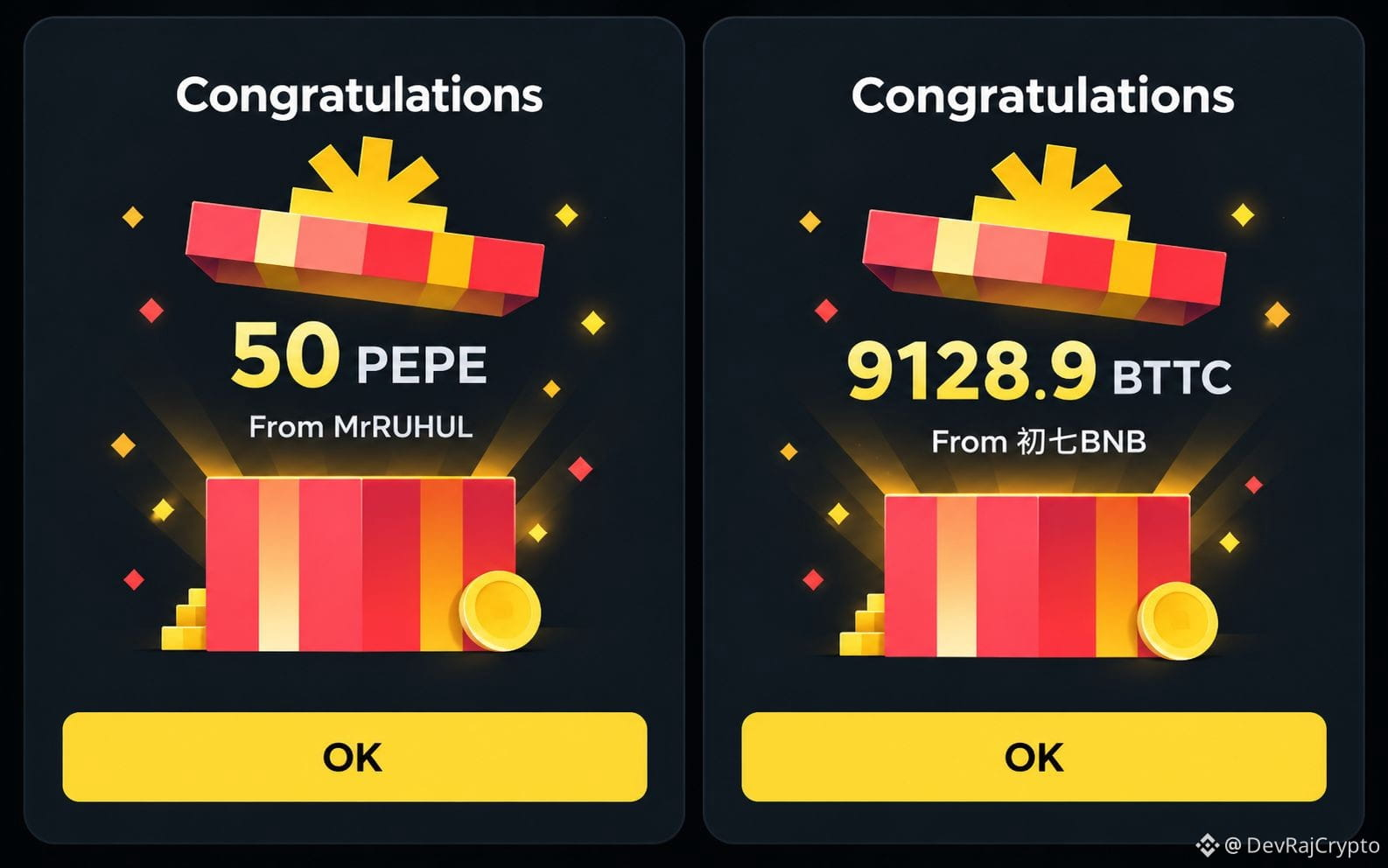
I’ve received Red Packets from friends on Binance, and the experience made me realise something: you can explore crypto rewards without starting by buying crypto.
Here are 4 ways beginners can explore earning on Binance 👇
🧧 1. Red Packets
I've received 50 PEPE from MrRUHUL and another Red Packet reward from 初七BNB. I've also sent Red Packets to my friends. It's a simple way to share crypto rewards and experience Binance's gifting feature.
📚 2. Learn & Earn
Learn about crypto, complete eligible quizzes, and earn rewards when campaigns are available.
✍️ 3. Write to Earn
I’ve earned through Binance Square content. Eligible creators can earn trading commissions and engagement bonuses under the program rules.
🚀 4. CreatorPad & Rewards Hub
Explore available creator campaigns, vouchers, and promotional rewards.
My biggest lesson? Don't assume you need to invest first to explore every crypto opportunity. Start with eligible rewards, learn how they work, and never risk money just to chase a bonus.
💬 Which have you tried: Red Packets, Learn & Earn, or Write to Earn?
⚠️ Disclaimer: Rewards depend on availability, eligibility, and campaign terms. Red Packet amounts and token values can vary. This post shares my personal experience, not a guarantee of earnings or financial advice. Always DYOR.
#Binance #BinanceSquare #CryptoForBeginners #LearnAndEarn
28
1
46
12.7k
·
--
See translation
I'm new to crypto, and last week I sent 5 USDT to a friend on Binance, starting with zero balance.
Here's how it went:
P2P → Buy → USDT → INR
Picked a merchant with good ratings and paid by UPI
Got the USDT, then sent it using the friend's Binance ID
The whole thing took about 20 minutes. My biggest lesson was to read the merchant's rules before paying.
What confused you most when you started? 👇
#Binance #P2P #BinancePick #CryptoForBeginners
1
184
Log in to explore more content
Join global crypto users on Binance Square
⚡️ Get latest and useful information about crypto.
💬 Trusted by the world’s largest crypto exchange.
👍 Discover real insights from verified creators.
Email / Phone number
Trending Topics
1
#BitcoinRebounds$75KAsChipsLead
5,903 views
106 Discussing
2
#JobsReportRaisesHikeOdds
87,916 views
866 Discussing
3
#US Data Center Rules May Constrain AI Expansion
11,192 views
94 Discussing
4
#$2TWipedOutHedgeFundsFaceLiquidation
13,650 views
98 Discussing
5
#WillAnthropicListOnTime
12,146 views
246 Discussing
6
#USNovemberMichiganExpectationsIndexPrelimAt50.9
20,829 views
343 Discussing
7
#OilPlungesBelow$100
20,698 views
38 Discussing
8
#TradFiForBeginners
12,655 views
220 Discussing
9
#USMidtermsCouldShakeUpUS-IranTies
40,449 views
511 Discussing
10
#RussianCentralBankNamesBTCETHUSDTForNonQualifiedInvestors
764 views
11 Discussing