

#australiaproposescryptotransactionreportinglaw
australiaproposescryptotransactionreportinglaw
Hot
Latest

·
--
See translation
#australiaproposescryptotransactionreportinglaw
🇦🇺 Australia Proposes New Crypto Reporting Law: What It Means for Traders
Australia has officially released draft legislation introducing a comprehensive crypto transaction reporting regime aligned with the OECD’s Crypto-Asset Reporting Framework (CARF).
Here are the key takeaways from the proposal:
Mandatory Reporting: Digital asset service providers and exchanges will be required to collect and report detailed customer transaction data (both domestic and cross-border) involving Australian residents to the ATO.
Timeline: The rules are set to officially take effect in July 2027, with the first round of reporting and international data-sharing scheduled for 2028.
Public Consultation: Feedback on the draft legislation is open until October 28, 2026.
💡 Market Impact & What Traders Should Do:
Compliance & Costs: Increased operational requirements will likely raise compliance costs for domestic platforms, but clear regulatory guidelines also pave the way for long-term legal certainty and institutional capital.
Trading Friction: In the short term, stricter reporting could shift some volume toward decentralized finance (DeFi) platforms or self-custody solutions as users rebalance their holdings.
Keep Records: Active traders should maintain clean, organized records of all buys, sells, and transfers to save themselves major stress at tax time.
Clearer rules ultimately help build long-term mainstream trust in crypto, but the compliance burden is real.
Where do you stand? Does tighter regulation create a safer market, or is it too much control? Let’s discuss in the comments! 👇
#AustraliaProposesCryptoTransactionReportingLaw #CryptoRegulation #CryptoNews
$BTC
#australiaproposescryptotransactionreportinglaw
🇦🇺 Australia Proposes New Crypto Reporting Law: What It Means for Traders
Australia has officially released draft legislation introducing a comprehensive crypto transaction reporting regime aligned with the OECD’s Crypto-Asset Reporting Framework (CARF).
Here are the key takeaways from the proposal:
Mandatory Reporting: Digital asset service providers and exchanges will be required to collect and report detailed customer transaction data (both domestic and cross-border) involving Australian residents to the ATO.
Timeline: The rules are set to officially take effect in July 2027, with the first round of reporting and international data-sharing scheduled for 2028.
Public Consultation: Feedback on the draft legislation is open until October 28, 2026.
💡 Market Impact & What Traders Should Do:
Compliance & Costs: Increased operational requirements will likely raise compliance costs for domestic platforms, but clear regulatory guidelines also pave the way for long-term legal certainty and institutional capital.
Trading Friction: In the short term, stricter reporting could shift some volume toward decentralized finance (DeFi) platforms or self-custody solutions as users rebalance their holdings.
Keep Records: Active traders should maintain clean, organized records of all buys, sells, and transfers to save themselves major stress at tax time.
Clearer rules ultimately help build long-term mainstream trust in crypto, but the compliance burden is real.
Where do you stand? Does tighter regulation create a safer market, or is it too much control? Let’s discuss in the comments! 👇
#AustraliaProposesCryptoTransactionReportingLaw #CryptoRegulation #CryptoNews
$BTC
🇦🇺 Australia Proposes New Crypto Reporting Law: What It Means for Traders
Australia has officially released draft legislation introducing a comprehensive crypto transaction reporting regime aligned with the OECD’s Crypto-Asset Reporting Framework (CARF).
Here are the key takeaways from the proposal:
Mandatory Reporting: Digital asset service providers and exchanges will be required to collect and report detailed customer transaction data (both domestic and cross-border) involving Australian residents to the ATO.
Timeline: The rules are set to officially take effect in July 2027, with the first round of reporting and international data-sharing scheduled for 2028.
Public Consultation: Feedback on the draft legislation is open until October 28, 2026.
💡 Market Impact & What Traders Should Do:
Compliance & Costs: Increased operational requirements will likely raise compliance costs for domestic platforms, but clear regulatory guidelines also pave the way for long-term legal certainty and institutional capital.
Trading Friction: In the short term, stricter reporting could shift some volume toward decentralized finance (DeFi) platforms or self-custody solutions as users rebalance their holdings.
Keep Records: Active traders should maintain clean, organized records of all buys, sells, and transfers to save themselves major stress at tax time.
Clearer rules ultimately help build long-term mainstream trust in crypto, but the compliance burden is real.
Where do you stand? Does tighter regulation create a safer market, or is it too much control? Let’s discuss in the comments! 👇
#AustraliaProposesCryptoTransactionReportingLaw #CryptoRegulation #CryptoNews
$BTC
1
1.7k

·
--
See translation
#australiaproposescryptotransactionreportinglaw Australia is making it harder to run a crypto
platform.
The Australian Securities and Investments Commission,
, has opened consultation on licensing, client assets, trading and financial requirements ahead of the new regime starting 9 April 2027.
The regulatory grey zone is closing.$STRK $ELSA $KMNO
#australiaproposescryptotransactionreportinglaw Australia is making it harder to run a crypto
platform.
The Australian Securities and Investments Commission,
, has opened consultation on licensing, client assets, trading and financial requirements ahead of the new regime starting 9 April 2027.
The regulatory grey zone is closing.$STRK $ELSA $KMNO
platform.
The Australian Securities and Investments Commission,
, has opened consultation on licensing, client assets, trading and financial requirements ahead of the new regime starting 9 April 2027.
The regulatory grey zone is closing.$STRK $ELSA $KMNO
26
·
--
See translation
#australiaproposescryptotransactionreportinglaw JUST IN:
🇦🇺
AUSTRALIA INTRODUCES LEGISLATION REQUIRING CRYPTO TRANSACTION REPORTING
AND INTERNATIONAL TAX INFORMATION SHARING.
UNDER THE BILL,
CRYPTO PLATFORMS WOULD BE REQUIRED TO REPORT TRANSACTIONS INVOLVING AUSTRALIAN RESIDENTS TO TAX AUTHORITIES STARTING JULY 2027.$SENT $KORU $RIVER
#australiaproposescryptotransactionreportinglaw JUST IN:
🇦🇺
AUSTRALIA INTRODUCES LEGISLATION REQUIRING CRYPTO TRANSACTION REPORTING
AND INTERNATIONAL TAX INFORMATION SHARING.
UNDER THE BILL,
CRYPTO PLATFORMS WOULD BE REQUIRED TO REPORT TRANSACTIONS INVOLVING AUSTRALIAN RESIDENTS TO TAX AUTHORITIES STARTING JULY 2027.$SENT $KORU $RIVER
🇦🇺
AUSTRALIA INTRODUCES LEGISLATION REQUIRING CRYPTO TRANSACTION REPORTING
AND INTERNATIONAL TAX INFORMATION SHARING.
UNDER THE BILL,
CRYPTO PLATFORMS WOULD BE REQUIRED TO REPORT TRANSACTIONS INVOLVING AUSTRALIAN RESIDENTS TO TAX AUTHORITIES STARTING JULY 2027.$SENT $KORU $RIVER
159
·
--
See translation
#australiaproposescryptotransactionreportinglaw 🇦🇺
JUST IN: Australia has introduced draft legislation to adopt the OECD’s crypto tax reporting framework, enabling countries to exchange crypto transaction information.$TIA $INIT $AKE
#australiaproposescryptotransactionreportinglaw 🇦🇺
JUST IN: Australia has introduced draft legislation to adopt the OECD’s crypto tax reporting framework, enabling countries to exchange crypto transaction information.$TIA $INIT $AKE
JUST IN: Australia has introduced draft legislation to adopt the OECD’s crypto tax reporting framework, enabling countries to exchange crypto transaction information.$TIA $INIT $AKE
4
·
--
See translation
#australiaproposescryptotransactionreportinglaw 🇦🇺
BREAKING: Australia has released draft legislation mandating cryptocurrency transaction reporting
and international tax information sharing.
Crypto service providers would be required to report qualifying transactions involving Australian residents starting July 2027.$AGT $SIREN $CYPH
#australiaproposescryptotransactionreportinglaw 🇦🇺
BREAKING: Australia has released draft legislation mandating cryptocurrency transaction reporting
and international tax information sharing.
Crypto service providers would be required to report qualifying transactions involving Australian residents starting July 2027.$AGT $SIREN $CYPH
BREAKING: Australia has released draft legislation mandating cryptocurrency transaction reporting
and international tax information sharing.
Crypto service providers would be required to report qualifying transactions involving Australian residents starting July 2027.$AGT $SIREN $CYPH
18

·
--
See translation
🚨 Australia has opened a new crypto reporting consultation. But this isn't a ban.
#australiaproposescryptotransactionreportinglaw
On October 15, Australia's Treasury released draft legislation aimed at improving crypto-asset tax transparency.
The proposal would bring the OECD Crypto-Asset Reporting Framework into Australian law, introduce domestic reporting for transactions involving Australian residents, and update existing international tax-information rules.
Public consultation runs until October 28.
Here's the distinction that matters.
This is a proposed reporting framework—not an enacted law, a blanket ban on crypto, or a new capital-gains tax rate.
The bigger change is the information pipeline: standardized reporting could make crypto transactions more visible to tax authorities, including through international cooperation.
That raises legitimate questions about implementation, reporting burdens and data protection.
For crypto users, the direction of travel is clear: regulatory compliance is increasingly becoming part of the infrastructure surrounding digital assets.
The debate is how to improve transparency without imposing unnecessary burdens or creating avoidable privacy risks.
Is standardized reporting a necessary step toward mainstream adoption, or does it risk making crypto less private?
Not financial advice.
$BTC $BNB $ETH
#AustraliaProposesCryptoTransactionReportingLaw #CryptoRegulation #RussiaToBanDirectCryptoP2PTradesFromJuly2027 #LedgerUnveilsAtomCryptoWalletSmartphone
🚨 Australia has opened a new crypto reporting consultation. But this isn't a ban.
#australiaproposescryptotransactionreportinglaw
On October 15, Australia's Treasury released draft legislation aimed at improving crypto-asset tax transparency.
The proposal would bring the OECD Crypto-Asset Reporting Framework into Australian law, introduce domestic reporting for transactions involving Australian residents, and update existing international tax-information rules.
Public consultation runs until October 28.
Here's the distinction that matters.
This is a proposed reporting framework—not an enacted law, a blanket ban on crypto, or a new capital-gains tax rate.
The bigger change is the information pipeline: standardized reporting could make crypto transactions more visible to tax authorities, including through international cooperation.
That raises legitimate questions about implementation, reporting burdens and data protection.
For crypto users, the direction of travel is clear: regulatory compliance is increasingly becoming part of the infrastructure surrounding digital assets.
The debate is how to improve transparency without imposing unnecessary burdens or creating avoidable privacy risks.
Is standardized reporting a necessary step toward mainstream adoption, or does it risk making crypto less private?
Not financial advice.
$BTC $BNB $ETH
#AustraliaProposesCryptoTransactionReportingLaw #CryptoRegulation #RussiaToBanDirectCryptoP2PTradesFromJuly2027 #LedgerUnveilsAtomCryptoWalletSmartphone
#australiaproposescryptotransactionreportinglaw
On October 15, Australia's Treasury released draft legislation aimed at improving crypto-asset tax transparency.
The proposal would bring the OECD Crypto-Asset Reporting Framework into Australian law, introduce domestic reporting for transactions involving Australian residents, and update existing international tax-information rules.
Public consultation runs until October 28.
Here's the distinction that matters.
This is a proposed reporting framework—not an enacted law, a blanket ban on crypto, or a new capital-gains tax rate.
The bigger change is the information pipeline: standardized reporting could make crypto transactions more visible to tax authorities, including through international cooperation.
That raises legitimate questions about implementation, reporting burdens and data protection.
For crypto users, the direction of travel is clear: regulatory compliance is increasingly becoming part of the infrastructure surrounding digital assets.
The debate is how to improve transparency without imposing unnecessary burdens or creating avoidable privacy risks.
Is standardized reporting a necessary step toward mainstream adoption, or does it risk making crypto less private?
Not financial advice.
$BTC $BNB $ETH
#AustraliaProposesCryptoTransactionReportingLaw #CryptoRegulation #RussiaToBanDirectCryptoP2PTradesFromJuly2027 #LedgerUnveilsAtomCryptoWalletSmartphone
1
40

·
--
See translation
$BTC | A crypto transaction reporting proposal is making headlines in Australia this week. On the desk we never treated exchange activity as private from the ATO. SatoshiMacro's crypto CGT guide notes the ATO already runs a data matching program with exchanges, pulling identity and transaction data before most people lodge, and that a 37 percent earner nets about 18.5 percent on a discounted gain. My read: a formal law just names what was already happening. It is general guidance, not tax advice. Check your cost base now.
https://satoshimacro.com/guides/crypto/crypto-capital-gains-tax-australia/?utm_source=binance_square&utm_medium=social&utm_campaign=autopilot_short-1
#SatoshiMacro #AustraliaProposesCryptoTransactionReportingLaw #CryptoTaxAU #Bitcoin
$BTC | A crypto transaction reporting proposal is making headlines in Australia this week. On the desk we never treated exchange activity as private from the ATO. SatoshiMacro's crypto CGT guide notes the ATO already runs a data matching program with exchanges, pulling identity and transaction data before most people lodge, and that a 37 percent earner nets about 18.5 percent on a discounted gain. My read: a formal law just names what was already happening. It is general guidance, not tax advice. Check your cost base now.
https://satoshimacro.com/guides/crypto/crypto-capital-gains-tax-australia/?utm_source=binance_square&utm_medium=social&utm_campaign=autopilot_short-1
#SatoshiMacro #AustraliaProposesCryptoTransactionReportingLaw #CryptoTaxAU #Bitcoin
https://satoshimacro.com/guides/crypto/crypto-capital-gains-tax-australia/?utm_source=binance_square&utm_medium=social&utm_campaign=autopilot_short-1
#SatoshiMacro #AustraliaProposesCryptoTransactionReportingLaw #CryptoTaxAU #Bitcoin
37

·
--
See translation
#AustraliaProposesCryptoTransactionReportingLaw
🇦🇺 Australia just dropped draft legislation requiring crypto platforms to report transactions involving Australian residents to the ATO.
The rules (aligned with OECD’s CARF) are set to start from July 2027, with first reports and international data sharing expected in 2028. Platforms must collect and share trade data — both domestic and cross-border. Public consultation is open until Oct 28.
More transparency is coming, and tax evasion will get harder. While it may feel intrusive, clearer rules could boost mainstream trust in crypto long-term. Aussie traders and platforms should prepare early — compliance costs will rise, but a mature regulated market often attracts bigger capital. Stay compliant and keep building.
What do you think of these new reporting rules?
#Crypto #Australia #CARF #ATO
#CryptoRegulation
#AustraliaProposesCryptoTransactionReportingLaw
🇦🇺 Australia just dropped draft legislation requiring crypto platforms to report transactions involving Australian residents to the ATO.
The rules (aligned with OECD’s CARF) are set to start from July 2027, with first reports and international data sharing expected in 2028. Platforms must collect and share trade data — both domestic and cross-border. Public consultation is open until Oct 28.
More transparency is coming, and tax evasion will get harder. While it may feel intrusive, clearer rules could boost mainstream trust in crypto long-term. Aussie traders and platforms should prepare early — compliance costs will rise, but a mature regulated market often attracts bigger capital. Stay compliant and keep building.
What do you think of these new reporting rules?
#Crypto #Australia #CARF #ATO
#CryptoRegulation
🇦🇺 Australia just dropped draft legislation requiring crypto platforms to report transactions involving Australian residents to the ATO.
The rules (aligned with OECD’s CARF) are set to start from July 2027, with first reports and international data sharing expected in 2028. Platforms must collect and share trade data — both domestic and cross-border. Public consultation is open until Oct 28.
More transparency is coming, and tax evasion will get harder. While it may feel intrusive, clearer rules could boost mainstream trust in crypto long-term. Aussie traders and platforms should prepare early — compliance costs will rise, but a mature regulated market often attracts bigger capital. Stay compliant and keep building.
What do you think of these new reporting rules?
#Crypto #Australia #CARF #ATO
#CryptoRegulation
56

See translation
#AustraliaProposesCryptoTransactionReportingLaw 🇦🇺 BREAKING: Australia Moves Toward Greater Crypto Tax Transparency! 🚨
The crypto industry is entering a new era of transparency. Australia has released draft legislation proposing new rules for reporting cryptocurrency transactions and sharing crypto tax information internationally.
📊 What Does This Mean?
🔹 More Transparency: The proposal aims to improve visibility into crypto transactions for tax purposes.
🔹 International Cooperation: Australia plans to adopt the OECD’s Crypto-Asset Reporting Framework (CARF), enabling the automatic exchange of relevant crypto tax information between participating countries.
🔹 Domestic Reporting: The draft also proposes a reporting system covering crypto transactions involving Australian residents.
🔹 Important Deadline: Public consultation on the draft legislation is open until October 28, 2026. International exchanges of crypto tax information are expected to begin in 2028.
💡 Why Should Crypto Investors Care?
Crypto offers exciting opportunities, but understanding tax obligations is becoming increasingly important. Investors should keep accurate transaction records, understand their local tax rules, and stay informed about regulatory developments.
🚀 The Big Question:
Will stronger crypto reporting rules increase trust in the crypto market, or create additional challenges for investors who value financial privacy?
👇 Share your thoughts in the comments!
#AustraliaProposesCryptoTransactionReportingLaw #CryptoNews #BinanceSquare #Bitcoin #CryptoRegulation #Blockchain #CryptoTax #Web3
#AustraliaProposesCryptoTransactionReportingLaw 🇦🇺 BREAKING: Australia Moves Toward Greater Crypto Tax Transparency! 🚨
The crypto industry is entering a new era of transparency. Australia has released draft legislation proposing new rules for reporting cryptocurrency transactions and sharing crypto tax information internationally.
📊 What Does This Mean?
🔹 More Transparency: The proposal aims to improve visibility into crypto transactions for tax purposes.
🔹 International Cooperation: Australia plans to adopt the OECD’s Crypto-Asset Reporting Framework (CARF), enabling the automatic exchange of relevant crypto tax information between participating countries.
🔹 Domestic Reporting: The draft also proposes a reporting system covering crypto transactions involving Australian residents.
🔹 Important Deadline: Public consultation on the draft legislation is open until October 28, 2026. International exchanges of crypto tax information are expected to begin in 2028.
💡 Why Should Crypto Investors Care?
Crypto offers exciting opportunities, but understanding tax obligations is becoming increasingly important. Investors should keep accurate transaction records, understand their local tax rules, and stay informed about regulatory developments.
🚀 The Big Question:
Will stronger crypto reporting rules increase trust in the crypto market, or create additional challenges for investors who value financial privacy?
👇 Share your thoughts in the comments!
#AustraliaProposesCryptoTransactionReportingLaw #CryptoNews #BinanceSquare #Bitcoin #CryptoRegulation #Blockchain #CryptoTax #Web3
The crypto industry is entering a new era of transparency. Australia has released draft legislation proposing new rules for reporting cryptocurrency transactions and sharing crypto tax information internationally.
📊 What Does This Mean?
🔹 More Transparency: The proposal aims to improve visibility into crypto transactions for tax purposes.
🔹 International Cooperation: Australia plans to adopt the OECD’s Crypto-Asset Reporting Framework (CARF), enabling the automatic exchange of relevant crypto tax information between participating countries.
🔹 Domestic Reporting: The draft also proposes a reporting system covering crypto transactions involving Australian residents.
🔹 Important Deadline: Public consultation on the draft legislation is open until October 28, 2026. International exchanges of crypto tax information are expected to begin in 2028.
💡 Why Should Crypto Investors Care?
Crypto offers exciting opportunities, but understanding tax obligations is becoming increasingly important. Investors should keep accurate transaction records, understand their local tax rules, and stay informed about regulatory developments.
🚀 The Big Question:
Will stronger crypto reporting rules increase trust in the crypto market, or create additional challenges for investors who value financial privacy?
👇 Share your thoughts in the comments!
#AustraliaProposesCryptoTransactionReportingLaw #CryptoNews #BinanceSquare #Bitcoin #CryptoRegulation #Blockchain #CryptoTax #Web3
70

·
--
Bullish
See translation
Australia is looking at a new crypto transaction reporting law, and honestly, it's not surprising anymore. Over the past year or so, regulators have been pushing hard for more visibility on how digital assets move, mostly for tax and anti-money-laundering reasons. Australia has already been working on OECD-style crypto reporting rules and a stricter travel rule for exchanges.
What does it mean for normal traders like us? Exchanges will probably have to collect and share more data, so KYC and transaction records will matter more than ever. If you trade actively, keep your own records: buys, sells, transfers, everything. It'll save you a lot of stress at tax time.
I don't see this as bad news. Clear rules usually bring bigger players and more trust into the market over time. But the compliance burden is real, especially for smaller platforms.
Where do you stand? More regulation = safer market, or too much control?
#AustraliaProposesCryptoTransactionReportingLaw #CryptoRegulation
Note: mujhe is specific proposal ki latest details nahi mili, isliye maine post general rakhi hai taake koi galat claim na ho. Agar aapke paas news link hai to bhej dein, main usi ke hisaab se facts add kar dunga. Hinglish ya Urdu version chahiye to bata dein.
Australia is looking at a new crypto transaction reporting law, and honestly, it's not surprising anymore. Over the past year or so, regulators have been pushing hard for more visibility on how digital assets move, mostly for tax and anti-money-laundering reasons. Australia has already been working on OECD-style crypto reporting rules and a stricter travel rule for exchanges.
What does it mean for normal traders like us? Exchanges will probably have to collect and share more data, so KYC and transaction records will matter more than ever. If you trade actively, keep your own records: buys, sells, transfers, everything. It'll save you a lot of stress at tax time.
I don't see this as bad news. Clear rules usually bring bigger players and more trust into the market over time. But the compliance burden is real, especially for smaller platforms.
Where do you stand? More regulation = safer market, or too much control?
#AustraliaProposesCryptoTransactionReportingLaw #CryptoRegulation
Note: mujhe is specific proposal ki latest details nahi mili, isliye maine post general rakhi hai taake koi galat claim na ho. Agar aapke paas news link hai to bhej dein, main usi ke hisaab se facts add kar dunga. Hinglish ya Urdu version chahiye to bata dein.
What does it mean for normal traders like us? Exchanges will probably have to collect and share more data, so KYC and transaction records will matter more than ever. If you trade actively, keep your own records: buys, sells, transfers, everything. It'll save you a lot of stress at tax time.
I don't see this as bad news. Clear rules usually bring bigger players and more trust into the market over time. But the compliance burden is real, especially for smaller platforms.
Where do you stand? More regulation = safer market, or too much control?
#AustraliaProposesCryptoTransactionReportingLaw #CryptoRegulation
Note: mujhe is specific proposal ki latest details nahi mili, isliye maine post general rakhi hai taake koi galat claim na ho. Agar aapke paas news link hai to bhej dein, main usi ke hisaab se facts add kar dunga. Hinglish ya Urdu version chahiye to bata dein.
1
105

·
--
See translation
🇦🇺 Australia Proposes Crypto Transaction Reporting 🇦🇺
Australia is proposing new rules to improve transparency in cryptocurrency transactions. These rules may help authorities monitor crypto activities and prevent financial crimes.
🌍 The crypto industry is evolving rapidly. Regulation and transparency will play an important role in its future.
💡 Stay informed, do your own research, and always invest responsibly.
#Australia #Crypto #Bitcoin #CryptoNews #Blockchain #cryptocurrency #AustraliaProposesCryptoTransactionReportingLaw
🇦🇺 Australia Proposes Crypto Transaction Reporting 🇦🇺
Australia is proposing new rules to improve transparency in cryptocurrency transactions. These rules may help authorities monitor crypto activities and prevent financial crimes.
🌍 The crypto industry is evolving rapidly. Regulation and transparency will play an important role in its future.
💡 Stay informed, do your own research, and always invest responsibly.
#Australia #Crypto #Bitcoin #CryptoNews #Blockchain #cryptocurrency #AustraliaProposesCryptoTransactionReportingLaw
Australia is proposing new rules to improve transparency in cryptocurrency transactions. These rules may help authorities monitor crypto activities and prevent financial crimes.
🌍 The crypto industry is evolving rapidly. Regulation and transparency will play an important role in its future.
💡 Stay informed, do your own research, and always invest responsibly.
#Australia #Crypto #Bitcoin #CryptoNews #Blockchain #cryptocurrency #AustraliaProposesCryptoTransactionReportingLaw
77

See translation
#australiaproposescryptotransactionreportinglaw
🚨 Australia Wants Crypto Transactions Under the Spotlight! 🇦🇺
A proposed crypto transaction reporting law could bring more transparency—and more scrutiny—to the digital asset market.
Crypto is evolving fast, but one big question remains: How will regulation balance transparency with financial privacy? 👀
#AustraliaProposesCryptoTransactionReportingLaw
$AGT
{future}(AGTUSDT)
$SIREN
{future}(SIRENUSDT)
$CYPH
{future}(CYPHUSDT)
#australiaproposescryptotransactionreportinglaw
🚨 Australia Wants Crypto Transactions Under the Spotlight! 🇦🇺
A proposed crypto transaction reporting law could bring more transparency—and more scrutiny—to the digital asset market.
Crypto is evolving fast, but one big question remains: How will regulation balance transparency with financial privacy? 👀
#AustraliaProposesCryptoTransactionReportingLaw
$AGT
$SIREN
$CYPH
🚨 Australia Wants Crypto Transactions Under the Spotlight! 🇦🇺
A proposed crypto transaction reporting law could bring more transparency—and more scrutiny—to the digital asset market.
Crypto is evolving fast, but one big question remains: How will regulation balance transparency with financial privacy? 👀
#AustraliaProposesCryptoTransactionReportingLaw
$AGT
$SIREN
$CYPH
277
See translation
#AustraliaProposesCryptoTransactionReportingLaw Australia is proposing a new law that would require crypto transactions to be reported. The goal is to improve financial transparency and help authorities track illegal activities, such as money laundering and tax evasion. If approved, the law could bring new rules for crypto businesses and users. This proposal shows that Australia is paying more attention to the growing crypto market. Investors and crypto companies will watch closely to see how the new rules may affect digital asset trading.
CHECK BELOW TO TRADE
$BTC $ETH $BZ
{future}(BTCUSDT)
{future}(ETHUSDT)
{future}(BZUSDT)
#AustraliaProposesCryptoTransactionReportingLaw Australia is proposing a new law that would require crypto transactions to be reported. The goal is to improve financial transparency and help authorities track illegal activities, such as money laundering and tax evasion. If approved, the law could bring new rules for crypto businesses and users. This proposal shows that Australia is paying more attention to the growing crypto market. Investors and crypto companies will watch closely to see how the new rules may affect digital asset trading.
CHECK BELOW TO TRADE
$BTC $ETH $BZ
CHECK BELOW TO TRADE
$BTC $ETH $BZ
1
848

Article
See translation
Analysis and Strategy: #AustraliaProposesCryptoTransactionReportingLaw#AustraliaProposesCryptoTransactionReportingLaw
🇦🇺 Australia Proposes Strict Crypto Transaction Reporting Law: What Does It Mean for the Market and Privacy? (#AustraliaProposesCryptoTransactionReportingLaw)
The Australian government has introduced a key legislative proposal focused on financial transparency and the mandatory reporting of cryptocurrency transactions. This measure aims to align Australian regulation with international standards set by the Financial Action Task Force (FATF) and to strengthen anti-money laundering (AML) frameworks.
---
1\. What Does the New Legislative Proposal in Australia Entail? ⚖️
The proposed legislation introduces more rigorous compliance controls for Virtual Asset Service Providers (VASPs):
* **Automatic Transaction Reporting:** A requirement for exchanges and regulated platforms to report movements exceeding specific thresholds to financial intelligence agencies (such as AUSTRAC).
* **Strict Adoption of the "Travel Rule":** An obligation to share identifying information between the sender and the receiver during cryptocurrency transfers.
* **Oversight of Cross-Border Transactions:** Increased scrutiny of capital flows to and from private wallets or non-cooperative jurisdictions.
---
2\. Macro Impact and Privacy in the Crypto Ecosystem 🌍
While the regulation seeks to combat illicit activities and protect consumers, it has sparked a significant debate within the market:
* **Institutional Entry:** A clear legal framework encourages adoption by Australian banks and investment funds, reducing legal uncertainty.
* **Privacy Challenges:** Enhanced tracking may drive privacy-focused users toward decentralized exchanges (DEXs) and self-custody wallets.
* **Ripple Effect in the APAC Region:** Australia joins countries like Singapore, Japan, and South Korea in tightening regulatory oversight of centralized exchanges.
---
3\. Binance Positioning Strategy 🎯
In light of the global regulatory landscape, here is how a resilient operational strategy can be structured:
1. **Compliant Platforms (Binance Spot):** Robust regulatory compliance and verified KYC processes make leading platforms like Binance a safe haven for institutional liquidity in key pairs (**$BTC**, **$ETH**, **$SOL**).$BTC $ETH $SOL
{future}(SOLUSDT)
{future}(ETHUSDT)
{future}(BTCUSDT)
2. **Diversification and Self-Custody:** Integrate the use of the **Binance Web3 Wallet** for managing DeFi assets while maintaining transparency in personal tax records.
3. **Volatility Monitoring:** Regulatory news often triggers temporary drops driven by fear (FUD). Setting limit orders at key support zones allows you to capitalize on pullbacks caused by regulatory panic.#writetoearn
Analysis and Strategy: #AustraliaProposesCryptoTransactionReportingLaw
#AustraliaProposesCryptoTransactionReportingLaw
🇦🇺 Australia Proposes Strict Crypto Transaction Reporting Law: What Does It Mean for the Market and Privacy? (#AustraliaProposesCryptoTransactionReportingLaw)
The Australian government has introduced a key legislative proposal focused on financial transparency and the mandatory reporting of cryptocurrency transactions. This measure aims to align Australian regulation with international standards set by the Financial Action Task Force (FATF) and to strengthen anti-money laundering (AML) frameworks.
---
1\. What Does the New Legislative Proposal in Australia Entail? ⚖️
The proposed legislation introduces more rigorous compliance controls for Virtual Asset Service Providers (VASPs):
* **Automatic Transaction Reporting:** A requirement for exchanges and regulated platforms to report movements exceeding specific thresholds to financial intelligence agencies (such as AUSTRAC).
* **Strict Adoption of the "Travel Rule":** An obligation to share identifying information between the sender and the receiver during cryptocurrency transfers.
* **Oversight of Cross-Border Transactions:** Increased scrutiny of capital flows to and from private wallets or non-cooperative jurisdictions.
---
2\. Macro Impact and Privacy in the Crypto Ecosystem 🌍
While the regulation seeks to combat illicit activities and protect consumers, it has sparked a significant debate within the market:
* **Institutional Entry:** A clear legal framework encourages adoption by Australian banks and investment funds, reducing legal uncertainty.
* **Privacy Challenges:** Enhanced tracking may drive privacy-focused users toward decentralized exchanges (DEXs) and self-custody wallets.
* **Ripple Effect in the APAC Region:** Australia joins countries like Singapore, Japan, and South Korea in tightening regulatory oversight of centralized exchanges.
---
3\. Binance Positioning Strategy 🎯
In light of the global regulatory landscape, here is how a resilient operational strategy can be structured:
1. **Compliant Platforms (Binance Spot):** Robust regulatory compliance and verified KYC processes make leading platforms like Binance a safe haven for institutional liquidity in key pairs (**$BTC **, **$ETH **, **$SOL **).$BTC $ETH $SOL
2. **Diversification and Self-Custody:** Integrate the use of the **Binance Web3 Wallet** for managing DeFi assets while maintaining transparency in personal tax records.
3. **Volatility Monitoring:** Regulatory news often triggers temporary drops driven by fear (FUD). Setting limit orders at key support zones allows you to capitalize on pullbacks caused by regulatory panic.#writetoearn
🇦🇺 Australia Proposes Strict Crypto Transaction Reporting Law: What Does It Mean for the Market and Privacy? (#AustraliaProposesCryptoTransactionReportingLaw)
The Australian government has introduced a key legislative proposal focused on financial transparency and the mandatory reporting of cryptocurrency transactions. This measure aims to align Australian regulation with international standards set by the Financial Action Task Force (FATF) and to strengthen anti-money laundering (AML) frameworks.
---
1\. What Does the New Legislative Proposal in Australia Entail? ⚖️
The proposed legislation introduces more rigorous compliance controls for Virtual Asset Service Providers (VASPs):
* **Automatic Transaction Reporting:** A requirement for exchanges and regulated platforms to report movements exceeding specific thresholds to financial intelligence agencies (such as AUSTRAC).
* **Strict Adoption of the "Travel Rule":** An obligation to share identifying information between the sender and the receiver during cryptocurrency transfers.
* **Oversight of Cross-Border Transactions:** Increased scrutiny of capital flows to and from private wallets or non-cooperative jurisdictions.
---
2\. Macro Impact and Privacy in the Crypto Ecosystem 🌍
While the regulation seeks to combat illicit activities and protect consumers, it has sparked a significant debate within the market:
* **Institutional Entry:** A clear legal framework encourages adoption by Australian banks and investment funds, reducing legal uncertainty.
* **Privacy Challenges:** Enhanced tracking may drive privacy-focused users toward decentralized exchanges (DEXs) and self-custody wallets.
* **Ripple Effect in the APAC Region:** Australia joins countries like Singapore, Japan, and South Korea in tightening regulatory oversight of centralized exchanges.
---
3\. Binance Positioning Strategy 🎯
In light of the global regulatory landscape, here is how a resilient operational strategy can be structured:
1. **Compliant Platforms (Binance Spot):** Robust regulatory compliance and verified KYC processes make leading platforms like Binance a safe haven for institutional liquidity in key pairs (**$BTC **, **$ETH **, **$SOL **).$BTC $ETH $SOL
2. **Diversification and Self-Custody:** Integrate the use of the **Binance Web3 Wallet** for managing DeFi assets while maintaining transparency in personal tax records.
3. **Volatility Monitoring:** Regulatory news often triggers temporary drops driven by fear (FUD). Setting limit orders at key support zones allows you to capitalize on pullbacks caused by regulatory panic.#writetoearn
1
263
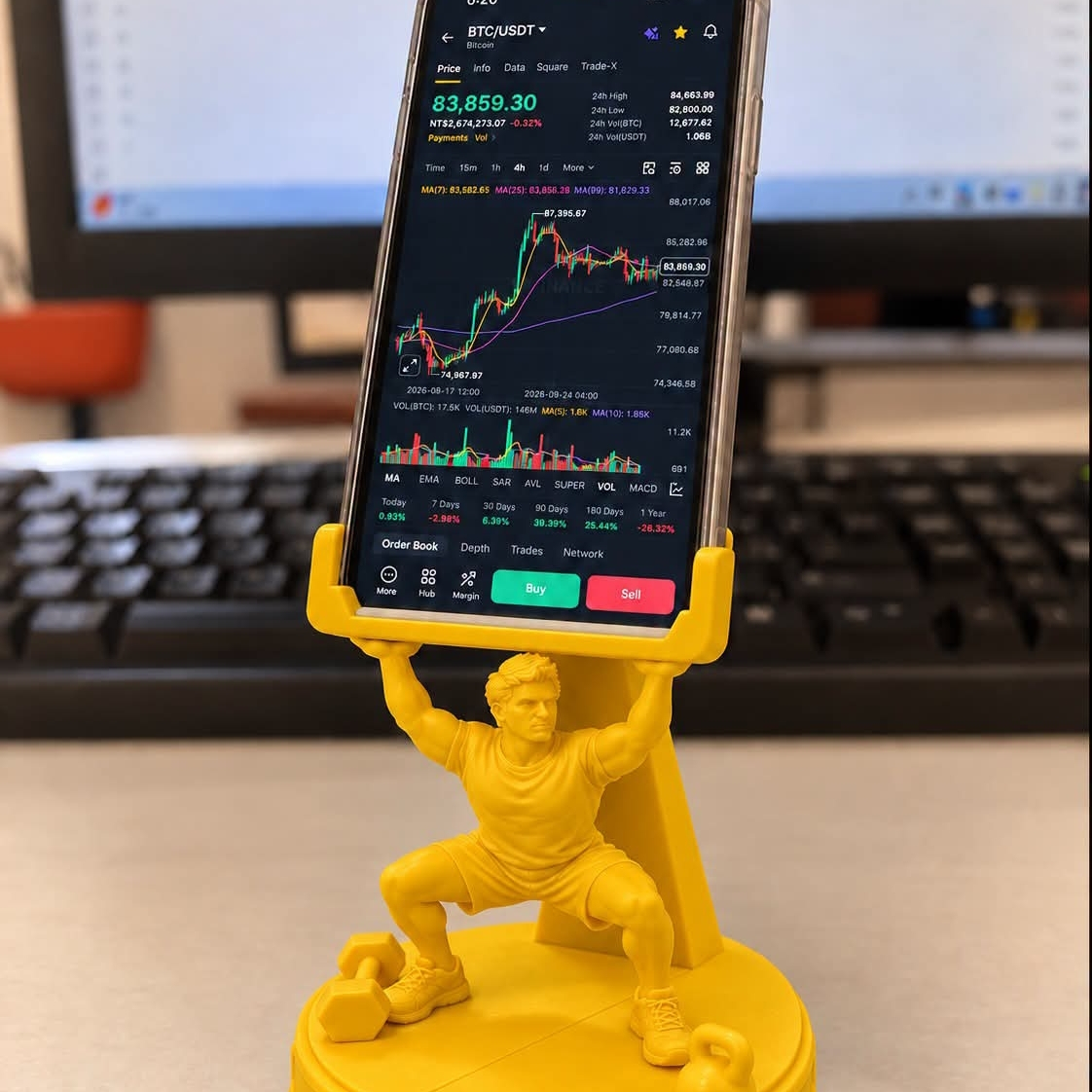
See translation
#AustraliaProposesCryptoTransactionReportingLaw
🚨 🇦🇺 AUSTRALIA'S CRYPTO RULEBOOK IS TAKING SHAPE!
ASIC's CP 392 consultation could reshape Australia's digital asset industry! 👀
🔥 KEY PROPOSALS:
💰 Stronger capital requirements
🛡️ Customer asset protection
🔍 Greater reporting and oversight
⚖️ Tighter rules for crypto platforms
📊 THE BIG QUESTION:
Will stricter regulation strengthen investor confidence — or push smaller platforms offshore?
One thing is clear: Crypto regulation is entering a new phase.
Could Australia become a major regulated crypto hub? 🇦🇺
#Crypto #ASIC #Australia
$BTC $ETH $SOL
#CryptoRegulation
#AustraliaProposesCryptoTransactionReportingLaw
🚨 🇦🇺 AUSTRALIA'S CRYPTO RULEBOOK IS TAKING SHAPE!
ASIC's CP 392 consultation could reshape Australia's digital asset industry! 👀
🔥 KEY PROPOSALS:
💰 Stronger capital requirements
🛡️ Customer asset protection
🔍 Greater reporting and oversight
⚖️ Tighter rules for crypto platforms
📊 THE BIG QUESTION:
Will stricter regulation strengthen investor confidence — or push smaller platforms offshore?
One thing is clear: Crypto regulation is entering a new phase.
Could Australia become a major regulated crypto hub? 🇦🇺
#Crypto #ASIC #Australia
$BTC $ETH $SOL
#CryptoRegulation
🚨 🇦🇺 AUSTRALIA'S CRYPTO RULEBOOK IS TAKING SHAPE!
ASIC's CP 392 consultation could reshape Australia's digital asset industry! 👀
🔥 KEY PROPOSALS:
💰 Stronger capital requirements
🛡️ Customer asset protection
🔍 Greater reporting and oversight
⚖️ Tighter rules for crypto platforms
📊 THE BIG QUESTION:
Will stricter regulation strengthen investor confidence — or push smaller platforms offshore?
One thing is clear: Crypto regulation is entering a new phase.
Could Australia become a major regulated crypto hub? 🇦🇺
#Crypto #ASIC #Australia
$BTC $ETH $SOL
#CryptoRegulation
1
165

·
--
See translation
#AustraliaProposesCryptoTransactionReportingLaw
Australia has officially released a draft bill to establish a sweeping crypto transaction reporting regime and integrate the Organisation for Economic Co-operation and Development’s (OECD) Crypto-Asset Reporting Framework (CARF) into domestic law. [1]
The draft bill, titled the Treasury Laws Amendment Bill 2026: Tax information reporting, aims to crack down on global tax evasion by enforcing strict information transparency across digital asset platforms. [1, 2]
$ADA
{future}(ADAUSDT)
$SUI
{future}(SUIUSDT)
$XRP
{future}(XRPUSDT)
#CryptoTransactions
#AustralianStocks
#AustraliaCrypto
#AustraliaProposesCryptoTransactionReportingLaw
Australia has officially released a draft bill to establish a sweeping crypto transaction reporting regime and integrate the Organisation for Economic Co-operation and Development’s (OECD) Crypto-Asset Reporting Framework (CARF) into domestic law. [1]
The draft bill, titled the Treasury Laws Amendment Bill 2026: Tax information reporting, aims to crack down on global tax evasion by enforcing strict information transparency across digital asset platforms. [1, 2]
$ADA
$SUI
$XRP
#CryptoTransactions
#AustralianStocks
#AustraliaCrypto
Australia has officially released a draft bill to establish a sweeping crypto transaction reporting regime and integrate the Organisation for Economic Co-operation and Development’s (OECD) Crypto-Asset Reporting Framework (CARF) into domestic law. [1]
The draft bill, titled the Treasury Laws Amendment Bill 2026: Tax information reporting, aims to crack down on global tax evasion by enforcing strict information transparency across digital asset platforms. [1, 2]
$ADA
$SUI
$XRP
#CryptoTransactions
#AustralianStocks
#AustraliaCrypto
67

·
--
See translation
$
That hashtag refers to Australia’s newly released **draft tax-transparency legislation**: Treasury opened consultation around **Oct. 14–15, 2026** for a bill to bring the OECD **Crypto-Asset Reporting Framework (CARF)** into Australian law and create a domestic crypto-reporting regime.
Key points:
- It’s **tax reporting**, not a crypto ban: crypto intermediaries/platforms would do due diligence and report user and transaction data to the ATO, supporting automatic exchange with partner tax authorities.
- Earlier Australian consultation framed CARF as covering exchanges between crypto and fiat, crypto-to-crypto exchanges, and transfers, with reporting generally annual; it had envisaged 2026 commencement for first exchanges by 2027, subject to government decisions.
- This is separate from Australia’s **AUSTRAC AML/travel-rule** regime, which has been expanding in 2026 to more virtual-asset services, custody, transfers and cross-border value transfers.
Practical read: if enacted, Australian and foreign crypto platforms serving Australian users would face CRS-style reporting; individuals would still be responsible for lodging accurate tax returns.#AustraliaProposesCryptoTransactionReportingLaw
$
That hashtag refers to Australia’s newly released **draft tax-transparency legislation**: Treasury opened consultation around **Oct. 14–15, 2026** for a bill to bring the OECD **Crypto-Asset Reporting Framework (CARF)** into Australian law and create a domestic crypto-reporting regime.
Key points:
- It’s **tax reporting**, not a crypto ban: crypto intermediaries/platforms would do due diligence and report user and transaction data to the ATO, supporting automatic exchange with partner tax authorities.
- Earlier Australian consultation framed CARF as covering exchanges between crypto and fiat, crypto-to-crypto exchanges, and transfers, with reporting generally annual; it had envisaged 2026 commencement for first exchanges by 2027, subject to government decisions.
- This is separate from Australia’s **AUSTRAC AML/travel-rule** regime, which has been expanding in 2026 to more virtual-asset services, custody, transfers and cross-border value transfers.
Practical read: if enacted, Australian and foreign crypto platforms serving Australian users would face CRS-style reporting; individuals would still be responsible for lodging accurate tax returns.#AustraliaProposesCryptoTransactionReportingLaw
That hashtag refers to Australia’s newly released **draft tax-transparency legislation**: Treasury opened consultation around **Oct. 14–15, 2026** for a bill to bring the OECD **Crypto-Asset Reporting Framework (CARF)** into Australian law and create a domestic crypto-reporting regime.
Key points:
- It’s **tax reporting**, not a crypto ban: crypto intermediaries/platforms would do due diligence and report user and transaction data to the ATO, supporting automatic exchange with partner tax authorities.
- Earlier Australian consultation framed CARF as covering exchanges between crypto and fiat, crypto-to-crypto exchanges, and transfers, with reporting generally annual; it had envisaged 2026 commencement for first exchanges by 2027, subject to government decisions.
- This is separate from Australia’s **AUSTRAC AML/travel-rule** regime, which has been expanding in 2026 to more virtual-asset services, custody, transfers and cross-border value transfers.
Practical read: if enacted, Australian and foreign crypto platforms serving Australian users would face CRS-style reporting; individuals would still be responsible for lodging accurate tax returns.#AustraliaProposesCryptoTransactionReportingLaw
113

·
--
See translation
#australiaproposescryptotransactionreportinglaw
The Australian Treasury has introduced draft legislation requiring digital asset service providers (DASPs) and exchanges to collect and report detailed customer transaction data. Designed to align Australia with the OECD’s Crypto-Asset Reporting Framework (CARF), the proposed framework mandates mandatory reporting on local transactions starting in July 2027, with global automated tax information exchanges set to commence by 2028.
Market Analysis & Structural Assessment
Global adoption of standardized tax reporting frameworks narrows jurisdictional arbitrage and formalizes institutional compliance structures.
While heightened compliance requirements introduce operational costs for domestic exchange operators, clear regulatory guidelines provide long-term legal certainty for institutional capital. In the short term, increased reporting friction can prompt self-custody migration or shift liquidity toward decentralized finance (DeFi) platforms as high-net-worth traders rebalance holdings ahead of formal enforcement deadlines.
Lower Timeframe Zone ($BTC): $80,200–$81,500 serves as the primary structural demand floor. Maintaining stability above this support floor is essential to sustain broader market consolidation as global regulatory frameworks mature.
Highlighted Tradeable Assets (Regulatory Sensitivity & Liquid Benchmarks):
$BTC (Bitcoin): Core digital reserve asset; tracking global regulatory compliance updates, on-chain capital flows, and macroeconomic risk sentiment.
$UNI (Uniswap): Premier decentralized exchange protocol; evaluating potential volume rotation toward non-custodial DEX venues following centralized compliance mandates.
$ETH (Ethereum): Benchmark smart-contract platform; observing Layer-1 liquidity retention and institutional staking engagement under developing tax oversight frameworks.
Share your analysis in the comments below! 👇
{spot}(BTCUSDT)
{spot}(UNIUSDT)
{spot}(ETHUSDT)
#MarketAnalysis
#CryptoRegulation #AustraliaCrypto #cryptotrading
#australiaproposescryptotransactionreportinglaw
The Australian Treasury has introduced draft legislation requiring digital asset service providers (DASPs) and exchanges to collect and report detailed customer transaction data. Designed to align Australia with the OECD’s Crypto-Asset Reporting Framework (CARF), the proposed framework mandates mandatory reporting on local transactions starting in July 2027, with global automated tax information exchanges set to commence by 2028.
Market Analysis & Structural Assessment
Global adoption of standardized tax reporting frameworks narrows jurisdictional arbitrage and formalizes institutional compliance structures.
While heightened compliance requirements introduce operational costs for domestic exchange operators, clear regulatory guidelines provide long-term legal certainty for institutional capital. In the short term, increased reporting friction can prompt self-custody migration or shift liquidity toward decentralized finance (DeFi) platforms as high-net-worth traders rebalance holdings ahead of formal enforcement deadlines.
Lower Timeframe Zone ($BTC ): $80,200–$81,500 serves as the primary structural demand floor. Maintaining stability above this support floor is essential to sustain broader market consolidation as global regulatory frameworks mature.
Highlighted Tradeable Assets (Regulatory Sensitivity & Liquid Benchmarks):
$BTC (Bitcoin): Core digital reserve asset; tracking global regulatory compliance updates, on-chain capital flows, and macroeconomic risk sentiment.
$UNI (Uniswap): Premier decentralized exchange protocol; evaluating potential volume rotation toward non-custodial DEX venues following centralized compliance mandates.
$ETH (Ethereum): Benchmark smart-contract platform; observing Layer-1 liquidity retention and institutional staking engagement under developing tax oversight frameworks.
Share your analysis in the comments below! 👇
#MarketAnalysis
#CryptoRegulation #AustraliaCrypto #cryptotrading
The Australian Treasury has introduced draft legislation requiring digital asset service providers (DASPs) and exchanges to collect and report detailed customer transaction data. Designed to align Australia with the OECD’s Crypto-Asset Reporting Framework (CARF), the proposed framework mandates mandatory reporting on local transactions starting in July 2027, with global automated tax information exchanges set to commence by 2028.
Market Analysis & Structural Assessment
Global adoption of standardized tax reporting frameworks narrows jurisdictional arbitrage and formalizes institutional compliance structures.
While heightened compliance requirements introduce operational costs for domestic exchange operators, clear regulatory guidelines provide long-term legal certainty for institutional capital. In the short term, increased reporting friction can prompt self-custody migration or shift liquidity toward decentralized finance (DeFi) platforms as high-net-worth traders rebalance holdings ahead of formal enforcement deadlines.
Lower Timeframe Zone ($BTC ): $80,200–$81,500 serves as the primary structural demand floor. Maintaining stability above this support floor is essential to sustain broader market consolidation as global regulatory frameworks mature.
Highlighted Tradeable Assets (Regulatory Sensitivity & Liquid Benchmarks):
$BTC (Bitcoin): Core digital reserve asset; tracking global regulatory compliance updates, on-chain capital flows, and macroeconomic risk sentiment.
$UNI (Uniswap): Premier decentralized exchange protocol; evaluating potential volume rotation toward non-custodial DEX venues following centralized compliance mandates.
$ETH (Ethereum): Benchmark smart-contract platform; observing Layer-1 liquidity retention and institutional staking engagement under developing tax oversight frameworks.
Share your analysis in the comments below! 👇
#MarketAnalysis
#CryptoRegulation #AustraliaCrypto #cryptotrading
3
3.6k

·
--
Australian tax reporting draft | BTC around $81,900 | I’m not treating a consultation draft as a bearish measure already in force
My stance is to watch cautiously. I won’t short just because of a regulatory headline, or go long just because the price is temporarily holding above $80,000. The trending topic #AustraliaProposesCryptoTransactionReportingLaw on Binance Square is about the Australian Treasury’s draft legislation on crypto-asset tax transparency, released on October 15, with submissions closing on October 28. The Treasury’s document lists three measures: incorporating the OECD Crypto-Asset Reporting Framework into Australian law, establishing a domestic reporting regime for transactions involving Australian residents, and updating the Common Reporting Standard. For now, this is only a draft open for consultation—not legislation that has formally taken effect, and certainly not an announcement that Australia is banning Bitcoin trading.
The way this could affect the market is not as simple as “the government publishes a document = the price immediately falls.” The OECD framework focuses on requiring relevant service providers to collect and report transaction information, improving tax traceability. If the rules are eventually implemented, they could affect compliant trading platforms, cross-border customer identification, and operating costs. Short-term traders may also trade on regulatory uncertainty first. But this draft will not change BTC’s underlying supply rules. What I should really watch is the subsequent revised text, who the rules apply to, and their effective date—not treat strong wording on social media as final law. The Treasury page and the OECD framework explanation can be cross-checked; the conclusion remains “proposed reporting requirements,” not “a new tax rate has been finalized.”
The market reaction should also be assessed realistically. At around 12:30 Beijing time, I checked Kraken’s BTC/USD quote, which was about $81,934, with a 24-hour range of roughly $79,709–$82,538. The price had rebounded from around $80,000 during the day, but that does not prove the rebound was caused by the Australian draft. For now, $80,000 is a round-number level to watch for whether bulls can hold, while around $82,500 is the top of the range. If the price pushes higher but still fails to close firmly above the range top, I would consider it consolidation rather than a new trend. If it falls below $79,700 and then fails to rebound, my earlier, relatively neutral view that it was “holding above $80,000” would be invalidated.
If I were trading this myself, I wouldn’t chase the price right now. I would only consider a small spot long after confirmation, with a planned position size of 5% of total trading capital and no leverage. I would participate in two tranches only if BTC first holds above $82,500 and then also holds above $82,000 on a pullback. My first target would be around $83,500 and the second around $84,500. I would sell half at the first target and move the protective stop up on the remainder. If the price falls below $81,500 after entry, I would stop out. If the wording of the news is substantially revised or the price falls back below $80,000, I would not add to the position to lower my average cost; I would close it and reassess. Until the plan is triggered, it is only a plan—not a trade that has already been executed.
Sources: Australian Treasury consultation page dated October 15; OECD CARF explanation. BTC spot price and range are from a Kraken snapshot at the time.
#BTC
The above is only my personal market observation and does not constitute investment advice.
Australian tax reporting draft | BTC around $81,900 | I’m not treating a consultation draft as a bearish measure already in force
My stance is to watch cautiously. I won’t short just because of a regulatory headline, or go long just because the price is temporarily holding above $80,000. The trending topic #AustraliaProposesCryptoTransactionReportingLaw on Binance Square is about the Australian Treasury’s draft legislation on crypto-asset tax transparency, released on October 15, with submissions closing on October 28. The Treasury’s document lists three measures: incorporating the OECD Crypto-Asset Reporting Framework into Australian law, establishing a domestic reporting regime for transactions involving Australian residents, and updating the Common Reporting Standard. For now, this is only a draft open for consultation—not legislation that has formally taken effect, and certainly not an announcement that Australia is banning Bitcoin trading.
The way this could affect the market is not as simple as “the government publishes a document = the price immediately falls.” The OECD framework focuses on requiring relevant service providers to collect and report transaction information, improving tax traceability. If the rules are eventually implemented, they could affect compliant trading platforms, cross-border customer identification, and operating costs. Short-term traders may also trade on regulatory uncertainty first. But this draft will not change BTC’s underlying supply rules. What I should really watch is the subsequent revised text, who the rules apply to, and their effective date—not treat strong wording on social media as final law. The Treasury page and the OECD framework explanation can be cross-checked; the conclusion remains “proposed reporting requirements,” not “a new tax rate has been finalized.”
The market reaction should also be assessed realistically. At around 12:30 Beijing time, I checked Kraken’s BTC/USD quote, which was about $81,934, with a 24-hour range of roughly $79,709–$82,538. The price had rebounded from around $80,000 during the day, but that does not prove the rebound was caused by the Australian draft. For now, $80,000 is a round-number level to watch for whether bulls can hold, while around $82,500 is the top of the range. If the price pushes higher but still fails to close firmly above the range top, I would consider it consolidation rather than a new trend. If it falls below $79,700 and then fails to rebound, my earlier, relatively neutral view that it was “holding above $80,000” would be invalidated.
If I were trading this myself, I wouldn’t chase the price right now. I would only consider a small spot long after confirmation, with a planned position size of 5% of total trading capital and no leverage. I would participate in two tranches only if BTC first holds above $82,500 and then also holds above $82,000 on a pullback. My first target would be around $83,500 and the second around $84,500. I would sell half at the first target and move the protective stop up on the remainder. If the price falls below $81,500 after entry, I would stop out. If the wording of the news is substantially revised or the price falls back below $80,000, I would not add to the position to lower my average cost; I would close it and reassess. Until the plan is triggered, it is only a plan—not a trade that has already been executed.
Sources: Australian Treasury consultation page dated October 15; OECD CARF explanation. BTC spot price and range are from a Kraken snapshot at the time.
#BTC
The above is only my personal market observation and does not constitute investment advice.
My stance is to watch cautiously. I won’t short just because of a regulatory headline, or go long just because the price is temporarily holding above $80,000. The trending topic #AustraliaProposesCryptoTransactionReportingLaw on Binance Square is about the Australian Treasury’s draft legislation on crypto-asset tax transparency, released on October 15, with submissions closing on October 28. The Treasury’s document lists three measures: incorporating the OECD Crypto-Asset Reporting Framework into Australian law, establishing a domestic reporting regime for transactions involving Australian residents, and updating the Common Reporting Standard. For now, this is only a draft open for consultation—not legislation that has formally taken effect, and certainly not an announcement that Australia is banning Bitcoin trading.
The way this could affect the market is not as simple as “the government publishes a document = the price immediately falls.” The OECD framework focuses on requiring relevant service providers to collect and report transaction information, improving tax traceability. If the rules are eventually implemented, they could affect compliant trading platforms, cross-border customer identification, and operating costs. Short-term traders may also trade on regulatory uncertainty first. But this draft will not change BTC’s underlying supply rules. What I should really watch is the subsequent revised text, who the rules apply to, and their effective date—not treat strong wording on social media as final law. The Treasury page and the OECD framework explanation can be cross-checked; the conclusion remains “proposed reporting requirements,” not “a new tax rate has been finalized.”
The market reaction should also be assessed realistically. At around 12:30 Beijing time, I checked Kraken’s BTC/USD quote, which was about $81,934, with a 24-hour range of roughly $79,709–$82,538. The price had rebounded from around $80,000 during the day, but that does not prove the rebound was caused by the Australian draft. For now, $80,000 is a round-number level to watch for whether bulls can hold, while around $82,500 is the top of the range. If the price pushes higher but still fails to close firmly above the range top, I would consider it consolidation rather than a new trend. If it falls below $79,700 and then fails to rebound, my earlier, relatively neutral view that it was “holding above $80,000” would be invalidated.
If I were trading this myself, I wouldn’t chase the price right now. I would only consider a small spot long after confirmation, with a planned position size of 5% of total trading capital and no leverage. I would participate in two tranches only if BTC first holds above $82,500 and then also holds above $82,000 on a pullback. My first target would be around $83,500 and the second around $84,500. I would sell half at the first target and move the protective stop up on the remainder. If the price falls below $81,500 after entry, I would stop out. If the wording of the news is substantially revised or the price falls back below $80,000, I would not add to the position to lower my average cost; I would close it and reassess. Until the plan is triggered, it is only a plan—not a trade that has already been executed.
Sources: Australian Treasury consultation page dated October 15; OECD CARF explanation. BTC spot price and range are from a Kraken snapshot at the time.
#BTC
The above is only my personal market observation and does not constitute investment advice.
1

·
--
Australia’s proposed new cryptocurrency transaction reporting laws aim to combat money laundering and the financing of terrorist activities by requiring cryptocurrency service providers to report large transactions. This move responds to the global trend toward tighter regulation of the crypto sector, but could increase compliance costs and affect the user experience. I believe this measure is necessary, but regulation must be balanced with industry development. Data from Australia’s Financial Crimes and Counter-Terrorism Financing Commission (ACCCFT) shows that the risk of money laundering involving cryptocurrencies is increasing. The regulations are expected to take effect in 2025.#AustraliaProposesCryptoTransactionReportingLaw $BTC
#BTC
Australia’s proposed new cryptocurrency transaction reporting laws aim to combat money laundering and the financing of terrorist activities by requiring cryptocurrency service providers to report large transactions. This move responds to the global trend toward tighter regulation of the crypto sector, but could increase compliance costs and affect the user experience. I believe this measure is necessary, but regulation must be balanced with industry development. Data from Australia’s Financial Crimes and Counter-Terrorism Financing Commission (ACCCFT) shows that the risk of money laundering involving cryptocurrencies is increasing. The regulations are expected to take effect in 2025.#AustraliaProposesCryptoTransactionReportingLaw $BTC
#BTC
#BTC
47
Log in to explore more content
Join global crypto users on Binance Square
⚡️ Get latest and useful information about crypto.
💬 Trusted by the world’s largest crypto exchange.
👍 Discover real insights from verified creators.
Email / Phone number
Trending Topics
1
#AIAndSemiconductorStocksLoseOver$1TThisWeek
13 views
5 Discussing
2
#AustraliaProposesCryptoTransactionReportingLaw
13,288 views
177 Discussing
3
#SolanaAlpenglowUpgradeToActivateOnOct21
14,185 views
192 Discussing
4
#USSeptemberPPIRisesTo6.3%
7,479 views
156 Discussing
5
#RussiaToBanDirectCryptoP2PTradesFromJuly2027
6,182 views
111 Discussing
6
#MSCIFinalizesRulesThatCouldExcludeStrategy
3,508 views
63 Discussing
7
#StablecoinPaymentsRise45%To$482B
94 views
6 Discussing
8
#CrossRiverIntegratesRLUSDIntoCoreBanking
4,211 views
49 Discussing
9
#LedgerUnveilsAtomCryptoWalletSmartphone
1,769 views
23 Discussing
10
#FarcasterAcquiredByBalajisNetworkSchool
303 views
11 Discussing