
N O A A
8.5k Posts

N O A A
 Square Verified
Report
Block User
Living between charts and chains
166 Following
35.9K+ Followers
32.4K+ Liked
Posts
All
Quotes
Videos
Live
·
--
Bitcoin ETF outflows are getting harder to ignore.
Over the last two sessions, spot BTC ETFs saw roughly $1.04B in outflows. Friday alone accounted for $643M, followed by another $399M on Monday. IBIT led the withdrawals.
The timing is interesting, especially with confidence shaken by the recent Binance security incident.
Even though Binance is working through the aftermath and withdrawals have resumed, it doesn't mean market sentiment recovers overnight.
Add today's US midterm elections and the uncertainty around crypto regulation, and it's easy to see why investors are becoming more cautious.
BTC is already struggling around $77K, so these outflows aren't helping.
My take: this looks like investors stepping back and reducing exposure during uncertainty. I'd rather watch how ETF flows and BTC price action develop over the next few days before drawing bigger conclusions.
$BTC
{future}(BTCUSDT)
#BinanceIncidentReport #USMidtermElections #BinanceHourlyDepositsExceedWithdrawals
Bitcoin ETF outflows are getting harder to ignore.
Over the last two sessions, spot BTC ETFs saw roughly $1.04B in outflows. Friday alone accounted for $643M, followed by another $399M on Monday. IBIT led the withdrawals.
The timing is interesting, especially with confidence shaken by the recent Binance security incident.
Even though Binance is working through the aftermath and withdrawals have resumed, it doesn't mean market sentiment recovers overnight.
Add today's US midterm elections and the uncertainty around crypto regulation, and it's easy to see why investors are becoming more cautious.
BTC is already struggling around $77K, so these outflows aren't helping.
My take: this looks like investors stepping back and reducing exposure during uncertainty. I'd rather watch how ETF flows and BTC price action develop over the next few days before drawing bigger conclusions.
$BTC
#BinanceIncidentReport #USMidtermElections #BinanceHourlyDepositsExceedWithdrawals
102
·
--
Article
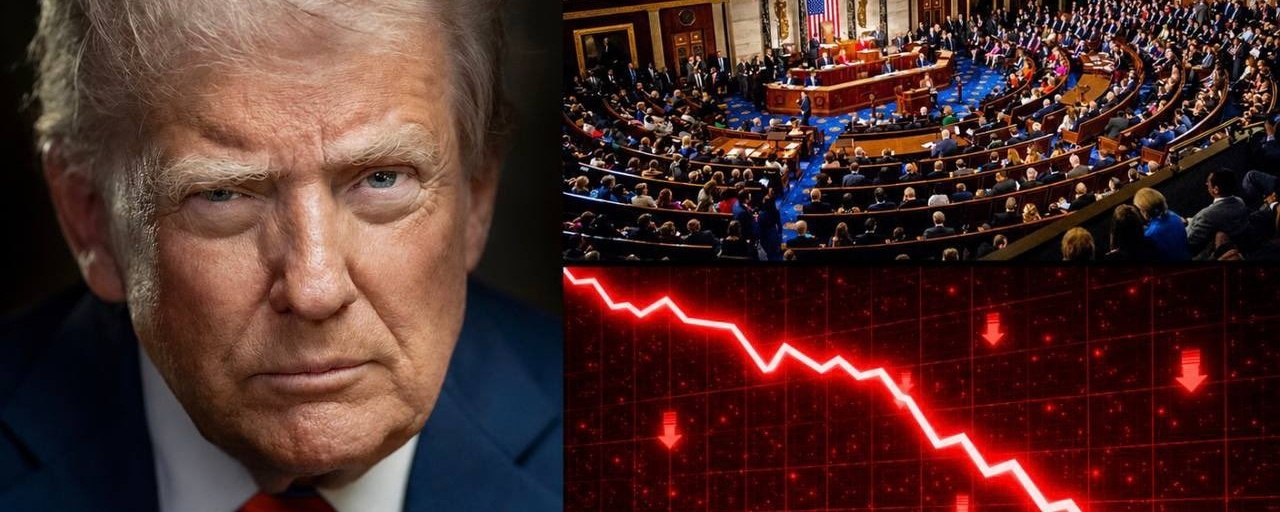
US MIDTERM ELECTIONS COULD BECOME A MAJOR CATALYST FOR GLOBAL MARKETS.🚨 US MIDTERM ELECTIONS COULD BECOME A MAJOR CATALYST FOR GLOBAL MARKETS.
The next 36 hours could bring significant volatility across crypto, AI stocks, and oil markets.
Current prediction markets are assigning Democrats roughly a 73% chance of winning control of both the House and Senate.
But the outcome could create very different market scenarios.
IF REPUBLICANS WIN:
• Crypto: A Republican victory could improve the chances of advancing pro-crypto legislation, including the CLARITY Act, potentially boosting sentiment across Bitcoin and altcoins.
• AI Stocks: A more business-friendly regulatory environment could benefit major AI companies and semiconductor stocks.
• Oil: A shift toward diplomatic negotiations with Iran could ease geopolitical risk premiums, potentially putting downward pressure on oil prices and inflation.
IF DEMOCRATS WIN:
• Crypto: The CLARITY Act could face additional delays, creating uncertainty around the US crypto regulatory landscape.
• AI Stocks: Stronger regulatory oversight could create additional challenges for major AI companies, particularly around government support and industry accountability.
• Political Uncertainty: A divided government could increase legislative deadlock, with Trump potentially using his veto power against Democratic proposals.
• Oil: Any escalation in tensions with Iran could increase geopolitical uncertainty and put upward pressure on oil prices.
BUT HERE'S WHAT MARKETS MAY BE OVERLOOKING:
If investors are already positioned for a Democratic victory, much of that outcome may already be reflected in asset prices.
A Republican surprise could force traders to unwind bearish positions, potentially triggering a significant short squeeze across financial markets.
Looking beyond the immediate election reaction, historical post-midterm market trends are also worth watching.
Crypto has several longer-term catalysts in play:
• Growing institutional adoption
• Expansion of tokenization
• Increasing stablecoin adoption
• Greater regulatory clarity
MY TAKE:
Short-term volatility is possible, and the election outcome could influence market sentiment.
However, the bigger picture for crypto will depend on liquidity, regulation, adoption, and broader macroeconomic conditions.
The election may be a short-term catalyst, but the long-term fundamentals deserve much closer attention.
Stay informed, manage risk, and avoid making decisions based on headlines alone.
US MIDTERM ELECTIONS COULD BECOME A MAJOR CATALYST FOR GLOBAL MARKETS.
🚨 US MIDTERM ELECTIONS COULD BECOME A MAJOR CATALYST FOR GLOBAL MARKETS.
The next 36 hours could bring significant volatility across crypto, AI stocks, and oil markets.
Current prediction markets are assigning Democrats roughly a 73% chance of winning control of both the House and Senate.
But the outcome could create very different market scenarios.
IF REPUBLICANS WIN:
• Crypto: A Republican victory could improve the chances of advancing pro-crypto legislation, including the CLARITY Act, potentially boosting sentiment across Bitcoin and altcoins.
• AI Stocks: A more business-friendly regulatory environment could benefit major AI companies and semiconductor stocks.
• Oil: A shift toward diplomatic negotiations with Iran could ease geopolitical risk premiums, potentially putting downward pressure on oil prices and inflation.
IF DEMOCRATS WIN:
• Crypto: The CLARITY Act could face additional delays, creating uncertainty around the US crypto regulatory landscape.
• AI Stocks: Stronger regulatory oversight could create additional challenges for major AI companies, particularly around government support and industry accountability.
• Political Uncertainty: A divided government could increase legislative deadlock, with Trump potentially using his veto power against Democratic proposals.
• Oil: Any escalation in tensions with Iran could increase geopolitical uncertainty and put upward pressure on oil prices.
BUT HERE'S WHAT MARKETS MAY BE OVERLOOKING:
If investors are already positioned for a Democratic victory, much of that outcome may already be reflected in asset prices.
A Republican surprise could force traders to unwind bearish positions, potentially triggering a significant short squeeze across financial markets.
Looking beyond the immediate election reaction, historical post-midterm market trends are also worth watching.
Crypto has several longer-term catalysts in play:
• Growing institutional adoption
• Expansion of tokenization
• Increasing stablecoin adoption
• Greater regulatory clarity
MY TAKE:
Short-term volatility is possible, and the election outcome could influence market sentiment.
However, the bigger picture for crypto will depend on liquidity, regulation, adoption, and broader macroeconomic conditions.
The election may be a short-term catalyst, but the long-term fundamentals deserve much closer attention.
Stay informed, manage risk, and avoid making decisions based on headlines alone.
117
·
--
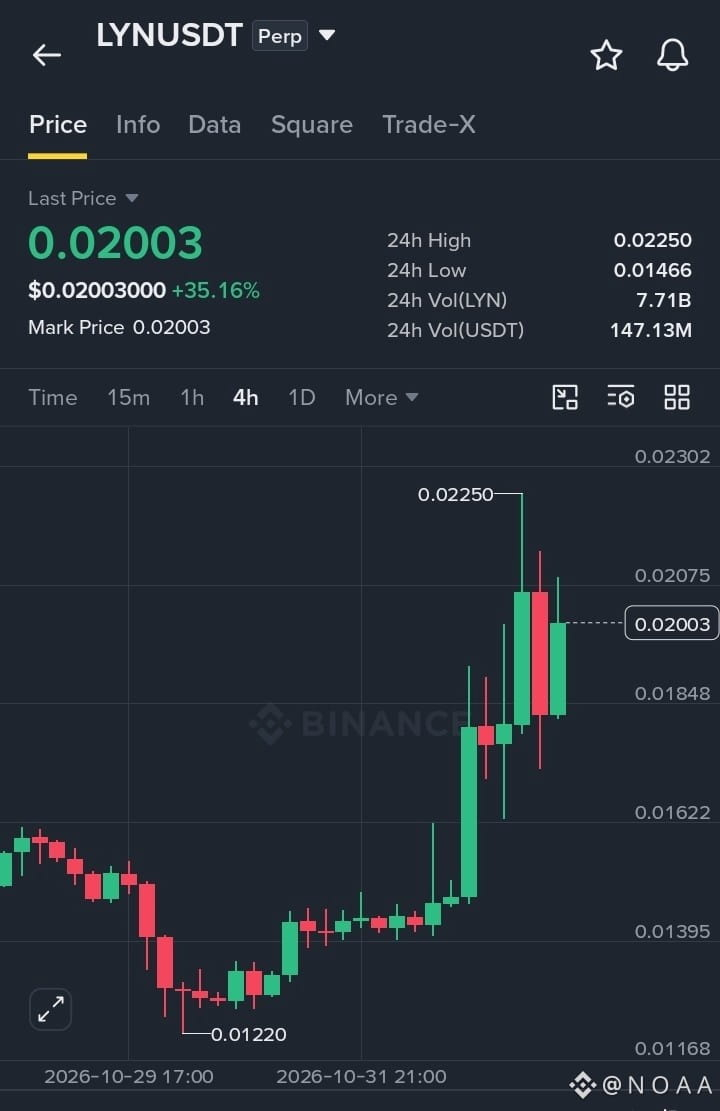
$LYN is making a strong move, up over 35% in the last 24 hours.
Price is currently trading around $0.020, after bouncing from the $0.0146 area.
Momentum is clearly picking up, but I'm watching how price reacts around $0.0207 and the recent high near $0.0225.
A clean break above resistance could open the door for another move higher. If momentum fades, a pullback wouldn't be surprising either.
Watching the next move closely.
#LYN
109
·
--
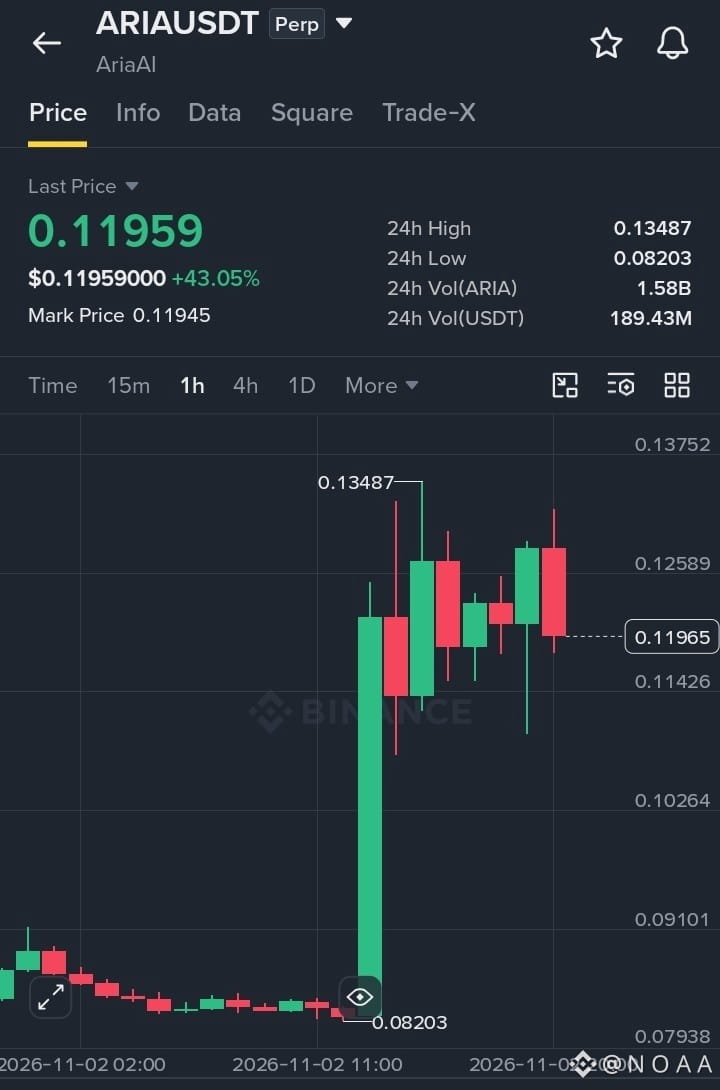
$ARIA just made a massive move, but the real test starts here.
After pumping over 43%, price is now consolidating around $0.119.
Bulls need to reclaim the $0.126 resistance to make another push toward $0.135.
On the downside, $0.114 is the key support to watch.
I'm watching how price reacts at these levels before looking for the next move. No need to chase after a big pump.
96
·
--
Altcoins might be heading into an interesting phase.
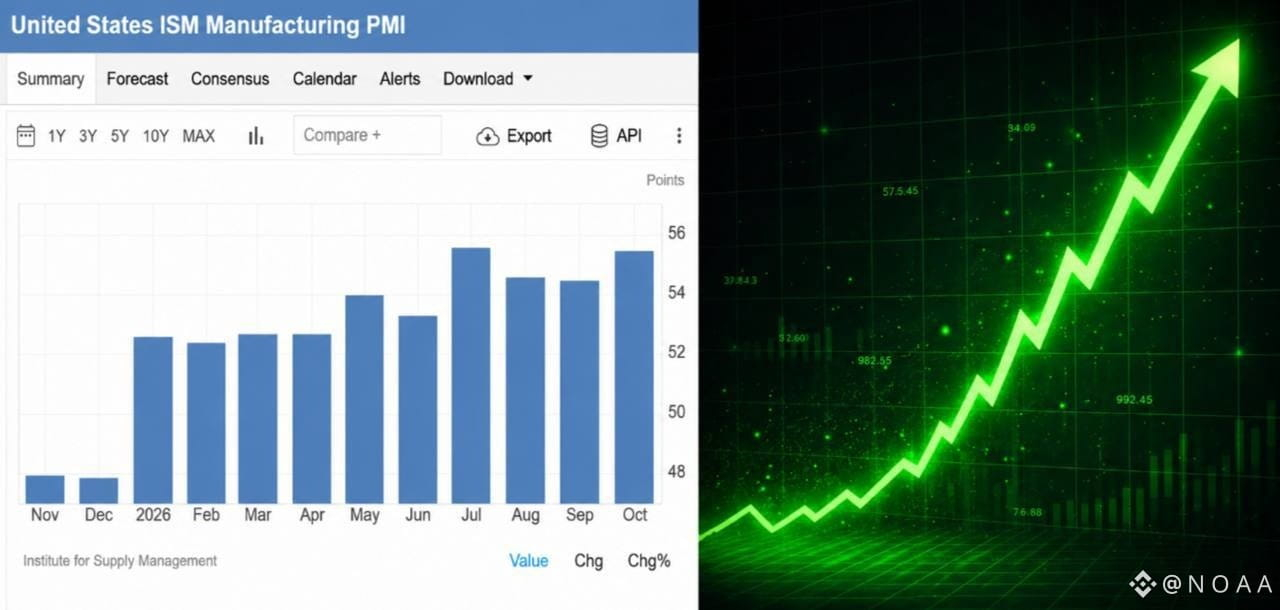
US ISM PMI came in at 55.5%, beating the 54.5% forecast.
That's also the 10th straight reading above 52%, showing continued expansion in the US economy.
What caught my attention is that the last two times we saw a similar streak were in 2016 and 2020.
Both periods were followed by some massive moves in altcoins, with certain coins gaining 10x–20x over the next few months. Crypto market cap also went on to make new highs.
Now we're seeing something interesting again.
Altcoins have already been through an 18-month bear market, and sentiment is still heavily negative.
If liquidity starts rotating away from AI and precious metals, crypto could be one of the next places to benefit.
Not saying history will repeat itself, but this is definitely worth watching.
147
·
--
2015 — You watched $ETH rise.
2016 — You overlooked $ZEC.
2017 — You slept on $BNB.
2018 — You missed $UNI.
2019 — You ignored $LINK.
2020 — You missed $AAVE.
2021 — You watched $SOL run.
2022 — You overlooked $ARB.
2023 — You missed $SUI.
2024 — You slept on $ENA.
2025 — You missed $HYPE.
2026 — Are you going to miss the next big opportunity?
The market keeps moving. Stay curious, keep learning, and do your own research.
1
107
·
--
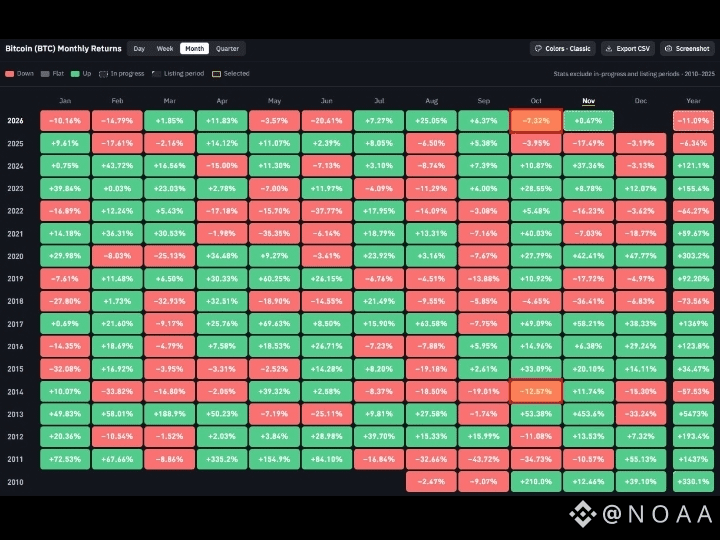
Bitcoin just closed October down 7.32%, making it the worst October for BTC since 2014.
So much for the usual “Uptober” expectations.
October is historically known as a strong month for Bitcoin, but this time the market had a different story.
Rising Treasury yields, a stronger dollar, inflation concerns, oil prices and geopolitical uncertainty all played a role in shaping market sentiment.
This is a good reminder that market trends don't always follow historical patterns. Liquidity, capital flows and broader economic conditions matter far more than seasonal expectations.
A new month, a fresh start. Stay focused and trade carefully.
Happy November! 🧡
$BTC
{future}(BTCUSDT)
Bitcoin just closed October down 7.32%, making it the worst October for BTC since 2014.
So much for the usual “Uptober” expectations.
October is historically known as a strong month for Bitcoin, but this time the market had a different story.
Rising Treasury yields, a stronger dollar, inflation concerns, oil prices and geopolitical uncertainty all played a role in shaping market sentiment.
This is a good reminder that market trends don't always follow historical patterns. Liquidity, capital flows and broader economic conditions matter far more than seasonal expectations.
A new month, a fresh start. Stay focused and trade carefully.
Happy November! 🧡
$BTC
119
·
--
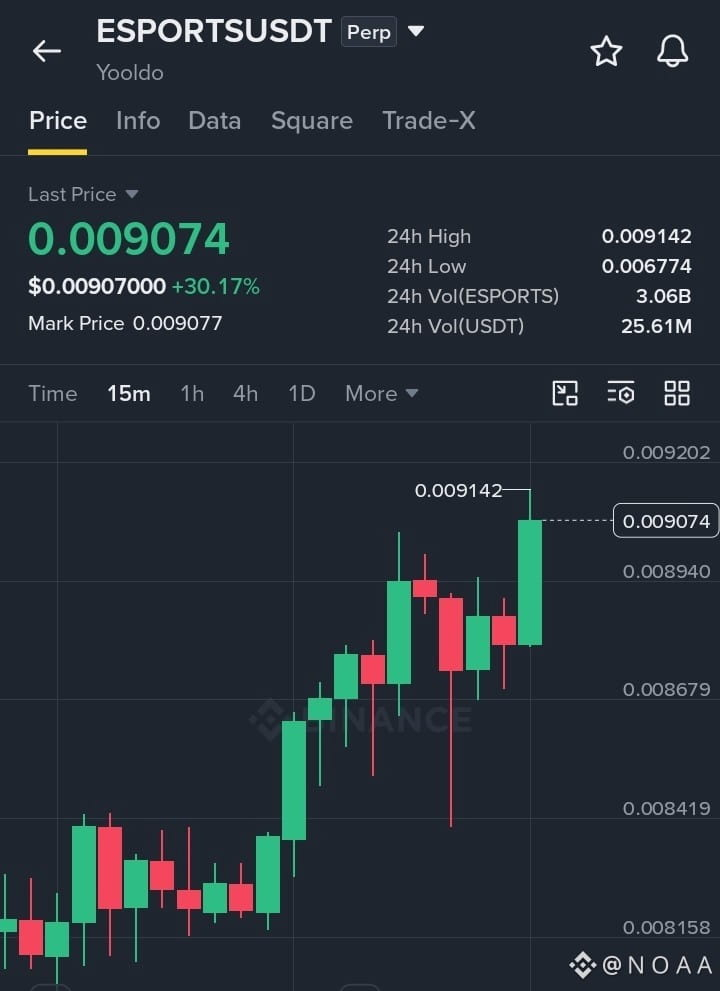
$ESPORTS is showing strong bullish momentum
Price has climbed over 30%, with buyers pushing it toward the $0.00914 resistance level.
Trading volume has also picked up, showing increased market activity.
Now all eyes are on $0.00914. A clean breakout or rejection could determine the next move.
Watching closely for confirmation before taking any position.
1
91
·
--
Next week could bring serious volatility across global markets.
After Friday’s reported $3 trillion market wipeout, investors are heading into another busy week filled with major events.
Apple and AMD earnings, U.S. midterm elections, Fed commentary, employment reports, and economic data are all on the calendar.
There are also growing concerns around possible U.S. military action against Iran.
With so many events happening in an already weak market, the coming days deserve close attention.
One unexpected development could change market sentiment quickly.
Stay alert, watch the key events, and manage risk carefully.
142
·
--
$AKE has been through a serious shakeout today.
After dropping nearly 38% in 24 hours, AKEDO is showing some recovery on the 15-minute chart, moving back toward $0.01168 after touching $0.00989.
One thing worth watching is the volume, which is up over 360%.
Will buyers manage to build on this recovery, or is more volatility ahead?
Keeping $AKE on the watchlist.
#AKE #AKEDO
162
·
--
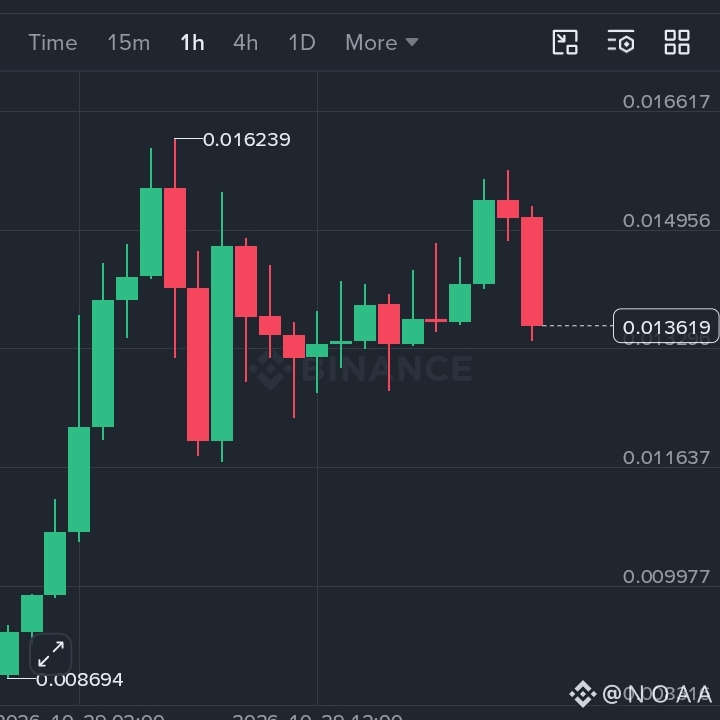
$IDOL is making a strong move
IDOLUSDT is up nearly 59% on the day, but the latest 1H candle shows sellers stepping in near the highs.
After such a sharp rally, I’m watching whether price can hold the $0.0130–$0.0132 area or if a deeper pullback comes next.
No chasing green candles. Let the chart confirm the next move.
#IDOL #CryptoTrading
127
·
--
🦅 Show some love for @Crypto_Eagles 💛
If you’ve been following Crypto Eagles, now’s the time to show your support. Every vote counts, and it’s always great to see the community come together for a team they believe in.
Let’s get more people involved, spread the word, and give Crypto Eagles the support they deserve.
If you haven’t voted yet, don’t miss the chance to support them. Every little bit of support makes a difference
[Vote Here](https://app.binance.com/uni-qr/cpro/Crypto_Eagles?l=en&r=WPL74CKI&uc=app_square_share_link&us=copylink)
#CryptoEagles #Binance
#CryptoCommunity
🦅 Show some love for @Crypto Eagles 💛
If you’ve been following Crypto Eagles, now’s the time to show your support. Every vote counts, and it’s always great to see the community come together for a team they believe in.
Let’s get more people involved, spread the word, and give Crypto Eagles the support they deserve.
If you haven’t voted yet, don’t miss the chance to support them. Every little bit of support makes a difference
Vote Here
#CryptoEagles #Binance
#CryptoCommunity


140
·
--
Bullish
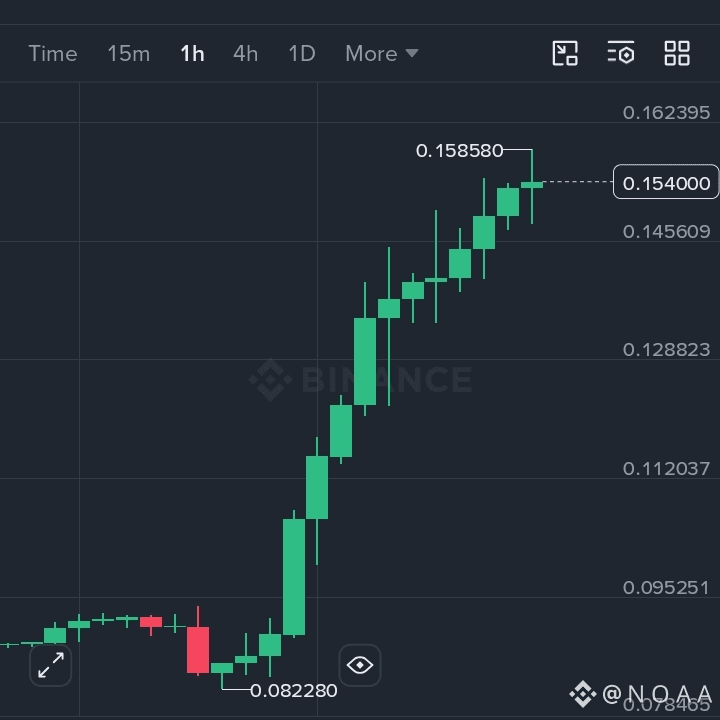
$BULLA is showing serious momentum!
Price has surged over 74%, now approaching the $0.1586 resistance zone.
Can bulls break above the recent high, or will sellers step in?
Watching the next move closely.
#BULLA #Crypto #BinancePick #EarningsSeason
{future}(BULLAUSDT)
$BULLA is showing serious momentum!
Price has surged over 74%, now approaching the $0.1586 resistance zone.
Can bulls break above the recent high, or will sellers step in?
Watching the next move closely.
#BULLA #Crypto #BinancePick #EarningsSeason
Price has surged over 74%, now approaching the $0.1586 resistance zone.
Can bulls break above the recent high, or will sellers step in?
Watching the next move closely.
#BULLA #Crypto #BinancePick #EarningsSeason
85
·
--
Have you voted for @Crypto_Eagles yet? 💛
If not, go cast your vote and show your support.
Let’s make it count! Who’s voting for Crypto Eagle? 👇
#CryptoEagle #Binance #CryptoInfluencer
Have you voted for @Crypto Eagles yet? 💛
If not, go cast your vote and show your support.
Let’s make it count! Who’s voting for Crypto Eagle? 👇
#CryptoEagle #Binance #CryptoInfluencer
If not, go cast your vote and show your support.
Let’s make it count! Who’s voting for Crypto Eagle? 👇
#CryptoEagle #Binance #CryptoInfluencer

15
3
101
·
--
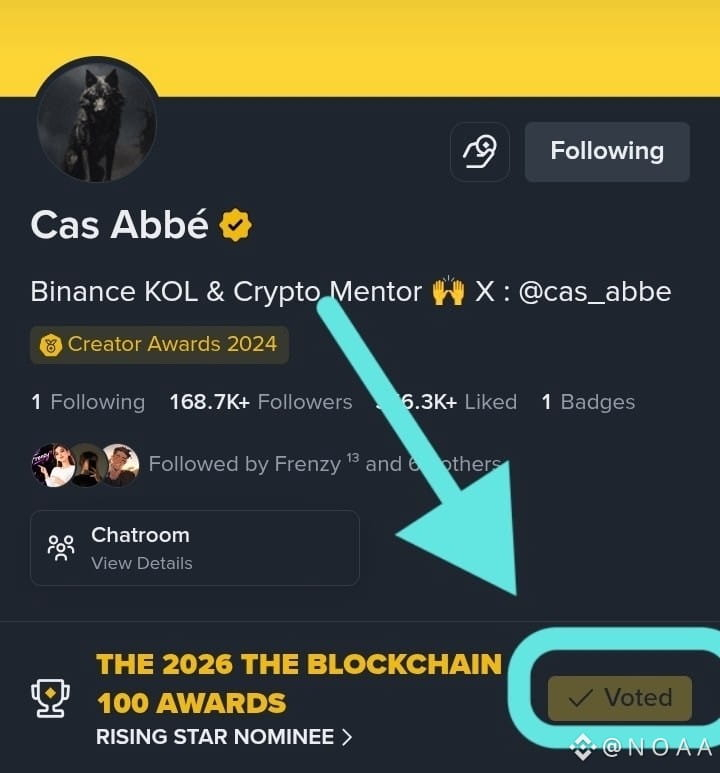
I’m supporting @Cas_Abb 💛 Who’s with me?
Let’s appreciate the creators who keep showing up and putting in the work. Every bit of support matters. 🫶
👇🏻 Nominate CAS and claim your red packet 🎁
#Blockchain100 #CAS #Binance #RisingStar
I’m supporting @Cas Abbé 💛 Who’s with me?
Let’s appreciate the creators who keep showing up and putting in the work. Every bit of support matters. 🫶
👇🏻 Nominate CAS and claim your red packet 🎁
#Blockchain100 #CAS #Binance #RisingStar
Let’s appreciate the creators who keep showing up and putting in the work. Every bit of support matters. 🫶
👇🏻 Nominate CAS and claim your red packet 🎁
#Blockchain100 #CAS #Binance #RisingStar
14
3
73
·
--
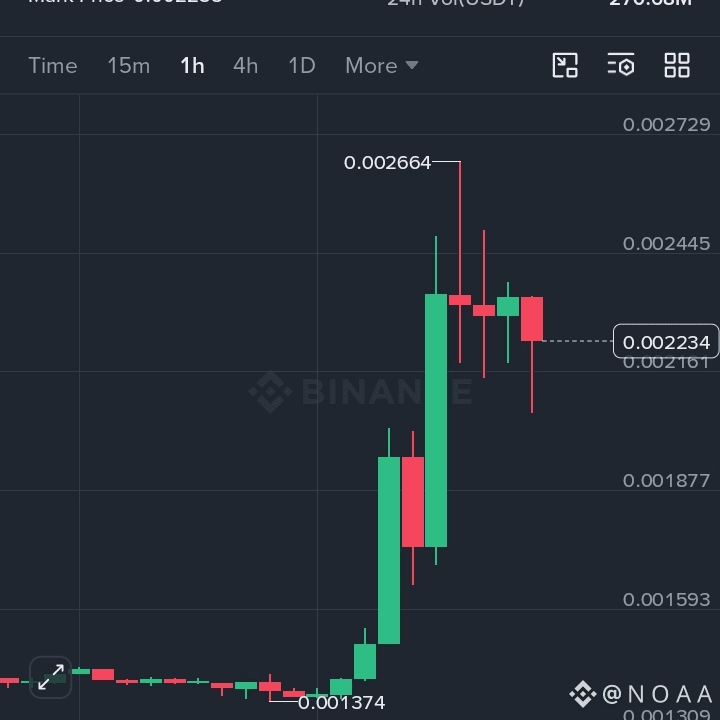
$DOOD is making a serious move
Price just broke out of a long consolidation with a massive volume spike.
Now bulls need to prove they can hold these gains.
Key level to watch: $0.00216.
Will $DOOD continue its rally or are sellers about to step in?
{future}(DOODUSDT)
#DOOD
$DOOD is making a serious move
Price just broke out of a long consolidation with a massive volume spike.
Now bulls need to prove they can hold these gains.
Key level to watch: $0.00216.
Will $DOOD continue its rally or are sellers about to step in?
#DOOD
Price just broke out of a long consolidation with a massive volume spike.
Now bulls need to prove they can hold these gains.
Key level to watch: $0.00216.
Will $DOOD continue its rally or are sellers about to step in?
#DOOD
110
·
--
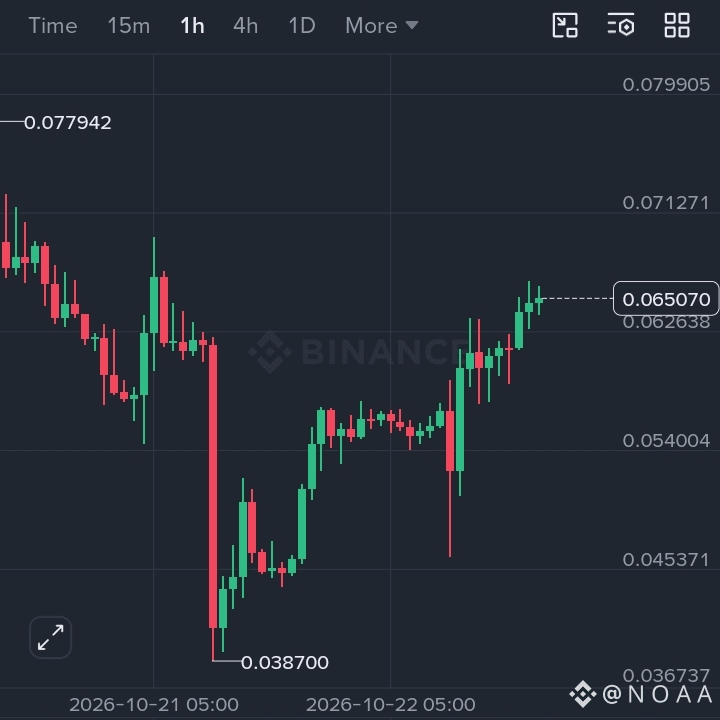
$AGT is moving fast, but I’m watching the $0.0663 resistance closely.
Price has recovered well from $0.0387 and is now testing the highs. A clean break and hold above resistance could open the door for another leg up.
If it gets rejected, a pullback wouldn’t be surprising after this move.
No chasing candles. Let price confirm.
Price has recovered well from $0.0387 and is now testing the highs. A clean break and hold above resistance could open the door for another leg up.
If it gets rejected, a pullback wouldn’t be surprising after this move.
No chasing candles. Let price confirm.
121
·
--
The interesting thing about Kite isn’t just AI agents making payments. It’s how they can do it without getting unlimited access to your money.
Kite Agent Passport uses funded wallets and passkey-approved spending sessions, with budgets, transaction limits, and expiry times set in advance.
Add x402 support for programmatic payments to paid APIs, and agents can potentially pay for services, get the data they need, and finish tasks automatically.
Now it comes down to real adoption. Will developers build products people actually use, and can Kite make these payments secure and reliable?
That’s what I’ll be watching with Kite.
#KiteBBW $KITE @GoKiteAI
{spot}(KITEUSDT)
The interesting thing about Kite isn’t just AI agents making payments. It’s how they can do it without getting unlimited access to your money.
Kite Agent Passport uses funded wallets and passkey-approved spending sessions, with budgets, transaction limits, and expiry times set in advance.
Add x402 support for programmatic payments to paid APIs, and agents can potentially pay for services, get the data they need, and finish tasks automatically.
Now it comes down to real adoption. Will developers build products people actually use, and can Kite make these payments secure and reliable?
That’s what I’ll be watching with Kite.
#KiteBBW $KITE @KITE AI 中文
11
11
203
·
--
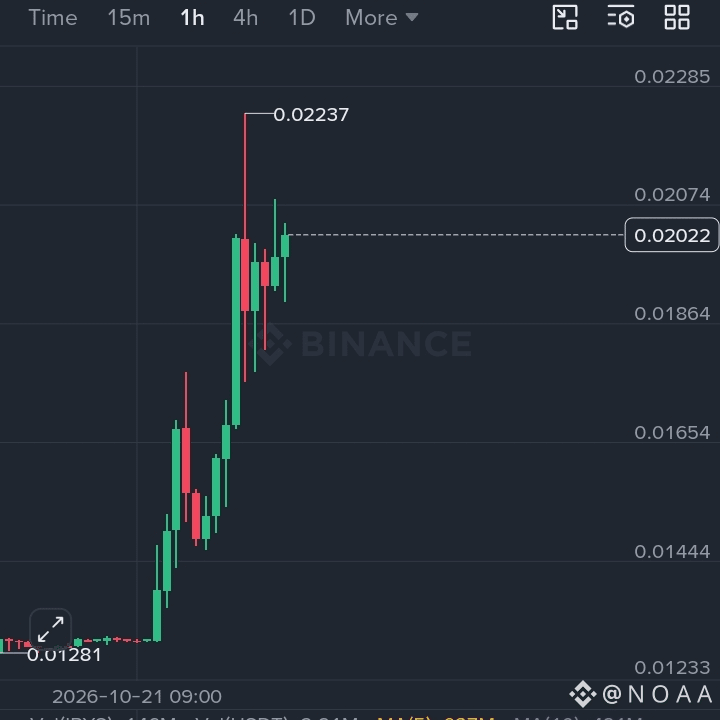
$IRYS is moving fast
Up over 57% in 24 hours, with price now around $0.0202 after hitting $0.02237.
After such a strong move, can it break the recent high or will we see a deeper pullback?
Watching the next move closely.
#IRYS
$IRYS is moving fast
Up over 57% in 24 hours, with price now around $0.0202 after hitting $0.02237.
After such a strong move, can it break the recent high or will we see a deeper pullback?
Watching the next move closely.
#IRYS
Up over 57% in 24 hours, with price now around $0.0202 after hitting $0.02237.
After such a strong move, can it break the recent high or will we see a deeper pullback?
Watching the next move closely.
#IRYS
4
105
·
--
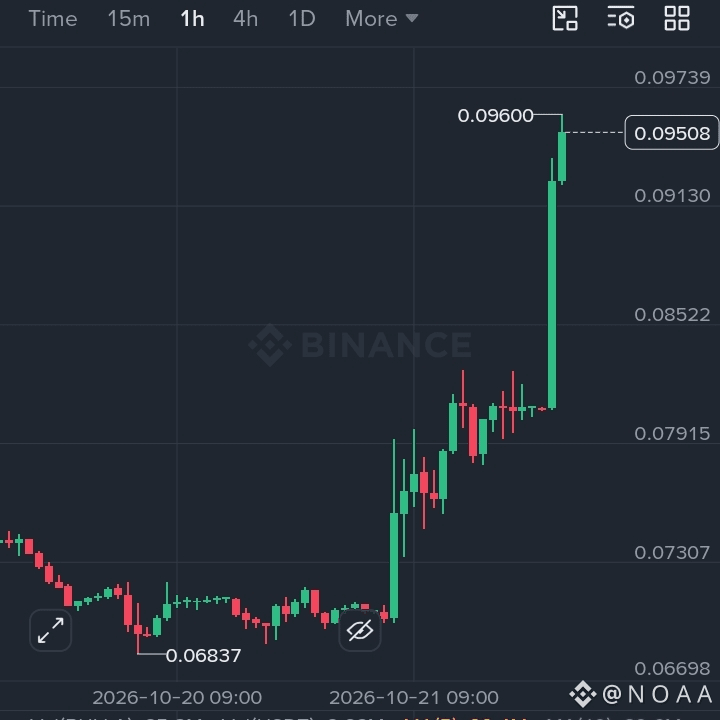
$BULLA is making a serious move
Up 36% in 24 hours and pushing toward $0.096 after a strong breakout with rising volume.
The momentum is hard to ignore, but can bulls push it higher or will profit-taking kick in?
Watching this one closely.
#BULLA
{future}(BULLAUSDT)
$BULLA is making a serious move
Up 36% in 24 hours and pushing toward $0.096 after a strong breakout with rising volume.
The momentum is hard to ignore, but can bulls push it higher or will profit-taking kick in?
Watching this one closely.
#BULLA
Up 36% in 24 hours and pushing toward $0.096 after a strong breakout with rising volume.
The momentum is hard to ignore, but can bulls push it higher or will profit-taking kick in?
Watching this one closely.
#BULLA
2
125
Log in to explore more content
Join global crypto users on Binance Square
⚡️ Get latest and useful information about crypto.
💬 Trusted by the world’s largest crypto exchange.
👍 Discover real insights from verified creators.
Email / Phone number
Trending Topics
BTCRebounds80K
27,649 views
535 Discussing
BITCOIN UPDATE I’M STILL BEARISH, AND HERE’S WHY! 🚨⚠️
As you all witnessed, BTC bounced back from the $75,700 area and touched $81K. First, the market trapped long traders, and then it trapped short traders.
I’m still bearish. First of all, as everyone knows, Democrats won today’s US midterm elections, and in my view, this outcome is bearish for the market.
The market can remain volatile in the short term and trap as many traders as it wants, but that doesn’t change the overall market outlook.
There are several important upcoming events, including US Non Farm Payrolls (November 6), US CPI Inflation (November 10), US PPI (November 13), US Retail Sales (November 17), FOMC Meeting Minutes (November 18), US PCE Inflation (November 25), Federal Reserve interest rate expectations, the US Dollar Index (DXY), Treasury Yields, Nasdaq performance, Bitcoin ETF flows, and ongoing( Iran ) Israel geopolitical developments. All of these could have a significant impact on Bitcoin and the overall crypto market.
But don’t get too carried away by Bitcoin’s recent movement. Technically speaking, there hasn’t been any major bullish move yet. Yesterday, BTC was trading between $80K and $82K, and even today, it’s still around the same range.
If you want to turn bullish, that’s entirely your choice.
In my previous post, I clearly explained that BTC had technical support in the $75K / $76K zone, and the price bounced from that support and made its way back towards $80K. But this wasn’t something I had failed to mention before. In fact, I repeatedly mentioned in my posts that BTC could move towards $80K, $81K, or even $82K.
Despite that, I’m still bearish.
And I don’t have just one reason to support my bearish outlook. I have several reasons, which I’ve already explained in my previous posts.
For now, I’ll continue to wait for BTC to drop below $74K, which I believe could happen very soon. In my view, such a correction is also necessary for the market.
Anyone looking for crypto guidance just let me know.
#BTCRebounds80K
Strategic Adviser
·1 Likes
·451 views
Binance98PercentReplenished
24,730 views
469 Discussing
USMidterms-WhatAreMarketsExpecting?
294,898 views
1,955 Discussing