Binance Square
ARIES BNB
1k Posts

ARIES BNB

Frequent Trader
10.6 Months
301 Following
2.9K+ Followers
1.3K+ Liked
Posts
·
--
Bearish
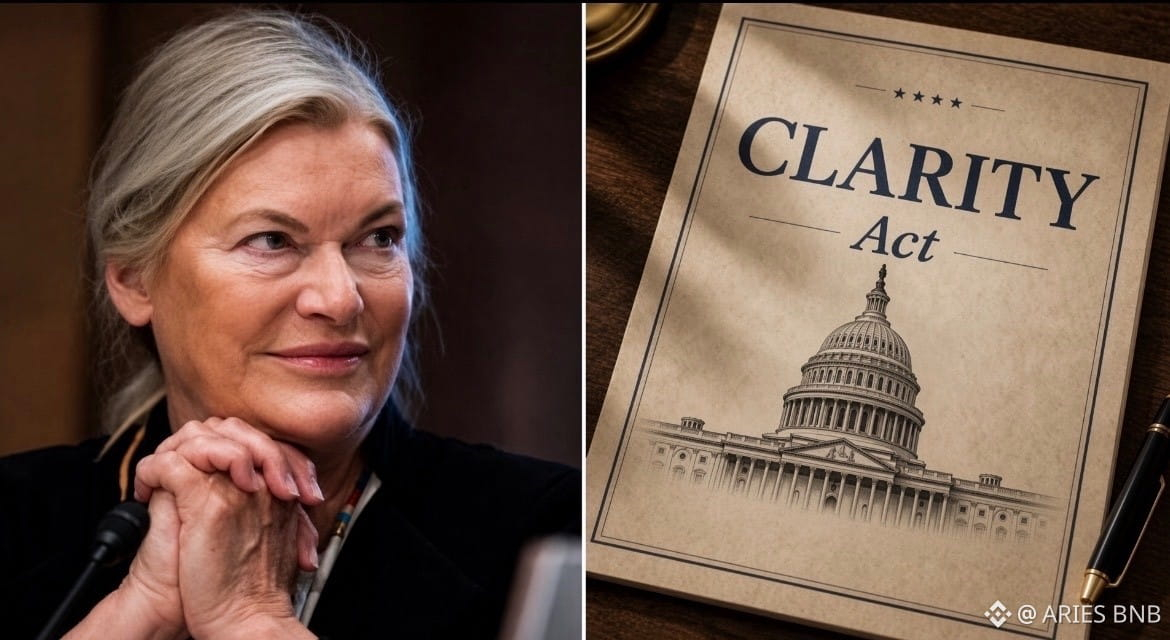
⚡️ 最新动态: 🇺🇸 美国参议员 Cynthia Lummis 表示,稳定币并未导致社区银行出现存款流失,她也继续推动 CLARITY Act。 她还表示,“阻止 CLARITY Act 并不能帮助社区银行。” 👀 稳定币对银行存款的影响,仍是传统银行与加密行业之间的重要争议点。 #CLARITYAct #RobinhoodToOfferCryptoTradingInUK $DODO {spot}(DODOUSDT) $TUT {future}(TUTUSDT) $EPIC {future}(EPICUSDT)
⚡️ 最新动态: 🇺🇸 美国参议员 Cynthia Lummis 表示,稳定币并未导致社区银行出现存款流失,她也继续推动 CLARITY Act。

她还表示,“阻止 CLARITY Act 并不能帮助社区银行。” 👀

稳定币对银行存款的影响,仍是传统银行与加密行业之间的重要争议点。

#CLARITYAct #RobinhoodToOfferCryptoTradingInUK
$DODO
$TUT
$EPIC
·
--
Bullish
·
--
Bullish
🔥 可能迎来突破
🤔 可能是假突破
4 day(s) left
·
--
Bullish
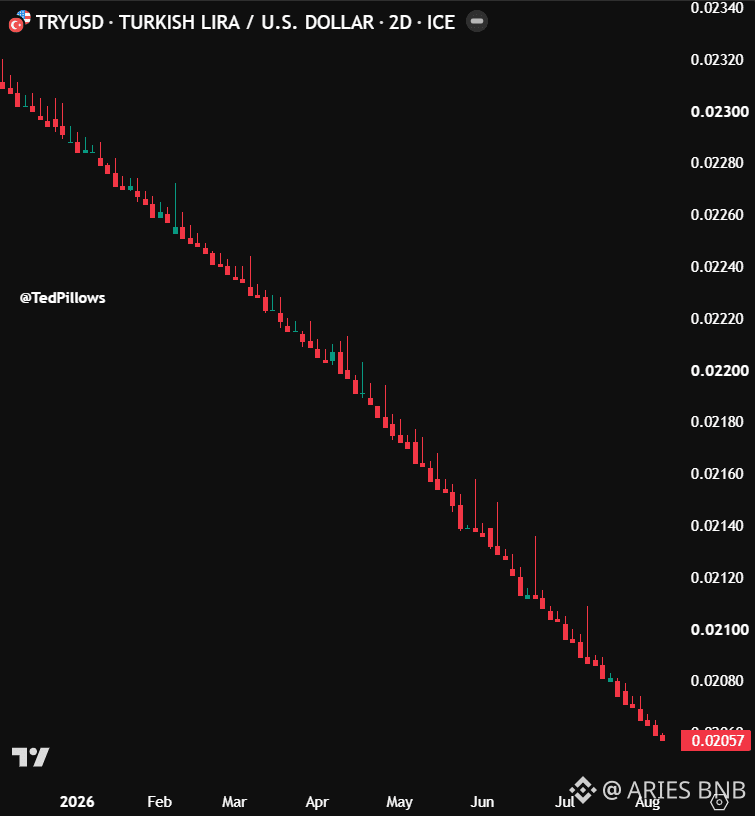
🇹🇷 土耳其一直在出售黄金储备,以应对里拉持续承压。 据世界黄金协会(World Gold Council)数据,截至 2026 年 5 月,土耳其央行年初至今已出售 81 吨黄金。📉🪙 与此同时,土耳其里拉兑美元仍在持续走弱。 #BIP110SoftForkAttemptBegins $TUT {future}(TUTUSDT) $IOTX {future}(IOTXUSDT) $ACE {future}(ACEUSDT)
🇹🇷 土耳其一直在出售黄金储备,以应对里拉持续承压。

据世界黄金协会(World Gold Council)数据,截至 2026 年 5 月,土耳其央行年初至今已出售 81 吨黄金。📉🪙

与此同时,土耳其里拉兑美元仍在持续走弱。

#BIP110SoftForkAttemptBegins
$TUT
$IOTX
$ACE
·
--
Bullish
🔷️ $TUT 刚刚突破了我一直关注的阻力位。 📈 {future}(TUTUSDT) 目前涨幅约 +103%,但关键在于这次突破能否站稳,并将原来的阻力转化为支撑。 我目前没有持仓,只是在观察这一走势结构。 👀 这是有效突破,还是即将出现假突破? #TUT $IOTX {future}(IOTXUSDT)
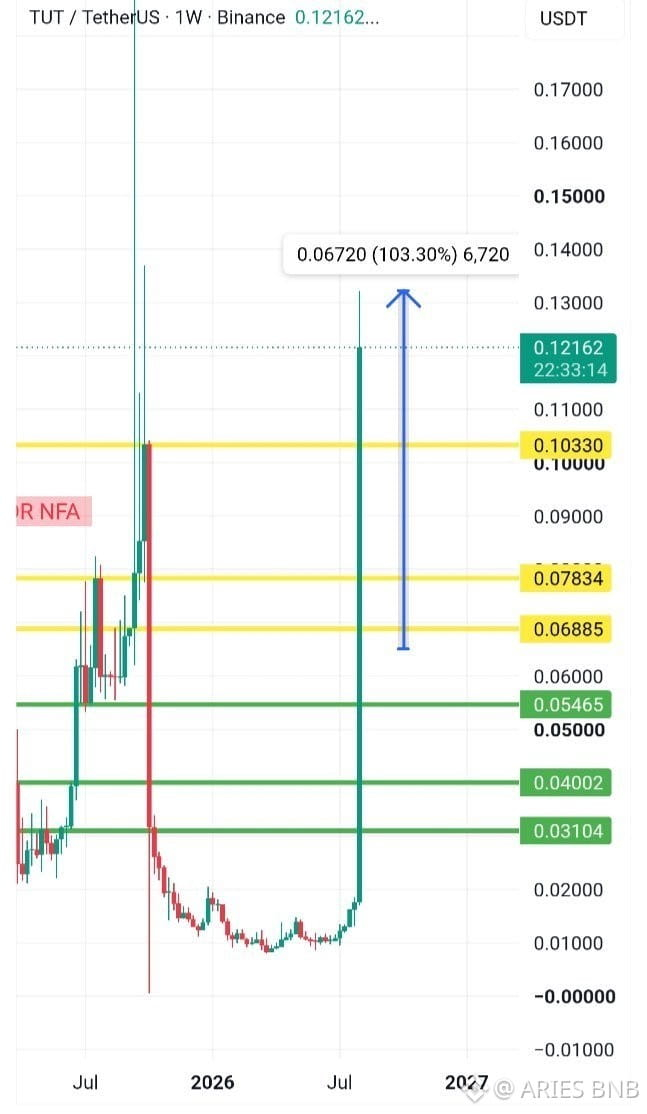
🔷️ $TUT 刚刚突破了我一直关注的阻力位。 📈


目前涨幅约 +103%,但关键在于这次突破能否站稳,并将原来的阻力转化为支撑。

我目前没有持仓,只是在观察这一走势结构。 👀

这是有效突破,还是即将出现假突破?

#TUT $IOTX
·
--
Bullish
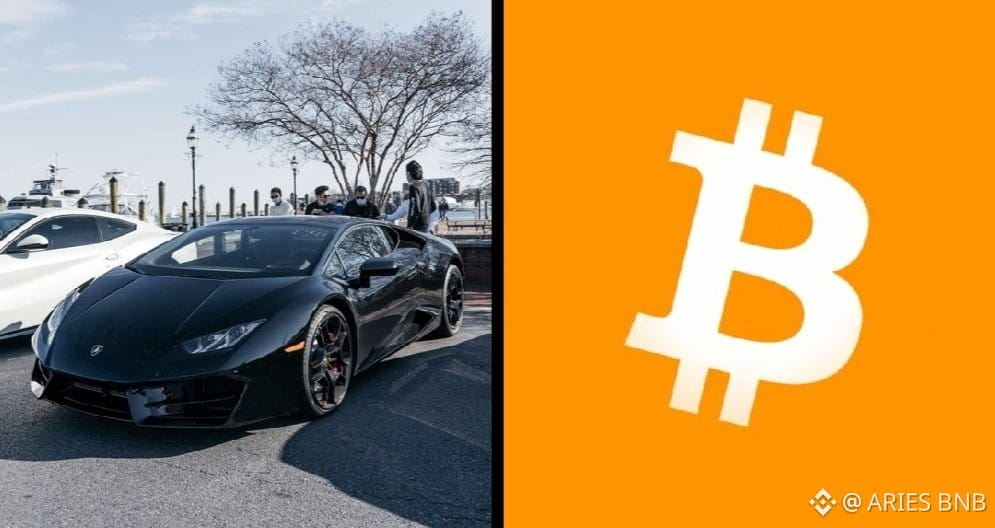
🚨 比特币遇上“什么时候买兰博?”🟠 🇺🇸 美国部分兰博基尼经销商已接受加密货币支付,包括通过 BitPay 使用 BTC。 从“什么时候买兰博?”到真的用比特币支付一辆兰博基尼。👀🔥 如果可以,你会用 $BTC 买一辆兰博基尼吗? #crypto {future}(BTCUSDT) $TUT {future}(TUTUSDT) $1000CAT {future}(1000CATUSDT)
🚨 比特币遇上“什么时候买兰博?”🟠

🇺🇸 美国部分兰博基尼经销商已接受加密货币支付,包括通过 BitPay 使用 BTC。

从“什么时候买兰博?”到真的用比特币支付一辆兰博基尼。👀🔥

如果可以,你会用 $BTC 买一辆兰博基尼吗?

#crypto

$TUT
$1000CAT
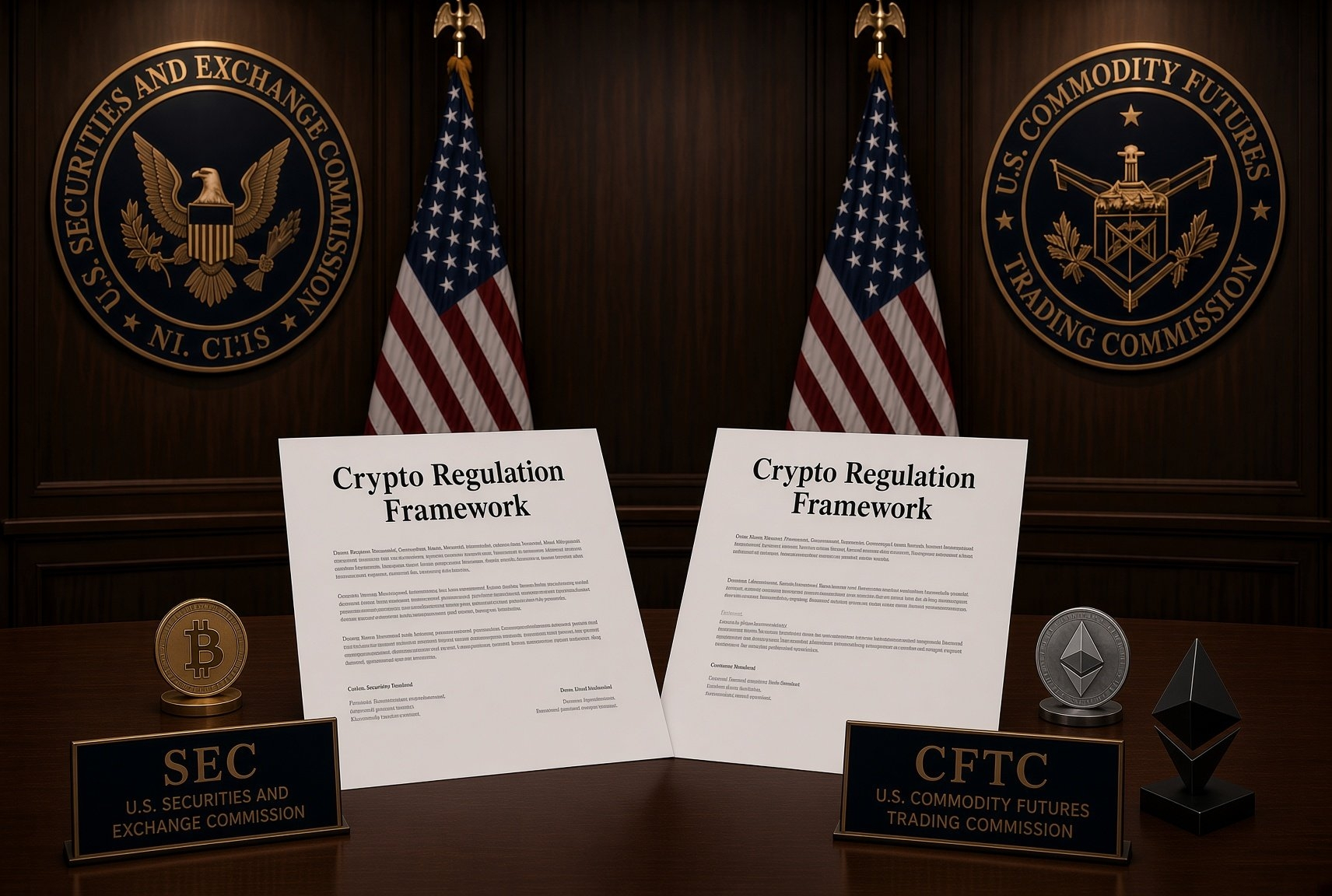
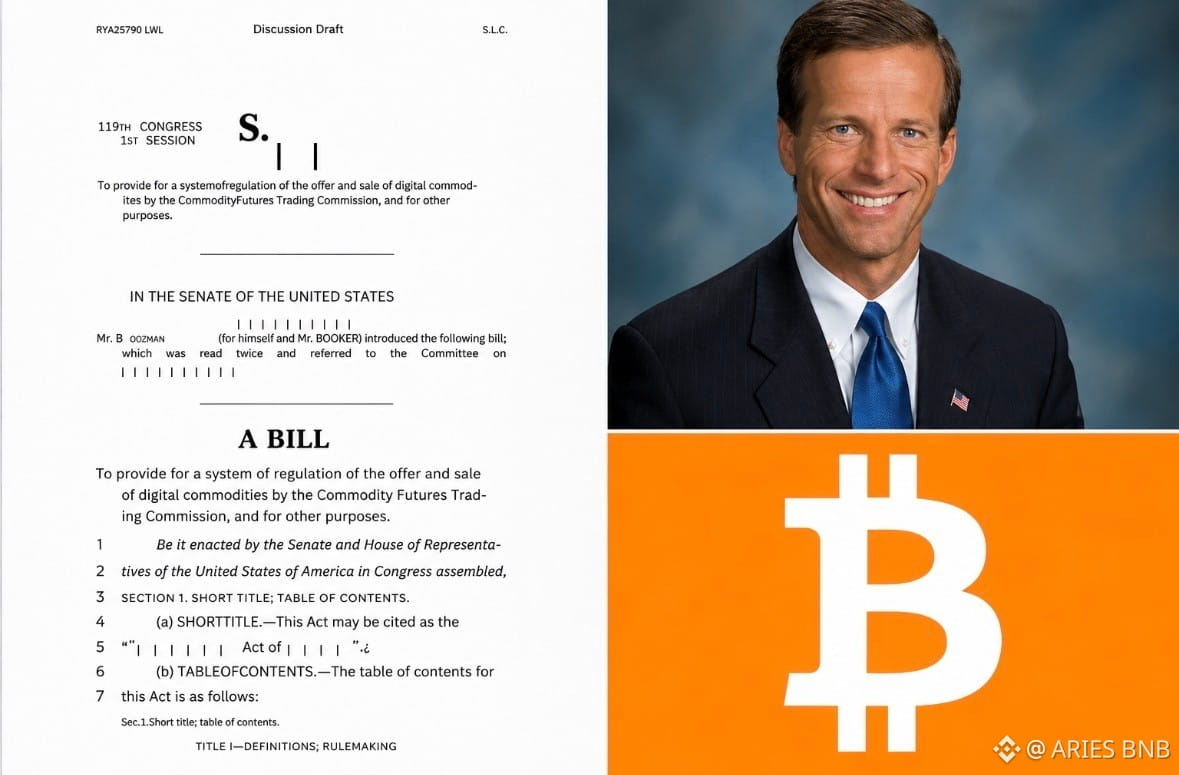
🇺🇸 CLARITY 法案的进程还没有结束。 美国参议院多数党领袖约翰·图恩(John Thune)已启动推进该法案的程序性流程。 参议院预计将在 8 月休会期结束后进行投票,9 月可能成为下一关键时间窗口。 👀 目前法案仍处于推进过程中,最终结果尚未确定。 #crypto #CLARITYAct #IraqOilExportsFall75% $TUT {future}(TUTUSDT) $MMT {future}(MMTUSDT) $SYN {future}(SYNUSDT)
🇺🇸 CLARITY 法案的进程还没有结束。

美国参议院多数党领袖约翰·图恩(John Thune)已启动推进该法案的程序性流程。

参议院预计将在 8 月休会期结束后进行投票,9 月可能成为下一关键时间窗口。 👀

目前法案仍处于推进过程中,最终结果尚未确定。

#crypto #CLARITYAct #IraqOilExportsFall75%
$TUT
$MMT
$SYN
·
--
Bullish
Verified
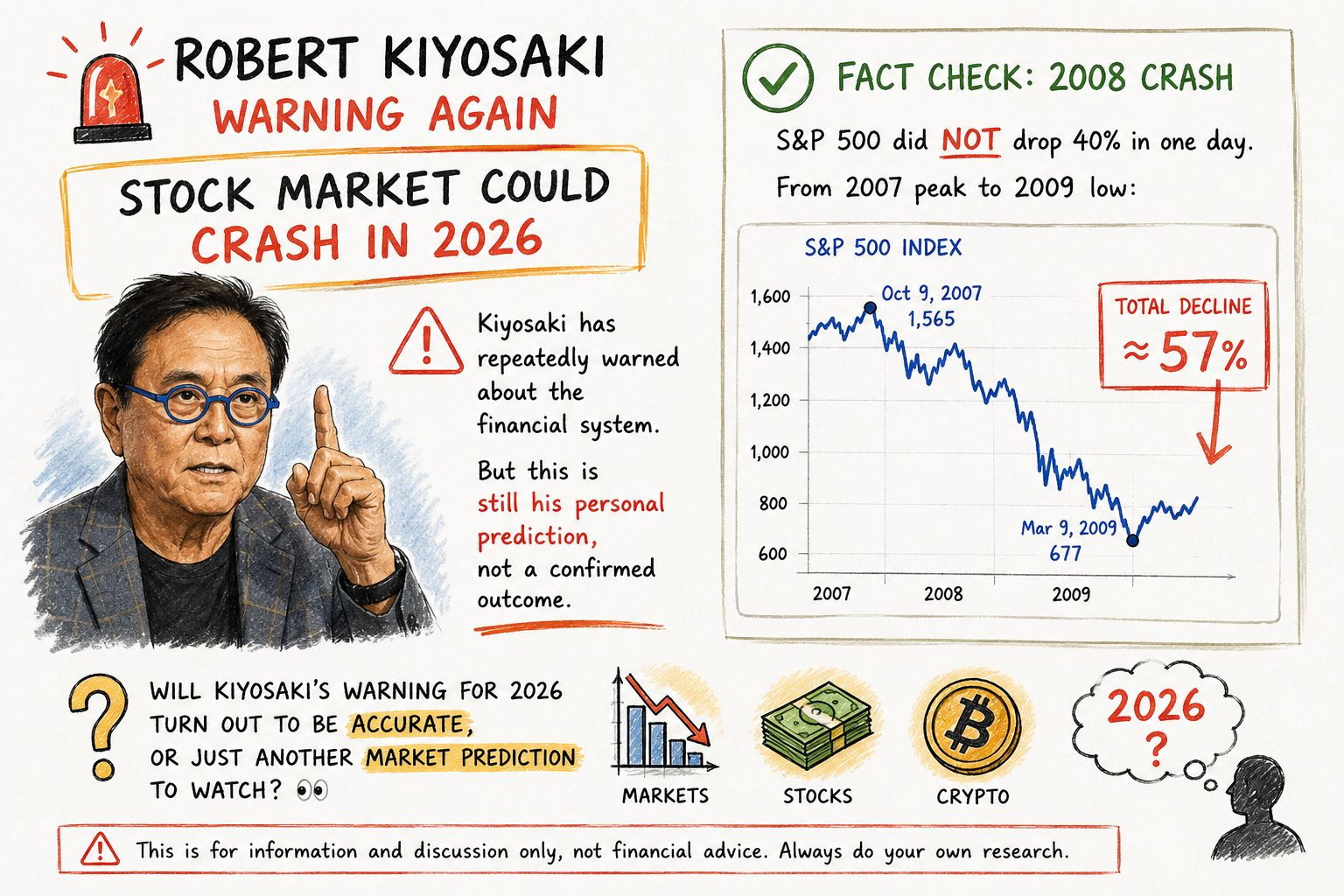
🚨 Robert Kiyosaki 再次警告,2026 年股市可能出现大幅下跌。 他过去曾多次对金融体系发出类似警告,但目前这仍然只是他的个人预测,并非已经得到证实的结果。 一个重要的事实核查:2008 年标普500指数并没有在一天内暴跌 40%。 从 2007 年高点到 2009 年低点,标普500指数累计跌幅约为 57%。 Kiyosaki 对 2026 年的警告最终会被证明准确,还是会成为另一个值得关注的市场预测?👀 #markets #crypto #FedSplitOnRateHikesDeepens $ELON {alpha}(560xe07ae3a6f1bd86b92b563084e286757eb34878d7) $MMT {future}(MMTUSDT) $TUT {future}(TUTUSDT)
🚨 Robert Kiyosaki 再次警告,2026 年股市可能出现大幅下跌。

他过去曾多次对金融体系发出类似警告,但目前这仍然只是他的个人预测,并非已经得到证实的结果。

一个重要的事实核查:2008 年标普500指数并没有在一天内暴跌 40%。 从 2007 年高点到 2009 年低点,标普500指数累计跌幅约为 57%。

Kiyosaki 对 2026 年的警告最终会被证明准确,还是会成为另一个值得关注的市场预测?👀

#markets #crypto
#FedSplitOnRateHikesDeepens
$ELON
$MMT
$TUT
·
--
Bullish
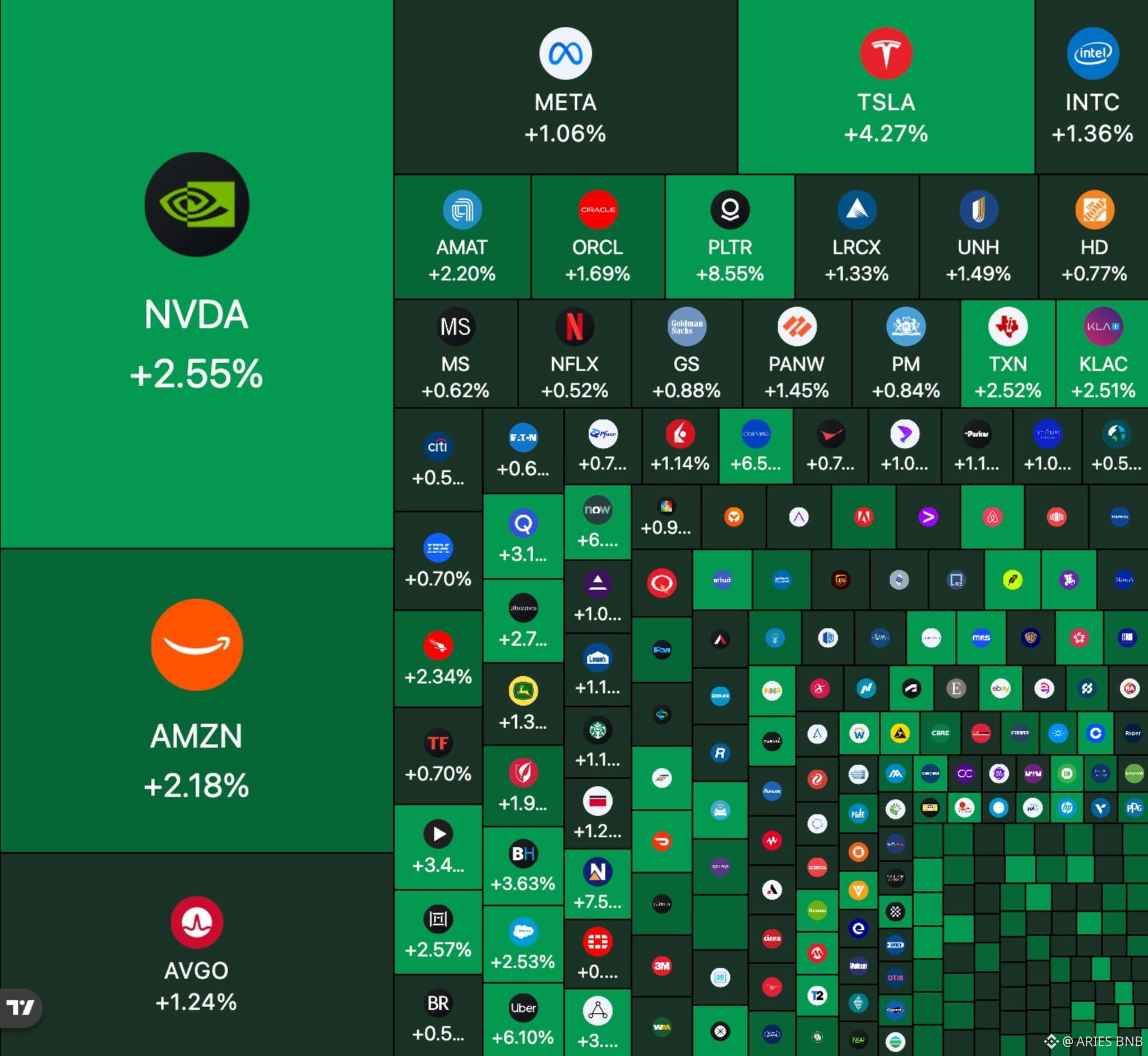
$550 tỷ USD đã được bổ sung vào thị trường chứng khoán Mỹ hôm nay khi dữ liệu việc làm yếu làm giảm khả năng Cục Dự trữ Liên bang (Fed) tăng lãi suất. $NVDAB $AMZN.US $MB.US {stock_us}(MB.US) {stock_us}(AMZN.US)
$550 tỷ USD đã được bổ sung vào thị trường chứng khoán Mỹ hôm nay khi dữ liệu việc làm yếu làm giảm khả năng Cục Dự trữ Liên bang (Fed) tăng lãi suất.
$NVDAB $AMZN.US $MB.US
NVDAB-0.85%
MBUS-4.12%
AMZNUS-1.12%
·
--
Bullish
他现在正在研究的是,与整体式桥梁相比,这种分离是否真的能降低升级风险,还是仅仅将脆弱性转移到了模块之间的缝隙中。 $HEI {spot}(HEIUSDT) $SKYAI {future}(SKYAIUSDT) $DODO {spot}(DODOUSDT)
他现在正在研究的是,与整体式桥梁相比,这种分离是否真的能降低升级风险,还是仅仅将脆弱性转移到了模块之间的缝隙中。
$HEI
$SKYAI
$DODO
玛希-BNB
·
--
I have a habit of ignoring shiny front pages and jumping straight into the architecture section. Marketing tells you the story they want you to hear. The docs tell you what they're actually building.

Babylon's TBV stopped me in my tracks.

At first I assumed "modular" was just developer candy — plug in a new prover, swap out an indexer, easy. The deeper I read, the more I saw it's about living through upgrades. Indexers, provers, and contracts sit in their own lanes so you can fix one without cracking open the others.

That small shift completely rewired how I think about the design.

What I'm chasing now is whether this separation genuinely shrinks upgrade risk compared to monolithic bridges, or if it simply moves the fragility to the gaps between modules.

Something else that grabbed me: independent upgrades need rock-solid interfaces. In practice, changing one layer likely pulls the next one along. Maybe I'm flattening something complex, but that's my current read.

I'm still wrestling with whether modular separation is an underrated strength when components fail, or if it layers on coordination costs that monolithic setups avoid.

Still reading.

@BabylonLabs_io

#BABY

#baby $BABY


$QUID

$HEI
·
--
Bullish
I was digging into @babylonlabs_io 's security pitch today — BTC never leaves Bitcoin, no bridges, no wrappers. Pulled up the architecture docs instead of the deck. Settlement is clean: locked in Taproot, governed by Bitcoin script, deterministic finality from PoW. Hold up — that's settlement, not the whole security story. What actually stopped me though was where the protocol verification lives. Bitcoin handles settlement, while TBV adds additional cryptographic verification and protocol logic on top before applications can rely on the collateral. Bitcoin doesn't understand lending logic or protocol-specific verification. It records transactions and UTXO state; the protocol interprets those into the vault lifecycle. Not calling TBV broken here — Bitcoin settlement is real and valuable. But it's a clean split I hadn't clocked: the base chain guarantees immutability, while the proving system's maturity sits in a separate research lane with its own assumptions. Snack's gone, still chewing on this one. Where does "Bitcoin-backed" actually need to hold — the settlement layer, or the proving logic that interprets it? #baby $BABY {future}(BABYUSDT) $CYS {future}(CYSUSDT) $HFT {future}(HFTUSDT)
I was digging into @BabylonLabs_io 's security pitch today — BTC never leaves Bitcoin, no bridges, no wrappers.
Pulled up the architecture docs instead of the deck.
Settlement is clean: locked in Taproot, governed by Bitcoin script, deterministic finality from PoW.
Hold up — that's settlement, not the whole security story.

What actually stopped me though was where the protocol verification lives.
Bitcoin handles settlement, while TBV adds additional cryptographic verification and protocol logic on top before applications can rely on the collateral.
Bitcoin doesn't understand lending logic or protocol-specific verification.
It records transactions and UTXO state; the protocol interprets those into the vault lifecycle.

Not calling TBV broken here — Bitcoin settlement is real and valuable.
But it's a clean split I hadn't clocked: the base chain guarantees immutability, while the proving system's maturity sits in a separate research lane with its own assumptions.

Snack's gone, still chewing on this one.

Where does "Bitcoin-backed" actually need to hold — the settlement layer, or the proving logic that interprets it?

#baby $BABY

$CYS
$HFT
🔵 Verification first
100%
🟠 Settlement first
0%
7 votes • Voting closed
·
--
Bullish
I assumed @babylonlabs_io 's vault became usable the moment my Bitcoin transaction confirmed. The obvious point is that blockchain finality feels like completion. Confirmed, settled. But that signal alone is weak. The harder truth is what happens after Bitcoin records the deposit. The TBV protocol still needs to complete its required verification and activation flow before applications can treat the vault as collateral. Some waiting is normal. Bitcoin does not understand lending logic, so the protocol must independently verify state. But what is the real test? Can the protocol make that gap transparent, or will users always feel a disconnect between BTC confirmed and collateral ready? That matters because every translation layer adds friction. If the vault is only ready when the protocol says so, not when the blockchain does, trustlessness depends on coordination speed as much as cryptography. I’m not reading delay as failure. Still, At least in the current TBV testnet flow, Bitcoin finality and protocol readiness are still separate stages. #baby $BABY {future}(BABYUSDT) $HOME {future}(HOMEUSDT) $1 {alpha}(560xff5d99a5c16cf2ffb4e7da1d7c42a791e70e4444)
I assumed @BabylonLabs_io 's vault became usable the moment my Bitcoin transaction confirmed.

The obvious point is that blockchain finality feels like completion.
Confirmed, settled.

But that signal alone is weak.
The harder truth is what happens after Bitcoin records the deposit.
The TBV protocol still needs to complete its required verification and activation flow before applications can treat the vault as collateral.

Some waiting is normal.
Bitcoin does not understand lending logic, so the protocol must independently verify state.

But what is the real test?
Can the protocol make that gap transparent, or will users always feel a disconnect between BTC confirmed and collateral ready?

That matters because every translation layer adds friction.
If the vault is only ready when the protocol says so, not when the blockchain does, trustlessness depends on coordination speed as much as cryptography.

I’m not reading delay as failure.
Still, At least in the current TBV testnet flow, Bitcoin finality and protocol readiness are still separate stages.

#baby $BABY

$HOME
$1
👉🏻Faster activation
33%
👉🏻Better transparency
22%
👉🏻Current flow works
45%
9 votes • Voting closed
Verified
早上重读 @babylonlabs_io 的质押交易规范,看到 OP_RETURN 里藏着一个 protocol version 字段,突然意识到大多数人把版本号想得太轻了。 拆开 Babylon 的底层设计,最让我注意的是每笔比特币质押交易都永久写入了协议版本号。和协议所需的其他元数据(包括质押者公钥、最终性提供者公钥等)一起写入 OP_RETURN。协议在解析这笔质押时,会根据协议版本使用对应的规则进行处理。 这不是软件更新的附属品。是在无状态账本上为可升级性埋下的接口——不同版本的质押遵循不同规则,互不干扰。 但把版本号刻进比特币交易也意味着永久存档。未来即使协议继续演进,早期交易中的版本标记仍会保留在比特币链上。 你觉得这是为协议演进留的逃生通道,还是写在石头上的历史包袱? #baby $BABY {future}(BABYUSDT) $1 {alpha}(560xff5d99a5c16cf2ffb4e7da1d7c42a791e70e4444) $BICO {future}(BICOUSDT)
早上重读 @BabylonLabs_io 的质押交易规范,看到 OP_RETURN 里藏着一个 protocol version 字段,突然意识到大多数人把版本号想得太轻了。

拆开 Babylon 的底层设计,最让我注意的是每笔比特币质押交易都永久写入了协议版本号。和协议所需的其他元数据(包括质押者公钥、最终性提供者公钥等)一起写入 OP_RETURN。协议在解析这笔质押时,会根据协议版本使用对应的规则进行处理。

这不是软件更新的附属品。是在无状态账本上为可升级性埋下的接口——不同版本的质押遵循不同规则,互不干扰。

但把版本号刻进比特币交易也意味着永久存档。未来即使协议继续演进,早期交易中的版本标记仍会保留在比特币链上。

你觉得这是为协议演进留的逃生通道,还是写在石头上的历史包袱?

#baby $BABY
$1
$BICO
🚀 为升级预留空间
83%
🪨 历史永久保留
17%
⚖️ 两者缺一不可
0%
6 votes • Voting closed
·
--
Bullish
At first I assumed locking $BTC was the hard part: create a Taproot output, commit to a script, wait for confirmations. Then I noticed how much of the actual work happens after the UTXO exists, before a single DeFi action can occur. Bitcoin doesn't understand borrowing. It doesn't know what collateral ratio means, or liquidation, or yield. It only records: this output was created, this output was spent. @babylonlabs_io generates cryptographic proofs and supporting protocol metadata so applications can verify Bitcoin-backed state without directly interpreting Bitcoin transactions themselves. So the hardest problem isn't custody. It's translation. Making a chain that only tracks coins understand a world of loans and leverage. What I don't know is whether adding more translation layers makes Bitcoin more useful, or just more dependent on the interpreters we build around it. #baby $BABY $BLESS {future}(BABYUSDT) {future}(BTCUSDT)
At first I assumed locking $BTC was the hard part: create a Taproot output, commit to a script, wait for confirmations. Then I noticed how much of the actual work happens after the UTXO exists, before a single DeFi action can occur.

Bitcoin doesn't understand borrowing. It doesn't know what collateral ratio means, or liquidation, or yield. It only records: this output was created, this output was spent. @BabylonLabs_io generates cryptographic proofs and supporting protocol metadata so applications can verify Bitcoin-backed state without directly interpreting Bitcoin transactions themselves.

So the hardest problem isn't custody. It's translation. Making a chain that only tracks coins understand a world of loans and leverage.

What I don't know is whether adding more translation layers makes Bitcoin more useful, or just more dependent on the interpreters we build around it.

#baby $BABY $BLESS
增加系统复杂度
60%
更好的跨链协作
40%
更强可验证性
0%
5 votes • Voting closed
Verified
我在跑 @babylonlabs_io 的 TBV 测试网时,撞上了这个界面:Vault Provider 选择。 我的第一反应是,好吧,选个佣金最便宜的,继续走。 不完全是同一步。 提供商参与了 vault 流程所需的链下协调,包括证明生成和赎回流程的部分环节。在当前 TBV 测试网流程中,vault 始终与设置期间选择的提供商绑定。 如果他们后来掉线,你的 $BTC 不会被困住。存款人自认领路径仍然允许你单方面恢复。但你选择的提供商继续在 vault 的后续操作中扮演角色。 所以最难的部分不是借钱。而是意识到一个下拉菜单就让你的 vault 在当前 TBV 测试网流程中与该提供商保持绑定。 佣金费率能体现这种承诺吗,还是用户需要另一种方式来比较提供商? @babylonlabs_io #baby $BABY $IDOL {future}(BABYUSDT) {future}(BTCUSDT)
我在跑 @BabylonLabs_io 的 TBV 测试网时,撞上了这个界面:Vault Provider 选择。

我的第一反应是,好吧,选个佣金最便宜的,继续走。

不完全是同一步。

提供商参与了 vault 流程所需的链下协调,包括证明生成和赎回流程的部分环节。在当前 TBV 测试网流程中,vault 始终与设置期间选择的提供商绑定。

如果他们后来掉线,你的 $BTC 不会被困住。存款人自认领路径仍然允许你单方面恢复。但你选择的提供商继续在 vault 的后续操作中扮演角色。

所以最难的部分不是借钱。而是意识到一个下拉菜单就让你的 vault 在当前 TBV 测试网流程中与该提供商保持绑定。

佣金费率能体现这种承诺吗,还是用户需要另一种方式来比较提供商?
@BabylonLabs_io
#baby $BABY $IDOL
💰 只看佣金
25%
🛡️ 更看重可靠性
50%
🤝 两者都重要
25%
4 votes • Voting closed
·
--
Bullish
Verified
我翻@babylonlabs_io 的质押交易规范时突然停住了。同一笔交易里,质押者和最终性提供者的公钥出现了两次。一次在OP_RETURN输出里,一次在Taproot脚本路径里。 我以为数据存一份就够了。OP_RETURN里的公钥用于让Babylon识别和解析这笔质押,而Taproot脚本里的公钥用于协议定义的花费条件(包括罚没等脚本路径)的验证与执行。两个地方存的是同一组密钥,但用途完全不同。 这就是没人放在PPT里的部分。少了任何一部分,这笔交易都无法作为符合 Babylon 规范的质押交易发挥完整作用。 放下手机想了一会儿,这是冗余设计还是必要的双重确认?也许两者都是。 #baby $BABY
我翻@BabylonLabs_io 的质押交易规范时突然停住了。同一笔交易里,质押者和最终性提供者的公钥出现了两次。一次在OP_RETURN输出里,一次在Taproot脚本路径里。

我以为数据存一份就够了。OP_RETURN里的公钥用于让Babylon识别和解析这笔质押,而Taproot脚本里的公钥用于协议定义的花费条件(包括罚没等脚本路径)的验证与执行。两个地方存的是同一组密钥,但用途完全不同。

这就是没人放在PPT里的部分。少了任何一部分,这笔交易都无法作为符合 Babylon 规范的质押交易发挥完整作用。

放下手机想了一会儿,这是冗余设计还是必要的双重确认?也许两者都是。

#baby $BABY
·
--
Bullish
Verified
“一劳永逸”是我对质押最深的误解。 当我看到 @babylonlabs_io Babylon 的质押参数文档时,第一个反应是:规则写进脚本,不就应该永久有效吗? 但答案没这么简单。 Babylon 的质押参数是按比特币区块高度进行版本化的。不同版本有对应的 activation height 和 cap height,并定义质押时间、确认深度、委员会公钥、委员会门限等规则。 这让我停下来想。 你的 BTC 锁在比特币上。但一笔质押是否符合协议规则,还需要根据它被写入比特币时适用的参数版本来判断。 而这些参数并不是永远固定不变。Babylon Genesis 的治理可以通过参数变更提案调整网络参数。 所以真正有意思的问题不是“参数会不会变”。 而是当协议不断升级时。新参数和已经存在的质押之间。到底应该如何理解这层关系。 我越来越觉得。去掉中心化托管,并不意味着规则永远不变。 它只是把资产控制权留在比特币上。同时让协议规则随着治理继续演化。 #baby $BABY
“一劳永逸”是我对质押最深的误解。

当我看到 @BabylonLabs_io Babylon 的质押参数文档时,第一个反应是:规则写进脚本,不就应该永久有效吗?

但答案没这么简单。

Babylon 的质押参数是按比特币区块高度进行版本化的。不同版本有对应的 activation height 和 cap height,并定义质押时间、确认深度、委员会公钥、委员会门限等规则。

这让我停下来想。

你的 BTC 锁在比特币上。但一笔质押是否符合协议规则,还需要根据它被写入比特币时适用的参数版本来判断。

而这些参数并不是永远固定不变。Babylon Genesis 的治理可以通过参数变更提案调整网络参数。

所以真正有意思的问题不是“参数会不会变”。

而是当协议不断升级时。新参数和已经存在的质押之间。到底应该如何理解这层关系。

我越来越觉得。去掉中心化托管,并不意味着规则永远不变。

它只是把资产控制权留在比特币上。同时让协议规则随着治理继续演化。

#baby $BABY
Log in to explore more content
Join global crypto users on Binance Square
⚡️ Get latest and useful information about crypto.
💬 Trusted by the world’s largest crypto exchange.
👍 Discover real insights from verified creators.
Email / Phone number
Sitemap
Cookie Preferences
Platform T&Cs