

Eram Trading Lab
188 Posts

Eram Trading Lab
Report
Block User
Follow Me || Youtube: Eram Trading Lab
2.1K+ Following
1.0K+ Followers
593 Liked
Posts
All
Videos
Live
PINNED
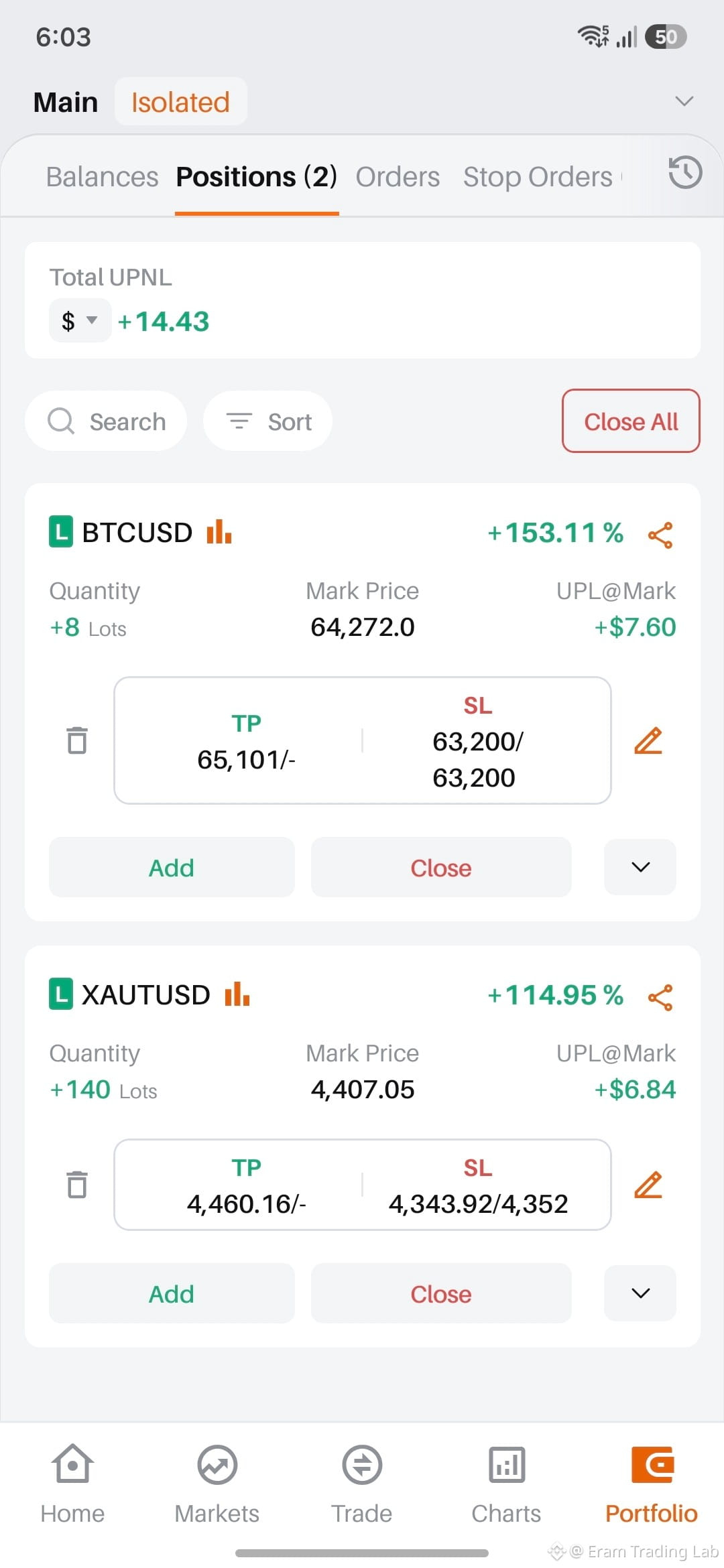
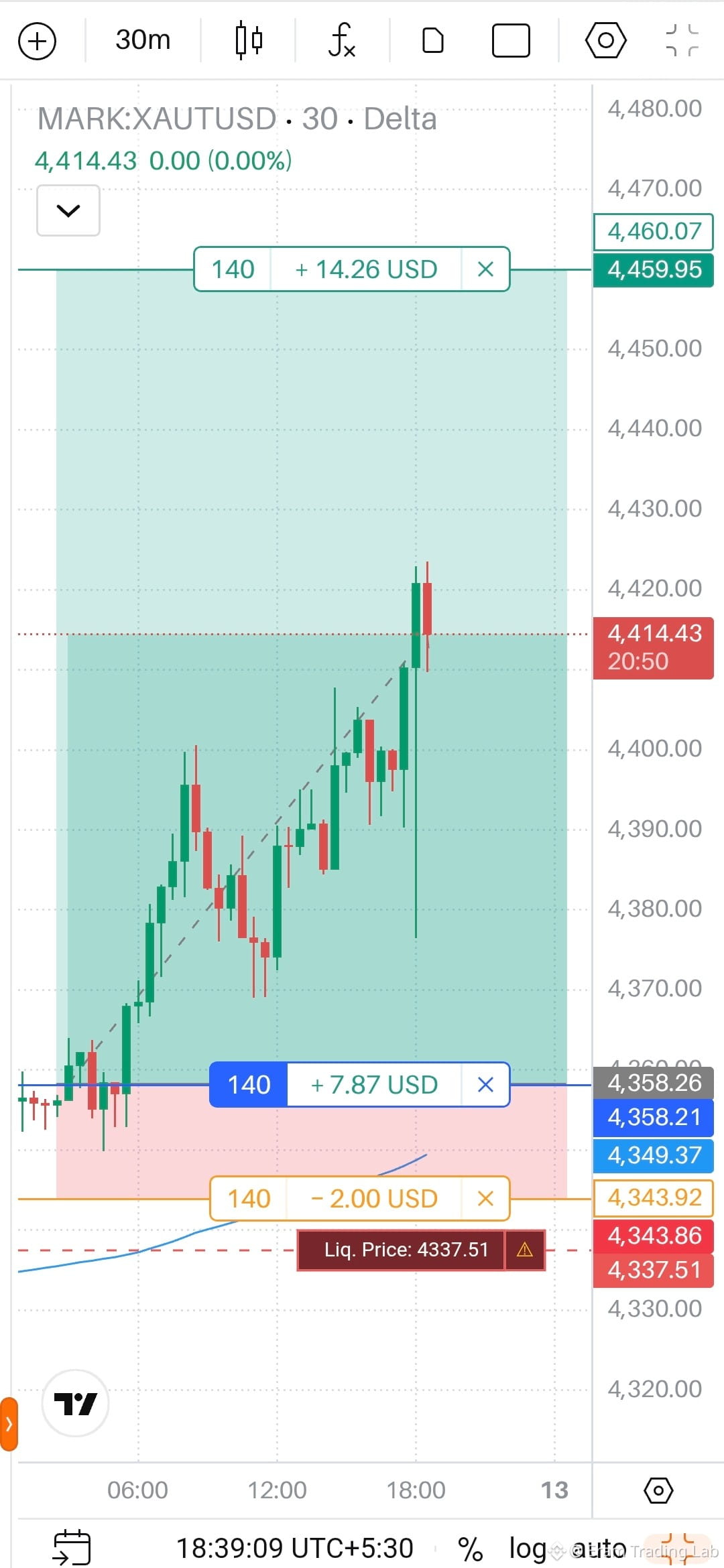
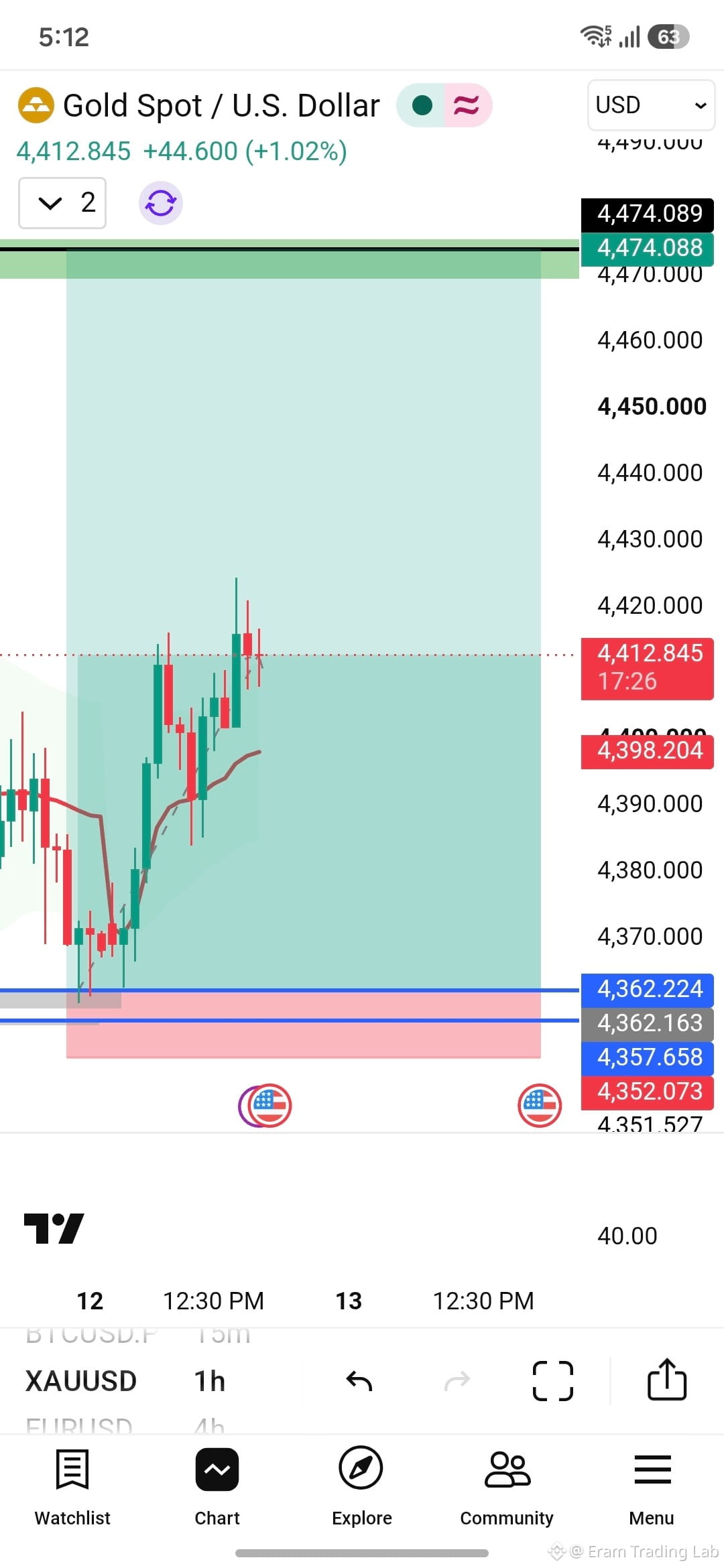
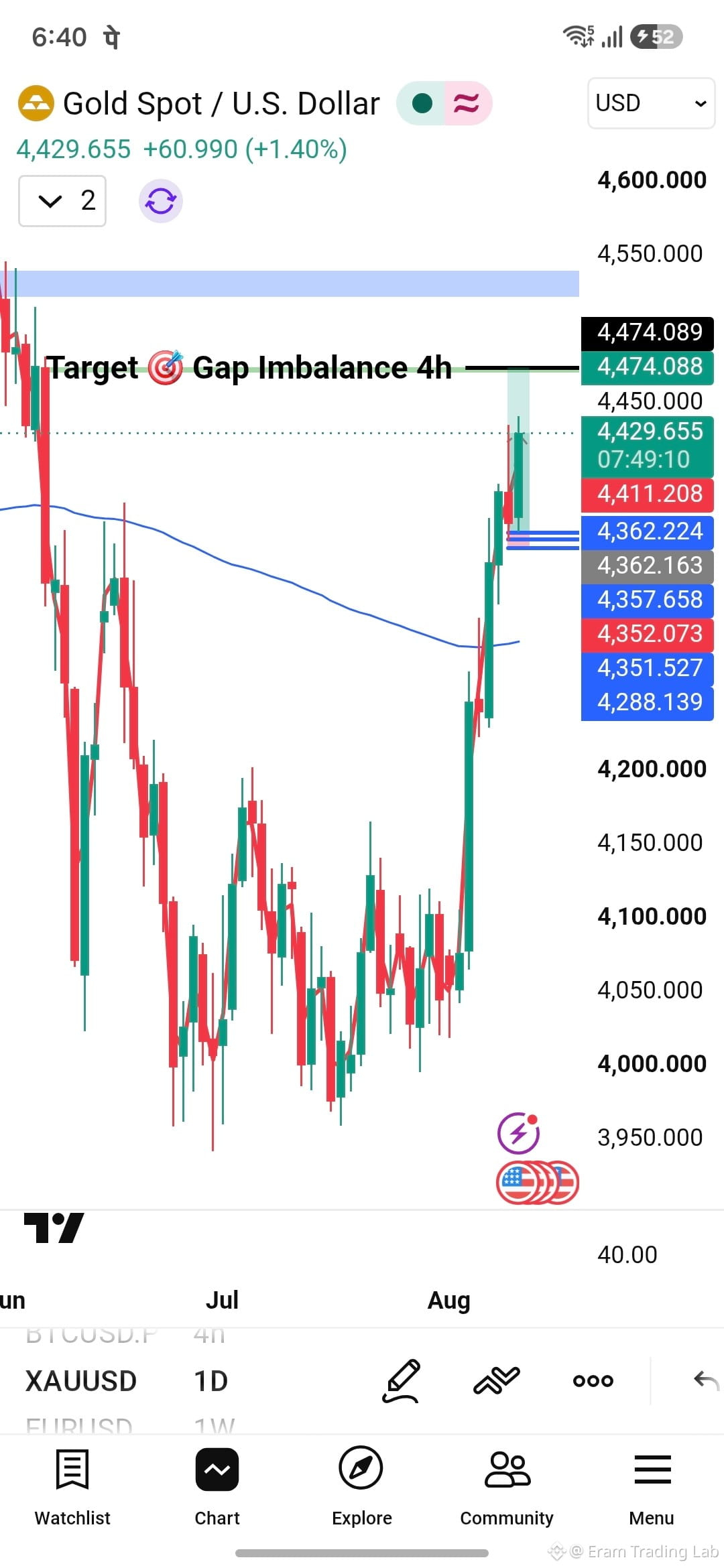
Currently #GOLD trade running in delta with R:R ~ 1:7
Gold trade is currently running with an impressive R:R of around 1:7. Strong risk-to-reward setup, but discipline and proper risk management remain key. Let the trade play out without overtrading. 📈
Currently #GOLD trade running in delta with R:R ~ 1:7
Gold trade is currently running with an impressive R:R of around 1:7. Strong risk-to-reward setup, but discipline and proper risk management remain key. Let the trade play out without overtrading. 📈
Gold trade is currently running with an impressive R:R of around 1:7. Strong risk-to-reward setup, but discipline and proper risk management remain key. Let the trade play out without overtrading. 📈
25
2
39
337
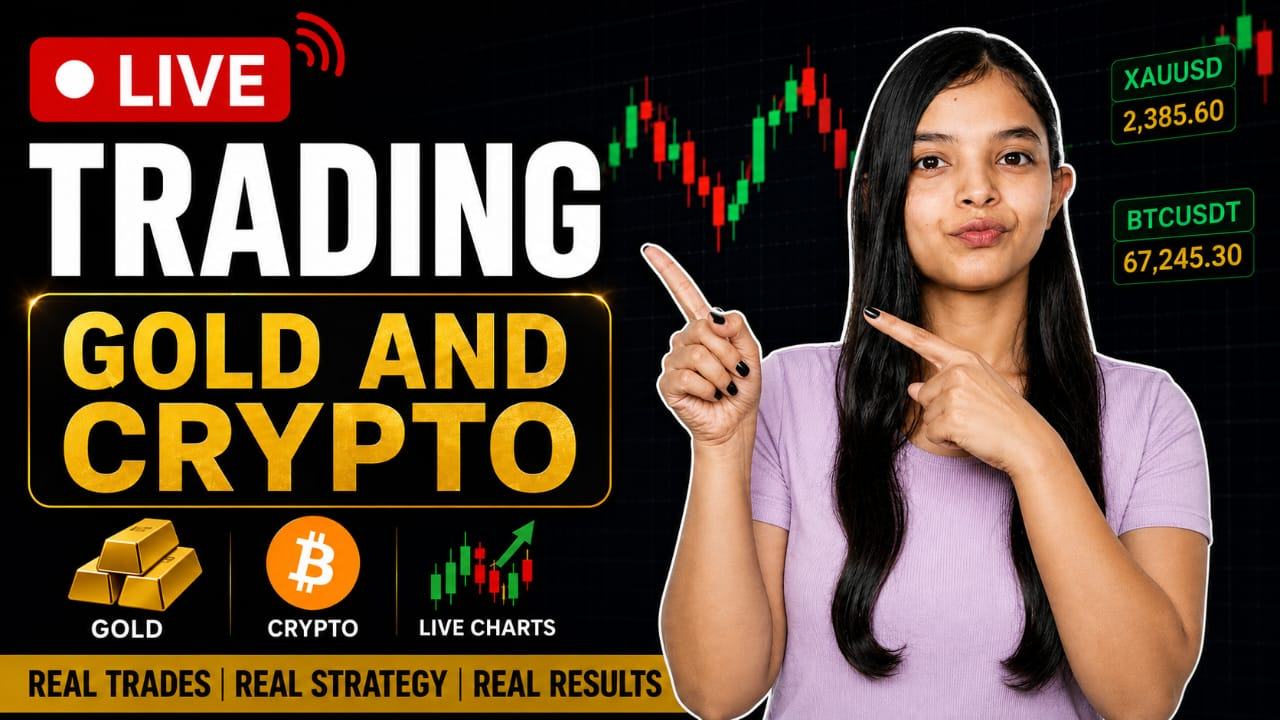
🎙️ Gold and Crypto Live Trading || Gold Live Trading || Bitcoin Live
End
02 h 12 m 17 s
244
2
0
#nil $NIL @nillionnetwork #nillion
While doing the CreatorPad task for Nillion, I noticed something that made me stop and think for a moment. 👀
$NIL was trading around $0.0877 on NIL/USDT after rising roughly 239% from its September low of $0.03864, around the time of the Dusk mainnet launch on September 28.
That’s a pretty big move! 🚀 But here’s the thing that got me curious.
Nillion is building Encrypted Markets, where privacy is supposed to be a big part of the experience. But after reading about Covenants, I realised something interesting: the instruction can be hidden, but the fact that it exists is still visible.
Wait… what? 🤔
According to Nillion’s own explanation, people can see that a Covenant has been posted, but they cannot read what’s inside it.
So, the actual order stays secret, but details like when it was posted, the poster’s address, and the gas fees can still be visible on Ethereum L1.
To be honest, when I first heard the words “Encrypted Markets,” I thought even the activity around a trade would be hidden. But at the Dusk stage, that doesn’t seem to be the case.
And this got me thinking…
If a trader can hide their limit price, that’s definitely useful. But what if someone wants to hide the fact that they’re about to make a really big trade? If the activity is still visible, could others get clues about what might happen next?
Maybe future phases, like Darkfall planned for November, or multi-chain support, could bring more improvements. But I couldn’t find a clear answer about whether these details will also become private.
But I do have one question: Is hiding the order enough if people can still see the activity around it?
I’m genuinely curious to hear different opinions on this. I’m still learning about the project, and I think these are the kinds of questions worth discussing.
💬 What do you think? Is hiding the instruction enough, or should encrypted markets also hide the intention behind a trade?
Let’s discuss in the comments! 👇
#Nillion #NIL #Crypto #Blockchain
#nil $NIL @Nillion #nillion
While doing the CreatorPad task for Nillion, I noticed something that made me stop and think for a moment. 👀
$NIL was trading around $0.0877 on NIL/USDT after rising roughly 239% from its September low of $0.03864, around the time of the Dusk mainnet launch on September 28.
That’s a pretty big move! 🚀 But here’s the thing that got me curious.
Nillion is building Encrypted Markets, where privacy is supposed to be a big part of the experience. But after reading about Covenants, I realised something interesting: the instruction can be hidden, but the fact that it exists is still visible.
Wait… what? 🤔
According to Nillion’s own explanation, people can see that a Covenant has been posted, but they cannot read what’s inside it.
So, the actual order stays secret, but details like when it was posted, the poster’s address, and the gas fees can still be visible on Ethereum L1.
To be honest, when I first heard the words “Encrypted Markets,” I thought even the activity around a trade would be hidden. But at the Dusk stage, that doesn’t seem to be the case.
And this got me thinking…
If a trader can hide their limit price, that’s definitely useful. But what if someone wants to hide the fact that they’re about to make a really big trade? If the activity is still visible, could others get clues about what might happen next?
Maybe future phases, like Darkfall planned for November, or multi-chain support, could bring more improvements. But I couldn’t find a clear answer about whether these details will also become private.
But I do have one question: Is hiding the order enough if people can still see the activity around it?
I’m genuinely curious to hear different opinions on this. I’m still learning about the project, and I think these are the kinds of questions worth discussing.
💬 What do you think? Is hiding the instruction enough, or should encrypted markets also hide the intention behind a trade?
Let’s discuss in the comments! 👇
#Nillion #NIL #Crypto #Blockchain
2
396
·
--
Bullish
#NIL $NIL @nillionnetwork #nil
Nillion is working on something really interesting called Encrypted Markets, and Covenants are an important part of how it works.
In simple words, a Covenant is like a secret instruction for a trade, order, bid, or payment. It is posted on Ethereum in an encrypted form, so others cannot read the details.
The interesting part is that the information stays hidden until a specific condition is met. A network of Blacklight nodes helps unlock and execute the instruction, without depending on just one trusted person to make the decision.
Dusk is the first live version of this system on Ethereum. It supports conditions based on prices and time, allows permissionless nodes to participate and earn rewards, and gives developers an SDK to build applications using TypeScript.
For example, imagine setting an instruction to buy $50,000 worth of ETH only when BTC reaches $80,000. The trade details stay hidden until the condition is met. This could help protect trading strategies and reduce the risk of front-running.
This is just the first phase of Nillion's seven-phase roadmap toward building fully encrypted markets.
Honestly, I find this project really interesting because privacy is a big deal in trading. But I also want to understand how well it will work in real market conditions.
What do you think about Nillion? Could encrypted markets change the way people trade in the future, or are there still challenges to solve?
Tell me your thoughts in the comments! 👇
#Nillion #NIL #Crypto #Blockchain #EncryptedMarkets
#NIL $NIL @Nillion #nil
Nillion is working on something really interesting called Encrypted Markets, and Covenants are an important part of how it works.
In simple words, a Covenant is like a secret instruction for a trade, order, bid, or payment. It is posted on Ethereum in an encrypted form, so others cannot read the details.
The interesting part is that the information stays hidden until a specific condition is met. A network of Blacklight nodes helps unlock and execute the instruction, without depending on just one trusted person to make the decision.
Dusk is the first live version of this system on Ethereum. It supports conditions based on prices and time, allows permissionless nodes to participate and earn rewards, and gives developers an SDK to build applications using TypeScript.
For example, imagine setting an instruction to buy $50,000 worth of ETH only when BTC reaches $80,000. The trade details stay hidden until the condition is met. This could help protect trading strategies and reduce the risk of front-running.
This is just the first phase of Nillion's seven-phase roadmap toward building fully encrypted markets.
Honestly, I find this project really interesting because privacy is a big deal in trading. But I also want to understand how well it will work in real market conditions.
What do you think about Nillion? Could encrypted markets change the way people trade in the future, or are there still challenges to solve?
Tell me your thoughts in the comments! 👇
#Nillion #NIL #Crypto #Blockchain #EncryptedMarkets
2
97
·
--
Bullish
Verified
#nil $NIL @nillionnetwork I was doing the Creatorpad task for Nillion when I noticed something interesting. $NIL is trading around 0.0877 on NIL/USDT after rising about 239% from its September low of 0.03864. This happened around the time of the Dusk mainnet date on September 28.
That is a big move for a project that focuses on keeping information private.
But one thing really caught my attention. Nillion Covenants hide the instructions, but they do not hide the fact that an instruction exists.
According to their own post, people can see that a Covenant has been posted, but they cannot read its contents. This means the order details stay hidden, but the timing, the poster's address, and the gas fees can still be seen on Ethereum L1.
I had to read that line twice to understand it properly.
Honestly, I thought encrypted markets would hide everything, including the activity around a trade. But that is not the case, at least in this stage of development. Maybe this is a good first step, but it also raises a question about who gets the most protection.
A trader who wants to hide their limit price gets some privacy. But what about a trader who wants to hide the fact that they are about to make a big trade? That information may still be easier to notice.
Maybe future updates, like Darkfall, which is planned for November, and multi-chain support could improve this. But the roadmap does not clearly explain whether these details will also be hidden.
I am still not sure if hiding the order details while keeping the activity visible is enough for traders who deal with large amounts of money. Or does it just look good in the early stages?
**So, where should we draw the line between hiding the trade details and hiding the intention
behind the trade?**
#nil $NIL @Nillion I was doing the Creatorpad task for Nillion when I noticed something interesting. $NIL is trading around 0.0877 on NIL/USDT after rising about 239% from its September low of 0.03864. This happened around the time of the Dusk mainnet date on September 28.
That is a big move for a project that focuses on keeping information private.
But one thing really caught my attention. Nillion Covenants hide the instructions, but they do not hide the fact that an instruction exists.
According to their own post, people can see that a Covenant has been posted, but they cannot read its contents. This means the order details stay hidden, but the timing, the poster's address, and the gas fees can still be seen on Ethereum L1.
I had to read that line twice to understand it properly.
Honestly, I thought encrypted markets would hide everything, including the activity around a trade. But that is not the case, at least in this stage of development. Maybe this is a good first step, but it also raises a question about who gets the most protection.
A trader who wants to hide their limit price gets some privacy. But what about a trader who wants to hide the fact that they are about to make a big trade? That information may still be easier to notice.
Maybe future updates, like Darkfall, which is planned for November, and multi-chain support could improve this. But the roadmap does not clearly explain whether these details will also be hidden.
I am still not sure if hiding the order details while keeping the activity visible is enough for traders who deal with large amounts of money. Or does it just look good in the early stages?
**So, where should we draw the line between hiding the trade details and hiding the intention
behind the trade?**
4
6
1.5k
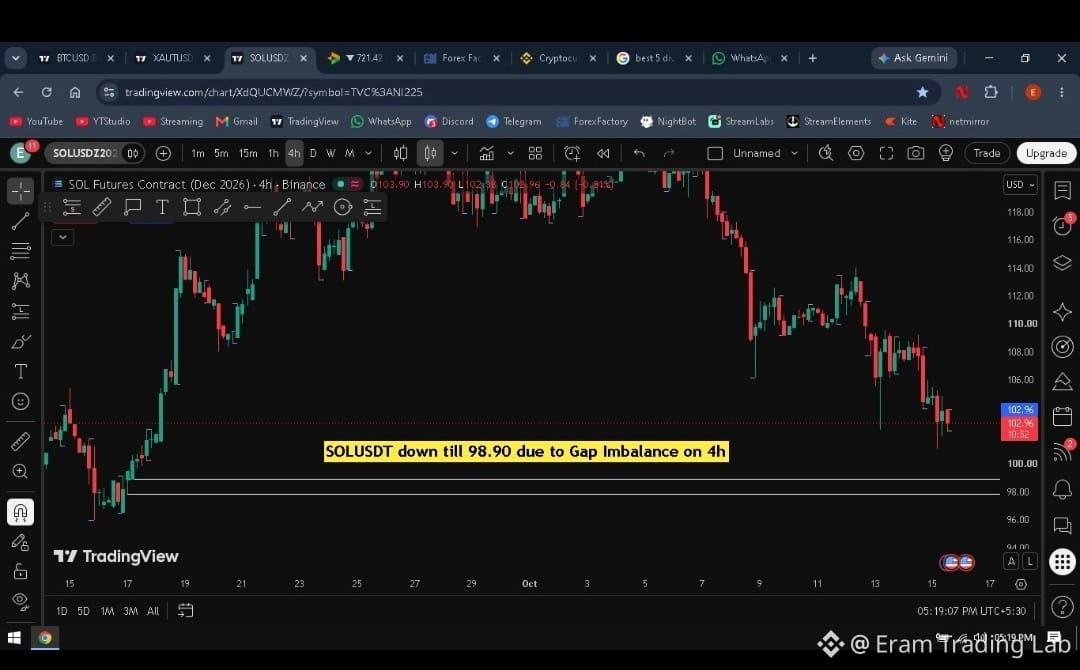
Solusdt down till 98.90 due to gap Imbalance in every timeframe #solana
Solusdt down till 98.90 due to gap Imbalance in every timeframe #solana
4
168
#StriveBuys3311BTCFor$280M
This large Bitcoin purchase signals strong institutional confidence and may improve market sentiment. If buying demand continues, BTC could receive bullish support and positively influence crypto-related stocks. However, traders should watch price action and volume to confirm whether the market sustains the bullish momentum.
This large Bitcoin purchase signals strong institutional confidence and may improve market sentiment. If buying demand continues, BTC could receive bullish support and positively influence crypto-related stocks. However, traders should watch price action and volume to confirm whether the market sustains the bullish momentum.
6
129
#EthereumDropsBelow$2500
Ethereum falling below $2,500 indicates bearish pressure and weakening buyer confidence. If ETH fails to reclaim this level, further downside may follow, potentially putting pressure on other altcoins. Traders should watch support levels and price action before entering short positions, as a recovery above $2,500 could trigger a quick rebound.
Ethereum falling below $2,500 indicates bearish pressure and weakening buyer confidence. If ETH fails to reclaim this level, further downside may follow, potentially putting pressure on other altcoins. Traders should watch support levels and price action before entering short positions, as a recovery above $2,500 could trigger a quick rebound.
3
275
#CPIWatch CPI data is important because it influences inflation expectations and central bank interest-rate decisions. Lower-than-expected CPI may support stocks and crypto, while higher-than-expected CPI can create selling pressure due to fears of tighter monetary policy. Traders should wait for the actual data and market reaction before taking a position.
#CPIWatch CPI data is important because it influences inflation expectations and central bank interest-rate decisions. Lower-than-expected CPI may support stocks and crypto, while higher-than-expected CPI can create selling pressure due to fears of tighter monetary policy. Traders should wait for the actual data and market reaction before taking a position.
3
148
#UKHighCourtRulesChineseLawGovernsBitcoinClaims
This ruling could create uncertainty around Bitcoin-related legal disputes and asset recovery. Such developments may make investors more cautious in the short term, but the direct impact on Bitcoin prices is likely limited unless broader regulatory concerns emerge. Traders should focus on market reaction and key support and resistance levels before taking positions.
This ruling could create uncertainty around Bitcoin-related legal disputes and asset recovery. Such developments may make investors more cautious in the short term, but the direct impact on Bitcoin prices is likely limited unless broader regulatory concerns emerge. Traders should focus on market reaction and key support and resistance levels before taking positions.
3
121
·
--
Bearish
#BTCDominanceBackAt60%
Bitcoin dominance reaching 60% suggests that capital is concentrating more in BTC than altcoins. This can put selling pressure on altcoins and create weaker setups for traders. However, Bitcoin may remain relatively stronger than the broader crypto market, so traders should watch BTC dominance and price action before entering positions.
Bitcoin dominance reaching 60% suggests that capital is concentrating more in BTC than altcoins. This can put selling pressure on altcoins and create weaker setups for traders. However, Bitcoin may remain relatively stronger than the broader crypto market, so traders should watch BTC dominance and price action before entering positions.
2
127
#CPIWatch CPI data is a key market trigger because higher-than-expected inflation can increase the chances of interest rate hikes, putting pressure on equities and increasing volatility. Traders should watch the actual numbers against expectations and avoid impulsive entries until the market shows a clear direction.
#CPIWatch CPI data is a key market trigger because higher-than-expected inflation can increase the chances of interest rate hikes, putting pressure on equities and increasing volatility. Traders should watch the actual numbers against expectations and avoid impulsive entries until the market shows a clear direction.
1
204
#BitcoinReboundsAbove$83K
Bitcoin’s rebound above $83K shows renewed buying interest and suggests that bullish momentum may be returning. For traders, a sustained hold above this level could support further upside, but confirmation and volume are important before entering a trade.
#BitcoinReboundsAbove$83K
Bitcoin’s rebound above $83K shows renewed buying interest and suggests that bullish momentum may be returning. For traders, a sustained hold above this level could support further upside, but confirmation and volume are important before entering a trade.
Bitcoin’s rebound above $83K shows renewed buying interest and suggests that bullish momentum may be returning. For traders, a sustained hold above this level could support further upside, but confirmation and volume are important before entering a trade.
1
97
#BitcoinReclaims$84K
Bitcoin reclaiming the $84K level shows renewed buying interest and may improve short-term market sentiment. If BTC holds above this level with strong volume, it could support further upside. However, traders should watch for a false breakout and wait for confirmation before entering long positions.
Bitcoin reclaiming the $84K level shows renewed buying interest and may improve short-term market sentiment. If BTC holds above this level with strong volume, it could support further upside. However, traders should watch for a false breakout and wait for confirmation before entering long positions.
2
168
#FSBWarnsCrossBorderStablecoinRulesRemainUnderdeveloped
The FSB warning that cross-border stablecoin regulations remain underdeveloped highlights uncertainty in the crypto market. Regulatory gaps could increase risks for investors and reduce institutional confidence. Traders should monitor regulatory developments, as negative headlines may increase volatility across crypto assets.
The FSB warning that cross-border stablecoin regulations remain underdeveloped highlights uncertainty in the crypto market. Regulatory gaps could increase risks for investors and reduce institutional confidence. Traders should monitor regulatory developments, as negative headlines may increase volatility across crypto assets.
1
97
#BitcoinOptionsVolatilityHitsFiveYearLow
Bitcoin options volatility hitting a five-year low suggests traders are expecting smaller price movements and uncertainty about the next major move. This may reduce short-term trading opportunities, but low volatility can also precede a sharp breakout. Traders should wait for clear price action and confirmation before entering a trade.
Bitcoin options volatility hitting a five-year low suggests traders are expecting smaller price movements and uncertainty about the next major move. This may reduce short-term trading opportunities, but low volatility can also precede a sharp breakout. Traders should wait for clear price action and confirmation before entering a trade.
2
98
4
232
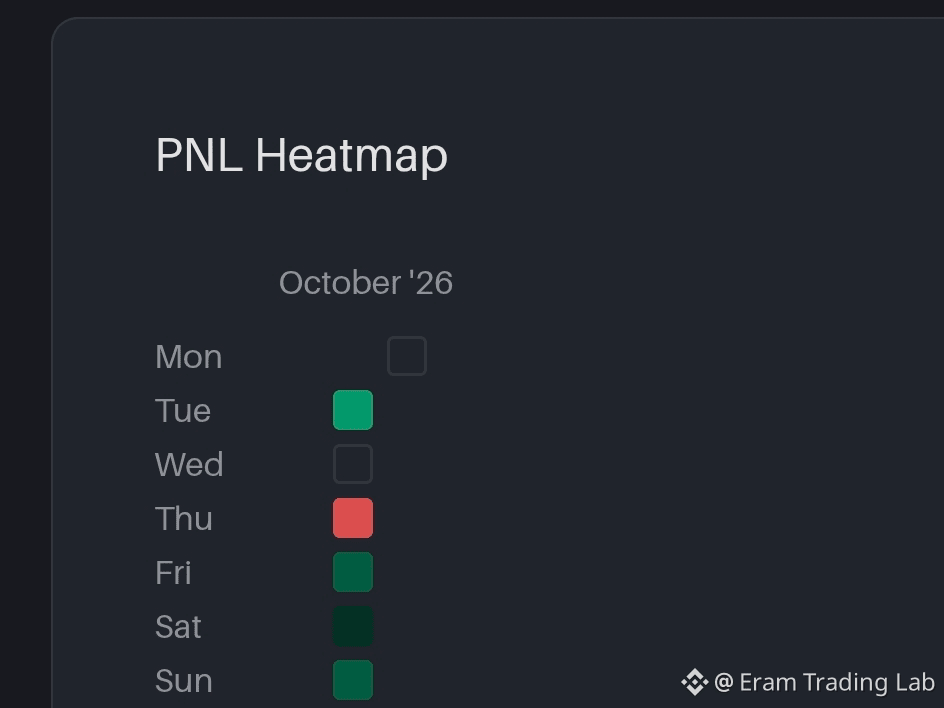
booked $2 tp in #bitcoin yesterday
booked $2 tp in #bitcoin yesterday
1
146
Log in to explore more content
Join global crypto users on Binance Square
⚡️ Get latest and useful information about crypto.
💬 Trusted by the world’s largest crypto exchange.
👍 Discover real insights from verified creators.
Email / Phone number