
Crypto Reporter
197 Posts

Crypto Reporter
 Square Verified+
Report
Block User
Crypto Reporter - Online magazine about cryptocurrencies, NFTs, DeFi, GameFi and other blockchain technologies.
1 Following
3.2K+ Followers
450 Liked
Posts
Article
London Stock Exchange Takes Stocks Onto the BlockchainThe London Stock Exchange is taking a major step into blockchain-based markets, planning to offer tokenized versions of U.K. shares as it prepares to launch a new 24-hour trading venue in 2027.
London Stock Exchange Group will partner with Payward, the parent company of cryptocurrency exchange Kraken to introduce blockchain-based representations of listed equities, known as xStocks. The tokens will be backed one-for-one by the underlying shares, according to The Wall Street Journal.
The initiative is designed to bring some of the features of crypto markets — including round-the-clock access and faster settlement — into regulated equity trading. LSEG plans to begin testing its new LSE 24 platform by the end of 2026, with a full launch targeted for 2027, subject to regulatory approval, according to Reuters.
For investors, tokenization could make shares available for trading beyond traditional market hours while allowing transactions to settle more quickly. The exchange is also betting the technology can broaden access to London-listed companies and attract investors already accustomed to digital-asset markets.
The move comes as exchanges and financial firms experiment with putting traditional assets on blockchains. LSEG has been developing blockchain-based market infrastructure, while the partnership with Payward brings a major cryptocurrency-market operator directly into its expansion into tokenized securities.
LSEG Chief Executive Julia Hoggett said tokenization could transform financial markets, while emphasizing the importance of maintaining trust and regulatory standards as the technology develops.
The partnership marks a notable convergence between traditional finance and crypto infrastructure: one of the world’s major stock exchanges is preparing to use blockchain technology not simply to create a new asset class, but to reshape how conventional equities are traded and settled.
The post London Stock Exchange takes stocks onto the blockchain appeared first on Crypto Reporter.
London Stock Exchange Takes Stocks Onto the Blockchain
The London Stock Exchange is taking a major step into blockchain-based markets, planning to offer tokenized versions of U.K. shares as it prepares to launch a new 24-hour trading venue in 2027.
London Stock Exchange Group will partner with Payward, the parent company of cryptocurrency exchange Kraken to introduce blockchain-based representations of listed equities, known as xStocks. The tokens will be backed one-for-one by the underlying shares, according to The Wall Street Journal.
The initiative is designed to bring some of the features of crypto markets — including round-the-clock access and faster settlement — into regulated equity trading. LSEG plans to begin testing its new LSE 24 platform by the end of 2026, with a full launch targeted for 2027, subject to regulatory approval, according to Reuters.
For investors, tokenization could make shares available for trading beyond traditional market hours while allowing transactions to settle more quickly. The exchange is also betting the technology can broaden access to London-listed companies and attract investors already accustomed to digital-asset markets.
The move comes as exchanges and financial firms experiment with putting traditional assets on blockchains. LSEG has been developing blockchain-based market infrastructure, while the partnership with Payward brings a major cryptocurrency-market operator directly into its expansion into tokenized securities.
LSEG Chief Executive Julia Hoggett said tokenization could transform financial markets, while emphasizing the importance of maintaining trust and regulatory standards as the technology develops.
The partnership marks a notable convergence between traditional finance and crypto infrastructure: one of the world’s major stock exchanges is preparing to use blockchain technology not simply to create a new asset class, but to reshape how conventional equities are traded and settled.
The post London Stock Exchange takes stocks onto the blockchain appeared first on Crypto Reporter.
London Stock Exchange Group will partner with Payward, the parent company of cryptocurrency exchange Kraken to introduce blockchain-based representations of listed equities, known as xStocks. The tokens will be backed one-for-one by the underlying shares, according to The Wall Street Journal.
The initiative is designed to bring some of the features of crypto markets — including round-the-clock access and faster settlement — into regulated equity trading. LSEG plans to begin testing its new LSE 24 platform by the end of 2026, with a full launch targeted for 2027, subject to regulatory approval, according to Reuters.
For investors, tokenization could make shares available for trading beyond traditional market hours while allowing transactions to settle more quickly. The exchange is also betting the technology can broaden access to London-listed companies and attract investors already accustomed to digital-asset markets.
The move comes as exchanges and financial firms experiment with putting traditional assets on blockchains. LSEG has been developing blockchain-based market infrastructure, while the partnership with Payward brings a major cryptocurrency-market operator directly into its expansion into tokenized securities.
LSEG Chief Executive Julia Hoggett said tokenization could transform financial markets, while emphasizing the importance of maintaining trust and regulatory standards as the technology develops.
The partnership marks a notable convergence between traditional finance and crypto infrastructure: one of the world’s major stock exchanges is preparing to use blockchain technology not simply to create a new asset class, but to reshape how conventional equities are traded and settled.
The post London Stock Exchange takes stocks onto the blockchain appeared first on Crypto Reporter.
79
Article
Goldman Sachs, BofA and 19 Banks Join Forces to Launch Stablecoin in 2027Some of the world’s biggest banks are joining forces to launch a U.S. dollar-backed stablecoin in the first half of 2027, taking a collective leap into a market that has largely been dominated by crypto companies.
The 21-bank consortium, including Goldman Sachs, Bank of America and Citigroup, plans to establish a new company to develop and operate the digital currency. The initiative has grown from an initial group of 10 banks, according to Reuters and The Wall Street Journal.
The stablecoin will initially target commercial customers and cross-border payments, where banks see potential to make transactions faster and more efficient. The group is also considering eventually issuing stablecoins tied to other G7 currencies, including the euro.
The move signals a significant shift in the banking industry’s approach to digital currencies. Banks have historically been cautious about stablecoins, partly because they could pull funds away from traditional deposits. But the rapid growth of the market is pushing major lenders to develop their own alternatives.
The banks’ initiative also reflects the industry’s broader interest in blockchain-based financial infrastructure. Rather than relying solely on existing crypto issuers, the participating institutions are seeking to build a shared system that keeps banks at the center of digital payments.
The consortium’s stablecoin would enter an increasingly competitive market, but the participation of 21 major financial institutions gives the project a scale rarely seen in bank-led digital-currency efforts.
For Wall Street, the project represents a bet that stablecoins can become more than a crypto trading tool — and a way for traditional banks to capture a larger role in the next generation of digital payments.
The post Goldman Sachs, BofA and 19 banks join forces to launch stablecoin in 2027 appeared first on Crypto Reporter.
Goldman Sachs, BofA and 19 Banks Join Forces to Launch Stablecoin in 2027
Some of the world’s biggest banks are joining forces to launch a U.S. dollar-backed stablecoin in the first half of 2027, taking a collective leap into a market that has largely been dominated by crypto companies.
The 21-bank consortium, including Goldman Sachs, Bank of America and Citigroup, plans to establish a new company to develop and operate the digital currency. The initiative has grown from an initial group of 10 banks, according to Reuters and The Wall Street Journal.
The stablecoin will initially target commercial customers and cross-border payments, where banks see potential to make transactions faster and more efficient. The group is also considering eventually issuing stablecoins tied to other G7 currencies, including the euro.
The move signals a significant shift in the banking industry’s approach to digital currencies. Banks have historically been cautious about stablecoins, partly because they could pull funds away from traditional deposits. But the rapid growth of the market is pushing major lenders to develop their own alternatives.
The banks’ initiative also reflects the industry’s broader interest in blockchain-based financial infrastructure. Rather than relying solely on existing crypto issuers, the participating institutions are seeking to build a shared system that keeps banks at the center of digital payments.
The consortium’s stablecoin would enter an increasingly competitive market, but the participation of 21 major financial institutions gives the project a scale rarely seen in bank-led digital-currency efforts.
For Wall Street, the project represents a bet that stablecoins can become more than a crypto trading tool — and a way for traditional banks to capture a larger role in the next generation of digital payments.
The post Goldman Sachs, BofA and 19 banks join forces to launch stablecoin in 2027 appeared first on Crypto Reporter.
The 21-bank consortium, including Goldman Sachs, Bank of America and Citigroup, plans to establish a new company to develop and operate the digital currency. The initiative has grown from an initial group of 10 banks, according to Reuters and The Wall Street Journal.
The stablecoin will initially target commercial customers and cross-border payments, where banks see potential to make transactions faster and more efficient. The group is also considering eventually issuing stablecoins tied to other G7 currencies, including the euro.
The move signals a significant shift in the banking industry’s approach to digital currencies. Banks have historically been cautious about stablecoins, partly because they could pull funds away from traditional deposits. But the rapid growth of the market is pushing major lenders to develop their own alternatives.
The banks’ initiative also reflects the industry’s broader interest in blockchain-based financial infrastructure. Rather than relying solely on existing crypto issuers, the participating institutions are seeking to build a shared system that keeps banks at the center of digital payments.
The consortium’s stablecoin would enter an increasingly competitive market, but the participation of 21 major financial institutions gives the project a scale rarely seen in bank-led digital-currency efforts.
For Wall Street, the project represents a bet that stablecoins can become more than a crypto trading tool — and a way for traditional banks to capture a larger role in the next generation of digital payments.
The post Goldman Sachs, BofA and 19 banks join forces to launch stablecoin in 2027 appeared first on Crypto Reporter.
93

Article
Bitcoin Breaks Above $80,000 As ETF Demand Fuels Crypto RallyBitcoin climbed above $80,000 for the first time since May, extending a rally that has lifted the cryptocurrency roughly 25% in a week and revived investor appetite for digital assets.
The cryptocurrency reached about $81,000 on Aug. 25, its highest level since mid-May, before giving back some gains. Bitcoin has risen about 28% in August, putting it on track for its strongest monthly advance since November 2024, according to Reuters.
The move marks a sharp reversal from earlier this month, when Bitcoin traded near $64,000. The rally initially gained momentum after a wave of short liquidations, but the latest advance is being supported by evidence of renewed spot demand from institutional investors.
US spot Bitcoin ETFs attracted about $1.92 billion during the week ended Aug. 21, their strongest weekly inflow since October 2025, according to data cited by Bloomberg. The funds also recorded a $606.3 million single-day inflow on Aug. 20, their largest in more than three months.
That buying continued into the following week. US spot Bitcoin ETFs recorded $337.56 million of net inflows on Aug. 24, extending the streak to seven consecutive trading days, according to CoinDesk. Ether ETFs attracted another $115.57 million that day, while Solana and XRP funds also posted inflows.
The return of ETF demand is important because it suggests that Bitcoin’s move is becoming less dependent on the short squeeze that helped trigger the initial breakout. CoinDesk reported that the latest seven-day ETF inflows totaled more than $2.5 billion, providing evidence of fresh spot buying after bearish positions were flushed from the market.
The rally has also coincided with a shift in expectations around US financial conditions. The Treasury’s decision to increase purchases of longer-dated government debt has helped push investors toward a so-called “debasement trade”, based on expectations that efforts to contain long-term borrowing costs could weaken the dollar over time. Reuters reported that the softer dollar and concerns about currency debasement have increased demand for alternative assets including Bitcoin and gold.
The broader crypto market has moved with Bitcoin. Ethereum has gained roughly 30% over five days, while Solana has risen about 31% over the same period, according to MarketWatch. Crypto-related equities have also rallied, with Strategy and Coinbase among the beneficiaries.
The latest advance leaves Bitcoin at an important technical level. The cryptocurrency is now testing the $80,000 area as potential support, after spending much of the summer below $70,000. Analysts cited by CoinDesk have identified $83,000 as a key level that could provide confirmation of a broader change in market trend.
The rally is still far from Bitcoin’s record. The cryptocurrency remains well below its October 2025 peak of about $126,000, leaving room for further gains but also highlighting the extent of the recovery still required to return to record levels.
For now, the key question is whether Bitcoin can hold above $80,000 after the initial momentum fades. Continued ETF inflows would provide evidence that institutional buyers are supporting the market at higher prices. A reversal in those flows, by contrast, could expose the rally to another bout of profit-taking.
The distinction is important. The move from $64,000 to $70,000 was heavily influenced by forced buying. The move above $80,000 is increasingly being tested by real-money demand—a shift that could determine whether Bitcoin’s latest rebound develops into a sustained recovery.
The post Bitcoin breaks above $80,000 as ETF demand fuels crypto rally appeared first on Crypto Reporter.
Bitcoin Breaks Above $80,000 As ETF Demand Fuels Crypto Rally
Bitcoin climbed above $80,000 for the first time since May, extending a rally that has lifted the cryptocurrency roughly 25% in a week and revived investor appetite for digital assets.
The cryptocurrency reached about $81,000 on Aug. 25, its highest level since mid-May, before giving back some gains. Bitcoin has risen about 28% in August, putting it on track for its strongest monthly advance since November 2024, according to Reuters.
The move marks a sharp reversal from earlier this month, when Bitcoin traded near $64,000. The rally initially gained momentum after a wave of short liquidations, but the latest advance is being supported by evidence of renewed spot demand from institutional investors.
US spot Bitcoin ETFs attracted about $1.92 billion during the week ended Aug. 21, their strongest weekly inflow since October 2025, according to data cited by Bloomberg. The funds also recorded a $606.3 million single-day inflow on Aug. 20, their largest in more than three months.
That buying continued into the following week. US spot Bitcoin ETFs recorded $337.56 million of net inflows on Aug. 24, extending the streak to seven consecutive trading days, according to CoinDesk. Ether ETFs attracted another $115.57 million that day, while Solana and XRP funds also posted inflows.
The return of ETF demand is important because it suggests that Bitcoin’s move is becoming less dependent on the short squeeze that helped trigger the initial breakout. CoinDesk reported that the latest seven-day ETF inflows totaled more than $2.5 billion, providing evidence of fresh spot buying after bearish positions were flushed from the market.
The rally has also coincided with a shift in expectations around US financial conditions. The Treasury’s decision to increase purchases of longer-dated government debt has helped push investors toward a so-called “debasement trade”, based on expectations that efforts to contain long-term borrowing costs could weaken the dollar over time. Reuters reported that the softer dollar and concerns about currency debasement have increased demand for alternative assets including Bitcoin and gold.
The broader crypto market has moved with Bitcoin. Ethereum has gained roughly 30% over five days, while Solana has risen about 31% over the same period, according to MarketWatch. Crypto-related equities have also rallied, with Strategy and Coinbase among the beneficiaries.
The latest advance leaves Bitcoin at an important technical level. The cryptocurrency is now testing the $80,000 area as potential support, after spending much of the summer below $70,000. Analysts cited by CoinDesk have identified $83,000 as a key level that could provide confirmation of a broader change in market trend.
The rally is still far from Bitcoin’s record. The cryptocurrency remains well below its October 2025 peak of about $126,000, leaving room for further gains but also highlighting the extent of the recovery still required to return to record levels.
For now, the key question is whether Bitcoin can hold above $80,000 after the initial momentum fades. Continued ETF inflows would provide evidence that institutional buyers are supporting the market at higher prices. A reversal in those flows, by contrast, could expose the rally to another bout of profit-taking.
The distinction is important. The move from $64,000 to $70,000 was heavily influenced by forced buying. The move above $80,000 is increasingly being tested by real-money demand—a shift that could determine whether Bitcoin’s latest rebound develops into a sustained recovery.
The post Bitcoin breaks above $80,000 as ETF demand fuels crypto rally appeared first on Crypto Reporter.
The cryptocurrency reached about $81,000 on Aug. 25, its highest level since mid-May, before giving back some gains. Bitcoin has risen about 28% in August, putting it on track for its strongest monthly advance since November 2024, according to Reuters.
The move marks a sharp reversal from earlier this month, when Bitcoin traded near $64,000. The rally initially gained momentum after a wave of short liquidations, but the latest advance is being supported by evidence of renewed spot demand from institutional investors.
US spot Bitcoin ETFs attracted about $1.92 billion during the week ended Aug. 21, their strongest weekly inflow since October 2025, according to data cited by Bloomberg. The funds also recorded a $606.3 million single-day inflow on Aug. 20, their largest in more than three months.
That buying continued into the following week. US spot Bitcoin ETFs recorded $337.56 million of net inflows on Aug. 24, extending the streak to seven consecutive trading days, according to CoinDesk. Ether ETFs attracted another $115.57 million that day, while Solana and XRP funds also posted inflows.
The return of ETF demand is important because it suggests that Bitcoin’s move is becoming less dependent on the short squeeze that helped trigger the initial breakout. CoinDesk reported that the latest seven-day ETF inflows totaled more than $2.5 billion, providing evidence of fresh spot buying after bearish positions were flushed from the market.
The rally has also coincided with a shift in expectations around US financial conditions. The Treasury’s decision to increase purchases of longer-dated government debt has helped push investors toward a so-called “debasement trade”, based on expectations that efforts to contain long-term borrowing costs could weaken the dollar over time. Reuters reported that the softer dollar and concerns about currency debasement have increased demand for alternative assets including Bitcoin and gold.
The broader crypto market has moved with Bitcoin. Ethereum has gained roughly 30% over five days, while Solana has risen about 31% over the same period, according to MarketWatch. Crypto-related equities have also rallied, with Strategy and Coinbase among the beneficiaries.
The latest advance leaves Bitcoin at an important technical level. The cryptocurrency is now testing the $80,000 area as potential support, after spending much of the summer below $70,000. Analysts cited by CoinDesk have identified $83,000 as a key level that could provide confirmation of a broader change in market trend.
The rally is still far from Bitcoin’s record. The cryptocurrency remains well below its October 2025 peak of about $126,000, leaving room for further gains but also highlighting the extent of the recovery still required to return to record levels.
For now, the key question is whether Bitcoin can hold above $80,000 after the initial momentum fades. Continued ETF inflows would provide evidence that institutional buyers are supporting the market at higher prices. A reversal in those flows, by contrast, could expose the rally to another bout of profit-taking.
The distinction is important. The move from $64,000 to $70,000 was heavily influenced by forced buying. The move above $80,000 is increasingly being tested by real-money demand—a shift that could determine whether Bitcoin’s latest rebound develops into a sustained recovery.
The post Bitcoin breaks above $80,000 as ETF demand fuels crypto rally appeared first on Crypto Reporter.
65

Article
Japan Plans Blockchain System to Speed Stock and Bond SettlementJapan’s top financial authorities are preparing a plan to build blockchain-based infrastructure for settling stocks and Japanese government bonds, in a move that could overhaul how securities transactions are completed in the country’s financial markets.
The Financial Services Agency, Ministry of Finance and Bank of Japan are expected to work with domestic financial institutions starting this summer on a development plan for the next-generation settlement system, according to Nikkei Asia, as reported by The Block. The plan could be completed as early as early 2027 and would define the blockchain’s architecture, responsibilities of government agencies and financial institutions, and the project’s longer-term roadmap.
The initiative aims to reduce settlement times for stocks and government bonds from the current two days to real time. Under the proposed system, a portion of the accounts that banks currently maintain at the Bank of Japan would be tokenized on a blockchain network, according to the report.
If approved, the system could be launched within several years and become fully operational in the early 2030s. The project could also be incorporated into Japan’s planned multi-year strategic-sector investment framework beginning in fiscal 2027.
The proposal comes as Japan’s financial sector accelerates its adoption of blockchain-based infrastructure. On the same day, about 40 regional and online banks announced plans for a proof-of-concept involving interbank transfers using tokenized deposits, with testing potentially beginning this month.
The government’s plans also build on a series of recent regulatory changes. In July, Japan passed amendments to its Financial Instruments and Exchange Act that will reclassify about 105 cryptocurrencies as financial instruments from fiscal 2027 and establish the basis for a separate crypto-tax regime with an effective rate of about 20%, down from current rates of as much as 55%.
The Financial Services Agency also established a dedicated cryptocurrency and stablecoin division earlier this month, signaling a more structured approach to developing and regulating digital-asset markets.
Japan’s securities infrastructure is already testing blockchain applications. In April, the Japan Securities Clearing Corp., a clearing house owned by Japan Exchange Group, began a trial with Mizuho, Nomura and Digital Asset to explore using Japanese government bonds as blockchain-based collateral.
The country’s three largest banks — Mizuho, MUFG and SMBC — are also working on a stablecoin pilot backed by the FSA, aimed at exploring blockchain-based payment systems.
The planned settlement network represents a potentially significant shift in Japan’s approach to blockchain. Rather than treating the technology primarily as infrastructure for cryptocurrencies, authorities are exploring its use for the core plumbing of traditional capital markets.
The key test will be whether tokenized settlement can deliver genuinely faster transactions while preserving the reliability, liquidity and regulatory controls required of Japan’s stock and government-bond markets. For now, the project remains at the planning stage, with the first detailed blueprint potentially due in early 2027.
The post Japan plans blockchain system to speed stock and bond settlement appeared first on Crypto Reporter.
Japan Plans Blockchain System to Speed Stock and Bond Settlement
Japan’s top financial authorities are preparing a plan to build blockchain-based infrastructure for settling stocks and Japanese government bonds, in a move that could overhaul how securities transactions are completed in the country’s financial markets.
The Financial Services Agency, Ministry of Finance and Bank of Japan are expected to work with domestic financial institutions starting this summer on a development plan for the next-generation settlement system, according to Nikkei Asia, as reported by The Block. The plan could be completed as early as early 2027 and would define the blockchain’s architecture, responsibilities of government agencies and financial institutions, and the project’s longer-term roadmap.
The initiative aims to reduce settlement times for stocks and government bonds from the current two days to real time. Under the proposed system, a portion of the accounts that banks currently maintain at the Bank of Japan would be tokenized on a blockchain network, according to the report.
If approved, the system could be launched within several years and become fully operational in the early 2030s. The project could also be incorporated into Japan’s planned multi-year strategic-sector investment framework beginning in fiscal 2027.
The proposal comes as Japan’s financial sector accelerates its adoption of blockchain-based infrastructure. On the same day, about 40 regional and online banks announced plans for a proof-of-concept involving interbank transfers using tokenized deposits, with testing potentially beginning this month.
The government’s plans also build on a series of recent regulatory changes. In July, Japan passed amendments to its Financial Instruments and Exchange Act that will reclassify about 105 cryptocurrencies as financial instruments from fiscal 2027 and establish the basis for a separate crypto-tax regime with an effective rate of about 20%, down from current rates of as much as 55%.
The Financial Services Agency also established a dedicated cryptocurrency and stablecoin division earlier this month, signaling a more structured approach to developing and regulating digital-asset markets.
Japan’s securities infrastructure is already testing blockchain applications. In April, the Japan Securities Clearing Corp., a clearing house owned by Japan Exchange Group, began a trial with Mizuho, Nomura and Digital Asset to explore using Japanese government bonds as blockchain-based collateral.
The country’s three largest banks — Mizuho, MUFG and SMBC — are also working on a stablecoin pilot backed by the FSA, aimed at exploring blockchain-based payment systems.
The planned settlement network represents a potentially significant shift in Japan’s approach to blockchain. Rather than treating the technology primarily as infrastructure for cryptocurrencies, authorities are exploring its use for the core plumbing of traditional capital markets.
The key test will be whether tokenized settlement can deliver genuinely faster transactions while preserving the reliability, liquidity and regulatory controls required of Japan’s stock and government-bond markets. For now, the project remains at the planning stage, with the first detailed blueprint potentially due in early 2027.
The post Japan plans blockchain system to speed stock and bond settlement appeared first on Crypto Reporter.
The Financial Services Agency, Ministry of Finance and Bank of Japan are expected to work with domestic financial institutions starting this summer on a development plan for the next-generation settlement system, according to Nikkei Asia, as reported by The Block. The plan could be completed as early as early 2027 and would define the blockchain’s architecture, responsibilities of government agencies and financial institutions, and the project’s longer-term roadmap.
The initiative aims to reduce settlement times for stocks and government bonds from the current two days to real time. Under the proposed system, a portion of the accounts that banks currently maintain at the Bank of Japan would be tokenized on a blockchain network, according to the report.
If approved, the system could be launched within several years and become fully operational in the early 2030s. The project could also be incorporated into Japan’s planned multi-year strategic-sector investment framework beginning in fiscal 2027.
The proposal comes as Japan’s financial sector accelerates its adoption of blockchain-based infrastructure. On the same day, about 40 regional and online banks announced plans for a proof-of-concept involving interbank transfers using tokenized deposits, with testing potentially beginning this month.
The government’s plans also build on a series of recent regulatory changes. In July, Japan passed amendments to its Financial Instruments and Exchange Act that will reclassify about 105 cryptocurrencies as financial instruments from fiscal 2027 and establish the basis for a separate crypto-tax regime with an effective rate of about 20%, down from current rates of as much as 55%.
The Financial Services Agency also established a dedicated cryptocurrency and stablecoin division earlier this month, signaling a more structured approach to developing and regulating digital-asset markets.
Japan’s securities infrastructure is already testing blockchain applications. In April, the Japan Securities Clearing Corp., a clearing house owned by Japan Exchange Group, began a trial with Mizuho, Nomura and Digital Asset to explore using Japanese government bonds as blockchain-based collateral.
The country’s three largest banks — Mizuho, MUFG and SMBC — are also working on a stablecoin pilot backed by the FSA, aimed at exploring blockchain-based payment systems.
The planned settlement network represents a potentially significant shift in Japan’s approach to blockchain. Rather than treating the technology primarily as infrastructure for cryptocurrencies, authorities are exploring its use for the core plumbing of traditional capital markets.
The key test will be whether tokenized settlement can deliver genuinely faster transactions while preserving the reliability, liquidity and regulatory controls required of Japan’s stock and government-bond markets. For now, the project remains at the planning stage, with the first detailed blueprint potentially due in early 2027.
The post Japan plans blockchain system to speed stock and bond settlement appeared first on Crypto Reporter.
78

Article
Bitcoin Breaks Above $71,000 As Short Squeeze Sends Crypto Market HigherBitcoin surged above $71,000 for the first time since June, breaking out of a six-week trading range as a wave of forced buying sent the cryptocurrency sharply higher.
Bitcoin climbed as high as about $72,400 on Thursday, extending a rally that began the previous day. The move represented a gain of roughly 11% in 24 hours, according to CoinDesk’s market report.
The rally was amplified by a massive derivatives-market squeeze. About $3 billion of short positions were liquidated over 24 hours, compared with roughly $264 million in long liquidations, according to CoinDesk. More than $1 billion of bearish positions were wiped out in a single hour as traders were forced to buy Bitcoin to close losing bets
Bitcoin had spent the previous six weeks trading between roughly $62,000 and $66,900, with volatility falling to multi-year lows. That prolonged period of narrow trading left a large concentration of leveraged short positions above the upper end of the range, helping accelerate the move once Bitcoin broke through resistance.
The rally was also supported by a shift in the broader financial backdrop. The US Treasury said it would increase purchases of longer-dated government bonds, helping push long-term Treasury yields lower and improving investor appetite for riskier assets. Reuters reported that Bitcoin was up 3.48% at $71,505 in Thursday trading, while Ether gained 2.46% to $2,272.
The Treasury move was accompanied by renewed political support for cryptocurrencies. President Donald Trump called on Congress to pass the CLARITY Act, legislation designed to establish clearer rules for the US digital-asset industry. The bill remains stalled in Congress but is expected to return to the legislative agenda in September.
Bitcoin’s move also triggered a broader rally across digital assets. Ether rose above $2,200, while crypto-related equities including Coinbase and Strategy gained alongside the market. Reuters reported Coinbase shares rose more than 6%, while Strategy gained about 4%.
The size of the move, however, means traders are likely to scrutinize whether the rally can extend beyond the short squeeze. Bitcoin remains well below its previous record of about $126,000, reached in October 2025, and is still down roughly 43% from that peak, according to Reuters.
For now, the breakout has changed the market’s technical picture. Bitcoin has moved decisively above the upper boundary of the range that had contained it since early July, while the liquidation of billions of dollars in bearish bets has removed a substantial amount of leveraged positioning.
The next test will be whether fresh spot demand can sustain prices above $70,000 once the forced buying fades. If it can, the move could mark the beginning of a broader recovery. If not, Thursday’s surge could prove to have been primarily a short-covering event rather than the start of a durable new Bitcoin uptrend.
The post Bitcoin breaks above $71,000 as short squeeze sends crypto market higher appeared first on Crypto Reporter.
Bitcoin Breaks Above $71,000 As Short Squeeze Sends Crypto Market Higher
Bitcoin surged above $71,000 for the first time since June, breaking out of a six-week trading range as a wave of forced buying sent the cryptocurrency sharply higher.
Bitcoin climbed as high as about $72,400 on Thursday, extending a rally that began the previous day. The move represented a gain of roughly 11% in 24 hours, according to CoinDesk’s market report.
The rally was amplified by a massive derivatives-market squeeze. About $3 billion of short positions were liquidated over 24 hours, compared with roughly $264 million in long liquidations, according to CoinDesk. More than $1 billion of bearish positions were wiped out in a single hour as traders were forced to buy Bitcoin to close losing bets
Bitcoin had spent the previous six weeks trading between roughly $62,000 and $66,900, with volatility falling to multi-year lows. That prolonged period of narrow trading left a large concentration of leveraged short positions above the upper end of the range, helping accelerate the move once Bitcoin broke through resistance.
The rally was also supported by a shift in the broader financial backdrop. The US Treasury said it would increase purchases of longer-dated government bonds, helping push long-term Treasury yields lower and improving investor appetite for riskier assets. Reuters reported that Bitcoin was up 3.48% at $71,505 in Thursday trading, while Ether gained 2.46% to $2,272.
The Treasury move was accompanied by renewed political support for cryptocurrencies. President Donald Trump called on Congress to pass the CLARITY Act, legislation designed to establish clearer rules for the US digital-asset industry. The bill remains stalled in Congress but is expected to return to the legislative agenda in September.
Bitcoin’s move also triggered a broader rally across digital assets. Ether rose above $2,200, while crypto-related equities including Coinbase and Strategy gained alongside the market. Reuters reported Coinbase shares rose more than 6%, while Strategy gained about 4%.
The size of the move, however, means traders are likely to scrutinize whether the rally can extend beyond the short squeeze. Bitcoin remains well below its previous record of about $126,000, reached in October 2025, and is still down roughly 43% from that peak, according to Reuters.
For now, the breakout has changed the market’s technical picture. Bitcoin has moved decisively above the upper boundary of the range that had contained it since early July, while the liquidation of billions of dollars in bearish bets has removed a substantial amount of leveraged positioning.
The next test will be whether fresh spot demand can sustain prices above $70,000 once the forced buying fades. If it can, the move could mark the beginning of a broader recovery. If not, Thursday’s surge could prove to have been primarily a short-covering event rather than the start of a durable new Bitcoin uptrend.
The post Bitcoin breaks above $71,000 as short squeeze sends crypto market higher appeared first on Crypto Reporter.
Bitcoin climbed as high as about $72,400 on Thursday, extending a rally that began the previous day. The move represented a gain of roughly 11% in 24 hours, according to CoinDesk’s market report.
The rally was amplified by a massive derivatives-market squeeze. About $3 billion of short positions were liquidated over 24 hours, compared with roughly $264 million in long liquidations, according to CoinDesk. More than $1 billion of bearish positions were wiped out in a single hour as traders were forced to buy Bitcoin to close losing bets
Bitcoin had spent the previous six weeks trading between roughly $62,000 and $66,900, with volatility falling to multi-year lows. That prolonged period of narrow trading left a large concentration of leveraged short positions above the upper end of the range, helping accelerate the move once Bitcoin broke through resistance.
The rally was also supported by a shift in the broader financial backdrop. The US Treasury said it would increase purchases of longer-dated government bonds, helping push long-term Treasury yields lower and improving investor appetite for riskier assets. Reuters reported that Bitcoin was up 3.48% at $71,505 in Thursday trading, while Ether gained 2.46% to $2,272.
The Treasury move was accompanied by renewed political support for cryptocurrencies. President Donald Trump called on Congress to pass the CLARITY Act, legislation designed to establish clearer rules for the US digital-asset industry. The bill remains stalled in Congress but is expected to return to the legislative agenda in September.
Bitcoin’s move also triggered a broader rally across digital assets. Ether rose above $2,200, while crypto-related equities including Coinbase and Strategy gained alongside the market. Reuters reported Coinbase shares rose more than 6%, while Strategy gained about 4%.
The size of the move, however, means traders are likely to scrutinize whether the rally can extend beyond the short squeeze. Bitcoin remains well below its previous record of about $126,000, reached in October 2025, and is still down roughly 43% from that peak, according to Reuters.
For now, the breakout has changed the market’s technical picture. Bitcoin has moved decisively above the upper boundary of the range that had contained it since early July, while the liquidation of billions of dollars in bearish bets has removed a substantial amount of leveraged positioning.
The next test will be whether fresh spot demand can sustain prices above $70,000 once the forced buying fades. If it can, the move could mark the beginning of a broader recovery. If not, Thursday’s surge could prove to have been primarily a short-covering event rather than the start of a durable new Bitcoin uptrend.
The post Bitcoin breaks above $71,000 as short squeeze sends crypto market higher appeared first on Crypto Reporter.
95
Article
Tether Completes First Full Audit After Years of ScrutinyTether, the issuer of the world’s largest stablecoin, has completed its first full independent audit of its financial statements, ending years of promises and scrutiny over the assets backing its USDT token.
KPMG US issued an “unqualified audit opinion” on Tether International S.A. de C.V.’s financial statements for the year ended Dec. 31, 2025, meaning the statements fairly present the company’s financial position, results of operations and cash flows in accordance with US generally accepted accounting principles, according to Tether’s announcement.
KPMG confirmed the opinion in an email but declined to provide further details, citing client confidentiality, Bloomberg reported.
Tether has not released the audit itself, leaving investors and the public without access to the underlying financial statements or detailed audit findings. Bloomberg reported that the company instead disclosed the auditor’s conclusion.
The development is nevertheless a major milestone for Tether, which has historically relied on quarterly reserve attestations rather than a full audit. Those attestations provided time-specific snapshots of the company’s holdings but did not constitute a comprehensive examination of its financial statements.
Tether’s USDT has grown into a roughly $180 billion stablecoin, making it a crucial source of liquidity for cryptocurrency trading and an increasingly important instrument for cross-border transactions, according to Bloomberg.
The audit also comes at an important moment for Tether’s corporate ambitions. The company had sought to raise as much as $20 billion at a valuation of about $500 billion, but some prospective investors were reportedly reluctant to invest in a company without an independent audit. Bloomberg reported that concerns over the lack of an audit were among the issues raised by potential investors.
That fundraising effort was subsequently put on hold, partly while Tether awaited the audit and partly because of the downturn in cryptocurrency markets, according to people familiar with the matter cited by Bloomberg.
The audit closes a long-running chapter in Tether’s history. The company had previously said it faced difficulty securing a Big Four audit because of reputational concerns among major accounting firms and the absence of standardized crypto regulations, according to Bloomberg.
Tether began publishing quarterly attestations after a February 2021 settlement with the New York Attorney General over allegations that the company and its sister exchange Bitfinex had misrepresented reserves and commingled client funds. Tether denied wrongdoing. Later that year, the company and Bitfinex agreed to pay a $42.5 million penalty to the US Commodity Futures Trading Commission to settle allegations concerning reserve disclosures, according to Bloomberg.
Tether described the engagement as the “largest inaugural financial audit in history,” positioning the exercise as a new transparency benchmark for the stablecoin industry. Tether said KPMG examined its financial statements under AICPA standards.
For Tether, the KPMG opinion could strengthen its credibility with institutional investors just as stablecoins are becoming increasingly integrated into mainstream financial markets.
But the absence of the actual audit report means an important question remains: how much additional transparency will investors ultimately receive?
For an issuer with about $180 billion of USDT in circulation, that distinction matters. The KPMG opinion represents a significant step forward for Tether, but the market will likely continue to focus on the composition and liquidity of the assets backing the world’s largest stablecoin.
The post Tether completes first full audit after years of scrutiny appeared first on Crypto Reporter.
Tether Completes First Full Audit After Years of Scrutiny
Tether, the issuer of the world’s largest stablecoin, has completed its first full independent audit of its financial statements, ending years of promises and scrutiny over the assets backing its USDT token.
KPMG US issued an “unqualified audit opinion” on Tether International S.A. de C.V.’s financial statements for the year ended Dec. 31, 2025, meaning the statements fairly present the company’s financial position, results of operations and cash flows in accordance with US generally accepted accounting principles, according to Tether’s announcement.
KPMG confirmed the opinion in an email but declined to provide further details, citing client confidentiality, Bloomberg reported.
Tether has not released the audit itself, leaving investors and the public without access to the underlying financial statements or detailed audit findings. Bloomberg reported that the company instead disclosed the auditor’s conclusion.
The development is nevertheless a major milestone for Tether, which has historically relied on quarterly reserve attestations rather than a full audit. Those attestations provided time-specific snapshots of the company’s holdings but did not constitute a comprehensive examination of its financial statements.
Tether’s USDT has grown into a roughly $180 billion stablecoin, making it a crucial source of liquidity for cryptocurrency trading and an increasingly important instrument for cross-border transactions, according to Bloomberg.
The audit also comes at an important moment for Tether’s corporate ambitions. The company had sought to raise as much as $20 billion at a valuation of about $500 billion, but some prospective investors were reportedly reluctant to invest in a company without an independent audit. Bloomberg reported that concerns over the lack of an audit were among the issues raised by potential investors.
That fundraising effort was subsequently put on hold, partly while Tether awaited the audit and partly because of the downturn in cryptocurrency markets, according to people familiar with the matter cited by Bloomberg.
The audit closes a long-running chapter in Tether’s history. The company had previously said it faced difficulty securing a Big Four audit because of reputational concerns among major accounting firms and the absence of standardized crypto regulations, according to Bloomberg.
Tether began publishing quarterly attestations after a February 2021 settlement with the New York Attorney General over allegations that the company and its sister exchange Bitfinex had misrepresented reserves and commingled client funds. Tether denied wrongdoing. Later that year, the company and Bitfinex agreed to pay a $42.5 million penalty to the US Commodity Futures Trading Commission to settle allegations concerning reserve disclosures, according to Bloomberg.
Tether described the engagement as the “largest inaugural financial audit in history,” positioning the exercise as a new transparency benchmark for the stablecoin industry. Tether said KPMG examined its financial statements under AICPA standards.
For Tether, the KPMG opinion could strengthen its credibility with institutional investors just as stablecoins are becoming increasingly integrated into mainstream financial markets.
But the absence of the actual audit report means an important question remains: how much additional transparency will investors ultimately receive?
For an issuer with about $180 billion of USDT in circulation, that distinction matters. The KPMG opinion represents a significant step forward for Tether, but the market will likely continue to focus on the composition and liquidity of the assets backing the world’s largest stablecoin.
The post Tether completes first full audit after years of scrutiny appeared first on Crypto Reporter.
KPMG US issued an “unqualified audit opinion” on Tether International S.A. de C.V.’s financial statements for the year ended Dec. 31, 2025, meaning the statements fairly present the company’s financial position, results of operations and cash flows in accordance with US generally accepted accounting principles, according to Tether’s announcement.
KPMG confirmed the opinion in an email but declined to provide further details, citing client confidentiality, Bloomberg reported.
Tether has not released the audit itself, leaving investors and the public without access to the underlying financial statements or detailed audit findings. Bloomberg reported that the company instead disclosed the auditor’s conclusion.
The development is nevertheless a major milestone for Tether, which has historically relied on quarterly reserve attestations rather than a full audit. Those attestations provided time-specific snapshots of the company’s holdings but did not constitute a comprehensive examination of its financial statements.
Tether’s USDT has grown into a roughly $180 billion stablecoin, making it a crucial source of liquidity for cryptocurrency trading and an increasingly important instrument for cross-border transactions, according to Bloomberg.
The audit also comes at an important moment for Tether’s corporate ambitions. The company had sought to raise as much as $20 billion at a valuation of about $500 billion, but some prospective investors were reportedly reluctant to invest in a company without an independent audit. Bloomberg reported that concerns over the lack of an audit were among the issues raised by potential investors.
That fundraising effort was subsequently put on hold, partly while Tether awaited the audit and partly because of the downturn in cryptocurrency markets, according to people familiar with the matter cited by Bloomberg.
The audit closes a long-running chapter in Tether’s history. The company had previously said it faced difficulty securing a Big Four audit because of reputational concerns among major accounting firms and the absence of standardized crypto regulations, according to Bloomberg.
Tether began publishing quarterly attestations after a February 2021 settlement with the New York Attorney General over allegations that the company and its sister exchange Bitfinex had misrepresented reserves and commingled client funds. Tether denied wrongdoing. Later that year, the company and Bitfinex agreed to pay a $42.5 million penalty to the US Commodity Futures Trading Commission to settle allegations concerning reserve disclosures, according to Bloomberg.
Tether described the engagement as the “largest inaugural financial audit in history,” positioning the exercise as a new transparency benchmark for the stablecoin industry. Tether said KPMG examined its financial statements under AICPA standards.
For Tether, the KPMG opinion could strengthen its credibility with institutional investors just as stablecoins are becoming increasingly integrated into mainstream financial markets.
But the absence of the actual audit report means an important question remains: how much additional transparency will investors ultimately receive?
For an issuer with about $180 billion of USDT in circulation, that distinction matters. The KPMG opinion represents a significant step forward for Tether, but the market will likely continue to focus on the composition and liquidity of the assets backing the world’s largest stablecoin.
The post Tether completes first full audit after years of scrutiny appeared first on Crypto Reporter.
359

Article
Samsung Targets Stablecoin Distribution Across Hundreds of Millions of Galaxy PhonesSamsung Electronics Co. is moving to bring stablecoins directly into Samsung Wallet, potentially giving blockchain-based dollars a distribution channel spanning hundreds of millions of Galaxy devices.
At its July 22 Galaxy Unpacked event in London, Samsung said Samsung Wallet will support “new forms of digital value, including stablecoins.” The company showed a mockup featuring USDC, the dollar-pegged token issued by Circle Internet Financial Inc., although Samsung has not confirmed Circle as a partner, named a launch date or specified which blockchain networks will be supported.
The scale of Samsung’s potential distribution is attracting attention. Analysts cited by CoinDesk estimate that the company could put stablecoin functionality on as many as 800 million Galaxy smartphones, potentially making Samsung one of the industry’s largest consumer-facing distribution channels.
Samsung Wallet already handles payment cards, identification documents, digital keys and other credentials. In South Korea alone, the service has nearly 19 million users, according to CoinDesk. Samsung’s stablecoin plans could therefore put digital-dollar functionality inside an application that consumers already use rather than requiring a separate crypto wallet.
The company has been building its cryptocurrency infrastructure for years. Samsung introduced a Knox-based crypto wallet in 2019 and added hardware-wallet support in 2021. In October 2025, it integrated Coinbase into its U.S. Galaxy ecosystem, a move that gave access to about 75 million U.S. Galaxy owners, according to Decrypt.
Samsung is also expanding its exposure to South Korea’s digital-asset industry. Three Samsung affiliates agreed to acquire a combined 4% stake in Dunamu, the operator of cryptocurrency exchange Upbit, for about $408 million, according to reports.
The timing reflects the growing importance of stablecoins beyond crypto trading. Dollar-backed tokens are increasingly being developed as payment and settlement infrastructure, allowing users to transfer digital dollars around the clock and across borders.
But Samsung has yet to disclose the details that will determine how significant the initiative becomes. The company has not identified its stablecoin partners, confirmed whether USDC will be supported at launch, specified custody arrangements or announced the countries where the service will initially be available.
For stablecoin issuers, Samsung’s move is ultimately a battle over distribution. If digital dollars become a native feature of a smartphone wallet used by hundreds of millions of people, Samsung could help move stablecoins from the crypto market into everyday payments.
For Samsung, the opportunity is to turn Wallet into something broader: not just a place to store cards and credentials, but a gateway to blockchain-based money and financial services.
The post Samsung targets stablecoin distribution across hundreds of millions of Galaxy phones appeared first on Crypto Reporter.
Samsung Targets Stablecoin Distribution Across Hundreds of Millions of Galaxy Phones
Samsung Electronics Co. is moving to bring stablecoins directly into Samsung Wallet, potentially giving blockchain-based dollars a distribution channel spanning hundreds of millions of Galaxy devices.
At its July 22 Galaxy Unpacked event in London, Samsung said Samsung Wallet will support “new forms of digital value, including stablecoins.” The company showed a mockup featuring USDC, the dollar-pegged token issued by Circle Internet Financial Inc., although Samsung has not confirmed Circle as a partner, named a launch date or specified which blockchain networks will be supported.
The scale of Samsung’s potential distribution is attracting attention. Analysts cited by CoinDesk estimate that the company could put stablecoin functionality on as many as 800 million Galaxy smartphones, potentially making Samsung one of the industry’s largest consumer-facing distribution channels.
Samsung Wallet already handles payment cards, identification documents, digital keys and other credentials. In South Korea alone, the service has nearly 19 million users, according to CoinDesk. Samsung’s stablecoin plans could therefore put digital-dollar functionality inside an application that consumers already use rather than requiring a separate crypto wallet.
The company has been building its cryptocurrency infrastructure for years. Samsung introduced a Knox-based crypto wallet in 2019 and added hardware-wallet support in 2021. In October 2025, it integrated Coinbase into its U.S. Galaxy ecosystem, a move that gave access to about 75 million U.S. Galaxy owners, according to Decrypt.
Samsung is also expanding its exposure to South Korea’s digital-asset industry. Three Samsung affiliates agreed to acquire a combined 4% stake in Dunamu, the operator of cryptocurrency exchange Upbit, for about $408 million, according to reports.
The timing reflects the growing importance of stablecoins beyond crypto trading. Dollar-backed tokens are increasingly being developed as payment and settlement infrastructure, allowing users to transfer digital dollars around the clock and across borders.
But Samsung has yet to disclose the details that will determine how significant the initiative becomes. The company has not identified its stablecoin partners, confirmed whether USDC will be supported at launch, specified custody arrangements or announced the countries where the service will initially be available.
For stablecoin issuers, Samsung’s move is ultimately a battle over distribution. If digital dollars become a native feature of a smartphone wallet used by hundreds of millions of people, Samsung could help move stablecoins from the crypto market into everyday payments.
For Samsung, the opportunity is to turn Wallet into something broader: not just a place to store cards and credentials, but a gateway to blockchain-based money and financial services.
The post Samsung targets stablecoin distribution across hundreds of millions of Galaxy phones appeared first on Crypto Reporter.
At its July 22 Galaxy Unpacked event in London, Samsung said Samsung Wallet will support “new forms of digital value, including stablecoins.” The company showed a mockup featuring USDC, the dollar-pegged token issued by Circle Internet Financial Inc., although Samsung has not confirmed Circle as a partner, named a launch date or specified which blockchain networks will be supported.
The scale of Samsung’s potential distribution is attracting attention. Analysts cited by CoinDesk estimate that the company could put stablecoin functionality on as many as 800 million Galaxy smartphones, potentially making Samsung one of the industry’s largest consumer-facing distribution channels.
Samsung Wallet already handles payment cards, identification documents, digital keys and other credentials. In South Korea alone, the service has nearly 19 million users, according to CoinDesk. Samsung’s stablecoin plans could therefore put digital-dollar functionality inside an application that consumers already use rather than requiring a separate crypto wallet.
The company has been building its cryptocurrency infrastructure for years. Samsung introduced a Knox-based crypto wallet in 2019 and added hardware-wallet support in 2021. In October 2025, it integrated Coinbase into its U.S. Galaxy ecosystem, a move that gave access to about 75 million U.S. Galaxy owners, according to Decrypt.
Samsung is also expanding its exposure to South Korea’s digital-asset industry. Three Samsung affiliates agreed to acquire a combined 4% stake in Dunamu, the operator of cryptocurrency exchange Upbit, for about $408 million, according to reports.
The timing reflects the growing importance of stablecoins beyond crypto trading. Dollar-backed tokens are increasingly being developed as payment and settlement infrastructure, allowing users to transfer digital dollars around the clock and across borders.
But Samsung has yet to disclose the details that will determine how significant the initiative becomes. The company has not identified its stablecoin partners, confirmed whether USDC will be supported at launch, specified custody arrangements or announced the countries where the service will initially be available.
For stablecoin issuers, Samsung’s move is ultimately a battle over distribution. If digital dollars become a native feature of a smartphone wallet used by hundreds of millions of people, Samsung could help move stablecoins from the crypto market into everyday payments.
For Samsung, the opportunity is to turn Wallet into something broader: not just a place to store cards and credentials, but a gateway to blockchain-based money and financial services.
The post Samsung targets stablecoin distribution across hundreds of millions of Galaxy phones appeared first on Crypto Reporter.
87
BlackRock Positions Tokenized Cash for the Stablecoin EraBlackRock is expanding deeper into tokenized finance, this time targeting one of the fastest-growing opportunities created by U.S. stablecoin regulation: managing the assets that sit behind digital dollars.
The world’s largest asset manager has introduced two blockchain-based money market products designed to qualify as reserve assets for permitted U.S. payment stablecoin issuers under the GENIUS Act.
The first, BlackRock Select Treasury Based Liquidity Fund, or BSTBL, is a tokenized share class of an existing BlackRock money market fund. Shares are available on Ethereum, giving institutional investors blockchain-based access to a traditional Treasury-focused liquidity product.
The second, BlackRock Daily Reinvestment Stablecoin Reserve Vehicle, or BRSRV, is a newly created money market fund designed specifically with stablecoin reserves in mind. It offers daily dividend reinvestment and is being made accessible across multiple blockchains. Securitize serves as its transfer agent and tokenization provider.
The launches point to a potentially significant consequence of stablecoin regulation.
Stablecoin issuers generally need highly liquid, low-risk assets backing the tokens they put into circulation. Under the U.S. regulatory framework, that means instruments such as cash, Treasury securities and qualifying investment products.
For large asset managers, those reserve requirements create a new pool of institutional money to manage.
BlackRock has made clear that it wants a significant role in that market. The company already manages about $60 billion in reserves for Circle, the issuer of USDC, according to comments from BlackRock Chief Financial Officer Martin Small during its second-quarter earnings call.
That represents a substantial share of a stablecoin market now valued at roughly $300 billion.
BlackRock is not entering tokenized finance from scratch. In 2024, it launched the BlackRock USD Institutional Digital Liquidity Fund, better known as BUIDL, with Securitize. The tokenized money market fund has since grown to approximately $2.5 billion in assets and has increasingly been used within crypto markets as collateral.
BSTBL and BRSRV take the strategy a step further.
Instead of simply putting an investment fund on a blockchain, BlackRock is positioning tokenized funds as part of the financial infrastructure supporting regulated stablecoins.
The opportunity has also attracted competitors. State Street, Franklin Templeton, Invesco and other large asset managers are developing products aimed at the growing market for stablecoin reserves and tokenized cash.
This could create an unusual relationship between traditional asset management and digital currencies.
Stablecoins are sometimes portrayed as competitors to traditional finance because they can move money outside conventional banking and payment networks. Yet their growth may simultaneously create demand for some of Wall Street’s most traditional products: Treasury securities and money market funds.
Tokenization adds another layer. Reserve assets themselves can increasingly exist in blockchain-compatible form, potentially allowing issuers to manage liquidity, collateral and settlement within the same digital infrastructure used for stablecoins.
BlackRock has argued to U.S. regulators that tokenized versions of eligible reserve assets should not face additional limits merely because they are recorded on a distributed ledger. The company maintains that credit quality, duration and liquidity — rather than the underlying technology — should determine an asset’s risk.
That position offers a clue to where the market may be heading.
Stablecoins may be crypto-native products, but the infrastructure beneath them is rapidly becoming institutional. As regulation defines what issuers can hold, major asset managers are competing to manage those reserves and bring them on-chain.
BlackRock’s latest launches suggest that the stablecoin boom may ultimately create as much opportunity for traditional finance as it does for crypto companies.
The post BlackRock positions tokenized cash for the stablecoin era appeared first on Crypto Reporter.
BlackRock Positions Tokenized Cash for the Stablecoin Era
BlackRock is expanding deeper into tokenized finance, this time targeting one of the fastest-growing opportunities created by U.S. stablecoin regulation: managing the assets that sit behind digital dollars.
The world’s largest asset manager has introduced two blockchain-based money market products designed to qualify as reserve assets for permitted U.S. payment stablecoin issuers under the GENIUS Act.
The first, BlackRock Select Treasury Based Liquidity Fund, or BSTBL, is a tokenized share class of an existing BlackRock money market fund. Shares are available on Ethereum, giving institutional investors blockchain-based access to a traditional Treasury-focused liquidity product.
The second, BlackRock Daily Reinvestment Stablecoin Reserve Vehicle, or BRSRV, is a newly created money market fund designed specifically with stablecoin reserves in mind. It offers daily dividend reinvestment and is being made accessible across multiple blockchains. Securitize serves as its transfer agent and tokenization provider.
The launches point to a potentially significant consequence of stablecoin regulation.
Stablecoin issuers generally need highly liquid, low-risk assets backing the tokens they put into circulation. Under the U.S. regulatory framework, that means instruments such as cash, Treasury securities and qualifying investment products.
For large asset managers, those reserve requirements create a new pool of institutional money to manage.
BlackRock has made clear that it wants a significant role in that market. The company already manages about $60 billion in reserves for Circle, the issuer of USDC, according to comments from BlackRock Chief Financial Officer Martin Small during its second-quarter earnings call.
That represents a substantial share of a stablecoin market now valued at roughly $300 billion.
BlackRock is not entering tokenized finance from scratch. In 2024, it launched the BlackRock USD Institutional Digital Liquidity Fund, better known as BUIDL, with Securitize. The tokenized money market fund has since grown to approximately $2.5 billion in assets and has increasingly been used within crypto markets as collateral.
BSTBL and BRSRV take the strategy a step further.
Instead of simply putting an investment fund on a blockchain, BlackRock is positioning tokenized funds as part of the financial infrastructure supporting regulated stablecoins.
The opportunity has also attracted competitors. State Street, Franklin Templeton, Invesco and other large asset managers are developing products aimed at the growing market for stablecoin reserves and tokenized cash.
This could create an unusual relationship between traditional asset management and digital currencies.
Stablecoins are sometimes portrayed as competitors to traditional finance because they can move money outside conventional banking and payment networks. Yet their growth may simultaneously create demand for some of Wall Street’s most traditional products: Treasury securities and money market funds.
Tokenization adds another layer. Reserve assets themselves can increasingly exist in blockchain-compatible form, potentially allowing issuers to manage liquidity, collateral and settlement within the same digital infrastructure used for stablecoins.
BlackRock has argued to U.S. regulators that tokenized versions of eligible reserve assets should not face additional limits merely because they are recorded on a distributed ledger. The company maintains that credit quality, duration and liquidity — rather than the underlying technology — should determine an asset’s risk.
That position offers a clue to where the market may be heading.
Stablecoins may be crypto-native products, but the infrastructure beneath them is rapidly becoming institutional. As regulation defines what issuers can hold, major asset managers are competing to manage those reserves and bring them on-chain.
BlackRock’s latest launches suggest that the stablecoin boom may ultimately create as much opportunity for traditional finance as it does for crypto companies.
The post BlackRock positions tokenized cash for the stablecoin era appeared first on Crypto Reporter.
The world’s largest asset manager has introduced two blockchain-based money market products designed to qualify as reserve assets for permitted U.S. payment stablecoin issuers under the GENIUS Act.
The first, BlackRock Select Treasury Based Liquidity Fund, or BSTBL, is a tokenized share class of an existing BlackRock money market fund. Shares are available on Ethereum, giving institutional investors blockchain-based access to a traditional Treasury-focused liquidity product.
The second, BlackRock Daily Reinvestment Stablecoin Reserve Vehicle, or BRSRV, is a newly created money market fund designed specifically with stablecoin reserves in mind. It offers daily dividend reinvestment and is being made accessible across multiple blockchains. Securitize serves as its transfer agent and tokenization provider.
The launches point to a potentially significant consequence of stablecoin regulation.
Stablecoin issuers generally need highly liquid, low-risk assets backing the tokens they put into circulation. Under the U.S. regulatory framework, that means instruments such as cash, Treasury securities and qualifying investment products.
For large asset managers, those reserve requirements create a new pool of institutional money to manage.
BlackRock has made clear that it wants a significant role in that market. The company already manages about $60 billion in reserves for Circle, the issuer of USDC, according to comments from BlackRock Chief Financial Officer Martin Small during its second-quarter earnings call.
That represents a substantial share of a stablecoin market now valued at roughly $300 billion.
BlackRock is not entering tokenized finance from scratch. In 2024, it launched the BlackRock USD Institutional Digital Liquidity Fund, better known as BUIDL, with Securitize. The tokenized money market fund has since grown to approximately $2.5 billion in assets and has increasingly been used within crypto markets as collateral.
BSTBL and BRSRV take the strategy a step further.
Instead of simply putting an investment fund on a blockchain, BlackRock is positioning tokenized funds as part of the financial infrastructure supporting regulated stablecoins.
The opportunity has also attracted competitors. State Street, Franklin Templeton, Invesco and other large asset managers are developing products aimed at the growing market for stablecoin reserves and tokenized cash.
This could create an unusual relationship between traditional asset management and digital currencies.
Stablecoins are sometimes portrayed as competitors to traditional finance because they can move money outside conventional banking and payment networks. Yet their growth may simultaneously create demand for some of Wall Street’s most traditional products: Treasury securities and money market funds.
Tokenization adds another layer. Reserve assets themselves can increasingly exist in blockchain-compatible form, potentially allowing issuers to manage liquidity, collateral and settlement within the same digital infrastructure used for stablecoins.
BlackRock has argued to U.S. regulators that tokenized versions of eligible reserve assets should not face additional limits merely because they are recorded on a distributed ledger. The company maintains that credit quality, duration and liquidity — rather than the underlying technology — should determine an asset’s risk.
That position offers a clue to where the market may be heading.
Stablecoins may be crypto-native products, but the infrastructure beneath them is rapidly becoming institutional. As regulation defines what issuers can hold, major asset managers are competing to manage those reserves and bring them on-chain.
BlackRock’s latest launches suggest that the stablecoin boom may ultimately create as much opportunity for traditional finance as it does for crypto companies.
The post BlackRock positions tokenized cash for the stablecoin era appeared first on Crypto Reporter.
93
Clarity Act Stalls As Senate Runs Out of Time Before August RecessThe U.S. crypto industry’s push for comprehensive market-structure legislation is facing another delay as the Senate approaches its August recess without a final deal on the CLARITY Act.
The Digital Asset Market Clarity Act is intended to establish the first broad federal framework governing crypto markets in the United States, including clearer divisions of responsibility between the Securities and Exchange Commission and Commodity Futures Trading Commission.
After years of debate over regulation by enforcement, the legislation had gained significant momentum earlier this year.
The Senate Banking Committee advanced the bill in a bipartisan 15-9 vote on May 14. Senator Cynthia Lummis then released updated text on July 22 combining work from the Senate Banking and Agriculture committees, describing the coming weeks as one of the last realistic opportunities to complete the legislation.
That window is now narrowing.
Senate Majority Leader John Thune included digital asset market structure among the issues lawmakers were attempting to address before leaving Washington for the summer recess. But the Senate is also dealing with government funding, nominations and several other legislative priorities.
Political negotiations have added another obstacle.
Key Senate Democrats have sought stronger ethics provisions addressing the ability of elected officials to profit from crypto businesses while setting policy for the industry. Reuters reported this week that an ethics addendum remains under negotiation between lawmakers and the White House.
The proposal would reportedly require President Donald Trump to divest from crypto-related businesses. Democrats have made stronger conflict-of-interest protections an important condition for supporting the broader legislation.
Without sufficient bipartisan support, bringing the bill to the Senate floor becomes considerably more difficult.
That uncertainty is now attracting attention from Wall Street.
Bernstein analysts warned this week that failure to pass the CLARITY Act in 2026 could produce another negative reaction across bitcoin and the wider digital asset market. The investment firm nevertheless argued that a legislative setback would not necessarily stop regulatory progress.
According to Bernstein, the SEC and CFTC could accelerate rulemaking even without Congress, providing more guidance on token classification, decentralized finance, self-custody and token issuance.
That distinction is important.
Regulators can change enforcement priorities and issue new rules, but legislation provides a more permanent framework. Administrative policy can change when a new administration takes office. A law passed by Congress is considerably harder to reverse.
For banks, exchanges and other financial institutions considering large investments in blockchain infrastructure, that permanence matters.
The CLARITY Act is designed to answer one of the U.S. crypto sector’s longest-running questions: when should a digital asset fall under securities regulation, and when should it be treated as a commodity?
Without legislation, companies may receive more guidance from regulators but still face uncertainty over how future administrations will interpret the rules.
The stakes have grown as traditional financial institutions move further into digital assets. Stablecoins, tokenized securities, crypto custody and blockchain settlement are no longer confined to specialized crypto companies. BlackRock, Visa, major banks and global exchanges are now investing directly in the infrastructure.
That makes market-structure legislation increasingly relevant beyond bitcoin trading.
The bill is not dead. Its bipartisan committee vote showed that lawmakers can reach agreement on significant parts of crypto policy, while negotiations over the remaining issues continue.
But the calendar is becoming a problem.
With the 2026 midterm elections approaching, every delay reduces the time available for a politically difficult bill requiring support from both parties.
For the crypto industry, the question is therefore changing. Earlier this year, the debate centered on what the CLARITY Act would contain.
The immediate question now is whether Congress can pass it at all before the political window closes.
The post Clarity Act stalls as Senate runs out of time before August recess appeared first on Crypto Reporter.
Clarity Act Stalls As Senate Runs Out of Time Before August Recess
The U.S. crypto industry’s push for comprehensive market-structure legislation is facing another delay as the Senate approaches its August recess without a final deal on the CLARITY Act.
The Digital Asset Market Clarity Act is intended to establish the first broad federal framework governing crypto markets in the United States, including clearer divisions of responsibility between the Securities and Exchange Commission and Commodity Futures Trading Commission.
After years of debate over regulation by enforcement, the legislation had gained significant momentum earlier this year.
The Senate Banking Committee advanced the bill in a bipartisan 15-9 vote on May 14. Senator Cynthia Lummis then released updated text on July 22 combining work from the Senate Banking and Agriculture committees, describing the coming weeks as one of the last realistic opportunities to complete the legislation.
That window is now narrowing.
Senate Majority Leader John Thune included digital asset market structure among the issues lawmakers were attempting to address before leaving Washington for the summer recess. But the Senate is also dealing with government funding, nominations and several other legislative priorities.
Political negotiations have added another obstacle.
Key Senate Democrats have sought stronger ethics provisions addressing the ability of elected officials to profit from crypto businesses while setting policy for the industry. Reuters reported this week that an ethics addendum remains under negotiation between lawmakers and the White House.
The proposal would reportedly require President Donald Trump to divest from crypto-related businesses. Democrats have made stronger conflict-of-interest protections an important condition for supporting the broader legislation.
Without sufficient bipartisan support, bringing the bill to the Senate floor becomes considerably more difficult.
That uncertainty is now attracting attention from Wall Street.
Bernstein analysts warned this week that failure to pass the CLARITY Act in 2026 could produce another negative reaction across bitcoin and the wider digital asset market. The investment firm nevertheless argued that a legislative setback would not necessarily stop regulatory progress.
According to Bernstein, the SEC and CFTC could accelerate rulemaking even without Congress, providing more guidance on token classification, decentralized finance, self-custody and token issuance.
That distinction is important.
Regulators can change enforcement priorities and issue new rules, but legislation provides a more permanent framework. Administrative policy can change when a new administration takes office. A law passed by Congress is considerably harder to reverse.
For banks, exchanges and other financial institutions considering large investments in blockchain infrastructure, that permanence matters.
The CLARITY Act is designed to answer one of the U.S. crypto sector’s longest-running questions: when should a digital asset fall under securities regulation, and when should it be treated as a commodity?
Without legislation, companies may receive more guidance from regulators but still face uncertainty over how future administrations will interpret the rules.
The stakes have grown as traditional financial institutions move further into digital assets. Stablecoins, tokenized securities, crypto custody and blockchain settlement are no longer confined to specialized crypto companies. BlackRock, Visa, major banks and global exchanges are now investing directly in the infrastructure.
That makes market-structure legislation increasingly relevant beyond bitcoin trading.
The bill is not dead. Its bipartisan committee vote showed that lawmakers can reach agreement on significant parts of crypto policy, while negotiations over the remaining issues continue.
But the calendar is becoming a problem.
With the 2026 midterm elections approaching, every delay reduces the time available for a politically difficult bill requiring support from both parties.
For the crypto industry, the question is therefore changing. Earlier this year, the debate centered on what the CLARITY Act would contain.
The immediate question now is whether Congress can pass it at all before the political window closes.
The post Clarity Act stalls as Senate runs out of time before August recess appeared first on Crypto Reporter.
The Digital Asset Market Clarity Act is intended to establish the first broad federal framework governing crypto markets in the United States, including clearer divisions of responsibility between the Securities and Exchange Commission and Commodity Futures Trading Commission.
After years of debate over regulation by enforcement, the legislation had gained significant momentum earlier this year.
The Senate Banking Committee advanced the bill in a bipartisan 15-9 vote on May 14. Senator Cynthia Lummis then released updated text on July 22 combining work from the Senate Banking and Agriculture committees, describing the coming weeks as one of the last realistic opportunities to complete the legislation.
That window is now narrowing.
Senate Majority Leader John Thune included digital asset market structure among the issues lawmakers were attempting to address before leaving Washington for the summer recess. But the Senate is also dealing with government funding, nominations and several other legislative priorities.
Political negotiations have added another obstacle.
Key Senate Democrats have sought stronger ethics provisions addressing the ability of elected officials to profit from crypto businesses while setting policy for the industry. Reuters reported this week that an ethics addendum remains under negotiation between lawmakers and the White House.
The proposal would reportedly require President Donald Trump to divest from crypto-related businesses. Democrats have made stronger conflict-of-interest protections an important condition for supporting the broader legislation.
Without sufficient bipartisan support, bringing the bill to the Senate floor becomes considerably more difficult.
That uncertainty is now attracting attention from Wall Street.
Bernstein analysts warned this week that failure to pass the CLARITY Act in 2026 could produce another negative reaction across bitcoin and the wider digital asset market. The investment firm nevertheless argued that a legislative setback would not necessarily stop regulatory progress.
According to Bernstein, the SEC and CFTC could accelerate rulemaking even without Congress, providing more guidance on token classification, decentralized finance, self-custody and token issuance.
That distinction is important.
Regulators can change enforcement priorities and issue new rules, but legislation provides a more permanent framework. Administrative policy can change when a new administration takes office. A law passed by Congress is considerably harder to reverse.
For banks, exchanges and other financial institutions considering large investments in blockchain infrastructure, that permanence matters.
The CLARITY Act is designed to answer one of the U.S. crypto sector’s longest-running questions: when should a digital asset fall under securities regulation, and when should it be treated as a commodity?
Without legislation, companies may receive more guidance from regulators but still face uncertainty over how future administrations will interpret the rules.
The stakes have grown as traditional financial institutions move further into digital assets. Stablecoins, tokenized securities, crypto custody and blockchain settlement are no longer confined to specialized crypto companies. BlackRock, Visa, major banks and global exchanges are now investing directly in the infrastructure.
That makes market-structure legislation increasingly relevant beyond bitcoin trading.
The bill is not dead. Its bipartisan committee vote showed that lawmakers can reach agreement on significant parts of crypto policy, while negotiations over the remaining issues continue.
But the calendar is becoming a problem.
With the 2026 midterm elections approaching, every delay reduces the time available for a politically difficult bill requiring support from both parties.
For the crypto industry, the question is therefore changing. Earlier this year, the debate centered on what the CLARITY Act would contain.
The immediate question now is whether Congress can pass it at all before the political window closes.
The post Clarity Act stalls as Senate runs out of time before August recess appeared first on Crypto Reporter.
87

Article
Strategy Reports $8.2 Billion Second-quarter Loss on Bitcoin ValuationStrategy Inc. reported a net loss of $8.2 billion for the second quarter, as changes in the market value of its Bitcoin holdings weighed on earnings under fair-value accounting rules. The company, which has transformed itself from an enterprise software provider into the largest corporate holder of Bitcoin, said it continues to view the cryptocurrency as its primary treasury reserve asset. According to its quarterly results, Strategy held approximately 843,775 Bitcoin at the end of the reporting period.
Michael Saylor is the executive chairman and co-founder of Strategy Inc.
The reported loss reflects unrealized changes in the value of the company’s digital assets rather than operating cash outflows. Since adopting fair-value accounting for digital assets, Strategy records gains and losses on its Bitcoin portfolio in each reporting period, making quarterly earnings more sensitive to movements in cryptocurrency prices.
Despite the accounting loss, the company’s software business remained relatively stable, while management reiterated its long-term commitment to its Bitcoin treasury strategy. Investors increasingly view Strategy as a vehicle for gaining exposure to Bitcoin rather than as a traditional enterprise software company.
The post Strategy reports $8.2 billion second-quarter loss on bitcoin valuation appeared first on Crypto Reporter.
Strategy Reports $8.2 Billion Second-quarter Loss on Bitcoin Valuation
Strategy Inc. reported a net loss of $8.2 billion for the second quarter, as changes in the market value of its Bitcoin holdings weighed on earnings under fair-value accounting rules. The company, which has transformed itself from an enterprise software provider into the largest corporate holder of Bitcoin, said it continues to view the cryptocurrency as its primary treasury reserve asset. According to its quarterly results, Strategy held approximately 843,775 Bitcoin at the end of the reporting period.
Michael Saylor is the executive chairman and co-founder of Strategy Inc.
The reported loss reflects unrealized changes in the value of the company’s digital assets rather than operating cash outflows. Since adopting fair-value accounting for digital assets, Strategy records gains and losses on its Bitcoin portfolio in each reporting period, making quarterly earnings more sensitive to movements in cryptocurrency prices.
Despite the accounting loss, the company’s software business remained relatively stable, while management reiterated its long-term commitment to its Bitcoin treasury strategy. Investors increasingly view Strategy as a vehicle for gaining exposure to Bitcoin rather than as a traditional enterprise software company.
The post Strategy reports $8.2 billion second-quarter loss on bitcoin valuation appeared first on Crypto Reporter.
Michael Saylor is the executive chairman and co-founder of Strategy Inc.
The reported loss reflects unrealized changes in the value of the company’s digital assets rather than operating cash outflows. Since adopting fair-value accounting for digital assets, Strategy records gains and losses on its Bitcoin portfolio in each reporting period, making quarterly earnings more sensitive to movements in cryptocurrency prices.
Despite the accounting loss, the company’s software business remained relatively stable, while management reiterated its long-term commitment to its Bitcoin treasury strategy. Investors increasingly view Strategy as a vehicle for gaining exposure to Bitcoin rather than as a traditional enterprise software company.
The post Strategy reports $8.2 billion second-quarter loss on bitcoin valuation appeared first on Crypto Reporter.
189

Article
The Hardware Wallet Turns Twelve: How Two People in a Prague Hackerspace Invented the IndustryTwelve years ago there was no such thing as a hardware wallet. To hold your own Bitcoin safely you needed a spare computer, a working knowledge of Linux, and the nerve to trust a setup you had wired together yourself. Most people did not have all three. They left their coins on exchanges and hoped for the best.
That changed on 29 July 2014, when Trezor shipped the Model One. It was the first hardware wallet ever made, and it created the category that now secures a large share of the world’s crypto. Trezor invented the hardware wallet, and with it, a practical way for ordinary people to be their own bank.
Trezor Model One prototype
To mark the anniversary, Trezor is running Self-Custody Week and has asked its two founders to look back at where the idea came from, and forward at the problems self-custody still has not solved.
It started with a problem they had themselves
In 2011, Marek “Slush” Palatinus was running the first ever Bitcoin mining pool, single-handedly. As mining got harder, keeping the operation going was a strain, and a bigger question kept coming up in conversation: once you have bitcoin, where do you safely keep it?
Palatinus had met Pavol “Stick” Rusnák, an open-source and security engineer, at Brmlab, a Prague hackerspace, shortly before the city’s first Bitcoin conference in late 2011. Both were, in Rusnák’s words, computer nerds. Rusnák kept his own coins on a plain Linux laptop he used for nothing else, running the Electrum wallet, with the risks cut down by keeping everything else off the machine. It worked, but it was never something he would hand to anyone who was not an engineer. If it took that much care for them, it was out of reach for everyone else.
Trezor founders
The two of them, later joined by Alena Vránová, started meeting regularly to work on it. They were not hardware designers and never set out to build a device. They had a concrete problem, and hardware turned out to be the logical answer: move the private key off the computer entirely, onto a small dedicated device that signs transactions in isolation and never exposes the secret to the internet.
Pavol Rusnák: “Marek and I were computer nerds. We ran Linux and we could keep our own coins safe. Even then, it never felt completely sure. The goal, half as a joke, was to make something our parents could use. They could never secure their own computers. If it only works for engineers, it doesn’t work.”
A prototype at a hackerspace, and one bitcoin to buy it
The first working prototype came together at the hackerspace in 2012. It was not pretty and not for the masses, but it worked, and it proved the concept could be built. By 2013 the team were confident enough to start a company around it. Rather than raise venture money, they pre-sold the devices.
The founders expected tiny demand, maybe a thousand devices for the few hundred people they knew from the Bitcoin Talk forum. Kickstarter rejected them. They ran their own pre-order instead using only bitcoin, and the manufacturer told them a thousand units was far too small, pushing for thirty thousand. They settled on a committed batch of thirty thousand and produced the first third, around thirteen thousand, to start. The interest let the company fund itself and stay independent, a decision that still shapes how Trezor operates today. The Model One sold for one bitcoin, which at the time was worth somewhere around 80 dollars.
Trezor Model One evolution
What surprised them
The hard part was not the one they expected. Rusnák had assumed the electronics would be the challenge. The first Trezor circuit board was the first he had ever designed, and it worked on the first attempt. The real problem was the plastic case. The device was so small that the margin for error on the enclosure was tiny, and getting the physical casing right turned out to be far harder than the electronics inside it.
Twelve years on: the same problem, a harder version
Twelve years later, the core problem has not gone away, it has changed shape. Most crypto holders still do not self-custody. Trezor’s position is that this is not because people don’t want control of their money, but because the tools and the education have not reached them yet.
The device has moved on a long way from the 3D-printed box. The current Trezor Safe 7 recently won the RedDot Award for product design and also ships with quantum-ready security. The principle underneath has not changed since 2014: the keys stay with the user, the code stays open, and anyone can check the work.
Pavol Rusnák: “When we started, the hard part was convincing people that self-custody was possible at all. Now the hard part is user experience. For years, custodial apps were simply easier to use, because big companies spent big budgets making them that way. That is why we have always pushed so hard on usability. A secure product that is hard to use ends up less secure, because people avoid it or make mistakes. What has changed lately is that exchanges have gotten harder to use, not easier, as new rules pile up. For the first time, holding your own keys can be the simpler option, not just the safer one.”
The post The hardware wallet turns twelve: how two people in a Prague hackerspace invented the industry appeared first on Crypto Reporter.
The Hardware Wallet Turns Twelve: How Two People in a Prague Hackerspace Invented the Industry
Twelve years ago there was no such thing as a hardware wallet. To hold your own Bitcoin safely you needed a spare computer, a working knowledge of Linux, and the nerve to trust a setup you had wired together yourself. Most people did not have all three. They left their coins on exchanges and hoped for the best.
That changed on 29 July 2014, when Trezor shipped the Model One. It was the first hardware wallet ever made, and it created the category that now secures a large share of the world’s crypto. Trezor invented the hardware wallet, and with it, a practical way for ordinary people to be their own bank.
Trezor Model One prototype
To mark the anniversary, Trezor is running Self-Custody Week and has asked its two founders to look back at where the idea came from, and forward at the problems self-custody still has not solved.
It started with a problem they had themselves
In 2011, Marek “Slush” Palatinus was running the first ever Bitcoin mining pool, single-handedly. As mining got harder, keeping the operation going was a strain, and a bigger question kept coming up in conversation: once you have bitcoin, where do you safely keep it?
Palatinus had met Pavol “Stick” Rusnák, an open-source and security engineer, at Brmlab, a Prague hackerspace, shortly before the city’s first Bitcoin conference in late 2011. Both were, in Rusnák’s words, computer nerds. Rusnák kept his own coins on a plain Linux laptop he used for nothing else, running the Electrum wallet, with the risks cut down by keeping everything else off the machine. It worked, but it was never something he would hand to anyone who was not an engineer. If it took that much care for them, it was out of reach for everyone else.
Trezor founders
The two of them, later joined by Alena Vránová, started meeting regularly to work on it. They were not hardware designers and never set out to build a device. They had a concrete problem, and hardware turned out to be the logical answer: move the private key off the computer entirely, onto a small dedicated device that signs transactions in isolation and never exposes the secret to the internet.
Pavol Rusnák: “Marek and I were computer nerds. We ran Linux and we could keep our own coins safe. Even then, it never felt completely sure. The goal, half as a joke, was to make something our parents could use. They could never secure their own computers. If it only works for engineers, it doesn’t work.”
A prototype at a hackerspace, and one bitcoin to buy it
The first working prototype came together at the hackerspace in 2012. It was not pretty and not for the masses, but it worked, and it proved the concept could be built. By 2013 the team were confident enough to start a company around it. Rather than raise venture money, they pre-sold the devices.
The founders expected tiny demand, maybe a thousand devices for the few hundred people they knew from the Bitcoin Talk forum. Kickstarter rejected them. They ran their own pre-order instead using only bitcoin, and the manufacturer told them a thousand units was far too small, pushing for thirty thousand. They settled on a committed batch of thirty thousand and produced the first third, around thirteen thousand, to start. The interest let the company fund itself and stay independent, a decision that still shapes how Trezor operates today. The Model One sold for one bitcoin, which at the time was worth somewhere around 80 dollars.
Trezor Model One evolution
What surprised them
The hard part was not the one they expected. Rusnák had assumed the electronics would be the challenge. The first Trezor circuit board was the first he had ever designed, and it worked on the first attempt. The real problem was the plastic case. The device was so small that the margin for error on the enclosure was tiny, and getting the physical casing right turned out to be far harder than the electronics inside it.
Twelve years on: the same problem, a harder version
Twelve years later, the core problem has not gone away, it has changed shape. Most crypto holders still do not self-custody. Trezor’s position is that this is not because people don’t want control of their money, but because the tools and the education have not reached them yet.
The device has moved on a long way from the 3D-printed box. The current Trezor Safe 7 recently won the RedDot Award for product design and also ships with quantum-ready security. The principle underneath has not changed since 2014: the keys stay with the user, the code stays open, and anyone can check the work.
Pavol Rusnák: “When we started, the hard part was convincing people that self-custody was possible at all. Now the hard part is user experience. For years, custodial apps were simply easier to use, because big companies spent big budgets making them that way. That is why we have always pushed so hard on usability. A secure product that is hard to use ends up less secure, because people avoid it or make mistakes. What has changed lately is that exchanges have gotten harder to use, not easier, as new rules pile up. For the first time, holding your own keys can be the simpler option, not just the safer one.”
The post The hardware wallet turns twelve: how two people in a Prague hackerspace invented the industry appeared first on Crypto Reporter.
That changed on 29 July 2014, when Trezor shipped the Model One. It was the first hardware wallet ever made, and it created the category that now secures a large share of the world’s crypto. Trezor invented the hardware wallet, and with it, a practical way for ordinary people to be their own bank.
Trezor Model One prototype
To mark the anniversary, Trezor is running Self-Custody Week and has asked its two founders to look back at where the idea came from, and forward at the problems self-custody still has not solved.
It started with a problem they had themselves
In 2011, Marek “Slush” Palatinus was running the first ever Bitcoin mining pool, single-handedly. As mining got harder, keeping the operation going was a strain, and a bigger question kept coming up in conversation: once you have bitcoin, where do you safely keep it?
Palatinus had met Pavol “Stick” Rusnák, an open-source and security engineer, at Brmlab, a Prague hackerspace, shortly before the city’s first Bitcoin conference in late 2011. Both were, in Rusnák’s words, computer nerds. Rusnák kept his own coins on a plain Linux laptop he used for nothing else, running the Electrum wallet, with the risks cut down by keeping everything else off the machine. It worked, but it was never something he would hand to anyone who was not an engineer. If it took that much care for them, it was out of reach for everyone else.
Trezor founders
The two of them, later joined by Alena Vránová, started meeting regularly to work on it. They were not hardware designers and never set out to build a device. They had a concrete problem, and hardware turned out to be the logical answer: move the private key off the computer entirely, onto a small dedicated device that signs transactions in isolation and never exposes the secret to the internet.
Pavol Rusnák: “Marek and I were computer nerds. We ran Linux and we could keep our own coins safe. Even then, it never felt completely sure. The goal, half as a joke, was to make something our parents could use. They could never secure their own computers. If it only works for engineers, it doesn’t work.”
A prototype at a hackerspace, and one bitcoin to buy it
The first working prototype came together at the hackerspace in 2012. It was not pretty and not for the masses, but it worked, and it proved the concept could be built. By 2013 the team were confident enough to start a company around it. Rather than raise venture money, they pre-sold the devices.
The founders expected tiny demand, maybe a thousand devices for the few hundred people they knew from the Bitcoin Talk forum. Kickstarter rejected them. They ran their own pre-order instead using only bitcoin, and the manufacturer told them a thousand units was far too small, pushing for thirty thousand. They settled on a committed batch of thirty thousand and produced the first third, around thirteen thousand, to start. The interest let the company fund itself and stay independent, a decision that still shapes how Trezor operates today. The Model One sold for one bitcoin, which at the time was worth somewhere around 80 dollars.
Trezor Model One evolution
What surprised them
The hard part was not the one they expected. Rusnák had assumed the electronics would be the challenge. The first Trezor circuit board was the first he had ever designed, and it worked on the first attempt. The real problem was the plastic case. The device was so small that the margin for error on the enclosure was tiny, and getting the physical casing right turned out to be far harder than the electronics inside it.
Twelve years on: the same problem, a harder version
Twelve years later, the core problem has not gone away, it has changed shape. Most crypto holders still do not self-custody. Trezor’s position is that this is not because people don’t want control of their money, but because the tools and the education have not reached them yet.
The device has moved on a long way from the 3D-printed box. The current Trezor Safe 7 recently won the RedDot Award for product design and also ships with quantum-ready security. The principle underneath has not changed since 2014: the keys stay with the user, the code stays open, and anyone can check the work.
Pavol Rusnák: “When we started, the hard part was convincing people that self-custody was possible at all. Now the hard part is user experience. For years, custodial apps were simply easier to use, because big companies spent big budgets making them that way. That is why we have always pushed so hard on usability. A secure product that is hard to use ends up less secure, because people avoid it or make mistakes. What has changed lately is that exchanges have gotten harder to use, not easier, as new rules pile up. For the first time, holding your own keys can be the simpler option, not just the safer one.”
The post The hardware wallet turns twelve: how two people in a Prague hackerspace invented the industry appeared first on Crypto Reporter.
192
Article
BitMEX to Shut Down After 11 Years As Crypto Competition IntensifiesBitMEX, one of the cryptocurrency industry’s earliest derivatives exchanges, will cease operations by Sept. 23, bringing to a close an 11-year run that helped shape the market for leveraged digital-asset trading.
The Seychelles-based platform said it will wind down following a strategic review by its parent, HDR Global Trading. Users have been instructed to close open positions and withdraw assets before trading ends, though the company did not cite a specific reason for the decision. Reuters first reported the closure.
Founded in 2014, BitMEX pioneered perpetual futures contracts, a product that became a cornerstone of crypto derivatives trading. The exchange was once among the largest venues for leveraged Bitcoin bets before losing market share to larger rivals amid increased regulatory scrutiny and intensifying competition. CoinDesk reported that the company has already stopped accepting new customers and will phase out trading over the coming weeks.
According to the exchange’s timeline, users will only be able to reduce existing positions from Aug. 26, with all remaining positions to be closed before the platform goes offline on Sept. 23. More details on the wind-down process were published by CoinDesk.
The closure is unlikely to have a material impact on the broader crypto market. BitMEX now accounts for less than 0.01% of global cryptocurrency trading volume, with daily turnover of about $400,000, according to Kaiko data cited by Reuters.
BitMEX’s decline followed years of regulatory challenges. Co-founders Arthur Hayes, Benjamin Delo and Samuel Reed pleaded guilty in 2022 to violating U.S. anti-money laundering laws after authorities said the exchange failed to implement adequate compliance controls. The three were later pardoned by U.S. President Donald Trump in 2025, Reuters reported.
The shutdown comes as trading activity has become increasingly concentrated among a handful of large global exchanges, leaving smaller platforms struggling to compete on liquidity, product breadth and regulatory compliance.
The post BitMEX to shut down after 11 years as crypto competition intensifies appeared first on Crypto Reporter.
BitMEX to Shut Down After 11 Years As Crypto Competition Intensifies
BitMEX, one of the cryptocurrency industry’s earliest derivatives exchanges, will cease operations by Sept. 23, bringing to a close an 11-year run that helped shape the market for leveraged digital-asset trading.
The Seychelles-based platform said it will wind down following a strategic review by its parent, HDR Global Trading. Users have been instructed to close open positions and withdraw assets before trading ends, though the company did not cite a specific reason for the decision. Reuters first reported the closure.
Founded in 2014, BitMEX pioneered perpetual futures contracts, a product that became a cornerstone of crypto derivatives trading. The exchange was once among the largest venues for leveraged Bitcoin bets before losing market share to larger rivals amid increased regulatory scrutiny and intensifying competition. CoinDesk reported that the company has already stopped accepting new customers and will phase out trading over the coming weeks.
According to the exchange’s timeline, users will only be able to reduce existing positions from Aug. 26, with all remaining positions to be closed before the platform goes offline on Sept. 23. More details on the wind-down process were published by CoinDesk.
The closure is unlikely to have a material impact on the broader crypto market. BitMEX now accounts for less than 0.01% of global cryptocurrency trading volume, with daily turnover of about $400,000, according to Kaiko data cited by Reuters.
BitMEX’s decline followed years of regulatory challenges. Co-founders Arthur Hayes, Benjamin Delo and Samuel Reed pleaded guilty in 2022 to violating U.S. anti-money laundering laws after authorities said the exchange failed to implement adequate compliance controls. The three were later pardoned by U.S. President Donald Trump in 2025, Reuters reported.
The shutdown comes as trading activity has become increasingly concentrated among a handful of large global exchanges, leaving smaller platforms struggling to compete on liquidity, product breadth and regulatory compliance.
The post BitMEX to shut down after 11 years as crypto competition intensifies appeared first on Crypto Reporter.
The Seychelles-based platform said it will wind down following a strategic review by its parent, HDR Global Trading. Users have been instructed to close open positions and withdraw assets before trading ends, though the company did not cite a specific reason for the decision. Reuters first reported the closure.
Founded in 2014, BitMEX pioneered perpetual futures contracts, a product that became a cornerstone of crypto derivatives trading. The exchange was once among the largest venues for leveraged Bitcoin bets before losing market share to larger rivals amid increased regulatory scrutiny and intensifying competition. CoinDesk reported that the company has already stopped accepting new customers and will phase out trading over the coming weeks.
According to the exchange’s timeline, users will only be able to reduce existing positions from Aug. 26, with all remaining positions to be closed before the platform goes offline on Sept. 23. More details on the wind-down process were published by CoinDesk.
The closure is unlikely to have a material impact on the broader crypto market. BitMEX now accounts for less than 0.01% of global cryptocurrency trading volume, with daily turnover of about $400,000, according to Kaiko data cited by Reuters.
BitMEX’s decline followed years of regulatory challenges. Co-founders Arthur Hayes, Benjamin Delo and Samuel Reed pleaded guilty in 2022 to violating U.S. anti-money laundering laws after authorities said the exchange failed to implement adequate compliance controls. The three were later pardoned by U.S. President Donald Trump in 2025, Reuters reported.
The shutdown comes as trading activity has become increasingly concentrated among a handful of large global exchanges, leaving smaller platforms struggling to compete on liquidity, product breadth and regulatory compliance.
The post BitMEX to shut down after 11 years as crypto competition intensifies appeared first on Crypto Reporter.
124

Article
Visa Launches Platform for Banks to Mint and Manage StablecoinsVisa has launched a new enterprise platform that will allow banks, fintech companies and other payment providers to access, issue and manage stablecoins through a single Visa-operated environment.
The Visa Stablecoin Platform, or VSP, is designed to connect stablecoin operations with the payment and treasury systems financial institutions already use. Its initial capabilities include digital wallets, stablecoin storage and redemption, and connectivity for minting and burning tokens.
The platform will begin with Open USD, or OUSD, a recently introduced dollar-backed stablecoin supported by the Open Standard consortium. Visa is a founding participant in the initiative.
Visa said VSP would provide financial institutions and payment companies with a simpler route into blockchain-based payments without requiring them to build the underlying wallet, custody and stablecoin infrastructure independently.
“Stablecoins are opening up a new layer of programmable money, but for most institutions the hard part isn’t the concept, it’s the operational reality,” Visa Chief Product and Strategy Officer Jack Forestell said in the company’s announcement.
He added that the platform would give clients one place to mint, move and manage stablecoins using the controls, security and network reach they already expect from Visa.
Connecting stablecoins to existing payment systems
VSP is not primarily a consumer-facing wallet or a system through which every Visa merchant will immediately accept stablecoins directly.
Instead, the platform is aimed at Visa’s network of approximately 15,000 financial institutions and payment providers. These clients could use the technology to develop stablecoin-powered products and connect them to their existing treasury, settlement and money-movement processes.
Visa’s network reaches more than 200 million merchant locations, giving stablecoin products developed through the platform a potential route into the existing global payment system.
The distinction is significant. Merchants would not necessarily receive digital assets or interact with blockchain technology themselves. Stablecoin balances could instead be converted or settled through Visa’s existing infrastructure, allowing merchants to receive the currencies and payment formats they already use.
This model addresses one of the largest obstacles facing stablecoins: limited direct merchant acceptance.
Visa’s head of crypto, Cuy Sheffield, said earlier this year that stablecoins still lacked merchant acceptance at scale. Companies building stablecoin products therefore needed to connect to existing payment networks if customers were to use those balances for everyday purchases.
Visa appears to be positioning itself as that bridge.
Open USD becomes the platform’s first asset
The platform will initially support OUSD, the stablecoin introduced by Open Standard.
The consortium brings together companies from payments, finance and technology with the aim of creating shared infrastructure for global stablecoin use. Visa’s participation gives the project access to one of the world’s largest payment networks.
VSP will offer wallet infrastructure through a new Wallet-as-a-Service product, as well as the connectivity required to mint and redeem OUSD.
Visa has said the new stablecoin will complement, rather than replace, other assets already used in its ecosystem. The company has previously worked with stablecoins including Circle’s USDC and Paxos-backed USDG.
The decision to begin with OUSD nevertheless gives the new token an important distribution advantage. Banks and fintechs using VSP will be able to integrate it into payment and treasury products through Visa’s infrastructure rather than developing separate blockchain connections.
Visa expands its stablecoin strategy
The launch is the latest step in Visa’s broader expansion into stablecoin settlement.
In April, the company added five blockchain networks to its global settlement pilot: Arc, Base, Canton, Polygon and Tempo. Together with Avalanche, Ethereum, Solana and Stellar, the additions brought the number of supported networks to nine.
Visa said its stablecoin settlement activity had reached an annualized run rate of approximately $7 billion, up 50% from the previous quarter.
Although that remains small compared with the roughly $15 trillion in payments Visa settles annually, the growth indicates rising interest from banks, fintechs, issuers and payment providers.
Visa has also developed more than 160 stablecoin-linked card programs that are either operational or in development around the world. These programs allow users to spend stablecoin balances through Visa credentials while merchants continue to receive conventional currency.
The company is simultaneously developing technology that would allow banks to tokenize traditional deposits. Tokenized deposits could provide many of the same benefits as stablecoins, including continuous settlement and programmability, while keeping customers’ funds on bank balance sheets.
Together, the initiatives show that Visa is not betting on a single form of digital money. It is building infrastructure that could support privately issued stablecoins, bank-issued tokens and conventional card payments within the same network.
Payment networks adapt rather than disappear
Stablecoins are sometimes presented as an alternative that could bypass card networks and correspondent banks.
Visa’s strategy suggests a different outcome: blockchain settlement may become another layer inside the existing payments industry rather than replacing it entirely.
Stablecoins can move continuously, settle quickly and support programmable transactions. But financial institutions still need custody, compliance, fraud controls, liquidity management, conversion into local currencies and connections to merchants.
Visa already provides many of those functions in traditional payments. VSP is an attempt to extend that role into blockchain-based money.
The launch also reflects growing competition among major payment companies. Mastercard has expanded its own stablecoin settlement services and formed partnerships with wallet providers, issuers and blockchain companies. Other financial institutions are exploring proprietary stablecoins, tokenized deposits and shared digital-money networks.
For Visa, the central challenge is to ensure that stablecoins become an additional source of payment volume rather than a system that develops outside its network.
The Visa Stablecoin Platform gives the company a direct role at several points in the transaction: wallet infrastructure, token issuance and redemption, institutional settlement and merchant connectivity.
Stablecoins may change how money moves, but Visa is betting that banks and fintechs will still need a trusted network to make that money useful at global scale.
The post Visa launches platform for banks to mint and manage stablecoins appeared first on Crypto Reporter.
Visa Launches Platform for Banks to Mint and Manage Stablecoins
Visa has launched a new enterprise platform that will allow banks, fintech companies and other payment providers to access, issue and manage stablecoins through a single Visa-operated environment.
The Visa Stablecoin Platform, or VSP, is designed to connect stablecoin operations with the payment and treasury systems financial institutions already use. Its initial capabilities include digital wallets, stablecoin storage and redemption, and connectivity for minting and burning tokens.
The platform will begin with Open USD, or OUSD, a recently introduced dollar-backed stablecoin supported by the Open Standard consortium. Visa is a founding participant in the initiative.
Visa said VSP would provide financial institutions and payment companies with a simpler route into blockchain-based payments without requiring them to build the underlying wallet, custody and stablecoin infrastructure independently.
“Stablecoins are opening up a new layer of programmable money, but for most institutions the hard part isn’t the concept, it’s the operational reality,” Visa Chief Product and Strategy Officer Jack Forestell said in the company’s announcement.
He added that the platform would give clients one place to mint, move and manage stablecoins using the controls, security and network reach they already expect from Visa.
Connecting stablecoins to existing payment systems
VSP is not primarily a consumer-facing wallet or a system through which every Visa merchant will immediately accept stablecoins directly.
Instead, the platform is aimed at Visa’s network of approximately 15,000 financial institutions and payment providers. These clients could use the technology to develop stablecoin-powered products and connect them to their existing treasury, settlement and money-movement processes.
Visa’s network reaches more than 200 million merchant locations, giving stablecoin products developed through the platform a potential route into the existing global payment system.
The distinction is significant. Merchants would not necessarily receive digital assets or interact with blockchain technology themselves. Stablecoin balances could instead be converted or settled through Visa’s existing infrastructure, allowing merchants to receive the currencies and payment formats they already use.
This model addresses one of the largest obstacles facing stablecoins: limited direct merchant acceptance.
Visa’s head of crypto, Cuy Sheffield, said earlier this year that stablecoins still lacked merchant acceptance at scale. Companies building stablecoin products therefore needed to connect to existing payment networks if customers were to use those balances for everyday purchases.
Visa appears to be positioning itself as that bridge.
Open USD becomes the platform’s first asset
The platform will initially support OUSD, the stablecoin introduced by Open Standard.
The consortium brings together companies from payments, finance and technology with the aim of creating shared infrastructure for global stablecoin use. Visa’s participation gives the project access to one of the world’s largest payment networks.
VSP will offer wallet infrastructure through a new Wallet-as-a-Service product, as well as the connectivity required to mint and redeem OUSD.
Visa has said the new stablecoin will complement, rather than replace, other assets already used in its ecosystem. The company has previously worked with stablecoins including Circle’s USDC and Paxos-backed USDG.
The decision to begin with OUSD nevertheless gives the new token an important distribution advantage. Banks and fintechs using VSP will be able to integrate it into payment and treasury products through Visa’s infrastructure rather than developing separate blockchain connections.
Visa expands its stablecoin strategy
The launch is the latest step in Visa’s broader expansion into stablecoin settlement.
In April, the company added five blockchain networks to its global settlement pilot: Arc, Base, Canton, Polygon and Tempo. Together with Avalanche, Ethereum, Solana and Stellar, the additions brought the number of supported networks to nine.
Visa said its stablecoin settlement activity had reached an annualized run rate of approximately $7 billion, up 50% from the previous quarter.
Although that remains small compared with the roughly $15 trillion in payments Visa settles annually, the growth indicates rising interest from banks, fintechs, issuers and payment providers.
Visa has also developed more than 160 stablecoin-linked card programs that are either operational or in development around the world. These programs allow users to spend stablecoin balances through Visa credentials while merchants continue to receive conventional currency.
The company is simultaneously developing technology that would allow banks to tokenize traditional deposits. Tokenized deposits could provide many of the same benefits as stablecoins, including continuous settlement and programmability, while keeping customers’ funds on bank balance sheets.
Together, the initiatives show that Visa is not betting on a single form of digital money. It is building infrastructure that could support privately issued stablecoins, bank-issued tokens and conventional card payments within the same network.
Payment networks adapt rather than disappear
Stablecoins are sometimes presented as an alternative that could bypass card networks and correspondent banks.
Visa’s strategy suggests a different outcome: blockchain settlement may become another layer inside the existing payments industry rather than replacing it entirely.
Stablecoins can move continuously, settle quickly and support programmable transactions. But financial institutions still need custody, compliance, fraud controls, liquidity management, conversion into local currencies and connections to merchants.
Visa already provides many of those functions in traditional payments. VSP is an attempt to extend that role into blockchain-based money.
The launch also reflects growing competition among major payment companies. Mastercard has expanded its own stablecoin settlement services and formed partnerships with wallet providers, issuers and blockchain companies. Other financial institutions are exploring proprietary stablecoins, tokenized deposits and shared digital-money networks.
For Visa, the central challenge is to ensure that stablecoins become an additional source of payment volume rather than a system that develops outside its network.
The Visa Stablecoin Platform gives the company a direct role at several points in the transaction: wallet infrastructure, token issuance and redemption, institutional settlement and merchant connectivity.
Stablecoins may change how money moves, but Visa is betting that banks and fintechs will still need a trusted network to make that money useful at global scale.
The post Visa launches platform for banks to mint and manage stablecoins appeared first on Crypto Reporter.
The Visa Stablecoin Platform, or VSP, is designed to connect stablecoin operations with the payment and treasury systems financial institutions already use. Its initial capabilities include digital wallets, stablecoin storage and redemption, and connectivity for minting and burning tokens.
The platform will begin with Open USD, or OUSD, a recently introduced dollar-backed stablecoin supported by the Open Standard consortium. Visa is a founding participant in the initiative.
Visa said VSP would provide financial institutions and payment companies with a simpler route into blockchain-based payments without requiring them to build the underlying wallet, custody and stablecoin infrastructure independently.
“Stablecoins are opening up a new layer of programmable money, but for most institutions the hard part isn’t the concept, it’s the operational reality,” Visa Chief Product and Strategy Officer Jack Forestell said in the company’s announcement.
He added that the platform would give clients one place to mint, move and manage stablecoins using the controls, security and network reach they already expect from Visa.
Connecting stablecoins to existing payment systems
VSP is not primarily a consumer-facing wallet or a system through which every Visa merchant will immediately accept stablecoins directly.
Instead, the platform is aimed at Visa’s network of approximately 15,000 financial institutions and payment providers. These clients could use the technology to develop stablecoin-powered products and connect them to their existing treasury, settlement and money-movement processes.
Visa’s network reaches more than 200 million merchant locations, giving stablecoin products developed through the platform a potential route into the existing global payment system.
The distinction is significant. Merchants would not necessarily receive digital assets or interact with blockchain technology themselves. Stablecoin balances could instead be converted or settled through Visa’s existing infrastructure, allowing merchants to receive the currencies and payment formats they already use.
This model addresses one of the largest obstacles facing stablecoins: limited direct merchant acceptance.
Visa’s head of crypto, Cuy Sheffield, said earlier this year that stablecoins still lacked merchant acceptance at scale. Companies building stablecoin products therefore needed to connect to existing payment networks if customers were to use those balances for everyday purchases.
Visa appears to be positioning itself as that bridge.
Open USD becomes the platform’s first asset
The platform will initially support OUSD, the stablecoin introduced by Open Standard.
The consortium brings together companies from payments, finance and technology with the aim of creating shared infrastructure for global stablecoin use. Visa’s participation gives the project access to one of the world’s largest payment networks.
VSP will offer wallet infrastructure through a new Wallet-as-a-Service product, as well as the connectivity required to mint and redeem OUSD.
Visa has said the new stablecoin will complement, rather than replace, other assets already used in its ecosystem. The company has previously worked with stablecoins including Circle’s USDC and Paxos-backed USDG.
The decision to begin with OUSD nevertheless gives the new token an important distribution advantage. Banks and fintechs using VSP will be able to integrate it into payment and treasury products through Visa’s infrastructure rather than developing separate blockchain connections.
Visa expands its stablecoin strategy
The launch is the latest step in Visa’s broader expansion into stablecoin settlement.
In April, the company added five blockchain networks to its global settlement pilot: Arc, Base, Canton, Polygon and Tempo. Together with Avalanche, Ethereum, Solana and Stellar, the additions brought the number of supported networks to nine.
Visa said its stablecoin settlement activity had reached an annualized run rate of approximately $7 billion, up 50% from the previous quarter.
Although that remains small compared with the roughly $15 trillion in payments Visa settles annually, the growth indicates rising interest from banks, fintechs, issuers and payment providers.
Visa has also developed more than 160 stablecoin-linked card programs that are either operational or in development around the world. These programs allow users to spend stablecoin balances through Visa credentials while merchants continue to receive conventional currency.
The company is simultaneously developing technology that would allow banks to tokenize traditional deposits. Tokenized deposits could provide many of the same benefits as stablecoins, including continuous settlement and programmability, while keeping customers’ funds on bank balance sheets.
Together, the initiatives show that Visa is not betting on a single form of digital money. It is building infrastructure that could support privately issued stablecoins, bank-issued tokens and conventional card payments within the same network.
Payment networks adapt rather than disappear
Stablecoins are sometimes presented as an alternative that could bypass card networks and correspondent banks.
Visa’s strategy suggests a different outcome: blockchain settlement may become another layer inside the existing payments industry rather than replacing it entirely.
Stablecoins can move continuously, settle quickly and support programmable transactions. But financial institutions still need custody, compliance, fraud controls, liquidity management, conversion into local currencies and connections to merchants.
Visa already provides many of those functions in traditional payments. VSP is an attempt to extend that role into blockchain-based money.
The launch also reflects growing competition among major payment companies. Mastercard has expanded its own stablecoin settlement services and formed partnerships with wallet providers, issuers and blockchain companies. Other financial institutions are exploring proprietary stablecoins, tokenized deposits and shared digital-money networks.
For Visa, the central challenge is to ensure that stablecoins become an additional source of payment volume rather than a system that develops outside its network.
The Visa Stablecoin Platform gives the company a direct role at several points in the transaction: wallet infrastructure, token issuance and redemption, institutional settlement and merchant connectivity.
Stablecoins may change how money moves, but Visa is betting that banks and fintechs will still need a trusted network to make that money useful at global scale.
The post Visa launches platform for banks to mint and manage stablecoins appeared first on Crypto Reporter.
103

Article
UK Bets on Tokenization to Reinforce London’s Financial EdgeThe U.K. is making its strongest push yet to position itself as a global leader in blockchain-powered financial markets, unveiling a government-backed strategy that argues tokenizing traditional assets could generate as much as £33 billion ($44 billion) in additional annual economic output by 2035.
The roadmap, led by HM Treasury’s Wholesale Digital Markets Champion Chris Woolard and supported by a task force representing 54 financial institutions, outlines a 12-month plan to accelerate the adoption of tokenized financial infrastructure across wholesale markets. The initiative focuses on practical use cases including tokenized government bonds, repurchase (repo) markets and collateral management, rather than cryptocurrencies themselves. According to the Financial Times, the report argues that accelerating tokenization is essential for maintaining the U.K.’s competitiveness as global financial markets increasingly adopt distributed ledger technology.
Tokenization refers to representing real-world financial assets—such as bonds, equities or real estate—as digital tokens on distributed ledger technology. Advocates argue the approach can shorten settlement times, reduce operational costs, improve transparency and unlock liquidity across capital markets.
The report estimates that widespread adoption could also generate £14 billion in additional tax revenue over the next decade while helping the U.K. defend its position as one of the world’s leading financial centers amid increasing competition from the United States, Singapore, Switzerland and the United Arab Emirates. The projections are detailed in the government’s roadmap, as reported by the Financial Times.
A key recommendation is for the British government to issue a digital gilt by early next year and establish a regular issuance program, alongside enabling tokenized government securities to be accepted as collateral in wholesale funding markets. The task force also aims to demonstrate end-to-end tokenized repo transactions within the next year. Additional details on the proposed implementation timeline are available in Ledger Insights’ coverage of the roadmap.
The strategy reflects a broader shift in the blockchain industry away from speculative digital assets and toward institutional financial infrastructure. Large banks, asset managers and regulated crypto firms—including Barclays, JPMorgan Chase, Morgan Stanley, UBS, BlackRock, Coinbase and Circle—are participating in the initiative, highlighting growing convergence between traditional finance and distributed ledger technology. Yahoo Finance reported that the participation of major global financial institutions underscores the industry’s growing confidence in tokenized capital markets.
Industry estimates cited in the report suggest the global market for tokenized real-world assets could reach $88 trillion by 2035, making the technology one of the largest long-term opportunities in financial services. The report warns, however, that slow execution risks allowing liquidity, market infrastructure and international standards to migrate to competing jurisdictions—a concern echoed throughout the Financial Times analysis.
The roadmap arrives as policymakers worldwide increasingly focus on blockchain as a modernization tool for capital markets rather than solely as the technology underpinning cryptocurrencies. Recent regulatory adjustments by the Bank of England and the Financial Conduct Authority have also signaled a more accommodating approach to digital financial infrastructure, strengthening the U.K.’s ambition to become a leading hub for tokenized finance, according to reporting by the Financial Times.
The post UK bets on tokenization to reinforce London’s financial edge appeared first on Crypto Reporter.
UK Bets on Tokenization to Reinforce London’s Financial Edge
The U.K. is making its strongest push yet to position itself as a global leader in blockchain-powered financial markets, unveiling a government-backed strategy that argues tokenizing traditional assets could generate as much as £33 billion ($44 billion) in additional annual economic output by 2035.
The roadmap, led by HM Treasury’s Wholesale Digital Markets Champion Chris Woolard and supported by a task force representing 54 financial institutions, outlines a 12-month plan to accelerate the adoption of tokenized financial infrastructure across wholesale markets. The initiative focuses on practical use cases including tokenized government bonds, repurchase (repo) markets and collateral management, rather than cryptocurrencies themselves. According to the Financial Times, the report argues that accelerating tokenization is essential for maintaining the U.K.’s competitiveness as global financial markets increasingly adopt distributed ledger technology.
Tokenization refers to representing real-world financial assets—such as bonds, equities or real estate—as digital tokens on distributed ledger technology. Advocates argue the approach can shorten settlement times, reduce operational costs, improve transparency and unlock liquidity across capital markets.
The report estimates that widespread adoption could also generate £14 billion in additional tax revenue over the next decade while helping the U.K. defend its position as one of the world’s leading financial centers amid increasing competition from the United States, Singapore, Switzerland and the United Arab Emirates. The projections are detailed in the government’s roadmap, as reported by the Financial Times.
A key recommendation is for the British government to issue a digital gilt by early next year and establish a regular issuance program, alongside enabling tokenized government securities to be accepted as collateral in wholesale funding markets. The task force also aims to demonstrate end-to-end tokenized repo transactions within the next year. Additional details on the proposed implementation timeline are available in Ledger Insights’ coverage of the roadmap.
The strategy reflects a broader shift in the blockchain industry away from speculative digital assets and toward institutional financial infrastructure. Large banks, asset managers and regulated crypto firms—including Barclays, JPMorgan Chase, Morgan Stanley, UBS, BlackRock, Coinbase and Circle—are participating in the initiative, highlighting growing convergence between traditional finance and distributed ledger technology. Yahoo Finance reported that the participation of major global financial institutions underscores the industry’s growing confidence in tokenized capital markets.
Industry estimates cited in the report suggest the global market for tokenized real-world assets could reach $88 trillion by 2035, making the technology one of the largest long-term opportunities in financial services. The report warns, however, that slow execution risks allowing liquidity, market infrastructure and international standards to migrate to competing jurisdictions—a concern echoed throughout the Financial Times analysis.
The roadmap arrives as policymakers worldwide increasingly focus on blockchain as a modernization tool for capital markets rather than solely as the technology underpinning cryptocurrencies. Recent regulatory adjustments by the Bank of England and the Financial Conduct Authority have also signaled a more accommodating approach to digital financial infrastructure, strengthening the U.K.’s ambition to become a leading hub for tokenized finance, according to reporting by the Financial Times.
The post UK bets on tokenization to reinforce London’s financial edge appeared first on Crypto Reporter.
The roadmap, led by HM Treasury’s Wholesale Digital Markets Champion Chris Woolard and supported by a task force representing 54 financial institutions, outlines a 12-month plan to accelerate the adoption of tokenized financial infrastructure across wholesale markets. The initiative focuses on practical use cases including tokenized government bonds, repurchase (repo) markets and collateral management, rather than cryptocurrencies themselves. According to the Financial Times, the report argues that accelerating tokenization is essential for maintaining the U.K.’s competitiveness as global financial markets increasingly adopt distributed ledger technology.
Tokenization refers to representing real-world financial assets—such as bonds, equities or real estate—as digital tokens on distributed ledger technology. Advocates argue the approach can shorten settlement times, reduce operational costs, improve transparency and unlock liquidity across capital markets.
The report estimates that widespread adoption could also generate £14 billion in additional tax revenue over the next decade while helping the U.K. defend its position as one of the world’s leading financial centers amid increasing competition from the United States, Singapore, Switzerland and the United Arab Emirates. The projections are detailed in the government’s roadmap, as reported by the Financial Times.
A key recommendation is for the British government to issue a digital gilt by early next year and establish a regular issuance program, alongside enabling tokenized government securities to be accepted as collateral in wholesale funding markets. The task force also aims to demonstrate end-to-end tokenized repo transactions within the next year. Additional details on the proposed implementation timeline are available in Ledger Insights’ coverage of the roadmap.
The strategy reflects a broader shift in the blockchain industry away from speculative digital assets and toward institutional financial infrastructure. Large banks, asset managers and regulated crypto firms—including Barclays, JPMorgan Chase, Morgan Stanley, UBS, BlackRock, Coinbase and Circle—are participating in the initiative, highlighting growing convergence between traditional finance and distributed ledger technology. Yahoo Finance reported that the participation of major global financial institutions underscores the industry’s growing confidence in tokenized capital markets.
Industry estimates cited in the report suggest the global market for tokenized real-world assets could reach $88 trillion by 2035, making the technology one of the largest long-term opportunities in financial services. The report warns, however, that slow execution risks allowing liquidity, market infrastructure and international standards to migrate to competing jurisdictions—a concern echoed throughout the Financial Times analysis.
The roadmap arrives as policymakers worldwide increasingly focus on blockchain as a modernization tool for capital markets rather than solely as the technology underpinning cryptocurrencies. Recent regulatory adjustments by the Bank of England and the Financial Conduct Authority have also signaled a more accommodating approach to digital financial infrastructure, strengthening the U.K.’s ambition to become a leading hub for tokenized finance, according to reporting by the Financial Times.
The post UK bets on tokenization to reinforce London’s financial edge appeared first on Crypto Reporter.
COINUS-0.14%
90
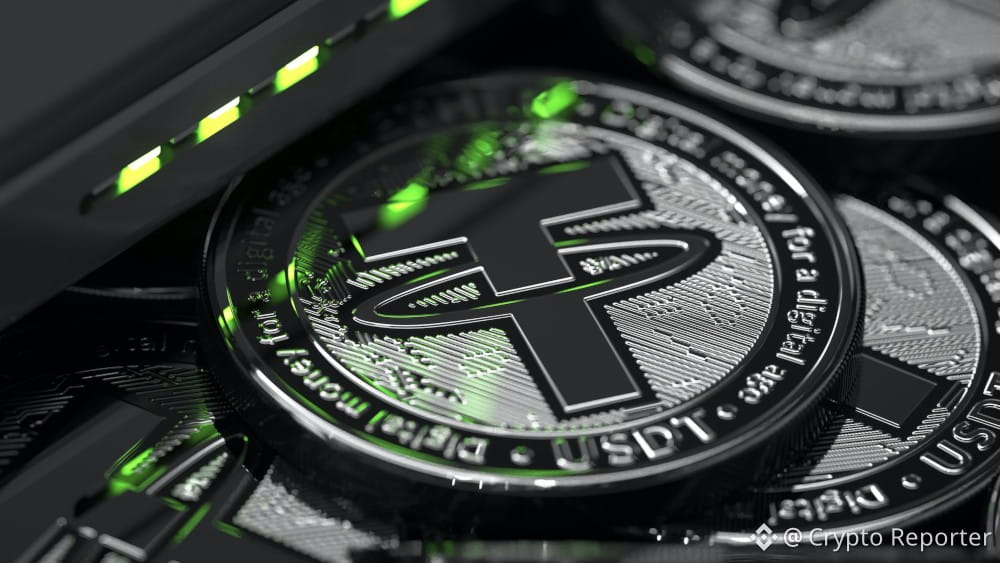
Article
Tether Invests $20 Million in Mercado Bitcoin to Expand Latin America Tokenization PushTether Holdings Ltd. will invest $20 million in Brazilian crypto platform Mercado Bitcoin, betting that demand for tokenized financial assets and blockchain-based payments will continue to grow across Latin America, according to a company announcement.
The investment is part of a strategic financing round that will fund Mercado Bitcoin’s expansion in tokenized investment products, stablecoin payments, lending, on-chain capital markets and cross-border financial services, Tether said in its announcement.
The deal adds to Tether’s growing portfolio of investments beyond its flagship USDT stablecoin. Flush with profits from managing the reserves backing the world’s largest dollar-pegged token, the company has increasingly deployed capital into crypto infrastructure, artificial intelligence, energy and payments businesses.
Mercado Bitcoin, one of Latin America’s largest regulated digital-asset platforms, serves more than 4.5 million customers and has issued more than 2 billion reais ($370 million) of tokenized real-world assets, including private credit and fixed-income securities. Earlier this year, the company tokenized more than $200 million of private credit assets on the Bitcoin sidechain Rootstock, according to The Block.
The investment comes as tokenization—the process of representing traditional financial assets on blockchains—gains momentum among banks, asset managers and crypto firms seeking faster settlement, broader investor access and lower operating costs. Latin America has emerged as a key testing ground for the technology, particularly in Brazil, where regulators have taken a comparatively open approach to digital assets.
Tether Chief Executive Officer Paolo Ardoino said the investment reflects the company’s strategy of backing infrastructure that expands access to digital financial services in emerging markets. Mercado Bitcoin Chief Executive Officer Roberto Dagnoni said the funding would accelerate the company’s international expansion and strengthen its on-chain financial offerings, according to Tether’s announcement.
The transaction reinforces Brazil’s position as one of the region’s most active markets for blockchain-based finance, even as competition intensifies among exchanges and fintech firms seeking to move beyond cryptocurrency trading into tokenized versions of traditional financial product
The post Tether invests $20 million in Mercado Bitcoin to expand Latin America tokenization push appeared first on Crypto Reporter.
Tether Invests $20 Million in Mercado Bitcoin to Expand Latin America Tokenization Push
Tether Holdings Ltd. will invest $20 million in Brazilian crypto platform Mercado Bitcoin, betting that demand for tokenized financial assets and blockchain-based payments will continue to grow across Latin America, according to a company announcement.
The investment is part of a strategic financing round that will fund Mercado Bitcoin’s expansion in tokenized investment products, stablecoin payments, lending, on-chain capital markets and cross-border financial services, Tether said in its announcement.
The deal adds to Tether’s growing portfolio of investments beyond its flagship USDT stablecoin. Flush with profits from managing the reserves backing the world’s largest dollar-pegged token, the company has increasingly deployed capital into crypto infrastructure, artificial intelligence, energy and payments businesses.
Mercado Bitcoin, one of Latin America’s largest regulated digital-asset platforms, serves more than 4.5 million customers and has issued more than 2 billion reais ($370 million) of tokenized real-world assets, including private credit and fixed-income securities. Earlier this year, the company tokenized more than $200 million of private credit assets on the Bitcoin sidechain Rootstock, according to The Block.
The investment comes as tokenization—the process of representing traditional financial assets on blockchains—gains momentum among banks, asset managers and crypto firms seeking faster settlement, broader investor access and lower operating costs. Latin America has emerged as a key testing ground for the technology, particularly in Brazil, where regulators have taken a comparatively open approach to digital assets.
Tether Chief Executive Officer Paolo Ardoino said the investment reflects the company’s strategy of backing infrastructure that expands access to digital financial services in emerging markets. Mercado Bitcoin Chief Executive Officer Roberto Dagnoni said the funding would accelerate the company’s international expansion and strengthen its on-chain financial offerings, according to Tether’s announcement.
The transaction reinforces Brazil’s position as one of the region’s most active markets for blockchain-based finance, even as competition intensifies among exchanges and fintech firms seeking to move beyond cryptocurrency trading into tokenized versions of traditional financial product
The post Tether invests $20 million in Mercado Bitcoin to expand Latin America tokenization push appeared first on Crypto Reporter.
The investment is part of a strategic financing round that will fund Mercado Bitcoin’s expansion in tokenized investment products, stablecoin payments, lending, on-chain capital markets and cross-border financial services, Tether said in its announcement.
The deal adds to Tether’s growing portfolio of investments beyond its flagship USDT stablecoin. Flush with profits from managing the reserves backing the world’s largest dollar-pegged token, the company has increasingly deployed capital into crypto infrastructure, artificial intelligence, energy and payments businesses.
Mercado Bitcoin, one of Latin America’s largest regulated digital-asset platforms, serves more than 4.5 million customers and has issued more than 2 billion reais ($370 million) of tokenized real-world assets, including private credit and fixed-income securities. Earlier this year, the company tokenized more than $200 million of private credit assets on the Bitcoin sidechain Rootstock, according to The Block.
The investment comes as tokenization—the process of representing traditional financial assets on blockchains—gains momentum among banks, asset managers and crypto firms seeking faster settlement, broader investor access and lower operating costs. Latin America has emerged as a key testing ground for the technology, particularly in Brazil, where regulators have taken a comparatively open approach to digital assets.
Tether Chief Executive Officer Paolo Ardoino said the investment reflects the company’s strategy of backing infrastructure that expands access to digital financial services in emerging markets. Mercado Bitcoin Chief Executive Officer Roberto Dagnoni said the funding would accelerate the company’s international expansion and strengthen its on-chain financial offerings, according to Tether’s announcement.
The transaction reinforces Brazil’s position as one of the region’s most active markets for blockchain-based finance, even as competition intensifies among exchanges and fintech firms seeking to move beyond cryptocurrency trading into tokenized versions of traditional financial product
The post Tether invests $20 million in Mercado Bitcoin to expand Latin America tokenization push appeared first on Crypto Reporter.
85
Banks Are Preparing Their Answer to Stablecoins: Tokenized DepositsStablecoins have become one of the most important products in digital finance. Banks are now preparing their answer.
The answer is tokenized deposits — digital versions of commercial bank money that can move on blockchain-based systems while remaining inside the regulated banking sector. If stablecoins are crypto’s version of digital cash, tokenized deposits are the banking industry’s attempt to bring similar functionality to existing money.
The distinction matters. A stablecoin is usually issued by a non-bank or specialist issuer and backed by reserves such as cash, bank deposits or short-term government debt. A tokenized deposit, by contrast, represents a claim on a commercial bank deposit. It is designed to preserve the existing relationship between banks, depositors and the regulated financial system.
That difference is becoming more important as policymakers worry about the growth of stablecoins. Stablecoins can make payments faster, cheaper and more programmable. But at scale, they may also pull money away from bank deposits, affect credit creation and create new financial-stability risks.
Bank of England policymaker Megan Greene recently argued that stablecoin demand may fade and be overtaken by tokenized deposits within five years. Her view reflects a growing belief among some central bankers that commercial banks, not standalone stablecoin issuers, may be better placed to provide digital money for mainstream finance.
The argument is not that stablecoins will disappear. They already play a major role in crypto trading, cross-border transfers and dollar liquidity. But tokenized deposits could become the preferred option for regulated institutions that want blockchain settlement without moving money outside the banking system.
For banks, the appeal is obvious. Tokenized deposits allow them to modernize payments while defending their deposit base. If clients want programmable money and faster settlement, banks can offer those features without giving up the core economics of banking. That makes tokenized deposits both a technology upgrade and a competitive response.
For regulators, tokenized deposits may look safer than privately issued stablecoins. They sit within existing bank supervision, capital rules, liquidity requirements and deposit relationships. They may also be easier to integrate with central bank payment systems and wholesale settlement infrastructure.
The United Kingdom is becoming an important test case for this debate. The Bank of England has softened parts of its stablecoin framework, dropping proposed individual holding limits and replacing them with a temporary £40 billion issuance guardrail per systemic stablecoin. It also allows systemic stablecoin issuers to hold up to 70% of reserves in short-term UK government debt, with the remaining portion held in non-interest-bearing deposits at the central bank.
At the same time, the Financial Conduct Authority has reduced planned capital requirements for non-systemic stablecoin issuers from 2% to 1% of the value issued. The final UK crypto regime is expected to bring trading platforms, custodians, stablecoin issuers and other crypto firms into full FCA authorisation from October 2027.
These changes show that the UK is trying to become more competitive without abandoning a cautious approach. The Bank of England still appears focused on protecting credit provision and limiting systemic risk. The FCA is trying to make the rules more workable for industry. Between those two priorities sits the question of what form of digital money should dominate.
The U.S. debate looks different. American policymakers and market participants have been more willing to treat dollar stablecoins as a strategic tool that could reinforce the global role of the dollar. That creates a contrast with the UK and parts of Europe, where officials often emphasize financial stability and bank intermediation.
The result could be a split in the future of digital money. In crypto markets and cross-border payments, stablecoins may continue to grow quickly because they are already liquid, widely used and easy to integrate. In regulated banking and institutional settlement, tokenized deposits may gain ground because they fit more naturally into the existing financial system.
The two models may also coexist. Stablecoins could serve exchanges, wallets, fintechs and global retail payments. Tokenized deposits could serve banks, corporates and institutional settlement. Central bank digital currencies, if they emerge at scale, could provide another layer for wholesale or public-sector use cases.
The competition will not be decided only by technology. It will depend on regulation, trust, liquidity, interoperability and incentives. Stablecoins have the advantage of market adoption. Tokenized deposits have the advantage of institutional familiarity and regulatory comfort.
Banks cannot ignore stablecoins anymore. But they do not need to copy them exactly. Tokenized deposits give banks a way to compete on blockchain rails while keeping money inside the banking system.
That may be the real battle ahead. Not crypto versus banks, and not CBDCs versus stablecoins, but stablecoins versus tokenized commercial bank money.
If banks move quickly enough, the next generation of digital payments may not be built entirely outside the banking sector. It may be built by banks trying to make deposits programmable.
The post Banks are preparing their answer to stablecoins: tokenized deposits appeared first on Crypto Reporter.
Banks Are Preparing Their Answer to Stablecoins: Tokenized Deposits
Stablecoins have become one of the most important products in digital finance. Banks are now preparing their answer.
The answer is tokenized deposits — digital versions of commercial bank money that can move on blockchain-based systems while remaining inside the regulated banking sector. If stablecoins are crypto’s version of digital cash, tokenized deposits are the banking industry’s attempt to bring similar functionality to existing money.
The distinction matters. A stablecoin is usually issued by a non-bank or specialist issuer and backed by reserves such as cash, bank deposits or short-term government debt. A tokenized deposit, by contrast, represents a claim on a commercial bank deposit. It is designed to preserve the existing relationship between banks, depositors and the regulated financial system.
That difference is becoming more important as policymakers worry about the growth of stablecoins. Stablecoins can make payments faster, cheaper and more programmable. But at scale, they may also pull money away from bank deposits, affect credit creation and create new financial-stability risks.
Bank of England policymaker Megan Greene recently argued that stablecoin demand may fade and be overtaken by tokenized deposits within five years. Her view reflects a growing belief among some central bankers that commercial banks, not standalone stablecoin issuers, may be better placed to provide digital money for mainstream finance.
The argument is not that stablecoins will disappear. They already play a major role in crypto trading, cross-border transfers and dollar liquidity. But tokenized deposits could become the preferred option for regulated institutions that want blockchain settlement without moving money outside the banking system.
For banks, the appeal is obvious. Tokenized deposits allow them to modernize payments while defending their deposit base. If clients want programmable money and faster settlement, banks can offer those features without giving up the core economics of banking. That makes tokenized deposits both a technology upgrade and a competitive response.
For regulators, tokenized deposits may look safer than privately issued stablecoins. They sit within existing bank supervision, capital rules, liquidity requirements and deposit relationships. They may also be easier to integrate with central bank payment systems and wholesale settlement infrastructure.
The United Kingdom is becoming an important test case for this debate. The Bank of England has softened parts of its stablecoin framework, dropping proposed individual holding limits and replacing them with a temporary £40 billion issuance guardrail per systemic stablecoin. It also allows systemic stablecoin issuers to hold up to 70% of reserves in short-term UK government debt, with the remaining portion held in non-interest-bearing deposits at the central bank.
At the same time, the Financial Conduct Authority has reduced planned capital requirements for non-systemic stablecoin issuers from 2% to 1% of the value issued. The final UK crypto regime is expected to bring trading platforms, custodians, stablecoin issuers and other crypto firms into full FCA authorisation from October 2027.
These changes show that the UK is trying to become more competitive without abandoning a cautious approach. The Bank of England still appears focused on protecting credit provision and limiting systemic risk. The FCA is trying to make the rules more workable for industry. Between those two priorities sits the question of what form of digital money should dominate.
The U.S. debate looks different. American policymakers and market participants have been more willing to treat dollar stablecoins as a strategic tool that could reinforce the global role of the dollar. That creates a contrast with the UK and parts of Europe, where officials often emphasize financial stability and bank intermediation.
The result could be a split in the future of digital money. In crypto markets and cross-border payments, stablecoins may continue to grow quickly because they are already liquid, widely used and easy to integrate. In regulated banking and institutional settlement, tokenized deposits may gain ground because they fit more naturally into the existing financial system.
The two models may also coexist. Stablecoins could serve exchanges, wallets, fintechs and global retail payments. Tokenized deposits could serve banks, corporates and institutional settlement. Central bank digital currencies, if they emerge at scale, could provide another layer for wholesale or public-sector use cases.
The competition will not be decided only by technology. It will depend on regulation, trust, liquidity, interoperability and incentives. Stablecoins have the advantage of market adoption. Tokenized deposits have the advantage of institutional familiarity and regulatory comfort.
Banks cannot ignore stablecoins anymore. But they do not need to copy them exactly. Tokenized deposits give banks a way to compete on blockchain rails while keeping money inside the banking system.
That may be the real battle ahead. Not crypto versus banks, and not CBDCs versus stablecoins, but stablecoins versus tokenized commercial bank money.
If banks move quickly enough, the next generation of digital payments may not be built entirely outside the banking sector. It may be built by banks trying to make deposits programmable.
The post Banks are preparing their answer to stablecoins: tokenized deposits appeared first on Crypto Reporter.
The answer is tokenized deposits — digital versions of commercial bank money that can move on blockchain-based systems while remaining inside the regulated banking sector. If stablecoins are crypto’s version of digital cash, tokenized deposits are the banking industry’s attempt to bring similar functionality to existing money.
The distinction matters. A stablecoin is usually issued by a non-bank or specialist issuer and backed by reserves such as cash, bank deposits or short-term government debt. A tokenized deposit, by contrast, represents a claim on a commercial bank deposit. It is designed to preserve the existing relationship between banks, depositors and the regulated financial system.
That difference is becoming more important as policymakers worry about the growth of stablecoins. Stablecoins can make payments faster, cheaper and more programmable. But at scale, they may also pull money away from bank deposits, affect credit creation and create new financial-stability risks.
Bank of England policymaker Megan Greene recently argued that stablecoin demand may fade and be overtaken by tokenized deposits within five years. Her view reflects a growing belief among some central bankers that commercial banks, not standalone stablecoin issuers, may be better placed to provide digital money for mainstream finance.
The argument is not that stablecoins will disappear. They already play a major role in crypto trading, cross-border transfers and dollar liquidity. But tokenized deposits could become the preferred option for regulated institutions that want blockchain settlement without moving money outside the banking system.
For banks, the appeal is obvious. Tokenized deposits allow them to modernize payments while defending their deposit base. If clients want programmable money and faster settlement, banks can offer those features without giving up the core economics of banking. That makes tokenized deposits both a technology upgrade and a competitive response.
For regulators, tokenized deposits may look safer than privately issued stablecoins. They sit within existing bank supervision, capital rules, liquidity requirements and deposit relationships. They may also be easier to integrate with central bank payment systems and wholesale settlement infrastructure.
The United Kingdom is becoming an important test case for this debate. The Bank of England has softened parts of its stablecoin framework, dropping proposed individual holding limits and replacing them with a temporary £40 billion issuance guardrail per systemic stablecoin. It also allows systemic stablecoin issuers to hold up to 70% of reserves in short-term UK government debt, with the remaining portion held in non-interest-bearing deposits at the central bank.
At the same time, the Financial Conduct Authority has reduced planned capital requirements for non-systemic stablecoin issuers from 2% to 1% of the value issued. The final UK crypto regime is expected to bring trading platforms, custodians, stablecoin issuers and other crypto firms into full FCA authorisation from October 2027.
These changes show that the UK is trying to become more competitive without abandoning a cautious approach. The Bank of England still appears focused on protecting credit provision and limiting systemic risk. The FCA is trying to make the rules more workable for industry. Between those two priorities sits the question of what form of digital money should dominate.
The U.S. debate looks different. American policymakers and market participants have been more willing to treat dollar stablecoins as a strategic tool that could reinforce the global role of the dollar. That creates a contrast with the UK and parts of Europe, where officials often emphasize financial stability and bank intermediation.
The result could be a split in the future of digital money. In crypto markets and cross-border payments, stablecoins may continue to grow quickly because they are already liquid, widely used and easy to integrate. In regulated banking and institutional settlement, tokenized deposits may gain ground because they fit more naturally into the existing financial system.
The two models may also coexist. Stablecoins could serve exchanges, wallets, fintechs and global retail payments. Tokenized deposits could serve banks, corporates and institutional settlement. Central bank digital currencies, if they emerge at scale, could provide another layer for wholesale or public-sector use cases.
The competition will not be decided only by technology. It will depend on regulation, trust, liquidity, interoperability and incentives. Stablecoins have the advantage of market adoption. Tokenized deposits have the advantage of institutional familiarity and regulatory comfort.
Banks cannot ignore stablecoins anymore. But they do not need to copy them exactly. Tokenized deposits give banks a way to compete on blockchain rails while keeping money inside the banking system.
That may be the real battle ahead. Not crypto versus banks, and not CBDCs versus stablecoins, but stablecoins versus tokenized commercial bank money.
If banks move quickly enough, the next generation of digital payments may not be built entirely outside the banking sector. It may be built by banks trying to make deposits programmable.
The post Banks are preparing their answer to stablecoins: tokenized deposits appeared first on Crypto Reporter.
104
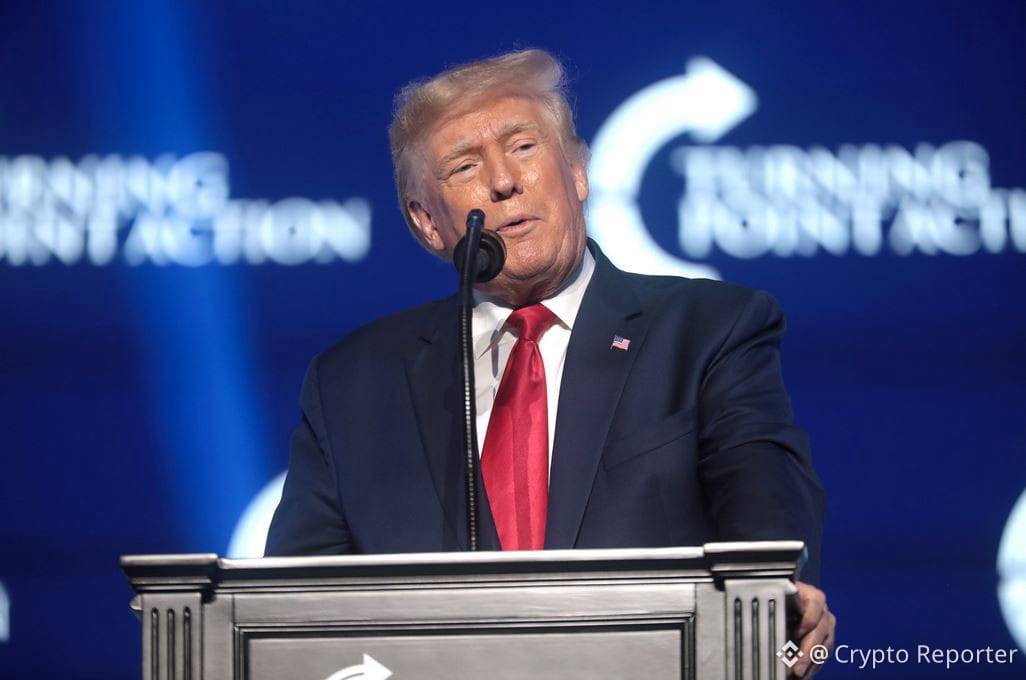
Article
Trump Financial Disclosure Shows Significant Crypto-related IncomePresident Donald Trump’s latest financial disclosure provides one of the clearest views yet into the scale of his involvement with the cryptocurrency industry, showing more than $1.4 billion in reported income from crypto-related ventures during 2025, according to a Reuters analysis of the filing.
The disclosure, released by the U.S. Office of Government Ethics, shows that cryptocurrency has become Trump’s largest reported source of income, surpassing revenue from his traditional real estate, golf, and licensing businesses. The filing is available on the Office of Government Ethics website.
According to Reuters, nearly $800 million of the reported crypto income came from World Liberty Financial, the crypto venture co-founded with his sons. That total includes more than $520 million from token sales and over $250 million from the sale of business interests. The filing also reports approximately $635 million in income from sales related to the TRUMP memecoin.
The figures represent a sharp increase from Trump’s previous annual disclosure, which reported $57.35 million in income from World Liberty Financial. Reuters said the latest filing reflects the rapid expansion of the Trump family’s digital asset businesses over the past year.
The disclosure comes as cryptocurrency remains a central focus of U.S. regulatory and legislative efforts, with policymakers continuing work on stablecoin legislation, digital asset market structure, and broader oversight of the industry.
Trump has shifted from publicly criticizing cryptocurrencies several years ago to embracing the sector during his recent presidential campaign. His administration has since pursued policies viewed by the industry as supportive of digital assets and blockchain innovation.
The filing underscores how cryptocurrency has become a significant component of the business interests disclosed by senior U.S. public officials, reflecting the sector’s growing role within the broader financial landscape.
The post Trump financial disclosure shows significant crypto-related income appeared first on Crypto Reporter.
Trump Financial Disclosure Shows Significant Crypto-related Income
President Donald Trump’s latest financial disclosure provides one of the clearest views yet into the scale of his involvement with the cryptocurrency industry, showing more than $1.4 billion in reported income from crypto-related ventures during 2025, according to a Reuters analysis of the filing.
The disclosure, released by the U.S. Office of Government Ethics, shows that cryptocurrency has become Trump’s largest reported source of income, surpassing revenue from his traditional real estate, golf, and licensing businesses. The filing is available on the Office of Government Ethics website.
According to Reuters, nearly $800 million of the reported crypto income came from World Liberty Financial, the crypto venture co-founded with his sons. That total includes more than $520 million from token sales and over $250 million from the sale of business interests. The filing also reports approximately $635 million in income from sales related to the TRUMP memecoin.
The figures represent a sharp increase from Trump’s previous annual disclosure, which reported $57.35 million in income from World Liberty Financial. Reuters said the latest filing reflects the rapid expansion of the Trump family’s digital asset businesses over the past year.
The disclosure comes as cryptocurrency remains a central focus of U.S. regulatory and legislative efforts, with policymakers continuing work on stablecoin legislation, digital asset market structure, and broader oversight of the industry.
Trump has shifted from publicly criticizing cryptocurrencies several years ago to embracing the sector during his recent presidential campaign. His administration has since pursued policies viewed by the industry as supportive of digital assets and blockchain innovation.
The filing underscores how cryptocurrency has become a significant component of the business interests disclosed by senior U.S. public officials, reflecting the sector’s growing role within the broader financial landscape.
The post Trump financial disclosure shows significant crypto-related income appeared first on Crypto Reporter.
The disclosure, released by the U.S. Office of Government Ethics, shows that cryptocurrency has become Trump’s largest reported source of income, surpassing revenue from his traditional real estate, golf, and licensing businesses. The filing is available on the Office of Government Ethics website.
According to Reuters, nearly $800 million of the reported crypto income came from World Liberty Financial, the crypto venture co-founded with his sons. That total includes more than $520 million from token sales and over $250 million from the sale of business interests. The filing also reports approximately $635 million in income from sales related to the TRUMP memecoin.
The figures represent a sharp increase from Trump’s previous annual disclosure, which reported $57.35 million in income from World Liberty Financial. Reuters said the latest filing reflects the rapid expansion of the Trump family’s digital asset businesses over the past year.
The disclosure comes as cryptocurrency remains a central focus of U.S. regulatory and legislative efforts, with policymakers continuing work on stablecoin legislation, digital asset market structure, and broader oversight of the industry.
Trump has shifted from publicly criticizing cryptocurrencies several years ago to embracing the sector during his recent presidential campaign. His administration has since pursued policies viewed by the industry as supportive of digital assets and blockchain innovation.
The filing underscores how cryptocurrency has become a significant component of the business interests disclosed by senior U.S. public officials, reflecting the sector’s growing role within the broader financial landscape.
The post Trump financial disclosure shows significant crypto-related income appeared first on Crypto Reporter.
301

Article
UK Unveils Its Comprehensive Crypto Regulatory FrameworkThe United Kingdom has unveiled its most comprehensive regulatory framework for digital assets to date, moving to bring crypto businesses under a unified supervisory regime while sharpening its ambition to become a leading global center for blockchain innovation and digital finance.
Published by the Financial Conduct Authority (FCA), the long-awaited cryptoasset rulebook establishes a licensing and supervisory framework for exchanges, custodians, trading platforms, brokers, and stablecoin issuers. The rules introduce new standards for governance, consumer protection, custody, market integrity, and operational resilience, bringing much of the crypto industry closer to the regulatory expectations applied to traditional financial institutions.
One of the most closely watched changes is the FCA’s decision to reduce the capital requirement for non-systemic stablecoin issuers from 2% to 1% following industry consultation. The adjustment addresses concerns that the original proposal could have constrained growth while preserving safeguards designed to protect consumers and maintain financial stability. Reuters first reported details of the revised capital framework.
Beyond stablecoins, the framework introduces stricter rules governing the safeguarding of customer assets, financial resilience, operational risk management, disclosure requirements, and market abuse prevention. Firms operating in the UK will be expected to meet higher governance standards while implementing controls aimed at reducing fraud, conflicts of interest, and market manipulation. Systemically important stablecoins will continue to fall under additional oversight from the Bank of England. A detailed breakdown of the framework is available from The Block.
The FCA said firms can begin applying for authorization on September 30, 2026, with the application window remaining open until February 28, 2027. The broader regulatory regime is expected to take effect in October 2027, giving firms time to transition to the new compliance standards.
The rollout comes as major financial centers race to establish clear regulatory frameworks for digital assets. With the European Union implementing its Markets in Crypto-Assets (MiCA) regime and the United States continuing to expand federal oversight, the UK is seeking to position itself as a jurisdiction that combines regulatory certainty with an innovation-friendly approach.
For institutional investors and crypto firms, the significance extends beyond compliance. Clear rules have long been viewed as a prerequisite for broader participation by banks, asset managers, and payment providers, many of which have delayed expansion plans pending greater regulatory certainty. By aligning digital asset regulation more closely with existing financial market standards, the UK aims to reduce legal ambiguity while encouraging responsible innovation.
Market participants broadly welcomed the publication of the final framework, noting that regulators incorporated several recommendations made during the consultation process. Analysts say the rulebook could strengthen London’s competitiveness in digital finance, particularly as tokenization, regulated stablecoins, and blockchain-based financial infrastructure continue to attract growing institutional interest.
The post UK unveils its comprehensive crypto regulatory framework appeared first on Crypto Reporter.
UK Unveils Its Comprehensive Crypto Regulatory Framework
The United Kingdom has unveiled its most comprehensive regulatory framework for digital assets to date, moving to bring crypto businesses under a unified supervisory regime while sharpening its ambition to become a leading global center for blockchain innovation and digital finance.
Published by the Financial Conduct Authority (FCA), the long-awaited cryptoasset rulebook establishes a licensing and supervisory framework for exchanges, custodians, trading platforms, brokers, and stablecoin issuers. The rules introduce new standards for governance, consumer protection, custody, market integrity, and operational resilience, bringing much of the crypto industry closer to the regulatory expectations applied to traditional financial institutions.
One of the most closely watched changes is the FCA’s decision to reduce the capital requirement for non-systemic stablecoin issuers from 2% to 1% following industry consultation. The adjustment addresses concerns that the original proposal could have constrained growth while preserving safeguards designed to protect consumers and maintain financial stability. Reuters first reported details of the revised capital framework.
Beyond stablecoins, the framework introduces stricter rules governing the safeguarding of customer assets, financial resilience, operational risk management, disclosure requirements, and market abuse prevention. Firms operating in the UK will be expected to meet higher governance standards while implementing controls aimed at reducing fraud, conflicts of interest, and market manipulation. Systemically important stablecoins will continue to fall under additional oversight from the Bank of England. A detailed breakdown of the framework is available from The Block.
The FCA said firms can begin applying for authorization on September 30, 2026, with the application window remaining open until February 28, 2027. The broader regulatory regime is expected to take effect in October 2027, giving firms time to transition to the new compliance standards.
The rollout comes as major financial centers race to establish clear regulatory frameworks for digital assets. With the European Union implementing its Markets in Crypto-Assets (MiCA) regime and the United States continuing to expand federal oversight, the UK is seeking to position itself as a jurisdiction that combines regulatory certainty with an innovation-friendly approach.
For institutional investors and crypto firms, the significance extends beyond compliance. Clear rules have long been viewed as a prerequisite for broader participation by banks, asset managers, and payment providers, many of which have delayed expansion plans pending greater regulatory certainty. By aligning digital asset regulation more closely with existing financial market standards, the UK aims to reduce legal ambiguity while encouraging responsible innovation.
Market participants broadly welcomed the publication of the final framework, noting that regulators incorporated several recommendations made during the consultation process. Analysts say the rulebook could strengthen London’s competitiveness in digital finance, particularly as tokenization, regulated stablecoins, and blockchain-based financial infrastructure continue to attract growing institutional interest.
The post UK unveils its comprehensive crypto regulatory framework appeared first on Crypto Reporter.
Published by the Financial Conduct Authority (FCA), the long-awaited cryptoasset rulebook establishes a licensing and supervisory framework for exchanges, custodians, trading platforms, brokers, and stablecoin issuers. The rules introduce new standards for governance, consumer protection, custody, market integrity, and operational resilience, bringing much of the crypto industry closer to the regulatory expectations applied to traditional financial institutions.
One of the most closely watched changes is the FCA’s decision to reduce the capital requirement for non-systemic stablecoin issuers from 2% to 1% following industry consultation. The adjustment addresses concerns that the original proposal could have constrained growth while preserving safeguards designed to protect consumers and maintain financial stability. Reuters first reported details of the revised capital framework.
Beyond stablecoins, the framework introduces stricter rules governing the safeguarding of customer assets, financial resilience, operational risk management, disclosure requirements, and market abuse prevention. Firms operating in the UK will be expected to meet higher governance standards while implementing controls aimed at reducing fraud, conflicts of interest, and market manipulation. Systemically important stablecoins will continue to fall under additional oversight from the Bank of England. A detailed breakdown of the framework is available from The Block.
The FCA said firms can begin applying for authorization on September 30, 2026, with the application window remaining open until February 28, 2027. The broader regulatory regime is expected to take effect in October 2027, giving firms time to transition to the new compliance standards.
The rollout comes as major financial centers race to establish clear regulatory frameworks for digital assets. With the European Union implementing its Markets in Crypto-Assets (MiCA) regime and the United States continuing to expand federal oversight, the UK is seeking to position itself as a jurisdiction that combines regulatory certainty with an innovation-friendly approach.
For institutional investors and crypto firms, the significance extends beyond compliance. Clear rules have long been viewed as a prerequisite for broader participation by banks, asset managers, and payment providers, many of which have delayed expansion plans pending greater regulatory certainty. By aligning digital asset regulation more closely with existing financial market standards, the UK aims to reduce legal ambiguity while encouraging responsible innovation.
Market participants broadly welcomed the publication of the final framework, noting that regulators incorporated several recommendations made during the consultation process. Analysts say the rulebook could strengthen London’s competitiveness in digital finance, particularly as tokenization, regulated stablecoins, and blockchain-based financial infrastructure continue to attract growing institutional interest.
The post UK unveils its comprehensive crypto regulatory framework appeared first on Crypto Reporter.
138

Article
Binance to Halt EU Crypto Services After Missing MiCA Licence DeadlineBinance will suspend cryptocurrency services for customers across much of the European Union beginning July 1 after failing to obtain authorization under the bloc’s new Markets in Crypto-Assets (MiCA) regulatory framework, marking one of the biggest setbacks yet for the world’s largest cryptocurrency exchange.
The company withdrew its application for a MiCA licence in Greece after regulators indicated that approval was unlikely before the June 30 deadline. Without authorization from an EU member state, Binance is no longer permitted to offer regulated crypto services throughout the bloc once MiCA becomes fully effective, according to reporting by the Financial Times.
Europe’s Largest Crypto Regulatory Overhaul
The decision comes as the European Union completes implementation of MiCA, the world’s first comprehensive regulatory framework for digital assets. The rules establish a single licensing regime across the EU’s 27 member states, replacing fragmented national regulations with unified standards covering exchanges, stablecoins, custody services and consumer protection.
Industry estimates indicate that more than 1,200 crypto firms previously operating under national registrations have been affected by the new regime, while fewer than one in five had secured MiCA authorization before the deadline, according to an analysis published by Euronews.
Customers Retain Access to Assets
Binance said customers’ digital assets remain secure and accessible, although onboarding of new users has already been suspended and several trading and investment services will be restricted from July 1 until regulatory approval is obtained. Existing users will retain access to withdrawals and asset custody during the transition, according to company notices summarized by CoinDesk.
Strategic Challenge for the World’s Largest Exchange
The regulatory setback highlights Binance’s continuing effort to rebuild its global compliance credentials following years of heightened regulatory scrutiny. Although the exchange still accounts for roughly 39% of global centralized cryptocurrency trading volume, losing access to one of the world’s largest regulated crypto markets represents a significant strategic challenge. Binance has stated that it intends to pursue MiCA authorization through France, but regulatory approval is unlikely before the July implementation deadline, according to market analysis by BeInCrypto.
The post Binance to halt EU crypto services after missing MiCA licence deadline appeared first on Crypto Reporter.
Binance to Halt EU Crypto Services After Missing MiCA Licence Deadline
Binance will suspend cryptocurrency services for customers across much of the European Union beginning July 1 after failing to obtain authorization under the bloc’s new Markets in Crypto-Assets (MiCA) regulatory framework, marking one of the biggest setbacks yet for the world’s largest cryptocurrency exchange.
The company withdrew its application for a MiCA licence in Greece after regulators indicated that approval was unlikely before the June 30 deadline. Without authorization from an EU member state, Binance is no longer permitted to offer regulated crypto services throughout the bloc once MiCA becomes fully effective, according to reporting by the Financial Times.
Europe’s Largest Crypto Regulatory Overhaul
The decision comes as the European Union completes implementation of MiCA, the world’s first comprehensive regulatory framework for digital assets. The rules establish a single licensing regime across the EU’s 27 member states, replacing fragmented national regulations with unified standards covering exchanges, stablecoins, custody services and consumer protection.
Industry estimates indicate that more than 1,200 crypto firms previously operating under national registrations have been affected by the new regime, while fewer than one in five had secured MiCA authorization before the deadline, according to an analysis published by Euronews.
Customers Retain Access to Assets
Binance said customers’ digital assets remain secure and accessible, although onboarding of new users has already been suspended and several trading and investment services will be restricted from July 1 until regulatory approval is obtained. Existing users will retain access to withdrawals and asset custody during the transition, according to company notices summarized by CoinDesk.
Strategic Challenge for the World’s Largest Exchange
The regulatory setback highlights Binance’s continuing effort to rebuild its global compliance credentials following years of heightened regulatory scrutiny. Although the exchange still accounts for roughly 39% of global centralized cryptocurrency trading volume, losing access to one of the world’s largest regulated crypto markets represents a significant strategic challenge. Binance has stated that it intends to pursue MiCA authorization through France, but regulatory approval is unlikely before the July implementation deadline, according to market analysis by BeInCrypto.
The post Binance to halt EU crypto services after missing MiCA licence deadline appeared first on Crypto Reporter.
The company withdrew its application for a MiCA licence in Greece after regulators indicated that approval was unlikely before the June 30 deadline. Without authorization from an EU member state, Binance is no longer permitted to offer regulated crypto services throughout the bloc once MiCA becomes fully effective, according to reporting by the Financial Times.
Europe’s Largest Crypto Regulatory Overhaul
The decision comes as the European Union completes implementation of MiCA, the world’s first comprehensive regulatory framework for digital assets. The rules establish a single licensing regime across the EU’s 27 member states, replacing fragmented national regulations with unified standards covering exchanges, stablecoins, custody services and consumer protection.
Industry estimates indicate that more than 1,200 crypto firms previously operating under national registrations have been affected by the new regime, while fewer than one in five had secured MiCA authorization before the deadline, according to an analysis published by Euronews.
Customers Retain Access to Assets
Binance said customers’ digital assets remain secure and accessible, although onboarding of new users has already been suspended and several trading and investment services will be restricted from July 1 until regulatory approval is obtained. Existing users will retain access to withdrawals and asset custody during the transition, according to company notices summarized by CoinDesk.
Strategic Challenge for the World’s Largest Exchange
The regulatory setback highlights Binance’s continuing effort to rebuild its global compliance credentials following years of heightened regulatory scrutiny. Although the exchange still accounts for roughly 39% of global centralized cryptocurrency trading volume, losing access to one of the world’s largest regulated crypto markets represents a significant strategic challenge. Binance has stated that it intends to pursue MiCA authorization through France, but regulatory approval is unlikely before the July implementation deadline, according to market analysis by BeInCrypto.
The post Binance to halt EU crypto services after missing MiCA licence deadline appeared first on Crypto Reporter.
101

Article
Bitcoin ETF Outflows Accelerate As Institutional Investors RetreatU.S. spot Bitcoin exchange-traded funds (ETFs) extended their longest period of sustained investor withdrawals this year, underscoring weakening institutional appetite for digital assets as Bitcoin trades near multi-month lows.
The funds have recorded approximately $6.35 billion in cumulative net outflows over recent weeks, with $1.7 billion leaving the products during the latest week alone, according to market data compiled by Yellow and CoinGlass. On June 25, investors withdrew nearly $692 million, one of the largest single-day outflows of 2026, followed by another $445 million on June 26.
The selling pressure has coincided with Bitcoin’s decline toward $60,000, extending a correction of more than 50% from its October 2025 record high of about $126,300, according to market analysis published by CoinDesk. Total cryptocurrency market capitalization has also contracted sharply as investors shifted toward traditional safe-haven assets and high-growth artificial intelligence stocks.
BlackRock and Fidelity lead redemptions
The largest withdrawals have come from the industry’s biggest funds. BlackRock’s iShares Bitcoin Trust (IBIT) and Fidelity’s Wise Origin Bitcoin Fund (FBTC) accounted for the majority of recent outflows, while Grayscale Bitcoin Trust (GBTC) also continued to lose assets, according to data published by Farside Investors and CoinGlass.
Despite the recent withdrawals, U.S. spot Bitcoin ETFs continue to manage more than $100 billion in assets, making them the dominant institutional investment vehicle for digital assets. Since their launch in January 2024, the funds have attracted more than $50 billion in cumulative net inflows, although much of this year’s gains have been erased by recent selling, according to industry statistics compiled by NFT Plazas.
Macro risks drive investor positioning
Analysts attribute the retreat primarily to macroeconomic factors rather than crypto-specific developments. Expectations that major central banks will maintain higher interest rates for longer have reduced demand for speculative assets, while slowing ETF inflows have weakened one of Bitcoin’s strongest sources of institutional support.
Market participants will closely monitor upcoming ETF flow data for signs that institutional investors are returning to the market, as sustained inflows have historically coincided with renewed upward momentum in Bitcoin prices, according to weekly digital asset fund flow reports from CoinShares.
The post Bitcoin ETF outflows accelerate as institutional investors retreat appeared first on Crypto Reporter.
Bitcoin ETF Outflows Accelerate As Institutional Investors Retreat
U.S. spot Bitcoin exchange-traded funds (ETFs) extended their longest period of sustained investor withdrawals this year, underscoring weakening institutional appetite for digital assets as Bitcoin trades near multi-month lows.
The funds have recorded approximately $6.35 billion in cumulative net outflows over recent weeks, with $1.7 billion leaving the products during the latest week alone, according to market data compiled by Yellow and CoinGlass. On June 25, investors withdrew nearly $692 million, one of the largest single-day outflows of 2026, followed by another $445 million on June 26.
The selling pressure has coincided with Bitcoin’s decline toward $60,000, extending a correction of more than 50% from its October 2025 record high of about $126,300, according to market analysis published by CoinDesk. Total cryptocurrency market capitalization has also contracted sharply as investors shifted toward traditional safe-haven assets and high-growth artificial intelligence stocks.
BlackRock and Fidelity lead redemptions
The largest withdrawals have come from the industry’s biggest funds. BlackRock’s iShares Bitcoin Trust (IBIT) and Fidelity’s Wise Origin Bitcoin Fund (FBTC) accounted for the majority of recent outflows, while Grayscale Bitcoin Trust (GBTC) also continued to lose assets, according to data published by Farside Investors and CoinGlass.
Despite the recent withdrawals, U.S. spot Bitcoin ETFs continue to manage more than $100 billion in assets, making them the dominant institutional investment vehicle for digital assets. Since their launch in January 2024, the funds have attracted more than $50 billion in cumulative net inflows, although much of this year’s gains have been erased by recent selling, according to industry statistics compiled by NFT Plazas.
Macro risks drive investor positioning
Analysts attribute the retreat primarily to macroeconomic factors rather than crypto-specific developments. Expectations that major central banks will maintain higher interest rates for longer have reduced demand for speculative assets, while slowing ETF inflows have weakened one of Bitcoin’s strongest sources of institutional support.
Market participants will closely monitor upcoming ETF flow data for signs that institutional investors are returning to the market, as sustained inflows have historically coincided with renewed upward momentum in Bitcoin prices, according to weekly digital asset fund flow reports from CoinShares.
The post Bitcoin ETF outflows accelerate as institutional investors retreat appeared first on Crypto Reporter.
The funds have recorded approximately $6.35 billion in cumulative net outflows over recent weeks, with $1.7 billion leaving the products during the latest week alone, according to market data compiled by Yellow and CoinGlass. On June 25, investors withdrew nearly $692 million, one of the largest single-day outflows of 2026, followed by another $445 million on June 26.
The selling pressure has coincided with Bitcoin’s decline toward $60,000, extending a correction of more than 50% from its October 2025 record high of about $126,300, according to market analysis published by CoinDesk. Total cryptocurrency market capitalization has also contracted sharply as investors shifted toward traditional safe-haven assets and high-growth artificial intelligence stocks.
BlackRock and Fidelity lead redemptions
The largest withdrawals have come from the industry’s biggest funds. BlackRock’s iShares Bitcoin Trust (IBIT) and Fidelity’s Wise Origin Bitcoin Fund (FBTC) accounted for the majority of recent outflows, while Grayscale Bitcoin Trust (GBTC) also continued to lose assets, according to data published by Farside Investors and CoinGlass.
Despite the recent withdrawals, U.S. spot Bitcoin ETFs continue to manage more than $100 billion in assets, making them the dominant institutional investment vehicle for digital assets. Since their launch in January 2024, the funds have attracted more than $50 billion in cumulative net inflows, although much of this year’s gains have been erased by recent selling, according to industry statistics compiled by NFT Plazas.
Macro risks drive investor positioning
Analysts attribute the retreat primarily to macroeconomic factors rather than crypto-specific developments. Expectations that major central banks will maintain higher interest rates for longer have reduced demand for speculative assets, while slowing ETF inflows have weakened one of Bitcoin’s strongest sources of institutional support.
Market participants will closely monitor upcoming ETF flow data for signs that institutional investors are returning to the market, as sustained inflows have historically coincided with renewed upward momentum in Bitcoin prices, according to weekly digital asset fund flow reports from CoinShares.
The post Bitcoin ETF outflows accelerate as institutional investors retreat appeared first on Crypto Reporter.
196
Log in to explore more content
Join global crypto users on Binance Square
⚡️ Get latest and useful information about crypto.
💬 Trusted by the world’s largest crypto exchange.
👍 Discover real insights from verified creators.
Email / Phone number
Trending Topics
SolanaFallsOver3%
4,915 views
188 Discussing
#solanafallsover3%
Solana is under pressure as SOL falls more than 3%, showing a noticeable increase in selling activity.
The drop suggests that sellers are currently gaining control of the short-term price action. After the recent weakness, traders will be watching whether SOL can stabilize around the current levels or if selling pressure continues to push price lower.
Key things to watch:
• Support — Whether buyers step in after the 3%+ decline
• Resistance — A recovery above the recent breakdown area would improve the short-term structure
• Volume — Rising volume during the decline would confirm stronger selling pressure
• Market sentiment — SOL will also remain sensitive to the broader crypto market direction
A 3% move alone doesn't confirm a major trend reversal, but it does put short-term momentum under pressure.
For now, the important question is simple: can Solana reclaim lost ground, or will sellers continue controlling the move?
$SOL
$BTR
$TUT
Ethan_Blake
·2 Likes
·433 views
DellSurges8%OnEarningsBeat
4,810 views
179 Discussing
USAugADPJobsSmallestGainSinceJan
4,874 views
149 Discussing