

狗蛋想退休
886 Posts

狗蛋想退休
Report
Block User
人叫狗蛋,心态不乱

WET Holder
High-Frequency Trader
8.1 Years
38 Following
7.5K+ Followers
2.0K+ Liked
Posts
All
Quotes
Live
PINNED
·
--
Article
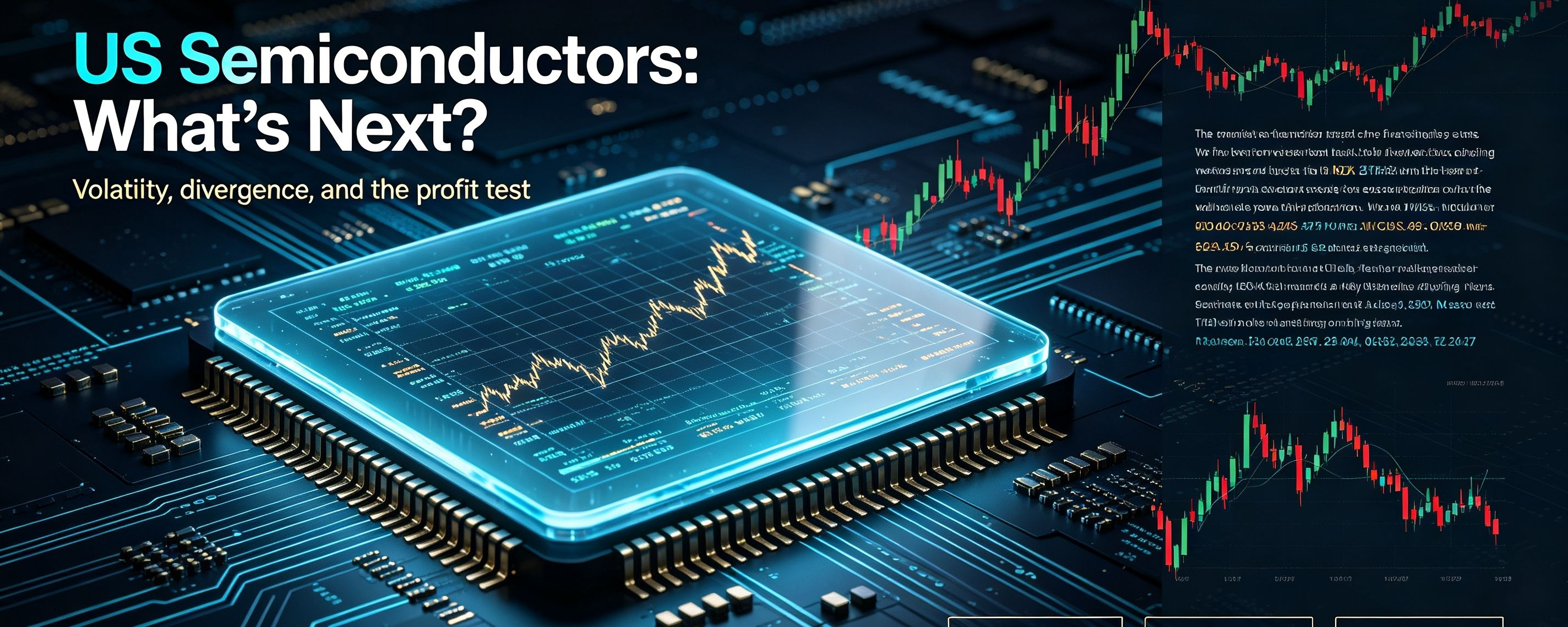
What’s Next for US Semiconductor Stocks?The Nasdaq semiconductor sector has faced a sharp pullback recently, leaving many traders and investors debating whether the AI chip rally has run its course. Weak guidance from Intel (INTC), paired with market doubts over Alphabet’s huge AI capital spending returns, has triggered a broad selloff across chip names, from GPU leaders to memory and analog chip manufacturers.
The core challenge right now is a shift in market logic. For years, investors chased the AI growth story and were willing to overlook near-term weak profits. Today, the market demands real cash flow and verifiable returns on massive AI infrastructure investment. Cloud giants are re-evaluating their server purchasing plans, and that directly hits chip order pipelines.
Macroeconomic headwinds remain the biggest near-term risk. Rising crude oil prices rekindle inflation worries, pushing back expectations for Federal Reserve rate cuts and keeping US Treasury yields elevated. Semiconductors are long-duration growth stocks; their valuation relies heavily on future profits. Higher interest rates compress their fair value, especially for companies that pour billions into fab construction and R&D. Supply chain bottlenecks, geopolitical export controls and power limits for AI data centers add extra uncertainty.
Still, it is not all bearish. The long-term structural demand for semiconductors stays intact. AI computing, automotive chips, industrial electronics and advanced memory like HBM will keep creating steady demand for selected chip leaders. This means the market will no longer reward every chip stock equally. Winners will be companies with solid order books, stable margins and clear technological moats, such as leading AI GPU and high-bandwidth memory suppliers. Weak players with outdated product lines or poor cost control will keep underperforming.
Looking ahead, the sector is entering a period of high volatility. We will likely see choppy price action, with sharp bounces mixed with deeper corrections. The easy broad rally phase is finished. Instead of a one-direction bull run, investors must pick names carefully, separating high-quality businesses from speculative laggards.
The key signals to watch: Fed inflation data, cloud company capex announcements, HBM supply pricing and quarterly earnings from top chip firms. If AI monetization improves and rate-cut expectations move back on track, the sector can stage a meaningful rebound. If inflation stays hot and capital spending slows further, more downside pressure will emerge.
Semiconductors still have a future, but this next chapter will reward profit discipline rather than pure hype.
#bitcoin
#ETH🔥🔥🔥🔥🔥🔥
#NASDAQ
#AI
#Binance
What’s Next for US Semiconductor Stocks?
The Nasdaq semiconductor sector has faced a sharp pullback recently, leaving many traders and investors debating whether the AI chip rally has run its course. Weak guidance from Intel (INTC), paired with market doubts over Alphabet’s huge AI capital spending returns, has triggered a broad selloff across chip names, from GPU leaders to memory and analog chip manufacturers.
The core challenge right now is a shift in market logic. For years, investors chased the AI growth story and were willing to overlook near-term weak profits. Today, the market demands real cash flow and verifiable returns on massive AI infrastructure investment. Cloud giants are re-evaluating their server purchasing plans, and that directly hits chip order pipelines.
Macroeconomic headwinds remain the biggest near-term risk. Rising crude oil prices rekindle inflation worries, pushing back expectations for Federal Reserve rate cuts and keeping US Treasury yields elevated. Semiconductors are long-duration growth stocks; their valuation relies heavily on future profits. Higher interest rates compress their fair value, especially for companies that pour billions into fab construction and R&D. Supply chain bottlenecks, geopolitical export controls and power limits for AI data centers add extra uncertainty.
Still, it is not all bearish. The long-term structural demand for semiconductors stays intact. AI computing, automotive chips, industrial electronics and advanced memory like HBM will keep creating steady demand for selected chip leaders. This means the market will no longer reward every chip stock equally. Winners will be companies with solid order books, stable margins and clear technological moats, such as leading AI GPU and high-bandwidth memory suppliers. Weak players with outdated product lines or poor cost control will keep underperforming.
Looking ahead, the sector is entering a period of high volatility. We will likely see choppy price action, with sharp bounces mixed with deeper corrections. The easy broad rally phase is finished. Instead of a one-direction bull run, investors must pick names carefully, separating high-quality businesses from speculative laggards.
The key signals to watch: Fed inflation data, cloud company capex announcements, HBM supply pricing and quarterly earnings from top chip firms. If AI monetization improves and rate-cut expectations move back on track, the sector can stage a meaningful rebound. If inflation stays hot and capital spending slows further, more downside pressure will emerge.
Semiconductors still have a future, but this next chapter will reward profit discipline rather than pure hype.
#bitcoin
#ETH🔥🔥🔥🔥🔥🔥
#NASDAQ
#AI
#Binance
746
45
746
PINNED
·
--

Article
فِي هُدُوءِ الْقَلْبِ تَسْكُنُ السَّكِينَةُ، وَفِي الْأَمَلِ تَزْهَرُ الْحَيَاةُالْحَيَاةُ رِحْلَةٌ طَوِيلَةٌ، تَمُرُّ بِنَا بَيْنَ ضَوْءٍ وَظَلَامٍ، بَيْنَ فَرَحٍ وَحُزْنٍ.
قَدْ تَقْسُو الْأَيَّامُ وَتَضِيقُ الْأَحْوَالُ، وَتَخْفُو الْأَمَانِي فِي زَحْمَةِ الْمُشَاقِلِ.
لَكِنْ لَا تَنْسَ، أَنَّ كُلَّ عُسْرٍ سَيَتْبَعُهُ يُسْرٌ، وَكُلَّ غَيْمَةٍ سَتَكْشِفُ عَنْ شَمْسٍ.
اِحْفَظْ فِي قَلْبِكَ نُورَ الْأَمَلِ، وَامْشِ فِي الطَّرِيقِ بِهُدُوءٍ وَثِقَةٍ.
فَالْجَمَالُ لَا يَكُونُ فِي الدَّوَامِ عَلَى الرَّاحَةِ، بَلْ فِي الصَّبْرِ عِنْدَ الْمِحَنِ، وَفِي الْبَقَاءِ مُبْتَسِمًا رَغْمَ الْعَوَاصِفِ.
#بيتكوين
#إيثيريوم
#ذهب
#العملات_البديلة
#العملات_الرقمية
فِي هُدُوءِ الْقَلْبِ تَسْكُنُ السَّكِينَةُ، وَفِي الْأَمَلِ تَزْهَرُ الْحَيَاةُ
الْحَيَاةُ رِحْلَةٌ طَوِيلَةٌ، تَمُرُّ بِنَا بَيْنَ ضَوْءٍ وَظَلَامٍ، بَيْنَ فَرَحٍ وَحُزْنٍ.
قَدْ تَقْسُو الْأَيَّامُ وَتَضِيقُ الْأَحْوَالُ، وَتَخْفُو الْأَمَانِي فِي زَحْمَةِ الْمُشَاقِلِ.
لَكِنْ لَا تَنْسَ، أَنَّ كُلَّ عُسْرٍ سَيَتْبَعُهُ يُسْرٌ، وَكُلَّ غَيْمَةٍ سَتَكْشِفُ عَنْ شَمْسٍ.
اِحْفَظْ فِي قَلْبِكَ نُورَ الْأَمَلِ، وَامْشِ فِي الطَّرِيقِ بِهُدُوءٍ وَثِقَةٍ.
فَالْجَمَالُ لَا يَكُونُ فِي الدَّوَامِ عَلَى الرَّاحَةِ، بَلْ فِي الصَّبْرِ عِنْدَ الْمِحَنِ، وَفِي الْبَقَاءِ مُبْتَسِمًا رَغْمَ الْعَوَاصِفِ.
#بيتكوين
#إيثيريوم
#ذهب
#العملات_البديلة
#العملات_الرقمية
1.8k
2
79
1.8k
·
--
Article
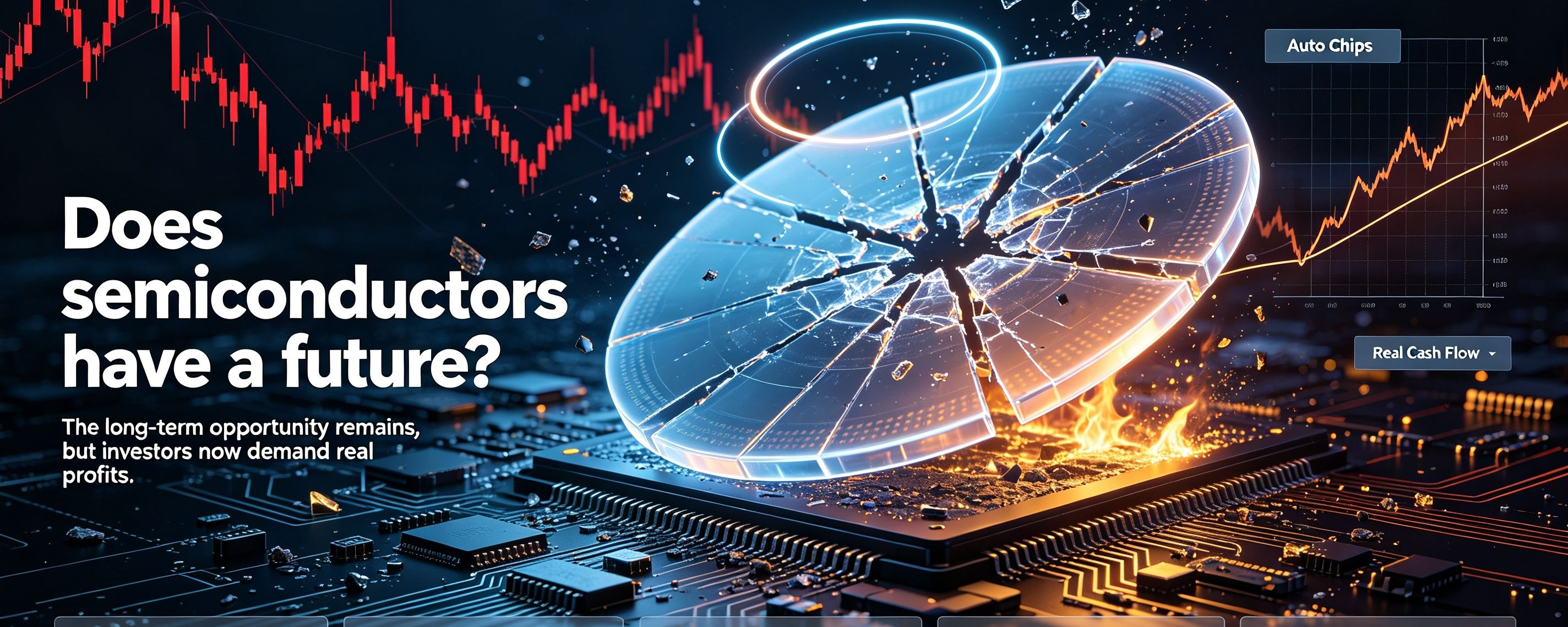
Will Semiconductors Have a FutureThe Nasdaq has suffered a sharp pullback recently, leaving many investors questioning the outlook for semiconductors, the backbone of the US tech market. Intel (INTC) became the trigger for this market selloff. Its disappointing quarterly guidance, prolonged weakness in the PC market and production losses from its Israeli factory incident made investors re-examine the profitability of the entire semiconductor and AI supply chain.
Alphabet (GOOGL, Google) also tumbled alongside Intel. The market is growing skeptical whether its massive AI capital spending can eventually translate into stable profits. For years, investors bet heavily on the AI story, pushing up valuations of growth stocks listed on the Nasdaq. Now the market is shifting its focus: investors want real cash flow instead of just optimistic growth narratives.
Macroeconomic factors are adding more pressure to US stocks. Crude oil prices are climbing higher, reviving inflation fears. This pushes back market expectations for Federal Reserve interest rate cuts and keeps US Treasury yields elevated. High yields are particularly harmful to high-growth tech and semiconductor stocks, as their value relies heavily on future earnings. Gold, the classic safe-haven asset, is also caught in this complicated environment. When the market prices in “higher rates for longer”, gold often struggles, even amid rising geopolitical risks.
So does the semiconductor industry still have a future? The short answer is yes, but the easy rally period is over. AI computing, automotive chips and industrial electronics will keep creating long-term demand for semiconductors. However, the sector will no longer enjoy universal price gains. Investors will distinguish winners and losers strictly by earnings, cost control and technical strength.
Volatility will stay high for the Nasdaq and US stocks. Oil, gold and Fed policy will continue to swing market sentiment. This is not the end of semiconductors, but the start of a more rational, profit-driven era for tech investing.
#Semiconductors
#AI
#INTC
#Google
#oil
Will Semiconductors Have a Future
The Nasdaq has suffered a sharp pullback recently, leaving many investors questioning the outlook for semiconductors, the backbone of the US tech market. Intel (INTC) became the trigger for this market selloff. Its disappointing quarterly guidance, prolonged weakness in the PC market and production losses from its Israeli factory incident made investors re-examine the profitability of the entire semiconductor and AI supply chain.
Alphabet (GOOGL, Google) also tumbled alongside Intel. The market is growing skeptical whether its massive AI capital spending can eventually translate into stable profits. For years, investors bet heavily on the AI story, pushing up valuations of growth stocks listed on the Nasdaq. Now the market is shifting its focus: investors want real cash flow instead of just optimistic growth narratives.
Macroeconomic factors are adding more pressure to US stocks. Crude oil prices are climbing higher, reviving inflation fears. This pushes back market expectations for Federal Reserve interest rate cuts and keeps US Treasury yields elevated. High yields are particularly harmful to high-growth tech and semiconductor stocks, as their value relies heavily on future earnings. Gold, the classic safe-haven asset, is also caught in this complicated environment. When the market prices in “higher rates for longer”, gold often struggles, even amid rising geopolitical risks.
So does the semiconductor industry still have a future? The short answer is yes, but the easy rally period is over. AI computing, automotive chips and industrial electronics will keep creating long-term demand for semiconductors. However, the sector will no longer enjoy universal price gains. Investors will distinguish winners and losers strictly by earnings, cost control and technical strength.
Volatility will stay high for the Nasdaq and US stocks. Oil, gold and Fed policy will continue to swing market sentiment. This is not the end of semiconductors, but the start of a more rational, profit-driven era for tech investing.
#Semiconductors
#AI
#INTC
#Google
#oil
Alphabet (GOOGL, Google) also tumbled alongside Intel. The market is growing skeptical whether its massive AI capital spending can eventually translate into stable profits. For years, investors bet heavily on the AI story, pushing up valuations of growth stocks listed on the Nasdaq. Now the market is shifting its focus: investors want real cash flow instead of just optimistic growth narratives.
Macroeconomic factors are adding more pressure to US stocks. Crude oil prices are climbing higher, reviving inflation fears. This pushes back market expectations for Federal Reserve interest rate cuts and keeps US Treasury yields elevated. High yields are particularly harmful to high-growth tech and semiconductor stocks, as their value relies heavily on future earnings. Gold, the classic safe-haven asset, is also caught in this complicated environment. When the market prices in “higher rates for longer”, gold often struggles, even amid rising geopolitical risks.
So does the semiconductor industry still have a future? The short answer is yes, but the easy rally period is over. AI computing, automotive chips and industrial electronics will keep creating long-term demand for semiconductors. However, the sector will no longer enjoy universal price gains. Investors will distinguish winners and losers strictly by earnings, cost control and technical strength.
Volatility will stay high for the Nasdaq and US stocks. Oil, gold and Fed policy will continue to swing market sentiment. This is not the end of semiconductors, but the start of a more rational, profit-driven era for tech investing.
#Semiconductors
#AI
#INTC
#oil
968
64
968
·
--
Verified
Article
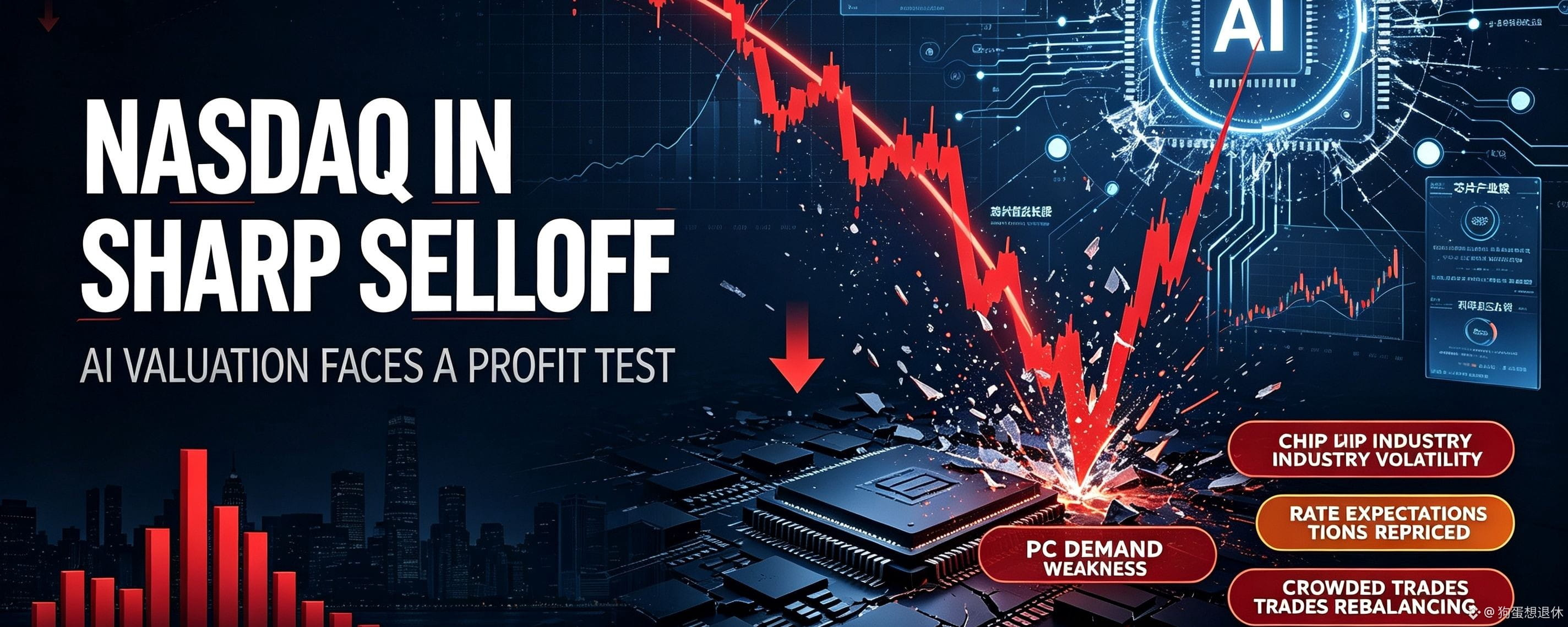
What’s happening to the world?NASDAQ is plunging sharply. The selloff was triggered by Intel’s disappointing earnings guidance. Weak PC outlook and its factory incident sparked worries over the semiconductor and AI sector. Google also tumbled, as its heavy AI spending casts doubt on whether these huge investments can turn into solid profits. Crude oil is surging, stoking inflation fears and pushing back Fed rate-cut expectations, keeping bond yields high. After a huge rally, crowded AI growth stocks are now being repriced as investors demand real profits instead of just stories. What’s happening to the world?
#AI
#Semiconductors
#NASDAQ
#INTC
#GOOGL
What’s happening to the world?
NASDAQ is plunging sharply. The selloff was triggered by Intel’s disappointing earnings guidance. Weak PC outlook and its factory incident sparked worries over the semiconductor and AI sector. Google also tumbled, as its heavy AI spending casts doubt on whether these huge investments can turn into solid profits. Crude oil is surging, stoking inflation fears and pushing back Fed rate-cut expectations, keeping bond yields high. After a huge rally, crowded AI growth stocks are now being repriced as investors demand real profits instead of just stories. What’s happening to the world?
#AI
#Semiconductors
#NASDAQ
#INTC
#GOOGL
#AI
#Semiconductors
#NASDAQ
#INTC
#GOOGL
2.1k
2
122
2.1k
·
--

Article
قف في النور، ولا تقف هنا فقطتنساب نسيم المساء فوق البرية الهادئة،
ويسقط ضوء النجوم على قمم الجبال البعيدة.
في الطريق إجابات مجهولة مختبئة،
إذا كان القلب صافيًا، فلا تخف من طول الزمن.
لا تتبع ضجيج العالم،
سيقابلك اللطف من تلقاء نفسه.
#تحليل_العملات_الرقمية
#تعليم_تداول
#تداول_العملات_المشفرة
#توجه_السوق_اليوم
#تعلم
قف في النور، ولا تقف هنا فقط
تنساب نسيم المساء فوق البرية الهادئة،
ويسقط ضوء النجوم على قمم الجبال البعيدة.
في الطريق إجابات مجهولة مختبئة،
إذا كان القلب صافيًا، فلا تخف من طول الزمن.
لا تتبع ضجيج العالم،
سيقابلك اللطف من تلقاء نفسه.
#تحليل_العملات_الرقمية
#تعليم_تداول
#تداول_العملات_المشفرة
#توجه_السوق_اليوم
#تعلم
ويسقط ضوء النجوم على قمم الجبال البعيدة.
في الطريق إجابات مجهولة مختبئة،
إذا كان القلب صافيًا، فلا تخف من طول الزمن.
لا تتبع ضجيج العالم،
سيقابلك اللطف من تلقاء نفسه.
#تحليل_العملات_الرقمية
#تعليم_تداول
#تداول_العملات_المشفرة
#توجه_السوق_اليوم
#تعلم
1.9k
101
1.9k
·
--

Article
🧧كن في النور، لا تقف فقط هناك.ولكن قدر الله قاسٍ. أنت وأنا لسنا سوى نسيم في الطريق، وورقة، وقطرة ماء، ونبتة لسان الماء.
لا نستطيع أن نحرك الأشجار، ولا أن ننمو لنصبح أشجارًا عالية، ولا أن نكون نهرًا، ولا أسطولًا يمضي بلا توقف.
نحن فقط نحن. مع السلامة يا إخوان، أتمنى لكم الرزق والثروة.
#البيتكوين
#إيثيريوم
#تابعني
#تحليل_العملات_الرقمية
#تداول_العملات_المشفرة
🧧كن في النور، لا تقف فقط هناك.
ولكن قدر الله قاسٍ. أنت وأنا لسنا سوى نسيم في الطريق، وورقة، وقطرة ماء، ونبتة لسان الماء.
لا نستطيع أن نحرك الأشجار، ولا أن ننمو لنصبح أشجارًا عالية، ولا أن نكون نهرًا، ولا أسطولًا يمضي بلا توقف.
نحن فقط نحن. مع السلامة يا إخوان، أتمنى لكم الرزق والثروة.
#البيتكوين
#إيثيريوم
#تابعني
#تحليل_العملات_الرقمية
#تداول_العملات_المشفرة
لا نستطيع أن نحرك الأشجار، ولا أن ننمو لنصبح أشجارًا عالية، ولا أن نكون نهرًا، ولا أسطولًا يمضي بلا توقف.
نحن فقط نحن. مع السلامة يا إخوان، أتمنى لكم الرزق والثروة.
#البيتكوين
#إيثيريوم
#تابعني
#تحليل_العملات_الرقمية
#تداول_العملات_المشفرة
2.7k
4
139
2.7k
·
--

Article
السلام عليكم، تعالوا لاستلام الحقيبة الحمراء🧧#بيتكوين
#إيثيريوم
#تحليل_العملات_الرقمية
#تابعني
#تداول_العملات_المشفرة
السلام عليكم، تعالوا لاستلام الحقيبة الحمراء🧧
2.5k
129
2.5k
·
--

Article
2.3k
1
125
2.3k
·
--

Article
🧧السلام عليكم، خذوا الحقيبة الحمراء. السلام للعالم والخير للجميع.#بيتكوين
#سوريا_العملات_الرقمية
#اليمن
#إيثيريوم
#العملات_البديلة
🧧السلام عليكم، خذوا الحقيبة الحمراء. السلام للعالم والخير للجميع.
2.1k
2
113
2.1k
·
--

Article
تعالوا جميعًا لاستلام الحزم الحمراء#بيتكوين
#إيثيريوم
#ترامب
#العملات_البديلة
تعالوا جميعًا لاستلام الحزم الحمراء
3.1k
5
158
3.1k








Log in to explore more content
Join global crypto users on Binance Square
⚡️ Get latest and useful information about crypto.
💬 Trusted by the world’s largest crypto exchange.
👍 Discover real insights from verified creators.
Email / Phone number
Trending Topics
BinanceSAFUFundTransferCompleted7499BTC
5,248 views
240 Discussing
BREAKING: Binance Recovers 90% of $6.3B - My Take
Guys, biggest recovery in crypto history just happened.
Binance just confirmed in its 3rd security update on Oct 31:
90% of the stolen assets have been replenished - up from 80% yesterday.
What happened?
Total breach: ∼$6.3B on Oct 29 (hot wallets)Binance set aside $6.34B from company funds to cover itSources used: Corporate Treasury + SAFU Fund ($1B fund) + Futures Insurance FundResult: 10 major tokens now 100% backed: $BTC, $ETH, $USDT, $BNB, $SOL, $USDC, $XRP, $USD1, $RLUSD, $ZECRemaining 10% are less liquid tokens, will take more time to sourceWithdrawals expected to resume Nov 1
My analysis: This is why Binance is still #1. No other exchange could cover $6.3B from its own pocket in 2 days. This shows SAFU actually works.
Is this enough to bring back trust? Or you are still worried?
Drop your opinion below - I will read all comments.
Binance #SAFU #CryptoRecovery #BinanceSecurity #BTC#binancesafufundtransfercompleted7499btc
True News
·13 Likes
·5.6k views
BinanceRecovery90% of stolen assets
38,757 views
94 Discussing
YiHe:ProofOfReserves:10TokensAt100%Backing
76,490 views
414 Discussing