

#stakingrevolution
stakingrevolution
92,961 views
223 Discussing
Hot
Latest

·
--
What I Learned After Exploring STON Staking
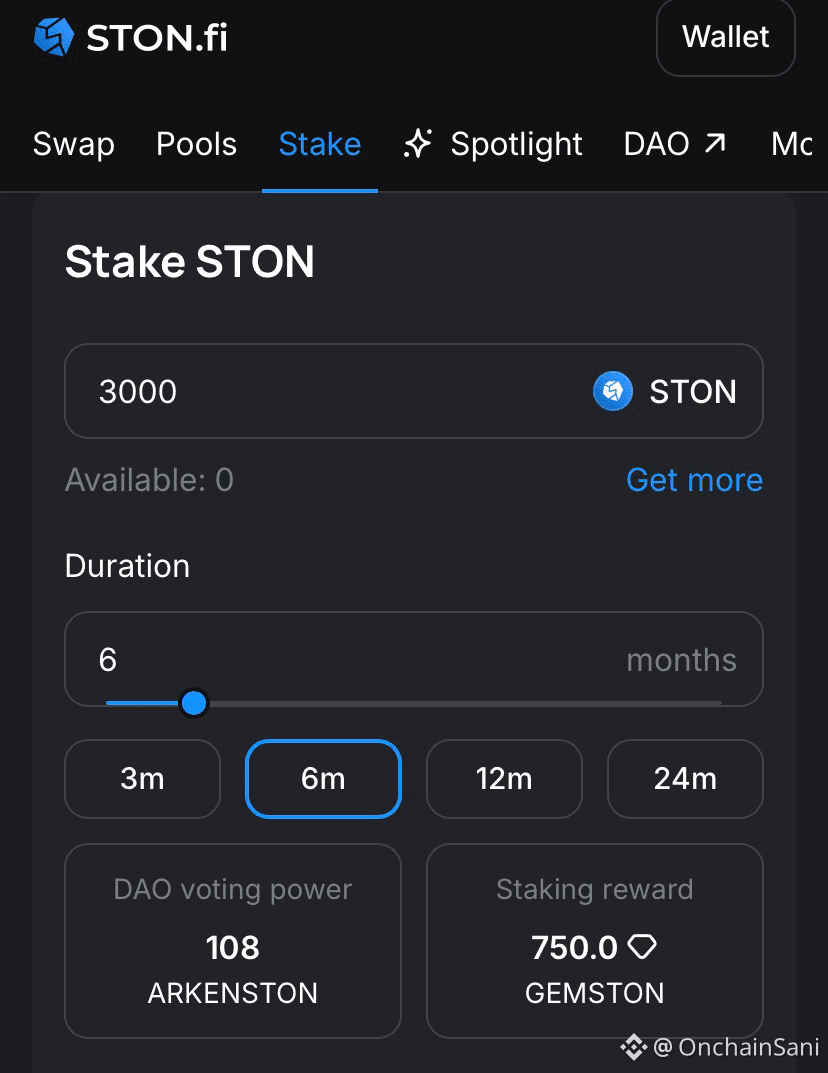
I initially thought STON staking was mainly about locking tokens and earning rewards. After going through the staking page and following the different features connected to it, I realised there is more to it.
When you stake STON, you receive ARKENSTON, a soulbound NFT linked to your wallet. It represents your voting power in the STON.fi DAO, so staking also gives you a way to participate in protocol decisions.
You also receive GEMSTON, a community engagement token whose utility and distribution are determined by the DAO.
There are practical benefits too. Eligible users farming the STON/USDT v2 pool can receive up to a 1.5× or 2× APR multiplier depending on their staked STON. Staking at least 1,000 STON is also one way to qualify for the STON.fi Club.
I checked the DAO proposals and the Club requirements because I wanted to understand how these benefits actually connect rather than just repeat the announcement.
What I took away is that STON staking isn’t just one reward mechanism. It connects governance, farming and community participation.
As always, the benefits don’t remove the risks involved with locking tokens or providing liquidity, so it’s worth understanding the conditions before making a decision.
@ston_fi
#STONfi #TON #DeFi #StakingRevolution
What I Learned After Exploring STON Staking
I initially thought STON staking was mainly about locking tokens and earning rewards. After going through the staking page and following the different features connected to it, I realised there is more to it.
When you stake STON, you receive ARKENSTON, a soulbound NFT linked to your wallet. It represents your voting power in the STON.fi DAO, so staking also gives you a way to participate in protocol decisions.
You also receive GEMSTON, a community engagement token whose utility and distribution are determined by the DAO.
There are practical benefits too. Eligible users farming the STON/USDT v2 pool can receive up to a 1.5× or 2× APR multiplier depending on their staked STON. Staking at least 1,000 STON is also one way to qualify for the STON.fi Club.
I checked the DAO proposals and the Club requirements because I wanted to understand how these benefits actually connect rather than just repeat the announcement.
What I took away is that STON staking isn’t just one reward mechanism. It connects governance, farming and community participation.
As always, the benefits don’t remove the risks involved with locking tokens or providing liquidity, so it’s worth understanding the conditions before making a decision.
@ston_fi
#STONfi #TON #DeFi #StakingRevolution
I initially thought STON staking was mainly about locking tokens and earning rewards. After going through the staking page and following the different features connected to it, I realised there is more to it.
When you stake STON, you receive ARKENSTON, a soulbound NFT linked to your wallet. It represents your voting power in the STON.fi DAO, so staking also gives you a way to participate in protocol decisions.
You also receive GEMSTON, a community engagement token whose utility and distribution are determined by the DAO.
There are practical benefits too. Eligible users farming the STON/USDT v2 pool can receive up to a 1.5× or 2× APR multiplier depending on their staked STON. Staking at least 1,000 STON is also one way to qualify for the STON.fi Club.
I checked the DAO proposals and the Club requirements because I wanted to understand how these benefits actually connect rather than just repeat the announcement.
What I took away is that STON staking isn’t just one reward mechanism. It connects governance, farming and community participation.
As always, the benefits don’t remove the risks involved with locking tokens or providing liquidity, so it’s worth understanding the conditions before making a decision.
@ston_fi
#STONfi #TON #DeFi #StakingRevolution
1
93

·
--
Bullish
Partly True
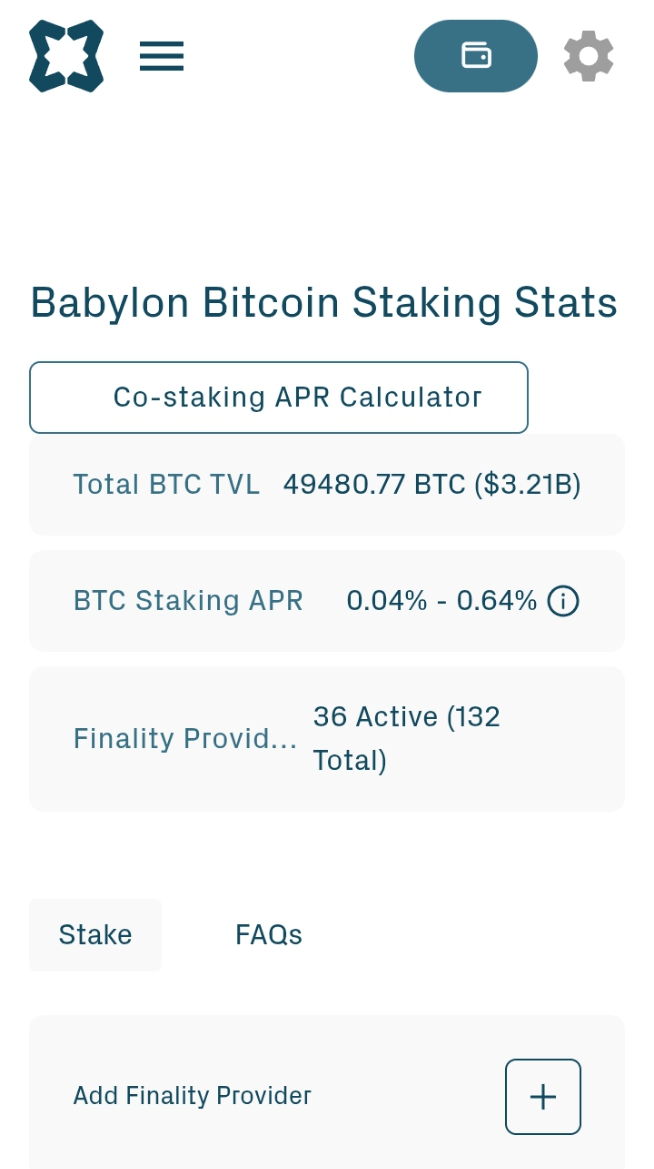
I woke up at 3:01 PM (15:01 UTC) and opened the Babylon dashboard, watching 49,480.77 BTC (~$3.21 Billion) populate the TVL column. Seeing billions of dollars locked away usually signals massive market confidence. But when my eyes hit the native APR—fluctuating between a microscopic 0.04% and 0.64%—reality felt like a cold shower.
Earning less than 1% on your capital in a crypto market built on high-yield promises feels like a bad joke. It forces a hard question: Why are whales locking up billions for virtually zero yield? The answer isn't the yield. It is the architectural constraint. The part of Babylon’s Trustless Bitcoin Vault (TBV) design that still feels radical is not the self-custody claim. It is the decision to finalize every legitimate spending path before a single satoshi moves.
At peg-in, the full transaction graph is constructed and pre-signed by every required party. Claim paths, refund paths, liquidation paths, self-claim paths—all of them exist as signed Bitcoin transactions before the vault is activated.After that moment, no participant can invent a new way to spend the BTC. The script and the signatures already define the complete set of legal outcomes.Most protocols leave the exit rules flexible and trust operators or governance to behave later.
TBV freezes the rules in cryptographic concrete first, then allows the vault to go live.With only 36 Active Finality Providers out of 132 Total, the infrastructure is proving exactly how deliberate this rollout is. The friction to enter is low—optimized at just 3 sats/vB—but the exit parameters are perfectly rigid.I paused with my thumb hovering over the "Enter Amount" box, staring at the screen. The future here is constrained on purpose. That constraint is the actual security model. You trade the flexibility of high-yield DeFi for the unyielding physics of Bitcoin scripts.
$BABY @babylonlabs_io #baby #Babylon #StakingRevolution $GRVT
{alpha}(560x46f2564e0fa8248d15125e7e54173cfbdef91be7)
{future}(BABYUSDT)
{spot}(SPCXBUSDT)
I woke up at 3:01 PM (15:01 UTC) and opened the Babylon dashboard, watching 49,480.77 BTC (~$3.21 Billion) populate the TVL column. Seeing billions of dollars locked away usually signals massive market confidence. But when my eyes hit the native APR—fluctuating between a microscopic 0.04% and 0.64%—reality felt like a cold shower.
Earning less than 1% on your capital in a crypto market built on high-yield promises feels like a bad joke. It forces a hard question: Why are whales locking up billions for virtually zero yield? The answer isn't the yield. It is the architectural constraint. The part of Babylon’s Trustless Bitcoin Vault (TBV) design that still feels radical is not the self-custody claim. It is the decision to finalize every legitimate spending path before a single satoshi moves.
At peg-in, the full transaction graph is constructed and pre-signed by every required party. Claim paths, refund paths, liquidation paths, self-claim paths—all of them exist as signed Bitcoin transactions before the vault is activated.After that moment, no participant can invent a new way to spend the BTC. The script and the signatures already define the complete set of legal outcomes.Most protocols leave the exit rules flexible and trust operators or governance to behave later.
TBV freezes the rules in cryptographic concrete first, then allows the vault to go live.With only 36 Active Finality Providers out of 132 Total, the infrastructure is proving exactly how deliberate this rollout is. The friction to enter is low—optimized at just 3 sats/vB—but the exit parameters are perfectly rigid.I paused with my thumb hovering over the "Enter Amount" box, staring at the screen. The future here is constrained on purpose. That constraint is the actual security model. You trade the flexibility of high-yield DeFi for the unyielding physics of Bitcoin scripts.
$BABY @BabylonLabs_io #baby #Babylon #StakingRevolution $GRVT
Earning less than 1% on your capital in a crypto market built on high-yield promises feels like a bad joke. It forces a hard question: Why are whales locking up billions for virtually zero yield? The answer isn't the yield. It is the architectural constraint. The part of Babylon’s Trustless Bitcoin Vault (TBV) design that still feels radical is not the self-custody claim. It is the decision to finalize every legitimate spending path before a single satoshi moves.
At peg-in, the full transaction graph is constructed and pre-signed by every required party. Claim paths, refund paths, liquidation paths, self-claim paths—all of them exist as signed Bitcoin transactions before the vault is activated.After that moment, no participant can invent a new way to spend the BTC. The script and the signatures already define the complete set of legal outcomes.Most protocols leave the exit rules flexible and trust operators or governance to behave later.
TBV freezes the rules in cryptographic concrete first, then allows the vault to go live.With only 36 Active Finality Providers out of 132 Total, the infrastructure is proving exactly how deliberate this rollout is. The friction to enter is low—optimized at just 3 sats/vB—but the exit parameters are perfectly rigid.I paused with my thumb hovering over the "Enter Amount" box, staring at the screen. The future here is constrained on purpose. That constraint is the actual security model. You trade the flexibility of high-yield DeFi for the unyielding physics of Bitcoin scripts.
$BABY @BabylonLabs_io #baby #Babylon #StakingRevolution $GRVT
1
1
118

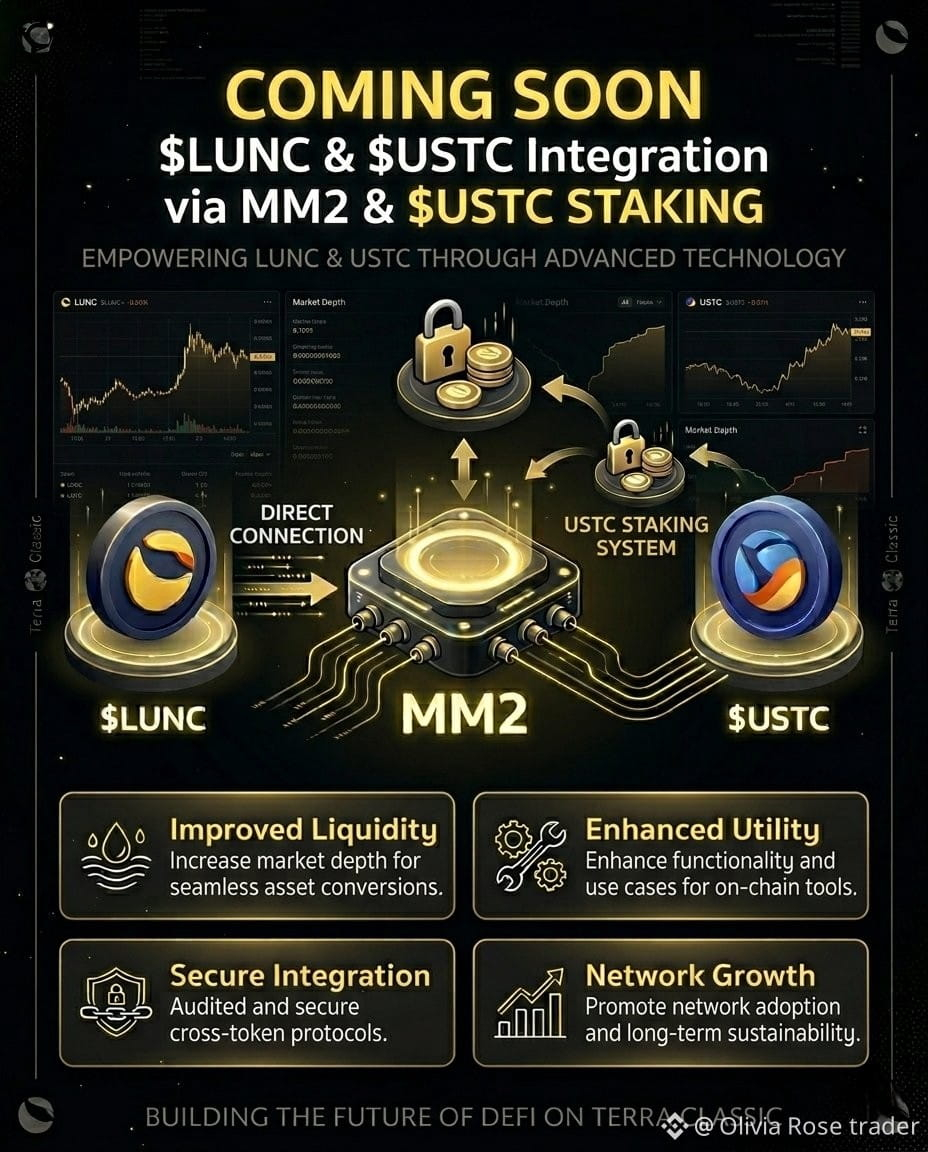
Coming soon : $LUNC และ $USTC integration via Market Module 2.0 (MM2) and $USTC staking for the Layer 1 network.
#LUNC #USTC #LUNCCommunity #MM2 #StakingRevolution
Coming soon : $LUNC และ $USTC integration via Market Module 2.0 (MM2) and $USTC staking for the Layer 1 network.
#LUNC #USTC #LUNCCommunity #MM2 #StakingRevolution
#LUNC #USTC #LUNCCommunity #MM2 #StakingRevolution
4
516

·
--
#bedrock $BR Excited to see how @Bedrock is shaping the future with Bedrock 2.0! The project aims to enhance capital efficiency and unlock new opportunities within the liquid staking ecosystem. As more users discover its innovative approach, $BR is gaining increasing attention from the community. 🌐
Bedrock 2.0 represents an important step toward a more flexible and efficient DeFi landscape. Looking forward to upcoming developments, ecosystem expansion, and the long-term vision of the Bedrock team.
{future}(BERAUSDT)
$BR #Bedrock #DeFi #LiquidStaking #Crypto #Web3 #StakingRevolution BitcoinBounceBackAbove$61K
#bedrock $BR Excited to see how @Bedrock is shaping the future with Bedrock 2.0! The project aims to enhance capital efficiency and unlock new opportunities within the liquid staking ecosystem. As more users discover its innovative approach, $BR is gaining increasing attention from the community. 🌐
Bedrock 2.0 represents an important step toward a more flexible and efficient DeFi landscape. Looking forward to upcoming developments, ecosystem expansion, and the long-term vision of the Bedrock team.
$BR #Bedrock #DeFi #LiquidStaking #Crypto #Web3 #StakingRevolution BitcoinBounceBackAbove$61K
Bedrock 2.0 represents an important step toward a more flexible and efficient DeFi landscape. Looking forward to upcoming developments, ecosystem expansion, and the long-term vision of the Bedrock team.
$BR #Bedrock #DeFi #LiquidStaking #Crypto #Web3 #StakingRevolution BitcoinBounceBackAbove$61K
75


·
--
Bearish
SEU $AVAX DORME, ENQUANTO OS OUTROS GANHAM! 🔺🛑
Você está segurando AVAX na carteira? Você perde lucro líquido todos os dias. Em 2026, isso será simplesmente um crime!😈😈😈😈😱😱
Hypha é um staking "inteligente" que encontrará automaticamente a melhor rentabilidade para você. Suas moedas não ficam paradas, elas trabalham nas estratégias mais rentáveis do mercado. 💯💯💯💯
✅ Não espere — faça seus tokens gerarem lucro agora mesmo! #AVAX #StakingRevolution #MarketRebound #DeFi! #币安HODLer空投BREV #BinanceSquare
$AVAX
{future}(AVAXUSDT)
SEU $AVAX DORME, ENQUANTO OS OUTROS GANHAM! 🔺🛑
Você está segurando AVAX na carteira? Você perde lucro líquido todos os dias. Em 2026, isso será simplesmente um crime!😈😈😈😈😱😱
Hypha é um staking "inteligente" que encontrará automaticamente a melhor rentabilidade para você. Suas moedas não ficam paradas, elas trabalham nas estratégias mais rentáveis do mercado. 💯💯💯💯
✅ Não espere — faça seus tokens gerarem lucro agora mesmo! #AVAX #StakingRevolution #MarketRebound #DeFi! #币安HODLer空投BREV #BinanceSquare
$AVAX
Você está segurando AVAX na carteira? Você perde lucro líquido todos os dias. Em 2026, isso será simplesmente um crime!😈😈😈😈😱😱
Hypha é um staking "inteligente" que encontrará automaticamente a melhor rentabilidade para você. Suas moedas não ficam paradas, elas trabalham nas estratégias mais rentáveis do mercado. 💯💯💯💯
✅ Não espere — faça seus tokens gerarem lucro agora mesmo! #AVAX #StakingRevolution #MarketRebound #DeFi! #币安HODLer空投BREV #BinanceSquare
$AVAX

14
2
4
2.3k

·
--
Article
Lesson 10: What Is Proof of Stake?Imagine This...
Imagine a village where everyone shares the same record book.
Whenever someone makes a transaction, the village needs to agree that it is real.
But instead of using powerful computers to compete in a difficult puzzle, imagine people putting some of their own valuable coins forward as a stake.
Those participants help check and secure the record book.
This is the basic idea behind Proof of Stake.
What Is Proof of Stake?
Proof of Stake, often called PoS, is a way some blockchain networks use to help secure the network and agree on which transactions and blocks are valid.
Instead of miners competing through computational work like Bitcoin's Proof of Work, Proof-of-Stake networks use validators who commit cryptocurrency according to the rules of the network.
The cryptocurrency committed is called a stake.
How Does It Work?
Step 1 — You Stake Cryptocurrency
A participant commits cryptocurrency to the network according to its staking rules.
Think of it like putting down a security deposit.
Step 2 — Validators Participate
The blockchain protocol determines which validators participate in processing and confirming transactions or proposing blocks.
Validators use the network's rules to help maintain the blockchain.
Step 3 — The Network Reaches Agreement
Validators communicate with one another and follow the blockchain's consensus rules.
When the required conditions are met, the network agrees on the valid state of the blockchain.
Step 4 — The Block Is Added
Once a block is accepted according to the network's rules, it becomes part of the blockchain.
The blockchain continues growing as new blocks are added.
Step 5 — Validators May Receive Rewards
Depending on the blockchain's rules, validators may receive rewards for participating correctly.
However, staking is not guaranteed profit.
Rewards, risks, lock-up periods, and penalties vary from one blockchain to another.
Why Is Proof of Stake Important?
A decentralized blockchain needs a way for thousands of participants to agree without relying on one central authority.
Proof of Stake provides one approach to achieving this.
It uses economic incentives and penalties to encourage participants to follow the rules.
Some Proof-of-Stake networks can use slashing, where a validator may lose some of its stake for certain serious protocol violations.
Proof of Work vs Proof of Stake
Proof of Work
⛏️ Miners perform computational work
💻 Powerful computers compete to produce blocks
⚡ Requires significant energy
₿ Bitcoin uses Proof of Work
Proof of Stake
🪙 Participants commit cryptocurrency
🔐 Validators help secure and maintain the network
⚙️ Does not rely on mining competition in the same way
🌐 Used by several modern blockchain networks
Both systems are trying to solve a similar problem:
How can a decentralized network agree on what is true without one central authority?
Do All Cryptocurrencies Use Proof of Stake?
No.
This is an important distinction.
Bitcoin uses Proof of Work.
Other blockchain networks use Proof of Stake or variations of it.
There are also other consensus mechanisms.
So never assume that every cryptocurrency works exactly like Bitcoin.
Is Staking Risk-Free?
No.
Staking can involve risks such as:
❌ Cryptocurrency price changes
❌ Lock-up or withdrawal periods
❌ Validator penalties
❌ Slashing on some networks
❌ Technical or smart-contract risks
Always learn the specific blockchain's rules before staking your assets.
Important Words
Proof of Stake
A consensus mechanism where participants commit cryptocurrency to help secure and maintain a blockchain.
Stake
Cryptocurrency committed according to a blockchain's staking rules.
Validator
A participant that helps verify transactions and maintain a Proof-of-Stake blockchain.
Consensus
The process through which participants agree on the valid state of a blockchain.
Slashing
A penalty used by some Proof-of-Stake networks that can cause a validator to lose part of its stake for certain protocol violations.
Staking Reward
A reward distributed according to the specific blockchain's rules for participating in staking.
Common Beginner Mistake
Many beginners believe:
"Staking means I can lock my crypto and automatically make guaranteed money."
That's not how it works.
Staking rewards depend on the blockchain's design and conditions, while the cryptocurrency itself can rise or fall in value.
Always understand the risk before you stake.
Homework
What is Proof of Stake?
What does it mean to stake cryptocurrency?
What is a validator?
How is Proof of Stake different from Proof of Work?
What is slashing?
Is staking guaranteed profit?
If you can answer these, you're ready for
Lesson 11: What Are Smart Contracts?
Lesson Summary
Proof of Stake is a way some blockchain networks reach agreement and maintain security by using participants who commit cryptocurrency as stake and act as validators according to the network's rules.
Instead of relying on computational competition like Proof of Work, Proof of Stake uses stake, validators, incentives, and penalties to help keep the network functioning. #Stake #StakingRevolution #LearnTogether #learn2earn #Sackmantrails
Lesson 10: What Is Proof of Stake?
Imagine This...
Imagine a village where everyone shares the same record book.
Whenever someone makes a transaction, the village needs to agree that it is real.
But instead of using powerful computers to compete in a difficult puzzle, imagine people putting some of their own valuable coins forward as a stake.
Those participants help check and secure the record book.
This is the basic idea behind Proof of Stake.
What Is Proof of Stake?
Proof of Stake, often called PoS, is a way some blockchain networks use to help secure the network and agree on which transactions and blocks are valid.
Instead of miners competing through computational work like Bitcoin's Proof of Work, Proof-of-Stake networks use validators who commit cryptocurrency according to the rules of the network.
The cryptocurrency committed is called a stake.
How Does It Work?
Step 1 — You Stake Cryptocurrency
A participant commits cryptocurrency to the network according to its staking rules.
Think of it like putting down a security deposit.
Step 2 — Validators Participate
The blockchain protocol determines which validators participate in processing and confirming transactions or proposing blocks.
Validators use the network's rules to help maintain the blockchain.
Step 3 — The Network Reaches Agreement
Validators communicate with one another and follow the blockchain's consensus rules.
When the required conditions are met, the network agrees on the valid state of the blockchain.
Step 4 — The Block Is Added
Once a block is accepted according to the network's rules, it becomes part of the blockchain.
The blockchain continues growing as new blocks are added.
Step 5 — Validators May Receive Rewards
Depending on the blockchain's rules, validators may receive rewards for participating correctly.
However, staking is not guaranteed profit.
Rewards, risks, lock-up periods, and penalties vary from one blockchain to another.
Why Is Proof of Stake Important?
A decentralized blockchain needs a way for thousands of participants to agree without relying on one central authority.
Proof of Stake provides one approach to achieving this.
It uses economic incentives and penalties to encourage participants to follow the rules.
Some Proof-of-Stake networks can use slashing, where a validator may lose some of its stake for certain serious protocol violations.
Proof of Work vs Proof of Stake
Proof of Work
⛏️ Miners perform computational work
💻 Powerful computers compete to produce blocks
⚡ Requires significant energy
₿ Bitcoin uses Proof of Work
Proof of Stake
🪙 Participants commit cryptocurrency
🔐 Validators help secure and maintain the network
⚙️ Does not rely on mining competition in the same way
🌐 Used by several modern blockchain networks
Both systems are trying to solve a similar problem:
How can a decentralized network agree on what is true without one central authority?
Do All Cryptocurrencies Use Proof of Stake?
No.
This is an important distinction.
Bitcoin uses Proof of Work.
Other blockchain networks use Proof of Stake or variations of it.
There are also other consensus mechanisms.
So never assume that every cryptocurrency works exactly like Bitcoin.
Is Staking Risk-Free?
No.
Staking can involve risks such as:
❌ Cryptocurrency price changes
❌ Lock-up or withdrawal periods
❌ Validator penalties
❌ Slashing on some networks
❌ Technical or smart-contract risks
Always learn the specific blockchain's rules before staking your assets.
Important Words
Proof of Stake
A consensus mechanism where participants commit cryptocurrency to help secure and maintain a blockchain.
Stake
Cryptocurrency committed according to a blockchain's staking rules.
Validator
A participant that helps verify transactions and maintain a Proof-of-Stake blockchain.
Consensus
The process through which participants agree on the valid state of a blockchain.
Slashing
A penalty used by some Proof-of-Stake networks that can cause a validator to lose part of its stake for certain protocol violations.
Staking Reward
A reward distributed according to the specific blockchain's rules for participating in staking.
Common Beginner Mistake
Many beginners believe:
"Staking means I can lock my crypto and automatically make guaranteed money."
That's not how it works.
Staking rewards depend on the blockchain's design and conditions, while the cryptocurrency itself can rise or fall in value.
Always understand the risk before you stake.
Homework
What is Proof of Stake?
What does it mean to stake cryptocurrency?
What is a validator?
How is Proof of Stake different from Proof of Work?
What is slashing?
Is staking guaranteed profit?
If you can answer these, you're ready for
Lesson 11: What Are Smart Contracts?
Lesson Summary
Proof of Stake is a way some blockchain networks reach agreement and maintain security by using participants who commit cryptocurrency as stake and act as validators according to the network's rules.
Instead of relying on computational competition like Proof of Work, Proof of Stake uses stake, validators, incentives, and penalties to help keep the network functioning. #Stake #StakingRevolution #LearnTogether #learn2earn #Sackmantrails
Imagine a village where everyone shares the same record book.
Whenever someone makes a transaction, the village needs to agree that it is real.
But instead of using powerful computers to compete in a difficult puzzle, imagine people putting some of their own valuable coins forward as a stake.
Those participants help check and secure the record book.
This is the basic idea behind Proof of Stake.
What Is Proof of Stake?
Proof of Stake, often called PoS, is a way some blockchain networks use to help secure the network and agree on which transactions and blocks are valid.
Instead of miners competing through computational work like Bitcoin's Proof of Work, Proof-of-Stake networks use validators who commit cryptocurrency according to the rules of the network.
The cryptocurrency committed is called a stake.
How Does It Work?
Step 1 — You Stake Cryptocurrency
A participant commits cryptocurrency to the network according to its staking rules.
Think of it like putting down a security deposit.
Step 2 — Validators Participate
The blockchain protocol determines which validators participate in processing and confirming transactions or proposing blocks.
Validators use the network's rules to help maintain the blockchain.
Step 3 — The Network Reaches Agreement
Validators communicate with one another and follow the blockchain's consensus rules.
When the required conditions are met, the network agrees on the valid state of the blockchain.
Step 4 — The Block Is Added
Once a block is accepted according to the network's rules, it becomes part of the blockchain.
The blockchain continues growing as new blocks are added.
Step 5 — Validators May Receive Rewards
Depending on the blockchain's rules, validators may receive rewards for participating correctly.
However, staking is not guaranteed profit.
Rewards, risks, lock-up periods, and penalties vary from one blockchain to another.
Why Is Proof of Stake Important?
A decentralized blockchain needs a way for thousands of participants to agree without relying on one central authority.
Proof of Stake provides one approach to achieving this.
It uses economic incentives and penalties to encourage participants to follow the rules.
Some Proof-of-Stake networks can use slashing, where a validator may lose some of its stake for certain serious protocol violations.
Proof of Work vs Proof of Stake
Proof of Work
⛏️ Miners perform computational work
💻 Powerful computers compete to produce blocks
⚡ Requires significant energy
₿ Bitcoin uses Proof of Work
Proof of Stake
🪙 Participants commit cryptocurrency
🔐 Validators help secure and maintain the network
⚙️ Does not rely on mining competition in the same way
🌐 Used by several modern blockchain networks
Both systems are trying to solve a similar problem:
How can a decentralized network agree on what is true without one central authority?
Do All Cryptocurrencies Use Proof of Stake?
No.
This is an important distinction.
Bitcoin uses Proof of Work.
Other blockchain networks use Proof of Stake or variations of it.
There are also other consensus mechanisms.
So never assume that every cryptocurrency works exactly like Bitcoin.
Is Staking Risk-Free?
No.
Staking can involve risks such as:
❌ Cryptocurrency price changes
❌ Lock-up or withdrawal periods
❌ Validator penalties
❌ Slashing on some networks
❌ Technical or smart-contract risks
Always learn the specific blockchain's rules before staking your assets.
Important Words
Proof of Stake
A consensus mechanism where participants commit cryptocurrency to help secure and maintain a blockchain.
Stake
Cryptocurrency committed according to a blockchain's staking rules.
Validator
A participant that helps verify transactions and maintain a Proof-of-Stake blockchain.
Consensus
The process through which participants agree on the valid state of a blockchain.
Slashing
A penalty used by some Proof-of-Stake networks that can cause a validator to lose part of its stake for certain protocol violations.
Staking Reward
A reward distributed according to the specific blockchain's rules for participating in staking.
Common Beginner Mistake
Many beginners believe:
"Staking means I can lock my crypto and automatically make guaranteed money."
That's not how it works.
Staking rewards depend on the blockchain's design and conditions, while the cryptocurrency itself can rise or fall in value.
Always understand the risk before you stake.
Homework
What is Proof of Stake?
What does it mean to stake cryptocurrency?
What is a validator?
How is Proof of Stake different from Proof of Work?
What is slashing?
Is staking guaranteed profit?
If you can answer these, you're ready for
Lesson 11: What Are Smart Contracts?
Lesson Summary
Proof of Stake is a way some blockchain networks reach agreement and maintain security by using participants who commit cryptocurrency as stake and act as validators according to the network's rules.
Instead of relying on computational competition like Proof of Work, Proof of Stake uses stake, validators, incentives, and penalties to help keep the network functioning. #Stake #StakingRevolution #LearnTogether #learn2earn #Sackmantrails
88

#pixel $PIXEL 🚀 Exciting times ahead in the world of NFTs with @Pixels! 🌐 The Pixels platform is revolutionizing digital ownership through its innovative Stacked ecosystem, unlocking a new era of interaction and value for creators and collectors. 🖼️💎 If you’re passionate about the future of art, NFTs, and blockchain technology, the $PIXEL token is the one to watch! 🌟 #pixel #NFTs #blockchain #staking #StakingRevolution
#pixel $PIXEL 🚀 Exciting times ahead in the world of NFTs with @Pixels! 🌐 The Pixels platform is revolutionizing digital ownership through its innovative Stacked ecosystem, unlocking a new era of interaction and value for creators and collectors. 🖼️💎 If you’re passionate about the future of art, NFTs, and blockchain technology, the $PIXEL token is the one to watch! 🌟 #pixel #NFTs #blockchain #staking #StakingRevolution
5
13

Sobre el estado actual de **Pixels ($PIXEL)** en abril de 2026, aquí tienes los datos clave sobre su liquidez, la distribución de grandes tenedores ("ballenas") y las empresas que respaldan el proyecto:
### 1. Liquidez y Volumen
A día de hoy, **$PIXEL** mantiene una liquidez sólida, principalmente concentrada en la red **Ronin** y en grandes exchanges.
* **Puntos de Liquidez:** El mayor volumen se encuentra en **Binance**, seguido de exchanges descentralizados (DEX) dentro de la red Ronin como **Katana**.
* **Volumen de Trading:** Se observa una fase de alta actividad debido a la implementación del **"Chapter 3"** y el nuevo sistema de Gremios (Unions), lo que ha aumentado la utilidad del token para *staking* y premios estacionales.
* **Estado del Mercado:** El precio ha estado navegando en una zona de pivote técnico (alrededor de los **$0.008 - $0.015**), mostrando una recuperación tras fases de alta volatilidad gracias a su base de más de **1 millón de usuarios activos diarios**.
### 2. Las "Ballenas" (Grandes Tenedores)
La estructura de los principales poseedores de $PIXEL está muy vinculada al ecosistema y al desarrollo:
* **Sky Mavis (Ronin Network):** Como la red principal donde reside el juego, Sky Mavis es uno de los mayores aliados y tenedores indirectos, asegurando la infraestructura.
* *** Una parte significativa del suministro inicial fue distribuida a través de Binance, lo que significa que una gran cantidad de tokens aún residen en las carteras de custodia del exchange.
* **Wallets de Tesorería:** El equipo de Pixels retiene una porción importante para incentivos de juego, recompensas de gremios y desarrollo futuro, lo cual está sujeto a calendarios de liberación (*vesting*) para evitar ventas masivas.
* **Concentración en Gremios:** Con la madurez del juego en 2026, las carteras de grandes gremios (como **Yield Guild Games**) han acumulado activos para dominar los rankings de tierras y recursos.
#MarketRebound #StakingRevolution #game #Pixels #pixel $PIXEL @pixels @CoinDesk @CoinMarketCap_official
{spot}(PIXELUSDT)
Sobre el estado actual de **Pixels ($PIXEL )** en abril de 2026, aquí tienes los datos clave sobre su liquidez, la distribución de grandes tenedores ("ballenas") y las empresas que respaldan el proyecto:
### 1. Liquidez y Volumen
A día de hoy, **$PIXEL ** mantiene una liquidez sólida, principalmente concentrada en la red **Ronin** y en grandes exchanges.
* **Puntos de Liquidez:** El mayor volumen se encuentra en **Binance**, seguido de exchanges descentralizados (DEX) dentro de la red Ronin como **Katana**.
* **Volumen de Trading:** Se observa una fase de alta actividad debido a la implementación del **"Chapter 3"** y el nuevo sistema de Gremios (Unions), lo que ha aumentado la utilidad del token para *staking* y premios estacionales.
* **Estado del Mercado:** El precio ha estado navegando en una zona de pivote técnico (alrededor de los **$0.008 - $0.015**), mostrando una recuperación tras fases de alta volatilidad gracias a su base de más de **1 millón de usuarios activos diarios**.
### 2. Las "Ballenas" (Grandes Tenedores)
La estructura de los principales poseedores de $PIXEL está muy vinculada al ecosistema y al desarrollo:
* **Sky Mavis (Ronin Network):** Como la red principal donde reside el juego, Sky Mavis es uno de los mayores aliados y tenedores indirectos, asegurando la infraestructura.
* *** Una parte significativa del suministro inicial fue distribuida a través de Binance, lo que significa que una gran cantidad de tokens aún residen en las carteras de custodia del exchange.
* **Wallets de Tesorería:** El equipo de Pixels retiene una porción importante para incentivos de juego, recompensas de gremios y desarrollo futuro, lo cual está sujeto a calendarios de liberación (*vesting*) para evitar ventas masivas.
* **Concentración en Gremios:** Con la madurez del juego en 2026, las carteras de grandes gremios (como **Yield Guild Games**) han acumulado activos para dominar los rankings de tierras y recursos.
#MarketRebound #StakingRevolution #game #Pixels #pixel $PIXEL @Pixels @CoinDesk @CoinMarketCap
### 1. Liquidez y Volumen
A día de hoy, **$PIXEL ** mantiene una liquidez sólida, principalmente concentrada en la red **Ronin** y en grandes exchanges.
* **Puntos de Liquidez:** El mayor volumen se encuentra en **Binance**, seguido de exchanges descentralizados (DEX) dentro de la red Ronin como **Katana**.
* **Volumen de Trading:** Se observa una fase de alta actividad debido a la implementación del **"Chapter 3"** y el nuevo sistema de Gremios (Unions), lo que ha aumentado la utilidad del token para *staking* y premios estacionales.
* **Estado del Mercado:** El precio ha estado navegando en una zona de pivote técnico (alrededor de los **$0.008 - $0.015**), mostrando una recuperación tras fases de alta volatilidad gracias a su base de más de **1 millón de usuarios activos diarios**.
### 2. Las "Ballenas" (Grandes Tenedores)
La estructura de los principales poseedores de $PIXEL está muy vinculada al ecosistema y al desarrollo:
* **Sky Mavis (Ronin Network):** Como la red principal donde reside el juego, Sky Mavis es uno de los mayores aliados y tenedores indirectos, asegurando la infraestructura.
* *** Una parte significativa del suministro inicial fue distribuida a través de Binance, lo que significa que una gran cantidad de tokens aún residen en las carteras de custodia del exchange.
* **Wallets de Tesorería:** El equipo de Pixels retiene una porción importante para incentivos de juego, recompensas de gremios y desarrollo futuro, lo cual está sujeto a calendarios de liberación (*vesting*) para evitar ventas masivas.
* **Concentración en Gremios:** Con la madurez del juego en 2026, las carteras de grandes gremios (como **Yield Guild Games**) han acumulado activos para dominar los rankings de tierras y recursos.
#MarketRebound #StakingRevolution #game #Pixels #pixel $PIXEL @Pixels @CoinDesk @CoinMarketCap

3
175

·
--
Проєкт @pixels продовжує вдосконалювати свою модель, де центральне місце посідає токен $PIXEL
{spot}(PIXELUSDT)
. Перехід до оновленої екосистеми Staked — це не просто технічний крок, а стратегічне рішення для посилення дефляційних механізмів.
Завдяки стейкінгу, власники $PIXEL отримують не лише пасивні переваги, а й безпосередній вплив на ігрову економіку, відкриваючи доступ до рідкісних ресурсів та гільдійських привілеїв.
Це створює міцний зв'язок між ігровим процесом та фінансовою стабільністю токена.
🌸Чому варто звернути увагу?
👀Вилучення ліквідності:
Стейкінг зменшує кількість монет у вільному обігу.
👀Масштабованість:
Нові ігрові рівні вимагають більшої залученості, що стимулює попит
У 2026 році Pixels демонструє, що GameFi може бути не лише розвагою, а й функціональним інструментом для Smart Money.
#pixel #GameFi #BİNANCESQUARE #StakingRevolution #Web3
Проєкт @Pixels продовжує вдосконалювати свою модель, де центральне місце посідає токен $PIXEL
. Перехід до оновленої екосистеми Staked — це не просто технічний крок, а стратегічне рішення для посилення дефляційних механізмів.
Завдяки стейкінгу, власники $PIXEL отримують не лише пасивні переваги, а й безпосередній вплив на ігрову економіку, відкриваючи доступ до рідкісних ресурсів та гільдійських привілеїв.
Це створює міцний зв'язок між ігровим процесом та фінансовою стабільністю токена.
🌸Чому варто звернути увагу?
👀Вилучення ліквідності:
Стейкінг зменшує кількість монет у вільному обігу.
👀Масштабованість:
Нові ігрові рівні вимагають більшої залученості, що стимулює попит
У 2026 році Pixels демонструє, що GameFi може бути не лише розвагою, а й функціональним інструментом для Smart Money.
#pixel #GameFi #BİNANCESQUARE #StakingRevolution #Web3
. Перехід до оновленої екосистеми Staked — це не просто технічний крок, а стратегічне рішення для посилення дефляційних механізмів.
Завдяки стейкінгу, власники $PIXEL отримують не лише пасивні переваги, а й безпосередній вплив на ігрову економіку, відкриваючи доступ до рідкісних ресурсів та гільдійських привілеїв.
Це створює міцний зв'язок між ігровим процесом та фінансовою стабільністю токена.
🌸Чому варто звернути увагу?
👀Вилучення ліквідності:
Стейкінг зменшує кількість монет у вільному обігу.
👀Масштабованість:
Нові ігрові рівні вимагають більшої залученості, що стимулює попит
У 2026 році Pixels демонструє, що GameFi може бути не лише розвагою, а й функціональним інструментом для Smart Money.
#pixel #GameFi #BİNANCESQUARE #StakingRevolution #Web3
1
115

Article
How Blockchain and Staking Help Grow Your AssetsIn recent years, blockchain technology has changed the way people think about money, investing, and financial growth. One of the most popular ways investors are using blockchain to grow their assets is through staking. Together, blockchain and staking create new opportunities for earning passive income and building long-term wealth.
1. What is Blockchain?
Blockchain is a digital system that records transactions in a secure, transparent, and decentralized way. Instead of being controlled by a single bank or government, blockchain runs on thousands of computers (called nodes) around the world.
Each transaction is stored in a “block,” and these blocks are linked together in a chain—hence the name blockchain.
Key features:
Decentralized – No single authority controls it
Transparent – Transactions can be verified by anyone
Secure – Extremely hard to hack or manipulate
Immutable – Once recorded, data cannot be changed easily
Popular blockchain networks include Bitcoin, Ethereum, and many others.
2. What is Staking in Crypto?
Staking is a process where you lock your cryptocurrency in a blockchain network to help it operate and secure transactions. In return, you earn rewards—similar to earning interest in a savings account.
It is mainly used in Proof of Stake (PoS) blockchains like Ethereum.
Simple example:
If you stake Ethereum, you are helping validate transactions. The network rewards you with additional ETH for your contribution.
3. How Staking Helps Grow Your Assets
Staking is one of the easiest ways to earn passive income in crypto.
Here’s how it grows your wealth:
1. Passive Income
You earn regular rewards just by holding and staking your crypto. No active trading is required.
2. Compound Growth
Many platforms allow you to reinvest your staking rewards, increasing your total holdings over time. This is called compounding.
3. Long-Term Value Growth
If the price of your staked asset increases over time, your total portfolio value grows even more.
4. Lower Risk Than Trading
Unlike trading, staking does not require predicting market movements daily. It focuses on long-term holding.
4. Example of Staking Growth
Let’s say you stake Ethereum:
Initial investment: $100 worth of ETH
Annual staking reward: ~4% to 6% (varies by network)
After 1 year: you earn additional ETH as rewards
If ETH price increases, your total value grows even more
So your growth comes from two sources:
Staking rewards
Market price increase
5. Risks You Should Know
While staking is powerful, it also has risks:
Price volatility (crypto prices can go up or down)
Lock-up periods (some staking requires locking funds)
Platform risk (choosing unsafe platforms can be dangerous)
Lower liquidity (your assets may not be instantly withdrawable)
6. Why Blockchain Makes Staking Possible
Without blockchain, staking would not exist. Blockchain enables:
Trustless systems (no need for banks)
Smart contracts that automate rewards
Secure validation of transactions
Global participation in financial systems
Conclusion
Blockchain and staking together create a modern way to grow assets through passive income and long-term investment. While it is not risk-free, it offers opportunities that traditional banking systems do not provide.
For beginners, staking can be a good starting point to understand crypto investing—especially if combined with patience, research, and long-term strategy.
#blockchaineconomy #StakingRevolution #CryptocurrencyWealth
$ETH
{spot}(ETHUSDT)
$SOL
{spot}(SOLUSDT)
$BTC
{spot}(BTCUSDT)
How Blockchain and Staking Help Grow Your Assets
In recent years, blockchain technology has changed the way people think about money, investing, and financial growth. One of the most popular ways investors are using blockchain to grow their assets is through staking. Together, blockchain and staking create new opportunities for earning passive income and building long-term wealth.
1. What is Blockchain?
Blockchain is a digital system that records transactions in a secure, transparent, and decentralized way. Instead of being controlled by a single bank or government, blockchain runs on thousands of computers (called nodes) around the world.
Each transaction is stored in a “block,” and these blocks are linked together in a chain—hence the name blockchain.
Key features:
Decentralized – No single authority controls it
Transparent – Transactions can be verified by anyone
Secure – Extremely hard to hack or manipulate
Immutable – Once recorded, data cannot be changed easily
Popular blockchain networks include Bitcoin, Ethereum, and many others.
2. What is Staking in Crypto?
Staking is a process where you lock your cryptocurrency in a blockchain network to help it operate and secure transactions. In return, you earn rewards—similar to earning interest in a savings account.
It is mainly used in Proof of Stake (PoS) blockchains like Ethereum.
Simple example:
If you stake Ethereum, you are helping validate transactions. The network rewards you with additional ETH for your contribution.
3. How Staking Helps Grow Your Assets
Staking is one of the easiest ways to earn passive income in crypto.
Here’s how it grows your wealth:
1. Passive Income
You earn regular rewards just by holding and staking your crypto. No active trading is required.
2. Compound Growth
Many platforms allow you to reinvest your staking rewards, increasing your total holdings over time. This is called compounding.
3. Long-Term Value Growth
If the price of your staked asset increases over time, your total portfolio value grows even more.
4. Lower Risk Than Trading
Unlike trading, staking does not require predicting market movements daily. It focuses on long-term holding.
4. Example of Staking Growth
Let’s say you stake Ethereum:
Initial investment: $100 worth of ETH
Annual staking reward: ~4% to 6% (varies by network)
After 1 year: you earn additional ETH as rewards
If ETH price increases, your total value grows even more
So your growth comes from two sources:
Staking rewards
Market price increase
5. Risks You Should Know
While staking is powerful, it also has risks:
Price volatility (crypto prices can go up or down)
Lock-up periods (some staking requires locking funds)
Platform risk (choosing unsafe platforms can be dangerous)
Lower liquidity (your assets may not be instantly withdrawable)
6. Why Blockchain Makes Staking Possible
Without blockchain, staking would not exist. Blockchain enables:
Trustless systems (no need for banks)
Smart contracts that automate rewards
Secure validation of transactions
Global participation in financial systems
Conclusion
Blockchain and staking together create a modern way to grow assets through passive income and long-term investment. While it is not risk-free, it offers opportunities that traditional banking systems do not provide.
For beginners, staking can be a good starting point to understand crypto investing—especially if combined with patience, research, and long-term strategy.
#blockchaineconomy #StakingRevolution #CryptocurrencyWealth
$ETH
$SOL
$BTC
1. What is Blockchain?
Blockchain is a digital system that records transactions in a secure, transparent, and decentralized way. Instead of being controlled by a single bank or government, blockchain runs on thousands of computers (called nodes) around the world.
Each transaction is stored in a “block,” and these blocks are linked together in a chain—hence the name blockchain.
Key features:
Decentralized – No single authority controls it
Transparent – Transactions can be verified by anyone
Secure – Extremely hard to hack or manipulate
Immutable – Once recorded, data cannot be changed easily
Popular blockchain networks include Bitcoin, Ethereum, and many others.
2. What is Staking in Crypto?
Staking is a process where you lock your cryptocurrency in a blockchain network to help it operate and secure transactions. In return, you earn rewards—similar to earning interest in a savings account.
It is mainly used in Proof of Stake (PoS) blockchains like Ethereum.
Simple example:
If you stake Ethereum, you are helping validate transactions. The network rewards you with additional ETH for your contribution.
3. How Staking Helps Grow Your Assets
Staking is one of the easiest ways to earn passive income in crypto.
Here’s how it grows your wealth:
1. Passive Income
You earn regular rewards just by holding and staking your crypto. No active trading is required.
2. Compound Growth
Many platforms allow you to reinvest your staking rewards, increasing your total holdings over time. This is called compounding.
3. Long-Term Value Growth
If the price of your staked asset increases over time, your total portfolio value grows even more.
4. Lower Risk Than Trading
Unlike trading, staking does not require predicting market movements daily. It focuses on long-term holding.
4. Example of Staking Growth
Let’s say you stake Ethereum:
Initial investment: $100 worth of ETH
Annual staking reward: ~4% to 6% (varies by network)
After 1 year: you earn additional ETH as rewards
If ETH price increases, your total value grows even more
So your growth comes from two sources:
Staking rewards
Market price increase
5. Risks You Should Know
While staking is powerful, it also has risks:
Price volatility (crypto prices can go up or down)
Lock-up periods (some staking requires locking funds)
Platform risk (choosing unsafe platforms can be dangerous)
Lower liquidity (your assets may not be instantly withdrawable)
6. Why Blockchain Makes Staking Possible
Without blockchain, staking would not exist. Blockchain enables:
Trustless systems (no need for banks)
Smart contracts that automate rewards
Secure validation of transactions
Global participation in financial systems
Conclusion
Blockchain and staking together create a modern way to grow assets through passive income and long-term investment. While it is not risk-free, it offers opportunities that traditional banking systems do not provide.
For beginners, staking can be a good starting point to understand crypto investing—especially if combined with patience, research, and long-term strategy.
#blockchaineconomy #StakingRevolution #CryptocurrencyWealth
$ETH
$SOL
$BTC
1
3
119

·
--
$EIGEN
{future}(EIGENUSDT)
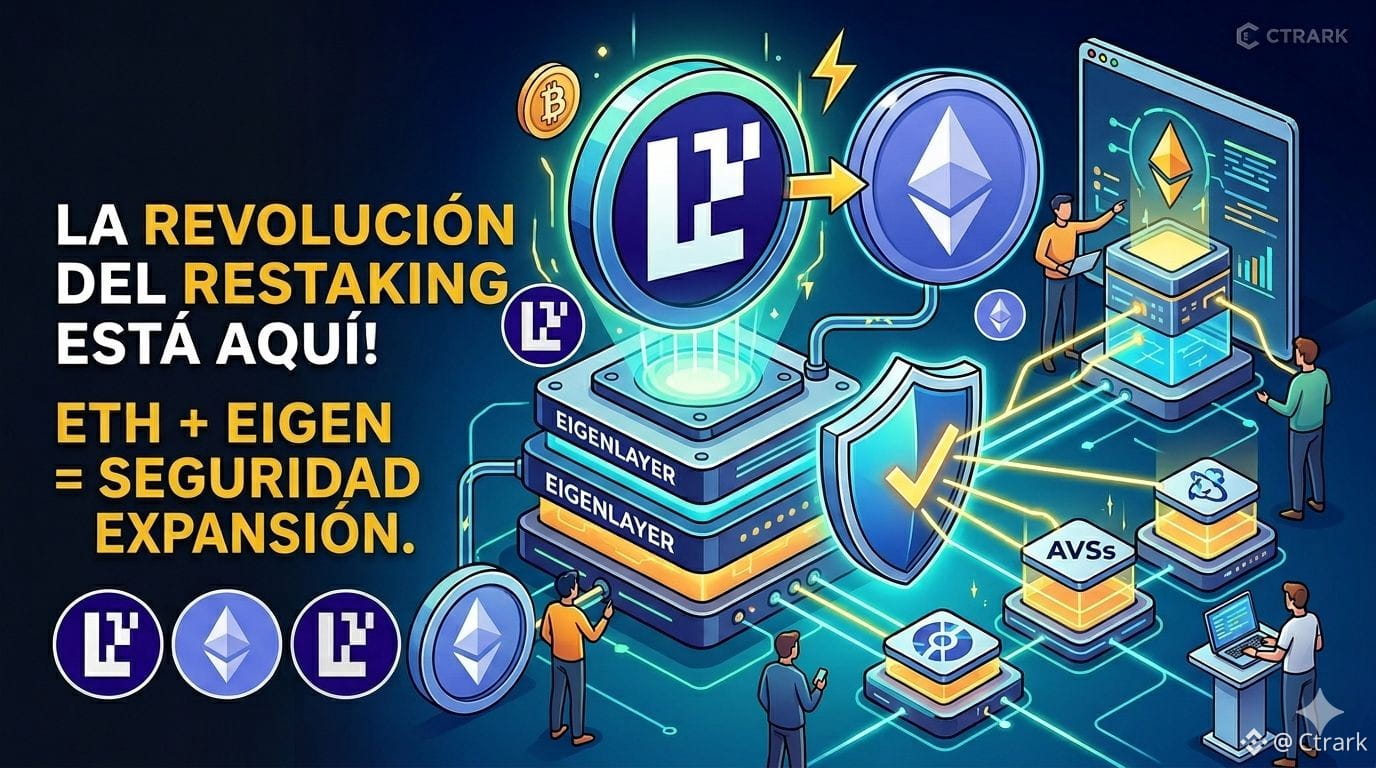
La revolución del Restaking ya está aquí con $EIGEN! 🛸
¿Alguna vez sentiste que tus $ETH podían dar más?
EigenLayer no solo rompió el molde, ¡creó un juego nuevo! 🏗️
Básicamente, $EIGEN es el "cerebro" que permite que la seguridad de Ethereum proteja otros servicios (AVSs). Es como si tu seguridad personal ahora cuidara a todo el vecindario. 🏠🛡️
¿Por qué es viral?
Eficiencia brutal: Menos costo, más seguridad.
Utilidad real: No es solo un token de gobernanza; es el motor del ecosistema.
¡El staking evolucionó! ¿Eres parte del futuro o sigas en el pasado? 👇#StakingRevolution
$EIGEN
La revolución del Restaking ya está aquí con $EIGEN ! 🛸
¿Alguna vez sentiste que tus $ETH podían dar más?
EigenLayer no solo rompió el molde, ¡creó un juego nuevo! 🏗️
Básicamente, $EIGEN es el "cerebro" que permite que la seguridad de Ethereum proteja otros servicios (AVSs). Es como si tu seguridad personal ahora cuidara a todo el vecindario. 🏠🛡️
¿Por qué es viral?
Eficiencia brutal: Menos costo, más seguridad.
Utilidad real: No es solo un token de gobernanza; es el motor del ecosistema.
¡El staking evolucionó! ¿Eres parte del futuro o sigas en el pasado? 👇#StakingRevolution
La revolución del Restaking ya está aquí con $EIGEN ! 🛸
¿Alguna vez sentiste que tus $ETH podían dar más?
EigenLayer no solo rompió el molde, ¡creó un juego nuevo! 🏗️
Básicamente, $EIGEN es el "cerebro" que permite que la seguridad de Ethereum proteja otros servicios (AVSs). Es como si tu seguridad personal ahora cuidara a todo el vecindario. 🏠🛡️
¿Por qué es viral?
Eficiencia brutal: Menos costo, más seguridad.
Utilidad real: No es solo un token de gobernanza; es el motor del ecosistema.
¡El staking evolucionó! ¿Eres parte del futuro o sigas en el pasado? 👇#StakingRevolution
1
1
43
Log in to explore more content
Join global crypto users on Binance Square
⚡️ Get latest and useful information about crypto.
💬 Trusted by the world’s largest crypto exchange.
👍 Discover real insights from verified creators.
Email / Phone number
Trending Topics
1
#AnthropicIPOProspectusCouldValueItOver$2T
74 views
20 Discussing
2
#HackersDrainOver12.4MXRPFromDCENTWallets
1,380 views
51 Discussing
3
#SECSaysDecentralizedTokenBuybacksNotInvestmentContracts
7 views
2 Discussing
4
#UKFCAWinsCourtOrderToRecover851400Pounds
52,470 views
972 Discussing
5
#ChainlinkLaunchesCCIP2WithEnterpriseVerification
62,524 views
1,113 Discussing
6
#GoldFallsTo$4144
21,184 views
175 Discussing
7
#QNTFallsOver40%FromMorningHigh
111,515 views
1,491 Discussing
8
#USDTAdds845900HoldersInPast7Days
30,277 views
545 Discussing
9
#KospiFalls2.7%SamsungSKHynixDropOver5%
41,683 views
666 Discussing
10
#BitgetCEOConfirms$388MStolenInHack
6,053 views
45 Discussing