

#finance
finance
3.7M views
11,269 Discussing
Hot
Latest


·
--
📊 DATA:
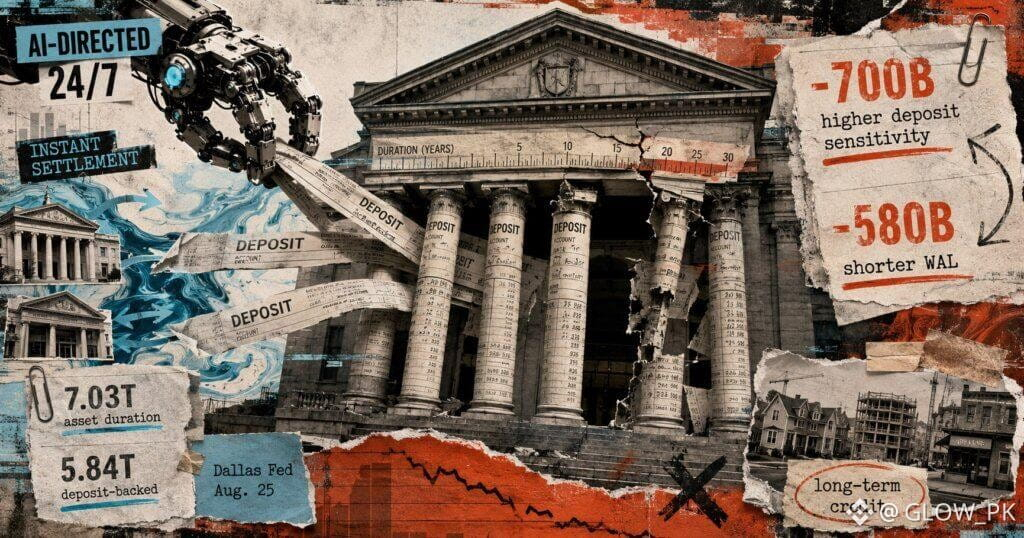
A Dallas Fed model suggests that a 10% increase in deposit rate sensitivity could reduce banks’ appetite for duration risk by around $700B.
The bigger issue is what happens when AI starts moving money instantly toward the best available returns.
Banks may have to compete harder for deposits, pushing their funding costs higher. And when banks pay more for funding, those costs could eventually reach everyday borrowers through higher loan rates.
AI isn’t just changing trading and investing—it could quietly reshape how the entire banking system prices money.
#AI #Banking #Finance #Crypto #economy
📊 DATA:
A Dallas Fed model suggests that a 10% increase in deposit rate sensitivity could reduce banks’ appetite for duration risk by around $700B.
The bigger issue is what happens when AI starts moving money instantly toward the best available returns.
Banks may have to compete harder for deposits, pushing their funding costs higher. And when banks pay more for funding, those costs could eventually reach everyday borrowers through higher loan rates.
AI isn’t just changing trading and investing—it could quietly reshape how the entire banking system prices money.
#AI #Banking #Finance #Crypto #economy
A Dallas Fed model suggests that a 10% increase in deposit rate sensitivity could reduce banks’ appetite for duration risk by around $700B.
The bigger issue is what happens when AI starts moving money instantly toward the best available returns.
Banks may have to compete harder for deposits, pushing their funding costs higher. And when banks pay more for funding, those costs could eventually reach everyday borrowers through higher loan rates.
AI isn’t just changing trading and investing—it could quietly reshape how the entire banking system prices money.
#AI #Banking #Finance #Crypto #economy
4
154

🚨 BINANCE JUST EXPANDED ITS STOCK TRADING LINEUP
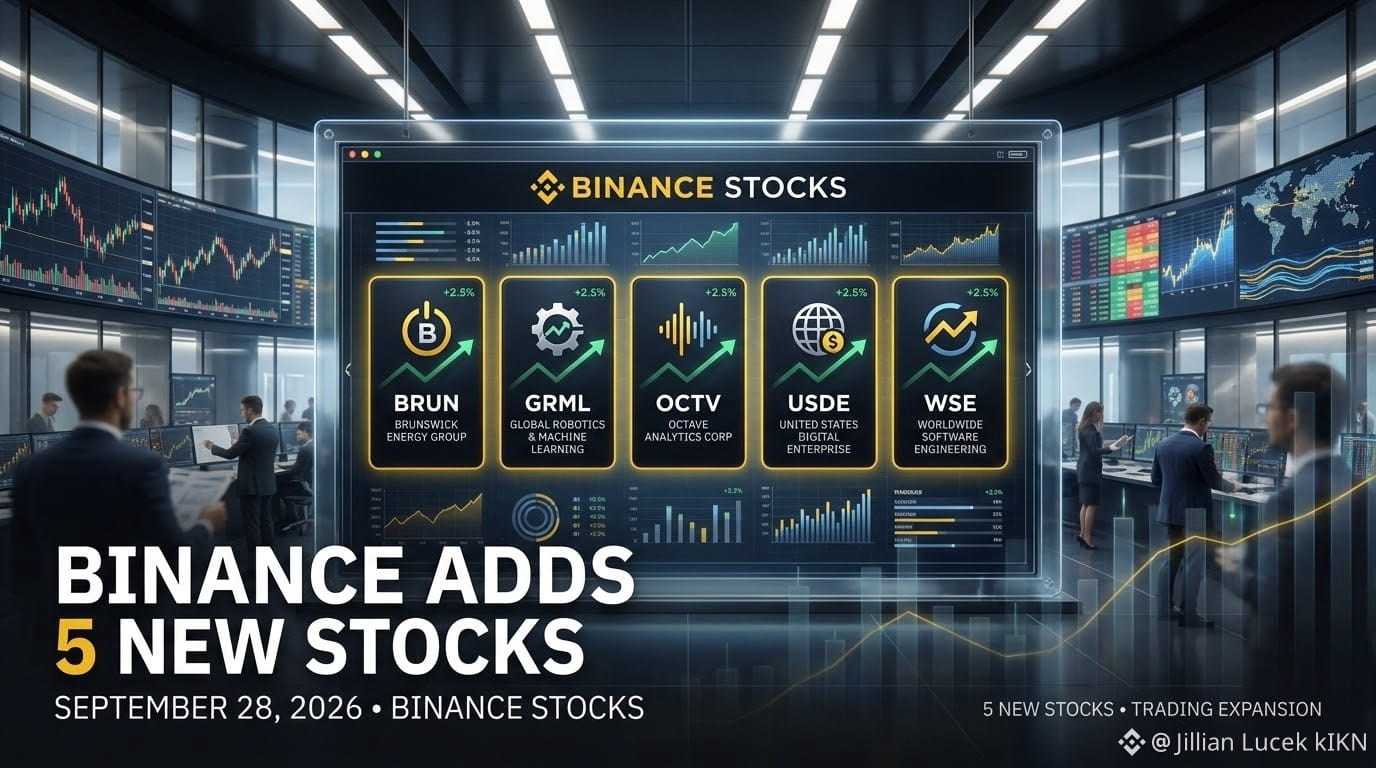
Binance has announced the addition of five new stocks to Binance Stocks starting September 28, 2026 at 13:30 UTC.
The newly added assets are:
🔹 BRUN — Boost Run Inc. Class A
🔹 GRML — Greenland Mines Ltd.
🔹 OCTV — Octave Intelligence plc Class B
🔹 USDE — StablecoinX Inc. Class A
🔹 WSE — Wise Group plc Class A
Binance says these stocks will also become eligible for Fully Paid Securities Lending (FPSL) after the applicable T+1 settlement, subject to the relevant conditions.
This is another example of the trading platform expanding beyond traditional crypto assets and bringing more market instruments into its ecosystem.
Availability can depend on your country or region, so always check the official Binance interface and applicable eligibility requirements before trading.
Interesting direction for Binance Stocks. 👀
#Binance #BinanceStocks #Stocks #TradFi #Trading #Finance #Web3 #Crypto
Binance's official announcement confirms the five additions and the September 28 launch time.
🚨 BINANCE JUST EXPANDED ITS STOCK TRADING LINEUP
Binance has announced the addition of five new stocks to Binance Stocks starting September 28, 2026 at 13:30 UTC.
The newly added assets are:
🔹 BRUN — Boost Run Inc. Class A
🔹 GRML — Greenland Mines Ltd.
🔹 OCTV — Octave Intelligence plc Class B
🔹 USDE — StablecoinX Inc. Class A
🔹 WSE — Wise Group plc Class A
Binance says these stocks will also become eligible for Fully Paid Securities Lending (FPSL) after the applicable T+1 settlement, subject to the relevant conditions.
This is another example of the trading platform expanding beyond traditional crypto assets and bringing more market instruments into its ecosystem.
Availability can depend on your country or region, so always check the official Binance interface and applicable eligibility requirements before trading.
Interesting direction for Binance Stocks. 👀
#Binance #BinanceStocks #Stocks #TradFi #Trading #Finance #Web3 #Crypto
Binance's official announcement confirms the five additions and the September 28 launch time.
Binance has announced the addition of five new stocks to Binance Stocks starting September 28, 2026 at 13:30 UTC.
The newly added assets are:
🔹 BRUN — Boost Run Inc. Class A
🔹 GRML — Greenland Mines Ltd.
🔹 OCTV — Octave Intelligence plc Class B
🔹 USDE — StablecoinX Inc. Class A
🔹 WSE — Wise Group plc Class A
Binance says these stocks will also become eligible for Fully Paid Securities Lending (FPSL) after the applicable T+1 settlement, subject to the relevant conditions.
This is another example of the trading platform expanding beyond traditional crypto assets and bringing more market instruments into its ecosystem.
Availability can depend on your country or region, so always check the official Binance interface and applicable eligibility requirements before trading.
Interesting direction for Binance Stocks. 👀
#Binance #BinanceStocks #Stocks #TradFi #Trading #Finance #Web3 #Crypto
Binance's official announcement confirms the five additions and the September 28 launch time.
OCTVUS+0.00%
BRUNUS+1.91%
GRMLUS-9.62%
56

·
--
📉 Nike Faces Another Price-Target Cut
$NKE.US
{stock_us}(NKE.US)
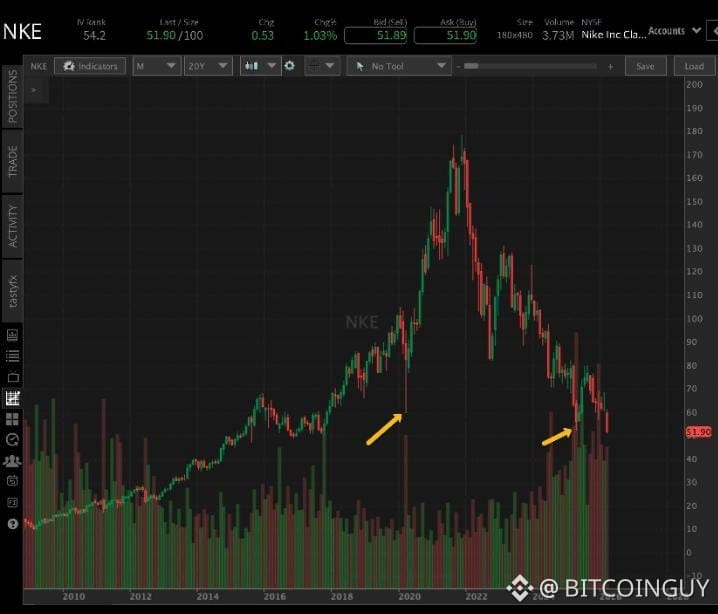
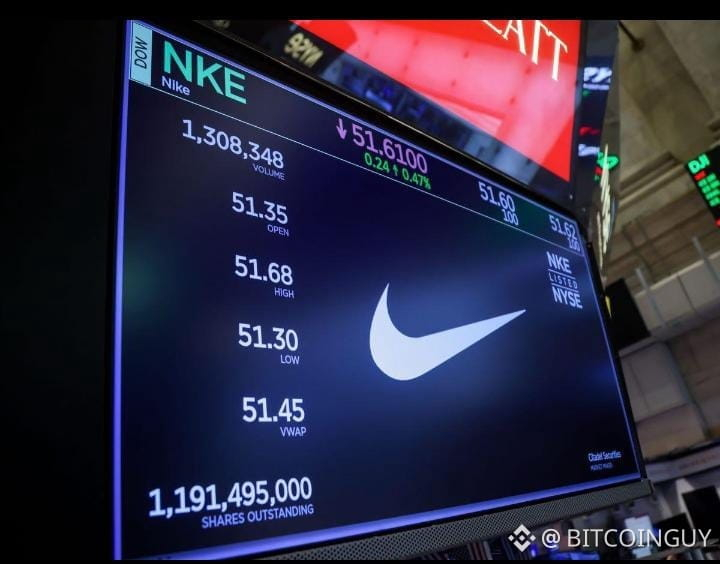
(NKE) is under renewed pressure after Piper Sandler lowered its price target from $45 to $38, representing roughly a 15.6% reduction.
At around $35.60–$35.75, the stock is already trading below the new target, highlighting continued investor concerns around Nike’s near-term outlook.
The key question now: Can Nike regain momentum and turn the current weakness into a recovery opportunity?
#Nike #StockMarket #MarketNews #Trading#Finance
📉 Nike Faces Another Price-Target Cut
$NKE.US
(NKE) is under renewed pressure after Piper Sandler lowered its price target from $45 to $38, representing roughly a 15.6% reduction.
At around $35.60–$35.75, the stock is already trading below the new target, highlighting continued investor concerns around Nike’s near-term outlook.
The key question now: Can Nike regain momentum and turn the current weakness into a recovery opportunity?
#Nike #StockMarket #MarketNews #Trading#Finance
$NKE.US
(NKE) is under renewed pressure after Piper Sandler lowered its price target from $45 to $38, representing roughly a 15.6% reduction.
At around $35.60–$35.75, the stock is already trading below the new target, highlighting continued investor concerns around Nike’s near-term outlook.
The key question now: Can Nike regain momentum and turn the current weakness into a recovery opportunity?
#Nike #StockMarket #MarketNews #Trading#Finance
NKEUS-0.22%
126

·
--
- No markdown (so plain text, no markdown formatting like **, # headings, etc.)
- 180-220 words total (including everything, presumably including hashtags line)
- Use a simple table format with plain dashes (no special characters). So we need a table using plain dashes for separators, like:
Feature | Staking | Savings
--- | --- | ---
APY | 5-15% | 0.5-3%
Risk | Market volatility | Low, insured
Liquidity | Varies (lock-up) | High
Control | Self-custody | Bank custody
But must use plain dashes, not markdown? Actually they said "simple table format with plain dashes (no special characters)". Probably they want something like:
Feature - Staking - Savings
--- - --- - ---
APY - 5-15% - 0.5-3%
Risk - Market volatility - Low, insured
Liquidity - Varies (lock-up) - High
Control - Self-custody - Bank custody
But "plain dashes" might mean using dashes for separators, not markdown table syntax. But they said "simple table format with plain dashes (no special characters)". Could interpret as using dashes to separate columns, like:
Feature - Staking - Savings
APY - 5-15% - 0.5-3%
Risk - Market volatility - Low, insured
Liquidity - Varies (lock-up) - High
Control - Self-custody - Bank custody
But that is not a table with alignment. But it's okay.
We need to be objective, show pros and cons of both sides.
Word count: 180-220 words. Let's target around 200 words.
We need to end with: "Which side are you on? Let us know!" Then final line: "#HODL #Altseason #CryptoVsTraditional #Finance"
No markdown, so just plain text.
We must ensure total word count
- No markdown (so plain text, no markdown formatting like **, # headings, etc.)
- 180-220 words total (including everything, presumably including hashtags line)
- Use a simple table format with plain dashes (no special characters). So we need a table using plain dashes for separators, like:
Feature | Staking | Savings
--- | --- | ---
APY | 5-15% | 0.5-3%
Risk | Market volatility | Low, insured
Liquidity | Varies (lock-up) | High
Control | Self-custody | Bank custody
But must use plain dashes, not markdown? Actually they said "simple table format with plain dashes (no special characters)". Probably they want something like:
Feature - Staking - Savings
--- - --- - ---
APY - 5-15% - 0.5-3%
Risk - Market volatility - Low, insured
Liquidity - Varies (lock-up) - High
Control - Self-custody - Bank custody
But "plain dashes" might mean using dashes for separators, not markdown table syntax. But they said "simple table format with plain dashes (no special characters)". Could interpret as using dashes to separate columns, like:
Feature - Staking - Savings
APY - 5-15% - 0.5-3%
Risk - Market volatility - Low, insured
Liquidity - Varies (lock-up) - High
Control - Self-custody - Bank custody
But that is not a table with alignment. But it's okay.
We need to be objective, show pros and cons of both sides.
Word count: 180-220 words. Let's target around 200 words.
We need to end with: "Which side are you on? Let us know!" Then final line: "#HODL #Altseason #CryptoVsTraditional #Finance"
No markdown, so just plain text.
We must ensure total word count
- 180-220 words total (including everything, presumably including hashtags line)
- Use a simple table format with plain dashes (no special characters). So we need a table using plain dashes for separators, like:
Feature | Staking | Savings
--- | --- | ---
APY | 5-15% | 0.5-3%
Risk | Market volatility | Low, insured
Liquidity | Varies (lock-up) | High
Control | Self-custody | Bank custody
But must use plain dashes, not markdown? Actually they said "simple table format with plain dashes (no special characters)". Probably they want something like:
Feature - Staking - Savings
--- - --- - ---
APY - 5-15% - 0.5-3%
Risk - Market volatility - Low, insured
Liquidity - Varies (lock-up) - High
Control - Self-custody - Bank custody
But "plain dashes" might mean using dashes for separators, not markdown table syntax. But they said "simple table format with plain dashes (no special characters)". Could interpret as using dashes to separate columns, like:
Feature - Staking - Savings
APY - 5-15% - 0.5-3%
Risk - Market volatility - Low, insured
Liquidity - Varies (lock-up) - High
Control - Self-custody - Bank custody
But that is not a table with alignment. But it's okay.
We need to be objective, show pros and cons of both sides.
Word count: 180-220 words. Let's target around 200 words.
We need to end with: "Which side are you on? Let us know!" Then final line: "#HODL #Altseason #CryptoVsTraditional #Finance"
No markdown, so just plain text.
We must ensure total word count
2

Token buybacks on a working network don’t automatically make crypto a security, *if no promises of yield or management effort are made*. That’s key for projects avoiding regulatory classification. But if the system isn't live, those same promises could still trigger Howey test scrutiny. Reality check: this is guidance, not law. #Crypto #Finance #CryptoverseNews
Full story: https://cryptoversenews.eu/finance/sec-staff-says-token-buybacks-don-t-make-crypto-a-security-i/
Token buybacks on a working network don’t automatically make crypto a security, *if no promises of yield or management effort are made*. That’s key for projects avoiding regulatory classification. But if the system isn't live, those same promises could still trigger Howey test scrutiny. Reality check: this is guidance, not law. #Crypto #Finance #CryptoverseNews
Full story: https://cryptoversenews.eu/finance/sec-staff-says-token-buybacks-don-t-make-crypto-a-security-i/
Full story: https://cryptoversenews.eu/finance/sec-staff-says-token-buybacks-don-t-make-crypto-a-security-i/
58

·
--
🚨 突發:Bitget 遭駭 2.9 億美元,駭客竟在公開 Discord 求助!
Bitget 交易所遭駭客攻擊,僅 30 分鐘內就有 2.9 億美元資產開始轉移,調查更發現疑似涉案者在公開 Discord 聊天室發文求助洗錢。即使 Chainlink 事後緊急升級跨鏈橋技術、THORChain 拒絕凍結轉移至 BTC 的 600 萬美元駭客資金,鏈上防禦反應依然落後於攻擊速度。
黑客攻擊頻發引發去中心化安全危機,但市場貪婪指數仍高達 74,BTC 穩在 $82,919。散戶不要以為資產放在中心化平台就萬無一失,主力大戶早已開始將籌碼分散至冷錢包對沖系統性風險。
「交易所的風控漏洞是散戶的噩夢,跨鏈橋與中心化平台的安全不是靠聲明,而是靠實打實的鏈上防禦。」
(以上純個人觀察,非投資建議)
駭客公開洗錢顯示安全機制失靈,你手上的資產現在還敢全放在交易所嗎?
起司國王每天更新,帶你洞察大戶動向 🧀
#markets #finance #BTC #ethereum
🚨 突發:Bitget 遭駭 2.9 億美元,駭客竟在公開 Discord 求助!
Bitget 交易所遭駭客攻擊,僅 30 分鐘內就有 2.9 億美元資產開始轉移,調查更發現疑似涉案者在公開 Discord 聊天室發文求助洗錢。即使 Chainlink 事後緊急升級跨鏈橋技術、THORChain 拒絕凍結轉移至 BTC 的 600 萬美元駭客資金,鏈上防禦反應依然落後於攻擊速度。
黑客攻擊頻發引發去中心化安全危機,但市場貪婪指數仍高達 74,BTC 穩在 $82,919。散戶不要以為資產放在中心化平台就萬無一失,主力大戶早已開始將籌碼分散至冷錢包對沖系統性風險。
「交易所的風控漏洞是散戶的噩夢,跨鏈橋與中心化平台的安全不是靠聲明,而是靠實打實的鏈上防禦。」
(以上純個人觀察,非投資建議)
駭客公開洗錢顯示安全機制失靈,你手上的資產現在還敢全放在交易所嗎?
起司國王每天更新,帶你洞察大戶動向 🧀
#markets #finance #BTC #ethereum
Bitget 交易所遭駭客攻擊,僅 30 分鐘內就有 2.9 億美元資產開始轉移,調查更發現疑似涉案者在公開 Discord 聊天室發文求助洗錢。即使 Chainlink 事後緊急升級跨鏈橋技術、THORChain 拒絕凍結轉移至 BTC 的 600 萬美元駭客資金,鏈上防禦反應依然落後於攻擊速度。
黑客攻擊頻發引發去中心化安全危機,但市場貪婪指數仍高達 74,BTC 穩在 $82,919。散戶不要以為資產放在中心化平台就萬無一失,主力大戶早已開始將籌碼分散至冷錢包對沖系統性風險。
「交易所的風控漏洞是散戶的噩夢,跨鏈橋與中心化平台的安全不是靠聲明,而是靠實打實的鏈上防禦。」
(以上純個人觀察,非投資建議)
駭客公開洗錢顯示安全機制失靈,你手上的資產現在還敢全放在交易所嗎?
起司國王每天更新,帶你洞察大戶動向 🧀
#markets #finance #BTC #ethereum
382

·
--
La blockchain peut aussi servir aux banques traditionnelles.
La BCE a lancé Pontes, un dispositif qui permet de régler des transactions réalisées sur des infrastructures blockchain avec de la monnaie de banque centrale.
L’idée n’est pas de remplacer l’euro par une cryptomonnaie, mais de connecter les marchés financiers à cette nouvelle infrastructure.
La blockchain ne concerne donc pas uniquement les cryptos.
#BlockchainNews #Finance
$BTC
$USDT
{spot}(BTCUSDT)
La blockchain peut aussi servir aux banques traditionnelles.
La BCE a lancé Pontes, un dispositif qui permet de régler des transactions réalisées sur des infrastructures blockchain avec de la monnaie de banque centrale.
L’idée n’est pas de remplacer l’euro par une cryptomonnaie, mais de connecter les marchés financiers à cette nouvelle infrastructure.
La blockchain ne concerne donc pas uniquement les cryptos.
#BlockchainNews #Finance
$BTC
$USDT
La BCE a lancé Pontes, un dispositif qui permet de régler des transactions réalisées sur des infrastructures blockchain avec de la monnaie de banque centrale.
L’idée n’est pas de remplacer l’euro par une cryptomonnaie, mais de connecter les marchés financiers à cette nouvelle infrastructure.
La blockchain ne concerne donc pas uniquement les cryptos.
#BlockchainNews #Finance
$BTC
$USDT
1
157

·
--
Article
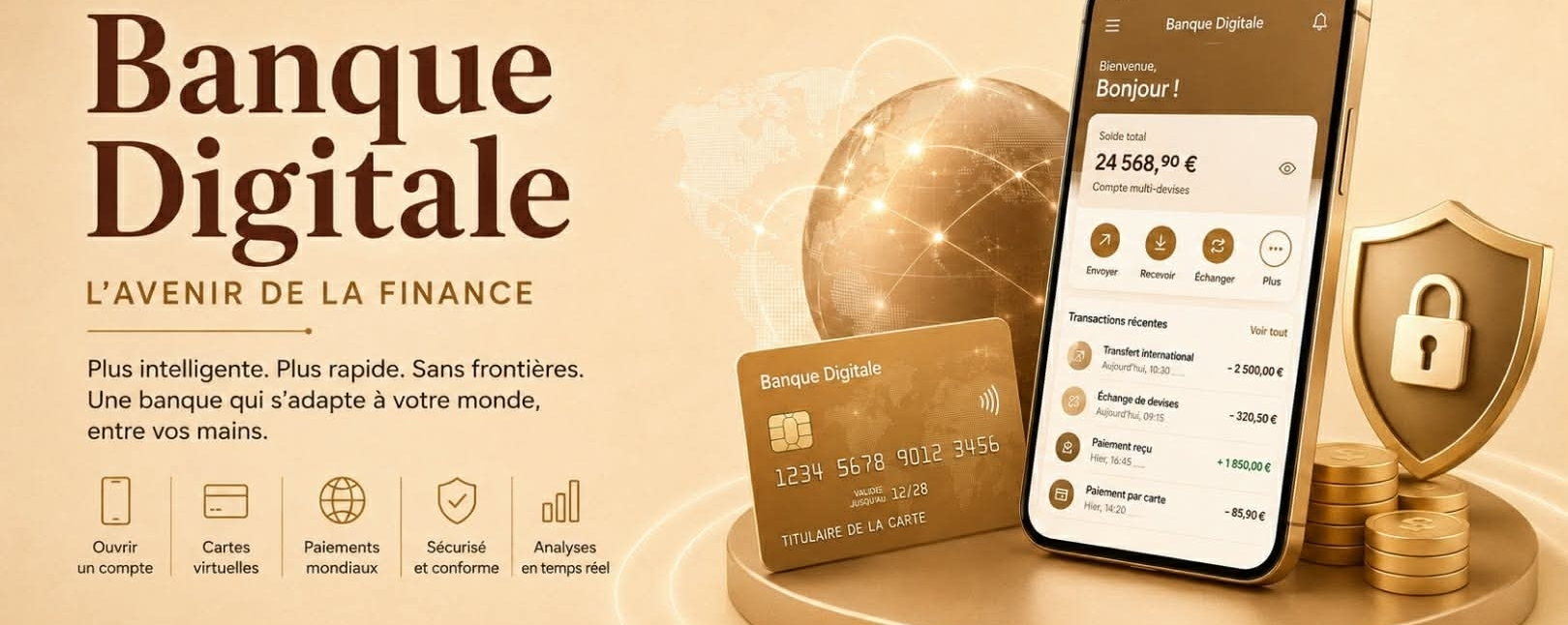
La banque numérique transforme la façon dont le monde transfère l'argent.La banque numérique transforme la façon dont le monde transfère l'argent.
Auparavant, les services bancaires impliquaient de se rendre dans une agence, de faire la queue, de remplir des formulaires et de parler à un conseiller bancaire.
Aujourd'hui, un smartphone peut presque tout faire.
De l'ouverture d'un compte et de l'envoi de paiements internationaux à la gestion des cartes, au change de devises et au suivi des transactions, les services bancaires numériques ont transformé les services financiers en quelque chose de plus rapide, de plus accessible et de plus en plus mondialisé.
Mais la banque numérique n'est pas simplement la banque traditionnelle transposée en ligne. Il s'agit d'un changement fondamental dans la manière dont les services financiers sont conçus, fournis et vécus.
Qu'est-ce que la banque numérique ?
La banque numérique désigne la fourniture de services bancaires et financiers via des canaux numériques tels que les applications mobiles, les sites web, les API et les plateformes en ligne.
Les clients peuvent gérer leurs opérations financières sans se rendre physiquement dans une agence bancaire.
Les services bancaires numériques modernes peuvent inclure :
• Ouverture de compte numérique
• Comptes et portefeuilles multidevises
• Cartes virtuelles et physiques
• Paiements nationaux et internationaux
• Services de change
• Surveillance des transactions en temps réel
• Vérification KYC et AML
• Traitement des paiements
• Services financiers basés sur les API
Pour les entreprises, l'infrastructure bancaire numérique peut également être intégrée directement aux applications, aux places de marché, aux plateformes fintech et à d'autres produits numériques.
Pourquoi les services bancaires numériques connaissent-ils une croissance si rapide ?
Les attentes des clients ont changé.
Les gens sont habitués à des services disponibles 24h/24 et 7j/7. Ils s'attendent à des notifications instantanées, des transactions rapides, des interfaces simples et des informations transparentes.
L'infrastructure bancaire traditionnelle n'a pas toujours été conçue pour répondre à ces attentes.
La banque numérique comble cette lacune en combinant l'infrastructure financière et les technologies modernes.
Un client peut ouvrir un compte à distance, recevoir une carte virtuelle, effectuer des virements internationaux et suivre ses transactions à partir d'une seule application.
Pour les entreprises, cela crée des opportunités de développer des services financiers sans avoir à construire une infrastructure bancaire complète à partir de zéro.
Services bancaires numériques et fintech
L'essor des technologies financières a accéléré l'adoption des services bancaires numériques.
Les entreprises de la fintech développent des plateformes qui combinent paiements, services bancaires, cartes, prêts, investissements, cryptomonnaies et autres services financiers.
Au lieu de proposer un seul produit financier isolé, les plateformes modernes visent de plus en plus à créer des écosystèmes financiers complets.
Par exemple, une plateforme d'entreprise pourrait permettre aux utilisateurs de :
Ouvrir un compte numérique
Recevoir des paiements
Détenir plusieurs devises
Convertir des devises
Effectuer des transferts internationaux
Utiliser des cartes virtuelles
Gérer les dépenses
Accéder aux services financiers via des API
Cela crée une expérience plus fluide tant pour les entreprises que pour leurs clients.
Le rôle du Banking as a Service
L'un des développements les plus importants liés à la banque numérique est le Banking as a Service.
Le Banking as a Service permet aux entreprises d'accéder à une infrastructure financière via la technologie et des API, plutôt que de tout construire en interne.
Une startup fintech, une place de marché, une plateforme SaaS ou une entreprise mondiale peut intégrer des services tels que des comptes, des cartes, des portefeuilles, des paiements et des processus de conformité au sein de sa propre plateforme.
Cela peut réduire considérablement le temps et les ressources nécessaires au lancement de produits financiers.
Le résultat est un passage de l’infrastructure bancaire traditionnelle vers une infrastructure financière plus flexible et modulaire.
L'importance de la banque mondiale
Les entreprises deviennent de plus en plus internationales.
Une entreprise peut avoir des clients en Europe, des employés en Asie, des fournisseurs en Amérique du Nord et des partenaires en Afrique.
Gérer de l'argent dans plusieurs pays peut créer des défis impliquant les comptes, les réseaux de paiement, la conformité, le règlement et l'accès aux.
L'infrastructure bancaire numérique peut aider les entreprises à gérer ces exigences grâce à des comptes multidevises, une connectivité de paiement internationale, le changement de devises et des portefeuilles numériques.
Cela rend les opérations financières plus efficaces et peut aider les entreprises à participer à l'économie mondiale.
#banque #finance #crypto
La banque numérique transforme la façon dont le monde transfère l'argent.
La banque numérique transforme la façon dont le monde transfère l'argent.
Auparavant, les services bancaires impliquaient de se rendre dans une agence, de faire la queue, de remplir des formulaires et de parler à un conseiller bancaire.
Aujourd'hui, un smartphone peut presque tout faire.
De l'ouverture d'un compte et de l'envoi de paiements internationaux à la gestion des cartes, au change de devises et au suivi des transactions, les services bancaires numériques ont transformé les services financiers en quelque chose de plus rapide, de plus accessible et de plus en plus mondialisé.
Mais la banque numérique n'est pas simplement la banque traditionnelle transposée en ligne. Il s'agit d'un changement fondamental dans la manière dont les services financiers sont conçus, fournis et vécus.
Qu'est-ce que la banque numérique ?
La banque numérique désigne la fourniture de services bancaires et financiers via des canaux numériques tels que les applications mobiles, les sites web, les API et les plateformes en ligne.
Les clients peuvent gérer leurs opérations financières sans se rendre physiquement dans une agence bancaire.
Les services bancaires numériques modernes peuvent inclure :
• Ouverture de compte numérique
• Comptes et portefeuilles multidevises
• Cartes virtuelles et physiques
• Paiements nationaux et internationaux
• Services de change
• Surveillance des transactions en temps réel
• Vérification KYC et AML
• Traitement des paiements
• Services financiers basés sur les API
Pour les entreprises, l'infrastructure bancaire numérique peut également être intégrée directement aux applications, aux places de marché, aux plateformes fintech et à d'autres produits numériques.
Pourquoi les services bancaires numériques connaissent-ils une croissance si rapide ?
Les attentes des clients ont changé.
Les gens sont habitués à des services disponibles 24h/24 et 7j/7. Ils s'attendent à des notifications instantanées, des transactions rapides, des interfaces simples et des informations transparentes.
L'infrastructure bancaire traditionnelle n'a pas toujours été conçue pour répondre à ces attentes.
La banque numérique comble cette lacune en combinant l'infrastructure financière et les technologies modernes.
Un client peut ouvrir un compte à distance, recevoir une carte virtuelle, effectuer des virements internationaux et suivre ses transactions à partir d'une seule application.
Pour les entreprises, cela crée des opportunités de développer des services financiers sans avoir à construire une infrastructure bancaire complète à partir de zéro.
Services bancaires numériques et fintech
L'essor des technologies financières a accéléré l'adoption des services bancaires numériques.
Les entreprises de la fintech développent des plateformes qui combinent paiements, services bancaires, cartes, prêts, investissements, cryptomonnaies et autres services financiers.
Au lieu de proposer un seul produit financier isolé, les plateformes modernes visent de plus en plus à créer des écosystèmes financiers complets.
Par exemple, une plateforme d'entreprise pourrait permettre aux utilisateurs de :
Ouvrir un compte numérique
Recevoir des paiements
Détenir plusieurs devises
Convertir des devises
Effectuer des transferts internationaux
Utiliser des cartes virtuelles
Gérer les dépenses
Accéder aux services financiers via des API
Cela crée une expérience plus fluide tant pour les entreprises que pour leurs clients.
Le rôle du Banking as a Service
L'un des développements les plus importants liés à la banque numérique est le Banking as a Service.
Le Banking as a Service permet aux entreprises d'accéder à une infrastructure financière via la technologie et des API, plutôt que de tout construire en interne.
Une startup fintech, une place de marché, une plateforme SaaS ou une entreprise mondiale peut intégrer des services tels que des comptes, des cartes, des portefeuilles, des paiements et des processus de conformité au sein de sa propre plateforme.
Cela peut réduire considérablement le temps et les ressources nécessaires au lancement de produits financiers.
Le résultat est un passage de l’infrastructure bancaire traditionnelle vers une infrastructure financière plus flexible et modulaire.
L'importance de la banque mondiale
Les entreprises deviennent de plus en plus internationales.
Une entreprise peut avoir des clients en Europe, des employés en Asie, des fournisseurs en Amérique du Nord et des partenaires en Afrique.
Gérer de l'argent dans plusieurs pays peut créer des défis impliquant les comptes, les réseaux de paiement, la conformité, le règlement et l'accès aux.
L'infrastructure bancaire numérique peut aider les entreprises à gérer ces exigences grâce à des comptes multidevises, une connectivité de paiement internationale, le changement de devises et des portefeuilles numériques.
Cela rend les opérations financières plus efficaces et peut aider les entreprises à participer à l'économie mondiale.
#banque #finance #crypto
Auparavant, les services bancaires impliquaient de se rendre dans une agence, de faire la queue, de remplir des formulaires et de parler à un conseiller bancaire.
Aujourd'hui, un smartphone peut presque tout faire.
De l'ouverture d'un compte et de l'envoi de paiements internationaux à la gestion des cartes, au change de devises et au suivi des transactions, les services bancaires numériques ont transformé les services financiers en quelque chose de plus rapide, de plus accessible et de plus en plus mondialisé.
Mais la banque numérique n'est pas simplement la banque traditionnelle transposée en ligne. Il s'agit d'un changement fondamental dans la manière dont les services financiers sont conçus, fournis et vécus.
Qu'est-ce que la banque numérique ?
La banque numérique désigne la fourniture de services bancaires et financiers via des canaux numériques tels que les applications mobiles, les sites web, les API et les plateformes en ligne.
Les clients peuvent gérer leurs opérations financières sans se rendre physiquement dans une agence bancaire.
Les services bancaires numériques modernes peuvent inclure :
• Ouverture de compte numérique
• Comptes et portefeuilles multidevises
• Cartes virtuelles et physiques
• Paiements nationaux et internationaux
• Services de change
• Surveillance des transactions en temps réel
• Vérification KYC et AML
• Traitement des paiements
• Services financiers basés sur les API
Pour les entreprises, l'infrastructure bancaire numérique peut également être intégrée directement aux applications, aux places de marché, aux plateformes fintech et à d'autres produits numériques.
Pourquoi les services bancaires numériques connaissent-ils une croissance si rapide ?
Les attentes des clients ont changé.
Les gens sont habitués à des services disponibles 24h/24 et 7j/7. Ils s'attendent à des notifications instantanées, des transactions rapides, des interfaces simples et des informations transparentes.
L'infrastructure bancaire traditionnelle n'a pas toujours été conçue pour répondre à ces attentes.
La banque numérique comble cette lacune en combinant l'infrastructure financière et les technologies modernes.
Un client peut ouvrir un compte à distance, recevoir une carte virtuelle, effectuer des virements internationaux et suivre ses transactions à partir d'une seule application.
Pour les entreprises, cela crée des opportunités de développer des services financiers sans avoir à construire une infrastructure bancaire complète à partir de zéro.
Services bancaires numériques et fintech
L'essor des technologies financières a accéléré l'adoption des services bancaires numériques.
Les entreprises de la fintech développent des plateformes qui combinent paiements, services bancaires, cartes, prêts, investissements, cryptomonnaies et autres services financiers.
Au lieu de proposer un seul produit financier isolé, les plateformes modernes visent de plus en plus à créer des écosystèmes financiers complets.
Par exemple, une plateforme d'entreprise pourrait permettre aux utilisateurs de :
Ouvrir un compte numérique
Recevoir des paiements
Détenir plusieurs devises
Convertir des devises
Effectuer des transferts internationaux
Utiliser des cartes virtuelles
Gérer les dépenses
Accéder aux services financiers via des API
Cela crée une expérience plus fluide tant pour les entreprises que pour leurs clients.
Le rôle du Banking as a Service
L'un des développements les plus importants liés à la banque numérique est le Banking as a Service.
Le Banking as a Service permet aux entreprises d'accéder à une infrastructure financière via la technologie et des API, plutôt que de tout construire en interne.
Une startup fintech, une place de marché, une plateforme SaaS ou une entreprise mondiale peut intégrer des services tels que des comptes, des cartes, des portefeuilles, des paiements et des processus de conformité au sein de sa propre plateforme.
Cela peut réduire considérablement le temps et les ressources nécessaires au lancement de produits financiers.
Le résultat est un passage de l’infrastructure bancaire traditionnelle vers une infrastructure financière plus flexible et modulaire.
L'importance de la banque mondiale
Les entreprises deviennent de plus en plus internationales.
Une entreprise peut avoir des clients en Europe, des employés en Asie, des fournisseurs en Amérique du Nord et des partenaires en Afrique.
Gérer de l'argent dans plusieurs pays peut créer des défis impliquant les comptes, les réseaux de paiement, la conformité, le règlement et l'accès aux.
L'infrastructure bancaire numérique peut aider les entreprises à gérer ces exigences grâce à des comptes multidevises, une connectivité de paiement internationale, le changement de devises et des portefeuilles numériques.
Cela rend les opérations financières plus efficaces et peut aider les entreprises à participer à l'économie mondiale.
#banque #finance #crypto
2
75

Article
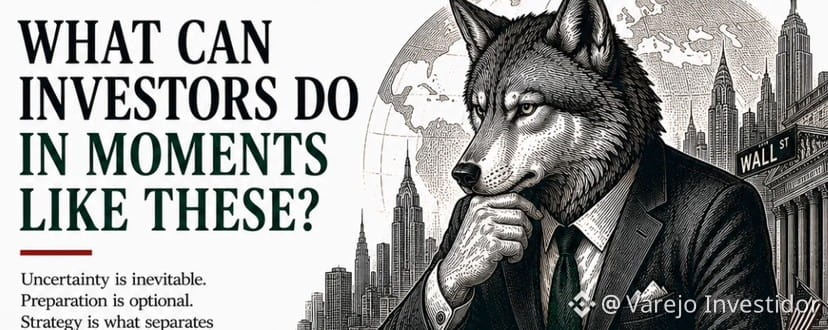
WHY THE DOLLAR SITS AT THE CENTER OF GLOBAL FINANCEThe U.S. dollar’s international role is not based on a single factor. It has developed through decades of trade, financial markets, banking relationships and reserve management.
A major part of the system comes from the fact that international transactions frequently involve dollar-denominated assets and liabilities. Commodities and financial contracts can be priced in dollars, while banks, corporations and governments may hold dollar reserves or borrow in the currency.
This creates a network effect.
GLOBAL TRADE → DOLLAR SETTLEMENT → FINANCIAL MARKETS → RESERVE DEMAND
The more deeply a currency is integrated into international commerce and finance, the more infrastructure exists around it. Banks maintain dollar liquidity, institutions hold dollar assets and companies manage exposures through global currency markets.
That structure also means changes in U.S. monetary conditions can have consequences well beyond the United States. Interest rates, liquidity and the value of the dollar can influence capital flows, emerging markets, commodities and corporate financing conditions.
The important distinction is between the dollar itself and the system built around it.
Reserve currencies are supported not only by economic size, but also by financial infrastructure, market depth, institutional frameworks and international demand.
Understanding that network helps explain why the dollar remains such an important variable in global markets.
#oil #market #finance #economy
$TLTP.ETF
$GLWB
{spot}(GLWBUSDT)
$EEM.ETF
{etf_us}(EEM.ETF)
{stock_us}(UUUU.US)
WHY THE DOLLAR SITS AT THE CENTER OF GLOBAL FINANCE
The U.S. dollar’s international role is not based on a single factor. It has developed through decades of trade, financial markets, banking relationships and reserve management.
A major part of the system comes from the fact that international transactions frequently involve dollar-denominated assets and liabilities. Commodities and financial contracts can be priced in dollars, while banks, corporations and governments may hold dollar reserves or borrow in the currency.
This creates a network effect.
GLOBAL TRADE → DOLLAR SETTLEMENT → FINANCIAL MARKETS → RESERVE DEMAND
The more deeply a currency is integrated into international commerce and finance, the more infrastructure exists around it. Banks maintain dollar liquidity, institutions hold dollar assets and companies manage exposures through global currency markets.
That structure also means changes in U.S. monetary conditions can have consequences well beyond the United States. Interest rates, liquidity and the value of the dollar can influence capital flows, emerging markets, commodities and corporate financing conditions.
The important distinction is between the dollar itself and the system built around it.
Reserve currencies are supported not only by economic size, but also by financial infrastructure, market depth, institutional frameworks and international demand.
Understanding that network helps explain why the dollar remains such an important variable in global markets.
#oil #market #finance #economy
$TLTP.ETF
$GLWB
$EEM.ETF
A major part of the system comes from the fact that international transactions frequently involve dollar-denominated assets and liabilities. Commodities and financial contracts can be priced in dollars, while banks, corporations and governments may hold dollar reserves or borrow in the currency.
This creates a network effect.
GLOBAL TRADE → DOLLAR SETTLEMENT → FINANCIAL MARKETS → RESERVE DEMAND
The more deeply a currency is integrated into international commerce and finance, the more infrastructure exists around it. Banks maintain dollar liquidity, institutions hold dollar assets and companies manage exposures through global currency markets.
That structure also means changes in U.S. monetary conditions can have consequences well beyond the United States. Interest rates, liquidity and the value of the dollar can influence capital flows, emerging markets, commodities and corporate financing conditions.
The important distinction is between the dollar itself and the system built around it.
Reserve currencies are supported not only by economic size, but also by financial infrastructure, market depth, institutional frameworks and international demand.
Understanding that network helps explain why the dollar remains such an important variable in global markets.
#oil #market #finance #economy
$TLTP.ETF
$GLWB
$EEM.ETF
1
29
Article
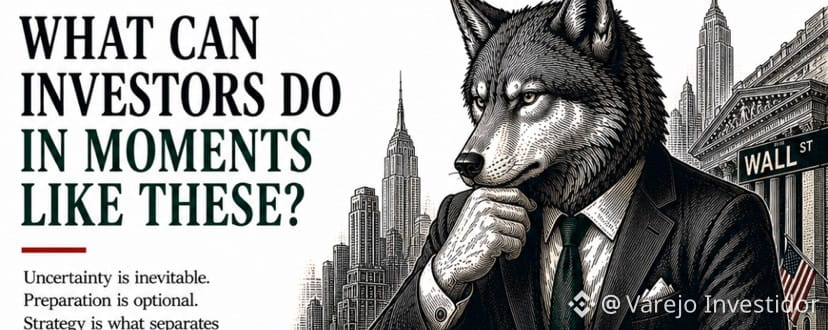
THE ADVANTAGE IS NOT KNOWING WHAT COMES NEXTMarkets rarely move according to a clean script. Political shocks, monetary decisions, supply disruptions and changes in investor sentiment can arrive simultaneously, making short-term reactions difficult to interpret.
That is where portfolio structure becomes important.
A resilient approach begins with understanding exposure. An investor can ask how much capital depends on one country, one currency, one sector, one economic scenario or one source of liquidity.
Correlation also matters. Holding several assets does not automatically create diversification if those assets tend to respond to the same underlying risk.
Another important dimension is optionality. Liquidity can provide flexibility when valuations change, while excessive leverage can reduce that flexibility precisely when uncertainty rises.
Time horizon matters as well. A temporary market drawdown and a permanent deterioration in an asset’s fundamentals are different events and require different analysis.
The broader lesson is that uncertainty cannot be eliminated, but its consequences can be studied.
Instead of building a portfolio around a single forecast, investors can examine multiple scenarios:
What happens if inflation stays elevated?
What happens if growth slows?
What happens if liquidity improves?
What happens if geopolitical risk intensifies?
The objective is not to predict every turn in the market.
It is to construct a framework that can continue functioning when the original assumptions are challenged.
#Oil #economy #Finance
#Investment
$QQQ.ETF
{etf_us}(QQQ.ETF)
$EEMA.ETF
{etf_us}(EEMA.ETF)
$TLTP.ETF
{etf_us}(TLTP.ETF)
THE ADVANTAGE IS NOT KNOWING WHAT COMES NEXT
Markets rarely move according to a clean script. Political shocks, monetary decisions, supply disruptions and changes in investor sentiment can arrive simultaneously, making short-term reactions difficult to interpret.
That is where portfolio structure becomes important.
A resilient approach begins with understanding exposure. An investor can ask how much capital depends on one country, one currency, one sector, one economic scenario or one source of liquidity.
Correlation also matters. Holding several assets does not automatically create diversification if those assets tend to respond to the same underlying risk.
Another important dimension is optionality. Liquidity can provide flexibility when valuations change, while excessive leverage can reduce that flexibility precisely when uncertainty rises.
Time horizon matters as well. A temporary market drawdown and a permanent deterioration in an asset’s fundamentals are different events and require different analysis.
The broader lesson is that uncertainty cannot be eliminated, but its consequences can be studied.
Instead of building a portfolio around a single forecast, investors can examine multiple scenarios:
What happens if inflation stays elevated?
What happens if growth slows?
What happens if liquidity improves?
What happens if geopolitical risk intensifies?
The objective is not to predict every turn in the market.
It is to construct a framework that can continue functioning when the original assumptions are challenged.
#Oil #economy #Finance
#Investment
$QQQ.ETF
$EEMA.ETF
$TLTP.ETF
That is where portfolio structure becomes important.
A resilient approach begins with understanding exposure. An investor can ask how much capital depends on one country, one currency, one sector, one economic scenario or one source of liquidity.
Correlation also matters. Holding several assets does not automatically create diversification if those assets tend to respond to the same underlying risk.
Another important dimension is optionality. Liquidity can provide flexibility when valuations change, while excessive leverage can reduce that flexibility precisely when uncertainty rises.
Time horizon matters as well. A temporary market drawdown and a permanent deterioration in an asset’s fundamentals are different events and require different analysis.
The broader lesson is that uncertainty cannot be eliminated, but its consequences can be studied.
Instead of building a portfolio around a single forecast, investors can examine multiple scenarios:
What happens if inflation stays elevated?
What happens if growth slows?
What happens if liquidity improves?
What happens if geopolitical risk intensifies?
The objective is not to predict every turn in the market.
It is to construct a framework that can continue functioning when the original assumptions are challenged.
#Oil #economy #Finance
#Investment
$QQQ.ETF
$EEMA.ETF
$TLTP.ETF
TLTPETF-0.10%
EEMAETF+0.07%
QQQETF+0.09%
1
161
Article
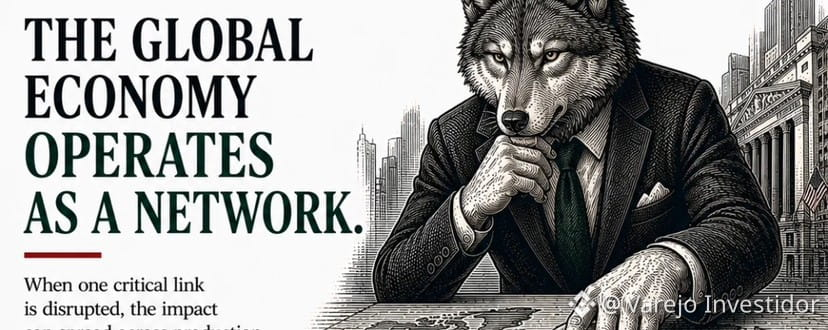
WHEN ONE LINK BREAKS, THE WORLD FEELS ITGlobalization has created an economic system where production, transportation and consumption are tightly connected across borders.
A disruption in one important location can therefore travel through several layers of the supply chain.
Imagine a manufacturer reducing output. Fewer goods become available for export. Importers receive less supply, inventories tighten and markets begin competing for the remaining products. If demand does not fall at the same speed, prices can rise.
The chain illustrated here is straightforward:
PRODUCTION → EXPORTS → SUPPLY → PRICES
But the real complexity comes from the network behind it. A single product can depend on raw materials from one country, components from another, manufacturing somewhere else and transportation through several ports before reaching its final consumer.
This interconnected structure has created enormous efficiency, but it has also created dependencies.
That is why investors increasingly need to look beyond individual companies and examine the infrastructure surrounding them. Ports, shipping routes, industrial capacity, commodities, energy and international trade can all influence corporate results and market expectations.
A disruption does not have to happen everywhere to become economically relevant.
In a connected economy, the key question is not simply where the problem started.
It is how many other parts of the network depend on that point.
#oil #economy #Investment #Finance
$XOM.US
$XAU
{future}(XAUUSDT)
$XAG
{future}(XAGUSDT)
{etf_us}(GLD.ETF)
WHEN ONE LINK BREAKS, THE WORLD FEELS IT
Globalization has created an economic system where production, transportation and consumption are tightly connected across borders.
A disruption in one important location can therefore travel through several layers of the supply chain.
Imagine a manufacturer reducing output. Fewer goods become available for export. Importers receive less supply, inventories tighten and markets begin competing for the remaining products. If demand does not fall at the same speed, prices can rise.
The chain illustrated here is straightforward:
PRODUCTION → EXPORTS → SUPPLY → PRICES
But the real complexity comes from the network behind it. A single product can depend on raw materials from one country, components from another, manufacturing somewhere else and transportation through several ports before reaching its final consumer.
This interconnected structure has created enormous efficiency, but it has also created dependencies.
That is why investors increasingly need to look beyond individual companies and examine the infrastructure surrounding them. Ports, shipping routes, industrial capacity, commodities, energy and international trade can all influence corporate results and market expectations.
A disruption does not have to happen everywhere to become economically relevant.
In a connected economy, the key question is not simply where the problem started.
It is how many other parts of the network depend on that point.
#oil #economy #Investment #Finance
$XOM.US
$XAU
$XAG
A disruption in one important location can therefore travel through several layers of the supply chain.
Imagine a manufacturer reducing output. Fewer goods become available for export. Importers receive less supply, inventories tighten and markets begin competing for the remaining products. If demand does not fall at the same speed, prices can rise.
The chain illustrated here is straightforward:
PRODUCTION → EXPORTS → SUPPLY → PRICES
But the real complexity comes from the network behind it. A single product can depend on raw materials from one country, components from another, manufacturing somewhere else and transportation through several ports before reaching its final consumer.
This interconnected structure has created enormous efficiency, but it has also created dependencies.
That is why investors increasingly need to look beyond individual companies and examine the infrastructure surrounding them. Ports, shipping routes, industrial capacity, commodities, energy and international trade can all influence corporate results and market expectations.
A disruption does not have to happen everywhere to become economically relevant.
In a connected economy, the key question is not simply where the problem started.
It is how many other parts of the network depend on that point.
#oil #economy #Investment #Finance
$XOM.US
$XAU
$XAG
2
200

·
--
#PolymarketBankFailureBetsDrawFDICConcern
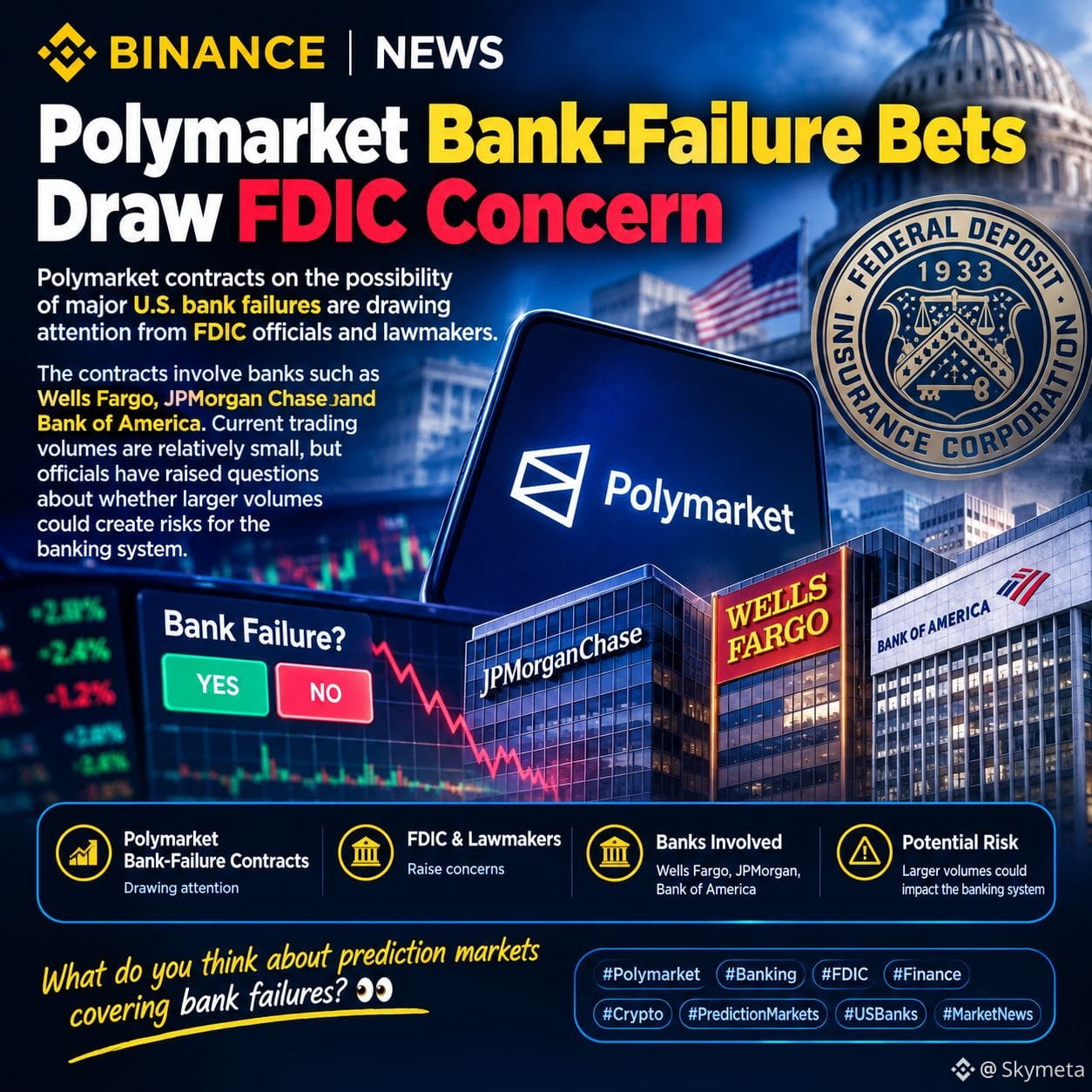
Polymarket contracts on the possibility of major U.S. bank failures are drawing attention from FDIC officials and lawmakers.
The contracts involve banks such as Wells Fargo, JPMorgan Chase and Bank of America. Current trading volumes are relatively small, but officials have raised questions about whether larger volumes could create risks for the banking system. �
Yahoo Finance +1
What do you think about prediction markets covering bank failures? 👀
#Polymarket #Banking #FDIC #Finance #PolymarketBankFailureBetsDrawFDICConcern #MarketNews
#PolymarketBankFailureBetsDrawFDICConcern
Polymarket contracts on the possibility of major U.S. bank failures are drawing attention from FDIC officials and lawmakers.
The contracts involve banks such as Wells Fargo, JPMorgan Chase and Bank of America. Current trading volumes are relatively small, but officials have raised questions about whether larger volumes could create risks for the banking system. �
Yahoo Finance +1
What do you think about prediction markets covering bank failures? 👀
#Polymarket #Banking #FDIC #Finance #PolymarketBankFailureBetsDrawFDICConcern #MarketNews
Polymarket contracts on the possibility of major U.S. bank failures are drawing attention from FDIC officials and lawmakers.
The contracts involve banks such as Wells Fargo, JPMorgan Chase and Bank of America. Current trading volumes are relatively small, but officials have raised questions about whether larger volumes could create risks for the banking system. �
Yahoo Finance +1
What do you think about prediction markets covering bank failures? 👀
#Polymarket #Banking #FDIC #Finance #PolymarketBankFailureBetsDrawFDICConcern #MarketNews
BACUS+0.15%
JPMUS+0.19%
WFCUS+0.15%
92

Article
WHY OIL STILL MATTERS TO ALMOST EVERYTHINGLook around modern life and oil is rarely visible, yet its influence is everywhere.
Its role goes far beyond gasoline. Petroleum is embedded in transportation, industrial production, agriculture, chemicals, packaging, plastics and countless products used every day.
That makes oil more than an energy commodity. It is a fundamental input across multiple layers of the global economy.
Consider the chain:
OIL → TRANSPORTATION → PRODUCTION → AGRICULTURE → CONSUMPTION
A change in energy costs can therefore travel through the economy in unexpected ways. Higher fuel expenses can increase shipping costs. More expensive transportation can raise production expenses. Agriculture can also be affected through fuel, machinery, fertilizers and other petroleum-related inputs.
The result is a complex relationship between energy markets and the prices consumers ultimately face.
This is also why crude oil remains strategically important for governments, corporations and financial markets. Its importance is not limited to how much a barrel costs today. What matters is how energy availability and transportation costs influence economic activity across the entire supply chain.
For investors, the broader lesson is simple: commodities rarely exist in isolation.
Oil connects energy with industry, agriculture, logistics and consumption.
Understanding that network can provide a different perspective on why movements in the energy market can eventually appear in corporate earnings, inflation expectations and financial assets around the world.
#oil #Irã #economy #Finance
$CVX.US
{stock_us}(CVX.US)
$XOM.US
{stock_us}(XOM.US)
$OXY.US
{stock_us}(OXY.US)
WHY OIL STILL MATTERS TO ALMOST EVERYTHING
Look around modern life and oil is rarely visible, yet its influence is everywhere.
Its role goes far beyond gasoline. Petroleum is embedded in transportation, industrial production, agriculture, chemicals, packaging, plastics and countless products used every day.
That makes oil more than an energy commodity. It is a fundamental input across multiple layers of the global economy.
Consider the chain:
OIL → TRANSPORTATION → PRODUCTION → AGRICULTURE → CONSUMPTION
A change in energy costs can therefore travel through the economy in unexpected ways. Higher fuel expenses can increase shipping costs. More expensive transportation can raise production expenses. Agriculture can also be affected through fuel, machinery, fertilizers and other petroleum-related inputs.
The result is a complex relationship between energy markets and the prices consumers ultimately face.
This is also why crude oil remains strategically important for governments, corporations and financial markets. Its importance is not limited to how much a barrel costs today. What matters is how energy availability and transportation costs influence economic activity across the entire supply chain.
For investors, the broader lesson is simple: commodities rarely exist in isolation.
Oil connects energy with industry, agriculture, logistics and consumption.
Understanding that network can provide a different perspective on why movements in the energy market can eventually appear in corporate earnings, inflation expectations and financial assets around the world.
#oil #Irã #economy #Finance
$CVX.US
$XOM.US
$OXY.US
Its role goes far beyond gasoline. Petroleum is embedded in transportation, industrial production, agriculture, chemicals, packaging, plastics and countless products used every day.
That makes oil more than an energy commodity. It is a fundamental input across multiple layers of the global economy.
Consider the chain:
OIL → TRANSPORTATION → PRODUCTION → AGRICULTURE → CONSUMPTION
A change in energy costs can therefore travel through the economy in unexpected ways. Higher fuel expenses can increase shipping costs. More expensive transportation can raise production expenses. Agriculture can also be affected through fuel, machinery, fertilizers and other petroleum-related inputs.
The result is a complex relationship between energy markets and the prices consumers ultimately face.
This is also why crude oil remains strategically important for governments, corporations and financial markets. Its importance is not limited to how much a barrel costs today. What matters is how energy availability and transportation costs influence economic activity across the entire supply chain.
For investors, the broader lesson is simple: commodities rarely exist in isolation.
Oil connects energy with industry, agriculture, logistics and consumption.
Understanding that network can provide a different perspective on why movements in the energy market can eventually appear in corporate earnings, inflation expectations and financial assets around the world.
#oil #Irã #economy #Finance
$CVX.US
$XOM.US
$OXY.US
OXYUS-0.01%
XOMUS-0.10%
CVXUS+0.04%
1
38
·
--
The user wants a comparison post about crypto remittance vs bank wire transfers, focusing on speed and cost. Requirements:
- No markdown
- 180-220 words
- Simple table with plain dashes (no special characters)
- Objective, pros and cons of both
- End with: "Which side are you on? Let us know!"
- Final line: #Avalanche #AVAX #CryptoVsTraditional #Finance
- No extra formatting, no thinking, just the post text
I need to write a post that's 180-220 words, includes a simple table using dashes, covers both sides objectively, ends with the required phrase and hashtags.
Let me draft:
First, intro paragraph. Then table. Then analysis. Then closing.
Word count target: 180-220 words.
Table format: plain dashes, like:
Crypto Remittance | Bank Wire Transfer
--- | ---
Speed | ...
Cost | ...
Accessibility | ...
etc.
But "no special characters" - plain dashes only. So maybe:
Crypto Remittance - Bank Wire Transfer
Speed - Minutes to hours - 1-5 business days
Cost - Low (often <1%) - High ($15-$50 + FX markup)
Accessibility - 24/7, global - Banking hours, limited corridors
Transparency - On-chain visible - Opaque fees
Reversibility - Usually irreversible - Reversible (chargebacks)
Regulation - Varies by jurisdiction - Heavily regulated
But that's not a table with columns. The requirement: "simple table format with plain dashes". Could be:
Feature - Crypto Remittance - Bank Wire Transfer
Speed - Minutes to hours - 1-5 business days
Cost - Low (often <1%) - High ($15-$50 + FX markup)
Accessibility - 24/7, global - Banking hours, limited corridors
Transparency - On-chain visible - Opaque fees
Reversibility - Usually irreversible - Reversible (chargebacks)
Regulation - Varies - Heavily regulated
The user wants a comparison post about crypto remittance vs bank wire transfers, focusing on speed and cost. Requirements:
- No markdown
- 180-220 words
- Simple table with plain dashes (no special characters)
- Objective, pros and cons of both
- End with: "Which side are you on? Let us know!"
- Final line: #Avalanche #AVAX #CryptoVsTraditional #Finance
- No extra formatting, no thinking, just the post text
I need to write a post that's 180-220 words, includes a simple table using dashes, covers both sides objectively, ends with the required phrase and hashtags.
Let me draft:
First, intro paragraph. Then table. Then analysis. Then closing.
Word count target: 180-220 words.
Table format: plain dashes, like:
Crypto Remittance | Bank Wire Transfer
--- | ---
Speed | ...
Cost | ...
Accessibility | ...
etc.
But "no special characters" - plain dashes only. So maybe:
Crypto Remittance - Bank Wire Transfer
Speed - Minutes to hours - 1-5 business days
Cost - Low (often <1%) - High ($15-$50 + FX markup)
Accessibility - 24/7, global - Banking hours, limited corridors
Transparency - On-chain visible - Opaque fees
Reversibility - Usually irreversible - Reversible (chargebacks)
Regulation - Varies by jurisdiction - Heavily regulated
But that's not a table with columns. The requirement: "simple table format with plain dashes". Could be:
Feature - Crypto Remittance - Bank Wire Transfer
Speed - Minutes to hours - 1-5 business days
Cost - Low (often <1%) - High ($15-$50 + FX markup)
Accessibility - 24/7, global - Banking hours, limited corridors
Transparency - On-chain visible - Opaque fees
Reversibility - Usually irreversible - Reversible (chargebacks)
Regulation - Varies - Heavily regulated
- No markdown
- 180-220 words
- Simple table with plain dashes (no special characters)
- Objective, pros and cons of both
- End with: "Which side are you on? Let us know!"
- Final line: #Avalanche #AVAX #CryptoVsTraditional #Finance
- No extra formatting, no thinking, just the post text
I need to write a post that's 180-220 words, includes a simple table using dashes, covers both sides objectively, ends with the required phrase and hashtags.
Let me draft:
First, intro paragraph. Then table. Then analysis. Then closing.
Word count target: 180-220 words.
Table format: plain dashes, like:
Crypto Remittance | Bank Wire Transfer
--- | ---
Speed | ...
Cost | ...
Accessibility | ...
etc.
But "no special characters" - plain dashes only. So maybe:
Crypto Remittance - Bank Wire Transfer
Speed - Minutes to hours - 1-5 business days
Cost - Low (often <1%) - High ($15-$50 + FX markup)
Accessibility - 24/7, global - Banking hours, limited corridors
Transparency - On-chain visible - Opaque fees
Reversibility - Usually irreversible - Reversible (chargebacks)
Regulation - Varies by jurisdiction - Heavily regulated
But that's not a table with columns. The requirement: "simple table format with plain dashes". Could be:
Feature - Crypto Remittance - Bank Wire Transfer
Speed - Minutes to hours - 1-5 business days
Cost - Low (often <1%) - High ($15-$50 + FX markup)
Accessibility - 24/7, global - Banking hours, limited corridors
Transparency - On-chain visible - Opaque fees
Reversibility - Usually irreversible - Reversible (chargebacks)
Regulation - Varies - Heavily regulated
58
·
--
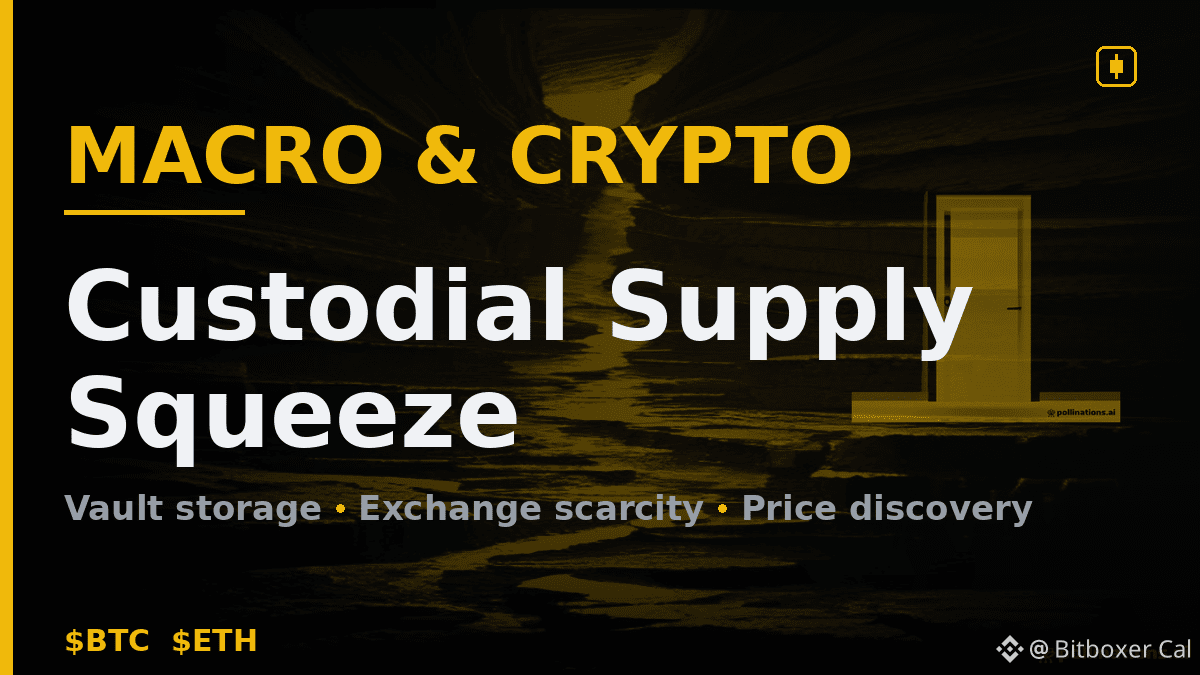
Institutional $BTC demand is triggering a brutal supply squeeze by dragging circulating coins into cold, regulated vaults.
Every time ETF issuers back their shares, they strip liquid supply from open exchanges, leaving a thinner order book to absorb the pressure. Ignore the noise and watch the net daily flow; that’s where you’ll see the true intensity of this custodial vacuum.
$BTC $ETH #Bitcoin #Finance #Web3
Institutional $BTC demand is triggering a brutal supply squeeze by dragging circulating coins into cold, regulated vaults.
Every time ETF issuers back their shares, they strip liquid supply from open exchanges, leaving a thinner order book to absorb the pressure. Ignore the noise and watch the net daily flow; that’s where you’ll see the true intensity of this custodial vacuum.
$BTC $ETH #Bitcoin #Finance #Web3
Every time ETF issuers back their shares, they strip liquid supply from open exchanges, leaving a thinner order book to absorb the pressure. Ignore the noise and watch the net daily flow; that’s where you’ll see the true intensity of this custodial vacuum.
$BTC $ETH #Bitcoin #Finance #Web3
79
Article
QUANDO A PRESSA PARA ENTRAR AUMENTA O RISCOVer outras pessoas ganhando dinheiro pode criar uma sensação poderosa: a de que ficar de fora é pior do que entrar.
Esse comportamento é conhecido como FOMO, quando o medo de perder uma oportunidade influencia a decisão.
O problema aparece quando a urgência substitui o processo. O investidor pode entrar em um ativo sem definir antes por que está investindo, qual preço considera adequado ou qual risco está disposto a assumir.
O movimento do mercado pode continuar, mas também pode mudar. Por isso, uma decisão baseada apenas no que outras pessoas estão fazendo pode aumentar a exposição ao risco.
Uma abordagem estruturada começa com perguntas simples: qual é a tese? Qual é o objetivo? O preço faz sentido? Qual é o risco? O que faria a tese deixar de funcionar?
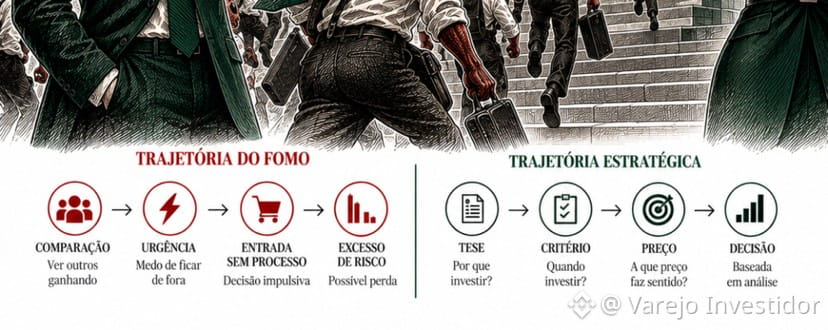
COMPARAÇÃO → URGÊNCIA → ENTRADA IMPULSIVA → RISCO
Em contraste:
TESE → CRITÉRIO → PREÇO → DECISÃO
O FOMO não é um indicador de oportunidade. Ele é uma reação emocional que pode influenciar o processo de decisão. Separar oportunidade de urgência ajuda a analisar o mercado com mais clareza.
Explore os ativos relacionados abaixo e acompanhe a evolução desses ativos no mercado.
#trading #trader #economy #finance
$XAUT
$NIL
{spot}(NILUSDT)
$YUMC.US
{stock_us}(YUMC.US)
{future}(XAUTUSDT)
QUANDO A PRESSA PARA ENTRAR AUMENTA O RISCO
Ver outras pessoas ganhando dinheiro pode criar uma sensação poderosa: a de que ficar de fora é pior do que entrar.
Esse comportamento é conhecido como FOMO, quando o medo de perder uma oportunidade influencia a decisão.
O problema aparece quando a urgência substitui o processo. O investidor pode entrar em um ativo sem definir antes por que está investindo, qual preço considera adequado ou qual risco está disposto a assumir.
O movimento do mercado pode continuar, mas também pode mudar. Por isso, uma decisão baseada apenas no que outras pessoas estão fazendo pode aumentar a exposição ao risco.
Uma abordagem estruturada começa com perguntas simples: qual é a tese? Qual é o objetivo? O preço faz sentido? Qual é o risco? O que faria a tese deixar de funcionar?
COMPARAÇÃO → URGÊNCIA → ENTRADA IMPULSIVA → RISCO
Em contraste:
TESE → CRITÉRIO → PREÇO → DECISÃO
O FOMO não é um indicador de oportunidade. Ele é uma reação emocional que pode influenciar o processo de decisão. Separar oportunidade de urgência ajuda a analisar o mercado com mais clareza.
Explore os ativos relacionados abaixo e acompanhe a evolução desses ativos no mercado.
#trading #trader #economy #finance
$XAUT
$NIL
$YUMC.US
Esse comportamento é conhecido como FOMO, quando o medo de perder uma oportunidade influencia a decisão.
O problema aparece quando a urgência substitui o processo. O investidor pode entrar em um ativo sem definir antes por que está investindo, qual preço considera adequado ou qual risco está disposto a assumir.
O movimento do mercado pode continuar, mas também pode mudar. Por isso, uma decisão baseada apenas no que outras pessoas estão fazendo pode aumentar a exposição ao risco.
Uma abordagem estruturada começa com perguntas simples: qual é a tese? Qual é o objetivo? O preço faz sentido? Qual é o risco? O que faria a tese deixar de funcionar?
COMPARAÇÃO → URGÊNCIA → ENTRADA IMPULSIVA → RISCO
Em contraste:
TESE → CRITÉRIO → PREÇO → DECISÃO
O FOMO não é um indicador de oportunidade. Ele é uma reação emocional que pode influenciar o processo de decisão. Separar oportunidade de urgência ajuda a analisar o mercado com mais clareza.
Explore os ativos relacionados abaixo e acompanhe a evolução desses ativos no mercado.
#trading #trader #economy #finance
$XAUT
$NIL
$YUMC.US
1
105

Article
QUANDO A EMOÇÃO DISTORCE A HORA DE SAIRUm dos desafios do investidor é avaliar cada ativo pelo que ele representa hoje, e não apenas pelo que aconteceu no passado.
Um ativo que caiu pode continuar apresentando fundamentos fracos. Esperar apenas porque existe o desejo de recuperar o dinheiro pode manter capital preso em uma posição que já não faz sentido.
O contrário também acontece. Um ativo que subiu pode continuar apresentando crescimento e fundamentos sólidos, mas o medo de devolver parte do lucro pode levar a uma saída antecipada.
Esse comportamento está ligado à aversão à perda: perdas costumam pesar mais emocionalmente do que ganhos equivalentes.
Por isso, a decisão de manter ou vender uma posição precisa considerar fundamentos, cenário, preço, prazo e a tese original.
ATIVO → ANÁLISE → TESE → DECISÃO
O ponto central é evitar que o preço de entrada determine sozinho a decisão atual. O mercado não sabe quanto você pagou. A pergunta relevante é se o investimento ainda faz sentido diante das informações disponíveis hoje.
Disciplina também significa aceitar que uma decisão anterior pode precisar ser revista.
Explore os ativos relacionados abaixo e acompanhe a evolução desses ativos no mercado.
#TradingSignals #economy #investimento #finance
$QQA.ETF
$XAUT
{spot}(XAUTUSDT)
$XAG
{future}(XAGUSDT)
{etf_us}(QUAL.ETF)
QUANDO A EMOÇÃO DISTORCE A HORA DE SAIR
Um dos desafios do investidor é avaliar cada ativo pelo que ele representa hoje, e não apenas pelo que aconteceu no passado.
Um ativo que caiu pode continuar apresentando fundamentos fracos. Esperar apenas porque existe o desejo de recuperar o dinheiro pode manter capital preso em uma posição que já não faz sentido.
O contrário também acontece. Um ativo que subiu pode continuar apresentando crescimento e fundamentos sólidos, mas o medo de devolver parte do lucro pode levar a uma saída antecipada.
Esse comportamento está ligado à aversão à perda: perdas costumam pesar mais emocionalmente do que ganhos equivalentes.
Por isso, a decisão de manter ou vender uma posição precisa considerar fundamentos, cenário, preço, prazo e a tese original.
ATIVO → ANÁLISE → TESE → DECISÃO
O ponto central é evitar que o preço de entrada determine sozinho a decisão atual. O mercado não sabe quanto você pagou. A pergunta relevante é se o investimento ainda faz sentido diante das informações disponíveis hoje.
Disciplina também significa aceitar que uma decisão anterior pode precisar ser revista.
Explore os ativos relacionados abaixo e acompanhe a evolução desses ativos no mercado.
#TradingSignals #economy #investimento #finance
$QQA.ETF
$XAUT
$XAG
Um ativo que caiu pode continuar apresentando fundamentos fracos. Esperar apenas porque existe o desejo de recuperar o dinheiro pode manter capital preso em uma posição que já não faz sentido.
O contrário também acontece. Um ativo que subiu pode continuar apresentando crescimento e fundamentos sólidos, mas o medo de devolver parte do lucro pode levar a uma saída antecipada.
Esse comportamento está ligado à aversão à perda: perdas costumam pesar mais emocionalmente do que ganhos equivalentes.
Por isso, a decisão de manter ou vender uma posição precisa considerar fundamentos, cenário, preço, prazo e a tese original.
ATIVO → ANÁLISE → TESE → DECISÃO
O ponto central é evitar que o preço de entrada determine sozinho a decisão atual. O mercado não sabe quanto você pagou. A pergunta relevante é se o investimento ainda faz sentido diante das informações disponíveis hoje.
Disciplina também significa aceitar que uma decisão anterior pode precisar ser revista.
Explore os ativos relacionados abaixo e acompanhe a evolução desses ativos no mercado.
#TradingSignals #economy #investimento #finance
$QQA.ETF
$XAUT
$XAG
1
53

Article
EMOÇÃO FAZ PARTE DA DECISÃO. O PROCESSO DEFINE O QUE VEM DEPOISMedo, ansiedade, ganância e euforia fazem parte da experiência de quem investe. Sentir essas emoções não significa necessariamente que existe um problema.
O desafio está no que acontece depois.
Uma reação emocional pode levar a decisões rápidas, mudanças de estratégia ou aumento de risco. Um processo bem definido cria um intervalo entre o sentimento e a ação.
Regras claras, limites de risco, horizonte de longo prazo, diversificação e critérios objetivos podem ajudar o investidor a tomar decisões com menos dependência do estado emocional do momento.
A lógica é simples:
EMOÇÃO → PAUSA → PROCESSO → DECISÃO
A pausa permite avaliar o cenário. O processo organiza os critérios. A decisão acontece depois da análise.
Isso não elimina as emoções. Apenas reduz a possibilidade de que elas controlem sozinhas o comportamento.
No mercado, disciplina não significa não sentir. Significa criar uma estrutura para decidir mesmo quando as emoções estão presentes.
Explore os ativos relacionados abaixo e acompanhe a evolução desses ativos no mercado.
#Trading #finance #trader #money
$BP.US
$XAUT
{spot}(XAUTUSDT)
$ETH
{spot}(ETHUSDT)
{stock_us}(BP.US)
EMOÇÃO FAZ PARTE DA DECISÃO. O PROCESSO DEFINE O QUE VEM DEPOIS
Medo, ansiedade, ganância e euforia fazem parte da experiência de quem investe. Sentir essas emoções não significa necessariamente que existe um problema.
O desafio está no que acontece depois.
Uma reação emocional pode levar a decisões rápidas, mudanças de estratégia ou aumento de risco. Um processo bem definido cria um intervalo entre o sentimento e a ação.
Regras claras, limites de risco, horizonte de longo prazo, diversificação e critérios objetivos podem ajudar o investidor a tomar decisões com menos dependência do estado emocional do momento.
A lógica é simples:
EMOÇÃO → PAUSA → PROCESSO → DECISÃO
A pausa permite avaliar o cenário. O processo organiza os critérios. A decisão acontece depois da análise.
Isso não elimina as emoções. Apenas reduz a possibilidade de que elas controlem sozinhas o comportamento.
No mercado, disciplina não significa não sentir. Significa criar uma estrutura para decidir mesmo quando as emoções estão presentes.
Explore os ativos relacionados abaixo e acompanhe a evolução desses ativos no mercado.
#Trading #finance #trader #money
$BP.US
$XAUT
$ETH
O desafio está no que acontece depois.
Uma reação emocional pode levar a decisões rápidas, mudanças de estratégia ou aumento de risco. Um processo bem definido cria um intervalo entre o sentimento e a ação.
Regras claras, limites de risco, horizonte de longo prazo, diversificação e critérios objetivos podem ajudar o investidor a tomar decisões com menos dependência do estado emocional do momento.
A lógica é simples:
EMOÇÃO → PAUSA → PROCESSO → DECISÃO
A pausa permite avaliar o cenário. O processo organiza os critérios. A decisão acontece depois da análise.
Isso não elimina as emoções. Apenas reduz a possibilidade de que elas controlem sozinhas o comportamento.
No mercado, disciplina não significa não sentir. Significa criar uma estrutura para decidir mesmo quando as emoções estão presentes.
Explore os ativos relacionados abaixo e acompanhe a evolução desses ativos no mercado.
#Trading #finance #trader #money
$BP.US
$XAUT
$ETH
1
20

Article
PROTEGER SEU DINHEIRO MANTÉM VOCÊ NO JOGONo mercado, perder uma operação faz parte. O problema começa quando uma única decisão coloca em risco uma parte grande demais do seu dinheiro.
Preservar capital significa simples: evitar que um erro pequeno vire um problema enorme.
Imagine que você tenha R$ 10 mil e perca 50%. Restam R$ 5 mil. Para voltar aos R$ 10 mil, agora você precisa ganhar 100%. Quanto maior a queda, mais difícil fica a recuperação.
Por isso, gestão de risco não serve apenas para diminuir perdas. Ela ajuda você a continuar no mercado e ter dinheiro disponível quando surgirem novas oportunidades.
Encerrar uma operação também libera capital. Esse dinheiro pode ser usado no futuro em uma nova ideia, em outro ativo ou simplesmente ficar esperando um momento melhor.
CAPITAL → PROTEÇÃO → NOVAS CHANCES → NOVAS OPORTUNIDADES
O objetivo não é acertar todas. É evitar que uma operação errada tenha força suficiente para tirar você do jogo.
Explore os ativos relacionados abaixo e acompanhe a evolução desses ativos no mercado.
#Trader #trading #finance #investimentos
$BB
$TA
{future}(TAUSDT)
$FF
{spot}(FFUSDT)
{future}(BNBUSDT)
PROTEGER SEU DINHEIRO MANTÉM VOCÊ NO JOGO
No mercado, perder uma operação faz parte. O problema começa quando uma única decisão coloca em risco uma parte grande demais do seu dinheiro.
Preservar capital significa simples: evitar que um erro pequeno vire um problema enorme.
Imagine que você tenha R$ 10 mil e perca 50%. Restam R$ 5 mil. Para voltar aos R$ 10 mil, agora você precisa ganhar 100%. Quanto maior a queda, mais difícil fica a recuperação.
Por isso, gestão de risco não serve apenas para diminuir perdas. Ela ajuda você a continuar no mercado e ter dinheiro disponível quando surgirem novas oportunidades.
Encerrar uma operação também libera capital. Esse dinheiro pode ser usado no futuro em uma nova ideia, em outro ativo ou simplesmente ficar esperando um momento melhor.
CAPITAL → PROTEÇÃO → NOVAS CHANCES → NOVAS OPORTUNIDADES
O objetivo não é acertar todas. É evitar que uma operação errada tenha força suficiente para tirar você do jogo.
Explore os ativos relacionados abaixo e acompanhe a evolução desses ativos no mercado.
#Trader #trading #finance #investimentos
$BB
$TA
$FF
Preservar capital significa simples: evitar que um erro pequeno vire um problema enorme.
Imagine que você tenha R$ 10 mil e perca 50%. Restam R$ 5 mil. Para voltar aos R$ 10 mil, agora você precisa ganhar 100%. Quanto maior a queda, mais difícil fica a recuperação.
Por isso, gestão de risco não serve apenas para diminuir perdas. Ela ajuda você a continuar no mercado e ter dinheiro disponível quando surgirem novas oportunidades.
Encerrar uma operação também libera capital. Esse dinheiro pode ser usado no futuro em uma nova ideia, em outro ativo ou simplesmente ficar esperando um momento melhor.
CAPITAL → PROTEÇÃO → NOVAS CHANCES → NOVAS OPORTUNIDADES
O objetivo não é acertar todas. É evitar que uma operação errada tenha força suficiente para tirar você do jogo.
Explore os ativos relacionados abaixo e acompanhe a evolução desses ativos no mercado.
#Trader #trading #finance #investimentos
$BB
$TA
$FF
1
37
Log in to explore more content
Join global crypto users on Binance Square
⚡️ Get latest and useful information about crypto.
💬 Trusted by the world’s largest crypto exchange.
👍 Discover real insights from verified creators.
Email / Phone number
Trending Topics
1
#UKFCAWinsCourtOrderToRecover851400Pounds
29,043 views
740 Discussing
2
#ChainlinkLaunchesCCIP2WithEnterpriseVerification
43,289 views
924 Discussing
3
#GoldFallsTo$4144
15,211 views
157 Discussing
4
#QNTFallsOver40%FromMorningHigh
88,745 views
1,342 Discussing
5
#USDTAdds845900HoldersInPast7Days
17,321 views
403 Discussing
6
#KospiFalls2.7%SamsungSKHynixDropOver5%
29,589 views
586 Discussing
7
#BitgetCEOConfirms$388MStolenInHack
5,344 views
42 Discussing
8
#BTCFallsBelow$83000
32,236 views
167 Discussing
9
#BitgetDetailsSecurityIncidentTimeline
50,048 views
738 Discussing
10
#BitcoinSpotETFs$2.39BWeeklyNetInflow
15,197 views
49 Discussing