
#digitalmolvi
digitalmolvi
7,161 views
163 Discussing
Hot
Latest

TON Adoption
TON adoption isn’t about hype candles—it’s about daily users doing real actions: stablecoin transfers, mini‑app payments, games with retention, and creators getting paid inside Telegram. The bullish signal is repeat usage after incentives, plus rising liquidity and app activity. If users stay when rewards fade, that’s real adoption.
#digitalmolvi #TON #Toncoin #tepegram #binancesquare
$TON
{spot}(TONUSDT)
TON Adoption
TON adoption isn’t about hype candles—it’s about daily users doing real actions: stablecoin transfers, mini‑app payments, games with retention, and creators getting paid inside Telegram. The bullish signal is repeat usage after incentives, plus rising liquidity and app activity. If users stay when rewards fade, that’s real adoption.
#digitalmolvi #TON #Toncoin #tepegram #binancesquare
$TON
244
caution, regulation, and rotation. Bitcoin remains the market anchor, ETF flows are still a major talking point, miners are facing margin pressure, and traders are closely watching how capital rotates into select altcoins and crypto infrastructure plays. Regulation is also back in focus, especially around EU licensing and US policy debates.
Crypto trend on June 25, 2026: the market is watching Bitcoin strength, ETF flow pressure, regulation headlines, and selective altcoin rotation. In times like this, smart traders stay focused on narrative shifts, liquidity, and risk management—not noise.
#digitalmolvi #CryptoCaution #BinanceSquare
$XRP
{spot}(XRPUSDT)
$PEPE
{spot}(PEPEUSDT)
$TRUMP
{spot}(TRUMPUSDT)
caution, regulation, and rotation. Bitcoin remains the market anchor, ETF flows are still a major talking point, miners are facing margin pressure, and traders are closely watching how capital rotates into select altcoins and crypto infrastructure plays. Regulation is also back in focus, especially around EU licensing and US policy debates.
Crypto trend on June 25, 2026: the market is watching Bitcoin strength, ETF flow pressure, regulation headlines, and selective altcoin rotation. In times like this, smart traders stay focused on narrative shifts, liquidity, and risk management—not noise.
#digitalmolvi #CryptoCaution #BinanceSquare
$XRP
$PEPE
$TRUMP

218
AVAX vs MATIC:
AVAX is the high-speed L1 + app-chain (subnet) bet: projects that want control, custom performance, and their own execution environment.
MATIC/Polygon is the Ethereum scaling bet: stay close to ETH liquidity, users, and tooling while pushing cheaper transactions across Polygon’s network stack.
If the cycle favors app-chains, AVAX narrative heats up. If it favors ETH L2 dominance, Polygon tends to shine. Either way: watch real users, TVL, fees, and token unlocks—not just hype.
#digitalmolvi #AVAX #MATİC
$POL
{spot}(POLUSDT)
$AVAX
{spot}(AVAXUSDT)
AVAX vs MATIC:
AVAX is the high-speed L1 + app-chain (subnet) bet: projects that want control, custom performance, and their own execution environment.
MATIC/Polygon is the Ethereum scaling bet: stay close to ETH liquidity, users, and tooling while pushing cheaper transactions across Polygon’s network stack.
If the cycle favors app-chains, AVAX narrative heats up. If it favors ETH L2 dominance, Polygon tends to shine. Either way: watch real users, TVL, fees, and token unlocks—not just hype.
#digitalmolvi #AVAX #MATİC
$POL
$AVAX
202

Article
PEPE & Ethereum: How Much Could They hit by the End of May 2026$ETH
{spot}(ETHUSDT)
$PEPE
{spot}(PEPEUSDT)
PEPE & Ethereum: How Much Could They hit by the End of May 2026
$ETH
$PEPE
$PEPE
1
54

Article
preparing for the next Bull run market ?Preparing for the next bull market means building financial liquidity, tightening portfolio risk, and educating yourself on market narratives before the broader public rushes in. Whether the focus is on traditional equities, digital assets, or commodities, positioning ahead of an expansion phase requires a disciplined, step-by-step strategy.
1. Build and Protect Your Capital
Stay Liquid: Keep a portion of your portfolio (typically 10-20%) in cash or stable assets. This provides the flexibility to buy during sharp market pullbacks rather than being caught fully invested. Avoid Emotional Trading: Bull runs are characterized by high volatility and fear of missing out (FOMO). Use this consolidation and reset period to outline your strategy. Protect Your Assets: If investing in digital assets, upgrade to proper self-custody hardware solutions—such as those reviewed on BitBox—to ensure you control your own private keys.
2. Diversify and Rebalance
Identify Structural Themes: Align investments with macroeconomic and technological mega-trends. This includes sectors like artificial intelligence, renewable energy, and semiconductor or defense hardware. Manage Risk: Spread investments across varying asset classes to cushion volatility. Ensure a core foundation of established, "blue-chip" assets (e.g., major market ETFs or top-tier digital assets) is in place.
3. Plan Your Exit Strategy
Set Target Goals: Decide on your entry and profit-taking levels before the rally begins. It is much easier to make objective decisions when markets are calm rather than during a hype cycle. Scale Out Gradually: Consider systematically selling portions of your investments as they reach your target milestones instead of trying to time the absolute peak of the market.
For expert tips on how to properly research and scale your investments during a market reset:
If you want, let me know:
What specific asset class are you focusing on (e.g., stocks, crypto, real estate)?What is your risk tolerance (conservative vs. aggressive)?
I can help you build a personalized checklist to prepare your portfolio.
#digitalmolvi #Bullrun #BinanceSquare
$BTC
{spot}(BTCUSDT)
$ETH
{spot}(ETHUSDT)
$BNB
{spot}(BNBUSDT)
preparing for the next Bull run market ?
Preparing for the next bull market means building financial liquidity, tightening portfolio risk, and educating yourself on market narratives before the broader public rushes in. Whether the focus is on traditional equities, digital assets, or commodities, positioning ahead of an expansion phase requires a disciplined, step-by-step strategy.
1. Build and Protect Your Capital
Stay Liquid: Keep a portion of your portfolio (typically 10-20%) in cash or stable assets. This provides the flexibility to buy during sharp market pullbacks rather than being caught fully invested. Avoid Emotional Trading: Bull runs are characterized by high volatility and fear of missing out (FOMO). Use this consolidation and reset period to outline your strategy. Protect Your Assets: If investing in digital assets, upgrade to proper self-custody hardware solutions—such as those reviewed on BitBox—to ensure you control your own private keys.
2. Diversify and Rebalance
Identify Structural Themes: Align investments with macroeconomic and technological mega-trends. This includes sectors like artificial intelligence, renewable energy, and semiconductor or defense hardware. Manage Risk: Spread investments across varying asset classes to cushion volatility. Ensure a core foundation of established, "blue-chip" assets (e.g., major market ETFs or top-tier digital assets) is in place.
3. Plan Your Exit Strategy
Set Target Goals: Decide on your entry and profit-taking levels before the rally begins. It is much easier to make objective decisions when markets are calm rather than during a hype cycle. Scale Out Gradually: Consider systematically selling portions of your investments as they reach your target milestones instead of trying to time the absolute peak of the market.
For expert tips on how to properly research and scale your investments during a market reset:
If you want, let me know:
What specific asset class are you focusing on (e.g., stocks, crypto, real estate)?What is your risk tolerance (conservative vs. aggressive)?
I can help you build a personalized checklist to prepare your portfolio.
#digitalmolvi #Bullrun #BinanceSquare
$BTC
$ETH
$BNB
73

Article
Why Young People Prefer Crypto?Young people have become one of the strongest driving forces behind crypto adoption. While older generations often approach cryptocurrency with caution or skepticism, many younger users see it as natural, exciting, and aligned with the digital world they already live in. This preference is not just about chasing profits. It reflects deeper changes in how younger generations think about money, technology, ownership, and opportunity.
Crypto appeals to young people because it feels native to the internet age. It is fast, global, mobile, and community-driven. For a generation raised on smartphones, online payments, gaming economies, social media, and digital identities, crypto does not seem strange. In many ways, it feels like the next logical step in the evolution of finance.
A Digital Generation Prefers Digital Money
Young people grew up in a world where much of life already happens online. They communicate through apps, work remotely, shop digitally, play online games, and build social identities on internet platforms. Because of this, the idea of purely digital money is easier for them to accept.
Traditional finance can feel slow, bureaucratic, and outdated. Bank transfers may take time, cross-border payments can be expensive, and financial systems often seem designed around old institutions rather than modern users. Crypto, by contrast, appears more flexible and internet-native. It offers a form of money that can move quickly, operate globally, and exist outside the limits of traditional banking hours and borders.
For many young people, crypto is not a radical break from normal life. It is simply money redesigned for the digital era.
Desire for Financial Independence
One of the biggest reasons young people are drawn to crypto is the desire for greater financial control. Many feel that traditional systems do not work well for them. Wages have struggled to keep up with living costs in many places, housing is less affordable, and long-term wealth-building can feel increasingly difficult.
In that environment, crypto represents more than an asset class. It symbolizes independence. It gives young people a way to participate in financial markets directly, often with lower barriers to entry than traditional investing. Instead of relying entirely on banks, brokers, or legacy institutions, they can hold assets themselves, move funds directly, and explore new forms of earning, saving, and investing.
This sense of autonomy is powerful. Even when users do not fully understand every technical detail, the idea of having more direct control over money strongly resonates.
Distrust of Traditional Institutions
Many younger people came of age during periods of economic instability, inflation concerns, banking distrust, or growing inequality. As a result, they may be less likely to assume that traditional financial institutions always act in their best interest.
Crypto benefits from this skepticism. It presents itself as an alternative to centralized control. The language of decentralization, transparency, and permissionless access appeals to people who are already questioning established systems.
This does not mean all young people reject banks or governments entirely. But many are open to alternatives, especially when those alternatives promise more transparency, fewer gatekeepers, and broader access.
Opportunity and Wealth Creation
Crypto is also attractive because it is associated with opportunity. Young people often have a higher tolerance for risk than older investors because they have more time to recover from losses and may be more willing to experiment with emerging technologies.
Stories of early adopters making life-changing gains have had a major cultural impact. Even though many of these stories are exceptional, they create a strong perception that crypto offers a chance to get ahead in a world where traditional paths to wealth can feel blocked or slow.
For younger users, crypto can seem like:
a new frontier
a high-growth market
a way to participate early in technological change
an alternative to conventional investing
a chance to build wealth outside traditional career structures
This opportunity narrative is one of crypto’s strongest magnets, even though it can also encourage unrealistic expectations.
Familiarity With Online Communities
Young people are highly comfortable with internet communities. They are used to discovering trends through social platforms, joining niche groups, learning from creators, and participating in digital cultures that move quickly.
Crypto thrives in exactly this environment. Its communities are active on social media, messaging apps, forums, and livestreams. New projects often grow through memes, online narratives, influencer discussions, and community engagement rather than through traditional advertising.
This makes crypto feel socially alive. It is not just a financial product; it is often a culture. Young users are drawn not only to the assets themselves but also to the communities, identities, and conversations surrounding them.
In many cases, owning crypto becomes part of participating in a broader digital movement.
Appeal of Innovation and Early Adoption
Young people are often more open to experimentation. They tend to adopt new apps, platforms, and technologies faster than older generations. Crypto benefits from this pattern because it is still seen as innovative and disruptive.
There is a certain appeal in being early. Many young users do not want only to consume technology; they want to be part of what comes next. Crypto offers that feeling. It connects finance with software, internet culture, gaming, AI, digital art, and decentralized applications.
For a generation that values innovation, crypto feels like a space where the future is being built in real time.
Ownership in the Digital World
Another reason young people prefer crypto is that it changes the idea of ownership online. In traditional internet platforms, users spend time and money building digital lives, but they often do not truly own their assets, audiences, or identities. Platforms control access, rules, and monetization.
Crypto introduces a different model. Wallets, tokens, and blockchain-based assets can give users more direct ownership over digital value. Whether through coins, NFTs, tokenized memberships, or decentralized applications, crypto suggests that users can own a piece of the networks they help create.
This idea is especially attractive to younger generations who already spend large parts of their lives in digital environments. If digital life matters, then digital ownership matters too.
Global Access and Inclusion
Crypto also appeals to young people because it feels borderless. A student, freelancer, gamer, or creator can receive, hold, and send crypto across countries without relying on the same infrastructure required by traditional finance.
For young people involved in global online work, creator economies, remote collaboration, or international communities, this is especially useful. Crypto can seem more aligned with how they already live and work.
In some regions, younger users may also turn to crypto because local financial systems are limited, unstable, or expensive. In those cases, crypto is not just trendy; it can be practical.
Influence of Gaming and Virtual Economies
Gaming has played a major role in shaping how young people think about digital assets. Many are already used to virtual currencies, in-game purchases, skins, collectibles, and online marketplaces. Because of this, the leap from game items to tokenized assets is not very large.
Crypto fits naturally into a world where value already exists digitally. Young people who have spent years trading virtual items or buying digital upgrades often find it easier to understand why a digital token might have value.
This overlap between gaming culture and crypto culture has helped normalize the idea that digital assets can be meaningful, tradable, and worth owning.
Social Identity and Status
For some young users, crypto is also tied to identity. Being involved in crypto can signal curiosity, ambition, tech-savviness, or independence. In online spaces, it can function almost like a badge of participation in a forward-looking movement.
This social dimension should not be underestimated. Young people often adopt technologies not only because they are useful, but because they carry cultural meaning. Crypto can represent rebellion against outdated systems, belief in innovation, or membership in a digitally native community.
Of course, this can sometimes lead to hype-driven behavior. But it also helps explain why crypto has become more than just an investment topic among younger generations.
Frustration With Slow Traditional Wealth Paths
Many young people feel that traditional financial advice no longer matches economic reality. The old formula of saving slowly, buying a home early, and building wealth steadily can seem less achievable than it once did.
When the future feels financially uncertain, people become more open to alternatives. Crypto enters that gap as a high-risk, high-upside possibility. It may not be stable, and it may not be suitable for everyone, but it offers a sense of possibility that traditional systems often fail to provide.
That emotional factor matters. Crypto gives some young people hope that they can still participate in meaningful wealth creation, even if conventional routes feel increasingly closed.
The Risks Young People Often Underestimate
While there are many reasons young people prefer crypto, it is important to recognize the risks. Preference does not always mean full understanding.
Young users may underestimate:
volatility
scams and fraud
emotional trading
leverage risks
poor security practices
hype cycles
regulatory uncertainty
the difference between strong projects and weak ones
Crypto can empower, but it can also punish inexperience quickly. The same openness that draws young people in can make them vulnerable to misinformation, meme-driven speculation, and unrealistic expectations.
That is why education matters as much as enthusiasm.
A Cultural Shift, Not Just a Financial Trend
The popularity of crypto among young people is not only about money. It reflects a broader cultural shift. Younger generations are more comfortable with decentralization, digital identity, online communities, and software-based systems. They are less attached to legacy institutions and more willing to experiment with new models.
Crypto fits into that worldview. It combines finance, technology, culture, and internet participation in a way that feels highly relevant to younger users.
In that sense, young people do not just prefer crypto because it might make them money. They prefer it because it matches how they see the world: connected, digital, fast-moving, and open to reinvention.
Conclusion
Young people prefer crypto for a mix of practical, emotional, and cultural reasons. It offers digital-native money, greater financial autonomy, access to new opportunities, stronger alignment with online life, and a sense of participation in the future of technology.
#digitalmolvi #prefercrypto #BinanceSquare
$BTC
{spot}(BTCUSDT)
$ETH
{spot}(ETHUSDT)
$BNB
{spot}(BNBUSDT)
Why Young People Prefer Crypto?
Young people have become one of the strongest driving forces behind crypto adoption. While older generations often approach cryptocurrency with caution or skepticism, many younger users see it as natural, exciting, and aligned with the digital world they already live in. This preference is not just about chasing profits. It reflects deeper changes in how younger generations think about money, technology, ownership, and opportunity.
Crypto appeals to young people because it feels native to the internet age. It is fast, global, mobile, and community-driven. For a generation raised on smartphones, online payments, gaming economies, social media, and digital identities, crypto does not seem strange. In many ways, it feels like the next logical step in the evolution of finance.
A Digital Generation Prefers Digital Money
Young people grew up in a world where much of life already happens online. They communicate through apps, work remotely, shop digitally, play online games, and build social identities on internet platforms. Because of this, the idea of purely digital money is easier for them to accept.
Traditional finance can feel slow, bureaucratic, and outdated. Bank transfers may take time, cross-border payments can be expensive, and financial systems often seem designed around old institutions rather than modern users. Crypto, by contrast, appears more flexible and internet-native. It offers a form of money that can move quickly, operate globally, and exist outside the limits of traditional banking hours and borders.
For many young people, crypto is not a radical break from normal life. It is simply money redesigned for the digital era.
Desire for Financial Independence
One of the biggest reasons young people are drawn to crypto is the desire for greater financial control. Many feel that traditional systems do not work well for them. Wages have struggled to keep up with living costs in many places, housing is less affordable, and long-term wealth-building can feel increasingly difficult.
In that environment, crypto represents more than an asset class. It symbolizes independence. It gives young people a way to participate in financial markets directly, often with lower barriers to entry than traditional investing. Instead of relying entirely on banks, brokers, or legacy institutions, they can hold assets themselves, move funds directly, and explore new forms of earning, saving, and investing.
This sense of autonomy is powerful. Even when users do not fully understand every technical detail, the idea of having more direct control over money strongly resonates.
Distrust of Traditional Institutions
Many younger people came of age during periods of economic instability, inflation concerns, banking distrust, or growing inequality. As a result, they may be less likely to assume that traditional financial institutions always act in their best interest.
Crypto benefits from this skepticism. It presents itself as an alternative to centralized control. The language of decentralization, transparency, and permissionless access appeals to people who are already questioning established systems.
This does not mean all young people reject banks or governments entirely. But many are open to alternatives, especially when those alternatives promise more transparency, fewer gatekeepers, and broader access.
Opportunity and Wealth Creation
Crypto is also attractive because it is associated with opportunity. Young people often have a higher tolerance for risk than older investors because they have more time to recover from losses and may be more willing to experiment with emerging technologies.
Stories of early adopters making life-changing gains have had a major cultural impact. Even though many of these stories are exceptional, they create a strong perception that crypto offers a chance to get ahead in a world where traditional paths to wealth can feel blocked or slow.
For younger users, crypto can seem like:
a new frontier
a high-growth market
a way to participate early in technological change
an alternative to conventional investing
a chance to build wealth outside traditional career structures
This opportunity narrative is one of crypto’s strongest magnets, even though it can also encourage unrealistic expectations.
Familiarity With Online Communities
Young people are highly comfortable with internet communities. They are used to discovering trends through social platforms, joining niche groups, learning from creators, and participating in digital cultures that move quickly.
Crypto thrives in exactly this environment. Its communities are active on social media, messaging apps, forums, and livestreams. New projects often grow through memes, online narratives, influencer discussions, and community engagement rather than through traditional advertising.
This makes crypto feel socially alive. It is not just a financial product; it is often a culture. Young users are drawn not only to the assets themselves but also to the communities, identities, and conversations surrounding them.
In many cases, owning crypto becomes part of participating in a broader digital movement.
Appeal of Innovation and Early Adoption
Young people are often more open to experimentation. They tend to adopt new apps, platforms, and technologies faster than older generations. Crypto benefits from this pattern because it is still seen as innovative and disruptive.
There is a certain appeal in being early. Many young users do not want only to consume technology; they want to be part of what comes next. Crypto offers that feeling. It connects finance with software, internet culture, gaming, AI, digital art, and decentralized applications.
For a generation that values innovation, crypto feels like a space where the future is being built in real time.
Ownership in the Digital World
Another reason young people prefer crypto is that it changes the idea of ownership online. In traditional internet platforms, users spend time and money building digital lives, but they often do not truly own their assets, audiences, or identities. Platforms control access, rules, and monetization.
Crypto introduces a different model. Wallets, tokens, and blockchain-based assets can give users more direct ownership over digital value. Whether through coins, NFTs, tokenized memberships, or decentralized applications, crypto suggests that users can own a piece of the networks they help create.
This idea is especially attractive to younger generations who already spend large parts of their lives in digital environments. If digital life matters, then digital ownership matters too.
Global Access and Inclusion
Crypto also appeals to young people because it feels borderless. A student, freelancer, gamer, or creator can receive, hold, and send crypto across countries without relying on the same infrastructure required by traditional finance.
For young people involved in global online work, creator economies, remote collaboration, or international communities, this is especially useful. Crypto can seem more aligned with how they already live and work.
In some regions, younger users may also turn to crypto because local financial systems are limited, unstable, or expensive. In those cases, crypto is not just trendy; it can be practical.
Influence of Gaming and Virtual Economies
Gaming has played a major role in shaping how young people think about digital assets. Many are already used to virtual currencies, in-game purchases, skins, collectibles, and online marketplaces. Because of this, the leap from game items to tokenized assets is not very large.
Crypto fits naturally into a world where value already exists digitally. Young people who have spent years trading virtual items or buying digital upgrades often find it easier to understand why a digital token might have value.
This overlap between gaming culture and crypto culture has helped normalize the idea that digital assets can be meaningful, tradable, and worth owning.
Social Identity and Status
For some young users, crypto is also tied to identity. Being involved in crypto can signal curiosity, ambition, tech-savviness, or independence. In online spaces, it can function almost like a badge of participation in a forward-looking movement.
This social dimension should not be underestimated. Young people often adopt technologies not only because they are useful, but because they carry cultural meaning. Crypto can represent rebellion against outdated systems, belief in innovation, or membership in a digitally native community.
Of course, this can sometimes lead to hype-driven behavior. But it also helps explain why crypto has become more than just an investment topic among younger generations.
Frustration With Slow Traditional Wealth Paths
Many young people feel that traditional financial advice no longer matches economic reality. The old formula of saving slowly, buying a home early, and building wealth steadily can seem less achievable than it once did.
When the future feels financially uncertain, people become more open to alternatives. Crypto enters that gap as a high-risk, high-upside possibility. It may not be stable, and it may not be suitable for everyone, but it offers a sense of possibility that traditional systems often fail to provide.
That emotional factor matters. Crypto gives some young people hope that they can still participate in meaningful wealth creation, even if conventional routes feel increasingly closed.
The Risks Young People Often Underestimate
While there are many reasons young people prefer crypto, it is important to recognize the risks. Preference does not always mean full understanding.
Young users may underestimate:
volatility
scams and fraud
emotional trading
leverage risks
poor security practices
hype cycles
regulatory uncertainty
the difference between strong projects and weak ones
Crypto can empower, but it can also punish inexperience quickly. The same openness that draws young people in can make them vulnerable to misinformation, meme-driven speculation, and unrealistic expectations.
That is why education matters as much as enthusiasm.
A Cultural Shift, Not Just a Financial Trend
The popularity of crypto among young people is not only about money. It reflects a broader cultural shift. Younger generations are more comfortable with decentralization, digital identity, online communities, and software-based systems. They are less attached to legacy institutions and more willing to experiment with new models.
Crypto fits into that worldview. It combines finance, technology, culture, and internet participation in a way that feels highly relevant to younger users.
In that sense, young people do not just prefer crypto because it might make them money. They prefer it because it matches how they see the world: connected, digital, fast-moving, and open to reinvention.
Conclusion
Young people prefer crypto for a mix of practical, emotional, and cultural reasons. It offers digital-native money, greater financial autonomy, access to new opportunities, stronger alignment with online life, and a sense of participation in the future of technology.
#digitalmolvi #prefercrypto #BinanceSquare
$BTC
$ETH
$BNB
39
Cheap Gems :
“Cheap gems” aren’t coins with a low price—they’re projects with low market cap + real liquidity + a clear catalyst before the crowd notices. Look for: active builders, rising volume, strong tokenomics (no huge unlocks), and a narrative tailwind (AI, RWA, L2, DePIN). If it’s only pumping on hype with thin liquidity, it’s not a gem—it’s a trap.
#digitalmolvi
$TAO
{spot}(TAOUSDT)
Cheap Gems :
“Cheap gems” aren’t coins with a low price—they’re projects with low market cap + real liquidity + a clear catalyst before the crowd notices. Look for: active builders, rising volume, strong tokenomics (no huge unlocks), and a narrative tailwind (AI, RWA, L2, DePIN). If it’s only pumping on hype with thin liquidity, it’s not a gem—it’s a trap.
#digitalmolvi
$TAO
115
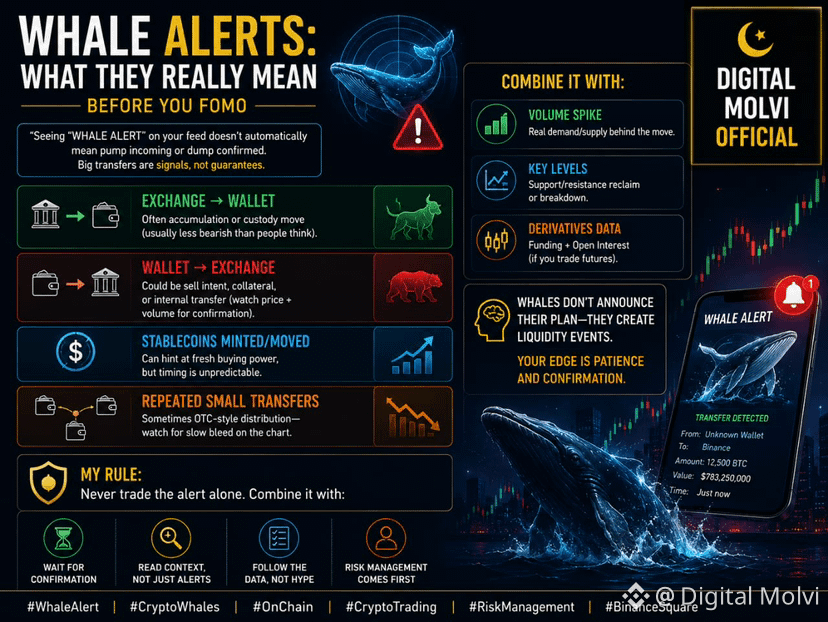
Whale Alerts: What They Really Mean (Before You FOMO)
Seeing “WHALE ALERT” on your feed doesn’t automatically mean pump incoming or dump confirmed. Big transfers are signals, not guarantees.
Here’s how to read them like a trader:
Exchange → Wallet: often accumulation or custody move (usually less bearish than people think)
Wallet → Exchange: could be sell intent, collateral, or internal transfer (watch price + volume for confirmation)
Stablecoins minted/moved: can hint at fresh buying power, but timing is unpredictable
Repeated small transfers: sometimes OTC-style distribution—watch for slow bleed on the chart
My rule: Never trade the alert alone. Combine it with:
Volume spike (real demand/supply)
Key levels (support/resistance reclaim or breakdown)
Derivatives data (funding + open interest if you trade futures)
Whales don’t announce their plan—they create liquidity events. Your edge is patience and confirmation.
#digitalmolvi #whalealert #BinanceSquare #whales #trading
{future}(BTCUSDT)
$ETH
{future}(ETHUSDT)
$BNB
{future}(BNBUSDT)
Whale Alerts: What They Really Mean (Before You FOMO)
Seeing “WHALE ALERT” on your feed doesn’t automatically mean pump incoming or dump confirmed. Big transfers are signals, not guarantees.
Here’s how to read them like a trader:
Exchange → Wallet: often accumulation or custody move (usually less bearish than people think)
Wallet → Exchange: could be sell intent, collateral, or internal transfer (watch price + volume for confirmation)
Stablecoins minted/moved: can hint at fresh buying power, but timing is unpredictable
Repeated small transfers: sometimes OTC-style distribution—watch for slow bleed on the chart
My rule: Never trade the alert alone. Combine it with:
Volume spike (real demand/supply)
Key levels (support/resistance reclaim or breakdown)
Derivatives data (funding + open interest if you trade futures)
Whales don’t announce their plan—they create liquidity events. Your edge is patience and confirmation.
#digitalmolvi #whalealert #BinanceSquare #whales #trading
$ETH
$BNB
70

Article
AI Coins vs Meme Coins: Which Has More Potential?In every crypto cycle, a few narratives capture most of the market’s attention. Right now, two of the biggest are AI coins and meme coins. Both can generate huge returns, both attract strong communities, and both can move fast — but they are very different when it comes to value, sustainability, and risk.
What Are AI Coins?
AI coins are crypto projects connected to the artificial intelligence theme. Some focus on decentralized compute, some on AI agents, some on data infrastructure, and others on marketplaces for machine learning services.
The reason AI coins attract so much attention is simple: AI is one of the strongest global technology narratives, and crypto investors love sectors with future-facing stories.
The biggest strength of AI coins is that they often come with a utility-based narrative. Investors can argue that if AI becomes more important in business and daily life, then crypto projects connected to AI infrastructure, coordination, or decentralized data could gain real value over time.
What Are Meme Coins?
Meme coins are driven mostly by attention, community, culture, and virality. They do not need deep utility to pump. In fact, some of the strongest meme rallies happen because people understand that memes trade on emotion, internet culture, and momentum rather than fundamentals.
This is why meme coins can explode faster than almost any other category in crypto. Once attention starts flowing, price can rise sharply, social media engagement increases, and the rally feeds itself.
It becomes a cycle of hype, volume, and speculation.
The Case for AI Coins
AI coins may have stronger long-term potential because they are tied to a broader technological shift. If the sector continues developing real products and real demand, some AI tokens could benefit from more than just speculation.
That gives them a stronger fundamental argument compared to many meme coins.
Another advantage is that serious capital often prefers narratives that sound investable. Funds and larger investors may be more comfortable backing AI-related projects than pure meme assets, especially if those projects offer infrastructure, data services, or on-chain automation tools.
The Case for Meme Coins
Meme coins, however, should never be underestimated. In crypto, attention itself is a form of power. A meme coin with a strong brand, active community, and viral momentum can outperform more “serious” projects for long periods.
In bull markets, memes often become the fastest horses because they are simple, emotional, and easy for retail traders to understand.
Meme coins also benefit from lower barriers to narrative adoption. People do not need to study tokenomics or technical architecture to buy a meme. They just need belief, excitement, and a crowd.
Which Has More Potential?
The answer depends on the timeframe.
Short term: Meme coins often have more explosive upside because hype moves faster than fundamentals.
Long term: AI coins may have a stronger case if they can turn narrative momentum into real usage, revenue, and token value capture.
In other words, meme coins are usually stronger for attention-driven speculation, while AI coins may be better positioned for narrative plus utility.
The Risk Side
Both sectors carry major risks.
AI coins can become overvalued simply because “AI” is a popular label. Not every project has real technology, real adoption, or a token model that captures value.
Meme coins carry even higher risk because they are often extremely dependent on sentiment. Once attention fades, liquidity can disappear fast and prices can fall hard.
Final Thoughts
AI coins and meme coins represent two different sides of crypto. AI coins are about the future of technology and possible long-term utility. Meme coins are about culture, momentum, and the raw power of attention.
Neither category should be treated blindly. The smartest approach is to understand what you are actually buying. If you want stronger fundamentals, AI coins may offer better long-term potential. If you want to trade pure momentum and accept higher risk, meme coins may move faster.
In crypto, both narratives can win — but they win for very different reasons.
#digitalmolvi #crypto #aicoins #BinanceSquare #MEMECOİNS
$BTC
{spot}(BTCUSDT)
$PEPE
{spot}(PEPEUSDT)
$RENDER
{spot}(RENDERUSDT)
AI Coins vs Meme Coins: Which Has More Potential?
In every crypto cycle, a few narratives capture most of the market’s attention. Right now, two of the biggest are AI coins and meme coins. Both can generate huge returns, both attract strong communities, and both can move fast — but they are very different when it comes to value, sustainability, and risk.
What Are AI Coins?
AI coins are crypto projects connected to the artificial intelligence theme. Some focus on decentralized compute, some on AI agents, some on data infrastructure, and others on marketplaces for machine learning services.
The reason AI coins attract so much attention is simple: AI is one of the strongest global technology narratives, and crypto investors love sectors with future-facing stories.
The biggest strength of AI coins is that they often come with a utility-based narrative. Investors can argue that if AI becomes more important in business and daily life, then crypto projects connected to AI infrastructure, coordination, or decentralized data could gain real value over time.
What Are Meme Coins?
Meme coins are driven mostly by attention, community, culture, and virality. They do not need deep utility to pump. In fact, some of the strongest meme rallies happen because people understand that memes trade on emotion, internet culture, and momentum rather than fundamentals.
This is why meme coins can explode faster than almost any other category in crypto. Once attention starts flowing, price can rise sharply, social media engagement increases, and the rally feeds itself.
It becomes a cycle of hype, volume, and speculation.
The Case for AI Coins
AI coins may have stronger long-term potential because they are tied to a broader technological shift. If the sector continues developing real products and real demand, some AI tokens could benefit from more than just speculation.
That gives them a stronger fundamental argument compared to many meme coins.
Another advantage is that serious capital often prefers narratives that sound investable. Funds and larger investors may be more comfortable backing AI-related projects than pure meme assets, especially if those projects offer infrastructure, data services, or on-chain automation tools.
The Case for Meme Coins
Meme coins, however, should never be underestimated. In crypto, attention itself is a form of power. A meme coin with a strong brand, active community, and viral momentum can outperform more “serious” projects for long periods.
In bull markets, memes often become the fastest horses because they are simple, emotional, and easy for retail traders to understand.
Meme coins also benefit from lower barriers to narrative adoption. People do not need to study tokenomics or technical architecture to buy a meme. They just need belief, excitement, and a crowd.
Which Has More Potential?
The answer depends on the timeframe.
Short term: Meme coins often have more explosive upside because hype moves faster than fundamentals.
Long term: AI coins may have a stronger case if they can turn narrative momentum into real usage, revenue, and token value capture.
In other words, meme coins are usually stronger for attention-driven speculation, while AI coins may be better positioned for narrative plus utility.
The Risk Side
Both sectors carry major risks.
AI coins can become overvalued simply because “AI” is a popular label. Not every project has real technology, real adoption, or a token model that captures value.
Meme coins carry even higher risk because they are often extremely dependent on sentiment. Once attention fades, liquidity can disappear fast and prices can fall hard.
Final Thoughts
AI coins and meme coins represent two different sides of crypto. AI coins are about the future of technology and possible long-term utility. Meme coins are about culture, momentum, and the raw power of attention.
Neither category should be treated blindly. The smartest approach is to understand what you are actually buying. If you want stronger fundamentals, AI coins may offer better long-term potential. If you want to trade pure momentum and accept higher risk, meme coins may move faster.
In crypto, both narratives can win — but they win for very different reasons.
#digitalmolvi #crypto #aicoins #BinanceSquare #MEMECOİNS
$BTC
$PEPE
$RENDER
153

Article
TON Coin Future 2026?TON (The Open Network) is one of the most watched ecosystems because it sits at the intersection of payments, consumer apps, and social distribution—especially through Telegram. Its “future” depends less on hype and more on whether TON becomes a daily-use network for real users (not just traders).
Below is a realistic framework for TON’s potential, key catalysts, and the risks that can’t be ignored.
1) The Core TON Thesis: Distribution + Utility
Most chains fight for users. TON’s advantage is distribution—the ability to reach massive consumer audiences through Telegram-style experiences (mini apps, bots, simple onboarding).
If TON keeps improving:
wallet UX
stablecoin payments
mini-app commerce
low-fee transfers
…then TON can grow through usage, not just speculation.
Bull case: TON becomes a “consumer chain” where people actually transact daily.
2) What Could Drive TON’s Growth
A) Payments + stablecoin rails
If stablecoins become the default way people move value globally, networks that make stablecoin transfers cheap and simple can win.
What to watch: stablecoin adoption on TON, transfer volume, and merchant/payment integrations.
B) Mini apps and consumer crypto
TON’s ecosystem can benefit from:
games
social apps
tipping
subscriptions
digital goods
What to watch: daily active users (DAU), retention, and whether apps keep users after incentives end.
C) Ecosystem liquidity and listings
Long-term price strength needs:
deep liquidity
strong market access
healthy on-chain activity
What to watch: DEX volume, TVL, and whether liquidity is organic vs incentive-driven.
D) Developer growth
Consumer ecosystems need builders shipping constantly.
What to watch: developer activity, hackathons, new app launches, and tooling maturity.
3) The Big Risks for TON
A) “User numbers” that are incentive-driven
A lot of consumer crypto growth can be inflated by:
airdrop farming
referral loops
short-term reward programs
If incentives drop and users leave, price narratives can fade fast.
B) Centralization / governance perception
Markets care about:
validator distribution
upgrade control
ecosystem dependence on a few key entities
Even if the tech works, perception can affect long-term institutional confidence.
C) Regulatory and platform risk
If TON’s growth is tightly linked to a major platform ecosystem, any policy change, restriction, or regulatory pressure can impact adoption.
D) Competition
TON competes with:
other high-throughput consumer chains
Ethereum L2s for apps
payment-focused networks
Winning requires not just speed, but sticky apps + great UX.
4) A Practical “TON Future” Checklist (What to Track Monthly)
If you want to judge TON’s future like an investor, track:
Active addresses + transaction count (trend, not one-week spikes)
Stablecoin supply and transfer volume on TON
TVL + DEX volume (organic liquidity)
Top apps retention (do users come back?)
Token distribution + unlocks (supply pressure)
Security incidents (bridges, wallets, major apps)
If these metrics trend up consistently, the long-term thesis strengthens.
5) 3 Scenarios for TON (Simple Outlook)
Bull scenario
TON becomes a mainstream consumer network:
stablecoin payments grow
mini apps retain users
liquidity deepens
developers keep shipping
Base scenario
TON remains a strong ecosystem but cycles with the market:
adoption grows, but not explosively
price follows broader crypto risk cycles
Bear scenario
Growth is mostly incentive-driven and fades:
user activity drops after rewards
liquidity thins
narrative rotates elsewhere
TON’s future is one of the clearest “consumer adoption” bets in crypto: if it becomes a daily-use network for payments and mini apps, it can build durable demand. But the market will eventually separate real usage from airdrop-driven activity, so tracking retention, stablecoin flows, and organic liquidity is key.
#digitalmolvi #TON #Toncoin #CryptoAdoption #BinanceSquare
@Binance_Square_Official @Binance_Academy @CZ @heyi
$TON
{spot}(TONUSDT)
TON Coin Future 2026?
TON (The Open Network) is one of the most watched ecosystems because it sits at the intersection of payments, consumer apps, and social distribution—especially through Telegram. Its “future” depends less on hype and more on whether TON becomes a daily-use network for real users (not just traders).
Below is a realistic framework for TON’s potential, key catalysts, and the risks that can’t be ignored.
1) The Core TON Thesis: Distribution + Utility
Most chains fight for users. TON’s advantage is distribution—the ability to reach massive consumer audiences through Telegram-style experiences (mini apps, bots, simple onboarding).
If TON keeps improving:
wallet UX
stablecoin payments
mini-app commerce
low-fee transfers
…then TON can grow through usage, not just speculation.
Bull case: TON becomes a “consumer chain” where people actually transact daily.
2) What Could Drive TON’s Growth
A) Payments + stablecoin rails
If stablecoins become the default way people move value globally, networks that make stablecoin transfers cheap and simple can win.
What to watch: stablecoin adoption on TON, transfer volume, and merchant/payment integrations.
B) Mini apps and consumer crypto
TON’s ecosystem can benefit from:
games
social apps
tipping
subscriptions
digital goods
What to watch: daily active users (DAU), retention, and whether apps keep users after incentives end.
C) Ecosystem liquidity and listings
Long-term price strength needs:
deep liquidity
strong market access
healthy on-chain activity
What to watch: DEX volume, TVL, and whether liquidity is organic vs incentive-driven.
D) Developer growth
Consumer ecosystems need builders shipping constantly.
What to watch: developer activity, hackathons, new app launches, and tooling maturity.
3) The Big Risks for TON
A) “User numbers” that are incentive-driven
A lot of consumer crypto growth can be inflated by:
airdrop farming
referral loops
short-term reward programs
If incentives drop and users leave, price narratives can fade fast.
B) Centralization / governance perception
Markets care about:
validator distribution
upgrade control
ecosystem dependence on a few key entities
Even if the tech works, perception can affect long-term institutional confidence.
C) Regulatory and platform risk
If TON’s growth is tightly linked to a major platform ecosystem, any policy change, restriction, or regulatory pressure can impact adoption.
D) Competition
TON competes with:
other high-throughput consumer chains
Ethereum L2s for apps
payment-focused networks
Winning requires not just speed, but sticky apps + great UX.
4) A Practical “TON Future” Checklist (What to Track Monthly)
If you want to judge TON’s future like an investor, track:
Active addresses + transaction count (trend, not one-week spikes)
Stablecoin supply and transfer volume on TON
TVL + DEX volume (organic liquidity)
Top apps retention (do users come back?)
Token distribution + unlocks (supply pressure)
Security incidents (bridges, wallets, major apps)
If these metrics trend up consistently, the long-term thesis strengthens.
5) 3 Scenarios for TON (Simple Outlook)
Bull scenario
TON becomes a mainstream consumer network:
stablecoin payments grow
mini apps retain users
liquidity deepens
developers keep shipping
Base scenario
TON remains a strong ecosystem but cycles with the market:
adoption grows, but not explosively
price follows broader crypto risk cycles
Bear scenario
Growth is mostly incentive-driven and fades:
user activity drops after rewards
liquidity thins
narrative rotates elsewhere
TON’s future is one of the clearest “consumer adoption” bets in crypto: if it becomes a daily-use network for payments and mini apps, it can build durable demand. But the market will eventually separate real usage from airdrop-driven activity, so tracking retention, stablecoin flows, and organic liquidity is key.
#digitalmolvi #TON #Toncoin #CryptoAdoption #BinanceSquare
@Binance Square Official @Binance Academy @CZ @Yi He
$TON
129

Article
Web3 Gaming RevolutionThe gaming industry is entering a new phase of transformation, and at the center of this shift is Web3 gaming. For years, games have evolved through better graphics, online multiplayer systems, mobile accessibility, and live-service economies. Now a new layer is being added: blockchain-based ownership, decentralized economies, and player participation in value creation. This movement is often described as the Web3 gaming revolution.
While the term can sound futuristic or overhyped, the core idea is simple. Web3 gaming aims to give players more control over digital assets, identities, and in-game economies. Instead of everything being fully controlled by a central publisher, some parts of the gaming experience can become more open, portable, and community-driven.
This article explores what Web3 gaming is, why it matters, what is driving the revolution, the opportunities it creates, the challenges it faces, and what the future may look like.
What Is Web3 Gaming?
Web3 gaming refers to video games that use blockchain technology as part of their design, economy, or infrastructure. These games may include:
Cryptographic tokens used as in-game currencies or governance assets
NFTs representing characters, skins, weapons, land, or collectibles
Wallet-based ownership of digital items
Decentralized marketplaces for trading assets
Community governance systems
On-chain records of ownership, rewards, or achievements
In traditional gaming, players can spend time and money building accounts, collecting rare items, and purchasing cosmetics, but those assets usually remain under the control of the game publisher. In Web3 gaming, the goal is to let players hold and manage certain assets directly.
This does not mean every part of a game must be decentralized. In fact, many successful Web3 gaming models are likely to be hybrid, combining traditional game design with blockchain-based ownership and economy features.
Why Web3 Gaming Is Called a Revolution
The word “revolution” is used because Web3 gaming challenges several long-standing assumptions in the gaming industry.
1. From Access to Ownership
In traditional games, players often buy access, not true ownership. Even if a player spends hundreds of dollars on skins or items, those assets can usually be modified, restricted, or removed by the publisher.
Web3 gaming introduces the possibility of verifiable ownership. A player may hold a tokenized asset in a wallet and potentially trade it outside the game’s native marketplace.
2. From Closed Economies to Open Economies
Most game economies are closed systems. Developers create the rules, issue the items, and control the marketplace. Web3 gaming opens the door to more transparent and interoperable economies where users can trade assets peer-to-peer and where value can move more freely.
3. From Passive Players to Active Stakeholders
Web3 gaming often treats players as participants in the ecosystem rather than just consumers. Through governance tokens, creator rewards, community treasuries, or player-driven marketplaces, users may have a more active role in shaping the game world.
4. From Platform Dependency to Digital Portability
One of the most ambitious ideas in Web3 gaming is portability. A digital identity, collectible, or reputation layer could potentially move across games, communities, or platforms. Full interoperability remains difficult, but even partial portability is a major shift from the current model.
Core Technologies Behind Web3 Gaming
The Web3 gaming revolution is built on several technologies working together.
Blockchain
Blockchain provides a shared ledger that records ownership and transactions. In gaming, this can be used to track who owns a specific item, how assets move between users, or how rewards are distributed.
Smart Contracts
Smart contracts are programmable rules deployed on a blockchain. They can automate marketplace transactions, staking systems, tournament rewards, governance voting, and royalty payments.
NFTs
Non-fungible tokens are unique digital assets. In gaming, NFTs can represent rare items, avatars, land, collectibles, or access passes. Their uniqueness makes them useful for scarcity-based game design and digital ownership.
Fungible Tokens
These are interchangeable tokens used as currencies, reward systems, or governance tools. A game may use one token for utility and another for governance, though simpler systems are often more sustainable.
Wallet Infrastructure
Wallets allow players to store and manage blockchain assets. In the future, wallet systems will likely become more user-friendly, with embedded wallets, social logins, and gasless transactions reducing friction for mainstream players.
Layer 2 Networks and Scalable Chains
Gaming requires fast, cheap transactions. High fees and slow confirmations are major barriers. Layer 2 solutions and gaming-focused chains are helping make Web3 gaming more practical by reducing costs and improving speed.
The Main Promises of Web3 Gaming
Web3 gaming has attracted attention because it offers several compelling possibilities.
True Digital Ownership
Players can potentially own in-game assets in a way that is independent of a single company database. This creates stronger property rights in virtual worlds.
Tradable Value
Items, currencies, and collectibles can be traded in open markets. This can create liquidity and allow players to realize value from time spent in a game.
Creator Economies
Web3 gaming can reward not only players but also creators. Artists, modders, map designers, guild leaders, and community builders may be compensated directly through tokenized systems.
Community Governance
Some projects allow token holders to vote on game updates, treasury use, ecosystem grants, or competitive structures. This can make communities more invested in long-term success.
Interoperability
Although still limited, Web3 gaming encourages the idea that digital assets should not always be trapped in one ecosystem. Shared standards may eventually support broader compatibility.
New Business Models
Instead of relying only on upfront purchases or microtransactions, developers can experiment with marketplace fees, tokenized memberships, creator royalties, and community-driven funding.
The Rise and Fall of Early Play-to-Earn
No discussion of Web3 gaming is complete without addressing play-to-earn. Early blockchain games gained popularity by promising players financial rewards for participation. This model generated huge excitement, especially in regions where gaming income looked meaningful compared to local wages.
However, many early play-to-earn systems struggled for several reasons:
Token inflation
Weak gameplay
Overdependence on new user growth
Speculative demand replacing real utility
Unsustainable reward structures
When token prices fell, many ecosystems collapsed. This was a critical lesson for the industry. A game cannot rely on financial incentives alone. If the gameplay is not compelling, users leave when rewards decline.
As a result, the industry has shifted toward concepts like:
Play-and-own
Own-and-trade
Play-and-engage
Community-powered gaming economies
The new focus is on making games enjoyable first and tokenized second.
How the Revolution Is Evolving
The Web3 gaming revolution is becoming more practical and less ideological. Several important shifts are shaping its next phase.
Gameplay First
Developers are realizing that blockchain features should support the game, not dominate it. The best Web3 games of the future will likely feel like great games that happen to use blockchain, rather than blockchain products disguised as games.
Invisible Infrastructure
Mainstream players do not want to deal with seed phrases, gas fees, or complex wallet setups. The future of Web3 gaming depends on abstracting away technical friction through:
Embedded wallets
Account abstraction
Gas sponsorship
One-click onboarding
Familiar app-like interfaces
Sustainable Tokenomics
Projects are paying more attention to supply control, token sinks, reward balancing, and treasury management. Sustainable economies are essential if Web3 gaming is to survive beyond speculative cycles.
Better Regulation and Compliance
As the industry matures, projects will need clearer legal structures around tokens, digital assets, and user protections. Compliance may become a competitive advantage.
Hybrid Models
Not every game needs a token, and not every asset needs to be on-chain. Many successful models may use blockchain selectively for high-value items, identity, marketplace settlement, or community governance while keeping core gameplay off-chain.
Opportunities Created by Web3 Gaming
The revolution creates opportunities across the gaming ecosystem.
For Players
Greater control over digital assets
Potential resale value for rare items
More transparent economies
Participation in governance and community decisions
New ways to earn from skill, creativity, or contribution
For Developers
New monetization channels
Stronger community alignment
Lower dependence on centralized marketplaces
Programmable royalties and automated revenue sharing
More flexible ecosystem design
For Creators and Communities
Tokenized rewards for content creation
Community-owned guilds and teams
Shared treasuries for events and development
Better incentives for long-term engagement
For Investors and Ecosystem Builders
Exposure to emerging digital economies
Infrastructure opportunities in wallets, marketplaces, analytics, and scaling
Participation in the growth of virtual asset ownership
Challenges That Could Slow the Revolution
Despite its promise, Web3 gaming still faces major obstacles.
User Experience Problems
Wallet setup, private key management, bridging, and transaction signing remain too complicated for many mainstream users.
Speculation and Volatility
If token prices dominate the player experience, games can become unstable and unattractive to ordinary users.
Regulatory Risk
Some gaming tokens may be treated differently across jurisdictions, especially if they resemble investment products.
Security Concerns
Smart contract exploits, phishing attacks, fake marketplaces, and wallet theft can undermine trust.
Game Design Tensions
Financial incentives can distort gameplay. Developers must avoid creating systems where profit-seeking overwhelms fun, fairness, or balance.
Gamer Skepticism
Many traditional gamers remain resistant to NFTs and blockchain integration, often due to concerns about scams, environmental impact, and exploitative monetization.
What the Future of Web3 Gaming May Look Like
The future of Web3 gaming is unlikely to be a total replacement of traditional gaming. Instead, it will probably develop as a parallel evolution that influences mainstream design over time.
#digitalmolvi #Web3 #BinanceSquare
$IMX
{spot}(IMXUSDT)
$RONIN
{spot}(RONINUSDT)
$APE
{spot}(APEUSDT)
Web3 Gaming Revolution
The gaming industry is entering a new phase of transformation, and at the center of this shift is Web3 gaming. For years, games have evolved through better graphics, online multiplayer systems, mobile accessibility, and live-service economies. Now a new layer is being added: blockchain-based ownership, decentralized economies, and player participation in value creation. This movement is often described as the Web3 gaming revolution.
While the term can sound futuristic or overhyped, the core idea is simple. Web3 gaming aims to give players more control over digital assets, identities, and in-game economies. Instead of everything being fully controlled by a central publisher, some parts of the gaming experience can become more open, portable, and community-driven.
This article explores what Web3 gaming is, why it matters, what is driving the revolution, the opportunities it creates, the challenges it faces, and what the future may look like.
What Is Web3 Gaming?
Web3 gaming refers to video games that use blockchain technology as part of their design, economy, or infrastructure. These games may include:
Cryptographic tokens used as in-game currencies or governance assets
NFTs representing characters, skins, weapons, land, or collectibles
Wallet-based ownership of digital items
Decentralized marketplaces for trading assets
Community governance systems
On-chain records of ownership, rewards, or achievements
In traditional gaming, players can spend time and money building accounts, collecting rare items, and purchasing cosmetics, but those assets usually remain under the control of the game publisher. In Web3 gaming, the goal is to let players hold and manage certain assets directly.
This does not mean every part of a game must be decentralized. In fact, many successful Web3 gaming models are likely to be hybrid, combining traditional game design with blockchain-based ownership and economy features.
Why Web3 Gaming Is Called a Revolution
The word “revolution” is used because Web3 gaming challenges several long-standing assumptions in the gaming industry.
1. From Access to Ownership
In traditional games, players often buy access, not true ownership. Even if a player spends hundreds of dollars on skins or items, those assets can usually be modified, restricted, or removed by the publisher.
Web3 gaming introduces the possibility of verifiable ownership. A player may hold a tokenized asset in a wallet and potentially trade it outside the game’s native marketplace.
2. From Closed Economies to Open Economies
Most game economies are closed systems. Developers create the rules, issue the items, and control the marketplace. Web3 gaming opens the door to more transparent and interoperable economies where users can trade assets peer-to-peer and where value can move more freely.
3. From Passive Players to Active Stakeholders
Web3 gaming often treats players as participants in the ecosystem rather than just consumers. Through governance tokens, creator rewards, community treasuries, or player-driven marketplaces, users may have a more active role in shaping the game world.
4. From Platform Dependency to Digital Portability
One of the most ambitious ideas in Web3 gaming is portability. A digital identity, collectible, or reputation layer could potentially move across games, communities, or platforms. Full interoperability remains difficult, but even partial portability is a major shift from the current model.
Core Technologies Behind Web3 Gaming
The Web3 gaming revolution is built on several technologies working together.
Blockchain
Blockchain provides a shared ledger that records ownership and transactions. In gaming, this can be used to track who owns a specific item, how assets move between users, or how rewards are distributed.
Smart Contracts
Smart contracts are programmable rules deployed on a blockchain. They can automate marketplace transactions, staking systems, tournament rewards, governance voting, and royalty payments.
NFTs
Non-fungible tokens are unique digital assets. In gaming, NFTs can represent rare items, avatars, land, collectibles, or access passes. Their uniqueness makes them useful for scarcity-based game design and digital ownership.
Fungible Tokens
These are interchangeable tokens used as currencies, reward systems, or governance tools. A game may use one token for utility and another for governance, though simpler systems are often more sustainable.
Wallet Infrastructure
Wallets allow players to store and manage blockchain assets. In the future, wallet systems will likely become more user-friendly, with embedded wallets, social logins, and gasless transactions reducing friction for mainstream players.
Layer 2 Networks and Scalable Chains
Gaming requires fast, cheap transactions. High fees and slow confirmations are major barriers. Layer 2 solutions and gaming-focused chains are helping make Web3 gaming more practical by reducing costs and improving speed.
The Main Promises of Web3 Gaming
Web3 gaming has attracted attention because it offers several compelling possibilities.
True Digital Ownership
Players can potentially own in-game assets in a way that is independent of a single company database. This creates stronger property rights in virtual worlds.
Tradable Value
Items, currencies, and collectibles can be traded in open markets. This can create liquidity and allow players to realize value from time spent in a game.
Creator Economies
Web3 gaming can reward not only players but also creators. Artists, modders, map designers, guild leaders, and community builders may be compensated directly through tokenized systems.
Community Governance
Some projects allow token holders to vote on game updates, treasury use, ecosystem grants, or competitive structures. This can make communities more invested in long-term success.
Interoperability
Although still limited, Web3 gaming encourages the idea that digital assets should not always be trapped in one ecosystem. Shared standards may eventually support broader compatibility.
New Business Models
Instead of relying only on upfront purchases or microtransactions, developers can experiment with marketplace fees, tokenized memberships, creator royalties, and community-driven funding.
The Rise and Fall of Early Play-to-Earn
No discussion of Web3 gaming is complete without addressing play-to-earn. Early blockchain games gained popularity by promising players financial rewards for participation. This model generated huge excitement, especially in regions where gaming income looked meaningful compared to local wages.
However, many early play-to-earn systems struggled for several reasons:
Token inflation
Weak gameplay
Overdependence on new user growth
Speculative demand replacing real utility
Unsustainable reward structures
When token prices fell, many ecosystems collapsed. This was a critical lesson for the industry. A game cannot rely on financial incentives alone. If the gameplay is not compelling, users leave when rewards decline.
As a result, the industry has shifted toward concepts like:
Play-and-own
Own-and-trade
Play-and-engage
Community-powered gaming economies
The new focus is on making games enjoyable first and tokenized second.
How the Revolution Is Evolving
The Web3 gaming revolution is becoming more practical and less ideological. Several important shifts are shaping its next phase.
Gameplay First
Developers are realizing that blockchain features should support the game, not dominate it. The best Web3 games of the future will likely feel like great games that happen to use blockchain, rather than blockchain products disguised as games.
Invisible Infrastructure
Mainstream players do not want to deal with seed phrases, gas fees, or complex wallet setups. The future of Web3 gaming depends on abstracting away technical friction through:
Embedded wallets
Account abstraction
Gas sponsorship
One-click onboarding
Familiar app-like interfaces
Sustainable Tokenomics
Projects are paying more attention to supply control, token sinks, reward balancing, and treasury management. Sustainable economies are essential if Web3 gaming is to survive beyond speculative cycles.
Better Regulation and Compliance
As the industry matures, projects will need clearer legal structures around tokens, digital assets, and user protections. Compliance may become a competitive advantage.
Hybrid Models
Not every game needs a token, and not every asset needs to be on-chain. Many successful models may use blockchain selectively for high-value items, identity, marketplace settlement, or community governance while keeping core gameplay off-chain.
Opportunities Created by Web3 Gaming
The revolution creates opportunities across the gaming ecosystem.
For Players
Greater control over digital assets
Potential resale value for rare items
More transparent economies
Participation in governance and community decisions
New ways to earn from skill, creativity, or contribution
For Developers
New monetization channels
Stronger community alignment
Lower dependence on centralized marketplaces
Programmable royalties and automated revenue sharing
More flexible ecosystem design
For Creators and Communities
Tokenized rewards for content creation
Community-owned guilds and teams
Shared treasuries for events and development
Better incentives for long-term engagement
For Investors and Ecosystem Builders
Exposure to emerging digital economies
Infrastructure opportunities in wallets, marketplaces, analytics, and scaling
Participation in the growth of virtual asset ownership
Challenges That Could Slow the Revolution
Despite its promise, Web3 gaming still faces major obstacles.
User Experience Problems
Wallet setup, private key management, bridging, and transaction signing remain too complicated for many mainstream users.
Speculation and Volatility
If token prices dominate the player experience, games can become unstable and unattractive to ordinary users.
Regulatory Risk
Some gaming tokens may be treated differently across jurisdictions, especially if they resemble investment products.
Security Concerns
Smart contract exploits, phishing attacks, fake marketplaces, and wallet theft can undermine trust.
Game Design Tensions
Financial incentives can distort gameplay. Developers must avoid creating systems where profit-seeking overwhelms fun, fairness, or balance.
Gamer Skepticism
Many traditional gamers remain resistant to NFTs and blockchain integration, often due to concerns about scams, environmental impact, and exploitative monetization.
What the Future of Web3 Gaming May Look Like
The future of Web3 gaming is unlikely to be a total replacement of traditional gaming. Instead, it will probably develop as a parallel evolution that influences mainstream design over time.
#digitalmolvi #Web3 #BinanceSquare
$IMX
$RONIN
$APE
1
333
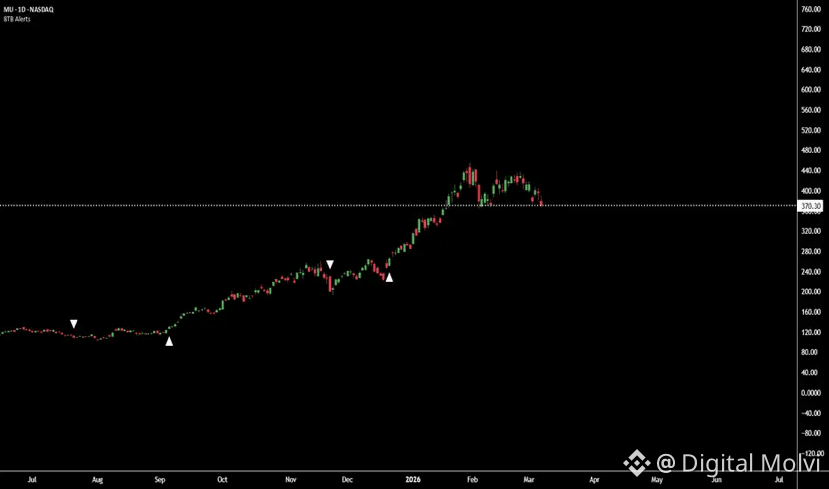
Breakout watchlist: the market rewards preparation, not chasing. Build your list early, track strong setups, and be ready before the move begins.
#digitalmolvi #Breakout #BinanceSquare
$BTC
{spot}(BTCUSDT)
$ETH
{spot}(ETHUSDT)
$BNB
{spot}(BNBUSDT)
Breakout watchlist: the market rewards preparation, not chasing. Build your list early, track strong setups, and be ready before the move begins.
#digitalmolvi #Breakout #BinanceSquare
$BTC
$ETH
$BNB
#digitalmolvi #Breakout #BinanceSquare
$BTC
$ETH
$BNB
121
Fake Rallies (how they trap buyers)
Fake rallies usually start with a sharp bounce that looks bullish, but it’s often just short covering + liquidity hunting. If price pumps on weak volume, fails to reclaim key resistance, and dumps back into the range, that’s a classic trap.
Rule: don’t chase the first green candle—wait for break + hold + retest.
#digitalmolvi #crypto #fakerally #bulltrap #BinanceSquare
$TAO
{spot}(TAOUSDT)
$BTC
{spot}(BTCUSDT)
$PEPE
{spot}(PEPEUSDT)
Fake Rallies (how they trap buyers)
Fake rallies usually start with a sharp bounce that looks bullish, but it’s often just short covering + liquidity hunting. If price pumps on weak volume, fails to reclaim key resistance, and dumps back into the range, that’s a classic trap.
Rule: don’t chase the first green candle—wait for break + hold + retest.
#digitalmolvi #crypto #fakerally #bulltrap #BinanceSquare
$TAO
$BTC
$PEPE
72
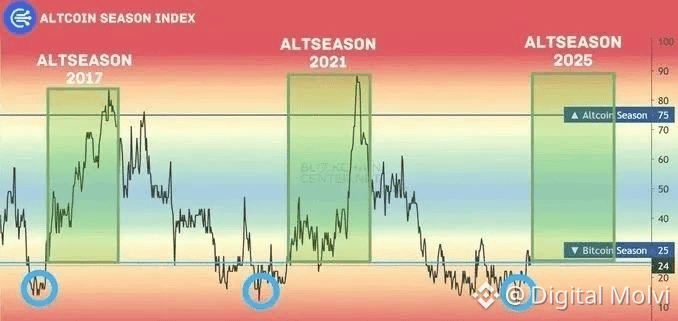
Altseason usually isn’t one big pump—it’s liquidity rotating from BTC into the rest of the market. Here are the cleanest signs:
BTC goes sideways (or grinds up) without dumping → capital feels safe to take more risk
ETH starts outperforming BTC (ETH/BTC uptrend) → rotation into majors begins
BTC dominance stalls or drops → market share shifts toward alts
Breadth expands → not just 1–2 coins; many sectors move together
Volume rises on spot (not only perp leverage) → healthier, more sustainable moves
Large caps lead first (ETH, BNB, SOL) → then mid/small caps follow
Watchlist leaders people track: ETH, BNB, SOL, LINK, AVAX, UNI, AAVE (then memes usually heat up later).
#digitalmolvi #BinanceSquare #altseason #altcoins #bitcoin
$BTC
{future}(BTCUSDT)
$ETH
{future}(ETHUSDT)
$BNB
{future}(BNBUSDT)
Altseason usually isn’t one big pump—it’s liquidity rotating from BTC into the rest of the market. Here are the cleanest signs:
BTC goes sideways (or grinds up) without dumping → capital feels safe to take more risk
ETH starts outperforming BTC (ETH/BTC uptrend) → rotation into majors begins
BTC dominance stalls or drops → market share shifts toward alts
Breadth expands → not just 1–2 coins; many sectors move together
Volume rises on spot (not only perp leverage) → healthier, more sustainable moves
Large caps lead first (ETH, BNB, SOL) → then mid/small caps follow
Watchlist leaders people track: ETH, BNB, SOL, LINK, AVAX, UNI, AAVE (then memes usually heat up later).
#digitalmolvi #BinanceSquare #altseason #altcoins #bitcoin
$BTC
$ETH
$BNB
66
·
--
Bullish
Good swing entries are built on patience, not excitement.
The best setups usually come from pullbacks in trend, breakout retests, or clean support/resistance flips—not from chasing extended candles.
If the entry feels emotional, it’s probably late.
Let price come to your level, define your invalidation, and protect capital first.
#digitalmolvi #swingtrading #cryptotrading #TechnicalAnalysis #BinanceSquare
$DOGE
{spot}(DOGEUSDT)
$PEPE
{spot}(PEPEUSDT)
$TRUMP
{spot}(TRUMPUSDT)
Good swing entries are built on patience, not excitement.
The best setups usually come from pullbacks in trend, breakout retests, or clean support/resistance flips—not from chasing extended candles.
If the entry feels emotional, it’s probably late.
Let price come to your level, define your invalidation, and protect capital first.
#digitalmolvi #swingtrading #cryptotrading #TechnicalAnalysis #BinanceSquare
$DOGE
$PEPE
$TRUMP
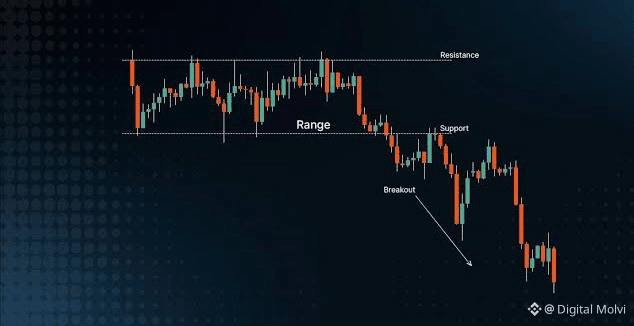
118

Article
Best AI + Gaming Coins: A Practical Watchlist (Narratives, Use-Cases, and Risks)AI + Gaming is one of the most powerful “attention + utility” combos in crypto: AI brings automation and new product experiences, while gaming brings users, culture, and spending loops. The catch is that many tokens still trade more on narrative momentum than revenue—so the best approach is to build a watchlist by category, then wait for market confirmation.
1) AI Infrastructure (Compute, Networks, Coordination)
These are the “picks-and-shovels” of AI in crypto—less about one app, more about enabling many apps.
TAO (Bittensor) — AI model/agent marketplace narrative; strong mindshare in “decentralized AI.”
RNDR (Render) — GPU rendering/compute narrative; often treated as a proxy for “GPU demand.”
AKT (Akash Network) — decentralized cloud/compute; tends to benefit when “dePIN + AI infra” heats up.
What to watch: real usage growth, partnerships, and whether price is moving with spot volume (not just leverage).
2) AI Data + Oracles (Feeding AI, Verifying Outputs)
AI needs data; crypto can help coordinate access and verification.
FET (Fetch.ai) — AI agents + automation narrative; often moves with the broader “AI basket.”
OCEAN (Ocean Protocol) — data marketplace narrative (data access/monetization).
LINK (Chainlink) — not an “AI coin” strictly, but it’s a core data/oracle layer that many AI-on-chain ideas lean on.
What to watch: ecosystem integrations and whether the token has a clear role beyond hype.
3) Gaming Infrastructure + Metaverse (Platforms, Scaling, Tooling)
These are networks and platforms that aim to host games or gaming economies.
IMX (Immutable) — gaming-focused scaling + marketplace ecosystem.
GALA (Gala) — gaming/media ecosystem token; very narrative-driven.
SAND (The Sandbox) — metaverse brand; tends to move with “metaverse revival” cycles.
What to watch: active users, game launches, and whether the ecosystem is actually shipping.
4) Gaming Content + Communities (High Beta, High Volatility)
These can pump hard in risk-on phases, but they’re also the first to bleed in risk-off.
AXS (Axie Infinity) — iconic GameFi name; often used as a “GameFi sentiment” gauge.
ENJ (Enjin) — long-running gaming/NFT infrastructure narrative.
ILV (Illuvium) — premium game narrative; tends to be more volatile.
What to watch: player retention, token emissions/unlocks, and whether hype matches adoption.
5) “AI x Gaming” Reality Check (How to avoid the traps)
A lot of projects market “AI gaming” without real product depth. Before you buy the story, check:
Does the token have a job? (fees, staking, access, security, revenue share—something real)
Is there real usage? (active users, transactions, paying customers)
Are token unlocks heavy soon? (supply pressure can kill rallies)
Is the move spot-led or perp-led? (perp-led pumps reverse fast)
A Simple Rotation Framework (How these usually run)
In many cycles, money flows like this: BTC → ETH → large caps → narrative baskets (AI, Gaming) → small caps
So AI + Gaming often perform best when:
BTC is stable (not dumping),
ETH is strong,
overall market breadth expands.
Quick “Best AI + Gaming Coins” Watchlist (By Tier)
AI leaders: TAO, RNDR, FET, AKT
Gaming leaders: IMX, AXS, GALA, SAND, ILV
Cross-category / data backbone: LINK, OCEAN
#digitalmolvi #BinanceSquare #aicoins #Gamingcoin #article
$IMX
{future}(IMXUSDT)
$TAO
{future}(TAOUSDT)
$AXS
{future}(AXSUSDT)
Best AI + Gaming Coins: A Practical Watchlist (Narratives, Use-Cases, and Risks)
AI + Gaming is one of the most powerful “attention + utility” combos in crypto: AI brings automation and new product experiences, while gaming brings users, culture, and spending loops. The catch is that many tokens still trade more on narrative momentum than revenue—so the best approach is to build a watchlist by category, then wait for market confirmation.
1) AI Infrastructure (Compute, Networks, Coordination)
These are the “picks-and-shovels” of AI in crypto—less about one app, more about enabling many apps.
TAO (Bittensor) — AI model/agent marketplace narrative; strong mindshare in “decentralized AI.”
RNDR (Render) — GPU rendering/compute narrative; often treated as a proxy for “GPU demand.”
AKT (Akash Network) — decentralized cloud/compute; tends to benefit when “dePIN + AI infra” heats up.
What to watch: real usage growth, partnerships, and whether price is moving with spot volume (not just leverage).
2) AI Data + Oracles (Feeding AI, Verifying Outputs)
AI needs data; crypto can help coordinate access and verification.
FET (Fetch.ai) — AI agents + automation narrative; often moves with the broader “AI basket.”
OCEAN (Ocean Protocol) — data marketplace narrative (data access/monetization).
LINK (Chainlink) — not an “AI coin” strictly, but it’s a core data/oracle layer that many AI-on-chain ideas lean on.
What to watch: ecosystem integrations and whether the token has a clear role beyond hype.
3) Gaming Infrastructure + Metaverse (Platforms, Scaling, Tooling)
These are networks and platforms that aim to host games or gaming economies.
IMX (Immutable) — gaming-focused scaling + marketplace ecosystem.
GALA (Gala) — gaming/media ecosystem token; very narrative-driven.
SAND (The Sandbox) — metaverse brand; tends to move with “metaverse revival” cycles.
What to watch: active users, game launches, and whether the ecosystem is actually shipping.
4) Gaming Content + Communities (High Beta, High Volatility)
These can pump hard in risk-on phases, but they’re also the first to bleed in risk-off.
AXS (Axie Infinity) — iconic GameFi name; often used as a “GameFi sentiment” gauge.
ENJ (Enjin) — long-running gaming/NFT infrastructure narrative.
ILV (Illuvium) — premium game narrative; tends to be more volatile.
What to watch: player retention, token emissions/unlocks, and whether hype matches adoption.
5) “AI x Gaming” Reality Check (How to avoid the traps)
A lot of projects market “AI gaming” without real product depth. Before you buy the story, check:
Does the token have a job? (fees, staking, access, security, revenue share—something real)
Is there real usage? (active users, transactions, paying customers)
Are token unlocks heavy soon? (supply pressure can kill rallies)
Is the move spot-led or perp-led? (perp-led pumps reverse fast)
A Simple Rotation Framework (How these usually run)
In many cycles, money flows like this: BTC → ETH → large caps → narrative baskets (AI, Gaming) → small caps
So AI + Gaming often perform best when:
BTC is stable (not dumping),
ETH is strong,
overall market breadth expands.
Quick “Best AI + Gaming Coins” Watchlist (By Tier)
AI leaders: TAO, RNDR, FET, AKT
Gaming leaders: IMX, AXS, GALA, SAND, ILV
Cross-category / data backbone: LINK, OCEAN
#digitalmolvi #BinanceSquare #aicoins #Gamingcoin #article
$IMX
$TAO
$AXS
279

Article
Why Reatil Traders Always Late ?Most retail traders believe they are being “safe” by waiting for confirmation before entering a trade. The candle closes bullish, the breakout happens, indicators align, social media starts talking about the move, and only then do they enter.
Unfortunately, this is often the exact moment smart money is preparing to exit.
This is one of the biggest traps in trading: late emotional entries after obvious confirmation.
The Retail Trader Mindset
-----------------------------------
Retail traders are naturally taught to wait for confirmation before taking a trade. They avoid entering early because they fear being wrong. Instead, they wait for momentum, breakouts, and signals that make the setup feel safe.
At first, this sounds logical. Nobody wants to enter too early and get stopped out.
But markets are not designed to reward comfort. Markets reward positioning before the crowd arrives.
By the time a setup looks safe to most traders, institutions and experienced players have usually already entered at much better prices. Risk becomes higher, reward becomes smaller, and retail traders unknowingly provide liquidity for larger participants to exit.
How Emotional Entries Actually Happen
----------------------------------------------------
Most late entries happen because emotions slowly take control.
1. Price Starts Moving Without Them
The market begins moving aggressively while retail traders sit on the sidelines watching.
At this stage, many traders hesitate because they feel they already missed the best entry.
2. Fear of Missing Out Kicks In
As price continues moving, emotions become stronger.
Traders begin thinking:
“What if it keeps running?”
“Everyone else is making money.”
“I can’t miss this trade.”
This is where discipline starts fading and emotional decisions begin taking over.
3. Confirmation Finally Appears
Now everything suddenly looks perfect.
The breakout candle closes strongly. Indicators turn bullish. Trading communities become excited. Volume increases. The trend feels obvious.
Retail traders finally feel comfortable entering.
Ironically, this emotional comfort often appears near short-term highs.
4. Smart Money Starts Exiting
While retail traders aggressively buy the breakout, smart money often begins reducing positions.
Institutions and early buyers use the incoming retail liquidity to secure profits.
Momentum slows down because the main move has already happened.
5. The Reversal Happens
Price suddenly stalls or reverses.
What looked like a strong breakout becomes a fake move. Stop losses get hit, panic selling begins, and traders feel confused because they entered after “confirmation.”
But confirmation itself was part of the trap.
Why Smart Money Enters Earlier
Smart money approaches the market very differently.
They do not wait for emotional confirmation from the crowd.
Instead, they build positions during uncertainty, enter near discounted prices, and buy when fear is still present in the market.
By the time a move becomes obvious to retail traders, smart money is often already sitting in profit.
That is why professional traders frequently appear early while retail traders feel late.
The Psychology Behind Late Entries
-----------------------------------------------
Late entries are usually driven by emotion rather than strategy.
Fear of Missing Out
Traders become afraid that price will continue moving without them, so they chase entries instead of waiting for planned setups.
Emotional Comfort
Retail traders want certainty before entering. But in trading, the safest-looking setups are often no longer the best opportunities.
Crowd Influence
When everyone online suddenly becomes bullish, traders feel validated entering late.
But markets often reverse when the majority finally becomes convinced.
Signs You’re Entering Too Late
----------------------------------------
There are a few common warning signs:
Entering after multiple strong candles
Buying directly into resistance
Feeling urgency to enter immediately
Ignoring the original trading plan
Entering because others are posting profits
Poor risk-to-reward opportunities
Difficulty placing a logical stop loss
If a trade feels emotionally urgent, there’s a good chance the entry is already late.
What Experienced Traders Do Differently
Experienced traders focus more on positioning than excitement.
They plan trades before the move happens. They define entry zones, stop losses, and profit targets in advance instead of reacting emotionally during momentum.
They also understand that good entries often happen during quiet market conditions, not during emotional breakouts when everyone becomes interested.
Most importantly, they accept that missing a trade is completely normal.
Not every move needs to be chased.
Sometimes the best decision is simply waiting for the next opportunity.
My Conclusion:
---------------------
Markets often move in a predictable cycle.
Smart money enters quietly during uncertainty. Price starts moving. Retail traders notice the move late. Confirmation attracts the crowd. Smart money exits into that liquidity.
Understanding this cycle changes the way traders look at entries.
The goal is not to chase obvious momentum after everyone becomes excited.
The goal is to position yourself before the crowd becomes emotionally convinced.
#digitalmolvi #RetailTraders #BinanceSquare
$NVDAB
{spot}(NVDABUSDT)
$SPCXB
{spot}(SPCXBUSDT)
$TSLAB
{spot}(TSLABUSDT)
Why Reatil Traders Always Late ?
Most retail traders believe they are being “safe” by waiting for confirmation before entering a trade. The candle closes bullish, the breakout happens, indicators align, social media starts talking about the move, and only then do they enter.
Unfortunately, this is often the exact moment smart money is preparing to exit.
This is one of the biggest traps in trading: late emotional entries after obvious confirmation.
The Retail Trader Mindset
-----------------------------------
Retail traders are naturally taught to wait for confirmation before taking a trade. They avoid entering early because they fear being wrong. Instead, they wait for momentum, breakouts, and signals that make the setup feel safe.
At first, this sounds logical. Nobody wants to enter too early and get stopped out.
But markets are not designed to reward comfort. Markets reward positioning before the crowd arrives.
By the time a setup looks safe to most traders, institutions and experienced players have usually already entered at much better prices. Risk becomes higher, reward becomes smaller, and retail traders unknowingly provide liquidity for larger participants to exit.
How Emotional Entries Actually Happen
----------------------------------------------------
Most late entries happen because emotions slowly take control.
1. Price Starts Moving Without Them
The market begins moving aggressively while retail traders sit on the sidelines watching.
At this stage, many traders hesitate because they feel they already missed the best entry.
2. Fear of Missing Out Kicks In
As price continues moving, emotions become stronger.
Traders begin thinking:
“What if it keeps running?”
“Everyone else is making money.”
“I can’t miss this trade.”
This is where discipline starts fading and emotional decisions begin taking over.
3. Confirmation Finally Appears
Now everything suddenly looks perfect.
The breakout candle closes strongly. Indicators turn bullish. Trading communities become excited. Volume increases. The trend feels obvious.
Retail traders finally feel comfortable entering.
Ironically, this emotional comfort often appears near short-term highs.
4. Smart Money Starts Exiting
While retail traders aggressively buy the breakout, smart money often begins reducing positions.
Institutions and early buyers use the incoming retail liquidity to secure profits.
Momentum slows down because the main move has already happened.
5. The Reversal Happens
Price suddenly stalls or reverses.
What looked like a strong breakout becomes a fake move. Stop losses get hit, panic selling begins, and traders feel confused because they entered after “confirmation.”
But confirmation itself was part of the trap.
Why Smart Money Enters Earlier
Smart money approaches the market very differently.
They do not wait for emotional confirmation from the crowd.
Instead, they build positions during uncertainty, enter near discounted prices, and buy when fear is still present in the market.
By the time a move becomes obvious to retail traders, smart money is often already sitting in profit.
That is why professional traders frequently appear early while retail traders feel late.
The Psychology Behind Late Entries
-----------------------------------------------
Late entries are usually driven by emotion rather than strategy.
Fear of Missing Out
Traders become afraid that price will continue moving without them, so they chase entries instead of waiting for planned setups.
Emotional Comfort
Retail traders want certainty before entering. But in trading, the safest-looking setups are often no longer the best opportunities.
Crowd Influence
When everyone online suddenly becomes bullish, traders feel validated entering late.
But markets often reverse when the majority finally becomes convinced.
Signs You’re Entering Too Late
----------------------------------------
There are a few common warning signs:
Entering after multiple strong candles
Buying directly into resistance
Feeling urgency to enter immediately
Ignoring the original trading plan
Entering because others are posting profits
Poor risk-to-reward opportunities
Difficulty placing a logical stop loss
If a trade feels emotionally urgent, there’s a good chance the entry is already late.
What Experienced Traders Do Differently
Experienced traders focus more on positioning than excitement.
They plan trades before the move happens. They define entry zones, stop losses, and profit targets in advance instead of reacting emotionally during momentum.
They also understand that good entries often happen during quiet market conditions, not during emotional breakouts when everyone becomes interested.
Most importantly, they accept that missing a trade is completely normal.
Not every move needs to be chased.
Sometimes the best decision is simply waiting for the next opportunity.
My Conclusion:
---------------------
Markets often move in a predictable cycle.
Smart money enters quietly during uncertainty. Price starts moving. Retail traders notice the move late. Confirmation attracts the crowd. Smart money exits into that liquidity.
Understanding this cycle changes the way traders look at entries.
The goal is not to chase obvious momentum after everyone becomes excited.
The goal is to position yourself before the crowd becomes emotionally convinced.
#digitalmolvi #RetailTraders #BinanceSquare
$NVDAB
$SPCXB
$TSLAB
151
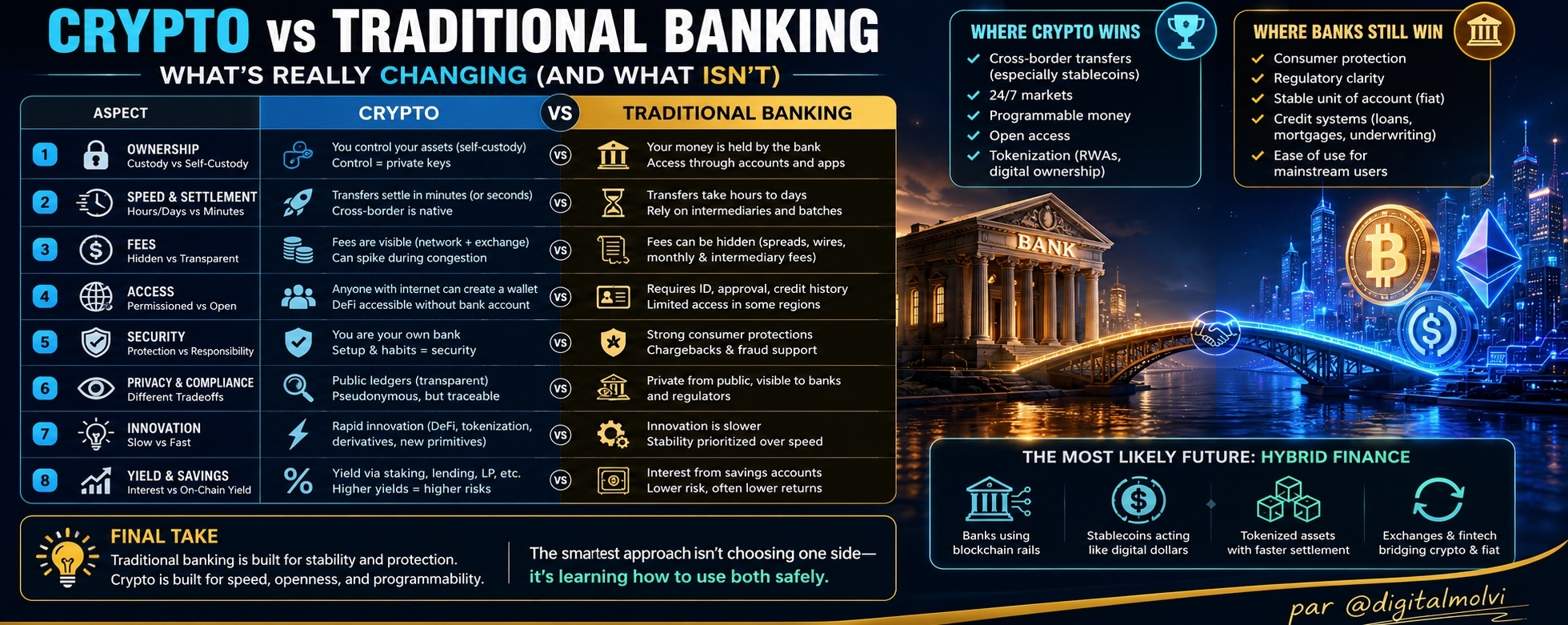
Article
Crypto vs Traditional Banking?Crypto and traditional banking are often framed as enemies: “banks are old, crypto is the future.” Reality is more nuanced. Banks are great at stability and compliance, while crypto is great at speed, programmability, and open access. The next decade likely looks less like “crypto replaces banks” and more like banks + crypto rails merging.
Here’s a clear comparison to understand where each wins, where each struggles, and how everyday users can benefit.
1) Ownership: Custody vs Self-Custody
Traditional Banking
Your money is held by a bank.
You access it through accounts, cards, and apps.
Banks can freeze accounts under legal/compliance rules.
Crypto
You can hold assets yourself (self-custody) or use an exchange/custodian.
Control depends on who holds the private keys.
Self-custody gives control, but also full responsibility.
Key point: Crypto offers true ownership, but it comes with real accountability. Lose your keys, lose access.
2) Speed & Settlement: Hours/Days vs Minutes
Traditional Banking
Transfers can take hours to days (especially cross-border).
Settlement often happens in batches and through intermediaries.
Crypto
Transfers can settle in minutes (sometimes seconds depending on the network).
Cross-border is native—no need for correspondent banks.
Why it matters: For global payments and remittances, crypto rails can be dramatically faster and cheaper—especially using stablecoins.
3) Fees: Hidden Costs vs Transparent (But Variable)
Traditional Banking
Fees can be hidden: FX spreads, wire fees, monthly charges, intermediary fees.
Some services are “free” but paid for through spreads and restrictions.
Crypto
Fees are usually visible (network fees + exchange fees).
Network fees can spike during congestion (e.g., busy chains).
Reality check: Crypto can be cheaper, but not always. The best option depends on the chain, timing, and method.
4) Access: Permissioned vs Open
Traditional Banking
Requires documentation, credit history, and approval.
Some regions face limited access to banking services.
Crypto
Anyone with internet can create a wallet.
DeFi services can be accessed without a bank account (though regulations vary).
Big advantage: Crypto can serve people who are underbanked—but scams and user mistakes are also more common in open systems.
5) Security: Institutional Protection vs Personal Responsibility
Traditional Banking
Strong consumer protections in many countries.
Fraud departments, chargebacks, and regulated dispute processes.
Crypto
Security depends on your setup: device safety, seed phrase storage, phishing awareness.
Transactions are typically irreversible.
Bottom line: Banks protect users from many mistakes. Crypto rewards good security habits—and punishes carelessness.
6) Privacy & Compliance: Different Tradeoffs
Traditional Banking
Banks collect extensive personal data.
Transactions are private from the public, but visible to the bank and regulators.
Crypto
Many blockchains are transparent (public ledger).
Wallet addresses are pseudonymous, but can be linked to identity through exchanges and analytics.
Important: Crypto is not “invisible money.” It’s often more traceable than people think.
7) Innovation: Slow & Regulated vs Fast & Experimental
Traditional Banking
Innovation is slower due to regulation and legacy systems.
Stability is prioritized over speed.
Crypto
Rapid innovation: DeFi lending, automated market makers, tokenization, on-chain derivatives.
More experimental—higher risk of hacks, failures, and volatility.
Tradeoff: Crypto moves fast, but users must manage higher risk.
8) Yield & Savings: Interest Accounts vs On-Chain Yield
Traditional Banking
Savings yields depend on central bank rates and bank policies.
Generally lower risk, but returns may be modest.
Crypto
Yield can come from staking, lending, liquidity provision, or structured products.
Higher yields often mean higher risk (smart contract risk, liquidation risk, token price risk).
Rule of thumb: If the yield looks too good to be true, it usually is.
Where Crypto Wins Today
Cross-border transfers (especially stablecoins)
24/7 markets (no banking hours)
Programmable money (smart contracts)
Open access (anyone can participate)
Tokenization (RWAs, digital ownership, new financial primitives)
Where Banks Still Win
Consumer protection
Regulatory clarity
Stable unit of account (fiat)
Credit systems (loans, mortgages, underwriting)
Ease of use for mainstream users
The Most Likely Future: Hybrid Finance
Instead of “crypto vs banks,” we’re moving toward:
Banks using blockchain rails for settlement
Stablecoins acting like digital dollars
Tokenized assets (stocks, bonds, funds) trading with faster settlement
Exchanges and fintech apps bridging crypto and fiat smoothly
In short: crypto becomes infrastructure, not just an alternative.
Final Take
Traditional banking is built for stability and protection. Crypto is built for speed, openness, and programmability. The smartest approach for most people isn’t choosing one side—it’s learning how to use both safely.#digitalmolvi #BinanceSquare #cryptovsbanking #Banking #article
$BTC
{spot}(BTCUSDT)
$ETH
{spot}(ETHUSDT)
$BNB
{spot}(BNBUSDT)
Crypto vs Traditional Banking?
Crypto and traditional banking are often framed as enemies: “banks are old, crypto is the future.” Reality is more nuanced. Banks are great at stability and compliance, while crypto is great at speed, programmability, and open access. The next decade likely looks less like “crypto replaces banks” and more like banks + crypto rails merging.
Here’s a clear comparison to understand where each wins, where each struggles, and how everyday users can benefit.
1) Ownership: Custody vs Self-Custody
Traditional Banking
Your money is held by a bank.
You access it through accounts, cards, and apps.
Banks can freeze accounts under legal/compliance rules.
Crypto
You can hold assets yourself (self-custody) or use an exchange/custodian.
Control depends on who holds the private keys.
Self-custody gives control, but also full responsibility.
Key point: Crypto offers true ownership, but it comes with real accountability. Lose your keys, lose access.
2) Speed & Settlement: Hours/Days vs Minutes
Traditional Banking
Transfers can take hours to days (especially cross-border).
Settlement often happens in batches and through intermediaries.
Crypto
Transfers can settle in minutes (sometimes seconds depending on the network).
Cross-border is native—no need for correspondent banks.
Why it matters: For global payments and remittances, crypto rails can be dramatically faster and cheaper—especially using stablecoins.
3) Fees: Hidden Costs vs Transparent (But Variable)
Traditional Banking
Fees can be hidden: FX spreads, wire fees, monthly charges, intermediary fees.
Some services are “free” but paid for through spreads and restrictions.
Crypto
Fees are usually visible (network fees + exchange fees).
Network fees can spike during congestion (e.g., busy chains).
Reality check: Crypto can be cheaper, but not always. The best option depends on the chain, timing, and method.
4) Access: Permissioned vs Open
Traditional Banking
Requires documentation, credit history, and approval.
Some regions face limited access to banking services.
Crypto
Anyone with internet can create a wallet.
DeFi services can be accessed without a bank account (though regulations vary).
Big advantage: Crypto can serve people who are underbanked—but scams and user mistakes are also more common in open systems.
5) Security: Institutional Protection vs Personal Responsibility
Traditional Banking
Strong consumer protections in many countries.
Fraud departments, chargebacks, and regulated dispute processes.
Crypto
Security depends on your setup: device safety, seed phrase storage, phishing awareness.
Transactions are typically irreversible.
Bottom line: Banks protect users from many mistakes. Crypto rewards good security habits—and punishes carelessness.
6) Privacy & Compliance: Different Tradeoffs
Traditional Banking
Banks collect extensive personal data.
Transactions are private from the public, but visible to the bank and regulators.
Crypto
Many blockchains are transparent (public ledger).
Wallet addresses are pseudonymous, but can be linked to identity through exchanges and analytics.
Important: Crypto is not “invisible money.” It’s often more traceable than people think.
7) Innovation: Slow & Regulated vs Fast & Experimental
Traditional Banking
Innovation is slower due to regulation and legacy systems.
Stability is prioritized over speed.
Crypto
Rapid innovation: DeFi lending, automated market makers, tokenization, on-chain derivatives.
More experimental—higher risk of hacks, failures, and volatility.
Tradeoff: Crypto moves fast, but users must manage higher risk.
8) Yield & Savings: Interest Accounts vs On-Chain Yield
Traditional Banking
Savings yields depend on central bank rates and bank policies.
Generally lower risk, but returns may be modest.
Crypto
Yield can come from staking, lending, liquidity provision, or structured products.
Higher yields often mean higher risk (smart contract risk, liquidation risk, token price risk).
Rule of thumb: If the yield looks too good to be true, it usually is.
Where Crypto Wins Today
Cross-border transfers (especially stablecoins)
24/7 markets (no banking hours)
Programmable money (smart contracts)
Open access (anyone can participate)
Tokenization (RWAs, digital ownership, new financial primitives)
Where Banks Still Win
Consumer protection
Regulatory clarity
Stable unit of account (fiat)
Credit systems (loans, mortgages, underwriting)
Ease of use for mainstream users
The Most Likely Future: Hybrid Finance
Instead of “crypto vs banks,” we’re moving toward:
Banks using blockchain rails for settlement
Stablecoins acting like digital dollars
Tokenized assets (stocks, bonds, funds) trading with faster settlement
Exchanges and fintech apps bridging crypto and fiat smoothly
In short: crypto becomes infrastructure, not just an alternative.
Final Take
Traditional banking is built for stability and protection. Crypto is built for speed, openness, and programmability. The smartest approach for most people isn’t choosing one side—it’s learning how to use both safely.#digitalmolvi #BinanceSquare #cryptovsbanking #Banking #article
$BTC
$ETH
$BNB
72

Article
How Whales Accumulate Bitcoin?Bitcoin whales don’t usually buy like retail. They rarely chase green candles or go all-in at once. Instead, they accumulate with patience, liquidity awareness, and a clear understanding of market psychology. If you want to understand how large players build positions, you need to think less like a gambler and more like a capital allocator.
1) Whales Accumulate in Silence, Not in Hype
Most whales prefer to buy when the market is quiet, fearful, or distracted. Why? Because large buyers need liquidity. If they buy aggressively during a euphoric breakout, they push price against themselves and reveal their hand.
That’s why whale accumulation often happens during:
sideways ranges
deep pullbacks
panic-driven selloffs
periods of low public interest
Retail usually wants confirmation. Whales often want discounts.
2) They Scale In, Not All-In
A whale cannot simply market buy a huge amount of BTC without causing slippage. So accumulation is usually done in layers.
Common whale behavior:
buying in tranches over time
adding on dips
increasing size near strong support
spreading orders across venues
This approach reduces market impact and improves average entry.
3) They Use Fear as Liquidity
One of the biggest differences between whales and retail is emotional positioning. Retail often sells fear. Whales often buy that fear.
When bad news hits and weak hands panic, liquidity appears. That gives large buyers a chance to absorb supply at better prices.
This is why sharp red days can sometimes be accumulation days—not because the market looks strong, but because forced sellers create opportunity.
4) They Watch Liquidity Zones and Stop Clusters
Whales understand where retail tends to place stops:
below obvious support
below range lows
around round-number levels
Price often sweeps these zones because that’s where liquidity sits. Once stops are triggered and late sellers dump, larger players can absorb the flow.
This is why Bitcoin sometimes breaks support briefly, scares everyone, and then reclaims the level. That move can be a liquidity grab, not true weakness.
5) They Prefer Confirmation After Positioning
Whales often accumulate before the breakout becomes obvious. Once enough supply is absorbed and sellers weaken, price can move higher with less resistance.
Retail tends to enter after:
breakout confirmation
bullish headlines
influencer excitement
strong green candles
By then, whales may already be in profit.
6) On-Chain Clues Can Help, But Context Matters
People often track whale wallets, exchange outflows, and large transfers to understand accumulation. These signals can be useful, but they are not perfect.
Important clues include:
BTC moving off exchanges
large wallets adding over time
reduced sell pressure
coins staying dormant longer
But context matters. Not every large transfer is accumulation. Some are internal movements, custody changes, or OTC-related flows.
7) Whales Think in Cycles, Not in Hours
Retail often thinks in candles. Whales think in cycles.
A whale may accumulate for weeks or months if the long-term thesis is strong. They care less about catching the exact bottom and more about building size before the broader market fully wakes up.
That mindset creates a major edge:
patience
discipline
less emotional trading
better average positioning
Final Take
Whales accumulate Bitcoin by using patience, scaling, fear, and liquidity to their advantage. They don’t need hype to buy—they need opportunity. While retail often reacts to price, whales often position before the crowd sees the full picture.
The lesson is simple: if you want to think like smart money, stop chasing excitement and start studying liquidity, psychology, and market structure.
#digitalmolvi #bitcoin #whales #BTC #BinanceSquare
$BTC
{spot}(BTCUSDT)
How Whales Accumulate Bitcoin?
Bitcoin whales don’t usually buy like retail. They rarely chase green candles or go all-in at once. Instead, they accumulate with patience, liquidity awareness, and a clear understanding of market psychology. If you want to understand how large players build positions, you need to think less like a gambler and more like a capital allocator.
1) Whales Accumulate in Silence, Not in Hype
Most whales prefer to buy when the market is quiet, fearful, or distracted. Why? Because large buyers need liquidity. If they buy aggressively during a euphoric breakout, they push price against themselves and reveal their hand.
That’s why whale accumulation often happens during:
sideways ranges
deep pullbacks
panic-driven selloffs
periods of low public interest
Retail usually wants confirmation. Whales often want discounts.
2) They Scale In, Not All-In
A whale cannot simply market buy a huge amount of BTC without causing slippage. So accumulation is usually done in layers.
Common whale behavior:
buying in tranches over time
adding on dips
increasing size near strong support
spreading orders across venues
This approach reduces market impact and improves average entry.
3) They Use Fear as Liquidity
One of the biggest differences between whales and retail is emotional positioning. Retail often sells fear. Whales often buy that fear.
When bad news hits and weak hands panic, liquidity appears. That gives large buyers a chance to absorb supply at better prices.
This is why sharp red days can sometimes be accumulation days—not because the market looks strong, but because forced sellers create opportunity.
4) They Watch Liquidity Zones and Stop Clusters
Whales understand where retail tends to place stops:
below obvious support
below range lows
around round-number levels
Price often sweeps these zones because that’s where liquidity sits. Once stops are triggered and late sellers dump, larger players can absorb the flow.
This is why Bitcoin sometimes breaks support briefly, scares everyone, and then reclaims the level. That move can be a liquidity grab, not true weakness.
5) They Prefer Confirmation After Positioning
Whales often accumulate before the breakout becomes obvious. Once enough supply is absorbed and sellers weaken, price can move higher with less resistance.
Retail tends to enter after:
breakout confirmation
bullish headlines
influencer excitement
strong green candles
By then, whales may already be in profit.
6) On-Chain Clues Can Help, But Context Matters
People often track whale wallets, exchange outflows, and large transfers to understand accumulation. These signals can be useful, but they are not perfect.
Important clues include:
BTC moving off exchanges
large wallets adding over time
reduced sell pressure
coins staying dormant longer
But context matters. Not every large transfer is accumulation. Some are internal movements, custody changes, or OTC-related flows.
7) Whales Think in Cycles, Not in Hours
Retail often thinks in candles. Whales think in cycles.
A whale may accumulate for weeks or months if the long-term thesis is strong. They care less about catching the exact bottom and more about building size before the broader market fully wakes up.
That mindset creates a major edge:
patience
discipline
less emotional trading
better average positioning
Final Take
Whales accumulate Bitcoin by using patience, scaling, fear, and liquidity to their advantage. They don’t need hype to buy—they need opportunity. While retail often reacts to price, whales often position before the crowd sees the full picture.
The lesson is simple: if you want to think like smart money, stop chasing excitement and start studying liquidity, psychology, and market structure.
#digitalmolvi #bitcoin #whales #BTC #BinanceSquare
$BTC
68

Article
SEC & Crypto Regulations ExplainedCrypto moves fast. Regulators move slower—but when they move, markets feel it immediately. If you’ve ever seen a token dump on “SEC news” or pump on “regulatory clarity,” this article is your simple guide to what’s actually happening and why it matters.
Note: This is educational, not legal advice.
1) What is the SEC, and why does it matter to crypto?
The U.S. Securities and Exchange Commission (SEC) is the main U.S. regulator focused on investor protection and securities markets (think stocks and bonds).
In crypto, the SEC’s biggest influence comes from one question:
Is a crypto asset a “security”?
If the SEC believes a token is a security, then the rules for issuing, selling, and trading it become much stricter—often requiring registration, disclosures, and regulated venues.
2) The key idea: “Security” vs “Commodity”
In simplified terms:
Securities usually involve raising money from the public with an expectation of profit based on someone else’s work (like a company’s management team).
Commodities are more like raw assets traded in markets (think gold, oil). In the U.S., commodities oversight is generally associated with the CFTC (Commodity Futures Trading Commission).
Crypto doesn’t fit neatly into old categories, so regulators and courts end up deciding case-by-case.
3) The Howey Test (the framework you hear about)
A lot of SEC crypto arguments revolve around the Howey Test, a U.S. legal test used to evaluate whether something is an “investment contract” (a type of security).
Traders usually don’t need to memorize it, but the practical takeaway is this:
If a token was sold in a way that looks like fundraising, with marketing that implies profit from a team’s efforts, it may face higher SEC scrutiny.
4) Why SEC actions move prices so much
Regulation affects price because it affects access and liquidity:
Exchange risk: If an asset is labeled a security, platforms may restrict it to reduce legal exposure.
Liquidity risk: Less access can mean less volume, wider spreads, and sharper volatility.
Project risk: Teams may face lawsuits, fines, or forced changes to token distribution/utility.
Narrative risk: Even rumors can trigger fear, uncertainty, and doubt (FUD).
In crypto, liquidity is oxygen. Regulation can change the airflow.
5) What “regulatory clarity” actually means for investors
When people say “we need clarity,” they usually mean:
Clear rules for token issuance
Clear rules for exchanges and brokers
Clear rules for staking, lending, and stablecoins
Clear rules for custody and disclosures
Clarity can reduce surprise risk. But it can also introduce stricter compliance costs—so it’s not always instantly bullish for every project.
6) The biggest regulatory pressure points (what to watch)
Here are the areas that most often create headlines:
A) Token listings & delistings If a token is considered a security, platforms may limit availability in certain regions.
B) Stablecoins Stablecoins touch payments, banking, and money-market behavior—so they get intense attention.
C) Staking & yield products Regulators often focus on whether yield products look like unregistered securities offerings.
D) Exchanges, custody, and market structure Rules around who can operate an exchange, how assets are held, and how trading is supervised are central to the SEC’s mission.
7) A practical “trader’s framework” for SEC/regulation news
Instead of reacting emotionally to headlines, use a simple checklist:
Is this a rumor, a filing, a court ruling, or a final decision?
Does it affect access/liquidity today, or is it long-term?
Which category is impacted? (exchange, stablecoin, staking, token issuer)
What’s the market already priced in? (watch volume + volatility)
What’s your risk plan? (position size, stop, hedge, or stay out)
Regulation headlines are often traded like catalysts—fast moves, then mean reversion. Your edge is staying structured.
8) The bottom line
SEC involvement doesn’t automatically mean “crypto is over.” It means the industry is being pulled toward traditional market rules—sometimes messy, sometimes slow, but undeniably important.
For investors and traders, the goal isn’t to predict every legal outcome. The goal is to understand where regulation can hit liquidity, listings, and narratives, and manage risk accordingly.
#digitalmolvi #SEC #CryptoNews #RiskManagement #BinanceSquare
{future}(BTCUSDT)
$ETH
{future}(ETHUSDT)
$BNB
{future}(BNBUSDT)
SEC & Crypto Regulations Explained
Crypto moves fast. Regulators move slower—but when they move, markets feel it immediately. If you’ve ever seen a token dump on “SEC news” or pump on “regulatory clarity,” this article is your simple guide to what’s actually happening and why it matters.
Note: This is educational, not legal advice.
1) What is the SEC, and why does it matter to crypto?
The U.S. Securities and Exchange Commission (SEC) is the main U.S. regulator focused on investor protection and securities markets (think stocks and bonds).
In crypto, the SEC’s biggest influence comes from one question:
Is a crypto asset a “security”?
If the SEC believes a token is a security, then the rules for issuing, selling, and trading it become much stricter—often requiring registration, disclosures, and regulated venues.
2) The key idea: “Security” vs “Commodity”
In simplified terms:
Securities usually involve raising money from the public with an expectation of profit based on someone else’s work (like a company’s management team).
Commodities are more like raw assets traded in markets (think gold, oil). In the U.S., commodities oversight is generally associated with the CFTC (Commodity Futures Trading Commission).
Crypto doesn’t fit neatly into old categories, so regulators and courts end up deciding case-by-case.
3) The Howey Test (the framework you hear about)
A lot of SEC crypto arguments revolve around the Howey Test, a U.S. legal test used to evaluate whether something is an “investment contract” (a type of security).
Traders usually don’t need to memorize it, but the practical takeaway is this:
If a token was sold in a way that looks like fundraising, with marketing that implies profit from a team’s efforts, it may face higher SEC scrutiny.
4) Why SEC actions move prices so much
Regulation affects price because it affects access and liquidity:
Exchange risk: If an asset is labeled a security, platforms may restrict it to reduce legal exposure.
Liquidity risk: Less access can mean less volume, wider spreads, and sharper volatility.
Project risk: Teams may face lawsuits, fines, or forced changes to token distribution/utility.
Narrative risk: Even rumors can trigger fear, uncertainty, and doubt (FUD).
In crypto, liquidity is oxygen. Regulation can change the airflow.
5) What “regulatory clarity” actually means for investors
When people say “we need clarity,” they usually mean:
Clear rules for token issuance
Clear rules for exchanges and brokers
Clear rules for staking, lending, and stablecoins
Clear rules for custody and disclosures
Clarity can reduce surprise risk. But it can also introduce stricter compliance costs—so it’s not always instantly bullish for every project.
6) The biggest regulatory pressure points (what to watch)
Here are the areas that most often create headlines:
A) Token listings & delistings If a token is considered a security, platforms may limit availability in certain regions.
B) Stablecoins Stablecoins touch payments, banking, and money-market behavior—so they get intense attention.
C) Staking & yield products Regulators often focus on whether yield products look like unregistered securities offerings.
D) Exchanges, custody, and market structure Rules around who can operate an exchange, how assets are held, and how trading is supervised are central to the SEC’s mission.
7) A practical “trader’s framework” for SEC/regulation news
Instead of reacting emotionally to headlines, use a simple checklist:
Is this a rumor, a filing, a court ruling, or a final decision?
Does it affect access/liquidity today, or is it long-term?
Which category is impacted? (exchange, stablecoin, staking, token issuer)
What’s the market already priced in? (watch volume + volatility)
What’s your risk plan? (position size, stop, hedge, or stay out)
Regulation headlines are often traded like catalysts—fast moves, then mean reversion. Your edge is staying structured.
8) The bottom line
SEC involvement doesn’t automatically mean “crypto is over.” It means the industry is being pulled toward traditional market rules—sometimes messy, sometimes slow, but undeniably important.
For investors and traders, the goal isn’t to predict every legal outcome. The goal is to understand where regulation can hit liquidity, listings, and narratives, and manage risk accordingly.
#digitalmolvi #SEC #CryptoNews #RiskManagement #BinanceSquare
$ETH
$BNB
1
101
Log in to explore more content
Join global crypto users on Binance Square
⚡️ Get latest and useful information about crypto.
💬 Trusted by the world’s largest crypto exchange.
👍 Discover real insights from verified creators.
Email / Phone number
Trending Topics
1
#HuangExitNvidiaStrategyInFocus
79,530 views
915 Discussing
2
#AnthropicRejectsIPODelayValuationinQuestion
678,200 views
5,201 Discussing
3
#BitMineReports$6.3BNetLossForFiscal2026
10,141 views
115 Discussing
4
#ChipStocksExtendLossesAfterNvidiaCEOChange
30,039 views
403 Discussing
5
#ThailandProposes$148KDailyStablecoinDepositWithdrawalCaps
2,894 views
45 Discussing
6
#CoreWeaveJumps10%On168%RevenueGrowth
181,715 views
1,640 Discussing
7
#ZcashFallsBelow$1000ForFirstTimeSinceSeptember
86,529 views
259 Discussing
8
#MSCIRemovalMayCurbStrategy’sBitcoinBuying
51,817 views
581 Discussing
9
#TradFiForBeginners
529,461 views
3,678 Discussing
10
#USJoblessClaimsRise
19.1M views
7,787 Discussing