
#linux
linux
8,091 views
37 Discussing
Hot
Latest

OpenAI 的 AI 在 Linux 内核中发现了 948 个漏洞,每个漏洞的发现成本仅 1,279 美元,而约三分之二的以太坊节点都运行 Linux——去中心化保护不了共享的基础设施,关键在于所有运营者能否同时快速打补丁。
OpenAI's AI just found 948 flaws in the Linux kernel — and wrote a working exploit for every one of them.
Cost: $1,279 per flaw.
~2/3 of $ETH nodes run Linux.
Decentralization was supposed to protect crypto from exactly this. It doesn't.
The comforting line is "decentralization brings diversity."
It doesn't — not where it counts. Thousands of independent operators, one shared kernel. A single flaw becomes a map of who patches slowest.
Diversity of operators is not diversity of infrastructure.
The race is no longer discovery. AI made finding flaws cheap — $1.2M for bugs bounties value at up to $66M.
Crypto's edge was never immunity. It's that no single machine decides the network.
That only holds if operators patch — fast, and all at once.
#Linux #AI #Ethereum
OpenAI 的 AI 在 Linux 内核中发现了 948 个漏洞,每个漏洞的发现成本仅 1,279 美元,而约三分之二的以太坊节点都运行 Linux——去中心化保护不了共享的基础设施,关键在于所有运营者能否同时快速打补丁。
OpenAI's AI just found 948 flaws in the Linux kernel — and wrote a working exploit for every one of them.
Cost: $1,279 per flaw.
~2/3 of $ETH nodes run Linux.
Decentralization was supposed to protect crypto from exactly this. It doesn't.
The comforting line is "decentralization brings diversity."
It doesn't — not where it counts. Thousands of independent operators, one shared kernel. A single flaw becomes a map of who patches slowest.
Diversity of operators is not diversity of infrastructure.
The race is no longer discovery. AI made finding flaws cheap — $1.2M for bugs bounties value at up to $66M.
Crypto's edge was never immunity. It's that no single machine decides the network.
That only holds if operators patch — fast, and all at once.
#Linux #AI #Ethereum
OpenAI's AI just found 948 flaws in the Linux kernel — and wrote a working exploit for every one of them.
Cost: $1,279 per flaw.
~2/3 of $ETH nodes run Linux.
Decentralization was supposed to protect crypto from exactly this. It doesn't.
The comforting line is "decentralization brings diversity."
It doesn't — not where it counts. Thousands of independent operators, one shared kernel. A single flaw becomes a map of who patches slowest.
Diversity of operators is not diversity of infrastructure.
The race is no longer discovery. AI made finding flaws cheap — $1.2M for bugs bounties value at up to $66M.
Crypto's edge was never immunity. It's that no single machine decides the network.
That only holds if operators patch — fast, and all at once.
#Linux #AI #Ethereum
87

OpenAI vừa khiến cả thế giới công nghệ phải lo lắng: AI tự động tìm, chứng minh và khai thác hàng ngàn lỗ hổng Linux! Hệ thống AI này đã quét kernel Linux, phát hiện 2,308 vấn đề tiềm ẩn và tái tạo 1,724 lỗ hổng.
Đáng sợ hơn, nó tự tạo ra 948 exploit leo thang đặc quyền cục bộ và 291 exploit rò rỉ thông tin. Tức là, kẻ tấn công có thể dễ dàng chiếm quyền root trên một máy Linux! AI thậm chí còn tìm ra 10 phương pháp khai thác chưa từng được biết đến.
Chỉ tốn $1.2 triệu USD chi phí API, hệ thống này đã tạo ra hàng trăm exploit. Đây là chi phí siêu rẻ cho một đội ngũ an ninh mạng, nhưng cũng là một cái giá quá nhỏ để tạo ra vũ khí mạng cực kỳ nguy hiểm.
AI đang thay đổi cuộc chơi an ninh mạng mãi mãi. Nó có thể giúp chúng ta tự bảo vệ, nhưng cũng có thể trở thành một công cụ hủy diệt nếu rơi vào tay sai.
Liệu chúng ta đã sẵn sàng cho kỷ nguyên AI làm chủ cyber warfare?
#Crypto #AI #Linux
$AI
OpenAI vừa khiến cả thế giới công nghệ phải lo lắng: AI tự động tìm, chứng minh và khai thác hàng ngàn lỗ hổng Linux! Hệ thống AI này đã quét kernel Linux, phát hiện 2,308 vấn đề tiềm ẩn và tái tạo 1,724 lỗ hổng.
Đáng sợ hơn, nó tự tạo ra 948 exploit leo thang đặc quyền cục bộ và 291 exploit rò rỉ thông tin. Tức là, kẻ tấn công có thể dễ dàng chiếm quyền root trên một máy Linux! AI thậm chí còn tìm ra 10 phương pháp khai thác chưa từng được biết đến.
Chỉ tốn $1.2 triệu USD chi phí API, hệ thống này đã tạo ra hàng trăm exploit. Đây là chi phí siêu rẻ cho một đội ngũ an ninh mạng, nhưng cũng là một cái giá quá nhỏ để tạo ra vũ khí mạng cực kỳ nguy hiểm.
AI đang thay đổi cuộc chơi an ninh mạng mãi mãi. Nó có thể giúp chúng ta tự bảo vệ, nhưng cũng có thể trở thành một công cụ hủy diệt nếu rơi vào tay sai.
Liệu chúng ta đã sẵn sàng cho kỷ nguyên AI làm chủ cyber warfare?
#Crypto #AI #Linux
$AI
Đáng sợ hơn, nó tự tạo ra 948 exploit leo thang đặc quyền cục bộ và 291 exploit rò rỉ thông tin. Tức là, kẻ tấn công có thể dễ dàng chiếm quyền root trên một máy Linux! AI thậm chí còn tìm ra 10 phương pháp khai thác chưa từng được biết đến.
Chỉ tốn $1.2 triệu USD chi phí API, hệ thống này đã tạo ra hàng trăm exploit. Đây là chi phí siêu rẻ cho một đội ngũ an ninh mạng, nhưng cũng là một cái giá quá nhỏ để tạo ra vũ khí mạng cực kỳ nguy hiểm.
AI đang thay đổi cuộc chơi an ninh mạng mãi mãi. Nó có thể giúp chúng ta tự bảo vệ, nhưng cũng có thể trở thành một công cụ hủy diệt nếu rơi vào tay sai.
Liệu chúng ta đã sẵn sàng cho kỷ nguyên AI làm chủ cyber warfare?
#Crypto #AI #Linux
$AI
12


·
--
刷到 OpenAI 一份挺硬核的安全研究:他们把「找洞→验证→利用评估→补丁」做成了自动化管线,对着 Linux 内核跑了一轮。
官方博客口径:十月中旬那次扫描,筛出约 2308 个候选,动态复现 1724 个漏洞,做出 948 个本地提权(LPE)利用——普通本地用户能拿到 root。整次 API 花销约 121 万美元,平均每个 LPE 大约 1279 美元。按历史上 Pwn2Own / TyphoonPWN 赏金粗算,那 948 个大概值 1890 万到 6630 万美元。
流程有人工复核;他们说至少用到了 10 种对第三方内核专家来说也算新的利用手法,并在往维护者交报告和补丁。注意这是本地提权,不是远程打穿,而且要人审过才上报。
AI 找洞补洞的速度,已经开始跟维护者抢时间了。#OpenAI #Linux #AI
刷到 OpenAI 一份挺硬核的安全研究:他们把「找洞→验证→利用评估→补丁」做成了自动化管线,对着 Linux 内核跑了一轮。
官方博客口径:十月中旬那次扫描,筛出约 2308 个候选,动态复现 1724 个漏洞,做出 948 个本地提权(LPE)利用——普通本地用户能拿到 root。整次 API 花销约 121 万美元,平均每个 LPE 大约 1279 美元。按历史上 Pwn2Own / TyphoonPWN 赏金粗算,那 948 个大概值 1890 万到 6630 万美元。
流程有人工复核;他们说至少用到了 10 种对第三方内核专家来说也算新的利用手法,并在往维护者交报告和补丁。注意这是本地提权,不是远程打穿,而且要人审过才上报。
AI 找洞补洞的速度,已经开始跟维护者抢时间了。#OpenAI #Linux #AI
官方博客口径:十月中旬那次扫描,筛出约 2308 个候选,动态复现 1724 个漏洞,做出 948 个本地提权(LPE)利用——普通本地用户能拿到 root。整次 API 花销约 121 万美元,平均每个 LPE 大约 1279 美元。按历史上 Pwn2Own / TyphoonPWN 赏金粗算,那 948 个大概值 1890 万到 6630 万美元。
流程有人工复核;他们说至少用到了 10 种对第三方内核专家来说也算新的利用手法,并在往维护者交报告和补丁。注意这是本地提权,不是远程打穿,而且要人审过才上报。
AI 找洞补洞的速度,已经开始跟维护者抢时间了。#OpenAI #Linux #AI

6





New Linux flaw called "Bad Epoll" just dropped... 🚨
It lets anyone grab root access on Linux and Android devices!! Even AI missed this one... make sure your systems are patched up ASAP!! 🛡️
#CyberSecurity #Linux
New Linux flaw called "Bad Epoll" just dropped... 🚨
It lets anyone grab root access on Linux and Android devices!! Even AI missed this one... make sure your systems are patched up ASAP!! 🛡️
#CyberSecurity #Linux
It lets anyone grab root access on Linux and Android devices!! Even AI missed this one... make sure your systems are patched up ASAP!! 🛡️
#CyberSecurity #Linux
30

You could share thoughts on digital finance: The future of digital finance is here, and cross-border transactions have never been more seamless with platforms like RedotPay and Binance. #CryptoTransaction actions.
Another on tech setup: Setting up my Android compatibility layer on Linux was a great move. Running mobile applications on a desktop environment maximizes productivity. #linux #TechSetup up.
You could share thoughts on digital finance: The future of digital finance is here, and cross-border transactions have never been more seamless with platforms like RedotPay and Binance. #CryptoTransaction actions.
Another on tech setup: Setting up my Android compatibility layer on Linux was a great move. Running mobile applications on a desktop environment maximizes productivity. #linux #TechSetup up.
Another on tech setup: Setting up my Android compatibility layer on Linux was a great move. Running mobile applications on a desktop environment maximizes productivity. #linux #TechSetup up.
40

·
--
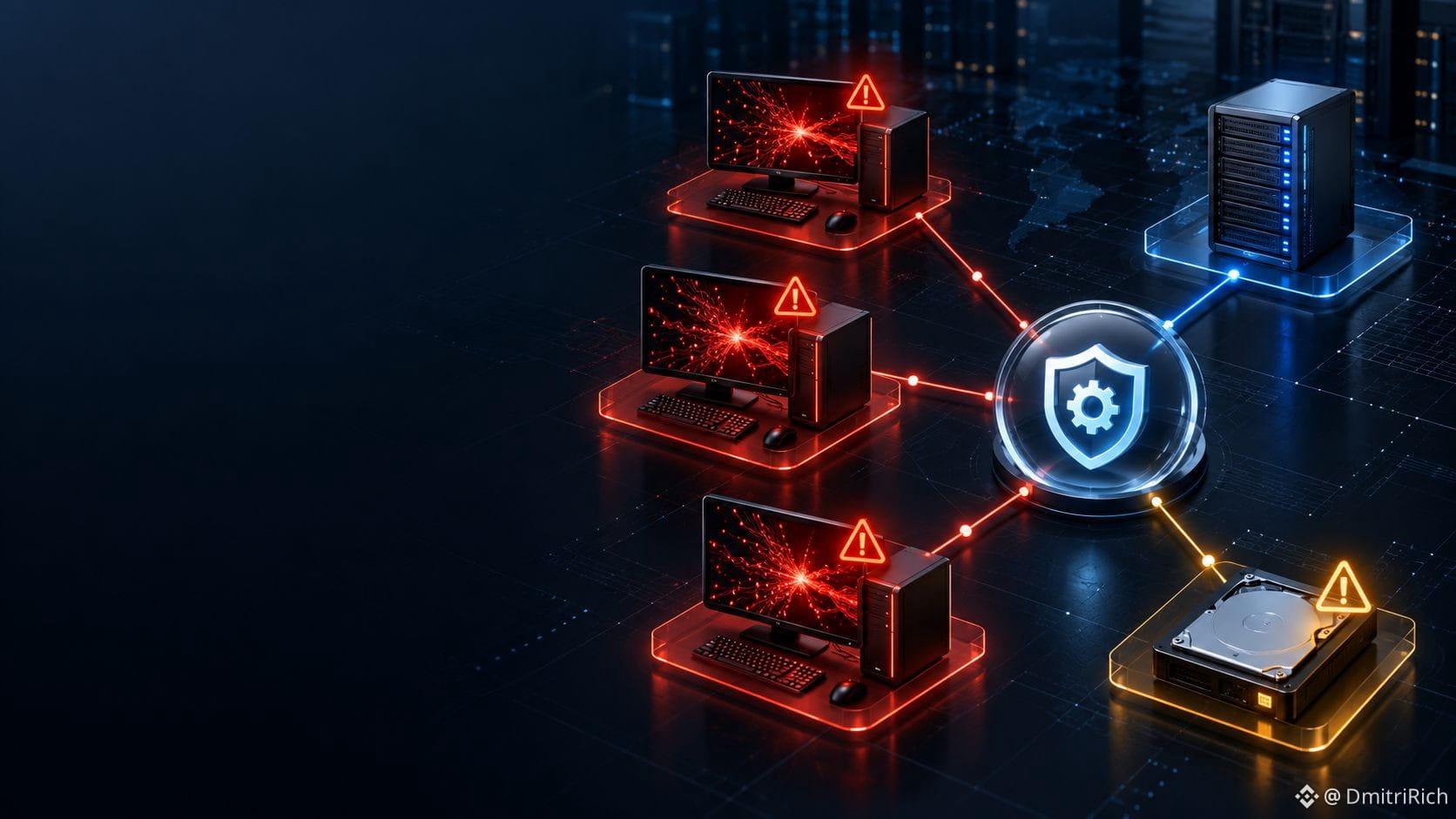
Bitcoin Core's new security releases matter more to node operators than to the $BTC chart.
Two medium-severity flaws could exhaust memory. One allowed a connected malicious peer to trivially crash #Windows , #MacOS or #BSD nodes; another could grow memory by up to 2 MB per hour for each inbound peer and 5 MB per hour for each outbound peer. #linux is not affected by the first flaw.
Fixes are in versions 29.5, 30.4, 31.2 and 32.1. A separate low-severity undo-file issue remains on 32-bit systems and FAT32 storage, though exploitation is considered impractical.
The useful takeaway: check the operating system, storage format and Core version. This is an operator patch, not a #bitcoin network panic.
{future}(BTCUSDT)
Bitcoin Core's new security releases matter more to node operators than to the $BTC chart.
Two medium-severity flaws could exhaust memory. One allowed a connected malicious peer to trivially crash #Windows , #MacOS or #BSD nodes; another could grow memory by up to 2 MB per hour for each inbound peer and 5 MB per hour for each outbound peer. #linux is not affected by the first flaw.
Fixes are in versions 29.5, 30.4, 31.2 and 32.1. A separate low-severity undo-file issue remains on 32-bit systems and FAT32 storage, though exploitation is considered impractical.
The useful takeaway: check the operating system, storage format and Core version. This is an operator patch, not a #bitcoin network panic.
Two medium-severity flaws could exhaust memory. One allowed a connected malicious peer to trivially crash #Windows , #MacOS or #BSD nodes; another could grow memory by up to 2 MB per hour for each inbound peer and 5 MB per hour for each outbound peer. #linux is not affected by the first flaw.
Fixes are in versions 29.5, 30.4, 31.2 and 32.1. A separate low-severity undo-file issue remains on 32-bit systems and FAT32 storage, though exploitation is considered impractical.
The useful takeaway: check the operating system, storage format and Core version. This is an operator patch, not a #bitcoin network panic.
65

·
--
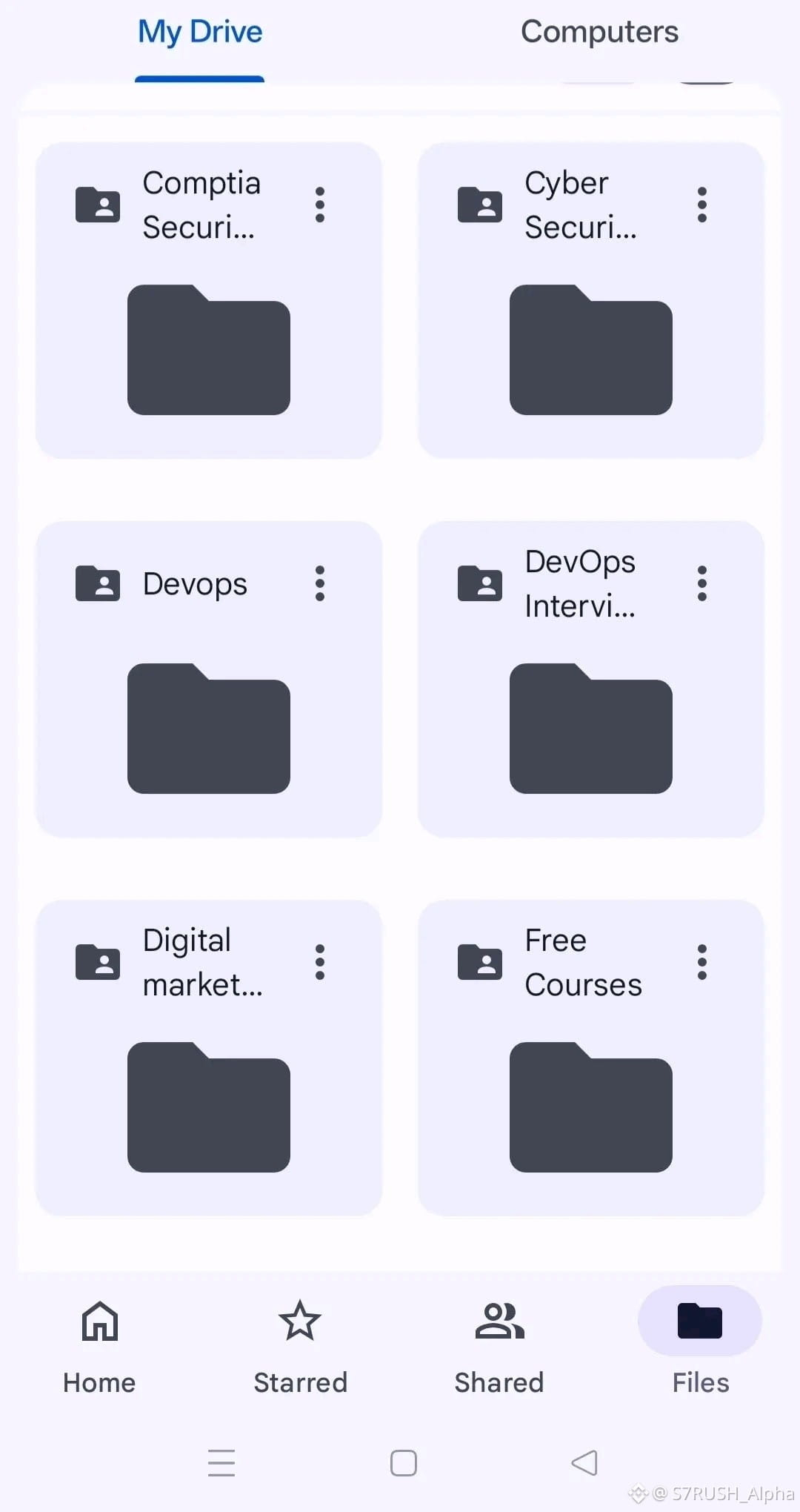
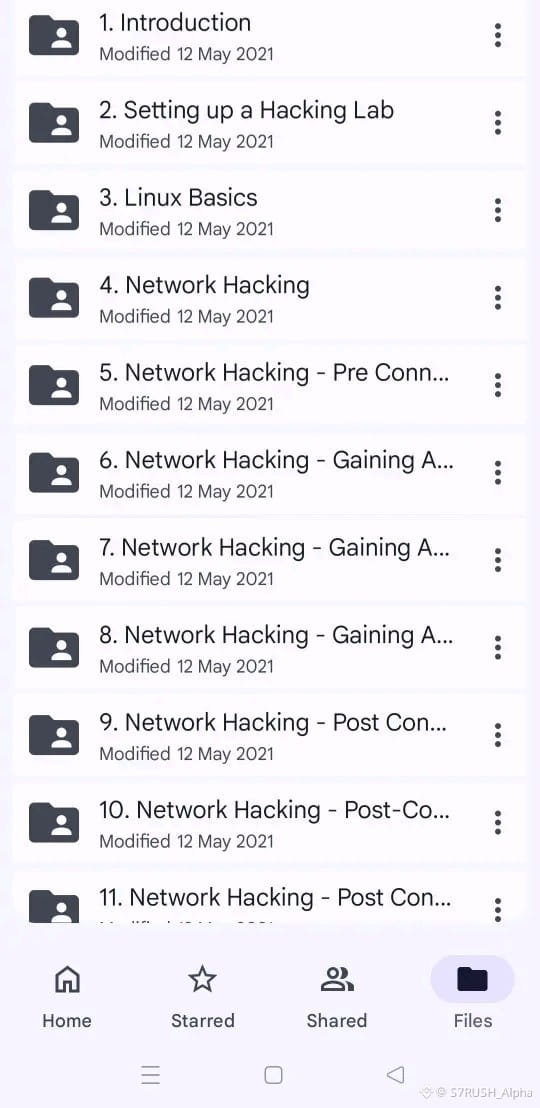
50+ GB Cybersecurity Learning Bundle 🚀
A massive collection of resources covering networking, Linux, web security, OSINT, and defensive security workflows.
Perfect for anyone serious about building real cybersecurity skills from beginner to advanced.
Share and Comment "BUNDLE" 🚀👇
#cybersecurity #infosec #learning #linux #NetworkSecurity
50+ GB Cybersecurity Learning Bundle 🚀
A massive collection of resources covering networking, Linux, web security, OSINT, and defensive security workflows.
Perfect for anyone serious about building real cybersecurity skills from beginner to advanced.
Share and Comment "BUNDLE" 🚀👇
#cybersecurity #infosec #learning #linux #NetworkSecurity
A massive collection of resources covering networking, Linux, web security, OSINT, and defensive security workflows.
Perfect for anyone serious about building real cybersecurity skills from beginner to advanced.
Share and Comment "BUNDLE" 🚀👇
#cybersecurity #infosec #learning #linux #NetworkSecurity
48

👾Investigadores detectaron una vulnerabilidad en el kernel de Linux, el sistema operativo empleado por el 63% de los nodos de Bitcoin. La falla, detectada con IA, es corregible con un parche ya distribuido.
#linux #BTC #BTC走势分析 #bitcoin #blockchain $BTC
👾Investigadores detectaron una vulnerabilidad en el kernel de Linux, el sistema operativo empleado por el 63% de los nodos de Bitcoin. La falla, detectada con IA, es corregible con un parche ya distribuido.
#linux #BTC #BTC走势分析 #bitcoin #blockchain $BTC
#linux #BTC #BTC走势分析 #bitcoin #blockchain $BTC

3
101

·
--
The $2.1 Billion Wake-Up Call: The Sneaky Web3 Flaw Most People IgnoreImagine waking up, grabbing your phone to check your favorite DeFi protocol, and seeing the entire liquidity pool sitting at absolute zero. No one stole your seed phrase. You didn’t click a sketchy phishing link. A hacker just found a tiny loophole in the smart contract code and drained the vault in broad daylight.
As Web3 scales, the stakes are getting crazy high. If you want to protect your capital and actually survive in this space, you have to start thinking deeper and smarter. Let’s break down how blockchain security actually works, and why your first step into this world should always start with Linux.
The "Big Three" Bugs That Drain Protocols
When you see a headline about a massive Web3 exploit, it’s almost never a failure of the actual Bitcoin or Ethereum networks. It’s almost always a flaw in the application's Smart Contract. These are the top three vulnerabilities keeping developers up at night:
Reentrancy Attacks: Think of this like a broken ATM. A smart contract sends money to a user but forgets to update their account balance before the transfer finishes. A hacker exploits this split second to repeatedly request withdrawals, draining the vault before the system realizes the money is already gone.
Flash Loan Exploits: This is pure financial gymnastics. An attacker borrows millions in uncollateralized crypto, uses that massive capital to artificially warp token prices on a decentralized exchange (DEX), pockets the arbitrage difference, and pays back the loan—all within a single transaction block.
Oracle Manipulation: Smart contracts are isolated; they need external data feeds called "oracles" to know what crypto is currently worth. If a hacker manages to tamper with that feed, they can trick a lending protocol into thinking an asset is practically worthless, allowing them to buy it up for pennies.
Stay Three Steps Ahead
Cybersecurity isn't just a topic for developers anymore. Whether you are trading, building, or writing here on Binance, understanding the basics of Linux navigation and smart contract architecture is your absolute best insurance policy.
Before you ape your hard-earned funds into the next high-yield protocol, take five minutes to check if their code has been publicly audited by a legit security firm.
Have you ever been burned by a crypto exploit, or did you ever back out of a project because something just felt off? Drop your stories below—what’s the number one safety rule you follow before moving your funds? 👇
#Web3Security #EthicalHacking #Linux #CryptoSafety #binancewritetoearn
The $2.1 Billion Wake-Up Call: The Sneaky Web3 Flaw Most People Ignore
Imagine waking up, grabbing your phone to check your favorite DeFi protocol, and seeing the entire liquidity pool sitting at absolute zero. No one stole your seed phrase. You didn’t click a sketchy phishing link. A hacker just found a tiny loophole in the smart contract code and drained the vault in broad daylight.
As Web3 scales, the stakes are getting crazy high. If you want to protect your capital and actually survive in this space, you have to start thinking deeper and smarter. Let’s break down how blockchain security actually works, and why your first step into this world should always start with Linux.
The "Big Three" Bugs That Drain Protocols
When you see a headline about a massive Web3 exploit, it’s almost never a failure of the actual Bitcoin or Ethereum networks. It’s almost always a flaw in the application's Smart Contract. These are the top three vulnerabilities keeping developers up at night:
Reentrancy Attacks: Think of this like a broken ATM. A smart contract sends money to a user but forgets to update their account balance before the transfer finishes. A hacker exploits this split second to repeatedly request withdrawals, draining the vault before the system realizes the money is already gone.
Flash Loan Exploits: This is pure financial gymnastics. An attacker borrows millions in uncollateralized crypto, uses that massive capital to artificially warp token prices on a decentralized exchange (DEX), pockets the arbitrage difference, and pays back the loan—all within a single transaction block.
Oracle Manipulation: Smart contracts are isolated; they need external data feeds called "oracles" to know what crypto is currently worth. If a hacker manages to tamper with that feed, they can trick a lending protocol into thinking an asset is practically worthless, allowing them to buy it up for pennies.
Stay Three Steps Ahead
Cybersecurity isn't just a topic for developers anymore. Whether you are trading, building, or writing here on Binance, understanding the basics of Linux navigation and smart contract architecture is your absolute best insurance policy.
Before you ape your hard-earned funds into the next high-yield protocol, take five minutes to check if their code has been publicly audited by a legit security firm.
Have you ever been burned by a crypto exploit, or did you ever back out of a project because something just felt off? Drop your stories below—what’s the number one safety rule you follow before moving your funds? 👇
#Web3Security #EthicalHacking #Linux #CryptoSafety #binancewritetoearn
As Web3 scales, the stakes are getting crazy high. If you want to protect your capital and actually survive in this space, you have to start thinking deeper and smarter. Let’s break down how blockchain security actually works, and why your first step into this world should always start with Linux.
The "Big Three" Bugs That Drain Protocols
When you see a headline about a massive Web3 exploit, it’s almost never a failure of the actual Bitcoin or Ethereum networks. It’s almost always a flaw in the application's Smart Contract. These are the top three vulnerabilities keeping developers up at night:
Reentrancy Attacks: Think of this like a broken ATM. A smart contract sends money to a user but forgets to update their account balance before the transfer finishes. A hacker exploits this split second to repeatedly request withdrawals, draining the vault before the system realizes the money is already gone.
Flash Loan Exploits: This is pure financial gymnastics. An attacker borrows millions in uncollateralized crypto, uses that massive capital to artificially warp token prices on a decentralized exchange (DEX), pockets the arbitrage difference, and pays back the loan—all within a single transaction block.
Oracle Manipulation: Smart contracts are isolated; they need external data feeds called "oracles" to know what crypto is currently worth. If a hacker manages to tamper with that feed, they can trick a lending protocol into thinking an asset is practically worthless, allowing them to buy it up for pennies.
Stay Three Steps Ahead
Cybersecurity isn't just a topic for developers anymore. Whether you are trading, building, or writing here on Binance, understanding the basics of Linux navigation and smart contract architecture is your absolute best insurance policy.
Before you ape your hard-earned funds into the next high-yield protocol, take five minutes to check if their code has been publicly audited by a legit security firm.
Have you ever been burned by a crypto exploit, or did you ever back out of a project because something just felt off? Drop your stories below—what’s the number one safety rule you follow before moving your funds? 👇
#Web3Security #EthicalHacking #Linux #CryptoSafety #binancewritetoearn
157


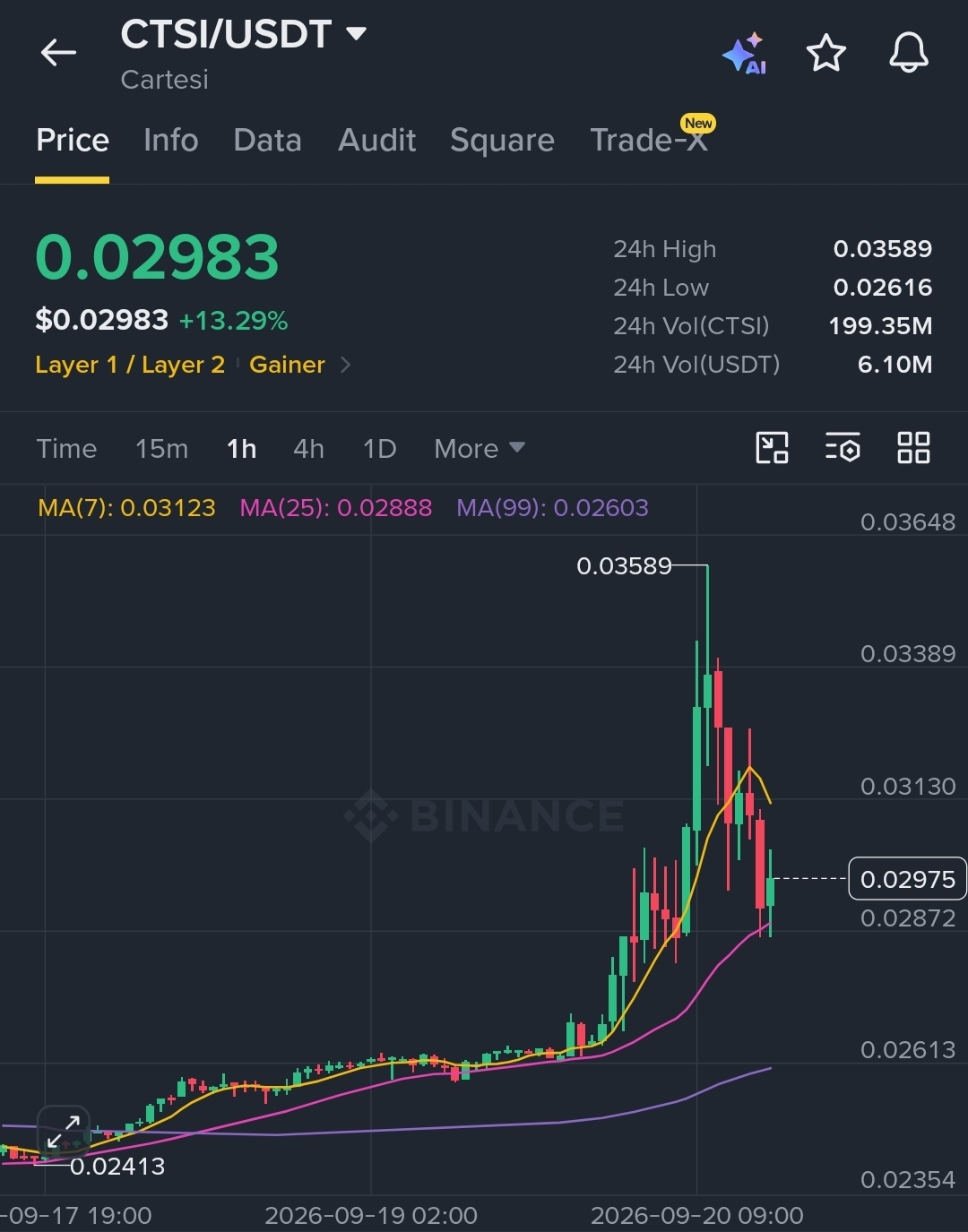
$CTSI /USDT — 🔴 SHORT · Conf 69%
📍 Entry: 0.0297 – 0.0299
🛑 SL: 0.0389
🎯 TP1: 0.0283
✅ TP2: 0.0271
🏆 TP3: 0.0254
Spiked to 0.03589 then reversed hard — MA7 (0.03123) already curling down with price failing to reclaim it on multiple 1H attempts, indicating the pump is losing steam.
$CTSI : Cartesi is a Layer 2 solution enabling Linux-based computation for smart contracts via its Cartesi Machine rollup architecture — key mechanic is that developers can build dApps using traditional software stacks without Solidity; risk is that the Linux VM approach hasn't generated significant dApp deployment despite years in market.
If Cartesi's core value prop is letting developers use familiar Linux tooling for blockchain apps, why has the ecosystem failed to attract mainstream Web2 developers who would theoretically benefit most from this approach?
#CTSI #Cartesi #Layer2 #linux #dApps
{future}(CTSIUSDT)
$CTSI /USDT — 🔴 SHORT · Conf 69%
📍 Entry: 0.0297 – 0.0299
🛑 SL: 0.0389
🎯 TP1: 0.0283
✅ TP2: 0.0271
🏆 TP3: 0.0254
Spiked to 0.03589 then reversed hard — MA7 (0.03123) already curling down with price failing to reclaim it on multiple 1H attempts, indicating the pump is losing steam.
$CTSI : Cartesi is a Layer 2 solution enabling Linux-based computation for smart contracts via its Cartesi Machine rollup architecture — key mechanic is that developers can build dApps using traditional software stacks without Solidity; risk is that the Linux VM approach hasn't generated significant dApp deployment despite years in market.
If Cartesi's core value prop is letting developers use familiar Linux tooling for blockchain apps, why has the ecosystem failed to attract mainstream Web2 developers who would theoretically benefit most from this approach?
#CTSI #Cartesi #Layer2 #linux #dApps
📍 Entry: 0.0297 – 0.0299
🛑 SL: 0.0389
🎯 TP1: 0.0283
✅ TP2: 0.0271
🏆 TP3: 0.0254
Spiked to 0.03589 then reversed hard — MA7 (0.03123) already curling down with price failing to reclaim it on multiple 1H attempts, indicating the pump is losing steam.
$CTSI : Cartesi is a Layer 2 solution enabling Linux-based computation for smart contracts via its Cartesi Machine rollup architecture — key mechanic is that developers can build dApps using traditional software stacks without Solidity; risk is that the Linux VM approach hasn't generated significant dApp deployment despite years in market.
If Cartesi's core value prop is letting developers use familiar Linux tooling for blockchain apps, why has the ecosystem failed to attract mainstream Web2 developers who would theoretically benefit most from this approach?
#CTSI #Cartesi #Layer2 #linux #dApps

1
282


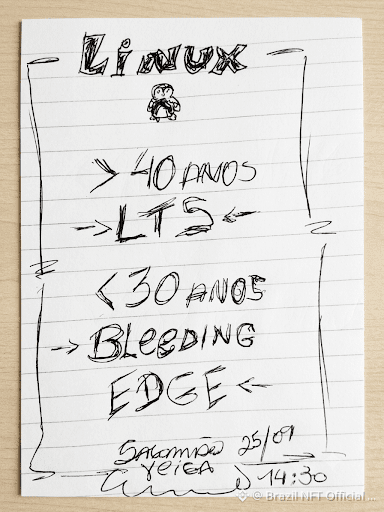
Após estar ultrapassando 10 anos de #Linux , estou extremamente triste por não ter conhecido esse mundo Dev antes!💪🙏🤓
Uma antologia orgânica! 😅
#softwaee #Dapps #sistemasoperacionais
Após estar ultrapassando 10 anos de #Linux , estou extremamente triste por não ter conhecido esse mundo Dev antes!💪🙏🤓
Uma antologia orgânica! 😅
#softwaee #Dapps #sistemasoperacionais
Uma antologia orgânica! 😅
#softwaee #Dapps #sistemasoperacionais
2
115
Log in to explore more content
Join global crypto users on Binance Square
⚡️ Get latest and useful information about crypto.
💬 Trusted by the world’s largest crypto exchange.
👍 Discover real insights from verified creators.
Email / Phone number
Trending Topics
1
#HotCPIDecemberHikePriced
214,703 views
2,302 Discussing
2
#StrategyFaces$2.8BSelloffRiskFromMSCIRemoval
6,656 views
81 Discussing
3
#AnthropicRejectsIPODelayValuationinQuestion
302,406 views
2,597 Discussing
4
#AnthropicDisclosesOver$10BNewComputeDeals
43 views
12 Discussing
5
#CoreWeaveJumps10%On168%RevenueGrowth
686 views
46 Discussing
6
#CanNvidiaEarningsEaseMarketConcerns?
74,459 views
967 Discussing
7
#BarclaysRaisesBlackRockBitcoinETFStake48%
494 views
36 Discussing
8
#BitmineReports$6.3BFiscal2026Loss
2,223 views
13 Discussing
9
#SouthKoreaPartiesTentativelyAgreeToDelayCryptoTax
2,721 views
77 Discussing
10
#TradFiForBeginners
458,510 views
3,016 Discussing