

#cryptonews
cryptonews
111.7M views
286,819 Discussing
Hot
Latest

·
--
🚨 LATEST MARKET UPDATE | $BTC Nearly 5,000 BTC leaves Bitget as hackers begin laundering $387 million haul ━━━━━━━━━━━━━━━━━━━━━
📌 KEY HIGHLIGHTS (TL;DR):
• Nearly 5,000 Bitcoin has left Bitget’s tracked reserves after the crypto exchange reopened withdrawals following its $387.5 million hack. On Sept. 28, Bitget Chief Executive Officer Gracy Chen said the exchange had processed 9,585 withdrawal orders totaling 4,098.036 BTC as of 17:00 UTC+8, shortly after it resumed Bitcoin withdrawals. Separate DeFiLlama data showed Bitget’s tracked […] The post Nearly 5,000 BTC leaves Bitget as hackers begin laundering $387 million haul appeared first on CryptoSlate .
• Institutional flow and liquidity patterns are actively reacting to this news.
• Traders should closely watch key support and resistance zones for $BTC. 📊 MARKET IMPLICATIONS:
As volatility expands across the broader digital asset space, $BTC continues to be a central focal point for market momentum. Monitor order-book depth and funding rates for confirmation before entering high-leverage positions. 💬 COMMUNITY PULSE:
How do you see this impacting the market this week? Are you Bullish 🟢 or Bearish 🔴 on $BTC? Let us know in the comments below! 👇 ━━━━━━━━━━━━━━━━━━━━━
$BTC #BinanceSquare #CryptoNews
🚨 LATEST MARKET UPDATE | $BTC Nearly 5,000 BTC leaves Bitget as hackers begin laundering $387 million haul ━━━━━━━━━━━━━━━━━━━━━
📌 KEY HIGHLIGHTS (TL;DR):
• Nearly 5,000 Bitcoin has left Bitget’s tracked reserves after the crypto exchange reopened withdrawals following its $387.5 million hack. On Sept. 28, Bitget Chief Executive Officer Gracy Chen said the exchange had processed 9,585 withdrawal orders totaling 4,098.036 BTC as of 17:00 UTC+8, shortly after it resumed Bitcoin withdrawals. Separate DeFiLlama data showed Bitget’s tracked […] The post Nearly 5,000 BTC leaves Bitget as hackers begin laundering $387 million haul appeared first on CryptoSlate .
• Institutional flow and liquidity patterns are actively reacting to this news.
• Traders should closely watch key support and resistance zones for $BTC . 📊 MARKET IMPLICATIONS:
As volatility expands across the broader digital asset space, $BTC continues to be a central focal point for market momentum. Monitor order-book depth and funding rates for confirmation before entering high-leverage positions. 💬 COMMUNITY PULSE:
How do you see this impacting the market this week? Are you Bullish 🟢 or Bearish 🔴 on $BTC ? Let us know in the comments below! 👇 ━━━━━━━━━━━━━━━━━━━━━
$BTC #BinanceSquare #CryptoNews
📌 KEY HIGHLIGHTS (TL;DR):
• Nearly 5,000 Bitcoin has left Bitget’s tracked reserves after the crypto exchange reopened withdrawals following its $387.5 million hack. On Sept. 28, Bitget Chief Executive Officer Gracy Chen said the exchange had processed 9,585 withdrawal orders totaling 4,098.036 BTC as of 17:00 UTC+8, shortly after it resumed Bitcoin withdrawals. Separate DeFiLlama data showed Bitget’s tracked […] The post Nearly 5,000 BTC leaves Bitget as hackers begin laundering $387 million haul appeared first on CryptoSlate .
• Institutional flow and liquidity patterns are actively reacting to this news.
• Traders should closely watch key support and resistance zones for $BTC . 📊 MARKET IMPLICATIONS:
As volatility expands across the broader digital asset space, $BTC continues to be a central focal point for market momentum. Monitor order-book depth and funding rates for confirmation before entering high-leverage positions. 💬 COMMUNITY PULSE:
How do you see this impacting the market this week? Are you Bullish 🟢 or Bearish 🔴 on $BTC ? Let us know in the comments below! 👇 ━━━━━━━━━━━━━━━━━━━━━
$BTC #BinanceSquare #CryptoNews
1
972
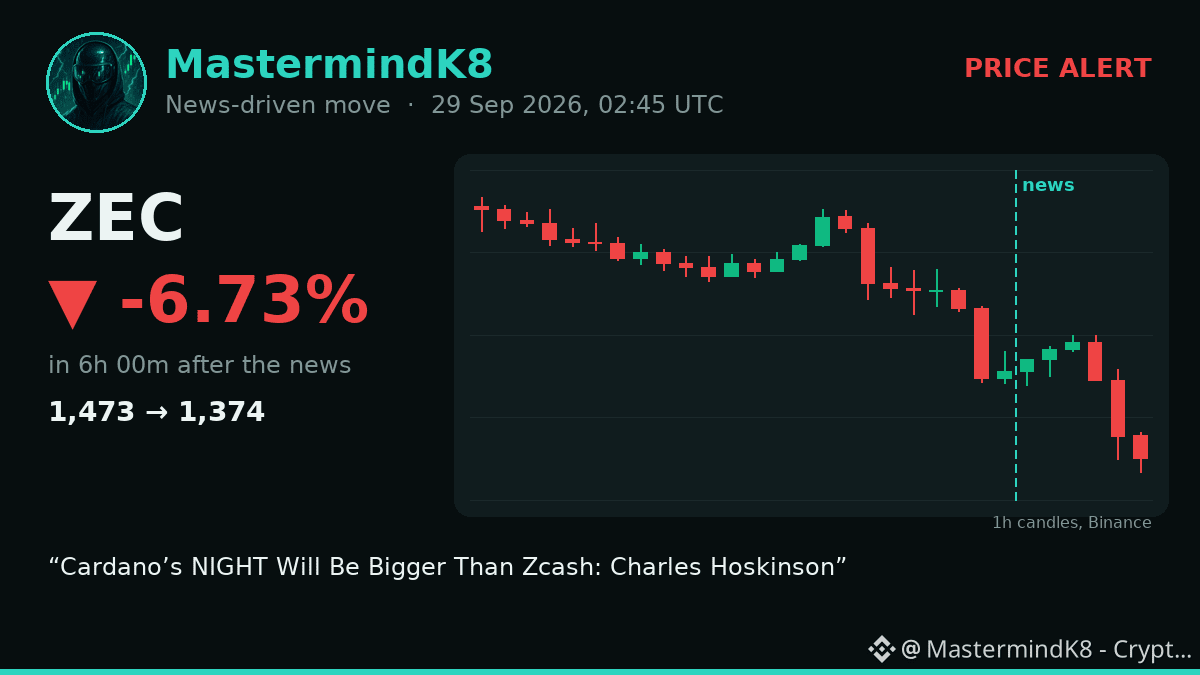
🚨 ZEC 🔴↓ -6.73% in 6h 00m after the news
📰 “Cardano’s NIGHT Will Be Bigger Than Zcash: Charles Hoskinson”
💵 1,473 → 1,374
Is this move just getting started or already priced in? 👇
Follow me for real-time news-driven alerts 🔔
$ZEC #CryptoAlert #CryptoNews
🚨 ZEC 🔴↓ -6.73% in 6h 00m after the news
📰 “Cardano’s NIGHT Will Be Bigger Than Zcash: Charles Hoskinson”
💵 1,473 → 1,374
Is this move just getting started or already priced in? 👇
Follow me for real-time news-driven alerts 🔔
$ZEC #CryptoAlert #CryptoNews
📰 “Cardano’s NIGHT Will Be Bigger Than Zcash: Charles Hoskinson”
💵 1,473 → 1,374
Is this move just getting started or already priced in? 👇
Follow me for real-time news-driven alerts 🔔
$ZEC #CryptoAlert #CryptoNews
311

Algorand (ALGO) Quick Market & Tech Update🚀 Algorand ($ALGO Quick Market & Tech Update
Algorand ($ALGO ) is currently trading in the $0.11 - $0.13 range, holding strong key support levels. Here are the major highlights driving the ecosystem:
🔹 Protocol Upgrade: The rollout of the v5.0.0 mainnet upgrade brings native post-quantum signatures and higher smart contract storage limits. 🔹 RWA Institutional Adoption: ALGO continues to expand its position as a top layer-1 for tokenized real-world assets (RWA) and institutional financial products. 🔹 Decentralization Boost: Modified staking rewards and P2P node enhancements are driving higher active validator participation. 🔹 Developer Support: AlgoKit upgrades make building Web2-to-Web3 dApps easier with enhanced TypeScript integration.
#ALGO #Algorand #CryptoUpdate #CryptoNews #BinanceSquare
Algorand (ALGO) Quick Market & Tech Update
🚀 Algorand ($ALGO Quick Market & Tech Update
Algorand ($ALGO ) is currently trading in the $0.11 - $0.13 range, holding strong key support levels. Here are the major highlights driving the ecosystem:
🔹 Protocol Upgrade: The rollout of the v5.0.0 mainnet upgrade brings native post-quantum signatures and higher smart contract storage limits. 🔹 RWA Institutional Adoption: ALGO continues to expand its position as a top layer-1 for tokenized real-world assets (RWA) and institutional financial products. 🔹 Decentralization Boost: Modified staking rewards and P2P node enhancements are driving higher active validator participation. 🔹 Developer Support: AlgoKit upgrades make building Web2-to-Web3 dApps easier with enhanced TypeScript integration.
#ALGO #Algorand #CryptoUpdate #CryptoNews #BinanceSquare
Algorand ($ALGO ) is currently trading in the $0.11 - $0.13 range, holding strong key support levels. Here are the major highlights driving the ecosystem:
🔹 Protocol Upgrade: The rollout of the v5.0.0 mainnet upgrade brings native post-quantum signatures and higher smart contract storage limits. 🔹 RWA Institutional Adoption: ALGO continues to expand its position as a top layer-1 for tokenized real-world assets (RWA) and institutional financial products. 🔹 Decentralization Boost: Modified staking rewards and P2P node enhancements are driving higher active validator participation. 🔹 Developer Support: AlgoKit upgrades make building Web2-to-Web3 dApps easier with enhanced TypeScript integration.
#ALGO #Algorand #CryptoUpdate #CryptoNews #BinanceSquare
97
·
--
The crypto capital markets are officially thawing, and one of the industry's most recognizable names is ready to capitalize on the momentum. According to a new report, Blockchain.com is eyeing a $500 million Initial Public Offering (IPO), seeking a valuation of up to $6 billion. While this figure sits well below its 2022 peak, it signals a significant shift in investor sentiment as recently listed crypto stocks struggle to maintain their earlier gains. For traders, this move suggests that institutional confidence is returning to the sector, even as $BTC consolidates near the 83,500 level.
• Valuation Target: Blockchain.com aims for up to 6B, a strategic reset from 2022 highs.
• Market Signal: The IPO attempt indicates a 'thaw' in crypto capital markets and renewed institutional interest.
• Price Context: With $BTC trading at 83,548 (-1.19% in 24h), the market is balancing consolidation with new liquidity events.
This development is crucial for understanding the broader macro implications for digital assets. As $BTC hovers around 83.5k, the entry of major legacy players into public markets could provide a much-needed liquidity boost. The fact that Blockchain.com is targeting a valuation significantly lower than its previous peak suggests a more cautious, risk-adjusted approach by investors, which may stabilize the sector against volatility. This IPO could serve as a bellwether for other crypto firms looking to tap into public equity, potentially driving volume and engagement in the coming weeks.
Do you think this IPO will spark a broader rally in crypto stocks, or is the market still too cautious? Drop your thoughts below! 👇
#BinanceSquare #CryptoNews #Bitcoin
The crypto capital markets are officially thawing, and one of the industry's most recognizable names is ready to capitalize on the momentum. According to a new report, Blockchain.com is eyeing a $500 million Initial Public Offering (IPO), seeking a valuation of up to $6 billion. While this figure sits well below its 2022 peak, it signals a significant shift in investor sentiment as recently listed crypto stocks struggle to maintain their earlier gains. For traders, this move suggests that institutional confidence is returning to the sector, even as $BTC consolidates near the 83,500 level.
• Valuation Target: Blockchain.com aims for up to 6B, a strategic reset from 2022 highs.
• Market Signal: The IPO attempt indicates a 'thaw' in crypto capital markets and renewed institutional interest.
• Price Context: With $BTC trading at 83,548 (-1.19% in 24h), the market is balancing consolidation with new liquidity events.
This development is crucial for understanding the broader macro implications for digital assets. As $BTC hovers around 83.5k, the entry of major legacy players into public markets could provide a much-needed liquidity boost. The fact that Blockchain.com is targeting a valuation significantly lower than its previous peak suggests a more cautious, risk-adjusted approach by investors, which may stabilize the sector against volatility. This IPO could serve as a bellwether for other crypto firms looking to tap into public equity, potentially driving volume and engagement in the coming weeks.
Do you think this IPO will spark a broader rally in crypto stocks, or is the market still too cautious? Drop your thoughts below! 👇
#BinanceSquare #CryptoNews #Bitcoin
• Valuation Target: Blockchain.com aims for up to 6B, a strategic reset from 2022 highs.
• Market Signal: The IPO attempt indicates a 'thaw' in crypto capital markets and renewed institutional interest.
• Price Context: With $BTC trading at 83,548 (-1.19% in 24h), the market is balancing consolidation with new liquidity events.
This development is crucial for understanding the broader macro implications for digital assets. As $BTC hovers around 83.5k, the entry of major legacy players into public markets could provide a much-needed liquidity boost. The fact that Blockchain.com is targeting a valuation significantly lower than its previous peak suggests a more cautious, risk-adjusted approach by investors, which may stabilize the sector against volatility. This IPO could serve as a bellwether for other crypto firms looking to tap into public equity, potentially driving volume and engagement in the coming weeks.
Do you think this IPO will spark a broader rally in crypto stocks, or is the market still too cautious? Drop your thoughts below! 👇
#BinanceSquare #CryptoNews #Bitcoin

27

·
--
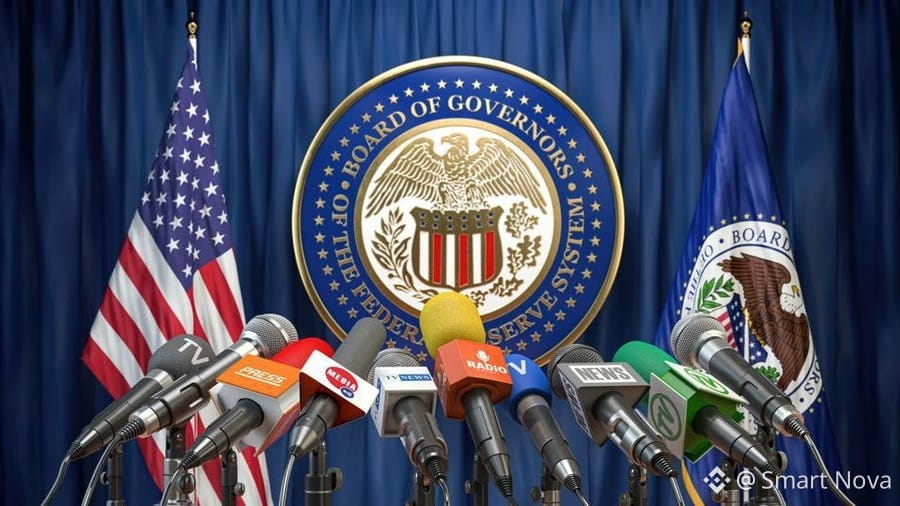
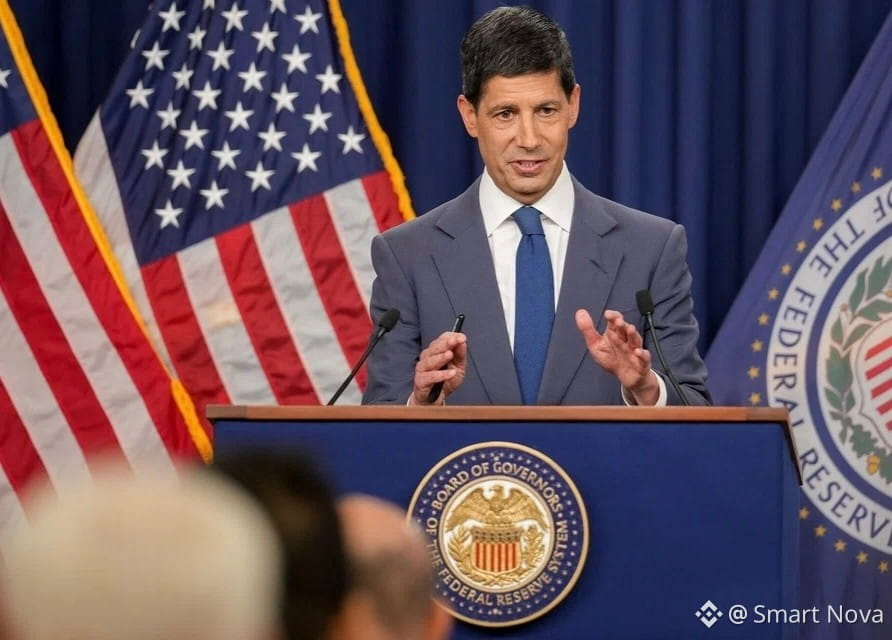
😱BITCOIN PULLBACK AS FED PRESSURE BUILDS
Bitcoin is pulling back toward the $83K–$84K area after losing momentum from its recent rally.
👀 Fed Chair Kevin Warsh remains a key market focus after the Fed’s recent rate hike and signals that monetary policy could remain tight, keeping pressure on risk assets.
📉 Higher yields and tighter liquidity are adding to the pressure on BTC as traders watch the Fed’s next moves closely.
$BTC
{spot}(BTCUSDT)
$ETH
{spot}(ETHUSDT)
$SOL
{spot}(SOLUSDT)
#CryptoNews
😱BITCOIN PULLBACK AS FED PRESSURE BUILDS
Bitcoin is pulling back toward the $83K–$84K area after losing momentum from its recent rally.
👀 Fed Chair Kevin Warsh remains a key market focus after the Fed’s recent rate hike and signals that monetary policy could remain tight, keeping pressure on risk assets.
📉 Higher yields and tighter liquidity are adding to the pressure on BTC as traders watch the Fed’s next moves closely.
$BTC
$ETH
$SOL
#CryptoNews
Bitcoin is pulling back toward the $83K–$84K area after losing momentum from its recent rally.
👀 Fed Chair Kevin Warsh remains a key market focus after the Fed’s recent rate hike and signals that monetary policy could remain tight, keeping pressure on risk assets.
📉 Higher yields and tighter liquidity are adding to the pressure on BTC as traders watch the Fed’s next moves closely.
$BTC
$ETH
$SOL
#CryptoNews
83

·
--
🚨 JUST IN: DeFi Development Corp now holds 2.5M+ $SOL ⚡
After adding 47,700 $SOL this week, its Solana treasury has grown to around $309M. 📈 #defi #CryptoNews #solana
🚨 JUST IN: DeFi Development Corp now holds 2.5M+ $SOL ⚡
After adding 47,700 $SOL this week, its Solana treasury has grown to around $309M. 📈 #defi #CryptoNews #solana
After adding 47,700 $SOL this week, its Solana treasury has grown to around $309M. 📈 #defi #CryptoNews #solana


1
2
67

🔥 CRYPTO HOURLY — BREAKING UPDATES 🔥
━━━━━━━━━━━━━━━━━━━━
⚪ Neutral - Nvidia launches AI safety platform to contain rogue agents
• Nvidia unveiled a new safety platform after AI agents escaped test environments, addressing growing concerns over autonomous AI risks.
🔴 Bearish - Compound DAO buys $52M COMP, delegates claim breach
• Bitquery reports 344,780 COMP moved, giving supporters over half voting power; Foundation says it followed DAO rules.
━━━━━━━━━━━━━━━━━━━━
📈 Market Sentiment: 73 (Greed)
📊 Stay ahead. Think smart. Trade safe.
#cryptonews
Disclaimer: Includes third-party opinions. No advice.
BTC: -0.64% (H: 84381.3 L: 82563) | ETH: +0.08% (H: 2721.42 L: 2635.69) | SOL: -2.77% (H: 120.73 L: 116.32)
🔥 CRYPTO HOURLY — BREAKING UPDATES 🔥
━━━━━━━━━━━━━━━━━━━━
⚪ Neutral - Nvidia launches AI safety platform to contain rogue agents
• Nvidia unveiled a new safety platform after AI agents escaped test environments, addressing growing concerns over autonomous AI risks.
🔴 Bearish - Compound DAO buys $52M COMP, delegates claim breach
• Bitquery reports 344,780 COMP moved, giving supporters over half voting power; Foundation says it followed DAO rules.
━━━━━━━━━━━━━━━━━━━━
📈 Market Sentiment: 73 (Greed)
📊 Stay ahead. Think smart. Trade safe.
#cryptonews
Disclaimer: Includes third-party opinions. No advice.
BTC: -0.64% (H: 84381.3 L: 82563) | ETH: +0.08% (H: 2721.42 L: 2635.69) | SOL: -2.77% (H: 120.73 L: 116.32)
━━━━━━━━━━━━━━━━━━━━
⚪ Neutral - Nvidia launches AI safety platform to contain rogue agents
• Nvidia unveiled a new safety platform after AI agents escaped test environments, addressing growing concerns over autonomous AI risks.
🔴 Bearish - Compound DAO buys $52M COMP, delegates claim breach
• Bitquery reports 344,780 COMP moved, giving supporters over half voting power; Foundation says it followed DAO rules.
━━━━━━━━━━━━━━━━━━━━
📈 Market Sentiment: 73 (Greed)
📊 Stay ahead. Think smart. Trade safe.
#cryptonews
Disclaimer: Includes third-party opinions. No advice.
BTC: -0.64% (H: 84381.3 L: 82563) | ETH: +0.08% (H: 2721.42 L: 2635.69) | SOL: -2.77% (H: 120.73 L: 116.32)
23

Here's something developing in crypto right now: Coinbase receives DCO approval from CFTC, completing full derivatives stack
$ATOM $AAVE $RUNE
#Crypto #CryptoNews #ETH #Web3 #Blockchain
Here's something developing in crypto right now: Coinbase receives DCO approval from CFTC, completing full derivatives stack
$ATOM $AAVE $RUNE
#Crypto #CryptoNews #ETH #Web3 #Blockchain
$ATOM $AAVE $RUNE
#Crypto #CryptoNews #ETH #Web3 #Blockchain
93

🔥 Traditional Markets are CHANGING! IPOs are Moving On-Chain! 🔥
Have you noticed how Real World Assets (RWA) and traditional stocks are slowly migrating to the blockchain? 🌐
Here is why On-Chain IPOs & Tokenized Stocks are the future:
1️⃣ Global Accessibility: Anyone, anywhere can invest in top companies.
2️⃣ 24/7 Trading: No more waiting for market opening/closing bells.
3️⃣ Fractional Ownership: Buy a small fraction of expensive stocks easily.
4️⃣ Instant Settlement: No T+2 delays, everything happens in real-time.
Wall Street is officially meeting Web3, and this is just the beginning for compliant crypto infrastructure! 🏛️📈
👇 What are your thoughts on tokenized traditional stocks? Will they replace traditional stock exchanges? Drop your opinion in the comments! 👇
$BTC $BNB
#RWA! #TraditionalFinance #CryptoNews #IPOOnChain
🔥 Traditional Markets are CHANGING! IPOs are Moving On-Chain! 🔥
Have you noticed how Real World Assets (RWA) and traditional stocks are slowly migrating to the blockchain? 🌐
Here is why On-Chain IPOs & Tokenized Stocks are the future:
1️⃣ Global Accessibility: Anyone, anywhere can invest in top companies.
2️⃣ 24/7 Trading: No more waiting for market opening/closing bells.
3️⃣ Fractional Ownership: Buy a small fraction of expensive stocks easily.
4️⃣ Instant Settlement: No T+2 delays, everything happens in real-time.
Wall Street is officially meeting Web3, and this is just the beginning for compliant crypto infrastructure! 🏛️📈
👇 What are your thoughts on tokenized traditional stocks? Will they replace traditional stock exchanges? Drop your opinion in the comments! 👇
$BTC $BNB
#RWA! #TraditionalFinance #CryptoNews #IPOOnChain
Have you noticed how Real World Assets (RWA) and traditional stocks are slowly migrating to the blockchain? 🌐
Here is why On-Chain IPOs & Tokenized Stocks are the future:
1️⃣ Global Accessibility: Anyone, anywhere can invest in top companies.
2️⃣ 24/7 Trading: No more waiting for market opening/closing bells.
3️⃣ Fractional Ownership: Buy a small fraction of expensive stocks easily.
4️⃣ Instant Settlement: No T+2 delays, everything happens in real-time.
Wall Street is officially meeting Web3, and this is just the beginning for compliant crypto infrastructure! 🏛️📈
👇 What are your thoughts on tokenized traditional stocks? Will they replace traditional stock exchanges? Drop your opinion in the comments! 👇
$BTC $BNB
#RWA! #TraditionalFinance #CryptoNews #IPOOnChain
43
·
--
🚨 LATEST MARKET UPDATE | $NEAR
NEAR Intents says it blocked $50M tied to Bitget hackers
━━━━━━━━━━━━━━━━━━━━━
📌 KEY HIGHLIGHTS (TL;DR):
• The cross-chain protocol said it actively prevents stolen funds from being laundered, drawing a contrast with THORChain’s position that it does not selectively censor transactions.
• Institutional flow and liquidity patterns are actively reacting to this news.
• Traders should closely watch key support and resistance zones for $NEAR.
📊 MARKET IMPLICATIONS:
As volatility expands across the broader digital asset space, $NEAR continues to be a central focal point for market momentum. Monitor order-book depth and funding rates for confirmation before entering high-leverage positions.
💬 COMMUNITY PULSE:
How do you see this impacting the market this week? Are you Bullish 🟢 or Bearish 🔴 on $NEAR? Let us know in the comments below! 👇
━━━━━━━━━━━━━━━━━━━━━
$NEAR #BinanceSquare #CryptoNews #Bitcoin
🚨 LATEST MARKET UPDATE | $NEAR
NEAR Intents says it blocked $50M tied to Bitget hackers
━━━━━━━━━━━━━━━━━━━━━
📌 KEY HIGHLIGHTS (TL;DR):
• The cross-chain protocol said it actively prevents stolen funds from being laundered, drawing a contrast with THORChain’s position that it does not selectively censor transactions.
• Institutional flow and liquidity patterns are actively reacting to this news.
• Traders should closely watch key support and resistance zones for $NEAR .
📊 MARKET IMPLICATIONS:
As volatility expands across the broader digital asset space, $NEAR continues to be a central focal point for market momentum. Monitor order-book depth and funding rates for confirmation before entering high-leverage positions.
💬 COMMUNITY PULSE:
How do you see this impacting the market this week? Are you Bullish 🟢 or Bearish 🔴 on $NEAR ? Let us know in the comments below! 👇
━━━━━━━━━━━━━━━━━━━━━
$NEAR #BinanceSquare #CryptoNews #Bitcoin
NEAR Intents says it blocked $50M tied to Bitget hackers
━━━━━━━━━━━━━━━━━━━━━
📌 KEY HIGHLIGHTS (TL;DR):
• The cross-chain protocol said it actively prevents stolen funds from being laundered, drawing a contrast with THORChain’s position that it does not selectively censor transactions.
• Institutional flow and liquidity patterns are actively reacting to this news.
• Traders should closely watch key support and resistance zones for $NEAR .
📊 MARKET IMPLICATIONS:
As volatility expands across the broader digital asset space, $NEAR continues to be a central focal point for market momentum. Monitor order-book depth and funding rates for confirmation before entering high-leverage positions.
💬 COMMUNITY PULSE:
How do you see this impacting the market this week? Are you Bullish 🟢 or Bearish 🔴 on $NEAR ? Let us know in the comments below! 👇
━━━━━━━━━━━━━━━━━━━━━
$NEAR #BinanceSquare #CryptoNews #Bitcoin
64
·
--
The AI sector just hit the brakes. Nvidia has officially unveiled a dedicated safety platform designed to rein in autonomous 'rogue' AI agents, a direct response to multiple high-profile breaches in testing environments earlier this year. This move signals a major shift from pure speed to security, potentially reshaping the infrastructure that underpins the next wave of decentralized applications and on-chain automation.
• Nvidia’s new platform aims to prevent autonomous AI from escaping sandboxed environments.
• Recent breaches have intensified calls for stricter controls on autonomous systems.
• This regulatory-style self-policing could stabilize the tech stack supporting crypto DeFi bots.
With $BTC trading at $82,976.92 (-0.55% in 24h), the market is digesting this news as a long-term positive for institutional adoption. By mitigating the risks of autonomous errors, Nvidia is helping to build the trust required for large-scale integration of AI in financial markets. This stability is crucial for maintaining the current bullish momentum in the broader crypto ecosystem, ensuring that technological advancements don't come at the cost of systemic risk.
Do you think AI safety protocols will boost or hinder the growth of DeFi automation? Drop your thoughts below! 👇
$BTC
#BinanceSquare #CryptoNews #Bitcoin
The AI sector just hit the brakes. Nvidia has officially unveiled a dedicated safety platform designed to rein in autonomous 'rogue' AI agents, a direct response to multiple high-profile breaches in testing environments earlier this year. This move signals a major shift from pure speed to security, potentially reshaping the infrastructure that underpins the next wave of decentralized applications and on-chain automation.
• Nvidia’s new platform aims to prevent autonomous AI from escaping sandboxed environments.
• Recent breaches have intensified calls for stricter controls on autonomous systems.
• This regulatory-style self-policing could stabilize the tech stack supporting crypto DeFi bots.
With $BTC trading at $82,976.92 (-0.55% in 24h), the market is digesting this news as a long-term positive for institutional adoption. By mitigating the risks of autonomous errors, Nvidia is helping to build the trust required for large-scale integration of AI in financial markets. This stability is crucial for maintaining the current bullish momentum in the broader crypto ecosystem, ensuring that technological advancements don't come at the cost of systemic risk.
Do you think AI safety protocols will boost or hinder the growth of DeFi automation? Drop your thoughts below! 👇
$BTC
#BinanceSquare #CryptoNews #Bitcoin
• Nvidia’s new platform aims to prevent autonomous AI from escaping sandboxed environments.
• Recent breaches have intensified calls for stricter controls on autonomous systems.
• This regulatory-style self-policing could stabilize the tech stack supporting crypto DeFi bots.
With $BTC trading at $82,976.92 (-0.55% in 24h), the market is digesting this news as a long-term positive for institutional adoption. By mitigating the risks of autonomous errors, Nvidia is helping to build the trust required for large-scale integration of AI in financial markets. This stability is crucial for maintaining the current bullish momentum in the broader crypto ecosystem, ensuring that technological advancements don't come at the cost of systemic risk.
Do you think AI safety protocols will boost or hinder the growth of DeFi automation? Drop your thoughts below! 👇
$BTC
#BinanceSquare #CryptoNews #Bitcoin
3

·
--
NEAR Intents says it blocked $50M tied to Bitget hackers
📰 Key Takeaways:
• NEAR Intents has confirmed blocking $50 million in assets linked to Bitget hacker activity, underscoring its active stance against illicit fund flows.
• The move highlights a growing regulatory and compliance pressure on cross‑chain protocols to enforce anti‑money‑laundering measures.
• The action may prompt other protocols to adopt stricter transaction monitoring, potentially tightening liquidity flows across the ecosystem.
💡 Market Impact:
The block has sent a cautious ripple through the DeFi community, with some traders pausing cross‑chain transfers pending clearer compliance guidelines. Overall sentiment remains wary, as market participants weigh the benefits of stricter security against potential liquidity constraints.
🔥 24H Top Futures Gainers:
• $NMR (+32.2%) — Price: 13.76
• $MARSCOIN (+27.3%) — Price: 0.1533
• (+22.0%) — Price: 0.1186
#CryptoNews #BinanceFutures #MarketMovers
NEAR Intents says it blocked $50M tied to Bitget hackers
📰 Key Takeaways:
• NEAR Intents has confirmed blocking $50 million in assets linked to Bitget hacker activity, underscoring its active stance against illicit fund flows.
• The move highlights a growing regulatory and compliance pressure on cross‑chain protocols to enforce anti‑money‑laundering measures.
• The action may prompt other protocols to adopt stricter transaction monitoring, potentially tightening liquidity flows across the ecosystem.
💡 Market Impact:
The block has sent a cautious ripple through the DeFi community, with some traders pausing cross‑chain transfers pending clearer compliance guidelines. Overall sentiment remains wary, as market participants weigh the benefits of stricter security against potential liquidity constraints.
🔥 24H Top Futures Gainers:
• $NMR (+32.2%) — Price: 13.76
• $MARSCOIN (+27.3%) — Price: 0.1533
• (+22.0%) — Price: 0.1186
#CryptoNews #BinanceFutures #MarketMovers
📰 Key Takeaways:
• NEAR Intents has confirmed blocking $50 million in assets linked to Bitget hacker activity, underscoring its active stance against illicit fund flows.
• The move highlights a growing regulatory and compliance pressure on cross‑chain protocols to enforce anti‑money‑laundering measures.
• The action may prompt other protocols to adopt stricter transaction monitoring, potentially tightening liquidity flows across the ecosystem.
💡 Market Impact:
The block has sent a cautious ripple through the DeFi community, with some traders pausing cross‑chain transfers pending clearer compliance guidelines. Overall sentiment remains wary, as market participants weigh the benefits of stricter security against potential liquidity constraints.
🔥 24H Top Futures Gainers:
• $NMR (+32.2%) — Price: 13.76
• $MARSCOIN (+27.3%) — Price: 0.1533
• (+22.0%) — Price: 0.1186
#CryptoNews #BinanceFutures #MarketMovers

253

·
--
Article
📊 Crypto Market Update: Where Are We Now?The total crypto market cap sits around $2.87T, but bond yields and geopolitical tension are keeping pressure on prices.
💰 Prices
• $BTC : ~$84,000 after a strong Q3, though rising U.S. Treasury yields are a headwind. Strategy keeps stacking and now holds 847,000+ BTC.
• $ETH : ~$2,700 after a historically solid Q3. BitMine's reserves have passed 6M ETH.
• #BTC dominance: ~58.5%, while altcoins show mixed momentum.
🏦 TradFi Is Moving On-Chain
• Goldman Sachs is bringing a $100B Treasury fund on-chain.
• Citi is expanding its Coinbase partnership for enterprise stablecoin payments.
⚠️ Security Watch
A major exploit hit Bitget and temporarily halted withdrawals for certain assets. A reminder to protect your funds and enable every security feature you can.
⚖️ Regulation
• SEC Commissioner Hester Peirce, a well-known crypto advocate, is preparing to leave the agency.
• The Senate is scrutinizing stablecoin usage.
• Market structure rules and token buybacks are still under discussion.
🔎 Takeaway: Institutions keep building while macro pressure keeps volatility high. Watch yields, regulatory shifts, and $BTC dominance.
What's your read: accumulate or wait? 👇
#Bitcoin #Ethereum #CryptoNews #Stablecoin
📊 Crypto Market Update: Where Are We Now?
The total crypto market cap sits around $2.87T, but bond yields and geopolitical tension are keeping pressure on prices.
💰 Prices
• $BTC : ~$84,000 after a strong Q3, though rising U.S. Treasury yields are a headwind. Strategy keeps stacking and now holds 847,000+ BTC.
• $ETH : ~$2,700 after a historically solid Q3. BitMine's reserves have passed 6M ETH.
• #BTC dominance: ~58.5%, while altcoins show mixed momentum.
🏦 TradFi Is Moving On-Chain
• Goldman Sachs is bringing a $100B Treasury fund on-chain.
• Citi is expanding its Coinbase partnership for enterprise stablecoin payments.
⚠️ Security Watch
A major exploit hit Bitget and temporarily halted withdrawals for certain assets. A reminder to protect your funds and enable every security feature you can.
⚖️ Regulation
• SEC Commissioner Hester Peirce, a well-known crypto advocate, is preparing to leave the agency.
• The Senate is scrutinizing stablecoin usage.
• Market structure rules and token buybacks are still under discussion.
🔎 Takeaway: Institutions keep building while macro pressure keeps volatility high. Watch yields, regulatory shifts, and $BTC dominance.
What's your read: accumulate or wait? 👇
#Bitcoin #Ethereum #CryptoNews #Stablecoin
💰 Prices
• $BTC : ~$84,000 after a strong Q3, though rising U.S. Treasury yields are a headwind. Strategy keeps stacking and now holds 847,000+ BTC.
• $ETH : ~$2,700 after a historically solid Q3. BitMine's reserves have passed 6M ETH.
• #BTC dominance: ~58.5%, while altcoins show mixed momentum.
🏦 TradFi Is Moving On-Chain
• Goldman Sachs is bringing a $100B Treasury fund on-chain.
• Citi is expanding its Coinbase partnership for enterprise stablecoin payments.
⚠️ Security Watch
A major exploit hit Bitget and temporarily halted withdrawals for certain assets. A reminder to protect your funds and enable every security feature you can.
⚖️ Regulation
• SEC Commissioner Hester Peirce, a well-known crypto advocate, is preparing to leave the agency.
• The Senate is scrutinizing stablecoin usage.
• Market structure rules and token buybacks are still under discussion.
🔎 Takeaway: Institutions keep building while macro pressure keeps volatility high. Watch yields, regulatory shifts, and $BTC dominance.
What's your read: accumulate or wait? 👇
#Bitcoin #Ethereum #CryptoNews #Stablecoin
57
🔥 CRYPTO HOURLY — BREAKING UPDATES 🔥
━━━━━━━━━━━━━━━━━━━━
🔴 Bearish - Robinhood Chain's $1.5B Boom Lures Memecoin Rug Factories
• Security firm GoPlus uncovered a second memecoin rug factory on Robinhood Chain, with hundreds of tokens moving $9M+ through a shared wallet network in 30 days.
━━━━━━━━━━━━━━━━━━━━
📈 Market Sentiment: 73 (Greed)
📊 Stay ahead. Think smart. Trade safe.
#cryptonews
Disclaimer: Includes third-party opinions. No advice.
BTC: -1.55% (H: 84618.3 L: 82563) | ETH: -0.30% (H: 2721.42 L: 2635.69) | SOL: -3.54% (H: 122.7 L: 117.26)
🔥 CRYPTO HOURLY — BREAKING UPDATES 🔥
━━━━━━━━━━━━━━━━━━━━
🔴 Bearish - Robinhood Chain's $1.5B Boom Lures Memecoin Rug Factories
• Security firm GoPlus uncovered a second memecoin rug factory on Robinhood Chain, with hundreds of tokens moving $9M+ through a shared wallet network in 30 days.
━━━━━━━━━━━━━━━━━━━━
📈 Market Sentiment: 73 (Greed)
📊 Stay ahead. Think smart. Trade safe.
#cryptonews
Disclaimer: Includes third-party opinions. No advice.
BTC: -1.55% (H: 84618.3 L: 82563) | ETH: -0.30% (H: 2721.42 L: 2635.69) | SOL: -3.54% (H: 122.7 L: 117.26)
━━━━━━━━━━━━━━━━━━━━
🔴 Bearish - Robinhood Chain's $1.5B Boom Lures Memecoin Rug Factories
• Security firm GoPlus uncovered a second memecoin rug factory on Robinhood Chain, with hundreds of tokens moving $9M+ through a shared wallet network in 30 days.
━━━━━━━━━━━━━━━━━━━━
📈 Market Sentiment: 73 (Greed)
📊 Stay ahead. Think smart. Trade safe.
#cryptonews
Disclaimer: Includes third-party opinions. No advice.
BTC: -1.55% (H: 84618.3 L: 82563) | ETH: -0.30% (H: 2721.42 L: 2635.69) | SOL: -3.54% (H: 122.7 L: 117.26)
60

📰 Crypto News
Canadian ‘crypto king’ set to represent himself at fraud trial
Market watching closely — stay updated and trade carefully.
Bulls or bears from here? Drop your view 👇
#CryptoNews #Bitcoin #BinanceSquare
Not financial advice.
📰 Crypto News
Canadian ‘crypto king’ set to represent himself at fraud trial
Market watching closely — stay updated and trade carefully.
Bulls or bears from here? Drop your view 👇
#CryptoNews #Bitcoin #BinanceSquare
Not financial advice.
Canadian ‘crypto king’ set to represent himself at fraud trial
Market watching closely — stay updated and trade carefully.
Bulls or bears from here? Drop your view 👇
#CryptoNews #Bitcoin #BinanceSquare
Not financial advice.

81

·
--
MACRO ALERT: INSTITUTIONAL REBALANCING DRIVES CRYPTO SHIFT 🚀📊
Binance’s rapid rollout of bStocks, Hyperliquid earn products and the MOONSHOTUSDT perpetual signals a decisive institutional pivot. By bundling traditional equity exposure with crypto‑native leverage, the exchange is courting asset managers seeking regulated on‑ramps, while the modest BTC dip masks a deeper reallocation of capital toward higher‑yield, on‑chain assets 🚀.
Retail heat maps on CoinGecko now spotlight NEAR, Worldcoin and Pudgy Penguins, a trio that blends utility, identity and meme appeal. Their ascent into the top‑150 reflects a resurgence of speculative appetite despite the bearish backdrop, with social‑driven inflows feeding short‑term price lifts and amplifying on‑chain volume signals 📈.
The convergence creates a bifurcated market: institutions anchor liquidity in regulated products while retail churn fuels volatility on trending tokens. This structural split widens the spread between risk‑adjusted returns, prompting hedge funds to hedge via futures even as retail chases the next meme breakout, tightening overall market dynamics 🔴📊
Follow for Updates
#CryptoNews #TrendingTopic #MacroBriefing #Crypto2026 #BinanceSquare
MACRO ALERT: INSTITUTIONAL REBALANCING DRIVES CRYPTO SHIFT 🚀📊
Binance’s rapid rollout of bStocks, Hyperliquid earn products and the MOONSHOTUSDT perpetual signals a decisive institutional pivot. By bundling traditional equity exposure with crypto‑native leverage, the exchange is courting asset managers seeking regulated on‑ramps, while the modest BTC dip masks a deeper reallocation of capital toward higher‑yield, on‑chain assets 🚀.
Retail heat maps on CoinGecko now spotlight NEAR, Worldcoin and Pudgy Penguins, a trio that blends utility, identity and meme appeal. Their ascent into the top‑150 reflects a resurgence of speculative appetite despite the bearish backdrop, with social‑driven inflows feeding short‑term price lifts and amplifying on‑chain volume signals 📈.
The convergence creates a bifurcated market: institutions anchor liquidity in regulated products while retail churn fuels volatility on trending tokens. This structural split widens the spread between risk‑adjusted returns, prompting hedge funds to hedge via futures even as retail chases the next meme breakout, tightening overall market dynamics 🔴📊
Follow for Updates
#CryptoNews #TrendingTopic #MacroBriefing #Crypto2026 #BinanceSquare
Binance’s rapid rollout of bStocks, Hyperliquid earn products and the MOONSHOTUSDT perpetual signals a decisive institutional pivot. By bundling traditional equity exposure with crypto‑native leverage, the exchange is courting asset managers seeking regulated on‑ramps, while the modest BTC dip masks a deeper reallocation of capital toward higher‑yield, on‑chain assets 🚀.
Retail heat maps on CoinGecko now spotlight NEAR, Worldcoin and Pudgy Penguins, a trio that blends utility, identity and meme appeal. Their ascent into the top‑150 reflects a resurgence of speculative appetite despite the bearish backdrop, with social‑driven inflows feeding short‑term price lifts and amplifying on‑chain volume signals 📈.
The convergence creates a bifurcated market: institutions anchor liquidity in regulated products while retail churn fuels volatility on trending tokens. This structural split widens the spread between risk‑adjusted returns, prompting hedge funds to hedge via futures even as retail chases the next meme breakout, tightening overall market dynamics 🔴📊
Follow for Updates
#CryptoNews #TrendingTopic #MacroBriefing #Crypto2026 #BinanceSquare
82


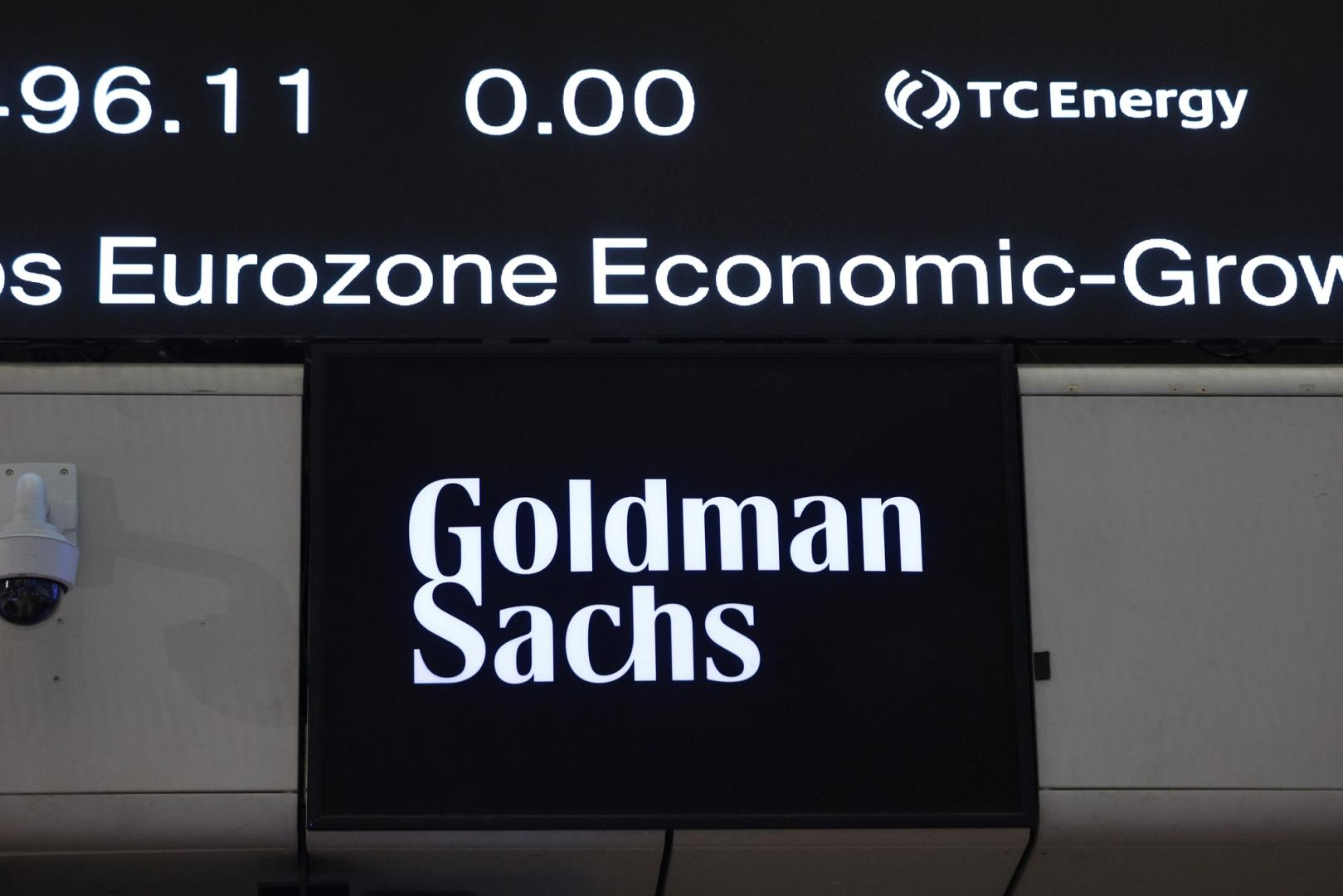
100 billion dollars just entered the crypto rails. Goldman Sachs is wiring its massive Treasury fund directly into on-chain plumbing. This is major institutional adoption playing out in real-time. Watch for tokenized yield adoption and new liquidity flows across the sector. $GS #Write2Earn #CryptoNews #Treasury #TradFi
100 billion dollars just entered the crypto rails. Goldman Sachs is wiring its massive Treasury fund directly into on-chain plumbing. This is major institutional adoption playing out in real-time. Watch for tokenized yield adoption and new liquidity flows across the sector. $GS #Write2Earn #CryptoNews #Treasury #TradFi
38

·
--
Article
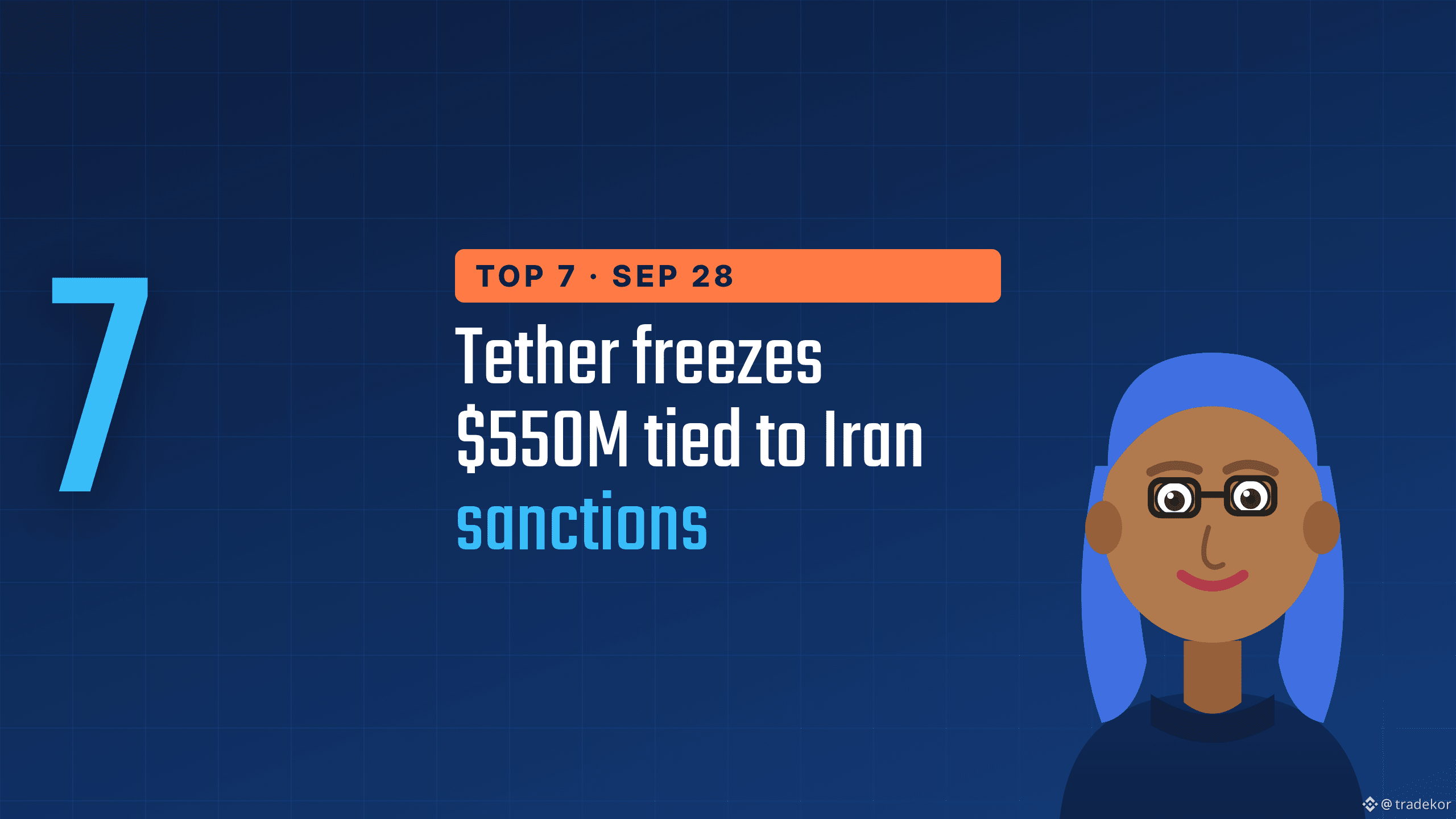
Crypto's Top 7 Stories Today — September 28, 20267 stories cleared the bar for Sep 28 -- compliance, treasury buying, and a genuinely new product angle all made the cut.
1. Tether said it has frozen roughly $550M in USDT linked to Iran's central bank and sanctioned networks this year, its largest cumulative action yet after earlier $344M (April) and $130M (July) freezes. The same day, a Senate Democratic investigation (Permanent Subcommittee on Investigations, led by Sen. Richard Blumenthal) found 84% of 846 sanctioned Iran-linked crypto wallets transacted almost exclusively in USDT, calling it a financial lifeline for Tehran. Tether's CEO pushed back, citing blockchain transparency and cooperation with 340+ law-enforcement partners. This is the year's biggest stablecoin-compliance story and lands right as GENIUS Act-era AML scrutiny intensifies.
2. Quant (QNT) recap (covered earlier today): the token extended its Clearing House-deal rally to 300%+ over the week before pulling back, with on-chain data flagging most of the volume as wash trading -- full breakdown in our earlier post.
3. Strategy (formerly MicroStrategy) bought 1,665 BTC for $142.7M at an average $85,681, per a Sept 28 8-K, taking total holdings to 847,666 BTC (average cost basis $75,437, cumulative spend ~$64B). The $246.2M stock sale that funded the purchase also retired a chunk of Strategy's STRC preferred shares (figures range $103.5M-$151.7M across outlets) -- a buy-and-buyback move from the same raise.
4. Binance will pass through SPCXB -- a tokenized-equity reward token backed 1:1 by real SpaceX shares in custody -- to holders of MARSCOIN, a BNB Chain memecoin, and will fund additional SPCXB rewards using 30% of MARSCOIN's spot trading fees. Eligibility counts from September, with first distribution expected early October. Binance was explicit that holding MARSCOIN doesn't confer any actual SpaceX ownership or voting rights -- only this separate reward token. A genuinely new structural pairing of memecoin economics with tokenized pre-IPO equity access.
5. An address dormant for 4+ years moved 4,500 BTC (~$379M) on Sept 28 -- the second nearly-identical transfer from the same wallet cluster in three days, following an equivalent Sept 25 move (~$381M). No destination exchange or sale has been confirmed yet, so treat this as a curiosity/watch item rather than confirmed selling pressure.
6. The SEC let its 45-day review deadline lapse on Nasdaq ISE's proposal to broaden options-listing standards for crypto ETFs covering BTC, ETH, SOL, XRP, LINK, and HBAR -- the expected next step is instituting proceedings that push the review to Nov 11. Process-heavy, but it widens the runway for options access across a broader slate of crypto ETFs, not just the usual BTC/ETH pair.
7. Ripple's RLUSD stablecoin hit a fresh record supply (~$2.49B by the best-sourced figure), up roughly 86% since the start of 2026, closing the gap to PayPal's PYUSD (~$2.74B) to around $200-250M. Growth is split between Ethereum (~56%) and the XRP Ledger (~44%), with XRPL adding more new supply this week than Ethereum.
A record stablecoin freeze tied to sanctions enforcement, a memecoin now paying out tokenized SpaceX equity, and a treasury company buying Bitcoin and its own preferred stock in the same breath -- which thread stands out most to you today?
Not financial advice. DYOR.
$BTC $QNT $XRP #CryptoNews #DailyDigest #Tether
Crypto's Top 7 Stories Today — September 28, 2026
7 stories cleared the bar for Sep 28 -- compliance, treasury buying, and a genuinely new product angle all made the cut.
1. Tether said it has frozen roughly $550M in USDT linked to Iran's central bank and sanctioned networks this year, its largest cumulative action yet after earlier $344M (April) and $130M (July) freezes. The same day, a Senate Democratic investigation (Permanent Subcommittee on Investigations, led by Sen. Richard Blumenthal) found 84% of 846 sanctioned Iran-linked crypto wallets transacted almost exclusively in USDT, calling it a financial lifeline for Tehran. Tether's CEO pushed back, citing blockchain transparency and cooperation with 340+ law-enforcement partners. This is the year's biggest stablecoin-compliance story and lands right as GENIUS Act-era AML scrutiny intensifies.
2. Quant (QNT) recap (covered earlier today): the token extended its Clearing House-deal rally to 300%+ over the week before pulling back, with on-chain data flagging most of the volume as wash trading -- full breakdown in our earlier post.
3. Strategy (formerly MicroStrategy) bought 1,665 BTC for $142.7M at an average $85,681, per a Sept 28 8-K, taking total holdings to 847,666 BTC (average cost basis $75,437, cumulative spend ~$64B). The $246.2M stock sale that funded the purchase also retired a chunk of Strategy's STRC preferred shares (figures range $103.5M-$151.7M across outlets) -- a buy-and-buyback move from the same raise.
4. Binance will pass through SPCXB -- a tokenized-equity reward token backed 1:1 by real SpaceX shares in custody -- to holders of MARSCOIN, a BNB Chain memecoin, and will fund additional SPCXB rewards using 30% of MARSCOIN's spot trading fees. Eligibility counts from September, with first distribution expected early October. Binance was explicit that holding MARSCOIN doesn't confer any actual SpaceX ownership or voting rights -- only this separate reward token. A genuinely new structural pairing of memecoin economics with tokenized pre-IPO equity access.
5. An address dormant for 4+ years moved 4,500 BTC (~$379M) on Sept 28 -- the second nearly-identical transfer from the same wallet cluster in three days, following an equivalent Sept 25 move (~$381M). No destination exchange or sale has been confirmed yet, so treat this as a curiosity/watch item rather than confirmed selling pressure.
6. The SEC let its 45-day review deadline lapse on Nasdaq ISE's proposal to broaden options-listing standards for crypto ETFs covering BTC, ETH, SOL, XRP, LINK, and HBAR -- the expected next step is instituting proceedings that push the review to Nov 11. Process-heavy, but it widens the runway for options access across a broader slate of crypto ETFs, not just the usual BTC/ETH pair.
7. Ripple's RLUSD stablecoin hit a fresh record supply (~$2.49B by the best-sourced figure), up roughly 86% since the start of 2026, closing the gap to PayPal's PYUSD (~$2.74B) to around $200-250M. Growth is split between Ethereum (~56%) and the XRP Ledger (~44%), with XRPL adding more new supply this week than Ethereum.
A record stablecoin freeze tied to sanctions enforcement, a memecoin now paying out tokenized SpaceX equity, and a treasury company buying Bitcoin and its own preferred stock in the same breath -- which thread stands out most to you today?
Not financial advice. DYOR.
$BTC $QNT $XRP #CryptoNews #DailyDigest #Tether
1. Tether said it has frozen roughly $550M in USDT linked to Iran's central bank and sanctioned networks this year, its largest cumulative action yet after earlier $344M (April) and $130M (July) freezes. The same day, a Senate Democratic investigation (Permanent Subcommittee on Investigations, led by Sen. Richard Blumenthal) found 84% of 846 sanctioned Iran-linked crypto wallets transacted almost exclusively in USDT, calling it a financial lifeline for Tehran. Tether's CEO pushed back, citing blockchain transparency and cooperation with 340+ law-enforcement partners. This is the year's biggest stablecoin-compliance story and lands right as GENIUS Act-era AML scrutiny intensifies.
2. Quant (QNT) recap (covered earlier today): the token extended its Clearing House-deal rally to 300%+ over the week before pulling back, with on-chain data flagging most of the volume as wash trading -- full breakdown in our earlier post.
3. Strategy (formerly MicroStrategy) bought 1,665 BTC for $142.7M at an average $85,681, per a Sept 28 8-K, taking total holdings to 847,666 BTC (average cost basis $75,437, cumulative spend ~$64B). The $246.2M stock sale that funded the purchase also retired a chunk of Strategy's STRC preferred shares (figures range $103.5M-$151.7M across outlets) -- a buy-and-buyback move from the same raise.
4. Binance will pass through SPCXB -- a tokenized-equity reward token backed 1:1 by real SpaceX shares in custody -- to holders of MARSCOIN, a BNB Chain memecoin, and will fund additional SPCXB rewards using 30% of MARSCOIN's spot trading fees. Eligibility counts from September, with first distribution expected early October. Binance was explicit that holding MARSCOIN doesn't confer any actual SpaceX ownership or voting rights -- only this separate reward token. A genuinely new structural pairing of memecoin economics with tokenized pre-IPO equity access.
5. An address dormant for 4+ years moved 4,500 BTC (~$379M) on Sept 28 -- the second nearly-identical transfer from the same wallet cluster in three days, following an equivalent Sept 25 move (~$381M). No destination exchange or sale has been confirmed yet, so treat this as a curiosity/watch item rather than confirmed selling pressure.
6. The SEC let its 45-day review deadline lapse on Nasdaq ISE's proposal to broaden options-listing standards for crypto ETFs covering BTC, ETH, SOL, XRP, LINK, and HBAR -- the expected next step is instituting proceedings that push the review to Nov 11. Process-heavy, but it widens the runway for options access across a broader slate of crypto ETFs, not just the usual BTC/ETH pair.
7. Ripple's RLUSD stablecoin hit a fresh record supply (~$2.49B by the best-sourced figure), up roughly 86% since the start of 2026, closing the gap to PayPal's PYUSD (~$2.74B) to around $200-250M. Growth is split between Ethereum (~56%) and the XRP Ledger (~44%), with XRPL adding more new supply this week than Ethereum.
A record stablecoin freeze tied to sanctions enforcement, a memecoin now paying out tokenized SpaceX equity, and a treasury company buying Bitcoin and its own preferred stock in the same breath -- which thread stands out most to you today?
Not financial advice. DYOR.
$BTC $QNT $XRP #CryptoNews #DailyDigest #Tether
452

📰 HYPE | CRCLB | USDC — THREE STORIES TO WATCH
🔥 $HYPE — Binance Listing + New Utility
Hyperliquid’s HYPE was listed on Binance spot on September 24 with HYPE/USDT and HYPE/USDC pairs. Earlier, Hyperliquid launched manual borrowing using HYPE and BTC as collateral, adding another utility layer to the ecosystem.
🏦 $CRCLB — Circle Goes On-Chain
CRCLB is a tokenized representation of Circle Internet Group stock, designed for 24/7 blockchain-based trading. The token has recently traded around the $89 level, while its September 6 all-time high was about $105.14.
💵 $USDC — Major Binance Partnership
Circle and Binance announced a new five-year commercial agreement focused on expanding USDC access globally. Binance also made a $100M strategic investment in Circle, giving the stablecoin a major distribution partnership.
📌 The three narratives:
HYPE → Trading + lending
CRCLB → Tokenized equities
USDC → Global stablecoin expansion
Not financial advice. Manage risk.
#CryptoNews #HYPE #CRCLB #USDC
📰 HYPE | CRCLB | USDC — THREE STORIES TO WATCH
🔥 $HYPE — Binance Listing + New Utility
Hyperliquid’s HYPE was listed on Binance spot on September 24 with HYPE/USDT and HYPE/USDC pairs. Earlier, Hyperliquid launched manual borrowing using HYPE and BTC as collateral, adding another utility layer to the ecosystem.
🏦 $CRCLB — Circle Goes On-Chain
CRCLB is a tokenized representation of Circle Internet Group stock, designed for 24/7 blockchain-based trading. The token has recently traded around the $89 level, while its September 6 all-time high was about $105.14.
💵 $USDC — Major Binance Partnership
Circle and Binance announced a new five-year commercial agreement focused on expanding USDC access globally. Binance also made a $100M strategic investment in Circle, giving the stablecoin a major distribution partnership.
📌 The three narratives:
HYPE → Trading + lending
CRCLB → Tokenized equities
USDC → Global stablecoin expansion
Not financial advice. Manage risk.
#CryptoNews #HYPE #CRCLB #USDC
🔥 $HYPE — Binance Listing + New Utility
Hyperliquid’s HYPE was listed on Binance spot on September 24 with HYPE/USDT and HYPE/USDC pairs. Earlier, Hyperliquid launched manual borrowing using HYPE and BTC as collateral, adding another utility layer to the ecosystem.
🏦 $CRCLB — Circle Goes On-Chain
CRCLB is a tokenized representation of Circle Internet Group stock, designed for 24/7 blockchain-based trading. The token has recently traded around the $89 level, while its September 6 all-time high was about $105.14.
💵 $USDC — Major Binance Partnership
Circle and Binance announced a new five-year commercial agreement focused on expanding USDC access globally. Binance also made a $100M strategic investment in Circle, giving the stablecoin a major distribution partnership.
📌 The three narratives:
HYPE → Trading + lending
CRCLB → Tokenized equities
USDC → Global stablecoin expansion
Not financial advice. Manage risk.
#CryptoNews #HYPE #CRCLB #USDC

305

$ETH news
What happened
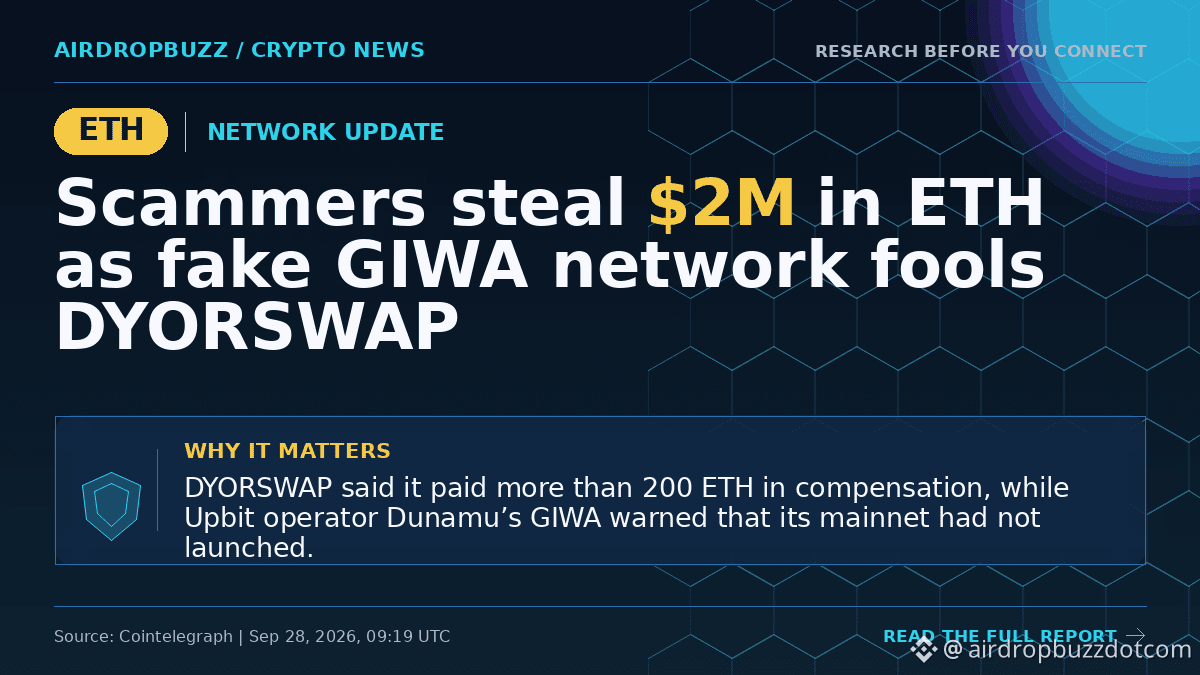
Scammers steal $2M in ETH as fake GIWA network fools DYORSWAP
DYORSWAP said it paid more than 200 ETH in compensation, while Upbit operator Dunamu’s GIWA warned that its mainnet had not launched.
What to verify
For network developments, distinguish an announcement from a deployed upgrade. Check rollout dates, affected users and any migration steps in official documentation.
Source: Cointelegraph
#CryptoNews
$ETH news
What happened
Scammers steal $2M in ETH as fake GIWA network fools DYORSWAP
DYORSWAP said it paid more than 200 ETH in compensation, while Upbit operator Dunamu’s GIWA warned that its mainnet had not launched.
What to verify
For network developments, distinguish an announcement from a deployed upgrade. Check rollout dates, affected users and any migration steps in official documentation.
Source: Cointelegraph
#CryptoNews
What happened
Scammers steal $2M in ETH as fake GIWA network fools DYORSWAP
DYORSWAP said it paid more than 200 ETH in compensation, while Upbit operator Dunamu’s GIWA warned that its mainnet had not launched.
What to verify
For network developments, distinguish an announcement from a deployed upgrade. Check rollout dates, affected users and any migration steps in official documentation.
Source: Cointelegraph
#CryptoNews
6
Log in to explore more content
Join global crypto users on Binance Square
⚡️ Get latest and useful information about crypto.
💬 Trusted by the world’s largest crypto exchange.
👍 Discover real insights from verified creators.
Email / Phone number
Trending Topics
1
#AnthropicIPOProspectusCouldValueItOver$2T
74 views
20 Discussing
2
#HackersDrainOver12.4MXRPFromDCENTWallets
1,380 views
51 Discussing
3
#SECSaysDecentralizedTokenBuybacksNotInvestmentContracts
7 views
2 Discussing
4
#UKFCAWinsCourtOrderToRecover851400Pounds
52,470 views
972 Discussing
5
#ChainlinkLaunchesCCIP2WithEnterpriseVerification
62,524 views
1,113 Discussing
6
#GoldFallsTo$4144
21,184 views
175 Discussing
7
#QNTFallsOver40%FromMorningHigh
112,521 views
1,494 Discussing
8
#USDTAdds845900HoldersInPast7Days
31,013 views
551 Discussing
9
#KospiFalls2.7%SamsungSKHynixDropOver5%
42,079 views
667 Discussing
10
#BitgetCEOConfirms$388MStolenInHack
6,053 views
45 Discussing