
#crosschaininteroperability
crosschaininteroperability
147,631 views
176 Discussing
Hot
Latest

·
--

Article
Where Should Your DeFi Capital Go?I’ve realized this in DeFi, that the chain offering the highest APY is not automatically the best destination for my money.
The real question is much simpler: After fees, slippage, liquidity and risk, where does my capital actually work better? $GRAM
That changes how I look at cross-chain investing.
Before moving funds, I focus on three things:
1. Fees
A higher yield means little if the cost of getting there consumes the advantage. This matters even more for smaller positions.
2. Net yield
I don’t compare headline APYs. I compare what I can realistically earn after route costs and based on how long I expect to keep the position deployed.
3. Actual liquidity
A chain can have huge TVL while the specific pool I need is thin. For me, the pool matters more than the headline number because poor liquidity can turn a good APY into expensive slippage.
Then comes the route itself.
Traditional bridges can introduce wrapped assets and an additional smart-contract dependency. For supported EVM destinations, an atomic-swap approach such as Omniston changes the model by focusing on direct cross-chain execution and native destination assets rather than relying on a shared wrapped-token bridge.
If I move from TON to another ecosystem, I don't just want to know that my funds arrived. I want to know what asset I received, how liquid it is, what risks I accepted, and how easily I can exit.
And different chains solve different problems.
Ethereum offers unmatched depth but can become expensive for smaller positions.
BNB Chain and Polygon are attractive when low transaction costs matter.
Base offers cheaper access to the broader EVM environment.
Solana is compelling for active, high-frequency strategies where execution and slippage matter.
TRON remains particularly powerful for stablecoin movement and USDT liquidity.
TON has another advantage: native ecosystem opportunities that may not exist elsewhere, combined with infrastructure such as STON.fi and Omniston for supported cross-chain flows.
Cross-chain allocation shouldn't mean constantly chasing the newest yield.
It should mean moving only when the expected improvement is greater than the total cost and additional risk.
The smartest capital isn't necessarily the capital that moves the most.
It is the capital that knows when moving is actually worth it.
$BTC $ETH #CrossChainInteroperability #omniston #STONfi #DeFi #TrendingTopic
Where Should Your DeFi Capital Go?
I’ve realized this in DeFi, that the chain offering the highest APY is not automatically the best destination for my money.
The real question is much simpler: After fees, slippage, liquidity and risk, where does my capital actually work better? $GRAM
That changes how I look at cross-chain investing.
Before moving funds, I focus on three things:
1. Fees
A higher yield means little if the cost of getting there consumes the advantage. This matters even more for smaller positions.
2. Net yield
I don’t compare headline APYs. I compare what I can realistically earn after route costs and based on how long I expect to keep the position deployed.
3. Actual liquidity
A chain can have huge TVL while the specific pool I need is thin. For me, the pool matters more than the headline number because poor liquidity can turn a good APY into expensive slippage.
Then comes the route itself.
Traditional bridges can introduce wrapped assets and an additional smart-contract dependency. For supported EVM destinations, an atomic-swap approach such as Omniston changes the model by focusing on direct cross-chain execution and native destination assets rather than relying on a shared wrapped-token bridge.
If I move from TON to another ecosystem, I don't just want to know that my funds arrived. I want to know what asset I received, how liquid it is, what risks I accepted, and how easily I can exit.
And different chains solve different problems.
Ethereum offers unmatched depth but can become expensive for smaller positions.
BNB Chain and Polygon are attractive when low transaction costs matter.
Base offers cheaper access to the broader EVM environment.
Solana is compelling for active, high-frequency strategies where execution and slippage matter.
TRON remains particularly powerful for stablecoin movement and USDT liquidity.
TON has another advantage: native ecosystem opportunities that may not exist elsewhere, combined with infrastructure such as STON.fi and Omniston for supported cross-chain flows.
Cross-chain allocation shouldn't mean constantly chasing the newest yield.
It should mean moving only when the expected improvement is greater than the total cost and additional risk.
The smartest capital isn't necessarily the capital that moves the most.
It is the capital that knows when moving is actually worth it.
$BTC $ETH #CrossChainInteroperability #omniston #STONfi #DeFi #TrendingTopic
The real question is much simpler: After fees, slippage, liquidity and risk, where does my capital actually work better? $GRAM
That changes how I look at cross-chain investing.
Before moving funds, I focus on three things:
1. Fees
A higher yield means little if the cost of getting there consumes the advantage. This matters even more for smaller positions.
2. Net yield
I don’t compare headline APYs. I compare what I can realistically earn after route costs and based on how long I expect to keep the position deployed.
3. Actual liquidity
A chain can have huge TVL while the specific pool I need is thin. For me, the pool matters more than the headline number because poor liquidity can turn a good APY into expensive slippage.
Then comes the route itself.
Traditional bridges can introduce wrapped assets and an additional smart-contract dependency. For supported EVM destinations, an atomic-swap approach such as Omniston changes the model by focusing on direct cross-chain execution and native destination assets rather than relying on a shared wrapped-token bridge.
If I move from TON to another ecosystem, I don't just want to know that my funds arrived. I want to know what asset I received, how liquid it is, what risks I accepted, and how easily I can exit.
And different chains solve different problems.
Ethereum offers unmatched depth but can become expensive for smaller positions.
BNB Chain and Polygon are attractive when low transaction costs matter.
Base offers cheaper access to the broader EVM environment.
Solana is compelling for active, high-frequency strategies where execution and slippage matter.
TRON remains particularly powerful for stablecoin movement and USDT liquidity.
TON has another advantage: native ecosystem opportunities that may not exist elsewhere, combined with infrastructure such as STON.fi and Omniston for supported cross-chain flows.
Cross-chain allocation shouldn't mean constantly chasing the newest yield.
It should mean moving only when the expected improvement is greater than the total cost and additional risk.
The smartest capital isn't necessarily the capital that moves the most.
It is the capital that knows when moving is actually worth it.
$BTC $ETH #CrossChainInteroperability #omniston #STONfi #DeFi #TrendingTopic
1
245

·
--
Article
TON DeFi Isn’t Just Attracting Liquidity — It’s Changing How Liquidity ArrivesMoving capital from Ethereum, BNB Chain, or Base into TON is becoming easier.
But from my perspective, the more interesting question isn't whether liquidity can enter TON.
It's how efficiently and safely it gets there. $GRAM
There are two major approaches.
The first is the traditional bridge model: lock an asset on the source chain and receive a wrapped representation on TON.The second is the atomic-swap approach used by Omniston, TON’s cross-chain execution layer. Instead of creating another representation of the asset, the user can swap into a native TON asset through resolver-based liquidity and paired HTLCs.
Bridge vs Atomic Swap
1. A bridge essentially says:
“Move this asset to TON.”
2. An atomic swap is closer to:
“Give me the asset I actually need on TON.”
With a bridge, users can end up holding a wrapped Jetton. That may work perfectly if the destination application supports it, but it can also introduce another conversion, another liquidity pool, and another layer of smart-contract risk.
With an atomic swap, the goal is to arrive with the native destination asset directly.
For me, that's a much cleaner approach.
Why This Matters for TON
TON's low transaction costs become more meaningful once capital has already arrived.
If I move funds to TON and plan to swap, rebalance, provide liquidity, or interact with several applications, lower fees can make repeated activity considerably more practical.
But cheap transactions aren't enough.
The real question is whether the destination has:
Deep liquidityCompetitive spreadsReliable executionUseful DeFi opportunitiesSufficient exit liquidity
A cheap chain with poor liquidity can still produce expensive trades.
That's why I wouldn't judge a cross-chain route simply by its bridge fee.
I would look at the total cost of getting usable capital into position.
The Security Difference
Traditional bridges can create a large pool of locked assets and depend on contracts, validators, relayers, or other verification mechanisms.
That creates additional attack surfaces.
Omniston's HTLC-based design approaches settlement differently. The source and destination transactions are cryptographically linked, with timelocks providing a refund path if the trade doesn't complete.
The important idea is simple:
The transaction is designed to settle together or unwind.
That doesn't mean cross-chain risk disappears.
No serious DeFi system should be treated as risk-free.
Resolver liquidity, smart contracts, supported networks, liquidity depth and operational reliability still matter.
But reducing unnecessary trust assumptions is a meaningful improvement.
The Bigger Opportunity
I think the most important development here isn't simply moving more assets into TON.
It's making the chain boundary less visible.
Imagine holding USDC on Base, discovering an opportunity on TON, and simply requesting the TON-native asset you need without thinking about wrapped tokens, intermediate conversions, or complicated bridge steps.
That's where cross-chain DeFi becomes much more interesting.
The user shouldn't have to care which chain supplied the liquidity.
They should care about:
What am I giving?What am I receiving?What will it cost?How much risk am I taking?
My Take
I don't think bridges are going away. They remain useful for broad asset movement and ecosystem connectivity.
But for someone entering TON specifically to use a native TON asset, atomic swaps can offer a more natural experience.
The future of cross-chain DeFi may therefore be less about building bigger bridges and more about building better execution layers.
Because liquidity doesn't become truly useful when it crosses a blockchain boundary.
It becomes useful when it arrives in the right asset, at the right price, with the lowest reasonable risk.
And that is where I think TON's cross-chain infrastructure becomes particularly interesting.
$BTC #CrossChainInteroperability #TrendingTopic $ETH #Omniston #TONDeFiEcosystem #STONfi
TON DeFi Isn’t Just Attracting Liquidity — It’s Changing How Liquidity Arrives
Moving capital from Ethereum, BNB Chain, or Base into TON is becoming easier.
But from my perspective, the more interesting question isn't whether liquidity can enter TON.
It's how efficiently and safely it gets there. $GRAM
There are two major approaches.
The first is the traditional bridge model: lock an asset on the source chain and receive a wrapped representation on TON.The second is the atomic-swap approach used by Omniston, TON’s cross-chain execution layer. Instead of creating another representation of the asset, the user can swap into a native TON asset through resolver-based liquidity and paired HTLCs.
Bridge vs Atomic Swap
1. A bridge essentially says:
“Move this asset to TON.”
2. An atomic swap is closer to:
“Give me the asset I actually need on TON.”
With a bridge, users can end up holding a wrapped Jetton. That may work perfectly if the destination application supports it, but it can also introduce another conversion, another liquidity pool, and another layer of smart-contract risk.
With an atomic swap, the goal is to arrive with the native destination asset directly.
For me, that's a much cleaner approach.
Why This Matters for TON
TON's low transaction costs become more meaningful once capital has already arrived.
If I move funds to TON and plan to swap, rebalance, provide liquidity, or interact with several applications, lower fees can make repeated activity considerably more practical.
But cheap transactions aren't enough.
The real question is whether the destination has:
Deep liquidityCompetitive spreadsReliable executionUseful DeFi opportunitiesSufficient exit liquidity
A cheap chain with poor liquidity can still produce expensive trades.
That's why I wouldn't judge a cross-chain route simply by its bridge fee.
I would look at the total cost of getting usable capital into position.
The Security Difference
Traditional bridges can create a large pool of locked assets and depend on contracts, validators, relayers, or other verification mechanisms.
That creates additional attack surfaces.
Omniston's HTLC-based design approaches settlement differently. The source and destination transactions are cryptographically linked, with timelocks providing a refund path if the trade doesn't complete.
The important idea is simple:
The transaction is designed to settle together or unwind.
That doesn't mean cross-chain risk disappears.
No serious DeFi system should be treated as risk-free.
Resolver liquidity, smart contracts, supported networks, liquidity depth and operational reliability still matter.
But reducing unnecessary trust assumptions is a meaningful improvement.
The Bigger Opportunity
I think the most important development here isn't simply moving more assets into TON.
It's making the chain boundary less visible.
Imagine holding USDC on Base, discovering an opportunity on TON, and simply requesting the TON-native asset you need without thinking about wrapped tokens, intermediate conversions, or complicated bridge steps.
That's where cross-chain DeFi becomes much more interesting.
The user shouldn't have to care which chain supplied the liquidity.
They should care about:
What am I giving?What am I receiving?What will it cost?How much risk am I taking?
My Take
I don't think bridges are going away. They remain useful for broad asset movement and ecosystem connectivity.
But for someone entering TON specifically to use a native TON asset, atomic swaps can offer a more natural experience.
The future of cross-chain DeFi may therefore be less about building bigger bridges and more about building better execution layers.
Because liquidity doesn't become truly useful when it crosses a blockchain boundary.
It becomes useful when it arrives in the right asset, at the right price, with the lowest reasonable risk.
And that is where I think TON's cross-chain infrastructure becomes particularly interesting.
$BTC #CrossChainInteroperability #TrendingTopic $ETH #Omniston #TONDeFiEcosystem #STONfi
But from my perspective, the more interesting question isn't whether liquidity can enter TON.
It's how efficiently and safely it gets there. $GRAM
There are two major approaches.
The first is the traditional bridge model: lock an asset on the source chain and receive a wrapped representation on TON.The second is the atomic-swap approach used by Omniston, TON’s cross-chain execution layer. Instead of creating another representation of the asset, the user can swap into a native TON asset through resolver-based liquidity and paired HTLCs.
Bridge vs Atomic Swap
1. A bridge essentially says:
“Move this asset to TON.”
2. An atomic swap is closer to:
“Give me the asset I actually need on TON.”
With a bridge, users can end up holding a wrapped Jetton. That may work perfectly if the destination application supports it, but it can also introduce another conversion, another liquidity pool, and another layer of smart-contract risk.
With an atomic swap, the goal is to arrive with the native destination asset directly.
For me, that's a much cleaner approach.
Why This Matters for TON
TON's low transaction costs become more meaningful once capital has already arrived.
If I move funds to TON and plan to swap, rebalance, provide liquidity, or interact with several applications, lower fees can make repeated activity considerably more practical.
But cheap transactions aren't enough.
The real question is whether the destination has:
Deep liquidityCompetitive spreadsReliable executionUseful DeFi opportunitiesSufficient exit liquidity
A cheap chain with poor liquidity can still produce expensive trades.
That's why I wouldn't judge a cross-chain route simply by its bridge fee.
I would look at the total cost of getting usable capital into position.
The Security Difference
Traditional bridges can create a large pool of locked assets and depend on contracts, validators, relayers, or other verification mechanisms.
That creates additional attack surfaces.
Omniston's HTLC-based design approaches settlement differently. The source and destination transactions are cryptographically linked, with timelocks providing a refund path if the trade doesn't complete.
The important idea is simple:
The transaction is designed to settle together or unwind.
That doesn't mean cross-chain risk disappears.
No serious DeFi system should be treated as risk-free.
Resolver liquidity, smart contracts, supported networks, liquidity depth and operational reliability still matter.
But reducing unnecessary trust assumptions is a meaningful improvement.
The Bigger Opportunity
I think the most important development here isn't simply moving more assets into TON.
It's making the chain boundary less visible.
Imagine holding USDC on Base, discovering an opportunity on TON, and simply requesting the TON-native asset you need without thinking about wrapped tokens, intermediate conversions, or complicated bridge steps.
That's where cross-chain DeFi becomes much more interesting.
The user shouldn't have to care which chain supplied the liquidity.
They should care about:
What am I giving?What am I receiving?What will it cost?How much risk am I taking?
My Take
I don't think bridges are going away. They remain useful for broad asset movement and ecosystem connectivity.
But for someone entering TON specifically to use a native TON asset, atomic swaps can offer a more natural experience.
The future of cross-chain DeFi may therefore be less about building bigger bridges and more about building better execution layers.
Because liquidity doesn't become truly useful when it crosses a blockchain boundary.
It becomes useful when it arrives in the right asset, at the right price, with the lowest reasonable risk.
And that is where I think TON's cross-chain infrastructure becomes particularly interesting.
$BTC #CrossChainInteroperability #TrendingTopic $ETH #Omniston #TONDeFiEcosystem #STONfi
1
150

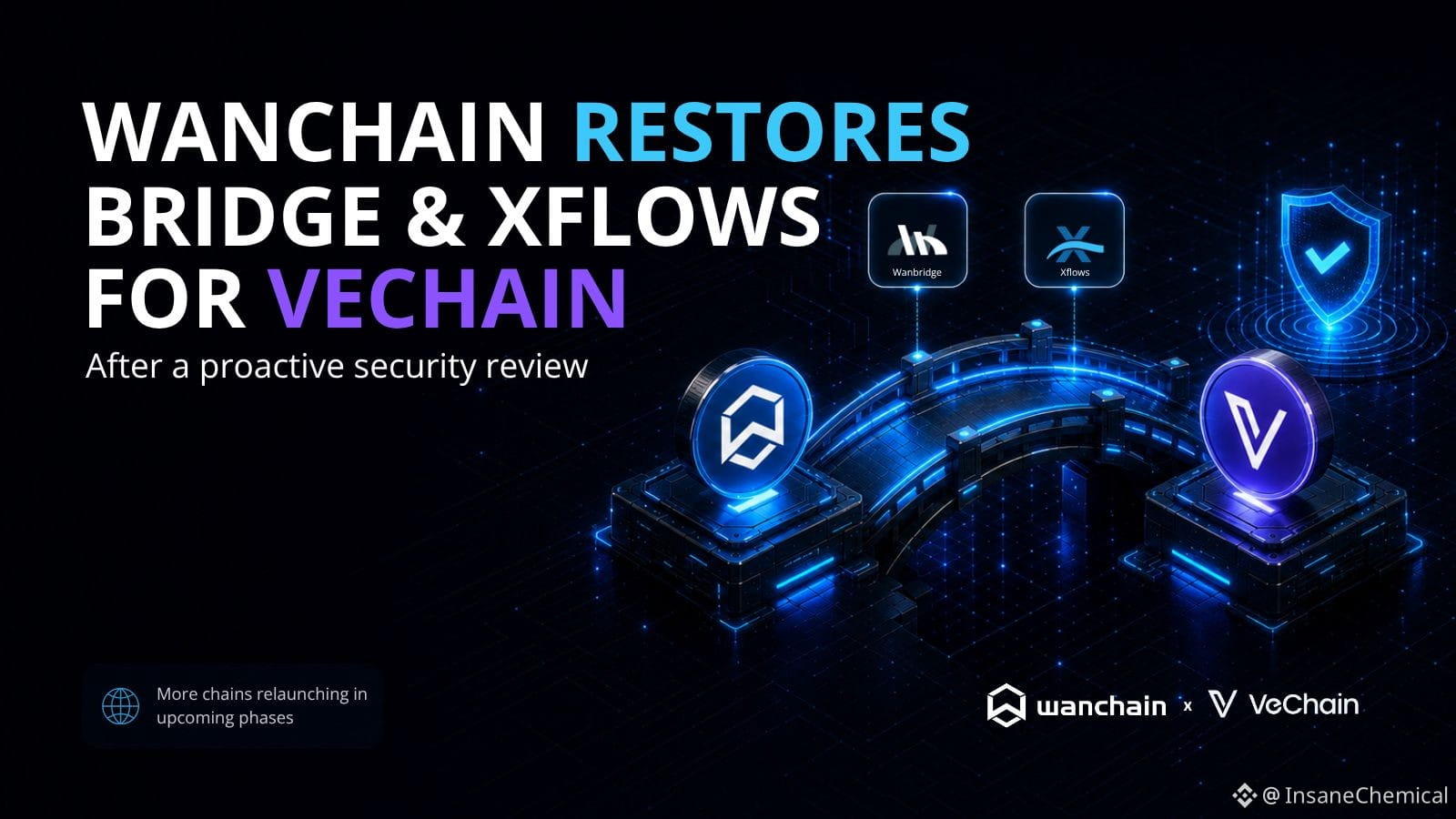
Wanchain has completed a proactive security review and relaunched the Wanchain Bridge and XFlows for VeChain. Cross-chain flow to and from the ecosystem, including $VET , is fully restored.
More chain routes are set to relaunch in upcoming phases.
Get started here: bridge.wanchain.org
#Wanchain #VeChain #CrossChainInteroperability
Wanchain has completed a proactive security review and relaunched the Wanchain Bridge and XFlows for VeChain. Cross-chain flow to and from the ecosystem, including $VET , is fully restored.
More chain routes are set to relaunch in upcoming phases.
Get started here: bridge.wanchain.org
#Wanchain #VeChain #CrossChainInteroperability
More chain routes are set to relaunch in upcoming phases.
Get started here: bridge.wanchain.org
#Wanchain #VeChain #CrossChainInteroperability
1
126
·
--
I Thought Cross-Chain DeFi Was Already Solved—Then I Tried STONfi
One of the biggest promises in crypto has always been interoperability. Incredible blockchain ecosystems have been built, but moving value between them has often felt far more complicated than it should be.
As a user who regularly uses DeFi, I've become accustomed to the usual cross-chain process: bridging assets, switching networks, managing multiple gas tokens, and hoping nothing goes wrong during execution. It's a workflow that experienced users tolerate but one that still creates friction for broader adoption.
After exploring the newly launched TON ↔ EVM cross-chain swaps on STONfi, my biggest takeaway is that the platform is trying to simplify a problem many protocols have accepted as normal.
What stood out for me was the shift in perspective. Most cross-chain tools force users to think about infrastructure. Which bridge should I use? Which network am I sending from? Do I have enough gas on the destination chain? STONfi approaches the experience differently.
Instead of focusing on the route, the platform focuses on the outcome. Users simply select the asset they hold and the asset they want to receive, while the underlying infrastructure handles the complexity.
At launch, users can swap supported assets across $TON , Ethereum, Base, BNB Chain, and Polygon directly from the STON.fi interface.
Another aspect that caught my attention is the role of Omniston.
Rather than acting solely as a TON liquidity layer, it also functions as an execution engine capable of connecting liquidity across different ecosystems.
The TON ecosystem continues to attract users, applications, and liquidity, but sustainable growth requires strong connections to the rest of the crypto market. Cross-chain functionality creates those connections.
$BTC $ETH #evm #TON #CrossChainInteroperability #TrendingTopic
I Thought Cross-Chain DeFi Was Already Solved—Then I Tried STONfi
One of the biggest promises in crypto has always been interoperability. Incredible blockchain ecosystems have been built, but moving value between them has often felt far more complicated than it should be.
As a user who regularly uses DeFi, I've become accustomed to the usual cross-chain process: bridging assets, switching networks, managing multiple gas tokens, and hoping nothing goes wrong during execution. It's a workflow that experienced users tolerate but one that still creates friction for broader adoption.
After exploring the newly launched TON ↔ EVM cross-chain swaps on STONfi, my biggest takeaway is that the platform is trying to simplify a problem many protocols have accepted as normal.
What stood out for me was the shift in perspective. Most cross-chain tools force users to think about infrastructure. Which bridge should I use? Which network am I sending from? Do I have enough gas on the destination chain? STONfi approaches the experience differently.
Instead of focusing on the route, the platform focuses on the outcome. Users simply select the asset they hold and the asset they want to receive, while the underlying infrastructure handles the complexity.
At launch, users can swap supported assets across $TON , Ethereum, Base, BNB Chain, and Polygon directly from the STON.fi interface.
Another aspect that caught my attention is the role of Omniston.
Rather than acting solely as a TON liquidity layer, it also functions as an execution engine capable of connecting liquidity across different ecosystems.
The TON ecosystem continues to attract users, applications, and liquidity, but sustainable growth requires strong connections to the rest of the crypto market. Cross-chain functionality creates those connections.
$BTC $ETH #evm #TON #CrossChainInteroperability #TrendingTopic
One of the biggest promises in crypto has always been interoperability. Incredible blockchain ecosystems have been built, but moving value between them has often felt far more complicated than it should be.
As a user who regularly uses DeFi, I've become accustomed to the usual cross-chain process: bridging assets, switching networks, managing multiple gas tokens, and hoping nothing goes wrong during execution. It's a workflow that experienced users tolerate but one that still creates friction for broader adoption.
After exploring the newly launched TON ↔ EVM cross-chain swaps on STONfi, my biggest takeaway is that the platform is trying to simplify a problem many protocols have accepted as normal.
What stood out for me was the shift in perspective. Most cross-chain tools force users to think about infrastructure. Which bridge should I use? Which network am I sending from? Do I have enough gas on the destination chain? STONfi approaches the experience differently.
Instead of focusing on the route, the platform focuses on the outcome. Users simply select the asset they hold and the asset they want to receive, while the underlying infrastructure handles the complexity.
At launch, users can swap supported assets across $TON , Ethereum, Base, BNB Chain, and Polygon directly from the STON.fi interface.
Another aspect that caught my attention is the role of Omniston.
Rather than acting solely as a TON liquidity layer, it also functions as an execution engine capable of connecting liquidity across different ecosystems.
The TON ecosystem continues to attract users, applications, and liquidity, but sustainable growth requires strong connections to the rest of the crypto market. Cross-chain functionality creates those connections.
$BTC $ETH #evm #TON #CrossChainInteroperability #TrendingTopic
1
167

·
--
Bullish
📈 STONfi Weekly Insight | Gate Square
The latest STONfi update reinforces a trend that is becoming increasingly difficult to ignore: TON DeFi is scaling through utility, not speculation.
In May, STONfi recorded $331 million in swap volume, a remarkable 4.7x increase month over month, signaling stronger liquidity flows and growing user activity across the ecosystem.
The launch of native cross-chain swaps between $TON and major EVM networks, including Ethereum, Base, $BNB Chain, and Polygon, marks another step toward a more connected blockchain landscape. By simplifying asset movement across ecosystems, STONfi is helping reduce one of DeFi's longest standing friction points.
At the same time, improvements to tsTON liquidity pools and continued expansion of Omniston's infrastructure demonstrate how ecosystem development is translating into tangible user benefits.
As blockchain adoption matures, platforms that prioritize accessibility, liquidity efficiency, and seamless cross-chain experiences are likely to capture the greatest long term value.
The question is no longer whether cross-chain interoperability matters.
The question is which ecosystems are building it effectively enough to drive the next wave of adoption.
#TON #CrossChainInteroperability #CrossChain
📈 STONfi Weekly Insight | Gate Square
The latest STONfi update reinforces a trend that is becoming increasingly difficult to ignore: TON DeFi is scaling through utility, not speculation.
In May, STONfi recorded $331 million in swap volume, a remarkable 4.7x increase month over month, signaling stronger liquidity flows and growing user activity across the ecosystem.
The launch of native cross-chain swaps between $TON and major EVM networks, including Ethereum, Base, $BNB Chain, and Polygon, marks another step toward a more connected blockchain landscape. By simplifying asset movement across ecosystems, STONfi is helping reduce one of DeFi's longest standing friction points.
At the same time, improvements to tsTON liquidity pools and continued expansion of Omniston's infrastructure demonstrate how ecosystem development is translating into tangible user benefits.
As blockchain adoption matures, platforms that prioritize accessibility, liquidity efficiency, and seamless cross-chain experiences are likely to capture the greatest long term value.
The question is no longer whether cross-chain interoperability matters.
The question is which ecosystems are building it effectively enough to drive the next wave of adoption.
#TON #CrossChainInteroperability #CrossChain
The latest STONfi update reinforces a trend that is becoming increasingly difficult to ignore: TON DeFi is scaling through utility, not speculation.
In May, STONfi recorded $331 million in swap volume, a remarkable 4.7x increase month over month, signaling stronger liquidity flows and growing user activity across the ecosystem.
The launch of native cross-chain swaps between $TON and major EVM networks, including Ethereum, Base, $BNB Chain, and Polygon, marks another step toward a more connected blockchain landscape. By simplifying asset movement across ecosystems, STONfi is helping reduce one of DeFi's longest standing friction points.
At the same time, improvements to tsTON liquidity pools and continued expansion of Omniston's infrastructure demonstrate how ecosystem development is translating into tangible user benefits.
As blockchain adoption matures, platforms that prioritize accessibility, liquidity efficiency, and seamless cross-chain experiences are likely to capture the greatest long term value.
The question is no longer whether cross-chain interoperability matters.
The question is which ecosystems are building it effectively enough to drive the next wave of adoption.
#TON #CrossChainInteroperability #CrossChain

1
138
·
--

Article
Why Users Are Moving Beyond Traditional BridgesOne of the biggest changes I have noticed in DeFi over the past few years is not the emergence of new blockchains or even new financial products. It is the gradual disappearance of complexity.
There was a time when moving assets between networks felt like a task reserved for experienced users. If I wanted to move funds between Ethereum and another ecosystem, I had to think about bridges, liquidity availability, fees, settlement times, and sometimes even multiple transactions before reaching my final destination.
The process worked, but it often felt like I was managing infrastructure rather than simply managing my assets.
Today, the experience is beginning to look very different.
After exploring various interoperability solutions, I see the market developing around three major approaches.
The first is the traditional bridge model. These platforms specialize in moving value from one network to another. Their core function is transportation.The second approach revolves around cross-chain swaps. Here, the focus shifts away from transportation and toward outcomes. The third category is aggregators. These platforms act like route optimizers. Rather than relying on a single provider, they search across multiple options to identify efficient paths for execution. In many ways, they represent the next stage of interoperability, where route selection itself becomes automated.
What stands out to me about STON.fi is that it appears to be approaching interoperability from the user's perspective rather than the infrastructure's perspective.
Instead of emphasizing routes, bridges, or technical pathways, the focus is on achieving a clear outcome.
Powered by Omniston, STON.fi is extending beyond its role as a $TON -native DeFi venue and moving toward a model where cross-chain execution feels like a single action rather than a collection of separate tasks.
The emphasis is no longer on understanding how assets travel between networks.
The emphasis is on receiving the assets you want, where you want them, through a non-custodial process that minimizes complexity.
$BTC $ETH #STONfi #CrossChainInteroperability #TON #TrendingTopic
Why Users Are Moving Beyond Traditional Bridges
One of the biggest changes I have noticed in DeFi over the past few years is not the emergence of new blockchains or even new financial products. It is the gradual disappearance of complexity.
There was a time when moving assets between networks felt like a task reserved for experienced users. If I wanted to move funds between Ethereum and another ecosystem, I had to think about bridges, liquidity availability, fees, settlement times, and sometimes even multiple transactions before reaching my final destination.
The process worked, but it often felt like I was managing infrastructure rather than simply managing my assets.
Today, the experience is beginning to look very different.
After exploring various interoperability solutions, I see the market developing around three major approaches.
The first is the traditional bridge model. These platforms specialize in moving value from one network to another. Their core function is transportation.The second approach revolves around cross-chain swaps. Here, the focus shifts away from transportation and toward outcomes. The third category is aggregators. These platforms act like route optimizers. Rather than relying on a single provider, they search across multiple options to identify efficient paths for execution. In many ways, they represent the next stage of interoperability, where route selection itself becomes automated.
What stands out to me about STON.fi is that it appears to be approaching interoperability from the user's perspective rather than the infrastructure's perspective.
Instead of emphasizing routes, bridges, or technical pathways, the focus is on achieving a clear outcome.
Powered by Omniston, STON.fi is extending beyond its role as a $TON -native DeFi venue and moving toward a model where cross-chain execution feels like a single action rather than a collection of separate tasks.
The emphasis is no longer on understanding how assets travel between networks.
The emphasis is on receiving the assets you want, where you want them, through a non-custodial process that minimizes complexity.
$BTC $ETH #STONfi #CrossChainInteroperability #TON #TrendingTopic
There was a time when moving assets between networks felt like a task reserved for experienced users. If I wanted to move funds between Ethereum and another ecosystem, I had to think about bridges, liquidity availability, fees, settlement times, and sometimes even multiple transactions before reaching my final destination.
The process worked, but it often felt like I was managing infrastructure rather than simply managing my assets.
Today, the experience is beginning to look very different.
After exploring various interoperability solutions, I see the market developing around three major approaches.
The first is the traditional bridge model. These platforms specialize in moving value from one network to another. Their core function is transportation.The second approach revolves around cross-chain swaps. Here, the focus shifts away from transportation and toward outcomes. The third category is aggregators. These platforms act like route optimizers. Rather than relying on a single provider, they search across multiple options to identify efficient paths for execution. In many ways, they represent the next stage of interoperability, where route selection itself becomes automated.
What stands out to me about STON.fi is that it appears to be approaching interoperability from the user's perspective rather than the infrastructure's perspective.
Instead of emphasizing routes, bridges, or technical pathways, the focus is on achieving a clear outcome.
Powered by Omniston, STON.fi is extending beyond its role as a $TON -native DeFi venue and moving toward a model where cross-chain execution feels like a single action rather than a collection of separate tasks.
The emphasis is no longer on understanding how assets travel between networks.
The emphasis is on receiving the assets you want, where you want them, through a non-custodial process that minimizes complexity.
$BTC $ETH #STONfi #CrossChainInteroperability #TON #TrendingTopic
1
148

·
--
Bullish
W Compresses at Multi-Week Demand Corridor! Will the Interoperability Narrative Spark an Aggressive Bounce? 🌐
The Analysis: Wormhole ($W
{spot}(WUSDT)
) is carving out a rock-solid structural bottom, consolidating into a narrow high-volume node around its localized $0.009–$0.010 low range. As on-chain volume actively searches for undervalued cross-chain infrastructure layers, W's technical footprint is flashing severe compression.
The Alpha: Despite the broader market's choppy price action, Wormhole’s cross-chain bridging engine is maintaining steady transactional throughput. The daily chart is printing a clear bullish divergence on key momentum indicators, proving that seller pressure has completely dried up at these valuations. If spot market buying continues to dry up sell-side liquidity, a clear volume-backed breakout past $0.011 will instantly trigger an aggressive short-covering cascade back toward $0.0135.
The Trade: Spot layering within this tight accumulation corridor yields premium trading parameters. Set your primary profit targets at the local resistance nodes. Keep your downside strictly protected with an invalidation stop-loss parameter placed underneath the $0.0085 weekly low shelf.
The cross-chain interoperability sector is flashing early reversal indicators. Are you front-running the bounce or sitting out? 👇
#Wormholecoin #CrossChainInteroperability #Web3 #CryptoBreakout
W Compresses at Multi-Week Demand Corridor! Will the Interoperability Narrative Spark an Aggressive Bounce? 🌐
The Analysis: Wormhole ($W
) is carving out a rock-solid structural bottom, consolidating into a narrow high-volume node around its localized $0.009–$0.010 low range. As on-chain volume actively searches for undervalued cross-chain infrastructure layers, W's technical footprint is flashing severe compression.
The Alpha: Despite the broader market's choppy price action, Wormhole’s cross-chain bridging engine is maintaining steady transactional throughput. The daily chart is printing a clear bullish divergence on key momentum indicators, proving that seller pressure has completely dried up at these valuations. If spot market buying continues to dry up sell-side liquidity, a clear volume-backed breakout past $0.011 will instantly trigger an aggressive short-covering cascade back toward $0.0135.
The Trade: Spot layering within this tight accumulation corridor yields premium trading parameters. Set your primary profit targets at the local resistance nodes. Keep your downside strictly protected with an invalidation stop-loss parameter placed underneath the $0.0085 weekly low shelf.
The cross-chain interoperability sector is flashing early reversal indicators. Are you front-running the bounce or sitting out? 👇
#Wormholecoin #CrossChainInteroperability #Web3 #CryptoBreakout
The Analysis: Wormhole ($W
) is carving out a rock-solid structural bottom, consolidating into a narrow high-volume node around its localized $0.009–$0.010 low range. As on-chain volume actively searches for undervalued cross-chain infrastructure layers, W's technical footprint is flashing severe compression.
The Alpha: Despite the broader market's choppy price action, Wormhole’s cross-chain bridging engine is maintaining steady transactional throughput. The daily chart is printing a clear bullish divergence on key momentum indicators, proving that seller pressure has completely dried up at these valuations. If spot market buying continues to dry up sell-side liquidity, a clear volume-backed breakout past $0.011 will instantly trigger an aggressive short-covering cascade back toward $0.0135.
The Trade: Spot layering within this tight accumulation corridor yields premium trading parameters. Set your primary profit targets at the local resistance nodes. Keep your downside strictly protected with an invalidation stop-loss parameter placed underneath the $0.0085 weekly low shelf.
The cross-chain interoperability sector is flashing early reversal indicators. Are you front-running the bounce or sitting out? 👇
#Wormholecoin #CrossChainInteroperability #Web3 #CryptoBreakout
1
96
·
--
Article
TON’s Cross-Chain Edge: Move Capital, Not Just TokensCross-chain activity is often described as simply “moving tokens from one blockchain to another.”
From my perspective, that is not enough. What matters is what I receive, how much I pay, how much liquidity I can access, and what happens if the transaction fails.
For TON users entering Ethereum, Base, or BNB Chain, there are two fundamentally different approaches.
The traditional bridge model locks an asset on TON and creates a wrapped representation on the destination chain.The atomic-swap model through Omniston takes a different approach: the user can request the asset they actually want on the destination network and receive it natively. $GRAM
Why the destination asset matters?
Imagine I hold a TON-based asset and want USDC on Base.
With a traditional bridge, I may first receive a wrapped representation and then need another swap to reach USDC.
That creates more steps, more fees, another liquidity dependency and another point where something can go wrong.
With atomic execution, the objective is much simpler:
TON-side asset → native USDC on Base.
For me as a user, that is a much more useful definition of cross-chain interoperability.
Where each chain fits
Ethereum: strongest when deep liquidity and major trading pairs matter, especially for larger positions. The downside is higher transaction costs.
Base: attractive for smaller and more frequent transactions because lower fees make repeated activity more practical. But individual pools still need to be checked for depth.
BNB Chain: useful when accessing retail-heavy markets and projects that establish liquidity there early. Low transaction costs are another advantage.
The lesson is simple: there is no universally “best” destination.
The right chain depends on what I want to do after the transaction.
The risk question is just as important
Atomic swaps do not eliminate risk.
I still need to consider the quote, liquidity, smart-contract security, wallet address, destination token and execution cost.
What changes is the settlement architecture.
Omniston uses timelock-based mechanisms designed so that if the required conditions are not completed, the relevant funds can be refunded rather than leaving one side permanently exposed.
That gives the transaction a clearer failure path.
What I would check before moving funds
Before any cross-chain transaction, I would ask:
What asset do I actually need when I arrive?
Is the destination liquidity deep enough?
What is my total cost after fees and slippage?
Is the destination token legitimate?
What happens if the transaction does not complete?
Do I really need a wrapped asset, or do I simply need the native destination asset?
That last question is becoming increasingly important.
Cross-chain DeFi becomes much more powerful when the focus shifts from “How do I move this token?” to “What asset do I need on the other side?”
$BTC $ETH #CrossChainInteroperability #TrendingTopic #STONfi #AtomicSettlement #Omniston
TON’s Cross-Chain Edge: Move Capital, Not Just Tokens
Cross-chain activity is often described as simply “moving tokens from one blockchain to another.”
From my perspective, that is not enough. What matters is what I receive, how much I pay, how much liquidity I can access, and what happens if the transaction fails.
For TON users entering Ethereum, Base, or BNB Chain, there are two fundamentally different approaches.
The traditional bridge model locks an asset on TON and creates a wrapped representation on the destination chain.The atomic-swap model through Omniston takes a different approach: the user can request the asset they actually want on the destination network and receive it natively. $GRAM
Why the destination asset matters?
Imagine I hold a TON-based asset and want USDC on Base.
With a traditional bridge, I may first receive a wrapped representation and then need another swap to reach USDC.
That creates more steps, more fees, another liquidity dependency and another point where something can go wrong.
With atomic execution, the objective is much simpler:
TON-side asset → native USDC on Base.
For me as a user, that is a much more useful definition of cross-chain interoperability.
Where each chain fits
Ethereum: strongest when deep liquidity and major trading pairs matter, especially for larger positions. The downside is higher transaction costs.
Base: attractive for smaller and more frequent transactions because lower fees make repeated activity more practical. But individual pools still need to be checked for depth.
BNB Chain: useful when accessing retail-heavy markets and projects that establish liquidity there early. Low transaction costs are another advantage.
The lesson is simple: there is no universally “best” destination.
The right chain depends on what I want to do after the transaction.
The risk question is just as important
Atomic swaps do not eliminate risk.
I still need to consider the quote, liquidity, smart-contract security, wallet address, destination token and execution cost.
What changes is the settlement architecture.
Omniston uses timelock-based mechanisms designed so that if the required conditions are not completed, the relevant funds can be refunded rather than leaving one side permanently exposed.
That gives the transaction a clearer failure path.
What I would check before moving funds
Before any cross-chain transaction, I would ask:
What asset do I actually need when I arrive?
Is the destination liquidity deep enough?
What is my total cost after fees and slippage?
Is the destination token legitimate?
What happens if the transaction does not complete?
Do I really need a wrapped asset, or do I simply need the native destination asset?
That last question is becoming increasingly important.
Cross-chain DeFi becomes much more powerful when the focus shifts from “How do I move this token?” to “What asset do I need on the other side?”
$BTC $ETH #CrossChainInteroperability #TrendingTopic #STONfi #AtomicSettlement #Omniston
From my perspective, that is not enough. What matters is what I receive, how much I pay, how much liquidity I can access, and what happens if the transaction fails.
For TON users entering Ethereum, Base, or BNB Chain, there are two fundamentally different approaches.
The traditional bridge model locks an asset on TON and creates a wrapped representation on the destination chain.The atomic-swap model through Omniston takes a different approach: the user can request the asset they actually want on the destination network and receive it natively. $GRAM
Why the destination asset matters?
Imagine I hold a TON-based asset and want USDC on Base.
With a traditional bridge, I may first receive a wrapped representation and then need another swap to reach USDC.
That creates more steps, more fees, another liquidity dependency and another point where something can go wrong.
With atomic execution, the objective is much simpler:
TON-side asset → native USDC on Base.
For me as a user, that is a much more useful definition of cross-chain interoperability.
Where each chain fits
Ethereum: strongest when deep liquidity and major trading pairs matter, especially for larger positions. The downside is higher transaction costs.
Base: attractive for smaller and more frequent transactions because lower fees make repeated activity more practical. But individual pools still need to be checked for depth.
BNB Chain: useful when accessing retail-heavy markets and projects that establish liquidity there early. Low transaction costs are another advantage.
The lesson is simple: there is no universally “best” destination.
The right chain depends on what I want to do after the transaction.
The risk question is just as important
Atomic swaps do not eliminate risk.
I still need to consider the quote, liquidity, smart-contract security, wallet address, destination token and execution cost.
What changes is the settlement architecture.
Omniston uses timelock-based mechanisms designed so that if the required conditions are not completed, the relevant funds can be refunded rather than leaving one side permanently exposed.
That gives the transaction a clearer failure path.
What I would check before moving funds
Before any cross-chain transaction, I would ask:
What asset do I actually need when I arrive?
Is the destination liquidity deep enough?
What is my total cost after fees and slippage?
Is the destination token legitimate?
What happens if the transaction does not complete?
Do I really need a wrapped asset, or do I simply need the native destination asset?
That last question is becoming increasingly important.
Cross-chain DeFi becomes much more powerful when the focus shifts from “How do I move this token?” to “What asset do I need on the other side?”
$BTC $ETH #CrossChainInteroperability #TrendingTopic #STONfi #AtomicSettlement #Omniston
1
147
·
--
Bullish
SYN Compresses Near Key Support Levels: Is an On-Chain Cross-Chain Short Squeeze Brewing? 🌐
The Analysis: Synapse ($SYN
{spot}(SYNUSDT)
) is printing an extremely tight market structure, grinding heavily within an intense horizontal consolidation bracket near the $0.14 level. As capital actively searches for undervalued cross-chain infrastructure layers, SYN’s relative volatility index has reached a historical compression point.
The Alpha: Despite recent localized price drawdowns, Synapse's cross-chain bridging architecture continues to process millions in daily native asset flow. Daily candlestick charts are showing a clean sequence of structural support, signaling that seller momentum has hit complete exhaustion. Because circulating supply is heavily locked up in liquidity pools and cross-chain routers, even a modest influx of spot market buy orders will easily trigger an aggressive short-covering cascade back toward overhead targets.
The Trade: Building a speculative spot or low-leverage position inside this deep demand shelf offers massive asymmetric upside with minimal risk. Look for an hourly candle flip of local resistance to confirm the reversal. Set a strict invalidation stop-loss parameter directly beneath the local swing low.
SYN is flashing textbook pre-reversal parameters right on top of historical support. Are you front-running the bounce? 👇
#SYN/USDT #SynapseNetwork #CrossChainInteroperability #DeFiSignals
SYN Compresses Near Key Support Levels: Is an On-Chain Cross-Chain Short Squeeze Brewing? 🌐
The Analysis: Synapse ($SYN
) is printing an extremely tight market structure, grinding heavily within an intense horizontal consolidation bracket near the $0.14 level. As capital actively searches for undervalued cross-chain infrastructure layers, SYN’s relative volatility index has reached a historical compression point.
The Alpha: Despite recent localized price drawdowns, Synapse's cross-chain bridging architecture continues to process millions in daily native asset flow. Daily candlestick charts are showing a clean sequence of structural support, signaling that seller momentum has hit complete exhaustion. Because circulating supply is heavily locked up in liquidity pools and cross-chain routers, even a modest influx of spot market buy orders will easily trigger an aggressive short-covering cascade back toward overhead targets.
The Trade: Building a speculative spot or low-leverage position inside this deep demand shelf offers massive asymmetric upside with minimal risk. Look for an hourly candle flip of local resistance to confirm the reversal. Set a strict invalidation stop-loss parameter directly beneath the local swing low.
SYN is flashing textbook pre-reversal parameters right on top of historical support. Are you front-running the bounce? 👇
#SYN/USDT #SynapseNetwork #CrossChainInteroperability #DeFiSignals
The Analysis: Synapse ($SYN
) is printing an extremely tight market structure, grinding heavily within an intense horizontal consolidation bracket near the $0.14 level. As capital actively searches for undervalued cross-chain infrastructure layers, SYN’s relative volatility index has reached a historical compression point.
The Alpha: Despite recent localized price drawdowns, Synapse's cross-chain bridging architecture continues to process millions in daily native asset flow. Daily candlestick charts are showing a clean sequence of structural support, signaling that seller momentum has hit complete exhaustion. Because circulating supply is heavily locked up in liquidity pools and cross-chain routers, even a modest influx of spot market buy orders will easily trigger an aggressive short-covering cascade back toward overhead targets.
The Trade: Building a speculative spot or low-leverage position inside this deep demand shelf offers massive asymmetric upside with minimal risk. Look for an hourly candle flip of local resistance to confirm the reversal. Set a strict invalidation stop-loss parameter directly beneath the local swing low.
SYN is flashing textbook pre-reversal parameters right on top of historical support. Are you front-running the bounce? 👇
#SYN/USDT #SynapseNetwork #CrossChainInteroperability #DeFiSignals
1
233
·
--
Bullish
$CROSS تُمثّل عملة CROSS الرمز التشغيلي والاقتصادي لبروتوكول Cross Finance، وهو مشروع يركز على تقديم بنية تحتية هجينة تجمع بين كفاءة التمويل اللامركزي (DeFi) وسهولة أنظمة المدفوعات والبطاقات المصرفية التقليدية، بهدف تحويل الأصول الرقمية إلى أداة إنفاق وتسوية نقدية يومية.
الهندسة التقنية وحلول التسوية يعتمد النظام البيئي لـ Cross Finance على منظومة مزدوجة تهدف إلى تجاوز القيود التقنية المعتادة في شبكات البلوكشين:
معمارية السلسلة المزدوجة (CrossFi Chain): تجمع الشبكة بين محرك التوافق Tendermint (التابع لمنظومة Cosmos) لضمان سرعة معالجة المعاملات والنهائية الفورية، مع طبقة توافق كاملة مع آلة إيثريوم الافتراضية (EVM) لتسهيل نشر العقود الذكية والتطبيقات اللامركزية.
دمج البطاقات المصرفية وبوابات الدفع: تطوير حلول بطاقات ائتمان وخصم مباشر متصلة بالمحافظ اللامركزية، ما يتيح للمستخدمين الدفع مباشرة لدى ملايين المتاجر حول العالم وتحويل العملات الرقمية إلى نقد تقليدي في نقطة البيع دون وساطة بنكية معقدة.
الرمز المزدوج للاستقرار والعمليات: استخدام نموذج اقتصادي يعتمد على رمز CROSS كمحرك تشغيلي للشبكة إلى جانب رمز مخصص للتخزين والحوكمة والسيولة (MPX)، لتقليل تقلبات رسوم المعالجة.
$CROSS #cross #CrossSpace #CrossFi #cross-chain #CrossChainInteroperability
{alpha}(560x6bf62ca91e397b5a7d1d6bce97d9092065d7a510)
{future}(CROSSUSDT)
$CROSS تُمثّل عملة CROSS الرمز التشغيلي والاقتصادي لبروتوكول Cross Finance، وهو مشروع يركز على تقديم بنية تحتية هجينة تجمع بين كفاءة التمويل اللامركزي (DeFi) وسهولة أنظمة المدفوعات والبطاقات المصرفية التقليدية، بهدف تحويل الأصول الرقمية إلى أداة إنفاق وتسوية نقدية يومية.
الهندسة التقنية وحلول التسوية يعتمد النظام البيئي لـ Cross Finance على منظومة مزدوجة تهدف إلى تجاوز القيود التقنية المعتادة في شبكات البلوكشين:
معمارية السلسلة المزدوجة (CrossFi Chain): تجمع الشبكة بين محرك التوافق Tendermint (التابع لمنظومة Cosmos) لضمان سرعة معالجة المعاملات والنهائية الفورية، مع طبقة توافق كاملة مع آلة إيثريوم الافتراضية (EVM) لتسهيل نشر العقود الذكية والتطبيقات اللامركزية.
دمج البطاقات المصرفية وبوابات الدفع: تطوير حلول بطاقات ائتمان وخصم مباشر متصلة بالمحافظ اللامركزية، ما يتيح للمستخدمين الدفع مباشرة لدى ملايين المتاجر حول العالم وتحويل العملات الرقمية إلى نقد تقليدي في نقطة البيع دون وساطة بنكية معقدة.
الرمز المزدوج للاستقرار والعمليات: استخدام نموذج اقتصادي يعتمد على رمز CROSS كمحرك تشغيلي للشبكة إلى جانب رمز مخصص للتخزين والحوكمة والسيولة (MPX)، لتقليل تقلبات رسوم المعالجة.
$CROSS #cross #CrossSpace #CrossFi #cross-chain #CrossChainInteroperability
الهندسة التقنية وحلول التسوية يعتمد النظام البيئي لـ Cross Finance على منظومة مزدوجة تهدف إلى تجاوز القيود التقنية المعتادة في شبكات البلوكشين:
معمارية السلسلة المزدوجة (CrossFi Chain): تجمع الشبكة بين محرك التوافق Tendermint (التابع لمنظومة Cosmos) لضمان سرعة معالجة المعاملات والنهائية الفورية، مع طبقة توافق كاملة مع آلة إيثريوم الافتراضية (EVM) لتسهيل نشر العقود الذكية والتطبيقات اللامركزية.
دمج البطاقات المصرفية وبوابات الدفع: تطوير حلول بطاقات ائتمان وخصم مباشر متصلة بالمحافظ اللامركزية، ما يتيح للمستخدمين الدفع مباشرة لدى ملايين المتاجر حول العالم وتحويل العملات الرقمية إلى نقد تقليدي في نقطة البيع دون وساطة بنكية معقدة.
الرمز المزدوج للاستقرار والعمليات: استخدام نموذج اقتصادي يعتمد على رمز CROSS كمحرك تشغيلي للشبكة إلى جانب رمز مخصص للتخزين والحوكمة والسيولة (MPX)، لتقليل تقلبات رسوم المعالجة.
$CROSS #cross #CrossSpace #CrossFi #cross-chain #CrossChainInteroperability
34
·
--
Omniston Hits $150K
Omniston processed roughly $150K in cross-chain swap volume in a single day on August 25.
Yes I know, $150K may not look huge compared with the billions moving across DeFi every day. But I think the more interesting story is what the volume represents.
Cross-chain DeFi has always had a friction problem.
As a user, moving assets between networks can mean dealing with bridges, wrapped tokens, destination-chain gas, multiple swaps, liquidity differences, and several transactions just to reach the asset I actually want. $GRAM
That is where Omniston comes in.
Instead of making users think primarily about which bridge or chain to use, the experience can move toward a simpler question:
“What asset do I want, and what is the most efficient way to get it?”
The chain becomes part of the infrastructure rather than the center of the user experience.
And aggregation matters because liquidity is fragmented. The best route isn't necessarily the closest DEX or the most popular chain. It depends on liquidity, fees, execution quality, slippage, and how reliably the transaction can settle.
So I don't see the $150K milestone as proof that cross-chain DeFi is already solved.
I see it as an early signal of user behavior.
The real milestones will be whether this volume keeps growing, whether users return, whether execution remains reliable during volatile markets, and whether larger transactions can move efficiently across networks.
If that happens, Omniston could become more than another swap tool.
It could become part of the infrastructure that makes different blockchain ecosystems feel like one connected liquidity market.
$BTC $ETH #Omniston #STONfi #CrossChainInteroperability #TrendingTopic #LiquidityAggregator
Omniston Hits $150K
Omniston processed roughly $150K in cross-chain swap volume in a single day on August 25.
Yes I know, $150K may not look huge compared with the billions moving across DeFi every day. But I think the more interesting story is what the volume represents.
Cross-chain DeFi has always had a friction problem.
As a user, moving assets between networks can mean dealing with bridges, wrapped tokens, destination-chain gas, multiple swaps, liquidity differences, and several transactions just to reach the asset I actually want. $GRAM
That is where Omniston comes in.
Instead of making users think primarily about which bridge or chain to use, the experience can move toward a simpler question:
“What asset do I want, and what is the most efficient way to get it?”
The chain becomes part of the infrastructure rather than the center of the user experience.
And aggregation matters because liquidity is fragmented. The best route isn't necessarily the closest DEX or the most popular chain. It depends on liquidity, fees, execution quality, slippage, and how reliably the transaction can settle.
So I don't see the $150K milestone as proof that cross-chain DeFi is already solved.
I see it as an early signal of user behavior.
The real milestones will be whether this volume keeps growing, whether users return, whether execution remains reliable during volatile markets, and whether larger transactions can move efficiently across networks.
If that happens, Omniston could become more than another swap tool.
It could become part of the infrastructure that makes different blockchain ecosystems feel like one connected liquidity market.
$BTC $ETH #Omniston #STONfi #CrossChainInteroperability #TrendingTopic #LiquidityAggregator
Omniston processed roughly $150K in cross-chain swap volume in a single day on August 25.
Yes I know, $150K may not look huge compared with the billions moving across DeFi every day. But I think the more interesting story is what the volume represents.
Cross-chain DeFi has always had a friction problem.
As a user, moving assets between networks can mean dealing with bridges, wrapped tokens, destination-chain gas, multiple swaps, liquidity differences, and several transactions just to reach the asset I actually want. $GRAM
That is where Omniston comes in.
Instead of making users think primarily about which bridge or chain to use, the experience can move toward a simpler question:
“What asset do I want, and what is the most efficient way to get it?”
The chain becomes part of the infrastructure rather than the center of the user experience.
And aggregation matters because liquidity is fragmented. The best route isn't necessarily the closest DEX or the most popular chain. It depends on liquidity, fees, execution quality, slippage, and how reliably the transaction can settle.
So I don't see the $150K milestone as proof that cross-chain DeFi is already solved.
I see it as an early signal of user behavior.
The real milestones will be whether this volume keeps growing, whether users return, whether execution remains reliable during volatile markets, and whether larger transactions can move efficiently across networks.
If that happens, Omniston could become more than another swap tool.
It could become part of the infrastructure that makes different blockchain ecosystems feel like one connected liquidity market.
$BTC $ETH #Omniston #STONfi #CrossChainInteroperability #TrendingTopic #LiquidityAggregator
1
112
·
--
Omniston Is Making Wallet Swaps Smarter
A wallet swap may look simple: choose a token, enter an amount, and confirm.
But the real challenge happens behind the button.
My Wallet, a non-custodial Web3 wallet supporting TON and other blockchains, has integrated Omniston into its swap aggregator. Instead of users manually searching for liquidity across different decentralized exchanges, Omniston helps scan available routes and find competitive execution in real time. $GRAM
From a user's perspective, this removes one of DeFi's biggest hidden problems: liquidity fragmentation.
That matters because the best-looking price is not always the best final outcome.
Liquidity depth, trade size, price impact, and available routes can all affect how much a user actually receives.
The integration also expands access to tokenized assets on TON, including AAPLx, NVDAx, AMZNx, COINx, HOODx, TSLAx, and more.
For me, the bigger story is what this says about the future of wallets.
The wallet is no longer just a place to store assets. It is becoming the interface through which users access liquidity, trading, and an expanding range of on-chain assets.
And the best infrastructure may be the infrastructure users barely notice.
You open your wallet. You choose what you want to swap. The routing happens in the background.
That is where Omniston becomes compelling.
As TON's ecosystem grows and liquidity becomes more fragmented, aggregation could become increasingly important. Users should not have to understand every DEX or manually hunt for the best route. Good infrastructure should handle that complexity while keeping the experience simple.
The swap looks simple. The infrastructure behind it isn’t.
That may be the real value of bringing Omniston directly into wallets like My Wallet.
$BTC $ETH #Omniston #Mywallet #STONfi #TrendingTopic #CrossChainInteroperability
Omniston Is Making Wallet Swaps Smarter
A wallet swap may look simple: choose a token, enter an amount, and confirm.
But the real challenge happens behind the button.
My Wallet, a non-custodial Web3 wallet supporting TON and other blockchains, has integrated Omniston into its swap aggregator. Instead of users manually searching for liquidity across different decentralized exchanges, Omniston helps scan available routes and find competitive execution in real time. $GRAM
From a user's perspective, this removes one of DeFi's biggest hidden problems: liquidity fragmentation.
That matters because the best-looking price is not always the best final outcome.
Liquidity depth, trade size, price impact, and available routes can all affect how much a user actually receives.
The integration also expands access to tokenized assets on TON, including AAPLx, NVDAx, AMZNx, COINx, HOODx, TSLAx, and more.
For me, the bigger story is what this says about the future of wallets.
The wallet is no longer just a place to store assets. It is becoming the interface through which users access liquidity, trading, and an expanding range of on-chain assets.
And the best infrastructure may be the infrastructure users barely notice.
You open your wallet. You choose what you want to swap. The routing happens in the background.
That is where Omniston becomes compelling.
As TON's ecosystem grows and liquidity becomes more fragmented, aggregation could become increasingly important. Users should not have to understand every DEX or manually hunt for the best route. Good infrastructure should handle that complexity while keeping the experience simple.
The swap looks simple. The infrastructure behind it isn’t.
That may be the real value of bringing Omniston directly into wallets like My Wallet.
$BTC $ETH #Omniston #Mywallet #STONfi #TrendingTopic #CrossChainInteroperability
A wallet swap may look simple: choose a token, enter an amount, and confirm.
But the real challenge happens behind the button.
My Wallet, a non-custodial Web3 wallet supporting TON and other blockchains, has integrated Omniston into its swap aggregator. Instead of users manually searching for liquidity across different decentralized exchanges, Omniston helps scan available routes and find competitive execution in real time. $GRAM
From a user's perspective, this removes one of DeFi's biggest hidden problems: liquidity fragmentation.
That matters because the best-looking price is not always the best final outcome.
Liquidity depth, trade size, price impact, and available routes can all affect how much a user actually receives.
The integration also expands access to tokenized assets on TON, including AAPLx, NVDAx, AMZNx, COINx, HOODx, TSLAx, and more.
For me, the bigger story is what this says about the future of wallets.
The wallet is no longer just a place to store assets. It is becoming the interface through which users access liquidity, trading, and an expanding range of on-chain assets.
And the best infrastructure may be the infrastructure users barely notice.
You open your wallet. You choose what you want to swap. The routing happens in the background.
That is where Omniston becomes compelling.
As TON's ecosystem grows and liquidity becomes more fragmented, aggregation could become increasingly important. Users should not have to understand every DEX or manually hunt for the best route. Good infrastructure should handle that complexity while keeping the experience simple.
The swap looks simple. The infrastructure behind it isn’t.
That may be the real value of bringing Omniston directly into wallets like My Wallet.
$BTC $ETH #Omniston #Mywallet #STONfi #TrendingTopic #CrossChainInteroperability
1
268
·
--
Article
Cross-Chain Trading, SimplifiedDeFi's biggest problem has never been a lack of opportunities. It has been the complexity of reaching them.
A user can hold USDT on TON and still face multiple steps before accessing a trading market on another network: finding the right asset, switching chains, managing gas, bridging funds, and completing a deposit.
WenLong is showing what happens when much of that complexity disappears.
Through Telegram, users can access Hyperliquid perpetual markets while starting with assets such as USDT or $GRAM on TON. Behind the scenes, Omniston handles the cross-chain route, including converting USDT on TON into USDC on Arbitrum before the funds reach the Hyperliquid environment.
The user sees a simple trading flow. The infrastructure sees several networks working together.
The real story is cross-chain abstraction
To me, the most interesting part isn't simply putting perpetuals inside Telegram.
It's the fact that users don't necessarily need to think about the chain where every step happens.
That is where crypto UX is heading.
Instead of asking:
• “Which bridge should I use?”
the user increasingly wants to ask:
• “How do I get into this position?”
The route becomes infrastructure. The outcome becomes the product.
Telegram already has a huge crypto-native audience, so bringing trading into the app reduces friction between discovering an opportunity and acting on it.
WenLong effectively connects the Telegram interface with TON assets, cross-chain liquidity and Hyperliquid trading.
That creates a powerful model:
• Telegram = interface
• TON = starting liquidity
• Omniston = cross-chain routing
• Hyperliquid = trading destination
When these layers work together, the user experience becomes much simpler than the underlying architecture.
But simplicity creates a new responsibility
There is an important risk here.
The easier cross-chain trading becomes, the easier it is for users to forget how much is happening underneath.
A one-click experience can hide fees, execution risks, leverage risks, network dependencies and third-party smart-contract exposure.
That means better UX must come with better transparency.
Before using any third-party trading application, users should understand where their funds are going, what asset they will receive, what fees apply, and what risks come with leveraged positions.
Convenience should reduce friction—not reduce awareness.
$BTC $ETH #Hyperliquidity #Omniston #TON #TrendingTopic #CrossChainInteroperability
Cross-Chain Trading, Simplified
DeFi's biggest problem has never been a lack of opportunities. It has been the complexity of reaching them.
A user can hold USDT on TON and still face multiple steps before accessing a trading market on another network: finding the right asset, switching chains, managing gas, bridging funds, and completing a deposit.
WenLong is showing what happens when much of that complexity disappears.
Through Telegram, users can access Hyperliquid perpetual markets while starting with assets such as USDT or $GRAM on TON. Behind the scenes, Omniston handles the cross-chain route, including converting USDT on TON into USDC on Arbitrum before the funds reach the Hyperliquid environment.
The user sees a simple trading flow. The infrastructure sees several networks working together.
The real story is cross-chain abstraction
To me, the most interesting part isn't simply putting perpetuals inside Telegram.
It's the fact that users don't necessarily need to think about the chain where every step happens.
That is where crypto UX is heading.
Instead of asking:
• “Which bridge should I use?”
the user increasingly wants to ask:
• “How do I get into this position?”
The route becomes infrastructure. The outcome becomes the product.
Telegram already has a huge crypto-native audience, so bringing trading into the app reduces friction between discovering an opportunity and acting on it.
WenLong effectively connects the Telegram interface with TON assets, cross-chain liquidity and Hyperliquid trading.
That creates a powerful model:
• Telegram = interface
• TON = starting liquidity
• Omniston = cross-chain routing
• Hyperliquid = trading destination
When these layers work together, the user experience becomes much simpler than the underlying architecture.
But simplicity creates a new responsibility
There is an important risk here.
The easier cross-chain trading becomes, the easier it is for users to forget how much is happening underneath.
A one-click experience can hide fees, execution risks, leverage risks, network dependencies and third-party smart-contract exposure.
That means better UX must come with better transparency.
Before using any third-party trading application, users should understand where their funds are going, what asset they will receive, what fees apply, and what risks come with leveraged positions.
Convenience should reduce friction—not reduce awareness.
$BTC $ETH #Hyperliquidity #Omniston #TON #TrendingTopic #CrossChainInteroperability
A user can hold USDT on TON and still face multiple steps before accessing a trading market on another network: finding the right asset, switching chains, managing gas, bridging funds, and completing a deposit.
WenLong is showing what happens when much of that complexity disappears.
Through Telegram, users can access Hyperliquid perpetual markets while starting with assets such as USDT or $GRAM on TON. Behind the scenes, Omniston handles the cross-chain route, including converting USDT on TON into USDC on Arbitrum before the funds reach the Hyperliquid environment.
The user sees a simple trading flow. The infrastructure sees several networks working together.
The real story is cross-chain abstraction
To me, the most interesting part isn't simply putting perpetuals inside Telegram.
It's the fact that users don't necessarily need to think about the chain where every step happens.
That is where crypto UX is heading.
Instead of asking:
• “Which bridge should I use?”
the user increasingly wants to ask:
• “How do I get into this position?”
The route becomes infrastructure. The outcome becomes the product.
Telegram already has a huge crypto-native audience, so bringing trading into the app reduces friction between discovering an opportunity and acting on it.
WenLong effectively connects the Telegram interface with TON assets, cross-chain liquidity and Hyperliquid trading.
That creates a powerful model:
• Telegram = interface
• TON = starting liquidity
• Omniston = cross-chain routing
• Hyperliquid = trading destination
When these layers work together, the user experience becomes much simpler than the underlying architecture.
But simplicity creates a new responsibility
There is an important risk here.
The easier cross-chain trading becomes, the easier it is for users to forget how much is happening underneath.
A one-click experience can hide fees, execution risks, leverage risks, network dependencies and third-party smart-contract exposure.
That means better UX must come with better transparency.
Before using any third-party trading application, users should understand where their funds are going, what asset they will receive, what fees apply, and what risks come with leveraged positions.
Convenience should reduce friction—not reduce awareness.
$BTC $ETH #Hyperliquidity #Omniston #TON #TrendingTopic #CrossChainInteroperability
1
144
·
--
STONfi's Growing Role in the TON Ecosystem
Every blockchain ecosystem reaches a point where success is no longer measured by how many new projects launch, but by how well those projects work together. In my opinion, $TON is in that phase, and STONfi's latest infrastructure integrations highlights why.
Grambo and RedoTrade may seem like two unrelated products. One focuses on launching social tokens, while the other is built for fast trading. But they represent two essential stages of the same user journey, and STON.fi is providing the infrastructure that connects them.
One challenge I have noticed across many blockchain ecosystems is that users often have to switch between several applications to complete what should be a simple process. You discover a token on one platform, trade it on another, search for liquidity elsewhere, and eventually move to a completely different interface if you want more advanced features.
Each additional step increases complexity and creates opportunities for users to abandon the process altogether.
Grambo approaches this differently by making token creation feel as natural as publishing a social post. More importantly, once a project graduates from its bonding curve, liquidity automatically moves into STONfi V2 pools, allowing trading to continue without unnecessary interruptions.
On the other hand, once tokens begin attracting attention, execution becomes just as important as discovery.
RedoTrade addresses this by giving users a streamlined environment for accessing and swapping Grambo-launched tokens using STONfi's infrastructure.
To me, this demonstrates an important progression within TON. Instead of isolated applications competing for users, projects are beginning to complement one another by building on shared technology.
$BTC $ETH #Gambo #RedoTrade #STONfi #TON #CrossChainInteroperability
STONfi's Growing Role in the TON Ecosystem
Every blockchain ecosystem reaches a point where success is no longer measured by how many new projects launch, but by how well those projects work together. In my opinion, $TON is in that phase, and STONfi's latest infrastructure integrations highlights why.
Grambo and RedoTrade may seem like two unrelated products. One focuses on launching social tokens, while the other is built for fast trading. But they represent two essential stages of the same user journey, and STON.fi is providing the infrastructure that connects them.
One challenge I have noticed across many blockchain ecosystems is that users often have to switch between several applications to complete what should be a simple process. You discover a token on one platform, trade it on another, search for liquidity elsewhere, and eventually move to a completely different interface if you want more advanced features.
Each additional step increases complexity and creates opportunities for users to abandon the process altogether.
Grambo approaches this differently by making token creation feel as natural as publishing a social post. More importantly, once a project graduates from its bonding curve, liquidity automatically moves into STONfi V2 pools, allowing trading to continue without unnecessary interruptions.
On the other hand, once tokens begin attracting attention, execution becomes just as important as discovery.
RedoTrade addresses this by giving users a streamlined environment for accessing and swapping Grambo-launched tokens using STONfi's infrastructure.
To me, this demonstrates an important progression within TON. Instead of isolated applications competing for users, projects are beginning to complement one another by building on shared technology.
$BTC $ETH #Gambo #RedoTrade #STONfi #TON #CrossChainInteroperability
Every blockchain ecosystem reaches a point where success is no longer measured by how many new projects launch, but by how well those projects work together. In my opinion, $TON is in that phase, and STONfi's latest infrastructure integrations highlights why.
Grambo and RedoTrade may seem like two unrelated products. One focuses on launching social tokens, while the other is built for fast trading. But they represent two essential stages of the same user journey, and STON.fi is providing the infrastructure that connects them.
One challenge I have noticed across many blockchain ecosystems is that users often have to switch between several applications to complete what should be a simple process. You discover a token on one platform, trade it on another, search for liquidity elsewhere, and eventually move to a completely different interface if you want more advanced features.
Each additional step increases complexity and creates opportunities for users to abandon the process altogether.
Grambo approaches this differently by making token creation feel as natural as publishing a social post. More importantly, once a project graduates from its bonding curve, liquidity automatically moves into STONfi V2 pools, allowing trading to continue without unnecessary interruptions.
On the other hand, once tokens begin attracting attention, execution becomes just as important as discovery.
RedoTrade addresses this by giving users a streamlined environment for accessing and swapping Grambo-launched tokens using STONfi's infrastructure.
To me, this demonstrates an important progression within TON. Instead of isolated applications competing for users, projects are beginning to complement one another by building on shared technology.
$BTC $ETH #Gambo #RedoTrade #STONfi #TON #CrossChainInteroperability
1
174

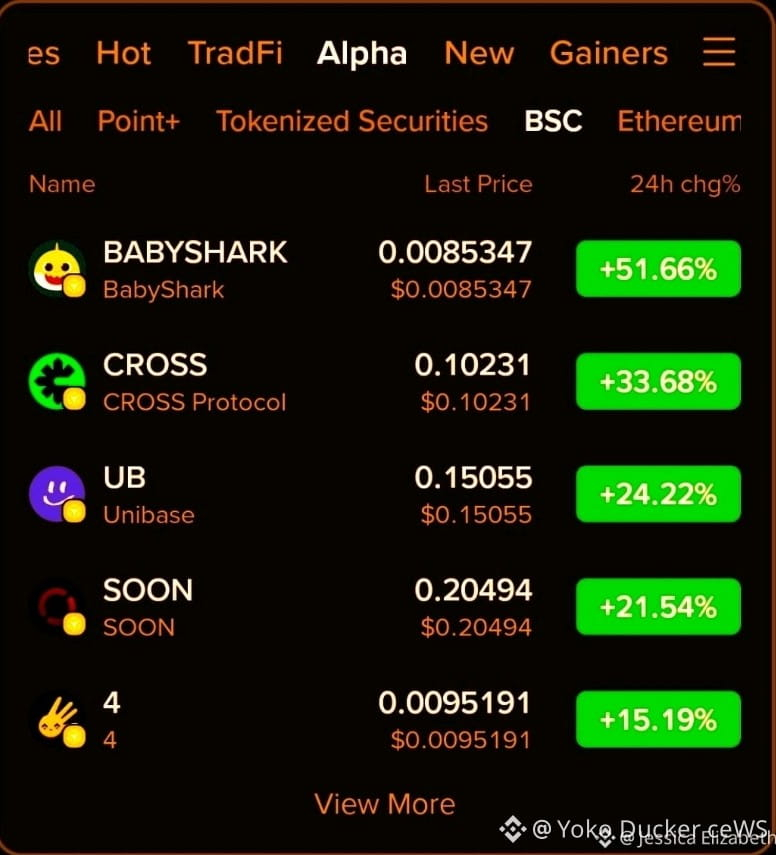

·
--
🫂Otra operación ganadora en el bolsillo! 🚀 Comparto mis resultados en el par$CROSS /USDT para demostrarle a quienes están empezando que la constancia rinde frutos. 📈
Cada pequeña ganancia es un paso más hacia la meta. ¡Mantengan la disciplina y sigan operando con estrategia! 💰🔥
#FinanzasSquare #TradingTips #CrossChainInteroperability #CryptoPatience #scalping_trading #TradingMotivacion #CriptoExplosiva
🫂Otra operación ganadora en el bolsillo! 🚀 Comparto mis resultados en el par$CROSS /USDT para demostrarle a quienes están empezando que la constancia rinde frutos. 📈
Cada pequeña ganancia es un paso más hacia la meta. ¡Mantengan la disciplina y sigan operando con estrategia! 💰🔥
#FinanzasSquare #TradingTips #CrossChainInteroperability #CryptoPatience #scalping_trading #TradingMotivacion #CriptoExplosiva
Cada pequeña ganancia es un paso más hacia la meta. ¡Mantengan la disciplina y sigan operando con estrategia! 💰🔥
#FinanzasSquare #TradingTips #CrossChainInteroperability #CryptoPatience #scalping_trading #TradingMotivacion #CriptoExplosiva
1
2
135

·
--
Article
Polygon POL Economic Models: Multi-Asset पूल से Inflation का मुकाबला31/10/2025 POLYGON Article #56
Polygon का Multi-Asset Pool मॉडल tokenomics को एक स्वस्थ डायट प्लान की तरह परिभाषित करता है, जहाँ issuance और utility दोनों संतुलित रहते हैं। यह दृष्टिकोण सिर्फ inflation-control तक सीमित नहीं, बल्कि builder rewards, protocol security और long-term TVL को भी संबद्ध करता है। इस लेख में हम देखेंगें कि यह मॉडल कैसे काम करेगा, इसके फायदे क्या हैं और किन जोखिमों का समाधान ज़रूरी है।
मूल विचार
Multi-Asset Pool का मुख्य विचार सरल है: नेटवर्क सिक्योरिटी और विकास को केवल एकल POL issuance पर निर्भर न रहने दिया जाए। इसके बदले विभिन्न टोकन-संपत्तियों को एक साथ लॉक या उपयोग करके security और incentive फ्लो बनाये जाते हैं, ताकि single-token inflation पर दबाव कम हो और ecosystem funding अधिक बहुआयामी बने। यह approach tokenomics को अधिक resilient और utility-driven बनाता है।
ऑन-चेन फेक्ट्स और प्रस्तावित बदलाव
Total supply of POL 10 बिलियन (अनुमानित)। ऑन-चेन डेटा के मुताबिक वर्तमान वार्षिक inflation लगभग 2% के आसपास है और समुदाय में इसे नियंत्रित करने की चर्चा चल रही है। प्रस्तावित Multi-Asset Pool मॉडल में अगले 12–24 महीनों में pool और विकास-फंड के लिए विशेष अवरुद्ध टोकन चरणबद्ध तरीके से जारी किए जा सकते हैं,अनुमानित रूप से कुल 100–200 million POL का phased unlock एक संभावित परिदृश्य है, पर यह एक inference है और वास्तविक संख्या governance निर्णयों पर निर्भर होगी।
आर्किटेक्चर का अवलोकन
Multi-Asset Pool तकनीकी रूप से pools को allow करेगा जिसमें $POL के साथ-साथ stablecoins, LP tokens या partner assets भी शामिल होंगे। ये assets protocol-security, cross-collateral incentives और grants-funded programs के रूप में इस्तेमाल होंगे। Pool participation validators और liquidity providers को fee-share और reward-share देगा, जिससे security और liquidity दोनों मजबूत होंगे। zk- या aggregation तकनीकों के साथ calldata और bridging खर्च भी optimize किए जा सकते हैं।
Tokenomics और Treasury मॉडल
Multi-Asset Pool से token utility बहु-चैनल बनती है—in-game purchases, staking, collateralized grants और protocol fee-sharing। Treasury & buyback mechanisms में marketplace fees या pool-fees का एक हिस्सा treasury में लौटेगा ताकि circulating supply पर समर्थन रहे और संभावित price support मिले। यह मॉडल token demand और supply dynamics दोनों को बेहतर तरीके से संतुलित कर सकता है।
Staking, Validators और सुरक्षा प्रभाव
Staking और protocol-security पर इसका प्रभाव यह होगा कि validators को सिर्फ issuance पर निर्भर reward नहीं बल्कि pool-fees और cross-collateral incentives भी मिलेंगे। इससे validator competition बेहतर तरीके से structured होगा और reward predictability बढ़ेगी। यदि आवश्यक हो तो staking APY market conditions के अनुसार समायोजित किया जा सकता है; यह inference है कि disciplined pool economics से long-term staking yields और network resilience दोनों बेहतर होंगे।
जोखिम और समाधान
किसी भी नए issuance या pool-release के साथ selling pressure और dilution risk मौजूद रहता है। इसे mitigate करने के लिए जरूरी कदम हैं phased vesting, milestone-linked payouts, lockups और multi-sig treasury governance। अतिरिक्त उपायों में on-chain reporting, transparent release schedules और buyback strategies शामिल होने चाहिए। यह स्पष्ट करना जरूरी है कि disciplined governance और community oversight ही long-term value preservation की कुंजी है।
प्रैक्टिकल आउटपुट और adoption
Multi-Asset Pool से practical outputs स्पष्ट होंगे: pooled-security mechanisms जिससे smaller projects भी सुरक्षित रह सकें; cross-collateral incentives जो liquidity reuse को बढ़ाएँ; grants linked to pool participation जिससे builders को active funding मिल सके; migration incentives जो दूसरे chains से projects को लाएँ; और regional builder programs जो South Asia और LATAM जैसे hubs में hackathons और accelerators के माध्यम से adoption को तेज़ करेंगे।
रीजनल मोमेंटम
South Asia और LATAM में mobile-first और cost-sensitive user bases के कारण Multi-Asset Pool मॉडल को तेज़ी से अपनाया जा रहा है। स्थानीय hackathons और grants-driven accelerators से community momentum बढ़ रहा है, जो global network effect में मदद करेगा।
निष्कर्ष
@0xPolygon का Multi-Asset Pool या healthy token diet मॉडल tokenomics को अधिक स्थिर, utility-driven और developer-friendly बनाने का मौका देता है। यदि phased unlocks, disciplined treasury deployment और transparent governance लागू रहे तो यह approach POL token की utility, TVL और builder-led growth को मजबूती दे सकती है। साथ ही mitigation measures के बिना issuance जोखिम पैदा कर सकता है, इसलिए community-governed execution अनिवार्य है।
{spot}(POLUSDT)
@0xPolygon #Polygon $POL #pol #CrossChainInteroperability #altcoins
Polygon POL Economic Models: Multi-Asset पूल से Inflation का मुकाबला
31/10/2025 POLYGON Article #56
Polygon का Multi-Asset Pool मॉडल tokenomics को एक स्वस्थ डायट प्लान की तरह परिभाषित करता है, जहाँ issuance और utility दोनों संतुलित रहते हैं। यह दृष्टिकोण सिर्फ inflation-control तक सीमित नहीं, बल्कि builder rewards, protocol security और long-term TVL को भी संबद्ध करता है। इस लेख में हम देखेंगें कि यह मॉडल कैसे काम करेगा, इसके फायदे क्या हैं और किन जोखिमों का समाधान ज़रूरी है।
मूल विचार
Multi-Asset Pool का मुख्य विचार सरल है: नेटवर्क सिक्योरिटी और विकास को केवल एकल POL issuance पर निर्भर न रहने दिया जाए। इसके बदले विभिन्न टोकन-संपत्तियों को एक साथ लॉक या उपयोग करके security और incentive फ्लो बनाये जाते हैं, ताकि single-token inflation पर दबाव कम हो और ecosystem funding अधिक बहुआयामी बने। यह approach tokenomics को अधिक resilient और utility-driven बनाता है।
ऑन-चेन फेक्ट्स और प्रस्तावित बदलाव
Total supply of POL 10 बिलियन (अनुमानित)। ऑन-चेन डेटा के मुताबिक वर्तमान वार्षिक inflation लगभग 2% के आसपास है और समुदाय में इसे नियंत्रित करने की चर्चा चल रही है। प्रस्तावित Multi-Asset Pool मॉडल में अगले 12–24 महीनों में pool और विकास-फंड के लिए विशेष अवरुद्ध टोकन चरणबद्ध तरीके से जारी किए जा सकते हैं,अनुमानित रूप से कुल 100–200 million POL का phased unlock एक संभावित परिदृश्य है, पर यह एक inference है और वास्तविक संख्या governance निर्णयों पर निर्भर होगी।
आर्किटेक्चर का अवलोकन
Multi-Asset Pool तकनीकी रूप से pools को allow करेगा जिसमें $POL के साथ-साथ stablecoins, LP tokens या partner assets भी शामिल होंगे। ये assets protocol-security, cross-collateral incentives और grants-funded programs के रूप में इस्तेमाल होंगे। Pool participation validators और liquidity providers को fee-share और reward-share देगा, जिससे security और liquidity दोनों मजबूत होंगे। zk- या aggregation तकनीकों के साथ calldata और bridging खर्च भी optimize किए जा सकते हैं।
Tokenomics और Treasury मॉडल
Multi-Asset Pool से token utility बहु-चैनल बनती है—in-game purchases, staking, collateralized grants और protocol fee-sharing। Treasury & buyback mechanisms में marketplace fees या pool-fees का एक हिस्सा treasury में लौटेगा ताकि circulating supply पर समर्थन रहे और संभावित price support मिले। यह मॉडल token demand और supply dynamics दोनों को बेहतर तरीके से संतुलित कर सकता है।
Staking, Validators और सुरक्षा प्रभाव
Staking और protocol-security पर इसका प्रभाव यह होगा कि validators को सिर्फ issuance पर निर्भर reward नहीं बल्कि pool-fees और cross-collateral incentives भी मिलेंगे। इससे validator competition बेहतर तरीके से structured होगा और reward predictability बढ़ेगी। यदि आवश्यक हो तो staking APY market conditions के अनुसार समायोजित किया जा सकता है; यह inference है कि disciplined pool economics से long-term staking yields और network resilience दोनों बेहतर होंगे।
जोखिम और समाधान
किसी भी नए issuance या pool-release के साथ selling pressure और dilution risk मौजूद रहता है। इसे mitigate करने के लिए जरूरी कदम हैं phased vesting, milestone-linked payouts, lockups और multi-sig treasury governance। अतिरिक्त उपायों में on-chain reporting, transparent release schedules और buyback strategies शामिल होने चाहिए। यह स्पष्ट करना जरूरी है कि disciplined governance और community oversight ही long-term value preservation की कुंजी है।
प्रैक्टिकल आउटपुट और adoption
Multi-Asset Pool से practical outputs स्पष्ट होंगे: pooled-security mechanisms जिससे smaller projects भी सुरक्षित रह सकें; cross-collateral incentives जो liquidity reuse को बढ़ाएँ; grants linked to pool participation जिससे builders को active funding मिल सके; migration incentives जो दूसरे chains से projects को लाएँ; और regional builder programs जो South Asia और LATAM जैसे hubs में hackathons और accelerators के माध्यम से adoption को तेज़ करेंगे।
रीजनल मोमेंटम
South Asia और LATAM में mobile-first और cost-sensitive user bases के कारण Multi-Asset Pool मॉडल को तेज़ी से अपनाया जा रहा है। स्थानीय hackathons और grants-driven accelerators से community momentum बढ़ रहा है, जो global network effect में मदद करेगा।
निष्कर्ष
@Polygon का Multi-Asset Pool या healthy token diet मॉडल tokenomics को अधिक स्थिर, utility-driven और developer-friendly बनाने का मौका देता है। यदि phased unlocks, disciplined treasury deployment और transparent governance लागू रहे तो यह approach POL token की utility, TVL और builder-led growth को मजबूती दे सकती है। साथ ही mitigation measures के बिना issuance जोखिम पैदा कर सकता है, इसलिए community-governed execution अनिवार्य है।
@Polygon #Polygon $POL #pol #CrossChainInteroperability #altcoins
Polygon का Multi-Asset Pool मॉडल tokenomics को एक स्वस्थ डायट प्लान की तरह परिभाषित करता है, जहाँ issuance और utility दोनों संतुलित रहते हैं। यह दृष्टिकोण सिर्फ inflation-control तक सीमित नहीं, बल्कि builder rewards, protocol security और long-term TVL को भी संबद्ध करता है। इस लेख में हम देखेंगें कि यह मॉडल कैसे काम करेगा, इसके फायदे क्या हैं और किन जोखिमों का समाधान ज़रूरी है।
मूल विचार
Multi-Asset Pool का मुख्य विचार सरल है: नेटवर्क सिक्योरिटी और विकास को केवल एकल POL issuance पर निर्भर न रहने दिया जाए। इसके बदले विभिन्न टोकन-संपत्तियों को एक साथ लॉक या उपयोग करके security और incentive फ्लो बनाये जाते हैं, ताकि single-token inflation पर दबाव कम हो और ecosystem funding अधिक बहुआयामी बने। यह approach tokenomics को अधिक resilient और utility-driven बनाता है।
ऑन-चेन फेक्ट्स और प्रस्तावित बदलाव
Total supply of POL 10 बिलियन (अनुमानित)। ऑन-चेन डेटा के मुताबिक वर्तमान वार्षिक inflation लगभग 2% के आसपास है और समुदाय में इसे नियंत्रित करने की चर्चा चल रही है। प्रस्तावित Multi-Asset Pool मॉडल में अगले 12–24 महीनों में pool और विकास-फंड के लिए विशेष अवरुद्ध टोकन चरणबद्ध तरीके से जारी किए जा सकते हैं,अनुमानित रूप से कुल 100–200 million POL का phased unlock एक संभावित परिदृश्य है, पर यह एक inference है और वास्तविक संख्या governance निर्णयों पर निर्भर होगी।
आर्किटेक्चर का अवलोकन
Multi-Asset Pool तकनीकी रूप से pools को allow करेगा जिसमें $POL के साथ-साथ stablecoins, LP tokens या partner assets भी शामिल होंगे। ये assets protocol-security, cross-collateral incentives और grants-funded programs के रूप में इस्तेमाल होंगे। Pool participation validators और liquidity providers को fee-share और reward-share देगा, जिससे security और liquidity दोनों मजबूत होंगे। zk- या aggregation तकनीकों के साथ calldata और bridging खर्च भी optimize किए जा सकते हैं।
Tokenomics और Treasury मॉडल
Multi-Asset Pool से token utility बहु-चैनल बनती है—in-game purchases, staking, collateralized grants और protocol fee-sharing। Treasury & buyback mechanisms में marketplace fees या pool-fees का एक हिस्सा treasury में लौटेगा ताकि circulating supply पर समर्थन रहे और संभावित price support मिले। यह मॉडल token demand और supply dynamics दोनों को बेहतर तरीके से संतुलित कर सकता है।
Staking, Validators और सुरक्षा प्रभाव
Staking और protocol-security पर इसका प्रभाव यह होगा कि validators को सिर्फ issuance पर निर्भर reward नहीं बल्कि pool-fees और cross-collateral incentives भी मिलेंगे। इससे validator competition बेहतर तरीके से structured होगा और reward predictability बढ़ेगी। यदि आवश्यक हो तो staking APY market conditions के अनुसार समायोजित किया जा सकता है; यह inference है कि disciplined pool economics से long-term staking yields और network resilience दोनों बेहतर होंगे।
जोखिम और समाधान
किसी भी नए issuance या pool-release के साथ selling pressure और dilution risk मौजूद रहता है। इसे mitigate करने के लिए जरूरी कदम हैं phased vesting, milestone-linked payouts, lockups और multi-sig treasury governance। अतिरिक्त उपायों में on-chain reporting, transparent release schedules और buyback strategies शामिल होने चाहिए। यह स्पष्ट करना जरूरी है कि disciplined governance और community oversight ही long-term value preservation की कुंजी है।
प्रैक्टिकल आउटपुट और adoption
Multi-Asset Pool से practical outputs स्पष्ट होंगे: pooled-security mechanisms जिससे smaller projects भी सुरक्षित रह सकें; cross-collateral incentives जो liquidity reuse को बढ़ाएँ; grants linked to pool participation जिससे builders को active funding मिल सके; migration incentives जो दूसरे chains से projects को लाएँ; और regional builder programs जो South Asia और LATAM जैसे hubs में hackathons और accelerators के माध्यम से adoption को तेज़ करेंगे।
रीजनल मोमेंटम
South Asia और LATAM में mobile-first और cost-sensitive user bases के कारण Multi-Asset Pool मॉडल को तेज़ी से अपनाया जा रहा है। स्थानीय hackathons और grants-driven accelerators से community momentum बढ़ रहा है, जो global network effect में मदद करेगा।
निष्कर्ष
@Polygon का Multi-Asset Pool या healthy token diet मॉडल tokenomics को अधिक स्थिर, utility-driven और developer-friendly बनाने का मौका देता है। यदि phased unlocks, disciplined treasury deployment और transparent governance लागू रहे तो यह approach POL token की utility, TVL और builder-led growth को मजबूती दे सकती है। साथ ही mitigation measures के बिना issuance जोखिम पैदा कर सकता है, इसलिए community-governed execution अनिवार्य है।
@Polygon #Polygon $POL #pol #CrossChainInteroperability #altcoins
4
170
·
--
$CROSS تواصل عملة CROSS (الرمز المميز لمنظومة CROSS المصممة كشبكة بلوكشين متوافقة مع الـ EVM مخصصة لتمكين ملكية الأصول داخل الألعاب الرقمية وتسهيل نقل الأصول والسيولة بين مختلف سلاسل الكتل $EVM-Compatible Gaming L1 & Interoperability Infrastructure$) حركتها التجميعية العرضية خلال تعاملات اليوم الجمعة؛ حيث يتراوح سعر الرمز حول مستويات 0.095 إلى 0.106 دولار أمريكي (ما يعادل تقريباً 0.95 إلى 1.06 درهم مغربي). وتستقر القيمة السوقية الإجمالية للمشروع قرب مستويات 46.5 إلى 49.0 مليون دولار مع معروض متداول يناهز 480 إلى 483 مليون قطعة (من أصل 985 مليون إلى 1 مليار قطعة كحد أقصى)، وسط أحجام تداول يومية متوازنة تتراوح بين 2.5 و 3.5 ملايين دولار عبر المنصات والبورصات المشفرة مثل Kraken وLBank وCoinGecko.
أبرز المعطيات والمؤشرات المحركة لعملة CROSS اليوم:
التماسك الفني أعلى مناطق الدعم المحورية:
تستقر التداولات اليوم أعلى نطاق الدعم الفوري الواقع بين 0.088 و 0.094 دولار؛ حيث ينجح المشترون في امتصاص أوامر الضغط البيعي الموضعية وبناء قاعدة سعرية تجميعية تمنح الرمز استقراراً فنياً بعد التحركات الأخيرة.
$CROSS #cross #CrossSpace #CrossFi #cross-chain #CrossChainInteroperability
{alpha}(560x6bf62ca91e397b5a7d1d6bce97d9092065d7a510)
{future}(CROSSUSDT)
$CROSS تواصل عملة CROSS (الرمز المميز لمنظومة CROSS المصممة كشبكة بلوكشين متوافقة مع الـ EVM مخصصة لتمكين ملكية الأصول داخل الألعاب الرقمية وتسهيل نقل الأصول والسيولة بين مختلف سلاسل الكتل $EVM-Compatible Gaming L1 & Interoperability Infrastructure$) حركتها التجميعية العرضية خلال تعاملات اليوم الجمعة؛ حيث يتراوح سعر الرمز حول مستويات 0.095 إلى 0.106 دولار أمريكي (ما يعادل تقريباً 0.95 إلى 1.06 درهم مغربي). وتستقر القيمة السوقية الإجمالية للمشروع قرب مستويات 46.5 إلى 49.0 مليون دولار مع معروض متداول يناهز 480 إلى 483 مليون قطعة (من أصل 985 مليون إلى 1 مليار قطعة كحد أقصى)، وسط أحجام تداول يومية متوازنة تتراوح بين 2.5 و 3.5 ملايين دولار عبر المنصات والبورصات المشفرة مثل Kraken وLBank وCoinGecko.
أبرز المعطيات والمؤشرات المحركة لعملة CROSS اليوم:
التماسك الفني أعلى مناطق الدعم المحورية:
تستقر التداولات اليوم أعلى نطاق الدعم الفوري الواقع بين 0.088 و 0.094 دولار؛ حيث ينجح المشترون في امتصاص أوامر الضغط البيعي الموضعية وبناء قاعدة سعرية تجميعية تمنح الرمز استقراراً فنياً بعد التحركات الأخيرة.
$CROSS #cross #CrossSpace #CrossFi #cross-chain #CrossChainInteroperability
أبرز المعطيات والمؤشرات المحركة لعملة CROSS اليوم:
التماسك الفني أعلى مناطق الدعم المحورية:
تستقر التداولات اليوم أعلى نطاق الدعم الفوري الواقع بين 0.088 و 0.094 دولار؛ حيث ينجح المشترون في امتصاص أوامر الضغط البيعي الموضعية وبناء قاعدة سعرية تجميعية تمنح الرمز استقراراً فنياً بعد التحركات الأخيرة.
$CROSS #cross #CrossSpace #CrossFi #cross-chain #CrossChainInteroperability
40
·
--
$CROSS تواصل عملة CROSS (الرمز الأساسي لشبكة CROSS اللامركزية والمتخصصة في البنية التحتية لألعاب الويب 3 والأصول المتقاطعة عبر السلاسل - Cross-Chain Gaming Protocol) تحركاتها السعرية ضمن نطاق عرضي متوازن في ختام تعاملات هذا الأسبوع من شهر يوليو لعام 2026. وتوازن العملة بين هدوء السيولة المضاربية العام المائل للاستقرار في قطاع الألعاب الرقمية، واستمرار تعزيز بنيتها التحتية المخصصة لتسهيل ملكية الأصول داخل الألعاب وتكاملها اللامركزي.
. الأداء السعري وحركة السيولة الفورية اليوم
تفتتح عملة CROSS تداولات اليوم، الأحد 26 يوليو 2026، بنمط استقراري حذر يميل للتحركات الأفقية فوق خطوط الدعم التاريخية:
حركة السعر اللحظية: يتم تداول الرمز اليوم في الأسواق الفورية عبر البورصات العالمية حول مستويات 0.082$ إلى 0.085$ دولار أمريكي.
التحليل الفني ومناطق الاختبار: يرتكز السعر حالياً فوق مستويات دعم محلية متماسكة عند 0.080$، والتي تحمي العملة من موجات تسييل أعمق. وفي المقابل، تُمثل مستويات 0.092$ إلى 0.096$ حواجز المقاومة الفورية القريبة التي يتطلب اختراقها تدفقات شرائية واضحة لكسر النمط التجمعي الحالي.
$CROSS #cross #CrossSpace #CrossFi #cross-chain #CrossChainInteroperability
{alpha}(560x6bf62ca91e397b5a7d1d6bce97d9092065d7a510)
{future}(CROSSUSDT)
$CROSS تواصل عملة CROSS (الرمز الأساسي لشبكة CROSS اللامركزية والمتخصصة في البنية التحتية لألعاب الويب 3 والأصول المتقاطعة عبر السلاسل - Cross-Chain Gaming Protocol) تحركاتها السعرية ضمن نطاق عرضي متوازن في ختام تعاملات هذا الأسبوع من شهر يوليو لعام 2026. وتوازن العملة بين هدوء السيولة المضاربية العام المائل للاستقرار في قطاع الألعاب الرقمية، واستمرار تعزيز بنيتها التحتية المخصصة لتسهيل ملكية الأصول داخل الألعاب وتكاملها اللامركزي.
. الأداء السعري وحركة السيولة الفورية اليوم
تفتتح عملة CROSS تداولات اليوم، الأحد 26 يوليو 2026، بنمط استقراري حذر يميل للتحركات الأفقية فوق خطوط الدعم التاريخية:
حركة السعر اللحظية: يتم تداول الرمز اليوم في الأسواق الفورية عبر البورصات العالمية حول مستويات 0.082$ إلى 0.085$ دولار أمريكي.
التحليل الفني ومناطق الاختبار: يرتكز السعر حالياً فوق مستويات دعم محلية متماسكة عند 0.080$، والتي تحمي العملة من موجات تسييل أعمق. وفي المقابل، تُمثل مستويات 0.092$ إلى 0.096$ حواجز المقاومة الفورية القريبة التي يتطلب اختراقها تدفقات شرائية واضحة لكسر النمط التجمعي الحالي.
$CROSS #cross #CrossSpace #CrossFi #cross-chain #CrossChainInteroperability
. الأداء السعري وحركة السيولة الفورية اليوم
تفتتح عملة CROSS تداولات اليوم، الأحد 26 يوليو 2026، بنمط استقراري حذر يميل للتحركات الأفقية فوق خطوط الدعم التاريخية:
حركة السعر اللحظية: يتم تداول الرمز اليوم في الأسواق الفورية عبر البورصات العالمية حول مستويات 0.082$ إلى 0.085$ دولار أمريكي.
التحليل الفني ومناطق الاختبار: يرتكز السعر حالياً فوق مستويات دعم محلية متماسكة عند 0.080$، والتي تحمي العملة من موجات تسييل أعمق. وفي المقابل، تُمثل مستويات 0.092$ إلى 0.096$ حواجز المقاومة الفورية القريبة التي يتطلب اختراقها تدفقات شرائية واضحة لكسر النمط التجمعي الحالي.
$CROSS #cross #CrossSpace #CrossFi #cross-chain #CrossChainInteroperability
75
·
--
Article
Building a Smarter Cross-Chain Economy on TONOne thing I've noticed about Web3 is that launching a token is no longer the difficult part. The real challenge is making it easy for users from different blockchain ecosystems to participate while ensuring the project has healthy liquidity after launch.
Gram Store’s integration with STON.fi’s Omniston infrastructure represents a pivotal step in the growth of blockchain usability. Instead of adding another isolated solution, this collaboration simplifies the way users interact across chains.
By uniting fluid asset transfers, streamlined fundraising, and embedded liquidity, it enables participants to concentrate on evaluating opportunities within the TON ecosystem rather than managing technical hurdles.
For many users holding assets on Base, Polygon, or BNB Chain, joining a TON-native token launch has traditionally required several steps—bridging assets, swapping tokens multiple times, and navigating unfamiliar tools. Every extra step increases cost, complexity, and the likelihood that users simply give up.
With Omniston handling cross-chain swaps, that experience becomes less of a hurdle. Users can move from supported EVM chains into $TON , acquire USDT, swap it for GRAM, and participate in auctions without dealing with unnecessary friction.
Many launchpads focus on helping projects raise capital but pay less attention to what comes next. Without strong liquidity, even successful launches can struggle once trading begins, leading to volatile price movements and a poor experience for both investors and new users.
Gram Store approaches this in a way that once a project reaches its fundraising target, the liquidity raised is deployed directly to STON.fi. Even more importantly, the LP tokens are locked for six to twelve months, encouraging teams to stay committed to the project's long-term development rather than short-term speculation.
I believe this creates healthier incentives for everyone involved. Projects gain immediate market liquidity, traders benefit from improved market depth, and the broader TON ecosystem continues to grow with every successful launch.
$BTC $ETH #GRAMSTORE #GRAM #STONfi #CrossChainInteroperability #TrendingTopic
Building a Smarter Cross-Chain Economy on TON
One thing I've noticed about Web3 is that launching a token is no longer the difficult part. The real challenge is making it easy for users from different blockchain ecosystems to participate while ensuring the project has healthy liquidity after launch.
Gram Store’s integration with STON.fi’s Omniston infrastructure represents a pivotal step in the growth of blockchain usability. Instead of adding another isolated solution, this collaboration simplifies the way users interact across chains.
By uniting fluid asset transfers, streamlined fundraising, and embedded liquidity, it enables participants to concentrate on evaluating opportunities within the TON ecosystem rather than managing technical hurdles.
For many users holding assets on Base, Polygon, or BNB Chain, joining a TON-native token launch has traditionally required several steps—bridging assets, swapping tokens multiple times, and navigating unfamiliar tools. Every extra step increases cost, complexity, and the likelihood that users simply give up.
With Omniston handling cross-chain swaps, that experience becomes less of a hurdle. Users can move from supported EVM chains into $TON , acquire USDT, swap it for GRAM, and participate in auctions without dealing with unnecessary friction.
Many launchpads focus on helping projects raise capital but pay less attention to what comes next. Without strong liquidity, even successful launches can struggle once trading begins, leading to volatile price movements and a poor experience for both investors and new users.
Gram Store approaches this in a way that once a project reaches its fundraising target, the liquidity raised is deployed directly to STON.fi. Even more importantly, the LP tokens are locked for six to twelve months, encouraging teams to stay committed to the project's long-term development rather than short-term speculation.
I believe this creates healthier incentives for everyone involved. Projects gain immediate market liquidity, traders benefit from improved market depth, and the broader TON ecosystem continues to grow with every successful launch.
$BTC $ETH #GRAMSTORE #GRAM #STONfi #CrossChainInteroperability #TrendingTopic
Gram Store’s integration with STON.fi’s Omniston infrastructure represents a pivotal step in the growth of blockchain usability. Instead of adding another isolated solution, this collaboration simplifies the way users interact across chains.
By uniting fluid asset transfers, streamlined fundraising, and embedded liquidity, it enables participants to concentrate on evaluating opportunities within the TON ecosystem rather than managing technical hurdles.
For many users holding assets on Base, Polygon, or BNB Chain, joining a TON-native token launch has traditionally required several steps—bridging assets, swapping tokens multiple times, and navigating unfamiliar tools. Every extra step increases cost, complexity, and the likelihood that users simply give up.
With Omniston handling cross-chain swaps, that experience becomes less of a hurdle. Users can move from supported EVM chains into $TON , acquire USDT, swap it for GRAM, and participate in auctions without dealing with unnecessary friction.
Many launchpads focus on helping projects raise capital but pay less attention to what comes next. Without strong liquidity, even successful launches can struggle once trading begins, leading to volatile price movements and a poor experience for both investors and new users.
Gram Store approaches this in a way that once a project reaches its fundraising target, the liquidity raised is deployed directly to STON.fi. Even more importantly, the LP tokens are locked for six to twelve months, encouraging teams to stay committed to the project's long-term development rather than short-term speculation.
I believe this creates healthier incentives for everyone involved. Projects gain immediate market liquidity, traders benefit from improved market depth, and the broader TON ecosystem continues to grow with every successful launch.
$BTC $ETH #GRAMSTORE #GRAM #STONfi #CrossChainInteroperability #TrendingTopic
1
200
Log in to explore more content
Join global crypto users on Binance Square
⚡️ Get latest and useful information about crypto.
💬 Trusted by the world’s largest crypto exchange.
👍 Discover real insights from verified creators.
Email / Phone number
Trending Topics
1
#BOJRaisesRatesTo31YearHigh
903 views
85 Discussing
2
#HKCompletesFirstHKDStablecoinUseCase
19,708 views
529 Discussing
3
#VietnamPlansFirstCryptoLicensesIn2026
14,103 views
351 Discussing
4
#BTCBreaks80K
236,600 views
3,684 Discussing
5
#比特币突破8万
136,203 views
402 Discussing
6
#BitcoinMarketCapTopsTesla
31,077 views
714 Discussing
7
#SOLJumpsAbout10%
44,281 views
773 Discussing
8
#EthereumReclaims$2600
3,612 views
92 Discussing
9
#LineraShutsDownAfterFundraisingFallsShort
10,322 views
208 Discussing
10
#SECReceivesAmendedInjectiveETFFiling
23,557 views
470 Discussing