
MragB
265 Posts

MragB
Report
Block User
15 Following
39 Followers
65 Liked
Posts
All
Quotes
·
--
MiCAAre we in trouble??
The MiCA Ultimatum: What to Expect in Europe by the End of June 2026 🚨
The era of the "Wild West" in the European crypto space is officially coming to a hard stop. We are now counting down the final days toward a massive regulatory milestone: the official end of the MiCA transition period (Grandfathering phase) on July 1st, 2026.
For Crypto Asset Service Providers (CASPs) and European users, this is the "moment of truth." Here is a breakdown of the key regulatory pressures shaping the European market right now and exactly what to expect by the end of this month.
Part 1: The Core Pressures Reshaping the Market
1. The Death of the Transition Period
Up until now, many exchanges operated under older, more lenient national registration frameworks. As of July 1st, 2026, this safety net disappears. Any platform offering services to EU residents must hold a fully approved, rigorous MiCA license. Without it, operating in the EU becomes illegal.
2. The Operational Nightmare: The "Travel Rule"
Implementing EU Regulation 2023/1113 has become a massive technical hurdle. Exchanges are now legally required to instantly collect and verify sender and receiver data for every transaction. Cross-platform compatibility issues and strict ownership verification for unhosted (private) wallets are causing massive operational friction.
3. The Stablecoin Egzodus (The Tether / USDT Dilemma)
MiCA's banking requirements demand that stablecoin issuers hold 60% of their reserves in European banks. Because dominant global players like Tether (USDT) face severe friction under these rules, European exchanges are being forced to delist or heavily restrict uncompliant stablecoins, pushing users toward compliant alternatives like USDC.
Part 2: What to Expect by the End of This Month (June 30th)
As the final deadline approaches on June 30th / July 1st, the market is bracing for immediate shifts:
Exchange Delistings & Geo-Blocks: Expect a wave of sudden compliance announcements. Exchanges that failed to secure a MiCA license will activate their "wind-down" plans, restricting European users to withdrawal-only modes or offboarding them completely. Even global giants are facing immense pressure to clear final regulatory hurdles.
Forced Stablecoin Conversions: To avoid heavy penalties, compliant exchanges will likely accelerate the restriction of USDT trading pairs before the month ends. Users will be heavily prompted to convert their holdings into regulated stablecoins or Euro (EUR).
Strict Outbound Transaction Checks: If you are moving funds from an exchange to a private wallet (like Ledger or MetaMask), expect delays. Platforms will strictly enforce ownership proofs and cryptographic signatures to comply with the Travel Rule.
MiCA
Are we in trouble??
The MiCA Ultimatum: What to Expect in Europe by the End of June 2026 🚨
The era of the "Wild West" in the European crypto space is officially coming to a hard stop. We are now counting down the final days toward a massive regulatory milestone: the official end of the MiCA transition period (Grandfathering phase) on July 1st, 2026.
For Crypto Asset Service Providers (CASPs) and European users, this is the "moment of truth." Here is a breakdown of the key regulatory pressures shaping the European market right now and exactly what to expect by the end of this month.
Part 1: The Core Pressures Reshaping the Market
1. The Death of the Transition Period
Up until now, many exchanges operated under older, more lenient national registration frameworks. As of July 1st, 2026, this safety net disappears. Any platform offering services to EU residents must hold a fully approved, rigorous MiCA license. Without it, operating in the EU becomes illegal.
2. The Operational Nightmare: The "Travel Rule"
Implementing EU Regulation 2023/1113 has become a massive technical hurdle. Exchanges are now legally required to instantly collect and verify sender and receiver data for every transaction. Cross-platform compatibility issues and strict ownership verification for unhosted (private) wallets are causing massive operational friction.
3. The Stablecoin Egzodus (The Tether / USDT Dilemma)
MiCA's banking requirements demand that stablecoin issuers hold 60% of their reserves in European banks. Because dominant global players like Tether (USDT) face severe friction under these rules, European exchanges are being forced to delist or heavily restrict uncompliant stablecoins, pushing users toward compliant alternatives like USDC.
Part 2: What to Expect by the End of This Month (June 30th)
As the final deadline approaches on June 30th / July 1st, the market is bracing for immediate shifts:
Exchange Delistings & Geo-Blocks: Expect a wave of sudden compliance announcements. Exchanges that failed to secure a MiCA license will activate their "wind-down" plans, restricting European users to withdrawal-only modes or offboarding them completely. Even global giants are facing immense pressure to clear final regulatory hurdles.
Forced Stablecoin Conversions: To avoid heavy penalties, compliant exchanges will likely accelerate the restriction of USDT trading pairs before the month ends. Users will be heavily prompted to convert their holdings into regulated stablecoins or Euro (EUR).
Strict Outbound Transaction Checks: If you are moving funds from an exchange to a private wallet (like Ledger or MetaMask), expect delays. Platforms will strictly enforce ownership proofs and cryptographic signatures to comply with the Travel Rule.
The MiCA Ultimatum: What to Expect in Europe by the End of June 2026 🚨
The era of the "Wild West" in the European crypto space is officially coming to a hard stop. We are now counting down the final days toward a massive regulatory milestone: the official end of the MiCA transition period (Grandfathering phase) on July 1st, 2026.
For Crypto Asset Service Providers (CASPs) and European users, this is the "moment of truth." Here is a breakdown of the key regulatory pressures shaping the European market right now and exactly what to expect by the end of this month.
Part 1: The Core Pressures Reshaping the Market
1. The Death of the Transition Period
Up until now, many exchanges operated under older, more lenient national registration frameworks. As of July 1st, 2026, this safety net disappears. Any platform offering services to EU residents must hold a fully approved, rigorous MiCA license. Without it, operating in the EU becomes illegal.
2. The Operational Nightmare: The "Travel Rule"
Implementing EU Regulation 2023/1113 has become a massive technical hurdle. Exchanges are now legally required to instantly collect and verify sender and receiver data for every transaction. Cross-platform compatibility issues and strict ownership verification for unhosted (private) wallets are causing massive operational friction.
3. The Stablecoin Egzodus (The Tether / USDT Dilemma)
MiCA's banking requirements demand that stablecoin issuers hold 60% of their reserves in European banks. Because dominant global players like Tether (USDT) face severe friction under these rules, European exchanges are being forced to delist or heavily restrict uncompliant stablecoins, pushing users toward compliant alternatives like USDC.
Part 2: What to Expect by the End of This Month (June 30th)
As the final deadline approaches on June 30th / July 1st, the market is bracing for immediate shifts:
Exchange Delistings & Geo-Blocks: Expect a wave of sudden compliance announcements. Exchanges that failed to secure a MiCA license will activate their "wind-down" plans, restricting European users to withdrawal-only modes or offboarding them completely. Even global giants are facing immense pressure to clear final regulatory hurdles.
Forced Stablecoin Conversions: To avoid heavy penalties, compliant exchanges will likely accelerate the restriction of USDT trading pairs before the month ends. Users will be heavily prompted to convert their holdings into regulated stablecoins or Euro (EUR).
Strict Outbound Transaction Checks: If you are moving funds from an exchange to a private wallet (like Ledger or MetaMask), expect delays. Platforms will strictly enforce ownership proofs and cryptographic signatures to comply with the Travel Rule.
2
96
·
--
#genius $GENIUS The vision behind @GeniusOfficial is truly impressive, focusing on bridging the gap between complex blockchain utility and a seamless user experience. Watching the development of $GENIUS has been quite a journey, and their commitment to sustainable growth really sets them apart. If you are looking for a project that prioritizes long-term ecosystem development, this is definitely one to keep on your radar. The utility is constantly evolving, and the community engagement is stronger than ever. Excited to see what’s next for
#genius
#genius $GENIUS The vision behind @GeniusOfficial is truly impressive, focusing on bridging the gap between complex blockchain utility and a seamless user experience. Watching the development of $GENIUS has been quite a journey, and their commitment to sustainable growth really sets them apart. If you are looking for a project that prioritizes long-term ecosystem development, this is definitely one to keep on your radar. The utility is constantly evolving, and the community engagement is stronger than ever. Excited to see what’s next for
#genius
#genius
55
·
--
#bedrock $BR The transition to Bedrock 2.0 is a major milestone for the ecosystem. By enhancing scalability and efficiency, @Bedrock is setting a new standard for decentralized infrastructure. I’m closely following the $BR token performance as these upgrades roll out. Definitely a project to watch! #Bedrock
#bedrock $BR The transition to Bedrock 2.0 is a major milestone for the ecosystem. By enhancing scalability and efficiency, @Bedrock is setting a new standard for decentralized infrastructure. I’m closely following the $BR token performance as these upgrades roll out. Definitely a project to watch! #Bedrock
73
·
--
#CryptoNewsCommunity
Ledger Reportedly Pauses IPO Plans, Delaying 2026 Crypto Listing Wave
Major hardware wallet manufacturer Ledger has reportedly paused its plans for an Initial Public Offering (IPO), effectively slowing down the anticipated wave of crypto-company public listings in 2026.
Key Takeaways:
Market Caution: Despite a maturing market, Ledger seems to be taking a strategic step back to wait for optimal market conditions.
Broader Impact: This decision shifts the timeline for other major Web3 and crypto native companies looking to transition to traditional stock exchanges this year.
The Long Game: Pausing doesn't mean canceling—companies are prioritizing rock-solid regulatory compliance and sustainable valuations over rushing to the public markets.
#LedgerSquare #IPOs #CryptoNews🚀🔥 #Web3 #MacroEconomics
#CryptoNewsCommunity
Ledger Reportedly Pauses IPO Plans, Delaying 2026 Crypto Listing Wave
Major hardware wallet manufacturer Ledger has reportedly paused its plans for an Initial Public Offering (IPO), effectively slowing down the anticipated wave of crypto-company public listings in 2026.
Key Takeaways:
Market Caution: Despite a maturing market, Ledger seems to be taking a strategic step back to wait for optimal market conditions.
Broader Impact: This decision shifts the timeline for other major Web3 and crypto native companies looking to transition to traditional stock exchanges this year.
The Long Game: Pausing doesn't mean canceling—companies are prioritizing rock-solid regulatory compliance and sustainable valuations over rushing to the public markets.
#LedgerSquare #IPOs #CryptoNews🚀🔥 #Web3 #MacroEconomics
Ledger Reportedly Pauses IPO Plans, Delaying 2026 Crypto Listing Wave
Major hardware wallet manufacturer Ledger has reportedly paused its plans for an Initial Public Offering (IPO), effectively slowing down the anticipated wave of crypto-company public listings in 2026.
Key Takeaways:
Market Caution: Despite a maturing market, Ledger seems to be taking a strategic step back to wait for optimal market conditions.
Broader Impact: This decision shifts the timeline for other major Web3 and crypto native companies looking to transition to traditional stock exchanges this year.
The Long Game: Pausing doesn't mean canceling—companies are prioritizing rock-solid regulatory compliance and sustainable valuations over rushing to the public markets.
#LedgerSquare #IPOs #CryptoNews🚀🔥 #Web3 #MacroEconomics
145
·
--
#BNBChain
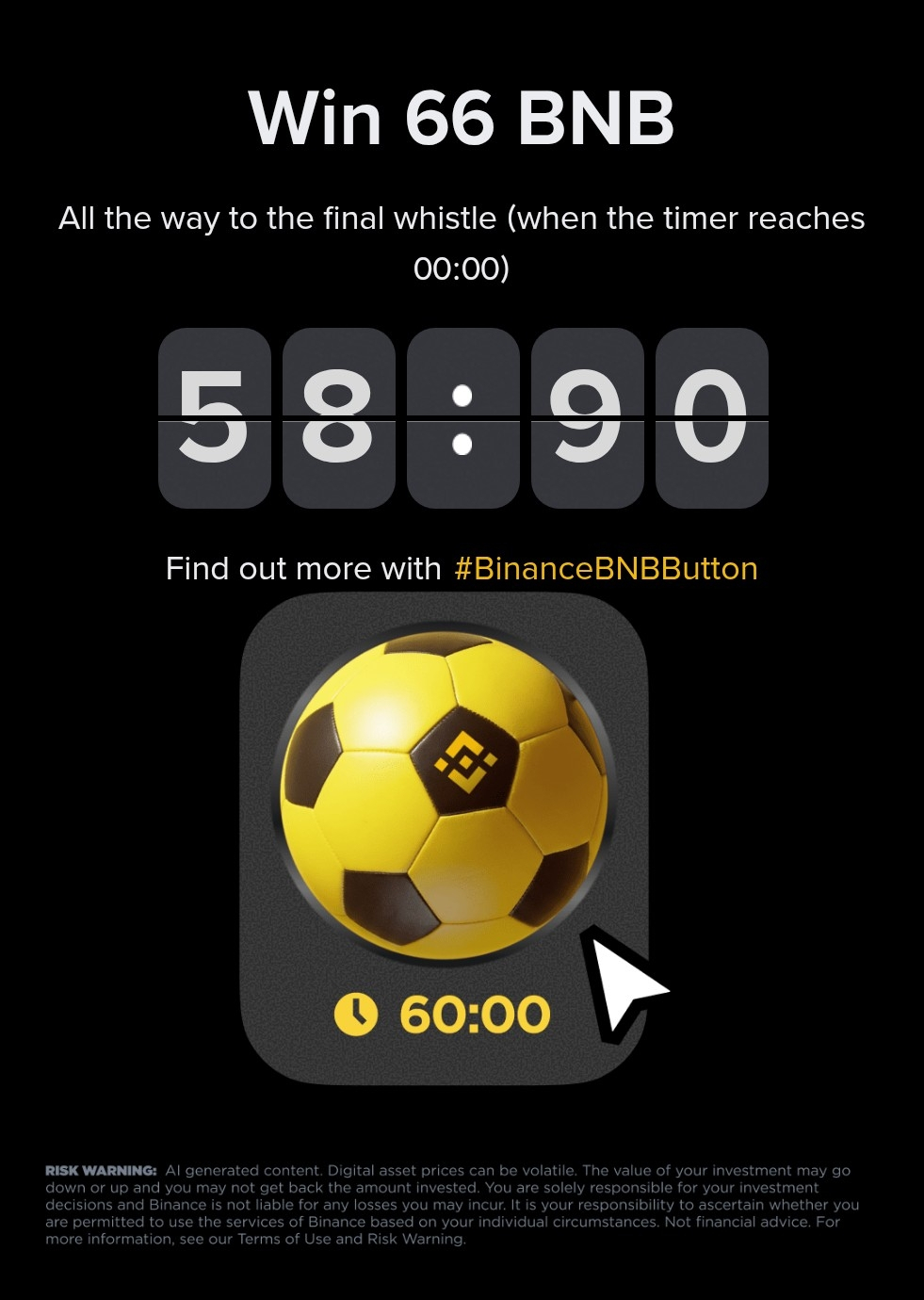
🕒 The Clock is Ticking! Who’s Taking the 66 BNB Jackpot? 🏆
Have you seen the Win 66 BNB button game yet? It’s a classic Web3 social experiment, and things are getting intense on the BNB Chain!
🕹️ How it works:
The rules are simple but nerve-wracking:
There is a countdown timer.
Every time someone clicks the "Button," the timer resets.
The Goal: Be the LAST person to click before the timer hits zero to claim the massive Jackpot.
💰 Why it’s trending:
Massive Prize: The pot can reach up to 66 BNB.
Pure Strategy: It’s a game of nerves. Do you click now, or wait until the very last second?
Fully On-Chain: Everything is handled by smart contracts for 100% transparency.
The tension builds every time that clock dips low. Will you be the one to outlast the crowd and walk away with the BNB?
Check the current timer and join the challenge here:
👇👇👇
🔗 [Win 66 BNB](https://www.binance.com/game/button/bnb-button-apr2026?ref=1077598750®isterChannel=GRO-BTN-bnb-button-apr2026&utm_source=share)
#BNBChain #win66bnb #TheButtonGame #CryptoJackpot
#BNBChain
🕒 The Clock is Ticking! Who’s Taking the 66 BNB Jackpot? 🏆
Have you seen the Win 66 BNB button game yet? It’s a classic Web3 social experiment, and things are getting intense on the BNB Chain!
🕹️ How it works:
The rules are simple but nerve-wracking:
There is a countdown timer.
Every time someone clicks the "Button," the timer resets.
The Goal: Be the LAST person to click before the timer hits zero to claim the massive Jackpot.
💰 Why it’s trending:
Massive Prize: The pot can reach up to 66 BNB.
Pure Strategy: It’s a game of nerves. Do you click now, or wait until the very last second?
Fully On-Chain: Everything is handled by smart contracts for 100% transparency.
The tension builds every time that clock dips low. Will you be the one to outlast the crowd and walk away with the BNB?
Check the current timer and join the challenge here:
👇👇👇
🔗 Win 66 BNB
#BNBChain #win66bnb #TheButtonGame #CryptoJackpot
🕒 The Clock is Ticking! Who’s Taking the 66 BNB Jackpot? 🏆
Have you seen the Win 66 BNB button game yet? It’s a classic Web3 social experiment, and things are getting intense on the BNB Chain!
🕹️ How it works:
The rules are simple but nerve-wracking:
There is a countdown timer.
Every time someone clicks the "Button," the timer resets.
The Goal: Be the LAST person to click before the timer hits zero to claim the massive Jackpot.
💰 Why it’s trending:
Massive Prize: The pot can reach up to 66 BNB.
Pure Strategy: It’s a game of nerves. Do you click now, or wait until the very last second?
Fully On-Chain: Everything is handled by smart contracts for 100% transparency.
The tension builds every time that clock dips low. Will you be the one to outlast the crowd and walk away with the BNB?
Check the current timer and join the challenge here:
👇👇👇
🔗 Win 66 BNB
#BNBChain #win66bnb #TheButtonGame #CryptoJackpot
3
·
--
Market is still bearish, big drop will come soon
Market is still bearish, big drop will come soon


Panda Traders
·
--
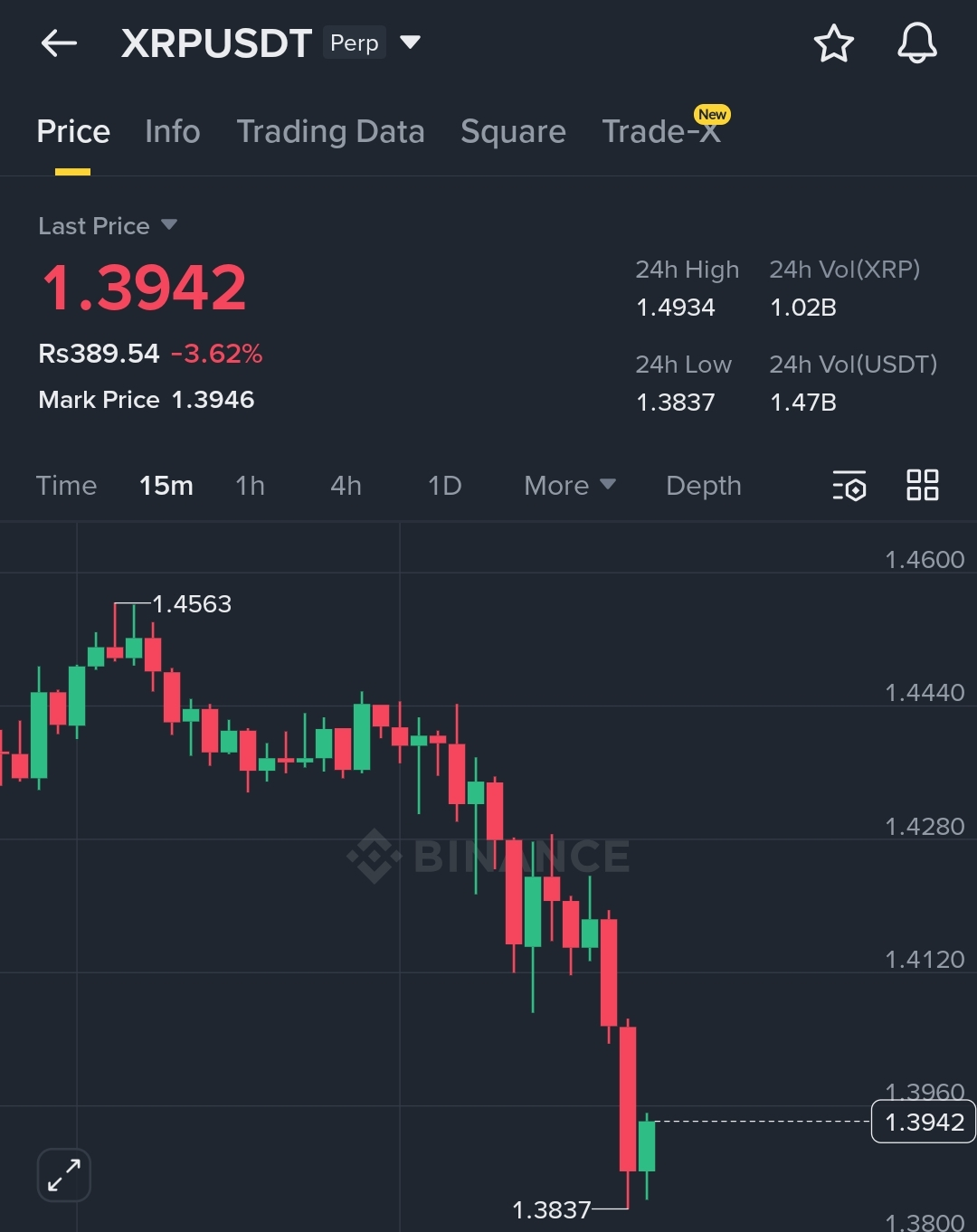
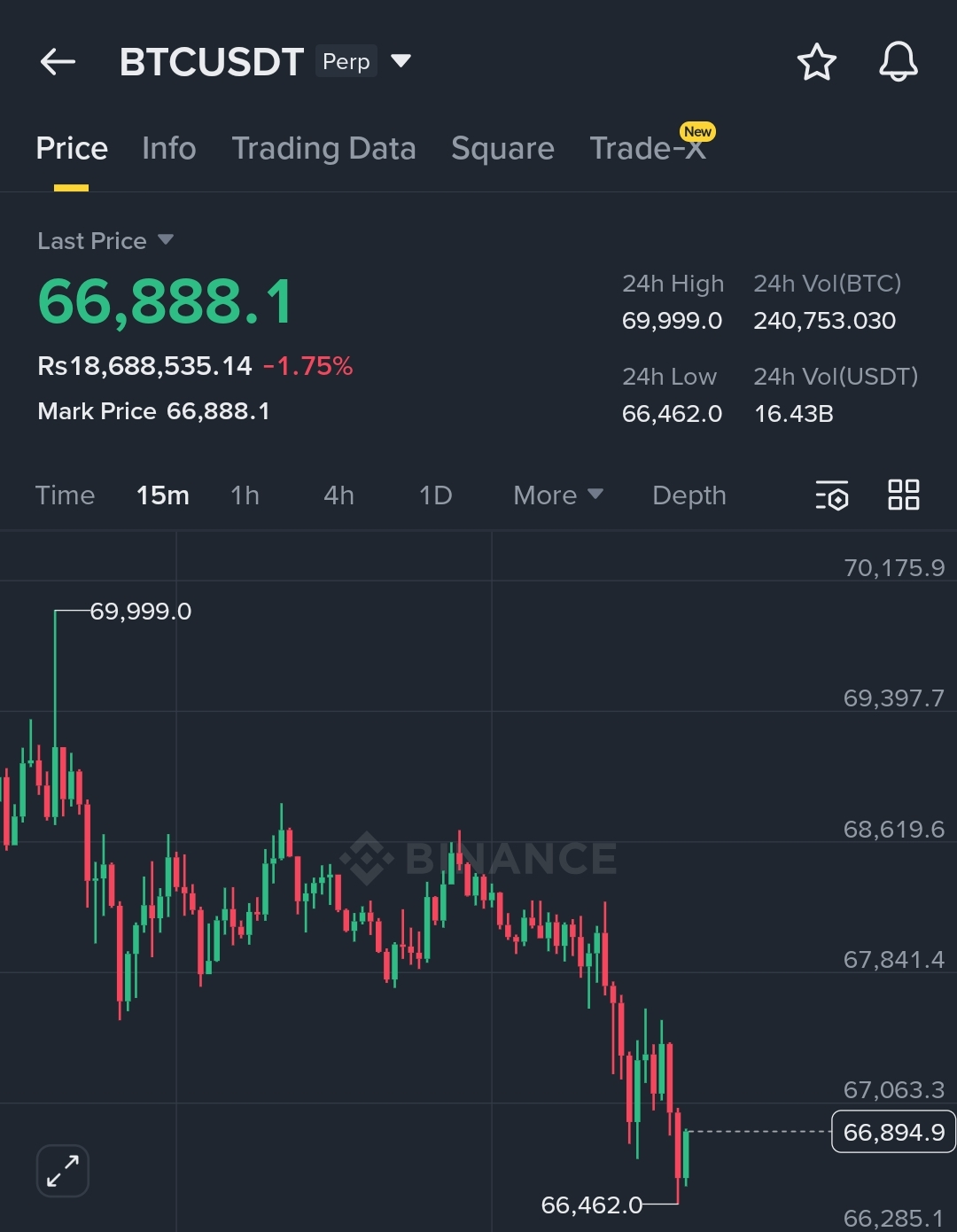
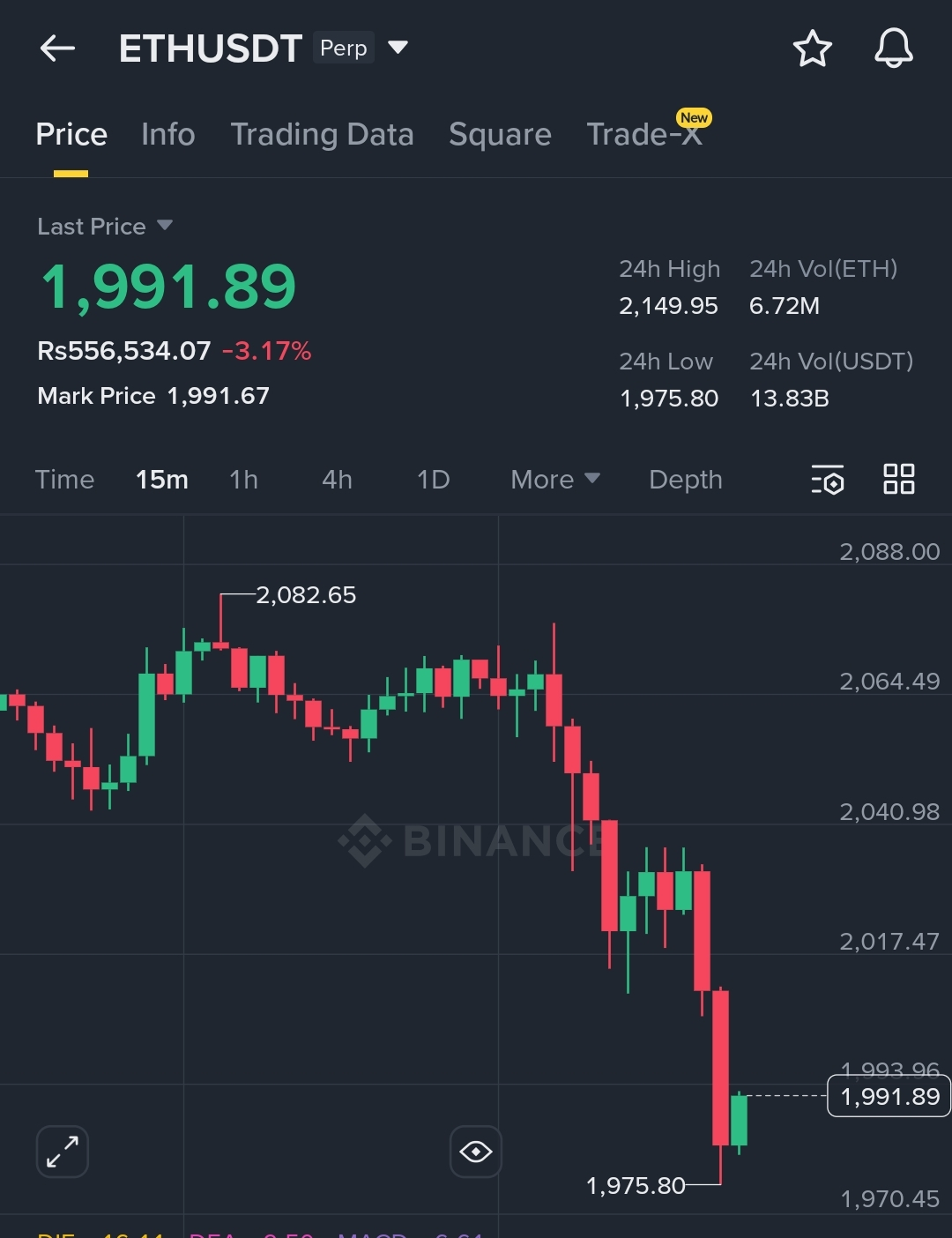
Extreme panic on the outside… but smart money is quietly turning bullish.
The Fear & Greed Index has dropped deeper into the “Extreme Fear” zone.
Yet on prediction markets, traders are shifting their bets on BTC and ETH toward the upside.
That’s a clear divergence:
sentiment indicators are still screaming fear (they usually lag)
positioning is already rotating bullish
Historically, this kind of mismatch often shows up near major trend reversals.
BTC & ETH: watch closely the market may be setting a trapExtreme panic on the outside… but smart money is quietly turning bullish.
The Fear & Greed Index has dropped deeper into the “Extreme Fear” zone.
Yet on prediction markets, traders are shifting their bets on BTC and ETH toward the upside.
That’s a clear divergence:
sentiment indicators are still screaming fear (they usually lag)
positioning is already rotating bullish
Historically, this kind of mismatch often shows up near major trend reversals.
BTC & ETH: watch closely — the market may be setting a trap for late sellers. for late sellers.
$BTC $ETH $XRP
#JaneStreet10AMDump #MarketRebound #AxiomMisconductInvestigation #STBinancePreTGE #BitcoinGoogleSearchesSurge
The Fear & Greed Index has dropped deeper into the “Extreme Fear” zone.
Yet on prediction markets, traders are shifting their bets on BTC and ETH toward the upside.
That’s a clear divergence:
sentiment indicators are still screaming fear (they usually lag)
positioning is already rotating bullish
Historically, this kind of mismatch often shows up near major trend reversals.
BTC & ETH: watch closely the market may be setting a trapExtreme panic on the outside… but smart money is quietly turning bullish.
The Fear & Greed Index has dropped deeper into the “Extreme Fear” zone.
Yet on prediction markets, traders are shifting their bets on BTC and ETH toward the upside.
That’s a clear divergence:
sentiment indicators are still screaming fear (they usually lag)
positioning is already rotating bullish
Historically, this kind of mismatch often shows up near major trend reversals.
BTC & ETH: watch closely — the market may be setting a trap for late sellers. for late sellers.
$BTC $ETH $XRP
#JaneStreet10AMDump #MarketRebound #AxiomMisconductInvestigation #STBinancePreTGE #BitcoinGoogleSearchesSurge
2
·
--
Initia$INIT (Initia) – Anatomy of a Breakout
The digital asset market is currently witnessing a significant decoupling as $INIT (Initia) surges to $0.12, marking a nearly 90% increase in a seven-day window. While broader market sentiment remains cautious, Initia’s performance is not a mere speculative pump—it is driven by a convergence of technical milestones and unique economic flywheels.
Here is a comprehensive breakdown of the catalysts behind the Init momentum:
1. Architectural Innovation: The "Interwoven" Layer 1
Unlike traditional monolithic blockchains, Initia functions as a Layer 1 network that orchestrates a network of "Minitias" (modular Layer 2 rollups). The recent successful implementation of the "The Reactor" upgrade has significantly optimized cross-chain communication, solving the liquidity fragmentation issue that plagues other modular ecosystems.
2. Enshrined Liquidity: A Game-Changer in Tokenomics
One of Initia’s most sophisticated features is its Enshrined Liquidity mechanism. By integrating liquidity directly into the protocol's security layer, the network ensures that:
Stakers are providing deep liquidity while securing the chain.
The "Liquid Supply" on exchanges remains low, creating a supply-demand imbalance that favors upward price discovery during high-volume periods.
3. Real-World Adoption & Ecosystem Vitality
The rise in price is backed by on-chain activity. Projects like Civitia and several new Minitia-based dApps are reporting consistent growth in Daily Active Users (DAU). The transition from "theoretical tech" to "revenue-generating ecosystem" is attracting institutional interest and "smart money" looking for sustainable L1/L2 plays.
4. Technical Analysis & Market Dynamics
From a technical standpoint, Init successfully flipped the $0.07 resistance into a strong support level. The recent surge to $0.12 was accelerated by:
Volume Surge: 24h trading volume exceeding $270M.
Short Squeezes: Aggressive liquidation of bearish positions as the price breached the $0.10 psychological barrier.
Anticipation of Airdrops: Growing speculation regarding snapshots for Init stakers within the expanding ecosystem.
The Outlook
While the RSI (Relative Strength Index) suggests the asset is currently in "overbought" territory—indicating a potential short-term consolidation or retest of the $0.10 level—the long-term fundamentals remain robust. As the Inter-Blockchain Communication (IBC) integration deepens and more "Minitias" go live, $INIT is positioning itself as a cornerstone of the modular future.
Current Metrics:
Price: ~$0.12
Key Support: $0.09 - $0.10
Primary Catalyst: "The Reactor" Upgrade & Ecosystem Airdrops
Always perform your own due diligence (DYOR).
#INIT
Initia
$INIT (Initia) – Anatomy of a Breakout
The digital asset market is currently witnessing a significant decoupling as $INIT (Initia) surges to $0.12, marking a nearly 90% increase in a seven-day window. While broader market sentiment remains cautious, Initia’s performance is not a mere speculative pump—it is driven by a convergence of technical milestones and unique economic flywheels.
Here is a comprehensive breakdown of the catalysts behind the Init momentum:
1. Architectural Innovation: The "Interwoven" Layer 1
Unlike traditional monolithic blockchains, Initia functions as a Layer 1 network that orchestrates a network of "Minitias" (modular Layer 2 rollups). The recent successful implementation of the "The Reactor" upgrade has significantly optimized cross-chain communication, solving the liquidity fragmentation issue that plagues other modular ecosystems.
2. Enshrined Liquidity: A Game-Changer in Tokenomics
One of Initia’s most sophisticated features is its Enshrined Liquidity mechanism. By integrating liquidity directly into the protocol's security layer, the network ensures that:
Stakers are providing deep liquidity while securing the chain.
The "Liquid Supply" on exchanges remains low, creating a supply-demand imbalance that favors upward price discovery during high-volume periods.
3. Real-World Adoption & Ecosystem Vitality
The rise in price is backed by on-chain activity. Projects like Civitia and several new Minitia-based dApps are reporting consistent growth in Daily Active Users (DAU). The transition from "theoretical tech" to "revenue-generating ecosystem" is attracting institutional interest and "smart money" looking for sustainable L1/L2 plays.
4. Technical Analysis & Market Dynamics
From a technical standpoint, Init successfully flipped the $0.07 resistance into a strong support level. The recent surge to $0.12 was accelerated by:
Volume Surge: 24h trading volume exceeding $270M.
Short Squeezes: Aggressive liquidation of bearish positions as the price breached the $0.10 psychological barrier.
Anticipation of Airdrops: Growing speculation regarding snapshots for Init stakers within the expanding ecosystem.
The Outlook
While the RSI (Relative Strength Index) suggests the asset is currently in "overbought" territory—indicating a potential short-term consolidation or retest of the $0.10 level—the long-term fundamentals remain robust. As the Inter-Blockchain Communication (IBC) integration deepens and more "Minitias" go live, $INIT is positioning itself as a cornerstone of the modular future.
Current Metrics:
Price: ~$0.12
Key Support: $0.09 - $0.10
Primary Catalyst: "The Reactor" Upgrade & Ecosystem Airdrops
Always perform your own due diligence (DYOR).
#INIT
The digital asset market is currently witnessing a significant decoupling as $INIT (Initia) surges to $0.12, marking a nearly 90% increase in a seven-day window. While broader market sentiment remains cautious, Initia’s performance is not a mere speculative pump—it is driven by a convergence of technical milestones and unique economic flywheels.
Here is a comprehensive breakdown of the catalysts behind the Init momentum:
1. Architectural Innovation: The "Interwoven" Layer 1
Unlike traditional monolithic blockchains, Initia functions as a Layer 1 network that orchestrates a network of "Minitias" (modular Layer 2 rollups). The recent successful implementation of the "The Reactor" upgrade has significantly optimized cross-chain communication, solving the liquidity fragmentation issue that plagues other modular ecosystems.
2. Enshrined Liquidity: A Game-Changer in Tokenomics
One of Initia’s most sophisticated features is its Enshrined Liquidity mechanism. By integrating liquidity directly into the protocol's security layer, the network ensures that:
Stakers are providing deep liquidity while securing the chain.
The "Liquid Supply" on exchanges remains low, creating a supply-demand imbalance that favors upward price discovery during high-volume periods.
3. Real-World Adoption & Ecosystem Vitality
The rise in price is backed by on-chain activity. Projects like Civitia and several new Minitia-based dApps are reporting consistent growth in Daily Active Users (DAU). The transition from "theoretical tech" to "revenue-generating ecosystem" is attracting institutional interest and "smart money" looking for sustainable L1/L2 plays.
4. Technical Analysis & Market Dynamics
From a technical standpoint, Init successfully flipped the $0.07 resistance into a strong support level. The recent surge to $0.12 was accelerated by:
Volume Surge: 24h trading volume exceeding $270M.
Short Squeezes: Aggressive liquidation of bearish positions as the price breached the $0.10 psychological barrier.
Anticipation of Airdrops: Growing speculation regarding snapshots for Init stakers within the expanding ecosystem.
The Outlook
While the RSI (Relative Strength Index) suggests the asset is currently in "overbought" territory—indicating a potential short-term consolidation or retest of the $0.10 level—the long-term fundamentals remain robust. As the Inter-Blockchain Communication (IBC) integration deepens and more "Minitias" go live, $INIT is positioning itself as a cornerstone of the modular future.
Current Metrics:
Price: ~$0.12
Key Support: $0.09 - $0.10
Primary Catalyst: "The Reactor" Upgrade & Ecosystem Airdrops
Always perform your own due diligence (DYOR).
#INIT
1
62

·
--
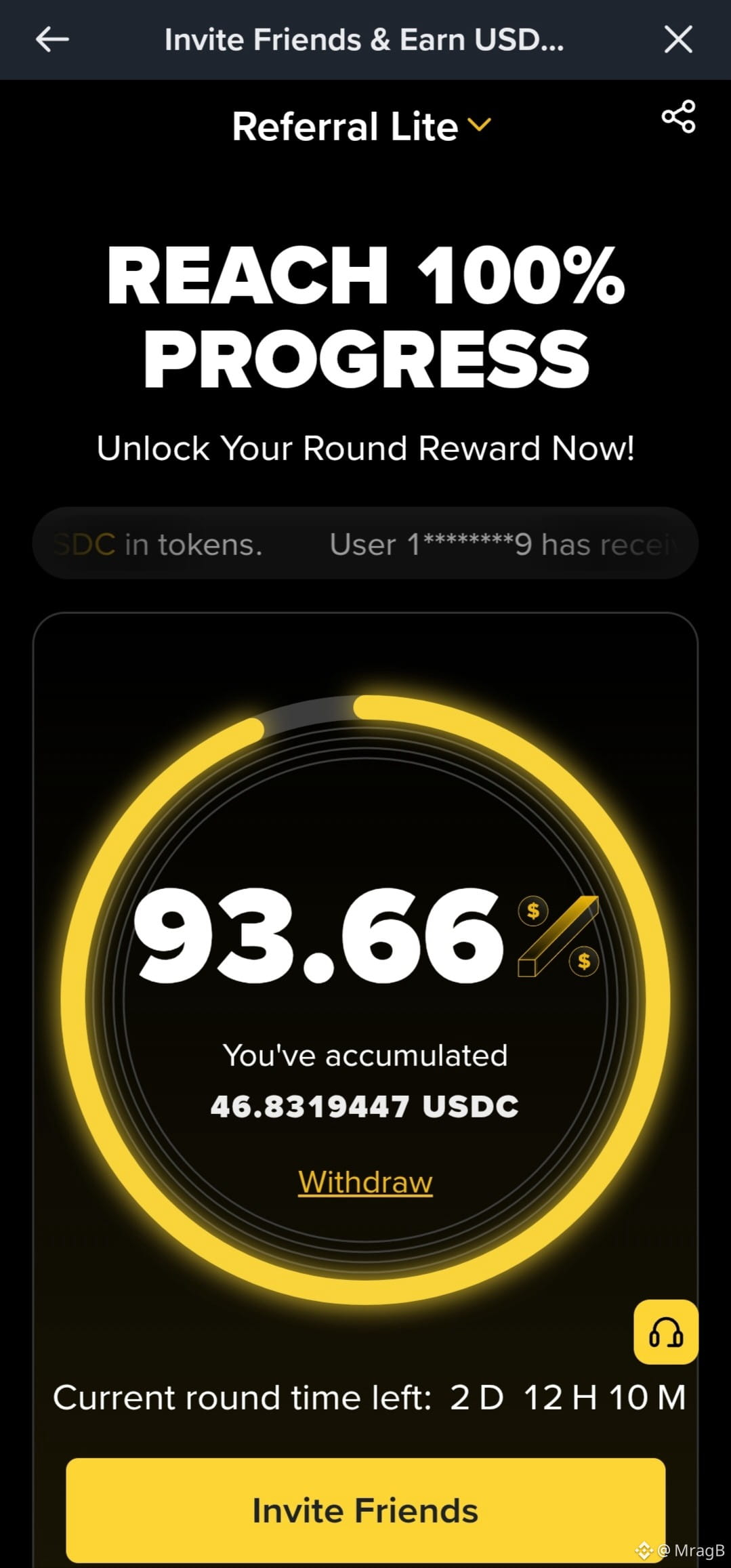
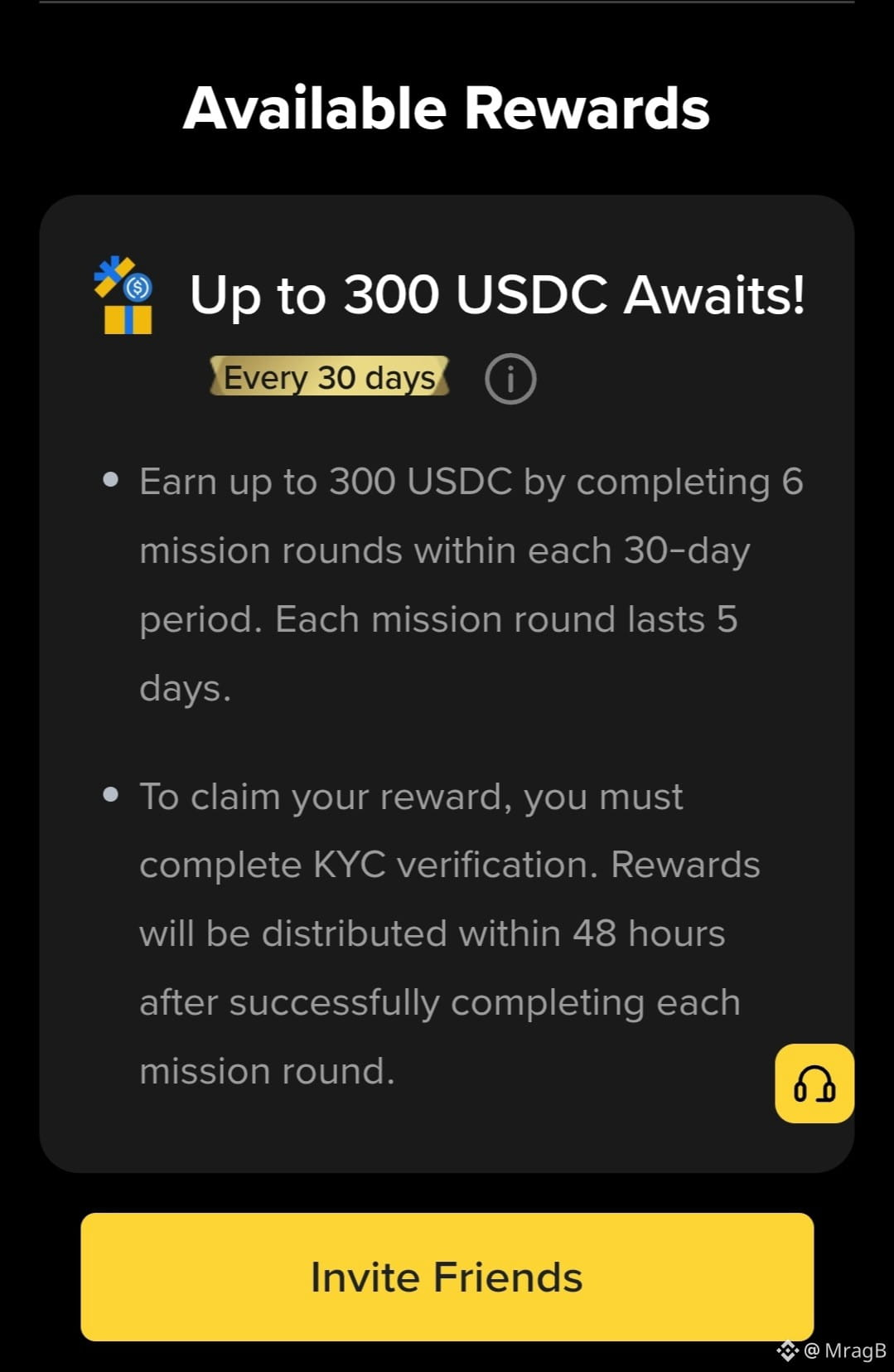
#Binance Don't Miss Out: Grab Your USDC Bonus on Binance!
Are you looking to start your crypto journey or know someone who is? Binance just launched a new Refer & earn round where we can both unlock rewards! 💰
By using the link below to register and complete your account verification (KYC), you'll be eligible for special welcome bonuses and trading fee rebates. It’s a win-win for both of us!
How to join:
1️⃣ Register via my official link below.
2️⃣ Complete identity verification.
3️⃣ Start trading and unlock your rewards!
Let’s hit this goal together!
🔗 Join here: 👇
[JOIN & EARN](https://www.binance.com/referral/earn-together/refer2earn-usdc/claim?hl=en&ref=GRO_28502_P1IZV)
#Binance #USDC #ReferralProgram #CryptoRewards
#Binance Don't Miss Out: Grab Your USDC Bonus on Binance!
Are you looking to start your crypto journey or know someone who is? Binance just launched a new Refer & earn round where we can both unlock rewards! 💰
By using the link below to register and complete your account verification (KYC), you'll be eligible for special welcome bonuses and trading fee rebates. It’s a win-win for both of us!
How to join:
1️⃣ Register via my official link below.
2️⃣ Complete identity verification.
3️⃣ Start trading and unlock your rewards!
Let’s hit this goal together!
🔗 Join here: 👇
JOIN & EARN
#Binance #USDC #ReferralProgram #CryptoRewards
Are you looking to start your crypto journey or know someone who is? Binance just launched a new Refer & earn round where we can both unlock rewards! 💰
By using the link below to register and complete your account verification (KYC), you'll be eligible for special welcome bonuses and trading fee rebates. It’s a win-win for both of us!
How to join:
1️⃣ Register via my official link below.
2️⃣ Complete identity verification.
3️⃣ Start trading and unlock your rewards!
Let’s hit this goal together!
🔗 Join here: 👇
JOIN & EARN
#Binance #USDC #ReferralProgram #CryptoRewards

7
·
--
Digital Gold PAXG vs. XAUt
1.PAX Gold ($PAXG)
This is often considered the "institutional" gold standard on Binance. It's issued by the Paxos Trust Company, which is strictly regulated by the New York Department of Financial Services (NYDFS).
Current price: around $5,257 per token.
Backed by: 1 token = 1 fine troy ounce of physical London Good Delivery gold.
Key facts: Every token is linked to a specific, identifiable gold bar. If you hold enough tokens, you can arrange to redeem them for the actual physical bar. Audits are conducted monthly.
2. Tether Gold ($XAUt)
This token is issued by Tether, the same company behind the world's largest stablecoin, USDT.
Current price: around $5,412.
Backed by: Also 1 ounce of physical gold, held in secure Swiss vaults.
Key facts: XAUt often boasts massive liquidity and trading volume, making it easy to enter and exit positions quickly. It's popular with traders already integrated into the broader Tether ecosystem.
Key Differences & Facts You Must Know:
Regulation:
XAUt is more popular with "crypto-native" users who are already comfortable with the Tether brand and its associated risks.
Fees: Binance doesn't charge specific holding fees, but Paxos does have a tiny on-chain transaction fee (0.02%) if you send the token off the exchange to a private wallet
Market Share & Volatility: $XAUt has a slightly larger market cap and higher trading volume as of recently. Both tokens have shown massive volume spikes recently as traders use them as a "pause asset" during broader market uncertainty. Gold itself saw a sharp drop today after hitting a record high yesterday
Digital Gold PAXG vs. XAUt
1.PAX Gold ($PAXG)
This is often considered the "institutional" gold standard on Binance. It's issued by the Paxos Trust Company, which is strictly regulated by the New York Department of Financial Services (NYDFS).
Current price: around $5,257 per token.
Backed by: 1 token = 1 fine troy ounce of physical London Good Delivery gold.
Key facts: Every token is linked to a specific, identifiable gold bar. If you hold enough tokens, you can arrange to redeem them for the actual physical bar. Audits are conducted monthly.
2. Tether Gold ($XAUt)
This token is issued by Tether, the same company behind the world's largest stablecoin, USDT.
Current price: around $5,412.
Backed by: Also 1 ounce of physical gold, held in secure Swiss vaults.
Key facts: XAUt often boasts massive liquidity and trading volume, making it easy to enter and exit positions quickly. It's popular with traders already integrated into the broader Tether ecosystem.
Key Differences & Facts You Must Know:
Regulation:
XAUt is more popular with "crypto-native" users who are already comfortable with the Tether brand and its associated risks.
Fees: Binance doesn't charge specific holding fees, but Paxos does have a tiny on-chain transaction fee (0.02%) if you send the token off the exchange to a private wallet
Market Share & Volatility: $XAUt has a slightly larger market cap and higher trading volume as of recently. Both tokens have shown massive volume spikes recently as traders use them as a "pause asset" during broader market uncertainty. Gold itself saw a sharp drop today after hitting a record high yesterday
1.PAX Gold ($PAXG)
This is often considered the "institutional" gold standard on Binance. It's issued by the Paxos Trust Company, which is strictly regulated by the New York Department of Financial Services (NYDFS).
Current price: around $5,257 per token.
Backed by: 1 token = 1 fine troy ounce of physical London Good Delivery gold.
Key facts: Every token is linked to a specific, identifiable gold bar. If you hold enough tokens, you can arrange to redeem them for the actual physical bar. Audits are conducted monthly.
2. Tether Gold ($XAUt)
This token is issued by Tether, the same company behind the world's largest stablecoin, USDT.
Current price: around $5,412.
Backed by: Also 1 ounce of physical gold, held in secure Swiss vaults.
Key facts: XAUt often boasts massive liquidity and trading volume, making it easy to enter and exit positions quickly. It's popular with traders already integrated into the broader Tether ecosystem.
Key Differences & Facts You Must Know:
Regulation:
XAUt is more popular with "crypto-native" users who are already comfortable with the Tether brand and its associated risks.
Fees: Binance doesn't charge specific holding fees, but Paxos does have a tiny on-chain transaction fee (0.02%) if you send the token off the exchange to a private wallet
Market Share & Volatility: $XAUt has a slightly larger market cap and higher trading volume as of recently. Both tokens have shown massive volume spikes recently as traders use them as a "pause asset" during broader market uncertainty. Gold itself saw a sharp drop today after hitting a record high yesterday
101
·
--
Bitcoin is currently testing a psychological boundary that coincides with the 200-day moving average. If this breaks, we could see another wave of liquidations ranging from 10-15%.
Most currencies are in "oversold" territory, which historically suggests that a short-term recovery is near.
Bitcoin is currently testing a psychological boundary that coincides with the 200-day moving average. If this breaks, we could see another wave of liquidations ranging from 10-15%.
Most currencies are in "oversold" territory, which historically suggests that a short-term recovery is near.
Most currencies are in "oversold" territory, which historically suggests that a short-term recovery is near.
81
·
--
How to approach this Bear trend
Most professional traders avoid "going all-in" at once during a sharp drop. Instead, they use DCA (Dollar Cost Averaging);
Stage 1: Invest 25-30% of your available cash now to secure a position.
Stage 2: Keep the rest in reserve. If Bitcoin drops to the $80k–$82k range, buy more.
Stage 3: If the market starts recovering and breaks back above $95,000, deploy the remaining capital to ride the momentum.
Summary
Yes, this is an opportunity, but only if your time horizon is at least 6–12 months. If you are looking for a "quick flip" in the next 48 hours, the risk of getting caught in a further leg down is very real.
How to approach this Bear trend
Most professional traders avoid "going all-in" at once during a sharp drop. Instead, they use DCA (Dollar Cost Averaging);
Stage 1: Invest 25-30% of your available cash now to secure a position.
Stage 2: Keep the rest in reserve. If Bitcoin drops to the $80k–$82k range, buy more.
Stage 3: If the market starts recovering and breaks back above $95,000, deploy the remaining capital to ride the momentum.
Summary
Yes, this is an opportunity, but only if your time horizon is at least 6–12 months. If you are looking for a "quick flip" in the next 48 hours, the risk of getting caught in a further leg down is very real.
Most professional traders avoid "going all-in" at once during a sharp drop. Instead, they use DCA (Dollar Cost Averaging);
Stage 1: Invest 25-30% of your available cash now to secure a position.
Stage 2: Keep the rest in reserve. If Bitcoin drops to the $80k–$82k range, buy more.
Stage 3: If the market starts recovering and breaks back above $95,000, deploy the remaining capital to ride the momentum.
Summary
Yes, this is an opportunity, but only if your time horizon is at least 6–12 months. If you are looking for a "quick flip" in the next 48 hours, the risk of getting caught in a further leg down is very real.
38
·
--
Bullish
Why $NEAR Is More Than Just 'Another L1' (And Why I'm Watching It for 2026)
Hey everyone, have you noticed how NEAR Protocol is quietly building while everyone else is chasing memecoins? If you're looking for a project that blends AI and blockchain in a way that actually works, $NEAR is currently at the forefront of that story.
Here are a few reasons why I think this is one of the stronger 'bets' for this year:
AI Isn't Just a Buzzword: Unlike many who just slap "AI" on their title, NEAR has become the home for something called User-Owned AI. Their focus on private intelligence and agents that can autonomously conduct transactions on your behalf is a 10/10 concept. NEARCON 2026 just confirmed they are going all-in on autonomous agents.
Chain Abstraction: This is the real "game changer". Their goal is for the user not to even realize they are using a blockchain. No more messing around with bridges and gas fees on 5 different networks – NEAR handles it in the background via their Intents.
The Technical Picture: We're currently around $1.50, and analysts at Binance Price Prediction see potential for a recovery towards $2.10 - $2.35 in the short term if we break key resistance levels. Long term? Given that they reduced the token's inflation through their Halving Upgrade, the supply is becoming tighter as the network grows.
#NEAR
Why $NEAR Is More Than Just 'Another L1' (And Why I'm Watching It for 2026)
Hey everyone, have you noticed how NEAR Protocol is quietly building while everyone else is chasing memecoins? If you're looking for a project that blends AI and blockchain in a way that actually works, $NEAR is currently at the forefront of that story.
Here are a few reasons why I think this is one of the stronger 'bets' for this year:
AI Isn't Just a Buzzword: Unlike many who just slap "AI" on their title, NEAR has become the home for something called User-Owned AI. Their focus on private intelligence and agents that can autonomously conduct transactions on your behalf is a 10/10 concept. NEARCON 2026 just confirmed they are going all-in on autonomous agents.
Chain Abstraction: This is the real "game changer". Their goal is for the user not to even realize they are using a blockchain. No more messing around with bridges and gas fees on 5 different networks – NEAR handles it in the background via their Intents.
The Technical Picture: We're currently around $1.50, and analysts at Binance Price Prediction see potential for a recovery towards $2.10 - $2.35 in the short term if we break key resistance levels. Long term? Given that they reduced the token's inflation through their Halving Upgrade, the supply is becoming tighter as the network grows.
#NEAR
Hey everyone, have you noticed how NEAR Protocol is quietly building while everyone else is chasing memecoins? If you're looking for a project that blends AI and blockchain in a way that actually works, $NEAR is currently at the forefront of that story.
Here are a few reasons why I think this is one of the stronger 'bets' for this year:
AI Isn't Just a Buzzword: Unlike many who just slap "AI" on their title, NEAR has become the home for something called User-Owned AI. Their focus on private intelligence and agents that can autonomously conduct transactions on your behalf is a 10/10 concept. NEARCON 2026 just confirmed they are going all-in on autonomous agents.
Chain Abstraction: This is the real "game changer". Their goal is for the user not to even realize they are using a blockchain. No more messing around with bridges and gas fees on 5 different networks – NEAR handles it in the background via their Intents.
The Technical Picture: We're currently around $1.50, and analysts at Binance Price Prediction see potential for a recovery towards $2.10 - $2.35 in the short term if we break key resistance levels. Long term? Given that they reduced the token's inflation through their Halving Upgrade, the supply is becoming tighter as the network grows.
#NEAR
92
·
--
Is the Weakening Dollar the Ultimate Fuel for Bitcoin?
We are seeing some serious moves in the DXY (Dollar Index) lately. With the dollar hitting multi-year lows due to fiscal concerns and shifting Fed policies, everyone is asking: What does this mean for our stablecoins and the broader market?
Here’s the breakdown:
- Purchasing Power: Since stablecoins like $USDC and $USDT are pegged 1:1 to the USD, their global purchasing power drops right along with the dollar.
- The Inverse Correlation: Historically, when the Dollar weakens, "hard assets" like $BTC tend to soar. Investors look for a hedge against fiat devaluation, and Bitcoin is the "cleanest shirt in the laundry."
- Alternative Stablecoins: Due to the weakening dollar, there's a growing interest in stablecoins pegged to other currencies (such as the Euro) or commodities (Gold, e.g., $PAXG or $XAUT) to preserve asset value.
Are you keeping your profits in stables, or are you rotating back into $BTC and $ETH to ride the dollar’s decline?
#Stablecoins #Bitcoin #CryptoMarket #PAXG #XAUT
Is the Weakening Dollar the Ultimate Fuel for Bitcoin?
We are seeing some serious moves in the DXY (Dollar Index) lately. With the dollar hitting multi-year lows due to fiscal concerns and shifting Fed policies, everyone is asking: What does this mean for our stablecoins and the broader market?
Here’s the breakdown:
- Purchasing Power: Since stablecoins like $USDC and $USDT are pegged 1:1 to the USD, their global purchasing power drops right along with the dollar.
- The Inverse Correlation: Historically, when the Dollar weakens, "hard assets" like $BTC tend to soar. Investors look for a hedge against fiat devaluation, and Bitcoin is the "cleanest shirt in the laundry."
- Alternative Stablecoins: Due to the weakening dollar, there's a growing interest in stablecoins pegged to other currencies (such as the Euro) or commodities (Gold, e.g., $PAXG or $XAUT) to preserve asset value.
Are you keeping your profits in stables, or are you rotating back into $BTC and $ETH to ride the dollar’s decline?
#Stablecoins #Bitcoin #CryptoMarket #PAXG #XAUT
We are seeing some serious moves in the DXY (Dollar Index) lately. With the dollar hitting multi-year lows due to fiscal concerns and shifting Fed policies, everyone is asking: What does this mean for our stablecoins and the broader market?
Here’s the breakdown:
- Purchasing Power: Since stablecoins like $USDC and $USDT are pegged 1:1 to the USD, their global purchasing power drops right along with the dollar.
- The Inverse Correlation: Historically, when the Dollar weakens, "hard assets" like $BTC tend to soar. Investors look for a hedge against fiat devaluation, and Bitcoin is the "cleanest shirt in the laundry."
- Alternative Stablecoins: Due to the weakening dollar, there's a growing interest in stablecoins pegged to other currencies (such as the Euro) or commodities (Gold, e.g., $PAXG or $XAUT) to preserve asset value.
Are you keeping your profits in stables, or are you rotating back into $BTC and $ETH to ride the dollar’s decline?
#Stablecoins #Bitcoin #CryptoMarket #PAXG #XAUT
33
·
--
$FET today: Is the AI narrative cooling down?
The AI sector saw some rotation away recently, with $FET dropping about 8% last week, and it's trading at around $0.227 USD right now. It seems some profit-taking is happening around the $0.23 resistance zone.
But here’s the thing: Fetch.ai just launched FetchCoder V2, a new AI coding assistant on Jan 28, which is a solid fundamental update. The project itself is positioned as a long-term AI leader, so short-term dips could be healthy.
Are we consolidating before the next leg up, or is a deeper correction coming? What's your move today?
#FET #FetchAI #Aİ #CryptoNews #BinanceSquare
$FET today: Is the AI narrative cooling down?
The AI sector saw some rotation away recently, with $FET dropping about 8% last week, and it's trading at around $0.227 USD right now. It seems some profit-taking is happening around the $0.23 resistance zone.
But here’s the thing: Fetch.ai just launched FetchCoder V2, a new AI coding assistant on Jan 28, which is a solid fundamental update. The project itself is positioned as a long-term AI leader, so short-term dips could be healthy.
Are we consolidating before the next leg up, or is a deeper correction coming? What's your move today?
#FET #FetchAI #Aİ #CryptoNews #BinanceSquare
The AI sector saw some rotation away recently, with $FET dropping about 8% last week, and it's trading at around $0.227 USD right now. It seems some profit-taking is happening around the $0.23 resistance zone.
But here’s the thing: Fetch.ai just launched FetchCoder V2, a new AI coding assistant on Jan 28, which is a solid fundamental update. The project itself is positioned as a long-term AI leader, so short-term dips could be healthy.
Are we consolidating before the next leg up, or is a deeper correction coming? What's your move today?
#FET #FetchAI #Aİ #CryptoNews #BinanceSquare
135
·
--
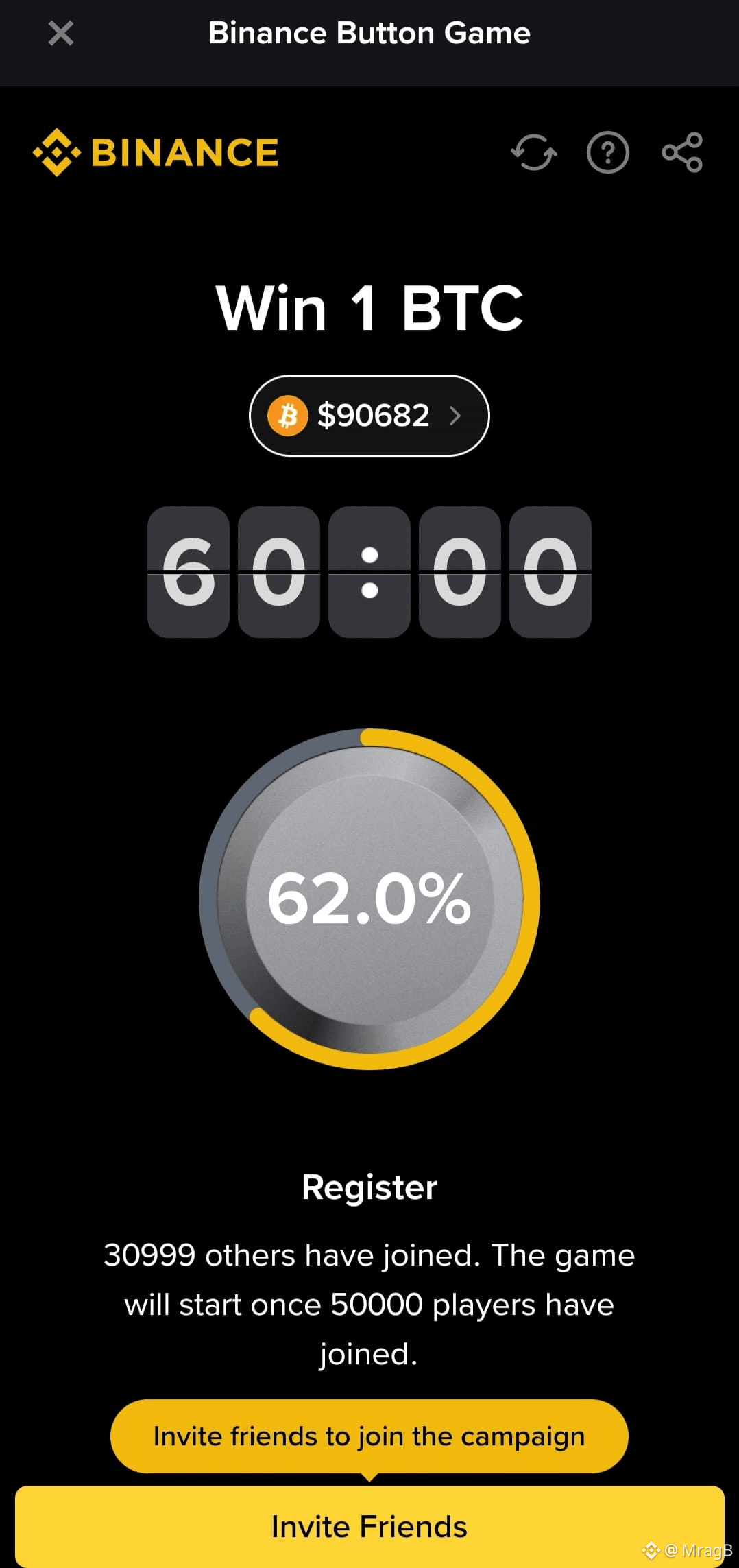
Game is back, amazing reward for the winner 👇
[Binance button game](https://www.binance.com/game/button/btc-button-Jan2026?ref=1077598750®isterChannel=GRO-BTN-btc-button-Jan2026&utm_source=share)
Game is back, amazing reward for the winner 👇
Binance button game
Binance button game
161
·
--
Why Jefferies’ Christopher Wood Dropped Bitcoin: A Deeper Look
Christopher Wood, Global Head of Equity Strategy at Jefferies and author of the influential Greed & Fear newsletter, has completely removed Bitcoin from his model portfolio, ending a position that previously accounted for roughly 5–10% of allocation.
This was not a short-term market call. It was a structural, long-term decision.
The Core Concern: Quantum Computing
Wood’s main argument centers on the future risk posed by cryptographically relevant quantum computers (CRQCs).
Bitcoin’s security relies on elliptic-curve cryptography, which is currently safe against classical computers. However, sufficiently powerful quantum computers could theoretically derive private keys from public keys, potentially allowing attackers to steal funds.
Some estimates suggest that up to ~10 million BTC (close to 50% of total supply) could be vulnerable in such a scenario—particularly coins held in older or exposed addresses.
Important Context
This is not a present-day threat.
Quantum computers capable of breaking Bitcoin’s cryptography do not currently exist.
The risk is theoretical and long-term, but Wood argues it challenges Bitcoin’s narrative as a permanent store of value.
While Bitcoin developers have discussed quantum-resistant upgrades, no migration has yet occurred.
Portfolio Shift
Instead of Bitcoin, Wood has reallocated capital into:
Physical gold
Gold mining equities
This reflects his view that traditional hard assets have less technological tail risk over multi-decade horizons.
Bottom Line
Wood’s move does not mean Bitcoin is about to fail.
It highlights a growing institutional debate:
Can Bitcoin adapt fast enough if quantum computing advances faster than expected?
For now, the threat is hypothetical—but for long-term allocators, even low-probability existential risks matter.
Why Jefferies’ Christopher Wood Dropped Bitcoin: A Deeper Look
Christopher Wood, Global Head of Equity Strategy at Jefferies and author of the influential Greed & Fear newsletter, has completely removed Bitcoin from his model portfolio, ending a position that previously accounted for roughly 5–10% of allocation.
This was not a short-term market call. It was a structural, long-term decision.
The Core Concern: Quantum Computing
Wood’s main argument centers on the future risk posed by cryptographically relevant quantum computers (CRQCs).
Bitcoin’s security relies on elliptic-curve cryptography, which is currently safe against classical computers. However, sufficiently powerful quantum computers could theoretically derive private keys from public keys, potentially allowing attackers to steal funds.
Some estimates suggest that up to ~10 million BTC (close to 50% of total supply) could be vulnerable in such a scenario—particularly coins held in older or exposed addresses.
Important Context
This is not a present-day threat.
Quantum computers capable of breaking Bitcoin’s cryptography do not currently exist.
The risk is theoretical and long-term, but Wood argues it challenges Bitcoin’s narrative as a permanent store of value.
While Bitcoin developers have discussed quantum-resistant upgrades, no migration has yet occurred.
Portfolio Shift
Instead of Bitcoin, Wood has reallocated capital into:
Physical gold
Gold mining equities
This reflects his view that traditional hard assets have less technological tail risk over multi-decade horizons.
Bottom Line
Wood’s move does not mean Bitcoin is about to fail.
It highlights a growing institutional debate:
Can Bitcoin adapt fast enough if quantum computing advances faster than expected?
For now, the threat is hypothetical—but for long-term allocators, even low-probability existential risks matter.
Christopher Wood, Global Head of Equity Strategy at Jefferies and author of the influential Greed & Fear newsletter, has completely removed Bitcoin from his model portfolio, ending a position that previously accounted for roughly 5–10% of allocation.
This was not a short-term market call. It was a structural, long-term decision.
The Core Concern: Quantum Computing
Wood’s main argument centers on the future risk posed by cryptographically relevant quantum computers (CRQCs).
Bitcoin’s security relies on elliptic-curve cryptography, which is currently safe against classical computers. However, sufficiently powerful quantum computers could theoretically derive private keys from public keys, potentially allowing attackers to steal funds.
Some estimates suggest that up to ~10 million BTC (close to 50% of total supply) could be vulnerable in such a scenario—particularly coins held in older or exposed addresses.
Important Context
This is not a present-day threat.
Quantum computers capable of breaking Bitcoin’s cryptography do not currently exist.
The risk is theoretical and long-term, but Wood argues it challenges Bitcoin’s narrative as a permanent store of value.
While Bitcoin developers have discussed quantum-resistant upgrades, no migration has yet occurred.
Portfolio Shift
Instead of Bitcoin, Wood has reallocated capital into:
Physical gold
Gold mining equities
This reflects his view that traditional hard assets have less technological tail risk over multi-decade horizons.
Bottom Line
Wood’s move does not mean Bitcoin is about to fail.
It highlights a growing institutional debate:
Can Bitcoin adapt fast enough if quantum computing advances faster than expected?
For now, the threat is hypothetical—but for long-term allocators, even low-probability existential risks matter.
8
·
--
A Quiet War Inside Bitcoin
Bitcoin doesn’t fight its battles in headlines — it fights them in code.
At the core of the Bitcoin network are thousands of independent nodes. They enforce the consensus rules, but they also apply local policies — especially around the mempool, where unconfirmed transactions wait.
And that’s where the tension begins.
🔹 Consensus rules decide what is a valid Bitcoin transaction.
🔹 Mempool policies decide what a node is willing to relay or store.
These policies are not globally enforced, and node operators can — and do — disagree.
Some nodes:
Reject low-fee or “spam-like” transactions
Filter certain script types or data usage
Run alternative implementations (e.g. Bitcoin Knots instead of Bitcoin Core)
None of this breaks Bitcoin — but it changes how transactions propagate, which ones reach miners faster, and who effectively sets the “standards” of the network.
This has turned mempool policy into a new battlefield:
Should defaults be strict to protect decentralization?
Or flexible to preserve permissionless use?
Who decides what counts as “spam” on a neutral money network?
There’s no fork. No dramatic collapse.
Just a slow, ongoing negotiation between code, incentives, and ideology.
Bitcoin’s strength isn’t that everyone agrees —
it’s that disagreement is allowed.
And that quiet tension may be exactly what keeps it decentralized.
A Quiet War Inside Bitcoin
Bitcoin doesn’t fight its battles in headlines — it fights them in code.
At the core of the Bitcoin network are thousands of independent nodes. They enforce the consensus rules, but they also apply local policies — especially around the mempool, where unconfirmed transactions wait.
And that’s where the tension begins.
🔹 Consensus rules decide what is a valid Bitcoin transaction.
🔹 Mempool policies decide what a node is willing to relay or store.
These policies are not globally enforced, and node operators can — and do — disagree.
Some nodes:
Reject low-fee or “spam-like” transactions
Filter certain script types or data usage
Run alternative implementations (e.g. Bitcoin Knots instead of Bitcoin Core)
None of this breaks Bitcoin — but it changes how transactions propagate, which ones reach miners faster, and who effectively sets the “standards” of the network.
This has turned mempool policy into a new battlefield:
Should defaults be strict to protect decentralization?
Or flexible to preserve permissionless use?
Who decides what counts as “spam” on a neutral money network?
There’s no fork. No dramatic collapse.
Just a slow, ongoing negotiation between code, incentives, and ideology.
Bitcoin’s strength isn’t that everyone agrees —
it’s that disagreement is allowed.
And that quiet tension may be exactly what keeps it decentralized.
Bitcoin doesn’t fight its battles in headlines — it fights them in code.
At the core of the Bitcoin network are thousands of independent nodes. They enforce the consensus rules, but they also apply local policies — especially around the mempool, where unconfirmed transactions wait.
And that’s where the tension begins.
🔹 Consensus rules decide what is a valid Bitcoin transaction.
🔹 Mempool policies decide what a node is willing to relay or store.
These policies are not globally enforced, and node operators can — and do — disagree.
Some nodes:
Reject low-fee or “spam-like” transactions
Filter certain script types or data usage
Run alternative implementations (e.g. Bitcoin Knots instead of Bitcoin Core)
None of this breaks Bitcoin — but it changes how transactions propagate, which ones reach miners faster, and who effectively sets the “standards” of the network.
This has turned mempool policy into a new battlefield:
Should defaults be strict to protect decentralization?
Or flexible to preserve permissionless use?
Who decides what counts as “spam” on a neutral money network?
There’s no fork. No dramatic collapse.
Just a slow, ongoing negotiation between code, incentives, and ideology.
Bitcoin’s strength isn’t that everyone agrees —
it’s that disagreement is allowed.
And that quiet tension may be exactly what keeps it decentralized.
9
·
--
ETFsMorgan Stanley Plans to Launch Bitcoin and Solana ETFs
Morgan Stanley has filed applications with the U.S. Securities and Exchange Commission (SEC) to launch two new exchange-traded funds (ETFs) linked to cryptocurrencies: one tracking Bitcoin and another tracking Solana.
If approved, these ETFs would allow investors to gain exposure to cryptocurrencies through traditional financial markets, without needing to directly buy, store, or manage digital assets themselves. The Bitcoin ETF would track the spot price of Bitcoin, while the Solana ETF could potentially include staking rewards, which would be a notable innovation among crypto ETFs.
Why This Matters
This move represents a significant step in the mainstream adoption of cryptocurrencies by traditional financial institutions. Morgan Stanley would become one of the first major U.S. banks to offer spot crypto ETFs under its own brand, joining asset managers like BlackRock and Fidelity in expanding regulated access to digital assets.
ETFs are especially attractive to institutional and retail investors because they are traded on regulated exchanges, fit easily into existing portfolios, and avoid the technical and security challenges associated with holding cryptocurrencies directly.
Broader Context
The filings come amid a more favorable regulatory environment in the United States following the approval of spot Bitcoin ETFs and increasing openness by regulators toward crypto-based investment products. Wall Street firms are accelerating their push into digital assets as client demand continues to grow.
Morgan Stanley has already been expanding crypto access for its wealth management clients and is reportedly exploring broader crypto trading options through platforms such as E*TRADE.
Key Takeaways
The ETFs are not yet approved; SEC authorization is still required.
Launch dates, fees, and trading venues have not been announced.
A Solana ETF is particularly significant, as it signals growing institutional interest beyond Bitcoin and Ethereum.
Approval could further legitimize cryptocurrencies and increase market liquidity.
Overall, Morgan Stanley’s move highlights the ongoing integration of cryptocurrencies into the traditional financial system and suggests continued growth in institutional crypto adoption.
ETFs
Morgan Stanley Plans to Launch Bitcoin and Solana ETFs
Morgan Stanley has filed applications with the U.S. Securities and Exchange Commission (SEC) to launch two new exchange-traded funds (ETFs) linked to cryptocurrencies: one tracking Bitcoin and another tracking Solana.
If approved, these ETFs would allow investors to gain exposure to cryptocurrencies through traditional financial markets, without needing to directly buy, store, or manage digital assets themselves. The Bitcoin ETF would track the spot price of Bitcoin, while the Solana ETF could potentially include staking rewards, which would be a notable innovation among crypto ETFs.
Why This Matters
This move represents a significant step in the mainstream adoption of cryptocurrencies by traditional financial institutions. Morgan Stanley would become one of the first major U.S. banks to offer spot crypto ETFs under its own brand, joining asset managers like BlackRock and Fidelity in expanding regulated access to digital assets.
ETFs are especially attractive to institutional and retail investors because they are traded on regulated exchanges, fit easily into existing portfolios, and avoid the technical and security challenges associated with holding cryptocurrencies directly.
Broader Context
The filings come amid a more favorable regulatory environment in the United States following the approval of spot Bitcoin ETFs and increasing openness by regulators toward crypto-based investment products. Wall Street firms are accelerating their push into digital assets as client demand continues to grow.
Morgan Stanley has already been expanding crypto access for its wealth management clients and is reportedly exploring broader crypto trading options through platforms such as E*TRADE.
Key Takeaways
The ETFs are not yet approved; SEC authorization is still required.
Launch dates, fees, and trading venues have not been announced.
A Solana ETF is particularly significant, as it signals growing institutional interest beyond Bitcoin and Ethereum.
Approval could further legitimize cryptocurrencies and increase market liquidity.
Overall, Morgan Stanley’s move highlights the ongoing integration of cryptocurrencies into the traditional financial system and suggests continued growth in institutional crypto adoption.
Morgan Stanley has filed applications with the U.S. Securities and Exchange Commission (SEC) to launch two new exchange-traded funds (ETFs) linked to cryptocurrencies: one tracking Bitcoin and another tracking Solana.
If approved, these ETFs would allow investors to gain exposure to cryptocurrencies through traditional financial markets, without needing to directly buy, store, or manage digital assets themselves. The Bitcoin ETF would track the spot price of Bitcoin, while the Solana ETF could potentially include staking rewards, which would be a notable innovation among crypto ETFs.
Why This Matters
This move represents a significant step in the mainstream adoption of cryptocurrencies by traditional financial institutions. Morgan Stanley would become one of the first major U.S. banks to offer spot crypto ETFs under its own brand, joining asset managers like BlackRock and Fidelity in expanding regulated access to digital assets.
ETFs are especially attractive to institutional and retail investors because they are traded on regulated exchanges, fit easily into existing portfolios, and avoid the technical and security challenges associated with holding cryptocurrencies directly.
Broader Context
The filings come amid a more favorable regulatory environment in the United States following the approval of spot Bitcoin ETFs and increasing openness by regulators toward crypto-based investment products. Wall Street firms are accelerating their push into digital assets as client demand continues to grow.
Morgan Stanley has already been expanding crypto access for its wealth management clients and is reportedly exploring broader crypto trading options through platforms such as E*TRADE.
Key Takeaways
The ETFs are not yet approved; SEC authorization is still required.
Launch dates, fees, and trading venues have not been announced.
A Solana ETF is particularly significant, as it signals growing institutional interest beyond Bitcoin and Ethereum.
Approval could further legitimize cryptocurrencies and increase market liquidity.
Overall, Morgan Stanley’s move highlights the ongoing integration of cryptocurrencies into the traditional financial system and suggests continued growth in institutional crypto adoption.
1
64
Log in to explore more content
Join global crypto users on Binance Square
⚡️ Get latest and useful information about crypto.
💬 Trusted by the world’s largest crypto exchange.
👍 Discover real insights from verified creators.
Email / Phone number
Trending Topics
USAugustPPIRisesLessThanExpected
62,695 views
899 Discussing
🚨 US AUG PPI: Rises LESS Than Expected! Bullish for Crypto? 🚀
PPI +0.4% MoM as expected, but CORE PPI only +0.2% vs +0.3% expected - cooling!
What it means:
• Wholesale inflation softer than feared
• Fed rate hike chance now 62% - but dovish signals coming
• Core PCE revisions expected downward - bullish
• BTC usually pumps on softer PPI
Fed meeting Sep 15-16 - Market now expects pause, not hike?
Is this the green light for Q4 rally?
#Bitcoin #PPI #Fed #CryptoNews #BTC#usaugustppiriseslessthanexpected
True News
·1 Likes
·1.4k views
SECApprovesNasdaqTexasCommodityTrustRule
33,465 views
630 Discussing
ECBRaisesRatesSecondTimeTo2.5%
29,713 views
451 Discussing