
金玥 BNB
60 Posts

金玥 BNB
Report
Block User
欢迎来到我的加密世界.Crypto Market Analysis | Trading Insights.分享市场趋势、行情分析与交易机会一起学习,一起成长 DYOR | Stay Safe | Trade Smart
High-Frequency Trader
2.7 Years
4 Following
14 Followers
23 Liked
Posts
All
Quotes
PINNED
·
--
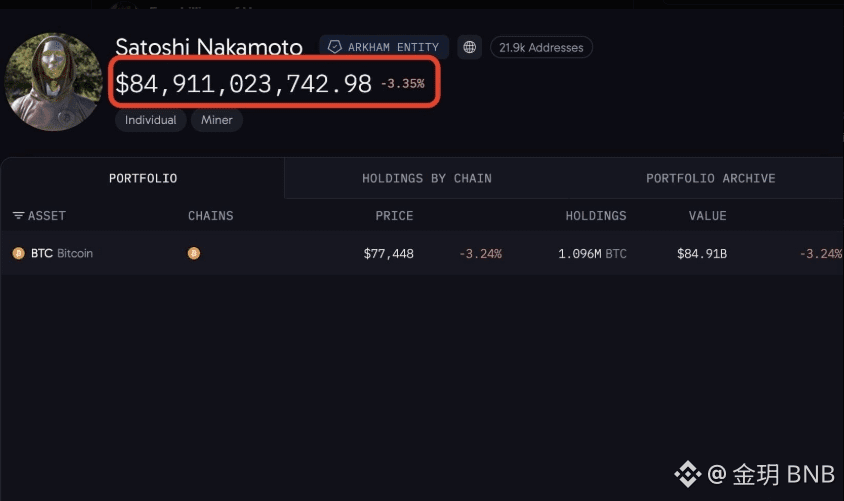
Why can't hackers break into Satoshi Nakamoto's wallet? It's a huge money pit! Or is it simply impossible to compromise even a fraction of $KORU $SKHY
{future}(SKHYUSDT)
{future}(KORUUSDT)
{future}(BTCUSDT)
Why can't hackers break into Satoshi Nakamoto's wallet? It's a huge money pit! Or is it simply impossible to compromise even a fraction of $KORU $SKHY
2
1
1k
·
--
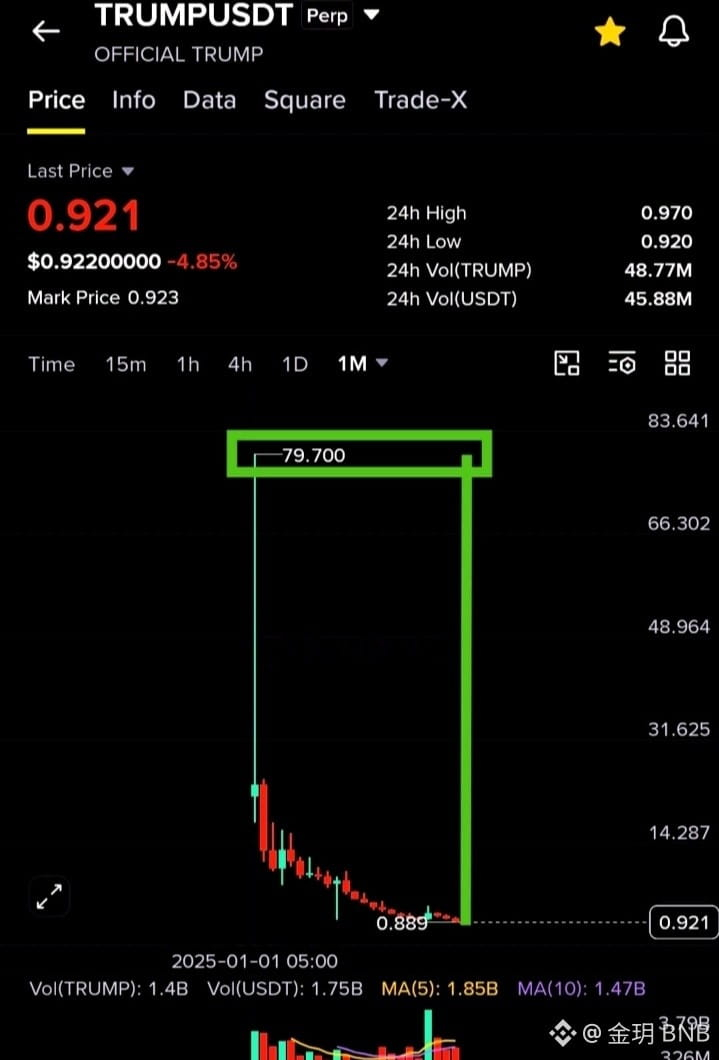
One day you wake up and see $TRUMP reach $79.700 again! 😎🔥
One day you wake up and see $TRUMP reach $79.700 again! 😎🔥
96
·
--
4 coins I’m watching for the next big move.
My future price predictions:
$SUI → $2.00
$UNI → $10
$HBAR → $0.12
$APT → $1.20
Real adoption and growing network activity could be major catalysts.
Which coin would you choose?
#altcoins [ ](https://www.binance.com/square/hashtag/altcoins)#cryptouniverseofficial
4 coins I’m watching for the next big move.
My future price predictions:
$SUI → $2.00
$UNI → $10
$HBAR → $0.12
$APT → $1.20
Real adoption and growing network activity could be major catalysts.
Which coin would you choose?
#altcoins #cryptouniverseofficial
My future price predictions:
$SUI → $2.00
$UNI → $10
$HBAR → $0.12
$APT → $1.20
Real adoption and growing network activity could be major catalysts.
Which coin would you choose?
#altcoins #cryptouniverseofficial
59
·
--
Bearish
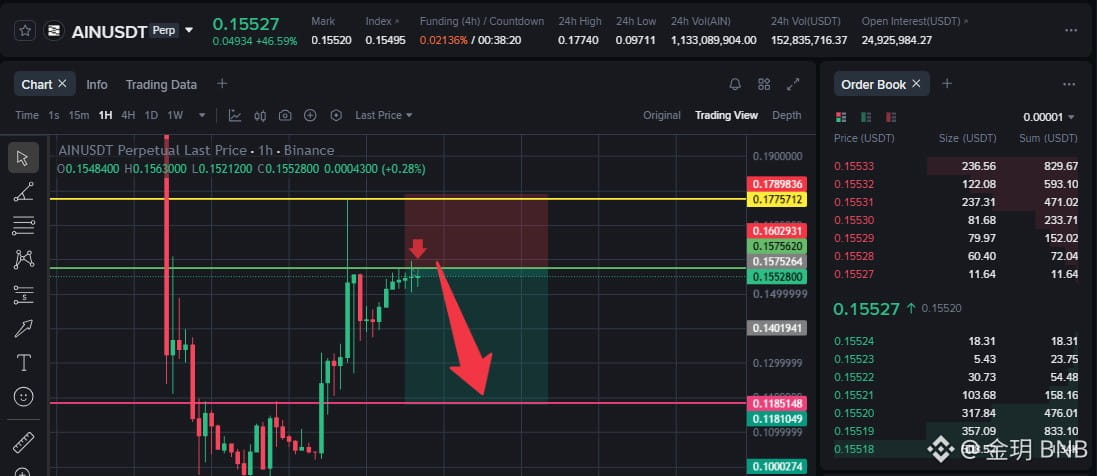
$AIN (Trade Setup)
SHORT 🔴
⚡ Entry 1 - Market
⚡ Entry 2 - 0.1620
Trade here 👇:
{future}(AINUSDT)
Targets 🎯:
0.1450
0.1320
0.1180
Stop loss ⛔:
0.1790
Reason: The rebound after the sharp drop is currently facing resistance. If price is rejected here, it may continue downward.
Tell me in the comments which coin you'd like me to analyze.
🚨 Trading involves risk. Please keep each position size below 1%.
$AIN (Trade Setup)
SHORT 🔴
⚡ Entry 1 - Market
⚡ Entry 2 - 0.1620
Trade here 👇:
Targets 🎯:
0.1450
0.1320
0.1180
Stop loss ⛔:
0.1790
Reason: The rebound after the sharp drop is currently facing resistance. If price is rejected here, it may continue downward.
Tell me in the comments which coin you'd like me to analyze.
🚨 Trading involves risk. Please keep each position size below 1%.
42
·
--
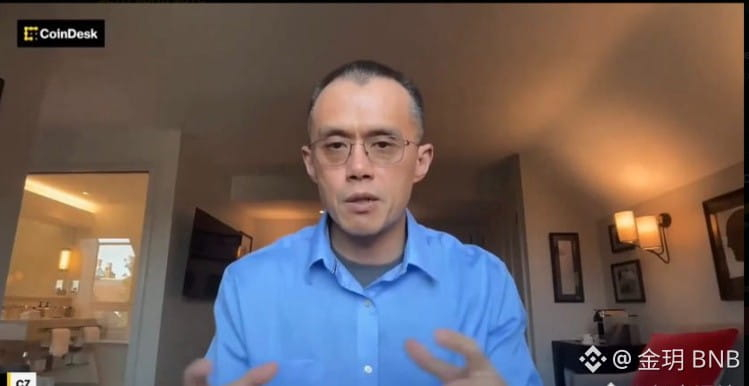
CZ issued a warning, and I think it’s more worth hearing than the hack itself.
He said: If even crypto exchanges can be hacked, banks are in an even worse position.
“This isn’t just a crypto problem. It’s actually a much broader information security problem.”
After years of watching on-chain activity, one thing has struck me most: people always treat getting hacked as something unique to crypto. It’s not. Exchanges are simply among the first to be put under the microscope—and among the first to publicly admit it.
Banks aren’t safer; they’re just less often scrutinized in public after the fact.
CZ isn’t making excuses for anyone. He’s reminding us that the real problem isn’t on-chain; it’s in every system that treats security as a cost rather than a baseline requirement.
$ETH $BNB $BTC
1
87
·
--
Bullish
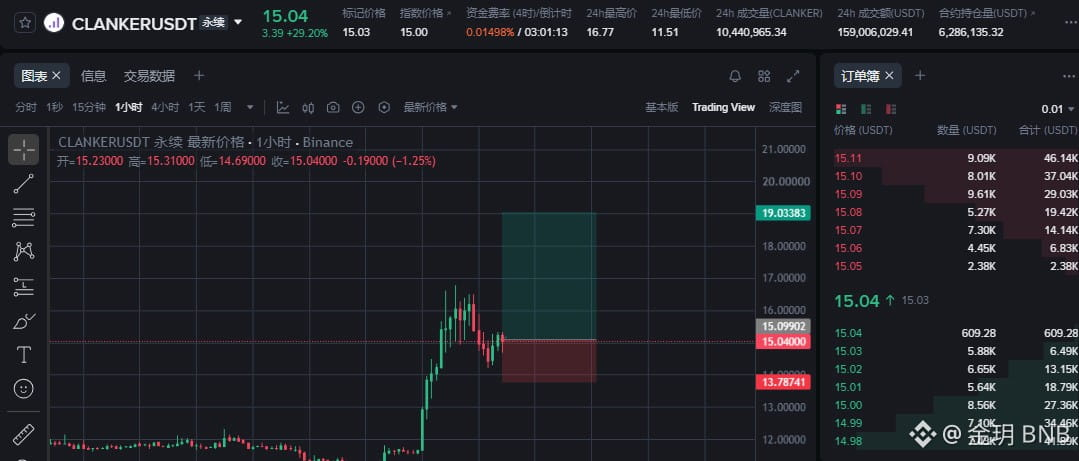
$CLANKER (Trade Setup)
LONG 🟢
⚡Entry 1 - Market price
⚡Entry 2 - 14.60
Trade here 👇:
{future}(CLANKERUSDT)
Targets 🎯:
16.20
17.50
19.00
Stop loss ⛔:
13.80
Reason: Strong momentum after a powerful breakout. The price is consolidating at a high level, and the overall structure remains bullish.
Tell me in the comments which coin you'd like me to analyze.
🚨 Trading involves risk. Please limit each position to no more than 1%.
#美国10月非农出炉:降息还有戏吗? #美国中期选举:市场有哪些期待?
$CLANKER (Trade Setup)
LONG 🟢
⚡Entry 1 - Market price
⚡Entry 2 - 14.60
Trade here 👇:
Targets 🎯:
16.20
17.50
19.00
Stop loss ⛔:
13.80
Reason: Strong momentum after a powerful breakout. The price is consolidating at a high level, and the overall structure remains bullish.
Tell me in the comments which coin you'd like me to analyze.
🚨 Trading involves risk. Please limit each position to no more than 1%.
#美国10月非农出炉:降息还有戏吗? #美国中期选举:市场有哪些期待?
75
·
--
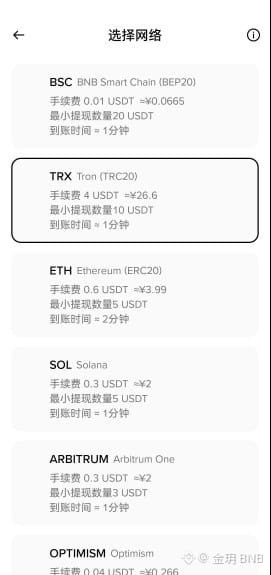
No, Sun's TRX network is so expensive—why do people still use it?
No, Sun's TRX network is so expensive—why do people still use it?
55
·
--
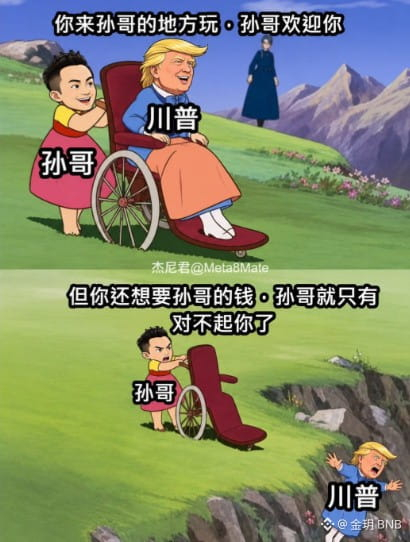
All I can say is Brother Sun really had foresight, cutting ties with Trump ahead of time;
On the day of voting in the U.S. midterm elections, Brother Sun timed it just right and delivered a big gift:
When selling WLFI tokens, WLFI claimed to be a U.S. company. After Brother Sun sued it in federal court, it changed its story and said it had UAE citizenship, hoping to put itself beyond the court’s jurisdiction.
This time, Brother Sun went straight for sanctions, seeking to recover more than $260,000 in legal fees.
The “refund only” wave eventually reached Trump,
So, who else is there!?
Keep it up, Brother Sun! Whether you can get those coins back—$WLFI —we’ll see.
First, get those legal fees refunded! $TRUMP
{future}(TRUMPUSDT)
All I can say is Brother Sun really had foresight, cutting ties with Trump ahead of time;
On the day of voting in the U.S. midterm elections, Brother Sun timed it just right and delivered a big gift:
When selling WLFI tokens, WLFI claimed to be a U.S. company. After Brother Sun sued it in federal court, it changed its story and said it had UAE citizenship, hoping to put itself beyond the court’s jurisdiction.
This time, Brother Sun went straight for sanctions, seeking to recover more than $260,000 in legal fees.
The “refund only” wave eventually reached Trump,
So, who else is there!?
Keep it up, Brother Sun! Whether you can get those coins back—$WLFI —we’ll see.
First, get those legal fees refunded! $TRUMP
55
·
--
The $6.3 billion Binance crypto theft case isn’t over, and North Korea has launched missiles again
North Korea has been making headlines these past few days.
First, the FBI accused the North Korean hacking group TraderTraitor of involvement in the Binance crypto theft, which involved assets worth more than $6.3 billion.
Kim Jong Un’s sister, Kim Yo Jong, publicly denied the accusation soon afterward, saying the United States was engaging in political provocation.
Then today, North Korea launched multiple missiles toward the eastern waters.
Taken together, these events make for quite a dramatic story.
Ran thinks the risks facing the crypto world now go far beyond market ups and downs.
When a cyberattack involves a state-sponsored group, exchanges, stablecoin issuers, and on-chain tracking firms are all drawn into the conflict.
Going forward, the security of funds may well become an unavoidable challenge for the entire industry.
#BTC #币安 #朝鲜黑客 #TraderTraitor #加密安全
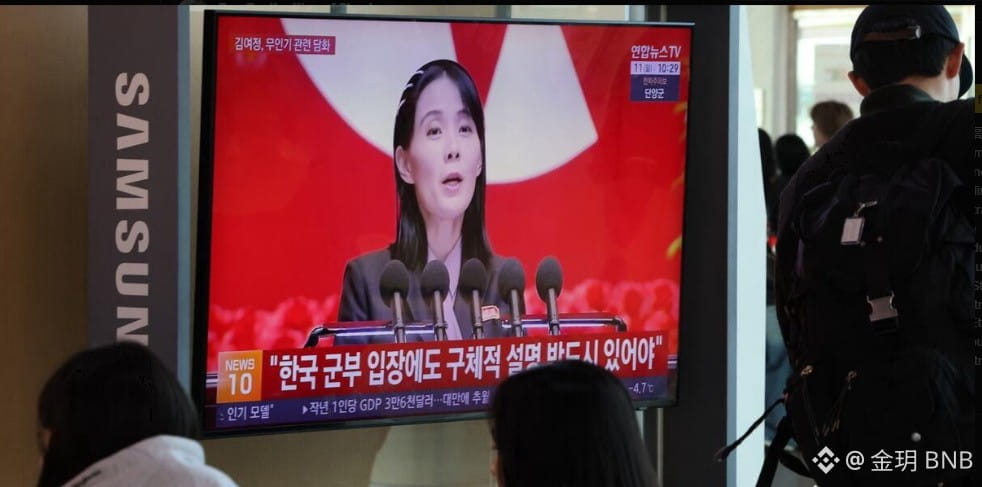
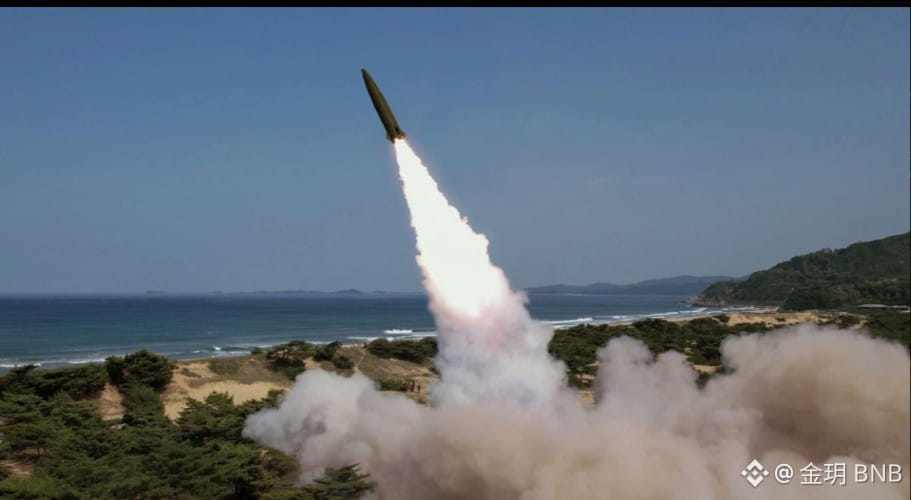
66
·
--
Thanks to Bank of China for providing the funds for this IPO subscription—I went all in.
Thanks to Bank of China for providing the funds for this IPO subscription—I went all in.
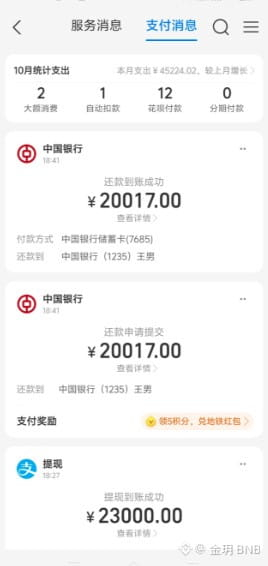
43
·
--
#币安10月31日储备金证明快照零知识证明已生成
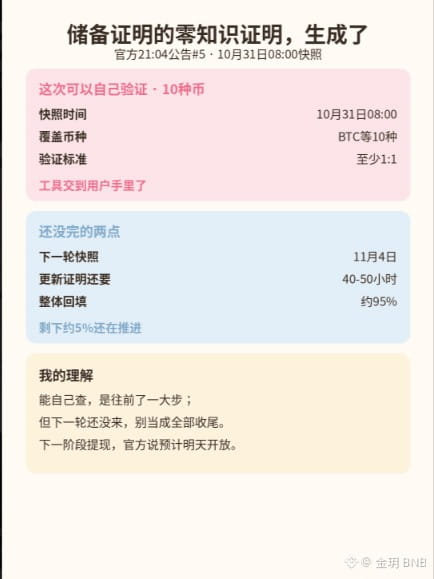
$BTC I came across an update tonight that I’d been waiting all day for. At 21:04, the official account posted Security Incident Recovery Update #5: the zero-knowledge proof for the reserve snapshot taken at 08:00 on October 31 (UTC+8) was generated within the expected timeframe.
The official account said these 10 coins are all backed by 100% sufficient reserves: BTC, ETH, USDT, BNB, SOL, USDC, XRP, USD1, RLUSD, and ZEC. Users who hold any of them can now verify for themselves whether their account balances are backed at least 1:1.
My take: this isn’t just “please trust us”—it puts the verification tools in users’ hands so they can check for themselves. But two points need to be clear: first, this proof is for the October 31 snapshot. The next snapshot won’t be until November 4, and it’ll take another 40 to 50 hours to generate the updated proof. Second, in its November 1 disclosure, the official account said about 95% of the affected assets had been replenished overall. The remaining roughly 5% is mainly coins outside the top 10 by market cap; they have low liquidity and are slower to acquire, so efforts are still underway.
The market has also been fairly calm. Over the past 24 hours, BTC was down 0.4% and ETH was up 0.5% on Binance spot, with no major moves in response to the news. The official account also said withdrawals are expected to reopen tomorrow, with details to be announced once everything is ready.
Will you run the verification yourselves, or wait to see what the next snapshot shows?
64
·
--
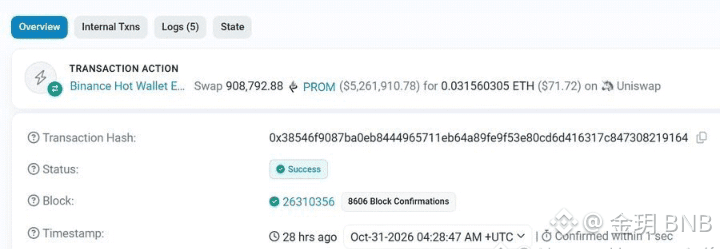
North Korea’s hackers sold $5 MILLION worth of tokens but received just $71! 😂
Even hackers can get humbled by DeFi.
They dumped 908,793 PROM tokens worth around $5M into an almost empty Uniswap V2 pool.
The result was just $71 in $ETH received.
#BinanceToResumePhaseOneOfWithdrawals #BinanceUpdatesProofofReservesAddresses
Even hackers can get humbled by DeFi.
They dumped 908,793 PROM tokens worth around $5M into an almost empty Uniswap V2 pool.
The result was just $71 in $ETH received.
#BinanceToResumePhaseOneOfWithdrawals #BinanceUpdatesProofofReservesAddresses
93
·
--
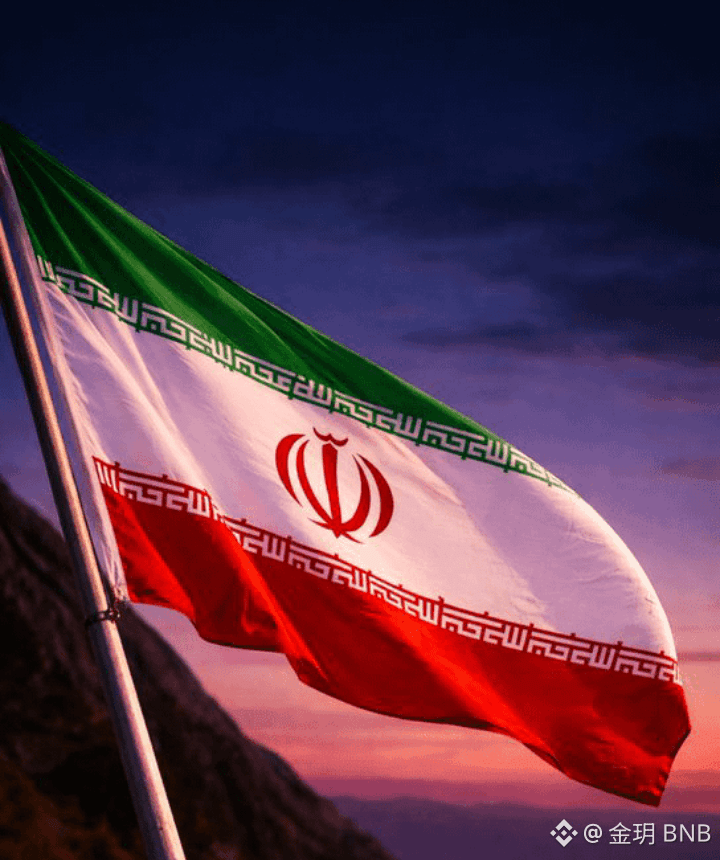
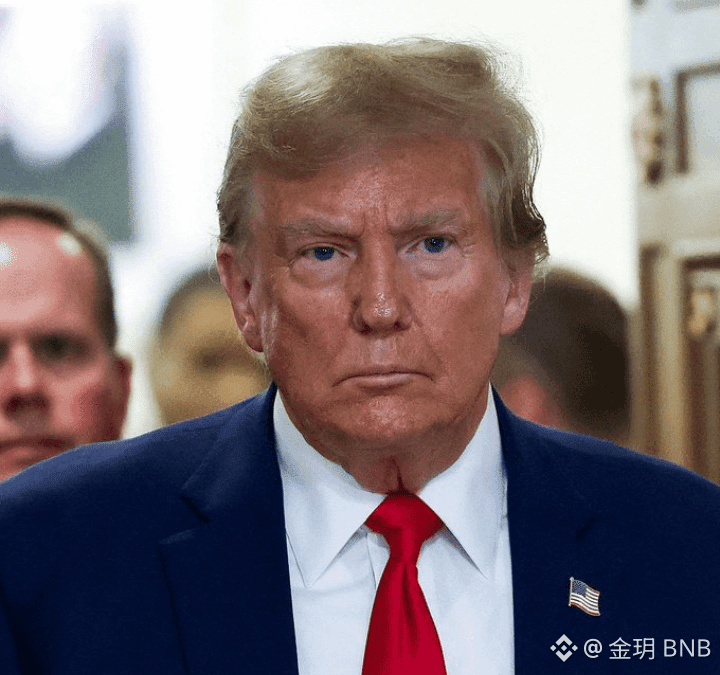
🚨 WAR ALERT: TRUMP ADMINISTRATION WARNS GULF NATIONS WAR COULD BEGIN ON NOVEMBER 4!
According to MS NOW, the #TRUMP administration has warned Gulf countries that a war could begin on November 4, immediately after the U.S. midterm elections, urging them to be prepared.
Tensions in the Middle East are reaching a boiling point! ⚠️
$XAU
{future}(XAUUSDT)
$XAG
{future}(XAGUSDT)
$BTC
{future}(BTCUSDT)
🚨 WAR ALERT: TRUMP ADMINISTRATION WARNS GULF NATIONS WAR COULD BEGIN ON NOVEMBER 4!
According to MS NOW, the #TRUMP administration has warned Gulf countries that a war could begin on November 4, immediately after the U.S. midterm elections, urging them to be prepared.
Tensions in the Middle East are reaching a boiling point! ⚠️
$XAU
$XAG
$BTC
According to MS NOW, the #TRUMP administration has warned Gulf countries that a war could begin on November 4, immediately after the U.S. midterm elections, urging them to be prepared.
Tensions in the Middle East are reaching a boiling point! ⚠️
$XAU
$XAG
$BTC
7
·
--
Article
The FBI says North Korea was responsible, but Trump says he's "not sure."The FBI has officially identified North Korea as responsible for the $6 billion theft from Binance , an operation codenamed "TraderTraitor," and has provided the wallet addresses.
Trump: "It's not certain whether it was carried out by North Korea." He then added: If it is confirmed, the United States will "communicate" with North Korea .
One case has been closed, while the other is still under consideration.
The FBI does technical work.
On-chain addresses, money laundering paths, and infrastructure reuse—SlowMist traced the stolen TRX through the Bitget Wallet cross-chain bridge. The target address had been used by the Phemex hackers, and the Phemex hackers and Bybit attackers were the same Lazarus.
The chain of evidence is complete. The FBI's conclusion is the case's conclusion : who did it, where the money went, and which addresses should be blocked.
Trump is doing political work.
Once he personally confirms that "it is North Korea," this will no longer be the case of the $6 billion theft from Binance.
It will become a new variable in US policy toward North Korea .
The entities responsible for recovering the stolen assets have shifted from Binance's legal department to the Treasury Department's OFAC, the State Department, and even the military. Response options are extremely limited: sanctions? They've already reached their limit. Military options? Nobody wants to touch that. All that's left is "communication"—and "communication" requires a posture that doesn't feel like being forced to sit at the table .
So he said he was "uncertain".
The FBI is investigating a case. The president is settling accounts.
In August 2026, Trump was still publicly saying that he and Kim Jong-un had a “very good relationship” and that he was pushing for a face-to-face meeting with Kim Jong-un this fall, possibly as early as November .
The summit hasn't even started yet, so how can you expect him to personally confirm on November 1st that "North Korea attacked a US stock exchange"?
Confirmation would be too costly. Confirmation would mean taking action against North Korea before the summit, and Washington doesn't have many options.
Retaining "uncertainty" is not ignorance, but rather leaving room for diplomacy .
Whether the $6 billion can be recovered does not depend on how fast on-chain tracing works.
The FBI has already paved the way: THORNode operators, RPC nodes, DeFi protocols, instant exchange platforms—just block them, and that's it.
However, on-chain interception can only freeze the portion that hasn't been cleaned up yet. The real bulk of the problem requires national-level pressure to force North Korea to sit down. And the president's statements tell you: he doesn't want to play this card right now.
You think the $6 billion theft is a security incident in the crypto industry.
In Washington, it became a diplomatic bargaining chip .
The FBI has reached a conclusion. The president has left himself an out.
In the short term, $6 billion worth of crypto assets such as Bitcoin and Ethereum are still floating on the blockchain, and the money laundering channels have not been completely cut off.
In the medium term, as long as the "confirmation" step is stuck at the political level, there will be no full-scale intervention from national-level forces in the recovery of stolen assets .
This is not a problem that Binance alone can solve.
The FBI said: It's North Korea.
The president said: I'm not sure.
One speaks with evidence. The other speaks with consequences.
$6 billion is sitting on the blockchain, waiting for Washington to make a decision.
That decision had nothing to do with the speed of on-chain tracking. It was related to the cost of opening the box.
The FBI says North Korea was responsible, but Trump says he's "not sure."
The FBI has officially identified North Korea as responsible for the $6 billion theft from Binance , an operation codenamed "TraderTraitor," and has provided the wallet addresses.
Trump: "It's not certain whether it was carried out by North Korea." He then added: If it is confirmed, the United States will "communicate" with North Korea .
One case has been closed, while the other is still under consideration.
The FBI does technical work.
On-chain addresses, money laundering paths, and infrastructure reuse—SlowMist traced the stolen TRX through the Bitget Wallet cross-chain bridge. The target address had been used by the Phemex hackers, and the Phemex hackers and Bybit attackers were the same Lazarus.
The chain of evidence is complete. The FBI's conclusion is the case's conclusion : who did it, where the money went, and which addresses should be blocked.
Trump is doing political work.
Once he personally confirms that "it is North Korea," this will no longer be the case of the $6 billion theft from Binance.
It will become a new variable in US policy toward North Korea .
The entities responsible for recovering the stolen assets have shifted from Binance's legal department to the Treasury Department's OFAC, the State Department, and even the military. Response options are extremely limited: sanctions? They've already reached their limit. Military options? Nobody wants to touch that. All that's left is "communication"—and "communication" requires a posture that doesn't feel like being forced to sit at the table .
So he said he was "uncertain".
The FBI is investigating a case. The president is settling accounts.
In August 2026, Trump was still publicly saying that he and Kim Jong-un had a “very good relationship” and that he was pushing for a face-to-face meeting with Kim Jong-un this fall, possibly as early as November .
The summit hasn't even started yet, so how can you expect him to personally confirm on November 1st that "North Korea attacked a US stock exchange"?
Confirmation would be too costly. Confirmation would mean taking action against North Korea before the summit, and Washington doesn't have many options.
Retaining "uncertainty" is not ignorance, but rather leaving room for diplomacy .
Whether the $6 billion can be recovered does not depend on how fast on-chain tracing works.
The FBI has already paved the way: THORNode operators, RPC nodes, DeFi protocols, instant exchange platforms—just block them, and that's it.
However, on-chain interception can only freeze the portion that hasn't been cleaned up yet. The real bulk of the problem requires national-level pressure to force North Korea to sit down. And the president's statements tell you: he doesn't want to play this card right now.
You think the $6 billion theft is a security incident in the crypto industry.
In Washington, it became a diplomatic bargaining chip .
The FBI has reached a conclusion. The president has left himself an out.
In the short term, $6 billion worth of crypto assets such as Bitcoin and Ethereum are still floating on the blockchain, and the money laundering channels have not been completely cut off.
In the medium term, as long as the "confirmation" step is stuck at the political level, there will be no full-scale intervention from national-level forces in the recovery of stolen assets .
This is not a problem that Binance alone can solve.
The FBI said: It's North Korea.
The president said: I'm not sure.
One speaks with evidence. The other speaks with consequences.
$6 billion is sitting on the blockchain, waiting for Washington to make a decision.
That decision had nothing to do with the speed of on-chain tracking. It was related to the cost of opening the box.
146
·
--
What does $AIN mean? A suspected insider wallet has started buying more AIN tokens again and is now sitting on profits of over a million! The rally isn't over yet—it's set to climb even higher!
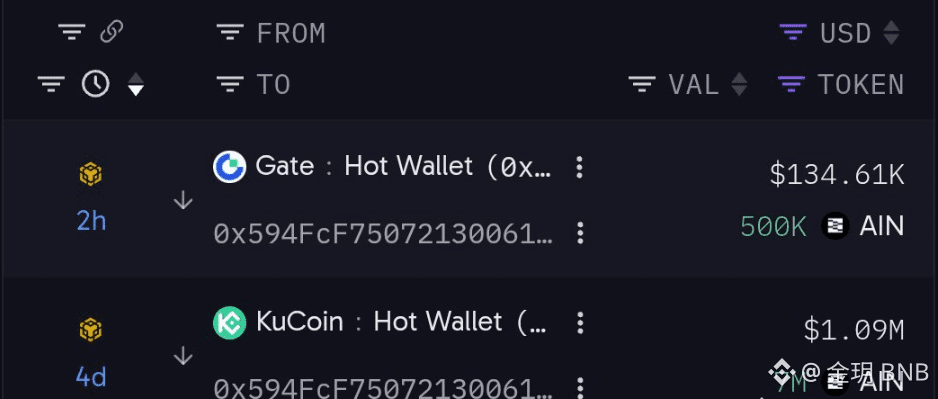
An AIN whale has added another 500,000 tokens. Unrealized profits are now nearing $885K!
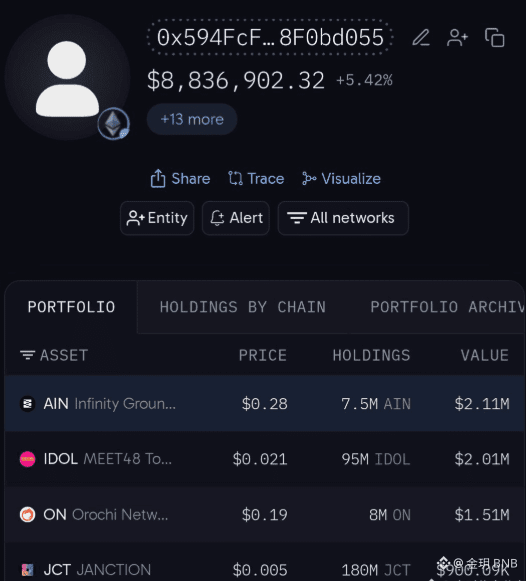
The wallet 0x594FcF... first withdrew 7 million $AIN from KuCoin about 4 days ago, at an average price of $0.155, spending approximately $1.09M.
But 2 hours ago, the wallet added another 500,000 AIN, withdrawn from Gate at an average price of about $0.269, spending another $134.6K.
That's a total of 7.5 million $AIN , with an investment of approximately $1.22M.
Based on the reported current value of $2.11M, the wallet is currently sitting on about $885K in unrealized profits.
What's more, this whale hasn't exited their original position—instead, they've continued adding to it at a higher price.
48
·
--
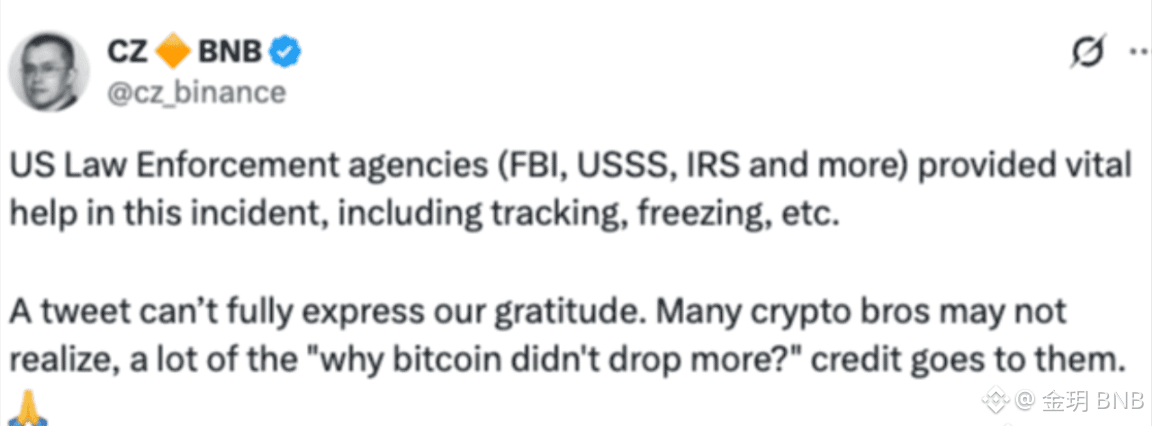
On October 31, the FBI officially stated that North Korea was responsible for stealing more than $6 billion in virtual assets from Binance, and attributed the operation to “TraderTraitor.” The FBI, the U.S. Secret Service, and the IRS Criminal Investigation division observed that the stolen assets were being converted in large amounts into ETH, and could then be laundered further through DeFi and instant-exchange services.
The FBI also called on nodes, exchanges, DeFi services, and on-chain analytics firms to block the addresses involved and funds derived from them. CZ later thanked U.S. law enforcement for helping track and freeze the assets, and said they were also an important reason “Bitcoin didn’t fall even harder.”
#币安更新储备证明地址 #币安将恢复第一阶段提现 #FBI确认朝鲜应对币安被盗事件负责 #币安已覆盖60亿美元被盗损失
50
·
--
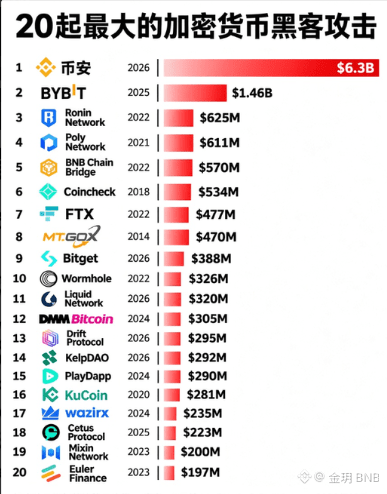
North Korean hackers have attacked the crypto industry, stealing over $10 billion in total. So far, they have robbed almost every CEX except OKX and Coinbase.
North Korean hackers have attacked the crypto industry, stealing over $10 billion in total. So far, they have robbed almost every CEX except OKX and Coinbase.
66
·
--
Verified
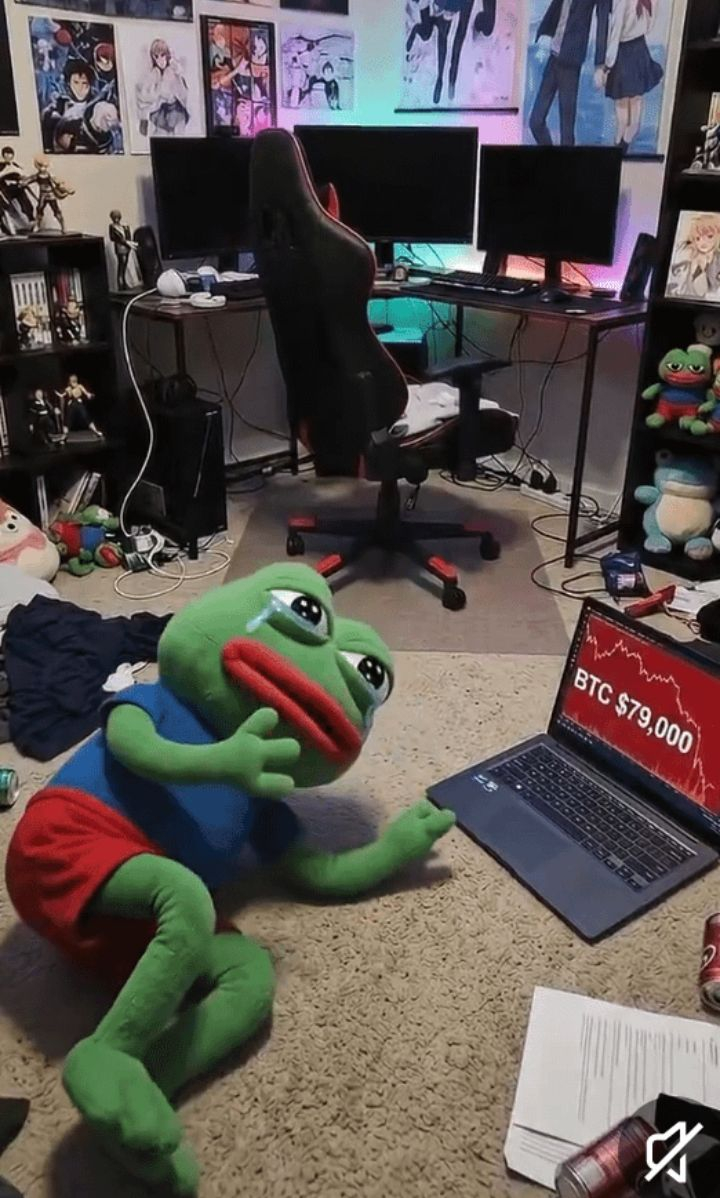
If the rumors are true that the founder of $PEPE plans to burn 70% of the 420.69 trillion total supply.
This means that 70% of the total supply of 420.69 trillion $PEPE would be burned, leaving 30%. That would leave approximately 126.207 trillion $PEPE (to be exact, 126,207,000,000,000)
#EarningsSeason #USMidtermElections #BinanceWillListPredictPREDICT #TwoAddressesHoldingAbout1.28BUSDTFrozen
This means that 70% of the total supply of 420.69 trillion $PEPE would be burned, leaving 30%. That would leave approximately 126.207 trillion $PEPE (to be exact, 126,207,000,000,000)
#EarningsSeason #USMidtermElections #BinanceWillListPredictPREDICT #TwoAddressesHoldingAbout1.28BUSDTFrozen
684
·
--
🇨🇳 I'm from China! My favorite coins are $LAB , $IRYS , and $BTC 🚀🔥
Now it's your turn! Which coins are your favorites? 👇
#USMidtermElections #BinanceWillListPredictPREDICT
🇨🇳 I'm from China! My favorite coins are $LAB , $IRYS , and $BTC 🚀🔥
Now it's your turn! Which coins are your favorites? 👇
#USMidtermElections #BinanceWillListPredictPREDICT
Now it's your turn! Which coins are your favorites? 👇
#USMidtermElections #BinanceWillListPredictPREDICT


1
818
Log in to explore more content
Join global crypto users on Binance Square
⚡️ Get latest and useful information about crypto.
💬 Trusted by the world’s largest crypto exchange.
👍 Discover real insights from verified creators.
Email / Phone number
Trending Topics
MoreHikesExpectedIsBTCUnderPressure
97 views
12 Discussing
FOMC Minutes | Fed Minutes Show Almost All Officials Expect More Rate Hikes, With Some Open to a Larger December Move
Binance News
·8 Likes
·5.1k views
NvidiaBeatsEstimatesWith$130BQ4Outlook
62,099 views
287 Discussing
AnthropicIPOPriceCouldExceed$80
62,936 views
240 Discussing