
AZ__
8.4k Posts

AZ__
 Square Verified+
Report
Block User
Data Over Narratives | On-Chain Intelligence | Mechanism & Market Structure Research |
X: @AZ_Asif01
High-Frequency Trader
1.8 Years
317 Following
43.8K+ Followers
21.1K+ Liked
Posts
All
Quotes
Videos
Live
·
--
Bullish
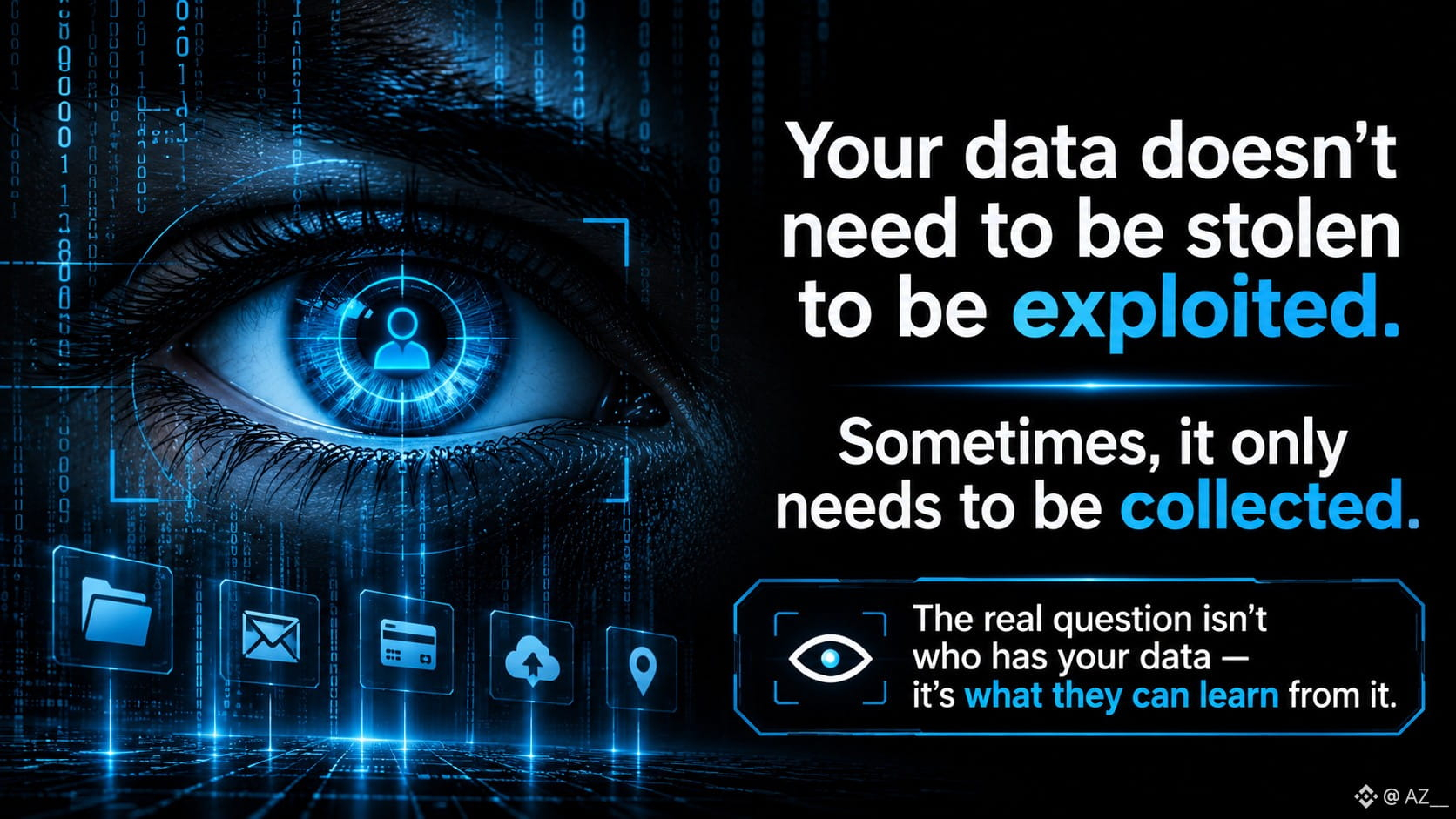
Your data doesn't need to be stolen to be exploited.
Sometimes, it only needs to be collected.
The real question isn't who has your data - it's what they can learn from it. 👁️
$MAGMA
{future}(MAGMAUSDT)
$KGEN
{future}(KGENUSDT)
$AGT
{future}(AGTUSDT)
Your data doesn't need to be stolen to be exploited.
Sometimes, it only needs to be collected.
The real question isn't who has your data - it's what they can learn from it. 👁️
$MAGMA
$KGEN
$AGT
Sometimes, it only needs to be collected.
The real question isn't who has your data - it's what they can learn from it. 👁️
$MAGMA
$KGEN
$AGT
1
708
·
--
Bullish
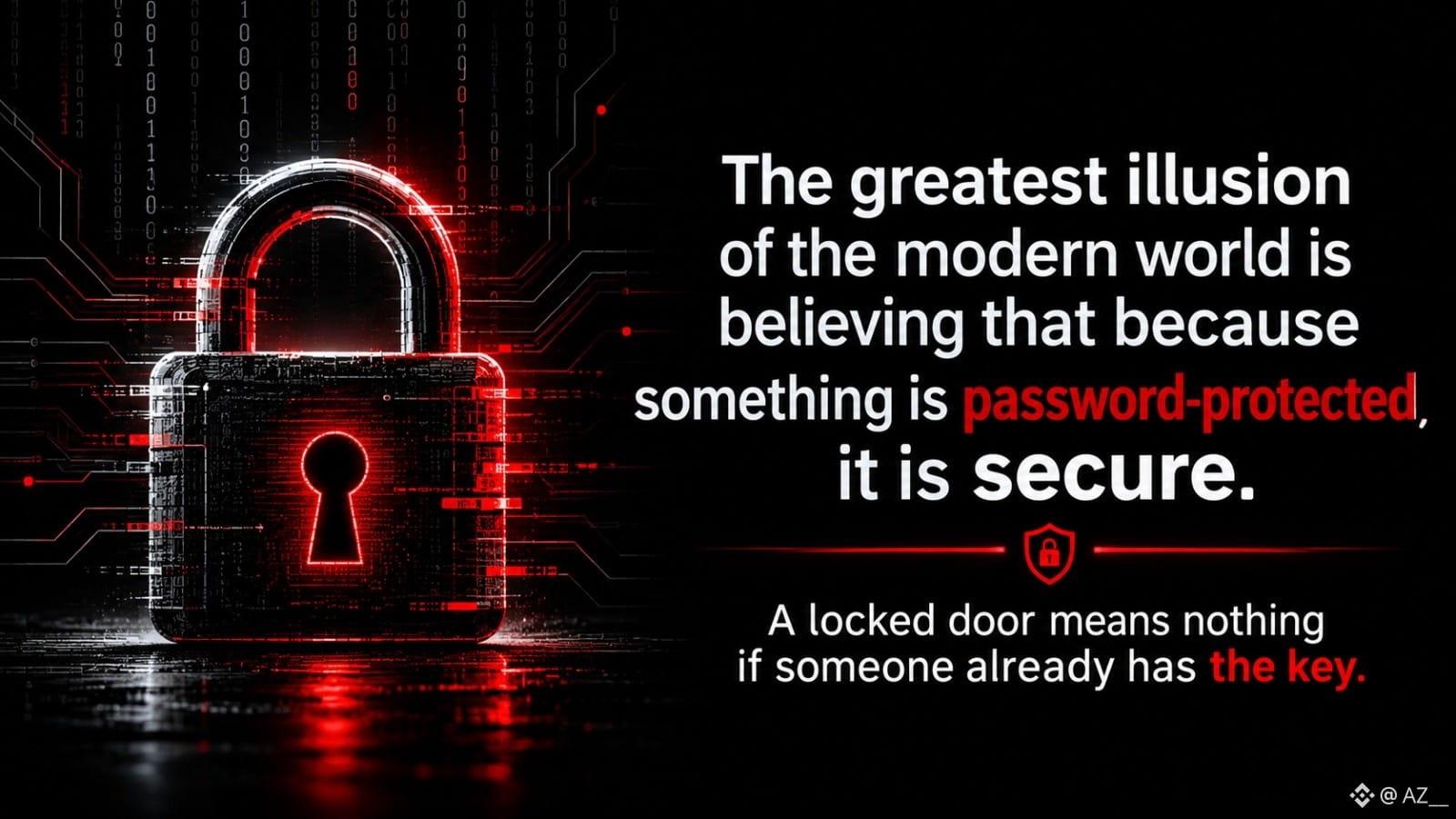
The greatest illusion of the modern world is believing that because something is password-protected, it is secure.
A locked door means nothing if someone already has the key. 🔐
$ONDO
{future}(ONDOUSDT)
$SUI
{future}(SUIUSDT)
$INJ
{future}(INJUSDT)
The greatest illusion of the modern world is believing that because something is password-protected, it is secure.
A locked door means nothing if someone already has the key. 🔐
$ONDO
$SUI
$INJ
A locked door means nothing if someone already has the key. 🔐
$ONDO
$SUI
$INJ
1
2
927
·
--
Bullish
Welcome to hell, where nothing is private, everything is hackable, and trust is just another vulnerability.
$INIT
{future}(INITUSDT)
$ARIA
{future}(ARIAUSDT)
$ONE
{future}(ONEUSDT)
Welcome to hell, where nothing is private, everything is hackable, and trust is just another vulnerability.
$INIT
$ARIA
$ONE
$INIT
$ARIA
$ONE
2
641
·
--
Bullish
Great things take time. Stay patient, stay focused, and keep moving.
$PIEVERSE
{future}(PIEVERSEUSDT)
$INIT
{future}(INITUSDT)
$SPCXB
{spot}(SPCXBUSDT)
Great things take time. Stay patient, stay focused, and keep moving.
$PIEVERSE
$INIT
$SPCXB
$PIEVERSE
$INIT
$SPCXB
1
3
2.8k
·
--
Alhamdulillah! 💛
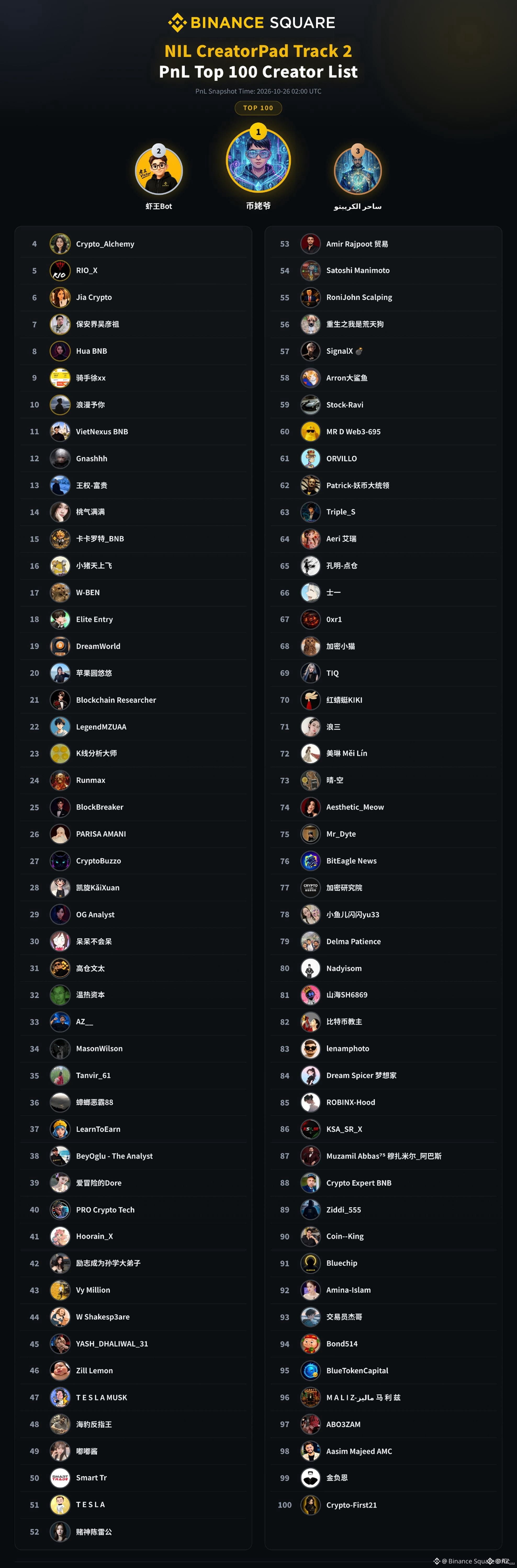
Secured 33rd rank on the $NIL Creator Pad Leaderboard!
[Leaderboard Link](https://app.binance.com/uni-qr/cpos/386356628900217?r=UCIPZ4L0&l=en&uco=QUoe7zo-td1QZNXRJzK-lQ&uc=app_square_share_link&us=copylink)
Grateful for the love and support. Every milestone counts, and this is just the beginning.
Onwards and upwards!
{future}(NILUSDT)
#NIL
Alhamdulillah! 💛
Secured 33rd rank on the $NIL Creator Pad Leaderboard!
Leaderboard Link
Grateful for the love and support. Every milestone counts, and this is just the beginning.
Onwards and upwards!
#NIL
Secured 33rd rank on the $NIL Creator Pad Leaderboard!
Leaderboard Link
Grateful for the love and support. Every milestone counts, and this is just the beginning.
Onwards and upwards!
#NIL
36
1
65
22.2k
·
--
Bearish
BINANCE NAMES A NEW CFO AS IT FACES THE AFTERMATH OF A $6.3 BILLION CRYPTO THEFT.
Binance has appointed Justin Yek as its new Chief Financial Officer, replacing Kaiser Ng, as the world's largest crypto exchange deals with the fallout from the October 29 security breach.
Here's what we know:
Justin Yek previously served as VP of Finance at payments company Airwallex.
Kaiser Ng's departure was reportedly planned six months before the hack.
Attackers allegedly gained access to employee computers months before the breach through malicious software and fraudulent recruitment tactics.
The FBI attributed the attack to a North Korean hacking group, an allegation denied by Pyongyang.
Binance has pledged to reimburse affected customers.
The timing of this leadership transition puts Binance's financial strength, security standards and user confidence under the spotlight.
Can Binance restore investor and user confidence after a $6.3 billion security incident?
@CZ @heyi @richardteng @begreenly @Nasirsultan115
#Binance #crypto #bitcoin #BTC #blockchain
$ZEC
{future}(ZECUSDT)
$SUI
{future}(SUIUSDT)
$BNB
{future}(BNBUSDT)
BINANCE NAMES A NEW CFO AS IT FACES THE AFTERMATH OF A $6.3 BILLION CRYPTO THEFT.
Binance has appointed Justin Yek as its new Chief Financial Officer, replacing Kaiser Ng, as the world's largest crypto exchange deals with the fallout from the October 29 security breach.
Here's what we know:
Justin Yek previously served as VP of Finance at payments company Airwallex.
Kaiser Ng's departure was reportedly planned six months before the hack.
Attackers allegedly gained access to employee computers months before the breach through malicious software and fraudulent recruitment tactics.
The FBI attributed the attack to a North Korean hacking group, an allegation denied by Pyongyang.
Binance has pledged to reimburse affected customers.
The timing of this leadership transition puts Binance's financial strength, security standards and user confidence under the spotlight.
Can Binance restore investor and user confidence after a $6.3 billion security incident?
@CZ @Yi He @Richard Teng @CryptoFlix @NSCrypto82
#Binance #crypto #bitcoin #BTC #blockchain
$ZEC
$SUI
$BNB
Binance has appointed Justin Yek as its new Chief Financial Officer, replacing Kaiser Ng, as the world's largest crypto exchange deals with the fallout from the October 29 security breach.
Here's what we know:
Justin Yek previously served as VP of Finance at payments company Airwallex.
Kaiser Ng's departure was reportedly planned six months before the hack.
Attackers allegedly gained access to employee computers months before the breach through malicious software and fraudulent recruitment tactics.
The FBI attributed the attack to a North Korean hacking group, an allegation denied by Pyongyang.
Binance has pledged to reimburse affected customers.
The timing of this leadership transition puts Binance's financial strength, security standards and user confidence under the spotlight.
Can Binance restore investor and user confidence after a $6.3 billion security incident?
@CZ @Yi He @Richard Teng @CryptoFlix @NSCrypto82
#Binance #crypto #bitcoin #BTC #blockchain
$ZEC
$SUI
$BNB
1
2
263
·
--
Bullish
Verified
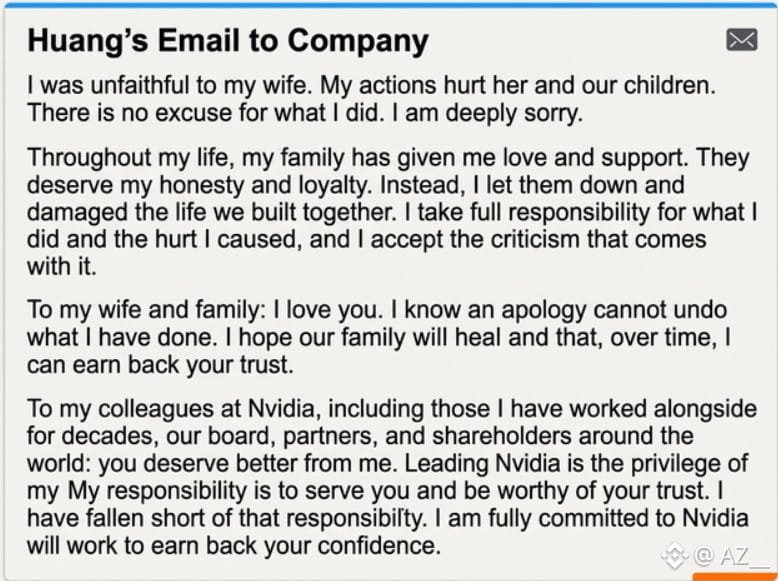
NVIDIA ($NVDA) SHARES DROP 3.5% AS CEO JENSEN HUANG FACES SPYING ALLEGATIONS.
NVIDIA's board has launched an independent investigation following reports that its co-founder and CEO was targeted in an alleged Chinese intelligence operation.
Here's why investors are concerned:
National security concerns surrounding confidential information.
Questions over NVIDIA's customer relationships and $4.8 billion in chip sales to Singapore-based Megaspeed.
Potential implications for US-China AI chip restrictions.
Uncertainty surrounding corporate governance and leadership.
NVIDIA's board says there is currently no reason to believe its secrets or national security were compromised.
However, the investigation puts the world's leading AI chipmaker under fresh scrutiny.
Could this controversy become a bigger risk for NVIDIA and the global AI industry?
$JCT
{future}(JCTUSDT)
$AIN
{future}(AINUSDT)
$HANA
{future}(HANAUSDT)
#NVIDIA #NVDA #AI #stockmarket
NVIDIA ($NVDA) SHARES DROP 3.5% AS CEO JENSEN HUANG FACES SPYING ALLEGATIONS.
NVIDIA's board has launched an independent investigation following reports that its co-founder and CEO was targeted in an alleged Chinese intelligence operation.
Here's why investors are concerned:
National security concerns surrounding confidential information.
Questions over NVIDIA's customer relationships and $4.8 billion in chip sales to Singapore-based Megaspeed.
Potential implications for US-China AI chip restrictions.
Uncertainty surrounding corporate governance and leadership.
NVIDIA's board says there is currently no reason to believe its secrets or national security were compromised.
However, the investigation puts the world's leading AI chipmaker under fresh scrutiny.
Could this controversy become a bigger risk for NVIDIA and the global AI industry?
$JCT
$AIN
$HANA
#NVIDIA #NVDA #AI #stockmarket
NVIDIA's board has launched an independent investigation following reports that its co-founder and CEO was targeted in an alleged Chinese intelligence operation.
Here's why investors are concerned:
National security concerns surrounding confidential information.
Questions over NVIDIA's customer relationships and $4.8 billion in chip sales to Singapore-based Megaspeed.
Potential implications for US-China AI chip restrictions.
Uncertainty surrounding corporate governance and leadership.
NVIDIA's board says there is currently no reason to believe its secrets or national security were compromised.
However, the investigation puts the world's leading AI chipmaker under fresh scrutiny.
Could this controversy become a bigger risk for NVIDIA and the global AI industry?
$JCT
$AIN
$HANA
#NVIDIA #NVDA #AI #stockmarket
2
1k
·
--
Bearish
Is Wall Street's fear finally fading, or is another volatility spike coming?
$ZEC
{future}(ZECUSDT)
$SUI
{future}(SUIUSDT)
$ONDO
{future}(ONDOUSDT)
Is Wall Street's fear finally fading, or is another volatility spike coming?
$ZEC
$SUI
$ONDO
$ZEC
$SUI
$ONDO
📈 Fear is fading fast
32%
⚠️ Temporary relief only
32%
🌪️ More volatility ahead
22%
🚀 Confidence is returning
14%
28 votes • Voting closed
4
2.6k
·
--
Asian Markets Under Pressure! 📉
Tech stocks slide as US midterm uncertainty shakes investor confidence. Bitcoin also dips toward $76K.
What's the biggest risk for markets right now?
$LSK
{future}(LSKUSDT)
$EVAA
{future}(EVAAUSDT)
$BMT
{future}(BMTUSDT)
Asian Markets Under Pressure! 📉
Tech stocks slide as US midterm uncertainty shakes investor confidence. Bitcoin also dips toward $76K.
What's the biggest risk for markets right now?
$LSK
$EVAA
$BMT
Tech stocks slide as US midterm uncertainty shakes investor confidence. Bitcoin also dips toward $76K.
What's the biggest risk for markets right now?
$LSK
$EVAA
$BMT
📉 Tech Stock Sell-Off
50%
🇺🇸 US Political Uncertainty
25%
₿ Bitcoin's Weakness
6%
🌏 Global Market Volatility
19%
16 votes • Voting closed
3.9k
·
--
Article
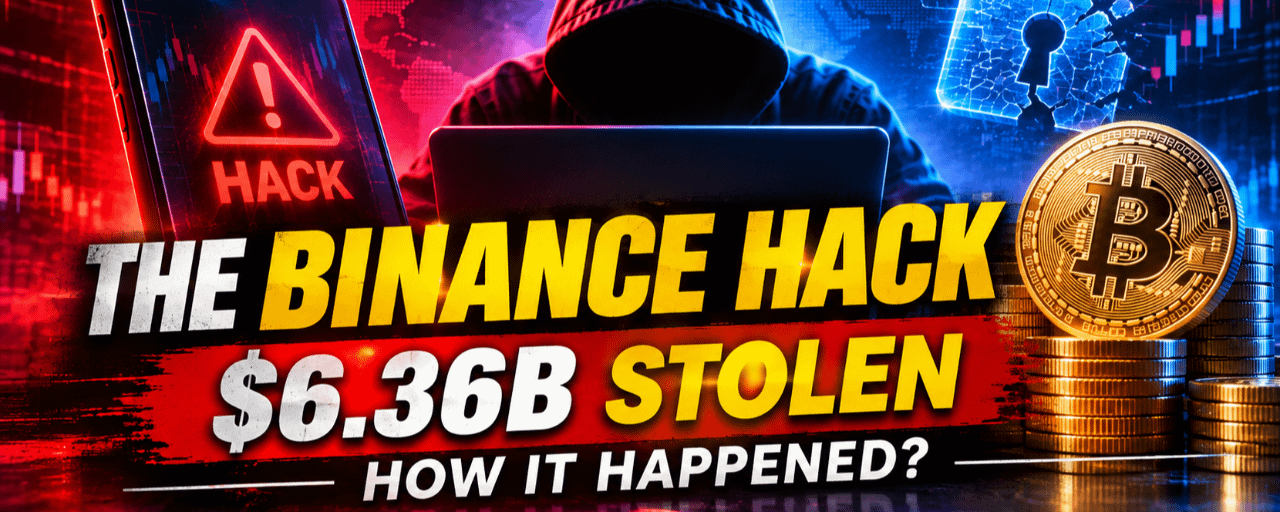
The Binance Hack: Did One Rushed Click Leave a Trail to the Hacker?Introduction: A Massive Crypto Heist and an Unexpected Clue
On October 29, 2026, approximately $6.36 billion was stolen from Binance wallets across 10 blockchains, with most of the funds transferred in around 20 minutes. TRM Labs reported these figures through its blockchain investigation.
However, another detail attracted attention: a possible MetaMask transaction mistake that could have left an investigative trail. Viral discussions suggested that one checkbox exposed the hacker, but this theory remains unconfirmed.
Sources: TRM Labs; Reuters; independent developer analysis.
1. The Viral Claim: Was the Hacker Exposed by One Checkbox?
The claim suggests that the attacker made a simple mistake while processing a transaction through MetaMask. However, no individual has been identified through this alleged mistake.
The checkbox theory originated from an independent developer's analysis, not an official investigation announcement. An independent forensic review by GCSA also cautioned that the theory remains speculative.
Sources: Independent developer analysis; GCSA forensic investigation.
2. The Unusual Transaction: Paying Gas Fees in USDT Instead of ETH
An independent developer examining the attacker's transactions noticed that the wallet used MetaMask's Gas Station to pay fees in USDT despite holding ETH.
This unusual transaction attracted attention because it involved MetaMask's infrastructure. However, having ETH available does not prove that selecting USDT was accidental.
Sources: Independent developer analysis; GCSA forensic investigation; MetaMask documentation.
3. MetaMask's Gas Station: How One Transaction Could Leave a Digital Trail
MetaMask's Gas Station processes transactions through its service infrastructure. This raised the possibility that server-side records could contain useful technical information, potentially including an IP address.
The developer reportedly asked MetaMask to preserve relevant logs. However, there is no confirmation that an IP address was obtained or that the service identified the attacker.
Sources: Independent developer analysis; GCSA forensic investigation.
4. The Scale of the Incident: Understanding the Numbers
According to the initial reports and subsequent updates:
$6.36 billion: Estimated stolen amount, according to TRM Labs.20 minutes: Approximate time for most of the transfers.10 blockchains: Networks affected, according to TRM Labs.Approximately $2.7–$2.85 billion: Funds frozen or seized, according to TRM Labs and Elliptic.Bitcoin price decline: Approximately 5%, as reported in the original source material.$6 billion: Binance's reported financial reserve to cover losses.
The freezing of stolen stablecoins by Tether and Circle demonstrated how centralized issuers can intervene during major security incidents.
Sources: TRM Labs; Elliptic; Binance statements; Al Jazeera (as listed in the original PDF).
5. Who Is Behind the Attack?
TRM Labs and Chainalysis initially linked the attack to TraderTraitor, associated with North Korea's Lazarus Group.
On November 1, 2026, the FBI officially attributed the theft to North Korea's TraderTraitor group, strengthening the attribution beyond the earlier blockchain analytics assessments.
However, identifying a responsible hacking group does not necessarily reveal the individual operators behind the attack.
Sources: TRM Labs; Chainalysis; FBI public attribution, reported by BleepingComputer.
6. The Bigger Security Lesson: Speed Can Create Vulnerabilities
The attack reportedly involved days of preparation but only around 20 minutes for most of the fund transfers.
The unusual MetaMask transaction may offer an investigative lead, although the alleged human error has not been established.
The incident highlights why cryptocurrency security must extend beyond blockchain transactions to internal systems, wallet infrastructure, transaction services and operational security.
Sources: TRM Labs; independent developer analysis; GCSA forensic investigation.
7. What Happens Next?
Investigators still need to establish whether MetaMask's relevant server logs contain useful evidence, whether any technical identifiers were recorded and whether those records can be connected to the people responsible.
Further cooperation between exchanges, blockchain analytics firms, infrastructure providers and law enforcement may help uncover additional evidence.
Sources: GCSA forensic investigation; TRM Labs.
Conclusion: A Potential Clue Is Not a Confirmed Identification
The Binance hack demonstrates how sophisticated cyberattacks can leave unexpected digital traces. The unusual USDT gas-fee transaction and potential MetaMask server logs could provide useful investigative leads, but the checkbox theory has not been confirmed.
The FBI has attributed the attack to North Korea's TraderTraitor group, but identifying the individual operators is a separate challenge.
The biggest question remains: Could one unusual transaction eventually help investigators uncover the people behind the largest crypto heist in history?
$ESPORTS
{future}(ESPORTSUSDT)
$LYN
{future}(LYNUSDT)
$ONDO
{future}(ONDOUSDT)
#BinanceProcesses$4.65BWithdrawals #WithdrawalsBack: 15 networks live #BinanceUpdatesProofofReservesAddresses
The Binance Hack: Did One Rushed Click Leave a Trail to the Hacker?
Introduction: A Massive Crypto Heist and an Unexpected Clue
On October 29, 2026, approximately $6.36 billion was stolen from Binance wallets across 10 blockchains, with most of the funds transferred in around 20 minutes. TRM Labs reported these figures through its blockchain investigation.
However, another detail attracted attention: a possible MetaMask transaction mistake that could have left an investigative trail. Viral discussions suggested that one checkbox exposed the hacker, but this theory remains unconfirmed.
Sources: TRM Labs; Reuters; independent developer analysis.
1. The Viral Claim: Was the Hacker Exposed by One Checkbox?
The claim suggests that the attacker made a simple mistake while processing a transaction through MetaMask. However, no individual has been identified through this alleged mistake.
The checkbox theory originated from an independent developer's analysis, not an official investigation announcement. An independent forensic review by GCSA also cautioned that the theory remains speculative.
Sources: Independent developer analysis; GCSA forensic investigation.
2. The Unusual Transaction: Paying Gas Fees in USDT Instead of ETH
An independent developer examining the attacker's transactions noticed that the wallet used MetaMask's Gas Station to pay fees in USDT despite holding ETH.
This unusual transaction attracted attention because it involved MetaMask's infrastructure. However, having ETH available does not prove that selecting USDT was accidental.
Sources: Independent developer analysis; GCSA forensic investigation; MetaMask documentation.
3. MetaMask's Gas Station: How One Transaction Could Leave a Digital Trail
MetaMask's Gas Station processes transactions through its service infrastructure. This raised the possibility that server-side records could contain useful technical information, potentially including an IP address.
The developer reportedly asked MetaMask to preserve relevant logs. However, there is no confirmation that an IP address was obtained or that the service identified the attacker.
Sources: Independent developer analysis; GCSA forensic investigation.
4. The Scale of the Incident: Understanding the Numbers
According to the initial reports and subsequent updates:
$6.36 billion: Estimated stolen amount, according to TRM Labs.20 minutes: Approximate time for most of the transfers.10 blockchains: Networks affected, according to TRM Labs.Approximately $2.7–$2.85 billion: Funds frozen or seized, according to TRM Labs and Elliptic.Bitcoin price decline: Approximately 5%, as reported in the original source material.$6 billion: Binance's reported financial reserve to cover losses.
The freezing of stolen stablecoins by Tether and Circle demonstrated how centralized issuers can intervene during major security incidents.
Sources: TRM Labs; Elliptic; Binance statements; Al Jazeera (as listed in the original PDF).
5. Who Is Behind the Attack?
TRM Labs and Chainalysis initially linked the attack to TraderTraitor, associated with North Korea's Lazarus Group.
On November 1, 2026, the FBI officially attributed the theft to North Korea's TraderTraitor group, strengthening the attribution beyond the earlier blockchain analytics assessments.
However, identifying a responsible hacking group does not necessarily reveal the individual operators behind the attack.
Sources: TRM Labs; Chainalysis; FBI public attribution, reported by BleepingComputer.
6. The Bigger Security Lesson: Speed Can Create Vulnerabilities
The attack reportedly involved days of preparation but only around 20 minutes for most of the fund transfers.
The unusual MetaMask transaction may offer an investigative lead, although the alleged human error has not been established.
The incident highlights why cryptocurrency security must extend beyond blockchain transactions to internal systems, wallet infrastructure, transaction services and operational security.
Sources: TRM Labs; independent developer analysis; GCSA forensic investigation.
7. What Happens Next?
Investigators still need to establish whether MetaMask's relevant server logs contain useful evidence, whether any technical identifiers were recorded and whether those records can be connected to the people responsible.
Further cooperation between exchanges, blockchain analytics firms, infrastructure providers and law enforcement may help uncover additional evidence.
Sources: GCSA forensic investigation; TRM Labs.
Conclusion: A Potential Clue Is Not a Confirmed Identification
The Binance hack demonstrates how sophisticated cyberattacks can leave unexpected digital traces. The unusual USDT gas-fee transaction and potential MetaMask server logs could provide useful investigative leads, but the checkbox theory has not been confirmed.
The FBI has attributed the attack to North Korea's TraderTraitor group, but identifying the individual operators is a separate challenge.
The biggest question remains: Could one unusual transaction eventually help investigators uncover the people behind the largest crypto heist in history?
$ESPORTS
$LYN
$ONDO
#BinanceProcesses$4.65BWithdrawals #WithdrawalsBack: 15 networks live #BinanceUpdatesProofofReservesAddresses
On October 29, 2026, approximately $6.36 billion was stolen from Binance wallets across 10 blockchains, with most of the funds transferred in around 20 minutes. TRM Labs reported these figures through its blockchain investigation.
However, another detail attracted attention: a possible MetaMask transaction mistake that could have left an investigative trail. Viral discussions suggested that one checkbox exposed the hacker, but this theory remains unconfirmed.
Sources: TRM Labs; Reuters; independent developer analysis.
1. The Viral Claim: Was the Hacker Exposed by One Checkbox?
The claim suggests that the attacker made a simple mistake while processing a transaction through MetaMask. However, no individual has been identified through this alleged mistake.
The checkbox theory originated from an independent developer's analysis, not an official investigation announcement. An independent forensic review by GCSA also cautioned that the theory remains speculative.
Sources: Independent developer analysis; GCSA forensic investigation.
2. The Unusual Transaction: Paying Gas Fees in USDT Instead of ETH
An independent developer examining the attacker's transactions noticed that the wallet used MetaMask's Gas Station to pay fees in USDT despite holding ETH.
This unusual transaction attracted attention because it involved MetaMask's infrastructure. However, having ETH available does not prove that selecting USDT was accidental.
Sources: Independent developer analysis; GCSA forensic investigation; MetaMask documentation.
3. MetaMask's Gas Station: How One Transaction Could Leave a Digital Trail
MetaMask's Gas Station processes transactions through its service infrastructure. This raised the possibility that server-side records could contain useful technical information, potentially including an IP address.
The developer reportedly asked MetaMask to preserve relevant logs. However, there is no confirmation that an IP address was obtained or that the service identified the attacker.
Sources: Independent developer analysis; GCSA forensic investigation.
4. The Scale of the Incident: Understanding the Numbers
According to the initial reports and subsequent updates:
$6.36 billion: Estimated stolen amount, according to TRM Labs.20 minutes: Approximate time for most of the transfers.10 blockchains: Networks affected, according to TRM Labs.Approximately $2.7–$2.85 billion: Funds frozen or seized, according to TRM Labs and Elliptic.Bitcoin price decline: Approximately 5%, as reported in the original source material.$6 billion: Binance's reported financial reserve to cover losses.
The freezing of stolen stablecoins by Tether and Circle demonstrated how centralized issuers can intervene during major security incidents.
Sources: TRM Labs; Elliptic; Binance statements; Al Jazeera (as listed in the original PDF).
5. Who Is Behind the Attack?
TRM Labs and Chainalysis initially linked the attack to TraderTraitor, associated with North Korea's Lazarus Group.
On November 1, 2026, the FBI officially attributed the theft to North Korea's TraderTraitor group, strengthening the attribution beyond the earlier blockchain analytics assessments.
However, identifying a responsible hacking group does not necessarily reveal the individual operators behind the attack.
Sources: TRM Labs; Chainalysis; FBI public attribution, reported by BleepingComputer.
6. The Bigger Security Lesson: Speed Can Create Vulnerabilities
The attack reportedly involved days of preparation but only around 20 minutes for most of the fund transfers.
The unusual MetaMask transaction may offer an investigative lead, although the alleged human error has not been established.
The incident highlights why cryptocurrency security must extend beyond blockchain transactions to internal systems, wallet infrastructure, transaction services and operational security.
Sources: TRM Labs; independent developer analysis; GCSA forensic investigation.
7. What Happens Next?
Investigators still need to establish whether MetaMask's relevant server logs contain useful evidence, whether any technical identifiers were recorded and whether those records can be connected to the people responsible.
Further cooperation between exchanges, blockchain analytics firms, infrastructure providers and law enforcement may help uncover additional evidence.
Sources: GCSA forensic investigation; TRM Labs.
Conclusion: A Potential Clue Is Not a Confirmed Identification
The Binance hack demonstrates how sophisticated cyberattacks can leave unexpected digital traces. The unusual USDT gas-fee transaction and potential MetaMask server logs could provide useful investigative leads, but the checkbox theory has not been confirmed.
The FBI has attributed the attack to North Korea's TraderTraitor group, but identifying the individual operators is a separate challenge.
The biggest question remains: Could one unusual transaction eventually help investigators uncover the people behind the largest crypto heist in history?
$ESPORTS
$LYN
$ONDO
#BinanceProcesses$4.65BWithdrawals #WithdrawalsBack: 15 networks live #BinanceUpdatesProofofReservesAddresses
1
3
1.7k
·
--
Verified
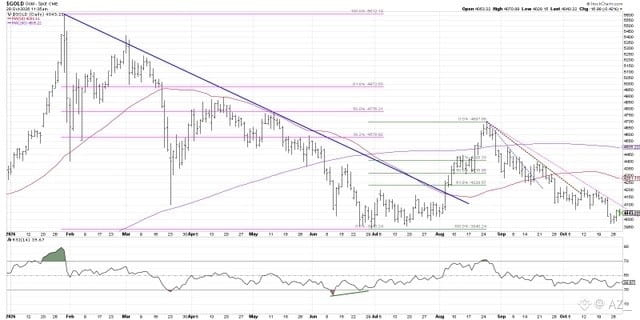
The S&P 500 is becoming a market of winners and losers, and investors may need to rethink their strategy.
Societe Generale data shows around 40% of possible S&P 500 stock pairs are negatively correlated, with overall correlations below historical norms.
That could create more opportunities for stock pickers and diversification, but index gains may hide growing gaps between individual companies.
Is this a golden opportunity for selective investors, or a warning that market uncertainty is rising?
#SP500 #Stocks #Investing
$MAGMA
{future}(MAGMAUSDT)
$HYPE
{future}(HYPEUSDT)
$LSK
{future}(LSKUSDT)
The S&P 500 is becoming a market of winners and losers, and investors may need to rethink their strategy.
Societe Generale data shows around 40% of possible S&P 500 stock pairs are negatively correlated, with overall correlations below historical norms.
That could create more opportunities for stock pickers and diversification, but index gains may hide growing gaps between individual companies.
Is this a golden opportunity for selective investors, or a warning that market uncertainty is rising?
#SP500 #Stocks #Investing
$MAGMA
$HYPE
$LSK
Societe Generale data shows around 40% of possible S&P 500 stock pairs are negatively correlated, with overall correlations below historical norms.
That could create more opportunities for stock pickers and diversification, but index gains may hide growing gaps between individual companies.
Is this a golden opportunity for selective investors, or a warning that market uncertainty is rising?
#SP500 #Stocks #Investing
$MAGMA
$HYPE
$LSK
1
630
·
--
Bullish
Binance Got Hacked
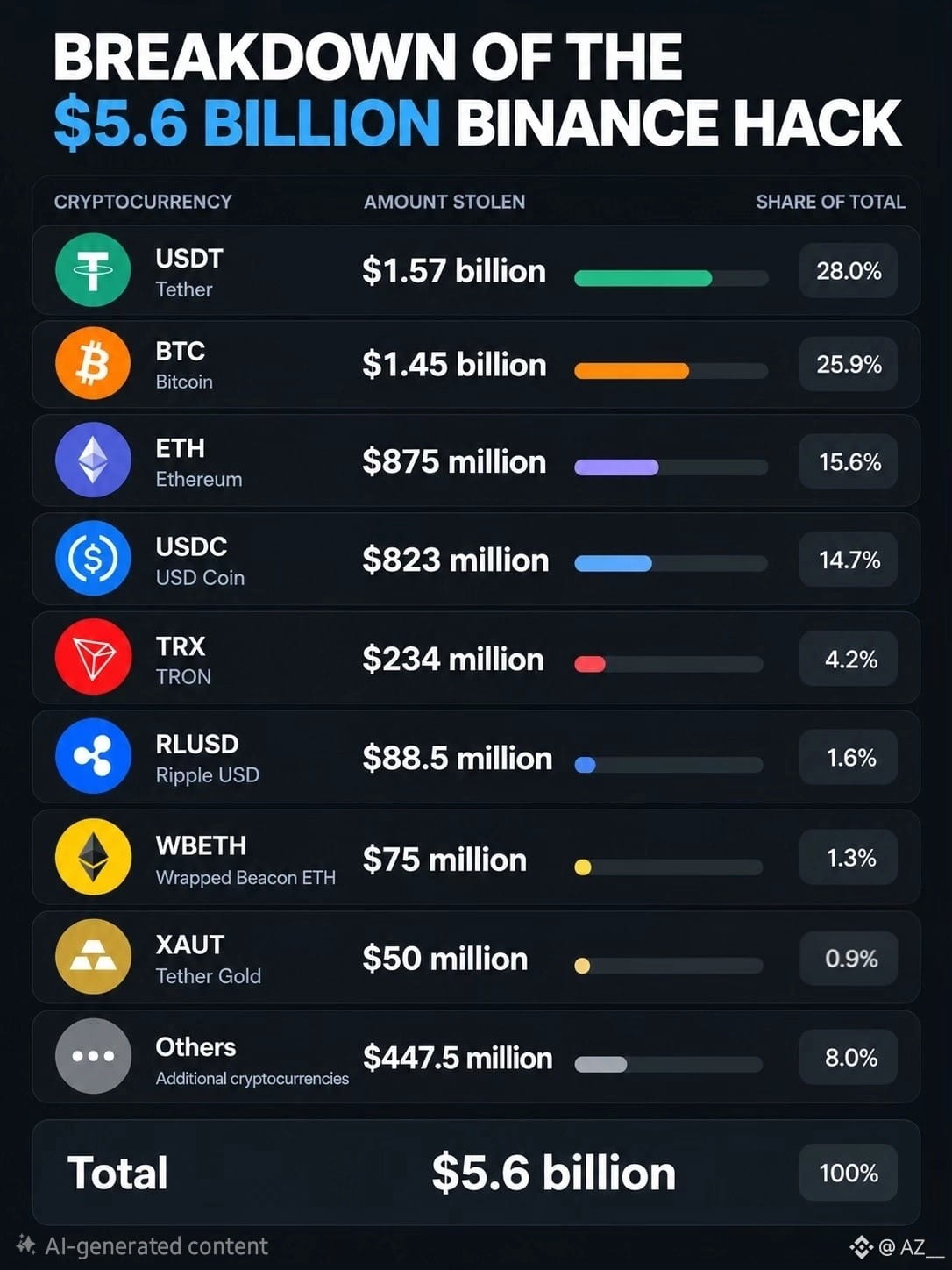
This is potentialy the Biggest Crypto Hack in History, with $5.6 Billion Reportedly Stolen.
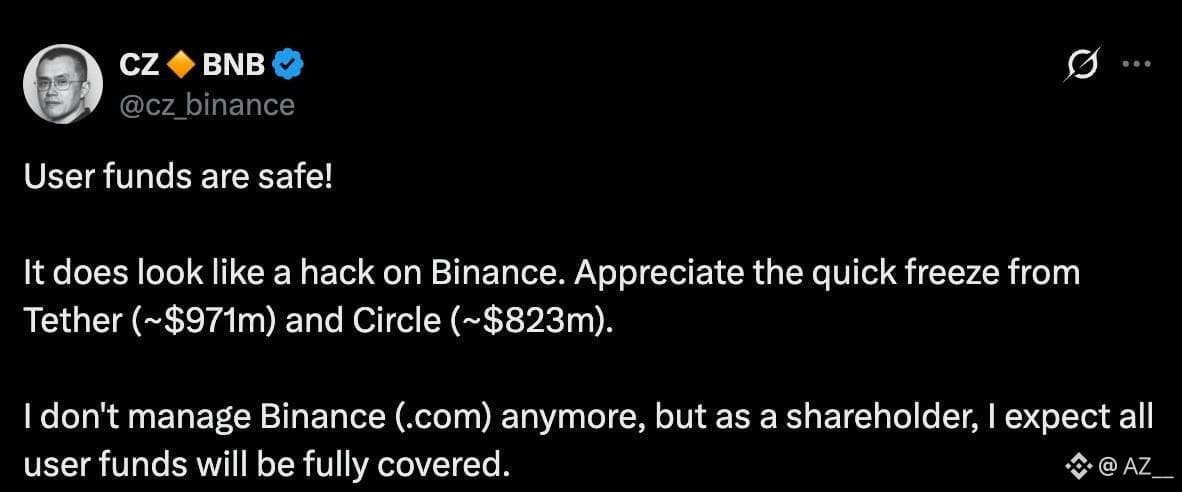
Luckly, Tether managed to Frezze over $1.567 Billion, While Circlee Froze another $823 Million.
Binance Founder @CZ assures users their funds are safe and expacts all user funds to be fully recovered.
$PREDICT
{future}(PREDICTUSDT)
$SUI
{future}(SUIUSDT)
$SIREN
{future}(SIRENUSDT)
Binance Got Hacked
This is potentialy the Biggest Crypto Hack in History, with $5.6 Billion Reportedly Stolen.
Luckly, Tether managed to Frezze over $1.567 Billion, While Circlee Froze another $823 Million.
Binance Founder @CZ assures users their funds are safe and expacts all user funds to be fully recovered.
$PREDICT
$SUI
$SIREN
This is potentialy the Biggest Crypto Hack in History, with $5.6 Billion Reportedly Stolen.
Luckly, Tether managed to Frezze over $1.567 Billion, While Circlee Froze another $823 Million.
Binance Founder @CZ assures users their funds are safe and expacts all user funds to be fully recovered.
$PREDICT
$SUI
$SIREN
1
1.1k
·
--
What matters most to investors right now?
$BMT
{future}(BMTUSDT)
$BIRB
{future}(BIRBUSDT)
$LA
{future}(LAUSDT)
What matters most to investors right now?
$BMT
$BIRB
$LA
$BMT
$BIRB
$LA
📉 Economic uncertainty
64%
⚖️ Government corruption
22%
🗳️ Midterm election results
14%
14 votes • Voting closed
1.4k
·
--
Bullish
PREMARKET MOVERS: What would you watch first?
$SKYAI
{future}(SKYAIUSDT)
$PEPE
{spot}(PEPEUSDT)
$IRYS
{future}(IRYSUSDT)
PREMARKET MOVERS: What would you watch first?
$SKYAI
$PEPE
$IRYS
$SKYAI
$PEPE
$IRYS
🚀 Momentum breakout
53%
🔍 Wait for confirmation
12%
📉 Fade the gap up
35%
17 votes • Voting closed
1.4k
·
--
Bullish
✅ Already voted!
84%
🔥 Bro, you already know! 😎
16%
80 votes • Voting closed
1.7k
5
97
2.4k
·
--
Bullish
What will quantum computing change first?
$KERNEL
{future}(KERNELUSDT)
$ENSO
{future}(ENSOUSDT)
$JCT
{future}(JCTUSDT)
🚨 NVIDIA just pushed quantum computing another step forward.
On Europe’s largest supercomputer, Jupiter, researchers simulated a 104-qubit fault-tolerant system using 90% fewer physical qubits than previous attempts, according to NVIDIA.
Why it matters: quantum computing could eventually transform drug discovery, financial modeling, and materials science.
But the real breakthrough may be the combination of GPUs and quantum processors, not either technology alone.
Is this a glimpse of the next computing revolution, or are practical quantum applications still years away?
#NVIDIA #QuantumComputing #AI
What will quantum computing change first?
$KERNEL
$ENSO
$JCT
🚨 NVIDIA just pushed quantum computing another step forward.
On Europe’s largest supercomputer, Jupiter, researchers simulated a 104-qubit fault-tolerant system using 90% fewer physical qubits than previous attempts, according to NVIDIA.
Why it matters: quantum computing could eventually transform drug discovery, financial modeling, and materials science.
But the real breakthrough may be the combination of GPUs and quantum processors, not either technology alone.
Is this a glimpse of the next computing revolution, or are practical quantum applications still years away?
#NVIDIA #QuantumComputing #AI
$KERNEL
$ENSO
$JCT
🚨 NVIDIA just pushed quantum computing another step forward.
On Europe’s largest supercomputer, Jupiter, researchers simulated a 104-qubit fault-tolerant system using 90% fewer physical qubits than previous attempts, according to NVIDIA.
Why it matters: quantum computing could eventually transform drug discovery, financial modeling, and materials science.
But the real breakthrough may be the combination of GPUs and quantum processors, not either technology alone.
Is this a glimpse of the next computing revolution, or are practical quantum applications still years away?
#NVIDIA #QuantumComputing #AI
💊 Drug discovery
0%
📈 Finance & trading
75%
🧪 Materials science
25%
4 votes • Voting closed
1
2
3.2k
·
--
Bullish
AI’s biggest threat might NOT be a bubble. It might be running out of power.
BlackRock CEO Larry Fink sees shortages, not speculation, as the bigger risk to the AI boom.
Think about it, no matter how powerful AI becomes, it still needs chips, memory, electricity, and skilled workers to scale.
The next big AI bottleneck may not be intelligence. It may be infrastructure.
What will limit AI growth the most?
#AI #BlackRock #TechStocks .
$PHA
{future}(PHAUSDT)
$BR
{future}(BRUSDT)
$BMT
{future}(BMTUSDT)
AI’s biggest threat might NOT be a bubble. It might be running out of power.
BlackRock CEO Larry Fink sees shortages, not speculation, as the bigger risk to the AI boom.
Think about it, no matter how powerful AI becomes, it still needs chips, memory, electricity, and skilled workers to scale.
The next big AI bottleneck may not be intelligence. It may be infrastructure.
What will limit AI growth the most?
#AI #BlackRock #TechStocks .
$PHA
$BR
$BMT
BlackRock CEO Larry Fink sees shortages, not speculation, as the bigger risk to the AI boom.
Think about it, no matter how powerful AI becomes, it still needs chips, memory, electricity, and skilled workers to scale.
The next big AI bottleneck may not be intelligence. It may be infrastructure.
What will limit AI growth the most?
#AI #BlackRock #TechStocks .
$PHA
$BR
$BMT
⚡ Power & energy shortages
0%
🖥️ Chips & memory shortages
33%
👷 Skilled worker shortages
67%
3 votes • Voting closed
1
1k
·
--
Bearish
What should require human approval?
The biggest risk with an AI agent may not be what it thinks. It may be what it’s allowed to do.
A model can be impressive at planning, but once it can spend money, call paid APIs, or act across services, a bad decision stops being just a bad answer. It can become a real transaction.
What caught my attention in Kite’s design is the separation between the user, the agent, and the session. The user remains the root authority; the agent receives delegated permissions; and a session can be limited to a specific task or period. That creates a clearer boundary between asking an AI to help and giving it the power to act.
Kite’s approach also puts programmable constraints at the infrastructure level. Spending limits and permitted actions are meant to be enforced through cryptographic authorization and smart-contract logic, not merely written into a prompt and hoped for the best.
To me, that’s a more useful way to think about AI safety in financial workflows. We probably won’t eliminate every model error. But we can design systems where one error doesn’t automatically become unlimited authority.
The question I’m left with is this: if an agent has a clear identity, limited permissions, and an auditable trail, what should still require human approval? I’d draw the line differently for a small API payment than for moving funds between accounts.
That permission boundary may be just as important as the intelligence behind the agent.
#KiteBBW $KITE @GoKiteAI
{future}(KITEUSDT)
What should require human approval?
The biggest risk with an AI agent may not be what it thinks. It may be what it’s allowed to do.
A model can be impressive at planning, but once it can spend money, call paid APIs, or act across services, a bad decision stops being just a bad answer. It can become a real transaction.
What caught my attention in Kite’s design is the separation between the user, the agent, and the session. The user remains the root authority; the agent receives delegated permissions; and a session can be limited to a specific task or period. That creates a clearer boundary between asking an AI to help and giving it the power to act.
Kite’s approach also puts programmable constraints at the infrastructure level. Spending limits and permitted actions are meant to be enforced through cryptographic authorization and smart-contract logic, not merely written into a prompt and hoped for the best.
To me, that’s a more useful way to think about AI safety in financial workflows. We probably won’t eliminate every model error. But we can design systems where one error doesn’t automatically become unlimited authority.
The question I’m left with is this: if an agent has a clear identity, limited permissions, and an auditable trail, what should still require human approval? I’d draw the line differently for a small API payment than for moving funds between accounts.
That permission boundary may be just as important as the intelligence behind the agent.
#KiteBBW $KITE @KITE AI 中文
The biggest risk with an AI agent may not be what it thinks. It may be what it’s allowed to do.
A model can be impressive at planning, but once it can spend money, call paid APIs, or act across services, a bad decision stops being just a bad answer. It can become a real transaction.
What caught my attention in Kite’s design is the separation between the user, the agent, and the session. The user remains the root authority; the agent receives delegated permissions; and a session can be limited to a specific task or period. That creates a clearer boundary between asking an AI to help and giving it the power to act.
Kite’s approach also puts programmable constraints at the infrastructure level. Spending limits and permitted actions are meant to be enforced through cryptographic authorization and smart-contract logic, not merely written into a prompt and hoped for the best.
To me, that’s a more useful way to think about AI safety in financial workflows. We probably won’t eliminate every model error. But we can design systems where one error doesn’t automatically become unlimited authority.
The question I’m left with is this: if an agent has a clear identity, limited permissions, and an auditable trail, what should still require human approval? I’d draw the line differently for a small API payment than for moving funds between accounts.
That permission boundary may be just as important as the intelligence behind the agent.
#KiteBBW $KITE @KITE AI 中文
1. 💸 Large transfers
0%
2. 🔐 Actions beyond limits
0%
3. ⚖️ High-risk actions
100%
1 votes • Voting closed
1
3
280

Log in to explore more content
Join global crypto users on Binance Square
⚡️ Get latest and useful information about crypto.
💬 Trusted by the world’s largest crypto exchange.
👍 Discover real insights from verified creators.
Email / Phone number
Trending Topics
WhatWillDriveCryptoandStocks’NextRebound?
18,809 views
343 Discussing
Bitcoin Slips Below $70,000 as Dollar Index Hits 19-Month High
Binance News
·11 Likes
·22k views
Anthropic’s6xIPODemandSignalsPotentialRecordRaise
5,802 views
152 Discussing
HuangExitNvidiaStrategyInFocus
159,584 views
1,473 Discussing