
#liquiditypools
liquiditypools
20,428 views
153 Discussing
Hot
Latest

·
--
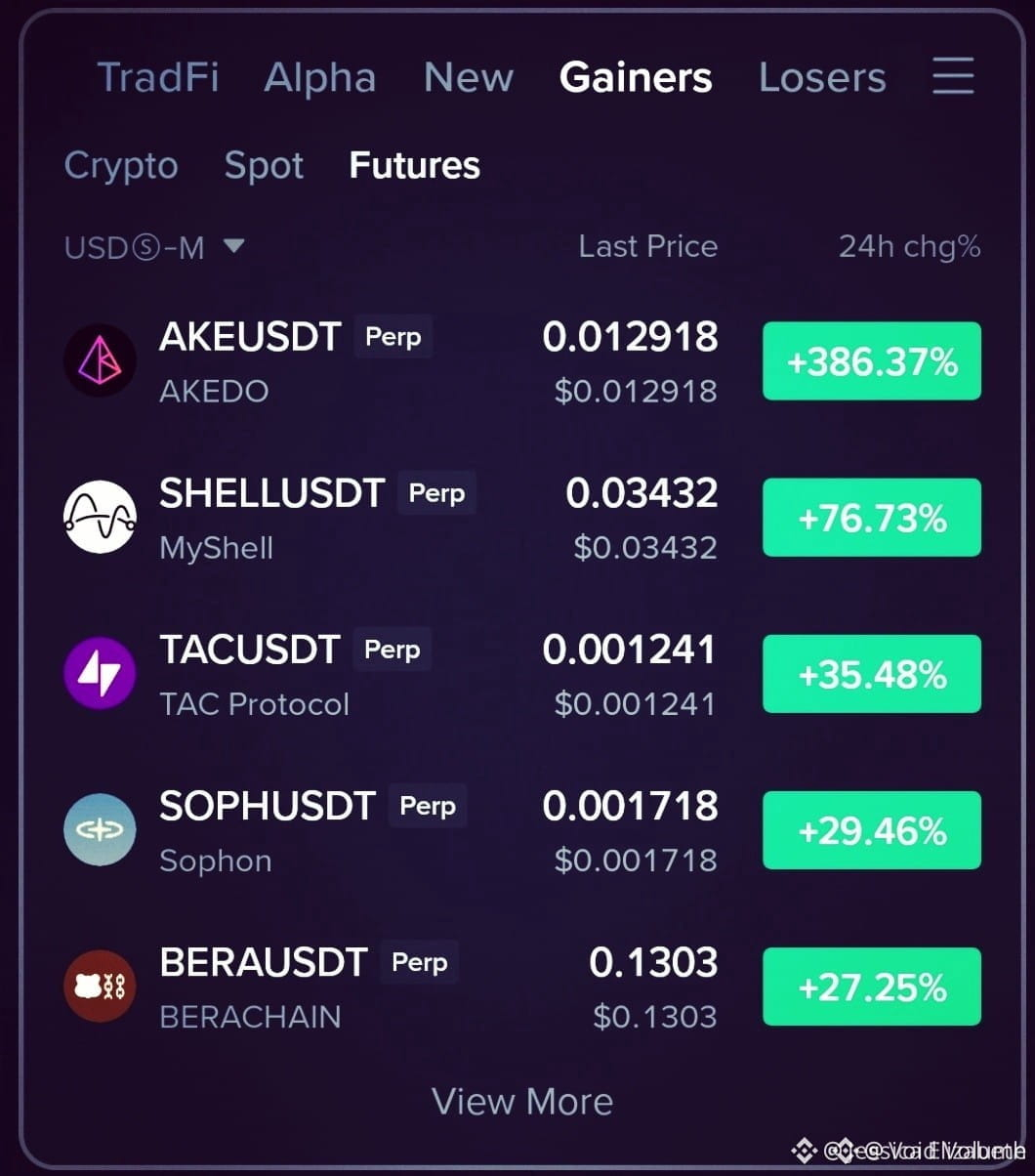
🚨 SMART MONEY IS TARGETING LIQUIDITY POOLS ACROSS $AKE , $SOPH , AND $BERA 🦈
Recent order flow reveals aggressive institutional positioning building inside major discount arrays for $AKE , $SOPH , and $BERA . While retail chatter obsesses over excessive 30x leverage traps, smart money is methodically absorbing resting liquidity below key structural pivots. 🌊
Market efficiency is being restored as these assets retest prime mitigation blocks on the lower timeframes. Expect volatility expansion as trapped margin positions get liquidated before the next directional impulse. 📊
💡 Which of these three structural setups are you monitoring for an institutional entry today? 🤔
⚠️ Not financial advice. Always manage your risk. 🛡️
🏷️ #AKE #SmartMoney #LiquidityPools #Crypto
🔥 💎
9

·
--
DeFi Basics
Liquidity pools are a key concept in DeFi, allowing users to provide liquidity to a market and earn rewards. They work by pooling together funds from multiple users, creating a shared pool of assets that can be used to facilitate trading. The Dynamic Outlook
If you're looking to get involved in DeFi, understanding liquidity pools is crucial. They're used in conjunction with Automated Market Makers, or AMMs, to create efficient markets. Liquidity pools are often used in yield farming strategies, which involve providing liquidity to a market in exchange for rewards. This can be a complex topic, but the basic idea is simple: by providing liquidity, you're helping to create a more efficient market. The idea behind liquidity pools is to create a shared pool of assets that can be used to facilitate trading. This helps to reduce the risk of low liquidity, which can lead to large swings. In DeFi, liquidity pools are a key component of many protocols. They're used to create efficient markets, and to provide rewards to users who provide liquidity. Disclaimer
Nothing in this post should be taken as investment advice. Always do your own research before getting involved in any investment opportunity. #DeFi #LiquidityPools #BullMarket
35
·
--
Liquidity pools are shared pots of two tokens. Anyone can drop assets into the pot and earn a slice of the fees generated when traders swap. The pool’s balance sets the exchange rate, so if one side gets too thin the shifts to attract more deposits. This automatic pricing is called an AMM – an algorithmic market maker. You don’t need an order book or a counter‑party. Your reward comes from the trading activity, not from holding the token itself. It’s simple, but the risk is impermanent loss if the market moves sharply. #DeFi #LiquidityPools #CryptoEducation
Liquidity pools are shared pots of two tokens. Anyone can drop assets into the pot and earn a slice of the fees generated when traders swap. The pool’s balance sets the exchange rate, so if one side gets too thin the shifts to attract more deposits. This automatic pricing is called an AMM – an algorithmic market maker. You don’t need an order book or a counter‑party. Your reward comes from the trading activity, not from holding the token itself. It’s simple, but the risk is impermanent loss if the market moves sharply. #DeFi #LiquidityPools #CryptoEducation
·
--
DeFi's all about liquidity pools. it's like a shared fund. users put in their assets, get a cut of the fees. keeps the market liquid and stable. deposit $10, pool makes $1 in fees, you get a portion. it's passive income and supports DeFi. $UNI uses liquidity pools. it's a solid way to earn. DON'T EXPECT IT TO BE EASY THOUGH. #DeFiEducation #LiquidityPools #TradFiInsights
DeFi's all about liquidity pools. it's like a shared fund. users put in their assets, get a cut of the fees. keeps the market liquid and stable. deposit $10, pool makes $1 in fees, you get a portion. it's passive income and supports DeFi. $UNI uses liquidity pools. it's a solid way to earn. DON'T EXPECT IT TO BE EASY THOUGH. #DeFiEducation #LiquidityPools #TradFiInsights
40
·
--
DeFi Basics
DeFi stands for Decentralized Finance, it's a way to provide financial services without traditional banks. DeFi uses BLOCKCHAIN technology to create a secure and transparent system. Liquidity Pools
Liquidity pools are a key concept in DeFi, they're essentially pools of funds locked in a SMART CONTRACT. These pools provide liquidity to various DECENTRALIZED APPLICATIONS. How it Works
When you deposit funds into a liquidity pool, you're essentially lending them to others. In return, you receive a portion of the transaction fees generated by the pool. This is a way to earn PASSIVE INCOME. Risks Involved
There are risks involved with liquidity pools, such as IMPERMANENT LOSS. This occurs when the value of the assets in the pool changes, resulting in a loss for the liquidity provider. Getting Started
To get started with liquidity pools, you need to understand the basics of DECENTRALIZED FINANCE. You can start by researching different liquidity pool protocols and understanding how they work. Disclaimer
The information provided is for educational purposes only and should not be considered as investment advice. DeFiEducation #Blockchain #LiquidityPools
1
·
--
decentralized finance, or defi, is gaining traction. key part of defi is liquidity pools - they're like a bank, but WITHOUT THE BANK. these pools are funds locked in a smart contract, used for trading and lending. they give traders liquidity to buy and sell assets quickly. in return, providers earn a fee - it's a pretty simple concept. it's important cuz it enables smooth trading and helps reduce volatility. DeFi #LiquidityPools #YieldFarming it's worth 17.5 million $BTC and growing fast, with 55% of it in $ETH and $USDT
decentralized finance, or defi, is gaining traction. key part of defi is liquidity pools - they're like a bank, but WITHOUT THE BANK. these pools are funds locked in a smart contract, used for trading and lending. they give traders liquidity to buy and sell assets quickly. in return, providers earn a fee - it's a pretty simple concept. it's important cuz it enables smooth trading and helps reduce volatility. DeFi #LiquidityPools #YieldFarming it's worth 17.5 million $BTC and growing fast, with 55% of it in $ETH and $USDT
41

💧 LIQUIDITY HAS A COST, KNOW THE RISKS BEFORE YOU PROVIDE IT!
Providing liquidity in DeFi can create opportunities to earn rewards, but it's not simply free money. Behind every potential return are risks you need to understand.
From impermanent loss and smart contract vulnerabilities to market volatility and changing pool ratios, liquidity providers must know exactly what they're getting into.
Remember: High rewards mean little if you don't understand the risks attached.
🔍 Before providing liquidity, ask yourself:
* Where do the rewards actually come from?
* What happens if token prices change?
* Could impermanent loss affect my returns?
* How secure is the liquidity pool?
🚀 Your next move: Don't chase APYs blindly. Learn, research, assess the risks, and make informed DeFi decisions.
💬 Have you ever provided liquidity in a DeFi pool? Share your experience in the comments!
📌 Save this post and share it with someone exploring DeFi.
Stay informed. Stay secure. STAY ON CHAIN! 🔗
$TSMB $MSFTB
#theonchainvoice #defi #decentralizedfinance #liquiditypools

1
95
·
--
Impermanent loss is a risk in liquidity pools. It occurs when the value of tokens in a pool changes. For example, if you deposit $ETH and $BTC in a pool, and the value of $ETH is at 3000, while $BTC is sitting at 40000, impermanent loss can happen. The risk is higher when the value of tokens in a pool is volatile. To mitigate this risk, liquidity providers can use strategies like diversifying their portfolio or using stablecoins. Understanding the mathematical formulas behind impermanent loss can help providers make informed decisions. Impermanent loss is calculated using the formula: (2 x y) / (x + y), where x and y are the values of the tokens. DeFi ecosystems like $ETH are working to minimize this risk. DeFiRisks #LiquidityPools #ImpermanentLoss
Impermanent loss is a risk in liquidity pools. It occurs when the value of tokens in a pool changes. For example, if you deposit $ETH and $BTC in a pool, and the value of $ETH is at 3000, while $BTC is sitting at 40000, impermanent loss can happen. The risk is higher when the value of tokens in a pool is volatile. To mitigate this risk, liquidity providers can use strategies like diversifying their portfolio or using stablecoins. Understanding the mathematical formulas behind impermanent loss can help providers make informed decisions. Impermanent loss is calculated using the formula: (2 x y) / (x + y), where x and y are the values of the tokens. DeFi ecosystems like $ETH are working to minimize this risk. DeFiRisks #LiquidityPools #ImpermanentLoss
7
·
--
liquidity pools. you deposit two assets — say $XRP and a stablecoin — into a smart contract. no order book. no matching engine. just math. the pool sets the rate automatically. more of one asset? the other gets expensive. simple. you earn fees on every swap. but impermanent loss is REAL. watched guys lose 30% while the pool "earned" 5%. not financial advice. just math. DeFiEducation #LiquidityPools #Blockchainliquidity pools. you deposit two assets — say $XRP and a stablecoin — into a smart contract. no order book. no matching engine. just math. the pool sets the rate automatically. more of one asset? the other gets EXPENSIVE. simple. you earn fees on every swap. but impermanent loss is REAL. watched guys lose 30% while the pool "earned" 5%. not financial advice. just math. DeFiEducation #LiquidityPools #Blockchain
liquidity pools. you deposit two assets — say $XRP and a stablecoin — into a smart contract. no order book. no matching engine. just math. the pool sets the rate automatically. more of one asset? the other gets expensive. simple. you earn fees on every swap. but impermanent loss is REAL. watched guys lose 30% while the pool "earned" 5%. not financial advice. just math. DeFiEducation #LiquidityPools #Blockchainliquidity pools. you deposit two assets — say $XRP and a stablecoin — into a smart contract. no order book. no matching engine. just math. the pool sets the rate automatically. more of one asset? the other gets EXPENSIVE. simple. you earn fees on every swap. but impermanent loss is REAL. watched guys lose 30% while the pool "earned" 5%. not financial advice. just math. DeFiEducation #LiquidityPools #Blockchain
15
·
--
Yield farming's a DeFi thing where you lend assets, get interest. It's like lending a book, but you get extra instead of it back. Liquidity pools and AMMs facilitate this, $ETH often used. It's like a library, but for assets. Yield farming's complex, but it's about providing liquidity for REWARDS, that's 1 thing to know. I'm talking 24/7, 365 days a year, it's a BIG DEAL, especially with $ETH and other cryptos like #BTC and $LTC, so don't get left behind, learn about #DeFiEducation #YieldFarming #LiquidityPools NOW
Yield farming's a DeFi thing where you lend assets, get interest. It's like lending a book, but you get extra instead of it back. Liquidity pools and AMMs facilitate this, $ETH often used. It's like a library, but for assets. Yield farming's complex, but it's about providing liquidity for REWARDS, that's 1 thing to know. I'm talking 24/7, 365 days a year, it's a BIG DEAL, especially with $ETH and other cryptos like #BTC and $LTC , so don't get left behind, learn about #DeFiEducation #YieldFarming #LiquidityPools NOW
13
·
--
Impermanent loss is a risk in liquidity pools. It happens when the value of tokens in a pool changes. For example, if $ETH is sitting at 100 and $BTC is at 50, and then $ETH drops to 80, the pool's value is affected. The mathematical formula to calculate impermanent loss is complex, but it's based on the difference in token values. To mitigate this risk, liquidity providers can use strategies like diversifying their pools or using stablecoins. For instance, a pool with $ETH and a stablecoin like $USDT can reduce impermanent loss. Understanding impermanent loss is crucial for liquidity providers to manage their risks. DeFi risks, tokenomics, liquidity pools, impermanent loss, crypto ecosystems DeFi #LiquidityPools #ImpermanentLoss
Impermanent loss is a risk in liquidity pools. It happens when the value of tokens in a pool changes. For example, if $ETH is sitting at 100 and $BTC is at 50, and then $ETH drops to 80, the pool's value is affected. The mathematical formula to calculate impermanent loss is complex, but it's based on the difference in token values. To mitigate this risk, liquidity providers can use strategies like diversifying their pools or using stablecoins. For instance, a pool with $ETH and a stablecoin like $USDT can reduce impermanent loss. Understanding impermanent loss is crucial for liquidity providers to manage their risks. DeFi risks, tokenomics, liquidity pools, impermanent loss, crypto ecosystems DeFi #LiquidityPools #ImpermanentLoss
23

📚 What Is Impermanent Loss?: The hidden risk of providing liquidity in DeFi pools
On July 19, 2026, Impermanent loss occurs when you provide liquidity to a decentralized exchange pool and the price ratio of the deposited assets changes. If the price moves significantly, you may end up with less value than if you had simply held the assets.
This is a key concept for anyone participating in DeFi on Ethereum $ETH or Solana $SOL. While trading fees and yield rewards can offset impermanent loss, it's important to understand the risk before depositing into liquidity pools.
📌 Key Takeaway:
Impermanent loss is the trade-off for earning DeFi yields. It's not a loss until you withdraw, but understanding it is essential for anyone providing liquidity — especially in volatile markets.
#DeFi #ImpermanentLoss #LiquidityPools
#BinanceAlphaAlert
📚 What Is Impermanent Loss?: The hidden risk of providing liquidity in DeFi pools
On July 19, 2026, Impermanent loss occurs when you provide liquidity to a decentralized exchange pool and the price ratio of the deposited assets changes. If the price moves significantly, you may end up with less value than if you had simply held the assets.
This is a key concept for anyone participating in DeFi on Ethereum $ETH or Solana $SOL . While trading fees and yield rewards can offset impermanent loss, it's important to understand the risk before depositing into liquidity pools.
📌 Key Takeaway:
Impermanent loss is the trade-off for earning DeFi yields. It's not a loss until you withdraw, but understanding it is essential for anyone providing liquidity — especially in volatile markets.
#DeFi #ImpermanentLoss #LiquidityPools
#BinanceAlphaAlert
78
·
--
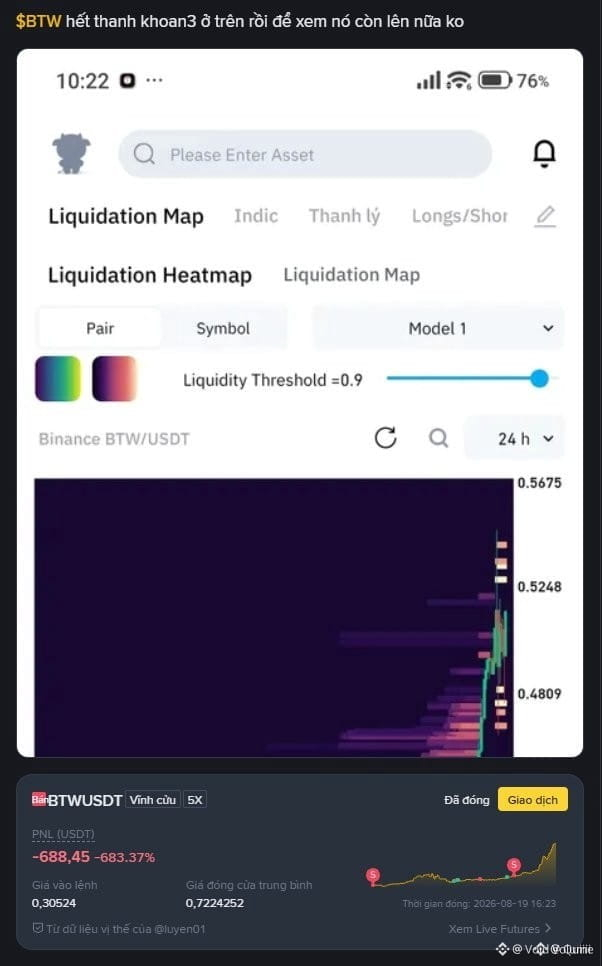
🚨 LESSON IN LIQUIDITY: $BTW SQUEEZES SHORTS FOR -683% AS UPPER POOLS REMAIN UNTOUCHED! 🦈
Attempting to short parabolic momentum without waiting for structural exhaustion is a classic retail trap. $BTW recently delivered a severe lesson, expanding from 0.305 up to 0.722 and squeezing early short positions into heavy liquidations. 📊
Smart money is actively reading the order flow, and significant uncollected liquidity pools still rest above current price action. 🌊 Fading aggressive momentum simply because price looks overextended is high risk while institutional buy-stops continue fueling the drive. ⚡
We remain composed, tracking market structure until clear supply absorption and exhaustion print on higher timeframes. 💡 Are you waiting for the final liquidity sweep above resistance, or letting this squeeze play out from the sidelines? 👇
⚠️ Not financial advice. Always manage your risk. 🛡️
🏷️ #BTW #ShortSqueeze #LiquidityPools #CryptoAnalysis
🎯 🦈

158
⚡ Liquidity Pools Explained: The engines behind decentralized exchanges
On August 1, 2026, A liquidity pool is a smart contract holding two or more tokens, which traders swap against. Providers deposit assets into the pool and earn a share of trading fees in return.
These pools power the DEX economy — the model that lets platforms like Uniswap settle trades without an order book. They are the reason on-chain trading can run 24/7.
📌 Key Takeaway:
Liquidity pools turned every token holder into a potential market maker. Understanding them is the key to grasping how decentralized trading actually works.
#LiquidityPools #DeFi
#BinanceAlphaAlert
49

·
--
DeFi platform hits $25 million milestone
Spreadefi Users Deploy Over $25 Million in Liquidity Pools in the Second Quarter
This milestone matters to traders and holders as it indicates growing interest in the decentralized finance sector. Spreadefi's success is a positive sign for the industry, which has been slowly recovering from a period of subdued activity. Users should watch for continued growth and adoption of DeFi platforms.
#DeFi #Crypto #LiquidityPools #Blockchain
71

·
--
𝐇𝐨𝐰 𝐋𝐢𝐪𝐮𝐢𝐝𝐢𝐭𝐲 𝐏𝐨𝐨𝐥𝐬 𝐆𝐞𝐧𝐞𝐫𝐚𝐭𝐞 𝐑𝐞𝐰𝐚𝐫𝐝𝐬 𝐨𝐧 @ston_fi.
1/ I used to think liquidity pools were only for advanced DeFi users.
The first time I came across terms like AMM, LP tokens, trading fees, APR, farming and impermanent loss, it felt like there was too much to understand before I could even start
After spending more time exploring STON.fi, I realized the main idea is actually pretty simple.
A liquidity pool needs liquidity so users can swap tokens.
And the people providing that liquidity can earn from the activity taking place in the pool.
🧵That’s what I want to break down 👇
#STONfi #DeFi #LiquidityPools #TON

100

·
--
Binance Wallet DeFi Hub Launch
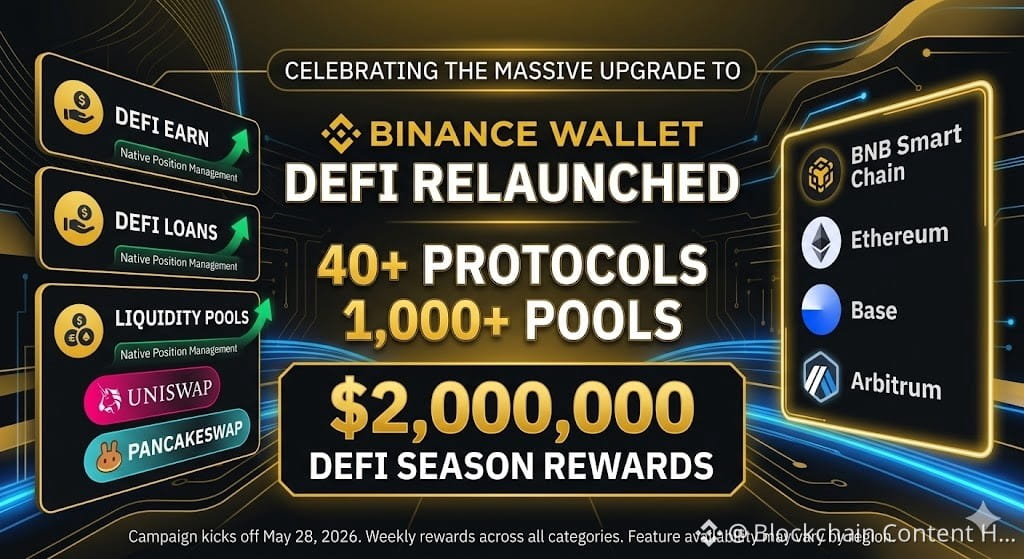
Binance Wallet's Earn section is now a full DeFi hub — access 40+ protocols, 1,000+ pools, DeFi Loans, and Liquidity Pools across BSC, Ethereum, Base, and Arbitrum, all with built-in position tracking. A $2M rewards campaign with weekly themes kicks off May 28.
#BinanceWallet #DeFi #LiquidityPools #CryptoEarn

100
·
--
Binance Wallet has relaunched its DeFi section with a major upgrade, now covering 40+ protocols and 1,000+ pools across BNB Smart Chain, Ethereum, Base, and Arbitrum. Users can now access DeFi Earn, DeFi Loans, and Liquidity Pools — including Uniswap and PancakeSwap — all in one place with native position management. A $2,000,000 DeFi Season rewards campaign kicked off on May 28, 2026, rolling out weekly across all three categories. Feature availability may vary by region.
#BinanceWallet #DeFi #LiquidityPools #cryptoearningsbinance
#BinanceWallet #DeFi #LiquidityPools #cryptoearningsbinance
53

·
--
Bullish
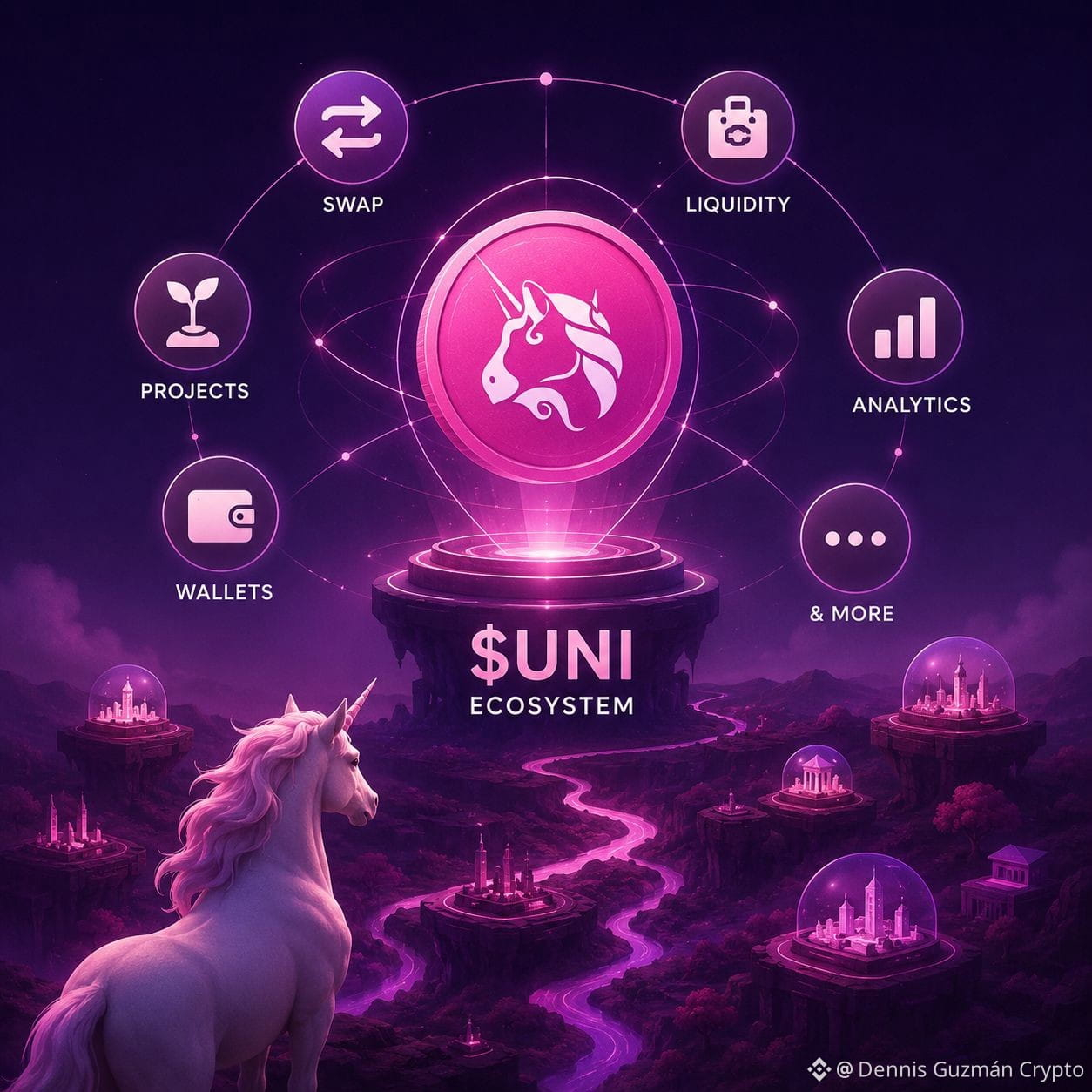
The connective tissue of Uniswap ($UNI ) leads the decentralized finance ecosystem with its concentrated liquidity technology.
{future}(UNIUSDT)
Dozens of lending platforms, yield aggregators, and Web3 applications are built directly on its smart contracts to leverage its autonomous reserve funds, enabling 24/7 automatic token swaps. #UNI #DeFiEcosystem #LiquidityPools
The connective tissue of Uniswap ($UNI ) leads the decentralized finance ecosystem with its concentrated liquidity technology.
Dozens of lending platforms, yield aggregators, and Web3 applications are built directly on its smart contracts to leverage its autonomous reserve funds, enabling 24/7 automatic token swaps. #UNI #DeFiEcosystem #LiquidityPools
Dozens of lending platforms, yield aggregators, and Web3 applications are built directly on its smart contracts to leverage its autonomous reserve funds, enabling 24/7 automatic token swaps. #UNI #DeFiEcosystem #LiquidityPools
1
113

·
--
Did you know that a popular decentralized exchange (DEX) just quietly changed the way users interact with their liquidity pools (LPs)?
Uniswap v4 protocol fees are now a thing, and according to founder Hayden Adams, these fees are tacked onto existing LP rates across seven chains after governance voted to approve the change. This means that liquidity providers won't see a drop in their LP rates, but they will be paying more to provide liquidity due to the new fees #DeFi #LiquidityPools.
Let's look at an example: if you're providing liquidity to the ETH/USDT pair on Uniswap and previously earned an LP rate of 5%, you'll still earn a 5% APY, but you'll also pay a 0.01% fee on the trade. It might be a small addition, but it's still an essential concept for LPs to understand.
So, what can you do to adjust to this change? Be sure to review your LP strategies and calculate the impact of these fees on your returns #APYCalculator.
Now, what do you think this change will mean for the future of Uniswap and LPs in the DeFi space?
39
Log in to explore more content
Join global crypto users on Binance Square
⚡️ Get latest and useful information about crypto.
💬 Trusted by the world’s largest crypto exchange.
👍 Discover real insights from verified creators.
Email / Phone number
Trending Topics
1
#WhoWillSucceedJensenHuangatNvidia?
66,952 views
902 Discussing
2
#WhatWillDriveCryptoandStocks’NextRebound?
405,250 views
2,842 Discussing
3
#BitcoinActiveSupplyInProfitDropsBelow45%
9,815 views
207 Discussing
4
#KavaSaysAbnormalActivityLimitedToKavaLend
2,321 views
72 Discussing
5
#USSpotXRPETFsSeeLargestWeeklyOutflowIn8Months
2,902 views
94 Discussing
6
#USPPIMissMayEaseBTCPressure
190,203 views
1,966 Discussing
7
#WORPTLetsTouristsConvertCryptoToThaiBaht
1,605 views
34 Discussing
8
#TONStrategyReports$23.97MQ3NetLoss
2,733 views
37 Discussing
9
#PolkadotCommunityApprovesNewStrategyWith97%Vote
16,247 views
221 Discussing
10
#dYdXPlansV9.9UpgradeToShiftUSDCToInjective
9,384 views
178 Discussing