
#coinbase
coinbase
2.5M views
7,479 Discussing
Hot
Latest

30D trade $ETH 50 USDT
🇺🇸 From Talk to the Vote
Coinbase Vice President, Ryan VanGrack, delivers a clear message about the CLARITY Act:
“Time to stop talking and start voting.”
The next phase will be the most important; the market doesn’t need more promises, but clear rules and an actual vote.
If the bill is passed, it could be an important step toward clearer regulation of the digital asset market in the United States.
$COIN $BTC $ETH
#CLARITYAct #Crypto #coinbase #Regulation
Coinbase Vice President, Ryan VanGrack, delivers a clear message about the CLARITY Act:
“Time to stop talking and start voting.”
The next phase will be the most important; the market doesn’t need more promises, but clear rules and an actual vote.
If the bill is passed, it could be an important step toward clearer regulation of the digital asset market in the United States.
$COIN $BTC $ETH
#CLARITYAct #Crypto #coinbase #Regulation
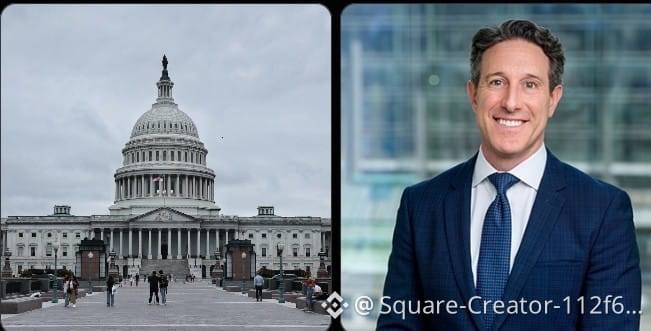

💰 Coinbase Lend deposits surpass half a billion dollars on the Base network
The total deposits in the “Coinbase Lend” service on the Layer 2 Base network have exceeded 500 million US dollars. This figure reflects growing interest in decentralized lending solutions supported by centralized platforms, highlighting the increasing interaction between traditional and decentralized finance.
━━━━━━━━━━━━━━
📊 Impact: 📈 High
🏷️ DEFI
#Coinbase #Base #DeFi #Lending #Blockchain
📰 Source: cryptobriefing.com
The total deposits in the “Coinbase Lend” service on the Layer 2 Base network have exceeded 500 million US dollars. This figure reflects growing interest in decentralized lending solutions supported by centralized platforms, highlighting the increasing interaction between traditional and decentralized finance.
━━━━━━━━━━━━━━
📊 Impact: 📈 High
🏷️ DEFI
#Coinbase #Base #DeFi #Lending #Blockchain
📰 Source: cryptobriefing.com

Don’t hear “Bitcoin mortgage” as an automatic good: Better × Coinbase is now open to the public, but the terms have some hard thorns.
According to reports from CoinDesk and Grafa, US mortgage lender Better has fully opened applications for its Bitcoin-collateralized home loan in partnership with Coinbase. Since the offering opened to the public, demand for pre-approval loans has reached about $360 million, higher than the roughly $260 million expected during the waitlist stage. The structure is roughly this: the primary loan is still a standard mortgage, and additional cash for the down payment is raised by using Bitcoin as collateral—at a collateralization ratio of about 250% (borrowing $1 requires posting about $2.5 worth of BTC). Custody is handled on the Coinbase Prime side, which currently accepts Bitcoin only.
First, tighten the boundaries: Better discloses that it can re-pledge the collateralized Bitcoin (rehypothecation), as long as it can return an equivalent amount of BTC at maturity. The collateral typically can only be retrieved after the main mortgage is paid off or refinanced, and it can be tied up for as long as 15–30 years. It does not automatically add margin or liquidate if the coin price falls. However, after about 60 days of delinquency, the collateral can be disposed of.
This isn’t “guaranteed profit from using coins to buy property.” Instead, it swaps custody counterparty risk and long-term lock-up risk into the balance sheet.
Market reference (CoinGecko): $BTC is about $79,400, and $BNB is about $744. Read the disclosures and your own leverage capacity first, then discuss the narrative.
$BTC $BNB
#比特币 #Coinbase #crypto market
Not investment advice
According to reports from CoinDesk and Grafa, US mortgage lender Better has fully opened applications for its Bitcoin-collateralized home loan in partnership with Coinbase. Since the offering opened to the public, demand for pre-approval loans has reached about $360 million, higher than the roughly $260 million expected during the waitlist stage. The structure is roughly this: the primary loan is still a standard mortgage, and additional cash for the down payment is raised by using Bitcoin as collateral—at a collateralization ratio of about 250% (borrowing $1 requires posting about $2.5 worth of BTC). Custody is handled on the Coinbase Prime side, which currently accepts Bitcoin only.
First, tighten the boundaries: Better discloses that it can re-pledge the collateralized Bitcoin (rehypothecation), as long as it can return an equivalent amount of BTC at maturity. The collateral typically can only be retrieved after the main mortgage is paid off or refinanced, and it can be tied up for as long as 15–30 years. It does not automatically add margin or liquidate if the coin price falls. However, after about 60 days of delinquency, the collateral can be disposed of.
This isn’t “guaranteed profit from using coins to buy property.” Instead, it swaps custody counterparty risk and long-term lock-up risk into the balance sheet.
Market reference (CoinGecko): $BTC is about $79,400, and $BNB is about $744. Read the disclosures and your own leverage capacity first, then discuss the narrative.
$BTC $BNB
#比特币 #Coinbase #crypto market
Not investment advice


Coinbase just dropped about 4.2% this morning and it's sitting around $184. That was the first red I actually stopped on, I wasn't even looking at crypto yet.
Then $UNI was doing the same slide. It's at $7.04, down about 3.2% today. I had to look twice because 3.2% on Uniswap felt like a lot next to a market that's only about 2.7% smaller. Nasdaq is barely red. I keep looking at Coinbase more than the Uniswap price. When that stock is down over 4% on the same day $UNI is red around $7, I think it's the same mood. US stocks are a little red so everyone's playing it safe.
#UNI #Uniswap #Coinbase
Then $UNI was doing the same slide. It's at $7.04, down about 3.2% today. I had to look twice because 3.2% on Uniswap felt like a lot next to a market that's only about 2.7% smaller. Nasdaq is barely red. I keep looking at Coinbase more than the Uniswap price. When that stock is down over 4% on the same day $UNI is red around $7, I think it's the same mood. US stocks are a little red so everyone's playing it safe.
#UNI #Uniswap #Coinbase

$COIN closed today at 187.01, +0.64%, with an extremely tight trading range. Trading volume was only 11.7M, and that kind of volume does not match the market’s expectation for a 2025 bull-run narrative. I see a lot of people hyping Coinbase’s regulatory-compliance dividend and staking as a new growth theme, but the stock has already priced in a big part of it.
Key levels to watch: 184 is the first support; if that breaks, look at 178. On the upside, 189-190 is a heavy trapped-holder zone, and without volume it won’t break through.
On the macro side, U.S. Treasury yields are still elevated, and the suppression of risk assets is structural. $COIN , as a BTC-linked U.S. stock proxy, is moving even more sluggishly than BTC itself. This crypto rally has shifted from an ETF-driven narrative to a pure liquidity contest, and its sustainability is questionable. I’m not changing my position, but I’m keeping my exposure below 30% and waiting for volume indicators to give a clear direction before making a move.
#Coinbase
Key levels to watch: 184 is the first support; if that breaks, look at 178. On the upside, 189-190 is a heavy trapped-holder zone, and without volume it won’t break through.
On the macro side, U.S. Treasury yields are still elevated, and the suppression of risk assets is structural. $COIN , as a BTC-linked U.S. stock proxy, is moving even more sluggishly than BTC itself. This crypto rally has shifted from an ETF-driven narrative to a pure liquidity contest, and its sustainability is questionable. I’m not changing my position, but I’m keeping my exposure below 30% and waiting for volume indicators to give a clear direction before making a move.
#Coinbase

Coinbase may have just moved the US closer to single-stock perpetual futures, but the launch still isn’t guaranteed 👀
The company filed Form 1-N and Form BD-N with the SEC on September 1, setting up a security futures framework that brings both SEC and CFTC oversight into play. That’s a different path from the CFTC-only route CME Group is now challenging in court.
Why traders should care: if this structure holds up, it could open the door for domestic stock perps in the US market. That’s a big deal for anyone watching how regulated derivatives evolve here. But the article is clear on what we do **not** know yet — no launch date, no leverage limits, and no clearing details have been announced.
So this is progress, not a finished product. And with the CME lawsuit hanging over it, the legal backdrop may matter as much as the filing itself ⚖️
Do you think Coinbase gets this market live soon, or does the court fight slow everything down? 👀
#Coinbase #CryptoNews #CME #SEC #CFTC
The company filed Form 1-N and Form BD-N with the SEC on September 1, setting up a security futures framework that brings both SEC and CFTC oversight into play. That’s a different path from the CFTC-only route CME Group is now challenging in court.
Why traders should care: if this structure holds up, it could open the door for domestic stock perps in the US market. That’s a big deal for anyone watching how regulated derivatives evolve here. But the article is clear on what we do **not** know yet — no launch date, no leverage limits, and no clearing details have been announced.
So this is progress, not a finished product. And with the CME lawsuit hanging over it, the legal backdrop may matter as much as the filing itself ⚖️
Do you think Coinbase gets this market live soon, or does the court fight slow everything down? 👀
#Coinbase #CryptoNews #CME #SEC #CFTC
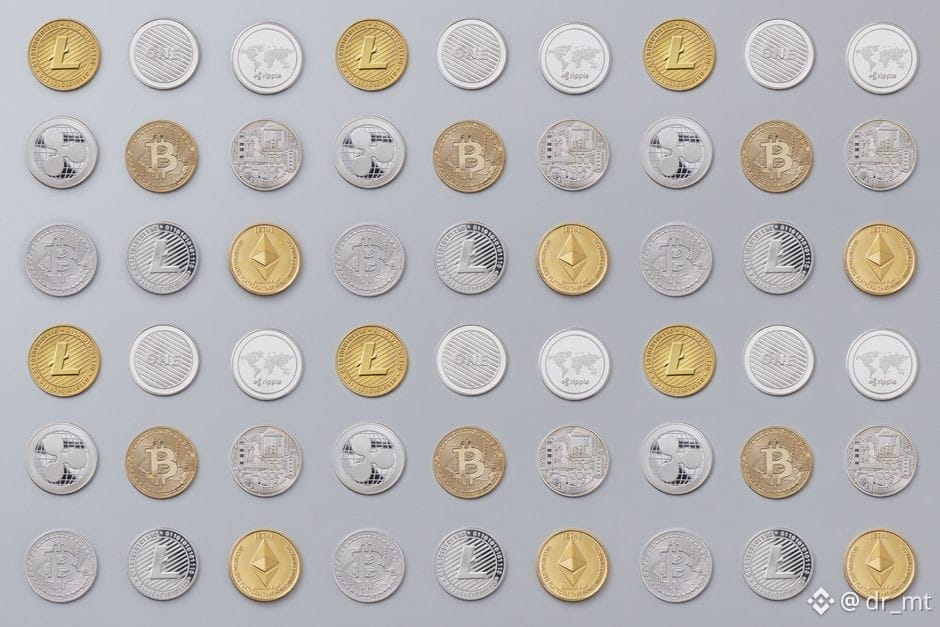

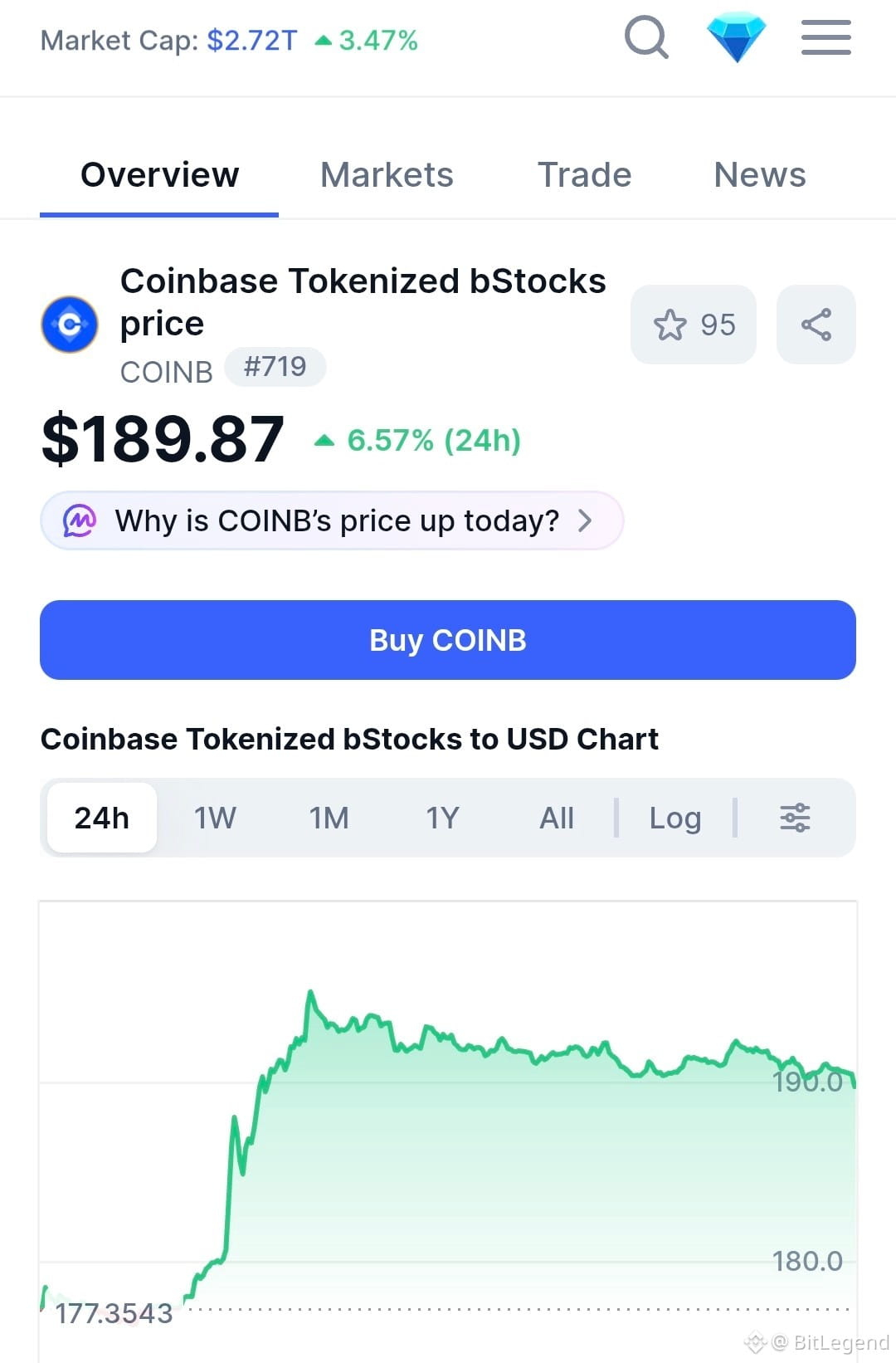
02:07|Coinbase stock token COINB is now at 184.59, up 0.26% in 15 minutes, currently bearish. If it rebounds to 188.87 and faces pressure, short positions may be worth watching. First target 1… $COINB #Coinbase
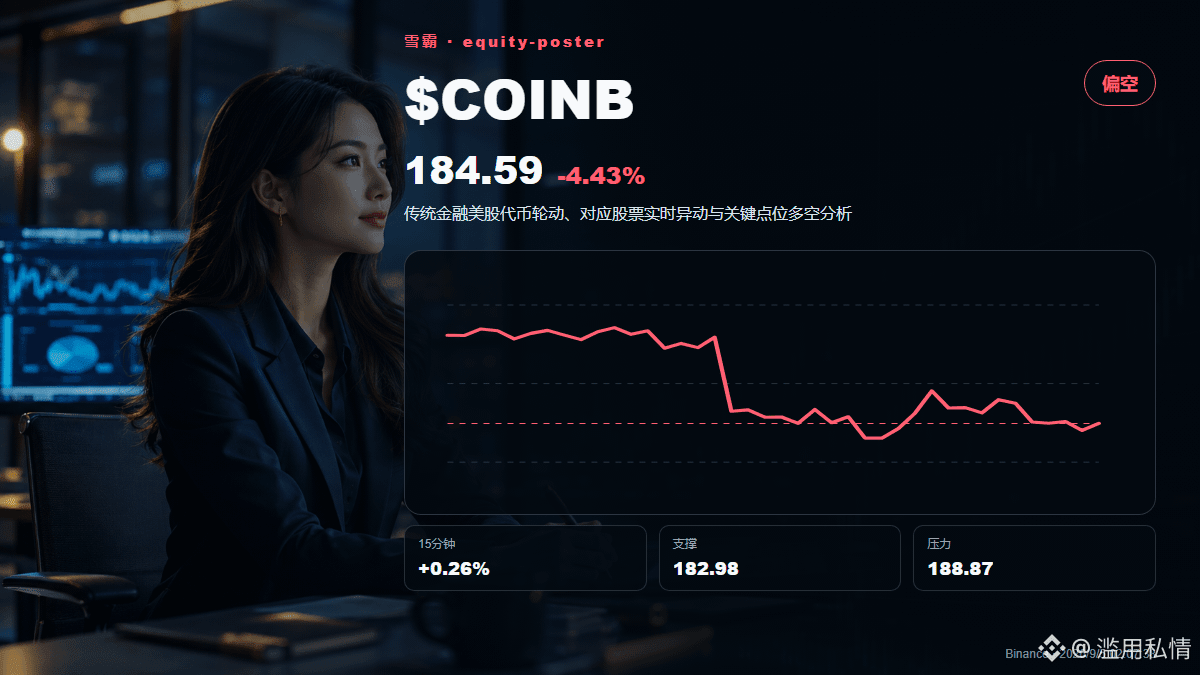
00:02|Coinbase stock token COINB is now at 185.18, down 0.25% in 15 minutes, currently bearish. A rebound to 191.02 may face resistance, so short positions can be watched. First target 1… $COINB #Coinbase
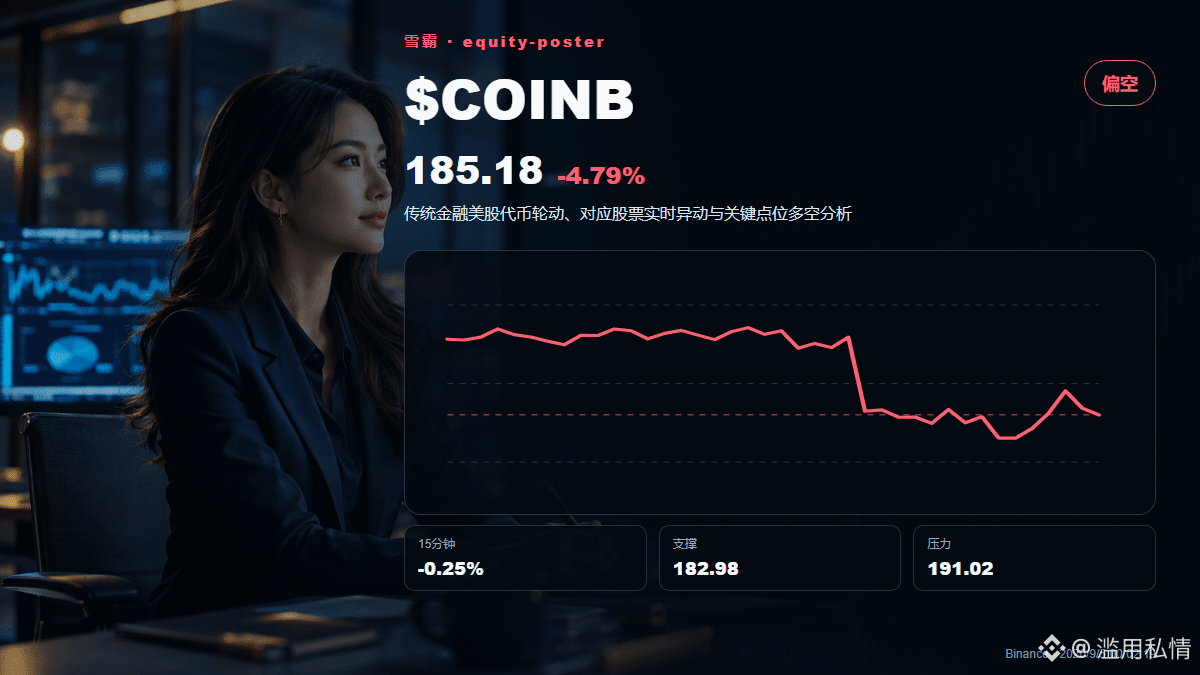

$COINB The broader crypto market is currently showing positive momentum, with global crypto market capitalization recently around $2.72T.
🔎 COINB outlook:
Trend: Highly speculative / data-dependent
Resistance: Watch the most recent local high
Support: Watch the recent swing low
Momentum: A volume-backed breakout would be more bullish; low-volume pumps carry higher reversal risk.
Risk: High — verify the exact contract address before trading.
#coinbase #CoinbaseExchange. #CoinbaseEffect #CoinbasePrime #USWeeklyInitialJoblessClaimsRiseTo206000
🔎 COINB outlook:
Trend: Highly speculative / data-dependent
Resistance: Watch the most recent local high
Support: Watch the recent swing low
Momentum: A volume-backed breakout would be more bullish; low-volume pumps carry higher reversal risk.
Risk: High — verify the exact contract address before trading.
#coinbase #CoinbaseExchange. #CoinbaseEffect #CoinbasePrime #USWeeklyInitialJoblessClaimsRiseTo206000
🇨🇦 Coinbase expands crypto derivatives trading services for Canadian investors
Coinbase announced it will offer trading of cryptocurrency derivatives to eligible investors in Canada. The move comes as part of the platform’s strategy to expand its services globally, providing regulated options for participants in the Canadian market.
━━━━━━━━━━━━━━
📊 Impact: 📈 High
🏷️ EXCHANGE
#Coinbase #Canada #Derivatives #CryptoNews #Exchange
📰 Source: cryptobriefing.com
Coinbase announced it will offer trading of cryptocurrency derivatives to eligible investors in Canada. The move comes as part of the platform’s strategy to expand its services globally, providing regulated options for participants in the Canadian market.
━━━━━━━━━━━━━━
📊 Impact: 📈 High
🏷️ EXCHANGE
#Coinbase #Canada #Derivatives #CryptoNews #Exchange
📰 Source: cryptobriefing.com

🚨 TODAY:
Coinbase has added Anthony Armstrong to its board of directors.
Armstrong, known for his previous roles as CFO of xAI and X and his background at Morgan Stanley, brings deep experience from both traditional finance and the rapidly evolving tech space. 👀
This move could signal Coinbase’s continued focus on strengthening its position at the intersection of crypto, technology, and global finance. 📈🔥
Definitely an interesting development to watch for the crypto industry. 🚀
#Coinbase #Crypto #Bitcoin #Blockchain #markets
Coinbase has added Anthony Armstrong to its board of directors.
Armstrong, known for his previous roles as CFO of xAI and X and his background at Morgan Stanley, brings deep experience from both traditional finance and the rapidly evolving tech space. 👀
This move could signal Coinbase’s continued focus on strengthening its position at the intersection of crypto, technology, and global finance. 📈🔥
Definitely an interesting development to watch for the crypto industry. 🚀
#Coinbase #Crypto #Bitcoin #Blockchain #markets


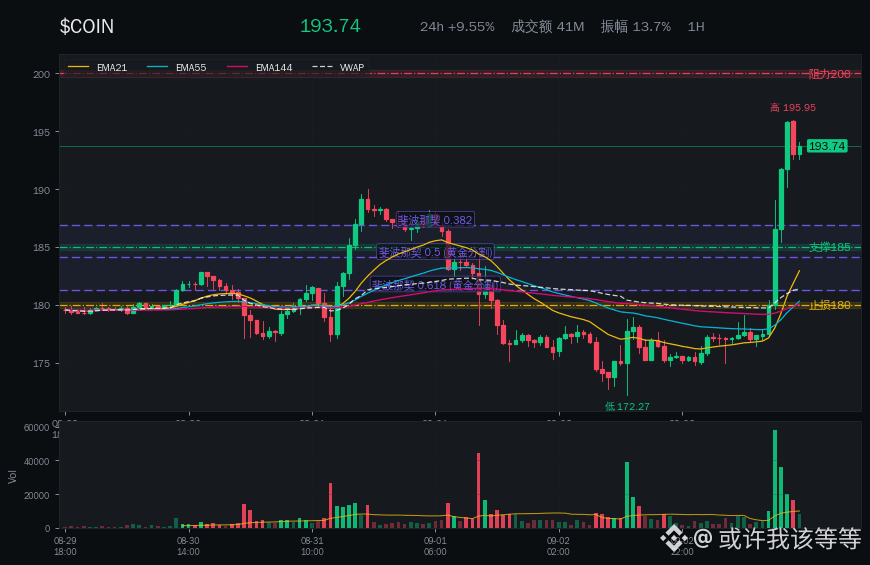
$COIN Tonight it directly ripped up, +9.55% to 193.78, and briefly tapped 195.95 at the high. Brothers, this wave really isn’t just random pumps—BTC broke through $80,000. In his remarks, Fed’s Waller is leaning toward keeping interest rates unchanged. Once liquidity worries eased, those high-beta assets that track crypto immediately took off. Even Circle’s stablecoin issuer IPO that jumped 14% couldn’t move Coinbase? You’re wrong—this exact sentiment spillover is what lit up $COIN too.
Looking at the order book now, bulls and bears are watching two key levels. The round-number 200 above is a major near-term psychological line; if it breaks, we’ll look toward 210. Support is at 185 below—this is the launch zone for today’s rally. If the pullback doesn’t break it, it’s basically just consolidation.
As for execution, I don’t chase. I’m waiting to buy the 185–188 retest area in batches. The stop-loss goes below 180. The risk-reward ratio can reach 1:2 or better. By the way, $COIN is moving even more aggressively than BTC itself—trading volume at 41M shows real money is coming in, not just a fake emotion-driven spike.
#Coinbase
Looking at the order book now, bulls and bears are watching two key levels. The round-number 200 above is a major near-term psychological line; if it breaks, we’ll look toward 210. Support is at 185 below—this is the launch zone for today’s rally. If the pullback doesn’t break it, it’s basically just consolidation.
As for execution, I don’t chase. I’m waiting to buy the 185–188 retest area in batches. The stop-loss goes below 180. The risk-reward ratio can reach 1:2 or better. By the way, $COIN is moving even more aggressively than BTC itself—trading volume at 41M shows real money is coming in, not just a fake emotion-driven spike.
#Coinbase

Musk’s former financial gatekeeper has joined the Coinbase board.
Anthony Armstrong—formerly the CFO of xAI and X, one of the most central financial operators behind Musk’s empire—announced that he has joined the Coinbase board.
Now take a good look at this pairing: on one side, Musk’s AI maniac bankroll; on the other, the largest crypto exchange in the United States. The AI circle and the crypto circle are using personnel to carry out a rare cross-pollination.
The question is: when executives from the Musk camp enter Coinbase, is it purely personal résumé gilding, or is it a sign that the two worlds are starting to exchange resources with each other? If one day xAI needs to issue tokens, or Coinbase needs AI compute power, is this former CFO the ready-made bridge?
In the comments, guess this: who will be the next person to jump from the Silicon Valley AI circle into the crypto world? #Coinbase #AI #Cryptocurrency
Anthony Armstrong—formerly the CFO of xAI and X, one of the most central financial operators behind Musk’s empire—announced that he has joined the Coinbase board.
Now take a good look at this pairing: on one side, Musk’s AI maniac bankroll; on the other, the largest crypto exchange in the United States. The AI circle and the crypto circle are using personnel to carry out a rare cross-pollination.
The question is: when executives from the Musk camp enter Coinbase, is it purely personal résumé gilding, or is it a sign that the two worlds are starting to exchange resources with each other? If one day xAI needs to issue tokens, or Coinbase needs AI compute power, is this former CFO the ready-made bridge?
In the comments, guess this: who will be the next person to jump from the Silicon Valley AI circle into the crypto world? #Coinbase #AI #Cryptocurrency

Coinbase (COIN): Key Stats Behind the Bull Case
• Token-backed mortgages now available through Better
• Up to $10,000 closing-cost rebate for eligible Coinbase One members
• Expanded into regulated crypto derivatives in Canada
• 2028 revenue projection: $8.5B
• 2028 earnings projection: $2.1B
• Forecast revenue growth: 8.3% annually
• Reported fair value estimate: $383.46, implying 119% upside
• Key risk: weaker trading volumes and earnings pressure
The bigger question: Can Coinbase turn crypto infrastructure into diversified, recurring financial revenue?
#coinbase #coin #crypto #Web3 #CryptoNews
• Token-backed mortgages now available through Better
• Up to $10,000 closing-cost rebate for eligible Coinbase One members
• Expanded into regulated crypto derivatives in Canada
• 2028 revenue projection: $8.5B
• 2028 earnings projection: $2.1B
• Forecast revenue growth: 8.3% annually
• Reported fair value estimate: $383.46, implying 119% upside
• Key risk: weaker trading volumes and earnings pressure
The bigger question: Can Coinbase turn crypto infrastructure into diversified, recurring financial revenue?
#coinbase #coin #crypto #Web3 #CryptoNews

What do you think about this?? $COINB
🇺🇸NEW: Coinbase co-founder Fred Ehrsam wants control of THREE Venezuelan oil fields.
The billionaire is targeting the Boca, Guico, and Guara blocks in Venezuela’s oil-rich Orinoco Belt.
His current operator, Alvorada, spent approximately $30 MILLION bringing inactive wells back into production.
Now, U.S. officials are considering revoking those contracts.
Energy Secretary Chris Wright is heading to Caracas, where up to 17 oil and gas agreements are expected to be showcased.
Ehrsam has already made multiple trips to Caracas and met with senior U.S. and Venezuelan officials while exploring oil, gas, fintech, and digital payments
#coinbase #CLUSTD
🇺🇸NEW: Coinbase co-founder Fred Ehrsam wants control of THREE Venezuelan oil fields.
The billionaire is targeting the Boca, Guico, and Guara blocks in Venezuela’s oil-rich Orinoco Belt.
His current operator, Alvorada, spent approximately $30 MILLION bringing inactive wells back into production.
Now, U.S. officials are considering revoking those contracts.
Energy Secretary Chris Wright is heading to Caracas, where up to 17 oil and gas agreements are expected to be showcased.
Ehrsam has already made multiple trips to Caracas and met with senior U.S. and Venezuelan officials while exploring oil, gas, fintech, and digital payments
#coinbase #CLUSTD

🇺🇸 COINBASE URGES THE US SENATE ON THE CLARITY ACT
Coinbase CEO Brian Armstrong urged the Senate not to delay consideration of the CLARITY Act and to move to a key vote as early as September 15.
According to him, banks are gradually starting to look at the crypto market not as a threat, but as a new opportunity.
The bill itself should clearly delineate responsibilities between the SEC and CFTC and establish clearer rules for digital assets in the US.
For the crypto market, this is quite an important moment. If the law advances, American companies and investors will be much more certain about the rules they should follow when working with crypto.
Now the main thing is what the Senate decides on September 15. 👀
$COINB $COIN
#crypto #Coinbase
What do you think—can the CLARITY Act really become a major step for the crypto market in the United States?
Coinbase CEO Brian Armstrong urged the Senate not to delay consideration of the CLARITY Act and to move to a key vote as early as September 15.
According to him, banks are gradually starting to look at the crypto market not as a threat, but as a new opportunity.
The bill itself should clearly delineate responsibilities between the SEC and CFTC and establish clearer rules for digital assets in the US.
For the crypto market, this is quite an important moment. If the law advances, American companies and investors will be much more certain about the rules they should follow when working with crypto.
Now the main thing is what the Senate decides on September 15. 👀
$COINB $COIN
#crypto #Coinbase
What do you think—can the CLARITY Act really become a major step for the crypto market in the United States?
🚀 Так, давно пора
100%
🤔 Подивимось, що приймуть
0%
10 votes • Voting closed
$COINB Price: around $180–187
24h: modestly positive
Support: ~$180
Resistance: ~$190–195
COINB has recently shown renewed buying activity, with 7-day performance positive and trading volume increasing. A sustained move above $195 could strengthen the bullish setup, while losing $180 would increase downside risk.
#CoinbasePrime #coinbase #CoinbaseExchange. #SaylorHintsStrategyBitcoinBuy #BitcoinUp23%InAugustOutperformingGoldAndStocks
24h: modestly positive
Support: ~$180
Resistance: ~$190–195
COINB has recently shown renewed buying activity, with 7-day performance positive and trading volume increasing. A sustained move above $195 could strengthen the bullish setup, while losing $180 would increase downside risk.
#CoinbasePrime #coinbase #CoinbaseExchange. #SaylorHintsStrategyBitcoinBuy #BitcoinUp23%InAugustOutperformingGoldAndStocks


U.S. Crypto Regulation Update
Coinbase CEO Brian Armstrong is urging the U.S. Senate to move forward with the CLARITY Act.
The proposed legislation aims to provide clearer rules for digital assets and could help create a more defined framework for consumers financial institutions businesses and regulators.
For the crypto industry clearer rules could mean more confidence and a stronger foundation for future growth.
Still the bill’s final outcome will depend on the legislative process.
#crypto #CLARITYAct #coinbase #blockchain
Coinbase CEO Brian Armstrong is urging the U.S. Senate to move forward with the CLARITY Act.
The proposed legislation aims to provide clearer rules for digital assets and could help create a more defined framework for consumers financial institutions businesses and regulators.
For the crypto industry clearer rules could mean more confidence and a stronger foundation for future growth.
Still the bill’s final outcome will depend on the legislative process.
#crypto #CLARITYAct #coinbase #blockchain
Just finished reviewing $COIN 's options/odds data for today: 179.89, with only 4.2M in volume traded. The liquidity is paper-thin. The fact that this kind of volume can still push price and it’s stubbornly not dropping is, by itself, a signal.
I’m looking at the other side—the Fed’s overnight reverse repo pool has shrunk by another $60 billion this week. The idle money in the market is moving into risk assets. As the most liquid name among crypto stocks, $COIN usually responds first when the macro liquidity level changes. Don’t expect it to violently rally right away, but there really isn’t much downside left.
At this price level, the longer it chops sideways, the more it looks like it’s building momentum. My own view is that over the next two weeks, if $COIN can hold 175, the probability of a push toward 190 is much higher than the probability of breaking below 165. When volume is this low, direction often follows external liquidity.
#Coinbase
I’m looking at the other side—the Fed’s overnight reverse repo pool has shrunk by another $60 billion this week. The idle money in the market is moving into risk assets. As the most liquid name among crypto stocks, $COIN usually responds first when the macro liquidity level changes. Don’t expect it to violently rally right away, but there really isn’t much downside left.
At this price level, the longer it chops sideways, the more it looks like it’s building momentum. My own view is that over the next two weeks, if $COIN can hold 175, the probability of a push toward 190 is much higher than the probability of breaking below 165. When volume is this low, direction often follows external liquidity.
#Coinbase
Log in to explore more content