
饼圈王道友
46 Posts

饼圈王道友
Report
Block User
美股山寨/合约交易员/只做趋势行情,不猜涨跌,知行合一!
Open Trade
Frequent Trader
5.6 Years
29 Following
1.3K+ Followers
9.4K+ Liked
Posts
Portfolio
All
Videos
PINNED
·
--
I just completed a new transaction! Click to copy my portfolio👇
I just completed a new transaction! Click to copy my portfolio👇
散修 Wang
Close Position
XLMUSDT
PNL(USDT)
+11252.09
Close Price
0.40160657
63
PINNED
·
--
🔥New group benefits, send 10u red envelope🧧 for 10 people, send 50u red envelope🧧 for 50 people, send 100u red envelope🧧 for 100 people
🔥New group benefits, send 10u red envelope🧧 for 10 people, send 50u red envelope🧧 for 50 people, send 100u red envelope🧧 for 100 people

1
1
2
211
·
--
Bullish
9/8 Afternoon session FLNC long position already opened
Break above the overhead resistance and go long along the trend
Entry: around 10.65
Stop loss: 10.45
Position management principle: exit only after the trend ends
All sharing is published immediately after the position is opened—recording only real trades, no premature calls, and no hindsight commentary after the fact
9/8 Afternoon session FLNC long position already opened
Break above the overhead resistance and go long along the trend
Entry: around 10.65
Stop loss: 10.45
Position management principle: exit only after the trend ends
All sharing is published immediately after the position is opened—recording only real trades, no premature calls, and no hindsight commentary after the fact
Break above the overhead resistance and go long along the trend
Entry: around 10.65
Stop loss: 10.45
Position management principle: exit only after the trend ends
All sharing is published immediately after the position is opened—recording only real trades, no premature calls, and no hindsight commentary after the fact
My Futures Portfolio
0 / 200
Minimum 10USDT
Public
7D PNL
(USDT)
-51.59
7D ROI
-12.33%
AUM
$366.74
Win Rate
16.66%
431
·
--
Bearish
09/02 Early Session: INJ short position has been opened
The candlestick broke below the lower support—going short following the trend
Entry: around 4.77
Stop loss: 5.01
Position-holding principle: exit only after the trend ends
All signals are published promptly after the position is opened—recording only real trades, with no pre-calling, and no hindsight sniping
09/02 Early Session: INJ short position has been opened
The candlestick broke below the lower support—going short following the trend
Entry: around 4.77
Stop loss: 5.01
Position-holding principle: exit only after the trend ends
All signals are published promptly after the position is opened—recording only real trades, with no pre-calling, and no hindsight sniping
The candlestick broke below the lower support—going short following the trend
Entry: around 4.77
Stop loss: 5.01
Position-holding principle: exit only after the trend ends
All signals are published promptly after the position is opened—recording only real trades, with no pre-calling, and no hindsight sniping
My Futures Portfolio
0 / 200
Minimum 10USDT
Public
7D PNL
(USDT)
-51.59
7D ROI
-12.33%
AUM
$366.74
Win Rate
16.66%
318
·
--
Bearish
09/01 Midday BSV short position opened
The candlestick breaks below the lower support—go short following the trend.
Entry: around 15.65
Stop-loss: 16.35
Position principle: exit only when the trend ends
All shares are published promptly after the position is opened—only records real trades, no calling orders in advance, and no hindsight calls after the fact.
09/01 Midday BSV short position opened
The candlestick breaks below the lower support—go short following the trend.
Entry: around 15.65
Stop-loss: 16.35
Position principle: exit only when the trend ends
All shares are published promptly after the position is opened—only records real trades, no calling orders in advance, and no hindsight calls after the fact.
The candlestick breaks below the lower support—go short following the trend.
Entry: around 15.65
Stop-loss: 16.35
Position principle: exit only when the trend ends
All shares are published promptly after the position is opened—only records real trades, no calling orders in advance, and no hindsight calls after the fact.
My Futures Portfolio
0 / 200
Minimum 10USDT
Public
7D PNL
(USDT)
-51.59
7D ROI
-12.33%
AUM
$366.74
Win Rate
16.66%
291
·
--
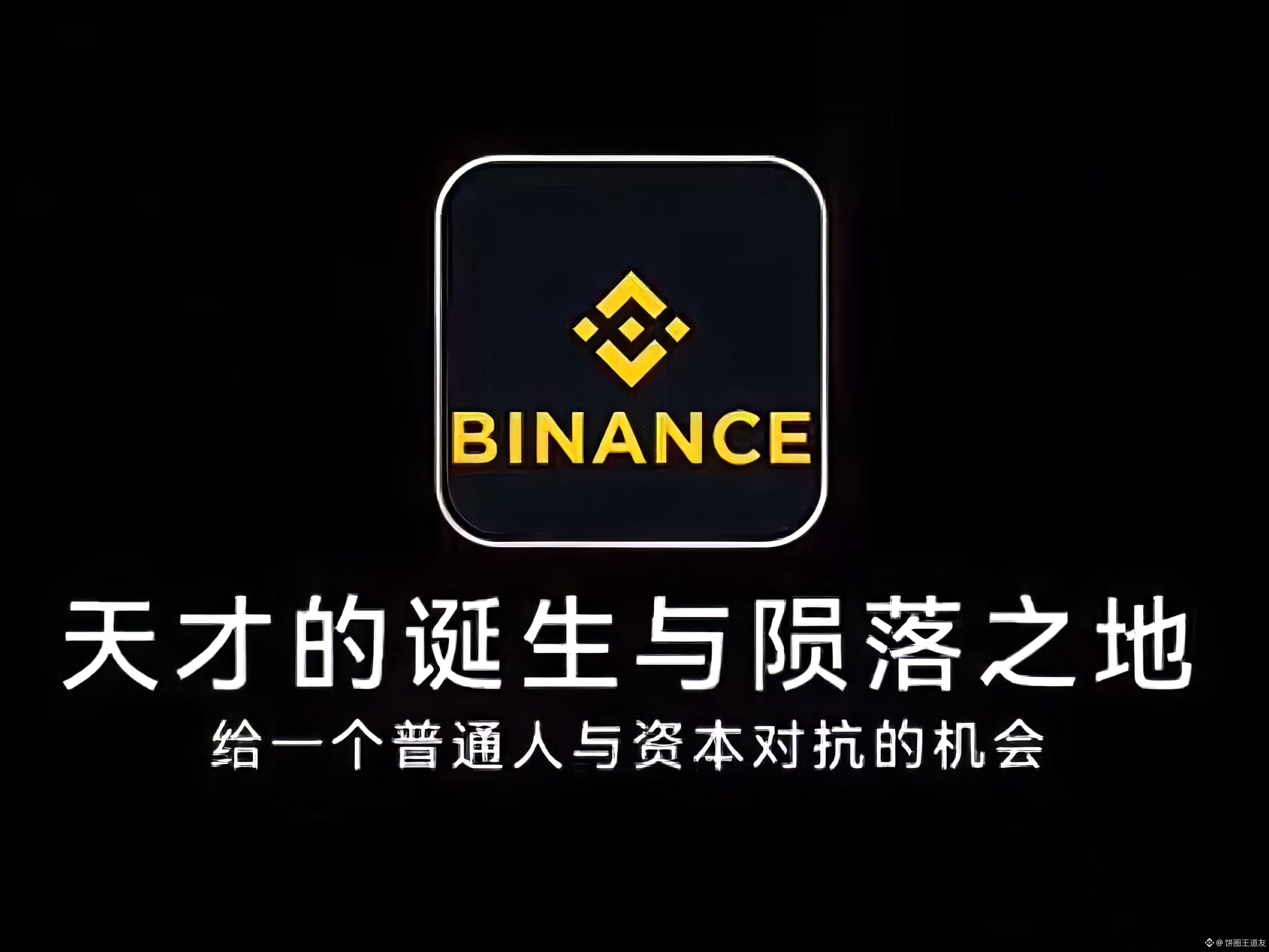
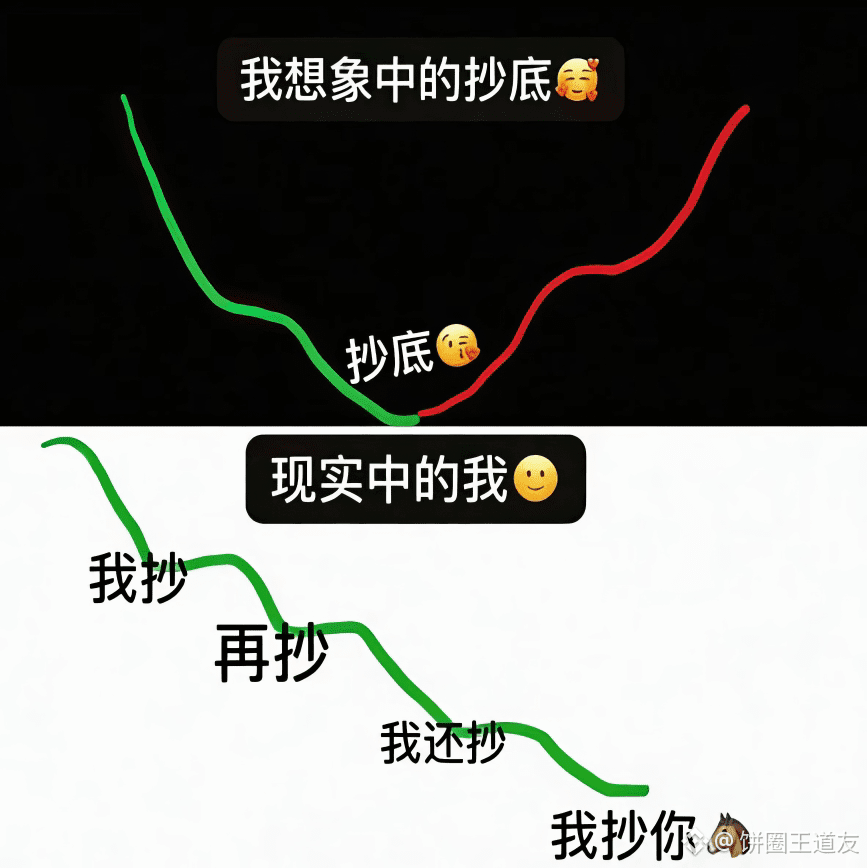
The cryptocurrency market is in a bear market, the next BTC halving is in March 2028, and the bull market is estimated to wait until the second half of 2027.
The cryptocurrency market is in a bear market, the next BTC halving is in March 2028, and the bull market is estimated to wait until the second half of 2027.
2
307
·
--
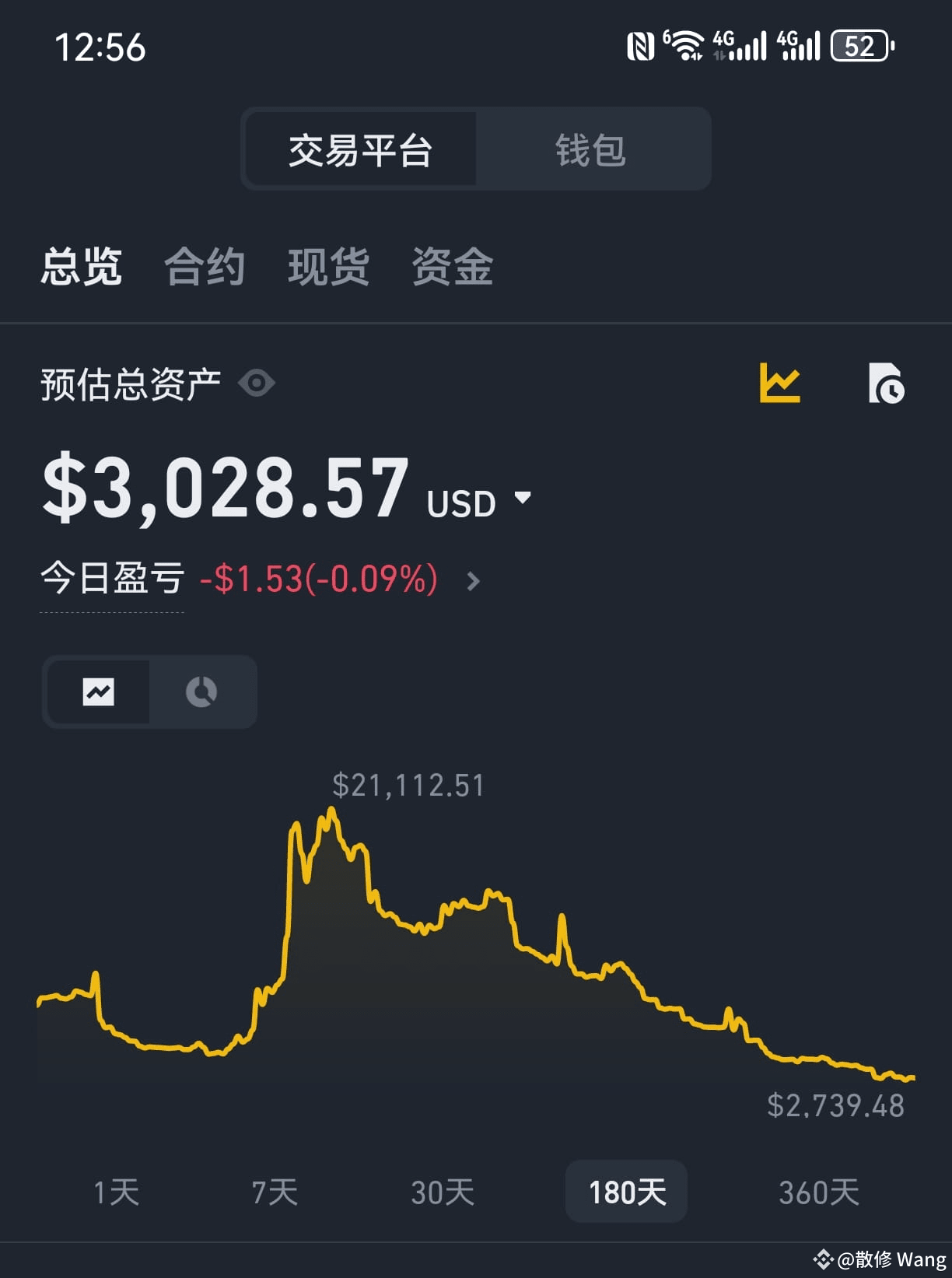
What storms have I not seen, I must get through this level 😡
Next stop, turning things around, just get it done 😤
What storms have I not seen, I must get through this level 😡
Next stop, turning things around, just get it done 😤
Next stop, turning things around, just get it done 😤
2
4
10.7k
·
--
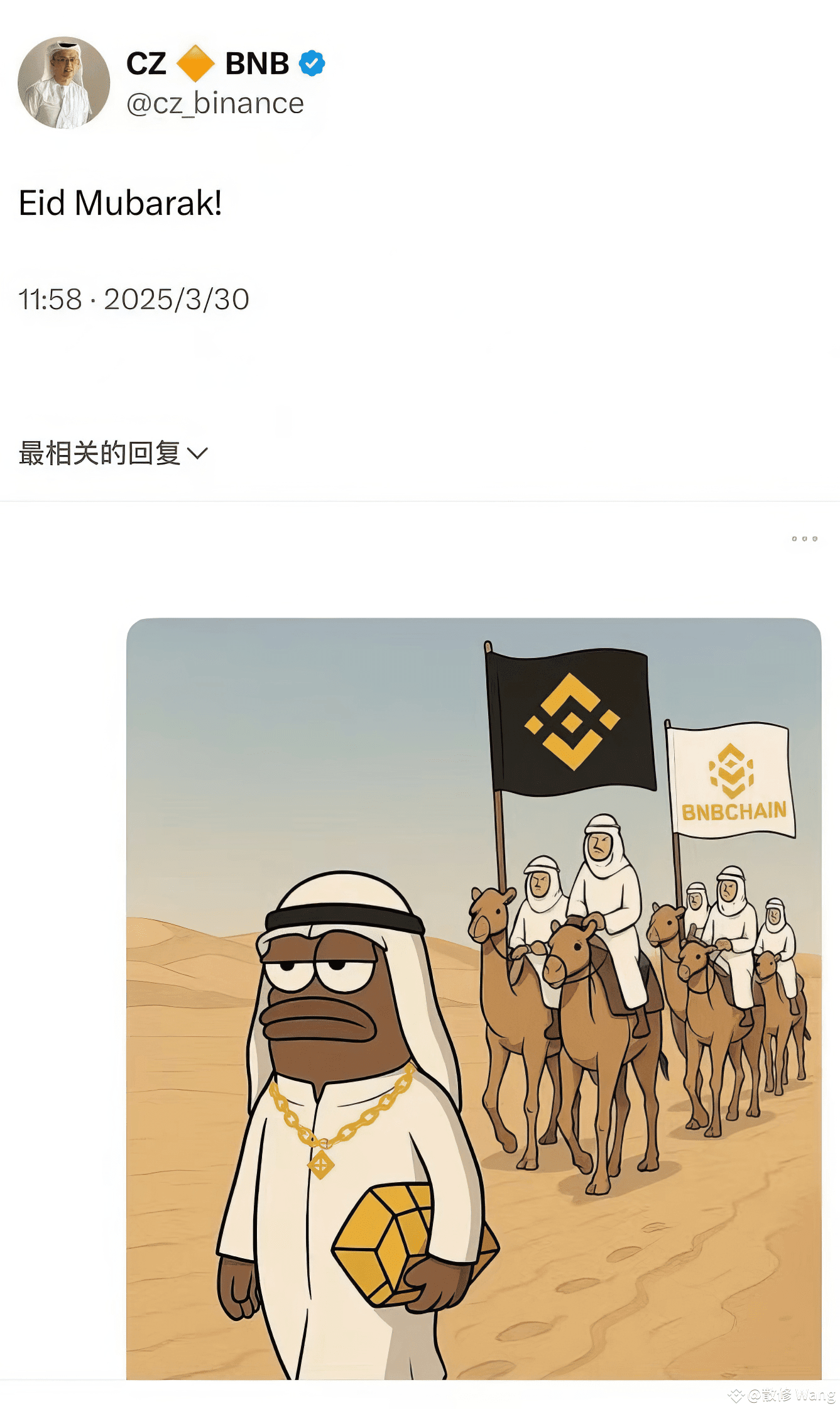
CZ tweeted at noon Mubarak, does this indicate a bull market next month? 🤔
CZ tweeted at noon Mubarak, does this indicate a bull market next month? 🤔
66
19
22
96.7k
·
--
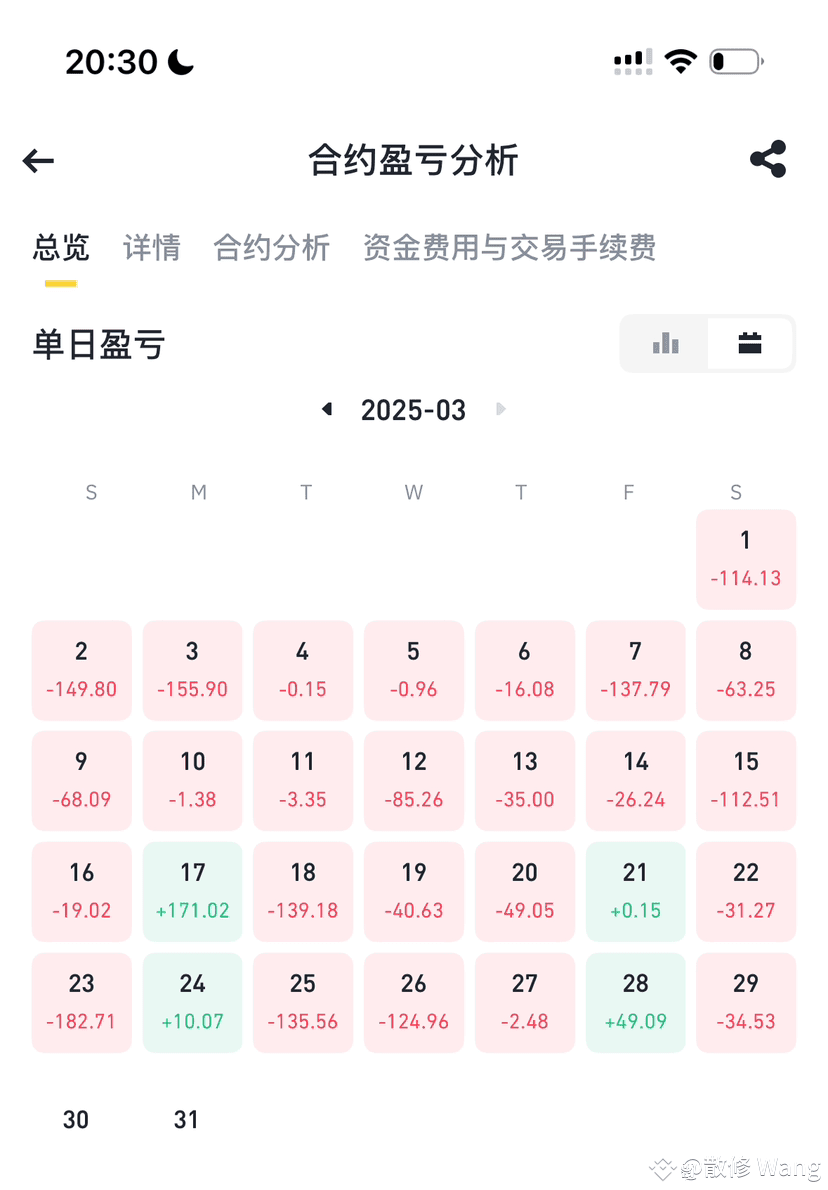
The end of the month is approaching, and the more I do, the more I lose. When will the soldiers have a chance to rise!
The end of the month is approaching, and the more I do, the more I lose. When will the soldiers have a chance to rise!
51
12
9
24.2k
·
--
The most taboo in trading is to use pressured funds. Once there is pressure, the mentality is easily distorted. You will panic and exit the market because the market is not moving normally, and then regret that you were in a favorable position at the beginning. You will also be blindly betting everything when there is no opportunity due to the limited time of using funds, and eventually lose miserably.
#美国CPI数据连续第4个月回落
The most taboo in trading is to use pressured funds. Once there is pressure, the mentality is easily distorted. You will panic and exit the market because the market is not moving normally, and then regret that you were in a favorable position at the beginning. You will also be blindly betting everything when there is no opportunity due to the limited time of using funds, and eventually lose miserably.
#美国CPI数据连续第4个月回落
#美国CPI数据连续第4个月回落

87
·
--
What is Web3?
The Internet has gone through two eras: the first era was built on open protocols and controlled by the community; the second era was centralized services built by profit-oriented technology companies. But this kind of control makes the Internet less fun and dynamic.
Web3 is the third era of the Internet, a blockchain that combines the best features of the first two Internet eras: a community-governed decentralized network whose functionality will eventually exceed that of the most advanced centralized services.
In the Web3 era, core Internet services may be almost completely re-architected, making the Internet more free, fair and vibrant.
#Web3
What is Web3?
The Internet has gone through two eras: the first era was built on open protocols and controlled by the community; the second era was centralized services built by profit-oriented technology companies. But this kind of control makes the Internet less fun and dynamic.
Web3 is the third era of the Internet, a blockchain that combines the best features of the first two Internet eras: a community-governed decentralized network whose functionality will eventually exceed that of the most advanced centralized services.
In the Web3 era, core Internet services may be almost completely re-architected, making the Internet more free, fair and vibrant.
#Web3
The Internet has gone through two eras: the first era was built on open protocols and controlled by the community; the second era was centralized services built by profit-oriented technology companies. But this kind of control makes the Internet less fun and dynamic.
Web3 is the third era of the Internet, a blockchain that combines the best features of the first two Internet eras: a community-governed decentralized network whose functionality will eventually exceed that of the most advanced centralized services.
In the Web3 era, core Internet services may be almost completely re-architected, making the Internet more free, fair and vibrant.
#Web3

1
102
3.8k
·
--
Explore the Metaverse, the future of the digital world
The Metaverse is a new era in the digital world. As technology continues to develop, the Metaverse is also constantly evolving. Currently, there are more than 300 companies around the world involved in the metaverse field, and the market size is expected to reach hundreds of billions in the next few years. At the same time, the Metaverse has also become a popular area where major technology giants are competing for deployment. Companies such as Facebook, Google, and Apple are actively developing and investing in Metaverse-related technologies and products.
It is predicted that by 2030, more than 100 million people around the world will participate in the Metaverse. The development of the Metaverse will bring endless possibilities to social, education, gaming, business and other fields, and open up new paths for future exploration of the digital world.
#crypto2023
Explore the Metaverse, the future of the digital world
The Metaverse is a new era in the digital world. As technology continues to develop, the Metaverse is also constantly evolving. Currently, there are more than 300 companies around the world involved in the metaverse field, and the market size is expected to reach hundreds of billions in the next few years. At the same time, the Metaverse has also become a popular area where major technology giants are competing for deployment. Companies such as Facebook, Google, and Apple are actively developing and investing in Metaverse-related technologies and products.
It is predicted that by 2030, more than 100 million people around the world will participate in the Metaverse. The development of the Metaverse will bring endless possibilities to social, education, gaming, business and other fields, and open up new paths for future exploration of the digital world.
#crypto2023
The Metaverse is a new era in the digital world. As technology continues to develop, the Metaverse is also constantly evolving. Currently, there are more than 300 companies around the world involved in the metaverse field, and the market size is expected to reach hundreds of billions in the next few years. At the same time, the Metaverse has also become a popular area where major technology giants are competing for deployment. Companies such as Facebook, Google, and Apple are actively developing and investing in Metaverse-related technologies and products.
It is predicted that by 2030, more than 100 million people around the world will participate in the Metaverse. The development of the Metaverse will bring endless possibilities to social, education, gaming, business and other fields, and open up new paths for future exploration of the digital world.
#crypto2023

1
74
3.7k
·
--
Ethereum: an important force driving decentralized applications
Ethereum is a decentralized application platform using blockchain-based technology.
Ethereum was officially launched in 2015, with the goal of providing developers with a platform that can run smart contracts.
The Ethereum network is widely used in decentralized finance, games, Internet of Things, digital identity and other fields.
In the development process of Ethereum, the DAO incident in 2016, the ICO boom in 2017, and the DeFi outbreak in 2020 are all milestones worthy of attention.
Ethereum’s ecosystem continues to expand, including developer communities, wallets, exchanges, and more. The emergence of Ethereum has promoted the further development of blockchain technology and provided more possibilities for decentralized application development.
#ETH
Ethereum: an important force driving decentralized applications
Ethereum is a decentralized application platform using blockchain-based technology.
Ethereum was officially launched in 2015, with the goal of providing developers with a platform that can run smart contracts.
The Ethereum network is widely used in decentralized finance, games, Internet of Things, digital identity and other fields.
In the development process of Ethereum, the DAO incident in 2016, the ICO boom in 2017, and the DeFi outbreak in 2020 are all milestones worthy of attention.
Ethereum’s ecosystem continues to expand, including developer communities, wallets, exchanges, and more. The emergence of Ethereum has promoted the further development of blockchain technology and provided more possibilities for decentralized application development.
#ETH
Ethereum is a decentralized application platform using blockchain-based technology.
Ethereum was officially launched in 2015, with the goal of providing developers with a platform that can run smart contracts.
The Ethereum network is widely used in decentralized finance, games, Internet of Things, digital identity and other fields.
In the development process of Ethereum, the DAO incident in 2016, the ICO boom in 2017, and the DeFi outbreak in 2020 are all milestones worthy of attention.
Ethereum’s ecosystem continues to expand, including developer communities, wallets, exchanges, and more. The emergence of Ethereum has promoted the further development of blockchain technology and provided more possibilities for decentralized application development.
#ETH

99
3.4k
·
--
Bitcoin: The historical transformation of digital currency
Bitcoin is the representative of digital currency and the pioneer of the digital age.
In 2009, Bitcoin was born, and its decentralized features attracted more and more people.
In 2013, the price of Bitcoin exceeded $1,000 for the first time, attracting global attention.
In 2017, Bitcoin price once again hit an all-time high, reaching $20,000.
In 2021, Tesla spent US$1.5 billion to purchase Bitcoin, which also made Bitcoin a benchmark in the field of digital currency.
The emergence of Bitcoin represents a revolution in the field of digital currency, which has injected new vitality into the monetary system in the digital era. Bitcoin’s history is full of ups and downs, but its importance cannot be ignored. It leads the development of the digital currency field and brings unprecedented changes to the economic and financial fields.
#BTC
Bitcoin: The historical transformation of digital currency
Bitcoin is the representative of digital currency and the pioneer of the digital age.
In 2009, Bitcoin was born, and its decentralized features attracted more and more people.
In 2013, the price of Bitcoin exceeded $1,000 for the first time, attracting global attention.
In 2017, Bitcoin price once again hit an all-time high, reaching $20,000.
In 2021, Tesla spent US$1.5 billion to purchase Bitcoin, which also made Bitcoin a benchmark in the field of digital currency.
The emergence of Bitcoin represents a revolution in the field of digital currency, which has injected new vitality into the monetary system in the digital era. Bitcoin’s history is full of ups and downs, but its importance cannot be ignored. It leads the development of the digital currency field and brings unprecedented changes to the economic and financial fields.
#BTC
Bitcoin is the representative of digital currency and the pioneer of the digital age.
In 2009, Bitcoin was born, and its decentralized features attracted more and more people.
In 2013, the price of Bitcoin exceeded $1,000 for the first time, attracting global attention.
In 2017, Bitcoin price once again hit an all-time high, reaching $20,000.
In 2021, Tesla spent US$1.5 billion to purchase Bitcoin, which also made Bitcoin a benchmark in the field of digital currency.
The emergence of Bitcoin represents a revolution in the field of digital currency, which has injected new vitality into the monetary system in the digital era. Bitcoin’s history is full of ups and downs, but its importance cannot be ignored. It leads the development of the digital currency field and brings unprecedented changes to the economic and financial fields.
#BTC

80
5k
·
--
A Beginner's Guide to Digital Currency Trading
1. Learn trading knowledge and establish a trading system. Including basic concepts, trading rules, fund management, market analysis, trading operations, etc.
2. Improve yourself and understand the transaction rules, costs, time, influencing factors, etc. of digital currency.
3. Choose an appropriate investment platform, register, open an account, and conduct real-name authentication.
4. Recharge your account and purchase digital currencies.
5. Conduct digital currency transactions and buy and sell according to market conditions.
6. Manage funds, review transactions regularly, and evaluate returns.
7. Continuously learn, pay attention to industry trends, and improve your own investment knowledge.
#Binance
A Beginner's Guide to Digital Currency Trading
1. Learn trading knowledge and establish a trading system. Including basic concepts, trading rules, fund management, market analysis, trading operations, etc.
2. Improve yourself and understand the transaction rules, costs, time, influencing factors, etc. of digital currency.
3. Choose an appropriate investment platform, register, open an account, and conduct real-name authentication.
4. Recharge your account and purchase digital currencies.
5. Conduct digital currency transactions and buy and sell according to market conditions.
6. Manage funds, review transactions regularly, and evaluate returns.
7. Continuously learn, pay attention to industry trends, and improve your own investment knowledge.
#Binance
1. Learn trading knowledge and establish a trading system. Including basic concepts, trading rules, fund management, market analysis, trading operations, etc.
2. Improve yourself and understand the transaction rules, costs, time, influencing factors, etc. of digital currency.
3. Choose an appropriate investment platform, register, open an account, and conduct real-name authentication.
4. Recharge your account and purchase digital currencies.
5. Conduct digital currency transactions and buy and sell according to market conditions.
6. Manage funds, review transactions regularly, and evaluate returns.
7. Continuously learn, pay attention to industry trends, and improve your own investment knowledge.
#Binance

75
5.2k
Log in to explore more content
Join global crypto users on Binance Square
⚡️ Get latest and useful information about crypto.
💬 Trusted by the world’s largest crypto exchange.
👍 Discover real insights from verified creators.
Email / Phone number
Trending Topics
BitcoinSurpasses$77000
6,987 views
117 Discussing
$BTC is ripping higher despite it all. 🚀
Today marked the first rate hike in over 3 years, while the CLARITY Act stalled again yesterday.
Setup big long again - thank me later
Entry : $75500 - $76500
Stoploss : $74900
Take profit : $77000 - $78000
Get ready for a crazy growth cycle. 🔥
TF_bnb
·16 Likes
·6.5k views
ParadigmDisclosesZECHolding
19,305 views
522 Discussing
BitcoinETFsShed$450M
17,631 views
167 Discussing