
AnalystKakashi
20.2k Posts

AnalystKakashi
Ever tried. Ever failed. No matter. Try again. Fail again. Fail better.
High-Frequency Trader
5.5 Years
15 Following
17.5K+ Followers
26.2K+ Liked
Posts
All
Quotes
Videos
Live
PINNED
AnalystKakashi
·
--
$ZEC — Zcash: The Bitcoin of Private Money?
Most people know Zcash as a “privacy coin,” but that description barely explains what makes it interesting.
Zcash was launched in 2016 from the Bitcoin codebase with one major difference: it was designed to make financial privacy possible at the protocol level.
Here’s how it actually works 👇
1. What is Zcash?
Zcash is a decentralized cryptocurrency focused on private digital payments.
Like Bitcoin, it has a fixed maximum supply of 21 million ZEC and uses a proof-of-work blockchain.
But Bitcoin transactions are publicly visible. With Zcash, users can choose between transparent transactions and shielded transactions.
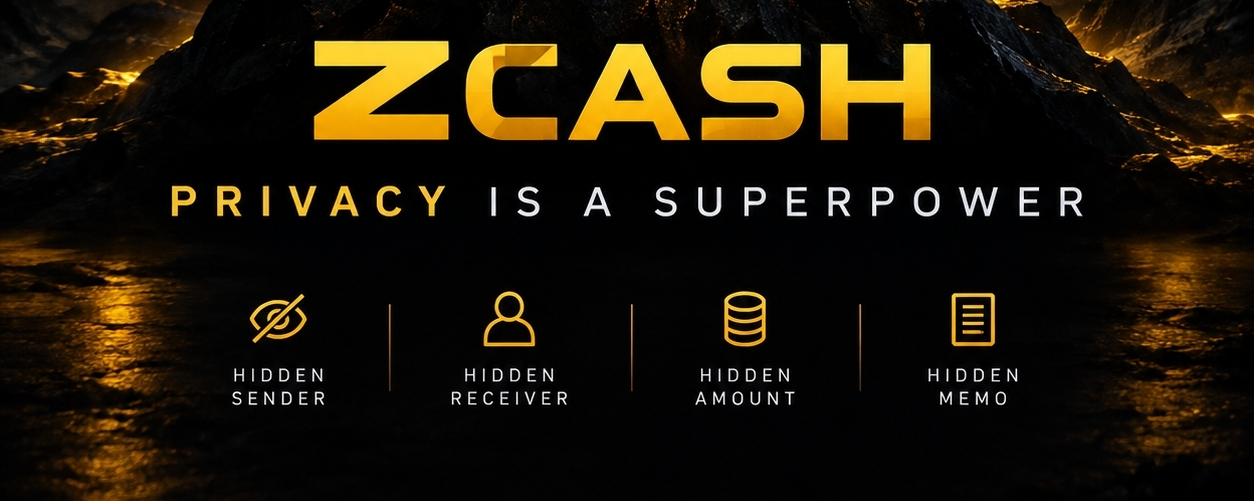
Shielded transactions can hide the sender, recipient, amount, and transaction memo from public blockchain observers while still allowing the network to verify that the transaction is valid.
2. The technology behind the privacy
This is where Zcash gets interesting.
Zcash uses zero-knowledge proofs, specifically zk-SNARKs.
The basic idea is:
You can prove that a transaction is valid without revealing all the information needed to verify it.
For example, the network can verify that you own the funds you're spending, that you're not spending the same funds twice, and that the transaction balances correctly — without exposing the underlying private transaction details.
Zcash originally used Groth16 zk-SNARKs.
Its newer Orchard shielded protocol uses Halo 2, a proving system designed to eliminate the need for a trusted setup ceremony.
3. What happens to your ZEC when you shield it?
Think of Zcash as having different “pools” of value.
Transparent ZEC behaves similarly to Bitcoin.
Shielded ZEC is represented through cryptographic notes.
When you receive shielded ZEC, the blockchain records a cryptographic commitment to that note rather than simply publishing your balance and transaction history.
When you spend it, your wallet creates a zero-knowledge proof showing that:
• the note exists
• you are authorized to spend it
• the value is valid
• it hasn't already been spent
• the transaction follows the protocol rules
The network verifies the proof without learning the private information itself.
4. Nullifiers prevent double spending
There is another clever mechanism called a nullifier.
When a shielded note is spent, a unique nullifier is revealed.
The network can see:
“Someone has spent this note before.”
But it cannot use the nullifier alone to determine which private note or user it belongs to.
This gives Zcash a way to prevent double spending while preserving privacy.
5. Orchard + Halo 2
Orchard was introduced with Network Upgrade 5 in 2022.
It represents a major redesign of Zcash's shielded-payment technology.
Orchard uses:
• Halo 2
• Pallas/Vesta elliptic-curve technology
• Sinsemilla hashing
• shielded notes
• zero-knowledge proofs
One important advantage of Halo is that it removes the protocol's dependence on a traditional trusted setup.
That matters because a compromised trusted setup could potentially create serious security risks.
6. But 2026 changed Zcash significantly
This is the part many old $ZEC threads miss.
In late May 2026, a soundness vulnerability was discovered in the Orchard protocol.
Zcash responded with NU6.3, called Ironwood, which activated on mainnet on July 28, 2026 at block 3,428,143.
Ironwood introduced a new shielded pool designed to strengthen security and make the integrity of Zcash's circulating supply independently verifiable.
After NU6.3, the old Orchard pool is restricted: new value cannot enter it, while funds can exit through the protocol's turnstile into the new Ironwood pool.
This is extremely important when analyzing ZEC today.
You shouldn't analyze 2026 Zcash as if it were simply the same protocol from 2022–2025.
The network has evolved.
7. What makes $ZEC different?
The strongest argument for Zcash isn't simply “privacy.”
It's cryptographically enforced financial privacy.
A normal public blockchain can tell the world:
“How much money does this address have?”
“Who sent money to whom?”
“How much was transferred?”
“What addresses does this wallet interact with?”
Shielded Zcash is designed to make that information private while still allowing the network to establish that the transaction is legitimate.
That creates a fundamentally different model of digital money.
8. ZEC isn't private by default everywhere
This is important.
Zcash supports both transparent and shielded transactions.
If you use transparent addresses, the transaction information can be publicly visible just like a conventional transparent blockchain.
For strong privacy, users need to use shielded functionality and compatible wallets/services.
So saying “Zcash is private” is technically incomplete.
The better description is:
Zcash gives users the ability to transact privately at the protocol level.
9. What about the 21M supply?
ZEC has a maximum supply of 21 million coins, following Bitcoin's monetary model.
This creates a simple investment thesis:
Limited supply + demand for private digital money + increasing use of shielded transactions.
But supply alone doesn't make ZEC valuable.
The real question is:
Will people actually demand censorship-resistant, private digital money?
If the answer is yes, Zcash has one of the strongest technical foundations in crypto for that use case.
10. The biggest bull case 🐂
The bull case for $ZEC is basically a bet on financial privacy becoming more important.
As blockchain adoption grows, the amount of financial information exposed on public ledgers also grows.
Businesses don't necessarily want competitors seeing their treasury.
Individuals don't necessarily want strangers seeing their salary, savings or spending history.
Funds don't necessarily want their entire transaction strategy publicly visible.
If crypto becomes a major global financial system, privacy could become a feature rather than a niche.
And that's exactly the problem Zcash is trying to solve.
11. The biggest risks 🐻
ZEC isn't risk-free.
The biggest risks include:
• Regulatory pressure against privacy-focused cryptocurrencies
• Exchange delistings or reduced liquidity
• Competition from other privacy technologies
• Complex cryptography and implementation risk
• Adoption remaining relatively small
• Wallet UX and shielded-payment usability
• Security vulnerabilities, as the 2026 Orchard incident demonstrated
• The possibility that users simply prefer transparent chains
The 2026 incident is particularly important because it demonstrates something investors should never forget:
Advanced cryptography doesn't eliminate protocol risk.
Zcash's response with Ironwood is significant, but the episode should still be part of any serious $ZEC risk analysis.
12. What's next?
Zcash development is still pushing toward more scalable and usable private payments.
The proposed Tachyon work explores new approaches to shielded payments, including private information retrieval, post-quantum key exchange, proof-carrying data and new shielded protocols.
However, these are development goals — not something investors should treat as already deployed mainnet functionality.
My simple take
Bitcoin asks:
“Can we create money without a central authority?”
Zcash asks:
“Can we create money without a central authority AND without forcing everyone to reveal their financial activity?”
That's the core idea behind $ZEC.
Whether Zcash ultimately wins depends less on how impressive its cryptography is and more on whether the world decides that financial privacy is worth paying for.
And in 2026, that question is becoming increasingly interesting.
$ZEC isn't just another altcoin.
It's a bet on private, censorship-resistant digital money.🛡️
#zcash #ZECUSDT #Privacy #crypto
Zcash was launched in 2016 from the Bitcoin codebase with one major difference: it was designed to make financial privacy possible at the protocol level.
Here’s how it actually works 👇
1. What is Zcash?
Zcash is a decentralized cryptocurrency focused on private digital payments.
Like Bitcoin, it has a fixed maximum supply of 21 million ZEC and uses a proof-of-work blockchain.
But Bitcoin transactions are publicly visible. With Zcash, users can choose between transparent transactions and shielded transactions.
Shielded transactions can hide the sender, recipient, amount, and transaction memo from public blockchain observers while still allowing the network to verify that the transaction is valid.
2. The technology behind the privacy
This is where Zcash gets interesting.
Zcash uses zero-knowledge proofs, specifically zk-SNARKs.
The basic idea is:
You can prove that a transaction is valid without revealing all the information needed to verify it.
For example, the network can verify that you own the funds you're spending, that you're not spending the same funds twice, and that the transaction balances correctly — without exposing the underlying private transaction details.
Zcash originally used Groth16 zk-SNARKs.
Its newer Orchard shielded protocol uses Halo 2, a proving system designed to eliminate the need for a trusted setup ceremony.
3. What happens to your ZEC when you shield it?
Think of Zcash as having different “pools” of value.
Transparent ZEC behaves similarly to Bitcoin.
Shielded ZEC is represented through cryptographic notes.
When you receive shielded ZEC, the blockchain records a cryptographic commitment to that note rather than simply publishing your balance and transaction history.
When you spend it, your wallet creates a zero-knowledge proof showing that:
• the note exists
• you are authorized to spend it
• the value is valid
• it hasn't already been spent
• the transaction follows the protocol rules
The network verifies the proof without learning the private information itself.
4. Nullifiers prevent double spending
There is another clever mechanism called a nullifier.
When a shielded note is spent, a unique nullifier is revealed.
The network can see:
“Someone has spent this note before.”
But it cannot use the nullifier alone to determine which private note or user it belongs to.
This gives Zcash a way to prevent double spending while preserving privacy.
5. Orchard + Halo 2
Orchard was introduced with Network Upgrade 5 in 2022.
It represents a major redesign of Zcash's shielded-payment technology.
Orchard uses:
• Halo 2
• Pallas/Vesta elliptic-curve technology
• Sinsemilla hashing
• shielded notes
• zero-knowledge proofs
One important advantage of Halo is that it removes the protocol's dependence on a traditional trusted setup.
That matters because a compromised trusted setup could potentially create serious security risks.
6. But 2026 changed Zcash significantly
This is the part many old $ZEC threads miss.
In late May 2026, a soundness vulnerability was discovered in the Orchard protocol.
Zcash responded with NU6.3, called Ironwood, which activated on mainnet on July 28, 2026 at block 3,428,143.
Ironwood introduced a new shielded pool designed to strengthen security and make the integrity of Zcash's circulating supply independently verifiable.
After NU6.3, the old Orchard pool is restricted: new value cannot enter it, while funds can exit through the protocol's turnstile into the new Ironwood pool.
This is extremely important when analyzing ZEC today.
You shouldn't analyze 2026 Zcash as if it were simply the same protocol from 2022–2025.
The network has evolved.
7. What makes $ZEC different?
The strongest argument for Zcash isn't simply “privacy.”
It's cryptographically enforced financial privacy.
A normal public blockchain can tell the world:
“How much money does this address have?”
“Who sent money to whom?”
“How much was transferred?”
“What addresses does this wallet interact with?”
Shielded Zcash is designed to make that information private while still allowing the network to establish that the transaction is legitimate.
That creates a fundamentally different model of digital money.
8. ZEC isn't private by default everywhere
This is important.
Zcash supports both transparent and shielded transactions.
If you use transparent addresses, the transaction information can be publicly visible just like a conventional transparent blockchain.
For strong privacy, users need to use shielded functionality and compatible wallets/services.
So saying “Zcash is private” is technically incomplete.
The better description is:
Zcash gives users the ability to transact privately at the protocol level.
9. What about the 21M supply?
ZEC has a maximum supply of 21 million coins, following Bitcoin's monetary model.
This creates a simple investment thesis:
Limited supply + demand for private digital money + increasing use of shielded transactions.
But supply alone doesn't make ZEC valuable.
The real question is:
Will people actually demand censorship-resistant, private digital money?
If the answer is yes, Zcash has one of the strongest technical foundations in crypto for that use case.
10. The biggest bull case 🐂
The bull case for $ZEC is basically a bet on financial privacy becoming more important.
As blockchain adoption grows, the amount of financial information exposed on public ledgers also grows.
Businesses don't necessarily want competitors seeing their treasury.
Individuals don't necessarily want strangers seeing their salary, savings or spending history.
Funds don't necessarily want their entire transaction strategy publicly visible.
If crypto becomes a major global financial system, privacy could become a feature rather than a niche.
And that's exactly the problem Zcash is trying to solve.
11. The biggest risks 🐻
ZEC isn't risk-free.
The biggest risks include:
• Regulatory pressure against privacy-focused cryptocurrencies
• Exchange delistings or reduced liquidity
• Competition from other privacy technologies
• Complex cryptography and implementation risk
• Adoption remaining relatively small
• Wallet UX and shielded-payment usability
• Security vulnerabilities, as the 2026 Orchard incident demonstrated
• The possibility that users simply prefer transparent chains
The 2026 incident is particularly important because it demonstrates something investors should never forget:
Advanced cryptography doesn't eliminate protocol risk.
Zcash's response with Ironwood is significant, but the episode should still be part of any serious $ZEC risk analysis.
12. What's next?
Zcash development is still pushing toward more scalable and usable private payments.
The proposed Tachyon work explores new approaches to shielded payments, including private information retrieval, post-quantum key exchange, proof-carrying data and new shielded protocols.
However, these are development goals — not something investors should treat as already deployed mainnet functionality.
My simple take
Bitcoin asks:
“Can we create money without a central authority?”
Zcash asks:
“Can we create money without a central authority AND without forcing everyone to reveal their financial activity?”
That's the core idea behind $ZEC.
Whether Zcash ultimately wins depends less on how impressive its cryptography is and more on whether the world decides that financial privacy is worth paying for.
And in 2026, that question is becoming increasingly interesting.
$ZEC isn't just another altcoin.
It's a bet on private, censorship-resistant digital money.🛡️
#zcash #ZECUSDT #Privacy #crypto
AnalystKakashi
·
--
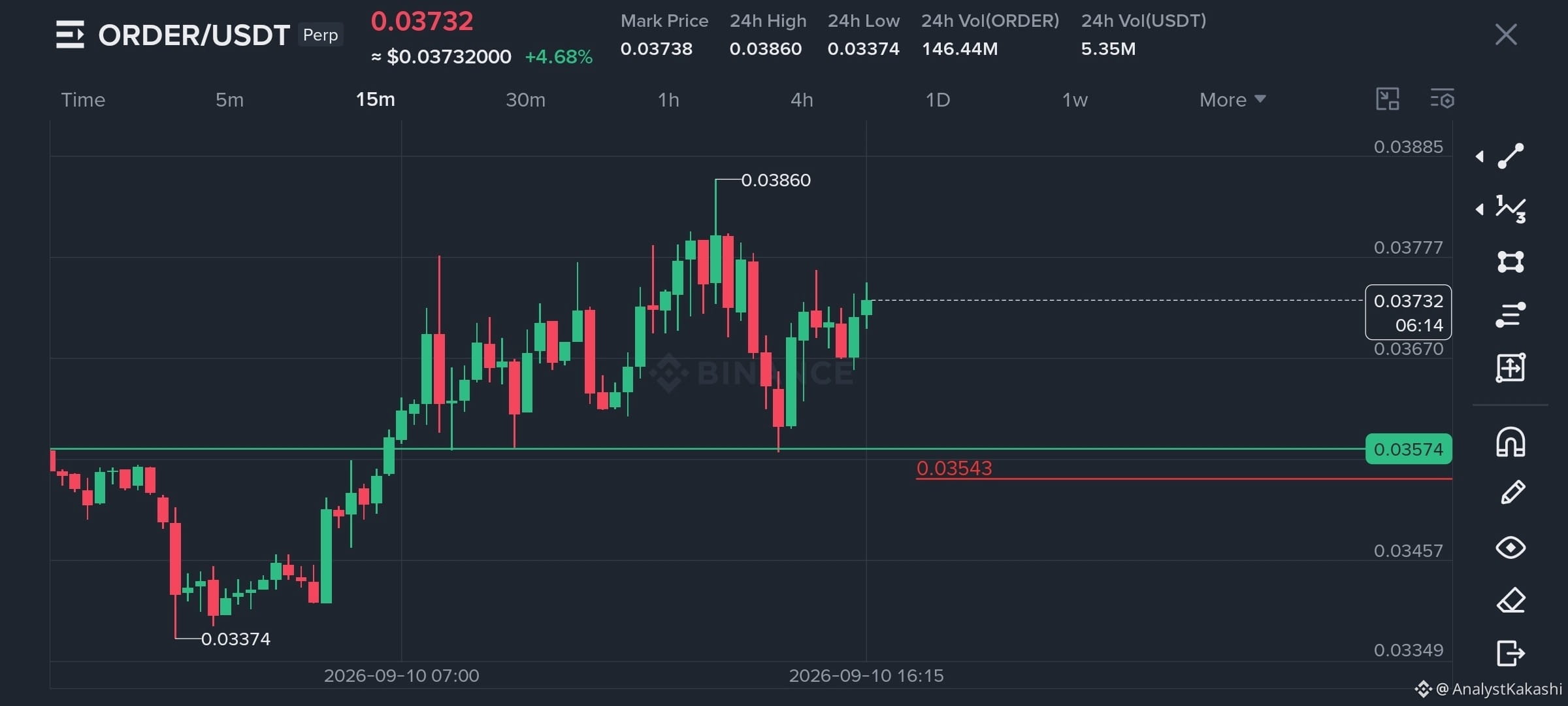
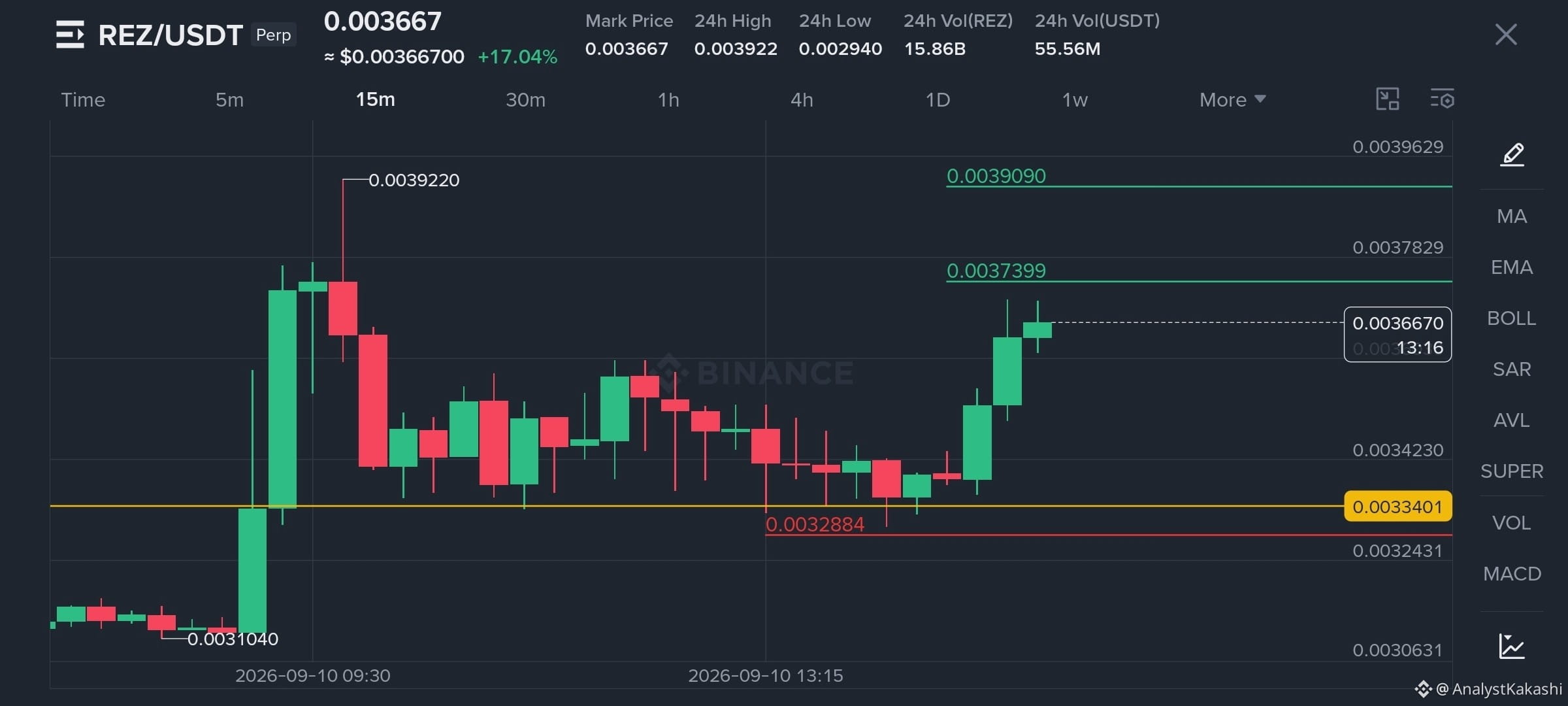
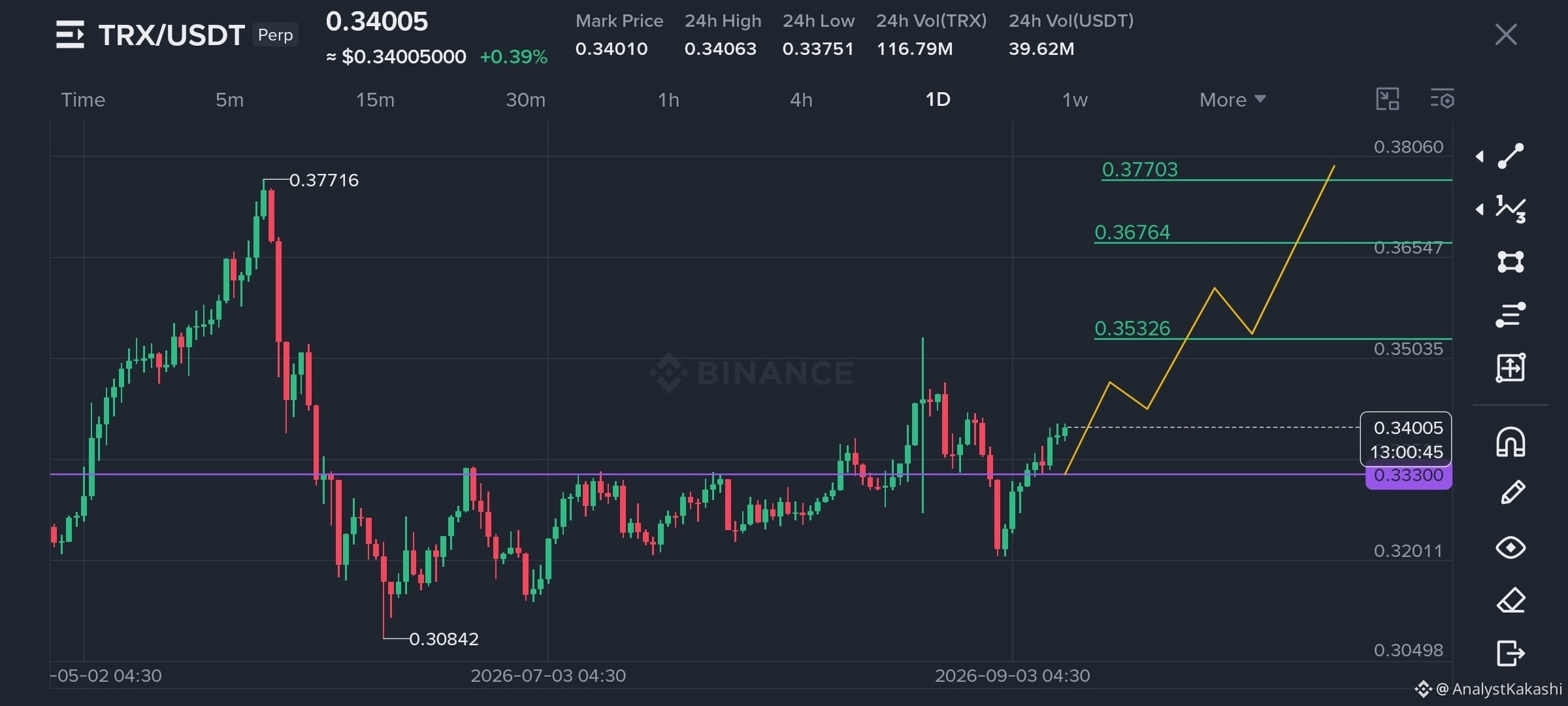
BullishGuys I am going scalp long on $REZ :
Entry: CMP TP: 0.003739-0.0039-0.0042
SL: 0.003288
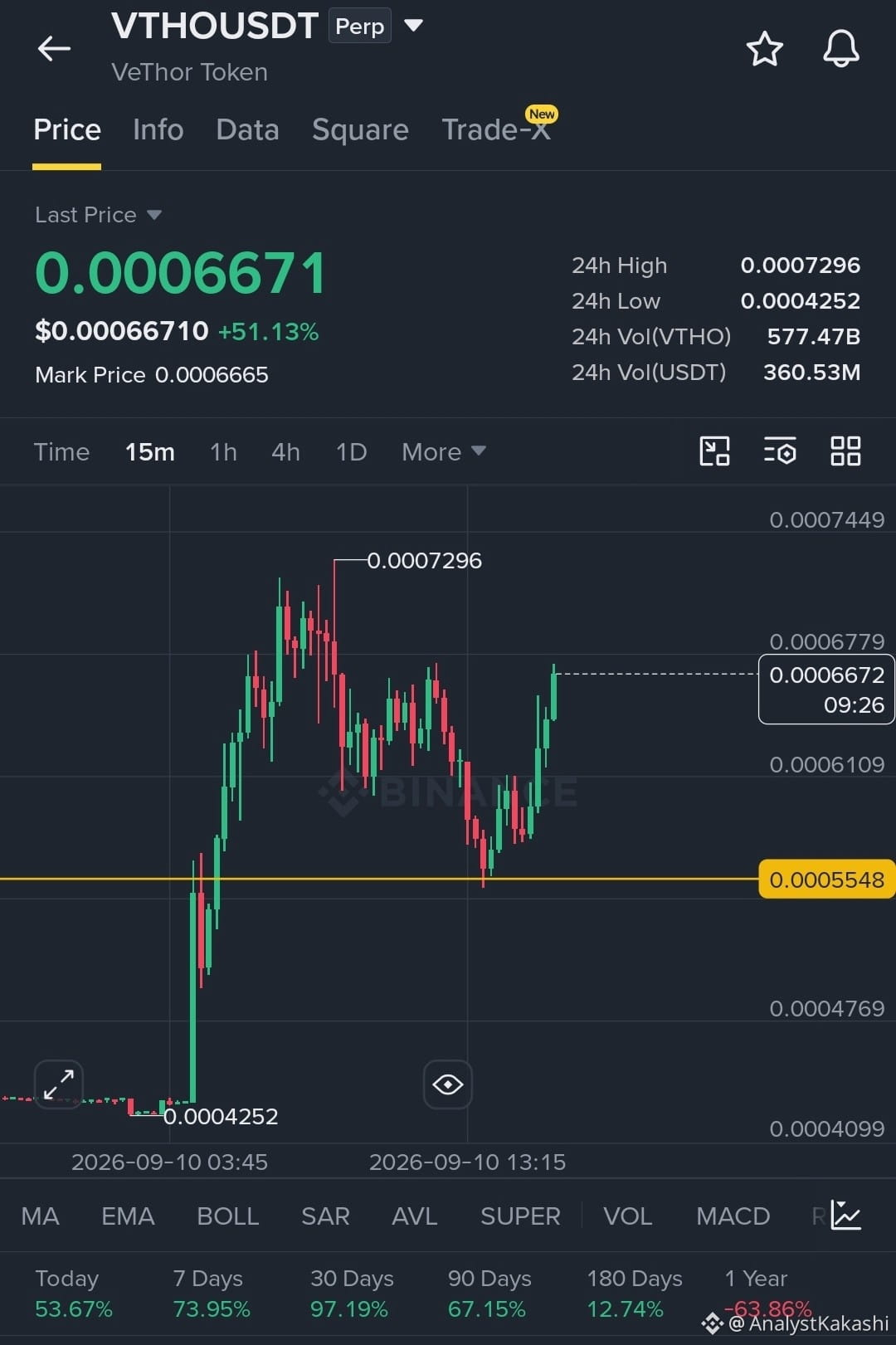
I am currently also watching: $VTHO $ARK
Entry: CMP TP: 0.003739-0.0039-0.0042
SL: 0.003288
I am currently also watching: $VTHO $ARK
Log in to explore more content