
Alexander Guevara
11.1k Posts
Alexander Guevara
Report
Block User
🇻🇪Trading📊 Analistas de los mercado financiero🏦 tradicional , nuevo mercado emergentes en mecanismos en Blockchain y criptómoneda.

Traders League Badge Expert
Open Trade

BNB Holder
Occasional Trader
3.7 Years
14 Following
2.4K+ Followers
38.0K+ Liked
1 Badges
Posts
Portfolio
All
Quotes
Videos
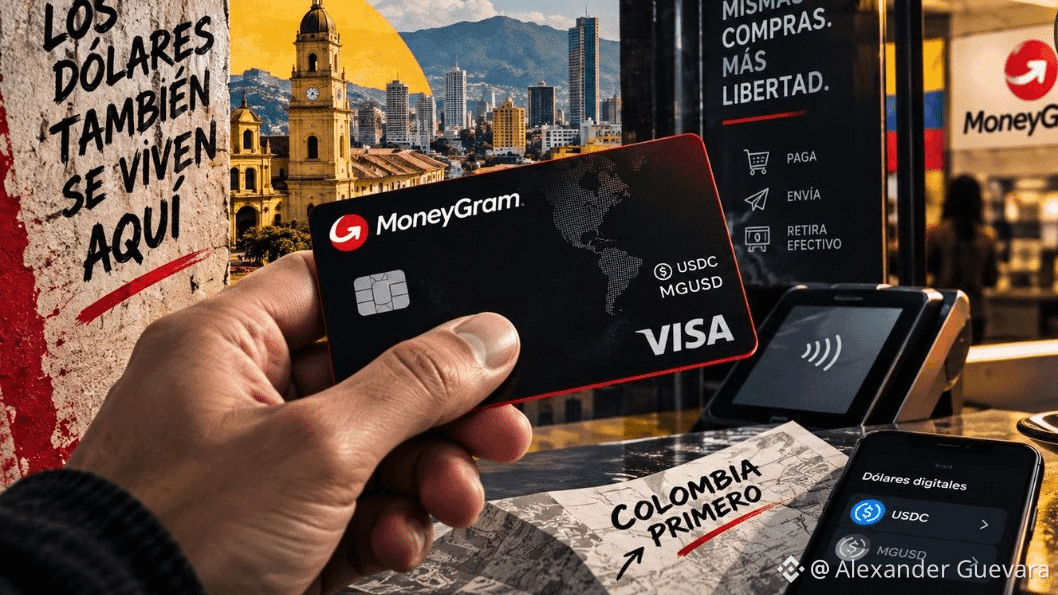
📢 MoneyGram launches a card with stablecoins to spend digital dollars in Colombia
MoneyGram is bringing stablecoins from international transfers to everyday purchases with the launch of a Visa card that allows users to maintain a balance denominated in dollars and use it to pay at merchants. Colombia will be the first market where it will be available, before expanding to other countries. The initiative marks a new step…
#Colombia #Colombia🇨🇴🇨🇴🇨🇴 #stablecoin #MoneyGram #dolar $BTC
📢 MoneyGram launches a card with stablecoins to spend digital dollars in Colombia
MoneyGram is bringing stablecoins from international transfers to everyday purchases with the launch of a Visa card that allows users to maintain a balance denominated in dollars and use it to pay at merchants. Colombia will be the first market where it will be available, before expanding to other countries. The initiative marks a new step…
#Colombia #Colombia🇨🇴🇨🇴🇨🇴 #stablecoin #MoneyGram #dolar $BTC
MoneyGram is bringing stablecoins from international transfers to everyday purchases with the launch of a Visa card that allows users to maintain a balance denominated in dollars and use it to pay at merchants. Colombia will be the first market where it will be available, before expanding to other countries. The initiative marks a new step…
#Colombia #Colombia🇨🇴🇨🇴🇨🇴 #stablecoin #MoneyGram #dolar $BTC
112
Holding $GRAM 3.3 USDT
I stay firm on that: TON is the best blockchain and Wallet $GRAM is bringing to more than 1 billion users
Who’s going to argue with that?
#GRAM #TON #Wallet #Telegram #blockchain
I stay firm on that: TON is the best blockchain and Wallet $GRAM is bringing to more than 1 billion users
Who’s going to argue with that?
#GRAM #TON #Wallet #Telegram #blockchain
Who’s going to argue with that?
#GRAM #TON #Wallet #Telegram #blockchain

2
307
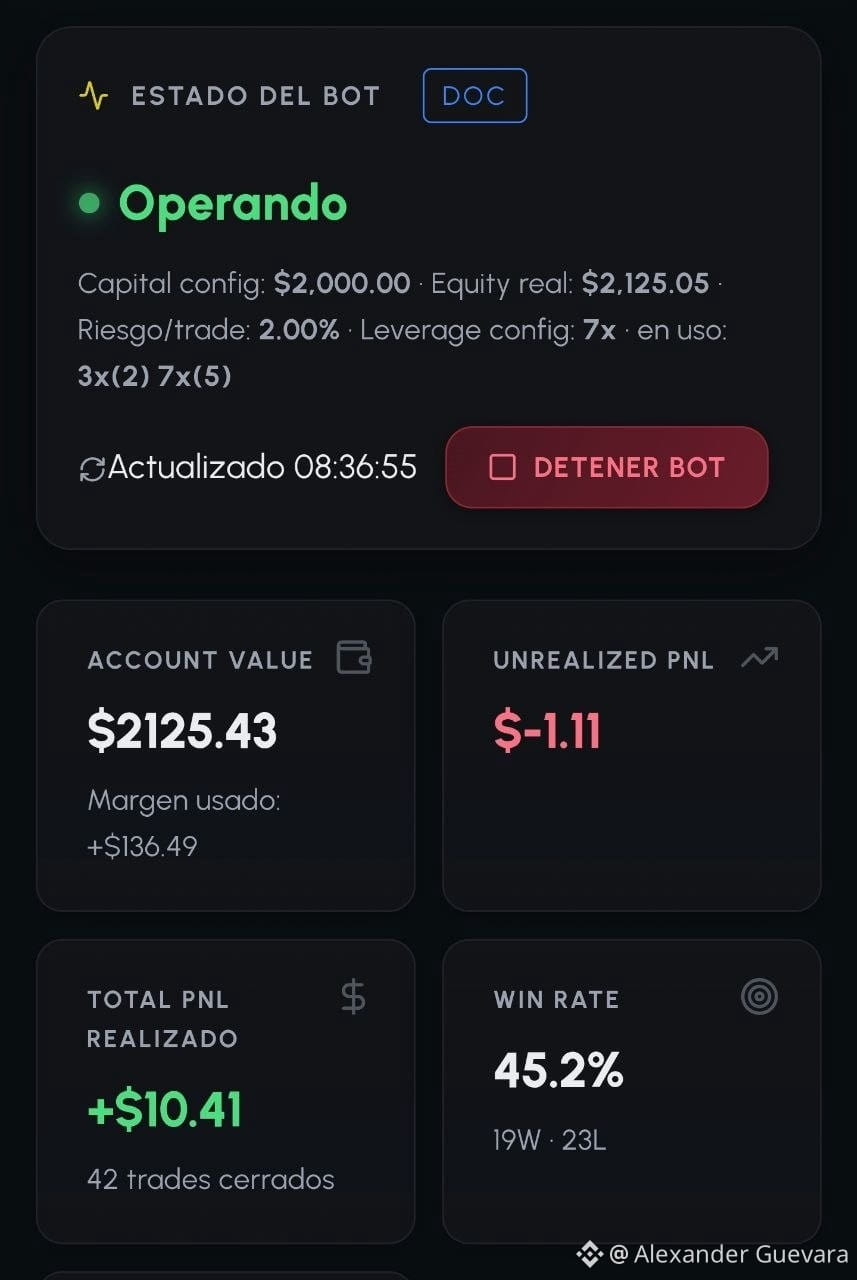
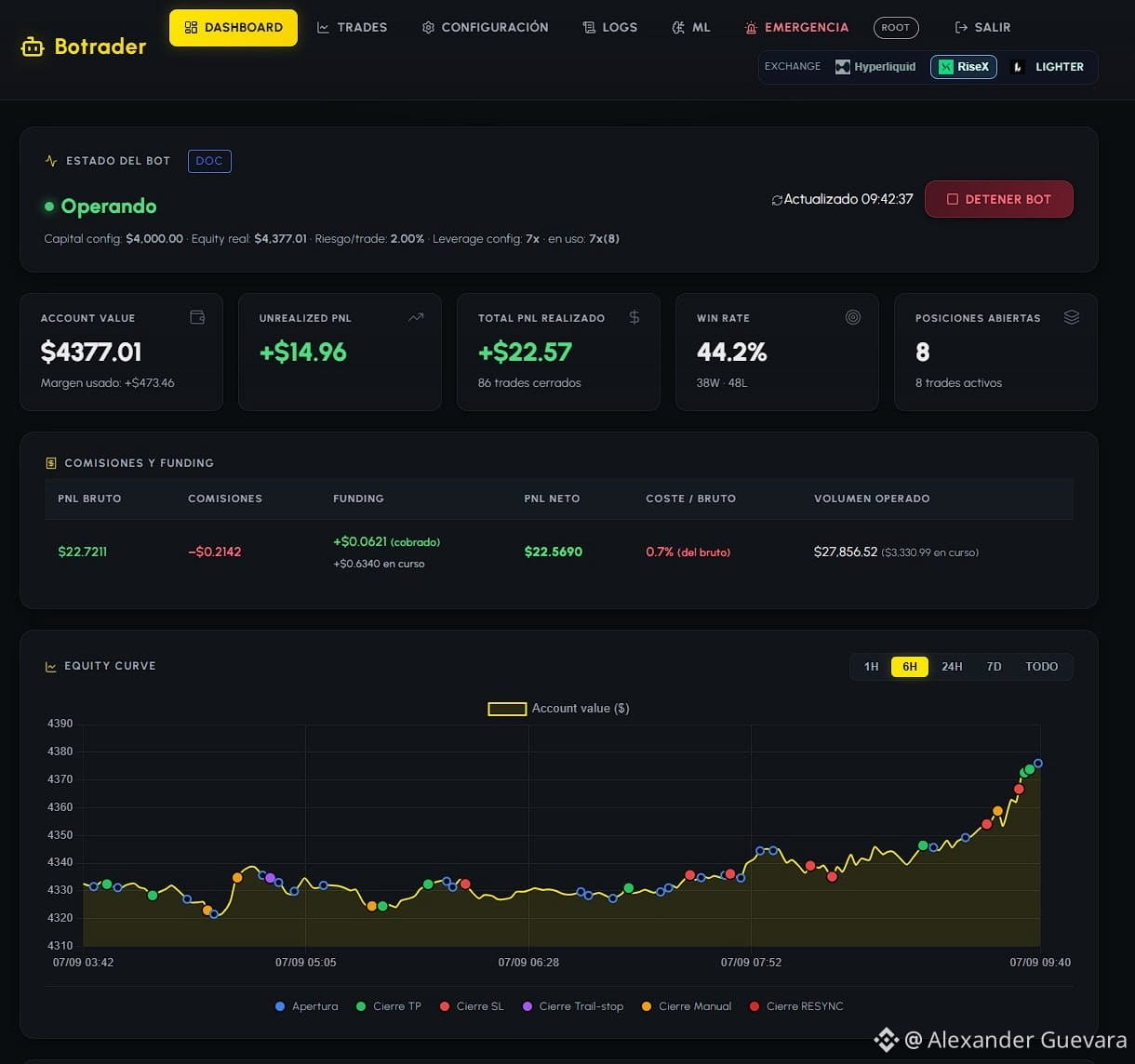
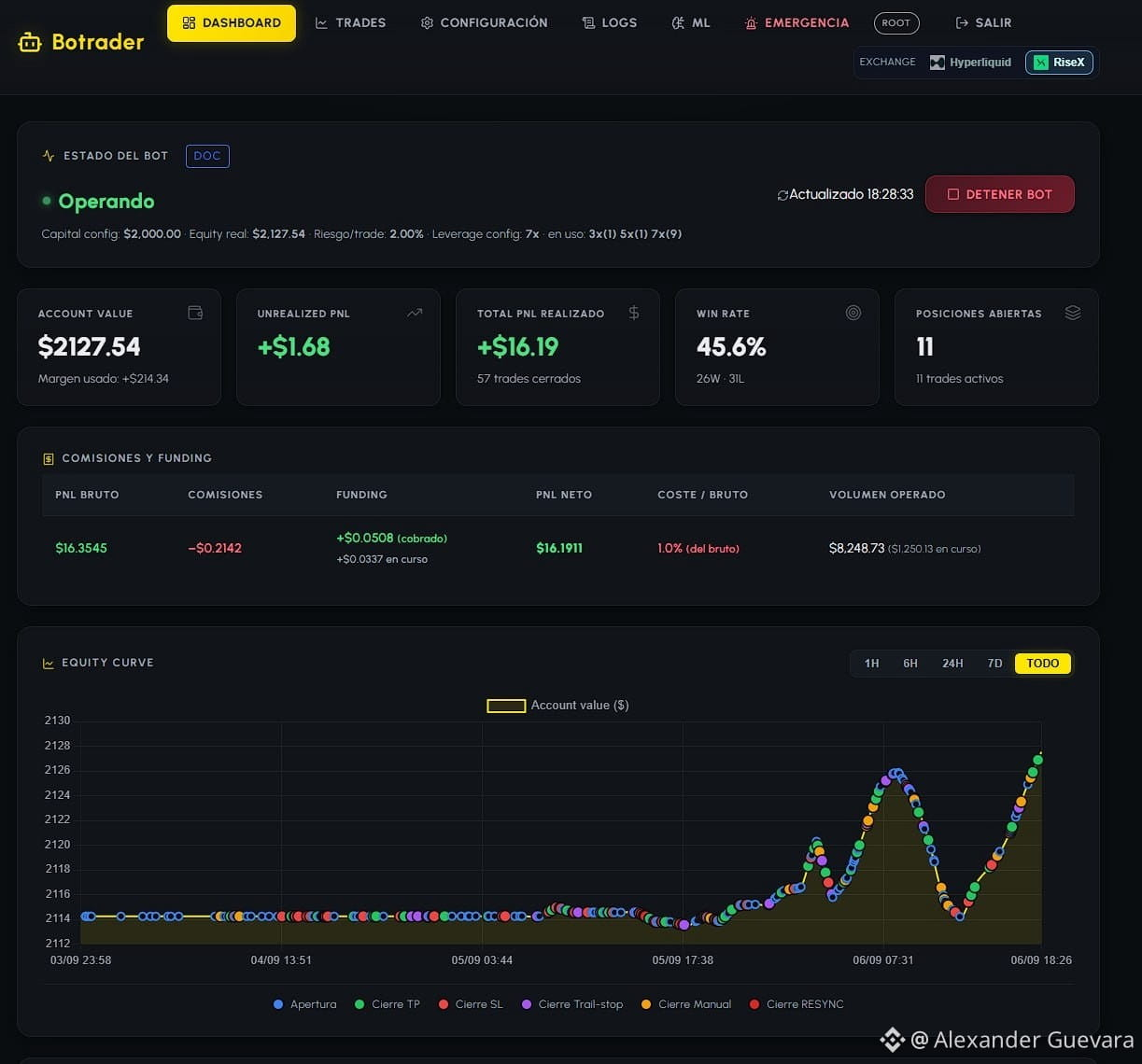
RiseX bot working since yesterday. After 5 days I managed to get it working. For now it’s going very well.
Moved 8K in volume between yesterday and today without losing money. I think it’s time to add more liquidity and start testing it seriously.
27K moved on RiseX. While I think the TP and SL can be optimized quite a bit more, that will take time because I need to be able to explain how it should act in different scenarios. I think at first I can say the bot works reasonably well at least for moving volume and not losing money, without needing to be there watching the trades. I’m finishing the Lighter bot today (Robinhood) and then I’ll start the panel to onboard users. As I mentioned above, there are two onboarding requirements: a minimum of 5K and using my referral to be able to use the bot. I’ll also start with a small number of people so I can manage any possible issues well, and then I’ll expand.
#bot_trading #bot #RiseX #TradingCommunity #Robinhood $HOOD
RiseX bot working since yesterday. After 5 days I managed to get it working. For now it’s going very well.
Moved 8K in volume between yesterday and today without losing money. I think it’s time to add more liquidity and start testing it seriously.
27K moved on RiseX. While I think the TP and SL can be optimized quite a bit more, that will take time because I need to be able to explain how it should act in different scenarios. I think at first I can say the bot works reasonably well at least for moving volume and not losing money, without needing to be there watching the trades. I’m finishing the Lighter bot today (Robinhood) and then I’ll start the panel to onboard users. As I mentioned above, there are two onboarding requirements: a minimum of 5K and using my referral to be able to use the bot. I’ll also start with a small number of people so I can manage any possible issues well, and then I’ll expand.
#bot_trading #bot #RiseX #TradingCommunity #Robinhood $HOOD
Moved 8K in volume between yesterday and today without losing money. I think it’s time to add more liquidity and start testing it seriously.
27K moved on RiseX. While I think the TP and SL can be optimized quite a bit more, that will take time because I need to be able to explain how it should act in different scenarios. I think at first I can say the bot works reasonably well at least for moving volume and not losing money, without needing to be there watching the trades. I’m finishing the Lighter bot today (Robinhood) and then I’ll start the panel to onboard users. As I mentioned above, there are two onboarding requirements: a minimum of 5K and using my referral to be able to use the bot. I’ll also start with a small number of people so I can manage any possible issues well, and then I’ll expand.
#bot_trading #bot #RiseX #TradingCommunity #Robinhood $HOOD
1
491
Article
Bloomberg: IMF plans to open an office in Venezuela as it deepens its relationship with the countryA technical team from the International Monetary Fund (IMF) is in Caracas to discuss capacity development, data provision, and institutional strengthening.
The International Monetary Fund (IMF) is considering opening an office in Venezuela, which would mean establishing a permanent presence in the country for the first time in years.
According to Bloomberg, sources familiar with the matter said the multilateral organization is seeking to intensify its technical assistance after Venezuela began sharing its data again.
Bloomberg: IMF plans to open an office in Venezuela as it deepens its relationship with the country
A technical team from the International Monetary Fund (IMF) is in Caracas to discuss capacity development, data provision, and institutional strengthening.
The International Monetary Fund (IMF) is considering opening an office in Venezuela, which would mean establishing a permanent presence in the country for the first time in years.
According to Bloomberg, sources familiar with the matter said the multilateral organization is seeking to intensify its technical assistance after Venezuela began sharing its data again.
The International Monetary Fund (IMF) is considering opening an office in Venezuela, which would mean establishing a permanent presence in the country for the first time in years.
According to Bloomberg, sources familiar with the matter said the multilateral organization is seeking to intensify its technical assistance after Venezuela began sharing its data again.
169
Article
Analysis: Venezuela seeks to go from being one of the largest reserves to being a major producer of oil
Héctor Obregón, president of Petróleos de Venezuela S.A. (PDVSA), highlighted that Venezuela has 303.000 billion barrels of oil underground, but «it is necessary to monetize these resources and it is important to increase production».
The president of Petróleos de Venezuela S.A. (PDVSA), Héctor Obregón, pointed out that the purpose of the Hydrocarbons Engine and the Venezuelan state oil company is for the nation to move beyond the condition of being only a large oil reserve and become an active major producer of hydrocarbons.
Analysis: Venezuela seeks to go from being one of the largest reserves to being a major producer
of oil
Héctor Obregón, president of Petróleos de Venezuela S.A. (PDVSA), highlighted that Venezuela has 303.000 billion barrels of oil underground, but «it is necessary to monetize these resources and it is important to increase production».
The president of Petróleos de Venezuela S.A. (PDVSA), Héctor Obregón, pointed out that the purpose of the Hydrocarbons Engine and the Venezuelan state oil company is for the nation to move beyond the condition of being only a large oil reserve and become an active major producer of hydrocarbons.
Héctor Obregón, president of Petróleos de Venezuela S.A. (PDVSA), highlighted that Venezuela has 303.000 billion barrels of oil underground, but «it is necessary to monetize these resources and it is important to increase production».
The president of Petróleos de Venezuela S.A. (PDVSA), Héctor Obregón, pointed out that the purpose of the Hydrocarbons Engine and the Venezuelan state oil company is for the nation to move beyond the condition of being only a large oil reserve and become an active major producer of hydrocarbons.
391
Article
Investment banking firm says the oil agreement between the US and Venezuela will not lower the price of fuel
Specialized companies in financial matters consider that oil production in Venezuela will take years to recover.
Various financial analysis firms have analyzed the forecasts made by the White House, after the government of U.S. President Donald Trump announced the agreement with Venezuela to control 17 oil fields, with some 65,000 million barrels of crude reserves over 100 years.
It is important to note that the White House has assured that the agreement between both countries will substantially reduce the price of fuel (gasoline) for American consumers.
Investment banking firm says the oil agreement between the US and Venezuela will not lower the price
of fuel
Specialized companies in financial matters consider that oil production in Venezuela will take years to recover.
Various financial analysis firms have analyzed the forecasts made by the White House, after the government of U.S. President Donald Trump announced the agreement with Venezuela to control 17 oil fields, with some 65,000 million barrels of crude reserves over 100 years.
It is important to note that the White House has assured that the agreement between both countries will substantially reduce the price of fuel (gasoline) for American consumers.
Specialized companies in financial matters consider that oil production in Venezuela will take years to recover.
Various financial analysis firms have analyzed the forecasts made by the White House, after the government of U.S. President Donald Trump announced the agreement with Venezuela to control 17 oil fields, with some 65,000 million barrels of crude reserves over 100 years.
It is important to note that the White House has assured that the agreement between both countries will substantially reduce the price of fuel (gasoline) for American consumers.
53
Article
Investments in the energy sector "will double Venezuela's oil production in less than 5 years"
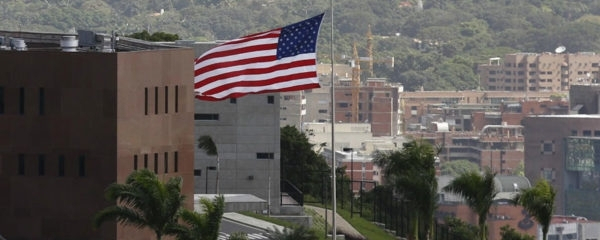
The U.S. Embassy in Caracas noted in a document that “thanks to the leadership” of the U.S. president, the major energy companies “are once again investing in Venezuela’s future, tapping into its vast oil resources and expanding production.”
The United States Embassy in Caracas indicated that thanks to President Donald Trump’s leadership, a new era of investment and energy production is taking shape in the Caribbean nation, “achieving greater prosperity and energy security for the United States and for Venezuela.”
Investments in the energy sector "will double Venezuela's oil production in less than
5 years"
The U.S. Embassy in Caracas noted in a document that “thanks to the leadership” of the U.S. president, the major energy companies “are once again investing in Venezuela’s future, tapping into its vast oil resources and expanding production.”
The United States Embassy in Caracas indicated that thanks to President Donald Trump’s leadership, a new era of investment and energy production is taking shape in the Caribbean nation, “achieving greater prosperity and energy security for the United States and for Venezuela.”
The U.S. Embassy in Caracas noted in a document that “thanks to the leadership” of the U.S. president, the major energy companies “are once again investing in Venezuela’s future, tapping into its vast oil resources and expanding production.”
The United States Embassy in Caracas indicated that thanks to President Donald Trump’s leadership, a new era of investment and energy production is taking shape in the Caribbean nation, “achieving greater prosperity and energy security for the United States and for Venezuela.”
237
Article
BCV: Inflation in Venezuela fell and stood at 8.9% in AugustThe financial institution indicated that in the eighth month of the year, an inflation rate consistent with the macroeconomic policy actions applied to achieve price stabilization was achieved.
According to data provided by the Central Bank of Venezuela (BCV) for August 2026, the National Consumer Price Index (INPC) recorded a month-over-month variation of 8.9%.
In a post on its website, the financial institution explained that in the eighth month of the year a recovery in distribution channels was observed and lower pressure in the foreign exchange market was also recorded, «which was reflected in a smaller variation in the exchange rate and in the prices of goods and services».
BCV: Inflation in Venezuela fell and stood at 8.9% in August
The financial institution indicated that in the eighth month of the year, an inflation rate consistent with the macroeconomic policy actions applied to achieve price stabilization was achieved.
According to data provided by the Central Bank of Venezuela (BCV) for August 2026, the National Consumer Price Index (INPC) recorded a month-over-month variation of 8.9%.
In a post on its website, the financial institution explained that in the eighth month of the year a recovery in distribution channels was observed and lower pressure in the foreign exchange market was also recorded, «which was reflected in a smaller variation in the exchange rate and in the prices of goods and services».
According to data provided by the Central Bank of Venezuela (BCV) for August 2026, the National Consumer Price Index (INPC) recorded a month-over-month variation of 8.9%.
In a post on its website, the financial institution explained that in the eighth month of the year a recovery in distribution channels was observed and lower pressure in the foreign exchange market was also recorded, «which was reflected in a smaller variation in the exchange rate and in the prices of goods and services».
1
77
Article
Chicago Wheat Futures Continue to Fall: Attention Is Focused on Negotiationsbetween Russia and Ukraine
The Kremlin recently emphasized that the possibility of a peace agreement with Ukraine continues to exist.
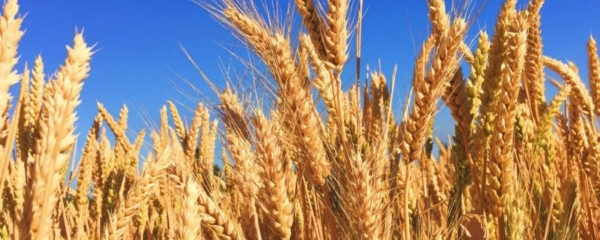
Chicago wheat futures fell this Friday, extending a slide not seen in three and a half years, while traders wait to see whether diplomatic efforts to end the war between Russia and Ukraine reduce disruptions to Black Sea grain shipments.
According to a Reuters note published by Yahoo Finance, grains such as corn and soybeans were trading up and down ahead of the report to be released next week by the United States Department of Agriculture.
Chicago Wheat Futures Continue to Fall: Attention Is Focused on Negotiations
between Russia and Ukraine
The Kremlin recently emphasized that the possibility of a peace agreement with Ukraine continues to exist.
Chicago wheat futures fell this Friday, extending a slide not seen in three and a half years, while traders wait to see whether diplomatic efforts to end the war between Russia and Ukraine reduce disruptions to Black Sea grain shipments.
According to a Reuters note published by Yahoo Finance, grains such as corn and soybeans were trading up and down ahead of the report to be released next week by the United States Department of Agriculture.
The Kremlin recently emphasized that the possibility of a peace agreement with Ukraine continues to exist.
Chicago wheat futures fell this Friday, extending a slide not seen in three and a half years, while traders wait to see whether diplomatic efforts to end the war between Russia and Ukraine reduce disruptions to Black Sea grain shipments.
According to a Reuters note published by Yahoo Finance, grains such as corn and soybeans were trading up and down ahead of the report to be released next week by the United States Department of Agriculture.
241
Article
Still on the rise: 77 supermarkets have opened across the country so far this yearÍtalo Atencio, president of the National Association of Supermarkets and Self-Service Stores (ANSA), pointed out that the country's supply index stands at 98%.
The president of the National Association of Supermarkets and Self-Service Stores (ANSA), Ítalo Atencio, noted that two international retail companies have been reviewing the Venezuelan market.
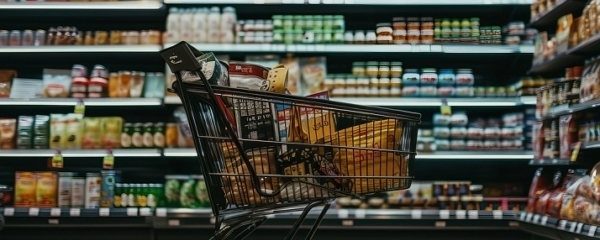
He also said that so far this year, 77 supermarkets have opened across Venezuela, 10 of them in the state of Zulia, while 4 were opened in Monagas.
Still on the rise: 77 supermarkets have opened across the country so far this year
Ítalo Atencio, president of the National Association of Supermarkets and Self-Service Stores (ANSA), pointed out that the country's supply index stands at 98%.
The president of the National Association of Supermarkets and Self-Service Stores (ANSA), Ítalo Atencio, noted that two international retail companies have been reviewing the Venezuelan market.
He also said that so far this year, 77 supermarkets have opened across Venezuela, 10 of them in the state of Zulia, while 4 were opened in Monagas.
The president of the National Association of Supermarkets and Self-Service Stores (ANSA), Ítalo Atencio, noted that two international retail companies have been reviewing the Venezuelan market.
He also said that so far this year, 77 supermarkets have opened across Venezuela, 10 of them in the state of Zulia, while 4 were opened in Monagas.
71
Article
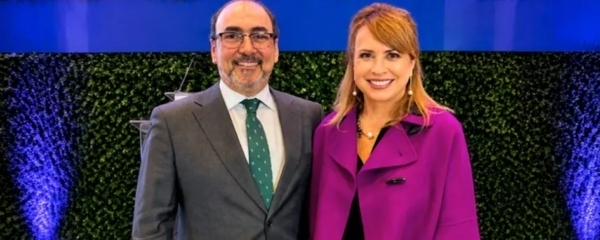
CAF, Venezuela Sin Límites and Unidos en Red join forces to promote the Recovery Fund and Reconstruction of Venezuela
The alliance combines CAF's institutional capacity, the experience and coordination of Venezuela Sin Límites in the country, and the international network of Unidos en Red to mobilize resources, bring in partners, and expand the impact of the Fund.
CAF —Development Bank of Latin America and the Caribbean—, the Venezuela Sin Límites Foundation and the Unidos en Red Foundation formalized an alliance to promote and expand the scope of the Fund for the Recovery and Reconstruction of Venezuela (FORRV), created and managed by CAF.
CAF, Venezuela Sin Límites and Unidos en Red join forces to promote the Recovery Fund
and Reconstruction of Venezuela
The alliance combines CAF's institutional capacity, the experience and coordination of Venezuela Sin Límites in the country, and the international network of Unidos en Red to mobilize resources, bring in partners, and expand the impact of the Fund.
CAF —Development Bank of Latin America and the Caribbean—, the Venezuela Sin Límites Foundation and the Unidos en Red Foundation formalized an alliance to promote and expand the scope of the Fund for the Recovery and Reconstruction of Venezuela (FORRV), created and managed by CAF.
The alliance combines CAF's institutional capacity, the experience and coordination of Venezuela Sin Límites in the country, and the international network of Unidos en Red to mobilize resources, bring in partners, and expand the impact of the Fund.
CAF —Development Bank of Latin America and the Caribbean—, the Venezuela Sin Límites Foundation and the Unidos en Red Foundation formalized an alliance to promote and expand the scope of the Fund for the Recovery and Reconstruction of Venezuela (FORRV), created and managed by CAF.
147
Holding $GRAM 3.4 USDT
💎Pavel durov
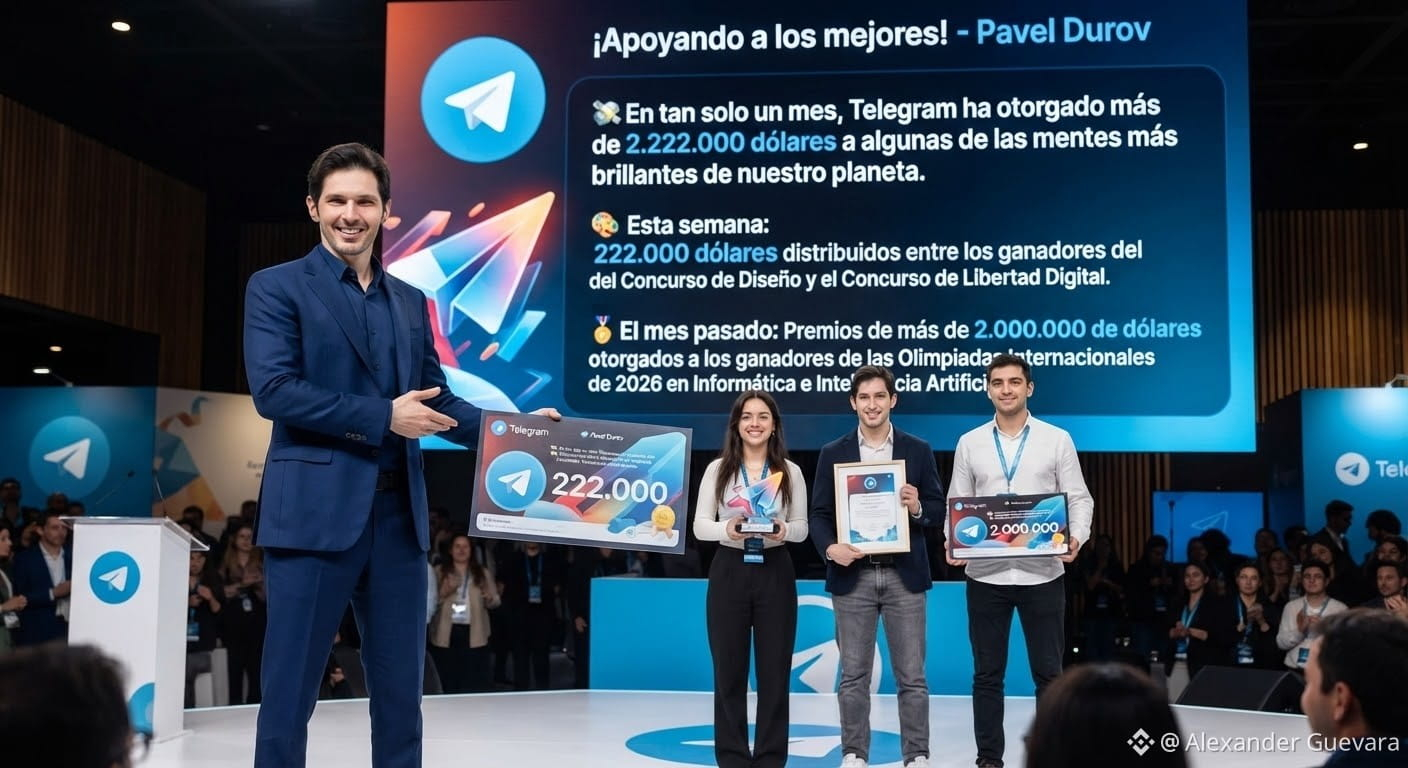
💸 In just one month, Telegram has awarded more than $2,222,000 to some of the brightest minds on our planet.
🎨 This week, we distributed $222,000 among the winners of our two most recent contests: the Design Contest and the Digital Freedom Contest.
Additionally, over the last month, we awarded prizes worth more than $2 million to the winners of the 2026 International Olympiads in Informatics and Artificial Intelligence.
We are proud to support the best. 🎁
#Telegram #AI #PavelDurov #PavelDuro #InteligenciaArtificia $GRAM $DOGS $NOT
💎Pavel durov
💸 In just one month, Telegram has awarded more than $2,222,000 to some of the brightest minds on our planet.
🎨 This week, we distributed $222,000 among the winners of our two most recent contests: the Design Contest and the Digital Freedom Contest.
Additionally, over the last month, we awarded prizes worth more than $2 million to the winners of the 2026 International Olympiads in Informatics and Artificial Intelligence.
We are proud to support the best. 🎁
#Telegram #AI #PavelDurov #PavelDuro #InteligenciaArtificia $GRAM $DOGS $NOT
💸 In just one month, Telegram has awarded more than $2,222,000 to some of the brightest minds on our planet.
🎨 This week, we distributed $222,000 among the winners of our two most recent contests: the Design Contest and the Digital Freedom Contest.
Additionally, over the last month, we awarded prizes worth more than $2 million to the winners of the 2026 International Olympiads in Informatics and Artificial Intelligence.
We are proud to support the best. 🎁
#Telegram #AI #PavelDurov #PavelDuro #InteligenciaArtificia $GRAM $DOGS $NOT
1
3
829
Holding $GRAM 3.4 USDT
I don’t want to sound disrespectful toward RH or any other chains — in fact, I really respect what Vlad Tenev and his team are doing to support the trenches.
But TON season is going to be on a completely different level. The x’s there will be so big that you’ll forget Robinhood and everything else even existed. Save this as a favorite.
Why should you stay in TON and keep $GRAM when Robinhood can give you 100x (if you’re lucky 😁)?
#TON #GRAM #Robinhood #Telegram #blockchain $HOOD
I don’t want to sound disrespectful toward RH or any other chains — in fact, I really respect what Vlad Tenev and his team are doing to support the trenches.
But TON season is going to be on a completely different level. The x’s there will be so big that you’ll forget Robinhood and everything else even existed. Save this as a favorite.
Why should you stay in TON and keep $GRAM when Robinhood can give you 100x (if you’re lucky 😁)?
#TON #GRAM #Robinhood #Telegram #blockchain $HOOD
But TON season is going to be on a completely different level. The x’s there will be so big that you’ll forget Robinhood and everything else even existed. Save this as a favorite.
Why should you stay in TON and keep $GRAM when Robinhood can give you 100x (if you’re lucky 😁)?
#TON #GRAM #Robinhood #Telegram #blockchain $HOOD



1
616
Never fade $GRAM
Telegram has more than 1 billion users who will use crypto without even knowing they’re "using crypto"
They’ll only know that Telegram has a digital currency that actually works inside the app
Send, pay, save: more useful in everyday life than almost any other currency, including $BTC
Durov already built something that most blockchain founders don’t even come close to ✊
Telegram already has the users - one billion of them
That’s the part other projects chase for years
$gram sitting there inside is no small thing
This price is not the one you’ll remember later 😁
GRAM to $10 👀
Durov and I are pushing $gram to $10 😁
1B+ Telegram users on the way
Bullish ✅
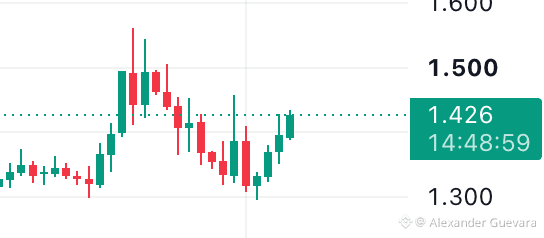
the-open-network:native is starting to show real strength.
It looks like 1.29 was indeed the bottom — the price has bounced off it several times now, and just did it again.
I think TON season is right around the corner.
I’ve never been more optimistic about the-open-network:native, my conviction right now is much higher than it was in 2023 right before TON season.
And trust me, I’m not wrong here. 5 years in TON have taught me to feel this ecosystem. I’m like a Jedi sensing disturbances in the Force.
#PavelDurov #Telegram #TON #GRAM #Toncoin
Never fade $GRAM
Telegram has more than 1 billion users who will use crypto without even knowing they’re "using crypto"
They’ll only know that Telegram has a digital currency that actually works inside the app
Send, pay, save: more useful in everyday life than almost any other currency, including $BTC
Durov already built something that most blockchain founders don’t even come close to ✊
Telegram already has the users - one billion of them
That’s the part other projects chase for years
$gram sitting there inside is no small thing
This price is not the one you’ll remember later 😁
GRAM to $10 👀
Durov and I are pushing $gram to $10 😁
1B+ Telegram users on the way
Bullish ✅
the-open-network:native is starting to show real strength.
It looks like 1.29 was indeed the bottom — the price has bounced off it several times now, and just did it again.
I think TON season is right around the corner.
I’ve never been more optimistic about the-open-network:native, my conviction right now is much higher than it was in 2023 right before TON season.
And trust me, I’m not wrong here. 5 years in TON have taught me to feel this ecosystem. I’m like a Jedi sensing disturbances in the Force.
#PavelDurov #Telegram #TON #GRAM #Toncoin
Telegram has more than 1 billion users who will use crypto without even knowing they’re "using crypto"
They’ll only know that Telegram has a digital currency that actually works inside the app
Send, pay, save: more useful in everyday life than almost any other currency, including $BTC
Durov already built something that most blockchain founders don’t even come close to ✊
Telegram already has the users - one billion of them
That’s the part other projects chase for years
$gram sitting there inside is no small thing
This price is not the one you’ll remember later 😁
GRAM to $10 👀
Durov and I are pushing $gram to $10 😁
1B+ Telegram users on the way
Bullish ✅
the-open-network:native is starting to show real strength.
It looks like 1.29 was indeed the bottom — the price has bounced off it several times now, and just did it again.
I think TON season is right around the corner.
I’ve never been more optimistic about the-open-network:native, my conviction right now is much higher than it was in 2023 right before TON season.
And trust me, I’m not wrong here. 5 years in TON have taught me to feel this ecosystem. I’m like a Jedi sensing disturbances in the Force.
#PavelDurov #Telegram #TON #GRAM #Toncoin



1
4
952
Partly True
Holding $BNB 182.9 USDT
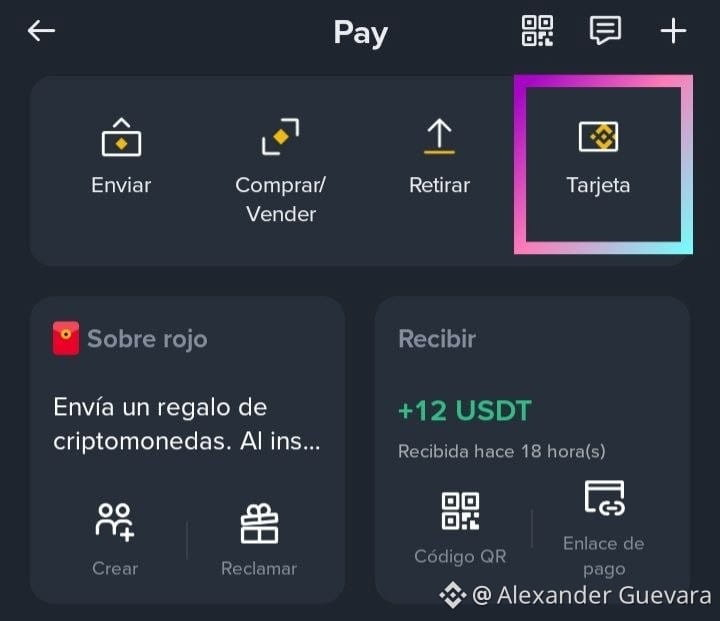
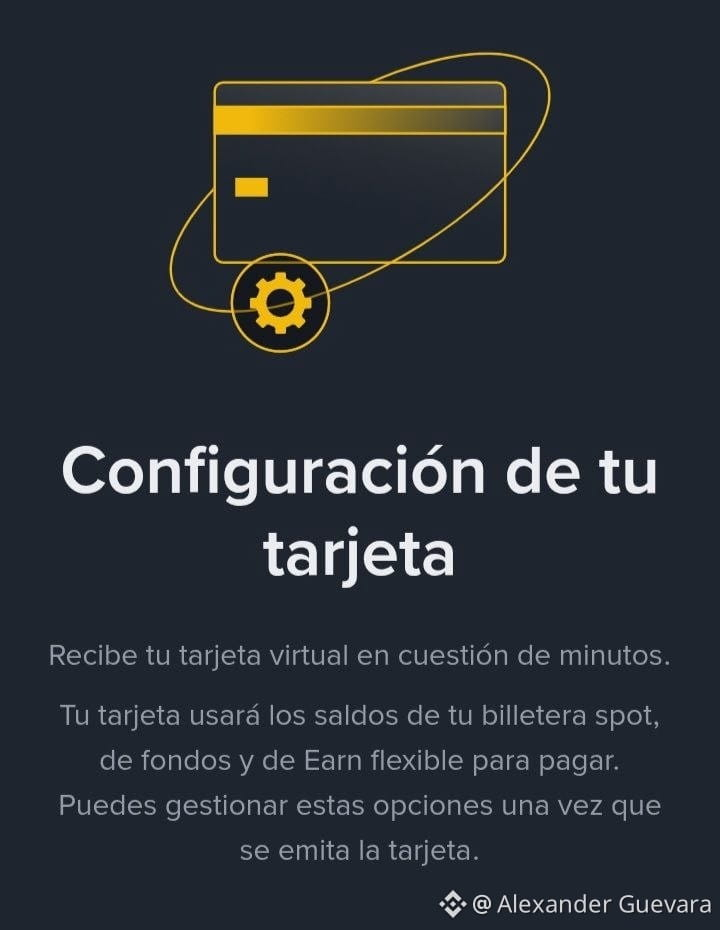
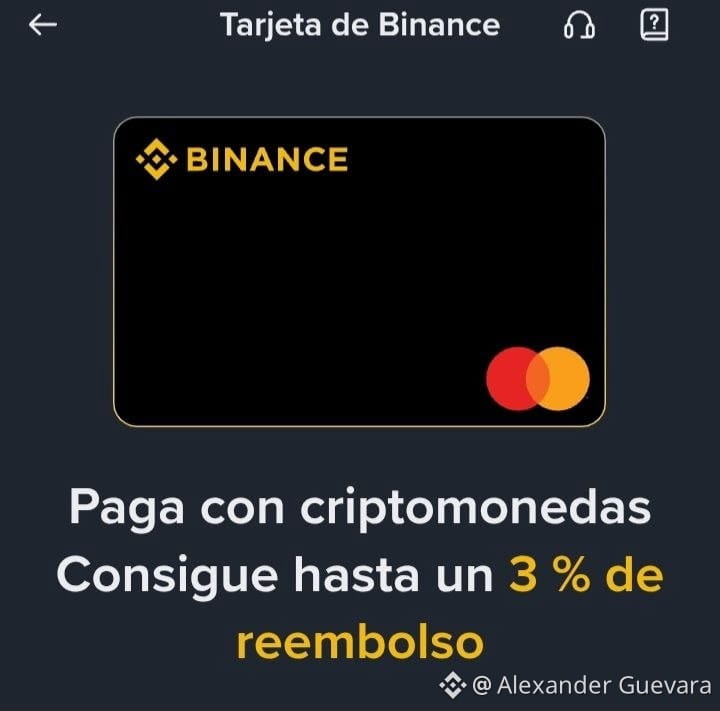
🔶️The Binance exchange activated from today the #binanceCard , which should be available to all users in Venezuela.
In some cases, the ineligibility error appears on some accounts and the inability to link it in the Apple Pay wallet.
Eligibility is strictly tied to the issuing country of the document and the address registered on the platform.
If you use the mobile application, having an outdated version can generate false eligibility errors.
#EducationalContent #BinanceSquareFamily #Binance #venezuela $BNB $AMZNB $MSFTB
🔶️The Binance exchange activated from today the #binanceCard , which should be available to all users in Venezuela.
In some cases, the ineligibility error appears on some accounts and the inability to link it in the Apple Pay wallet.
Eligibility is strictly tied to the issuing country of the document and the address registered on the platform.
If you use the mobile application, having an outdated version can generate false eligibility errors.
#EducationalContent #BinanceSquareFamily #Binance #venezuela $BNB $AMZNB $MSFTB
In some cases, the ineligibility error appears on some accounts and the inability to link it in the Apple Pay wallet.
Eligibility is strictly tied to the issuing country of the document and the address registered on the platform.
If you use the mobile application, having an outdated version can generate false eligibility errors.
#EducationalContent #BinanceSquareFamily #Binance #venezuela $BNB $AMZNB $MSFTB
1
5
5.5k
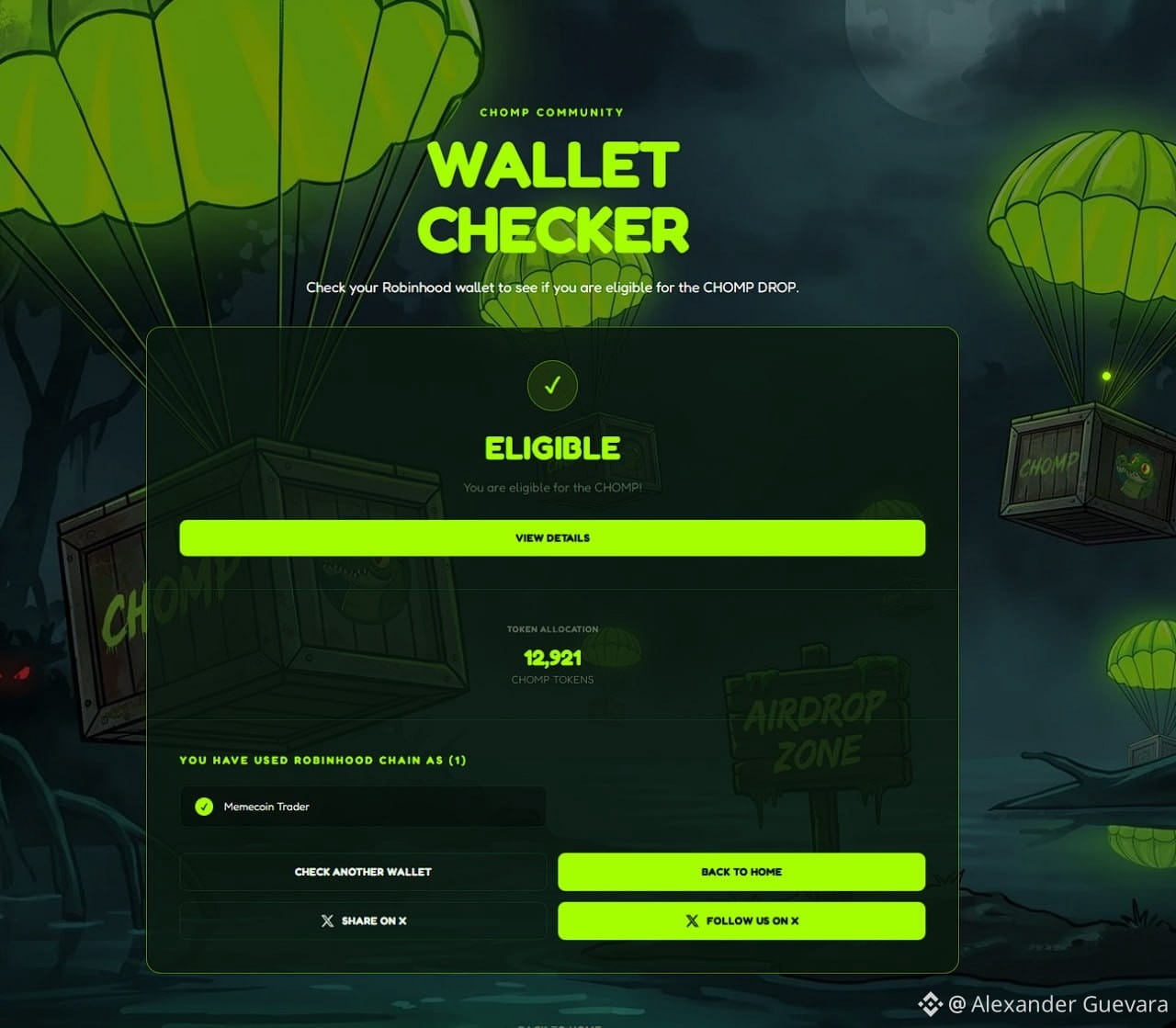
If you've been going hard on meme coins in Robinhood, check this out: 75% Airdrop for the community, it hasn't launched yet.
#Robinhood #AirdropAlert #Memecoins🤑🤑 #meme板块关注热点 #memecoin🚀🚀🚀 $HOOD
If you've been going hard on meme coins in Robinhood, check this out: 75% Airdrop for the community, it hasn't launched yet.
#Robinhood #AirdropAlert #Memecoins🤑🤑 #meme板块关注热点 #memecoin🚀🚀🚀 $HOOD
#Robinhood #AirdropAlert #Memecoins🤑🤑 #meme板块关注热点 #memecoin🚀🚀🚀 $HOOD
124
"THE BOLÍVAR CAN BECOME STRONGER THAN THE DOLLAR"
@davidplacer
Miguel Rodríguez, former minister under Carlos Andrés Pérez and the mastermind behind the plan "The Great Turnaround," says that with the right economic measures, the bolívar can be brought to the same level as the dollar.
#venezuela #caracasvenezuela #dolar #VES #fiat $BTC $BZ $CL
"THE BOLÍVAR CAN BECOME STRONGER THAN THE DOLLAR"
@davidplacer
Miguel Rodríguez, former minister under Carlos Andrés Pérez and the mastermind behind the plan "The Great Turnaround," says that with the right economic measures, the bolívar can be brought to the same level as the dollar.
#venezuela #caracasvenezuela #dolar #VES #fiat $BTC $BZ $CL
@davidplacer
Miguel Rodríguez, former minister under Carlos Andrés Pérez and the mastermind behind the plan "The Great Turnaround," says that with the right economic measures, the bolívar can be brought to the same level as the dollar.
#venezuela #caracasvenezuela #dolar #VES #fiat $BTC $BZ $CL
288
Holding $GRAM 3.2 USDT
How much does it cost to send crypto on TON?
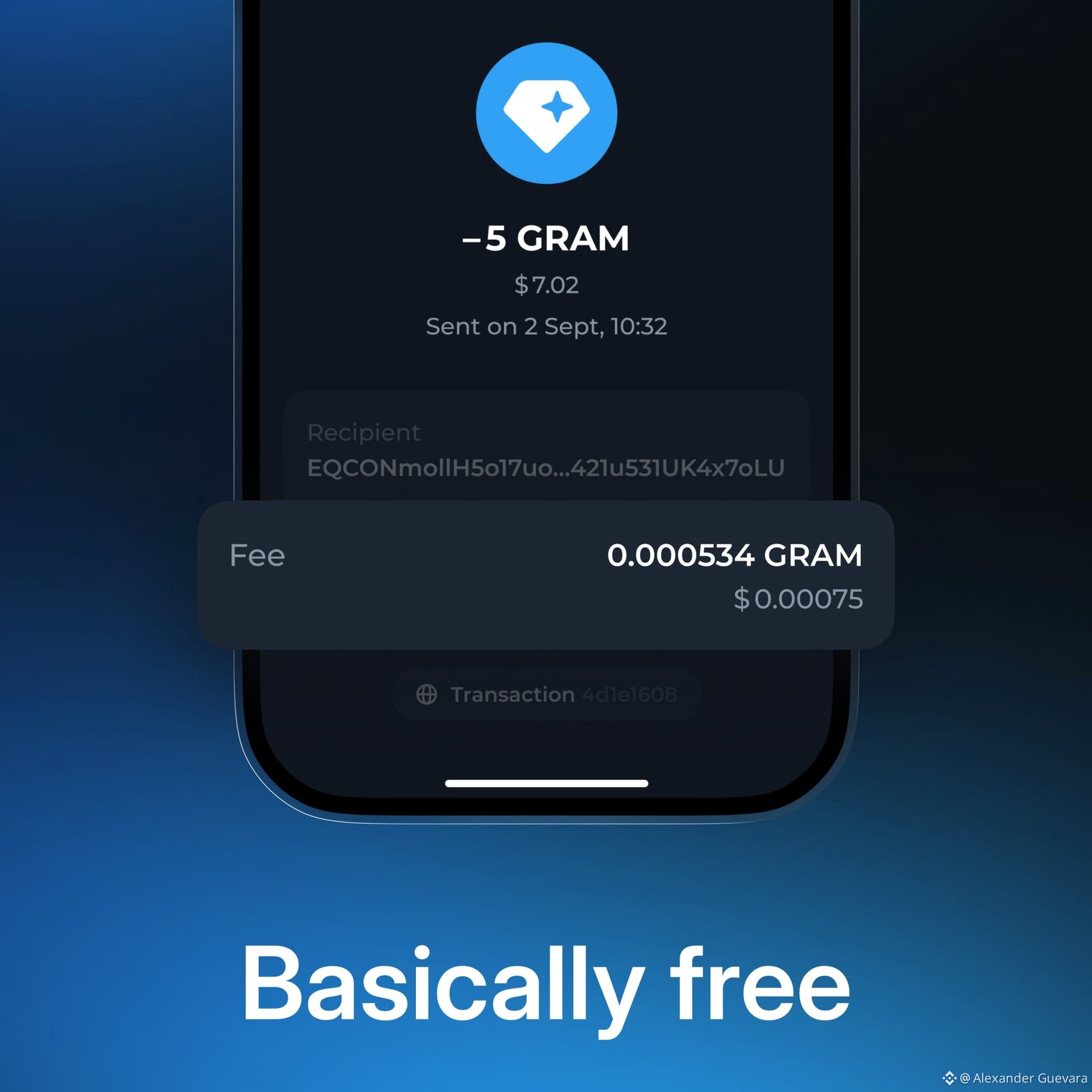
After the spring updates, the fee on the TON network is around 0.0005 the-open-network:native (~$0.0007) to send GRAM — one of the lowest fees of any blockchain—.
The fee is calculated at the time of the transaction, not in advance, and depends on several factors: the type of operation, the message size, and more. You’ll see the exact amount on the confirmation screen just before sending.
When sending other tokens, part of the funds is temporarily reserved to cover the fee, and any excess is automatically returned to your balance 💎
That’s why, sometimes, you’ll see small debits and credits at the same time in your transaction history specifically for token transfers.
#Token #GRAM #TON #fees #blockchain $GRAM
How much does it cost to send crypto on TON?
After the spring updates, the fee on the TON network is around 0.0005 the-open-network:native (~$0.0007) to send GRAM — one of the lowest fees of any blockchain—.
The fee is calculated at the time of the transaction, not in advance, and depends on several factors: the type of operation, the message size, and more. You’ll see the exact amount on the confirmation screen just before sending.
When sending other tokens, part of the funds is temporarily reserved to cover the fee, and any excess is automatically returned to your balance 💎
That’s why, sometimes, you’ll see small debits and credits at the same time in your transaction history specifically for token transfers.
#Token #GRAM #TON #fees #blockchain $GRAM
After the spring updates, the fee on the TON network is around 0.0005 the-open-network:native (~$0.0007) to send GRAM — one of the lowest fees of any blockchain—.
The fee is calculated at the time of the transaction, not in advance, and depends on several factors: the type of operation, the message size, and more. You’ll see the exact amount on the confirmation screen just before sending.
When sending other tokens, part of the funds is temporarily reserved to cover the fee, and any excess is automatically returned to your balance 💎
That’s why, sometimes, you’ll see small debits and credits at the same time in your transaction history specifically for token transfers.
#Token #GRAM #TON #fees #blockchain $GRAM
Alexander Guevara
·
--
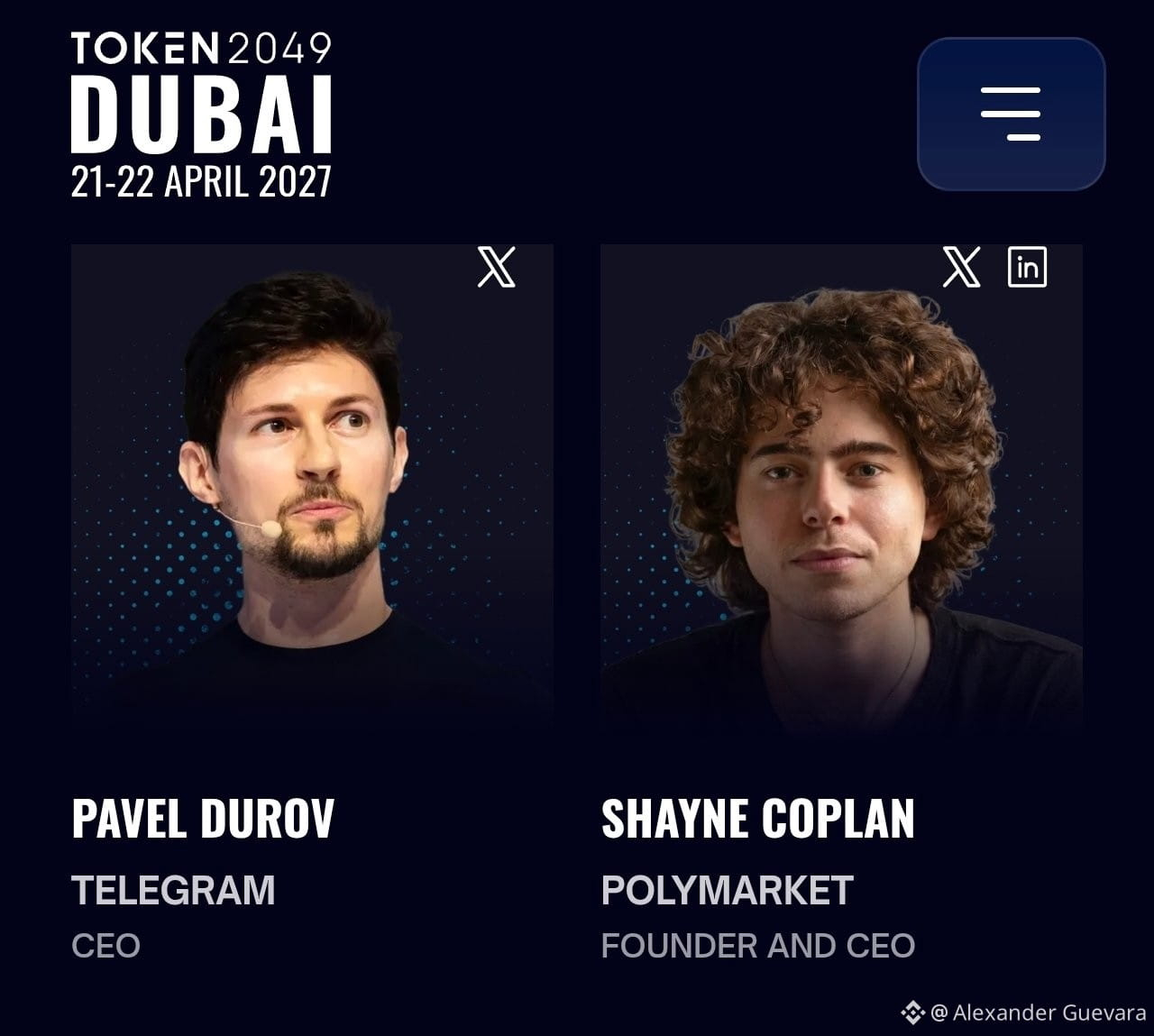
Durov could take $GRAM to $10
Before TOKEN2049 Dubai in 2024, TON was trading below $2
Then the market got the news that Pavel Durov was going to speak
TON started moving before the event even happened, reaching around $6 by the time Durov took the stage
Two months later, TON reached $8
Now Pavel Durov is scheduled to speak at TOKEN2049 Dubai in 2027
GRAM is around $1.3
That’s the part I’m watching
GRAM to $10 👀
#PavelDurov #ShayneCoplan #Telegram #Polymarket #GRAM $GRAM
Before TOKEN2049 Dubai in 2024, TON was trading below $2
Then the market got the news that Pavel Durov was going to speak
TON started moving before the event even happened, reaching around $6 by the time Durov took the stage
Two months later, TON reached $8
Now Pavel Durov is scheduled to speak at TOKEN2049 Dubai in 2027
GRAM is around $1.3
That’s the part I’m watching
GRAM to $10 👀
#PavelDurov #ShayneCoplan #Telegram #Polymarket #GRAM $GRAM
279
Holding $GRAM 3.2 USDT
Durov could take $GRAM to $10
Before TOKEN2049 Dubai in 2024, TON was trading below $2
Then the market got the news that Pavel Durov was going to speak
TON started moving before the event even happened, reaching around $6 by the time Durov took the stage
Two months later, TON reached $8
Now Pavel Durov is scheduled to speak at TOKEN2049 Dubai in 2027
GRAM is around $1.3
That’s the part I’m watching
GRAM to $10 👀
#PavelDurov #ShayneCoplan #Telegram #Polymarket #GRAM $GRAM
{web3_wallet_create}(1370xc011a7e12a19f7b1f670d46f03b03f3342e82dfb)
Durov could take $GRAM to $10
Before TOKEN2049 Dubai in 2024, TON was trading below $2
Then the market got the news that Pavel Durov was going to speak
TON started moving before the event even happened, reaching around $6 by the time Durov took the stage
Two months later, TON reached $8
Now Pavel Durov is scheduled to speak at TOKEN2049 Dubai in 2027
GRAM is around $1.3
That’s the part I’m watching
GRAM to $10 👀
#PavelDurov #ShayneCoplan #Telegram #Polymarket #GRAM $GRAM
Before TOKEN2049 Dubai in 2024, TON was trading below $2
Then the market got the news that Pavel Durov was going to speak
TON started moving before the event even happened, reaching around $6 by the time Durov took the stage
Two months later, TON reached $8
Now Pavel Durov is scheduled to speak at TOKEN2049 Dubai in 2027
GRAM is around $1.3
That’s the part I’m watching
GRAM to $10 👀
#PavelDurov #ShayneCoplan #Telegram #Polymarket #GRAM $GRAM
1
1
621
🇸🇻 B1tf1n3x enabled trading of 5 tokenized shares under El Salvador regulation. Strategy, Metaplanet, H100, and Capital B are included. They are traded in dollars, USDT and bitcoin.
#strategy #metaplanet #Salvador #Tokenization #BTC $BTC $STRC
🇸🇻 B1tf1n3x enabled trading of 5 tokenized shares under El Salvador regulation. Strategy, Metaplanet, H100, and Capital B are included. They are traded in dollars, USDT and bitcoin.
#strategy #metaplanet #Salvador #Tokenization #BTC $BTC $STRC
#strategy #metaplanet #Salvador #Tokenization #BTC $BTC $STRC

1
177
Log in to explore more content
Join global crypto users on Binance Square
⚡️ Get latest and useful information about crypto.
💬 Trusted by the world’s largest crypto exchange.
👍 Discover real insights from verified creators.
Email / Phone number
Trending Topics
USAugustPPIRisesLessThanExpected
58,859 views
871 Discussing
🚨 US AUG PPI: Rises LESS Than Expected! Bullish for Crypto? 🚀
PPI +0.4% MoM as expected, but CORE PPI only +0.2% vs +0.3% expected - cooling!
What it means:
• Wholesale inflation softer than feared
• Fed rate hike chance now 62% - but dovish signals coming
• Core PCE revisions expected downward - bullish
• BTC usually pumps on softer PPI
Fed meeting Sep 15-16 - Market now expects pause, not hike?
Is this the green light for Q4 rally?
#Bitcoin #PPI #Fed #CryptoNews #BTC#usaugustppiriseslessthanexpected
True News
·1 Likes
·1.4k views
SECApprovesNasdaqTexasCommodityTrustRule
31,972 views
618 Discussing
ECBRaisesRatesSecondTimeTo2.5%
28,206 views
444 Discussing