
Caesar jn
632 Posts

Caesar jn
Report
Block User
Crypto educator and investor, influencer and KOL manager. DM for collaboration
55 Following
38 Followers
159 Liked
Posts
All
Quotes
Live
PINNED
·
--
Liquidity is more powerful when users can access opportunities across multiple blockchain networks instead of being limited to one ecosystem.
That is the role cross-chain infrastructure aims to play, and BitTorrent Chain (BTTC) is designed to support connectivity between supported networks.
𝗪𝗵𝗲𝗿𝗲 𝗧𝗵𝗲 𝗩𝗮𝗹𝘂𝗲 𝗟𝗶𝗲𝘀
🔹 𝗔𝘀𝘀𝗲𝘁 𝗺𝗼𝗯𝗶𝗹𝗶𝘁𝘆 — Cross-chain connectivity can help users transfer supported assets between ecosystems.
🔹 𝗗𝗲𝗙𝗶 𝗽𝗮𝗿𝘁𝗶𝗰𝗶𝗽𝗮𝘁𝗶𝗼𝗻 — Where integrations exist, assets such as $BTT may be used across supported decentralized applications.
🔹 𝗧𝗿𝗮𝗻𝘀𝗮𝗰𝘁𝗶𝗼𝗻 𝗲𝗳𝗳𝗶𝗰𝗶𝗲𝗻𝗰𝘆 — Network fees influence the cost of swapping assets, supplying liquidity, and interacting with smart contracts.
🔹 𝗠𝗮𝗿𝗸𝗲𝘁 𝗳𝗹𝗲𝘅𝗶𝗯𝗶𝗹𝗶𝘁𝘆 — Access to different ecosystems gives users more choices when comparing lending markets, trading opportunities, and liquidity pools.
𝗪𝗵𝘆 𝗖𝗼𝗻𝗻𝗲𝗰𝘁𝗶𝘃𝗶𝘁𝘆 𝗠𝗮𝘁𝘁𝗲𝗿𝘀
Blockchain networks have developed their own applications, communities, and liquidity pools. Without effective interoperability, capital can remain fragmented and opportunities harder to access.
BTTC contributes to the broader effort to connect these environments, giving developers and users more possibilities to explore across supported networks.
Still, cross-chain access does not eliminate bridge vulnerabilities, smart-contract risks, or liquidity limitations. Choosing where to move capital requires careful evaluation.
The long-term opportunity is a more connected DeFi landscape where assets and applications can interact across ecosystem boundaries.
@BitTorrent_Official @JustinSun
#TRONEcoStar #BTTC
Liquidity is more powerful when users can access opportunities across multiple blockchain networks instead of being limited to one ecosystem.
That is the role cross-chain infrastructure aims to play, and BitTorrent Chain (BTTC) is designed to support connectivity between supported networks.
𝗪𝗵𝗲𝗿𝗲 𝗧𝗵𝗲 𝗩𝗮𝗹𝘂𝗲 𝗟𝗶𝗲𝘀
🔹 𝗔𝘀𝘀𝗲𝘁 𝗺𝗼𝗯𝗶𝗹𝗶𝘁𝘆 — Cross-chain connectivity can help users transfer supported assets between ecosystems.
🔹 𝗗𝗲𝗙𝗶 𝗽𝗮𝗿𝘁𝗶𝗰𝗶𝗽𝗮𝘁𝗶𝗼𝗻 — Where integrations exist, assets such as $BTT may be used across supported decentralized applications.
🔹 𝗧𝗿𝗮𝗻𝘀𝗮𝗰𝘁𝗶𝗼𝗻 𝗲𝗳𝗳𝗶𝗰𝗶𝗲𝗻𝗰𝘆 — Network fees influence the cost of swapping assets, supplying liquidity, and interacting with smart contracts.
🔹 𝗠𝗮𝗿𝗸𝗲𝘁 𝗳𝗹𝗲𝘅𝗶𝗯𝗶𝗹𝗶𝘁𝘆 — Access to different ecosystems gives users more choices when comparing lending markets, trading opportunities, and liquidity pools.
𝗪𝗵𝘆 𝗖𝗼𝗻𝗻𝗲𝗰𝘁𝗶𝘃𝗶𝘁𝘆 𝗠𝗮𝘁𝘁𝗲𝗿𝘀
Blockchain networks have developed their own applications, communities, and liquidity pools. Without effective interoperability, capital can remain fragmented and opportunities harder to access.
BTTC contributes to the broader effort to connect these environments, giving developers and users more possibilities to explore across supported networks.
Still, cross-chain access does not eliminate bridge vulnerabilities, smart-contract risks, or liquidity limitations. Choosing where to move capital requires careful evaluation.
The long-term opportunity is a more connected DeFi landscape where assets and applications can interact across ecosystem boundaries.
@BitTorrent_Official @Justin Sun孙宇晨
#TRONEcoStar #BTTC
4
1.1k
·
--
$BTTC : The Future Will Be Defined by Real Utility, Not Just Promises.
In Web3, long-term success is not built on hype alone. It comes from technology that solves problems, infrastructure that supports users, and an ecosystem that continues to develop.
That is why I believe BTTC deserves attention.
BitTorrent Chain represents an important part of the BitTorrent ecosystem's ambition to connect blockchain networks and support a more interoperable Web3 environment.
But the real opportunity lies in what comes next: stronger adoption, practical applications, growing network activity, and meaningful utility for BTT.
One thing I have come to appreciate about evaluating blockchain projects is that development matters, but sustained usage matters even more.
For BTTC, the long-term question is not simply how much attention it attracts today, but how much value its technology can deliver tomorrow.
Innovation creates possibilities. Adoption gives those possibilities meaning.
The BTTC journey is still unfolding. The progress ahead will be worth watching.
@BitTorrent_Official @JustinSun #BTT #BTTC #TRONEcoStar
$BTTC : The Future Will Be Defined by Real Utility, Not Just Promises.
In Web3, long-term success is not built on hype alone. It comes from technology that solves problems, infrastructure that supports users, and an ecosystem that continues to develop.
That is why I believe BTTC deserves attention.
BitTorrent Chain represents an important part of the BitTorrent ecosystem's ambition to connect blockchain networks and support a more interoperable Web3 environment.
But the real opportunity lies in what comes next: stronger adoption, practical applications, growing network activity, and meaningful utility for BTT.
One thing I have come to appreciate about evaluating blockchain projects is that development matters, but sustained usage matters even more.
For BTTC, the long-term question is not simply how much attention it attracts today, but how much value its technology can deliver tomorrow.
Innovation creates possibilities. Adoption gives those possibilities meaning.
The BTTC journey is still unfolding. The progress ahead will be worth watching.
@BitTorrent_Official @Justin Sun孙宇晨 #BTT #BTTC #TRONEcoStar
60
·
--
Why Institutional Interest in TRON Deserves Attention
What stands out to me about TRON's growing institutional relevance is that the conversation is moving beyond blockchain technology itself to the infrastructure institutions actually need.
Distribution, liquidity and global accessibility are not optional features for serious financial applications. They are fundamental requirements.
The figures shared during the TRON town hall are particularly worth noting:
- Over 400 million accounts.
- More than 4 million daily active users.
- Approximately $90 billion in USDT supply.
These numbers help explain why TRON deserves a place in conversations about institutional blockchain adoption.
My perspective is simple: institutional interest becomes more meaningful when a network can demonstrate existing usage, liquidity and the capacity to support activity at scale.
The next important step is turning that foundation into deeper institutional integration and sustainable real-world adoption.
TRON's growth is worth watching, not just for what it has achieved, but for what its infrastructure could make possible.
@TRONDAO @JustinSun $TRX #TRONEcoStar
Why Institutional Interest in TRON Deserves Attention
What stands out to me about TRON's growing institutional relevance is that the conversation is moving beyond blockchain technology itself to the infrastructure institutions actually need.
Distribution, liquidity and global accessibility are not optional features for serious financial applications. They are fundamental requirements.
The figures shared during the TRON town hall are particularly worth noting:
- Over 400 million accounts.
- More than 4 million daily active users.
- Approximately $90 billion in USDT supply.
These numbers help explain why TRON deserves a place in conversations about institutional blockchain adoption.
My perspective is simple: institutional interest becomes more meaningful when a network can demonstrate existing usage, liquidity and the capacity to support activity at scale.
The next important step is turning that foundation into deeper institutional integration and sustainable real-world adoption.
TRON's growth is worth watching, not just for what it has achieved, but for what its infrastructure could make possible.
@TRON DAO @Justin Sun孙宇晨 $TRX #TRONEcoStar


TRON DAO
·
--
Here's why institutions are turning to TRON. 🔻
Executives from Hamilton Lane, Securitize and Polygon Labs joined a recent TRON town hall to discuss what institutions need from blockchain infrastructure: distribution, liquidity and a global network.
Victor Jung of Hamilton Lane pointed to TRON's more than 400 million accounts, over 4 million daily active users, and approximately $90 billion in USDT supply.
Read more 👇
https://x.com/trondao/status/2125336222331769214
34
·
--
TRON's Institutional Access Is Reaching Another Milestone.
The Canary Staked TRX ETF (TRXS) beginning trading on Cboe is an important development for the TRON ecosystem.
Beyond another market listing, it introduces an additional route for investors seeking exposure to TRX alongside the potential benefits of staking rewards through an exchange-traded product.
What makes this development worth watching is the broader opportunity it represents: connecting blockchain-based assets with more traditional investment structures.
Institutional accessibility, network utility and sustainable ecosystem growth are important pieces of TRON's long-term development.
The real measure of success will be how investor interest develops and whether this creates stronger engagement with the TRON ecosystem over time.
TRON's journey into traditional financial markets is worth paying attention to.
@TRONDAO @JustinSun #TRONEcoStar
TRON's Institutional Access Is Reaching Another Milestone.
The Canary Staked TRX ETF (TRXS) beginning trading on Cboe is an important development for the TRON ecosystem.
Beyond another market listing, it introduces an additional route for investors seeking exposure to TRX alongside the potential benefits of staking rewards through an exchange-traded product.
What makes this development worth watching is the broader opportunity it represents: connecting blockchain-based assets with more traditional investment structures.
Institutional accessibility, network utility and sustainable ecosystem growth are important pieces of TRON's long-term development.
The real measure of success will be how investor interest develops and whether this creates stronger engagement with the TRON ecosystem over time.
TRON's journey into traditional financial markets is worth paying attention to.
@TRON DAO @Justin Sun孙宇晨 #TRONEcoStar
TRON DAO
·
--
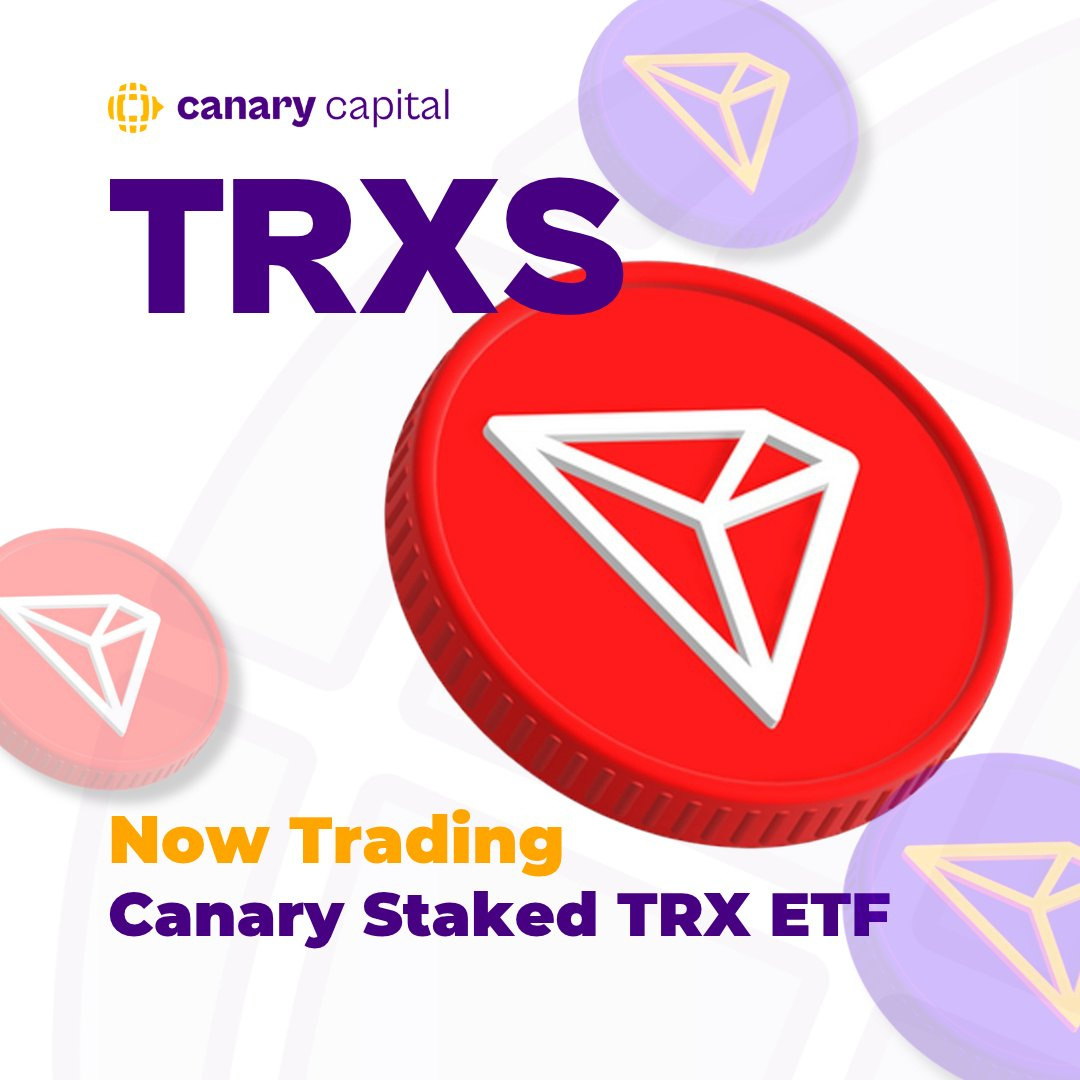
The Canary Staked TRX ETF (TRXS) is now trading on Cboe. 📊
A new institutional access point to the TRON ecosystem, offering exposure to the TRON network with staking rewards potential.
Investing involves risk. See Canary Capital's prospectus for details.
Read more 👇
https://canaryetfs.com/trxs/
A new institutional access point to the TRON ecosystem, offering exposure to the TRON network with staking rewards potential.
Investing involves risk. See Canary Capital's prospectus for details.
Read more 👇
https://canaryetfs.com/trxs/
29
·
--
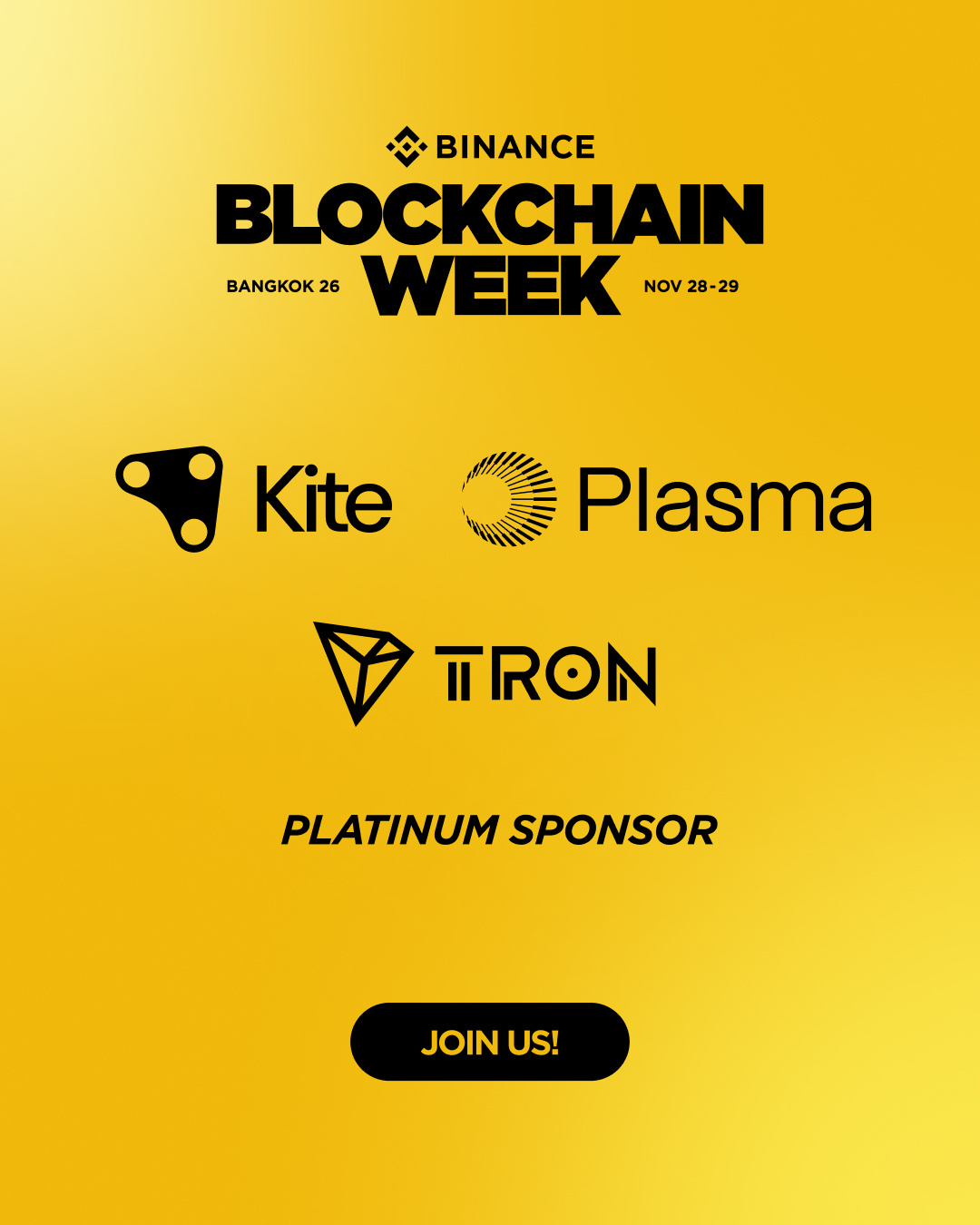
TRON's presence at Binance Blockchain Week 2026 is another important moment for the ecosystem.
Becoming a Platinum Sponsor in Bangkok reflects TRON's continued commitment to engaging with the wider blockchain industry, building strategic relationships, and contributing to conversations shaping Web3.
Justin Sun's participation in the Blockchain 100 Awards and closing fireside chat on November 29 adds another important dimension to this presence.
What matters most is the opportunity to connect ecosystem development with the people, ideas, and partnerships driving blockchain adoption forward.
TRON is not just showing up at the event; it is taking part in the conversation shaping the industry's next chapter.
Looking forward to November 28–29. 🇹🇭
@TRONDAO @JustinSun #TRONEcoStar
TRON's presence at Binance Blockchain Week 2026 is another important moment for the ecosystem.
Becoming a Platinum Sponsor in Bangkok reflects TRON's continued commitment to engaging with the wider blockchain industry, building strategic relationships, and contributing to conversations shaping Web3.
Justin Sun's participation in the Blockchain 100 Awards and closing fireside chat on November 29 adds another important dimension to this presence.
What matters most is the opportunity to connect ecosystem development with the people, ideas, and partnerships driving blockchain adoption forward.
TRON is not just showing up at the event; it is taking part in the conversation shaping the industry's next chapter.
Looking forward to November 28–29. 🇹🇭
@TRON DAO @Justin Sun孙宇晨 #TRONEcoStar
TRON DAO
·
--
TRON joins Binance in Bangkok as a Platinum Sponsor of Binance Blockchain Week, November 28–29. 🇹🇭
On November 29, Justin Sun will take part in the Blockchain 100 Awards and a closing fireside chat alongside Trust Wallet and Altcoin Daily.
See you there!
Read more 👇
https://x.com/trondao/status/2124783309813399863
On November 29, Justin Sun will take part in the Blockchain 100 Awards and a closing fireside chat alongside Trust Wallet and Altcoin Daily.
See you there!
Read more 👇
https://x.com/trondao/status/2124783309813399863
49
·
--
$BTTC : Is the Market Underestimating BitTorrent's Long-Term Potential?
BitTorrent has an interesting position in the Web3 ecosystem because its story goes beyond token price movements.
Its decentralized infrastructure, expanding BTTC ecosystem, network adoption and ongoing token burns provide several factors worth examining.
However, one important question remains: Can growing ecosystem activity translate into sustainable demand for BTT?
Token burns can reduce supply, but long-term value also depends on real utility, adoption and consistent demand.
I believe this is where the market should pay closer attention.
Let's hear your perspective:
What do you think will be the biggest catalyst for BTT in the next bull market?
Increased BTTC adoption
Stronger BTT utility
Continued token burns
More demand across the BitTorrent ecosystem
I'm interested in hearing what the community thinks.
@BitTorrent_Official @JustinSun
#TRONEcoStar #BTTC.
$BTTC : Is the Market Underestimating BitTorrent's Long-Term Potential?
BitTorrent has an interesting position in the Web3 ecosystem because its story goes beyond token price movements.
Its decentralized infrastructure, expanding BTTC ecosystem, network adoption and ongoing token burns provide several factors worth examining.
However, one important question remains: Can growing ecosystem activity translate into sustainable demand for BTT?
Token burns can reduce supply, but long-term value also depends on real utility, adoption and consistent demand.
I believe this is where the market should pay closer attention.
Let's hear your perspective:
What do you think will be the biggest catalyst for BTT in the next bull market?
Increased BTTC adoption
Stronger BTT utility
Continued token burns
More demand across the BitTorrent ecosystem
I'm interested in hearing what the community thinks.
@BitTorrent_Official @Justin Sun孙宇晨
#TRONEcoStar #BTTC.
74
·
--
TRON Eco 2026, thank you for bringing people together through innovation, collaboration, and continuous growth. Proud to be part of this journey and excited for what lies ahead. Wishing the entire TRON Eco community a joyful Thanksgiving filled with hope, progress, and new opportunities! 💛
@JustinSun @DeFi_JUST
#TRONEcoThanksgiving2026
TRON Eco 2026, thank you for bringing people together through innovation, collaboration, and continuous growth. Proud to be part of this journey and excited for what lies ahead. Wishing the entire TRON Eco community a joyful Thanksgiving filled with hope, progress, and new opportunities! 💛
@Justin Sun孙宇晨 @JUST DAO
#TRONEcoThanksgiving2026
@Justin Sun孙宇晨 @JUST DAO
#TRONEcoThanksgiving2026

JUST DAO
·
--
🦴The TRON ECO × BBW 2026 Thanksgiving Mega Tour is bringing a little Thanksgiving tradition to the community: the TRON Eco Wishbone Raffle! @Binance Wallet
This Thanksgiving, we're grateful to everyone who's been part of the TRON Eco journey. Now it's time to make a wish, spread some good luck and celebrate together!
💥How to join:
1️⃣Follow @DeFi_JUST, @OfficialSUNio, @BitTorrent, @WinkLink_Oracle and @AINFTcom
2️⃣Repost this post
3️⃣Copy the message below and leave it in the comments under this post, tag 3 friends and add #TRONEcoThanksgiving2026:
"TRON Eco 2026, thank you for being with us! @friend1 @friend2 @friend3 #TRONEcoThanksgiving2026"
📅Nov 26 – Dec 1
🎁20 winners will be randomly selected from valid participants, with one TRON Eco pillow blanket for each winner.
📌Please note that shipping and delivery may vary depending on the country or region. JUST reserves the right to make adjustments to prizes where necessary. Official prize details and delivery arrangements will be announced separately.
A little wish, three friends, and a chance to bring home some TRON Eco warmth. What are you waiting for? 🧡 #BinanceBlockchainWeek #TRONEcoBBW

74
·
--
JUST: Building Progress Through a Connected Ecosystem
One thing I find interesting about the development of a DeFi ecosystem is that meaningful progress rarely comes from one component working alone. The real opportunity emerges when different parts of the system begin working together.
That is how I look at JUST.
From lending and stablecoin infrastructure to transaction services and token economics, each component has a role to play in building a more connected financial environment.
What matters to me is not simply how many products an ecosystem introduces, but how effectively those products complement one another.
When infrastructure, liquidity, revenue generation and user accessibility move in the same direction, the entire ecosystem has an opportunity to become more useful.
This is also why I am paying attention to the upgraded JST buyback mechanism. Connecting revenue generated across JUST ecosystem business lines to JST buybacks adds another important dimension to how the ecosystem's different activities relate to its token economics.
My perspective is that sustainable growth requires alignment between technology, real usage and economic incentives.
The strongest ecosystems are not necessarily those making the most noise. They are the ones building components that work together and create lasting utility.
That is the bigger development I want to see from JUST.
@JustinSun @DeFi_JUST
#TRONEcoStar $JST
JUST: Building Progress Through a Connected Ecosystem
One thing I find interesting about the development of a DeFi ecosystem is that meaningful progress rarely comes from one component working alone. The real opportunity emerges when different parts of the system begin working together.
That is how I look at JUST.
From lending and stablecoin infrastructure to transaction services and token economics, each component has a role to play in building a more connected financial environment.
What matters to me is not simply how many products an ecosystem introduces, but how effectively those products complement one another.
When infrastructure, liquidity, revenue generation and user accessibility move in the same direction, the entire ecosystem has an opportunity to become more useful.
This is also why I am paying attention to the upgraded JST buyback mechanism. Connecting revenue generated across JUST ecosystem business lines to JST buybacks adds another important dimension to how the ecosystem's different activities relate to its token economics.
My perspective is that sustainable growth requires alignment between technology, real usage and economic incentives.
The strongest ecosystems are not necessarily those making the most noise. They are the ones building components that work together and create lasting utility.
That is the bigger development I want to see from JUST.
@Justin Sun孙宇晨 @JUST DAO
#TRONEcoStar $JST

158
·
--
𝐖𝐡𝐲 $𝐁𝐓𝐓 𝐁𝐮𝐲𝐛𝐚𝐜𝐤𝐬 𝐀𝐧𝐝 𝐁𝐮𝐫𝐧𝐬 𝐃𝐞𝐬𝐞𝐫𝐯𝐞 𝐀 𝐃𝐞𝐞𝐩𝐞𝐫 𝐋𝐨𝐨𝐤
Token buybacks and burns are often discussed through the lens of supply reduction. However, I think the more important question is what economic activity supports the mechanism behind them.
For $BTTC , the conversation becomes more meaningful when considered alongside the wider BitTorrent ecosystem.
BitTorrent has a long-standing role in peer-to-peer file distribution. BTFS introduces decentralized storage capabilities, while BTTInferGrid explores the coordination of physical computing resources. These are different infrastructure functions, but they contribute to a broader vision of distributed digital services.
That context matters because a token’s economic design should be examined alongside the products and activities connected to it.
A buyback involves acquiring tokens from the market, while a burn permanently removes tokens from circulation when executed through an appropriate mechanism. Both actions can influence supply dynamics, but neither automatically creates lasting demand or guarantees an increase in market price.
The important questions are more practical.
Is the ecosystem generating sustained activity? Are its products attracting genuine users? Is there transparent reporting around buyback allocations and completed burns? Can the underlying services develop meaningful economic demand over time?
These questions provide a better framework for evaluating token economics than looking at a burn announcement in isolation.
For me, the strongest argument for a long-term $BTTC narrative would come from the relationship between useful infrastructure, sustained participation and transparent token mechanisms.
@BitTorrent_Official @JustinSun #TRONEcoStar
𝐖𝐡𝐲 $𝐁𝐓𝐓 𝐁𝐮𝐲𝐛𝐚𝐜𝐤𝐬 𝐀𝐧𝐝 𝐁𝐮𝐫𝐧𝐬 𝐃𝐞𝐬𝐞𝐫𝐯𝐞 𝐀 𝐃𝐞𝐞𝐩𝐞𝐫 𝐋𝐨𝐨𝐤
Token buybacks and burns are often discussed through the lens of supply reduction. However, I think the more important question is what economic activity supports the mechanism behind them.
For $BTTC , the conversation becomes more meaningful when considered alongside the wider BitTorrent ecosystem.
BitTorrent has a long-standing role in peer-to-peer file distribution. BTFS introduces decentralized storage capabilities, while BTTInferGrid explores the coordination of physical computing resources. These are different infrastructure functions, but they contribute to a broader vision of distributed digital services.
That context matters because a token’s economic design should be examined alongside the products and activities connected to it.
A buyback involves acquiring tokens from the market, while a burn permanently removes tokens from circulation when executed through an appropriate mechanism. Both actions can influence supply dynamics, but neither automatically creates lasting demand or guarantees an increase in market price.
The important questions are more practical.
Is the ecosystem generating sustained activity? Are its products attracting genuine users? Is there transparent reporting around buyback allocations and completed burns? Can the underlying services develop meaningful economic demand over time?
These questions provide a better framework for evaluating token economics than looking at a burn announcement in isolation.
For me, the strongest argument for a long-term $BTTC narrative would come from the relationship between useful infrastructure, sustained participation and transparent token mechanisms.
@BitTorrent_Official @Justin Sun孙宇晨 #TRONEcoStar

1
120
·
--
𝐓𝐡𝐞 𝐔𝐧𝐬𝐞𝐞𝐧 𝐅𝐫𝐢𝐜𝐭𝐢𝐨𝐧 𝐓𝐡𝐚𝐭 𝐆𝐚𝐬𝐅𝐫𝐞𝐞 𝐀𝐝𝐝𝐫𝐞𝐬𝐬𝐞𝐬
Sending stablecoins should be a straightforward experience. Yet, on many blockchain networks, users must understand a separate resource or gas token before they can complete an ordinary transfer.
Consider someone holding USDT or USDD on TRON. They have the asset they want to send, the recipient’s address and a clear reason for making the transfer. But they may discover that they also need TRX available to cover the network fee.
That additional requirement can become a barrier, especially for people who are new to blockchain payments or who do not regularly manage multiple tokens.
This is the friction GasFree is designed to address.
For supported transfers, GasFree allows the service fee to be paid using the transferring token rather than requiring the sender to hold separate TRX for that fee.
The distinction is important. It does not mean every TRON transaction is automatically free, nor does it mean every token and wallet is necessarily supported. It is a service designed around eligible transfers and its applicable conditions.
The broader significance is the user experience.
Blockchain adoption is not only about transaction speed or network capacity. It is also about reducing the number of unfamiliar steps between a user’s intention and the action they want to complete.
A payment experience becomes easier to understand when users do not have to acquire and manage an additional asset simply to make a supported transfer.
That is why GasFree deserves attention as a practical attempt to reduce one of the everyday obstacles in stablecoin usage.
@JustinSun @DeFi_JUST #TRONEcoStar
𝐓𝐡𝐞 𝐔𝐧𝐬𝐞𝐞𝐧 𝐅𝐫𝐢𝐜𝐭𝐢𝐨𝐧 𝐓𝐡𝐚𝐭 𝐆𝐚𝐬𝐅𝐫𝐞𝐞 𝐀𝐝𝐝𝐫𝐞𝐬𝐬𝐞𝐬
Sending stablecoins should be a straightforward experience. Yet, on many blockchain networks, users must understand a separate resource or gas token before they can complete an ordinary transfer.
Consider someone holding USDT or USDD on TRON. They have the asset they want to send, the recipient’s address and a clear reason for making the transfer. But they may discover that they also need TRX available to cover the network fee.
That additional requirement can become a barrier, especially for people who are new to blockchain payments or who do not regularly manage multiple tokens.
This is the friction GasFree is designed to address.
For supported transfers, GasFree allows the service fee to be paid using the transferring token rather than requiring the sender to hold separate TRX for that fee.
The distinction is important. It does not mean every TRON transaction is automatically free, nor does it mean every token and wallet is necessarily supported. It is a service designed around eligible transfers and its applicable conditions.
The broader significance is the user experience.
Blockchain adoption is not only about transaction speed or network capacity. It is also about reducing the number of unfamiliar steps between a user’s intention and the action they want to complete.
A payment experience becomes easier to understand when users do not have to acquire and manage an additional asset simply to make a supported transfer.
That is why GasFree deserves attention as a practical attempt to reduce one of the everyday obstacles in stablecoin usage.
@Justin Sun孙宇晨 @JUST DAO #TRONEcoStar

11
·
--
𝐁𝐢𝐭𝐓𝐨𝐫𝐫𝐞𝐧𝐭 𝐂𝐥𝐚𝐬𝐬𝐢𝐜 𝐀𝐧𝐝 𝐓𝐡𝐞 𝐕𝐚𝐥𝐮𝐞 𝐎𝐟 𝐃𝐞𝐜𝐞𝐧𝐭𝐫𝐚𝐥𝐢𝐳𝐞𝐝 𝐃𝐢𝐬𝐭𝐫𝐢𝐛𝐮𝐭𝐢𝐨𝐧
There is a reason peer-to-peer technology remains relevant after so many years.
Traditional file distribution often depends heavily on central servers. When demand increases, the infrastructure responsible for delivering files must handle the growing traffic. This can create pressure on bandwidth, server capacity and distribution costs.
Peer-to-peer distribution approaches the problem differently.
Instead of requiring every participant to retrieve a file from one central source, peers can exchange pieces of the same content with one another. As more participants contribute available pieces, the distribution process can become more scalable under suitable network conditions.
BitTorrent Classic represents an established desktop implementation of this model, supporting large-scale file sharing and simultaneous bulk downloads on Windows systems.
Its significance is not simply that users can download multiple files. It demonstrates a different way of coordinating digital distribution: participants can become part of the delivery process rather than remaining passive recipients.
The model still depends on practical conditions. Availability of peers, upload capacity, network quality and the distribution of file pieces all influence the experience. Decentralized distribution does not mean every download will automatically be faster.
What makes BitTorrent interesting is the persistence of the underlying idea.
As digital content becomes larger and demand for distribution increases, systems that coordinate resources across many participants remain worth examining.
BitTorrent Classic is a reminder that decentralization is not only a blockchain concept. It has a much longer history in the way people share digital information.
@BitTorrent_Official @JustinSun #TRONEcoStar
𝐁𝐢𝐭𝐓𝐨𝐫𝐫𝐞𝐧𝐭 𝐂𝐥𝐚𝐬𝐬𝐢𝐜 𝐀𝐧𝐝 𝐓𝐡𝐞 𝐕𝐚𝐥𝐮𝐞 𝐎𝐟 𝐃𝐞𝐜𝐞𝐧𝐭𝐫𝐚𝐥𝐢𝐳𝐞𝐝 𝐃𝐢𝐬𝐭𝐫𝐢𝐛𝐮𝐭𝐢𝐨𝐧
There is a reason peer-to-peer technology remains relevant after so many years.
Traditional file distribution often depends heavily on central servers. When demand increases, the infrastructure responsible for delivering files must handle the growing traffic. This can create pressure on bandwidth, server capacity and distribution costs.
Peer-to-peer distribution approaches the problem differently.
Instead of requiring every participant to retrieve a file from one central source, peers can exchange pieces of the same content with one another. As more participants contribute available pieces, the distribution process can become more scalable under suitable network conditions.
BitTorrent Classic represents an established desktop implementation of this model, supporting large-scale file sharing and simultaneous bulk downloads on Windows systems.
Its significance is not simply that users can download multiple files. It demonstrates a different way of coordinating digital distribution: participants can become part of the delivery process rather than remaining passive recipients.
The model still depends on practical conditions. Availability of peers, upload capacity, network quality and the distribution of file pieces all influence the experience. Decentralized distribution does not mean every download will automatically be faster.
What makes BitTorrent interesting is the persistence of the underlying idea.
As digital content becomes larger and demand for distribution increases, systems that coordinate resources across many participants remain worth examining.
BitTorrent Classic is a reminder that decentralization is not only a blockchain concept. It has a much longer history in the way people share digital information.
@BitTorrent_Official @Justin Sun孙宇晨 #TRONEcoStar
4
·
--
𝐖𝐡𝐚𝐭 𝐉𝐒𝐓 𝐁𝐮𝐲𝐛𝐚𝐜𝐤𝐬 𝐒𝐚𝐲 𝐀𝐛𝐨𝐮𝐭 𝐉𝐔𝐒𝐓’𝐬 𝐄𝐜𝐨𝐬𝐲𝐬𝐭𝐞𝐦 𝐄𝐜𝐨𝐧𝐨𝐦𝐢𝐜𝐬
A token’s economic model deserves more attention than the number of tokens circulating in the market.
One reason is that token supply mechanisms can create a connection between the activity of an ecosystem and the asset associated with it.
Within JUST, JST buybacks and burns are an important part of that discussion.
A buyback involves purchasing JST, while a burn removes tokens from circulation when the acquired tokens are permanently destroyed. The two actions are related but should not be confused: purchasing tokens does not, by itself, prove that a burn has been completed.
The broader question is how these mechanisms relate to the services operating within the ecosystem.
JUST includes products and services such as JustLend, USDD-related offerings and GasFree. Each addresses a different aspect of the digital financial experience, from lending and borrowing to stablecoin utility and supported transfer-fee arrangements.
These activities provide context for understanding why an ecosystem might connect revenue with token-related mechanisms.
Still, the existence of a buyback programme is not sufficient evidence of sustainable economic strength. A serious assessment should examine the source of the revenue, the amount allocated, the execution records, the quantity purchased and whether the corresponding burns can be independently verified.
It should also consider whether product usage is growing in a sustainable way.
The strongest token economic models are not evaluated through announcements alone. They are evaluated through transparent execution and the long-term usefulness of the services supporting them.
That is the perspective I find most valuable when examining JST.
@DeFi_JUST @JustinSun #TRONEcoStar
𝐖𝐡𝐚𝐭 𝐉𝐒𝐓 𝐁𝐮𝐲𝐛𝐚𝐜𝐤𝐬 𝐒𝐚𝐲 𝐀𝐛𝐨𝐮𝐭 𝐉𝐔𝐒𝐓’𝐬 𝐄𝐜𝐨𝐬𝐲𝐬𝐭𝐞𝐦 𝐄𝐜𝐨𝐧𝐨𝐦𝐢𝐜𝐬
A token’s economic model deserves more attention than the number of tokens circulating in the market.
One reason is that token supply mechanisms can create a connection between the activity of an ecosystem and the asset associated with it.
Within JUST, JST buybacks and burns are an important part of that discussion.
A buyback involves purchasing JST, while a burn removes tokens from circulation when the acquired tokens are permanently destroyed. The two actions are related but should not be confused: purchasing tokens does not, by itself, prove that a burn has been completed.
The broader question is how these mechanisms relate to the services operating within the ecosystem.
JUST includes products and services such as JustLend, USDD-related offerings and GasFree. Each addresses a different aspect of the digital financial experience, from lending and borrowing to stablecoin utility and supported transfer-fee arrangements.
These activities provide context for understanding why an ecosystem might connect revenue with token-related mechanisms.
Still, the existence of a buyback programme is not sufficient evidence of sustainable economic strength. A serious assessment should examine the source of the revenue, the amount allocated, the execution records, the quantity purchased and whether the corresponding burns can be independently verified.
It should also consider whether product usage is growing in a sustainable way.
The strongest token economic models are not evaluated through announcements alone. They are evaluated through transparent execution and the long-term usefulness of the services supporting them.
That is the perspective I find most valuable when examining JST.
@JUST DAO @Justin Sun孙宇晨 #TRONEcoStar

85
·
--
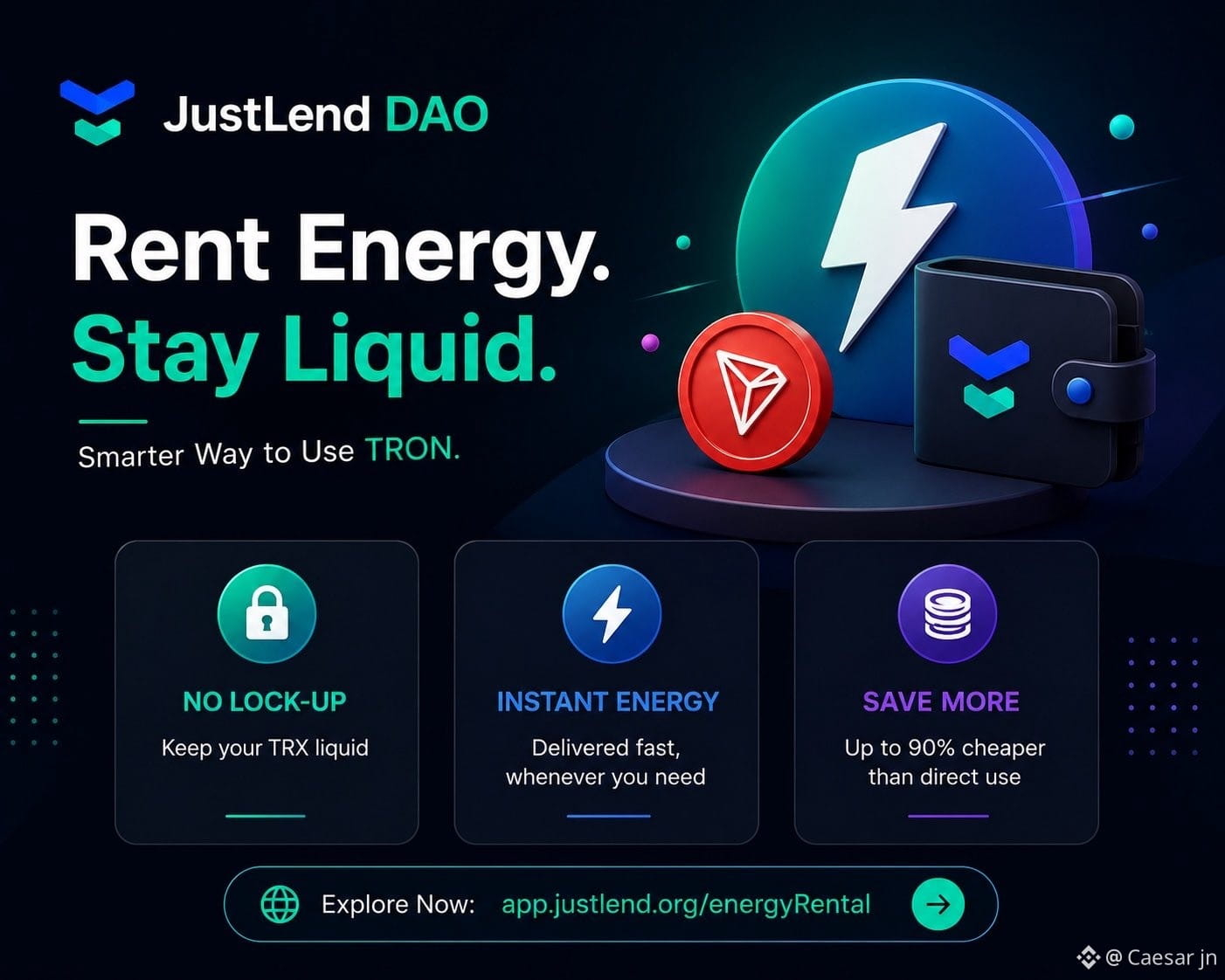
𝐖𝐡𝐲 𝐄𝐧𝐞𝐫𝐠𝐲 𝐌𝐚𝐧𝐚𝐠𝐞𝐦𝐞𝐧𝐭 𝐌𝐚𝐭𝐭𝐞𝐫𝐬 𝐎𝐧 𝐓𝐑𝐎𝐍
Blockchain transactions are not all equally demanding.
A simple transfer and a complex smart contract interaction can require different amounts of network resources. On TRON, Energy is one of the resources involved in executing smart contracts.
This makes Energy management an important consideration for users who interact frequently with decentralised applications.
There are different ways to approach the requirement.
A user can obtain Energy through mechanisms available to them, including staking TRX to access network resources or using an Energy Rental service when appropriate.
The difference between buying or obtaining Energy through staking and renting Energy is worth understanding.
Staking involves committing TRX under the network’s resource model, subject to the relevant rules and unfreezing conditions. Energy Rental, on the other hand, provides access to Energy for a specified arrangement or period without requiring the user to stake the same amount of TRX themselves.
For developers, businesses and frequent smart contract users, this distinction can influence how they plan operational costs.
For occasional users, renting may be more convenient than committing capital. For users with recurring resource needs, staking may be worth evaluating.
Neither option is automatically cheaper in every situation. The best approach depends on usage frequency, rental prices, staking conditions, available resources and the user’s liquidity requirements.
This is where JustLend DAO’s Energy-related services become relevant to the wider TRON experience.
The bigger lesson is that blockchain efficiency is not only about transaction speed. It also involves understanding how network resources are obtained, allocated and consumed.
@JustinSun @DeFi_JUST #TRONEcoStar
𝐖𝐡𝐲 𝐄𝐧𝐞𝐫𝐠𝐲 𝐌𝐚𝐧𝐚𝐠𝐞𝐦𝐞𝐧𝐭 𝐌𝐚𝐭𝐭𝐞𝐫𝐬 𝐎𝐧 𝐓𝐑𝐎𝐍
Blockchain transactions are not all equally demanding.
A simple transfer and a complex smart contract interaction can require different amounts of network resources. On TRON, Energy is one of the resources involved in executing smart contracts.
This makes Energy management an important consideration for users who interact frequently with decentralised applications.
There are different ways to approach the requirement.
A user can obtain Energy through mechanisms available to them, including staking TRX to access network resources or using an Energy Rental service when appropriate.
The difference between buying or obtaining Energy through staking and renting Energy is worth understanding.
Staking involves committing TRX under the network’s resource model, subject to the relevant rules and unfreezing conditions. Energy Rental, on the other hand, provides access to Energy for a specified arrangement or period without requiring the user to stake the same amount of TRX themselves.
For developers, businesses and frequent smart contract users, this distinction can influence how they plan operational costs.
For occasional users, renting may be more convenient than committing capital. For users with recurring resource needs, staking may be worth evaluating.
Neither option is automatically cheaper in every situation. The best approach depends on usage frequency, rental prices, staking conditions, available resources and the user’s liquidity requirements.
This is where JustLend DAO’s Energy-related services become relevant to the wider TRON experience.
The bigger lesson is that blockchain efficiency is not only about transaction speed. It also involves understanding how network resources are obtained, allocated and consumed.
@Justin Sun孙宇晨 @JUST DAO #TRONEcoStar
9
·
--
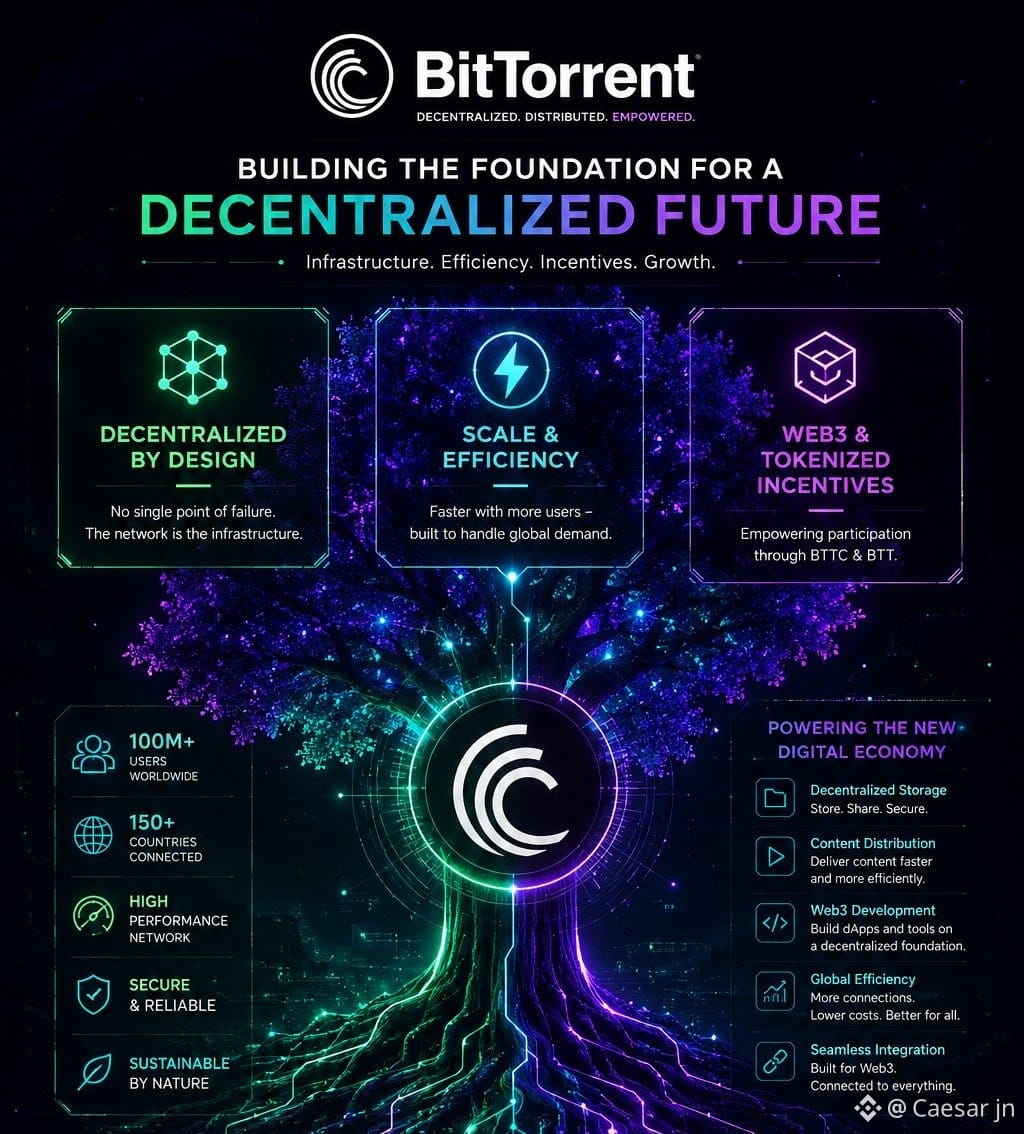
𝐁𝐓𝐅𝐒 𝐀𝐧𝐝 𝐓𝐡𝐞 𝐂𝐚𝐬𝐞 𝐅𝐨𝐫 𝐃𝐞𝐜𝐞𝐧𝐭𝐫𝐚𝐥𝐢𝐳𝐞𝐝 𝐅𝐢𝐥𝐞 𝐒𝐭𝐨𝐫𝐚𝐠𝐞
Digital information has become one of the most valuable resources on the internet.
Documents, media files, websites, application data and creative assets all need somewhere to be stored and accessed. Much of today’s storage infrastructure depends on centralised providers, which can offer convenience but also create dependence on particular platforms and infrastructure operators.
BTFS approaches the storage question through a decentralised model.
Its core proposition includes decentralised file storage, encrypted and secure file transfer, distributed site deployment, and content sharing and social interactions.
These functions point towards a broader idea: digital content does not necessarily have to depend on a single central location to be stored or distributed.
However, decentralised storage should be evaluated through practical questions rather than the label alone.
How is content located? How is availability maintained? What happens when a storage provider becomes unavailable? How are users able to retrieve their files? What protections exist around access and encryption?
These questions matter because storing data and reliably retrieving it are two different challenges.
A decentralised system must consider both. It needs a way to distribute information across participating resources while ensuring users can locate and access the content they need.
The same applies to distributed site deployment. Hosting a website through decentralised infrastructure raises questions around availability, performance, updates and content management.
BTFS is interesting because it brings these storage and distribution questions into the BitTorrent ecosystem.
Its long-term value will depend not only on the range of functions it offers, but also on the reliability and usability of those functions in real-world situations.
@BitTorrent_Official @JustinSun #TRONEcoStar
𝐁𝐓𝐅𝐒 𝐀𝐧𝐝 𝐓𝐡𝐞 𝐂𝐚𝐬𝐞 𝐅𝐨𝐫 𝐃𝐞𝐜𝐞𝐧𝐭𝐫𝐚𝐥𝐢𝐳𝐞𝐝 𝐅𝐢𝐥𝐞 𝐒𝐭𝐨𝐫𝐚𝐠𝐞
Digital information has become one of the most valuable resources on the internet.
Documents, media files, websites, application data and creative assets all need somewhere to be stored and accessed. Much of today’s storage infrastructure depends on centralised providers, which can offer convenience but also create dependence on particular platforms and infrastructure operators.
BTFS approaches the storage question through a decentralised model.
Its core proposition includes decentralised file storage, encrypted and secure file transfer, distributed site deployment, and content sharing and social interactions.
These functions point towards a broader idea: digital content does not necessarily have to depend on a single central location to be stored or distributed.
However, decentralised storage should be evaluated through practical questions rather than the label alone.
How is content located? How is availability maintained? What happens when a storage provider becomes unavailable? How are users able to retrieve their files? What protections exist around access and encryption?
These questions matter because storing data and reliably retrieving it are two different challenges.
A decentralised system must consider both. It needs a way to distribute information across participating resources while ensuring users can locate and access the content they need.
The same applies to distributed site deployment. Hosting a website through decentralised infrastructure raises questions around availability, performance, updates and content management.
BTFS is interesting because it brings these storage and distribution questions into the BitTorrent ecosystem.
Its long-term value will depend not only on the range of functions it offers, but also on the reliability and usability of those functions in real-world situations.
@BitTorrent_Official @Justin Sun孙宇晨 #TRONEcoStar
6
·
--
𝐖𝐡𝐲 𝐓𝐑𝐗 𝐒𝐭𝐚𝐤𝐢𝐧𝐠 𝐎𝐧 𝐉𝐮𝐬𝐭𝐋𝐞𝐧𝐝 𝐃𝐞𝐬𝐞𝐫𝐯𝐞𝐬 𝐀 𝐂𝐥𝐨𝐬𝐞𝐫 𝐋𝐨𝐨𝐤
Staking is often discussed as a way to participate in a blockchain ecosystem, but its practical implications deserve closer attention.
On TRON, staking TRX can provide access to network resources under the applicable staking and resource-allocation rules. These resources include Bandwidth and Energy, which support different kinds of network activity.
For users who regularly interact with smart contracts, Energy can be particularly important.
Instead of treating every transaction as an isolated fee, users can consider how their recurring network-resource needs are managed. This is where staking becomes part of a broader resource strategy.
JustLend DAO brings additional relevance to this discussion through its TRON ecosystem services.
However, staking should not be approached as a decision based only on the possibility of rewards. Users should understand the conditions attached to their position, including the period during which TRX may be unavailable for other uses, the applicable unfreezing rules and the risks associated with changing market conditions.
It is also important to distinguish network-resource access from any separate reward or incentive programme. They are not necessarily the same thing.
A sensible staking decision begins with a practical question: what do I need from the network, and how frequently will I need it?
For a user with consistent Energy requirements, staking may be worth comparing with Energy Rental. For someone who needs flexibility or uses smart contracts occasionally, another arrangement may be more appropriate.
The value of staking is therefore not simply about locking tokens. It is about understanding how network participation, resource access and liquidity requirements fit together.
@JustinSun @DeFi_JUST #TRONEcoStar
𝐖𝐡𝐲 𝐓𝐑𝐗 𝐒𝐭𝐚𝐤𝐢𝐧𝐠 𝐎𝐧 𝐉𝐮𝐬𝐭𝐋𝐞𝐧𝐝 𝐃𝐞𝐬𝐞𝐫𝐯𝐞𝐬 𝐀 𝐂𝐥𝐨𝐬𝐞𝐫 𝐋𝐨𝐨𝐤
Staking is often discussed as a way to participate in a blockchain ecosystem, but its practical implications deserve closer attention.
On TRON, staking TRX can provide access to network resources under the applicable staking and resource-allocation rules. These resources include Bandwidth and Energy, which support different kinds of network activity.
For users who regularly interact with smart contracts, Energy can be particularly important.
Instead of treating every transaction as an isolated fee, users can consider how their recurring network-resource needs are managed. This is where staking becomes part of a broader resource strategy.
JustLend DAO brings additional relevance to this discussion through its TRON ecosystem services.
However, staking should not be approached as a decision based only on the possibility of rewards. Users should understand the conditions attached to their position, including the period during which TRX may be unavailable for other uses, the applicable unfreezing rules and the risks associated with changing market conditions.
It is also important to distinguish network-resource access from any separate reward or incentive programme. They are not necessarily the same thing.
A sensible staking decision begins with a practical question: what do I need from the network, and how frequently will I need it?
For a user with consistent Energy requirements, staking may be worth comparing with Energy Rental. For someone who needs flexibility or uses smart contracts occasionally, another arrangement may be more appropriate.
The value of staking is therefore not simply about locking tokens. It is about understanding how network participation, resource access and liquidity requirements fit together.
@Justin Sun孙宇晨 @JUST DAO #TRONEcoStar
5
·
--
Blockchain Is Not Standing Still. Neither Should We.
The next chapter of blockchain will not be defined by hype alone. It will be shaped by the people building useful products, the technology solving real problems, and the communities pushing the industry forward.
That is why Binance Blockchain Week matters.
It brings attention to the conversations and developments shaping the future of Web3, from blockchain infrastructure and digital assets to DeFi, tokenisation, AI integration and broader adoption.
One thing I find particularly interesting about this industry is how quickly the possibilities are changing. What seemed experimental yesterday can become part of everyday digital finance tomorrow.
But evolution also requires responsibility: better security, stronger infrastructure, transparency and solutions that deliver value beyond speculation.
For me, the real question is not simply how far blockchain can grow, but how much practical value it can create for people around the world.
The future belongs to those willing to learn, build, adapt and keep improving.
Let's keep moving the industry forward.
#Binance #Web3 #EvolveAtBinanceBlockchainWeek
1
34
·
--
TRON Generated $23.6M in 30-Day Fees. The Bigger Story Is What That Says About Network Activity.
When market activity slows down, one metric I pay close attention to is whether a blockchain continues generating fees.
The figures shared here show an interesting comparison:
- TRON: $23.6M in fees over 30 days.
- Solana: $13.5M over the same period, with fees reportedly falling by nearly 50%.
That puts TRON ahead by approximately $10.1M in the reported period.
What stands out to me is the potential significance of this difference.
TRON's ecosystem has a strong connection to stablecoin transfers, particularly USDT. People and businesses use stablecoins to move dollar-denominated value, and those transactions contribute to ongoing network activity.
This is important because a blockchain's usefulness should not be measured only by token price movements, social media attention, or short periods of market excitement.
Consistent economic activity matters.
However, I would not interpret fee figures in isolation. We also need to consider transaction volume, active users, stablecoin transfers, network costs, and how much of that activity is sustainable.
Solana remains a major blockchain with its own strengths. A decline in fees over one 30-day window does not establish a permanent trend.
My takeaway is straightforward: TRON's reported $23.6M in fees deserves attention because it highlights the economic activity taking place across its network, even when market momentum is weak.
For me, the more important question is whether TRON can maintain this level of activity over time.
Real network strength is not just about attracting attention during a bull market. It is about continuing to provide utility when the market becomes quiet.
$TRX @TRONDAO #TRONEcoStar
TRON Generated $23.6M in 30-Day Fees. The Bigger Story Is What That Says About Network Activity.
When market activity slows down, one metric I pay close attention to is whether a blockchain continues generating fees.
The figures shared here show an interesting comparison:
- TRON: $23.6M in fees over 30 days.
- Solana: $13.5M over the same period, with fees reportedly falling by nearly 50%.
That puts TRON ahead by approximately $10.1M in the reported period.
What stands out to me is the potential significance of this difference.
TRON's ecosystem has a strong connection to stablecoin transfers, particularly USDT. People and businesses use stablecoins to move dollar-denominated value, and those transactions contribute to ongoing network activity.
This is important because a blockchain's usefulness should not be measured only by token price movements, social media attention, or short periods of market excitement.
Consistent economic activity matters.
However, I would not interpret fee figures in isolation. We also need to consider transaction volume, active users, stablecoin transfers, network costs, and how much of that activity is sustainable.
Solana remains a major blockchain with its own strengths. A decline in fees over one 30-day window does not establish a permanent trend.
My takeaway is straightforward: TRON's reported $23.6M in fees deserves attention because it highlights the economic activity taking place across its network, even when market momentum is weak.
For me, the more important question is whether TRON can maintain this level of activity over time.
Real network strength is not just about attracting attention during a bull market. It is about continuing to provide utility when the market becomes quiet.
$TRX @TRON DAO #TRONEcoStar
29
·
--
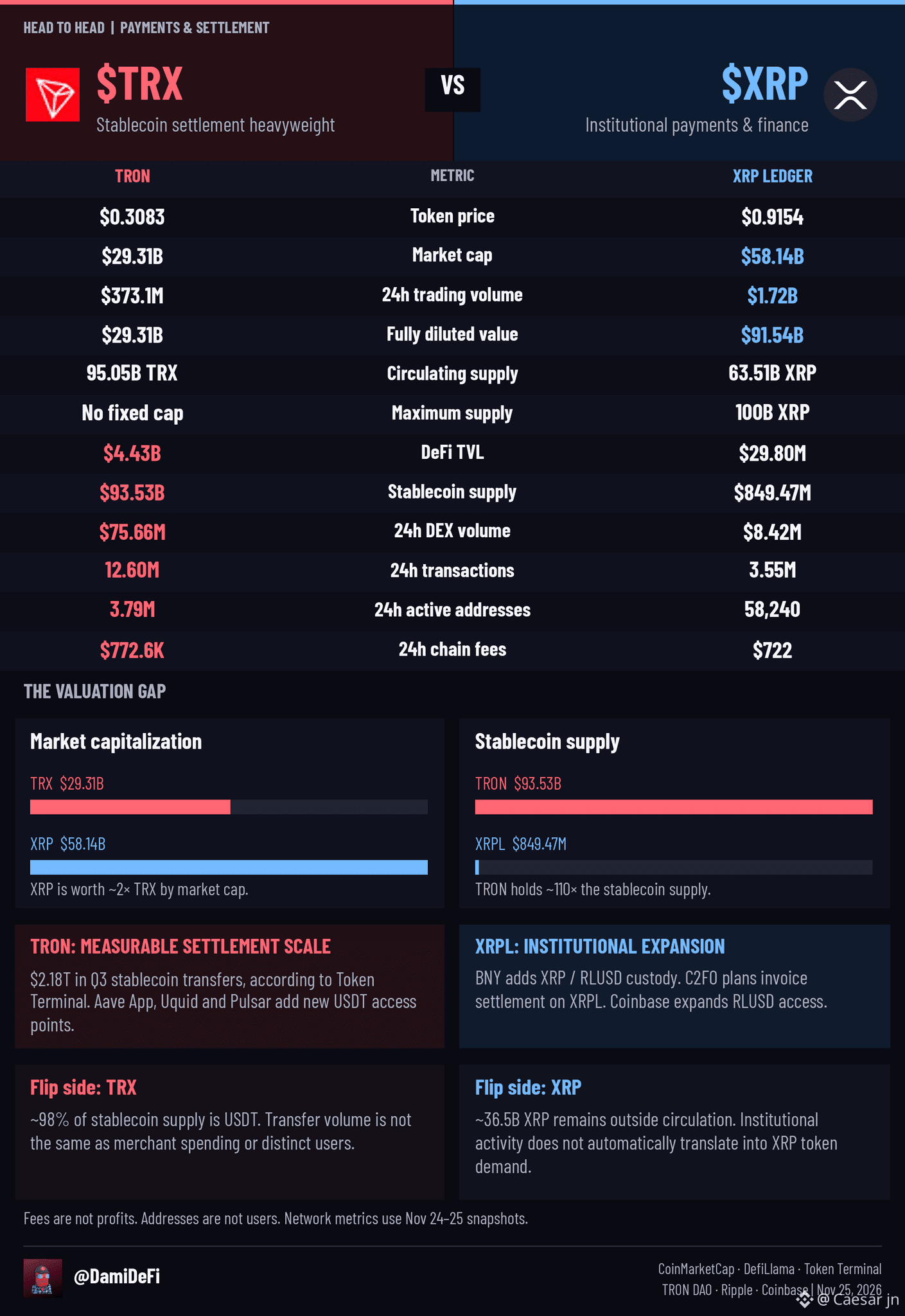
$TRX vs $XRP : One Leads in Stablecoin Settlement. The Other Commands a Much Higher Valuation. Which Has the Stronger Case?
The competition between TRON and XRP is not just about transaction speed. It is about two different approaches to the future of global payments and financial settlement.
And the numbers reveal an interesting contrast.
$TRX : The Stablecoin Settlement Leader
TRON has built a substantial position in stablecoin activity, particularly through USDT.
According to the Q3 2026 figures provided:
- Average stablecoin supply: $92.25B
- Quarterly stablecoin transfer volume: $2.18T
- Average USDT supply: approximately $90.75B
- DeFi TVL: approximately $4.43B
- 24-hour transactions: approximately 12.6M
These figures show the scale of stablecoin activity taking place on TRON. Its strength is not simply its ability to process transactions, but its established role in moving dollar-denominated value across the blockchain.
Recent integrations involving Aave's mobile app, Uquid and Pulsar also point to expanding ways users can access TRON-based USDT.
However, there is a risk worth watching: roughly 98% of TRON's stablecoin supply is USDT. That concentration makes the network heavily dependent on one stablecoin issuer.
$XRP: The Institutional Financial Infrastructure Play
XRP takes a different approach. The XRP Ledger is focused on payments, asset transfers and financial settlement, with growing attention on institutional services and tokenisation.
The supplied figures show:
- Market capitalisation: approximately $58.14B
- Stablecoin market cap: approximately $849.47M
- DeFi TVL: approximately $29.80M
- Tracked active real-world assets: approximately $197.39M
- 24-hour transactions: approximately 3.55M
Developments involving BNY, C2FO and Coinbase, alongside RLUSD expansion, strengthen the institutional and financial infrastructure narrative around Ripple and XRPL.
But one distinction matters: growth in Ripple's business or RLUSD adoption does not automatically create proportional demand for XRP.
@TRONDAO @JustinSun #TronEcoStars
$TRX vs $XRP : One Leads in Stablecoin Settlement. The Other Commands a Much Higher Valuation. Which Has the Stronger Case?
The competition between TRON and XRP is not just about transaction speed. It is about two different approaches to the future of global payments and financial settlement.
And the numbers reveal an interesting contrast.
$TRX : The Stablecoin Settlement Leader
TRON has built a substantial position in stablecoin activity, particularly through USDT.
According to the Q3 2026 figures provided:
- Average stablecoin supply: $92.25B
- Quarterly stablecoin transfer volume: $2.18T
- Average USDT supply: approximately $90.75B
- DeFi TVL: approximately $4.43B
- 24-hour transactions: approximately 12.6M
These figures show the scale of stablecoin activity taking place on TRON. Its strength is not simply its ability to process transactions, but its established role in moving dollar-denominated value across the blockchain.
Recent integrations involving Aave's mobile app, Uquid and Pulsar also point to expanding ways users can access TRON-based USDT.
However, there is a risk worth watching: roughly 98% of TRON's stablecoin supply is USDT. That concentration makes the network heavily dependent on one stablecoin issuer.
$XRP : The Institutional Financial Infrastructure Play
XRP takes a different approach. The XRP Ledger is focused on payments, asset transfers and financial settlement, with growing attention on institutional services and tokenisation.
The supplied figures show:
- Market capitalisation: approximately $58.14B
- Stablecoin market cap: approximately $849.47M
- DeFi TVL: approximately $29.80M
- Tracked active real-world assets: approximately $197.39M
- 24-hour transactions: approximately 3.55M
Developments involving BNY, C2FO and Coinbase, alongside RLUSD expansion, strengthen the institutional and financial infrastructure narrative around Ripple and XRPL.
But one distinction matters: growth in Ripple's business or RLUSD adoption does not automatically create proportional demand for XRP.
@TRON DAO @Justin Sun孙宇晨 #TronEcoStars
78
·
--
BitTorrent Safety: Understanding the Technology Before Judging the Risks
One thing I think people need to understand about BitTorrent is that the technology itself and the files transferred through it are two completely different things.
Whenever discussions about torrenting come up, questions about viruses, malware and security often follow. But before making a judgment about BitTorrent, it is important to understand how the technology actually works.
BitTorrent is a peer-to-peer (P2P) file-transfer protocol. Instead of depending on one central server to distribute an entire file, it allows multiple connected computers to share different pieces of that file. This makes large file transfers more efficient and distributed.
However, an important distinction often gets overlooked: a secure transfer method does not automatically make every downloaded file safe.
This is where users need to be more careful.
A file downloaded through BitTorrent is only as trustworthy as its source. A legitimate software package and a disguised malicious file can both be transferred through the same protocol. The technology moves the data; it does not guarantee that the content is harmless.
I also find the distinction between the official BitTorrent client and unofficial modified installers particularly important.
The official BitTorrent and uTorrent clients are maintained by the BitTorrent team. Downloading installers from unknown third-party websites introduces an entirely different security risk because modified software may not be trustworthy.
From an educational standpoint, there are four practical lessons every user should take seriously:
Verify your source: Pay attention to uploader reputation, file details and community feedback.
Use official software: Download BitTorrent or uTorrent through their official channels.
Keep your client updated: Older versions may contain security vulnerabilities that newer releases address.
Understand what you download: A familiar filename does not guarantee that the actual content is legitimate.
@BitTorrent_Official #TRONEcoStar
60
·
--
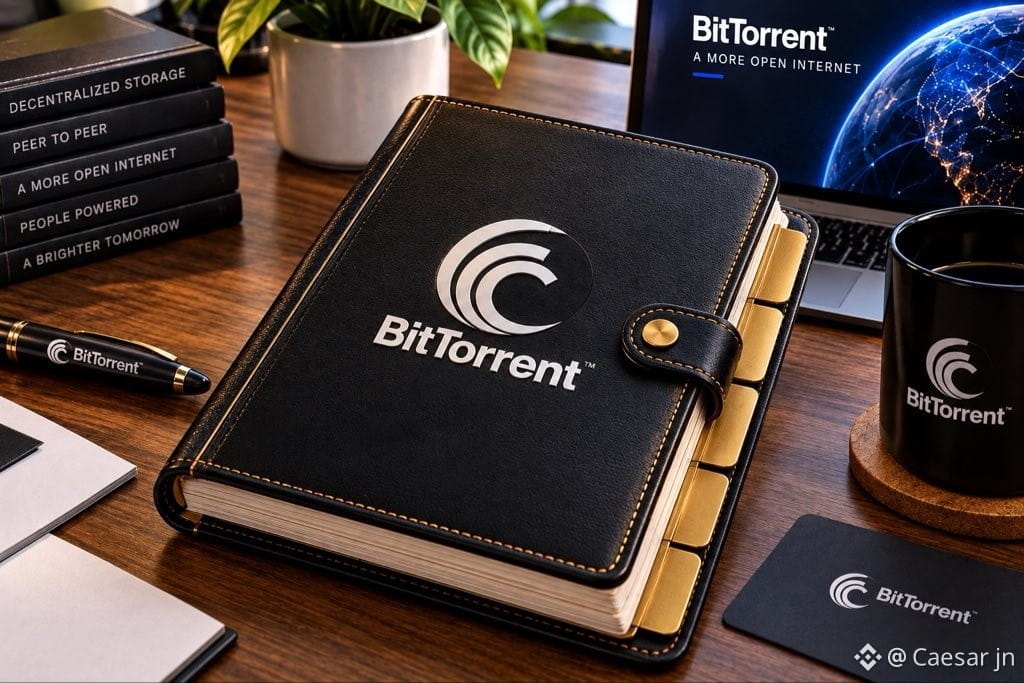
𝗗𝗶𝘀𝘁𝗿𝗶𝗯𝘂𝘁𝗲𝗱 𝗔𝗜 𝗖𝗼𝗺𝗽𝘂𝘁𝗲 𝗔𝘀𝗸𝘀 𝗨𝘀 𝗧𝗼 𝗥𝗲𝘁𝗵𝗶𝗻𝗸 𝗪𝗵𝗲𝗿𝗲 𝗖𝗼𝗺𝗽𝘂𝘁𝗲 𝗖𝗼𝗺𝗲𝘀 𝗙𝗿𝗼𝗺
AI development is creating enormous demand for computing power.
Yet powerful hardware is not necessarily concentrated in one place. GPUs and other computing resources exist across data centres, businesses, research environments and individual operators.
The challenge is coordinating those resources so they can contribute to useful workloads.
BTTInferGrid brings this question into the BitTorrent ecosystem through the idea of distributed AI inference.
It is a compelling direction because it connects two infrastructure questions: how digital resources can be shared and how AI workloads can be served.
However, distributed compute is not simply a matter of connecting machines. Scheduling, hardware compatibility, network latency, reliability, workload verification and data security all matter.
The opportunity is significant, but the quality of coordination will determine whether distributed capacity becomes dependable infrastructure.
@BitTorrent_Official @JustinSun #TRONEcoStar
𝗗𝗶𝘀𝘁𝗿𝗶𝗯𝘂𝘁𝗲𝗱 𝗔𝗜 𝗖𝗼𝗺𝗽𝘂𝘁𝗲 𝗔𝘀𝗸𝘀 𝗨𝘀 𝗧𝗼 𝗥𝗲𝘁𝗵𝗶𝗻𝗸 𝗪𝗵𝗲𝗿𝗲 𝗖𝗼𝗺𝗽𝘂𝘁𝗲 𝗖𝗼𝗺𝗲𝘀 𝗙𝗿𝗼𝗺
AI development is creating enormous demand for computing power.
Yet powerful hardware is not necessarily concentrated in one place. GPUs and other computing resources exist across data centres, businesses, research environments and individual operators.
The challenge is coordinating those resources so they can contribute to useful workloads.
BTTInferGrid brings this question into the BitTorrent ecosystem through the idea of distributed AI inference.
It is a compelling direction because it connects two infrastructure questions: how digital resources can be shared and how AI workloads can be served.
However, distributed compute is not simply a matter of connecting machines. Scheduling, hardware compatibility, network latency, reliability, workload verification and data security all matter.
The opportunity is significant, but the quality of coordination will determine whether distributed capacity becomes dependable infrastructure.
@BitTorrent_Official @Justin Sun孙宇晨 #TRONEcoStar
6
Log in to explore more content
Join global crypto users on Binance Square
⚡️ Get latest and useful information about crypto.
💬 Trusted by the world’s largest crypto exchange.
👍 Discover real insights from verified creators.
Email / Phone number
Trending Topics
CanMarketsReboundAfterThanksgiving?
49,862 views
879 Discussing
Rate-Hike Bets Linger as US Markets Head Into Thanksgiving Closure
Binance News
·2 Likes
·2.4k views
CouldSpaceX’sOrbitalDataCentersBoostAIChipDemand?
29,004 views
547 Discussing
EvolveAtBinanceBlockchainWeek
701,304 views
8,086 Discussing