


Crypto Wolf Official
 Square Verified+
Crypto Wolf is a promotional & educational platform. We provide all-in-one marketing solutions for blockchain projects. X(Twitter): x.com/CryptoWolfcom
Open Trade

XRP Holder
Occasional Trader
5 Years
560 Following
30.2K+ Followers
11.2K+ Liked
Posts
Portfolio
All
Quotes
Videos
Live



🎙️ Let's talk about market trading and regular investing in BNB spot!

End
03 h 09 m 12 s
16.6k
40

KIRAN_加密 143
·
--
Bullish🚨🧧 BOOM! BOOM! BOOM! 💥🔥
THE MEGA RED PACKET DROP IS LIVE! 🎁💰
👀 Don’t just watch… CLAIM IT!
🧧 Lucky rewards are waiting!
⚡ First come, first served!
💎 Your next big surprise could be ONE TAP away!
🚨 DON’T MISS THIS DROP! 🚨
👇 JOIN • CLAIM • SHARE • WIN 🧧🎁
#Airdrop #Giveaway #RedPacketMission #Crypto #BTC #BinanceSquare
$NVDAB
$AAPLB
$NVDA.US
THE MEGA RED PACKET DROP IS LIVE! 🎁💰
👀 Don’t just watch… CLAIM IT!
🧧 Lucky rewards are waiting!
⚡ First come, first served!
💎 Your next big surprise could be ONE TAP away!
🚨 DON’T MISS THIS DROP! 🚨
👇 JOIN • CLAIM • SHARE • WIN 🧧🎁
#Airdrop #Giveaway #RedPacketMission #Crypto #BTC #BinanceSquare
$NVDAB
$AAPLB
$NVDA.US



MANO_加密 786
·
--
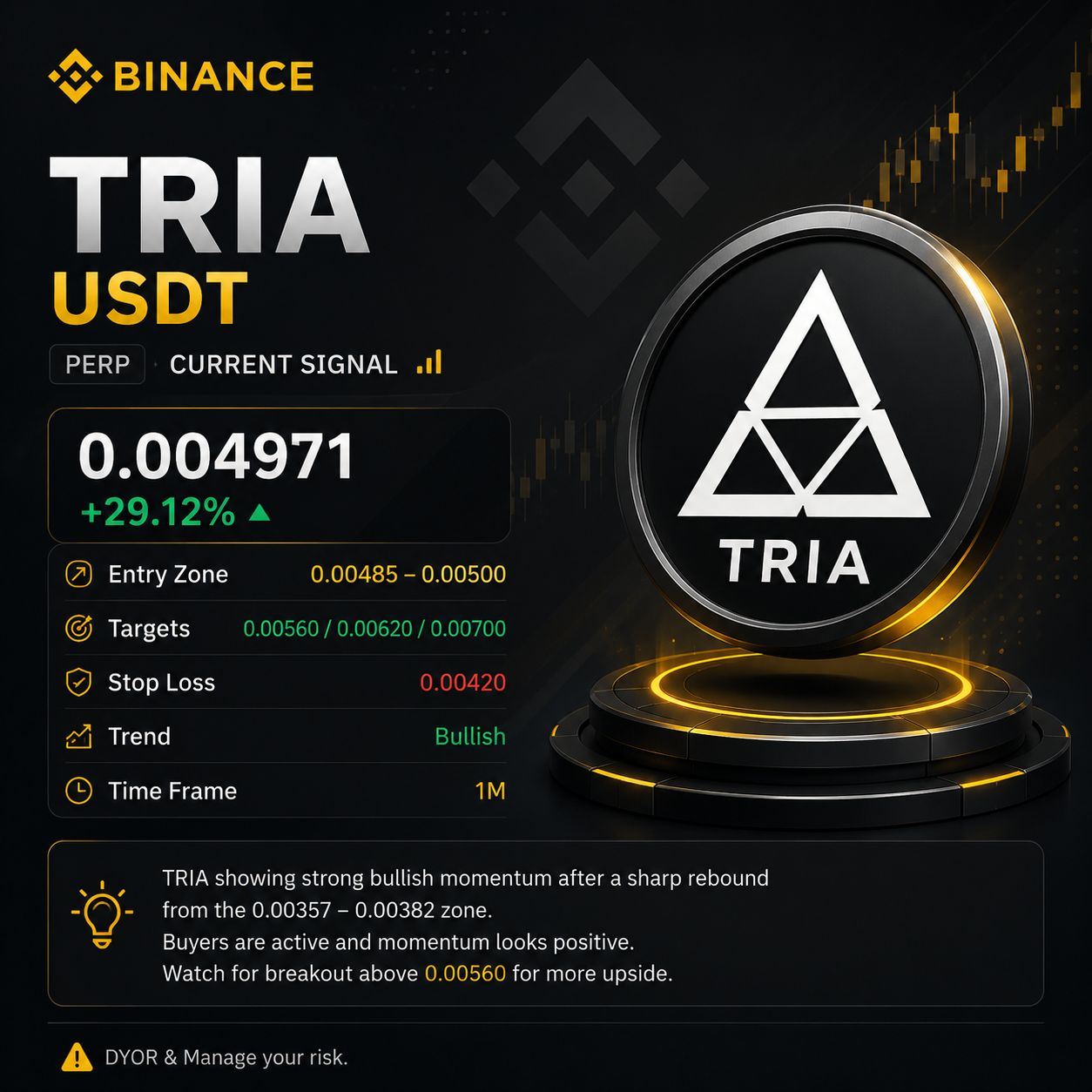
Bullish#TRIAUSDT Current Signal 📊
TRIA is showing strong bullish momentum, currently around 0.004971 (+29.12%). Price has bounced sharply from the 0.00357–0.00382 area, showing buyers are stepping back in.
🔹 Entry: 0.00485 – 0.00500
🎯 Targets: 0.00560 → 0.00620 → 0.00700
🛑 Stop Loss: 0.00420
Momentum looks positive, but the 0.00560 area is an important resistance, so watch the breakout carefully. DYOR & manage risk.
TRIA is showing strong bullish momentum, currently around 0.004971 (+29.12%). Price has bounced sharply from the 0.00357–0.00382 area, showing buyers are stepping back in.
🔹 Entry: 0.00485 – 0.00500
🎯 Targets: 0.00560 → 0.00620 → 0.00700
🛑 Stop Loss: 0.00420
Momentum looks positive, but the 0.00560 area is an important resistance, so watch the breakout carefully. DYOR & manage risk.

E L E X A
·
--
🚨 GOING LIVE NOW! 🚨
Free $USDT? 👀
If you’re already here, you might as well take your shot. 🎁
💬 Comment 666
❤️ Like
🔁 Share
➕ Follow
That’s it. Simple and quick. ⏳
Don’t wait until the spots are gone.
👇 Drop 666 in the comments NOW! 🚀
#Crypto #USDT #Giveaway
Free $USDT? 👀
If you’re already here, you might as well take your shot. 🎁
💬 Comment 666
❤️ Like
🔁 Share
➕ Follow
That’s it. Simple and quick. ⏳
Don’t wait until the spots are gone.
👇 Drop 666 in the comments NOW! 🚀
#Crypto #USDT #Giveaway

🎙️ Let me ask, with the market rising like this, has everyone made money?
End
02 h 07 m 50 s
9.2k
23

Hitmans Lounge
·
--
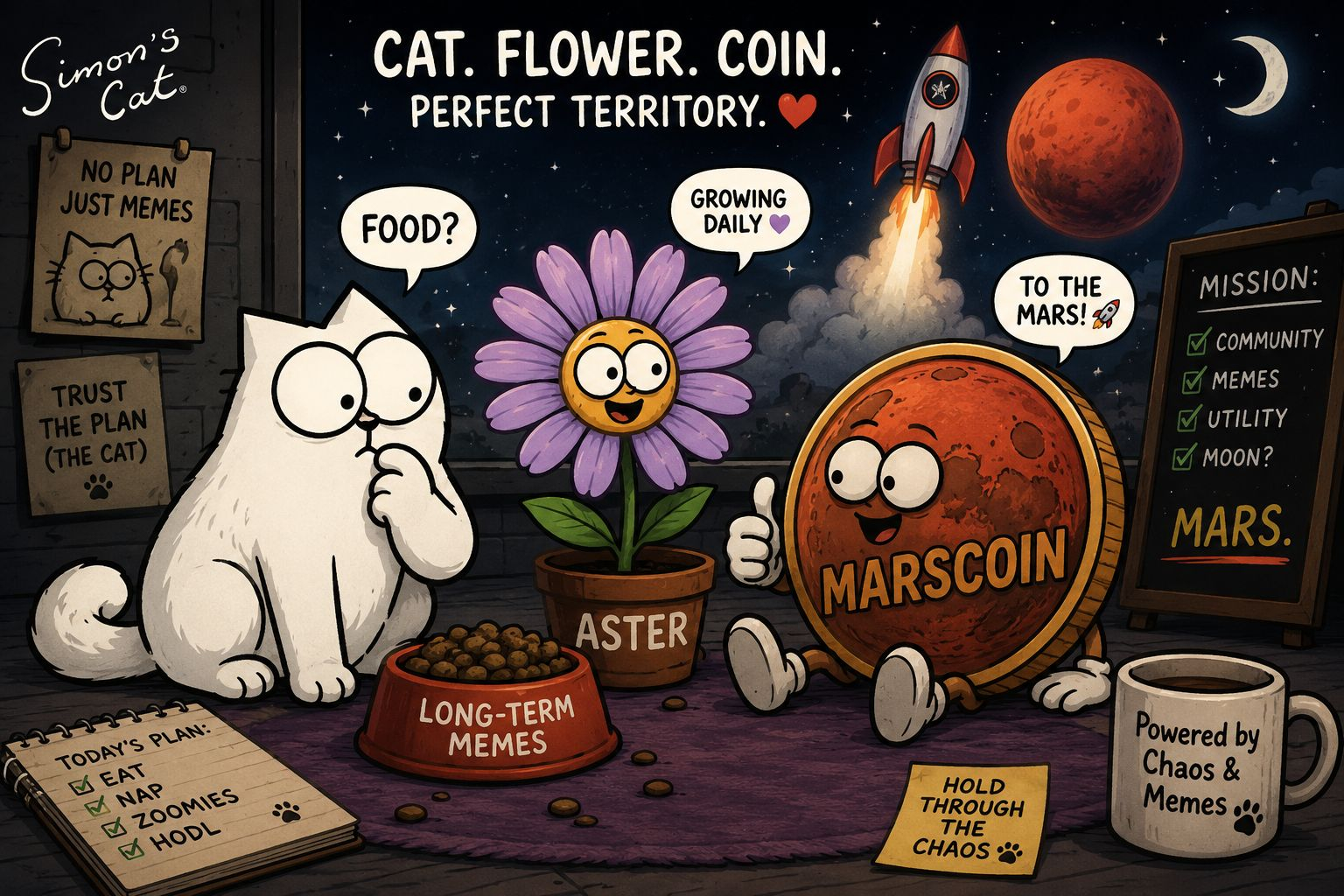
Bullish3 coins perfoming good today, which coin do you think will keep the momentum going up?
$1000CAT , $ASTER or $MARSCOIN
$1000CAT , $ASTER or $MARSCOIN

Elena神话MUA
·
--
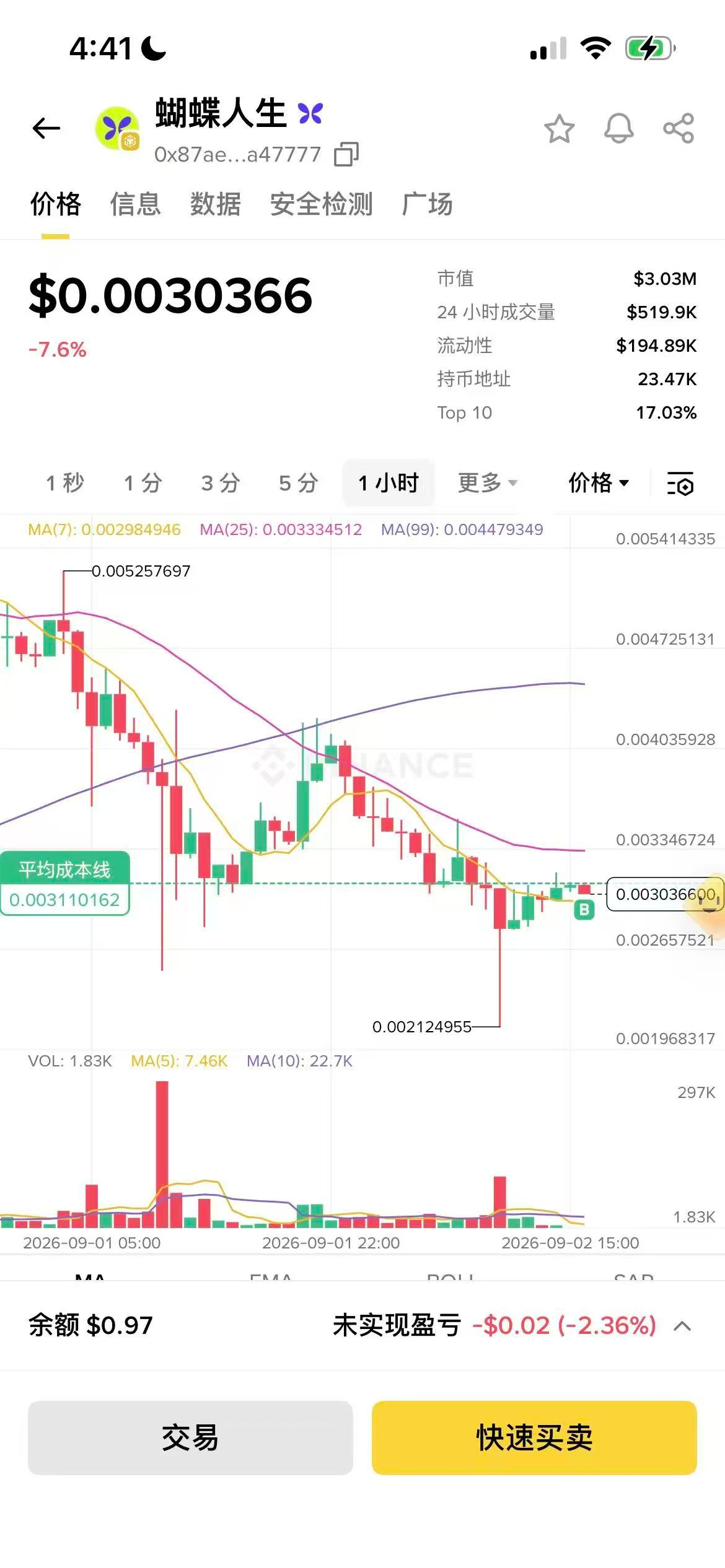
1. The core mechanism (Apple dividend distribution, equal rights for coins and shares) is brought out through the discussion logic. While readers resonate with the story, they have already received the information—so the conversion effect is far better than straightforward hype-calling.
2. The overall style matches authentic community sharing: it fully conveys your project’s value without affecting the long-term content weighting, making it suitable for ongoing operations and secondary distribution.
2. The overall style matches authentic community sharing: it fully conveys your project’s value without affecting the long-term content weighting, making it suitable for ongoing operations and secondary distribution.


Ahli Hidaya
·
--
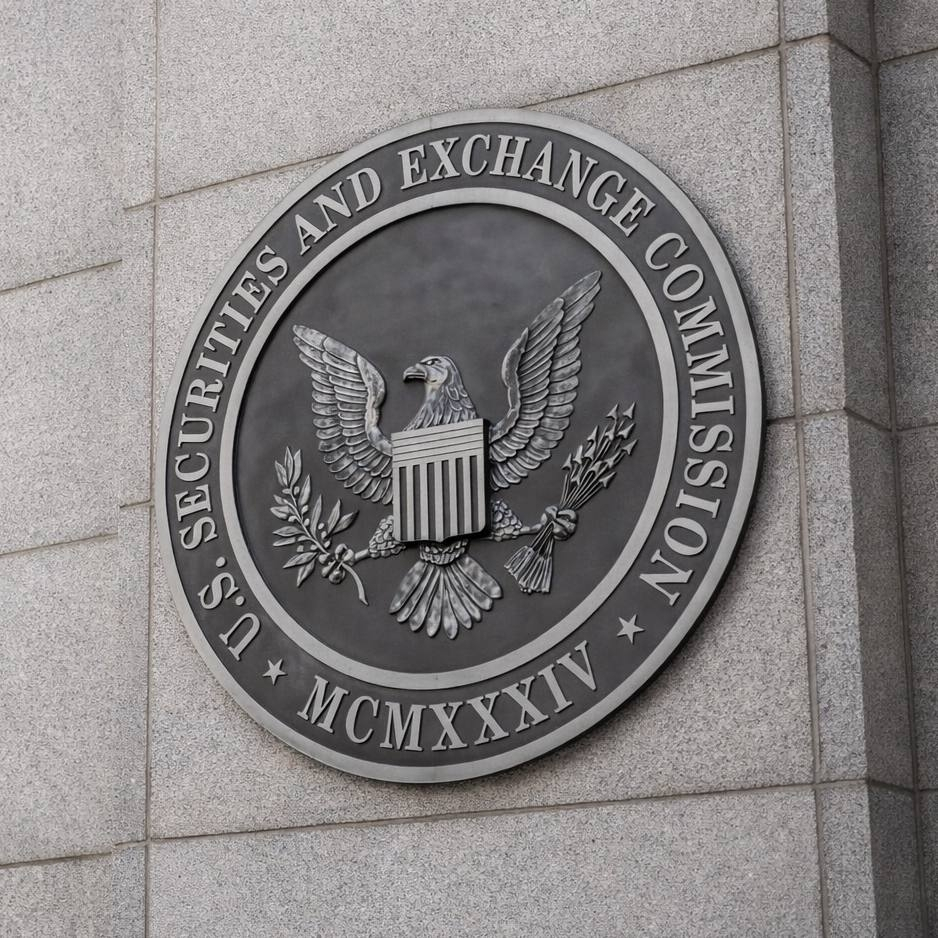
Bullish🚨 Regulatory Milestone: SEC Moves to Modernize Transfer Agent Rules for Blockchain!
The SEC has officially proposed updating its transfer agent rules—which haven't seen a major overhaul since the early 1980s—to formally recognize and accommodate the use of blockchain technology in modern securities offerings and share transfers.
This is a massive step forward for tokenized assets, digital securities, and institutional Web3 adoption, signaling a shifting regulatory landscape that is beginning to catch up with on-chain innovation.
What does this mean for the future of tokenization and compliance? Drop your thoughts below! 👇
#SEC #Blockchain #Tokenization #BinanceSquare #CryptoRegulation #Web3$BTC $BNB $USDC #dyor
The SEC has officially proposed updating its transfer agent rules—which haven't seen a major overhaul since the early 1980s—to formally recognize and accommodate the use of blockchain technology in modern securities offerings and share transfers.
This is a massive step forward for tokenized assets, digital securities, and institutional Web3 adoption, signaling a shifting regulatory landscape that is beginning to catch up with on-chain innovation.
What does this mean for the future of tokenization and compliance? Drop your thoughts below! 👇
#SEC #Blockchain #Tokenization #BinanceSquare #CryptoRegulation #Web3$BTC $BNB $USDC #dyor
🎙️ Cryptocurrency Market Discussion; Newcomer Q&A ✅ Co-building the Binance Square 🦅 Spreading the idea of freedom! Maintaining ecological balance!
End
03 h 10 m 36 s
12.2k
76

PK Aima
·
--
Navigating $ZEC Privacy Mechanics and Liquidity on Binance
As institutional interest shifts toward zero-knowledge infrastructure, Zcash ($ZEC) stands out on Binance by maintaining a clear distinction between public ledger transfers and shielded data protection. Powered by zk-SNARK cryptography, $ZEC enables users to switch seamlessly between transparent addresses for institutional compliance and shielded addresses for private settlements.
Trading on Binance Spot and Futures provides deep order book depth, letting participants execute trades with minimal slippage while maintaining optionality over their transaction footprint. As regulatory frameworks refine compliance standards for digital assets, protocols offering selective disclosure and zero knowledge verification establish a sustainable foundation for long term utility.
Are you utilizing $ZEC ’s shielded feature set or targeting spot entry levels on Binance? 🤷🏼♂️
#ZEC #BinanceSquare #CryptoAnalysis #PrivacyCoins
As institutional interest shifts toward zero-knowledge infrastructure, Zcash ($ZEC) stands out on Binance by maintaining a clear distinction between public ledger transfers and shielded data protection. Powered by zk-SNARK cryptography, $ZEC enables users to switch seamlessly between transparent addresses for institutional compliance and shielded addresses for private settlements.
Trading on Binance Spot and Futures provides deep order book depth, letting participants execute trades with minimal slippage while maintaining optionality over their transaction footprint. As regulatory frameworks refine compliance standards for digital assets, protocols offering selective disclosure and zero knowledge verification establish a sustainable foundation for long term utility.
Are you utilizing $ZEC ’s shielded feature set or targeting spot entry levels on Binance? 🤷🏼♂️
#ZEC #BinanceSquare #CryptoAnalysis #PrivacyCoins

Sonu7856
·
--
‼️$DOGE 🐕 Reward is here ‼️
I’m sharing $DOGE rewards with the community as a Bigger thank-you.
✨ Just claim your reward and enjoy! ✨
Claim it. Get rewarded
@Doge Coin _ $DOGE
I’m sharing $DOGE rewards with the community as a Bigger thank-you.
✨ Just claim your reward and enjoy! ✨
Claim it. Get rewarded
@Doge Coin _ $DOGE


Bilverse
·
--
🧧 THE NEXT ETH GIVEAWAY IS HERE! 🧧
The market can be unpredictable… but generosity doesn’t have to be. 🧡
We’re spreading some ETH love to the community — because the people who build, support, and believe in crypto deserve to be rewarded. 🚀
Want to claim your ETH red packet? 👀
👇 HOW TO ENTER:
✅ FOLLOW @Bilverse
💬 Comment “YES” below
That’s it. Simple. 👌
If you’re still here building through the ups and downs…
THIS ONE’S FOR YOU. 🫡
#ETH #Ethereum #RedPacketMission #Bilverse #CryptoCommunity
The market can be unpredictable… but generosity doesn’t have to be. 🧡
We’re spreading some ETH love to the community — because the people who build, support, and believe in crypto deserve to be rewarded. 🚀
Want to claim your ETH red packet? 👀
👇 HOW TO ENTER:
✅ FOLLOW @Bilverse
💬 Comment “YES” below
That’s it. Simple. 👌
If you’re still here building through the ups and downs…
THIS ONE’S FOR YOU. 🫡
#ETH #Ethereum #RedPacketMission #Bilverse #CryptoCommunity


Leo - F0
·
--
Bullish🧧🧧🔥GOOD MORNING FROM DUBAİ, FAMİLY. I'VE PREPARED A SPECIAL GİFT FOR YOU.🔥🧧🧧
As I told you before, $ZEC 💛 will be 3K.💎
$BTC 🔥🔥🧧🧧
$BNB #1688家族family 💚 @周周1688
#比特币突破8万美元 #xrp @Hawk自由哥 #ZECHitsANewAllTimeHigh #zec
As I told you before, $ZEC 💛 will be 3K.💎
$BTC 🔥🔥🧧🧧
$BNB #1688家族family 💚 @周周1688
#比特币突破8万美元 #xrp @Hawk自由哥 #ZECHitsANewAllTimeHigh #zec

🎙️ Welcome to Tangbao's live stream, where you can come chat about the web3 wealth code

End
03 h 42 m 52 s
3.5k
79
Log in to explore more content