
#iran
iran
10.2M views
18,674 Discussing
Hot
Latest


·
--
$TRUMP
{future}(TRUMPUSDT)
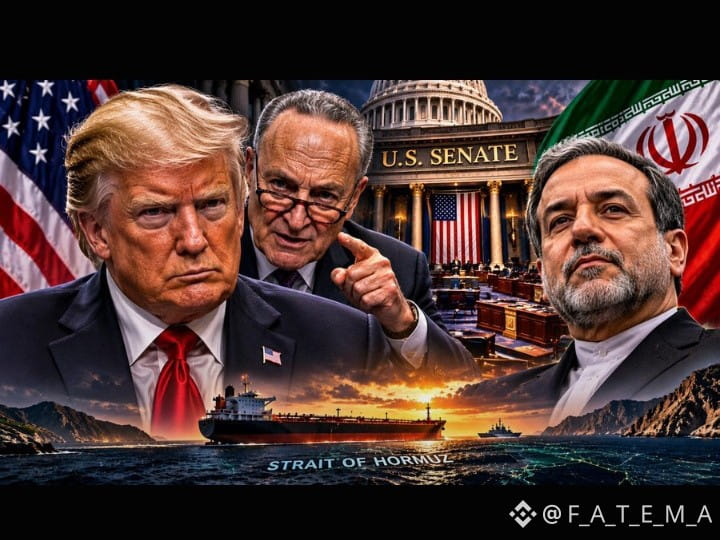
🇺🇸🇮🇷 Democrats are promising to end the war with Iran after winning control of the U.S. Senate in the midterms.
Chuck Schumer believes the American public has never been given a clear explanation for the conflict, with Trump constantly changing his justification for the war.
“The American people don't know what the heck we're fighting for in Iran.”
With Democrats now controlling Congress, Chuck intends to use their power over federal spending to pressure Trump into ending the conflict.
Some Republicans have already joined Democrats in voting against the war, potentially giving the party additional support in its efforts to restrict military funding.
With the GOP turning against him, Trump may now have no choice but to accept a deal that gives Iran more than he ever wanted to concede.
Source: Iran International (Anti-regime outlet)
#iran #WorldNews2026
$TRUMP
🇺🇸🇮🇷 Democrats are promising to end the war with Iran after winning control of the U.S. Senate in the midterms.
Chuck Schumer believes the American public has never been given a clear explanation for the conflict, with Trump constantly changing his justification for the war.
“The American people don't know what the heck we're fighting for in Iran.”
With Democrats now controlling Congress, Chuck intends to use their power over federal spending to pressure Trump into ending the conflict.
Some Republicans have already joined Democrats in voting against the war, potentially giving the party additional support in its efforts to restrict military funding.
With the GOP turning against him, Trump may now have no choice but to accept a deal that gives Iran more than he ever wanted to concede.
Source: Iran International (Anti-regime outlet)
#iran #WorldNews2026
1
980

·
--
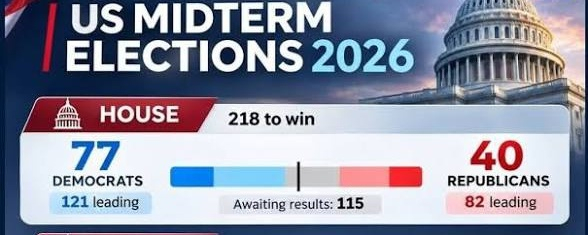
Article
Did Oil Prices and the Iran War Shape the Midterms?Iran, Oil Prices and the Election
Did Oil Prices and the Iran War Shape the Midterms?
After the votes were counted, President Trump gave his own explanation of why Republicans lost ground. He said voters didn't mind the Iran issue much, but were not happy about the price of oil. He added that he doesn't regret the decision at all.
That's a revealing comment, because it connects a foreign policy move to something people feel at the gas pump. Here is why that link matters in an election.
Prices are personal. Voters may not follow every detail of international affairs, but everyone notices what filling up a car costs. When energy prices rise, household budgets feel it, and so do the prices of goods that are transported by truck.
Foreign policy becomes a pocketbook issue. Even people who support a tough stance abroad can turn cold when the costs reach their own wallets. That is the tension Trump's own words point to.
Media coverage reinforced it. Fox News reported that young, independent, rural and Hispanic voters moved away from Republicans in large numbers, with the Iran war and tariffs cited as reasons. Note that this is what the coverage reported. Exit polls and later analysis will give a fuller picture.
It's important to be careful here. Elections are never caused by one thing. Turnout, local candidates, the economy, party enthusiasm and many other factors play a role. Pundits who claim a single cause are usually simplifying. What we can say with confidence is that the president himself named oil prices as a factor, and that major news outlets pointed to the Iran war and tariffs in their reporting on voter shifts.
What this means going forward:
For Republicans: They face a question about how to defend foreign policy decisions when their costs are visible at home.
For Democrats: They now hold power in Congress and will be expected to deliver results, not just criticism. If prices stay high, voters may look to them next.
For markets and the public: Energy prices will stay in the spotlight. Any development in the Iran situation could move oil and, with it, political opinion.
There's also a broader lesson for anyone following politics. The old saying that "all politics is local" has a close cousin: all politics is also personal. Big decisions in Washington reach ordinary people through bills, prices and jobs. When that connection is positive, parties benefit. When it's negative, they pay at the ballot box.
Do you think energy costs were the deciding factor, or just one piece of the puzzle? Tell me below.
#Iran #OilPrices #TRUMP #USPolitics #economy
Did Oil Prices and the Iran War Shape the Midterms?
Iran, Oil Prices and the Election
Did Oil Prices and the Iran War Shape the Midterms?
After the votes were counted, President Trump gave his own explanation of why Republicans lost ground. He said voters didn't mind the Iran issue much, but were not happy about the price of oil. He added that he doesn't regret the decision at all.
That's a revealing comment, because it connects a foreign policy move to something people feel at the gas pump. Here is why that link matters in an election.
Prices are personal. Voters may not follow every detail of international affairs, but everyone notices what filling up a car costs. When energy prices rise, household budgets feel it, and so do the prices of goods that are transported by truck.
Foreign policy becomes a pocketbook issue. Even people who support a tough stance abroad can turn cold when the costs reach their own wallets. That is the tension Trump's own words point to.
Media coverage reinforced it. Fox News reported that young, independent, rural and Hispanic voters moved away from Republicans in large numbers, with the Iran war and tariffs cited as reasons. Note that this is what the coverage reported. Exit polls and later analysis will give a fuller picture.
It's important to be careful here. Elections are never caused by one thing. Turnout, local candidates, the economy, party enthusiasm and many other factors play a role. Pundits who claim a single cause are usually simplifying. What we can say with confidence is that the president himself named oil prices as a factor, and that major news outlets pointed to the Iran war and tariffs in their reporting on voter shifts.
What this means going forward:
For Republicans: They face a question about how to defend foreign policy decisions when their costs are visible at home.
For Democrats: They now hold power in Congress and will be expected to deliver results, not just criticism. If prices stay high, voters may look to them next.
For markets and the public: Energy prices will stay in the spotlight. Any development in the Iran situation could move oil and, with it, political opinion.
There's also a broader lesson for anyone following politics. The old saying that "all politics is local" has a close cousin: all politics is also personal. Big decisions in Washington reach ordinary people through bills, prices and jobs. When that connection is positive, parties benefit. When it's negative, they pay at the ballot box.
Do you think energy costs were the deciding factor, or just one piece of the puzzle? Tell me below.
#Iran #OilPrices #TRUMP #USPolitics #economy
Did Oil Prices and the Iran War Shape the Midterms?
After the votes were counted, President Trump gave his own explanation of why Republicans lost ground. He said voters didn't mind the Iran issue much, but were not happy about the price of oil. He added that he doesn't regret the decision at all.
That's a revealing comment, because it connects a foreign policy move to something people feel at the gas pump. Here is why that link matters in an election.
Prices are personal. Voters may not follow every detail of international affairs, but everyone notices what filling up a car costs. When energy prices rise, household budgets feel it, and so do the prices of goods that are transported by truck.
Foreign policy becomes a pocketbook issue. Even people who support a tough stance abroad can turn cold when the costs reach their own wallets. That is the tension Trump's own words point to.
Media coverage reinforced it. Fox News reported that young, independent, rural and Hispanic voters moved away from Republicans in large numbers, with the Iran war and tariffs cited as reasons. Note that this is what the coverage reported. Exit polls and later analysis will give a fuller picture.
It's important to be careful here. Elections are never caused by one thing. Turnout, local candidates, the economy, party enthusiasm and many other factors play a role. Pundits who claim a single cause are usually simplifying. What we can say with confidence is that the president himself named oil prices as a factor, and that major news outlets pointed to the Iran war and tariffs in their reporting on voter shifts.
What this means going forward:
For Republicans: They face a question about how to defend foreign policy decisions when their costs are visible at home.
For Democrats: They now hold power in Congress and will be expected to deliver results, not just criticism. If prices stay high, voters may look to them next.
For markets and the public: Energy prices will stay in the spotlight. Any development in the Iran situation could move oil and, with it, political opinion.
There's also a broader lesson for anyone following politics. The old saying that "all politics is local" has a close cousin: all politics is also personal. Big decisions in Washington reach ordinary people through bills, prices and jobs. When that connection is positive, parties benefit. When it's negative, they pay at the ballot box.
Do you think energy costs were the deciding factor, or just one piece of the puzzle? Tell me below.
#Iran #OilPrices #TRUMP #USPolitics #economy
499

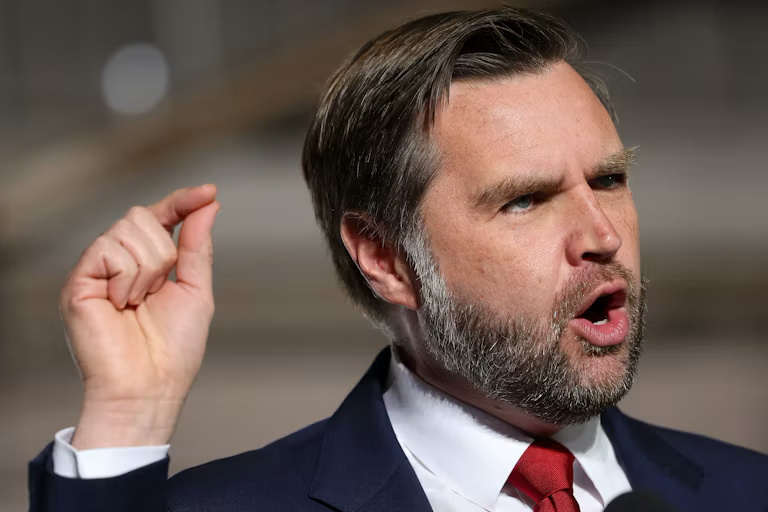
🚨 VANCE ADMITS: IRAN WAR COST REPUBLICANS THE ELECTION!
US Vice President JD Vance says the Iran war was the key reason Republicans suffered major midterm losses.
He also pointed to voter frustration over the administration’s foreign policy and US ties with Israel.
A major political setback for Trump’s administration.
#jdvance #iran #uselections #BinanceSquare
cryptogirl007:
Geopolitical policy fallout always ripples straight into broader market liquidity cycles, testing how risk assets weather sudden electoral shifts.
6
1
33
12.4k
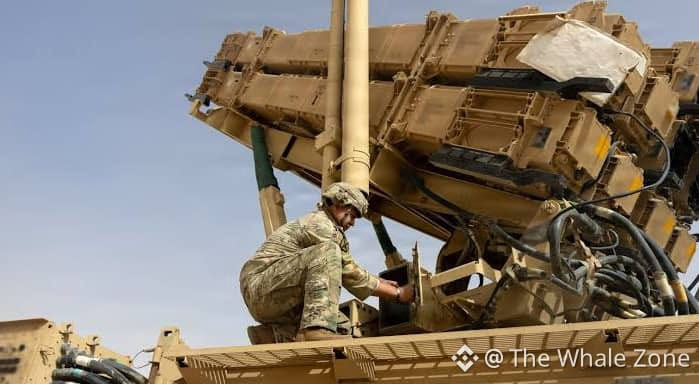
🚨 BREAKING: US MILITARY PREPARES FOR POSSIBLE NEW IRAN STRIKES!
The US military is finalizing preparations to resume large-scale combat operations against Iran, Axios reports, citing American officials.
However, President Trump has not made a final decision on launching a new offensive.
⚠️ Rising Middle East tensions could put global oil markets and crypto volatility back in focus.
#iran #usa #Geopolitics #Crypto
1
126
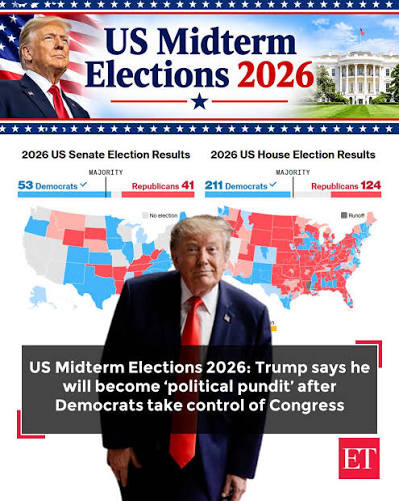
🚨 IRAN FIRES BACK AFTER DEMOCRATIC ELECTION VICTORY!
Iranian Parliament Speaker Mohammad Bagher Ghalibaf reacts to the Republicans’ midterm losses:
“Americans said NO TO WAR… and we endorse this message.”
A pointed political message from Tehran following the Democrats’ major election gains in the US.
#iran #uselections #Geopolitics #BinanceSquare
Iranian Parliament Speaker Mohammad Bagher Ghalibaf reacts to the Republicans’ midterm losses:
“Americans said NO TO WAR… and we endorse this message.”
A pointed political message from Tehran following the Democrats’ major election gains in the US.
#iran #uselections #Geopolitics #BinanceSquare
3
2.7k

·
--
Partly True
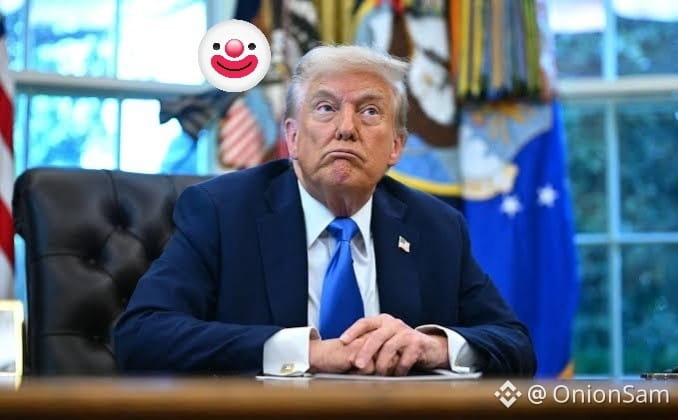
🚨🇺🇸 TRUMP BREAKS SILENCE: ADMITS #iran #war & #GAS PRICES COST GOP CONGRESS! 🛢️🔥
⚡ In a historic post-election briefing, President Donald Trump officially aligns with VP JD Vance, acknowledging that the US-led war against Iran and the resulting surge in retail gasoline prices ($4.29/gal) were the primary drivers behind the devastating Republican midterm defeat! 🗳️📉
📊 Macro Geopolitical & Energy Disclosures:
• "No Choice" Doctrine:
Defending his military campaign, Trump insists he has zero regrets: "If I had to do it again, I would. You cannot allow Iran to obtain a nuclear weapon." 🏛️⚛️
• Strait of Hormuz Supply Chain:
The White House confirms that despite the intense conflict, regional naval deployments successfully restored Persian Gulf oil flows back to pre-war baselines. 🛢️🔄
• The Veto Threat Launched: Acknowledging the new Democratic legislative majority, 🤡#TRUMP 🤡 warns he is locked, loaded, and fully prepared to activate his Presidential Veto power to completely freeze any "destructive" opposition bills. ⚖️🛑
🎯 Correlated Assets Under High Volatility:
• Energy Benchmarks:
Crude Oil ($ WTI / $ BRENT) ⛽ (Plunging -8% post-announcement)
$CL
{future}(CLUSDT)
• Precious Metals: Gold ($ GOLD) 🥇 (Consolidating near historic highs above $4,040)
$PAXG
{spot}(PAXGUSDT)
• Systemic Risk Hedge:
#bitcoin ($BTC
{spot}(BTCUSDT)
💸 (Absorbing macro political gridlock volatility)
#MidtermElections2026 #TrumpStatement #IranWar #GasPrices #OilMarket #CryptoMacro #BinanceSquare ⚡
🚨🇺🇸 TRUMP BREAKS SILENCE: ADMITS #iran #war & #GAS PRICES COST GOP CONGRESS! 🛢️🔥
⚡ In a historic post-election briefing, President Donald Trump officially aligns with VP JD Vance, acknowledging that the US-led war against Iran and the resulting surge in retail gasoline prices ($4.29/gal) were the primary drivers behind the devastating Republican midterm defeat! 🗳️📉
📊 Macro Geopolitical & Energy Disclosures:
• "No Choice" Doctrine:
Defending his military campaign, Trump insists he has zero regrets: "If I had to do it again, I would. You cannot allow Iran to obtain a nuclear weapon." 🏛️⚛️
• Strait of Hormuz Supply Chain:
The White House confirms that despite the intense conflict, regional naval deployments successfully restored Persian Gulf oil flows back to pre-war baselines. 🛢️🔄
• The Veto Threat Launched: Acknowledging the new Democratic legislative majority, 🤡#TRUMP 🤡 warns he is locked, loaded, and fully prepared to activate his Presidential Veto power to completely freeze any "destructive" opposition bills. ⚖️🛑
🎯 Correlated Assets Under High Volatility:
• Energy Benchmarks:
Crude Oil ($ WTI / $ BRENT) ⛽ (Plunging -8% post-announcement)
$CL
• Precious Metals: Gold ($ GOLD) 🥇 (Consolidating near historic highs above $4,040)
$PAXG
• Systemic Risk Hedge:
#bitcoin ($BTC
💸 (Absorbing macro political gridlock volatility)
#MidtermElections2026 #TrumpStatement #IranWar #GasPrices #OilMarket #CryptoMacro #BinanceSquare ⚡

Good luck 🍀
From OnionSam
1
766
·
--
Bullish
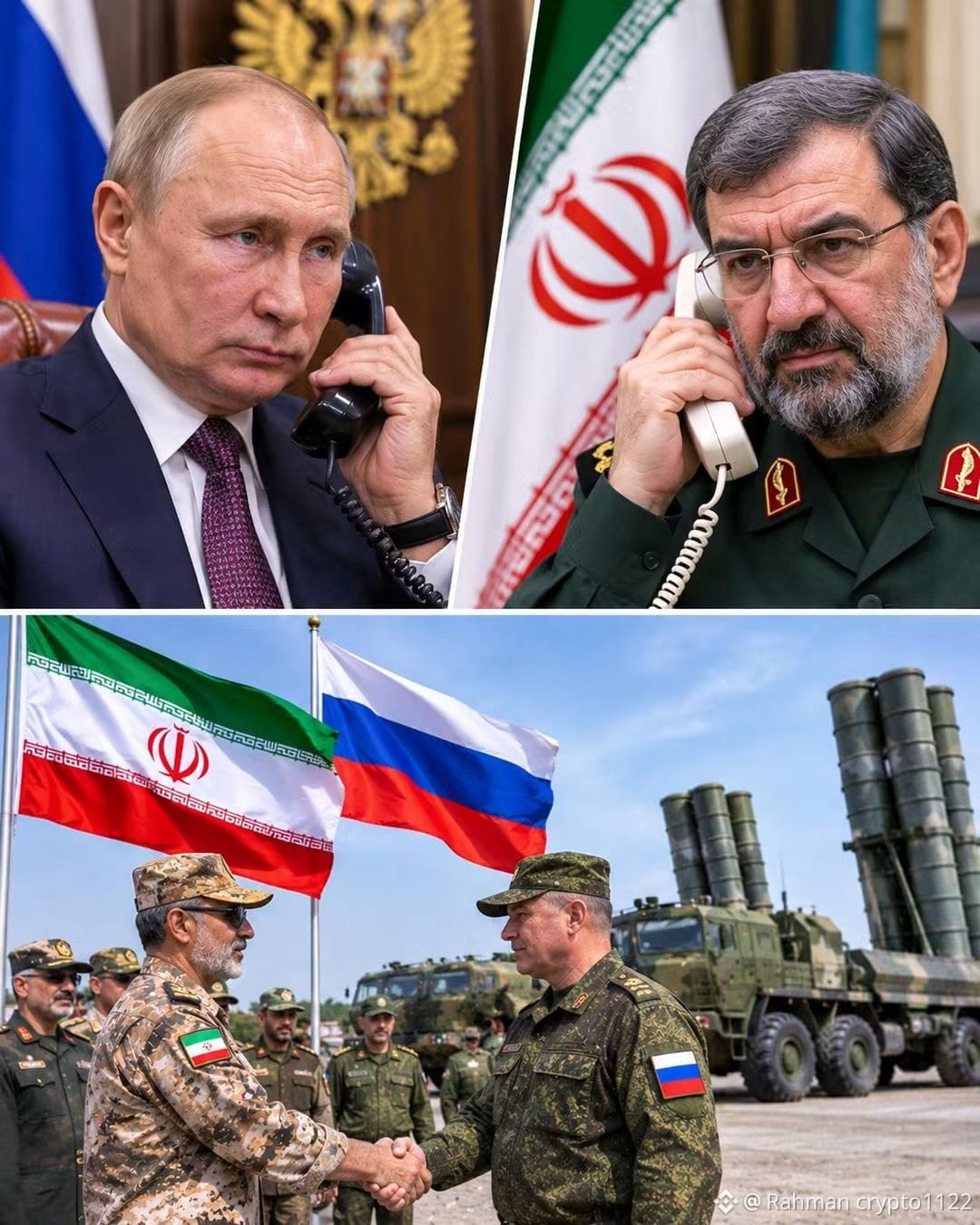
🇮🇷🇷🇺 PUTIN HOLDS HIGH-LEVEL PHONE TALKS WITH IRAN'S SECURITY CHIEF — MOSCOW AND TEHRAN REAFFIRM STRATEGIC COOPERATION!
Russian President Vladimir Putin held a telephone conversation with Iran’s Secretary of the Supreme National Security Council, Major General Mohsen Rezaei, on November 2, 2026, as tensions in the Middle East continue to raise concerns over regional stability.
According to Iran’s state news agency IRNA and broadcaster IRIB, the discussions focused on regional and international developments, particularly the situation in West Asia.
During the conversation, Rezaei expressed appreciation for Putin’s statements and Russia’s support for Iran and its people amid the ongoing conflict.
Both sides emphasized their commitment to continuing strategic cooperation in accordance with the existing roadmap established by the leadership of the two countries.
The conversation highlights Moscow’s continued diplomatic engagement with Tehran at a time of heightened tensions involving Iran, the United States and Israel.
However, no new military agreement, weapons delivery or formal Russian security guarantee was announced. The practical implications of the discussion remain unclear.
📌 Key take away:
Russia and Iran are reaffirming their strategic partnership, but diplomatic support should not be confused with a new military commitment.
Sources:
- Reuters — Background on Mohsen Rezaei's appointment and security role.
- Anadolu Agency — November 2, 2026 report on the Putin–Rezaei conversation.
- IRNA / IRIB — Iranian state-media reporting.
#Iran #Russia #VladimirPutin #MohsenRezaei
$BMT $RUNE $BOTB
{spot}(BOTBUSDT)
🇮🇷🇷🇺 PUTIN HOLDS HIGH-LEVEL PHONE TALKS WITH IRAN'S SECURITY CHIEF — MOSCOW AND TEHRAN REAFFIRM STRATEGIC COOPERATION!
Russian President Vladimir Putin held a telephone conversation with Iran’s Secretary of the Supreme National Security Council, Major General Mohsen Rezaei, on November 2, 2026, as tensions in the Middle East continue to raise concerns over regional stability.
According to Iran’s state news agency IRNA and broadcaster IRIB, the discussions focused on regional and international developments, particularly the situation in West Asia.
During the conversation, Rezaei expressed appreciation for Putin’s statements and Russia’s support for Iran and its people amid the ongoing conflict.
Both sides emphasized their commitment to continuing strategic cooperation in accordance with the existing roadmap established by the leadership of the two countries.
The conversation highlights Moscow’s continued diplomatic engagement with Tehran at a time of heightened tensions involving Iran, the United States and Israel.
However, no new military agreement, weapons delivery or formal Russian security guarantee was announced. The practical implications of the discussion remain unclear.
📌 Key take away:
Russia and Iran are reaffirming their strategic partnership, but diplomatic support should not be confused with a new military commitment.
Sources:
- Reuters — Background on Mohsen Rezaei's appointment and security role.
- Anadolu Agency — November 2, 2026 report on the Putin–Rezaei conversation.
- IRNA / IRIB — Iranian state-media reporting.
#Iran #Russia #VladimirPutin #MohsenRezaei
$BMT $RUNE $BOTB
Red Zone 07:
Follow me 🙏
1
9
14.7k

·
--
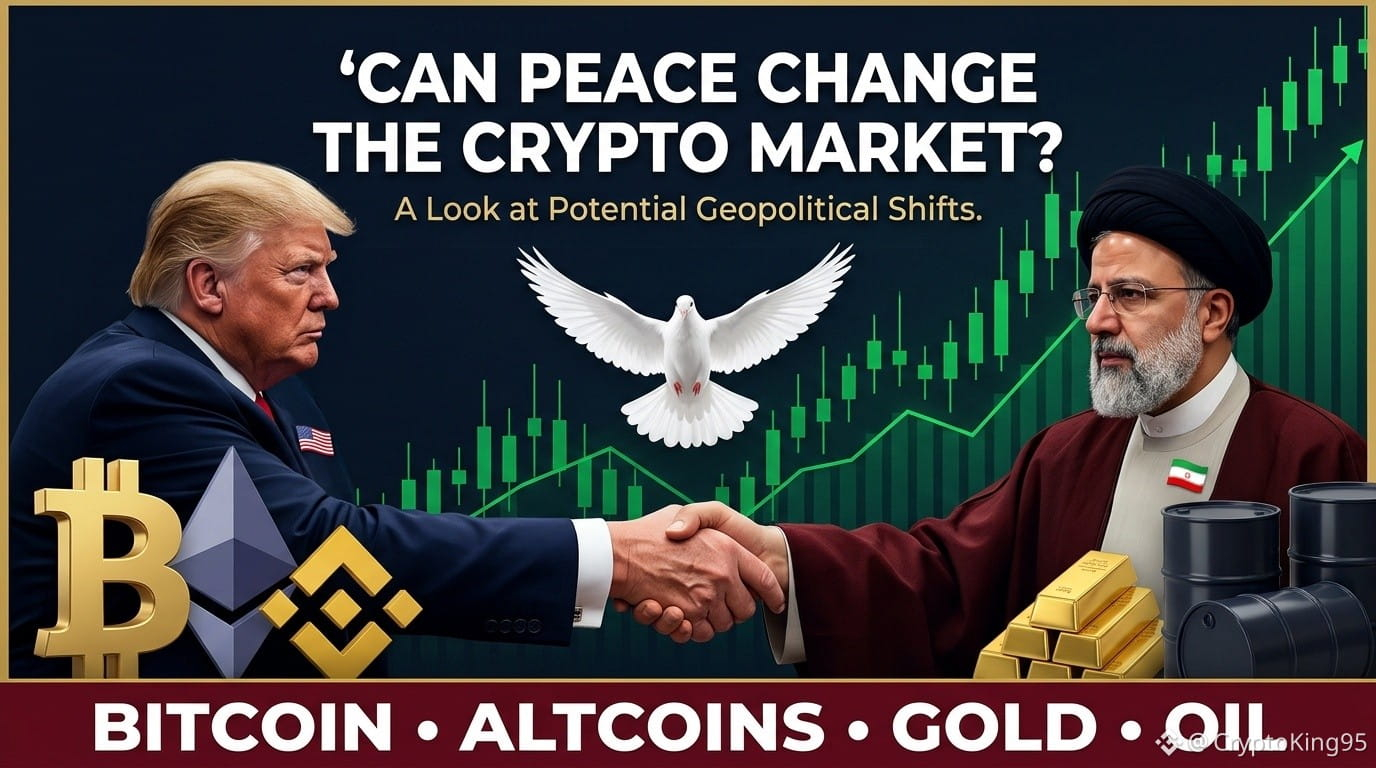
🌍🚨 US–IRAN PEACE: THE BIGGEST MARKET TURNING POINT AHEAD?
What if Washington and Tehran finally reach a peace agreement?
Could this be the moment that changes the direction of global markets?
🇺🇸🇮🇷 Qatar-led diplomatic efforts are continuing, but both sides remain far apart. No final peace deal has been confirmed.
Here's what peace could mean for investors:
$BTC BITCOIN: Improved confidence could trigger a recovery.
💎$ ETHEREUM & ALTCOINS: A return of risk appetite could fuel a stronger rally.
🟡 $GOLD: Safe-haven demand could cool, creating profit-taking pressure.
🛢️ $OIL: Reduced Hormuz tensions could ease supply fears and prices.
📈 GLOBAL MARKETS: Peace could bring fresh optimism and renewed investment.
🔥 MY BIG QUESTION:
Imagine the US and Iran announce a genuine peace deal tomorrow.
Which market could deliver the biggest opportunity next?
1️⃣ Bitcoin 🚀
2️⃣ Ethereum & Altcoins 💎
3️⃣ Gold 🥇
4️⃣ Stocks 📈
👇 Comment your choice and tell us WHY!
Peace could change the headlines. Could it change the market trend too?
Stay informed. Trade smart. Manage your risk.
#bitcoin #Ethereum✅
{spot}(BTCUSDT)
#iran #usa #Binance
🌍🚨 US–IRAN PEACE: THE BIGGEST MARKET TURNING POINT AHEAD?
What if Washington and Tehran finally reach a peace agreement?
Could this be the moment that changes the direction of global markets?
🇺🇸🇮🇷 Qatar-led diplomatic efforts are continuing, but both sides remain far apart. No final peace deal has been confirmed.
Here's what peace could mean for investors:
$BTC BITCOIN: Improved confidence could trigger a recovery.
💎$ ETHEREUM & ALTCOINS: A return of risk appetite could fuel a stronger rally.
🟡 $GOLD: Safe-haven demand could cool, creating profit-taking pressure.
🛢️ $OIL: Reduced Hormuz tensions could ease supply fears and prices.
📈 GLOBAL MARKETS: Peace could bring fresh optimism and renewed investment.
🔥 MY BIG QUESTION:
Imagine the US and Iran announce a genuine peace deal tomorrow.
Which market could deliver the biggest opportunity next?
1️⃣ Bitcoin 🚀
2️⃣ Ethereum & Altcoins 💎
3️⃣ Gold 🥇
4️⃣ Stocks 📈
👇 Comment your choice and tell us WHY!
Peace could change the headlines. Could it change the market trend too?
Stay informed. Trade smart. Manage your risk.
#bitcoin #Ethereum✅
#iran #usa #Binance
cryptogirl007:
Geopolitical de-escalation historically drains defensive capital first, allowing $BTC to absorb liberated liquidity as systemic anxiety finally subsides.
3
522

·
--
🚨 BREAKING NEWS 🚨
$BTC
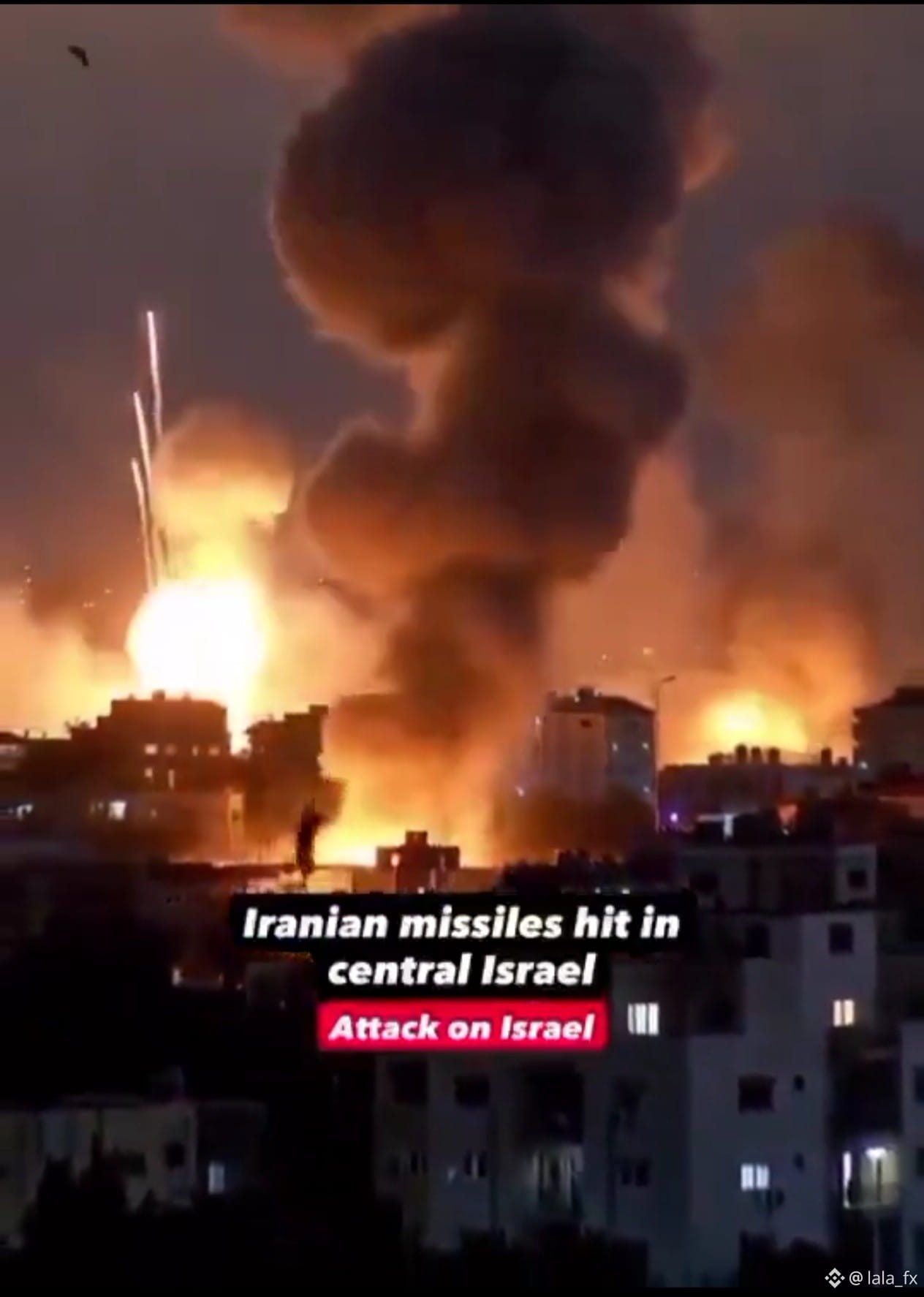
💥 MASSIVE HYPERSONIC MISSILE ATTACK REPORTED! 💥
🇮🇷 IRAN LAUNCHES MAJOR STRIKE ON ISRAELI MILITARY BASES! 🇮🇱
⚠️ INITIAL REPORTS:
🚀 Multiple hypersonic missiles targeted key Israeli military installations.
☠️ Unconfirmed claims state several senior military officials were killed in the strikes.
🔥 Explosions and heavy activity reported across major base sites.
#iran #Israel #BinanceHerYerde #Crypto_Jobs🎯
#lalafx
2
983

#IRAN
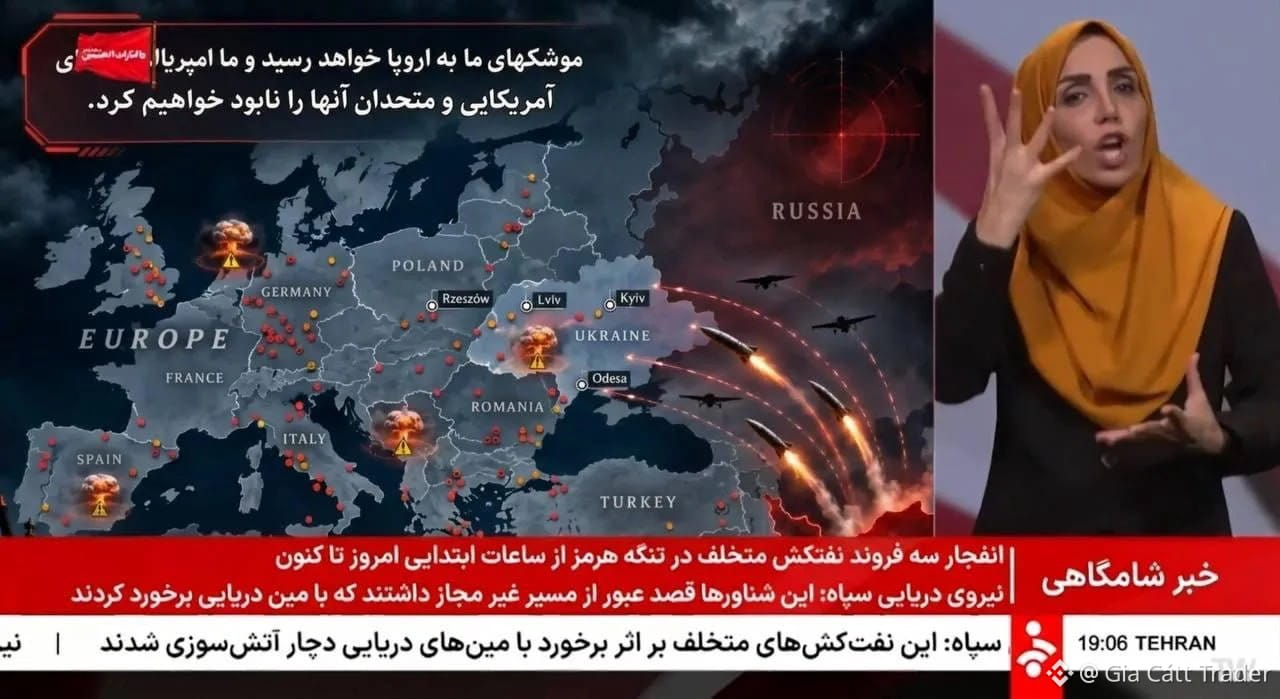
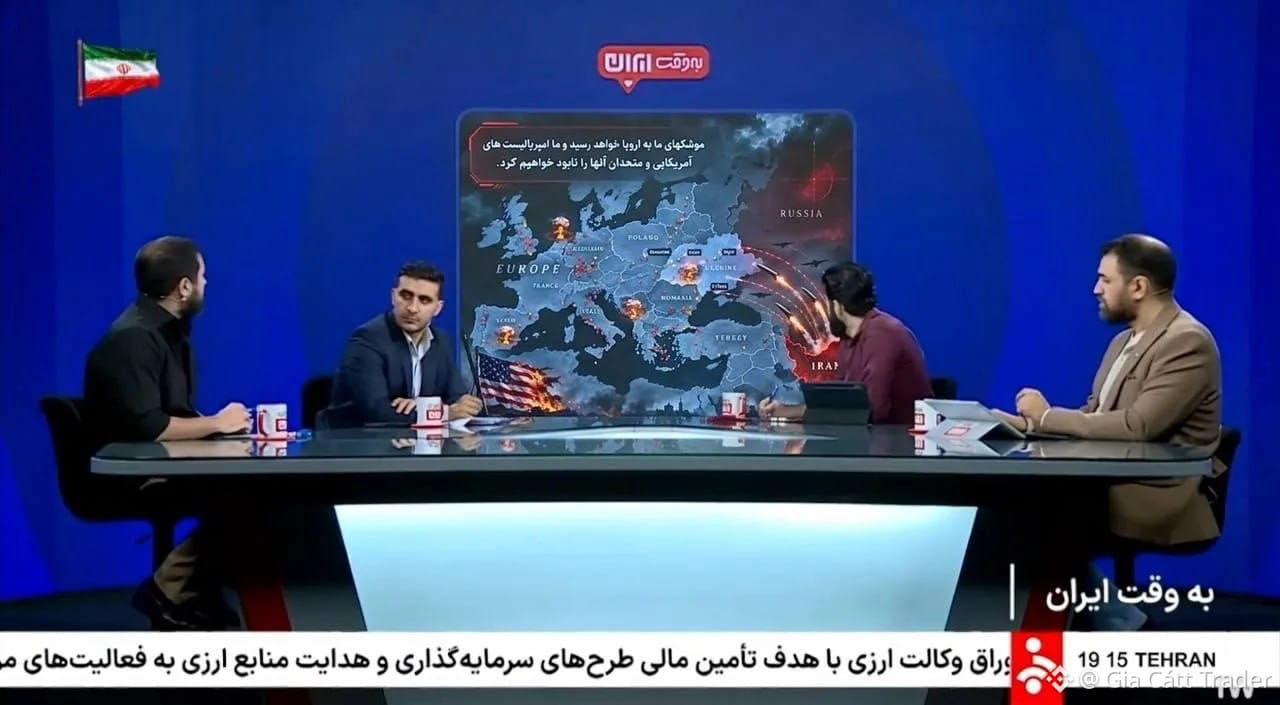
"Our missiles will reach Europe, and we will destroy the American empires and their allies."
Iranian television broadcast a map showing Kyiv, Lviv, and Odesa as potential targets in the event of a new US attack.
On state-run IRINN television, a map of Europe was shown, with images of missiles flying from Iran. The map also marked the Polish city of Rzeszów.
$BTC
JasonLove:
tối ngày mở mồm đòi tiêu diệt mỹ châu âu, nó bom cho là đúng
2
1
903

·
--
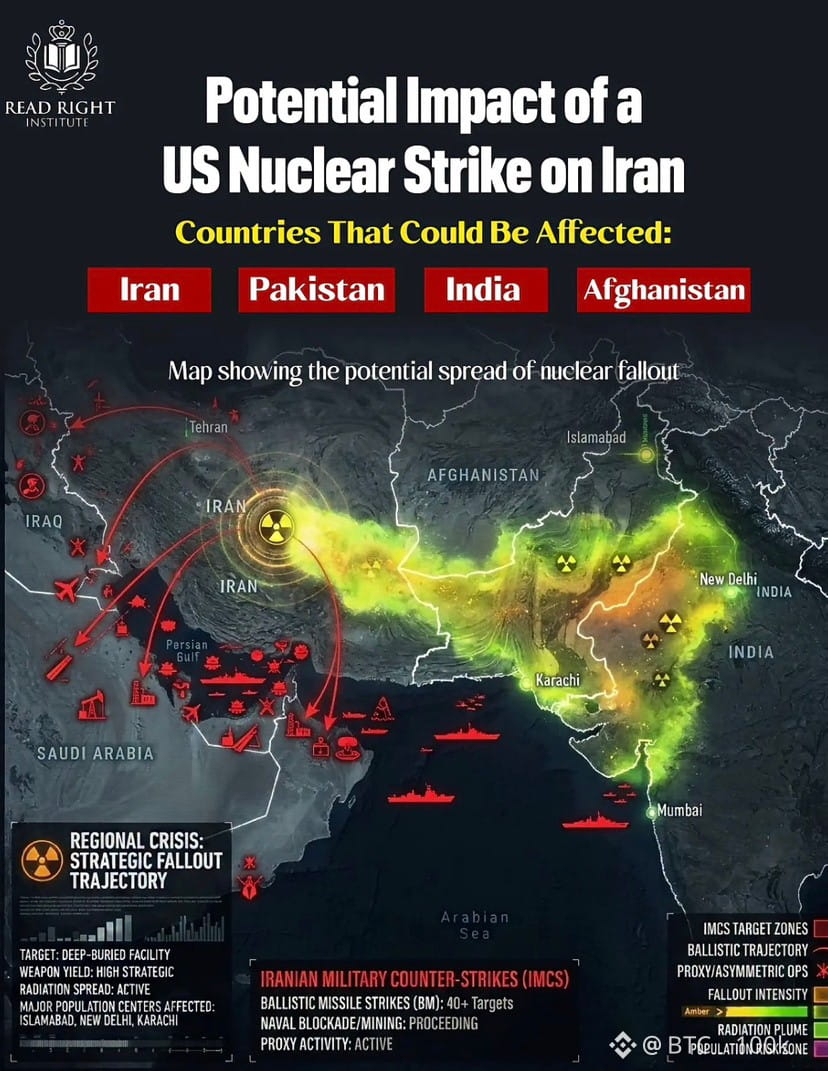
🌍 US-Iran Tensions: Examining the Potential Regional Risks for Pakistan, India and Afghanistan ⚠️
#Geopolitics #iran #BTC #worldnews #GlobalSecurity
🌍 US-Iran Tensions: Examining the Potential Regional Risks for Pakistan, India and Afghanistan ⚠️
#Geopolitics #iran #BTC #worldnews #GlobalSecurity
#Geopolitics #iran #BTC #worldnews #GlobalSecurity
113

·
--
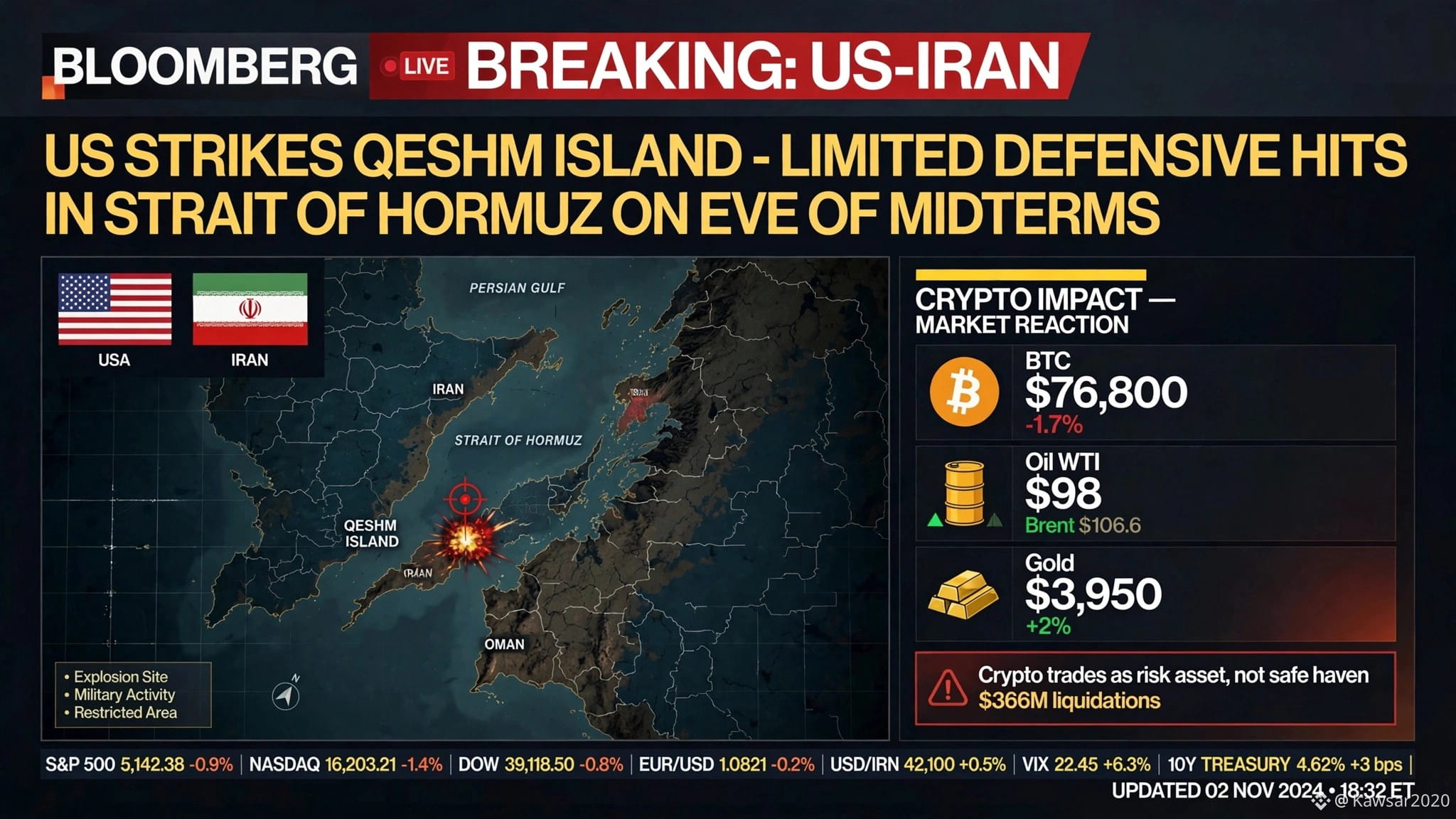
🔴 *BREAKING: US STRIKES IRAN'S QESHM ISLAND - DEFENSIVE HITS IN STRAIT OF HORMUZ*
US military carried out "limited defensive" strikes against Iranian targets in Strait of Hormuz after IRGC fired surface-to-air missiles at US assets — WSJ reports this is part of secret strikes for weeks. e7a55af4
Blasts heard on Qeshm Island late Monday per IRNA. Trump: deal "could happen" but says US "might have to go after" Pickaxe Mountain nuclear site. VP Vance says "progress" in indirect talks via Qatar/Pakistan mediators. e7a5
*CRYPTO IMPACT:*
- *BTC $76,800 -1.7%* below $77k despite diplomacy hopes — failed to break $78,500
- *Oil whipsaw:* WTI plunged 8%+ to $95.15 on peace hopes Monday, then bounced to $98.06 Brent $106.61 after strikes news
- *Gold safe haven wins:* +2% to $3,950 recovering from 13-month low $3,891 — crypto trades as risk asset, not safe haven
- *Liquidations $366M, 83.8% longs* — market hedges midterm vol, IV 43.5% for Nov 4 expiry 3d38fcea
If Hormuz stays blocked (20% world oil), oil -> inflation -> Fed hawkish = BTC pressure. If deal happens, oil -9% = liquidity returns = crypto bounce. Watch $76k support.
$BTC #Iran #Geopolitics #Oil #GOLD
$XAUT
1
384

·
--
Bullish
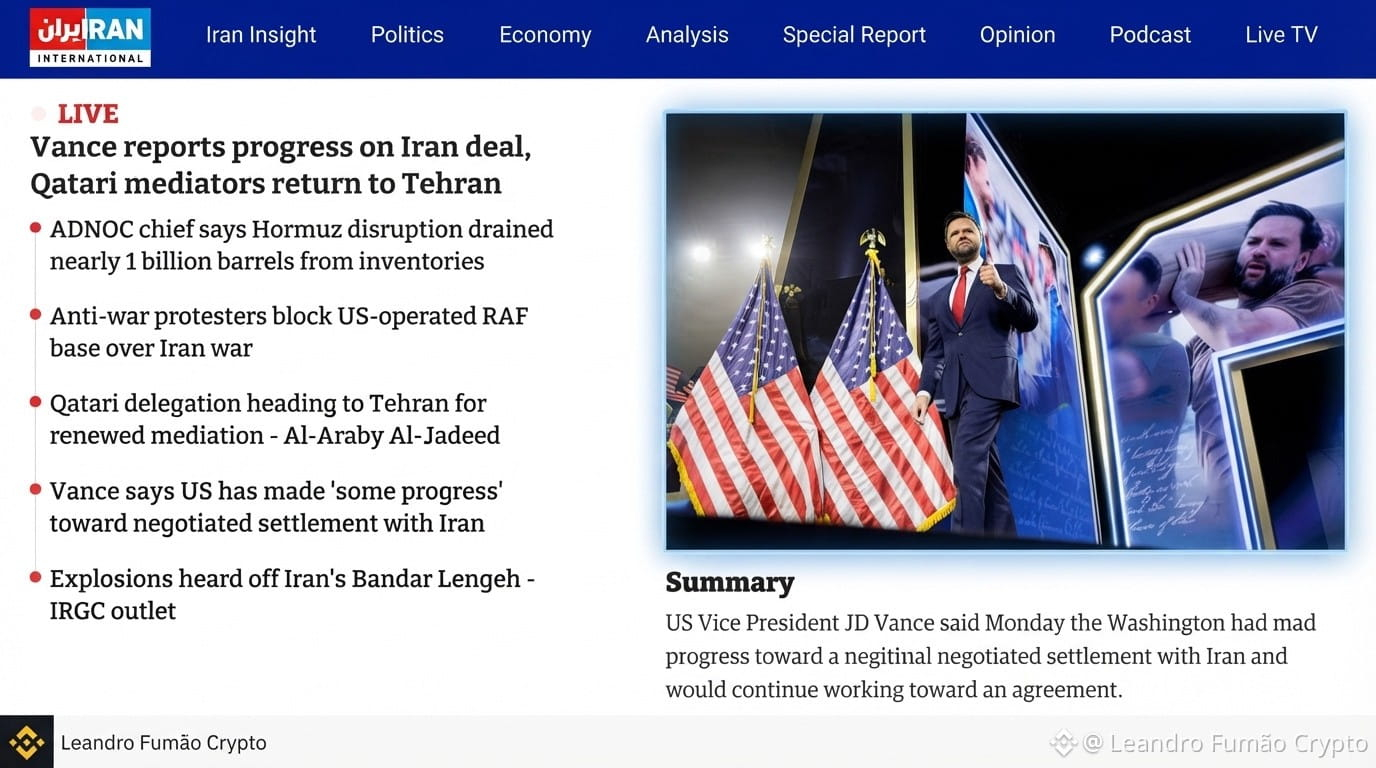
🗽🦅 VANCE REPORTS PROGRESS ON DEAL WITH IRAN❗ 🗺️⁀જ✈︎ QATARI MEDIATORS RETURN TO TEHRAN❗
The American vice president says the prospects for a negotiated deal are better, as Qatari mediators return to Tehran to try to reach an understanding.
JD Vance said that he and Donald $TRUMP 📣 “Feel Pretty Good” about the prospects for a negotiated deal with Iran. Vance said: “We’ve had several good conversations with the Iranians… We’re going to keep working on it.
The Iranians are always a little unpredictable.📣 ”He Said There Has Been Progress, But $TRUMP Keeps Military and Non-Military Options on the Table". Qatari mediators returned to Tehran to resume negotiations with Iranian officials.
The deal under discussion would involve Iran quickly reopening the Strait of Hormuz in exchange for US sanctions relief, followed by broader talks about the nuclear program. The mediation efforts continue to be coordinated with Washington.
After weeks of tension and threats of renewed escalation, Vance’s tone suggests a genuine effort to make diplomatic progress before a possible resumption of attacks. The return of Qatari mediators to Tehran reinforces that the negotiating channel remains open. The central issue remains the exchange: reopening Hormuz in return for sanctions relief, followed by discussions on the nuclear issue. The success or failure of these talks could determine whether the war enters a new phase or whether there will be a temporary reprieve.
{spot}(TRUMPUSDT)
💭Do Vance’s optimism and the return of Qatari mediators to Tehran point to a real chance of a deal, or just another round of diplomacy while both sides prepare for the worst?
#jdvance #iran #Trump's
🗽🦅 VANCE REPORTS PROGRESS ON DEAL WITH IRAN❗ 🗺️⁀જ✈︎ QATARI MEDIATORS RETURN TO TEHRAN❗
The American vice president says the prospects for a negotiated deal are better, as Qatari mediators return to Tehran to try to reach an understanding.
JD Vance said that he and Donald $TRUMP 📣 “Feel Pretty Good” about the prospects for a negotiated deal with Iran. Vance said: “We’ve had several good conversations with the Iranians… We’re going to keep working on it.
The Iranians are always a little unpredictable.📣 ”He Said There Has Been Progress, But $TRUMP Keeps Military and Non-Military Options on the Table". Qatari mediators returned to Tehran to resume negotiations with Iranian officials.
The deal under discussion would involve Iran quickly reopening the Strait of Hormuz in exchange for US sanctions relief, followed by broader talks about the nuclear program. The mediation efforts continue to be coordinated with Washington.
After weeks of tension and threats of renewed escalation, Vance’s tone suggests a genuine effort to make diplomatic progress before a possible resumption of attacks. The return of Qatari mediators to Tehran reinforces that the negotiating channel remains open. The central issue remains the exchange: reopening Hormuz in return for sanctions relief, followed by discussions on the nuclear issue. The success or failure of these talks could determine whether the war enters a new phase or whether there will be a temporary reprieve.
💭Do Vance’s optimism and the return of Qatari mediators to Tehran point to a real chance of a deal, or just another round of diplomacy while both sides prepare for the worst?
#jdvance #iran #Trump's
1
3
3.7k
·
--
Verified
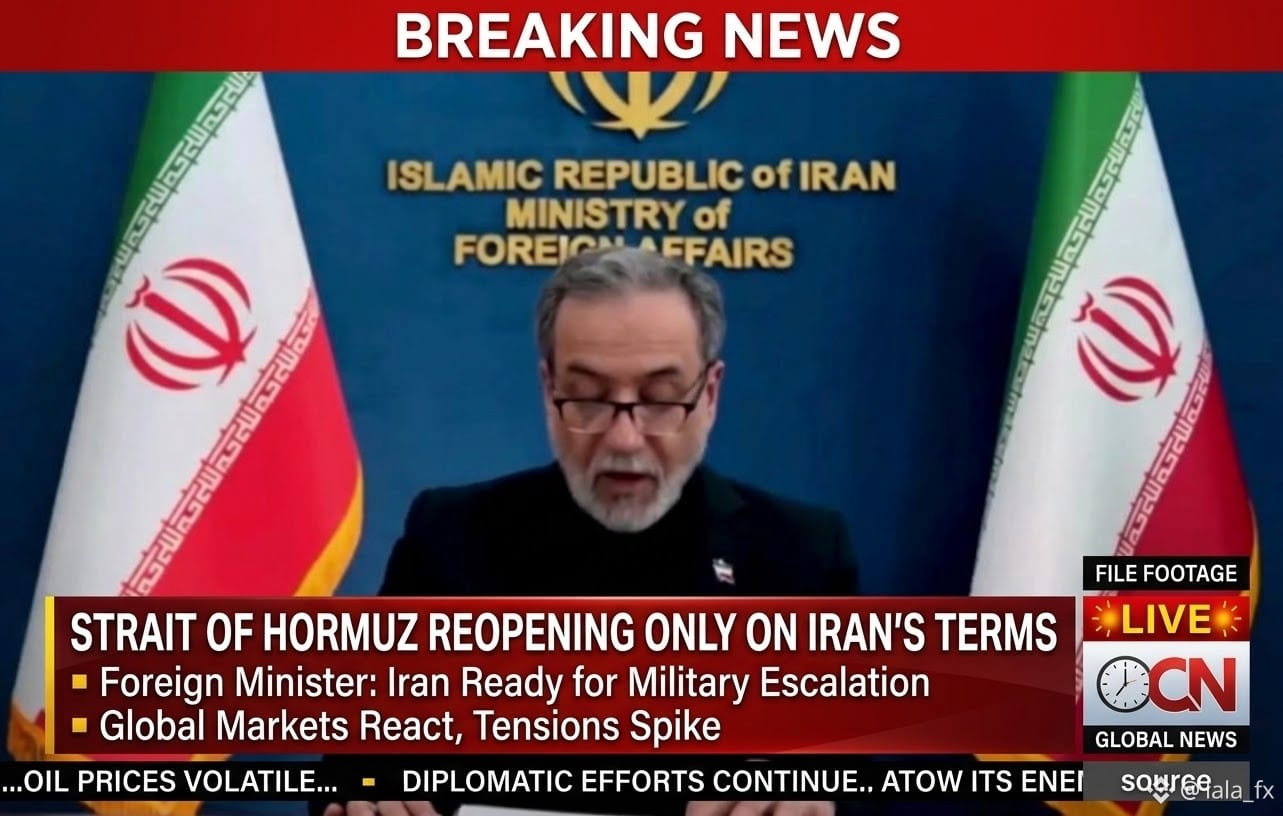
🚨 BREAKING: Tensions surge in the Strait of Hormuz.
$BTC
Iran’s Foreign Minister announced that reopening the strategic transit route is possible only on Iran’s conditions. He further emphasized that Tehran is fully prepared for potential military escalation if demands aren't met.
⚠️ Market Take: With over 20% of global oil passing through this chokepoint, prolonged friction poses immediate risks to global supply chains, energy prices, and broad market stability. #oil #iran #BinanceSquareTalks #news_update
#lalafx
Feed-Creator-f6f71f441:
Iran never stood a chance in this conflict they should consider negotiations before we come in and take everything from them
3
1
4
8.7k

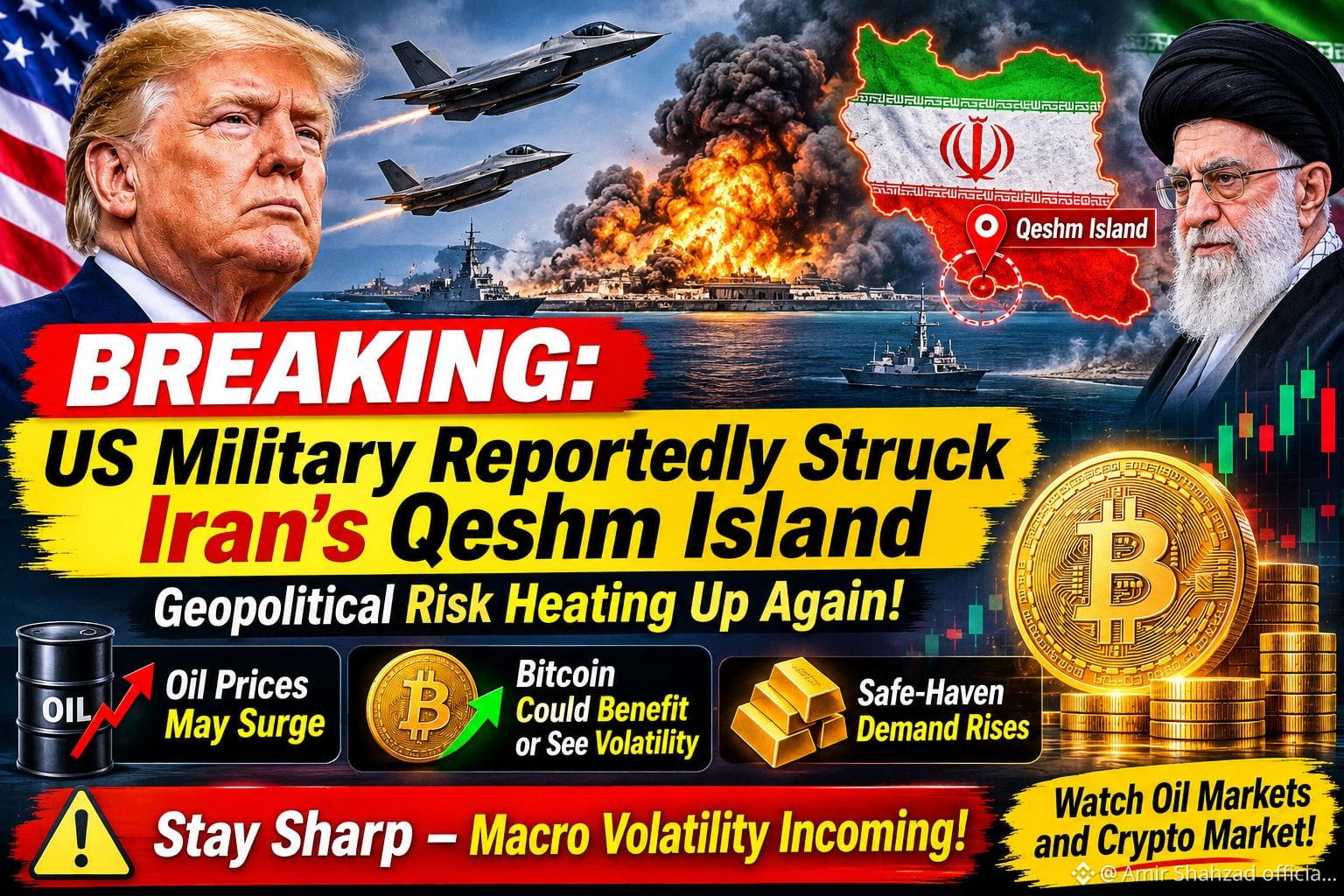
🚨 BREAKING: US-Iran Tensions Raise Fresh Concerns Across Global Markets!
Reports from The Wall Street Journal indicate that the US military carried out strikes on Iran's Qeshm Island on Monday, with the operation only becoming public now. Details about the targets and the extent of the damage remain unclear.
The latest development could increase geopolitical uncertainty and put pressure on global financial markets.
📊 Possible Market Impact:
🔴 Oil Markets: Rising tensions around the Strait of Hormuz could create further uncertainty in global oil supplies and prices.
📉 Crypto Market: Increased geopolitical risk could trigger selling pressure across Bitcoin and altcoins as investors reduce exposure to riskier assets.
🟡 Safe-Haven Demand: Gold and other traditional defensive assets could attract attention. Bitcoin's reaction will depend on broader market sentiment and liquidity conditions.
⚠️ My Take: The crypto market may face increased volatility if tensions escalate further. Keep an eye on geopolitical developments, oil prices, Bitcoin support levels, and overall market sentiment.
🔥 What's your expectation?
Will Bitcoin benefit from geopolitical uncertainty, or could we see another major correction across the crypto market?
#Bitcoin #BTC #Iran #CryptoNews #Geopolitics #CryptoMarket #Altcoins #Binance
89

Article
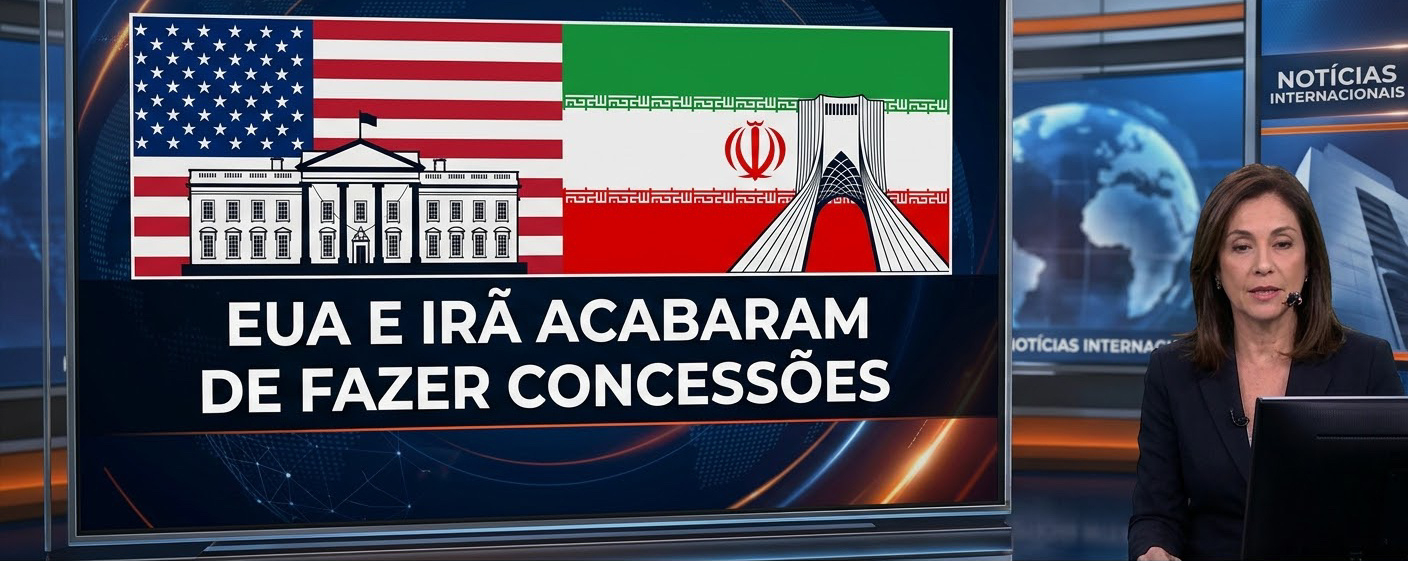
Breaking news: The US and Iran have just made concessionsBreaking news: The US and Iran have just made concessions - Al-Araby Al-Jadeed Newspaper
For Iran: It accepted free navigation through the Strait of Hormuz and confidential inspections by the International Atomic Energy Agency;
For Trump: Some Iranian funds were unfrozen, and the gradual resumption of oil exports was authorized.
Like this post for more news about geopolitics.
#TRUMP x #iran
$BTC
Breaking news: The US and Iran have just made concessions
Breaking news: The US and Iran have just made concessions - Al-Araby Al-Jadeed Newspaper
For Iran: It accepted free navigation through the Strait of Hormuz and confidential inspections by the International Atomic Energy Agency;
For Trump: Some Iranian funds were unfrozen, and the gradual resumption of oil exports was authorized.
Like this post for more news about geopolitics.
#TRUMP x #iran
$BTC
1
159
·
--
Bearish
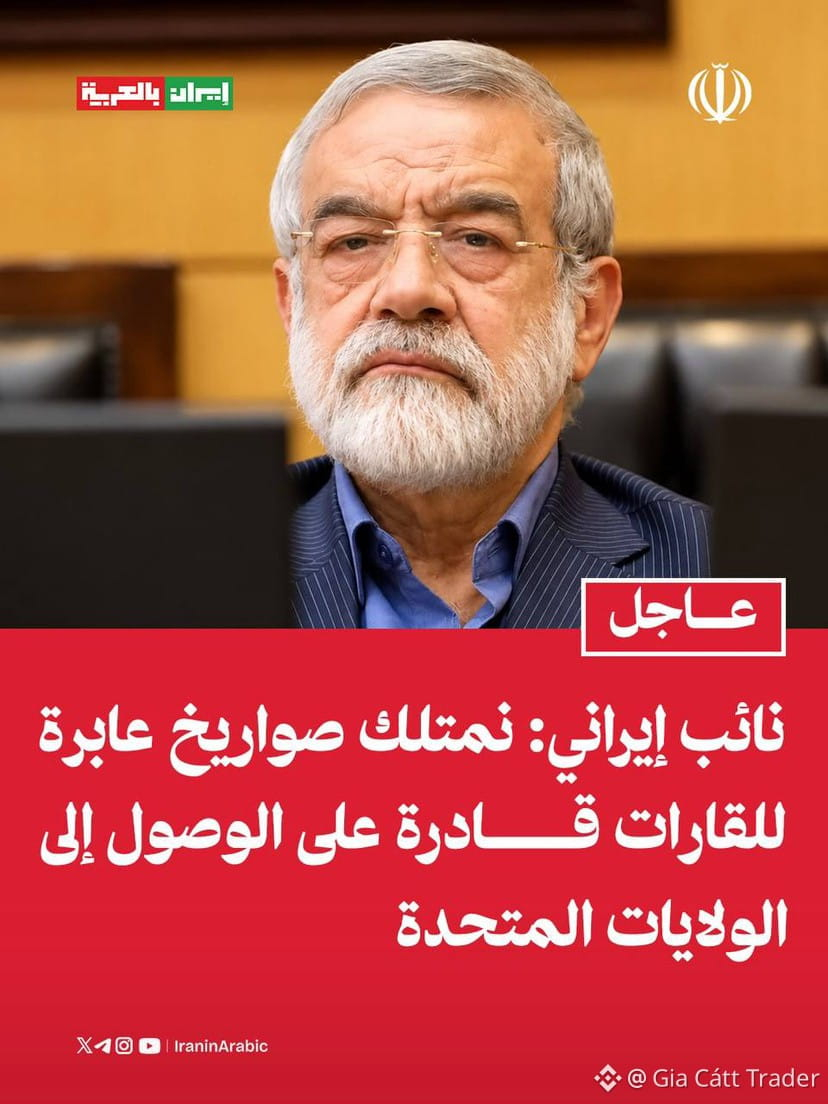
#IRAN Iranian MP Ghazanfari said Iran possesses ballistic missiles capable of reaching U.S. territory.
He added: "If European countries take hostile actions, we will target their military and economic centers." $BTC
#IRAN Iranian MP Ghazanfari said Iran possesses ballistic missiles capable of reaching U.S. territory.
He added: "If European countries take hostile actions, we will target their military and economic centers." $BTC
He added: "If European countries take hostile actions, we will target their military and economic centers." $BTC
1
514

·
--
Bullish
Verified
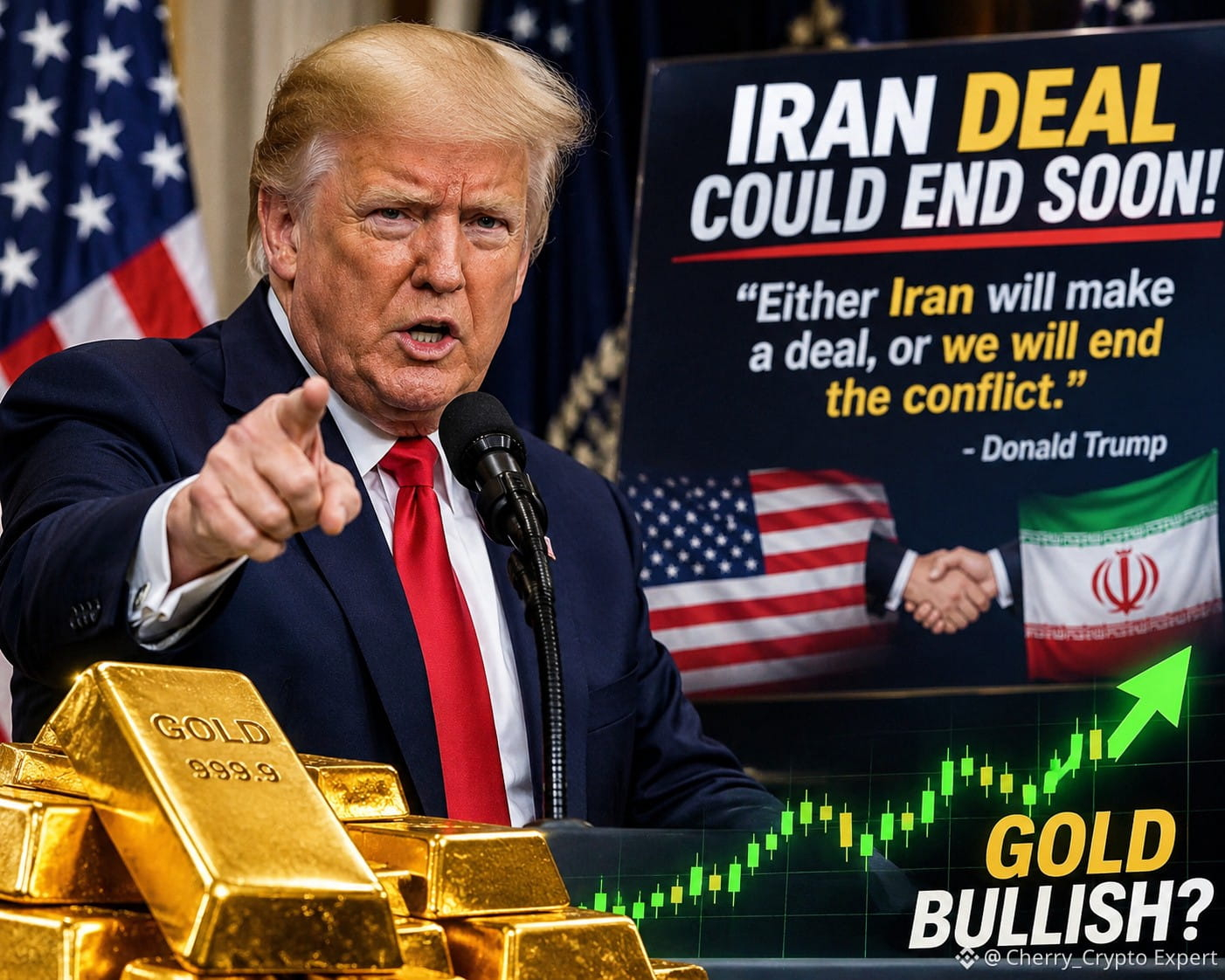
🚨 BREAKING: TRUMP–IRAN DEAL COULD MOVE GOLD! 🥇
Trump says the Iran conflict could end very soon, either through a deal or further action.
But here's the interesting part:
📌 If a peace deal is confirmed:
- Geopolitical uncertainty may decrease.
- Safe-haven demand for Gold could weaken.
- Gold may face bearish pressure.
📌 If negotiations fail:
- Market uncertainty could increase.
- Gold may receive fresh safe-haven demand.
- Another bullish move could be possible.
🔥 MY QUESTION:
If Trump and Iran finally reach a deal, will GOLD dump or continue its bullish trend?
What's your prediction? Comment below! 👇
$XAUT $BTC
#GOLD #XAUUSD #TRUMP #IRAN #BTC
716
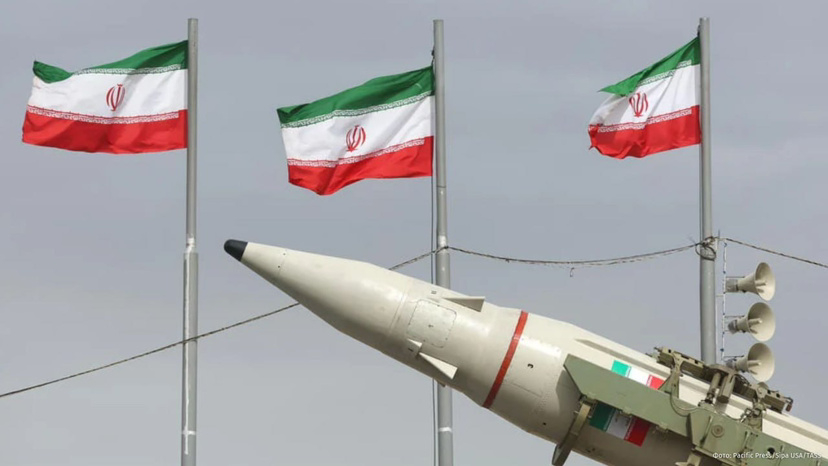
#IRAN "We are always ready to fight": Iran is at its highest state of combat readiness amid possible attacks from the US, according to the country's parliamentary speaker.
"At present, responsibility for preventing war lies with the US. At the same time, in the military sphere, we are at the highest state of defensive readiness," Mohammad-Bagher Ghalibaf emphasized.
He also stated that Tehran had given Washington a "strong and reasonable response" and warned the US against making a "strategic mistake."
$BTC
1
241
·
--
Bullish
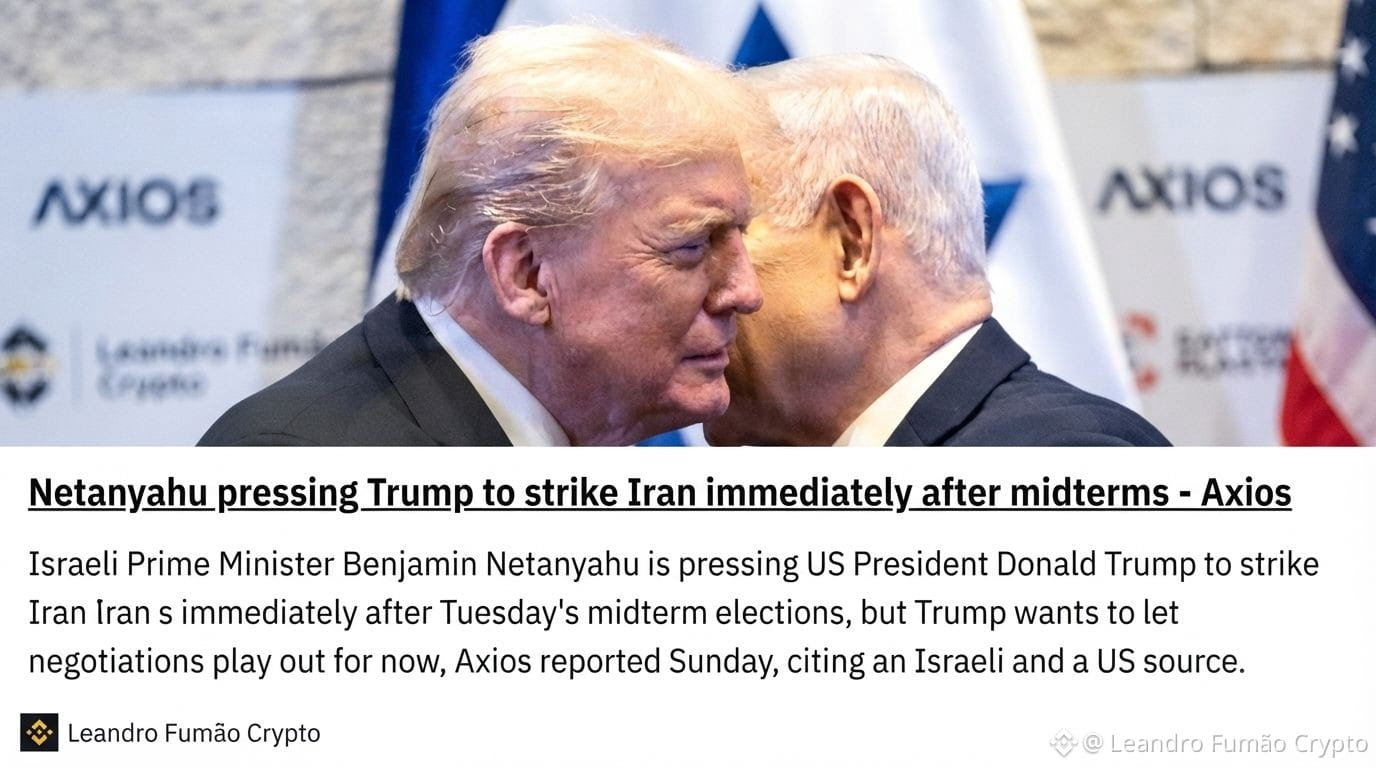
📰🗞️ 👋NETANYAHU PRESSURES DONALD $TRUMP TO ATTACK IRAN IMMEDIATELY AFTER THE MIDTERMS✔️
✎𓂃According to Axios, the Israeli prime minister urged the American president to attack Iran shortly after the U.S. midterm elections.
Netanyahu and Trump had a “tough/direct” phone conversation on Saturday about the next step in the war with Iran. Netanyahu is pressuring Trump to resume attacks immediately after the midterms (November 3). For now, Trump would rather let diplomatic negotiations run their course.
The American president said publicly that talks with Iran are “going well” and that he is in no hurry.
At the same time, Trump said he still needs to “take care of” one or two Iranian nuclear sites (he mentioned Pickaxe Mountain), and that this could be done “in 10 minutes.” Washington is maintaining its two-track strategy: pursuing a diplomatic deal while preparing for a possible resumption of military operations.
The White House and Netanyahu’s office did not officially comment on the report.
Netanyahu’s pressure comes at a sensitive time: the U.S. midterms are approaching, and mediation efforts (through Qatar and other channels) are still underway. While Israel wants to accelerate the military option, $TRUMP is wavering between giving diplomacy more time and maintaining the threat of a swift attack on nuclear facilities. The outcome of this disagreement could determine whether the war with Iran enters a new phase as soon as next week.
💭Does Netanyahu’s push for an immediate attack after the midterms show a lack of alignment with $TRUMP or is it just an attempt to speed up the American decision? And will Trump prioritize diplomacy or give in to Israeli pressure?
#Netanyah #TRUMP #iran
p2 Dornelas:
Negociar e a melhor decisão!
1
1
8
10.1k
Log in to explore more content
Join global crypto users on Binance Square
⚡️ Get latest and useful information about crypto.
💬 Trusted by the world’s largest crypto exchange.
👍 Discover real insights from verified creators.
Email / Phone number
Trending Topics
1
#BinanceReopensWithdrawalsForMoreAssets
873,461 views
4,638 Discussing
2
#Binance98PercentReplenished
202,402 views
1,893 Discussing
3
#USStocksSlipandCryptoMarketUnderBroadPressure
17,389 views
258 Discussing
4
#StrategySTRCResumesIssuanceAfterOver170Days
26,028 views
428 Discussing
5
#ADPUSPrivateEmployersAdd86000JobsInOctober
42,418 views
580 Discussing
6
#KazakhstanReportedlyInvests$100MInCryptoFunds
2,721 views
61 Discussing
7
#SouthKoreaSeeksCryptoTaxDelayUntil2029
25,627 views
264 Discussing
8
#USMidterms-WhatAreMarketsExpecting?
654,303 views
2,953 Discussing
9
#US10YearTreasuryYieldFallsTo4.845%
36,890 views
199 Discussing
10
#ZcashExpectsNU7ToMake$16MSproutZECInaccessible
1,999 views
24 Discussing