
SunMoon Cryptö
7.6k Posts
SunMoon Cryptö
Report
Block User
In order to build yourself, you must first believe in yoursel f, "a journey of a thousand miles begins with a step"🔥 Follow the account to receive everyt!
Open Trade
High-Frequency Trader
1.9 Years
1.9K+ Following
41.6K+ Followers
48.9K+ Liked
Posts
Portfolio
All
Quotes
Live
·
--
Bullish
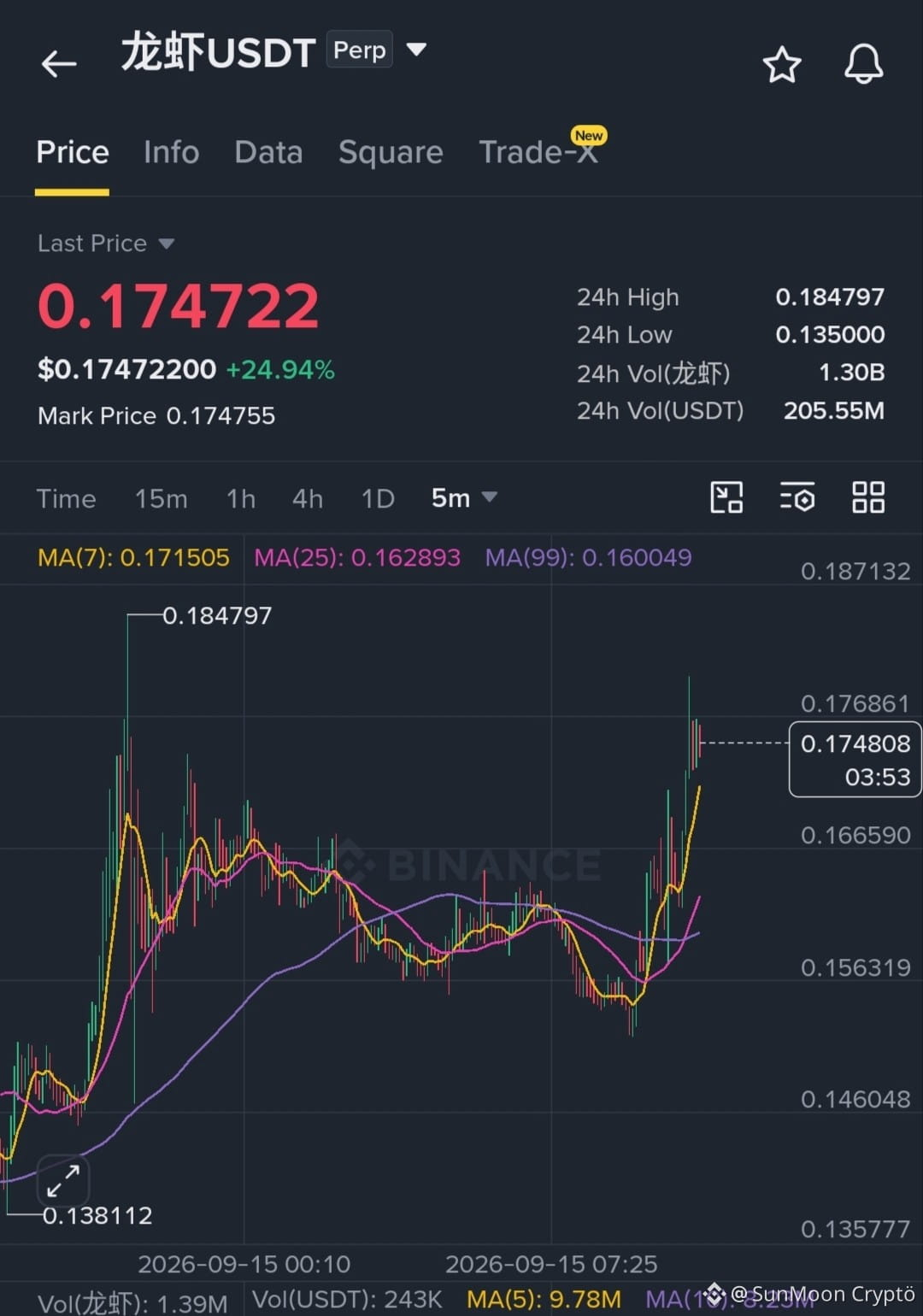
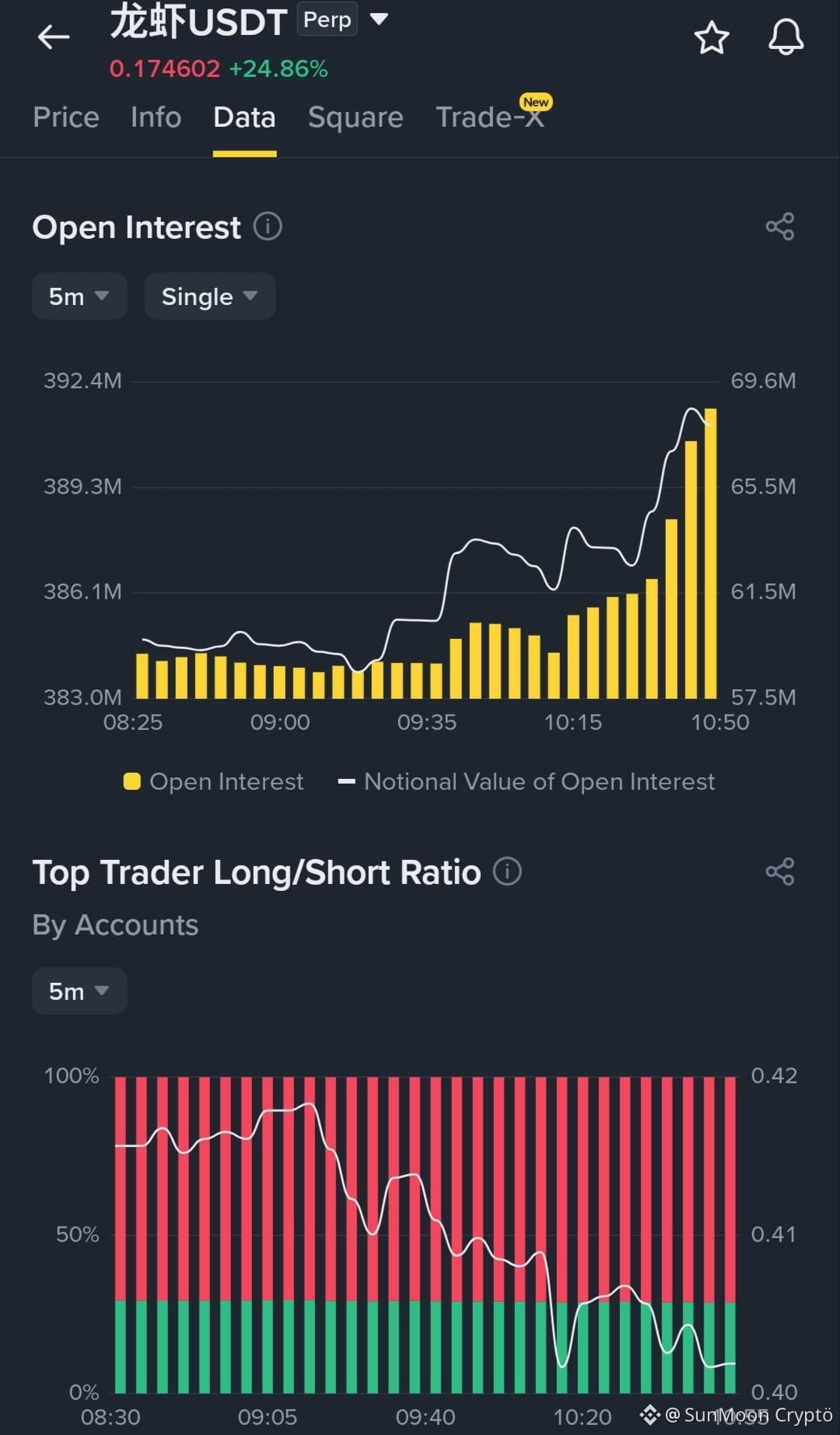
🦞 $龙虾 — The Drama Is Just Getting Started! 🔥
The momentum is building fast, and the market is starting to heat up! A major portion of traders are already positioned for the next move.
Today’s 0.2 target could be within reach if the momentum continues. After pushing strongly through the gainers list, LOBSTER is attracting more attention from momentum and short-squeeze traders.
The setup is getting hotter, volume is building, and the fuel is ready. One strong push could send LOBSTER accelerating higher. 🚀
Ride the momentum, manage your risk, and watch the next move closely! ⬇️⬇️⬇️
@eggtartcake_grape
{alpha}(560xeccbb861c0dda7efd964010085488b69317e4444)
🦞 $龙虾 — The Drama Is Just Getting Started! 🔥
The momentum is building fast, and the market is starting to heat up! A major portion of traders are already positioned for the next move.
Today’s 0.2 target could be within reach if the momentum continues. After pushing strongly through the gainers list, LOBSTER is attracting more attention from momentum and short-squeeze traders.
The setup is getting hotter, volume is building, and the fuel is ready. One strong push could send LOBSTER accelerating higher. 🚀
Ride the momentum, manage your risk, and watch the next move closely! ⬇️⬇️⬇️
@Eggtartcake_
The momentum is building fast, and the market is starting to heat up! A major portion of traders are already positioned for the next move.
Today’s 0.2 target could be within reach if the momentum continues. After pushing strongly through the gainers list, LOBSTER is attracting more attention from momentum and short-squeeze traders.
The setup is getting hotter, volume is building, and the fuel is ready. One strong push could send LOBSTER accelerating higher. 🚀
Ride the momentum, manage your risk, and watch the next move closely! ⬇️⬇️⬇️
@Eggtartcake_
1
4
928
·
--
Bullish
Day is done, the night is bright,
Close your eyes and sleep tight 🌙✨
Day is done, the night is bright,
Close your eyes and sleep tight 🌙✨
Close your eyes and sleep tight 🌙✨

336
25
336
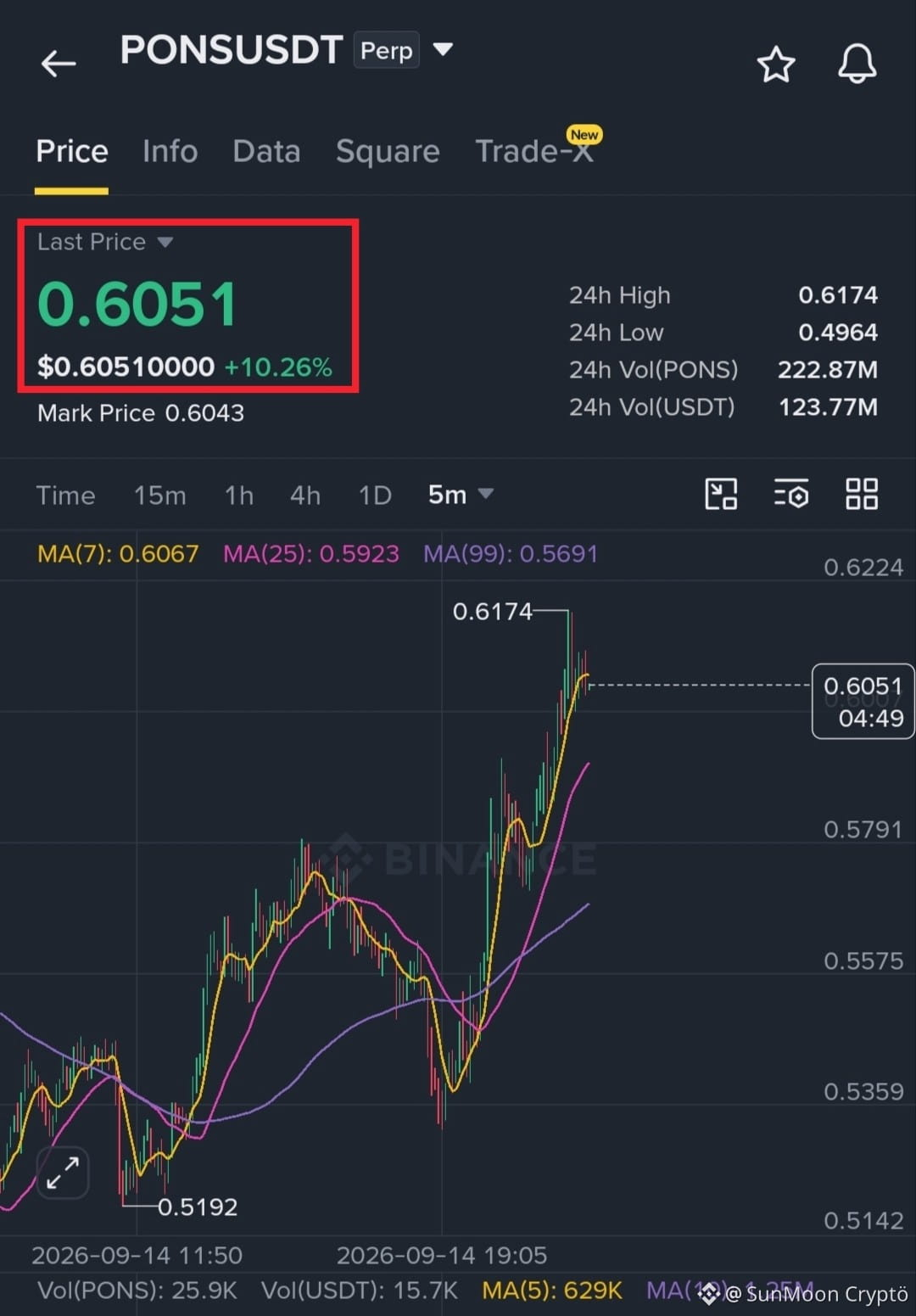
🚨 $PONS — The Violence Rebound Could Be Coming!
Revenue is going through the roof, with annualized income now exceeding $200M+. At the current market valuation, PONS appears to be offering very strong value and looks significantly undervalued.
Meanwhile, the funds in the buyback wallet continue to grow nonstop, strengthening expectations for a potential buyback. As attention and market hype keep building, the setup is becoming increasingly interesting. 🔥
Undervalued valuation + rising revenue + growing buyback funds = a combination worth watching closely.
More details below ⬇️⬇️⬇️
@eggtartcake_grape
{future}(PONSUSDT)
🚨 $PONS — The Violence Rebound Could Be Coming!
Revenue is going through the roof, with annualized income now exceeding $200M+. At the current market valuation, PONS appears to be offering very strong value and looks significantly undervalued.
Meanwhile, the funds in the buyback wallet continue to grow nonstop, strengthening expectations for a potential buyback. As attention and market hype keep building, the setup is becoming increasingly interesting. 🔥
Undervalued valuation + rising revenue + growing buyback funds = a combination worth watching closely.
More details below ⬇️⬇️⬇️
@Eggtartcake_
Revenue is going through the roof, with annualized income now exceeding $200M+. At the current market valuation, PONS appears to be offering very strong value and looks significantly undervalued.
Meanwhile, the funds in the buyback wallet continue to grow nonstop, strengthening expectations for a potential buyback. As attention and market hype keep building, the setup is becoming increasingly interesting. 🔥
Undervalued valuation + rising revenue + growing buyback funds = a combination worth watching closely.
More details below ⬇️⬇️⬇️
@Eggtartcake_
4
8
941

·
--
Bullish
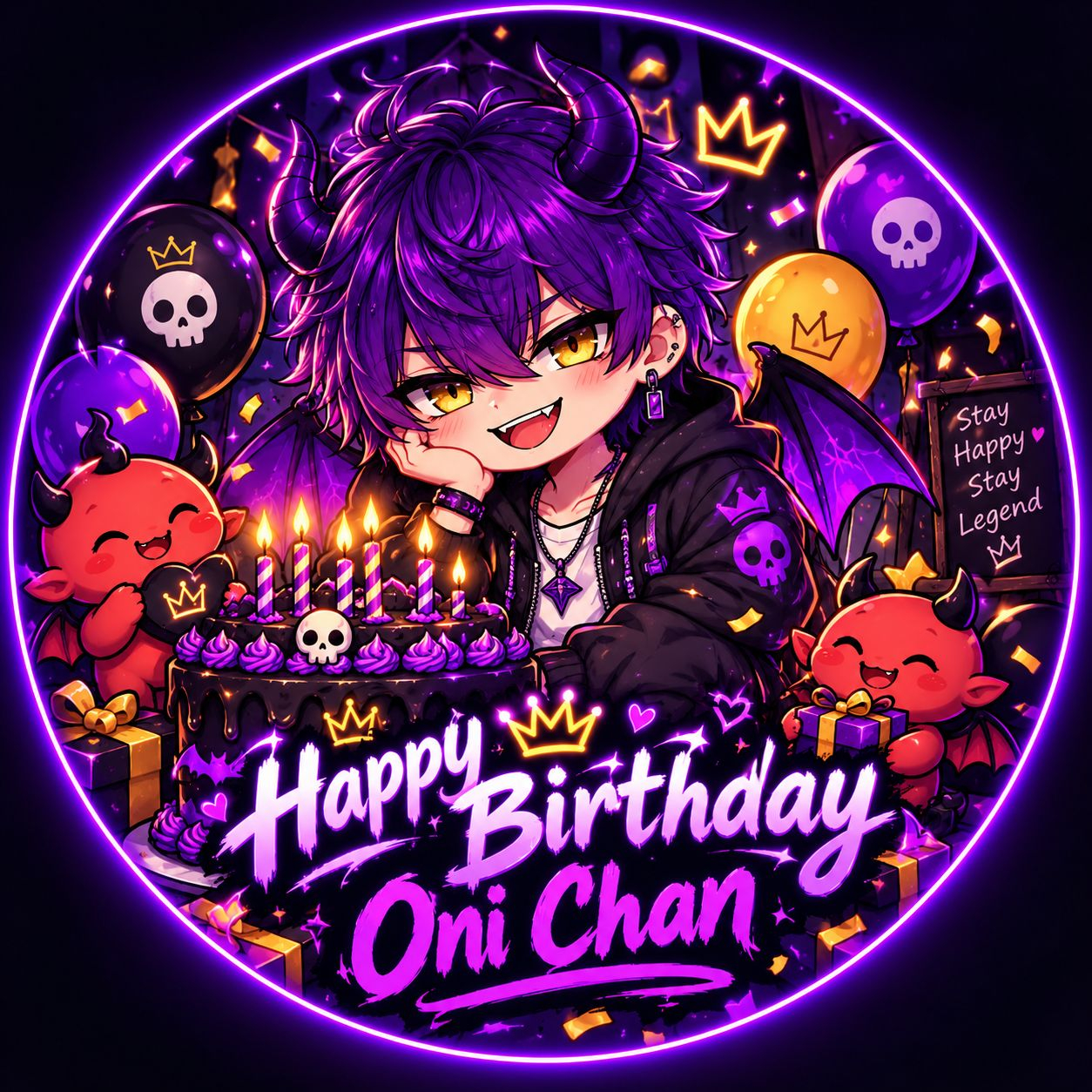
@Square-Creator-e5c78cf739a1 Happy Birthday Bhai🤍🥳
@Onigami Chan Happy Birthday Bhai🤍🥳
298
22
322
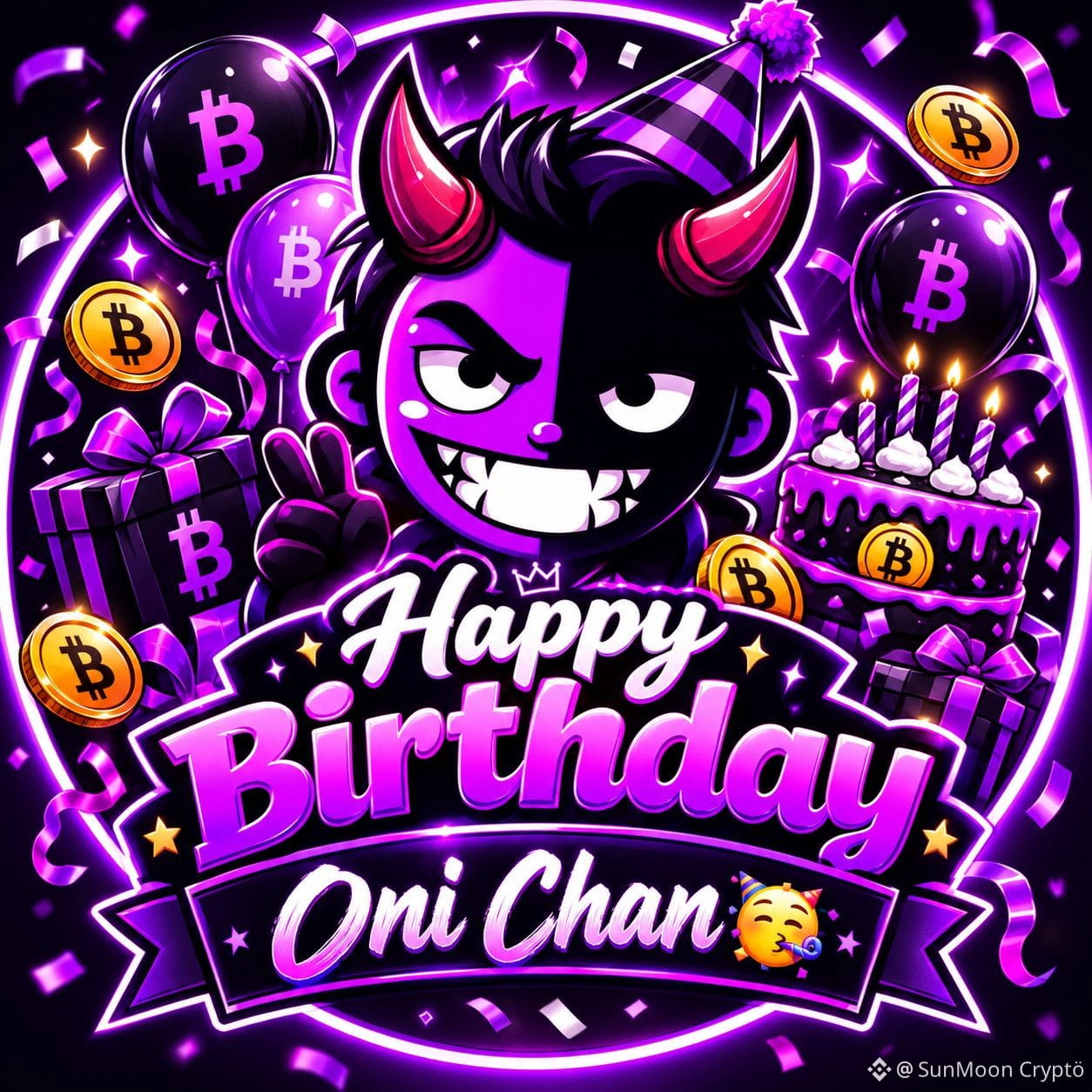
Happy Birthday @Square-Creator-e5c78cf739a1 Bhai🥳🎂🥳
Happy Birthday @Onigami Chan Bhai🥳🎂🥳
440
1
37
440
🌍 A Cleaner Tomorrow Starts With Us
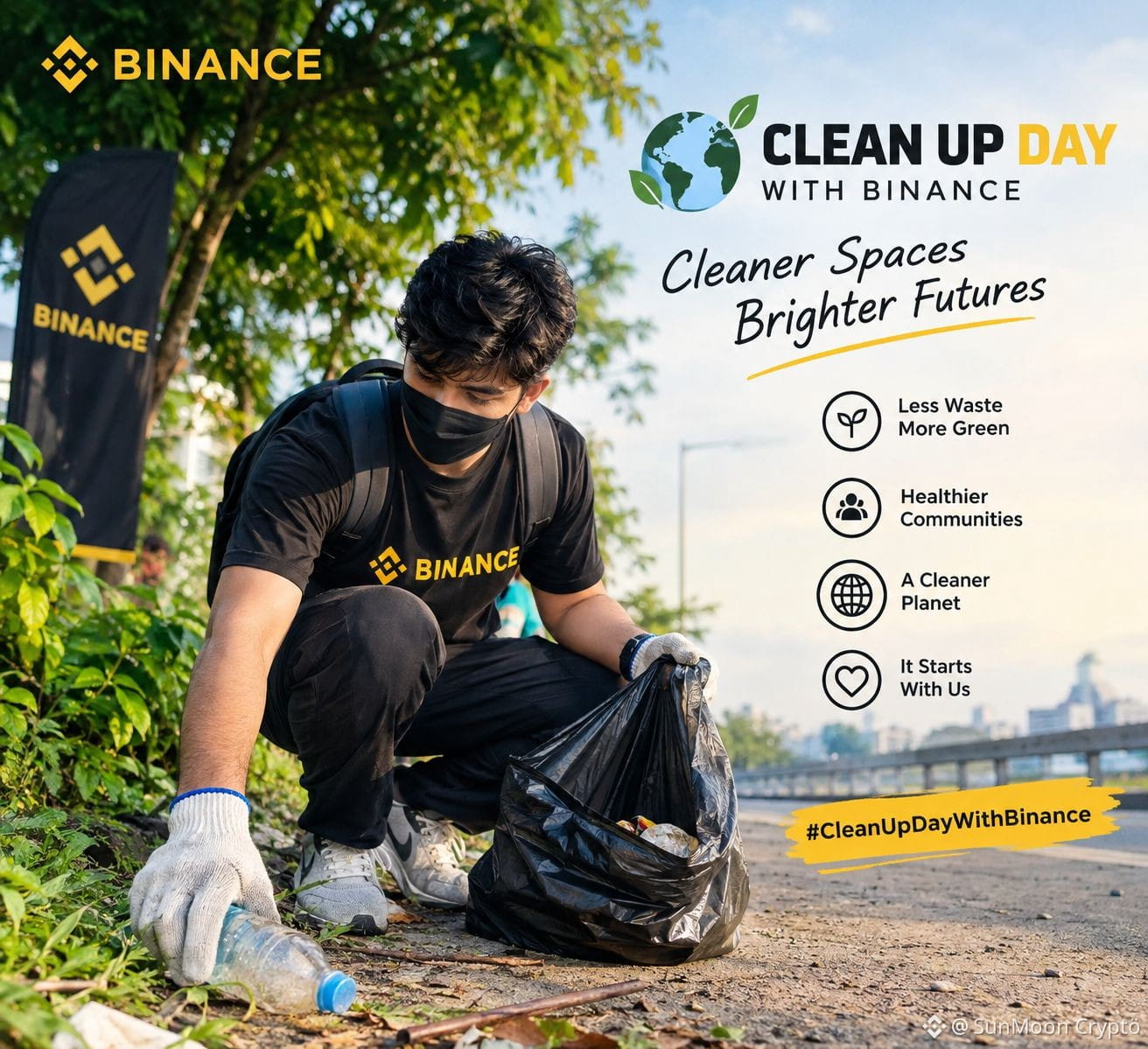
Today, I joined Clean Up Day with Binance and took a small step toward a cleaner environment. While cleaning my surroundings, I realized that change doesn’t always require something big. Sometimes, it starts with one person picking up one piece of trash.
A clean environment means healthier communities, safer public spaces, and a better future for everyone. We can all help by reducing waste, avoiding littering, protecting nature, and encouraging others to do the same.
My vision is simple: I want cleanliness to become a daily habit, not something we think about only during campaigns.
Small actions. Shared responsibility. Bigger impact. 🌱❤️
Let’s start today and build a cleaner tomorrow together.
#CleanUpDayWithBinance #Binance #CleanEnvironment #Sustainability
🌍 A Cleaner Tomorrow Starts With Us
Today, I joined Clean Up Day with Binance and took a small step toward a cleaner environment. While cleaning my surroundings, I realized that change doesn’t always require something big. Sometimes, it starts with one person picking up one piece of trash.
A clean environment means healthier communities, safer public spaces, and a better future for everyone. We can all help by reducing waste, avoiding littering, protecting nature, and encouraging others to do the same.
My vision is simple: I want cleanliness to become a daily habit, not something we think about only during campaigns.
Small actions. Shared responsibility. Bigger impact. 🌱❤️
Let’s start today and build a cleaner tomorrow together.
#CleanUpDayWithBinance #Binance #CleanEnvironment #Sustainability
Today, I joined Clean Up Day with Binance and took a small step toward a cleaner environment. While cleaning my surroundings, I realized that change doesn’t always require something big. Sometimes, it starts with one person picking up one piece of trash.
A clean environment means healthier communities, safer public spaces, and a better future for everyone. We can all help by reducing waste, avoiding littering, protecting nature, and encouraging others to do the same.
My vision is simple: I want cleanliness to become a daily habit, not something we think about only during campaigns.
Small actions. Shared responsibility. Bigger impact. 🌱❤️
Let’s start today and build a cleaner tomorrow together.
#CleanUpDayWithBinance #Binance #CleanEnvironment #Sustainability
22
2
43
415
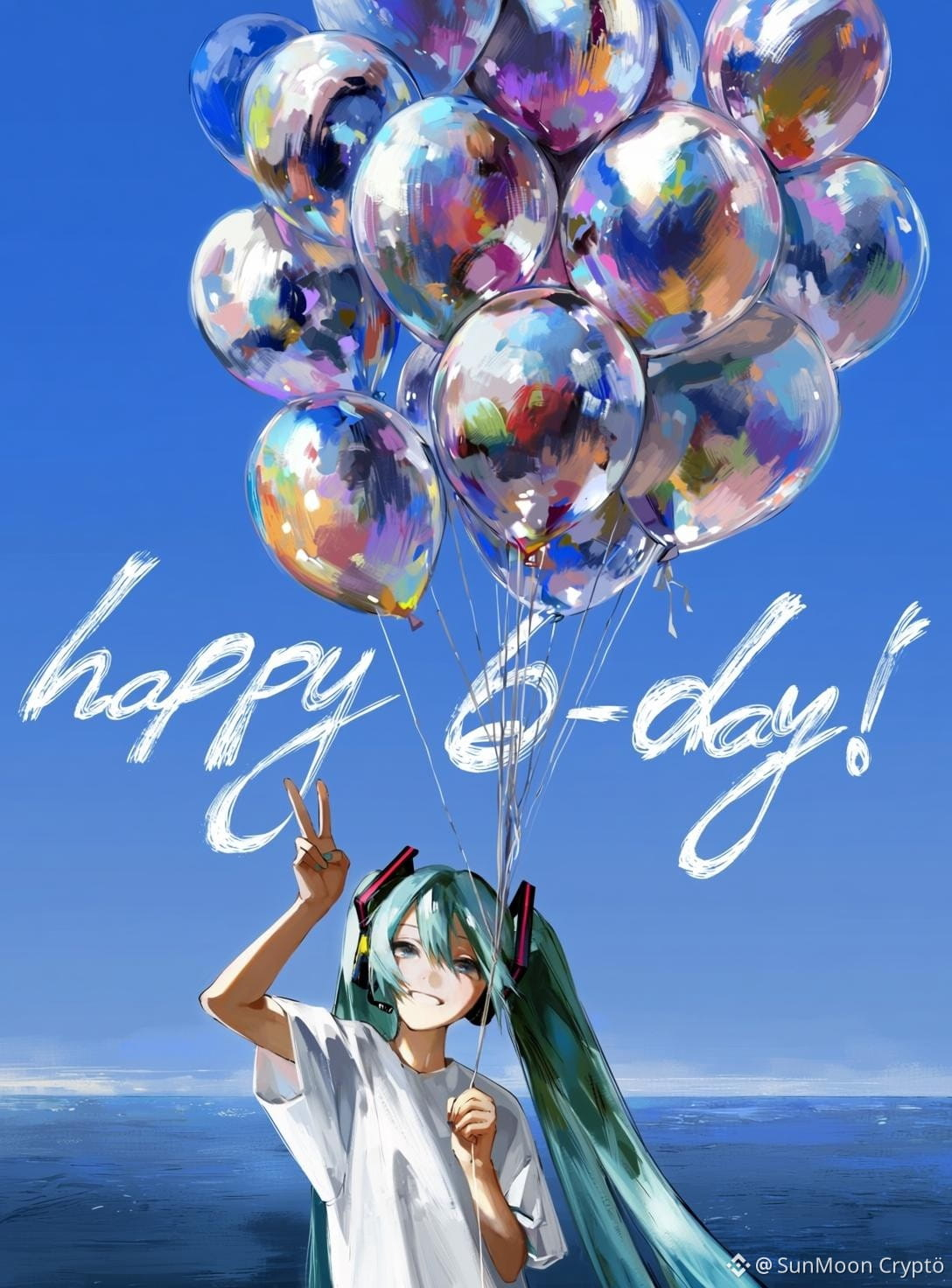
Happy Birthday Again @eggtartcake_grape 🥳🥳
Happy Birthday Again @Eggtartcake_ 🥳🥳
290
22
319
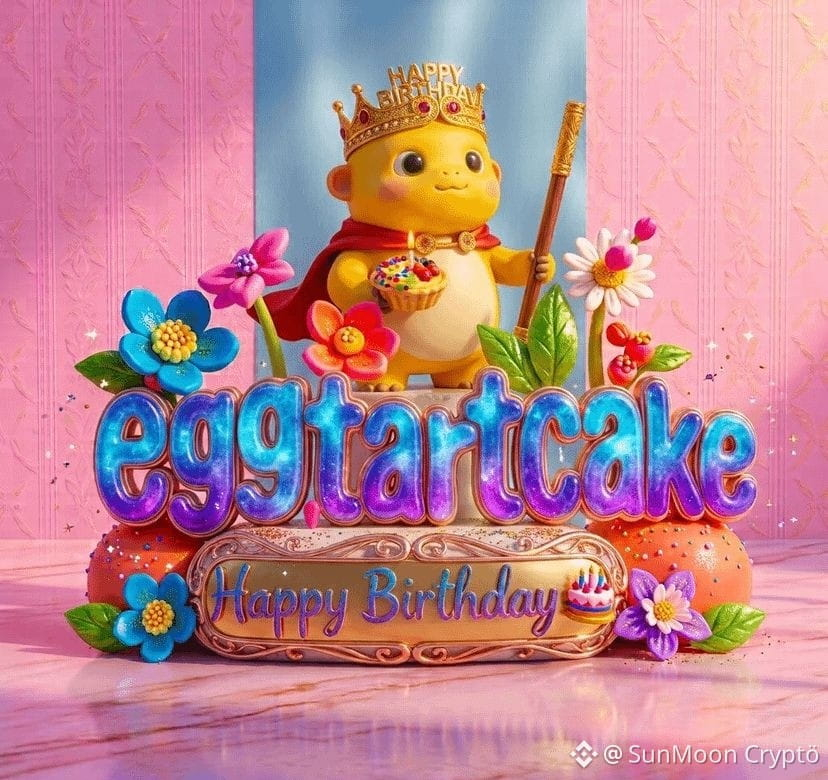
Happy Birthday to my Dear @eggtartcake_grape sister! 🎂🥳❤️
We met through Crypto, but with time, you became more than just a friend—you became like a real sister to me. 🥰💖
May your life always be filled with happiness, peace, success, and beautiful moments. ✨ May all your dreams come true, and may you always stay blessed, healthy, and smiling. 🤲🏻🌸
Enjoy your special day, my lovely sister! 🎉🎂💝
Once again, Happy Birthday! 🥳❤️
Happy Birthday to my Dear @Eggtartcake_ sister! 🎂🥳❤️
We met through Crypto, but with time, you became more than just a friend—you became like a real sister to me. 🥰💖
May your life always be filled with happiness, peace, success, and beautiful moments. ✨ May all your dreams come true, and may you always stay blessed, healthy, and smiling. 🤲🏻🌸
Enjoy your special day, my lovely sister! 🎉🎂💝
Once again, Happy Birthday! 🥳❤️
We met through Crypto, but with time, you became more than just a friend—you became like a real sister to me. 🥰💖
May your life always be filled with happiness, peace, success, and beautiful moments. ✨ May all your dreams come true, and may you always stay blessed, healthy, and smiling. 🤲🏻🌸
Enjoy your special day, my lovely sister! 🎉🎂💝
Once again, Happy Birthday! 🥳❤️

474
30
474
Thank you so much to everyone who wished me a Happy Birthday and made my day extra special with your beautiful wishes. ❤️🥰 I’m truly grateful to have you all in my life. Your love, kindness, and warm wishes mean more to me than words can say. 🤍✨
$BNB
Thank you so much to everyone who wished me a Happy Birthday and made my day extra special with your beautiful wishes. ❤️🥰 I’m truly grateful to have you all in my life. Your love, kindness, and warm wishes mean more to me than words can say. 🤍✨
$BNB
$BNB
293
19
293
Log in to explore more content
Join global crypto users on Binance Square
⚡️ Get latest and useful information about crypto.
💬 Trusted by the world’s largest crypto exchange.
👍 Discover real insights from verified creators.
Email / Phone number