
Rëy Nömhäs
5k Posts

Rëy Nömhäs
Report
Block User
🔥 X: @NomhasDio 👽✌🏻"Con Paz Inquebrantable"
Open Trade
High-Frequency Trader
1.5 Years
2.1K+ Following
29.5K+ Followers
28.8K+ Liked
Posts
Portfolio
All
Quotes
Videos
Live
PINNED
·
--
🔥 What coin are you monitoring today?
$BTC $ETH $BNB
The market is moving fast and the best opportunities come to those who are prepared. 🚀
Leave your favorite token of the week in the comments 👇
#CryptoCommunity #Trading #BinanceSquare #MarketUpdate
🔥 What coin are you monitoring today?
$BTC $ETH $BNB
The market is moving fast and the best opportunities come to those who are prepared. 🚀
Leave your favorite token of the week in the comments 👇
#CryptoCommunity #Trading #BinanceSquare #MarketUpdate
$BTC $ETH $BNB
The market is moving fast and the best opportunities come to those who are prepared. 🚀
Leave your favorite token of the week in the comments 👇
#CryptoCommunity #Trading #BinanceSquare #MarketUpdate
1
148
PINNED
·
--
🤖 AI and Blockchain: The Future Alliance ⛓️
🔥The #IA and the technology
👽✌🏻#blockchain are joining forces to transform the digital ecosystem. While AI provides analytical capability, advanced automation, and large-scale data processing, blockchain ensures transparency, immutable security, and decentralization.
This fusion makes it possible to create autonomous smart contracts and optimize data analysis in decentralized finance (DeFi) without compromising privacy. It’s the perfect combination of analytical reasoning and digital trust. 🚀🔥
$ICP $NEAR $RENDER
🤖 AI and Blockchain: The Future Alliance ⛓️
🔥The #IA and the technology
👽✌🏻#blockchain are joining forces to transform the digital ecosystem. While AI provides analytical capability, advanced automation, and large-scale data processing, blockchain ensures transparency, immutable security, and decentralization.
This fusion makes it possible to create autonomous smart contracts and optimize data analysis in decentralized finance (DeFi) without compromising privacy. It’s the perfect combination of analytical reasoning and digital trust. 🚀🔥
$ICP $NEAR $RENDER
🔥The #IA and the technology
👽✌🏻#blockchain are joining forces to transform the digital ecosystem. While AI provides analytical capability, advanced automation, and large-scale data processing, blockchain ensures transparency, immutable security, and decentralization.
This fusion makes it possible to create autonomous smart contracts and optimize data analysis in decentralized finance (DeFi) without compromising privacy. It’s the perfect combination of analytical reasoning and digital trust. 🚀🔥
$ICP $NEAR $RENDER
1
11
523
·
--
Article
💥
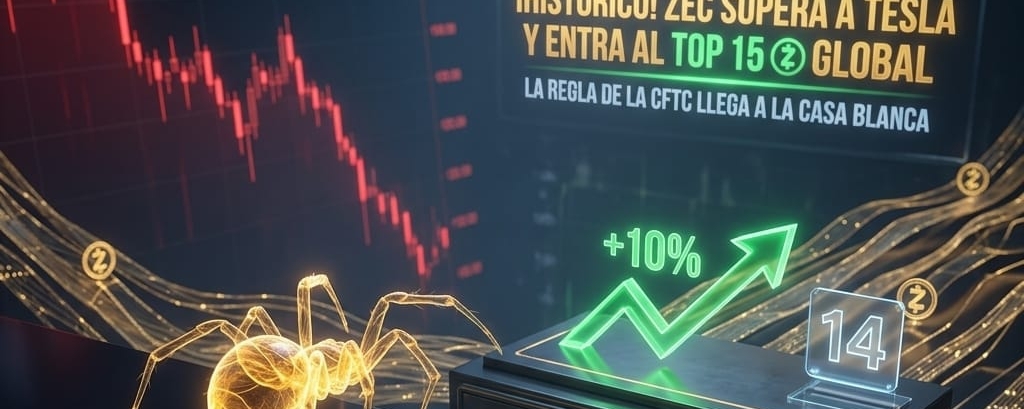
¡HISTORIC! Bitcoin Surpasses Tesla and Climbs to Global #14
💥🚀 A Financial Giant on the Rise
Bitcoin makes history again after logging a dizzying surge of nearly +10%, pushing its market capitalization past automaker giant Tesla and securing the 14th spot among the world’s most valuable assets. This milestone shows how BTC rapidly establishes itself against the largest global corporations.
🏛️ The Catalyst in the Shadows: The CFTC Rule
While many attribute this rise to market sentiment, the real driving force is a crucial regulatory development: the new CFTC rule (Commodity Futures Trading Commission) that has reached the White House. This regulatory step paves the way for direct institutional compensation of crypto derivatives in the U.S., significantly reducing counterparty risk for large investment funds.
💥 ¡HISTORIC! Bitcoin Surpasses Tesla and Climbs to Global #14 💥
🚀 A Financial Giant on the Rise
Bitcoin makes history again after logging a dizzying surge of nearly +10%, pushing its market capitalization past automaker giant Tesla and securing the 14th spot among the world’s most valuable assets. This milestone shows how BTC rapidly establishes itself against the largest global corporations.
🏛️ The Catalyst in the Shadows: The CFTC Rule
While many attribute this rise to market sentiment, the real driving force is a crucial regulatory development: the new CFTC rule (Commodity Futures Trading Commission) that has reached the White House. This regulatory step paves the way for direct institutional compensation of crypto derivatives in the U.S., significantly reducing counterparty risk for large investment funds.
Bitcoin makes history again after logging a dizzying surge of nearly +10%, pushing its market capitalization past automaker giant Tesla and securing the 14th spot among the world’s most valuable assets. This milestone shows how BTC rapidly establishes itself against the largest global corporations.
🏛️ The Catalyst in the Shadows: The CFTC Rule
While many attribute this rise to market sentiment, the real driving force is a crucial regulatory development: the new CFTC rule (Commodity Futures Trading Commission) that has reached the White House. This regulatory step paves the way for direct institutional compensation of crypto derivatives in the U.S., significantly reducing counterparty risk for large investment funds.
1
2
62
·
--
💰 The Volume Doesn’t Lie: Where the Real Money Moves
📈 Sector Volume Comparison
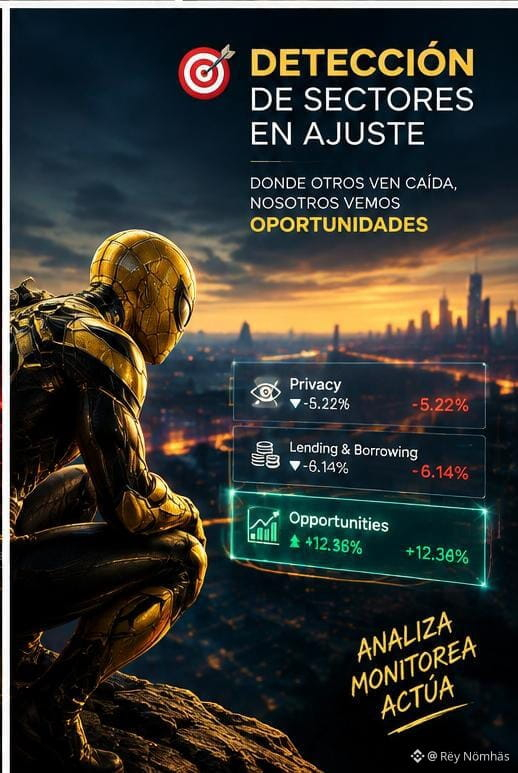
The trading volume over 24 hours represents the footprint of money in the market. Today we see a clear gap: while the Restaking category records $105.73M in volume with a -6.14% decline, Binance Alpha surpasses $1.34B in transacted volume.
🛡️ The liquidity rule
Trading in sectors with low volume increases the risk of slippage and makes fast executions harder. On the other hand, high-volume sectors ensure more efficient transactions.
🧠 Conclusion for your trading
Prioritize markets where there is depth and consistent liquidity. Volume gives validity to real price movements; its absence often anticipates slow ranges or volatility without direction.
$NVDAB $BTC $BNB
💰 The Volume Doesn’t Lie: Where the Real Money Moves
📈 Sector Volume Comparison
The trading volume over 24 hours represents the footprint of money in the market. Today we see a clear gap: while the Restaking category records $105.73M in volume with a -6.14% decline, Binance Alpha surpasses $1.34B in transacted volume.
🛡️ The liquidity rule
Trading in sectors with low volume increases the risk of slippage and makes fast executions harder. On the other hand, high-volume sectors ensure more efficient transactions.
🧠 Conclusion for your trading
Prioritize markets where there is depth and consistent liquidity. Volume gives validity to real price movements; its absence often anticipates slow ranges or volatility without direction.
$NVDAB $BTC $BNB
📈 Sector Volume Comparison
The trading volume over 24 hours represents the footprint of money in the market. Today we see a clear gap: while the Restaking category records $105.73M in volume with a -6.14% decline, Binance Alpha surpasses $1.34B in transacted volume.
🛡️ The liquidity rule
Trading in sectors with low volume increases the risk of slippage and makes fast executions harder. On the other hand, high-volume sectors ensure more efficient transactions.
🧠 Conclusion for your trading
Prioritize markets where there is depth and consistent liquidity. Volume gives validity to real price movements; its absence often anticipates slow ranges or volatility without direction.
$NVDAB $BTC $BNB
1
101
·
--
🔒 ZK Proofs and Privacy Crypto Under Technical Pressure
📉 Reversal in the Privacy Narrative
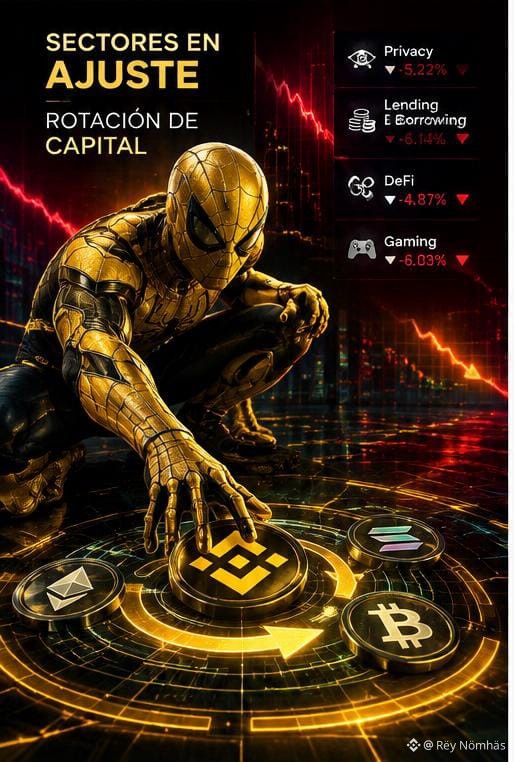
Sectors focused on scalability and privacy are going through an adjustment phase. The Zero Knowledge Proofs category falls by -5.92%, while Privacy retreats by -5.22%. Despite moving a significant volume of $2.95B, demand has not been able to sustain key levels.
💡 Mid-term Outlook
Corrections in sectors with strong technological foundations often open windows of opportunity for strategic positioning. However, in the short term, the immediate structure remains in a consolidation phase.
📐 Strategic Recommendation
Don't confuse a project's fundamental value with the market momentum in the short term. Wait for the price action to confirm an upward turn before opening positions in favor of the trend.
$ZEC
{spot}(ZECUSDT)
$WLD
{spot}(WLDUSDT)
$LIT
{future}(LITUSDT)
#SaylorHintsStrategyBitcoinBuy
🔒 ZK Proofs and Privacy Crypto Under Technical Pressure
📉 Reversal in the Privacy Narrative
Sectors focused on scalability and privacy are going through an adjustment phase. The Zero Knowledge Proofs category falls by -5.92%, while Privacy retreats by -5.22%. Despite moving a significant volume of $2.95B, demand has not been able to sustain key levels.
💡 Mid-term Outlook
Corrections in sectors with strong technological foundations often open windows of opportunity for strategic positioning. However, in the short term, the immediate structure remains in a consolidation phase.
📐 Strategic Recommendation
Don't confuse a project's fundamental value with the market momentum in the short term. Wait for the price action to confirm an upward turn before opening positions in favor of the trend.
$ZEC
$WLD
$LIT
#SaylorHintsStrategyBitcoinBuy
📉 Reversal in the Privacy Narrative
Sectors focused on scalability and privacy are going through an adjustment phase. The Zero Knowledge Proofs category falls by -5.92%, while Privacy retreats by -5.22%. Despite moving a significant volume of $2.95B, demand has not been able to sustain key levels.
💡 Mid-term Outlook
Corrections in sectors with strong technological foundations often open windows of opportunity for strategic positioning. However, in the short term, the immediate structure remains in a consolidation phase.
📐 Strategic Recommendation
Don't confuse a project's fundamental value with the market momentum in the short term. Wait for the price action to confirm an upward turn before opening positions in favor of the trend.
$ZEC
$WLD
$LIT
#SaylorHintsStrategyBitcoinBuy
1
95
·
--
📊 Monitor Categories: The Secret to Reading Liquidity
🔍 Beyond Individual Candles
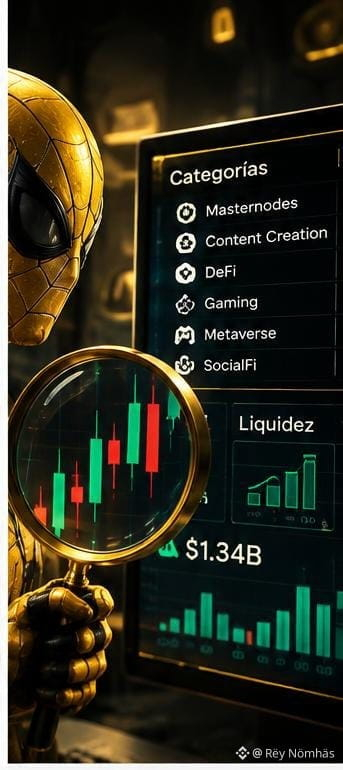
Observing only the chart of an individual token can blind your market perspective. By analyzing the Popular Categories section, we can identify where capital is shifting in real time. Today we’re witnessing pullbacks in sectors such as Masternodes (-7.03%) and Content Creation (-6.57%).
🎯 Detecting Sectors Under Adjustment
While established sectors like Privacy (-5.22%) and Lending & Borrowing (-4.72%) are losing ground, only those categories with active catalysts manage to stay in the green.
💡 Lesson for Your Strategy
Filtering assets by their sector performance helps you understand whether an underlying move is an isolated impulse or a broad flow of capital. Identify the dominant category before you execute your next trade.$XO $ZM
📊 Monitor Categories: The Secret to Reading Liquidity
🔍 Beyond Individual Candles
Observing only the chart of an individual token can blind your market perspective. By analyzing the Popular Categories section, we can identify where capital is shifting in real time. Today we’re witnessing pullbacks in sectors such as Masternodes (-7.03%) and Content Creation (-6.57%).
🎯 Detecting Sectors Under Adjustment
While established sectors like Privacy (-5.22%) and Lending & Borrowing (-4.72%) are losing ground, only those categories with active catalysts manage to stay in the green.
💡 Lesson for Your Strategy
Filtering assets by their sector performance helps you understand whether an underlying move is an isolated impulse or a broad flow of capital. Identify the dominant category before you execute your next trade.$XO $ZM
🔍 Beyond Individual Candles
Observing only the chart of an individual token can blind your market perspective. By analyzing the Popular Categories section, we can identify where capital is shifting in real time. Today we’re witnessing pullbacks in sectors such as Masternodes (-7.03%) and Content Creation (-6.57%).
🎯 Detecting Sectors Under Adjustment
While established sectors like Privacy (-5.22%) and Lending & Borrowing (-4.72%) are losing ground, only those categories with active catalysts manage to stay in the green.
💡 Lesson for Your Strategy
Filtering assets by their sector performance helps you understand whether an underlying move is an isolated impulse or a broad flow of capital. Identify the dominant category before you execute your next trade.$XO $ZM
1
154
·
--
🎮 Play To Earn Leads the Falls: A Time for Caution?
📉 Sharp sector correction
The crypto gaming and entertainment sector, Play To Earn, leads today’s pullbacks with a drop of -7.21% over the last 24 hours. Alongside a trading volume of $529.12M, selling pressure is clearly noticeable in its tokens.
🧠 Investor behavior
High-yield speculative narratives tend to experience higher volatility during profit-taking sessions. When risk tolerance falls in the broader market, participants often liquidate positions in secondary altcoins.
🛡️ Risk management
If you hold or follow projects in this category, avoid buying while prices are in free fall without clear technical confirmation of a bottom. Watch whether selling volume runs out before considering entries. In correction days, patience is your best protection.
$ATA $FLOKI $AXS
🎮 Play To Earn Leads the Falls: A Time for Caution?
📉 Sharp sector correction
The crypto gaming and entertainment sector, Play To Earn, leads today’s pullbacks with a drop of -7.21% over the last 24 hours. Alongside a trading volume of $529.12M, selling pressure is clearly noticeable in its tokens.
🧠 Investor behavior
High-yield speculative narratives tend to experience higher volatility during profit-taking sessions. When risk tolerance falls in the broader market, participants often liquidate positions in secondary altcoins.
🛡️ Risk management
If you hold or follow projects in this category, avoid buying while prices are in free fall without clear technical confirmation of a bottom. Watch whether selling volume runs out before considering entries. In correction days, patience is your best protection.
$ATA $FLOKI $AXS
📉 Sharp sector correction
The crypto gaming and entertainment sector, Play To Earn, leads today’s pullbacks with a drop of -7.21% over the last 24 hours. Alongside a trading volume of $529.12M, selling pressure is clearly noticeable in its tokens.
🧠 Investor behavior
High-yield speculative narratives tend to experience higher volatility during profit-taking sessions. When risk tolerance falls in the broader market, participants often liquidate positions in secondary altcoins.
🛡️ Risk management
If you hold or follow projects in this category, avoid buying while prices are in free fall without clear technical confirmation of a bottom. Watch whether selling volume runs out before considering entries. In correction days, patience is your best protection.
$ATA $FLOKI $AXS

1
176
·
--
🚀 Binance Alpha Challenges the Red Tide of the Market
📊 Real-time capital rotation
While most categories face red numbers during the session, the Binance Alpha sector shows remarkable relative strength, recording a positive performance of +6.38% with a volume exceeding $1.34B and a market capitalization of $15.56B.
💡 What does this divergence mean?
During periods of broad correction—where sectors like Play To Earn fall -7.21% and Restaking retreats -6.14%—liquidity tends to take refuge in narratives with greater pull in the moment. Concentrated buy flow into Binance Alpha reflects a clear interest from active capital.
🎯 Operational tip
Avoid trading against the market’s strength. Identifying which category leads in volume allows you to position yourself in favor of the real trend and prevent losses in weakened sectors. Always follow the path of liquidity!
$quq
{alpha}(560x4fa7c69a7b69f8bc48233024d546bc299d6b03bf)
$B2
{future}(B2USDT)
$UBERon
{alpha}(560xde9d6036fca870f7efc5a82722ae694c371ac909)
#BTCBreaks80K
🚀 Binance Alpha Challenges the Red Tide of the Market
📊 Real-time capital rotation
While most categories face red numbers during the session, the Binance Alpha sector shows remarkable relative strength, recording a positive performance of +6.38% with a volume exceeding $1.34B and a market capitalization of $15.56B.
💡 What does this divergence mean?
During periods of broad correction—where sectors like Play To Earn fall -7.21% and Restaking retreats -6.14%—liquidity tends to take refuge in narratives with greater pull in the moment. Concentrated buy flow into Binance Alpha reflects a clear interest from active capital.
🎯 Operational tip
Avoid trading against the market’s strength. Identifying which category leads in volume allows you to position yourself in favor of the real trend and prevent losses in weakened sectors. Always follow the path of liquidity!
$quq
$B2
$UBERon
#BTCBreaks80K
📊 Real-time capital rotation
While most categories face red numbers during the session, the Binance Alpha sector shows remarkable relative strength, recording a positive performance of +6.38% with a volume exceeding $1.34B and a market capitalization of $15.56B.
💡 What does this divergence mean?
During periods of broad correction—where sectors like Play To Earn fall -7.21% and Restaking retreats -6.14%—liquidity tends to take refuge in narratives with greater pull in the moment. Concentrated buy flow into Binance Alpha reflects a clear interest from active capital.
🎯 Operational tip
Avoid trading against the market’s strength. Identifying which category leads in volume allows you to position yourself in favor of the real trend and prevent losses in weakened sectors. Always follow the path of liquidity!
$quq
$B2
$UBERon
#BTCBreaks80K

53
·
--
👽✌🏼
👽✌🏼
Rëy Nömhäs
·
--
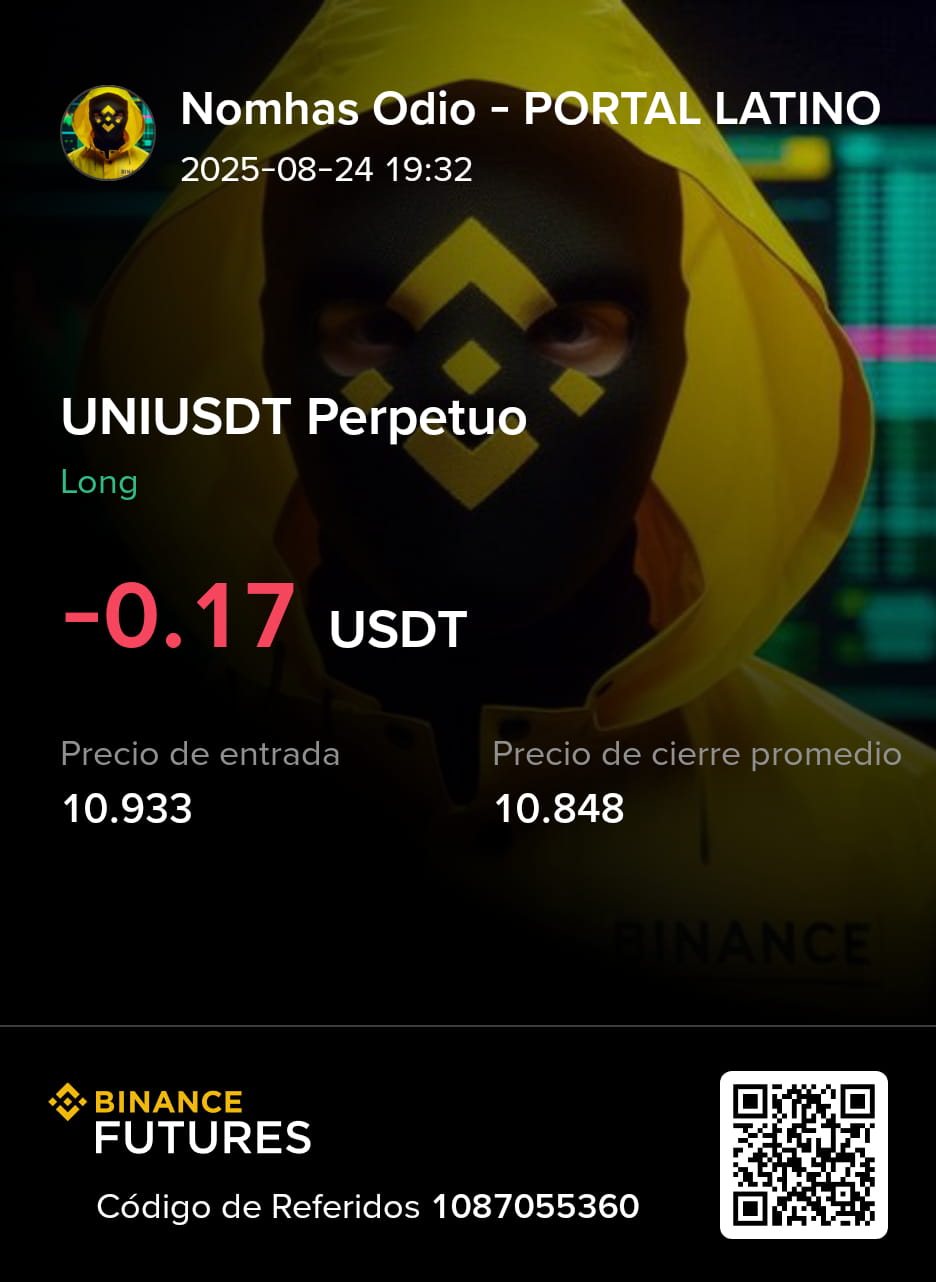
👽✌🏻 Attention traders! Look at my mistake so you don't make it! 😥
"Gentlemen, so that this doesn't happen to you, I had a loss of -17USDT with the UNI token in futures long, to avoid these losses, it is essential to use stop loss and take profit. 🛑 🤑"
"In my current operation with ONT, I made an excellent decision by using these tools. With a stop loss at 0.1640 USDT and a take profit at 0.17 USDT, the estimated PNL is -0.05 USDT if the stop loss is activated and 0.36 USDT if the take profit is activated. 📊"
"Remember, stop loss and take profit are essential for futures trading. The stop loss limits losses if the market goes against you, and the take profit secures gains when the desired price is reached. By using these tools, we trade intelligently and protect our capital. ✨ Keep it up! 🚀"
"Gentlemen, so that this doesn't happen to you, I had a loss of -17USDT with the UNI token in futures long, to avoid these losses, it is essential to use stop loss and take profit. 🛑 🤑"
"In my current operation with ONT, I made an excellent decision by using these tools. With a stop loss at 0.1640 USDT and a take profit at 0.17 USDT, the estimated PNL is -0.05 USDT if the stop loss is activated and 0.36 USDT if the take profit is activated. 📊"
"Remember, stop loss and take profit are essential for futures trading. The stop loss limits losses if the market goes against you, and the take profit secures gains when the desired price is reached. By using these tools, we trade intelligently and protect our capital. ✨ Keep it up! 🚀"
27
·
--
🔮 Weekly Outlook: Where is professional capital flowing?
A look at the latest institutional transactions gives us a clear read:
Macro Dominance: Strong hedging activity in interest rates (SOFR) and 5-year Treasury Bonds, a sign of caution toward monetary policy.
Diversification in Altcoins: Maintaining liquidity in key infrastructure (LINK, SUI, AVAX, ADA, XLM).
Energy Management: Controlling exposure to WTI crude oil.
Professional capital isn’t speculating blindly; it’s using derivatives to build well-defined value positions and hedges. Which Altcoin from this list do you currently have on your trading radar?
🔮 Weekly Outlook: Where is professional capital flowing?
A look at the latest institutional transactions gives us a clear read:
Macro Dominance: Strong hedging activity in interest rates (SOFR) and 5-year Treasury Bonds, a sign of caution toward monetary policy.
Diversification in Altcoins: Maintaining liquidity in key infrastructure (LINK, SUI, AVAX, ADA, XLM).
Energy Management: Controlling exposure to WTI crude oil.
Professional capital isn’t speculating blindly; it’s using derivatives to build well-defined value positions and hedges. Which Altcoin from this list do you currently have on your trading radar?
A look at the latest institutional transactions gives us a clear read:
Macro Dominance: Strong hedging activity in interest rates (SOFR) and 5-year Treasury Bonds, a sign of caution toward monetary policy.
Diversification in Altcoins: Maintaining liquidity in key infrastructure (LINK, SUI, AVAX, ADA, XLM).
Energy Management: Controlling exposure to WTI crude oil.
Professional capital isn’t speculating blindly; it’s using derivatives to build well-defined value positions and hedges. Which Altcoin from this list do you currently have on your trading radar?
107
·
--
⚠️ 3 Common Mistakes When Analyzing Off-Book Operations (Block Trades)
Analyzing block buys is a powerful tool, but you should avoid these frequent errors:
Confusing a Block Trade with a market order: They do not create a direct bullish or bearish impulse on the chart at the moment they are reported, since they were agreed upon privately.
Ignoring hedging: A large block of selling does not always mean the fund is bearish; many times it is a protection against a long position in the Spot market.
Looking at a single asset in isolation: Strong hands often trade baskets of assets (e.g., buying Treasury Bonds and selling commodities at the same time).
$BTC
⚠️ 3 Common Mistakes When Analyzing Off-Book Operations (Block Trades)
Analyzing block buys is a powerful tool, but you should avoid these frequent errors:
Confusing a Block Trade with a market order: They do not create a direct bullish or bearish impulse on the chart at the moment they are reported, since they were agreed upon privately.
Ignoring hedging: A large block of selling does not always mean the fund is bearish; many times it is a protection against a long position in the Spot market.
Looking at a single asset in isolation: Strong hands often trade baskets of assets (e.g., buying Treasury Bonds and selling commodities at the same time).
$BTC
Analyzing block buys is a powerful tool, but you should avoid these frequent errors:
Confusing a Block Trade with a market order: They do not create a direct bullish or bearish impulse on the chart at the moment they are reported, since they were agreed upon privately.
Ignoring hedging: A large block of selling does not always mean the fund is bearish; many times it is a protection against a long position in the Spot market.
Looking at a single asset in isolation: Strong hands often trade baskets of assets (e.g., buying Treasury Bonds and selling commodities at the same time).
$BTC
1
1
91
·
--
⚖️ What is a Spread Trade and why do institutions prefer it?
In volume reports for instruments like the SOFR rate or WTI oil, you’ll often see the label TYPE: Spread.
What does it involve?
A Spread involves buying a contract for a specific month and simultaneously selling the contract for another month.
Objective: It doesn’t aim to guess whether the market will rise or fall in absolute terms, but to benefit from the change in the price difference between the two maturities.
Benefit: It sharply reduces market risk and allows large funds to manage interest rates efficiently.
⚖️ What is a Spread Trade and why do institutions prefer it?
In volume reports for instruments like the SOFR rate or WTI oil, you’ll often see the label TYPE: Spread.
What does it involve?
A Spread involves buying a contract for a specific month and simultaneously selling the contract for another month.
Objective: It doesn’t aim to guess whether the market will rise or fall in absolute terms, but to benefit from the change in the price difference between the two maturities.
Benefit: It sharply reduces market risk and allows large funds to manage interest rates efficiently.
In volume reports for instruments like the SOFR rate or WTI oil, you’ll often see the label TYPE: Spread.
What does it involve?
A Spread involves buying a contract for a specific month and simultaneously selling the contract for another month.
Objective: It doesn’t aim to guess whether the market will rise or fall in absolute terms, but to benefit from the change in the price difference between the two maturities.
Benefit: It sharply reduces market risk and allows large funds to manage interest rates efficiently.
54
·
--
💡 ADA and XLM: Quiet positioning in institutional contracts
Consolidated projects such as Cardano ($ADA) and Stellar ($XLM) continue to show steady activity on institutional derivatives boards.
Recent block metrics:
ADA Futures: accumulated orders at $0.223 (U6 contract) and $0.226 (V6 contract).
Lumens Futures ($XLM): blocks of up to 105 contracts in the range of $0.1958 to $0.1980.
Although they don’t always make the headlines, the steady flow at these levels shows that institutional trading platforms maintain active liquidity for managing diversified portfolios.
💡 ADA and XLM: Quiet positioning in institutional contracts
Consolidated projects such as Cardano ($ADA) and Stellar ($XLM) continue to show steady activity on institutional derivatives boards.
Recent block metrics:
ADA Futures: accumulated orders at $0.223 (U6 contract) and $0.226 (V6 contract).
Lumens Futures ($XLM): blocks of up to 105 contracts in the range of $0.1958 to $0.1980.
Although they don’t always make the headlines, the steady flow at these levels shows that institutional trading platforms maintain active liquidity for managing diversified portfolios.
Consolidated projects such as Cardano ($ADA) and Stellar ($XLM) continue to show steady activity on institutional derivatives boards.
Recent block metrics:
ADA Futures: accumulated orders at $0.223 (U6 contract) and $0.226 (V6 contract).
Lumens Futures ($XLM): blocks of up to 105 contracts in the range of $0.1958 to $0.1980.
Although they don’t always make the headlines, the steady flow at these levels shows that institutional trading platforms maintain active liquidity for managing diversified portfolios.
68
·
--
🎯 Tactical Guide: How to Read a Block Trades Table
Learning to interpret interbank reports puts you one step ahead of the average trader. Here are the 4 fundamental fields:
QTY (Quantity): The total volume of contracts traded in the block. (E.g., 6,200 contracts in 5-year Bonds = tens of millions in notional value).
TYPE: If it’s a simple position (Future) or a relative adjustment between two dates (Spread).
B/S: Indicates whether the initiating party took a buying stance (Buy) or selling stance (Sell).
PRICE / NET PRICE: The value agreed upon privately by both parties.
🎯 Tactical Guide: How to Read a Block Trades Table
Learning to interpret interbank reports puts you one step ahead of the average trader. Here are the 4 fundamental fields:
QTY (Quantity): The total volume of contracts traded in the block. (E.g., 6,200 contracts in 5-year Bonds = tens of millions in notional value).
TYPE: If it’s a simple position (Future) or a relative adjustment between two dates (Spread).
B/S: Indicates whether the initiating party took a buying stance (Buy) or selling stance (Sell).
PRICE / NET PRICE: The value agreed upon privately by both parties.
Learning to interpret interbank reports puts you one step ahead of the average trader. Here are the 4 fundamental fields:
QTY (Quantity): The total volume of contracts traded in the block. (E.g., 6,200 contracts in 5-year Bonds = tens of millions in notional value).
TYPE: If it’s a simple position (Future) or a relative adjustment between two dates (Spread).
B/S: Indicates whether the initiating party took a buying stance (Buy) or selling stance (Sell).
PRICE / NET PRICE: The value agreed upon privately by both parties.
56
·
--
🛢️ WTI Oil and Crypto: Decoding Energy Risk Hedging
The energy sector maintains an indirect but powerful correlation with global financial markets through inflation.
Observed data in WTI Crude Oil futures blocks (CSX):
Spread trades (simultaneous buy/sell of two different delivery months) traded at a spread of $2.99 USD.
Execution prices: $97.08 USD (U6 contract) vs. $94.09 USD (V6 contract).
Conclusion: Institutions use these strategies to protect themselves against brutal fluctuations in energy costs. High oil pushes inflation up and tightens global liquidity—an essential factor to monitor in any macro trading plan.
🛢️ WTI Oil and Crypto: Decoding Energy Risk Hedging
The energy sector maintains an indirect but powerful correlation with global financial markets through inflation.
Observed data in WTI Crude Oil futures blocks (CSX):
Spread trades (simultaneous buy/sell of two different delivery months) traded at a spread of $2.99 USD.
Execution prices: $97.08 USD (U6 contract) vs. $94.09 USD (V6 contract).
Conclusion: Institutions use these strategies to protect themselves against brutal fluctuations in energy costs. High oil pushes inflation up and tightens global liquidity—an essential factor to monitor in any macro trading plan.
The energy sector maintains an indirect but powerful correlation with global financial markets through inflation.
Observed data in WTI Crude Oil futures blocks (CSX):
Spread trades (simultaneous buy/sell of two different delivery months) traded at a spread of $2.99 USD.
Execution prices: $97.08 USD (U6 contract) vs. $94.09 USD (V6 contract).
Conclusion: Institutions use these strategies to protect themselves against brutal fluctuations in energy costs. High oil pushes inflation up and tightens global liquidity—an essential factor to monitor in any macro trading plan.
59
·
--
🏦 Macro + Crypto: Why do SOFR Swaps and Bonds impact Bitcoin?
The cryptocurrency market does not operate in a vacuum. The real engine of global liquidity lies in the U.S. interest rate and sovereign debt markets.
In institutional records, massive blocks are visible in:
5-year T-Notes (ZFZ6): A single block order of 6,200 contracts at a price of 104'032.
Eris SOFR Swap Futures: Strategic moves across 1, 3, 5, and 10-year maturities (YIAZ26, YICZ26, YIWZ26, YIYZ26).
Why does it matter?
When the big players adjust their SOFR rate hedges (the reference for the cost of dollar money), they anticipate shifts in monetary policy. A rate easing often translates into more liquidity available for risk assets like crypto.
🏦 Macro + Crypto: Why do SOFR Swaps and Bonds impact Bitcoin?
The cryptocurrency market does not operate in a vacuum. The real engine of global liquidity lies in the U.S. interest rate and sovereign debt markets.
In institutional records, massive blocks are visible in:
5-year T-Notes (ZFZ6): A single block order of 6,200 contracts at a price of 104'032.
Eris SOFR Swap Futures: Strategic moves across 1, 3, 5, and 10-year maturities (YIAZ26, YICZ26, YIWZ26, YIYZ26).
Why does it matter?
When the big players adjust their SOFR rate hedges (the reference for the cost of dollar money), they anticipate shifts in monetary policy. A rate easing often translates into more liquidity available for risk assets like crypto.
The cryptocurrency market does not operate in a vacuum. The real engine of global liquidity lies in the U.S. interest rate and sovereign debt markets.
In institutional records, massive blocks are visible in:
5-year T-Notes (ZFZ6): A single block order of 6,200 contracts at a price of 104'032.
Eris SOFR Swap Futures: Strategic moves across 1, 3, 5, and 10-year maturities (YIAZ26, YICZ26, YIWZ26, YIYZ26).
Why does it matter?
When the big players adjust their SOFR rate hedges (the reference for the cost of dollar money), they anticipate shifts in monetary policy. A rate easing often translates into more liquidity available for risk assets like crypto.
1
45
·
--
📊 SUI and LINK: The battle for liquidity in derivatives contracts
When analyzing the details of the most recent block trades, two projects stand out for their turnover volume in futures contracts: Chainlink ($LINK) and Sui ($SUI).
Key levels executed in blocks:
LINK Futures: Transactions reported between $12.44 (contract U6) and $12.625 – $12.665 (contract V6), reflecting a positive premium into the next maturity.
SUI Futures: Blocks executed in the $0.814 to $0.830 zone.
Market take: The price difference between the contracts for the current month and the following month indicates a light Contango structure, suggesting expectations of stability or a short-term bullish bias.
📊 SUI and LINK: The battle for liquidity in derivatives contracts
When analyzing the details of the most recent block trades, two projects stand out for their turnover volume in futures contracts: Chainlink ($LINK) and Sui ($SUI).
Key levels executed in blocks:
LINK Futures: Transactions reported between $12.44 (contract U6) and $12.625 – $12.665 (contract V6), reflecting a positive premium into the next maturity.
SUI Futures: Blocks executed in the $0.814 to $0.830 zone.
Market take: The price difference between the contracts for the current month and the following month indicates a light Contango structure, suggesting expectations of stability or a short-term bullish bias.
When analyzing the details of the most recent block trades, two projects stand out for their turnover volume in futures contracts: Chainlink ($LINK) and Sui ($SUI).
Key levels executed in blocks:
LINK Futures: Transactions reported between $12.44 (contract U6) and $12.625 – $12.665 (contract V6), reflecting a positive premium into the next maturity.
SUI Futures: Blocks executed in the $0.814 to $0.830 zone.
Market take: The price difference between the contracts for the current month and the following month indicates a light Contango structure, suggesting expectations of stability or a short-term bullish bias.
1
120
·
--
🚀 Institutional focus on Altcoins: LINK, SUI, ADA, XLM and AVAX
Institutional interest is no longer limited solely to Bitcoin and Ethereum. Recent on-chain transaction records show ongoing activity in derivatives of Layer 1 Altcoins and Oracles.
Highlights:
LINK & SUI: Register the highest frequency of blocks agreed upon between expiries.
ADA & XLM: Show steady accumulation in medium-sized lots.
AVAX: Enters the radar for institutional hedging with executed prices in key zones.
The presence of institutionalized contracts for these Altcoins confirms that the maturity of the crypto market continues to expand.
🚀 Institutional focus on Altcoins: LINK, SUI, ADA, XLM and AVAX
Institutional interest is no longer limited solely to Bitcoin and Ethereum. Recent on-chain transaction records show ongoing activity in derivatives of Layer 1 Altcoins and Oracles.
Highlights:
LINK & SUI: Register the highest frequency of blocks agreed upon between expiries.
ADA & XLM: Show steady accumulation in medium-sized lots.
AVAX: Enters the radar for institutional hedging with executed prices in key zones.
The presence of institutionalized contracts for these Altcoins confirms that the maturity of the crypto market continues to expand.
Institutional interest is no longer limited solely to Bitcoin and Ethereum. Recent on-chain transaction records show ongoing activity in derivatives of Layer 1 Altcoins and Oracles.
Highlights:
LINK & SUI: Register the highest frequency of blocks agreed upon between expiries.
ADA & XLM: Show steady accumulation in medium-sized lots.
AVAX: Enters the radar for institutional hedging with executed prices in key zones.
The presence of institutionalized contracts for these Altcoins confirms that the maturity of the crypto market continues to expand.
1
94
·
--
🔍 What are Block Trades and why does the “Strong Hand” use them?
When large investment funds move millions of dollars, they don’t place their orders directly in the public order book of an exchange to avoid the price jumping up or down against them (Slippage).
How do they operate?
They use Block Trades (block operations): large-size transactions negotiated privately at a fixed price agreed upon between two institutions.
Once they are completed, they are required to report the order to the official registry to ensure transparency.
Why should you care as a trader?
Tracking these orders lets you see where institutions are positioning their capital before the move becomes evident in retail charts.
$BTC
🔍 What are Block Trades and why does the “Strong Hand” use them?
When large investment funds move millions of dollars, they don’t place their orders directly in the public order book of an exchange to avoid the price jumping up or down against them (Slippage).
How do they operate?
They use Block Trades (block operations): large-size transactions negotiated privately at a fixed price agreed upon between two institutions.
Once they are completed, they are required to report the order to the official registry to ensure transparency.
Why should you care as a trader?
Tracking these orders lets you see where institutions are positioning their capital before the move becomes evident in retail charts.
$BTC
When large investment funds move millions of dollars, they don’t place their orders directly in the public order book of an exchange to avoid the price jumping up or down against them (Slippage).
How do they operate?
They use Block Trades (block operations): large-size transactions negotiated privately at a fixed price agreed upon between two institutions.
Once they are completed, they are required to report the order to the official registry to ensure transparency.
Why should you care as a trader?
Tracking these orders lets you see where institutions are positioning their capital before the move becomes evident in retail charts.
$BTC
1
60
·
--
🚀 Weekend Gaps (Differences) and Market Close
Unlike the 24/7, interruption-free Spot cryptocurrency market, traditional futures markets operate with fixed trading hours and weekend breaks.
Pause window: Trading closure over the weekend with periodic technical maintenance.
Gap effect: When the Bitcoin Spot market moves strongly on Saturday or Sunday while futures are closed, the market’s reopening on Sunday creates a price jump ("Gap").
Monitoring Friday’s closing levels helps identify the zones where price often returns to fill those liquidity inefficiencies.
🔮 Weekly Outlook: Where is Bitcoin headed?
Analyzing the derivatives structure:
Key floor: $80,000 (respected after bouncing from the low of $76,240).
Active range: $80,960 – $82,065.
Weekly momentum: Recovery of more than 4,700 points from the prior opening area.
With the shift of positions into the October contract above $81,000, the market structure shows technical strength. Will Bitcoin be able to consolidate above $82,000 after the contracts expire at the end of the month?
🚀 Weekend Gaps (Differences) and Market Close
Unlike the 24/7, interruption-free Spot cryptocurrency market, traditional futures markets operate with fixed trading hours and weekend breaks.
Pause window: Trading closure over the weekend with periodic technical maintenance.
Gap effect: When the Bitcoin Spot market moves strongly on Saturday or Sunday while futures are closed, the market’s reopening on Sunday creates a price jump ("Gap").
Monitoring Friday’s closing levels helps identify the zones where price often returns to fill those liquidity inefficiencies.
🔮 Weekly Outlook: Where is Bitcoin headed?
Analyzing the derivatives structure:
Key floor: $80,000 (respected after bouncing from the low of $76,240).
Active range: $80,960 – $82,065.
Weekly momentum: Recovery of more than 4,700 points from the prior opening area.
With the shift of positions into the October contract above $81,000, the market structure shows technical strength. Will Bitcoin be able to consolidate above $82,000 after the contracts expire at the end of the month?
Unlike the 24/7, interruption-free Spot cryptocurrency market, traditional futures markets operate with fixed trading hours and weekend breaks.
Pause window: Trading closure over the weekend with periodic technical maintenance.
Gap effect: When the Bitcoin Spot market moves strongly on Saturday or Sunday while futures are closed, the market’s reopening on Sunday creates a price jump ("Gap").
Monitoring Friday’s closing levels helps identify the zones where price often returns to fill those liquidity inefficiencies.
🔮 Weekly Outlook: Where is Bitcoin headed?
Analyzing the derivatives structure:
Key floor: $80,000 (respected after bouncing from the low of $76,240).
Active range: $80,960 – $82,065.
Weekly momentum: Recovery of more than 4,700 points from the prior opening area.
With the shift of positions into the October contract above $81,000, the market structure shows technical strength. Will Bitcoin be able to consolidate above $82,000 after the contracts expire at the end of the month?
1
54
Log in to explore more content
Join global crypto users on Binance Square
⚡️ Get latest and useful information about crypto.
💬 Trusted by the world’s largest crypto exchange.
👍 Discover real insights from verified creators.
Email / Phone number
Trending Topics
SaylorHintsStrategyBitcoinBuy
2.2M views
11,306 Discussing
#SaylorHintsStrategyBitcoinBuy
🚨🟠 SAYLOR HINTS AT ANOTHER BITCOIN BUY! ₿
Michael Saylor appears to be signaling that Strategy may have resumed Bitcoin accumulation. 👀
📊 Saylor shared Strategy’s Bitcoin acquisition chart and wrote:
🟠 “A little more orange.”
🔥 WHY IT MATTERS
Strategy’s orange-dot posts have historically been associated with upcoming Bitcoin purchase disclosures.
🔹 Last confirmed BTC purchase: 4,603 BTC
🔹 Previous average price: ~$80,318 per BTC
🔹 Cost: ~$369.7M
🔹 Latest reported holdings: 845,050 BTC
Strategy had skipped Bitcoin purchases in the most recent reporting period and instead spent about $139.3M buying back STRC preferred shares.
⚠️ IMPORTANT: This is currently a hint, not a confirmed purchase. Strategy would need to make an official disclosure before the size and timing of any new BTC acquisition are known.
👀 Will Strategy announce another Bitcoin buy next?
$ONE $C $CELR
Elowen Veyra
·0 Likes
·27 views
BOJRaisesRatesTo31YearHigh
174,356 views
2,623 Discussing
BuffettStepsDownAsBerkshireChairman
84,341 views
1,350 Discussing